Net Worth →

Lifestyle archive — Page 360

Oldest entries first, in a fixed order. Newly added articles appear at the end. Explore a shuffled selection →

Kamakandala dies on hearing the news of Madhava’s death, folio 19 from a Madhavanala-Kamakandala of Alam (c. 1720; Cleveland 2018.94)

Kamakandala dies on hearing the news of Madhava’s death, folio 19 from a Madhavanala-Kamakandala of Alam (c. 1720): Art, History and Details

Kamakandala dies on hearing the news of Madhava’s death, folio 19 from a Madhavanala-Kamakandala of Alam at the Cleveland Museum of Art: c. 1720, gum tempera and gold on paper. Explore the work's context, creator attribution and collection

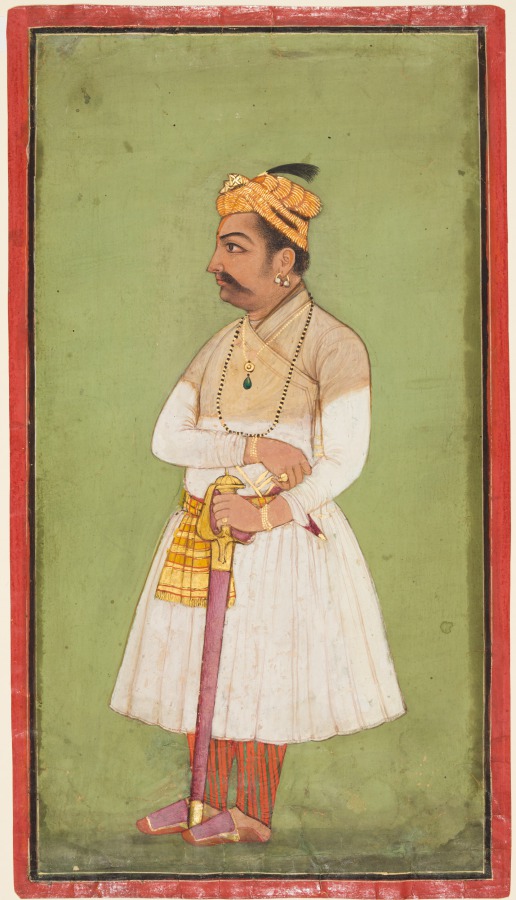
Madhava faces a man holding a scale, folio 1 from a Madhavanala-Kamakandala (c. 1720; Cleveland 2018.95)

Madhava faces a man holding a scale, folio 1 from a Madhavanala-Kamakandala (c. 1720): Art, History and Details

Madhava faces a man holding a scale, folio 1 from a Madhavanala-Kamakandala at the Cleveland Museum of Art: c. 1720, gum tempera, ink, and gold on paper. Explore the work's context, creator attribution and collection history.

Raja Hari Sen of Mandi (c. 1650; Cleveland 2018.96)

Raja Hari Sen of Mandi (c. 1650): Art, History and Details

Raja Hari Sen of Mandi at the Cleveland Museum of Art: c. 1650, Gum tempera, ink, and gold on paper. Explore the work's context, creator attribution and collection history.

Adoration of young Krishna (c. 1720–25; Cleveland 2018.97)

Adoration of young Krishna (c. 1720–25): Art, History and Details

Adoration of young Krishna at the Cleveland Museum of Art: c. 1720–25, gum tempera on paper. Explore the work's context, creator attribution and collection history.

Goddess standing on a mountaintop (c. 1720; Cleveland 2018.98)

Goddess standing on a mountaintop (c. 1720): Art, History and Details

Goddess standing on a mountaintop at the Cleveland Museum of Art: c. 1720, Gum tempera and gold on paper. Explore the work's context, creator attribution and collection history.

A Mandi royal family member receives a noble (c. 1700–1720; Cleveland 2018.99)

A Mandi royal family member receives a noble (c. 1700–1720): Art, History and Details

A Mandi royal family member receives a noble at the Cleveland Museum of Art: c. 1700–1720, Gum tempera and silver on paper. Explore the work's context, creator attribution and collection history.

Woman Entering a Fiacre (recto) (late 1800s; Cleveland 2018.45.a)

Woman Entering a Fiacre (recto) (late 1800s): Art, History and Details

Woman Entering a Fiacre (recto) at the Cleveland Museum of Art: late 1800s, Charcoal with black ink framing lines. Explore the work's context, creator attribution and collection history.

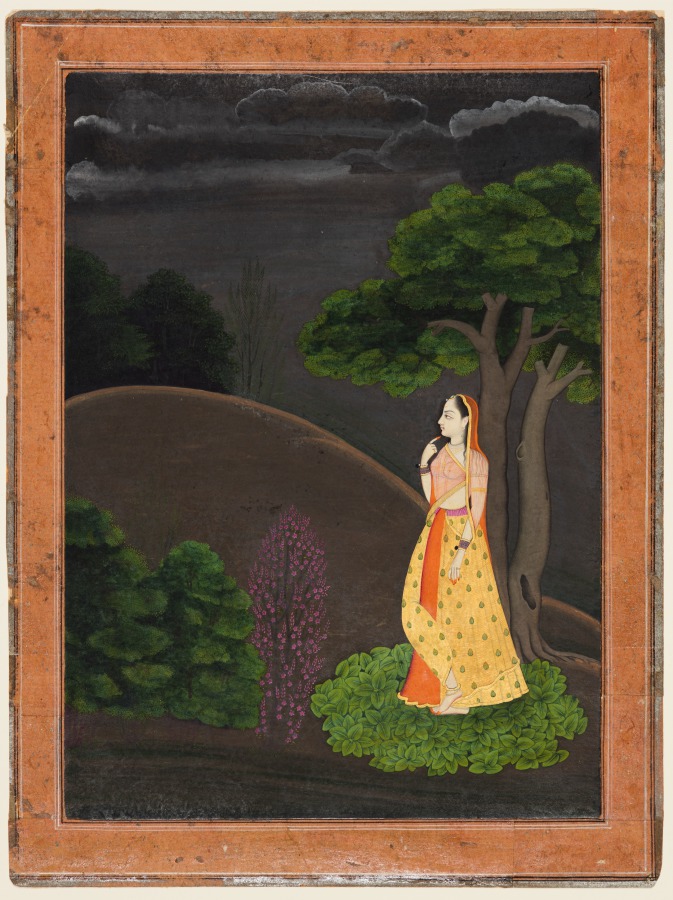
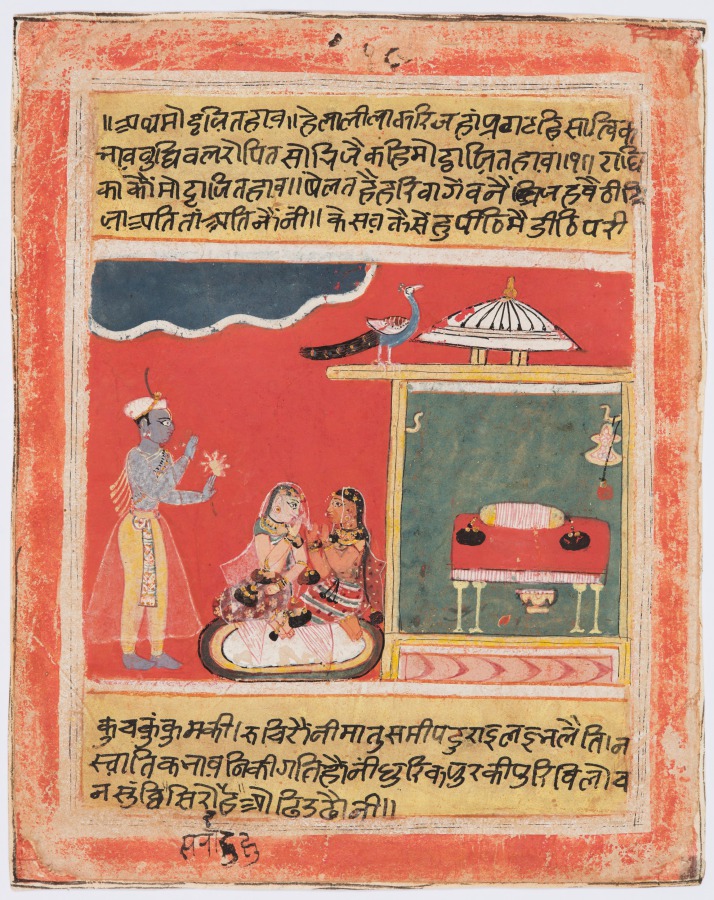
The Heroine Who Waits Anxiously for Her Absent Lover: Utka Nayika (c. 1734–50; Cleveland 2018.103)

The Heroine Who Waits Anxiously for Her Absent Lover: Utka Nayika (c. 1734–50): Art, History and Details

The Heroine Who Waits Anxiously for Her Absent Lover: Utka Nayika at the Cleveland Museum of Art: c. 1734–50, Gum tempera and gold on paper. Explore the work's context, creator attribution and collection history.

Krishna celebrates Holi (c. 1770; Cleveland 2018.104)

Krishna celebrates Holi (c. 1770): Art, History and Details

Krishna celebrates Holi at the Cleveland Museum of Art: c. 1770, gum tempera, gold, and silver on paper. Explore the work's context, creator attribution and collection history.

Palace women enjoy music by the side of a cascade (c. 1780; Cleveland 2018.105)

Palace women enjoy music by the side of a cascade (c. 1780): Art, History and Details

Palace women enjoy music by the side of a cascade at the Cleveland Museum of Art: c. 1780, gum tempera, gold and silver on paper. Explore the work's context, creator attribution and collection history.

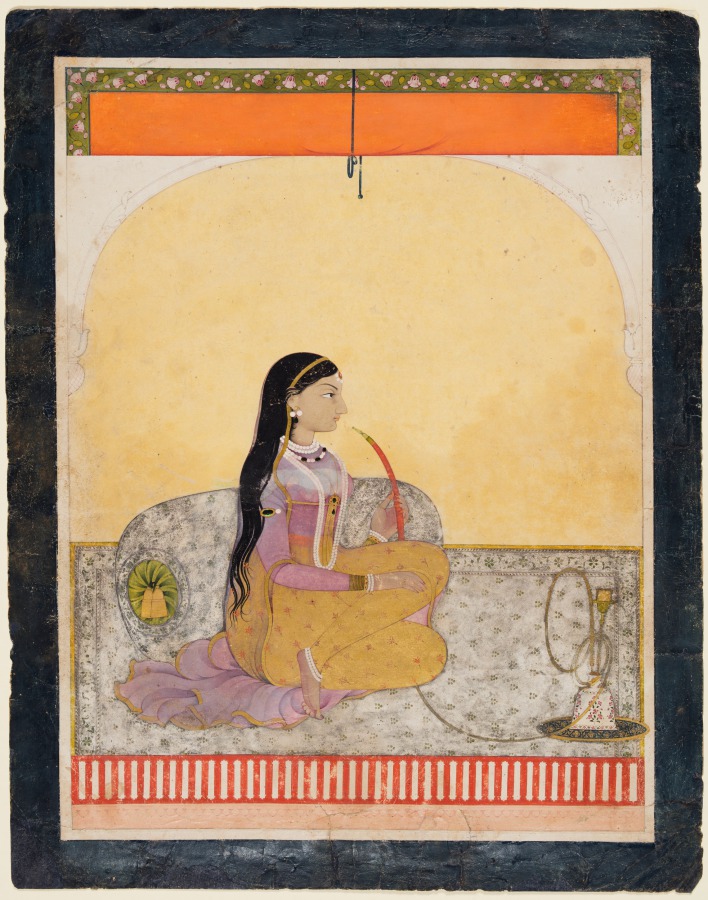
Princess smoking a hookah (c. 1760; Cleveland 2018.106)

Princess smoking a hookah (c. 1760): Art, History and Details

Princess smoking a hookah at the Cleveland Museum of Art: c. 1760, gum tempera, ink, gold, and beetle-wing carapaces on paper. Explore the work's context, creator attribution and collection history.

Shurpanakha demands vengeance, from the "Shangri" Ramayana (c. 1700; Cleveland 2018.107)

Shurpanakha demands vengeance, from the "Shangri" Ramayana (c. 1700): Art, History and Details

Shurpanakha demands vengeance, from the "Shangri" Ramayana at the Cleveland Museum of Art: c. 1700, Gum tempera, ink, and gold on paper. Explore the work's context, creator attribution and collection history.

Heroine with attendant and a pair of deer (c. 1710–20; Cleveland 2018.108)

Heroine with attendant and a pair of deer (c. 1710–20): Art, History and Details

Heroine with attendant and a pair of deer at the Cleveland Museum of Art: c. 1710–20, gum tempera on paper. Explore the work's context, creator attribution and collection history.

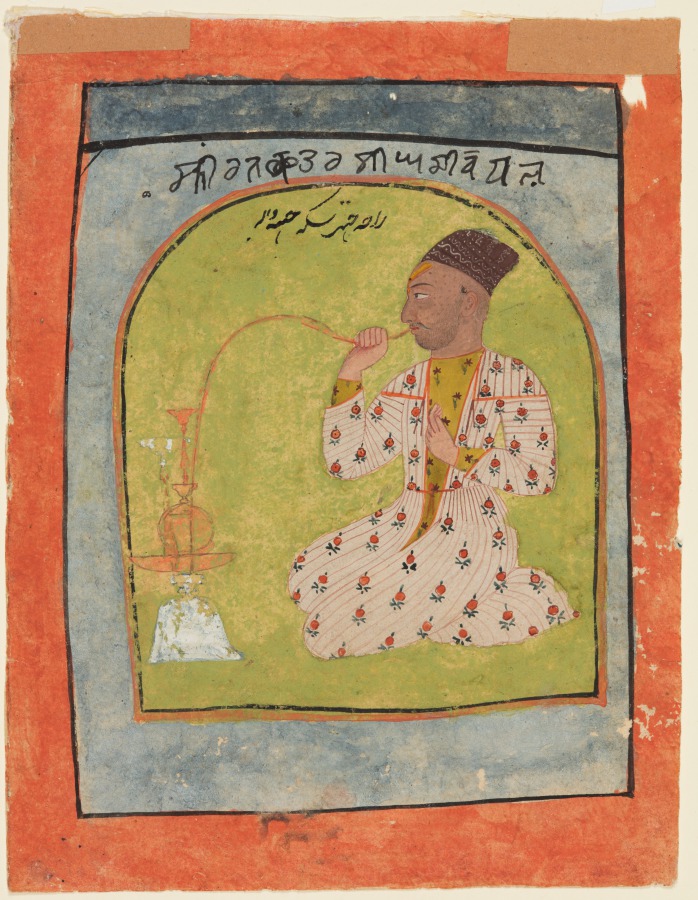
Posthumous portrait of Raja Chhatar Singh of Chamba smoking a hookah (c. 1700; Cleveland 2018.109)

Posthumous portrait of Raja Chhatar Singh of Chamba smoking a hookah (c. 1700): Art, History and Details

Posthumous portrait of Raja Chhatar Singh of Chamba smoking a hookah at the Cleveland Museum of Art: c. 1700, Gum tempera and ink on paper. Explore the work's context, creator attribution and collection history.

A couple seated against two pillows engaged in sex, from an erotic series (c. 1700–1710; Cleveland 2018.110)

A couple seated against two pillows engaged in sex, from an erotic series (c. 1700–1710): Art, History and Details

A couple seated against two pillows engaged in sex, from an erotic series at the Cleveland Museum of Art: c. 1700–1710, gum tempera on paper. Explore the work's context, creator attribution and collection history.

Descent of the Ganges (c. 1700–1710; Cleveland 2018.111)

Descent of the Ganges (c. 1700–1710): Art, History and Details

Descent of the Ganges at the Cleveland Museum of Art: c. 1700–1710, Gum tempera and gold on paper. Explore the work's context, creator attribution and collection history.

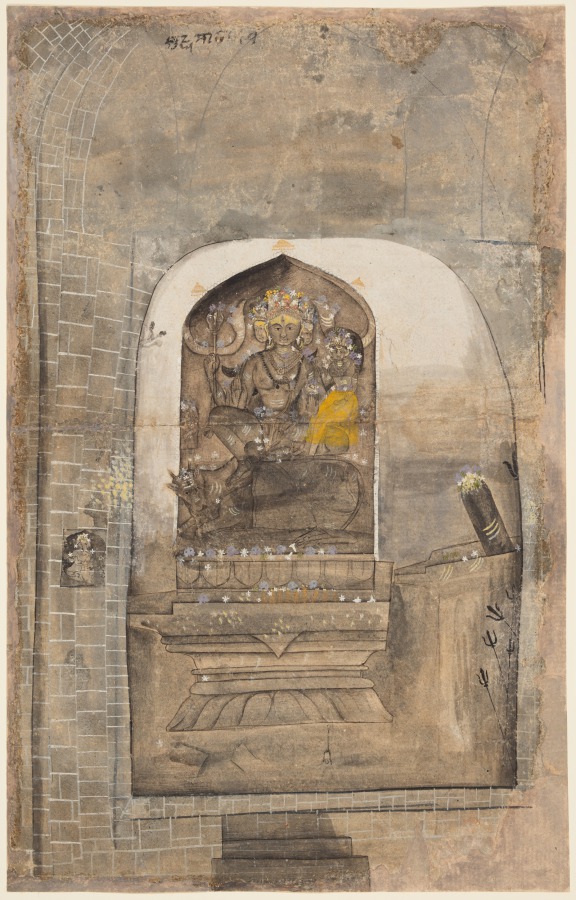
Stone sculptures in a Shiva temple (c. 1710; Cleveland 2018.112)

Stone sculptures in a Shiva temple (c. 1710): Art, History and Details

Stone sculptures in a Shiva temple at the Cleveland Museum of Art: c. 1710, gum tempera and ink on paper. Explore the work's context, creator attribution and collection history.

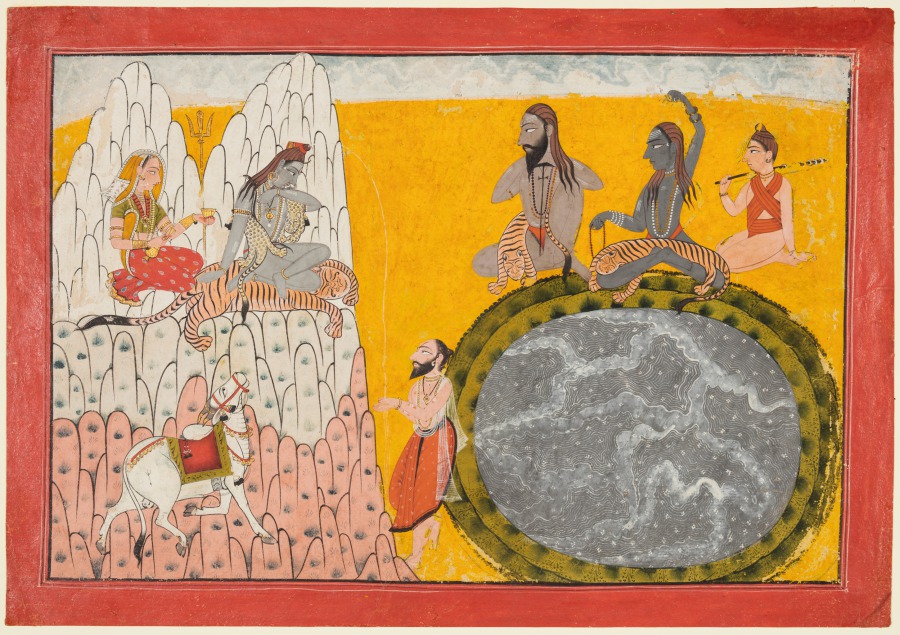
Shiva Seated on a Throne in a Landscape (c. 1755; Cleveland 2018.113)

Shiva Seated on a Throne in a Landscape (c. 1755): Art, History and Details

Shiva Seated on a Throne in a Landscape at the Cleveland Museum of Art: c. 1755, gum tempera on paper. Explore the work's context, creator attribution and collection history.

The Heroine Who Waits Anxiously for Her Absent Lover: Utka Nayika (c. 1760–65; Cleveland 2018.114)

The Heroine Who Waits Anxiously for Her Absent Lover: Utka Nayika (c. 1760–65): Art, History and Details

The Heroine Who Waits Anxiously for Her Absent Lover: Utka Nayika at the Cleveland Museum of Art: c. 1760–65, Gum tempera and gold on paper. Explore the work's context, creator attribution and collection history.

The Morning Toilette (1810–25; Cleveland 2018.115)

The Morning Toilette (1810–25): Art, History and Details

The Morning Toilette at the Cleveland Museum of Art: 1810–25, gum tempera and gold on paper. Explore the work's context, creator attribution and collection history.

A heroine waiting for her lover: Vasakasajja Nayika, from the "Nurpur" Rasikapriya (c. 1750; Cleveland 2018.116)

A heroine waiting for her lover: Vasakasajja Nayika, from the "Nurpur" Rasikapriya (c. 1750): Art, History and Details

A heroine waiting for her lover: Vasakasajja Nayika, from the "Nurpur" Rasikapriya at the Cleveland Museum of Art: c. 1750, Gum tempera and gold on paper. Explore the work's context, creator attribution and collection history.

Enthroned Rama and Sita receive homage from their monkey and bear Allies, from the Yuddha Kanda (Book of the War) of a Ramayana (Rama’s Journey) (c. 1765; Cleveland 2018.117)

Enthroned Rama and Sita receive homage from their monkey and bear Allies, from the Yuddha Kanda (Book of the War) of a Ramayana (Rama’s Journey) (c. 1765): Art, History and Details

Enthroned Rama and Sita receive homage from their monkey and bear Allies, from the Yuddha Kanda (Book of the War) of a Ramayana (Rama’s Journey) at the Cleveland Museum of Art: c. 1765, gum tempera and gold on paper. Explore the work's cont

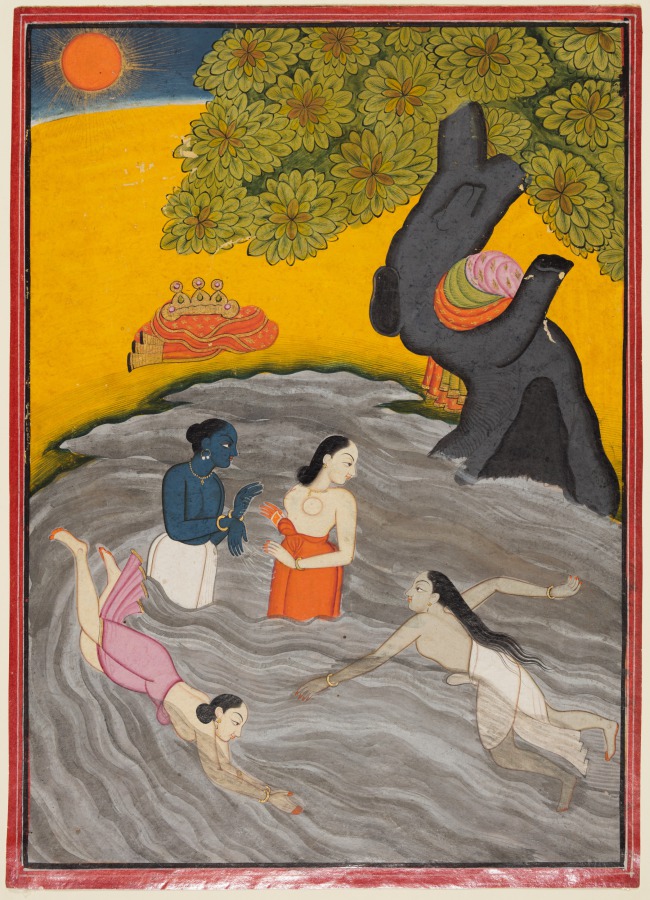
Krishna Playing with the Gopis in the Yamuna (c. 1770; Cleveland 2018.118)

Krishna Playing with the Gopis in the Yamuna (c. 1770): Art, History and Details

Krishna Playing with the Gopis in the Yamuna at the Cleveland Museum of Art: c. 1770, gum tempera and gold on paper. Explore the work's context, creator attribution and collection history.

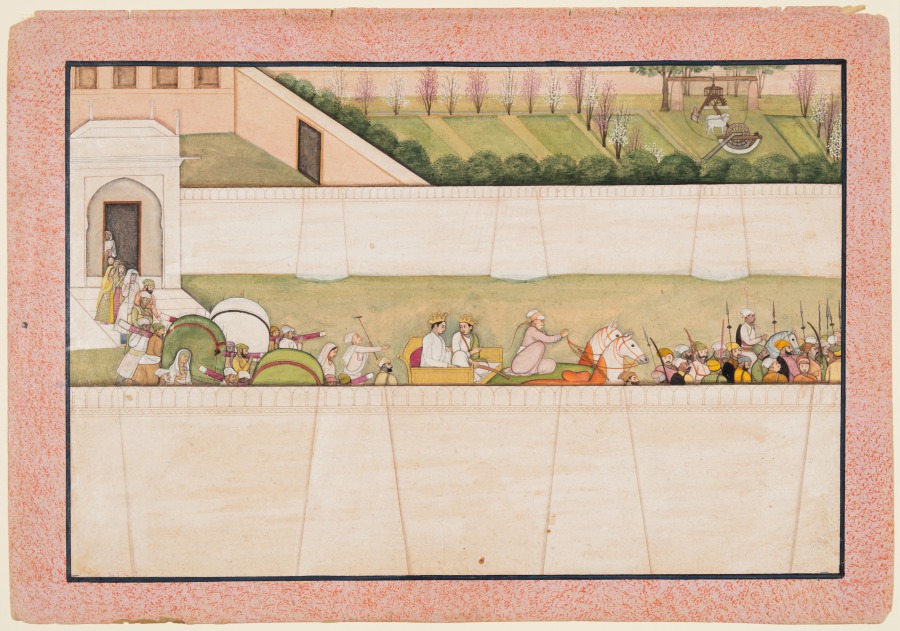
Rama’s brothers Bharata and Shatrughna set out from Ayodhya to find Rama and Lakshmana in the forest to inform them of the death of their father Dasharatha, from Chapter 77 of the Ayodhya Kanda (Book of Ayodhya) of a Ramayana (Rama’s Journey) (c. 1775–80; Cleveland 2018.119)

Rama’s brothers Bharata and Shatrughna set out from Ayodhya to find Rama and Lakshmana in the forest to inform them of the death of their father Dasharatha, from Chapter 77 of the Ayodhya Kanda (Book

Rama’s brothers Bharata and Shatrughna set out from Ayodhya to find Rama and Lakshmana in the forest to inform them of the death of their father Dasharatha, from Chapter 77 of the Ayodhya Kanda (Book of Ayodhya) of a Ramayana (Rama’s Journe

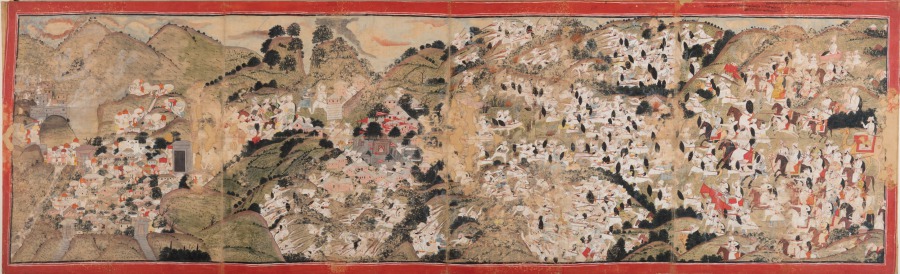
Raja Sansar Chand attacking Kangra Fort (after 1782; Cleveland 2018.120)

Raja Sansar Chand attacking Kangra Fort (after 1782): Art, History and Details

Raja Sansar Chand attacking Kangra Fort at the Cleveland Museum of Art: after 1782, Gum tempera, ink, and gold on cotton cloth. Explore the work's context, creator attribution and collection history.

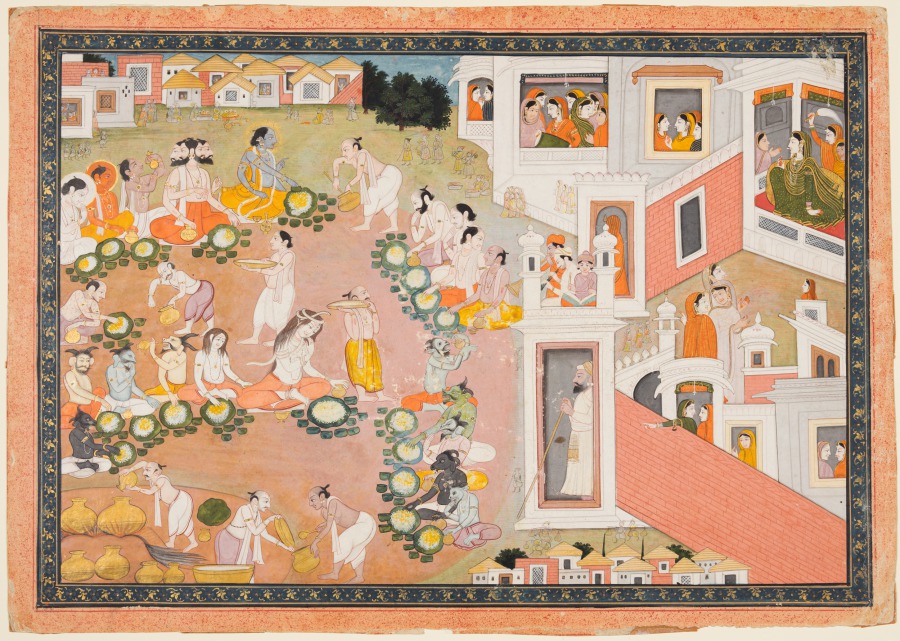
Feast where Vishnu decides he will incarnate as King Dasharatha’s sons, from Chapters 14–15 of the "Bala Kanda" (Book of Childhood) of a Ramayana (Rama’s Journey) (c. 1810; Cleveland 2018.121)

Feast where Vishnu decides he will incarnate as King Dasharatha’s sons, from Chapters 14–15 of the "Bala Kanda" (Book of Childhood) of a Ramayana (Rama’s Journey) (c. 1810): Art, History and Details

Feast where Vishnu decides he will incarnate as King Dasharatha’s sons, from Chapters 14–15 of the "Bala Kanda" (Book of Childhood) of a Ramayana (Rama’s Journey) at the Cleveland Museum of Art: c. 1810, Gum tempera and gold on paper. Explo

Rama and Lakshmana slay the demon giant Viradha, from Chapters 2 through 4 of the Aranya Kanda (Book of the Forest) of a Ramayana (Rama’s Journey) (c. 1770; Cleveland 2018.122)

Rama and Lakshmana slay the demon giant Viradha, from Chapters 2 through 4 of the Aranya Kanda (Book of the Forest) of a Ramayana (Rama’s Journey) (c. 1770): Art, History and Details

Rama and Lakshmana slay the demon giant Viradha, from Chapters 2 through 4 of the Aranya Kanda (Book of the Forest) of a Ramayana (Rama’s Journey) at the Cleveland Museum of Art: c. 1770, gum tempera and gold on paper. Explore the work's co

The Lover Leaves Wistfully in the Morning after a Passionate Tryst: Lalit Ragini, from a Ragamala (c. 1600; Cleveland 2018.123)

The Lover Leaves Wistfully in the Morning after a Passionate Tryst: Lalit Ragini, from a Ragamala (c. 1600): Art, History and Details

The Lover Leaves Wistfully in the Morning after a Passionate Tryst: Lalit Ragini, from a Ragamala at the Cleveland Museum of Art: c. 1600, Gum tempera and gold on paper. Explore the work's context, creator attribution and collection history

The Sentiment of Peace: Sama Rasa, from a Rasikapriya (1634; Cleveland 2018.124)

The Sentiment of Peace: Sama Rasa, from a Rasikapriya (1634): Art, History and Details

The Sentiment of Peace: Sama Rasa, from a Rasikapriya at the Cleveland Museum of Art: 1634, Gum tempera and gold on paper. Explore the work's context, creator attribution and collection history.

Krishna and Radha Avoid Embarrassment: Mottaita Bhava, from a Rasikapriya (c. 1640; Cleveland 2018.125)

Krishna and Radha Avoid Embarrassment: Mottaita Bhava, from a Rasikapriya (c. 1640): Art, History and Details

Krishna and Radha Avoid Embarrassment: Mottaita Bhava, from a Rasikapriya at the Cleveland Museum of Art: c. 1640, Gum tempera and gold on paper. Explore the work's context, creator attribution and collection history.

Krishna and the Cowherds Dive into the River, from a Rasikapriya (c. 1640; Cleveland 2018.126)

Krishna and the Cowherds Dive into the River, from a Rasikapriya (c. 1640): Art, History and Details

Krishna and the Cowherds Dive into the River, from a Rasikapriya at the Cleveland Museum of Art: c. 1640, gum tempera, ink, and gold on paper. Explore the work's context, creator attribution and collection history.

Abduction of Rukmini: Krishna Tied the Hands of Rukma, from a Bhagavata Purana (c. 1640; Cleveland 2018.127)

Abduction of Rukmini: Krishna Tied the Hands of Rukma, from a Bhagavata Purana (c. 1640): Art, History and Details

Abduction of Rukmini: Krishna Tied the Hands of Rukma, from a Bhagavata Purana at the Cleveland Museum of Art: c. 1640, Gum tempera, ink, and gold on paper. Explore the work's context, creator attribution and collection history.

The Goddess Annihilates the Demon Raktabija, from a Devi-Mahatmya (c. 1640; Cleveland 2018.128)

The Goddess Annihilates the Demon Raktabija, from a Devi-Mahatmya (c. 1640): Art, History and Details

The Goddess Annihilates the Demon Raktabija, from a Devi-Mahatmya at the Cleveland Museum of Art: c. 1640, gum tempera, ink, and gold on paper. Explore the work's context, creator attribution and collection history.

Rama, Sita, and Lakshmana visit the hermitage of the sage Bharadvaja at Prayaga, from Chapter 48 of the Ayodhya Kanda (Book of Ayodhya) of a Ramayana (Rama’s Journey) (c. 1650; Cleveland 2018.129)

Rama, Sita, and Lakshmana visit the hermitage of the sage Bharadvaja at Prayaga, from Chapter 48 of the Ayodhya Kanda (Book of Ayodhya) of a Ramayana (Rama’s Journey) (c. 1650): Art, History and Detai

Rama, Sita, and Lakshmana visit the hermitage of the sage Bharadvaja at Prayaga, from Chapter 48 of the Ayodhya Kanda (Book of Ayodhya) of a Ramayana (Rama’s Journey) at the Cleveland Museum of Art: c. 1650, gum tempera, ink, and gold on pa

Two Women Pluck Flowers on a Terrace: Gunakali Ragini, from a Ragamala (c. 1650; Cleveland 2018.130)

Two Women Pluck Flowers on a Terrace: Gunakali Ragini, from a Ragamala (c. 1650): Art, History and Details

Two Women Pluck Flowers on a Terrace: Gunakali Ragini, from a Ragamala at the Cleveland Museum of Art: c. 1650, Gum tempera and gold on paper. Explore the work's context, creator attribution and collection history.

Three Musicians Perform Before a King: Shri Raga, from a Ragamala (c. 1650; Cleveland 2018.131)

Three Musicians Perform Before a King: Shri Raga, from a Ragamala (c. 1650): Art, History and Details

Three Musicians Perform Before a King: Shri Raga, from a Ragamala at the Cleveland Museum of Art: c. 1650, gum tempera, ink, and gold on paper. Explore the work's context, creator attribution and collection history.

Women Play Music for Radha and Krishna: Chitrini Nayika, from a Rasikapriya (c. 1650; Cleveland 2018.132)

Women Play Music for Radha and Krishna: Chitrini Nayika, from a Rasikapriya (c. 1650): Art, History and Details

Women Play Music for Radha and Krishna: Chitrini Nayika, from a Rasikapriya at the Cleveland Museum of Art: c. 1650, gum tempera, ink, and gold on paper. Explore the work's context, creator attribution and collection history.

A Brahmin gives Krishna the Message or Invitation for the Competition to Rukmini’s Svayamvara, from a Bhagavata Purana (c. 1650–60; Cleveland 2018.133)

A Brahmin gives Krishna the Message or Invitation for the Competition to Rukmini’s Svayamvara, from a Bhagavata Purana (c. 1650–60): Art, History and Details

A Brahmin gives Krishna the Message or Invitation for the Competition to Rukmini’s Svayamvara, from a Bhagavata Purana at the Cleveland Museum of Art: c. 1650–60, Gum tempera and gold on paper. Explore the work's context, creator attributio

Krishna Lifts Mount Govardhan, from a Bhagavata Purana (1686; Cleveland 2018.134)

Krishna Lifts Mount Govardhan, from a Bhagavata Purana (1686): Art, History and Details

Krishna Lifts Mount Govardhan, from a Bhagavata Purana at the Cleveland Museum of Art: 1686, Gum tempera on paper. Explore the work's context, creator attribution and collection history.

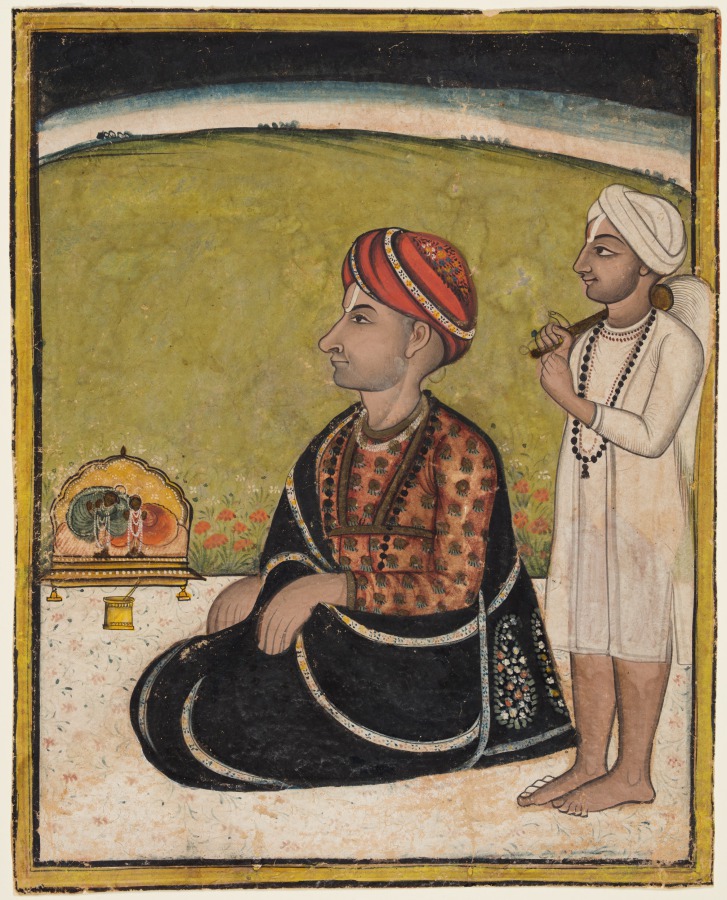
A Ruler Seated on a Terrace Worshipping at a Shrine of Radha and Krishna (c. 1800; Cleveland 2018.135)

A Ruler Seated on a Terrace Worshipping at a Shrine of Radha and Krishna (c. 1800): Art, History and Details

A Ruler Seated on a Terrace Worshipping at a Shrine of Radha and Krishna at the Cleveland Museum of Art: c. 1800, gum tempera and gold on paper. Explore the work's context, creator attribution and collection history.