Large Jar (1400s): Art, History and Details
Large Jar at the Cleveland Museum of Art: 1400s, stoneware with natural ash glaze (Shigaraki ware). Explore the work's context, creator attribution and collection history.
Oldest entries first, in a fixed order. Newly added articles appear at the end. Explore a shuffled selection →
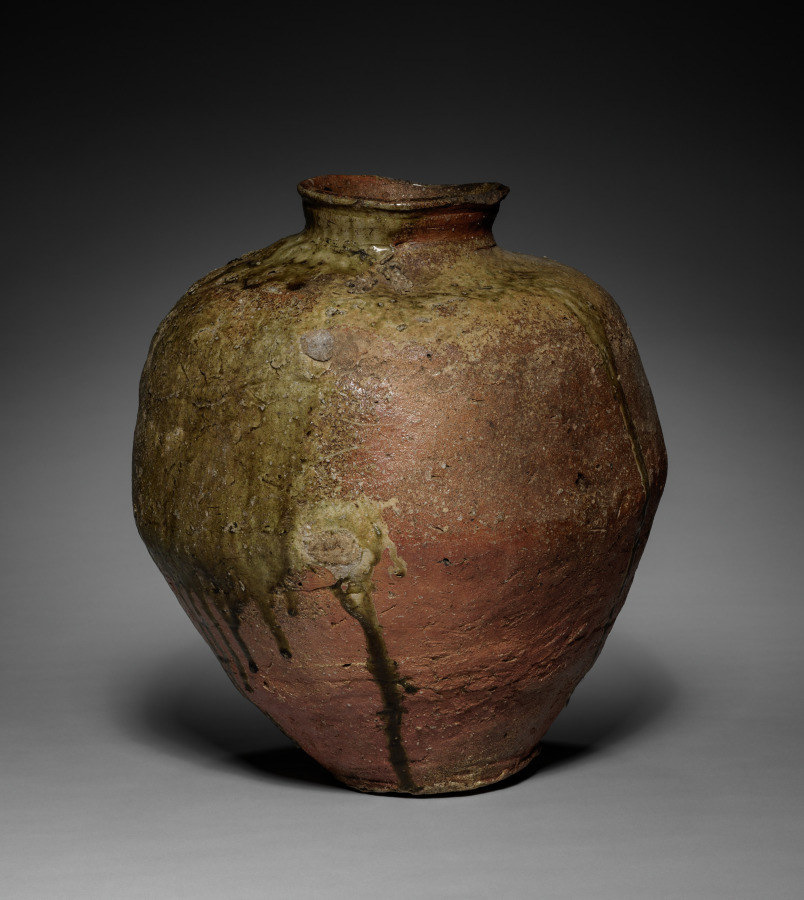
Large Jar at the Cleveland Museum of Art: 1400s, stoneware with natural ash glaze (Shigaraki ware). Explore the work's context, creator attribution and collection history.

Pair of Qingbai Ware Bowls with Covers at the Cleveland Museum of Art: 1100s–1200s, Porcelain with pale bluish-white (qingbai; 青白) glaze; silver mount. Explore the work's context, creator attribution and collection history.

Qingbai Ware Bowl with Cover at the Cleveland Museum of Art: 1100s–1200s, Porcelain with pale bluish-white glaze, Qingbai ware; silver mount. Explore the work's context, creator attribution and collection history.

Qingbai Ware Bowl with Cover at the Cleveland Museum of Art: 1100s–1200s, Porcelain with pale bluish-white glaze, Qingbai ware; silver mount. Explore the work's context, creator attribution and collection history.
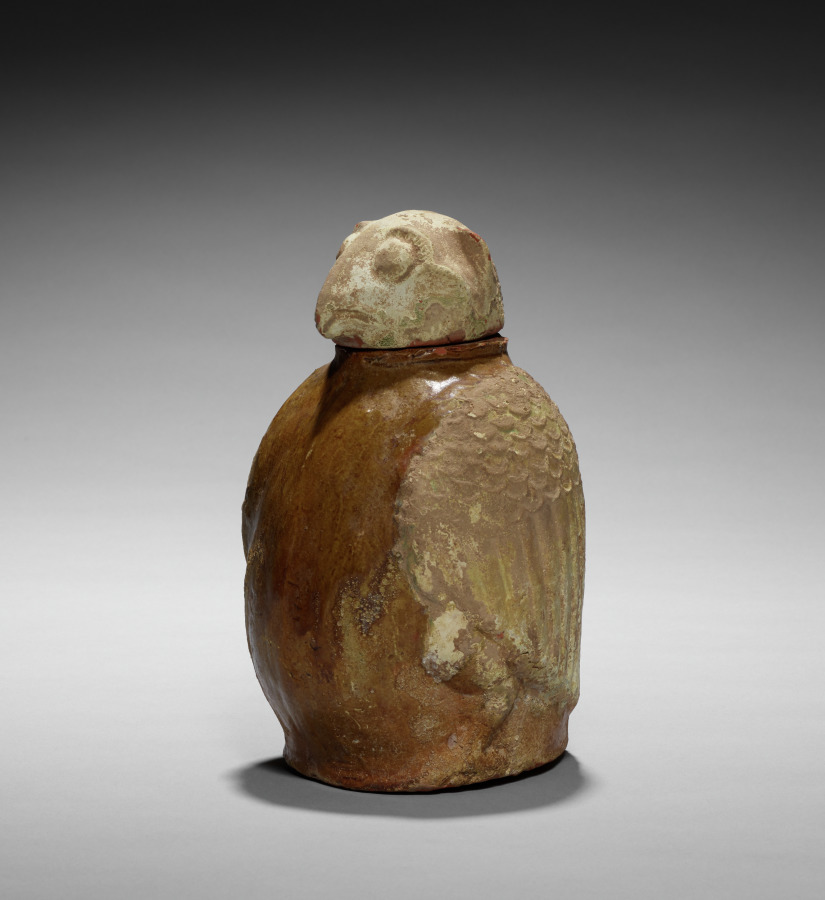
Owl-shaped Jar at the Cleveland Museum of Art: 206 BCE–9 CE, Amber-brown glazed low-fired pottery. Explore the work's context, creator attribution and collection history.
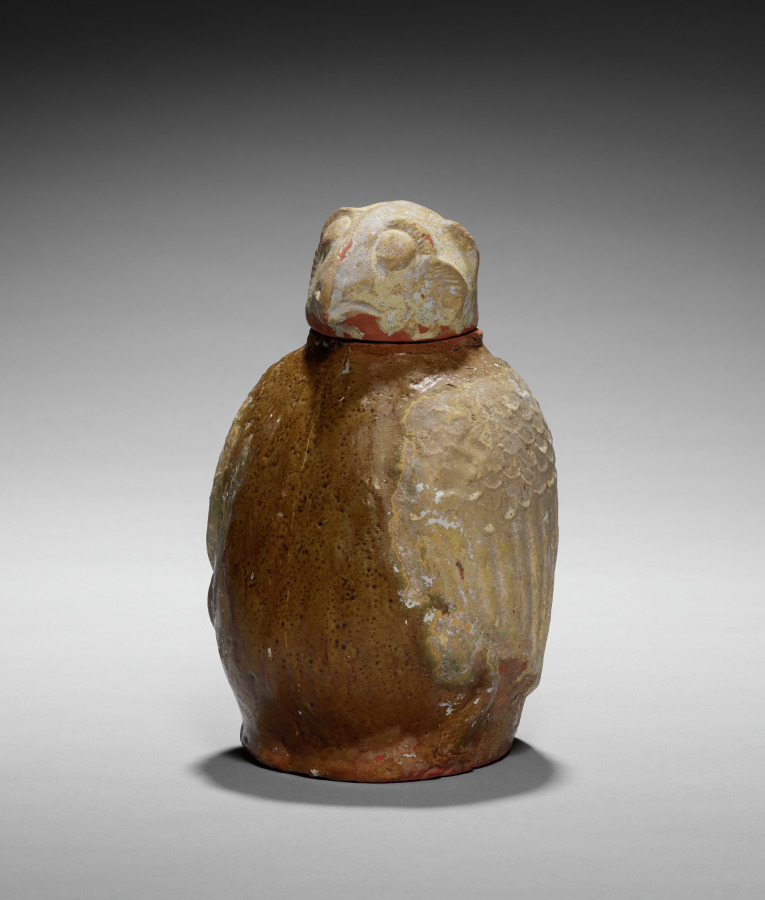
Owl-shaped Jar at the Cleveland Museum of Art: 206 BCE–9 CE, Amber-brown glazed low-fired pottery. Explore the work's context, creator attribution and collection history.
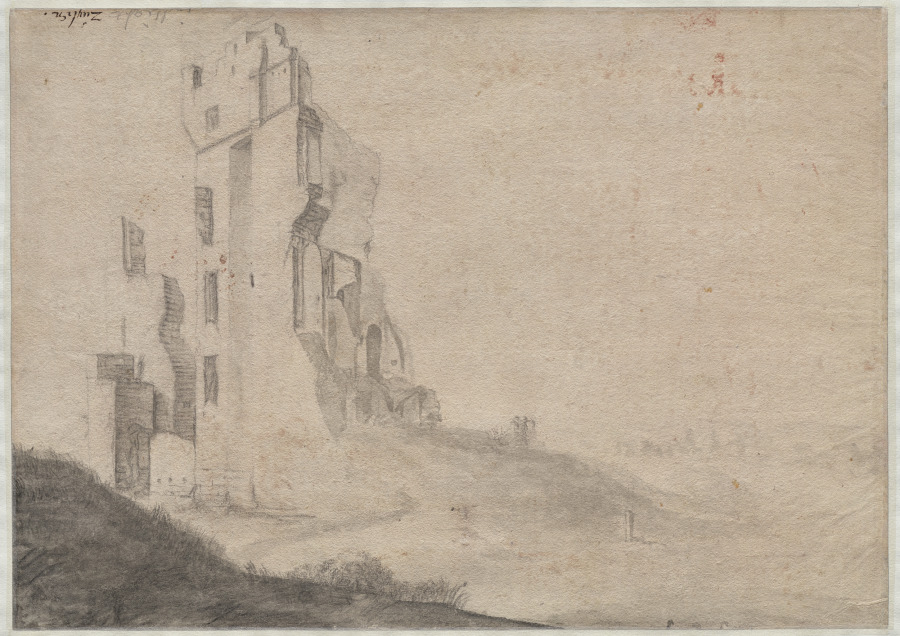
Ruin of the huis Ter Kleef near Haarlem at the Cleveland Museum of Art: c. 1646–47, black chalk on paper. Explore the work's context, creator attribution and collection history.

Zuylen Castle, near Utrecht (recto)/Ruin of the huis Ter Kleef, near Haarlem (verso) at the Cleveland Museum of Art: 1646, Black chalk and wetted charcoal on cream laid paper. Explore the work's context, creator attribution and collection h

Qingbai Ware Bowl at the Cleveland Museum of Art: 1100s–1200s, Porcelain with pale bluish-white glaze, Qingbai ware; silver mount. Explore the work's context, creator attribution and collection history.

Cover for a Qingbai Ware Bowl at the Cleveland Museum of Art: 1100s–1200s, Porcelain with pale bluish-white glaze, Qingbai ware. Explore the work's context, creator attribution and collection history.
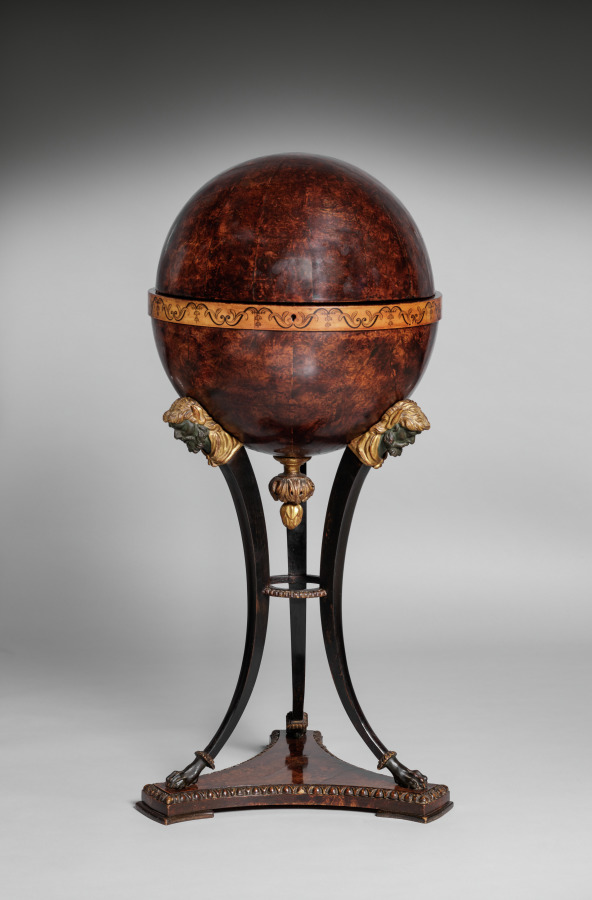
Globe Work Table (Globustisch) at the Cleveland Museum of Art: c. 1810–15, Burl walnut veneer, mahogany, ebony, satinwood, gilt wood, painted wood; mirrored glass; metal. Explore the work's context, creator attribution and collection histor
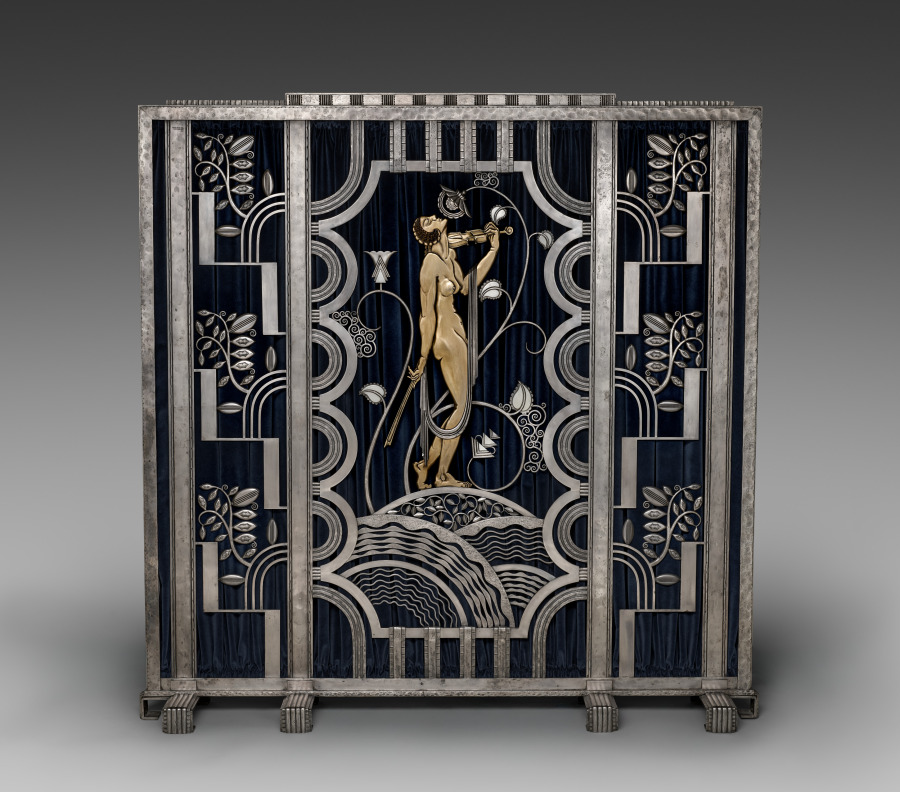
Muse with Violin Screen at the Cleveland Museum of Art: 1930, Steel, brass; silver and gold plating, cotton velveteen. Explore the work's context, creator attribution and collection history.

Pair of Guardian Figures (Zuishin) at the Cleveland Museum of Art: c. 1560–1625, Japanese cypress (hinoki) with traces of color; crystal. Explore the work's context, creator attribution and collection history.
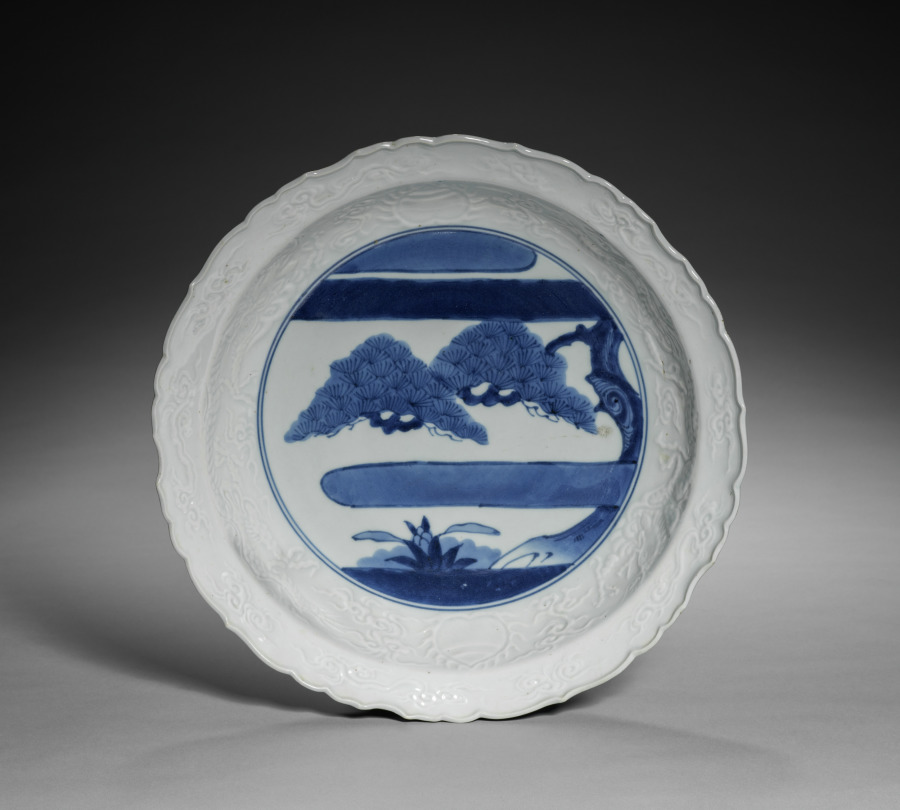
Large Dish with Landscape at the Cleveland Museum of Art: 1750s–80s, porcelain with underglaze blue and molded decoration. Explore the work's context, creator attribution and collection history.
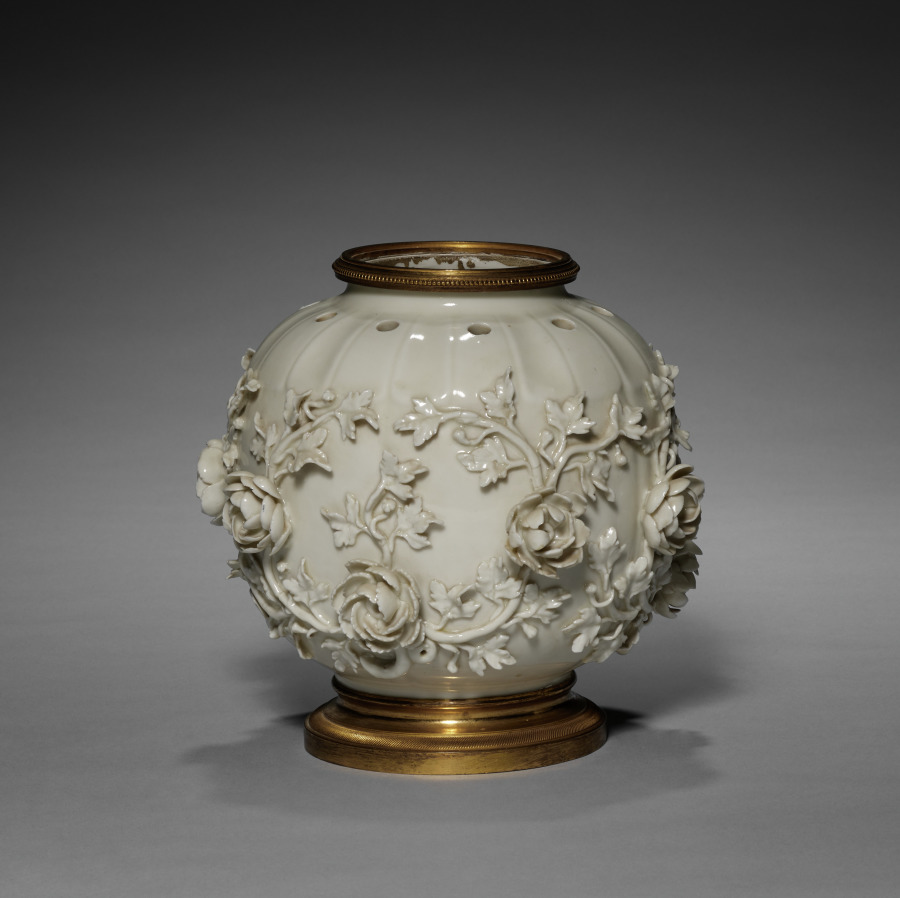
Potpourri Vase at the Cleveland Museum of Art: 1860–80, blanc-de-chine porcelain; gilt bronze mount. Explore the work's context, creator attribution and collection history.
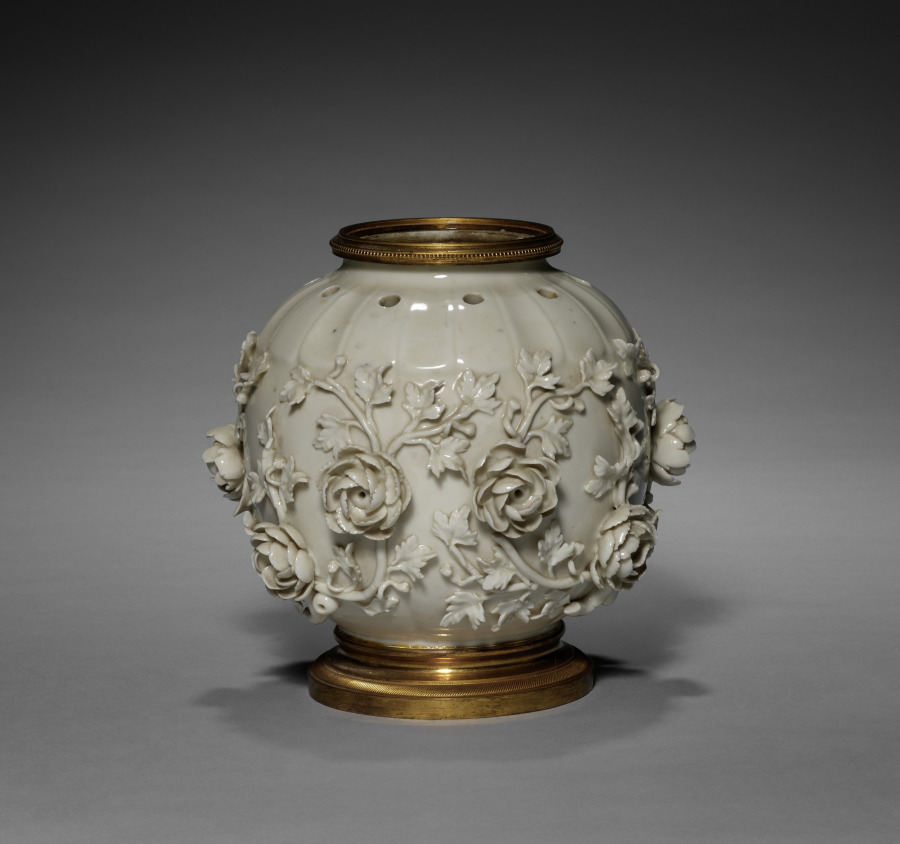
Potpourri Vase at the Cleveland Museum of Art: 1860–1880, blanc-de-chine porcelain; gilt bronze mount. Explore the work's context, creator attribution and collection history.
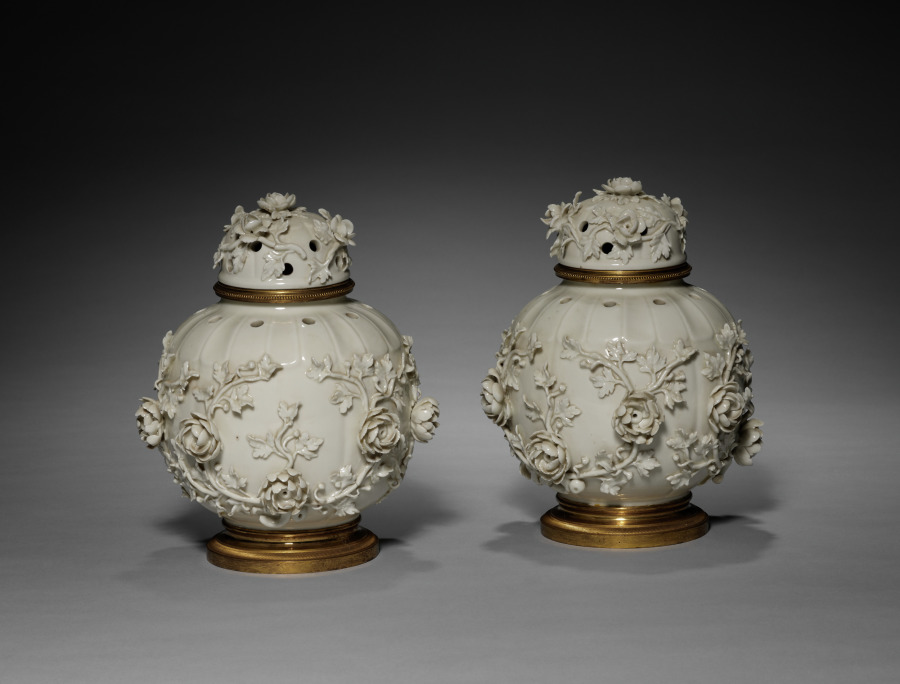
Pair of Potpourri Vases with Covers at the Cleveland Museum of Art: c. 1860–80, blanc-de-chine porcelain; gilt bronze mounts. Explore the work's context, creator attribution and collection history.
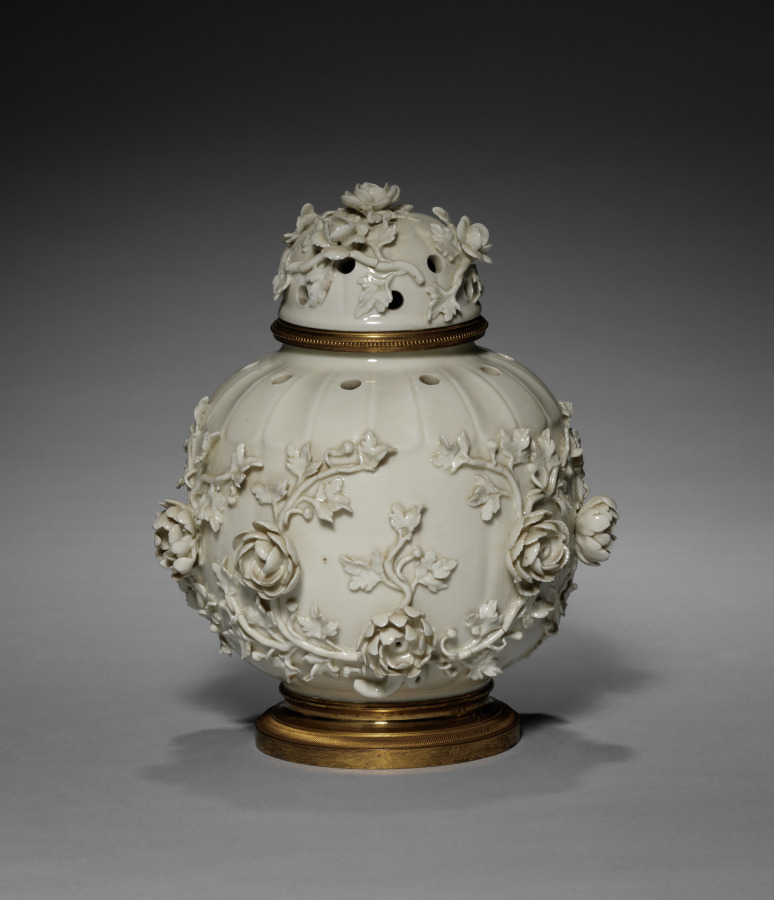
Potpourri Vase with Cover at the Cleveland Museum of Art: c. 1860–80, blanc-de-chine porcelain; gilt bronze mount. Explore the work's context, creator attribution and collection history.

Potpourri Vase with Cover at the Cleveland Museum of Art: c. 1860–80, blanc-de-chine porcelain; gilt bronze mount. Explore the work's context, creator attribution and collection history.

Western Gateway (Gopuram) of the Minakshi Sundareshvara Temple, Madurai at the Cleveland Museum of Art: 1858, albumenized salt print. Explore the work's context, creator attribution and collection history.

Perumal Temple Vimana from Corner of Court, Madurai at the Cleveland Museum of Art: 1858, albumen print from a waxed paper negative. Explore the work's context, creator attribution and collection history.
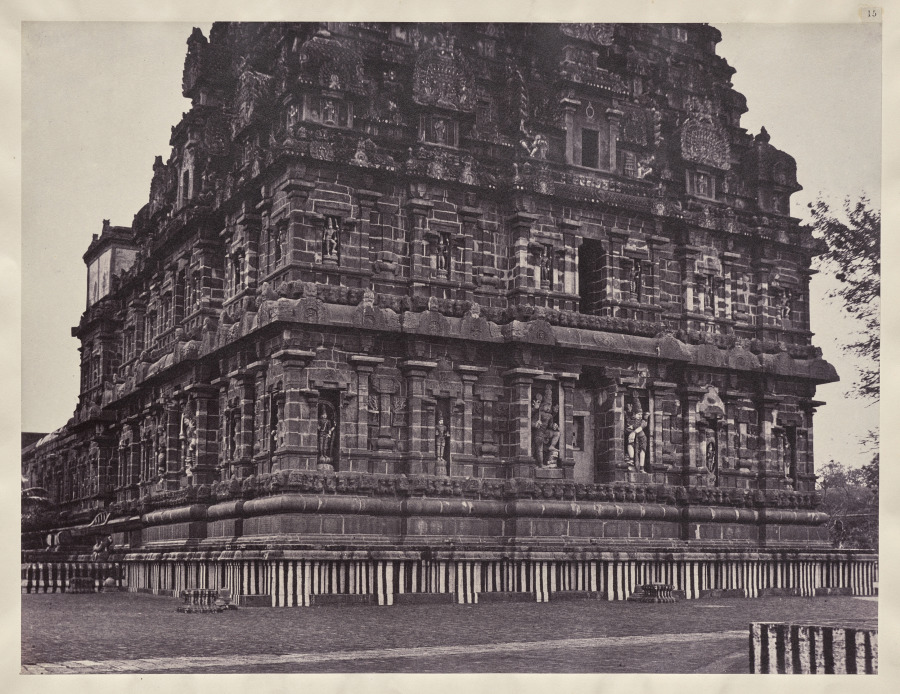
West and South Sides of the Vimana Walls, Great Temple (Brihadeshvara) at Tanjore (Thanjavur) at the Cleveland Museum of Art: 1858, albumenized salt print from a waxed paper negative. Explore the work's context, creator attribution and coll

Pudhu Mandapa of Tirumal Nayak (r. 1623–59), Minakshi Sundareshvara Temple, Madurai at the Cleveland Museum of Art: 1858, albumen print. Explore the work's context, creator attribution and collection history.

Entrance to the Minakshi Sundareshvara Temple, Madurai at the Cleveland Museum of Art: 1858, albumen print from a waxed paper negative. Explore the work's context, creator attribution and collection history.
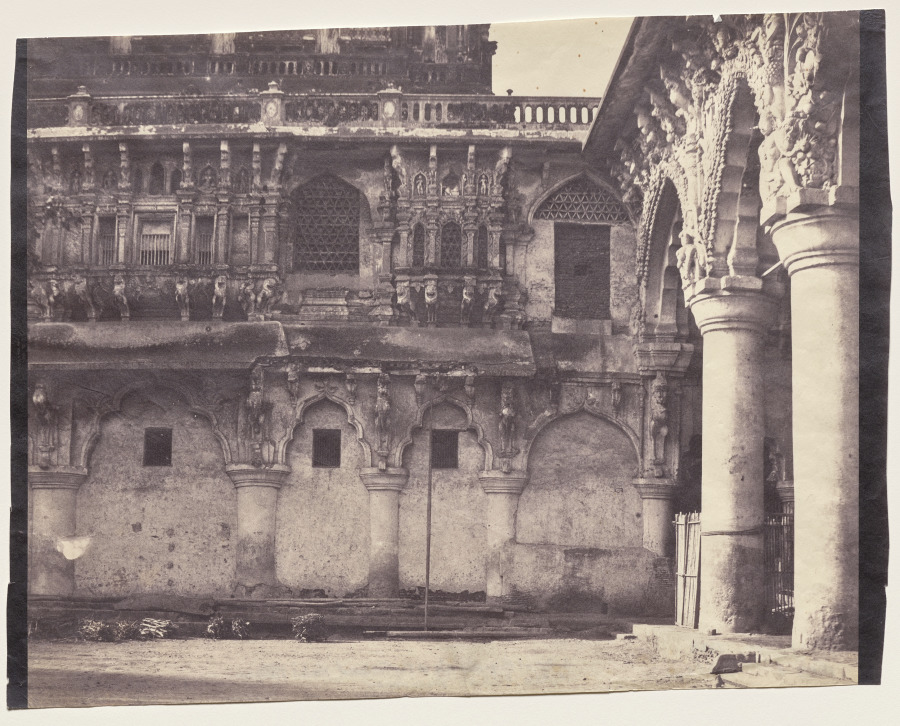
South Façade of the Quadrangle of the Nayak Darbar Hall, Thanjavur at the Cleveland Museum of Art: 1858, albumenized salt print. Explore the work's context, creator attribution and collection history.

Architectural Vessel at the Cleveland Museum of Art: 1–700 CE, ceramic, slip, resist painting. Explore the work's context, creator attribution and collection history.

Bidri Basin at the Cleveland Museum of Art: c. 1650, Zinc alloy with silver and brass inlay. Explore the work's context, creator attribution and collection history.
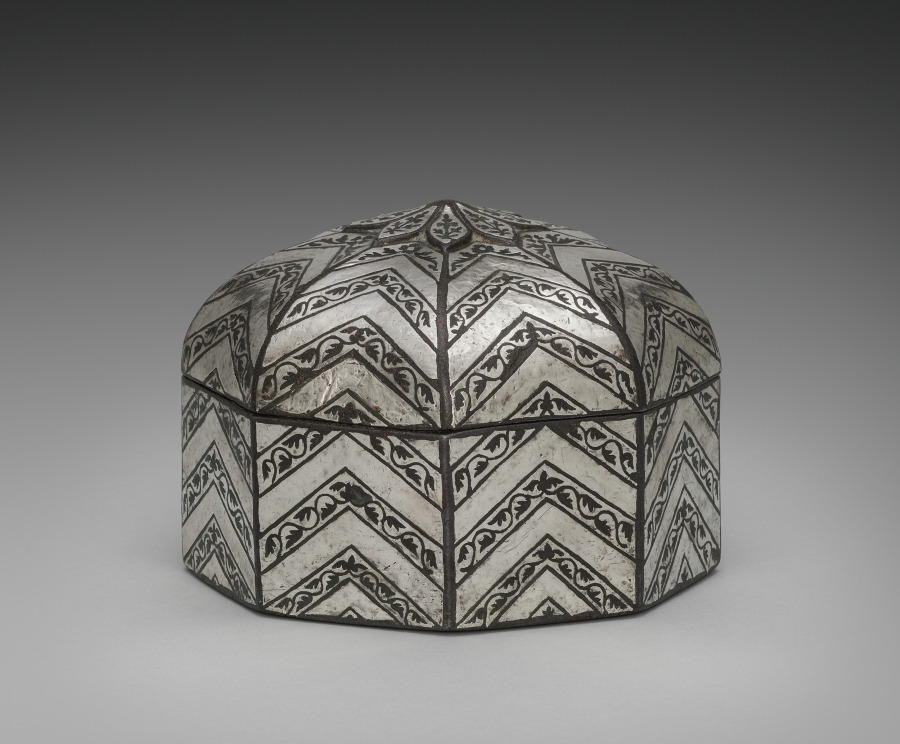
Bidri Pandan with Chevrons at the Cleveland Museum of Art: c. 1700, Zinc alloy with silver overlay. Explore the work's context, creator attribution and collection history.
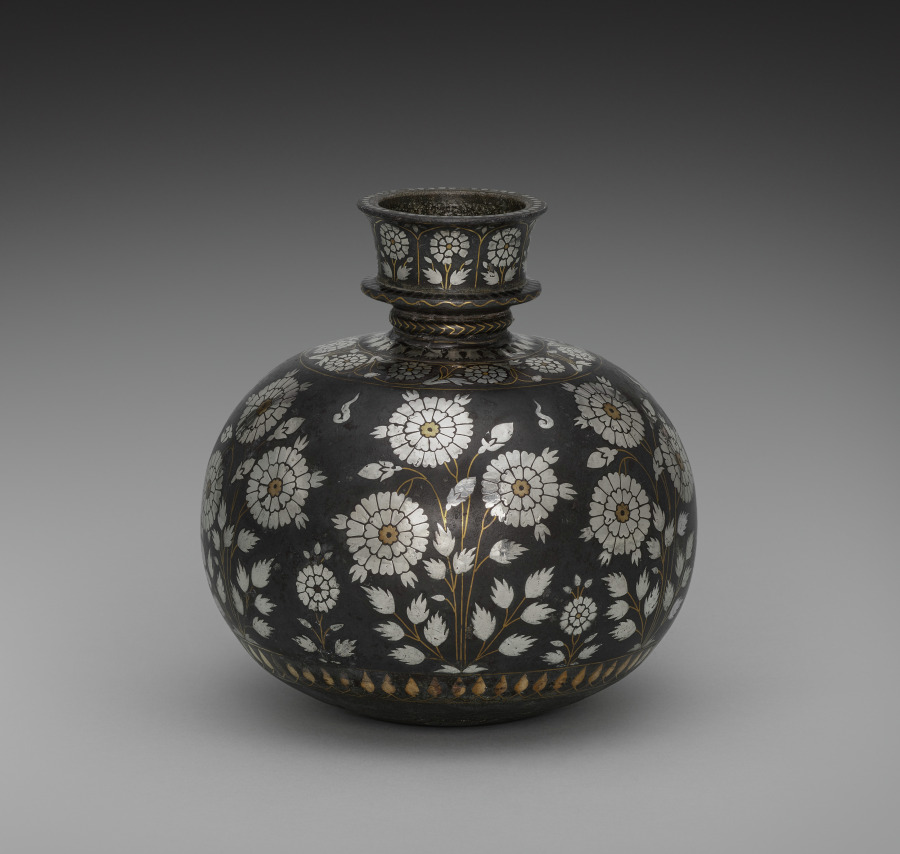
Bidri Hookah Bowl with Roses at the Cleveland Museum of Art: c. 1650s, Zinc alloy with silver and brass inlay. Explore the work's context, creator attribution and collection history.
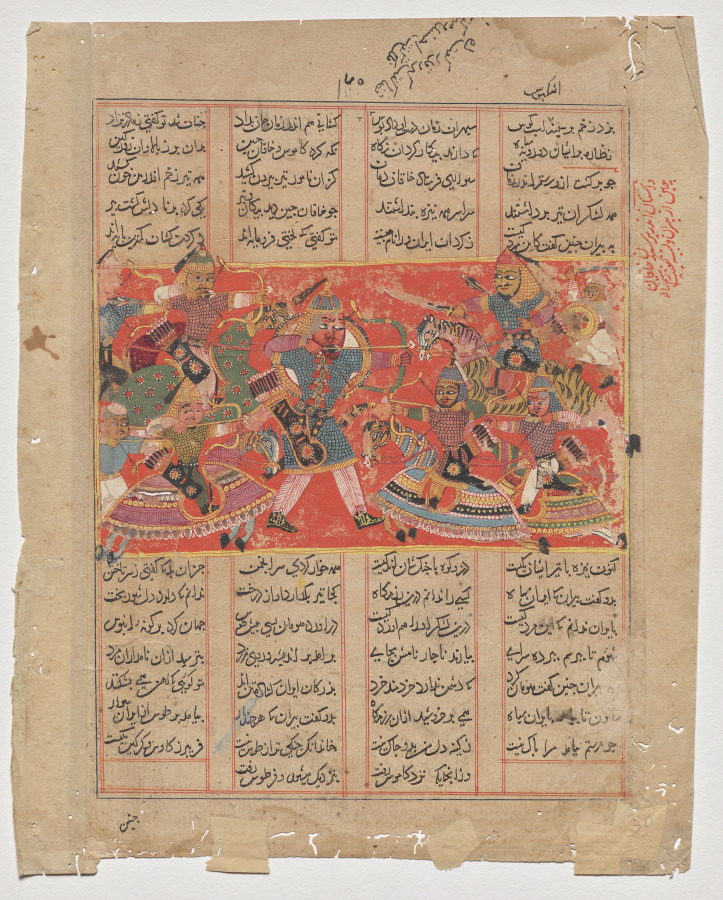
Rustam Takes Aim at Ashkabus, from a Shah-nama (Book of Kings) at the Cleveland Museum of Art: c. 1425–50, Gum tempera and ink on paper. Explore the work's context, creator attribution and collection history.
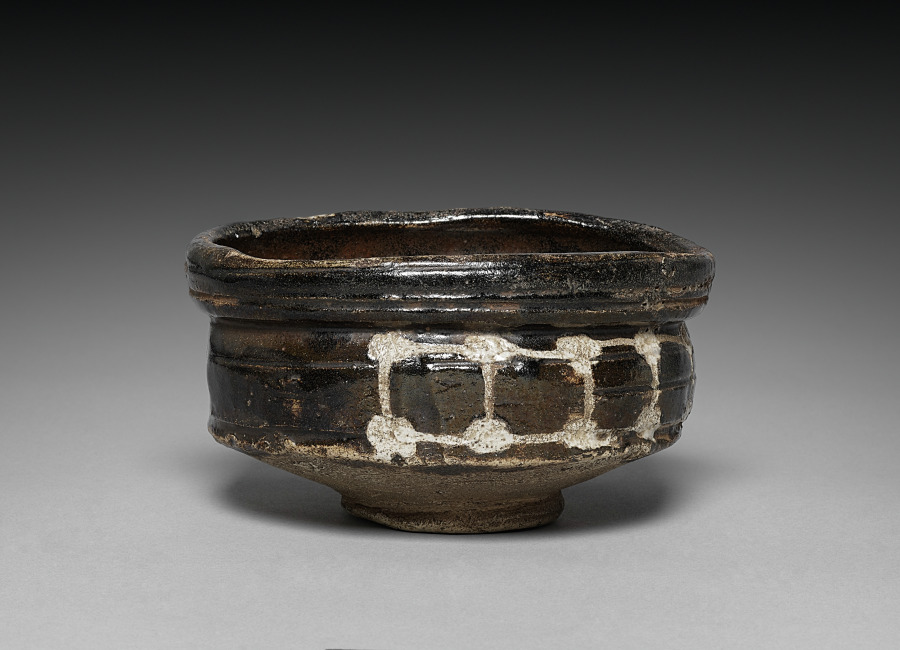
Clog-shaped Teabowl at the Cleveland Museum of Art: early 1600s, Glazed stoneware (Mino ware, Oribe type). Explore the work's context, creator attribution and collection history.

Coffret with Woodcut of Saint Veronica's Vernicle at the Cleveland Museum of Art: Coffret: c. 1515; Woodcut: c. 1509, Wood, leather, iron, textile, woodcut with stenciled coloring. Explore the work's context, creator attribution and collect

The Laundresses at the Cleveland Museum of Art: 1879–80, etching and aquatint. Explore the work's context, creator attribution and collection history.

View from the Battery toward the City at the Cleveland Museum of Art: 1836, graphite, pen and black and gray ink, and brush and gray wash on wove paper. Explore the work's context, creator attribution and collection history.

Victory Surrounded by Prisoners and Trophies at the Cleveland Museum of Art: 1552, etching with engraving. Explore the work's context, creator attribution and collection history.
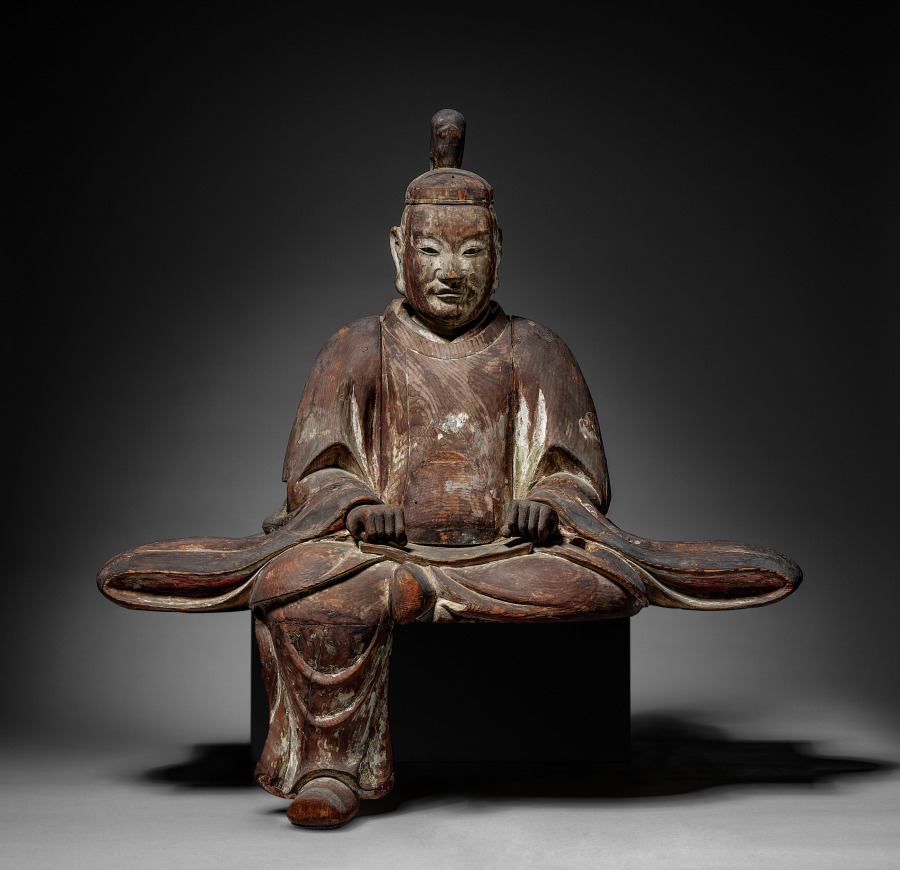
One of a Pair of Guardian Figures (Zuishin) at the Cleveland Museum of Art: c. 1560–1625, Japanese cypress (hinoki) with traces of color; crystal. Explore the work's context, creator attribution and collection history.
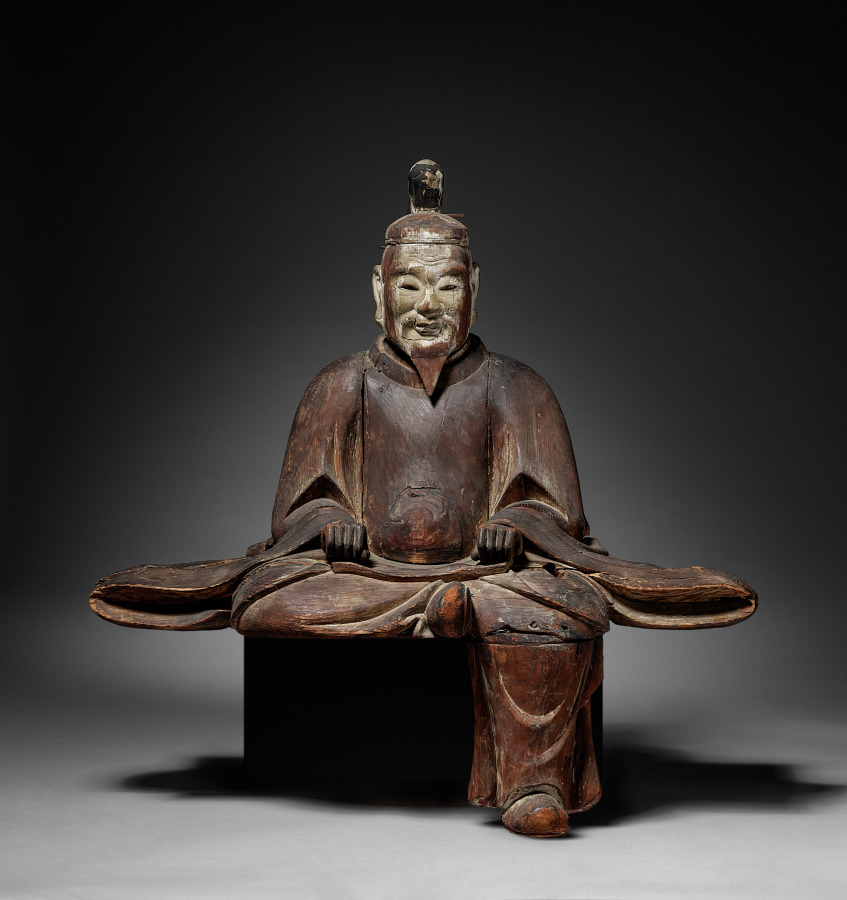
One of a Pair of Guardian Figures (Zuishin) at the Cleveland Museum of Art: c. 1560–1625, Japanese cypress (hinoki) with traces of color; crystal. Explore the work's context, creator attribution and collection history.
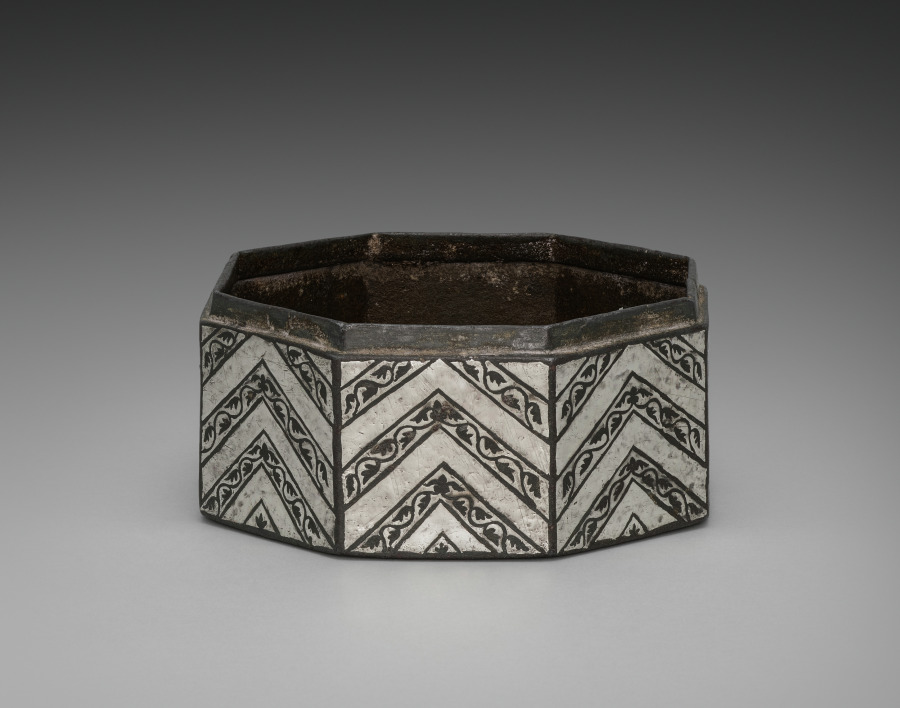
Bidri Pandan with Chevrons at the Cleveland Museum of Art: c. 1700, Zinc alloy with silver overlay. Explore the work's context, creator attribution and collection history.