Lord Burghersh, Earl of Westmorland (1855): Art, History and Details
Lord Burghersh, Earl of Westmorland at the Cleveland Museum of Art: 1855, salted paper print. Explore the work's context, creator attribution and collection history.
Oldest entries first, in a fixed order. Newly added articles appear at the end. Explore a shuffled selection →
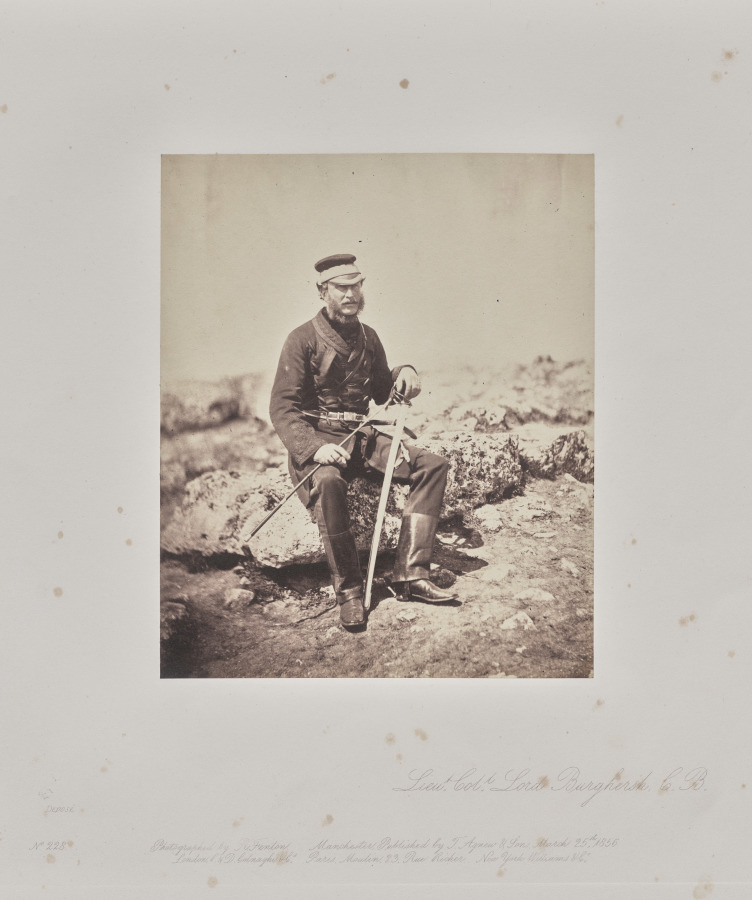
Lord Burghersh, Earl of Westmorland at the Cleveland Museum of Art: 1855, salted paper print. Explore the work's context, creator attribution and collection history.
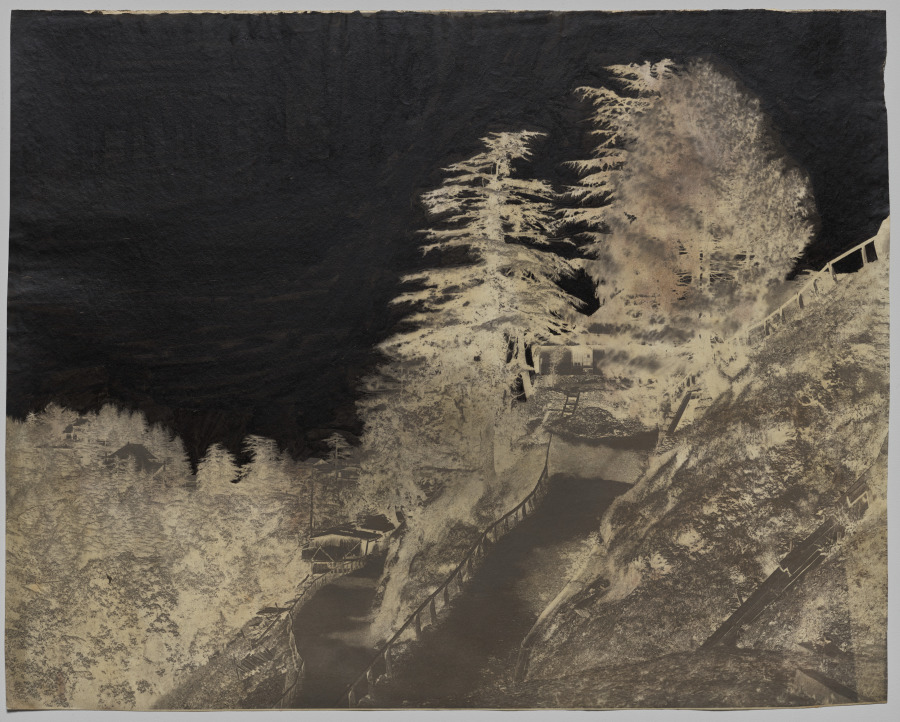
Shimla at the Cleveland Museum of Art: 1865, waxed paper negative. Explore the work's context, creator attribution and collection history.
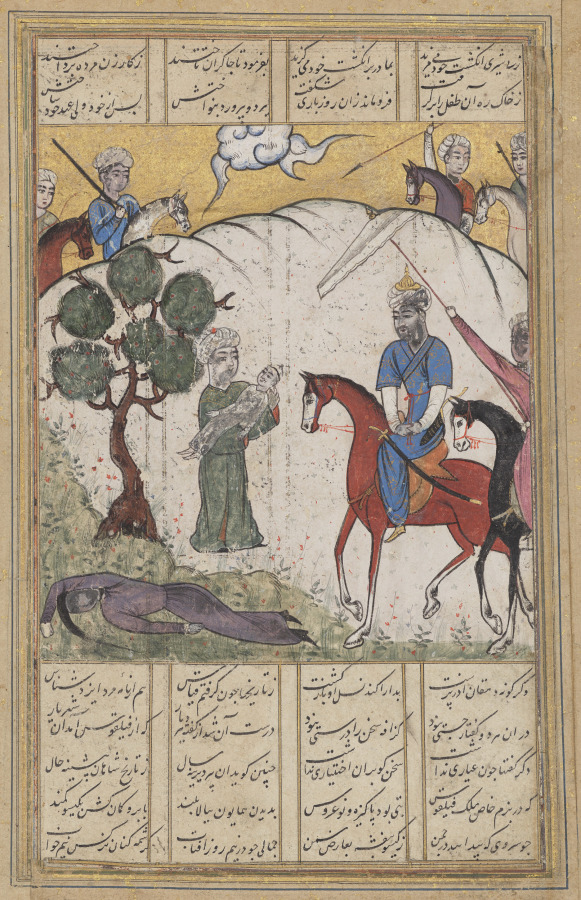
A scene of the life of Alexander from the Sharaf-nameh at the Cleveland Museum of Art: 1500s, Opaque watercolor, ink, and gold on paper. Explore the work's context, creator attribution and collection history.
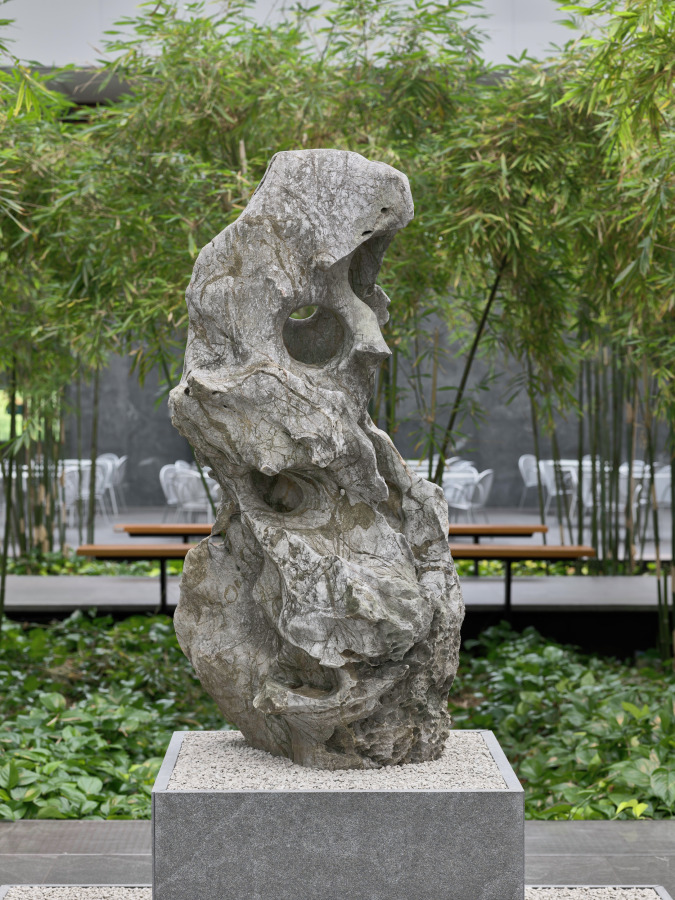
Taihu Garden Stone at the Cleveland Museum of Art: 0, Limestone. Explore the work's context, creator attribution and collection history.

Christ Gathering Roses, Centerpiece of an Altar Cloth(?) at the Cleveland Museum of Art: early to mid-1400s, Linen: plain weave; silk: embroidery (split stitch). Explore the work's context, creator attribution and collection history.
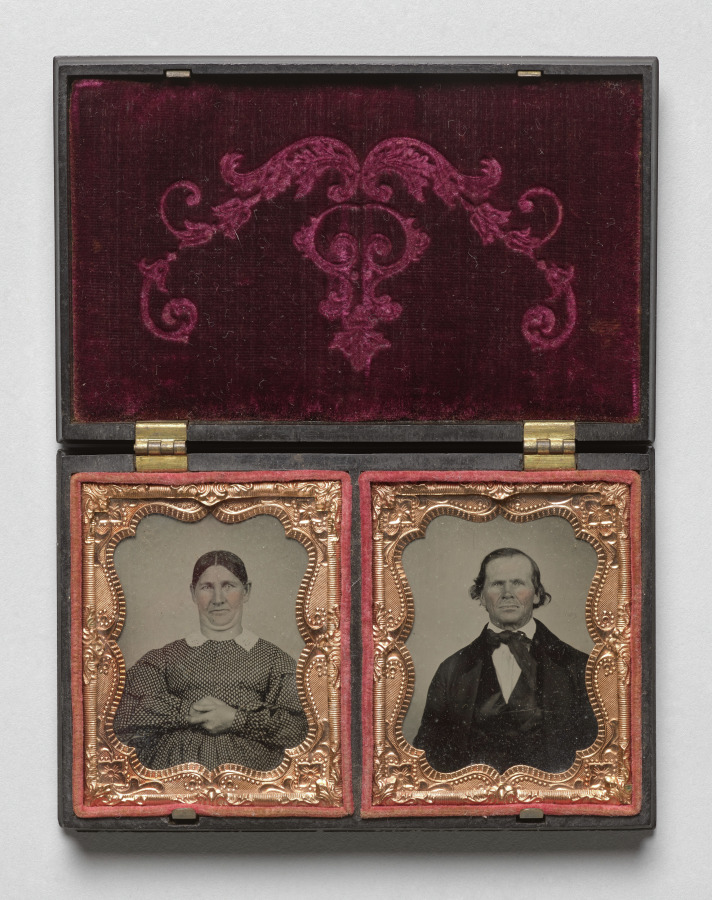
Husband and Wife at the Cleveland Museum of Art: c. 1860–65, Two ambrotypes with hand-tinting. Explore the work's context, creator attribution and collection history.

Portrait of a Young Woman at the Cleveland Museum of Art: c. 1855–60, Tintype. Explore the work's context, creator attribution and collection history.

Portrait of a Woman at the Cleveland Museum of Art: 1860s, Tintype. Explore the work's context, creator attribution and collection history.
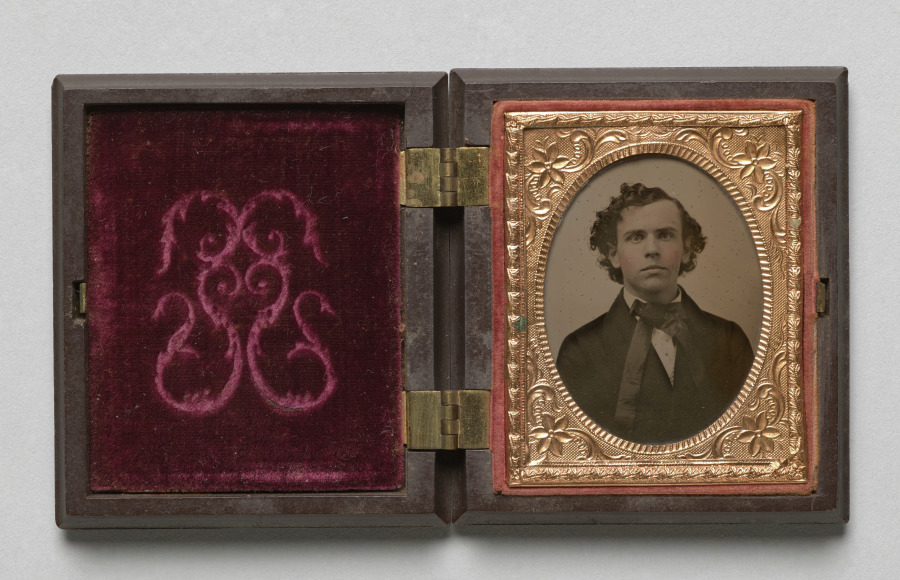
Portrait of a Young Man at the Cleveland Museum of Art: c. 1855, ambrotype with hand-tinting. Explore the work's context, creator attribution and collection history.

Young Woman Holding Roses at the Cleveland Museum of Art: 1897, Gelatin silver print mounted to glass. Explore the work's context, creator attribution and collection history.
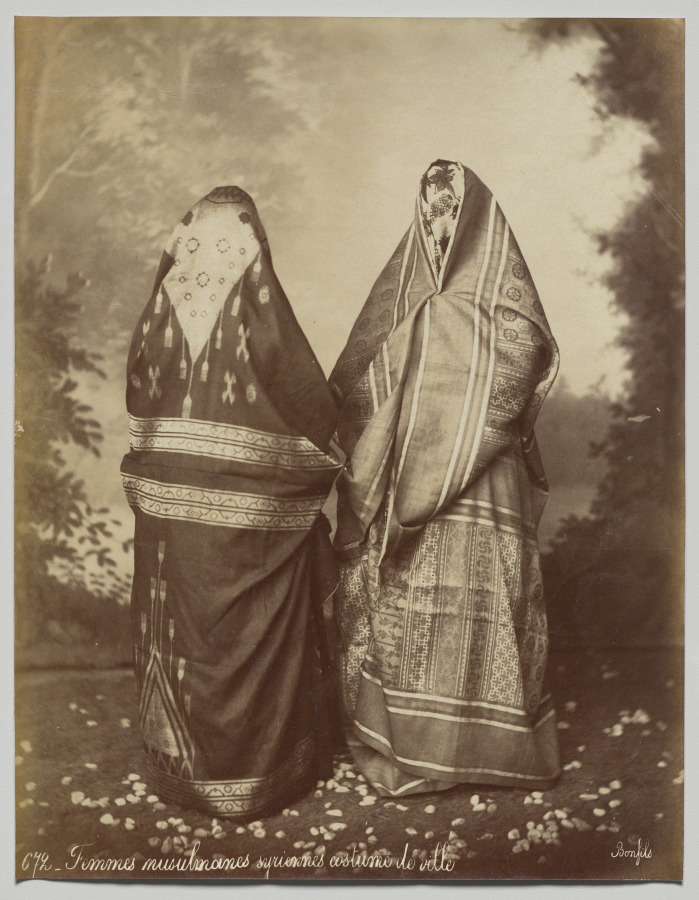
Femmes musulmanes Syriennes à Beyrouth, Costume de Ville at the Cleveland Museum of Art: c. 1867–78, Albumen print from glass plate negative. Explore the work's context, creator attribution and collection history.

Femmes musulmanes Syriennes à Beyrouth, Costume de Ville at the Cleveland Museum of Art: c. 1880s, Double sided Photochrom. Explore the work's context, creator attribution and collection history.
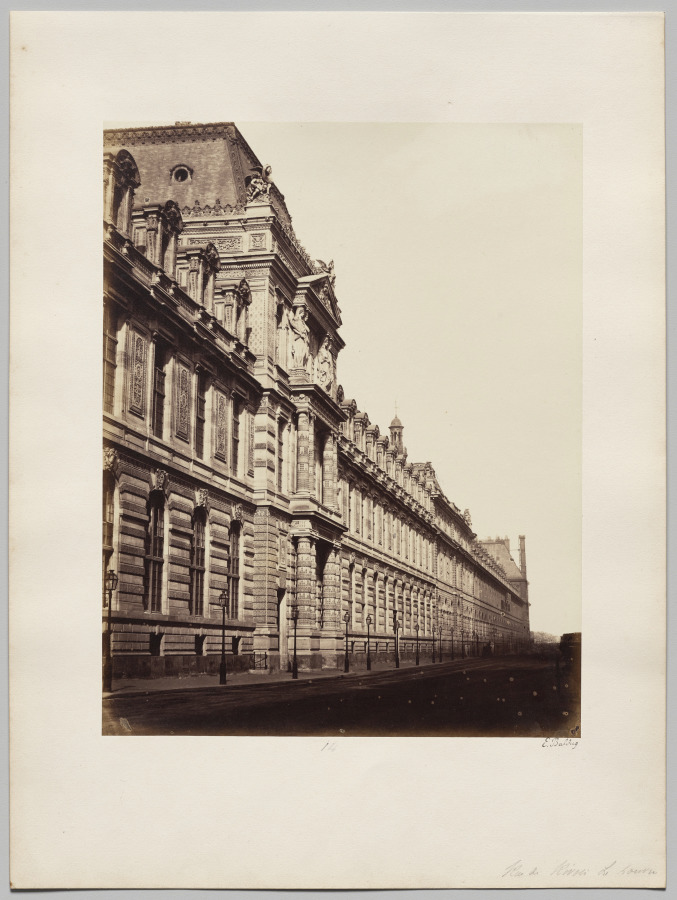
Louvre, Façade rue de Rivoli, Paris at the Cleveland Museum of Art: 1855, albumen print. Explore the work's context, creator attribution and collection history.
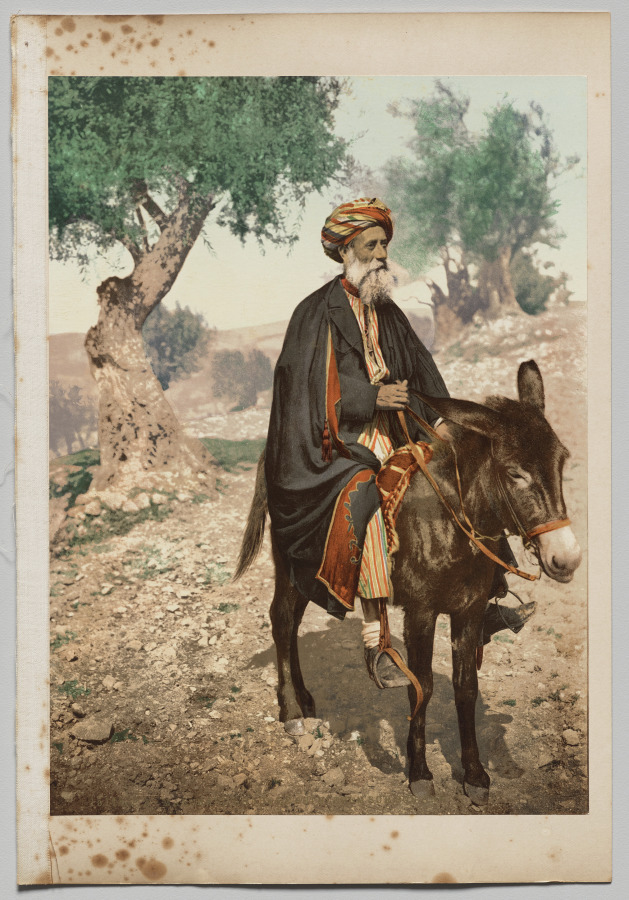
Femmes musulmanes Syriennes à Beyrouth, Costume de Ville (Man on a Donkey) at the Cleveland Museum of Art: c. 1880s, Photochrom. Explore the work's context, creator attribution and collection history.
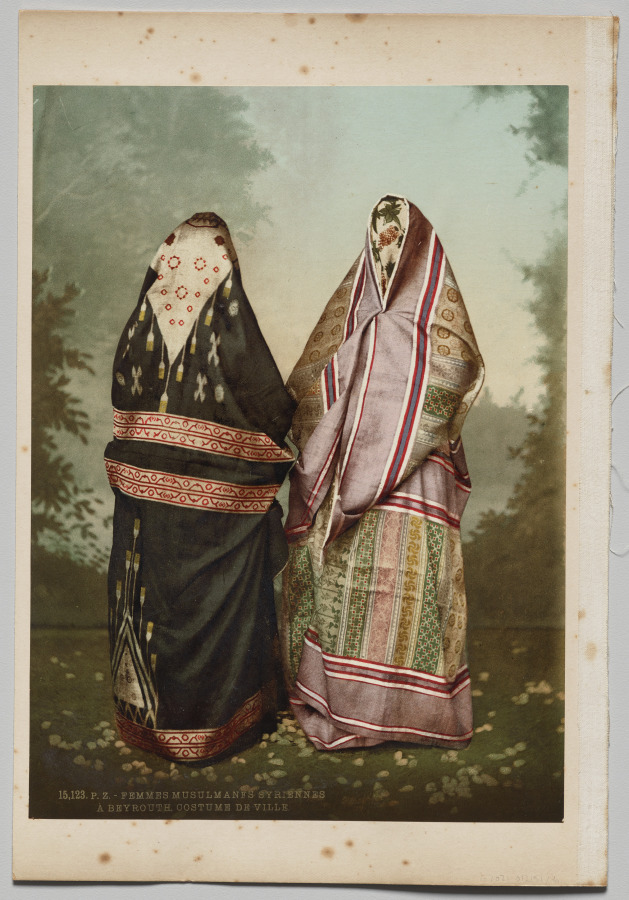
Femmes musulmanes Syriennes à Beyrouth, Costume de Ville (Two Women) at the Cleveland Museum of Art: c. 1880s, Photochrom. Explore the work's context, creator attribution and collection history.
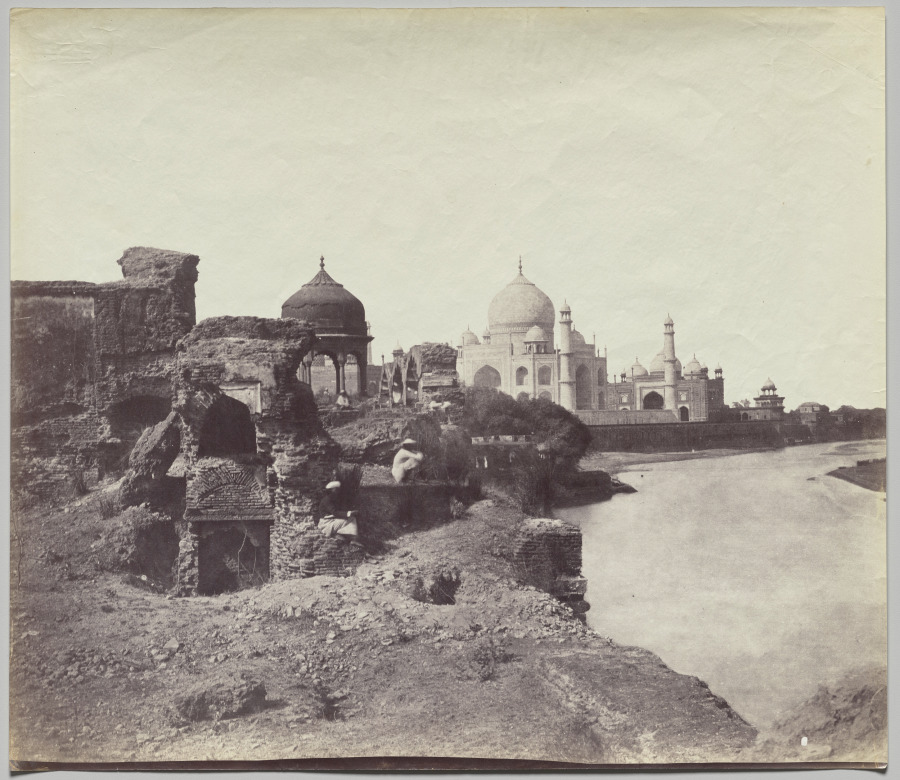
The Taj Mahal at the Cleveland Museum of Art: c. 1858–62, albumen print. Explore the work's context, creator attribution and collection history.

The Exercise of Armes at the Cleveland Museum of Art: 1607, leather bound paper, 117 engraved plates. Explore the work's context, creator attribution and collection history.

Studies of Insects at the Cleveland Museum of Art: c. 1665–1727, watercolor, opaque watercolor, and gum arabic with brown ink framing lines. Explore the work's context, creator attribution and collection history.

Arc de Triomphe de l'Etoile, Paris at the Cleveland Museum of Art: c. 1860s, albumen print from collodion negative. Explore the work's context, creator attribution and collection history.

Lyon. Viaduc du Rhône at the Cleveland Museum of Art: c. 1860, albumen print from collodion negative. Explore the work's context, creator attribution and collection history.
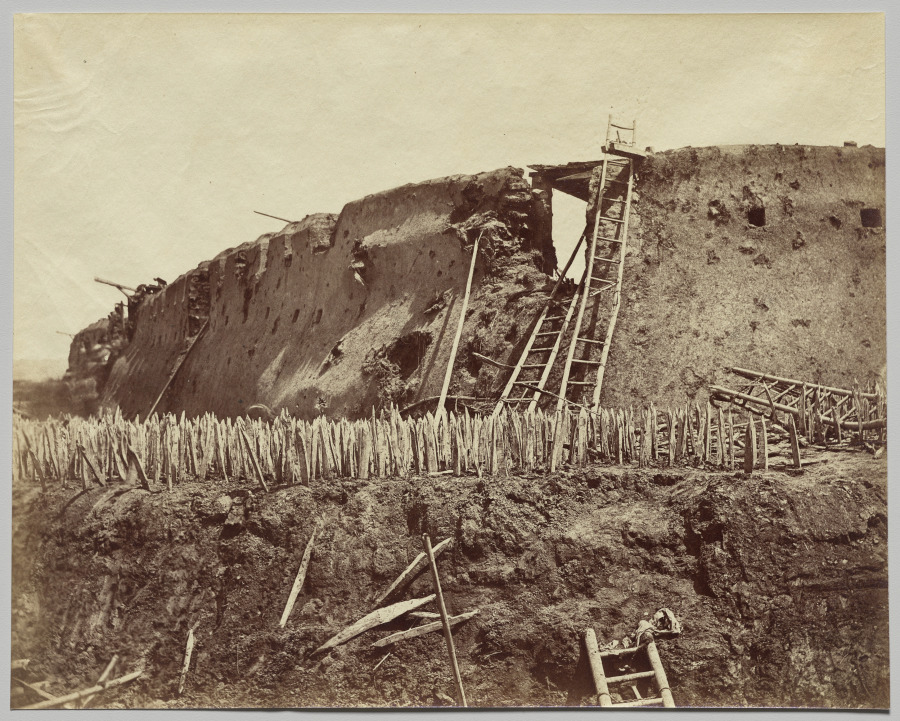
Angle of Taku Fort at which the French entered at the Cleveland Museum of Art: 1860, albumen print from collodion negative. Explore the work's context, creator attribution and collection history.

Temple of Athene Nike. Venus Victrix—Wingless Victory at the Cleveland Museum of Art: c. 1850s–60s, albumen print from collodion negative. Explore the work's context, creator attribution and collection history.
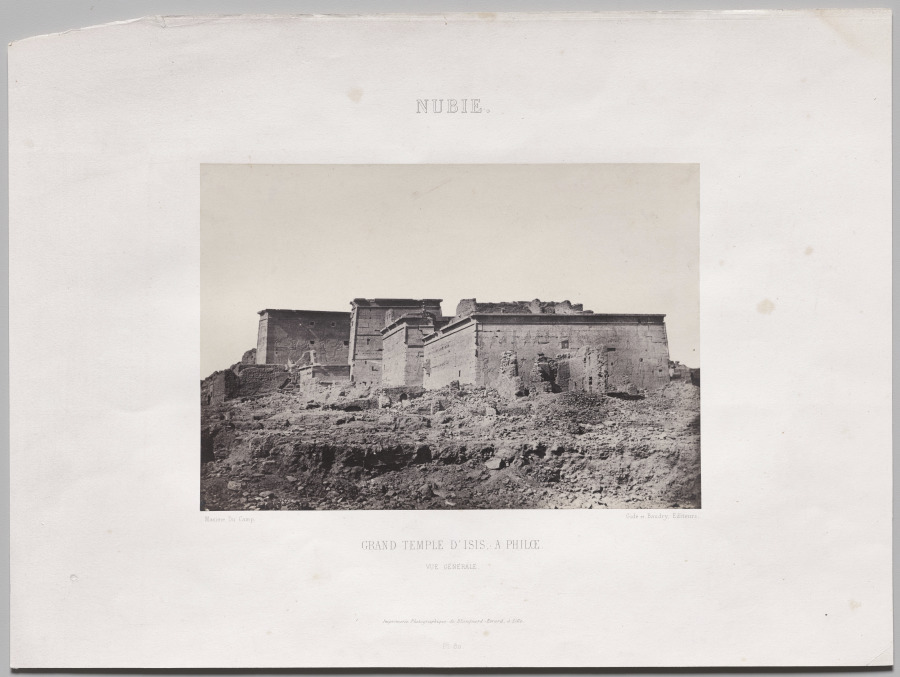
Grand Temple D’Isis, à Philoe (vue générale prise du nord), Nubie at the Cleveland Museum of Art: 1850, Salted paper print, Blanquart-Évrard process. Explore the work's context, creator attribution and collection history.

View of Ste-Adrese Beach with the Dumont Baths at the Cleveland Museum of Art: 1856, albumen print from collodion negative. Explore the work's context, creator attribution and collection history.
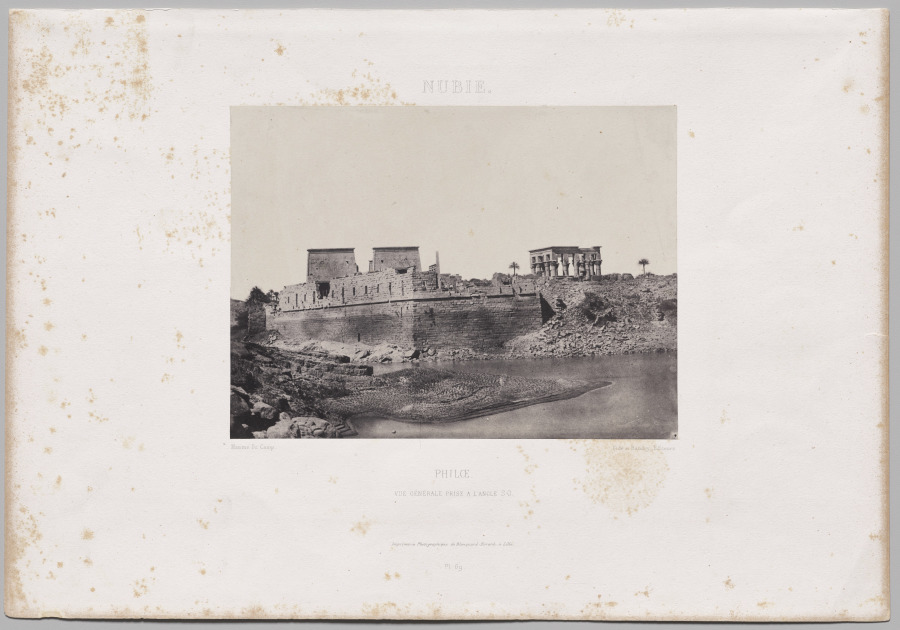
Vue générale prise à l'angle sud-ouest, Philoe at the Cleveland Museum of Art: 1849–50, Salted paper print, Blanquart-Évrard process. Explore the work's context, creator attribution and collection history.

Vue prise du Couvent des Dominicains, Chalais (Isère), France at the Cleveland Museum of Art: c. 1865, albumen print from collodion negative. Explore the work's context, creator attribution and collection history.
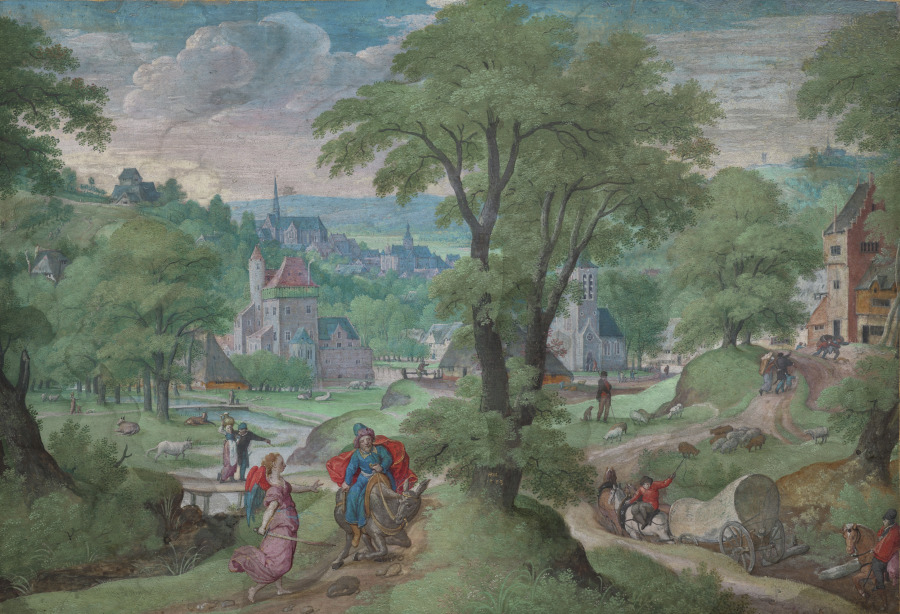
Balaam and the Ass at the Cleveland Museum of Art: 1583, Gouache heightened with gold on vellum laid down on panel. Explore the work's context, creator attribution and collection history.
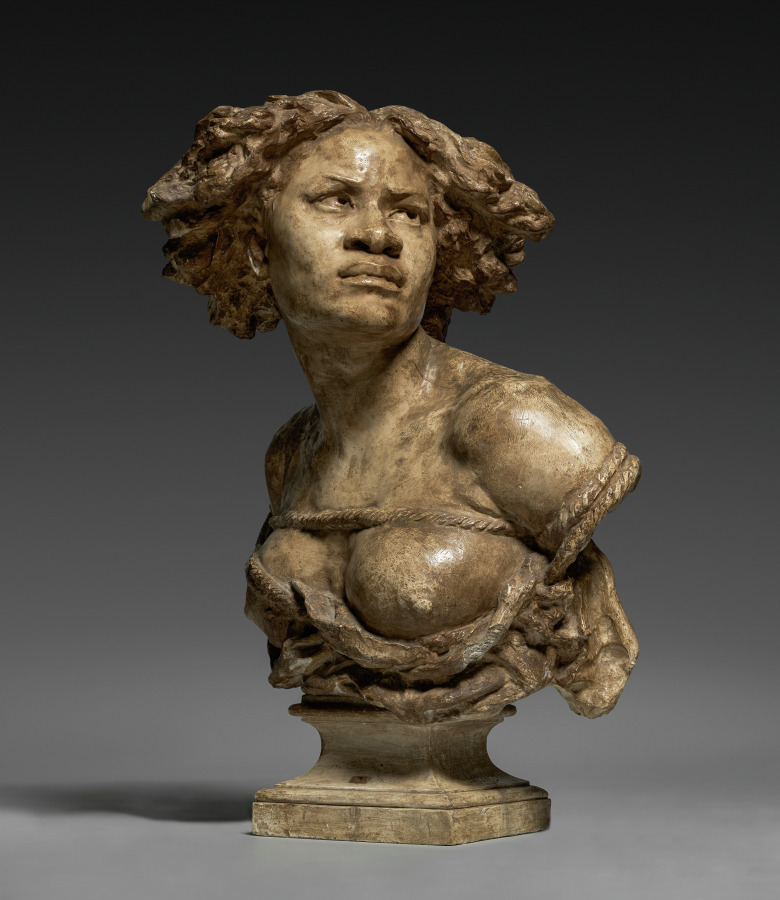
Why Born Enslaved! at the Cleveland Museum of Art: 1867, Plaster, original polychromed surface. Explore the work's context, creator attribution and collection history.

Knife Sheath at the Cleveland Museum of Art: 1100s, Gilt silver (body) and brass (trefoil-shaped ring). Explore the work's context, creator attribution and collection history.
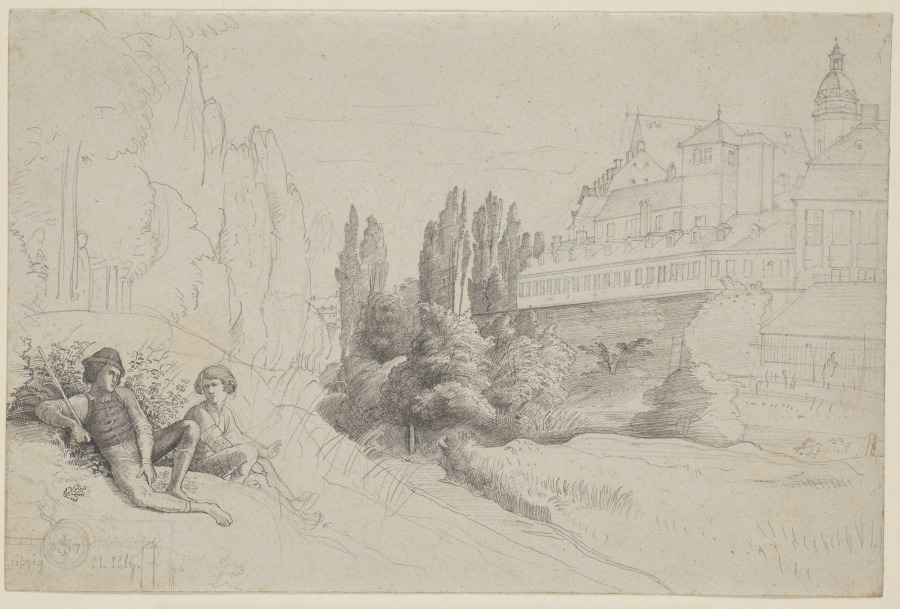
View across the Moat towards the Thomasschule and the Thomaskirche in Leipzig at the Cleveland Museum of Art: 1817, Pen and black ink and graphite on ivory wove paper. Explore the work's context, creator attribution and collection history.

Two Standing Apostles (probably Saint John the Evangelist and St. Paul) at the Cleveland Museum of Art: c. 1430, Alabaster. Explore the work's context, creator attribution and collection history.
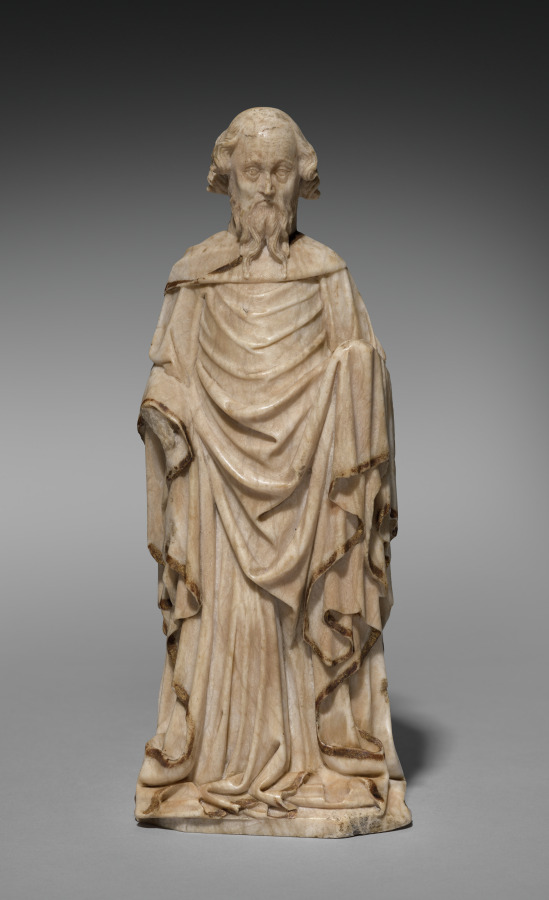
Standing Apostle (Saint Paul?) at the Cleveland Museum of Art: c. 1430, Alabaster. Explore the work's context, creator attribution and collection history.
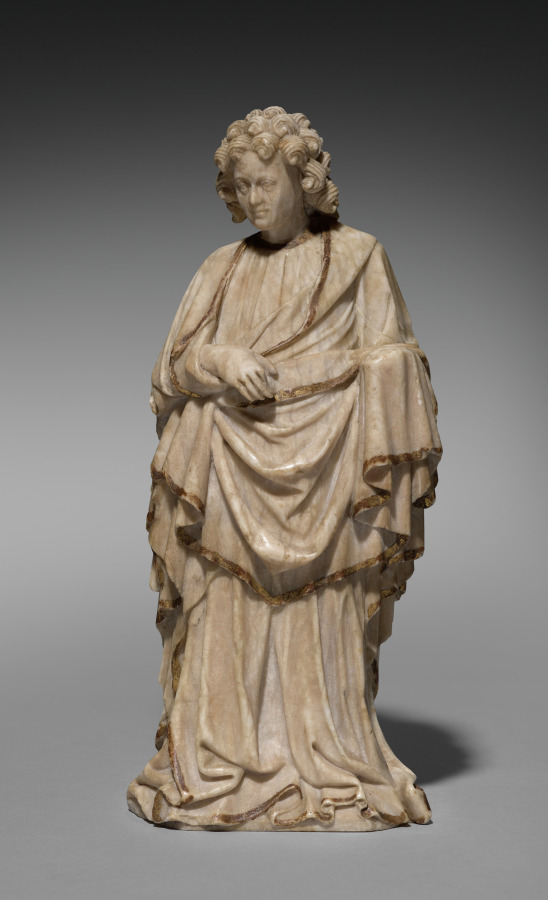
Standing Apostle (Probably Saint John the Evangelist) at the Cleveland Museum of Art: c. 1430, Alabaster. Explore the work's context, creator attribution and collection history.
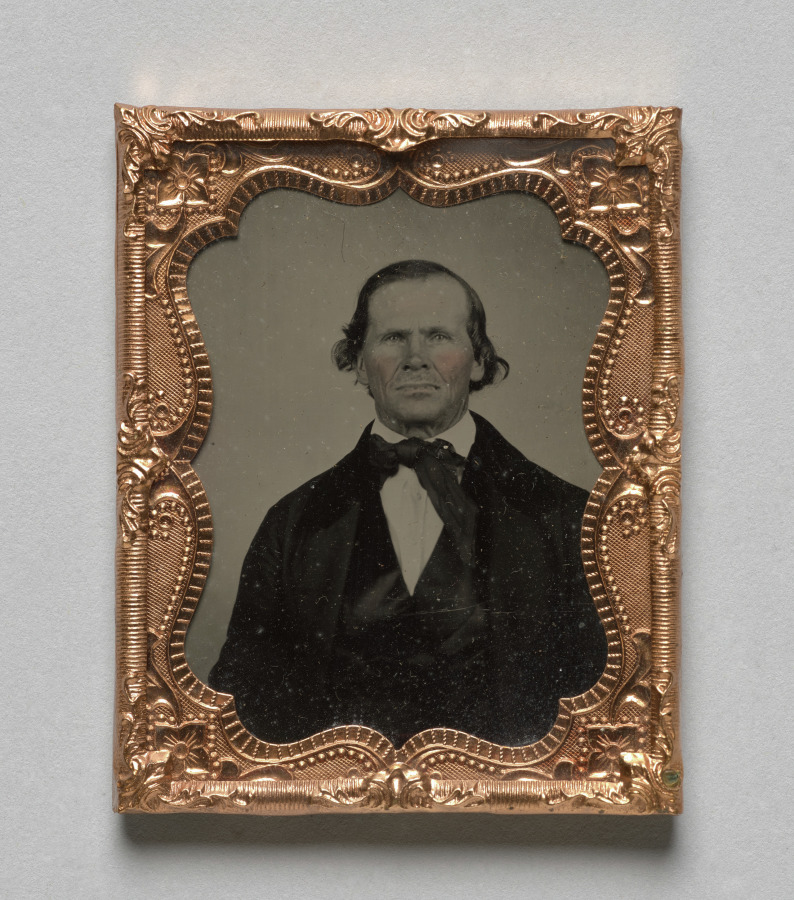
Husband at the Cleveland Museum of Art: c. 1860–65, ambrotype, hand-tinted. Explore the work's context, creator attribution and collection history.

Wife at the Cleveland Museum of Art: c. 1860–65, ambrotype, hand-tinted. Explore the work's context, creator attribution and collection history.
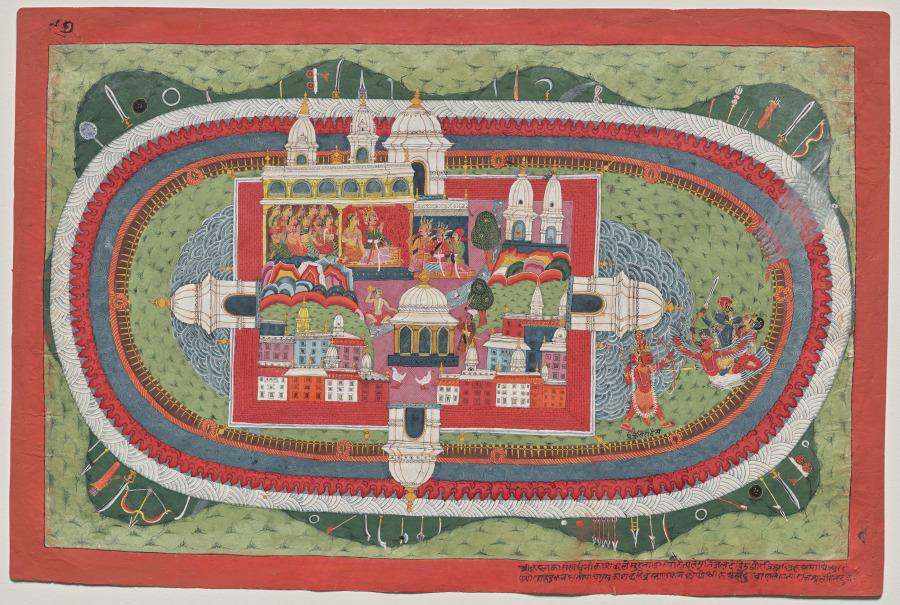
Krishna and Satyabhama Storm the Citadel of Naraka, folio 97 from a Bhagavata Purana at the Cleveland Museum of Art: c. 1775, Gum tempera and ink on paper. Explore the work's context, creator attribution and collection history.
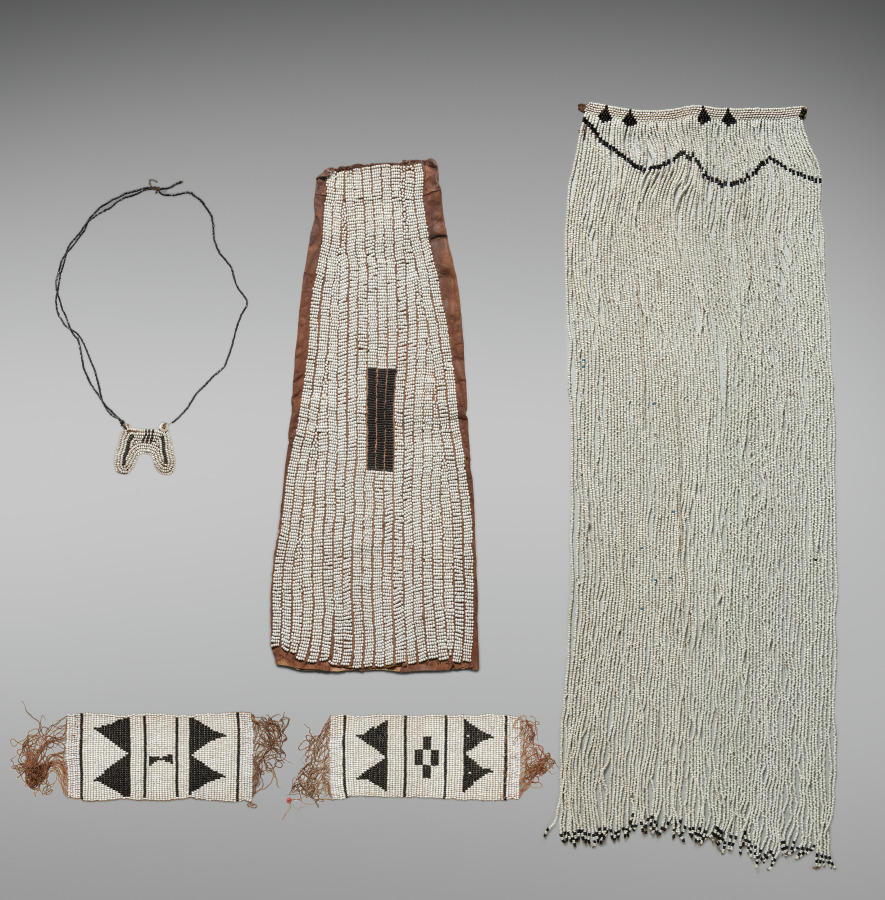
Ceremonial beadwork for a Xhosa royal woman: headdress (umnqwazi), pendant, breast cover (incebetha), pair of anklets (izitsaba) at the Cleveland Museum of Art: 1800s, Glass beads, sinew, hide, ceramic. Explore the work's context, creator a
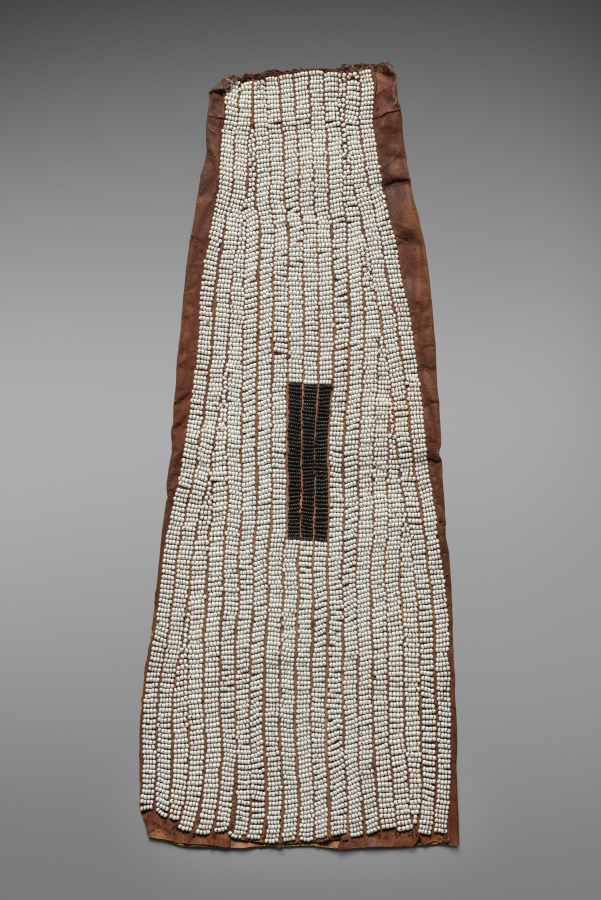
Royal ceremonial headdress (umnqwazi) at the Cleveland Museum of Art: 1800s, Glass beads, sinew, and hide. Explore the work's context, creator attribution and collection history.

Painted Drum at the Cleveland Museum of Art: 500–1000, Animal hide, gesso, wooden slats, pigment. Explore the work's context, creator attribution and collection history.

Le Dévouement des Citoyennes de Paris (The Dedication of the Citizens of Paris) at the Cleveland Museum of Art: 1794, Oil on canvas. Explore the work's context, creator attribution and collection history.