Plate 8: Gad (c. 1589): Art, History and Details
Plate 8: Gad at the Cleveland Museum of Art: c. 1589, engraving. Explore the work's context, creator attribution and collection history.
Oldest entries first, in a fixed order. Newly added articles appear at the end. Explore a shuffled selection →

Plate 8: Gad at the Cleveland Museum of Art: c. 1589, engraving. Explore the work's context, creator attribution and collection history.
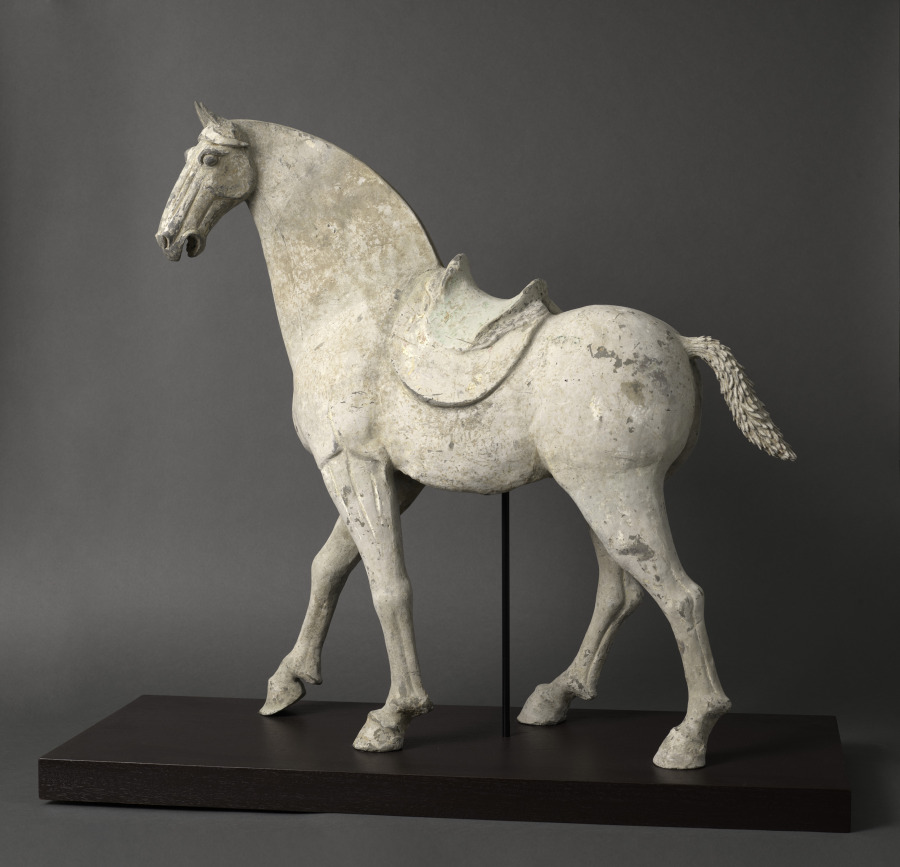
A Large Painted Striding Horse at the Cleveland Museum of Art: 700–800s, Pottery with white slip and mineral colors. Explore the work's context, creator attribution and collection history.
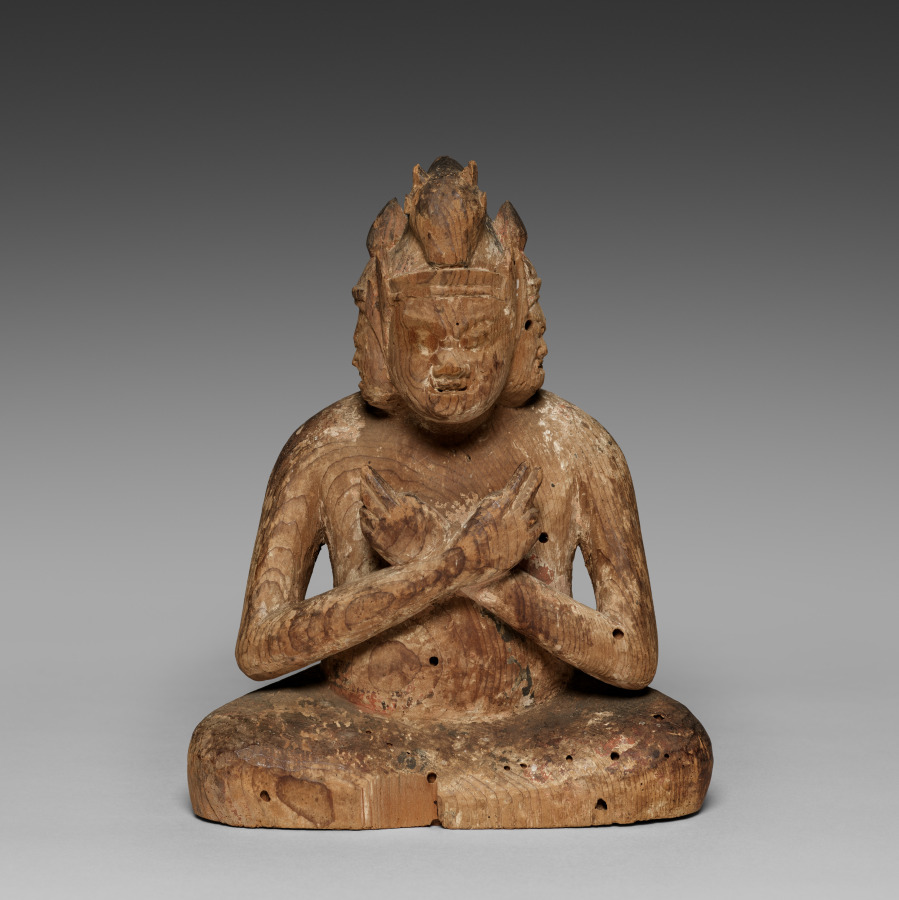
Gozu Tennō (Ox-Headed Plague Deity) at the Cleveland Museum of Art: 1100s, Wood with traces of color. Explore the work's context, creator attribution and collection history.

Sita asks Rama to fetch the golden deer, from the “Shangri” Ramayana at the Cleveland Museum of Art: c. 1700–1725, Gum tempera, ink, and gold on paper. Explore the work's context, creator attribution and collection history.
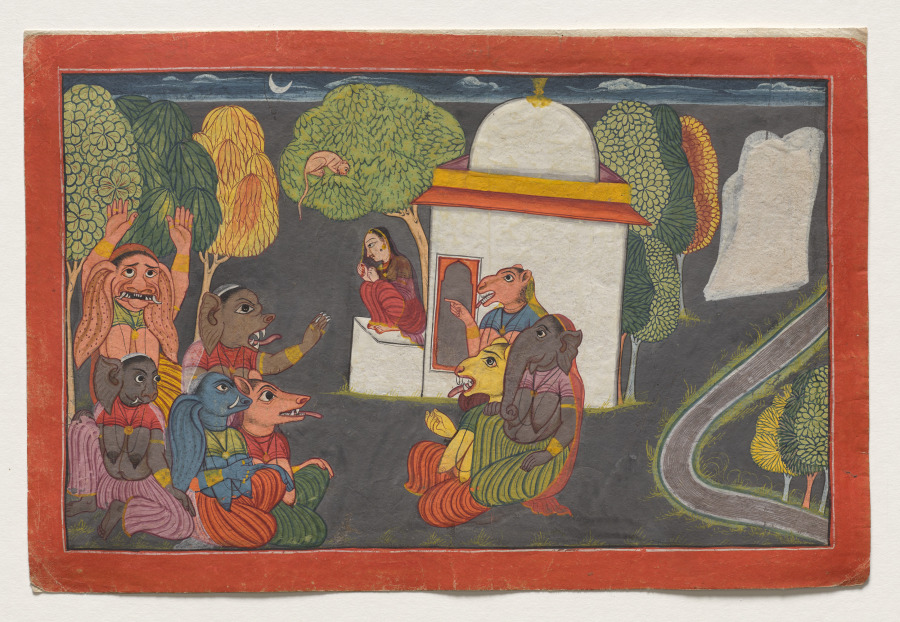
Hanuman spies Sita in the Ashoka Grove, from the “Shangri” Ramayana at the Cleveland Museum of Art: c. 1700–25, Gum tempera and ink on paper. Explore the work's context, creator attribution and collection history.

Battle between monkeys and demons, from the “Shangri” Ramayana at the Cleveland Museum of Art: c. 1700, Gum tempera and ink on paper. Explore the work's context, creator attribution and collection history.
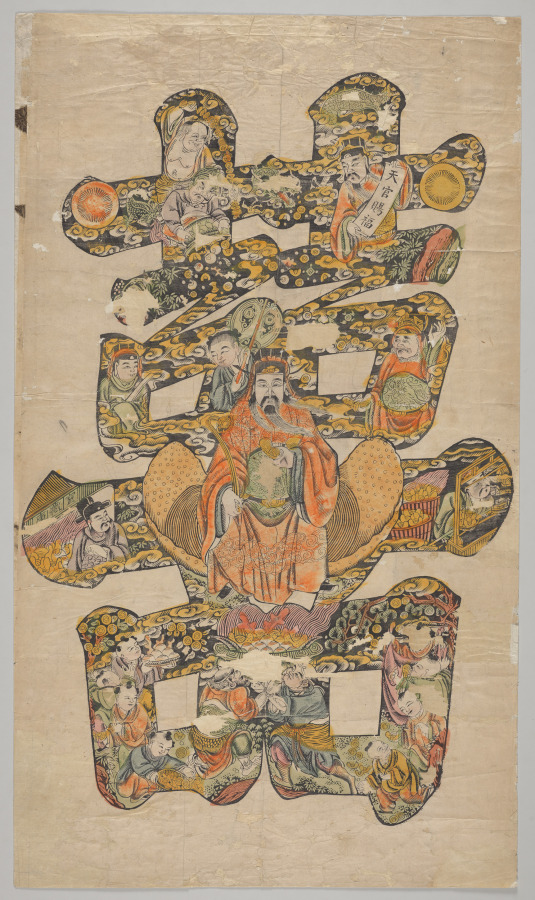
Double Happiness Character at the Cleveland Museum of Art: 1736–95, Polychrome woodblock print; ink and color on paper. Explore the work's context, creator attribution and collection history.
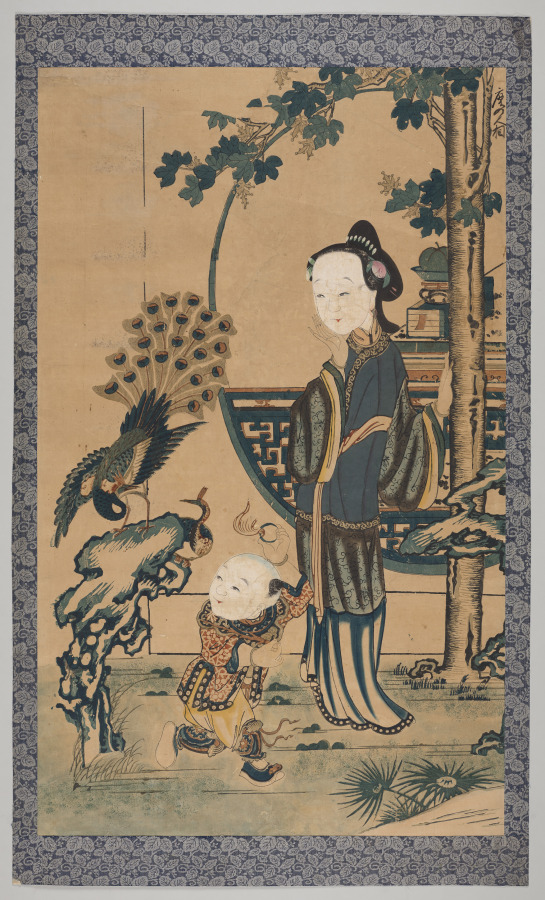
Mother with Sons Playing Music at the Cleveland Museum of Art: 1736–95, Polychrome woodblock print; ink and color on paper. Explore the work's context, creator attribution and collection history.
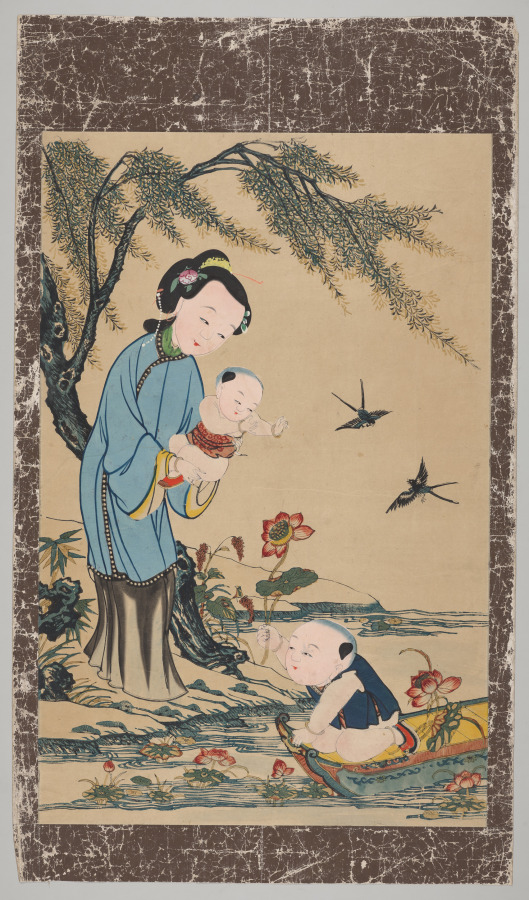
Spring Swallows Bring Good Tidings at the Cleveland Museum of Art: 1736–95, Polychrome woodblock print; ink and color on paper. Explore the work's context, creator attribution and collection history.
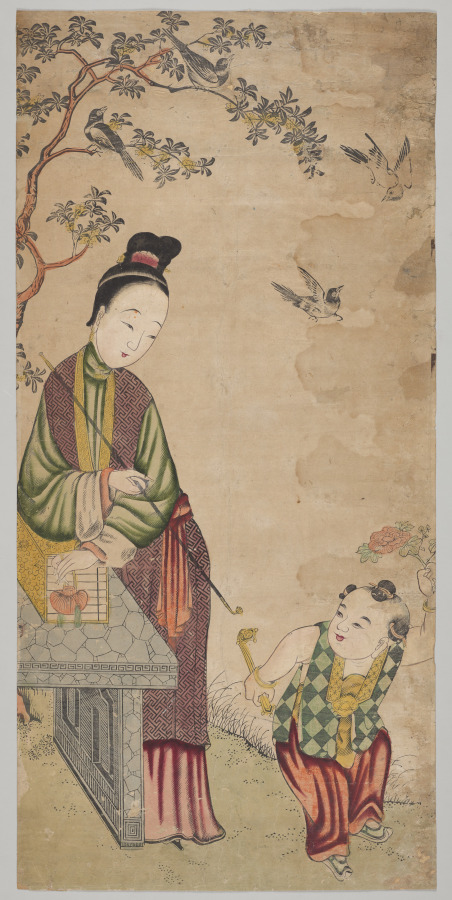
Happy Birds in a Spring Garden at the Cleveland Museum of Art: 1736–95, Polychrome woodblock print; ink and color on paper. Explore the work's context, creator attribution and collection history.
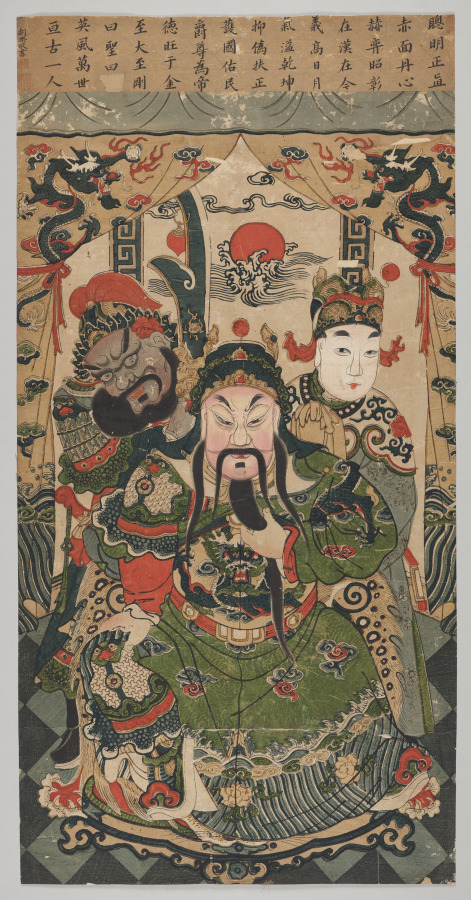
The God of War at the Cleveland Museum of Art: 1662–1735, Polychrome woodblock print; ink and color on paper. Explore the work's context, creator attribution and collection history.

Zhang Xian Shoots the Heavenly Dog at the Cleveland Museum of Art: 1821–50, Polychrome woodblock print; ink and color on paper. Explore the work's context, creator attribution and collection history.
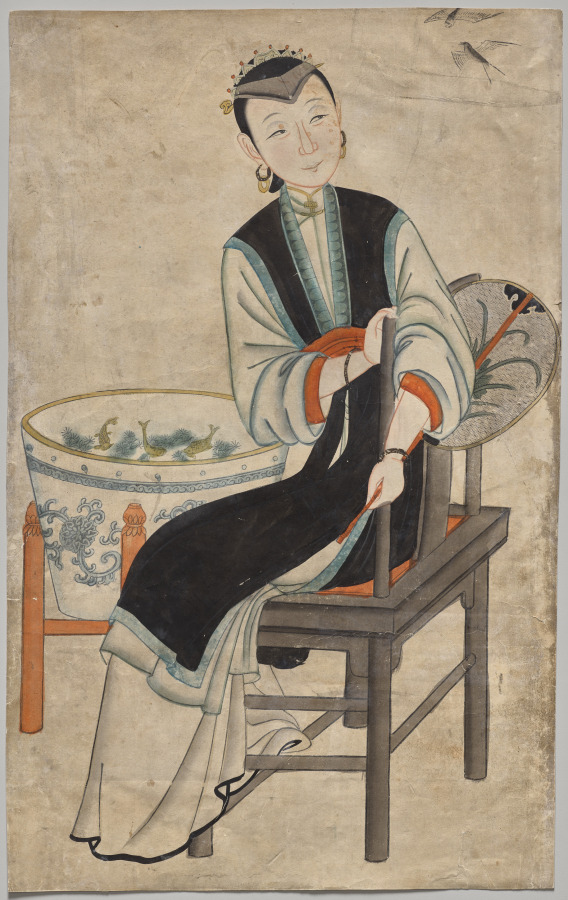
Lady watching a swallow at the Cleveland Museum of Art: 1736–95, Hanging scroll; multicolor woodblock print on paper, printed with black and blue outlines, hand colored. Explore the work's context, creator attribution and collection history
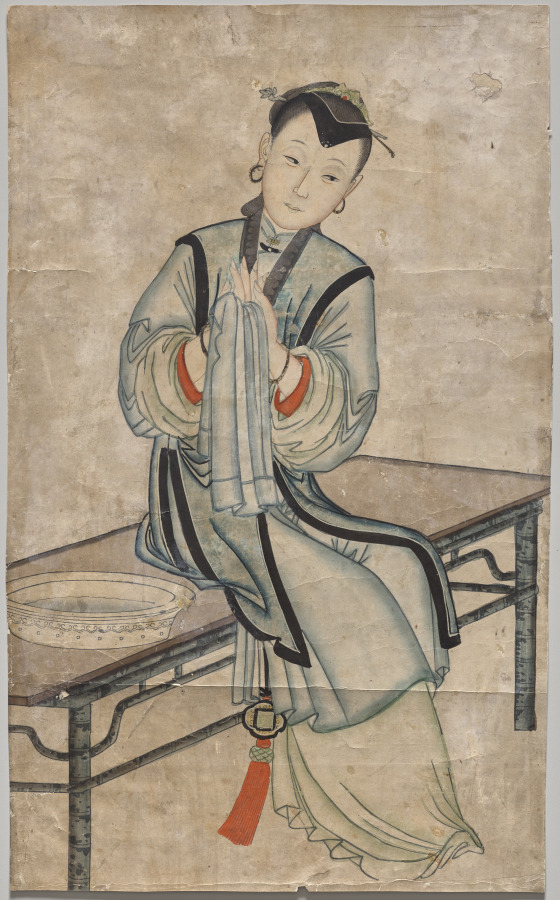
Lady with water basin at the Cleveland Museum of Art: 1736–95, Hanging scroll; multicolor woodblock print on paper, printed with black and blue outlines, hand colored. Explore the work's context, creator attribution and collection history.
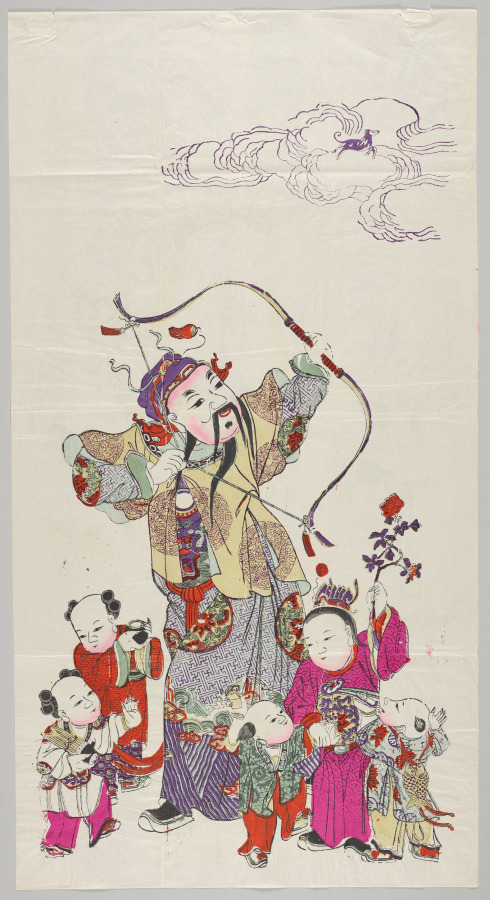
Zhang Xian Shoots the Heavenly Dog at the Cleveland Museum of Art: 1736–95, Polychrome woodblock print; ink and color on paper. Explore the work's context, creator attribution and collection history.
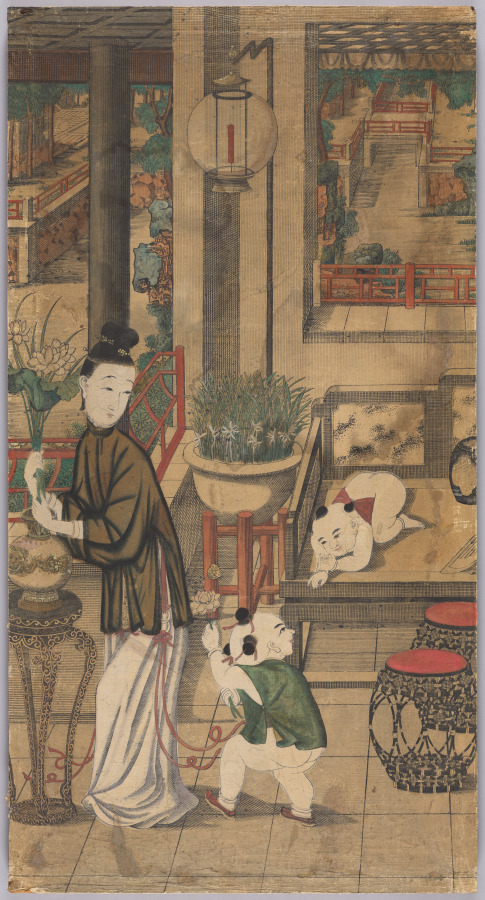
Gusu Beauties of the Four Seasons–Summer at the Cleveland Museum of Art: 1736–95, Multicolor woodblock print; ink and color on paper, framed. Explore the work's context, creator attribution and collection history.

Gusu Beauties of the Four Seasons—Spring at the Cleveland Museum of Art: 1736–95, Multicolor woodblock print; ink and color on paper. Explore the work's context, creator attribution and collection history.

Gusu Beauty–Winter at the Cleveland Museum of Art: 1736–95, Multicolor woodblock print; ink and color on paper. Explore the work's context, creator attribution and collection history.
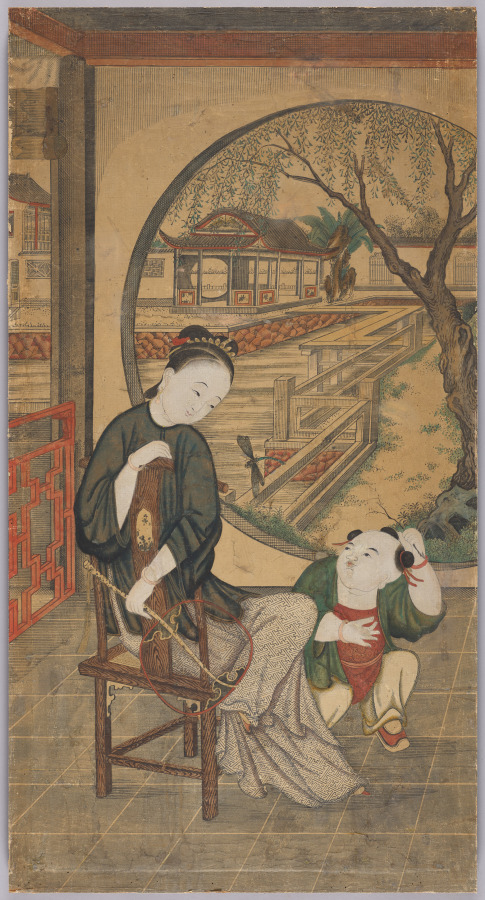
Gusu Beauty–Mother and Son in a Summer Pavilion at the Cleveland Museum of Art: 1736–95, Polychrome woodblock print; ink and color on paper. Explore the work's context, creator attribution and collection history.

Scenic View of Suzhou at the Cleveland Museum of Art: 1736–95, Hanging scroll; multicolor woodblock print; ink and color on paper, printed in three shades of black, hand colored. Explore the work's context, creator attribution and collectio

Two Beauties Inspect a Golden Lotus at the Cleveland Museum of Art: 1736–95, Hanging scroll; polychrome woodblock print; ink and color on paper. Explore the work's context, creator attribution and collection history.

Seashore with a High Sea at the Cleveland Museum of Art: 1620, engraving. Explore the work's context, creator attribution and collection history.

Plate 9: Asher at the Cleveland Museum of Art: c. 1589, engraving. Explore the work's context, creator attribution and collection history.

Plate 10: Naphtali at the Cleveland Museum of Art: c. 1589, engraving. Explore the work's context, creator attribution and collection history.

Plate 11: Joseph at the Cleveland Museum of Art: c. 1589, engraving. Explore the work's context, creator attribution and collection history.

Plate 12: Benjamin at the Cleveland Museum of Art: c. 1589, engraving. Explore the work's context, creator attribution and collection history.

Two Windows Depicting the Annunciation and Adoration of the Magi at the Cleveland Museum of Art: c. 1410–20, glass. Explore the work's context, creator attribution and collection history.
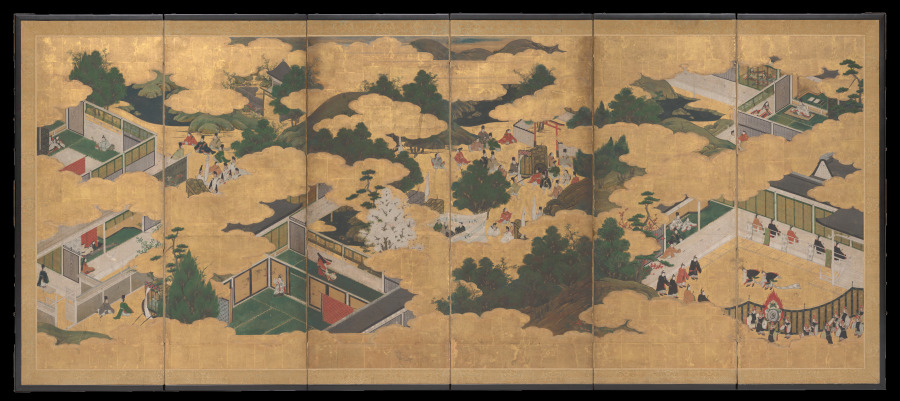
Scenes from the Tale of Genji at the Cleveland Museum of Art: 1700s, Six-panel folding screen; ink, color, gold and gilding on paper. Explore the work's context, creator attribution and collection history.
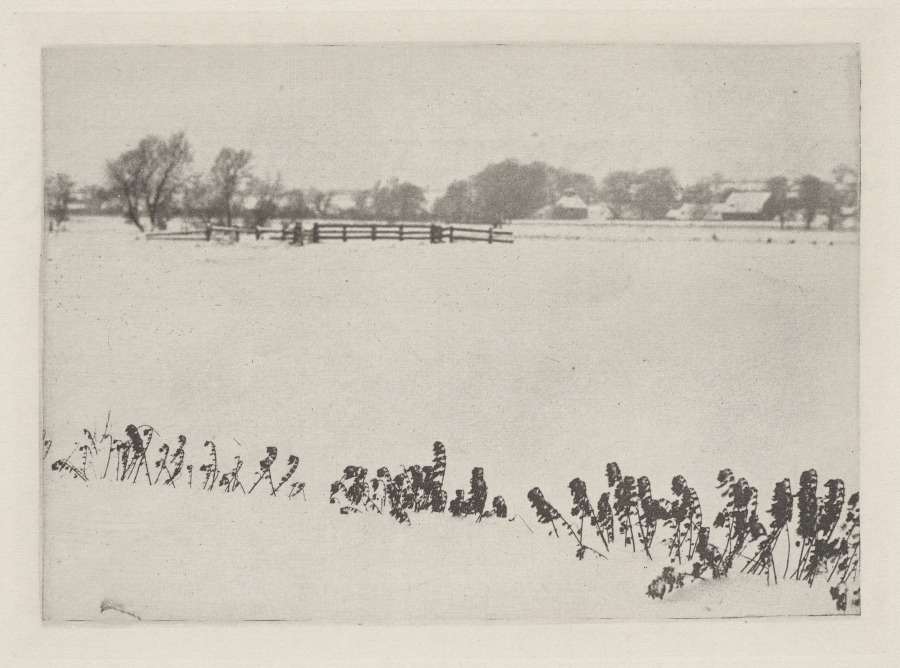
Marsh Weeds at the Cleveland Museum of Art: before 1891, published 1895, photogravure. Explore the work's context, creator attribution and collection history.
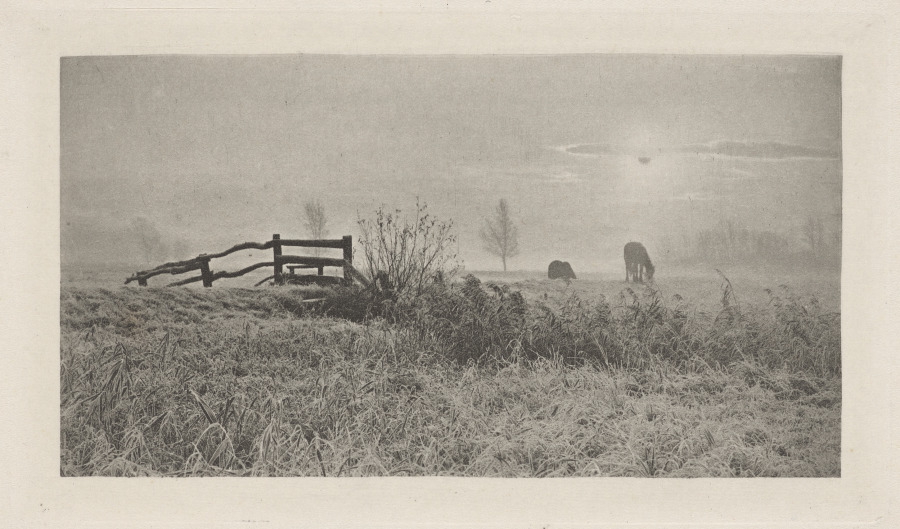
A Winter's Sunrise at the Cleveland Museum of Art: before 1891, published 1895, photogravure. Explore the work's context, creator attribution and collection history.
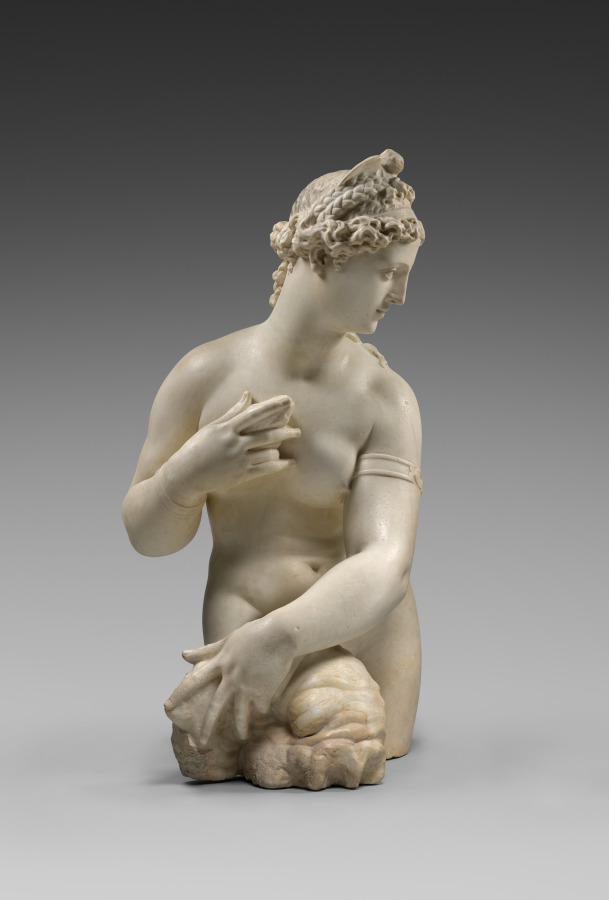
Fata Morgana at the Cleveland Museum of Art: c. 1572, Marble. Explore the work's context, creator attribution and collection history.
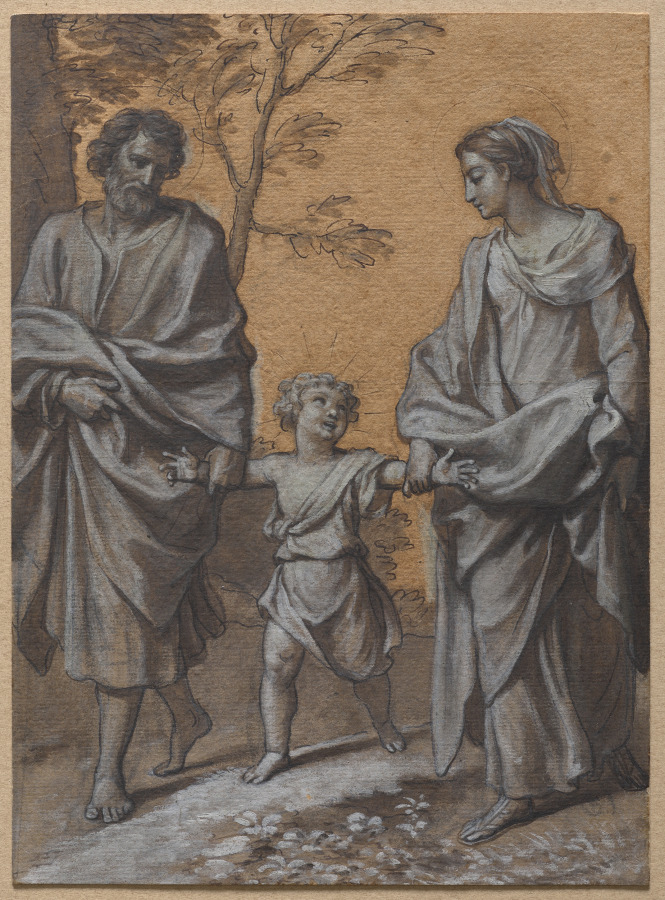
The Return of the Holy Family from Egypt at the Cleveland Museum of Art: c. 1695–1700, pen and black ink, gray opaque watercolor and white heightening on prepared yellow paper. Explore the work's context, creator attribution and collection

A Dancing Young Woman as Terpsichore at the Cleveland Museum of Art: c. 1780, oil on canvas. Explore the work's context, creator attribution and collection history.

Westlake Panorama at the Cleveland Museum of Art: mid-1700s, woodblock print, ink on paper; printed with three wood blocks in shades of black on four sheets. Explore the work's context, creator attribution and collection history.

Westlake Panorama at the Cleveland Museum of Art: mid-1700s, One of four woodblock prints; ink on paper; printed with three woodblocks in shades of black. Explore the work's context, creator attribution and collection history.

Westlake Panorama at the Cleveland Museum of Art: mid-1700s, One of four woodblock prints; ink on paper; printed with three wood blocks in shades of black. Explore the work's context, creator attribution and collection history.

Westlake Panorama at the Cleveland Museum of Art: mid-1700s, One of four woodblock prints; ink on paper; printed with three woodblocks in shades of black. Explore the work's context, creator attribution and collection history.

Westlake Panorama at the Cleveland Museum of Art: mid-1700s, One of four woodblock prints; ink on paper; printed with three woodblocks in shades of black. Explore the work's context, creator attribution and collection history.
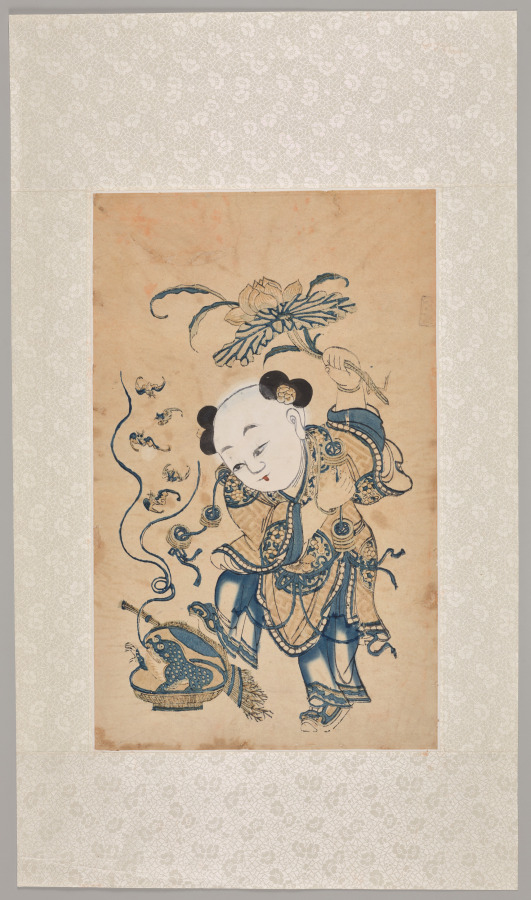
Boy Bringing Wealth at the Cleveland Museum of Art: 1736–95, Polychrome woodblock print; ink and color on paper. Explore the work's context, creator attribution and collection history.

Picture of a Cat, a Bird, and a Crabapple at the Cleveland Museum of Art: 1662–1735, Multicolor woodblock print; ink and color on paper. Explore the work's context, creator attribution and collection history.