Burse (Corporal Case) (1600s): Art, History and Details
Burse (Corporal Case) at the Cleveland Museum of Art: 1600s, Silk velvet: cut and uncut, metal thread lace. Explore the work's context, creator attribution and collection history.
Oldest entries first, in a fixed order. Newly added articles appear at the end. Explore a shuffled selection →
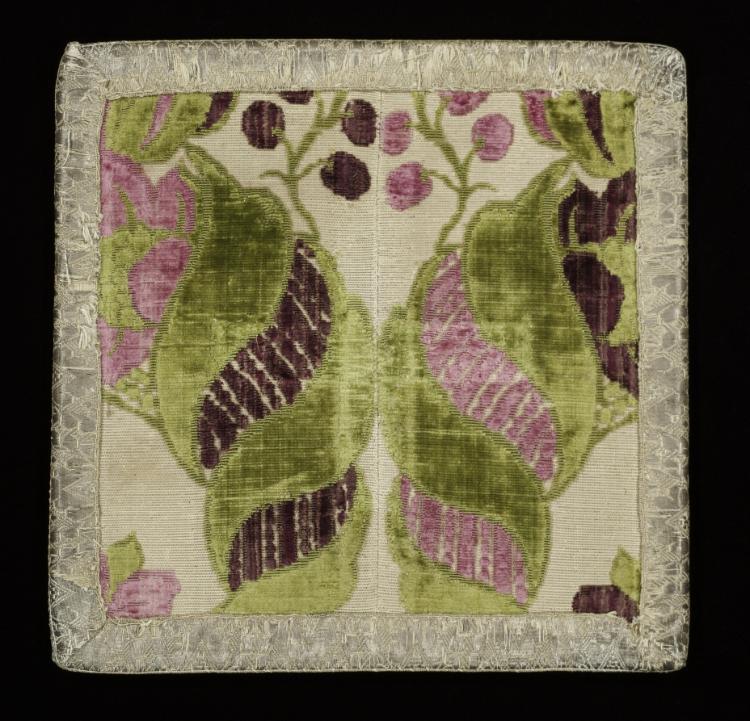
Burse (Corporal Case) at the Cleveland Museum of Art: 1600s, Silk velvet: cut and uncut, metal thread lace. Explore the work's context, creator attribution and collection history.
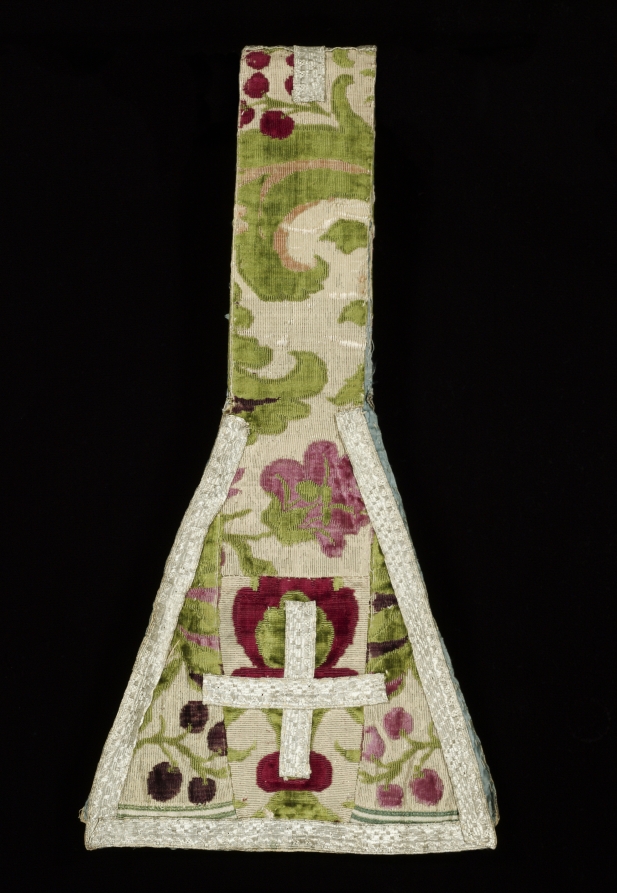
Maniple at the Cleveland Museum of Art: 17th century, cut and uncut silk velvet, metal thread lace. Explore the work's context, creator attribution and collection history.
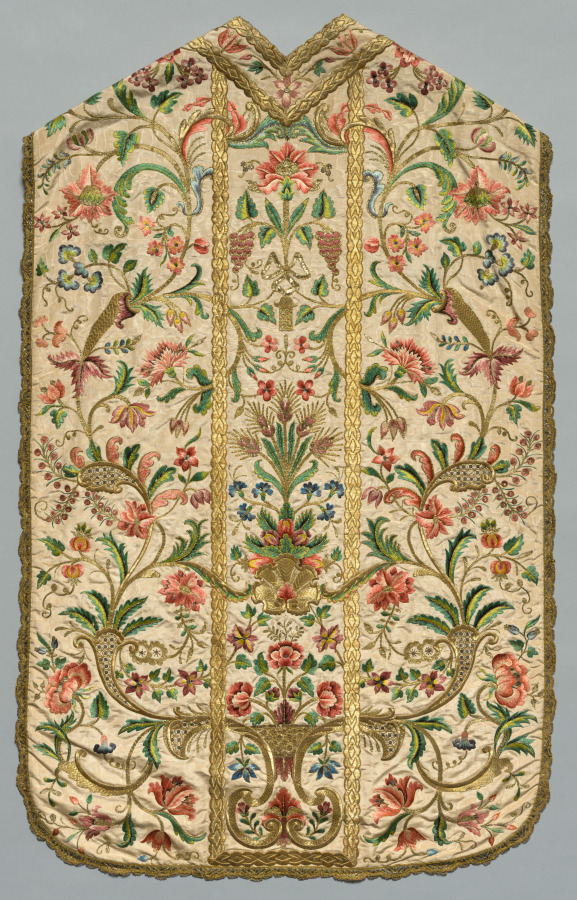
Chasuble at the Cleveland Museum of Art: 1700s, Silk and metallic threads; embroidery. Explore the work's context, creator attribution and collection history.
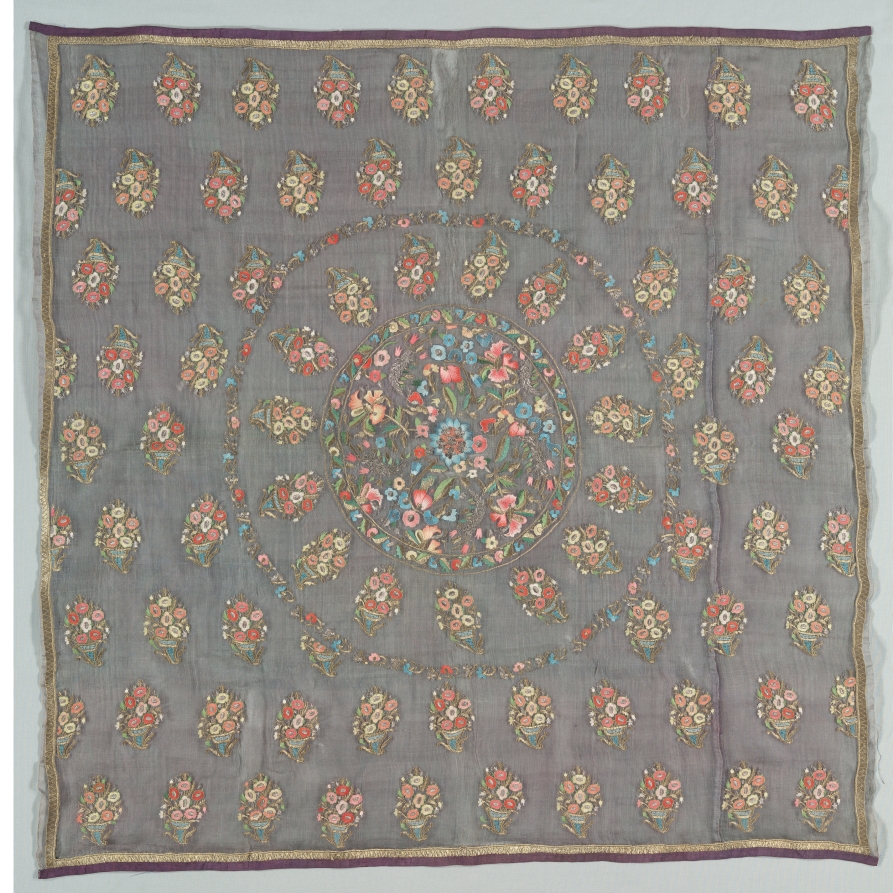
Turban cover at the Cleveland Museum of Art: 1700s-early 1800s, plain weave: silk; embroidery, double-running stitch: silk, gilt- and silver-metal thread. Explore the work's context, creator attribution and collection history.
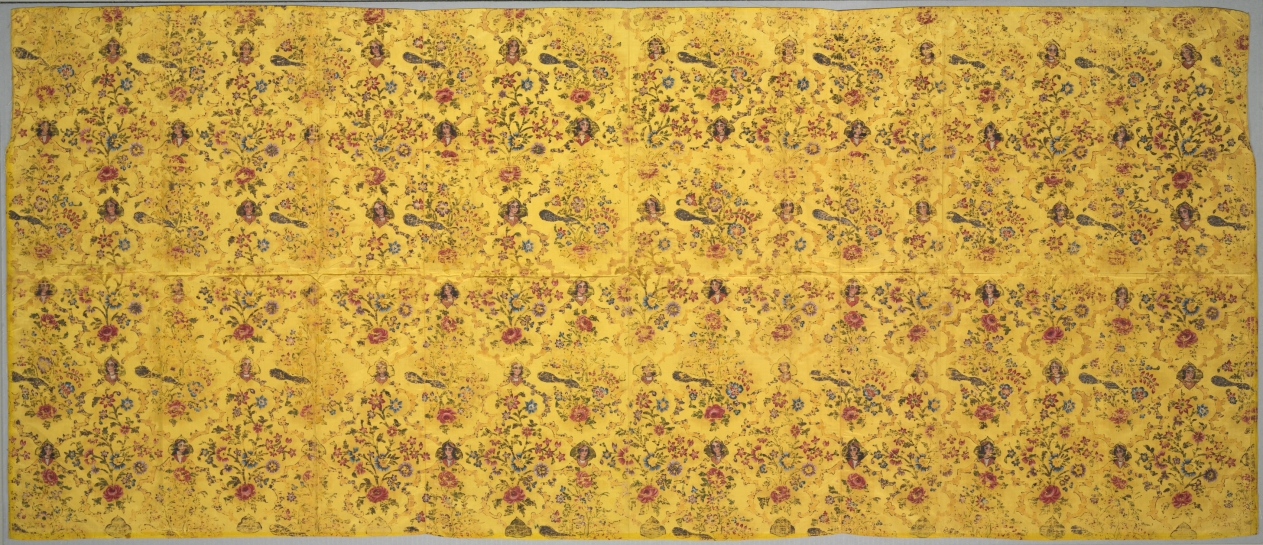
Wall cover with flora, peacocks, and portrait medallions at the Cleveland Museum of Art: 1800s, taffeta, hand-painted, block-printed: silk and pigments. Explore the work's context, creator attribution and collection history.
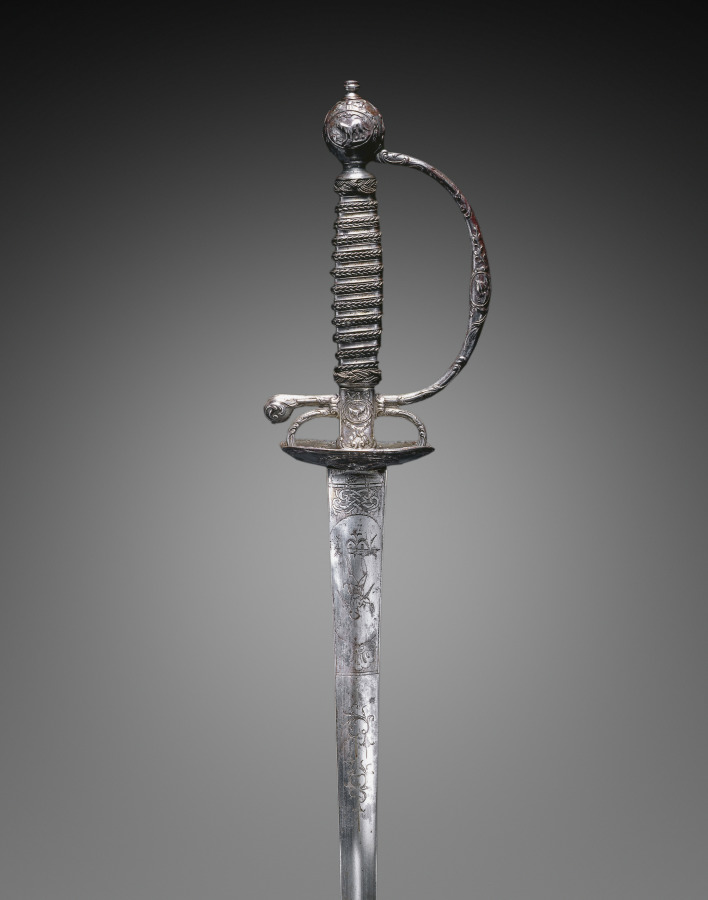
Small Sword at the Cleveland Museum of Art: c. 1770–80, steel; chiseled relief decoration; blade engraved; wire grip. Explore the work's context, creator attribution and collection history.
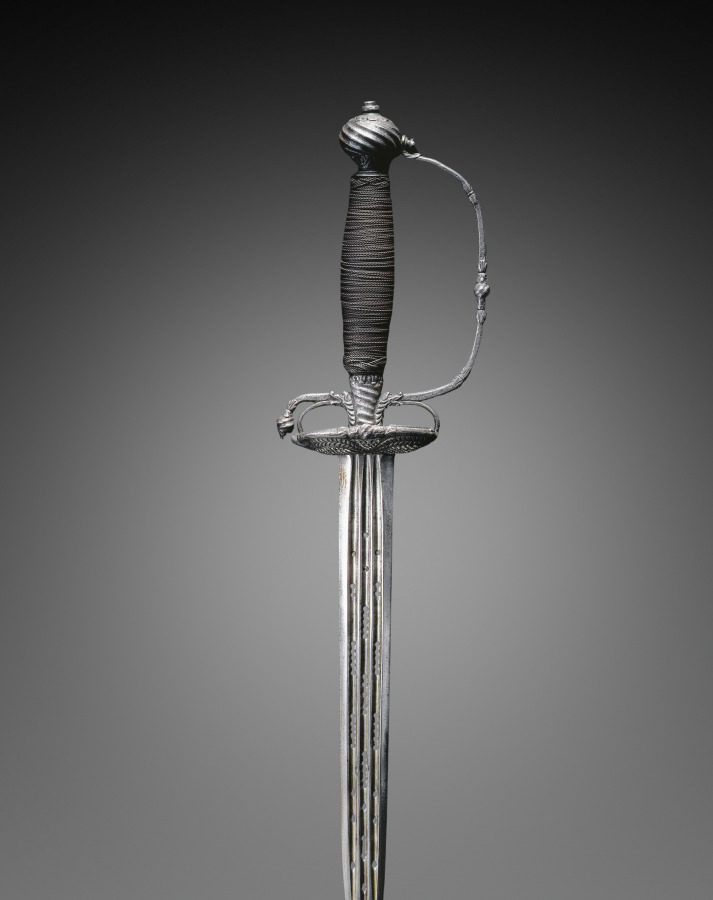
Small Sword at the Cleveland Museum of Art: c. 1720–60, steel; piercing; perforation. Explore the work's context, creator attribution and collection history.
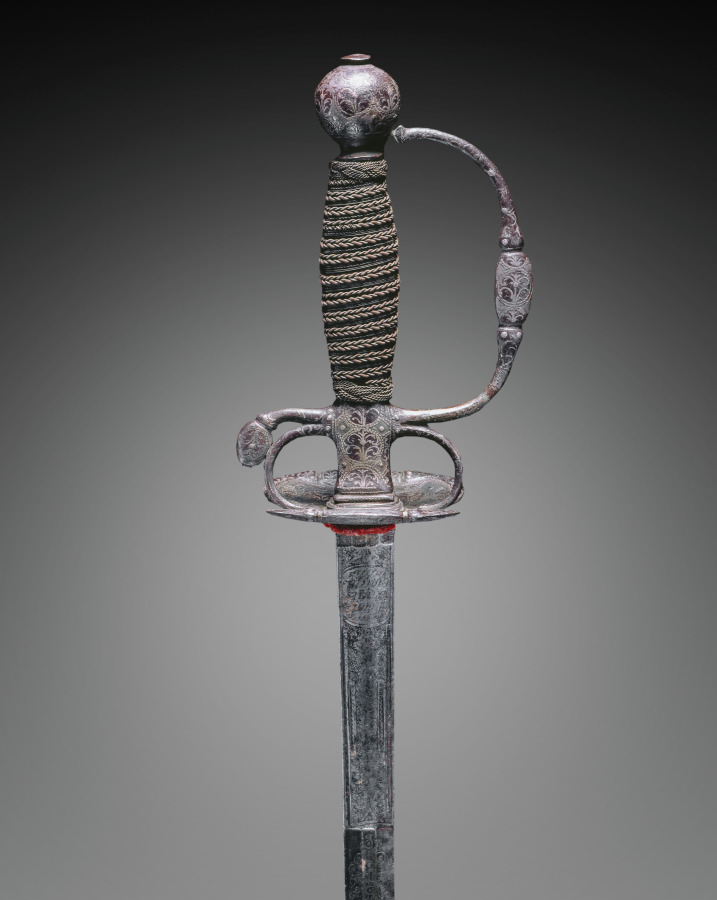
Small Sword at the Cleveland Museum of Art: c. 1730, steel, iron, copper wire, wood. Explore the work's context, creator attribution and collection history.

The Tomb of a Bishop at the Art Institute of Chicago: date, artist attribution, materials and the museum's explanation of the work.

Bell (nao) at the Art Institute of Chicago: date, artist attribution, materials and the museum's explanation of the work.

Pilgrim Flask (Bian Hu) at the Art Institute of Chicago: date, artist attribution, materials and the museum's explanation of the work.

Dragon-Handled Amphora 三彩双龙耳瓶 at the Art Institute of Chicago: date, artist attribution, materials and the museum's explanation of the work.

Cloud-Shaped Pillow with Peony Scroll at the Art Institute of Chicago: date, artist attribution, materials and the museum's explanation of the work.

Sōgyō Hachiman at the Art Institute of Chicago: date, artist attribution, materials and the museum's explanation of the work.

Melon-Shaped Ewer with Triple-Strand Handle and Floral Tendrils at the Art Institute of Chicago: date, artist attribution, materials and the museum's explanation of the work.

France preparing to get her candidates to pass muster under the measure of standards, plate 73 from Actualités at the Art Institute of Chicago: date, artist attribution, materials and the museum's explanation of the work.

Rinaldo and Armida at the Art Institute of Chicago: date, artist attribution, materials and the museum's explanation of the work.

Saint Jerome in Penitence at the Art Institute of Chicago: date, artist attribution, materials and the museum's explanation of the work.

Landscape with Ruins and Two Cows at the Waterside, from a series of four horizontal Roman Landscapes at the Art Institute of Chicago: date, artist attribution, materials and the museum's explanation of the work.

Aeneas Carrying His Father, Anchises at the Art Institute of Chicago: date, artist attribution, materials and the museum's explanation of the work.

Circe with Companions of Ulysses Changed into Animals at the Art Institute of Chicago: date, artist attribution, materials and the museum's explanation of the work.

Wine Container at the Art Institute of Chicago: date, artist attribution, materials and the museum's explanation of the work.

The Actor Ichikawa Danzo III as Shoki the Demon Queller in the Play Date Moyo Kumo ni Inazuma, Performed at the Morita Theater in the Tenth Month, 1768 at the Art Institute of Chicago: date, artist attribution, materials and the museum's ex

Ritual Impersonator of the Deity Xipe Totec at the Art Institute of Chicago: date, artist attribution, materials and the museum's explanation of the work.

Pair of Tomb Chamber Doors at the Art Institute of Chicago: date, artist attribution, materials and the museum's explanation of the work.

Equestrian Portrait of the Emperor Maximilian I at the Art Institute of Chicago: date, artist attribution, materials and the museum's explanation of the work.

Pillar from Tomb Chamber at the Art Institute of Chicago: date, artist attribution, materials and the museum's explanation of the work.

Pillar from Tomb Chamber at the Art Institute of Chicago: date, artist attribution, materials and the museum's explanation of the work.
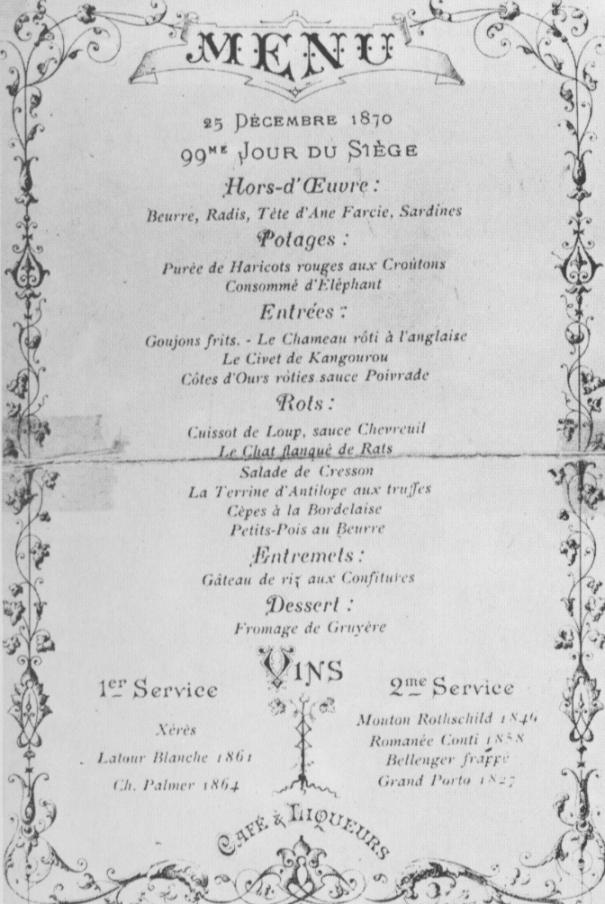
Alexandre Étienne Choron (1837 in Caen, Calvados – 1924) was a French chef.

Fabrice Desvignes (French pronunciation: [fabʁis deviɲ]), born in 1973, is a French chef, and winner of the 2007 Bocuse d'Or.
Olivier Elzer (born 18 April 1979) is a French chef.
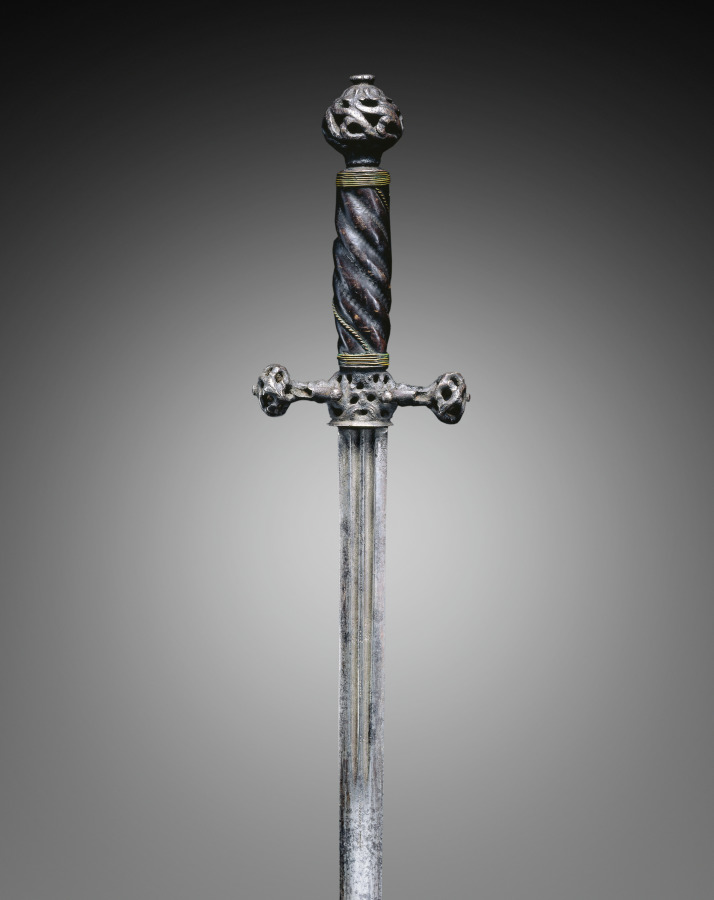
Pillow Sword at the Cleveland Museum of Art: c. 1650, steel, pierced; leather and wood. Explore the work's context, creator attribution and collection history.
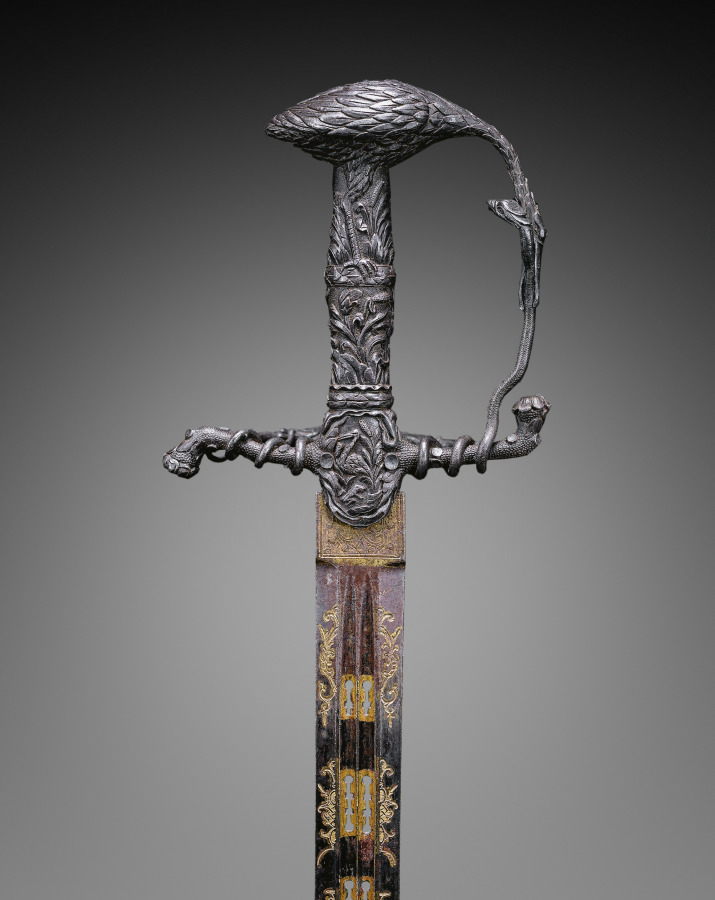
Rapier at the Cleveland Museum of Art: c. 1630–50, steel; blued, gilded, and perforated blade. Explore the work's context, creator attribution and collection history.
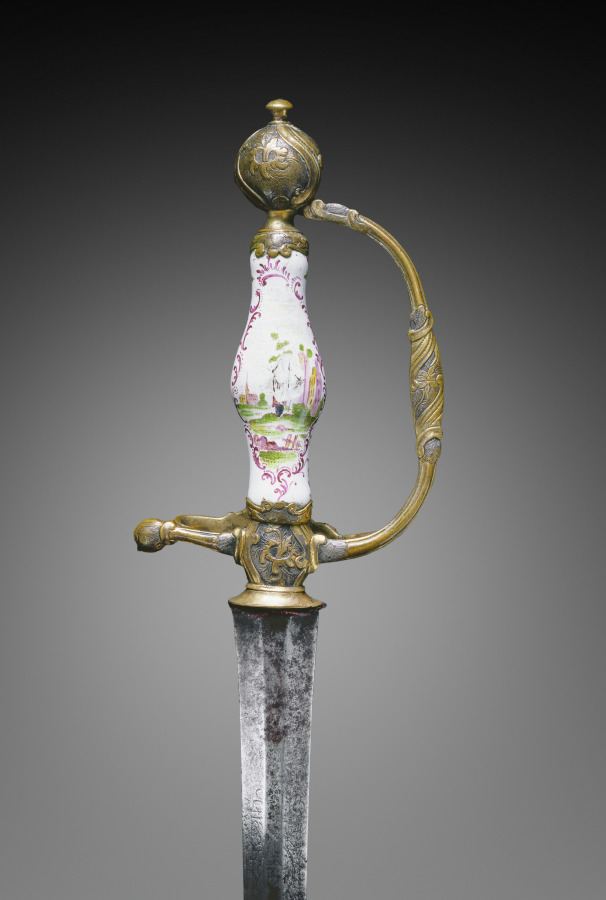
Small Sword at the Cleveland Museum of Art: c. 1770, steel, gilt-brass, porcelain grip. Explore the work's context, creator attribution and collection history.
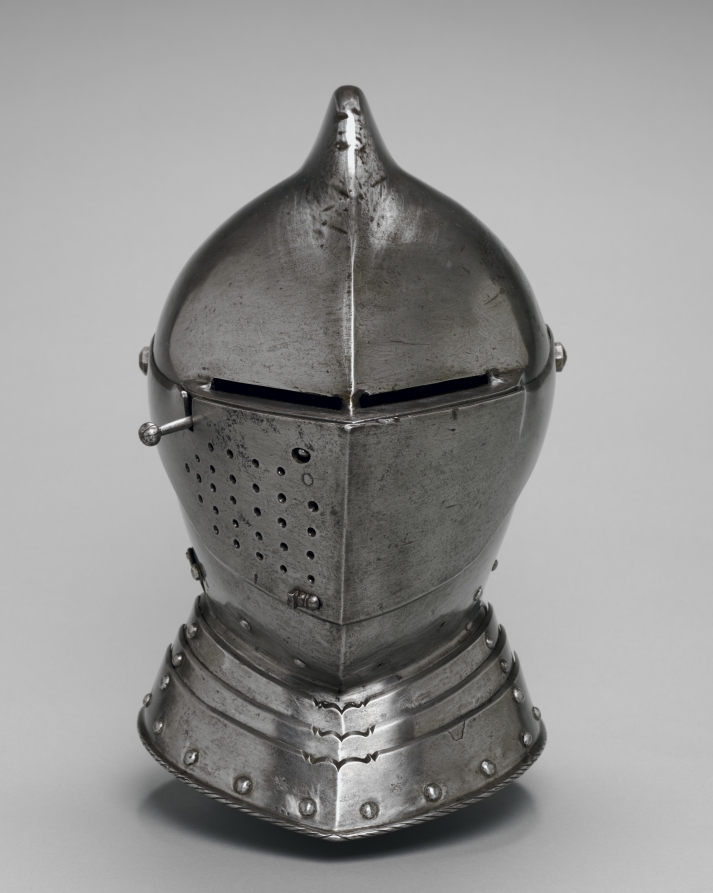
Helmet at the Cleveland Museum of Art: c. 1560–80, steel. Explore the work's context, creator attribution and collection history.
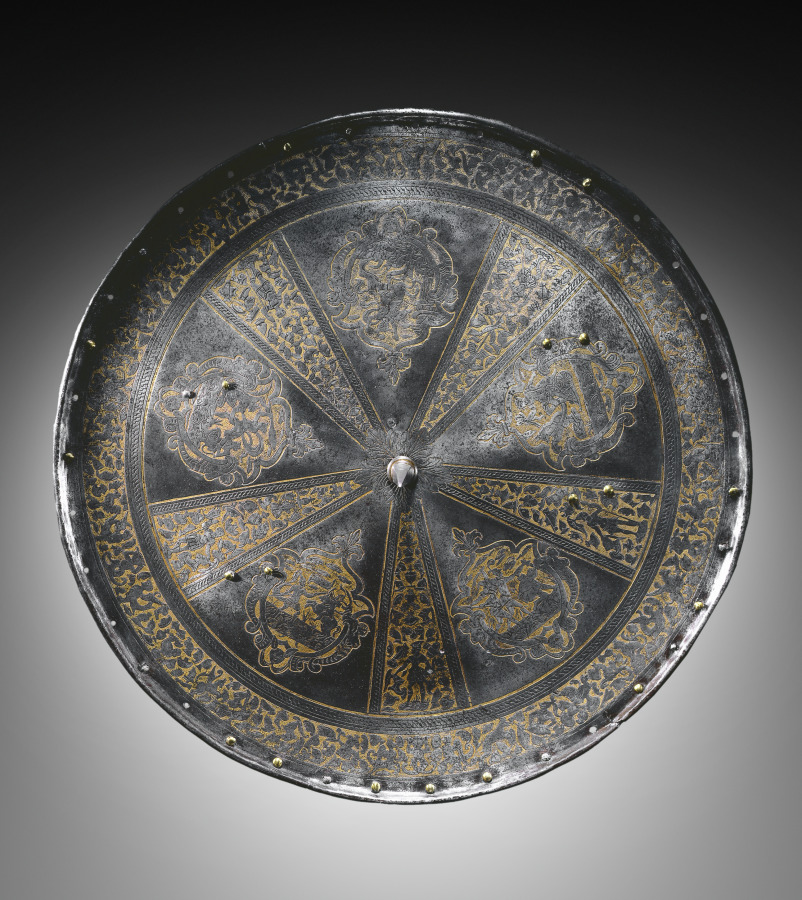
Rondache (Round Shield) at the Cleveland Museum of Art: c. 1570, etched and gilded steel with brass rivets. Explore the work's context, creator attribution and collection history.
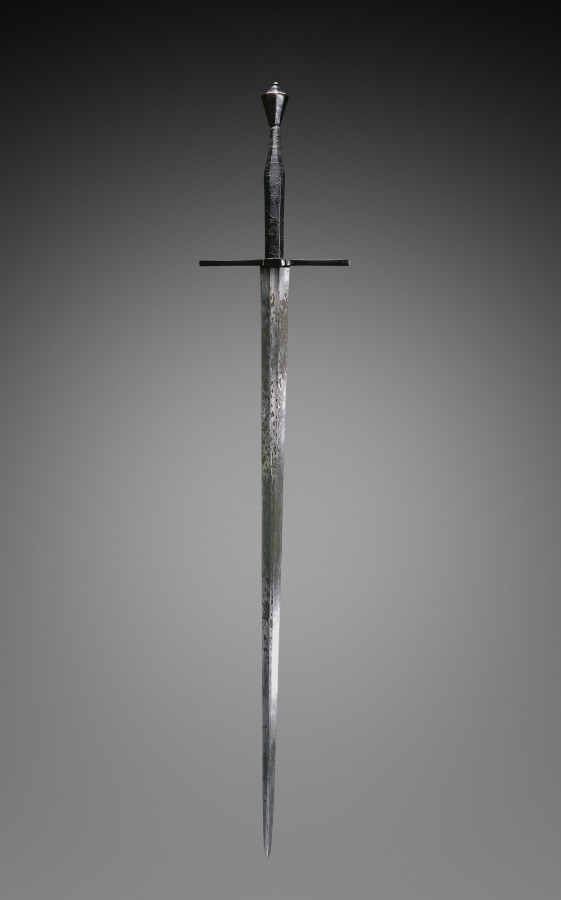
Hand-and-a-Half Sword at the Cleveland Museum of Art: c. 1550, steel, blued pommel and quillions, leather grip. Explore the work's context, creator attribution and collection history.
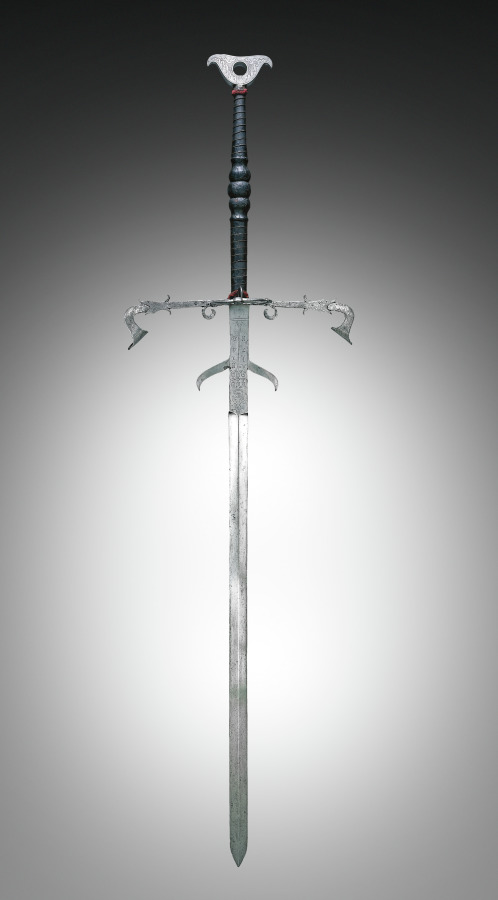
Two-Handed Sword of the State Guard of Julius of Brunswick-Lunüneburg at the Cleveland Museum of Art: 1574, steel, leather and wire bound grip. Explore the work's context, creator attribution and collection history.
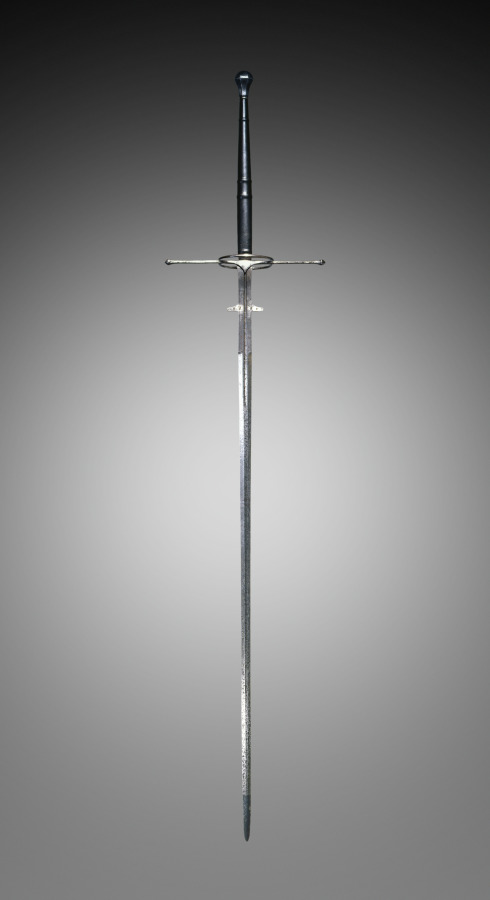
Two-Handed Sword at the Cleveland Museum of Art: 1550–1600, steel, wood and leather grip; fluted pommel. Explore the work's context, creator attribution and collection history.

Tilting Suit (composed) at the Cleveland Museum of Art: c. 1560–80, steel, leather straps, brass rivets. Explore the work's context, creator attribution and collection history.