Net Worth →

Lifestyle archive — Page 40

Oldest entries first, in a fixed order. Newly added articles appear at the end. Explore a shuffled selection →

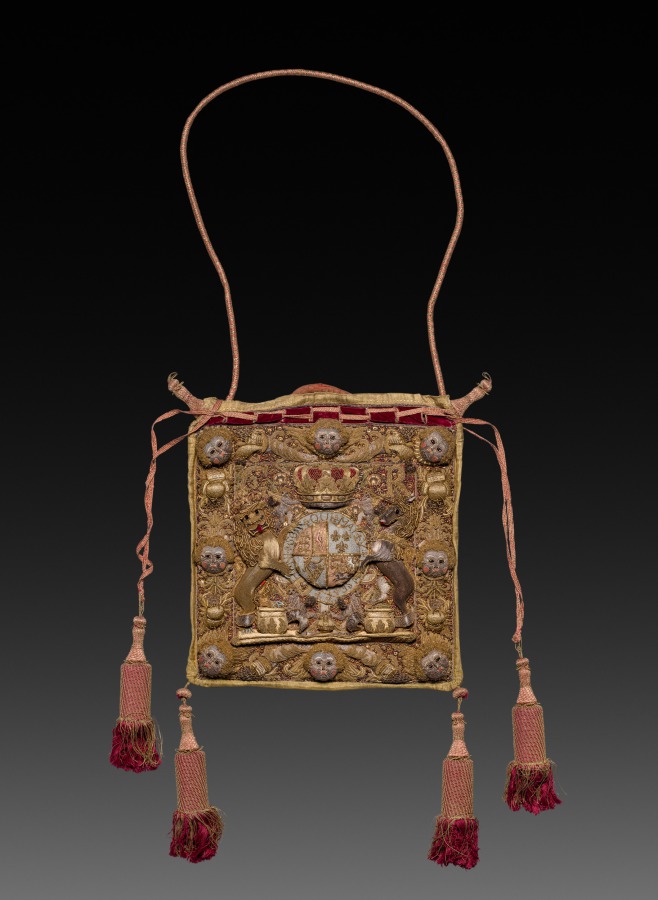
Lord Chancellor's Burse (Purse) with Royal Cypher and Coat of Arms of George III (1760–1801; Cleveland 1916.1366)

Lord Chancellor's Burse (Purse) with Royal Cypher and Coat of Arms of George III (1760–1801): Art, History and Details

Lord Chancellor's Burse (Purse) with Royal Cypher and Coat of Arms of George III at the Cleveland Museum of Art: 1760–1801, Red silk velvet, silk embroidery, goldwork, pearls, black beads, sequins, pendant tassels. Explore the work's contex
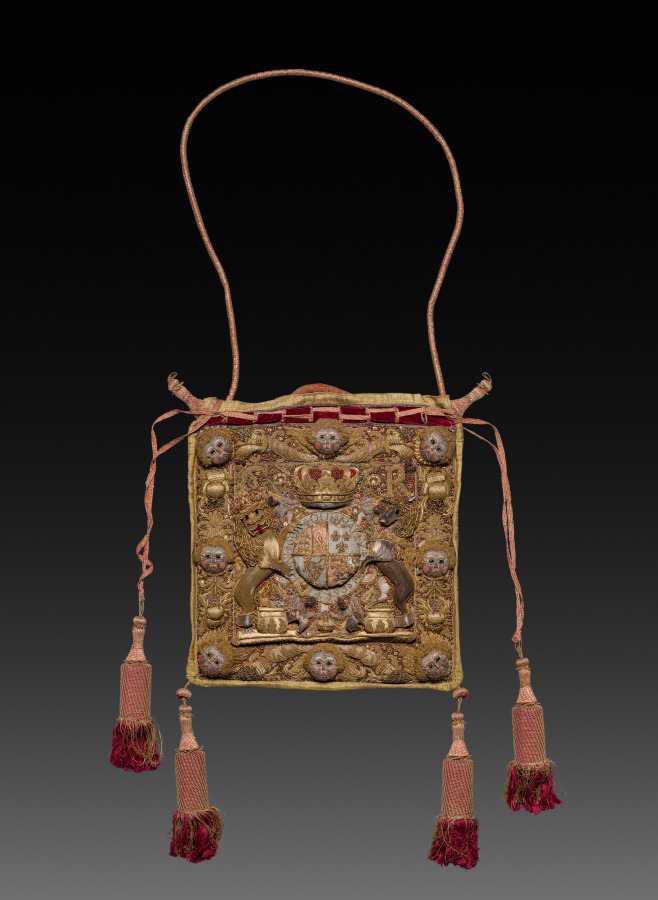
Lord Chancellor's Burse (Purse) with Royal Cypher and Coat of Arms of George III (1700s; Cleveland 1916.1366.a)

Lord Chancellor's Burse (Purse) with Royal Cypher and Coat of Arms of George III (1700s): Art, History and Details

Lord Chancellor's Burse (Purse) with Royal Cypher and Coat of Arms of George III at the Cleveland Museum of Art: 1700s, red silk velvet, silk embroidery, goldwork, pearls, black beads, sequins, pendant tassels. Explore the work's context, c

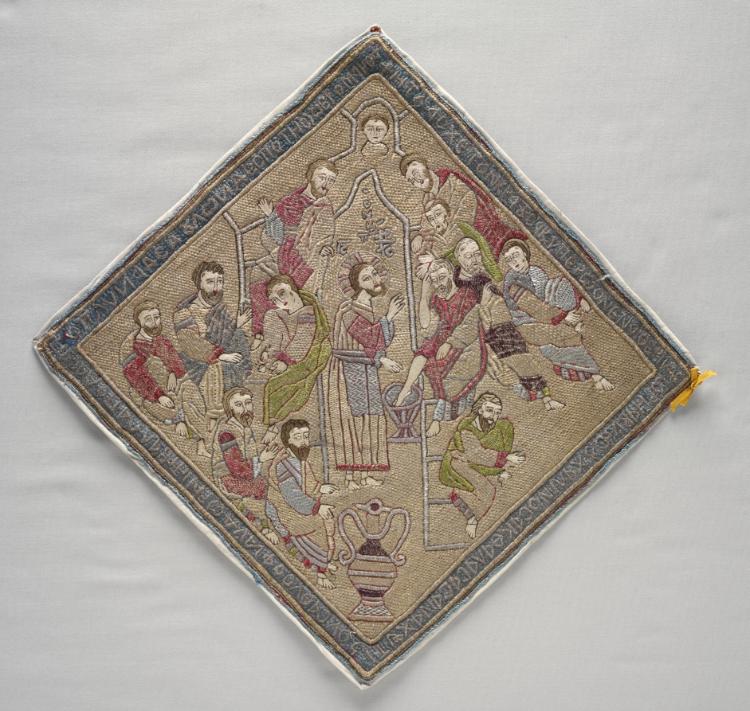
Ecclesiastical Embroidery (Epigonation) (1600s–1700s; Cleveland 1916.1422)

Ecclesiastical Embroidery (Epigonation) (1600s–1700s): Art, History and Details

Ecclesiastical Embroidery (Epigonation) at the Cleveland Museum of Art: 1600s–1700s, embroidery; silk and metallic threads. Explore the work's context, creator attribution and collection history.

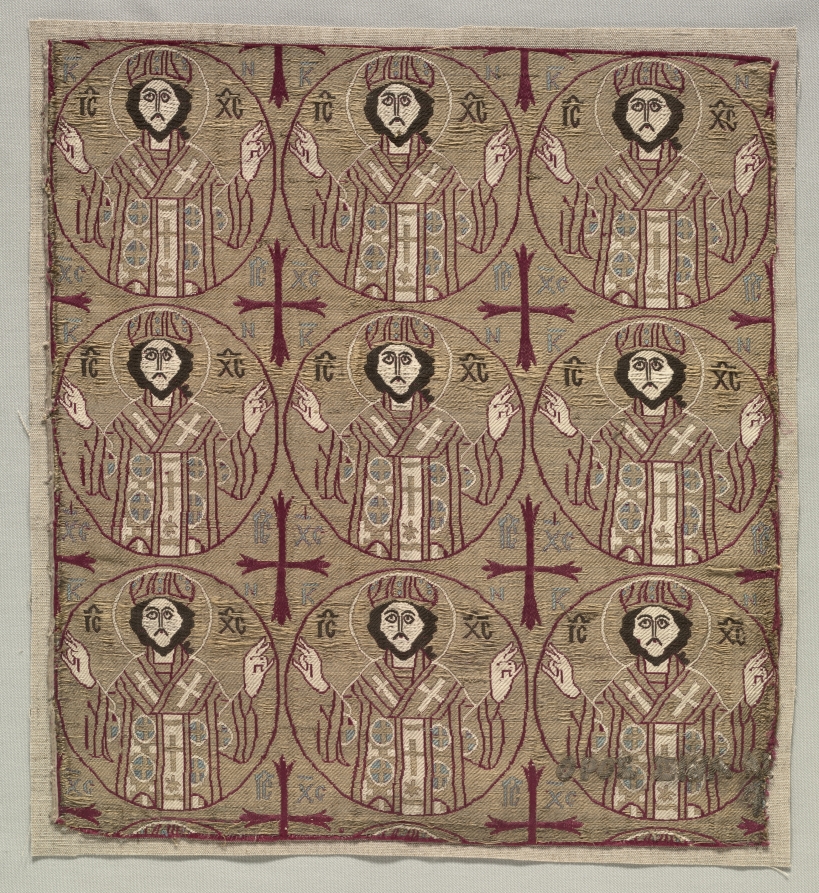
Lampas with roundels of the image of Christ in benedictory pose (1550–1650; Cleveland 1916.1423)

Lampas with roundels of the image of Christ in benedictory pose (1550–1650): Art, History and Details

Lampas with roundels of the image of Christ in benedictory pose at the Cleveland Museum of Art: 1550–1650, Silk and gilt-metal thread: lampas. Explore the work's context, creator attribution and collection history.

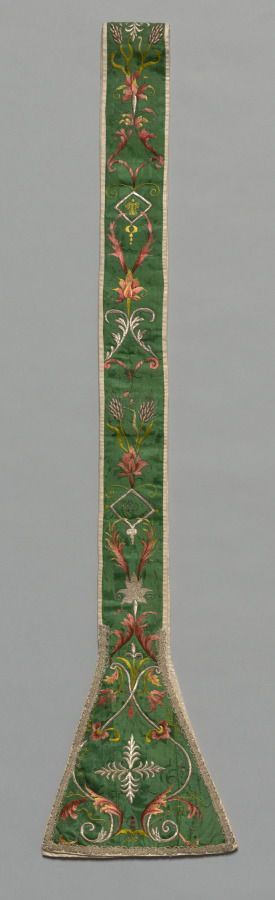
Embroidered Stola (1700s; Cleveland 1916.1431)

Embroidered Stola (1700s): Art, History and Details

Embroidered Stola at the Cleveland Museum of Art: 1700s, Silk and silver thread on silk damask ground; embroidery. Explore the work's context, creator attribution and collection history.

The Gentleman, plate five from The Ranks and Conditions of Men (c. 1465; Art Institute 1924.39.37)

The Gentleman, plate five from The Ranks and Conditions of Men (c. 1465): Artwork and History

The Gentleman, plate five from The Ranks and Conditions of Men at the Art Institute of Chicago: date, artist attribution, materials and the museum's explanation of the work.

Poetry, plate 27 from Arts and Sciences (c. 1465; Art Institute 1924.39.43)

Poetry, plate 27 from Arts and Sciences (c. 1465): Artwork and History

Poetry, plate 27 from Arts and Sciences at the Art Institute of Chicago: date, artist attribution, materials and the museum's explanation of the work.

Thalia, plate sixteen from Apollo and the Muses (c. 1465; Art Institute 1924.39.44)

Thalia, plate sixteen from Apollo and the Muses (c. 1465): Artwork and History

Thalia, plate sixteen from Apollo and the Muses at the Art Institute of Chicago: date, artist attribution, materials and the museum's explanation of the work.

The Servant, plate two from The Ranks and Conditions of Men (c. 1465; Art Institute 1924.39.45)

The Servant, plate two from The Ranks and Conditions of Men (c. 1465): Artwork and History

The Servant, plate two from The Ranks and Conditions of Men at the Art Institute of Chicago: date, artist attribution, materials and the museum's explanation of the work.

The Artisan, plate three from The Ranks and Conditions of Men (c. 1465; Art Institute 1924.39.47)

The Artisan, plate three from The Ranks and Conditions of Men (c. 1465): Artwork and History

The Artisan, plate three from The Ranks and Conditions of Men at the Art Institute of Chicago: date, artist attribution, materials and the museum's explanation of the work.

The Pope, plate ten from The Ranks and Conditions of Men (c. 1465; Art Institute 1924.39.11)

The Pope, plate ten from The Ranks and Conditions of Men (c. 1465): Artwork and History

The Pope, plate ten from The Ranks and Conditions of Men at the Art Institute of Chicago: date, artist attribution, materials and the museum's explanation of the work.

Euterpe, plate eighteen from Apollo and the Muses (c. 1465; Art Institute 1924.39.12)

Euterpe, plate eighteen from Apollo and the Muses (c. 1465): Artwork and History

Euterpe, plate eighteen from Apollo and the Muses at the Art Institute of Chicago: date, artist attribution, materials and the museum's explanation of the work.

Saint Andrew (1740–43; Art Institute 1960.50)

Saint Andrew (1740–43): Artwork and History

Saint Andrew at the Art Institute of Chicago: date, artist attribution, materials and the museum's explanation of the work.

Portrait Head of a Young Woman (130-40; Art Institute 1960.64)

Portrait Head of a Young Woman (130-40): Artwork and History

Portrait Head of a Young Woman at the Art Institute of Chicago: date, artist attribution, materials and the museum's explanation of the work.

Figure of a Youth from a Funerary Stele (Monument) (about 380 BCE; Art Institute 1960.70)

Figure of a Youth from a Funerary Stele (Monument) (about 380 BCE): Artwork and History

Figure of a Youth from a Funerary Stele (Monument) at the Art Institute of Chicago: date, artist attribution, materials and the museum's explanation of the work.

Maitreya Buddha (Tang dynasty (618–906), dated 705; Art Institute 1924.115)

Maitreya Buddha (Tang dynasty (618–906), dated 705): Artwork and History

Maitreya Buddha at the Art Institute of Chicago: date, artist attribution, materials and the museum's explanation of the work.

Girl's Face, from Spring Fresco of Jusélius Mausoleum (1905; Art Institute 1924.124)

Girl's Face, from Spring Fresco of Jusélius Mausoleum (1905): Artwork and History

Girl's Face, from Spring Fresco of Jusélius Mausoleum at the Art Institute of Chicago: date, artist attribution, materials and the museum's explanation of the work.

Woman at Her Toilette (1875–80; Art Institute 1924.127)

Woman at Her Toilette (1875–80): Artwork and History

Woman at Her Toilette at the Art Institute of Chicago: date, artist attribution, materials and the museum's explanation of the work.

Tiger Resting in the Desert (1846; Art Institute 1960.302)

Tiger Resting in the Desert (1846): Artwork and History

Tiger Resting in the Desert at the Art Institute of Chicago: date, artist attribution, materials and the museum's explanation of the work.

The Dreamer (La Rêveuse) (1712–14; Art Institute 1960.305)

The Dreamer (La Rêveuse) (1712–14): Artwork and History

The Dreamer (La Rêveuse) at the Art Institute of Chicago: date, artist attribution, materials and the museum's explanation of the work.

Model of a Two-Story Structure (Eastern Han dynasty, 25–220 CE; Art Institute 1924.223)

Model of a Two-Story Structure (Eastern Han dynasty, 25–220 CE): Artwork and History

Model of a Two-Story Structure at the Art Institute of Chicago: date, artist attribution, materials and the museum's explanation of the work.

Top Story of a Tower (Tomb Model) (Eastern Han dynasty (A.D.25–220); Art Institute 1924.227)

Top Story of a Tower (Tomb Model) (Eastern Han dynasty (A.D.25–220)): Artwork and History

Top Story of a Tower (Tomb Model) at the Art Institute of Chicago: date, artist attribution, materials and the museum's explanation of the work.

Three Men Carrying a Wounded Soldier, from the Images of Spain, Album F (1812/20; Art Institute 1960.313)

Three Men Carrying a Wounded Soldier, from the Images of Spain, Album F (1812/20): Artwork and History

Three Men Carrying a Wounded Soldier, from the Images of Spain, Album F at the Art Institute of Chicago: date, artist attribution, materials and the museum's explanation of the work.

Granary (Cang) (Eastern Han dynasty (A.D. 25–220); Art Institute 1924.238)

Granary (Cang) (Eastern Han dynasty (A.D. 25–220)): Artwork and History

Granary (Cang) at the Art Institute of Chicago: date, artist attribution, materials and the museum's explanation of the work.

Mountain-Shaped Incense Burner (Western Han dynasty, 206 BCE–9 CE; Art Institute 1924.239)

Mountain-Shaped Incense Burner (Western Han dynasty, 206 BCE–9 CE): Artwork and History

Mountain-Shaped Incense Burner at the Art Institute of Chicago: date, artist attribution, materials and the museum's explanation of the work.

AI-generated editorial illustration — not a photograph of the subject

Léa Bidaut: Biography and Background

Léa Bidaut (17 May 1908 – 30 May 1996), known as Mère Léa, was a French cook and Lyon Mère.

AI-generated editorial illustration — not a photograph of the subject

Marcel Boulestin: Biography and Background

Xavier Marcel Boulestin (13 April 1877 – 20 September 1943) was a French chef, restaurateur, and the author of cookery books that popularised French cuisine in the English-speaking world.

AI-generated editorial illustration — not a photograph of the subject

Jean-Luc Boulay: Biography and Background

Jean-Luc Boulay (born 1955) is a French-born chef, restaurateur and television personality who emigrated to Canada in 1976, and founded his first restaurant Le Saint-Amour in Quebec City with his

Photo of Eugénie Brazier which appears in several obituaries

Eugénie Brazier: Biography and Background

Eugénie Brazier (12 June 1895 – 2 March 1977), known as "la Mère Brazier", was a French chef who, in 1933, became the first person awarded six Michelin stars, three each at two restaurants: La Mè

AI-generated editorial illustration — not a photograph of the subject

Raymond Calvel: Biography and Background

Raymond Calvel (1913 – 30 August 2005) was a bread expert and professor of baking at ENSMIC in Paris, France.

Portrait d'Antonin Carême

Marie-Antoine Carême: Biography and Background

Marie-Antoine Carême (French: [maʁi ɑ̃twan kaʁɛːm]; 8 June 1783 or 1784 – 12 January 1833), also known as Antonin Carême, was a French chef and author who specialised in grande cuisine for the el

AI-generated editorial illustration — not a photograph of the subject

Paule Castaing: Biography and Background

Paulette Castaing, née Paule Germaine Célina Penel, often known as Mère Castaing, born 14 March 1911 in Nîmes (Gard) and died 9 August 2012 in Lyon (Rhône) aged 103, was a French chef, twice star

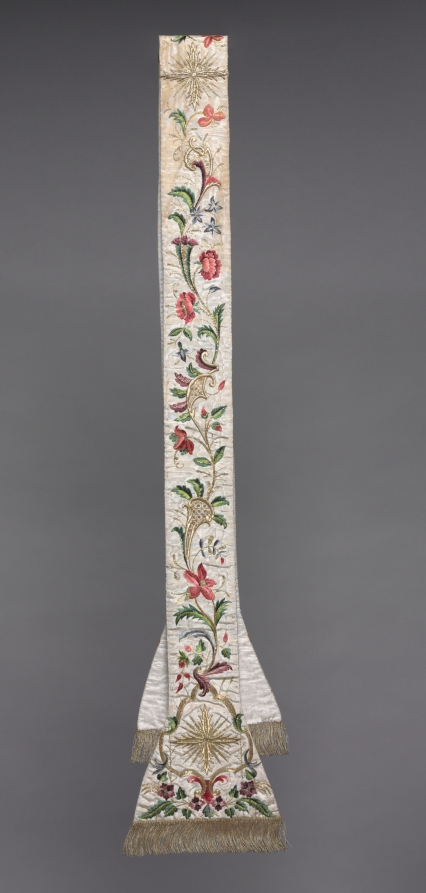
Embroidered Stola (1700s; Cleveland 1916.1432)

Embroidered Stola (1700s): Art, History and Details

Embroidered Stola at the Cleveland Museum of Art: 1700s, silk and metal on satin: embroidery. Explore the work's context, creator attribution and collection history.

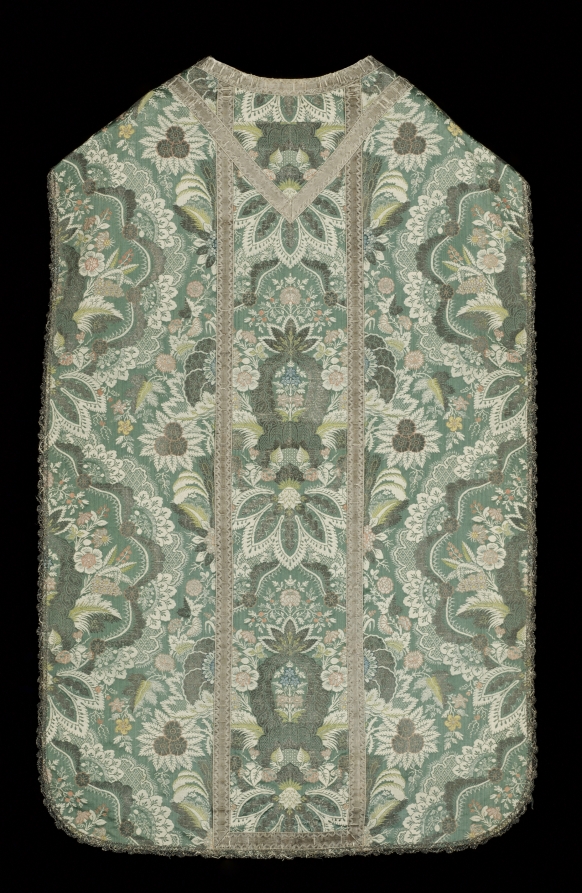
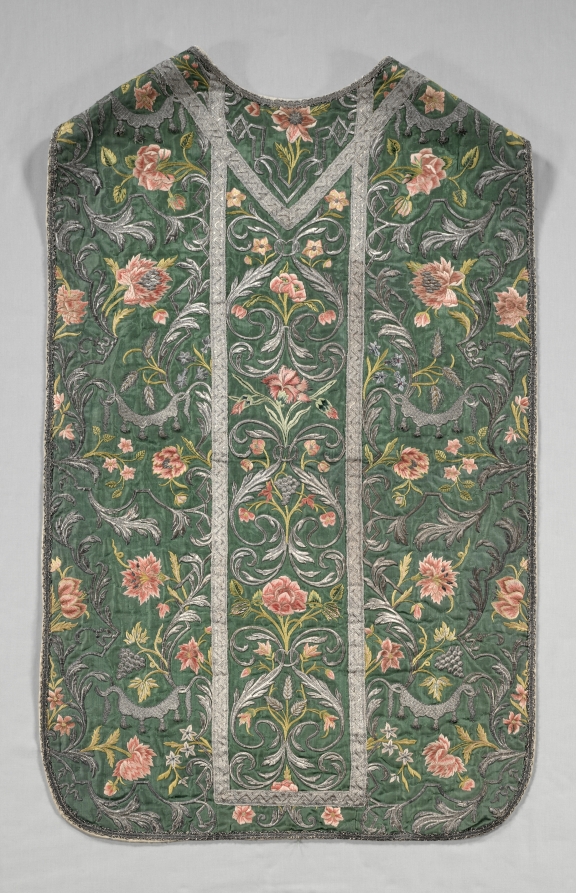
Chasuble (c. 1720s; Cleveland 1916.1438)

Chasuble (c. 1720s): Art, History and Details

Chasuble at the Cleveland Museum of Art: c. 1720s, Silk; tabby weave. Explore the work's context, creator attribution and collection history.

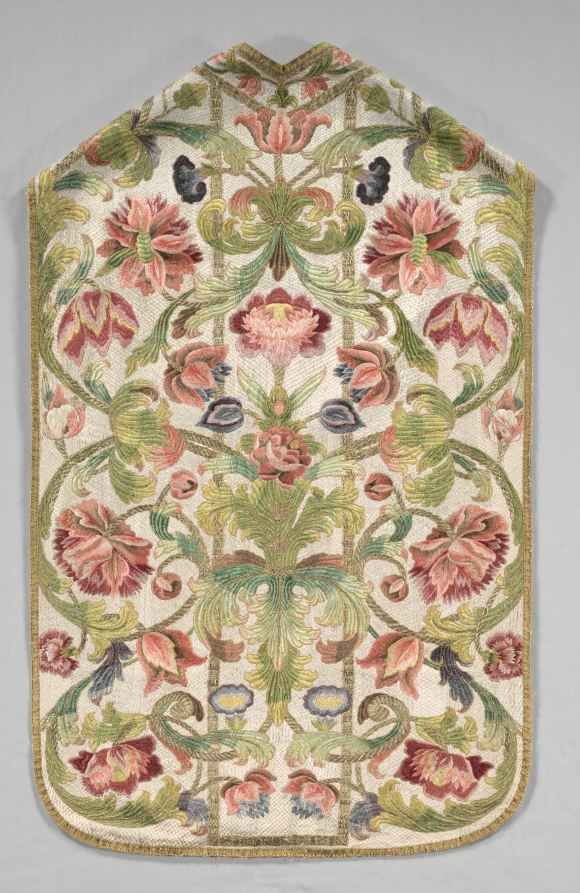
Chasuble (1700s; Cleveland 1916.1440)

Chasuble (1700s): Art, History and Details

Chasuble at the Cleveland Museum of Art: 1700s, Silk and metallic threads: embroidery. Explore the work's context, creator attribution and collection history.

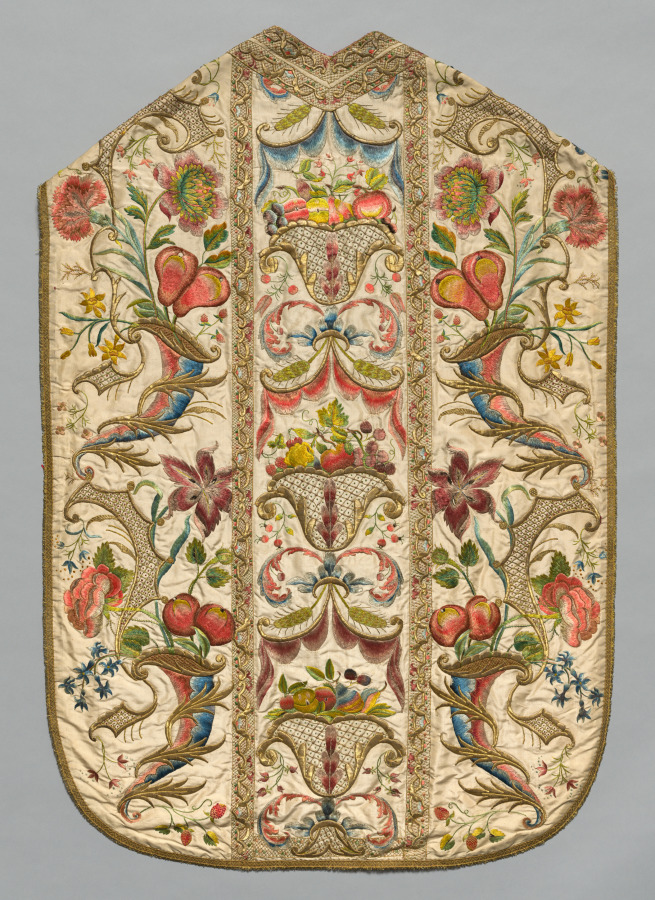
Chasuble (1700s; Cleveland 1916.1441)

Chasuble (1700s): Art, History and Details

Chasuble at the Cleveland Museum of Art: 1700s, embroidery, silk. Explore the work's context, creator attribution and collection history.

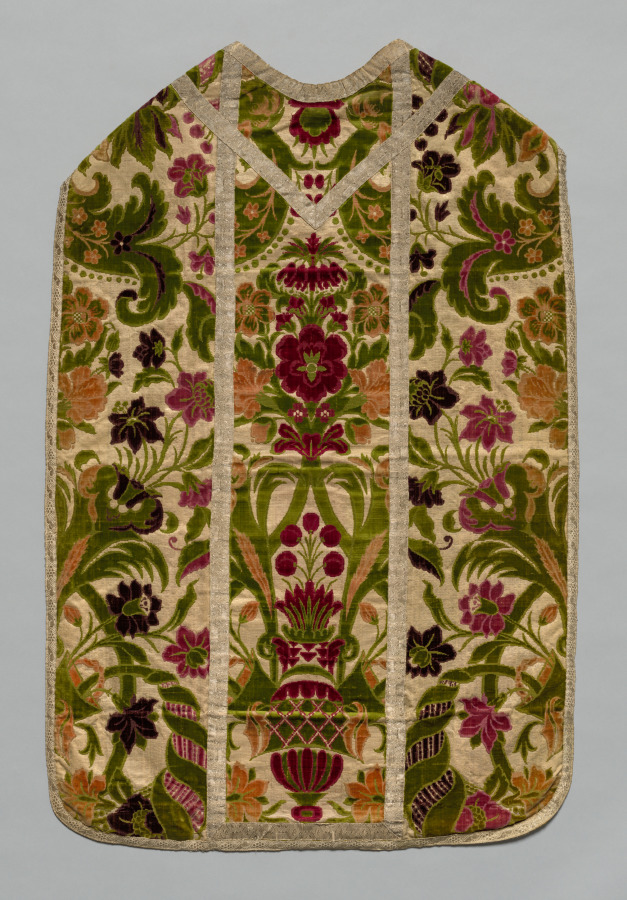
Chasuble (1700s; Cleveland 1916.1442)

Chasuble (1700s): Art, History and Details

Chasuble at the Cleveland Museum of Art: 1700s, Silk and metallic threads: embroidery. Explore the work's context, creator attribution and collection history.

Chasuble, Stole, Burse (Corporal Case), and Maniple (1600s; Cleveland 1916.1443)

Chasuble, Stole, Burse (Corporal Case), and Maniple (1600s): Art, History and Details

Chasuble, Stole, Burse (Corporal Case), and Maniple at the Cleveland Museum of Art: 1600s, woven polychrome silk and gilt metal threads, cut and uncut velvet. Explore the work's context, creator attribution and collection history.

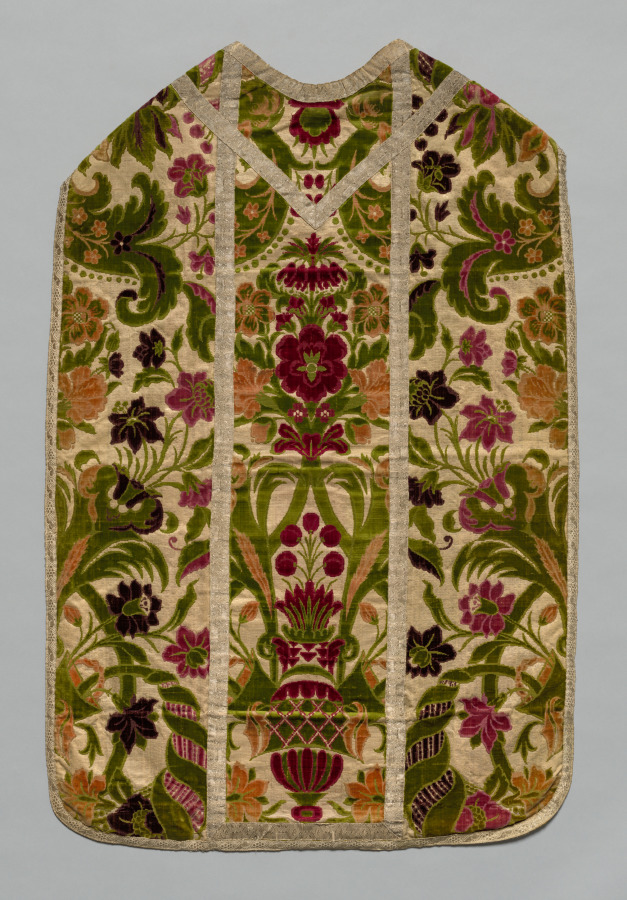
Chasuble (c 1600–1700; Cleveland 1916.1443.1)

Chasuble (c 1600–1700): Art, History and Details

Chasuble at the Cleveland Museum of Art: c 1600–1700, Silk and gilt metal threads, woven; cut and uncut velvet. Explore the work's context, creator attribution and collection history.

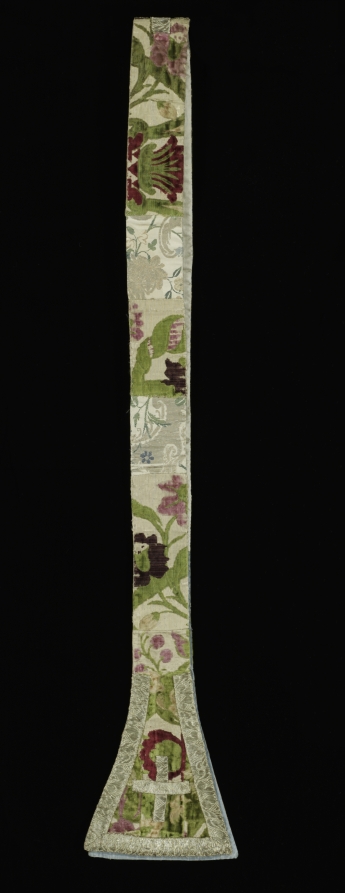
Stole (1600s; Cleveland 1916.1443.2)

Stole (1600s): Art, History and Details

Stole at the Cleveland Museum of Art: 1600s, Velvet: cut and uncut, silk, metal thread. Explore the work's context, creator attribution and collection history.