Architectural Canopy (c. 1450–75): Art, History and Details
Architectural Canopy at the Cleveland Museum of Art: c. 1450–75, limestone from Tonnerre. Explore the work's context, creator attribution and collection history.
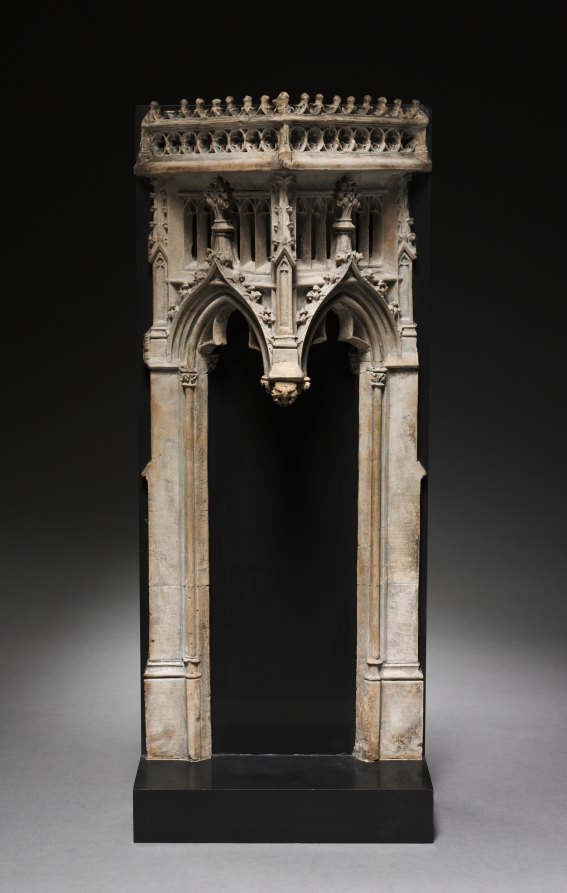
Architectural Canopy (c. 1450–75) is in the Cleveland Museum of Art collection.
The work and its context
The museum's open-access catalogue describes the work:
Part of a pair of canopies, both must have originally belonged to an architectural ensemble like a tomb or a choir screen set within a church. Strikingly carved as architecture in miniature, they contain all of the elements of Flamboyant Gothic architecture of the late 15th century, so named after its flame-like stone tracery with wavy ornaments. This style of architecture is characterized by its intricacy of detailing and virtuosity of workmanship. Small sculptures may have originally occupied the space beneath the canopies.
Object facts
- Title: Architectural Canopy
- Date: c. 1450–75
- Culture: France, Burgundy
- Type: Sculpture
- Technique: limestone from Tonnerre
- Dimensions: Overall: 50.5 x 21.8 x 10.7 cm (19 7/8 x 8 9/16 x 4 3/16 in.)
- Collection: MED - Gothic
- Department: Medieval Art
- Accession number: 1974.4.2
Collection credit
Purchase from the J. H. Wade Fund
View the collection record
See the museum's photographs and full catalogue entry. Catalogue text is reproduced from the Cleveland Museum of Art's open-access data, with HTML formatting removed. This object and its supplied image are designated CC0.
Sources
More in Lifestyle
Keep reading