Deer Effigy Vessel (250–600 CE): Art, History and Details
Deer Effigy Vessel at the Cleveland Museum of Art: 250–600 CE, earthenware. Explore the work's context, creator attribution and collection history.
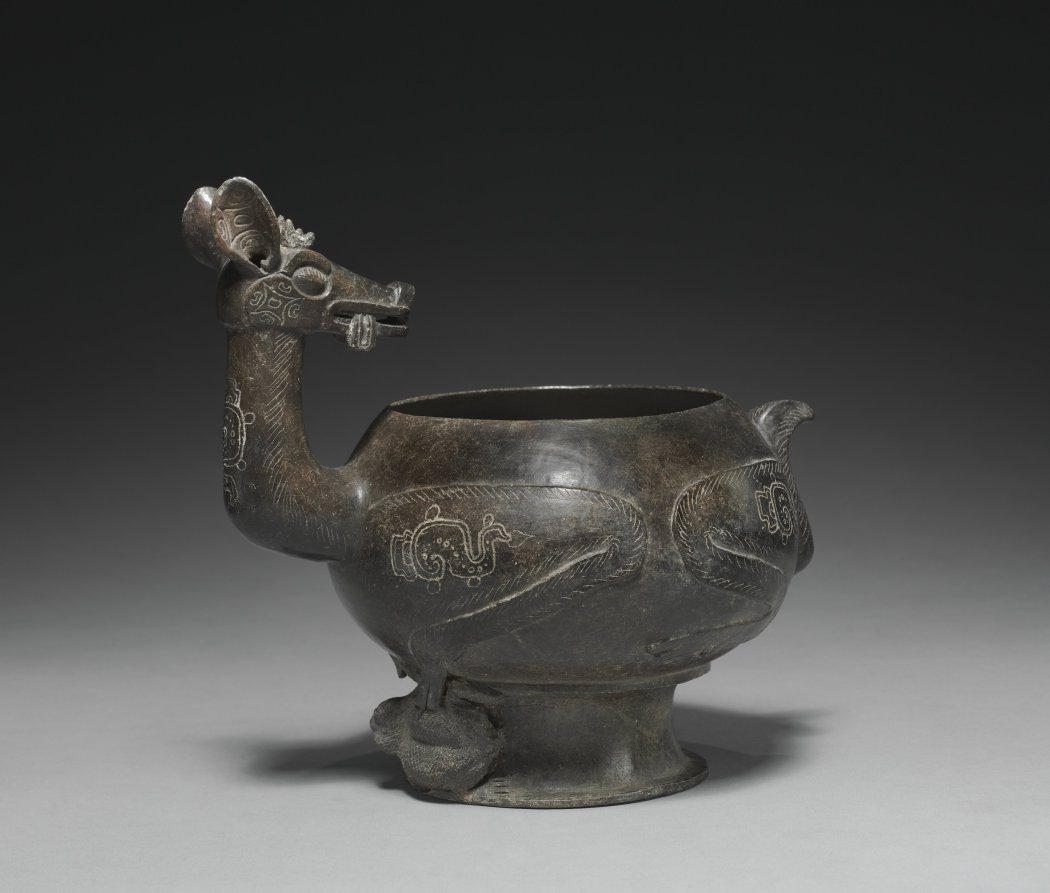
Deer Effigy Vessel (250–600 CE) is in the Cleveland Museum of Art collection.
The work and its context
The museum's open-access catalogue describes the work:
Maya artwork from the Early Classic Period (about AD 250-600) is dominated by three-dimensional sculpture in jade, stone, wood, and especially ceramic. This vessel is an exceptionally elegant example of Maya blackware, produced by firing earthenware pottery in a reducing (low oxygen) atmosphere. The deer is frequently depicted in Maya art, usually as a victim of either hunting or sacrifice. Venus signs and conch shells engraved on the deer also suggest death, for the planet Venus was regarded as a bringer of ill-fortune, and conch shell trumpets were carried by hunters. The small frog or toad pressed firmly under the deer's hoof relates to agricultural fertility. The croaking of these amphibians was a harbinger of rain.
Object facts
- Title: Deer Effigy Vessel
- Date: 250–600 CE
- Culture: Mesoamerica, Maya style, Classic Period (250-900)
- Type: Ceramic
- Technique: earthenware
- Dimensions: Overall: 22.8 x 24.7 x 18 cm (9 x 9 3/4 x 7 1/16 in.)
- Collection: AA - Mesoamerica
- Department: Art of the Americas
- Accession number: 1997.60
Collection credit
Leonard C. Hanna Jr. Fund
Further reading listed by the museum
- Cleveland Museum of Art, “Museum Acquires Major Chuck Close Painting, 19th-century Fire Screen, Rare Prints & Drawings,” June 9, 1997, Cleveland Museum of Art Archives.
- Young- Sanchez, Margaret, Cleveland Art: The Cleveland Museum of Art Members Magazine. Vol. 37 no. 09, November 1997
View the collection record
See the museum's photographs and full catalogue entry. Catalogue text is reproduced from the Cleveland Museum of Art's open-access data, with HTML formatting removed. This object and its supplied image are designated CC0.
Sources
More in Lifestyle
Keep reading