Dish with Incised Scroll Design (900s–1100s): Art, History and Details
Dish with Incised Scroll Design at the Cleveland Museum of Art: 900s–1100s, Pottery with pale bluish-white glaze and incised design, Qingbai ("blue-white") ware. Explore the work's context, creator attribution and collection history.
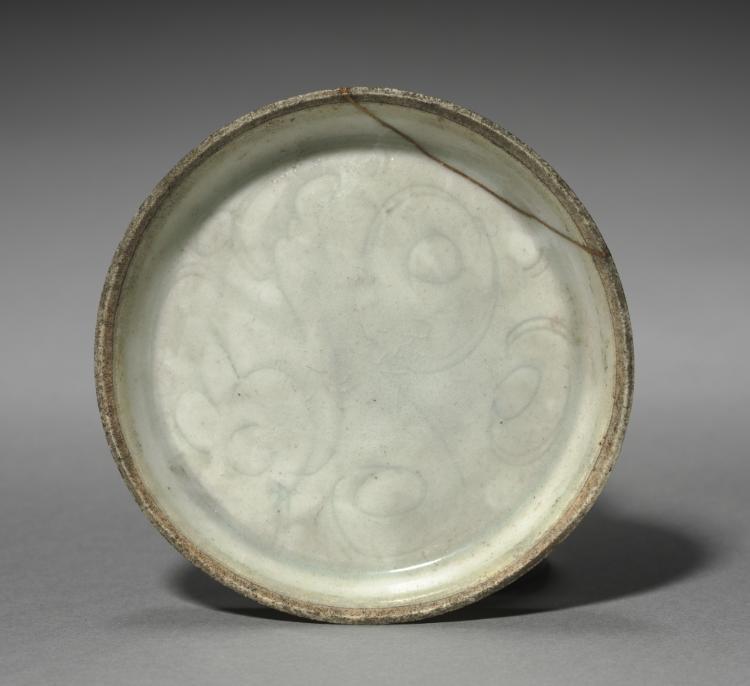
Dish with Incised Scroll Design (900s–1100s) is in the Cleveland Museum of Art collection.
The work and its context
The museum's open-access catalogue describes the work:
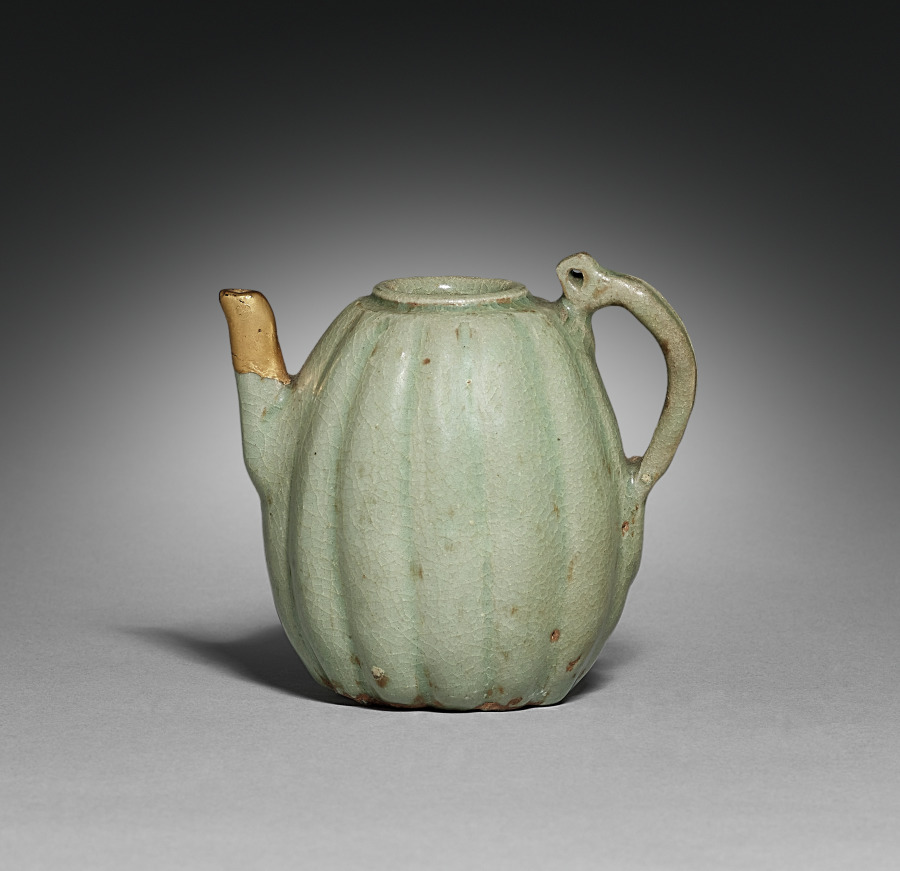
While this dish was donated as a rare white celadon excavated from a Goryeo period tomb, it turns out to be a Song period Chinese Qingbai ware much enjoyed as a luxury item among Korean ruling elites in the Goryeo period (918–1392).
Object facts
- Title: Dish with Incised Scroll Design
- Date: 900s–1100s
- Culture: China, Song dynasty (960-1279)
- Type: Ceramic
- Technique: Pottery with pale bluish-white glaze and incised design, Qingbai ("blue-white") ware
- Dimensions: Overall: 1.2 x 9.2 cm (1/2 x 3 5/8 in.); Diameter of base: 7 cm (2 3/4 in.)
- Collection: China - Song Dynasty
- Department: Chinese Art
- Accession number: 1921.644
A detail from the museum
This lightly potted shallow dish is carved and combed with what might be flowering peony.
Collection credit
Gift of John L. Severance
Further reading listed by the museum
- Lee, Jongmin, “The Genealogy and Characteristics of Imported Chinese White Porcelain in the Mid-Goryeo Period [고려 중기 수입 중국백자의 계통과 성격].” Misulsa yeongu (2011): 137-160.
- Kim, Yunjeong. “The Current State and Characteristics of the Song Dynasty Qingbai Wares Unearthed from Goryeo Sites [고려시대 유적 출토 송대 청백자의 현황과 특징].” Ya-oe gogohak (2013): 91-119.
- Goryeo: The Glory of Korea [대고려, 그 찬란한 도전]. Seoul: National Museum of Korea, 2018.
View the collection record
See the museum's photographs and full catalogue entry. Catalogue text is reproduced from the Cleveland Museum of Art's open-access data, with HTML formatting removed. This object and its supplied image are designated CC0.
Sources
More in Lifestyle
Keep reading