Paten (c. 1450–80): Art, History and Details
Paten at the Cleveland Museum of Art: c. 1450–80, gilt silver and filigree enamel. Explore the work's context, creator attribution and collection history.
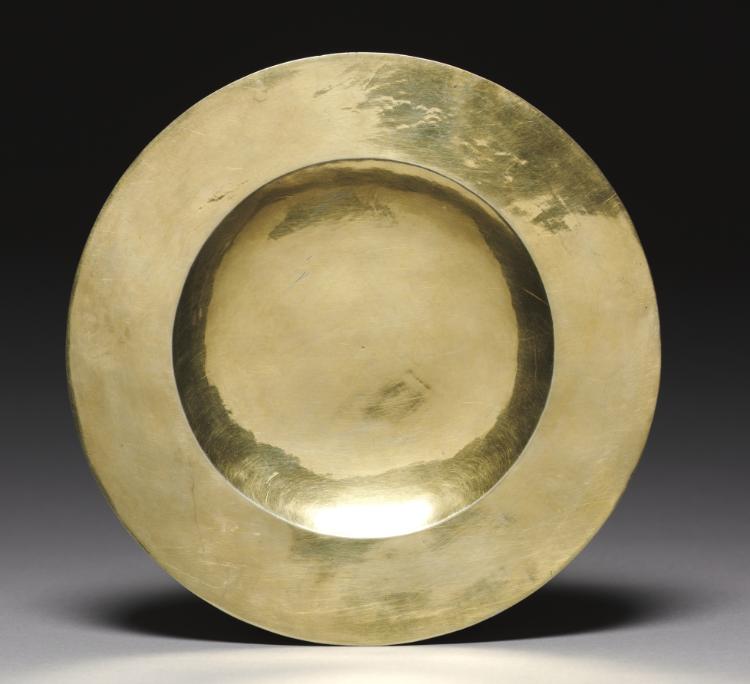
Paten (c. 1450–80) is in the Cleveland Museum of Art collection.
The work and its context
The museum's open-access catalogue describes the work:
The chalice and paten—the most important liturgical vessels—are used at the altar by the priest for the consecration of the Eucharistic bread and wine during the celebration of the mass. This chalice survives with its original paten. The form of the chalice evolved over the centuries. Gothic chalices, like this one, gradually developed angular or faceted knops, generally hexagonal, with lobed feet. This sublime example is decorated with filigree enamel consisting of twisted gold wire forming a floral design, which in turn is filled with colorful glass pastes. Gemstones add to the embellishment.
Object facts
- Title: Paten
- Date: c. 1450–80
- Culture: Hungary
- Type: Metalwork
- Technique: gilt silver and filigree enamel
- Dimensions: Diameter: 19.6 cm (7 11/16 in.)
- Collection: MED - Gothic
- Department: Medieval Art
- Accession number: 1990.3.2
Collection credit
Purchase from the J. H. Wade Fund
View the collection record
See the museum's photographs and full catalogue entry. Catalogue text is reproduced from the Cleveland Museum of Art's open-access data, with HTML formatting removed. This object and its supplied image are designated CC0.
Sources
More in Lifestyle
Keep reading