Plate 4: Judah (c. 1589): Art, History and Details
Plate 4: Judah at the Cleveland Museum of Art: c. 1589, engraving. Explore the work's context, creator attribution and collection history.
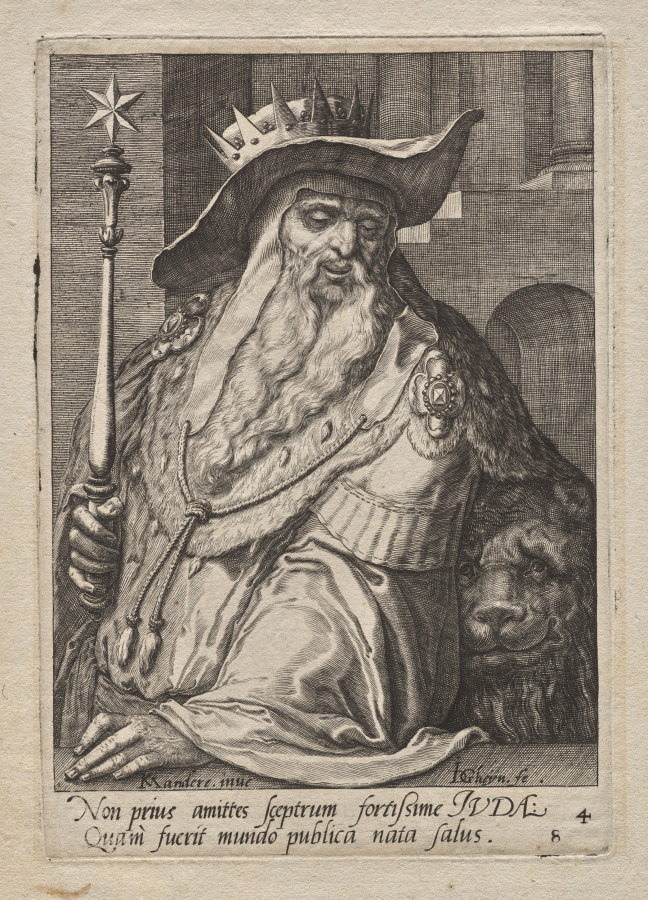
Plate 4: Judah (c. 1589) is in the Cleveland Museum of Art collection. The museum's creator attribution is Jacob de Gheyn II (Netherlandish, 1565–1629); Karel I van Mander (Netherlandish, 1548–1606).
The work and its context
The museum's open-access catalogue describes the work:
In this print, the biblical figure Judah is posed in a ceremonial robe with a lion and holding a scepter, symbolizing his power, bravery, success in battle, and leadership. This is one of a series of prints depicting the twelve sons of Jacob, each with an attribute and costume that denotes his character. According to the Old Testament, Jacob blessed each of his twelve sons, prophesizing the destiny of their tribe, and assigning them a parcel of land in Canaan. The print series was made in the Netherlands in the late 16th century, a time of political struggle when Old Testament heroes were popular exemplars of fortitude and patience.
Object facts
- Title: Plate 4: Judah
- Date: c. 1589
- Creator attribution: Jacob de Gheyn II (Netherlandish, 1565–1629); Karel I van Mander (Netherlandish, 1548–1606)
- Culture: Netherlands
- Type: Print
- Technique: engraving
- Dimensions: Platemark: 16 x 11 cm (6 5/16 x 4 5/16 in.)
- Collection: PR - Engraving
- Department: Prints
- Accession number: 2024.145.3
A detail from the museum
The crown atop the hat of this Old Testament figure symbolizes his status as an ancestor of Kings David and Solomon.
Collection credit
Carole W. and Charles B. Rosenblatt Endowment Fund
View the collection record
See the museum's photographs and full catalogue entry. Catalogue text is reproduced from the Cleveland Museum of Art's open-access data, with HTML formatting removed. This object and its supplied image are designated CC0.
Sources
More in Lifestyle
Keep reading