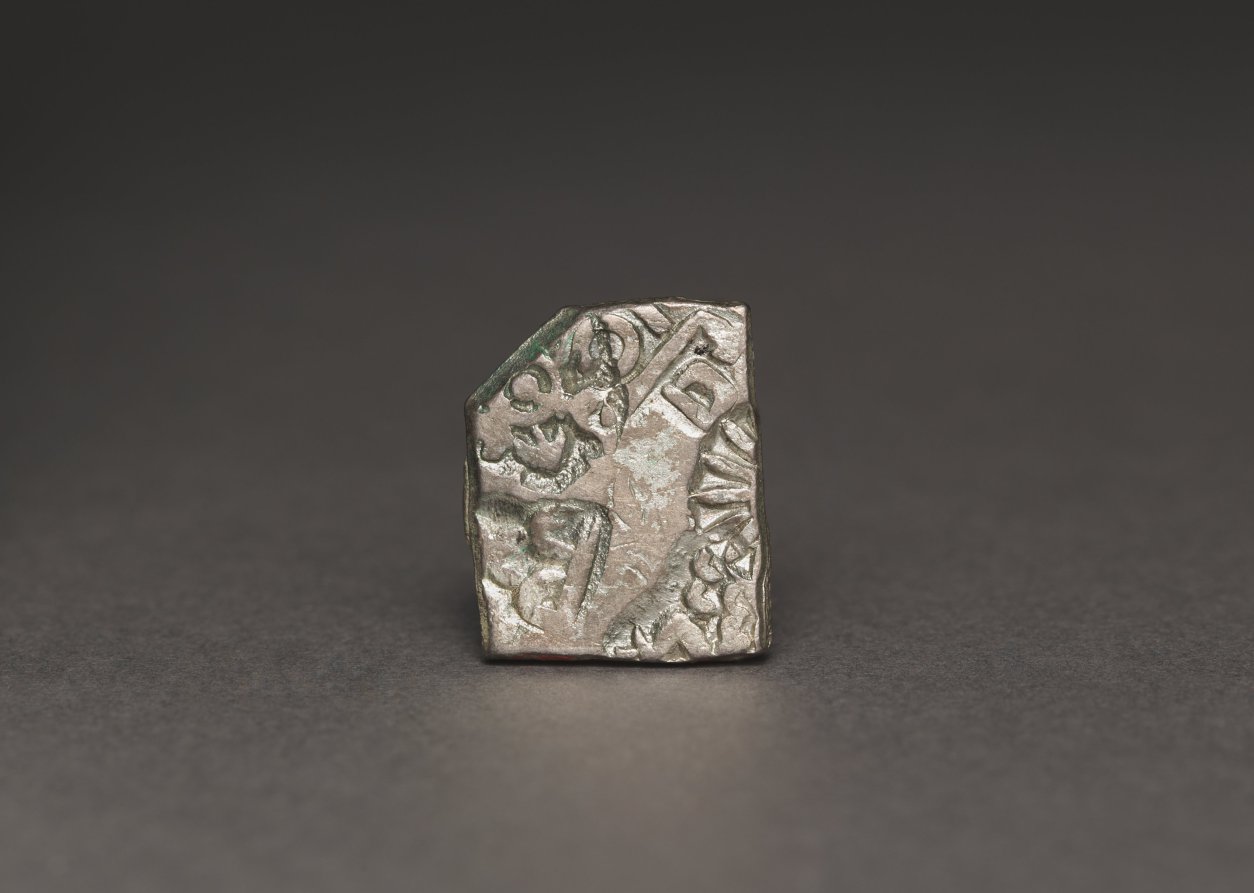
Shell with Inlaid Feline (100 BCE–700 CE): Art, History and Details
Shell with Inlaid Feline at the Cleveland Museum of Art: 100 BCE–700 CE, Spondylus shell with shell, stone, and gold inlay. Explore the work's context, creator attribution and collection history.

Shell with Inlaid Feline (100 BCE–700 CE) is in the Cleveland Museum of Art collection.
The work and its context
The museum's open-access catalogue describes the work:
This ornament is made of a spondylus shell, from which the exterior surface has been carved away to reveal a layer of bright orange. The pampas cat inlaid on the surface in multicolored shell and stone has bean-shaped spots on his body, and grasps a gold gourd or fruit. In both Paracas and Nasca art, the small, non-domesticated pampas cat is strongly associated with beans and other crops. Perhaps it was thought to guard the fields from rodents and other pests.
Object facts
- Title: Shell with Inlaid Feline
- Date: 100 BCE–700 CE
- Culture: Peru, South Coast, Nasca
- Type: Jewelry
- Technique: Spondylus shell with shell, stone, and gold inlay
- Dimensions: Overall: 7.5 x 7.4 cm (2 15/16 x 2 15/16 in.)
- Collection: AA - Andes
- Department: Art of the Americas
- Accession number: 1950.567
Collection credit
In memory of Mr. and Mrs. Henry Humphreys, gift of their daughter Helen
Further reading listed by the museum
- Richardson, James B. People of the Andes. Montreal: St. Remy Press, 1994.
- Museum of Fine Arts, Houston, and Frances Marzio. Miniature Size, Magical Quality: Nasca Art from the Glassell Collection. Houston: Museum of Fine Arts, 2007.
- Cleveland Museum of Art. The CMA Companion: A Guide to the Cleveland Museum of Art. Cleveland: Cleveland Museum of Art, 2014.
View the collection record
See the museum's photographs and full catalogue entry. Catalogue text is reproduced from the Cleveland Museum of Art's open-access data, with HTML formatting removed. This object and its supplied image are designated CC0.
Sources
More in Lifestyle
Keep reading