Vanity Set (Nécessaire) (c. 1750–60): Art, History and Details
Vanity Set (Nécessaire) at the Cleveland Museum of Art: c. 1750–60, gold, agate, interior fitted with gold-mounted implements, mirror. Explore the work's context, creator attribution and collection history.
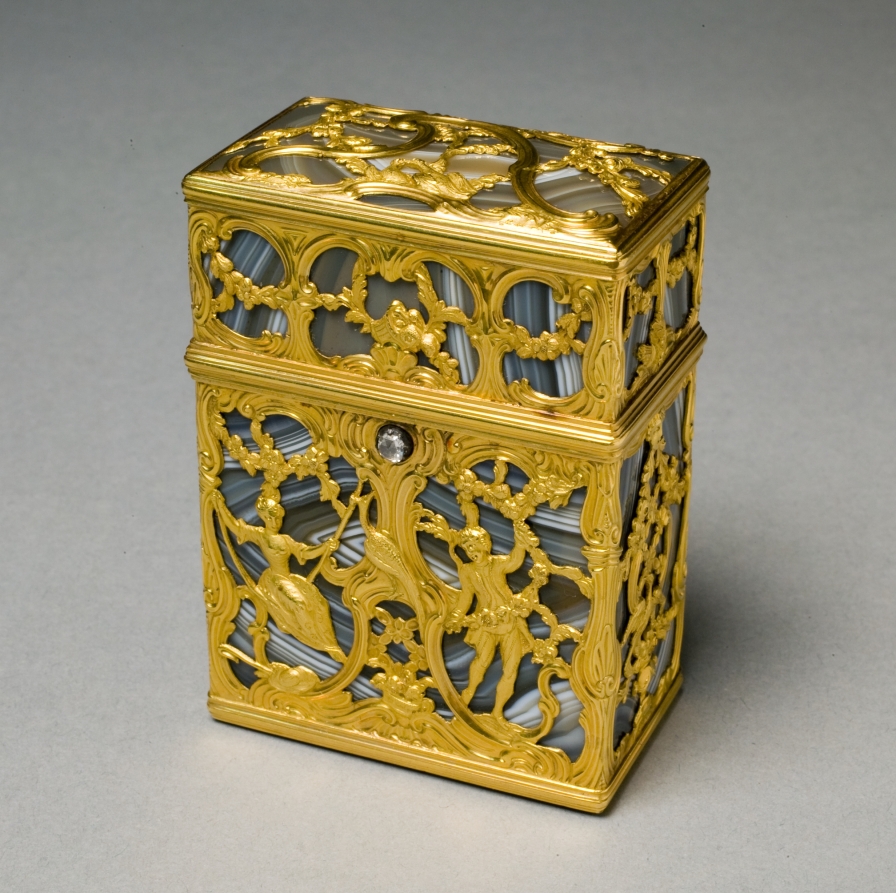
Vanity Set (Nécessaire) (c. 1750–60) is in the Cleveland Museum of Art collection.
The work and its context
The museum's open-access catalogue describes the work:
Luxurious personal objects were an essential part of a privileged wardrobe during the 1700s and early 1800s, emphasizing their owner’s refinement and wealth. Jewelry, miniatures, and nécessaires—small expensive sets designed to hold grooming, writing, and sewing tools—were often given as intimate gifts, intended to be seen and admired. Their glittering surfaces, however, disguised a system based on the labor and suffering of enslaved or indentured people, whether in gold and stone mines or shops where these goods were made.
Object facts
- Title: Vanity Set (Nécessaire)
- Date: c. 1750–60
- Culture: England, London
- Type: Miscellaneous
- Technique: gold, agate, interior fitted with gold-mounted implements, mirror
- Collection: Decorative Arts
- Department: Decorative Art and Design
- Accession number: 2009.70
A detail from the museum
This small box with a mirror-lined lid is a dressing table accessory that contains luxury objects such as a clasp knife, snuff spoon, tweezers, and scent bottles.
Collection credit
Gift of Howard F. Stirn
View the collection record
See the museum's photographs and full catalogue entry. Catalogue text is reproduced from the Cleveland Museum of Art's open-access data, with HTML formatting removed. This object and its supplied image are designated CC0.
Sources
More in Lifestyle
Keep reading