Net Worth →

Art & DesignPage 30

Art, objects and design: documented collection guides from open museums.

Selections rotate about every minute. Loading more keeps this order.

Aureus (Coin) Portraying Emperor Caracalla (204 (January-April), issued by Septimius Severus; Art Institute 1922.4884)

Aureus (Coin) Portraying Emperor Caracalla (204 (January-April), issued by Septimius Severus): Artwork and History

Aureus (Coin) Portraying Emperor Caracalla at the Art Institute of Chicago: date, artist attribution, materials and the museum's explanation of the work.

The Millinery Shop (1879-86; Art Institute 1933.428)

The Millinery Shop (1879-86): Artwork and History

The Millinery Shop at the Art Institute of Chicago: date, artist attribution, materials and the museum's explanation of the work.
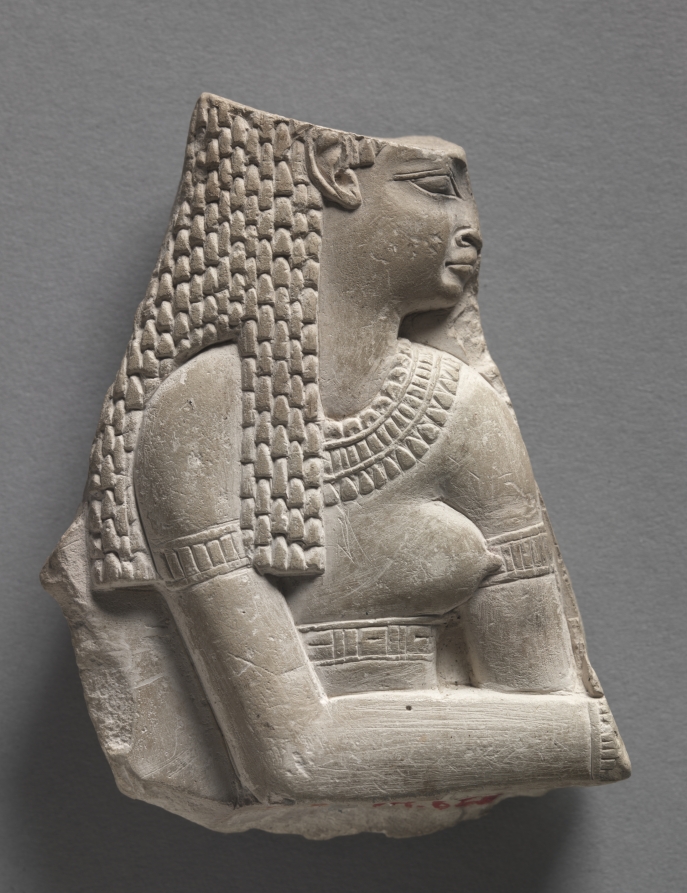
Double-Sided Votive Relief (305–30 BCE; Cleveland 1914.666)

Double-Sided Votive Relief (305–30 BCE): Art, History and Details

Double-Sided Votive Relief at the Cleveland Museum of Art: 305–30 BCE, limestone. Explore the work's context, creator attribution and collection history.

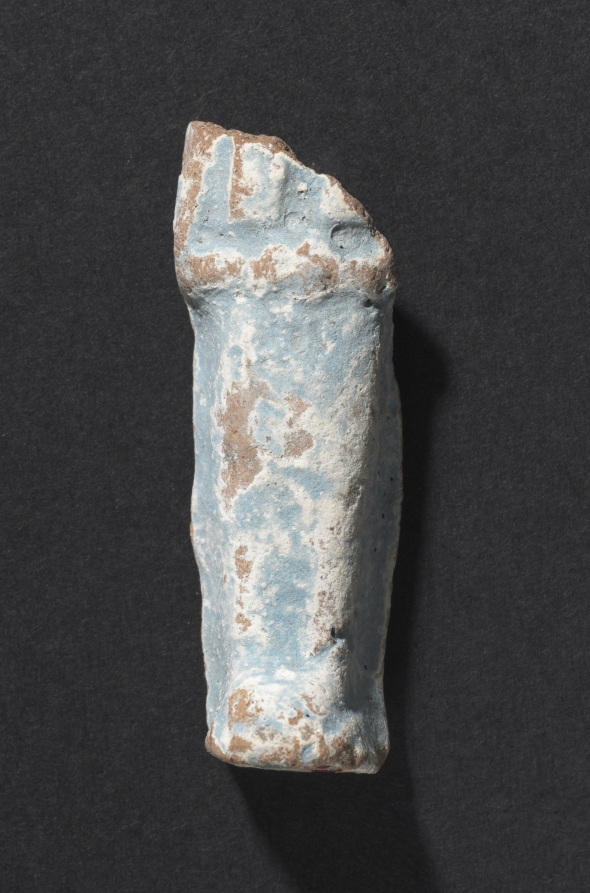
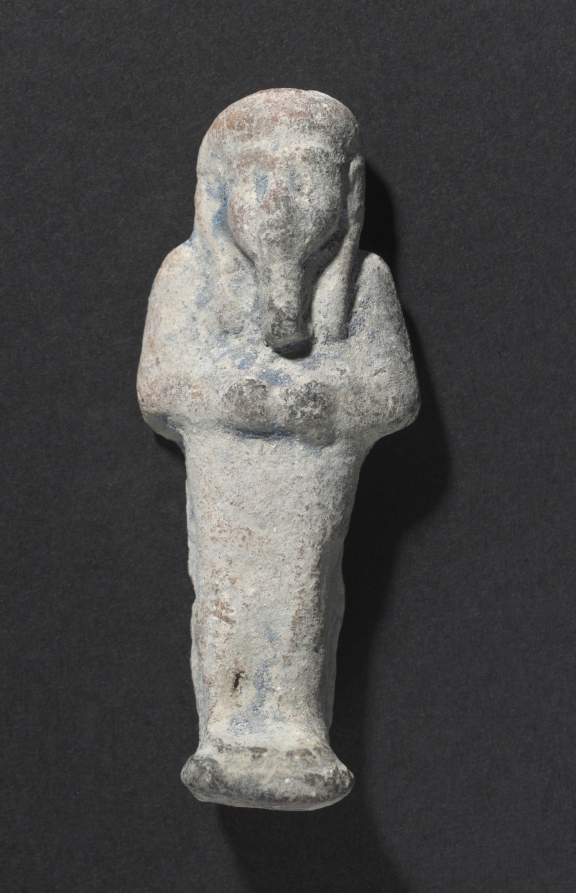
Shawabty of Ditamenpaankh (c. 715–656 BCE; Cleveland 1914.718.102)

Shawabty of Ditamenpaankh (c. 715–656 BCE): Art, History and Details

Shawabty of Ditamenpaankh at the Cleveland Museum of Art: c. 715–656 BCE, terracotta. Explore the work's context, creator attribution and collection history.

Dupondius (Coin) Portraying Antonia (50-54; Art Institute 1923.1297)

Dupondius (Coin) Portraying Antonia (50-54): Artwork and History

Dupondius (Coin) Portraying Antonia at the Art Institute of Chicago: date, artist attribution, materials and the museum's explanation of the work.

Border Fragment (100 BCE-200 CE; Art Institute 1956.1267.2)

Border Fragment (100 BCE-200 CE): Artwork and History

Border Fragment at the Art Institute of Chicago: date, artist attribution, materials and the museum's explanation of the work.

Coin Portraying Emperor Tetricus I (268; Art Institute 1923.1353)

Coin Portraying Emperor Tetricus I (268): Artwork and History

Coin Portraying Emperor Tetricus I at the Art Institute of Chicago: date, artist attribution, materials and the museum's explanation of the work.

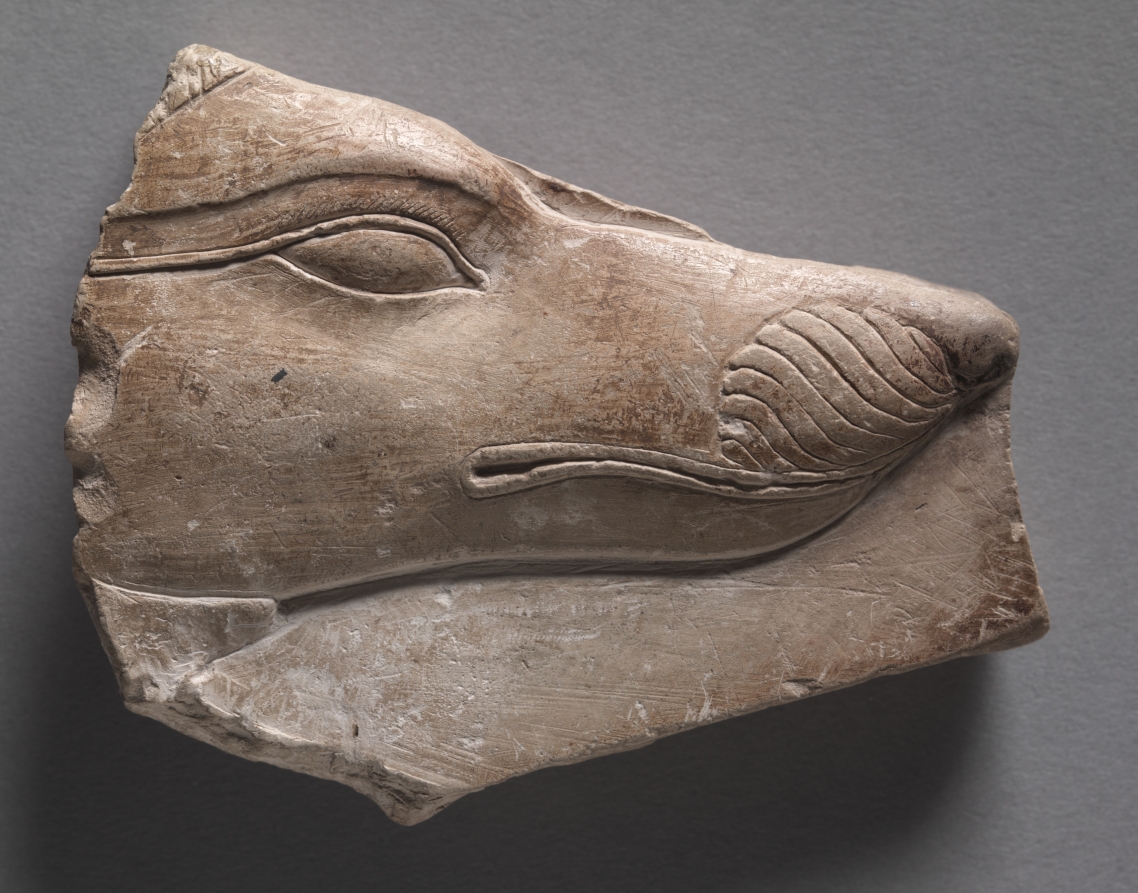
Double-Sided Votive Relief (305–30 BCE; Cleveland 1914.666.b)

Double-Sided Votive Relief (305–30 BCE): Art, History and Details

Double-Sided Votive Relief at the Cleveland Museum of Art: 305–30 BCE, limestone. Explore the work's context, creator attribution and collection history.

Landscape with Saint John on Patmos (1640; Art Institute 1930.500)

Landscape with Saint John on Patmos (1640): Artwork and History

Landscape with Saint John on Patmos at the Art Institute of Chicago: date, artist attribution, materials and the museum's explanation of the work.
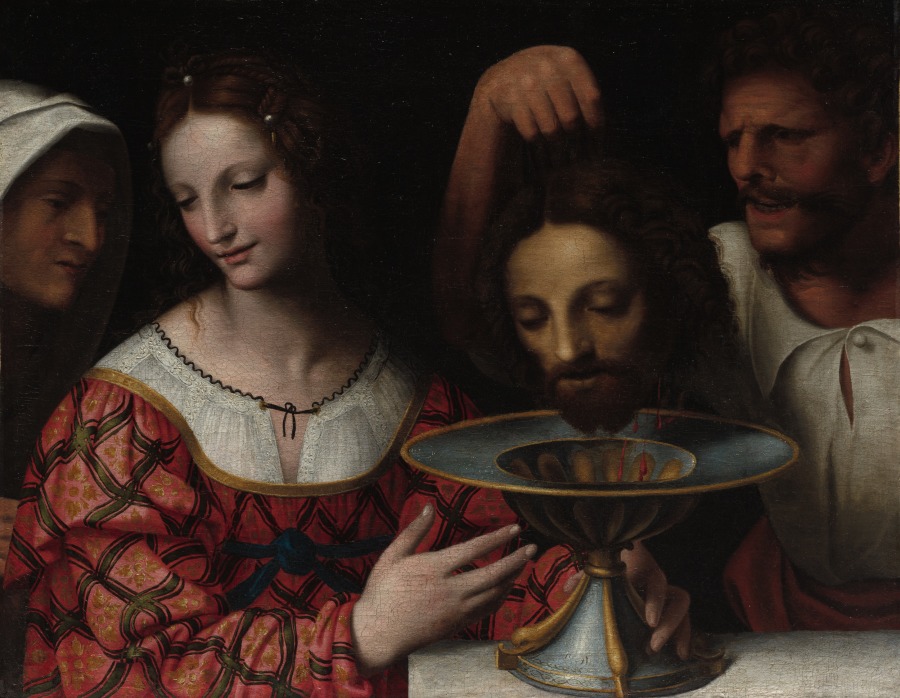
Salome with the Head of Saint John the Baptist (1500s or later; Cleveland 1916.824)

Salome with the Head of Saint John the Baptist (1500s or later): Art, History and Details

Salome with the Head of Saint John the Baptist at the Cleveland Museum of Art: 1500s or later, oil on canvas. Explore the work's context, creator attribution and collection history.

Laocoön (1520/30; Art Institute 1956.1065)

Laocoön (1520/30): Artwork and History

Laocoön at the Art Institute of Chicago: date, artist attribution, materials and the museum's explanation of the work.

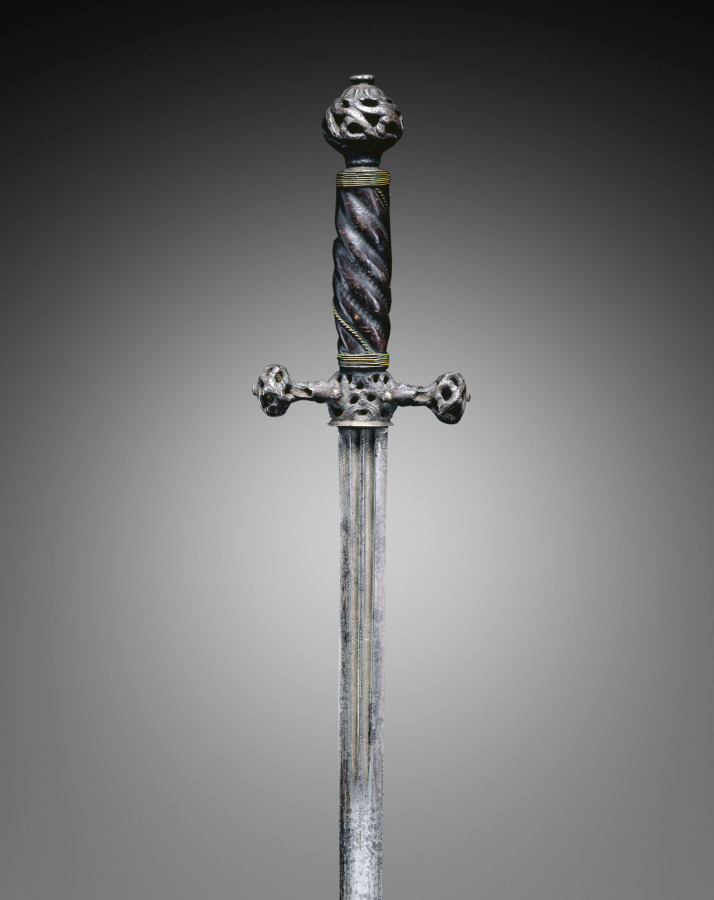
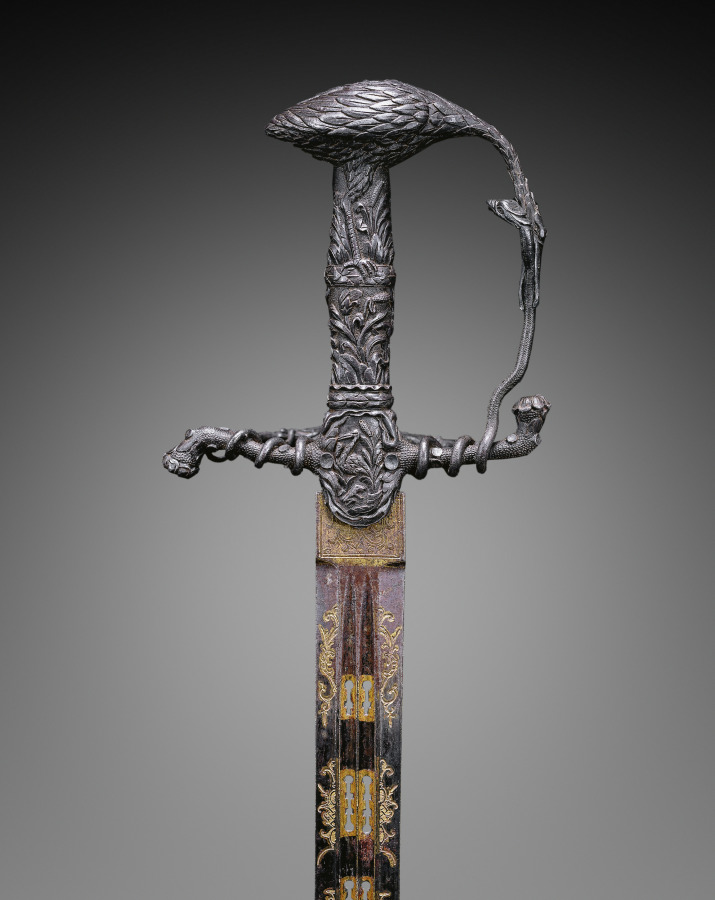
Rapier (c. 1630–50; Cleveland 1916.1498)

Rapier (c. 1630–50): Art, History and Details

Rapier at the Cleveland Museum of Art: c. 1630–50, steel; blued, gilded, and perforated blade. Explore the work's context, creator attribution and collection history.

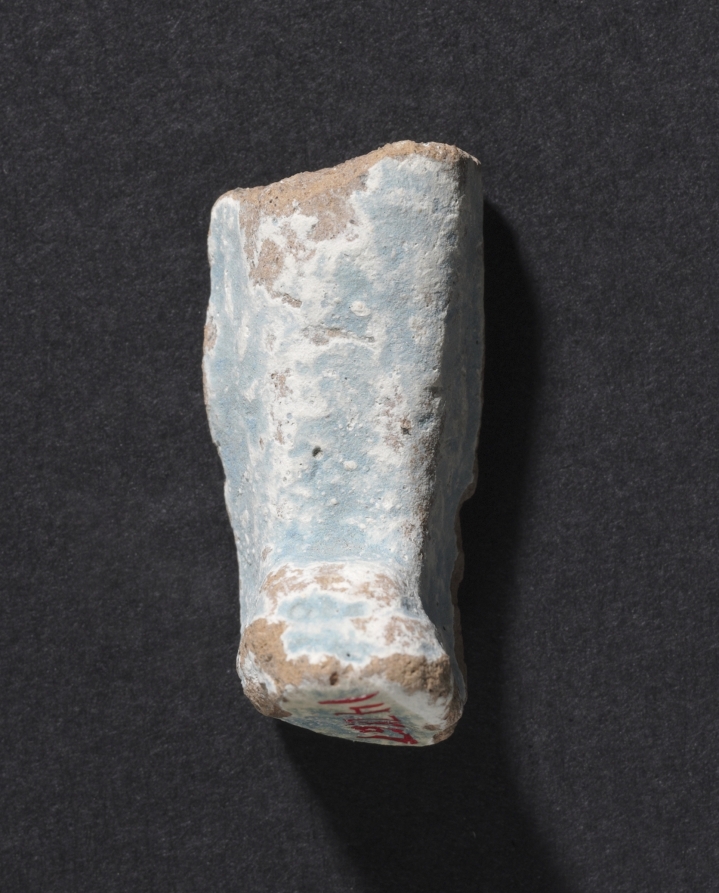
Shawabty of Ditamenpaankh (715–656 BCE; Cleveland 1914.718.67)

Shawabty of Ditamenpaankh (715–656 BCE): Art, History and Details

Shawabty of Ditamenpaankh at the Cleveland Museum of Art: 715–656 BCE, terracotta. Explore the work's context, creator attribution and collection history.

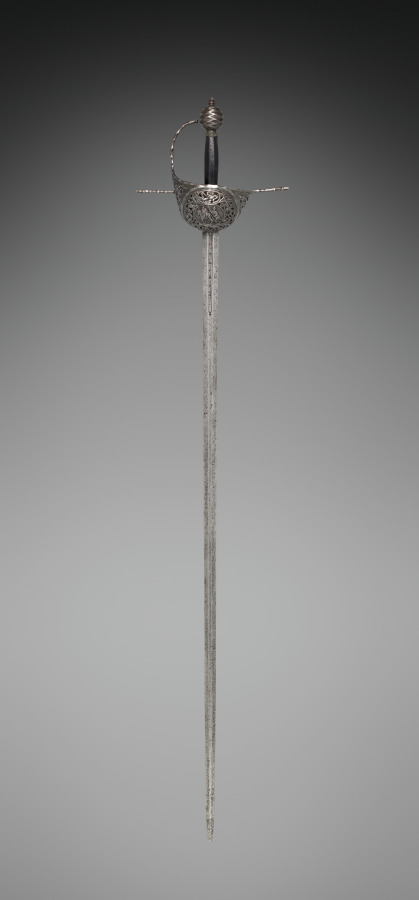
Cup-Hilted Rapier (c.1610–30; Cleveland 1916.706)

Cup-Hilted Rapier (c.1610–30): Art, History and Details

Cup-Hilted Rapier at the Cleveland Museum of Art: c.1610–30, steel, pierced, chased and chiseled; wire ferrules on leather-covered wood grip. Explore the work's context, creator attribution and collection history.

Denarius (Coin) Portraying Emperor Antoninus Pius (157-158; Art Institute 1923.1280)

Denarius (Coin) Portraying Emperor Antoninus Pius (157-158): Artwork and History

Denarius (Coin) Portraying Emperor Antoninus Pius at the Art Institute of Chicago: date, artist attribution, materials and the museum's explanation of the work.
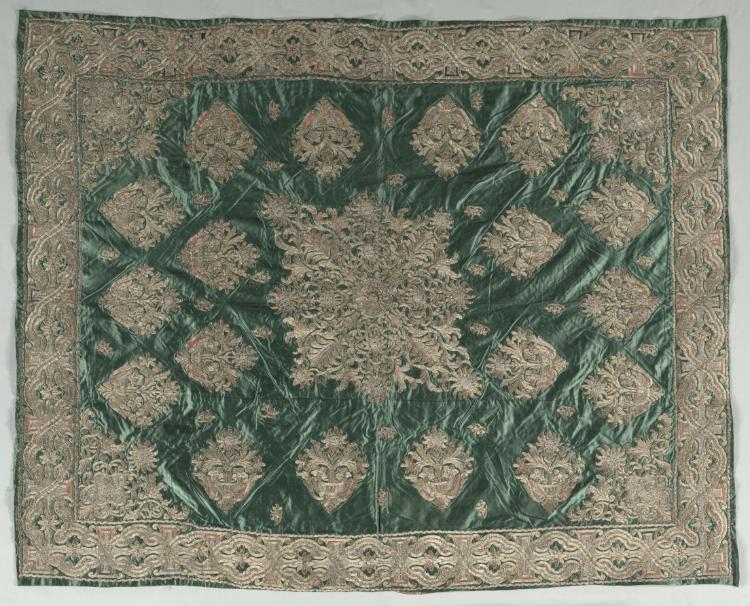
Gold-Thread Embroidered Cover (1800s; Cleveland 1916.1288)

Gold-Thread Embroidered Cover (1800s): Art, History and Details

Gold-Thread Embroidered Cover at the Cleveland Museum of Art: 1800s, silk, gilt-metal, silver-metal, paper, cotton padding; satin weave, embroidery. Explore the work's context, creator attribution and collection history.

Hemidrachm (Coin) Depicting the God Zeus Amarios (280-146 BCE; Art Institute 1923.1123)

Hemidrachm (Coin) Depicting the God Zeus Amarios (280-146 BCE): Artwork and History

Hemidrachm (Coin) Depicting the God Zeus Amarios at the Art Institute of Chicago: date, artist attribution, materials and the museum's explanation of the work.

The Family Concert (1666; Art Institute 1891.65)

The Family Concert (1666): Artwork and History

The Family Concert at the Art Institute of Chicago: date, artist attribution, materials and the museum's explanation of the work.
Stéphane Mallarmé (1897; Art Institute 1961.343)

Stéphane Mallarmé (1897): Artwork and History

Stéphane Mallarmé at the Art Institute of Chicago: date, artist attribution, materials and the museum's explanation of the work.
Mephistopheles Flying, from Faust (1828; Art Institute 1930.1256)

Mephistopheles Flying, from Faust (1828): Artwork and History

Mephistopheles Flying, from Faust at the Art Institute of Chicago: date, artist attribution, materials and the museum's explanation of the work.
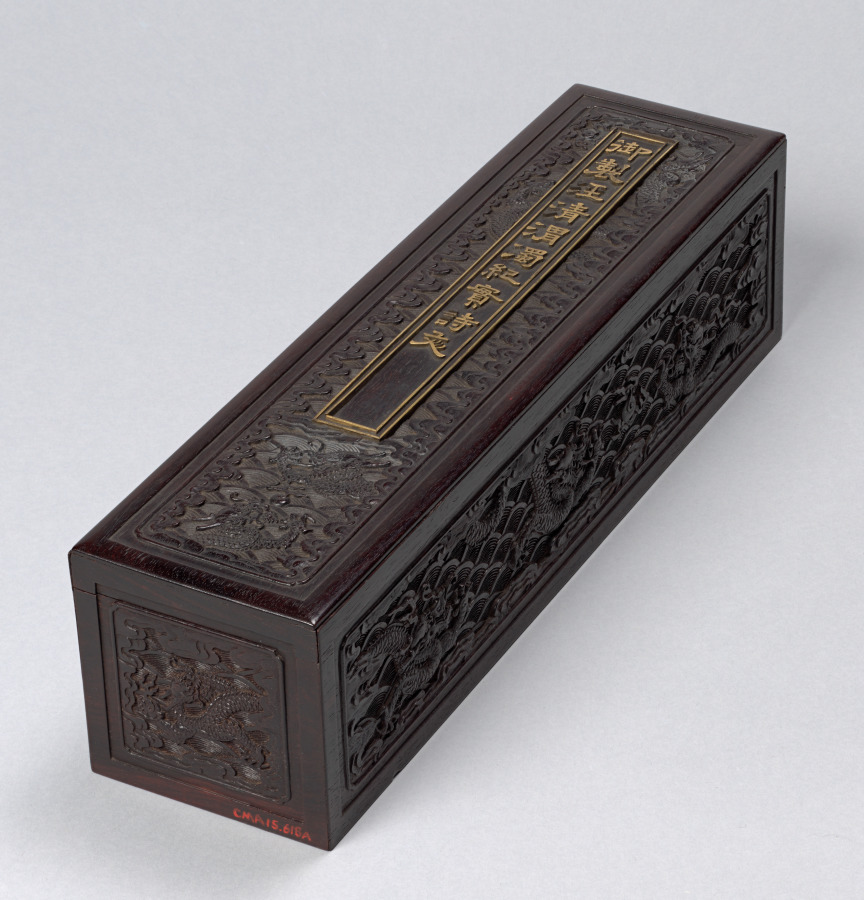
Box for the tapestry scroll Mingling of Clear and Muddy Water at the Junction of the Jing and Wei Rivers (1736–95; Cleveland 1915.618.c)

Box for the tapestry scroll Mingling of Clear and Muddy Water at the Junction of the Jing and Wei Rivers (1736–95): Art, History and Details

Box for the tapestry scroll Mingling of Clear and Muddy Water at the Junction of the Jing and Wei Rivers at the Cleveland Museum of Art: 1736–95, Hardwood. Explore the work's context, creator attribution and collection history.

Basin Depicting a Cistern, Tower and Domed Building (1775–1825; Art Institute 1923.1502)

Basin Depicting a Cistern, Tower and Domed Building (1775–1825): Artwork and History

Basin Depicting a Cistern, Tower and Domed Building at the Art Institute of Chicago: date, artist attribution, materials and the museum's explanation of the work.

Water Ewer (He) (Eastern Zhou dynasty, Warring States period (480–221 B.C.), 4th century B.C.; Art Institute 1930.366)

Water Ewer (He) (Eastern Zhou dynasty, Warring States period (480–221 B.C.), 4th century B.C.): Artwork and History

Water Ewer (He) at the Art Institute of Chicago: date, artist attribution, materials and the museum's explanation of the work.
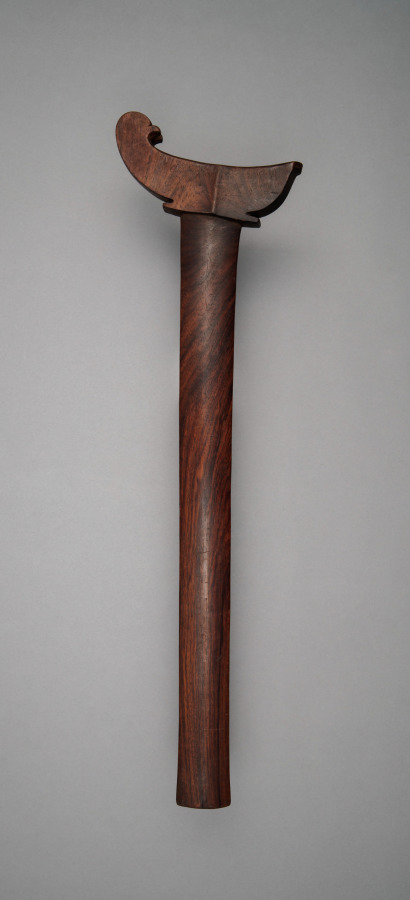
Scabbard (before 1916; Cleveland 1916.770)

Scabbard (before 1916): Art, History and Details

Scabbard at the Cleveland Museum of Art: before 1916, Wood. Explore the work's context, creator attribution and collection history.

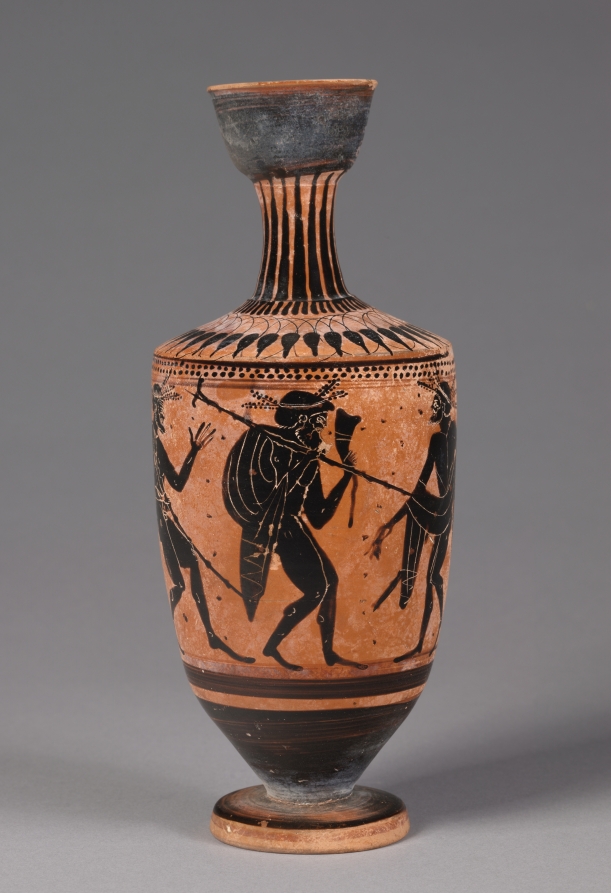
Black-Figure Lekythos (Oil Vessel): Komos (Revel) (c. 500 BCE; Cleveland 1916.1061)

Black-Figure Lekythos (Oil Vessel): Komos (Revel) (c. 500 BCE): Art, History and Details

Black-Figure Lekythos (Oil Vessel): Komos (Revel) at the Cleveland Museum of Art: c. 500 BCE, ceramic. Explore the work's context, creator attribution and collection history.

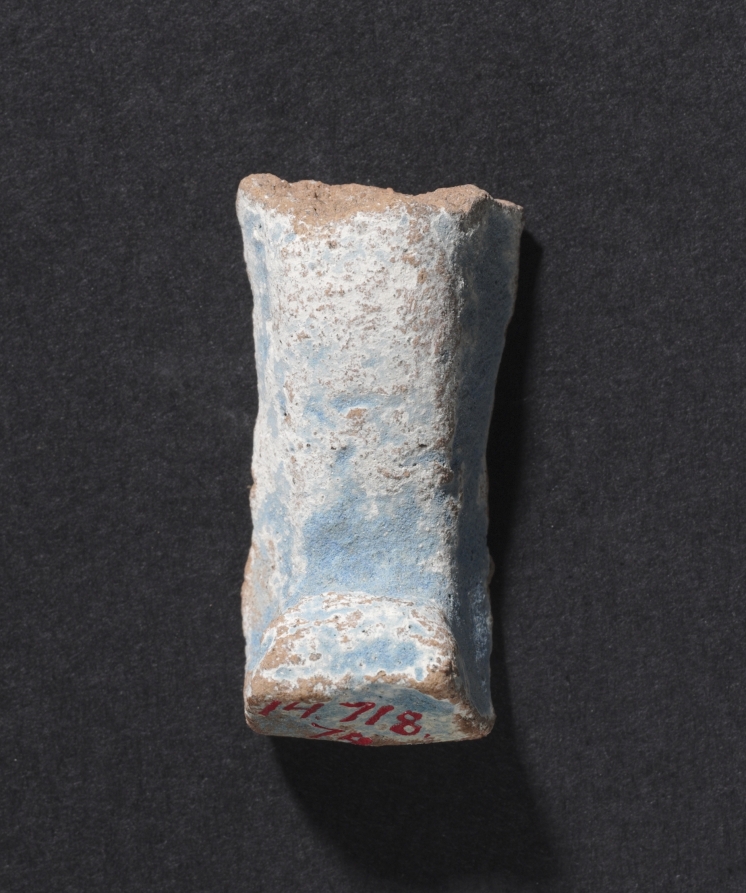
Shawabty of Ditamenpaankh (715–656 BCE; Cleveland 1914.718.74)

Shawabty of Ditamenpaankh (715–656 BCE): Art, History and Details

Shawabty of Ditamenpaankh at the Cleveland Museum of Art: 715–656 BCE, terracotta. Explore the work's context, creator attribution and collection history.

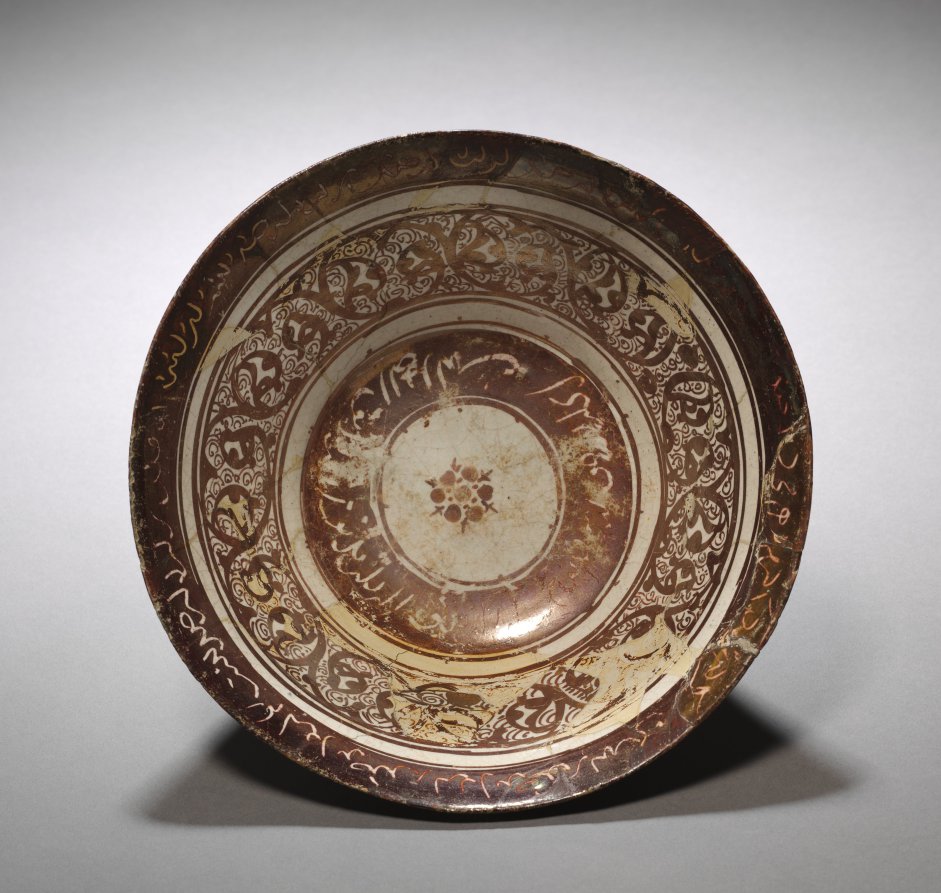
Bowl (early 1200s; Cleveland 1915.585)

Bowl (early 1200s): Art, History and Details

Bowl at the Cleveland Museum of Art: early 1200s, fritware with luster-painted design. Explore the work's context, creator attribution and collection history.

A Resting Herd (c. 1649-58; Art Institute 1923.1051)

A Resting Herd (c. 1649-58): Artwork and History

A Resting Herd at the Art Institute of Chicago: date, artist attribution, materials and the museum's explanation of the work.

Head of Executioner, from John Evelyn's Sculptura (1755; Art Institute 1887.433)

Head of Executioner, from John Evelyn's Sculptura (1755): Artwork and History

Head of Executioner, from John Evelyn's Sculptura at the Art Institute of Chicago: date, artist attribution, materials and the museum's explanation of the work.

Shawabty of Ditamenpaankh (715–656 BCE; Cleveland 1914.718.42)

Shawabty of Ditamenpaankh (715–656 BCE): Art, History and Details

Shawabty of Ditamenpaankh at the Cleveland Museum of Art: 715–656 BCE, terracotta. Explore the work's context, creator attribution and collection history.

Woman at Her Toilette (1875–80; Art Institute 1924.127)

Woman at Her Toilette (1875–80): Artwork and History

Woman at Her Toilette at the Art Institute of Chicago: date, artist attribution, materials and the museum's explanation of the work.

Mirror with Images of Daoist Deities (Eastern Han dynasty (25–220 CE), 2nd or 3rd century CE; Art Institute 1929.644)

Mirror with Images of Daoist Deities (Eastern Han dynasty (25–220 CE), 2nd or 3rd century CE): Artwork and History

Mirror with Images of Daoist Deities at the Art Institute of Chicago: date, artist attribution, materials and the museum's explanation of the work.

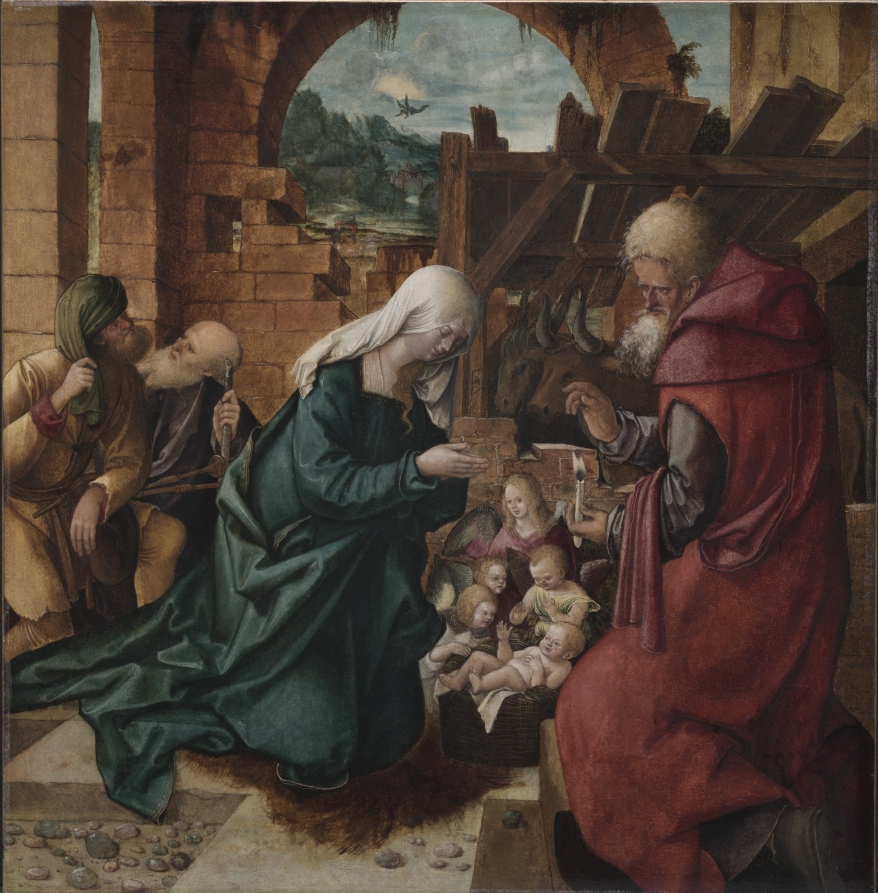
Adoration of the Shepherds (c. 1510; Cleveland 1916.807)

Adoration of the Shepherds (c. 1510): Art, History and Details

Adoration of the Shepherds at the Cleveland Museum of Art: c. 1510, oil on wood. Explore the work's context, creator attribution and collection history.

Meta-Discourse on the Teachings from the Treasury (Abidharmakosha-Bhashya) (1100s; Cleveland 1916.1060)

Meta-Discourse on the Teachings from the Treasury (Abidharmakosha-Bhashya) (1100s): Art, History and Details

Meta-Discourse on the Teachings from the Treasury (Abidharmakosha-Bhashya) at the Cleveland Museum of Art: 1100s, handscroll; gold and silver on indigo-dyed paper. Explore the work's context, creator attribution and collection history.

Pillow Sword (c. 1650; Cleveland 1916.1495)

Pillow Sword (c. 1650): Art, History and Details

Pillow Sword at the Cleveland Museum of Art: c. 1650, steel, pierced; leather and wood. Explore the work's context, creator attribution and collection history.

Vries, Frederik de (died 1613) son of the painter Dirck de Vries, pupil of Goltzius, with Goltzius's dog (1597; Art Institute 1959.217)

Vries, Frederik de (died 1613) son of the painter Dirck de Vries, pupil of Goltzius, with Goltzius's dog (1597): Artwork and History

Vries, Frederik de (died 1613) son of the painter Dirck de Vries, pupil of Goltzius, with Goltzius's dog at the Art Institute of Chicago: date, artist attribution, materials and the museum's explanation of the work.
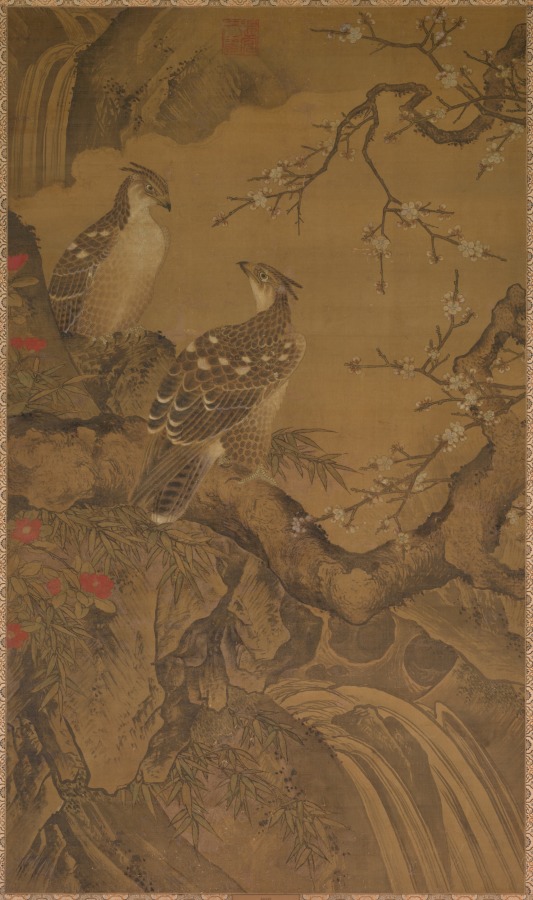
Eagles (1368–1644; Cleveland 1915.710)

Eagles (1368–1644): Art, History and Details

Eagles at the Cleveland Museum of Art: 1368–1644, Ink and color on silk panel. Explore the work's context, creator attribution and collection history.

Beggar with Oysters (Philosopher) (1865–67; Art Institute 1931.504)

Beggar with Oysters (Philosopher) (1865–67): Artwork and History

Beggar with Oysters (Philosopher) at the Art Institute of Chicago: date, artist attribution, materials and the museum's explanation of the work.

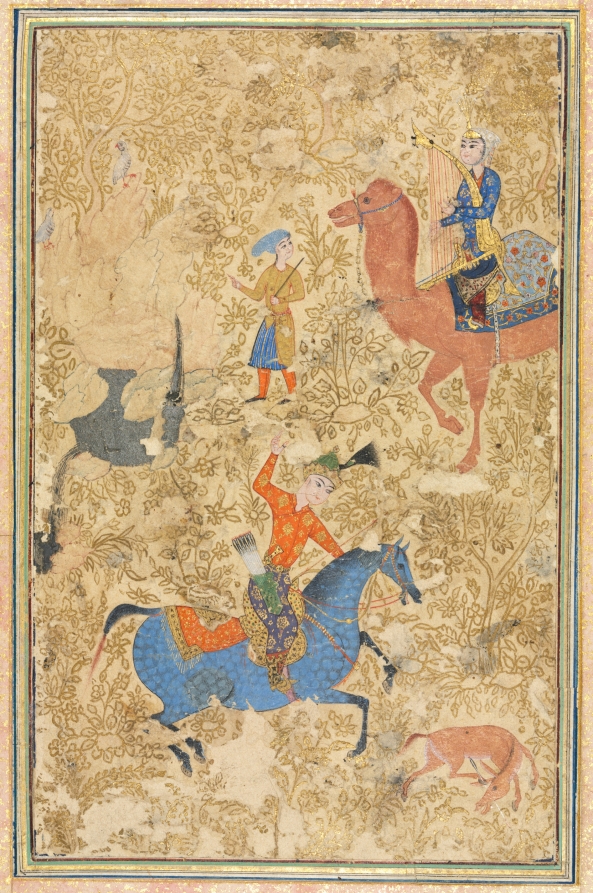
Bahram Gur and Azada, from a Shahnama (Book of Kings) of Firdausi (940–1019 or 1025) (1500s; Cleveland 1915.597)

Bahram Gur and Azada, from a Shahnama (Book of Kings) of Firdausi (940–1019 or 1025) (1500s): Art, History and Details

Bahram Gur and Azada, from a Shahnama (Book of Kings) of Firdausi (940–1019 or 1025) at the Cleveland Museum of Art: 1500s, opaque watercolor and gold on paper. Explore the work's context, creator attribution and collection history.
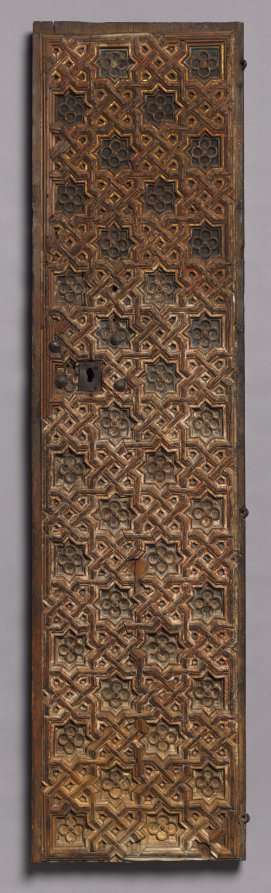
Door (right) (early 1400s; Cleveland 1915.565.2)

Door (right) (early 1400s): Art, History and Details

Door (right) at the Cleveland Museum of Art: early 1400s, gilded and painted wood (pine). Explore the work's context, creator attribution and collection history.