Nomisma with Nicephorus II Phocas (reverse) (963–969): Art, History and Details
Nomisma with Nicephorus II Phocas (reverse) at the Cleveland Museum of Art: 963–969, gold. Explore the work's context, creator attribution and collection history.
Oldest entries first, in a fixed order. Newly added articles appear at the end. Explore a shuffled selection →
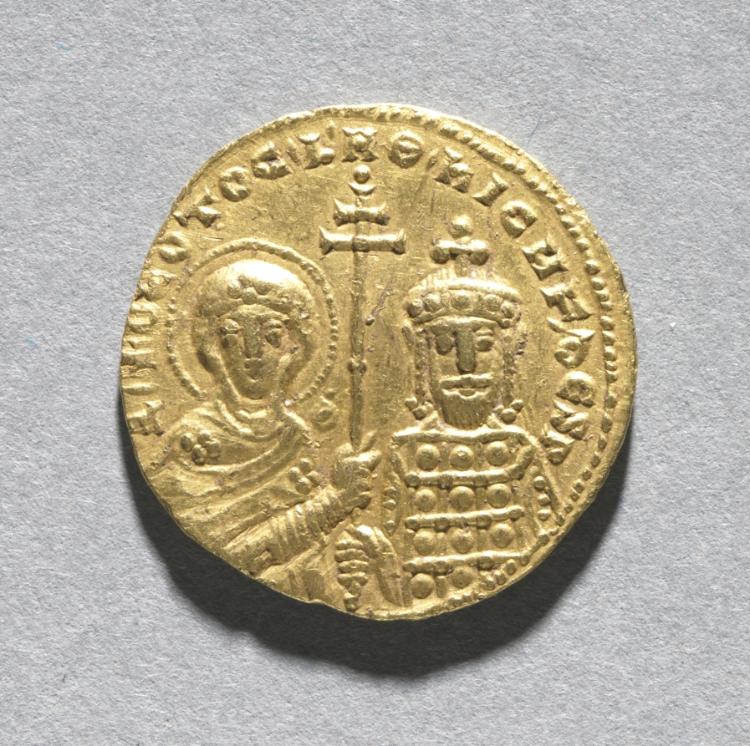
Nomisma with Nicephorus II Phocas (reverse) at the Cleveland Museum of Art: 963–969, gold. Explore the work's context, creator attribution and collection history.
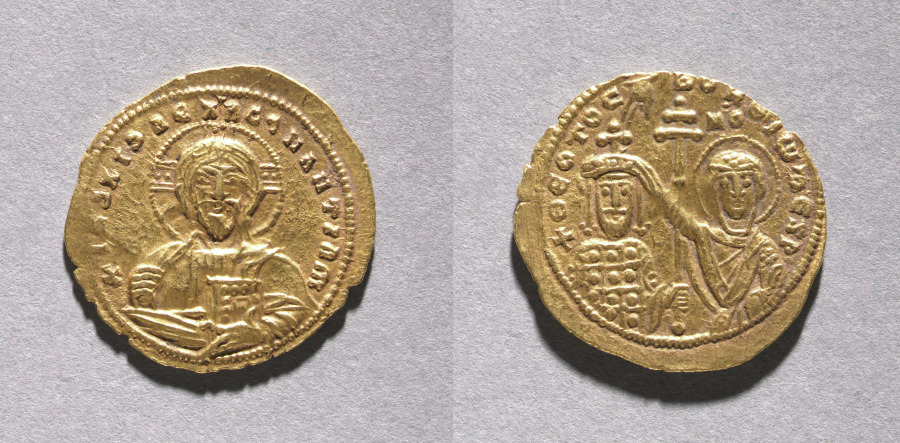
Nomisma with John I Zimisces at the Cleveland Museum of Art: 969–976, gold. Explore the work's context, creator attribution and collection history.
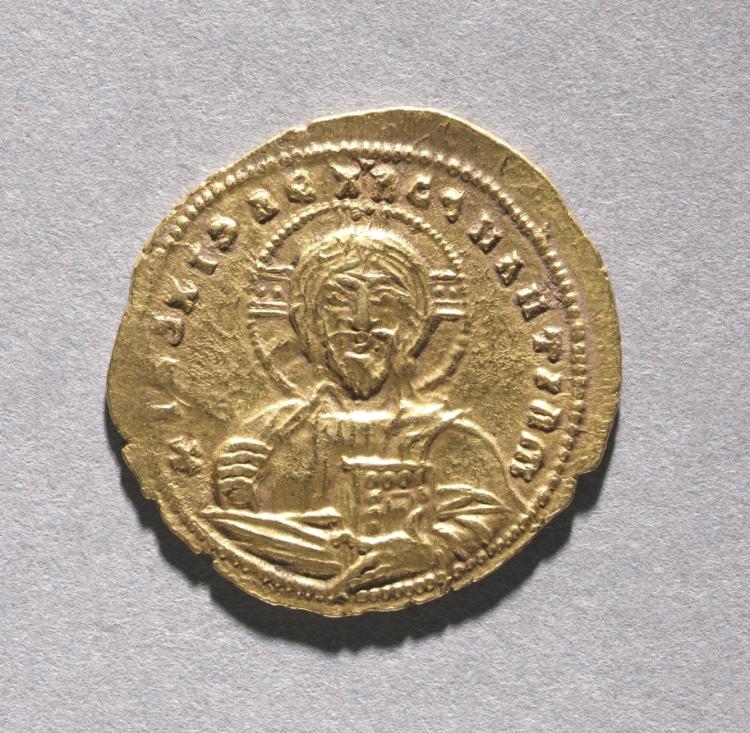
Nomisma with John I Zimisces (obverse) at the Cleveland Museum of Art: 969–976, gold. Explore the work's context, creator attribution and collection history.
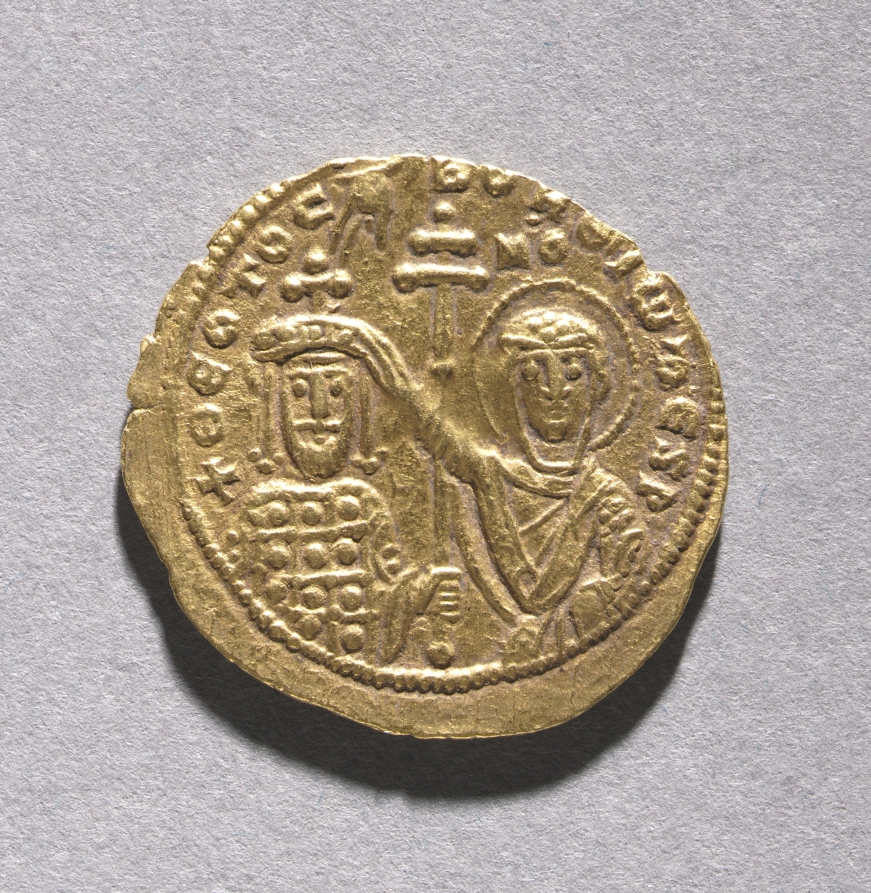
Nomisma with John I Zimisces (reverse) at the Cleveland Museum of Art: 969–976, gold. Explore the work's context, creator attribution and collection history.

Nomisma with Basil II Bulgarotonos and His Brother Constantine VIII at the Cleveland Museum of Art: 977–1025, gold. Explore the work's context, creator attribution and collection history.

Nomisma with Basil II Bulgarotonos and His Brother Constantine VIII (obverse) at the Cleveland Museum of Art: 977–1025, gold. Explore the work's context, creator attribution and collection history.

Nomisma with Basil II Bulgarotonos and His Brother Constantine VIII (reverse) at the Cleveland Museum of Art: 977–1025, gold. Explore the work's context, creator attribution and collection history.

Nomisma with Constantine IX Monomachus at the Cleveland Museum of Art: 1042–1055, gold. Explore the work's context, creator attribution and collection history.

Nomisma with Constantine IX Monomachus (obverse) at the Cleveland Museum of Art: 1042–1055, gold. Explore the work's context, creator attribution and collection history.

Nomisma with Constantine IX Monomachus (reverse) at the Cleveland Museum of Art: 1042–1055, gold. Explore the work's context, creator attribution and collection history.
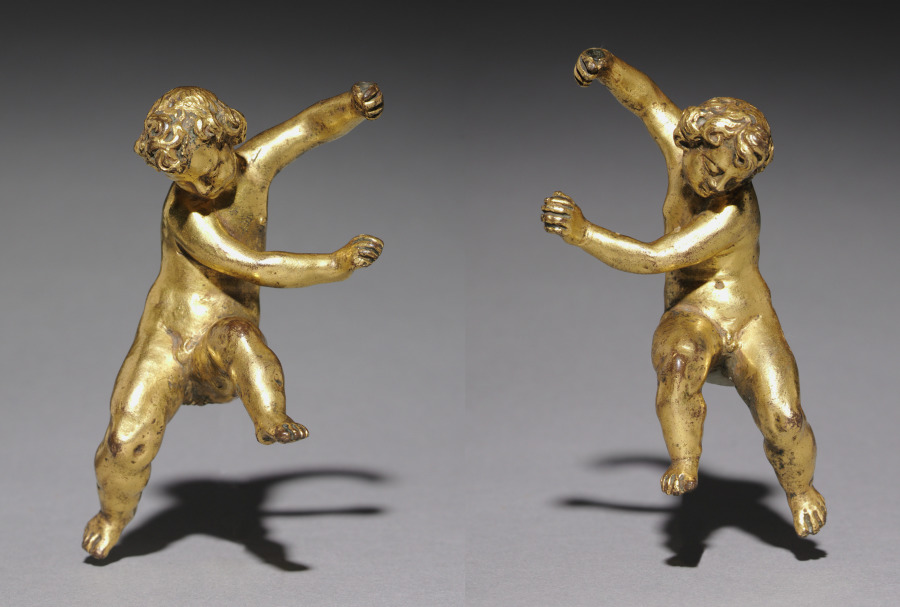
Pair of Putti at the Cleveland Museum of Art: late 1500s, gilt bronze. Explore the work's context, creator attribution and collection history.
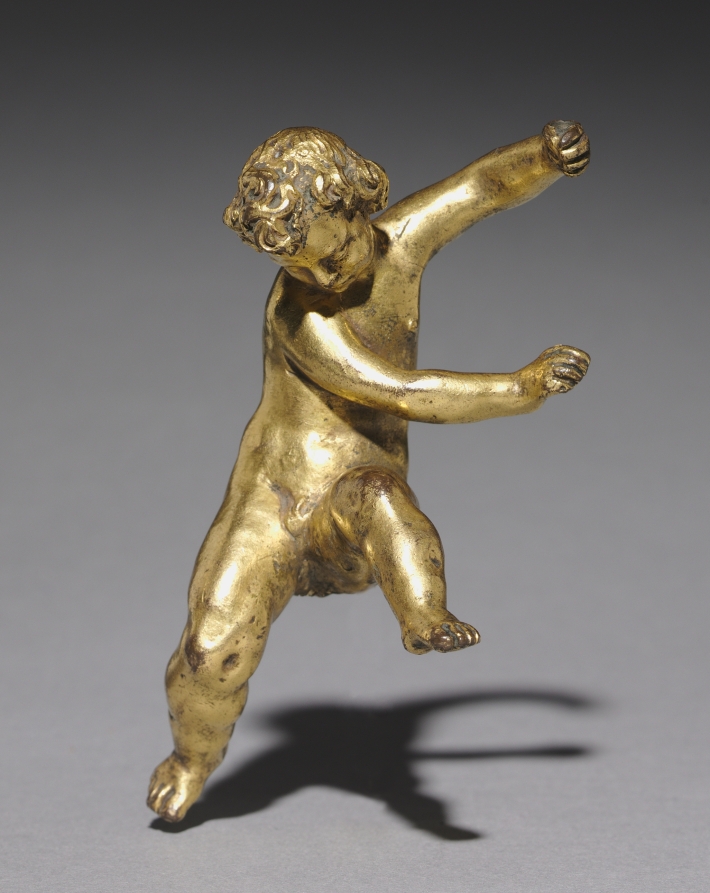
Putto at the Cleveland Museum of Art: late 1500s, gilt bronze. Explore the work's context, creator attribution and collection history.
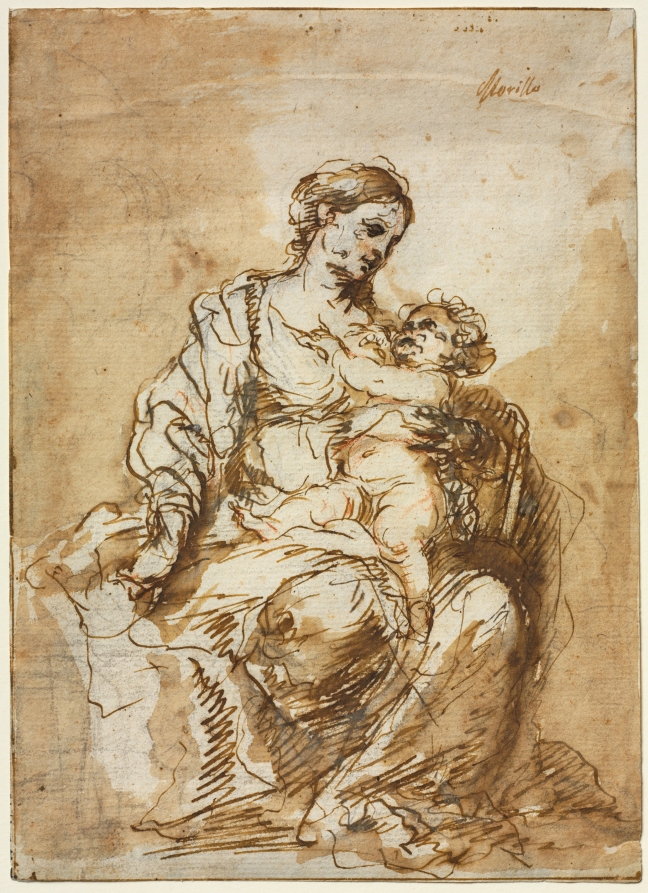
Madonna Nursing the Christ Child at the Cleveland Museum of Art: c. 1670–72, pen and brown ink and brush and brown wash over red and black chalk, with traces of white; framing lines in pen and brown ink. Explore the work's context, creator
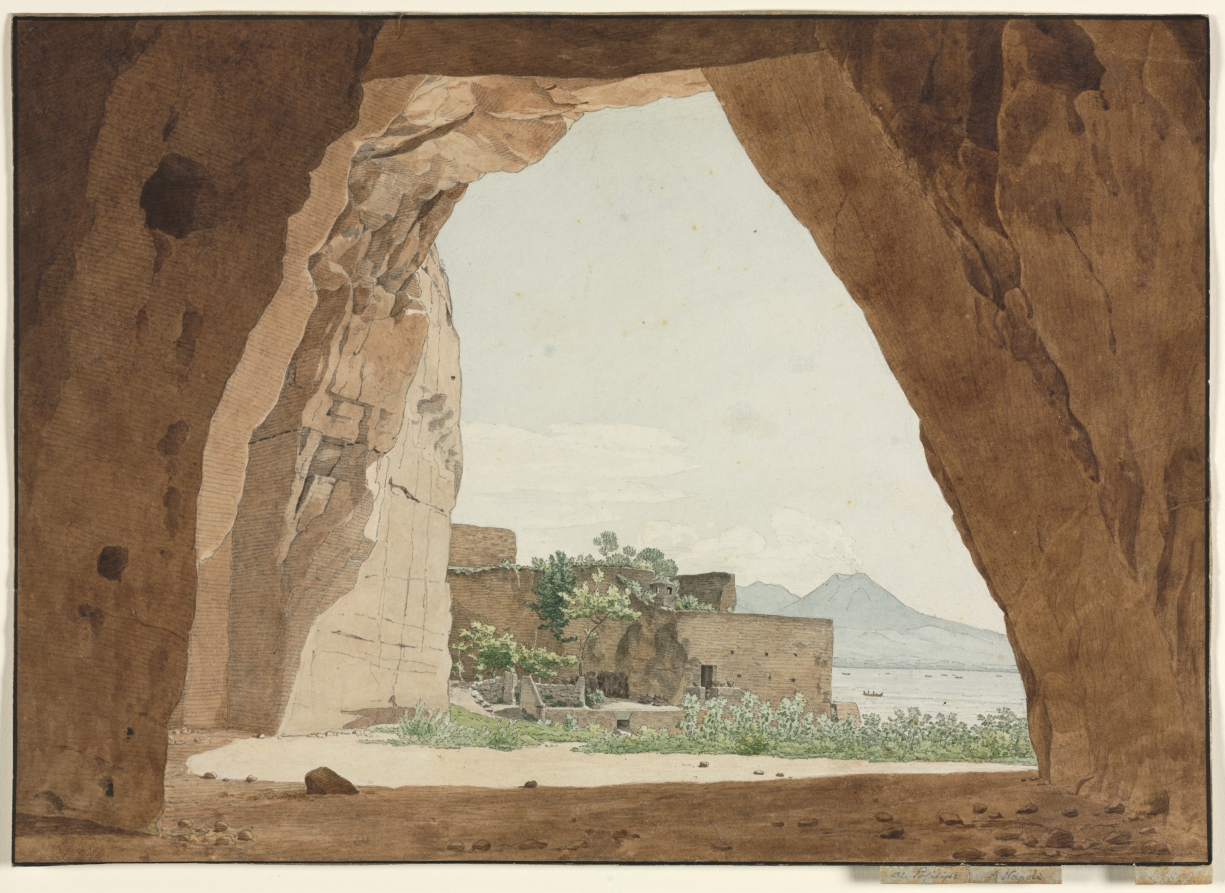
Vesuvius and the Bay of Naples from a Cave at the Cleveland Museum of Art: 1820, watercolor with graphite; framing lines in pen and black ink. Explore the work's context, creator attribution and collection history.
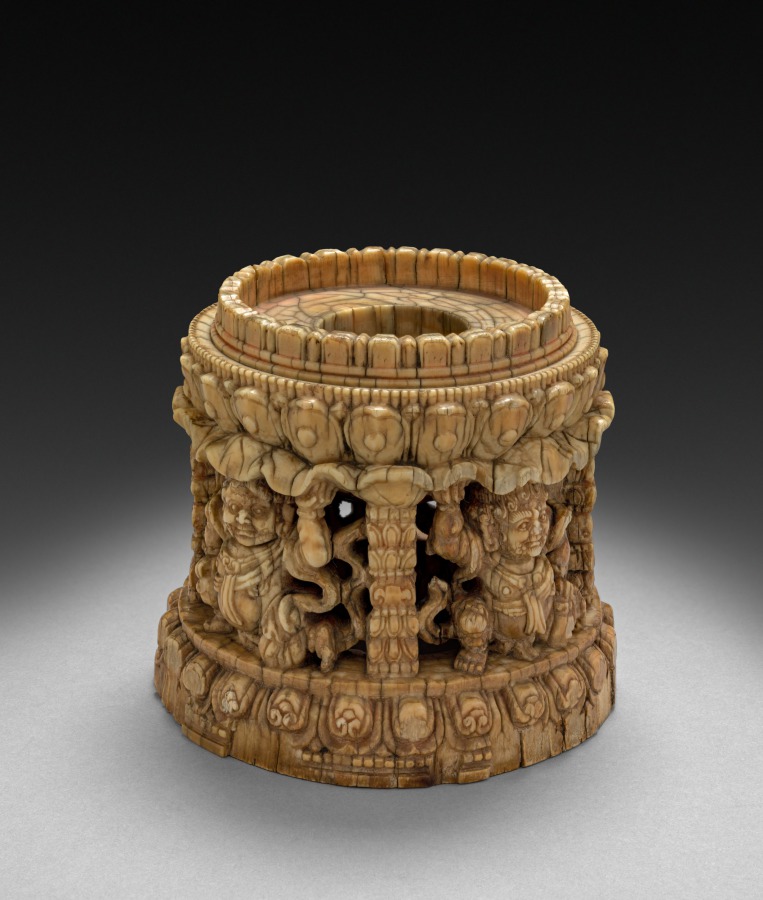
Pedestal at the Cleveland Museum of Art: mid-700s, ivory. Explore the work's context, creator attribution and collection history.
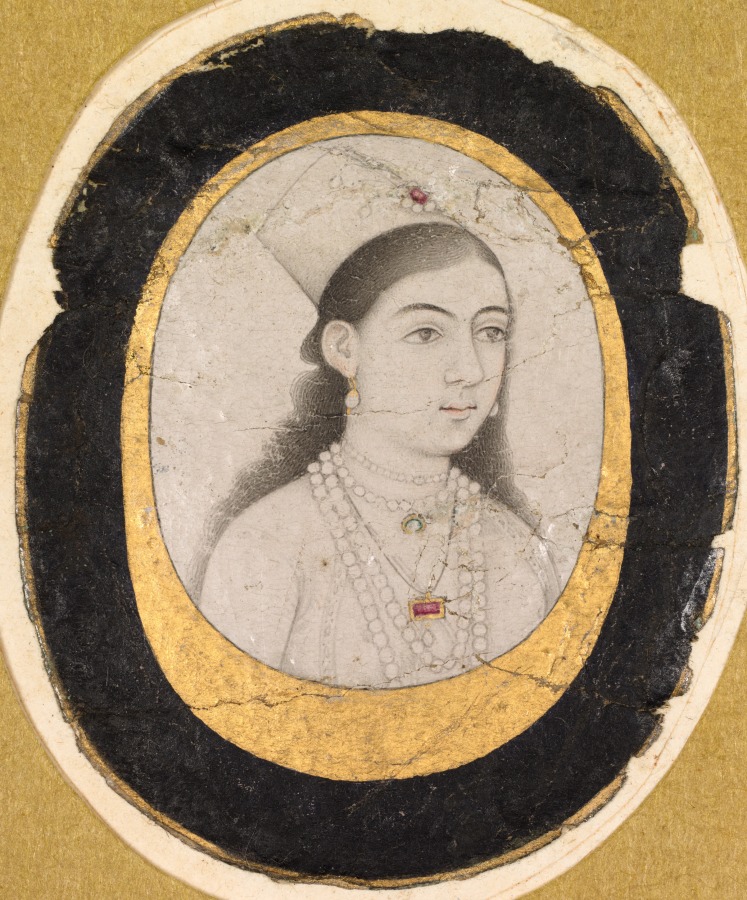
Jewel Portrait of a Young Girl at the Cleveland Museum of Art: c. 1660, ink drawing with slight accents of color. Explore the work's context, creator attribution and collection history.
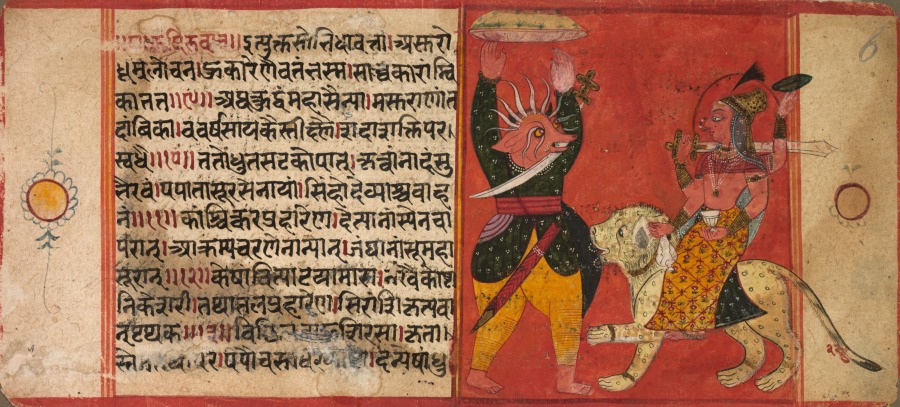
Devi Attacking a Demon at the Cleveland Museum of Art: c. 1630, Gum tempera, ink, and gold on paper. Explore the work's context, creator attribution and collection history.
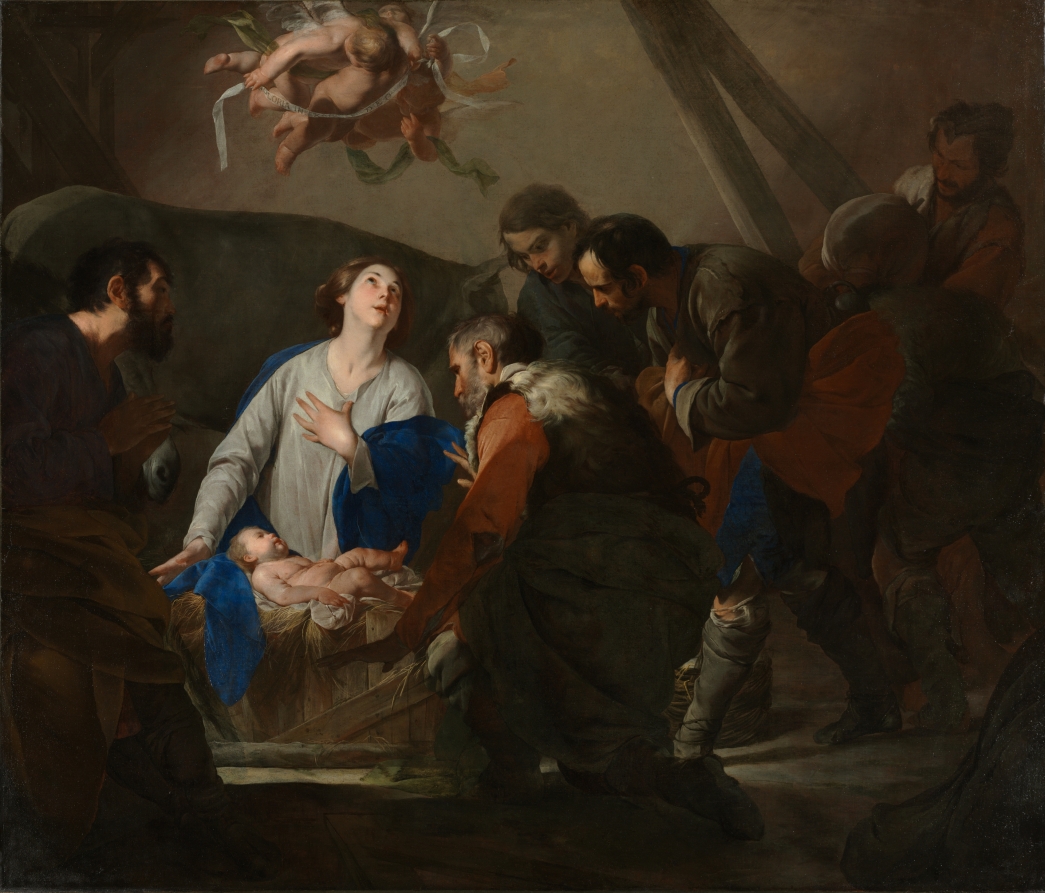
Adoration of the Shepherds at the Cleveland Museum of Art: c. 1650, oil on canvas. Explore the work's context, creator attribution and collection history.
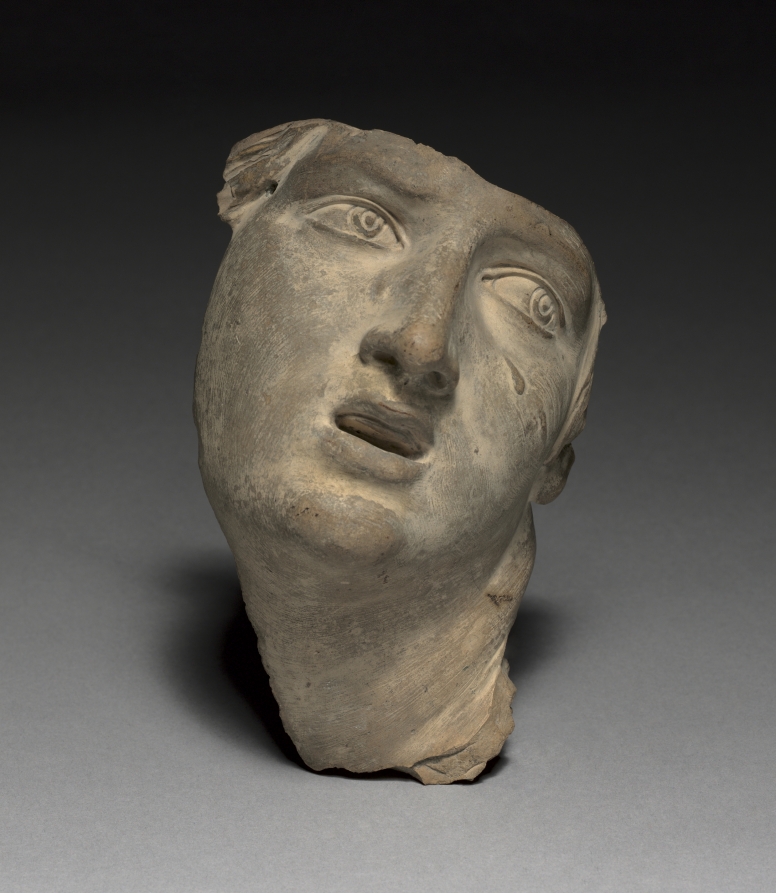
Head of Proserpina at the Cleveland Museum of Art: 1650–1700, terracotta. Explore the work's context, creator attribution and collection history.

Pair of Earrings or Hair Ringlets with Ram Head at the Cleveland Museum of Art: 400s BCE, gold. Explore the work's context, creator attribution and collection history.
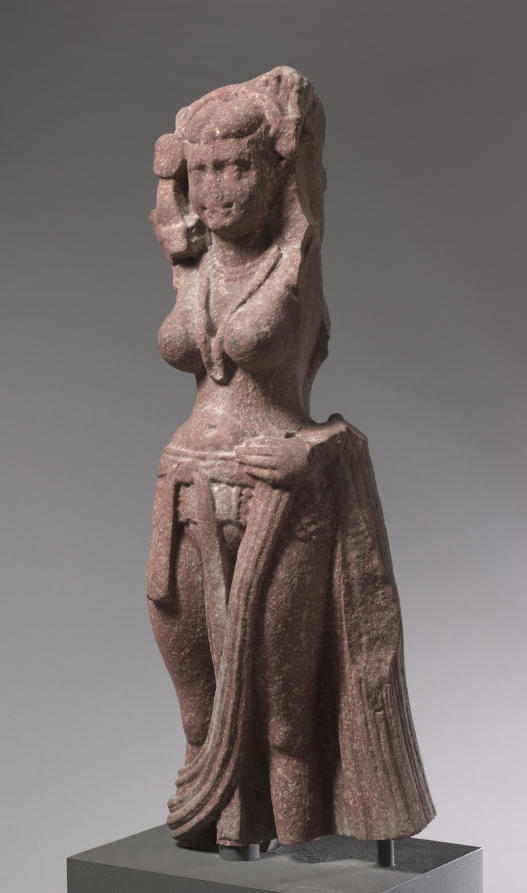
Nature Divinity (Yakshi) at the Cleveland Museum of Art: c. 75 CE, mottled red sandstone. Explore the work's context, creator attribution and collection history.
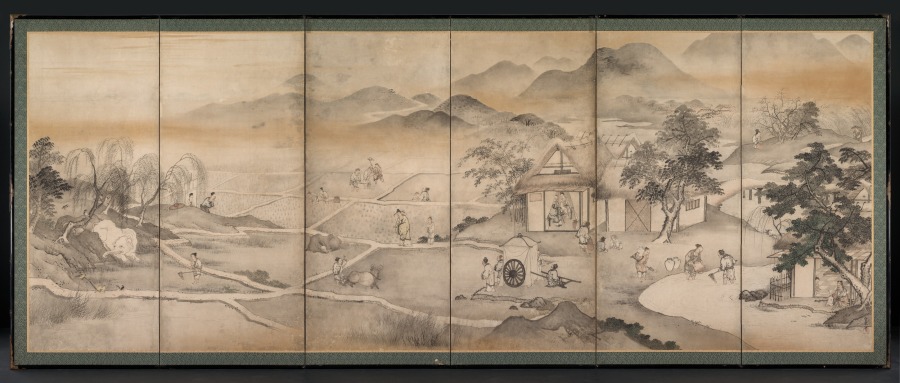
Emperor Yao Visiting Yu Chonghua at the Cleveland Museum of Art: mid- to late 1600s, One of a pair of six-panel folding screens, ink, slight color, and gold on paper. Explore the work's context, creator attribution and collection history.
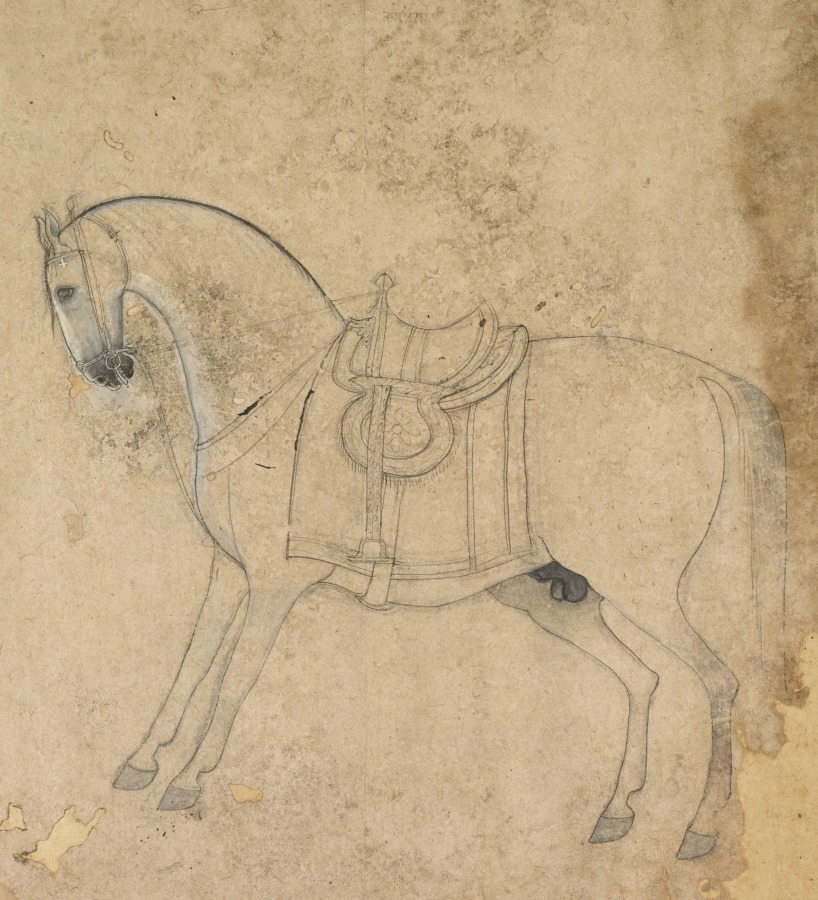
A saddled horse at the Cleveland Museum of Art: c. 1750, Gum tempera on paper. Explore the work's context, creator attribution and collection history.
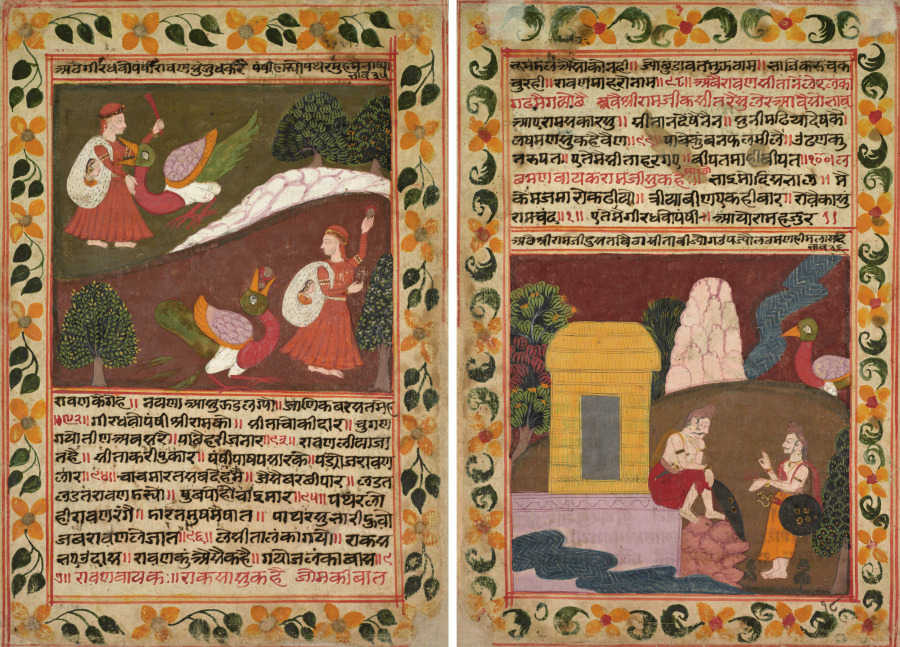
Folio 18 from a Chandana Malayagiri Varta (Story of King Chandana and Queen Malayagiri) of Karamachand: Ravana battles the great vulture Jatayu and defeats him by throwing stones in his mouth (recto); Jatayu approaches Rama and Lakshmana wh

Gaudi Ragini at the Cleveland Museum of Art: c. 1700–1725, Gum tempera, ink, and gold on paper. Explore the work's context, creator attribution and collection history.
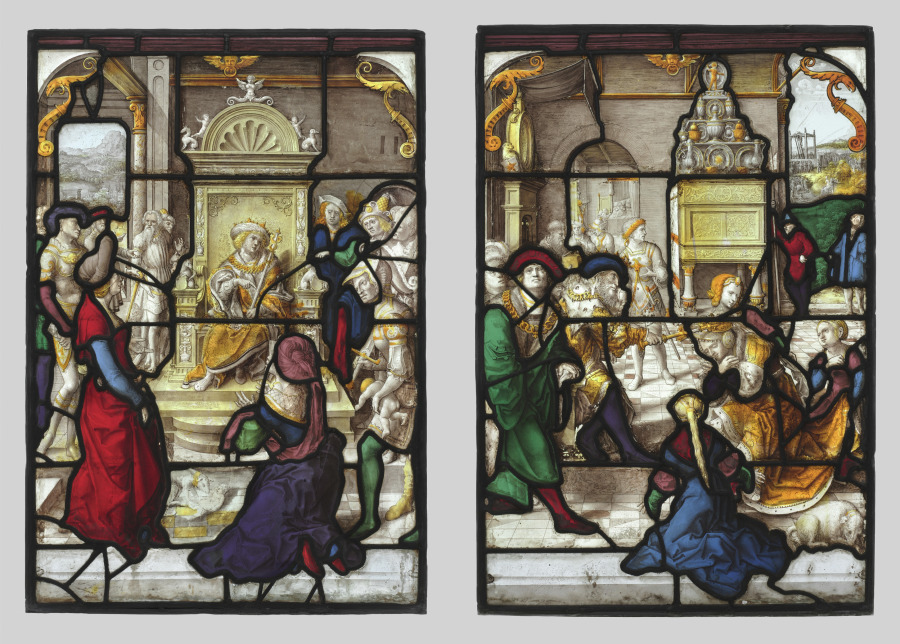
The Judgment of Solomon and Esther before Ahasuerus (pair) at the Cleveland Museum of Art: c. 1530, pot metal, white glass, and silver stain. Explore the work's context, creator attribution and collection history.

The Judgment of Solomon at the Cleveland Museum of Art: c. 1530, pot metal, white glass, and silver stain. Explore the work's context, creator attribution and collection history.

Esther before Ahasuerus at the Cleveland Museum of Art: c. 1530, pot metal, white glass, and silver stain. Explore the work's context, creator attribution and collection history.
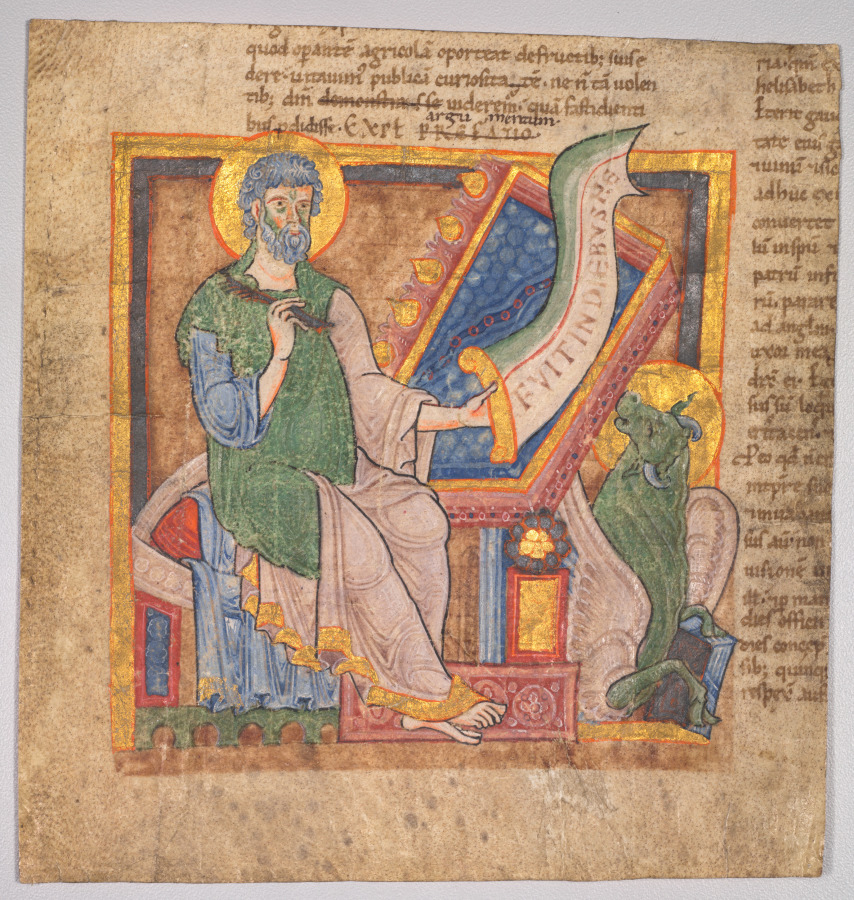
Miniature from a Latin Bible: Saint Luke at the Cleveland Museum of Art: c. 1100, ink, tempera, and gold on vellum. Explore the work's context, creator attribution and collection history.

Solidarity at the Cleveland Museum of Art: 1898, marble. Explore the work's context, creator attribution and collection history.

Vessel with Stirrup Spout at the Cleveland Museum of Art: 1900s (thermoluminescence date), earthenware. Explore the work's context, creator attribution and collection history.
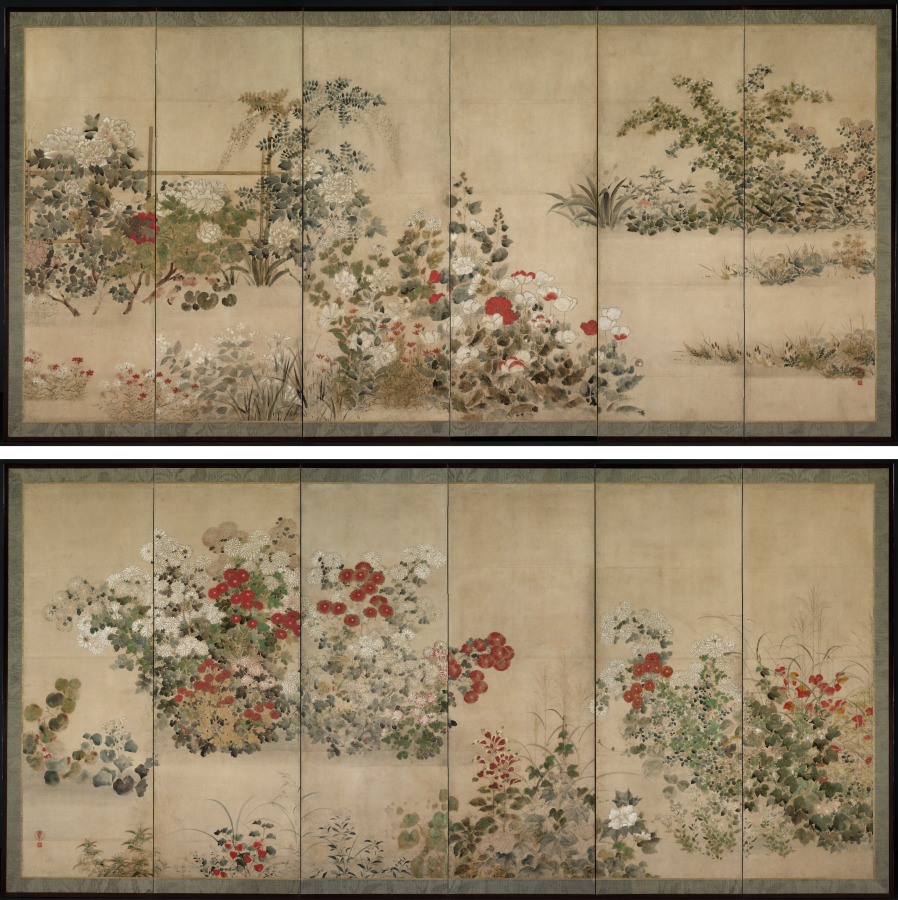
Flowers and Grasses at the Cleveland Museum of Art: mid-1600s, Pair of six-panel folding screens; ink and color on paper. Explore the work's context, creator attribution and collection history.
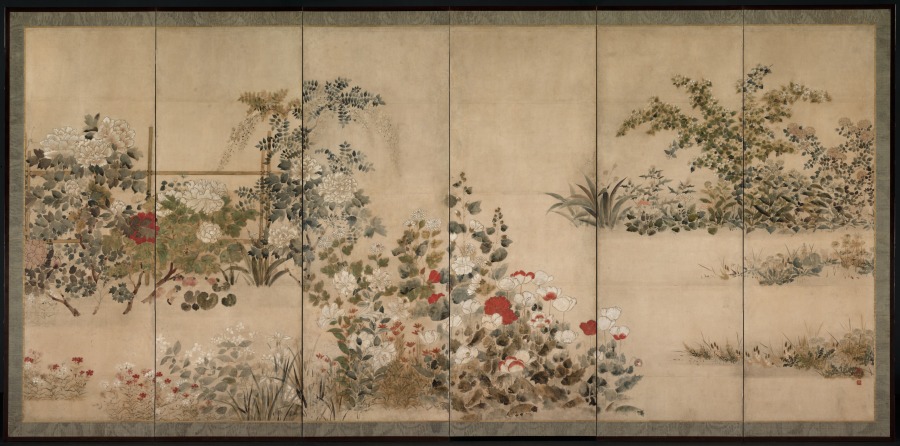
Flowers and Grasses at the Cleveland Museum of Art: mid-1600s, One of a pair of six-panel folding screens; ink and color on paper. Explore the work's context, creator attribution and collection history.
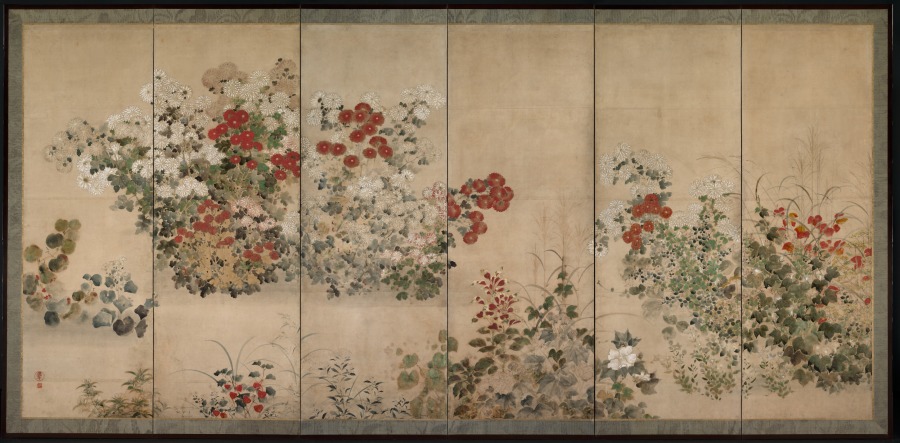
Flowers and Grasses at the Cleveland Museum of Art: mid-1600s, pair of six-fold screens, ink and color on paper. Explore the work's context, creator attribution and collection history.

Mt. Taibo in the Style of Wang Meng at the Cleveland Museum of Art: 1442, handscroll; ink and light color on paper. Explore the work's context, creator attribution and collection history.

Madonna and Child Enthroned at the Cleveland Museum of Art: c. 1350, tempera and gold on poplar panel. Explore the work's context, creator attribution and collection history.
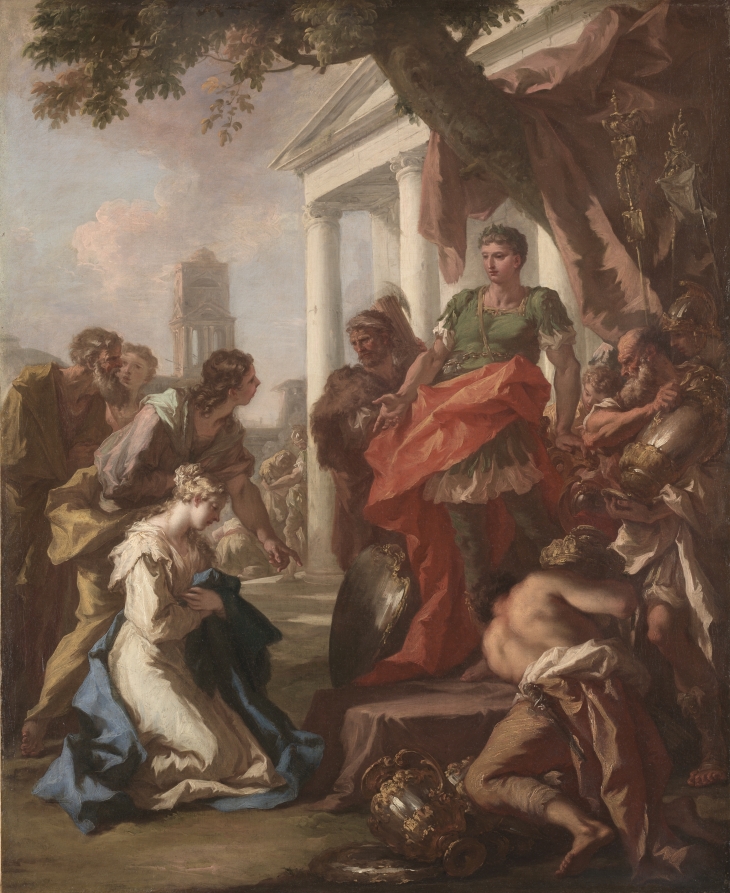
The Continence of Scipio at the Cleveland Museum of Art: c. 1710, oil on canvas. Explore the work's context, creator attribution and collection history.
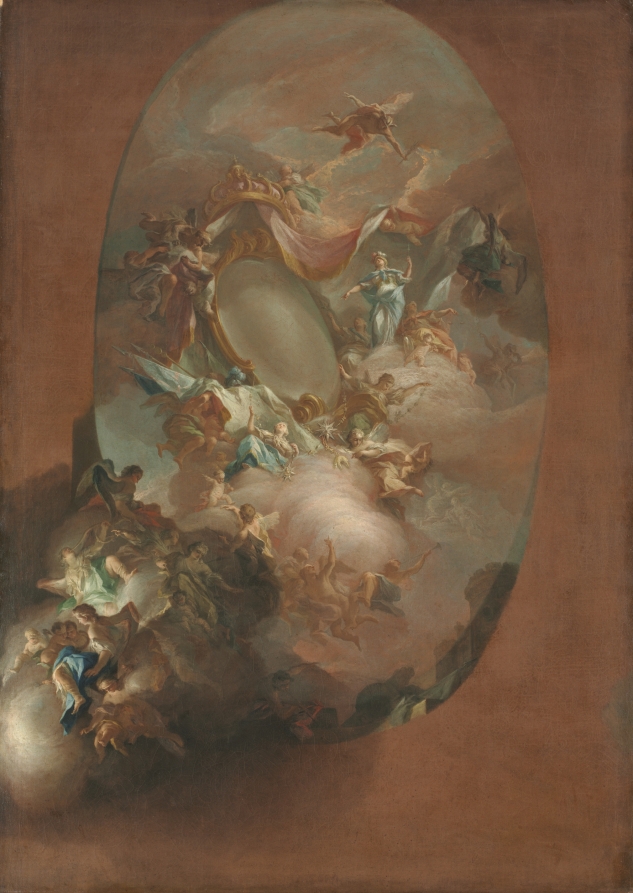
Study for "The Apotheosis of Ferdinand IV and Maria Carolina, King and Queen of Naples" (for the Palazzo dei Regi Studi, Naples) at the Cleveland Museum of Art: c. 1781, oil on canvas. Explore the work's context, creator attribution and col
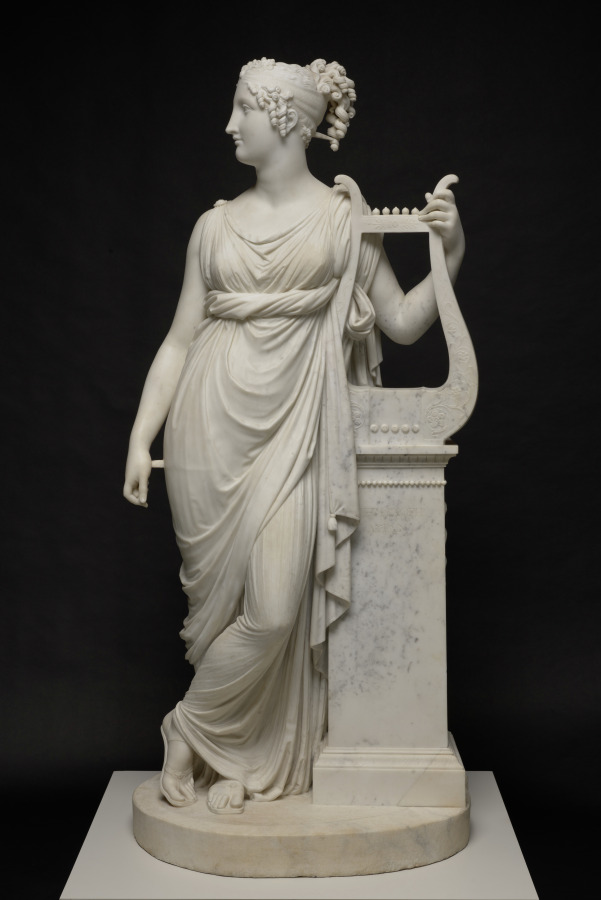
Terpsichore Lyran (Muse of Lyric Poetry) at the Cleveland Museum of Art: 1816, marble. Explore the work's context, creator attribution and collection history.
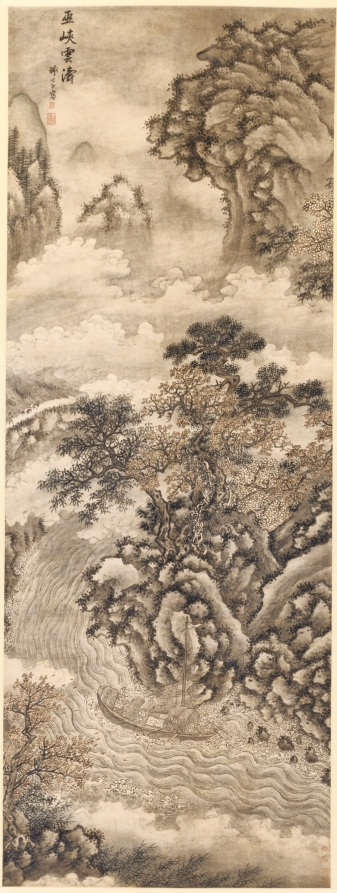
Clouds and Waves at the Wu Gorge at the Cleveland Museum of Art: c. 1547–67, hanging scroll; ink and light color on paper. Explore the work's context, creator attribution and collection history.