And Bound Him a Thousand Years (1899): Art, History and Details
And Bound Him a Thousand Years at the Cleveland Museum of Art: 1899, lithograph. Explore the work's context, creator attribution and collection history.
Oldest entries first, in a fixed order. Newly added articles appear at the end. Explore a shuffled selection →

And Bound Him a Thousand Years at the Cleveland Museum of Art: 1899, lithograph. Explore the work's context, creator attribution and collection history.

And I, John, Saw the Holy City, New Jerusalem, Coming Down from God and out of Heaven at the Cleveland Museum of Art: 1899, lithograph. Explore the work's context, creator attribution and collection history.
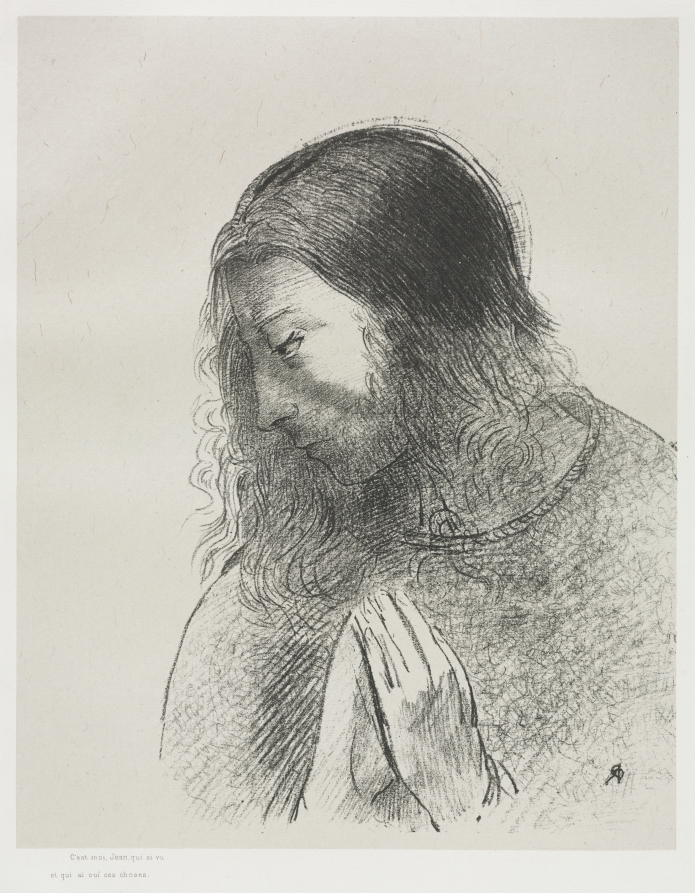
And I John Saw These Things, and Heard Them at the Cleveland Museum of Art: 1899, lithograph. Explore the work's context, creator attribution and collection history.
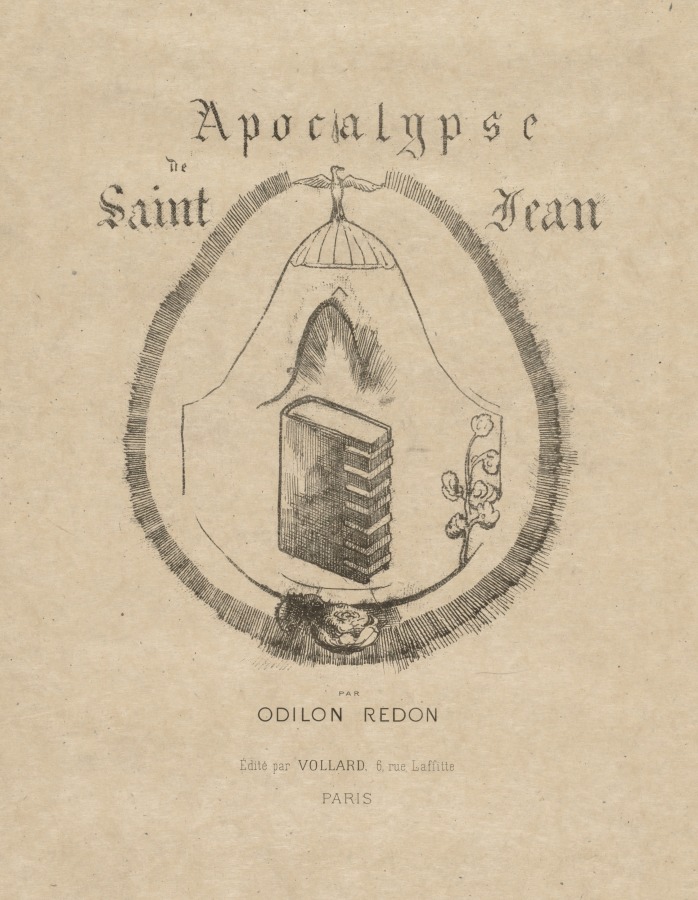
Cover at the Cleveland Museum of Art: 1899, lithograph on wove paper. Explore the work's context, creator attribution and collection history.
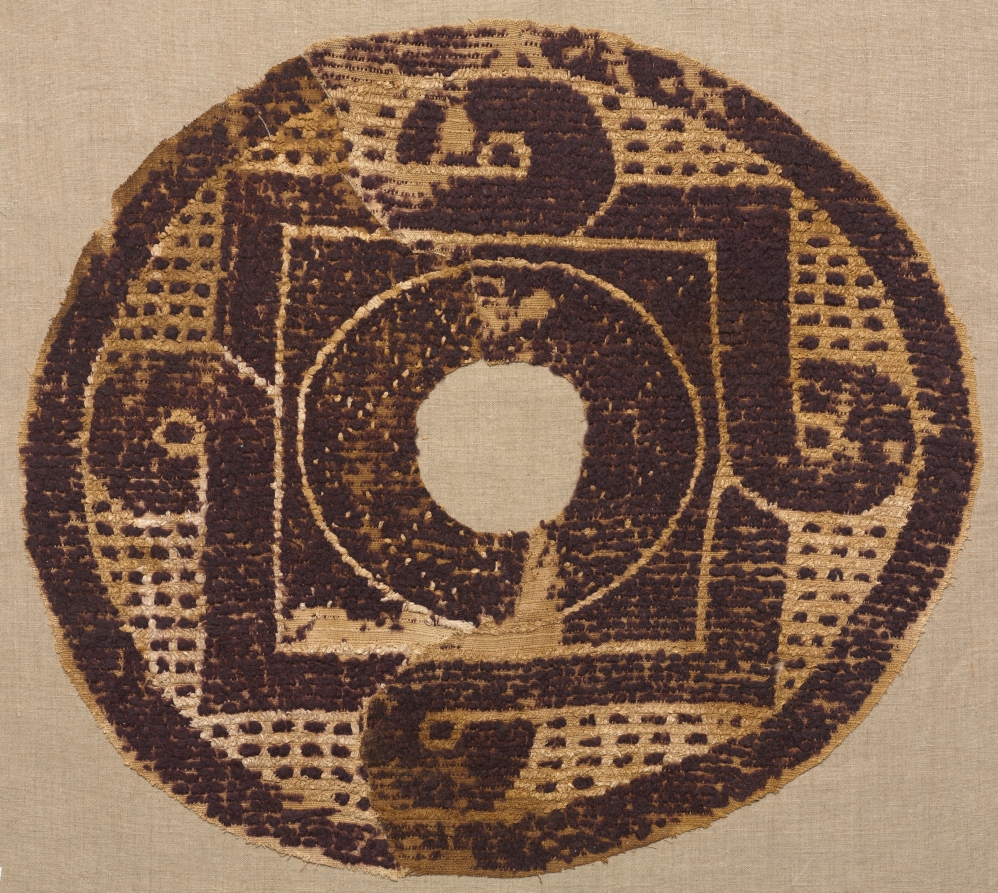
Roundel from a Blanket or Cover at the Cleveland Museum of Art: 300s–400s CE, tapestry weave with supplementary weft wrapping; undyed linen and dyed wool. Explore the work's context, creator attribution and collection history.
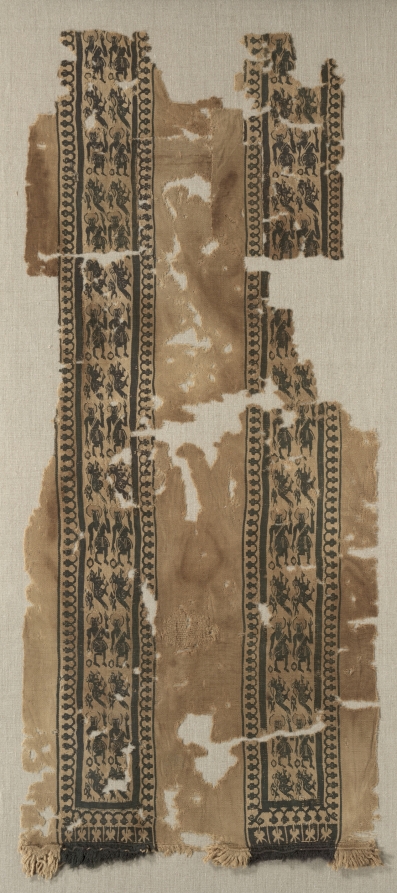
Fragment of a Tunic at the Cleveland Museum of Art: 400s–600s CE, wool: tabby ground, inwoven tapestry ornament. Explore the work's context, creator attribution and collection history.
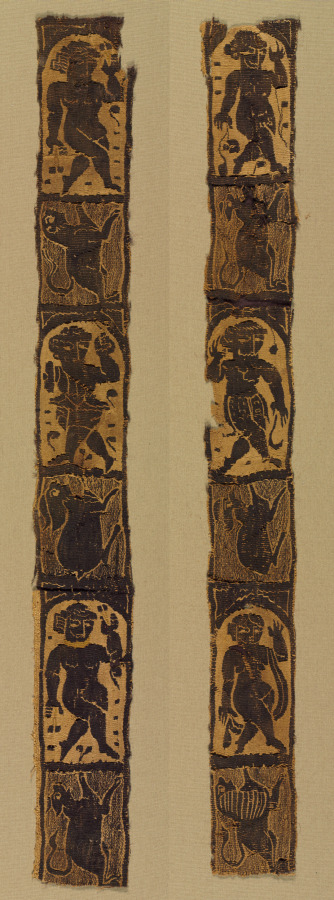
Ornamental Shoulder Bands from a Tunic at the Cleveland Museum of Art: 500s, tapestry weave with supplementary weft wrapping; undyed linen and dyed wool. Explore the work's context, creator attribution and collection history.

Ornamental Shoulder Bands from a Tunic at the Cleveland Museum of Art: 500s, Undyed linen and dyed wool: tapestry weave with supplementary weft wrapping. Explore the work's context, creator attribution and collection history.

Ornamental Shoulder Bands from a Tunic at the Cleveland Museum of Art: 500s, Undyed linen and dyed wool: tapestry weave with supplementary weft wrapping. Explore the work's context, creator attribution and collection history.

The Apocalypse of Saint John at the Cleveland Museum of Art: 1899, twelve lithographs on wove paper. Explore the work's context, creator attribution and collection history.
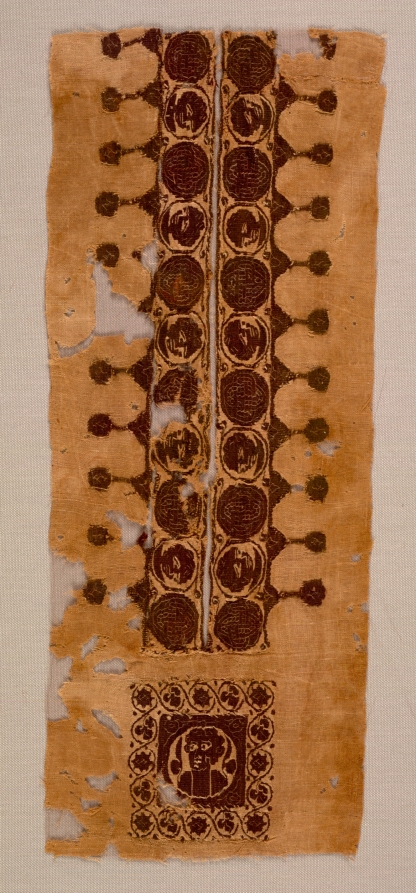
Neck and Shoulder Decoration from a Tunic at the Cleveland Museum of Art: late 400s - 500s, plain weave with slit-tapestry weave and supplementary weft wrapping; dyed wool, undyed linen. Explore the work's context, creator attribution and c
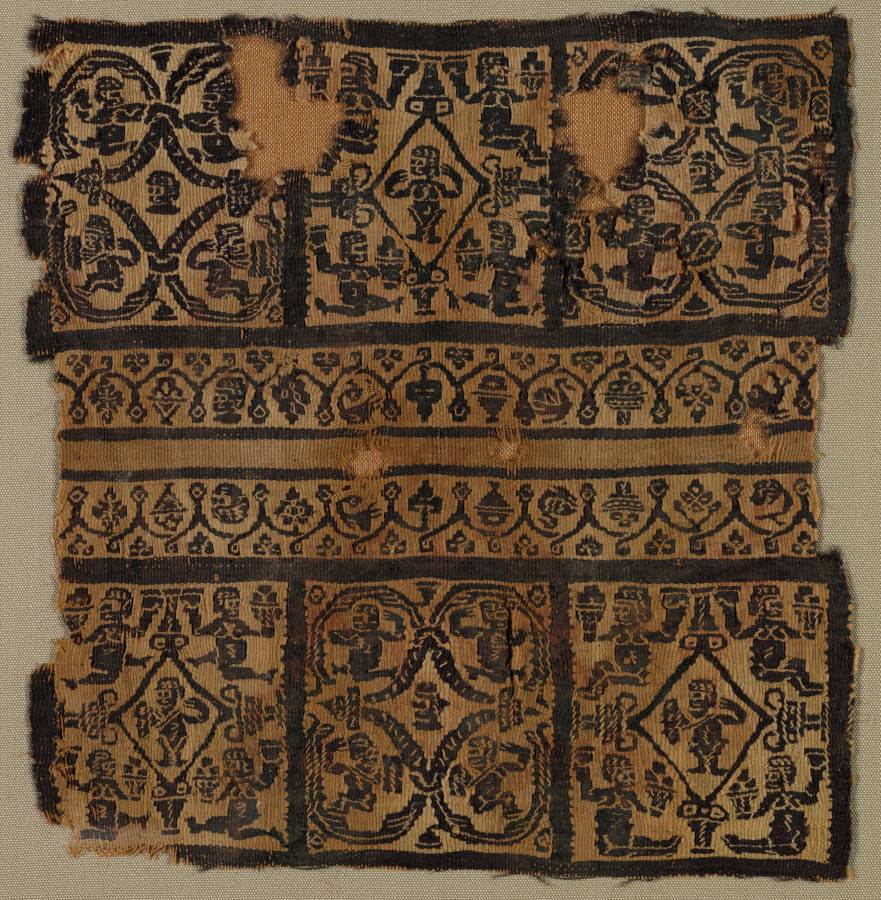
Fragment, Sleeve Ornament from a Tunic at the Cleveland Museum of Art: 500s - early 600s, tapestry (probably originally inwoven in tabby ground); wool. Explore the work's context, creator attribution and collection history.
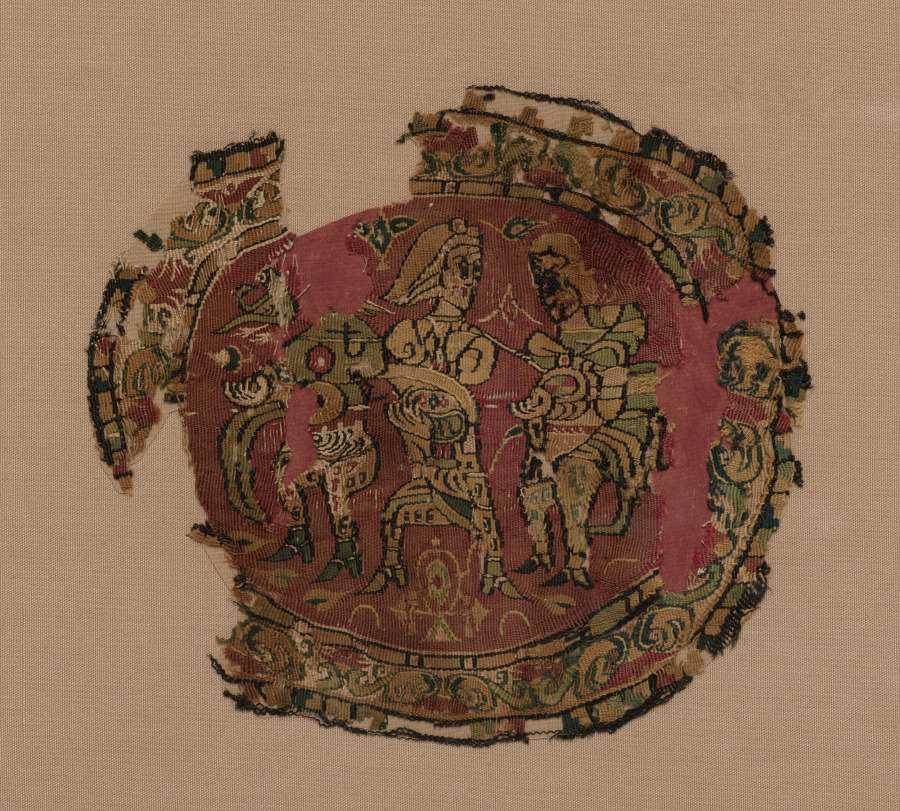
Three Figures from a Tunic at the Cleveland Museum of Art: 750–800, tapestry weave; undyed linen and dyed wool. Explore the work's context, creator attribution and collection history.
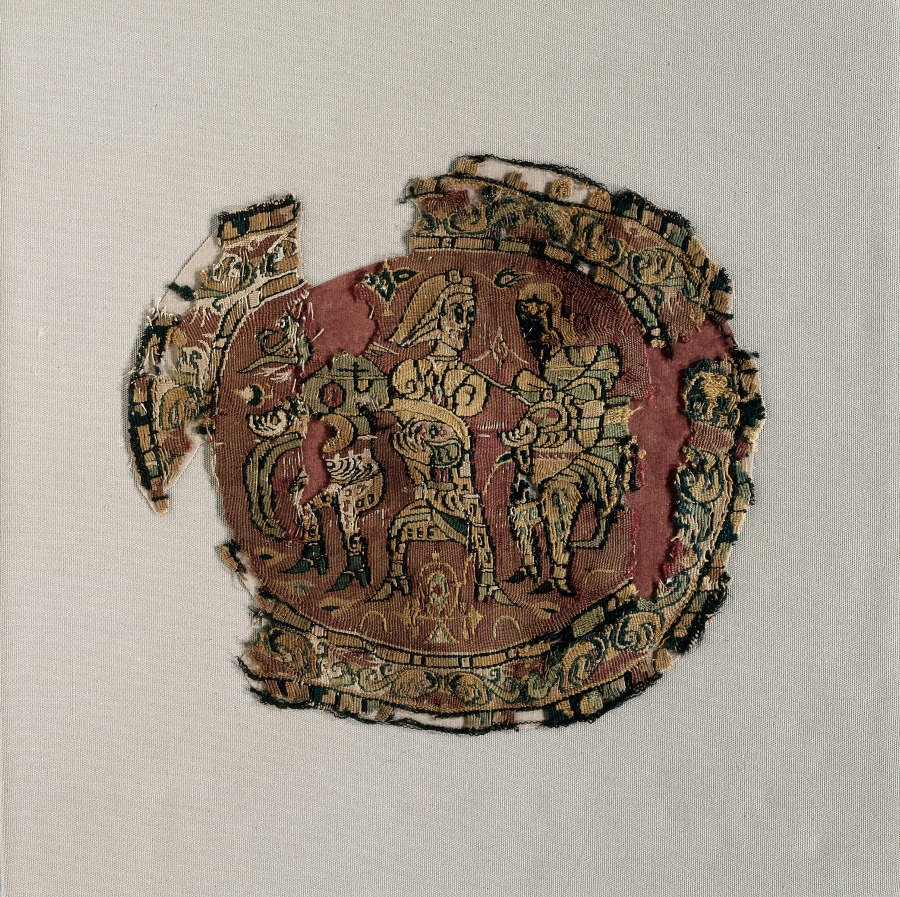
Three Figures from a Tunic at the Cleveland Museum of Art: 750–800, tapestry weave; undyed linen and dyed wool. Explore the work's context, creator attribution and collection history.
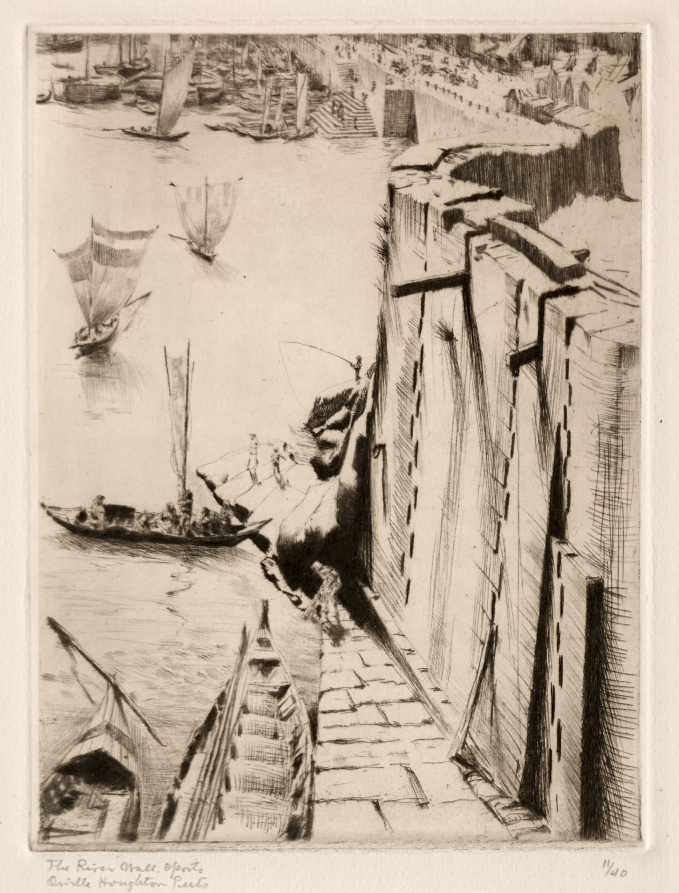
River Wall, Oporto at the Cleveland Museum of Art: c. 1925, etching. Explore the work's context, creator attribution and collection history.

Melencolia I at the Cleveland Museum of Art: 1514, engraving. Explore the work's context, creator attribution and collection history.

Plaque from a Portable Altar: Zacharias at the Altar at the Cleveland Museum of Art: c. 1100–1125, ivory. Explore the work's context, creator attribution and collection history.
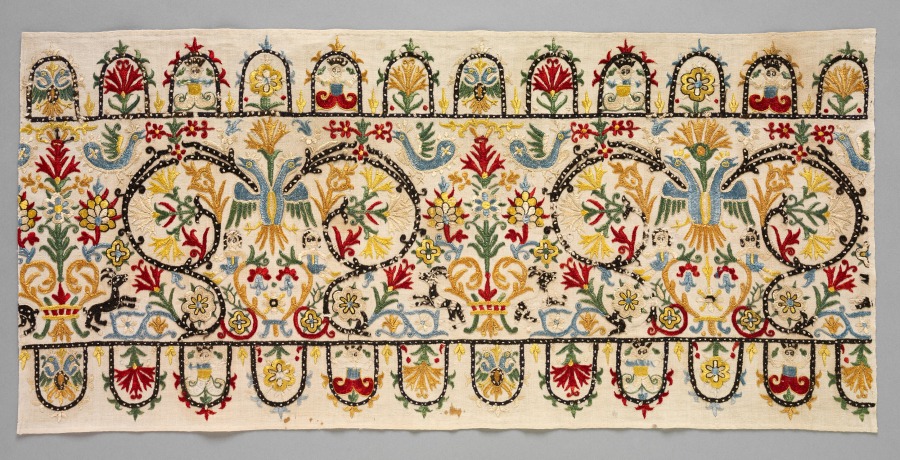
Border Strips of a Skirt at the Cleveland Museum of Art: 1600s–1700s, Silk on linen tabby ground; embroidery. Explore the work's context, creator attribution and collection history.

Portrait of a Man at the Cleveland Museum of Art: c. 1795–1800, watercolor on ivory in a gold frame with glazed hair reverse and opalescent glass over pressed foil and cut gold (or cut paper). Explore the work's context, creator attribution
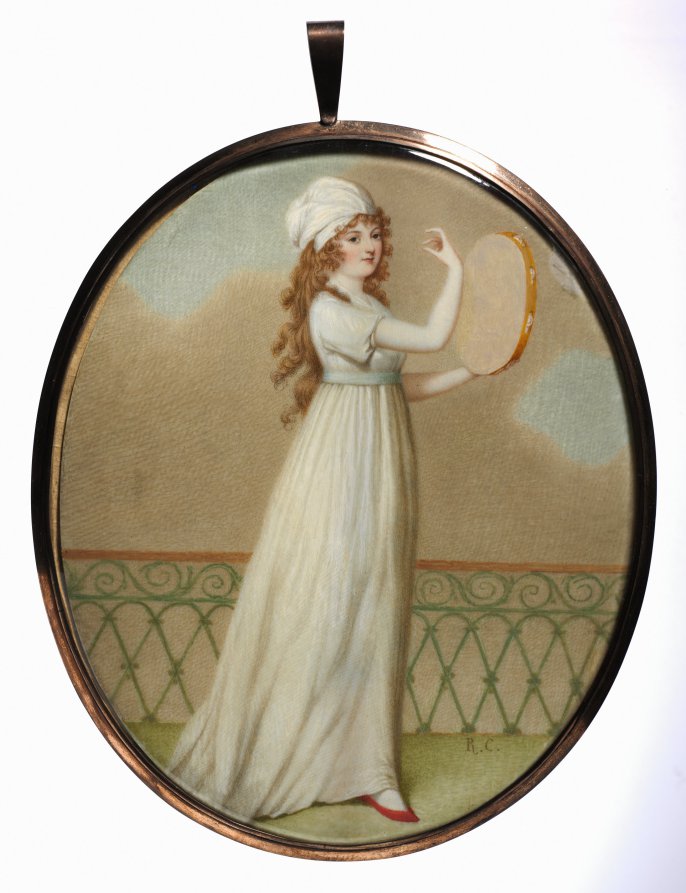
Woman with a Tambourine, in Neoclassical Costume at the Cleveland Museum of Art: mid to late 19th century, watercolor on ivory in a gold frame with blue glazed reverse and reserve with plaited hair and initials in gold. Explore the work's c
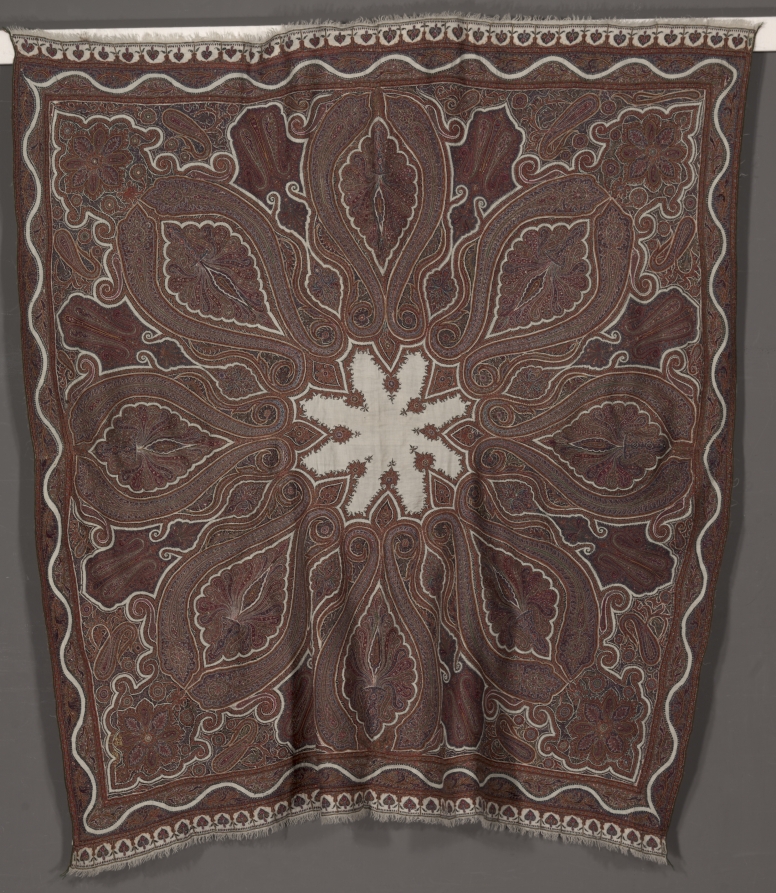
Square Shawl ("amli") at the Cleveland Museum of Art: mid-1800s, Wool: embroidery (large-pieced areas). Explore the work's context, creator attribution and collection history.
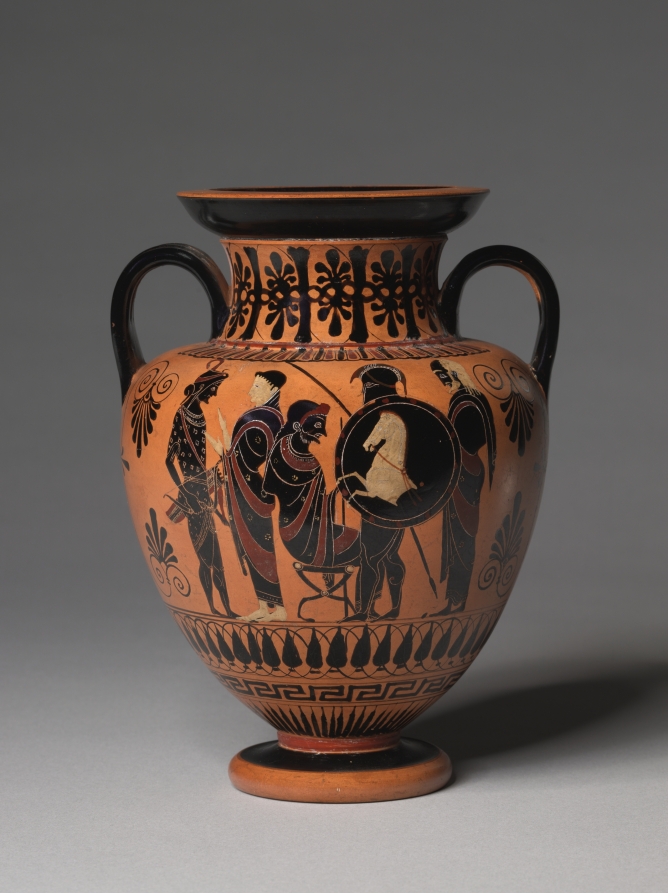
Black-Figure Neck-Amphora (Storage Vessel): Departing Warriors (A); Dionysos and Satyrs (B) at the Cleveland Museum of Art: c. 520–510 BCE, ceramic. Explore the work's context, creator attribution and collection history.
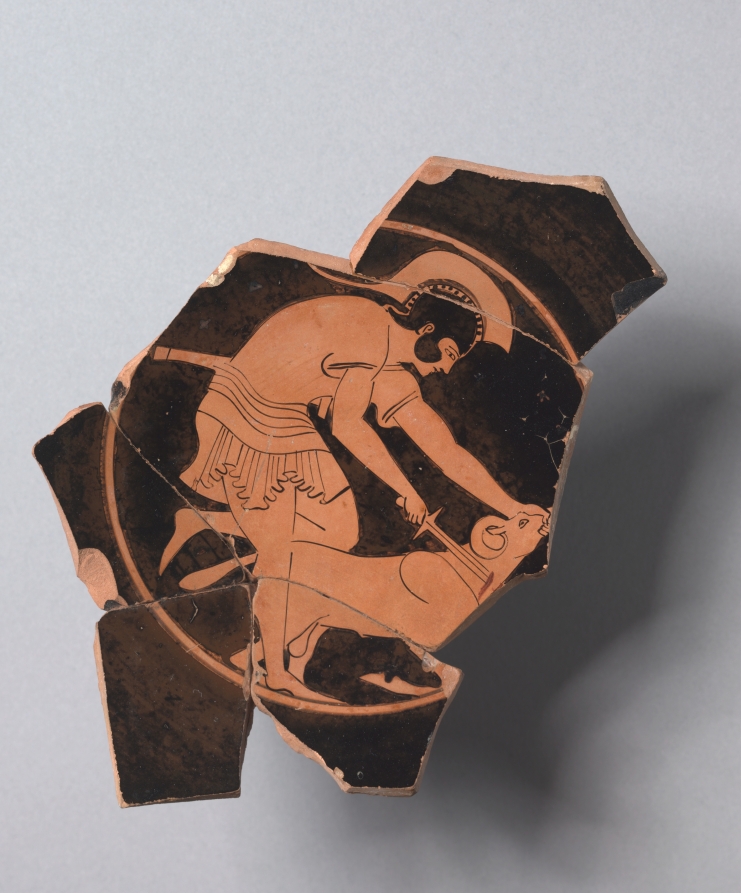
Fragmentary Red-Figure Kylix (Drinking Cup): Warrior Sacrificing Ram at the Cleveland Museum of Art: c. 490–480 BCE, ceramic. Explore the work's context, creator attribution and collection history.

Processional Cross at the Cleveland Museum of Art: c. 1440–50, silver, gilt-silver, and repoussé, over wood. Explore the work's context, creator attribution and collection history.
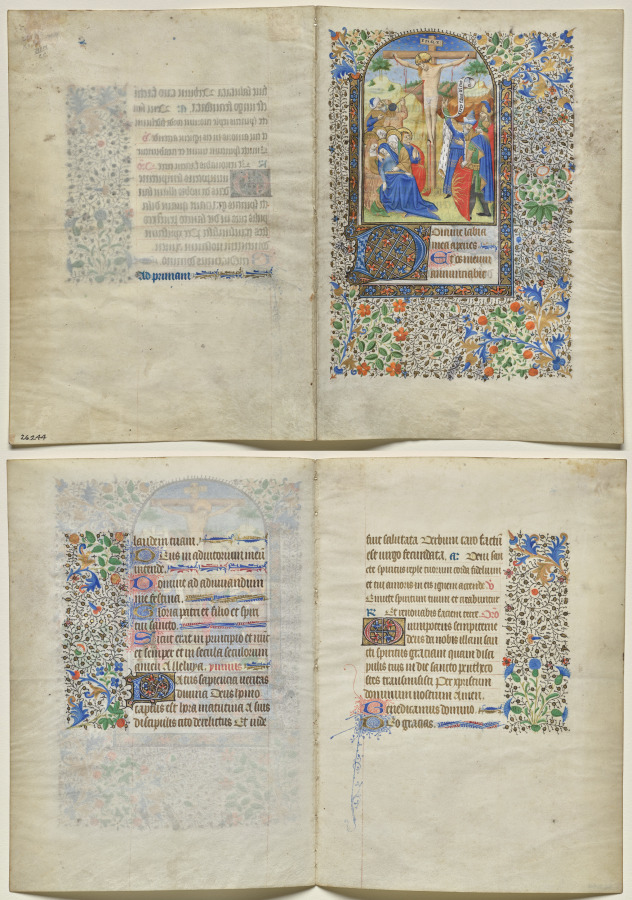
Bifolio from a Book of Hours: The Crucifixion (recto), Text (verso) at the Cleveland Museum of Art: c. 1435, ink, tempera, and gold on vellum. Explore the work's context, creator attribution and collection history.

Leaf Excised from a "Decretum" by Gratian: Initial C[anonici cuiusdam ecclesiae] with a Seated Cleric at the Cleveland Museum of Art: c. 1300–1310, ink, tempera, and gold on vellum. Explore the work's context, creator attribution and collec
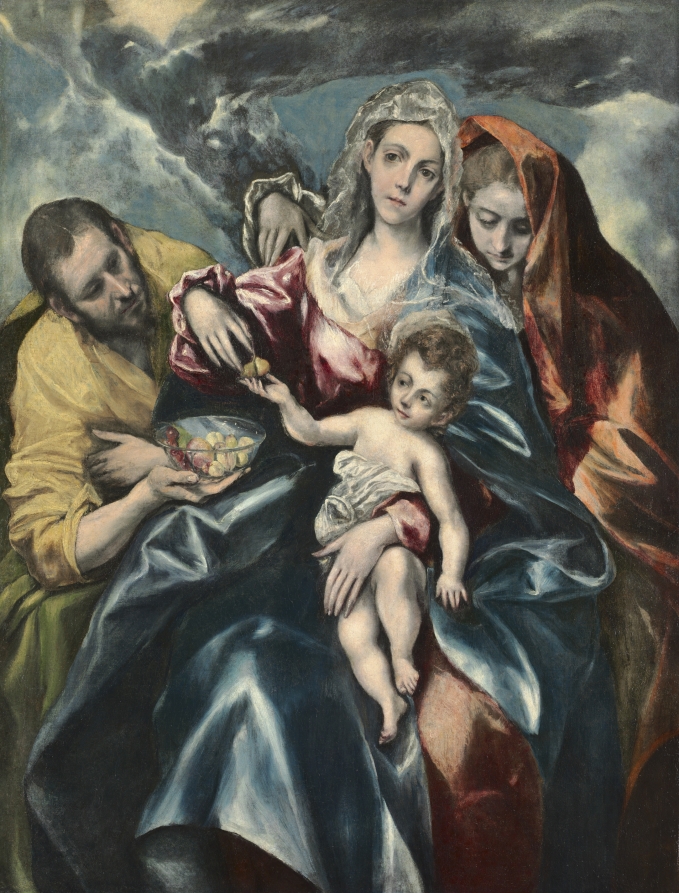
The Holy Family with Mary Magdalen at the Cleveland Museum of Art: c. 1590–95, oil on canvas. Explore the work's context, creator attribution and collection history.

Mirror at the Cleveland Museum of Art: 618–907, bronze. Explore the work's context, creator attribution and collection history.
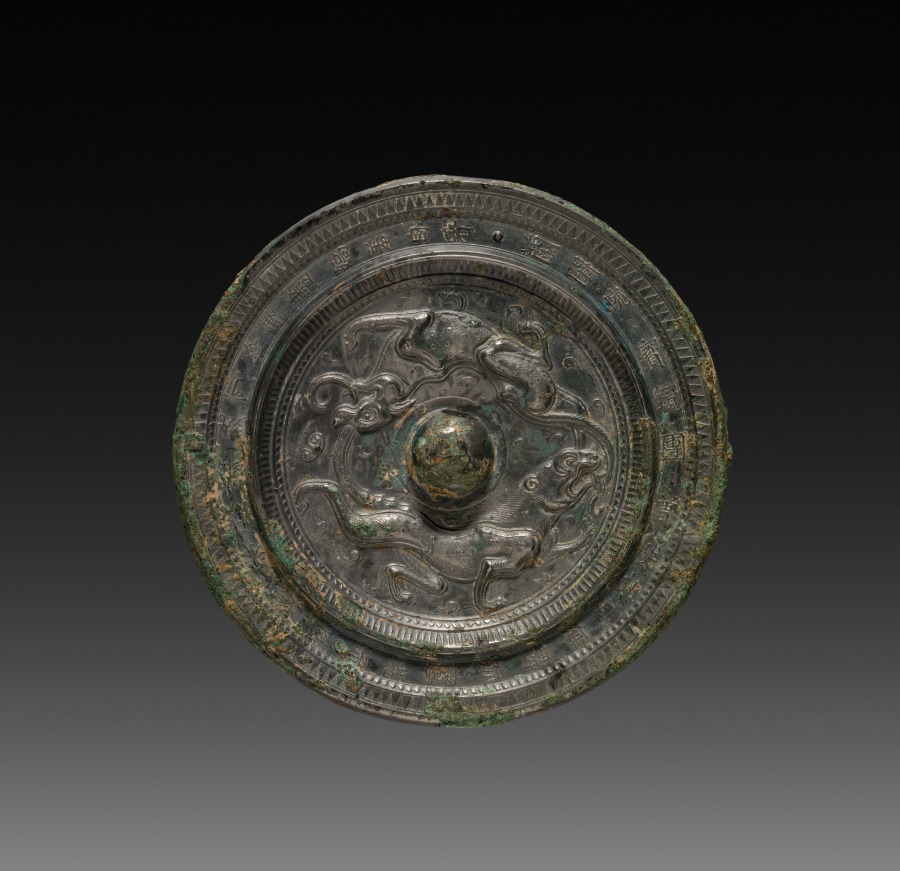
Mirror with Paired Felines at the Cleveland Museum of Art: late 500s–600s, bronze. Explore the work's context, creator attribution and collection history.
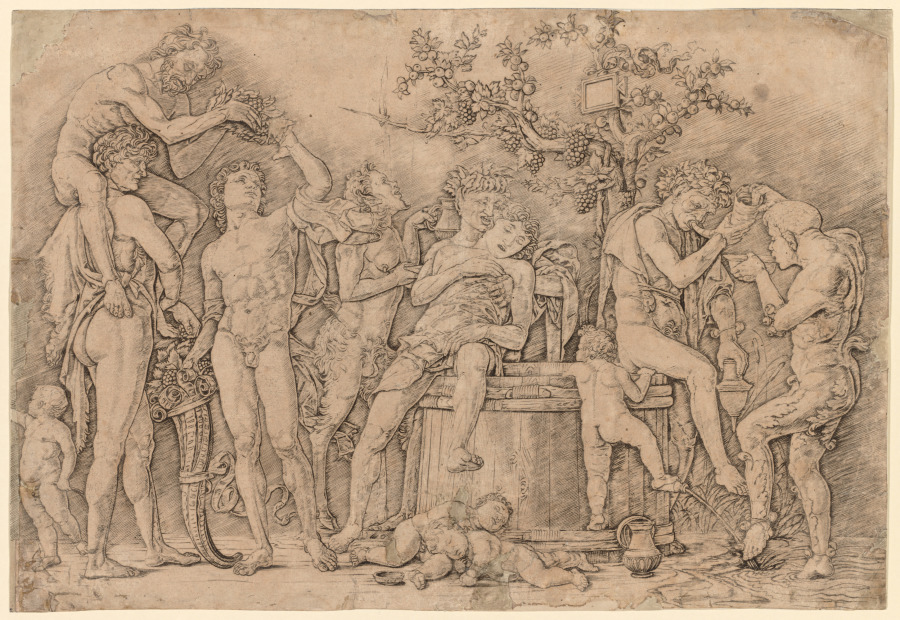
Bacchanal with a Wine Vat at the Cleveland Museum of Art: 1470–80, engraving. Explore the work's context, creator attribution and collection history.
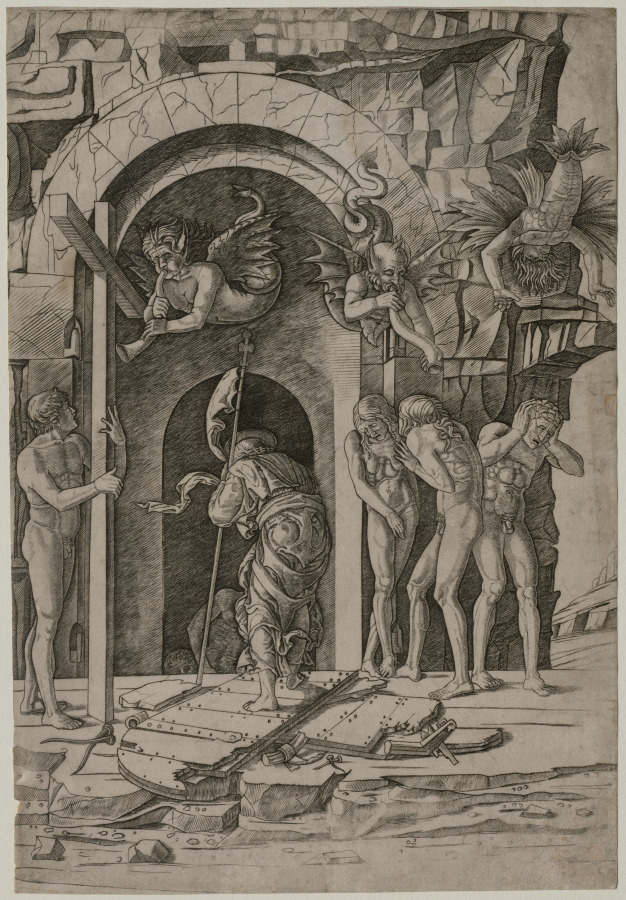
Descent into Limbo at the Cleveland Museum of Art: c. 1490–1500, engraving. Explore the work's context, creator attribution and collection history.
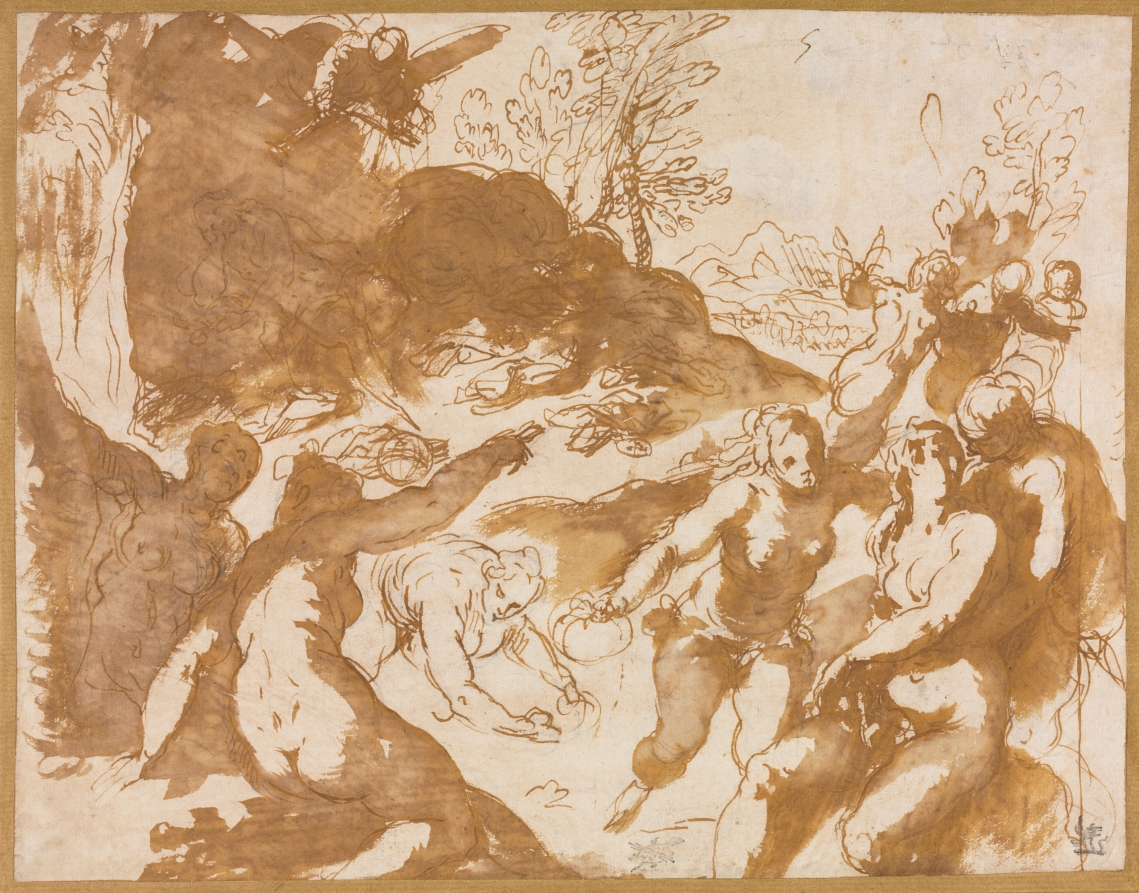
Apollo and the Muses Awakened by the Call of Fame at the Cleveland Museum of Art: 1590s, pen and brown ink and brush and brown wash over graphite. Explore the work's context, creator attribution and collection history.
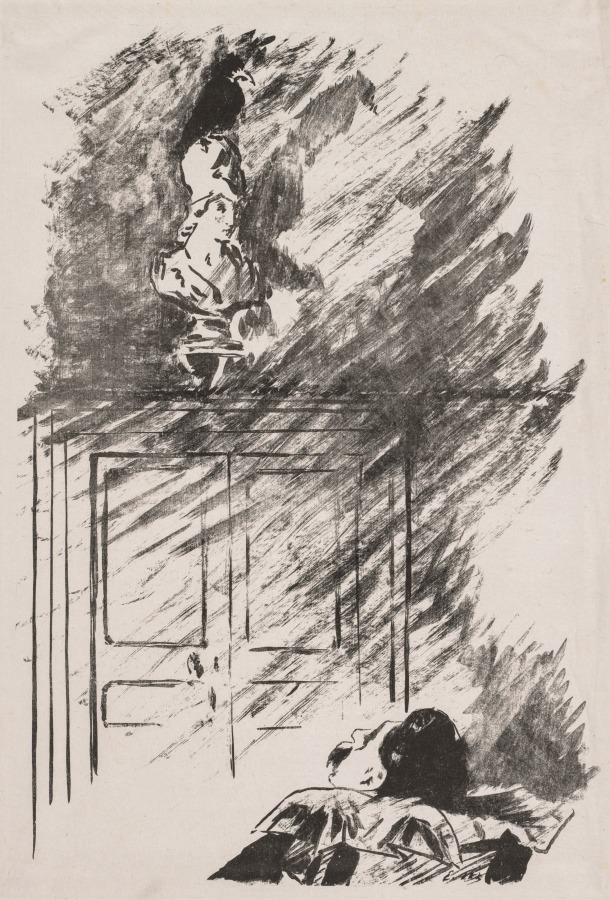
Perched upon a Bust of Pallas at the Cleveland Museum of Art: 1875, lithograph. Explore the work's context, creator attribution and collection history.
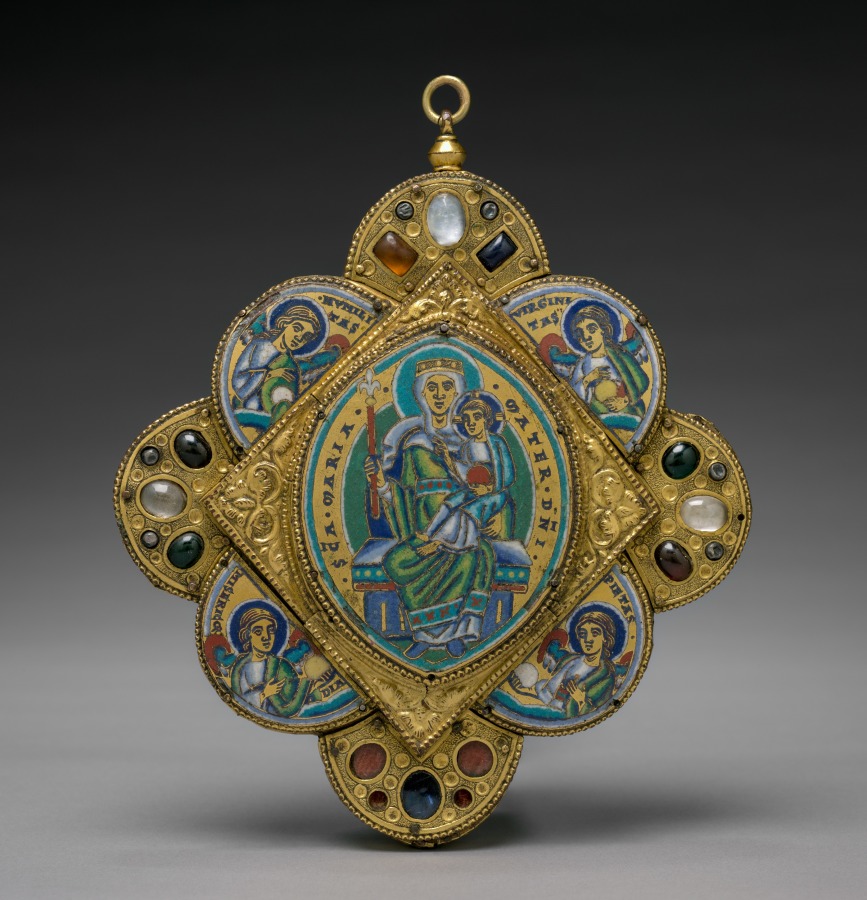
Pendant with the Virgin and Child at the Cleveland Museum of Art: c. 1160–1170, gilded copper, champlevé enamel; the reverse decorated in vernis brun. Explore the work's context, creator attribution and collection history.
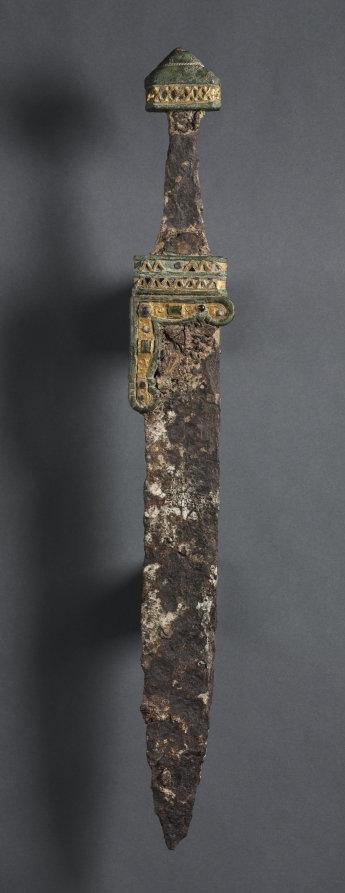
Single-Edged Knife (Scramasax) at the Cleveland Museum of Art: c. 500–700, iron, brass, gold foil, gold wire, gemstones. Explore the work's context, creator attribution and collection history.
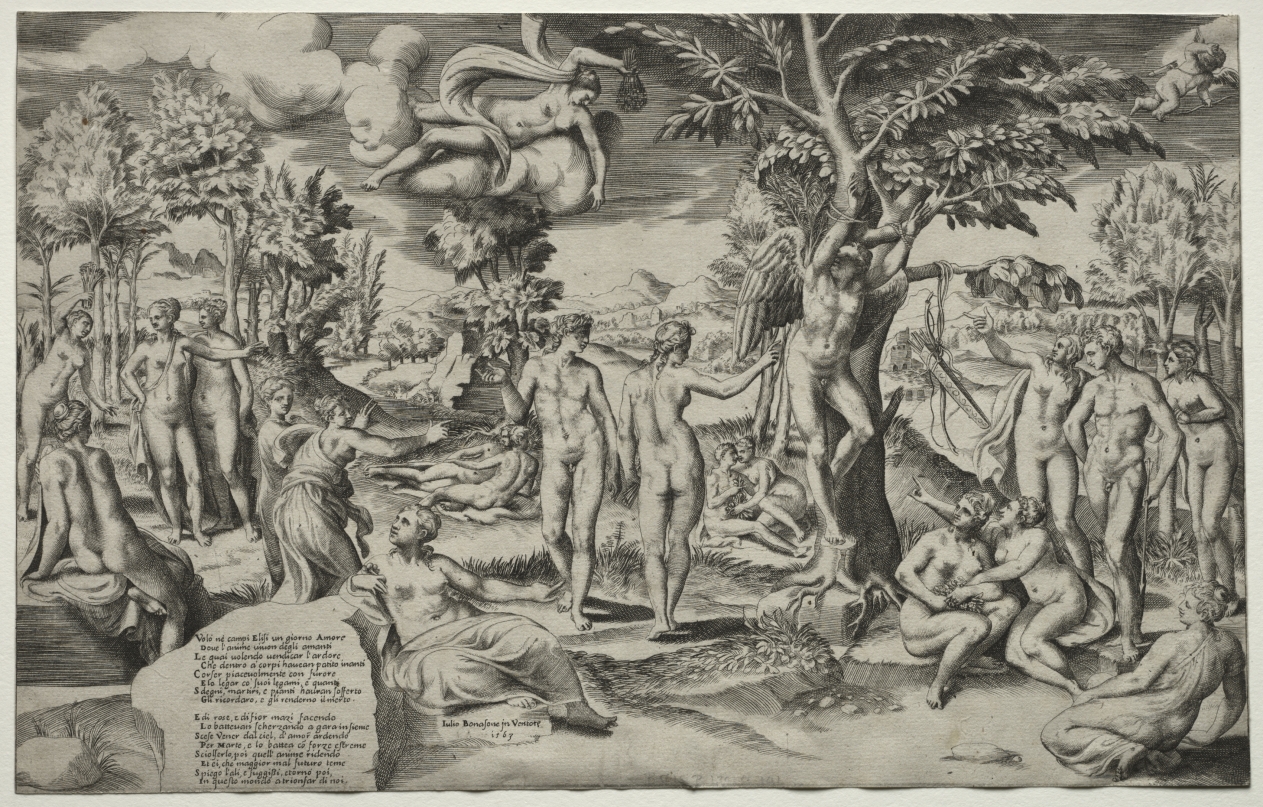
Love in the Elysian Fields at the Cleveland Museum of Art: 1563, engraving. Explore the work's context, creator attribution and collection history.
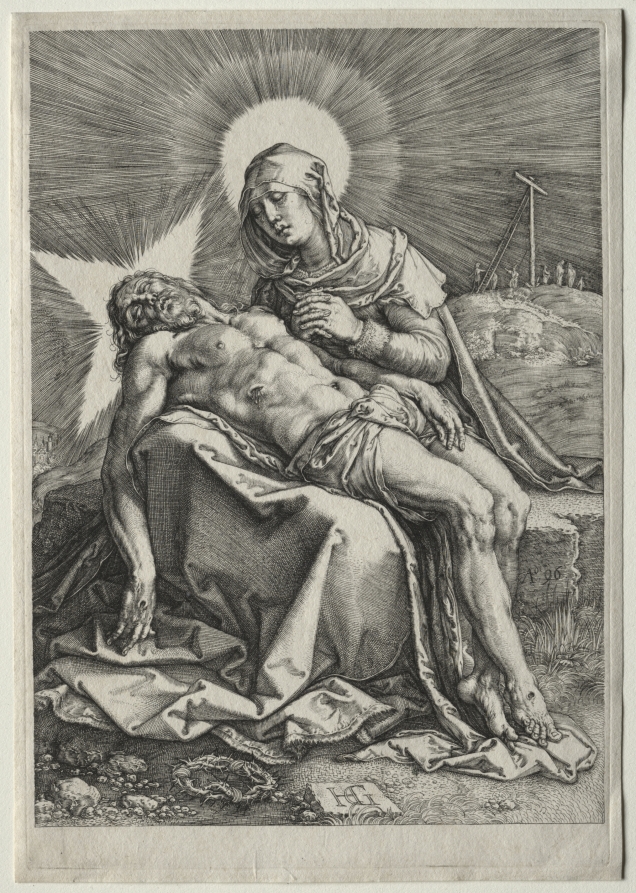
Pietà at the Cleveland Museum of Art: 1596, engraving. Explore the work's context, creator attribution and collection history.

An Assembly of Scholars at the Cleveland Museum of Art: c. 1515/1527, engraving. Explore the work's context, creator attribution and collection history.

The Griffin at the Cleveland Museum of Art: c. 1480–90, engraving. Explore the work's context, creator attribution and collection history.
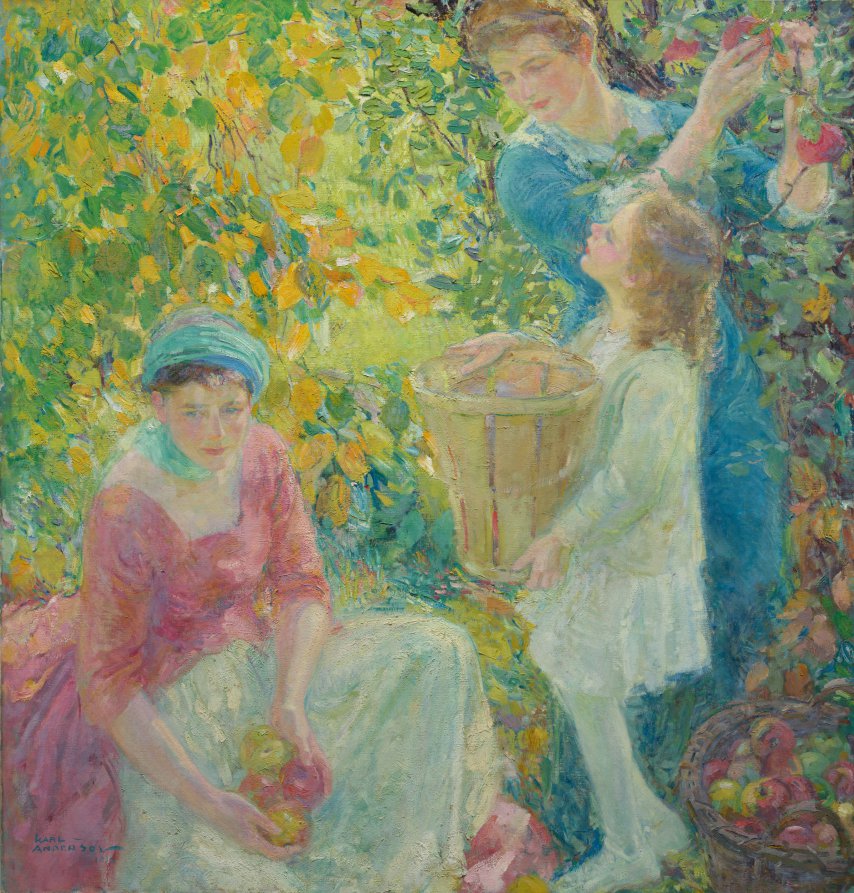
The Apple Gatherers at the Cleveland Museum of Art: 1912, oil on canvas. Explore the work's context, creator attribution and collection history.