Nicola Formichetti: Biography and Background
Nicola Formichetti (Italian pronunciation: [niˈkɔːla formiˈketti]; born 31 May 1977) is a fashion director and fashion editor.
Oldest entries first, in a fixed order. Newly added articles appear at the end. Explore a shuffled selection →

Nicola Formichetti (Italian pronunciation: [niˈkɔːla formiˈketti]; born 31 May 1977) is a fashion director and fashion editor.

Fernanda Gattinoni (2 December 1906 – 27 November 2002) was an Italian fashion designer who was the founder of the Gattinoni atelier.
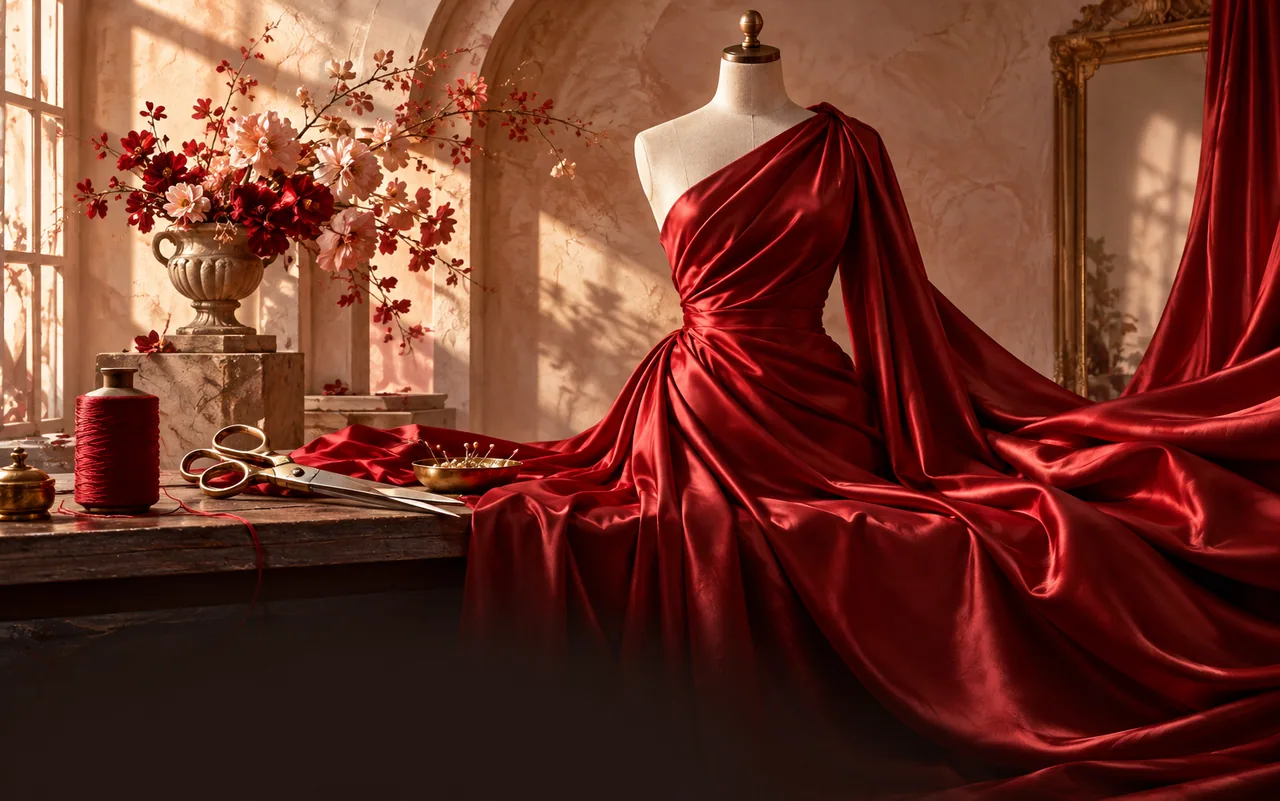
Miuccia Bianchi Prada (Italian: [ˈmjuttʃa ˈbjaŋki ˈpraːda, miˈu-]; born Maria Bianchi [maˈriːa ˈbjaŋki] on 10 May 1948) is an Italian billionaire fashion designer and businesswoman.

Andrea Sassetti (born 1960) is an Italian shoe designer, owner of the Italian fashion company Andrea Moda, a brand of high-end women's shoes.
Francesco Smalto (5 November 1927 – 5 April 2015) was an Italian fashion designer.
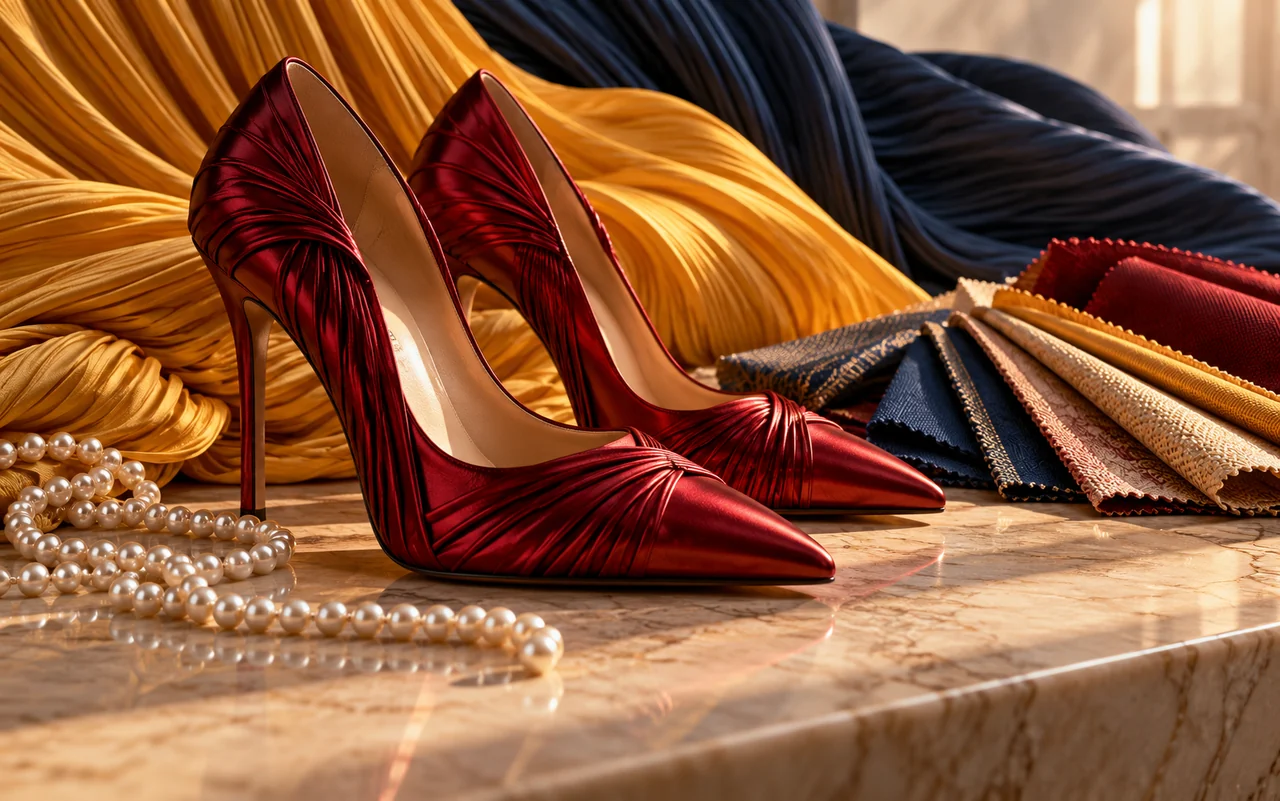
Valentino Clemente Ludovico Garavani (Italian: [valenˈtiːno ɡaraˈvaːni]; 11 May 1932 – 19 January 2026), known mononymously as Valentino, was an Italian fashion designer who founded Valentino S.p
Giancarlo Venturini was an Italian knitwear designer active in the 1950s-1970s.
Giovanni Maria "Gianni" Versace (Italian: [dʒoˈvanni maˈriːa ˈdʒanni verˈsaːtʃe]; 2 December 1946 – 15 July 1997) was an Italian fashion designer and businessman.

Basso & Brooke is a fashion label formed by Bruno Basso and Christopher Brooke.
Robert Cary-Williams is an avant-garde British fashion designer.
Lucinda Chambers (born 1959) is a British fashion director, designer and stylist.
Emily Clapham (1857–1952) was a dress designer.
Gordon Luke Clarke, also known as Luke, was a New Zealand fashion designer based in London during the 1970s.
John Charles Galliano (born 28 November 1960) is a British fashion designer.
Hannah Marshall (born 6 July 1982) is a British artist and founder of the experiential art studio H+.
Murray and Vern is an English design house and clothing retail company whose work is held in the permanent collection of the V&A Museum.
Ian Stuart (1967 – 18 October 2022) was a British fashion designer, noted for his wedding dresses and evening and occasion wear.
Oscar Udeshi (born in May 1974 in Hong Kong) is an industrial designer who works in product design, furniture design, jewellery, and clothing - luxury menswear.
Sophia Grace Webster (born 18 March 1985) is a British shoe and accessories designer who launched her eponymous footwear line in September 2012.
Alexander White (born June 1988) is a British shoe designer who launched his eponymous footwear line in September 2014.
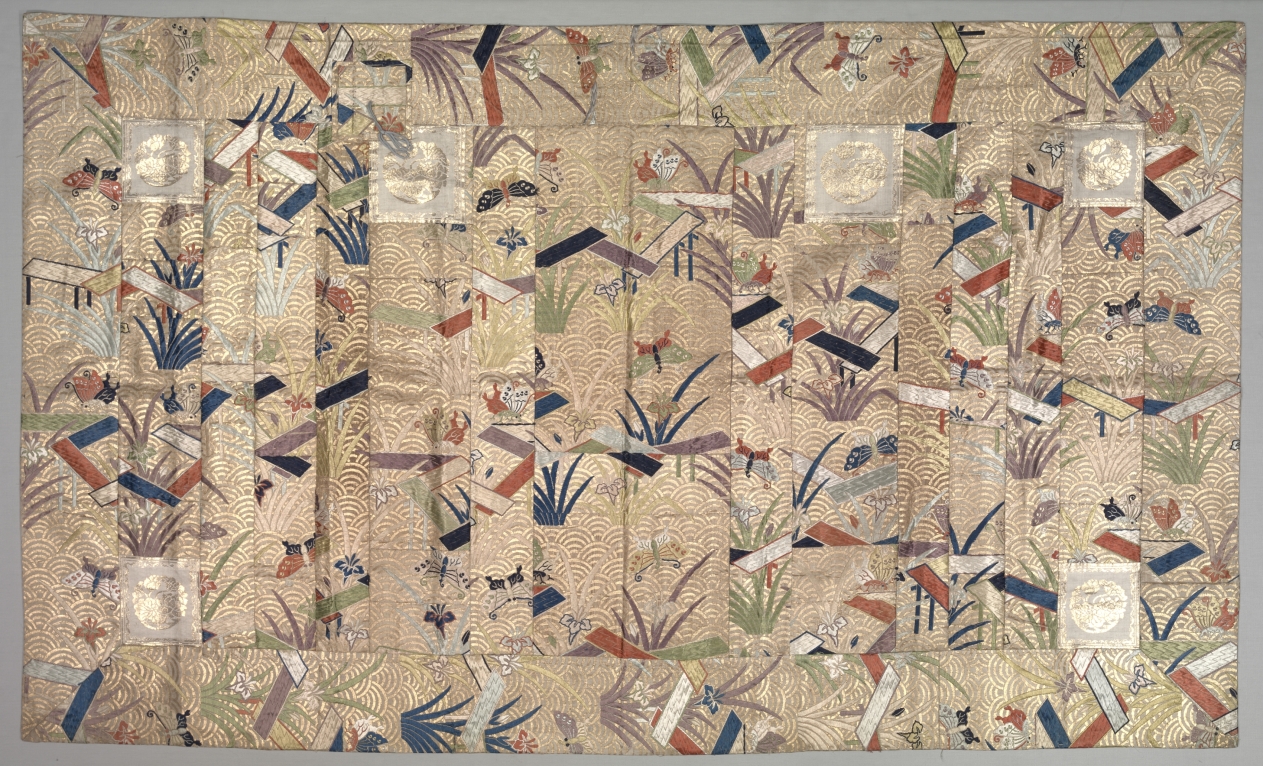
Buddhist Surplice (Kesa) at the Cleveland Museum of Art: early 1900s, silk with supplementary weft, brocaded; metal thread. Explore the work's context, creator attribution and collection history.
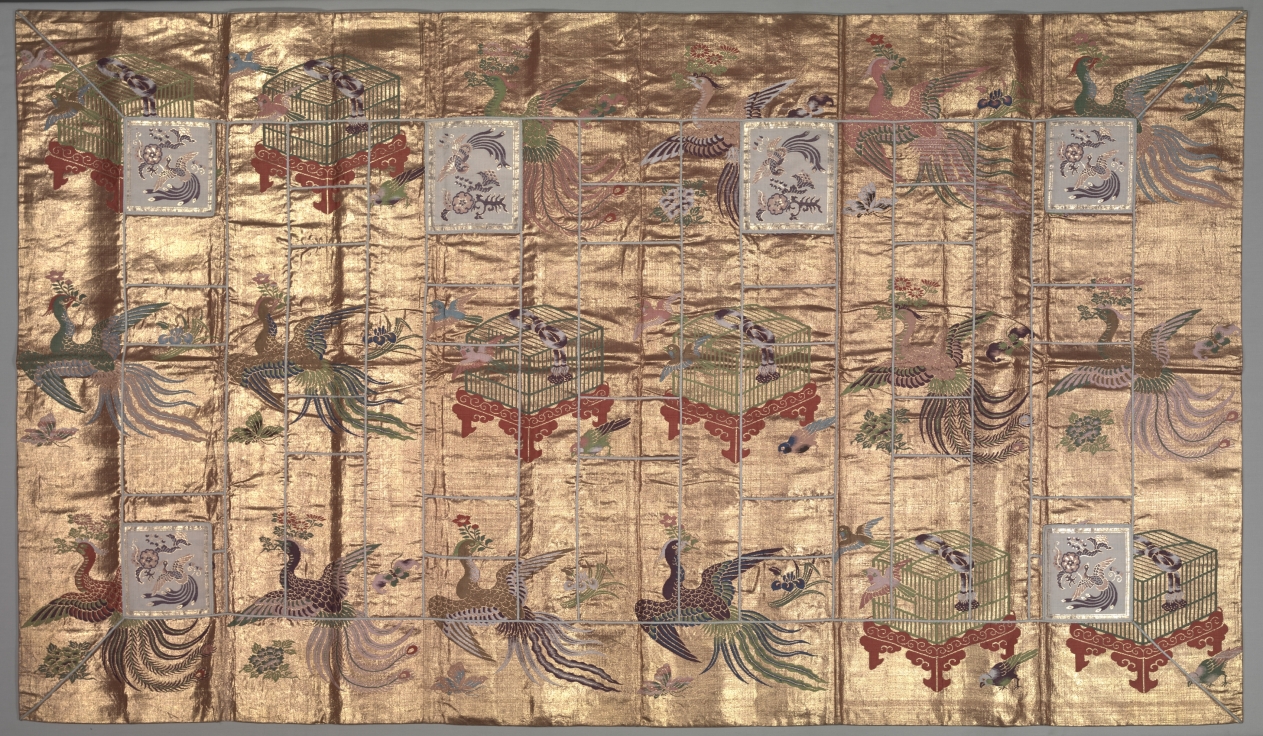
Buddhist Vestment (Kesa) at the Cleveland Museum of Art: early 1900s, silk with supplementary weft, brocaded; metal thread. Explore the work's context, creator attribution and collection history.
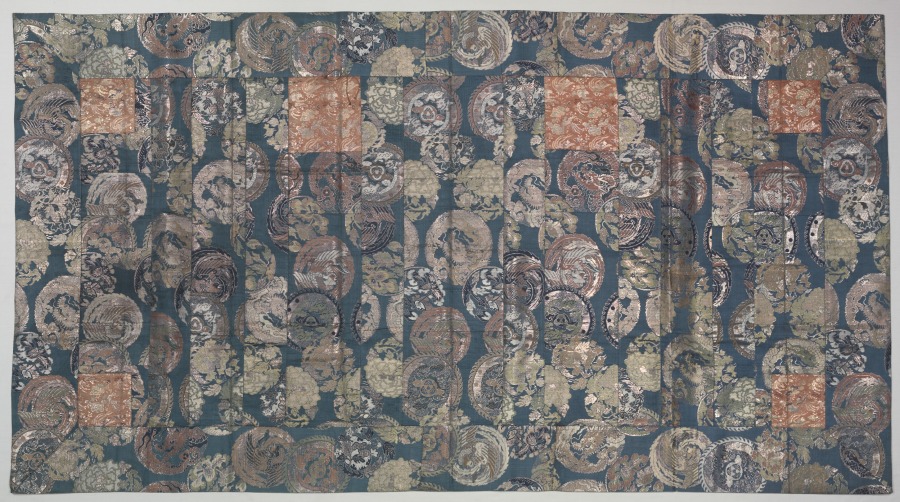
Buddhist Surplice (Kesa) at the Cleveland Museum of Art: early 1900s, silk with supplementary weft, brocaded; metal thread. Explore the work's context, creator attribution and collection history.
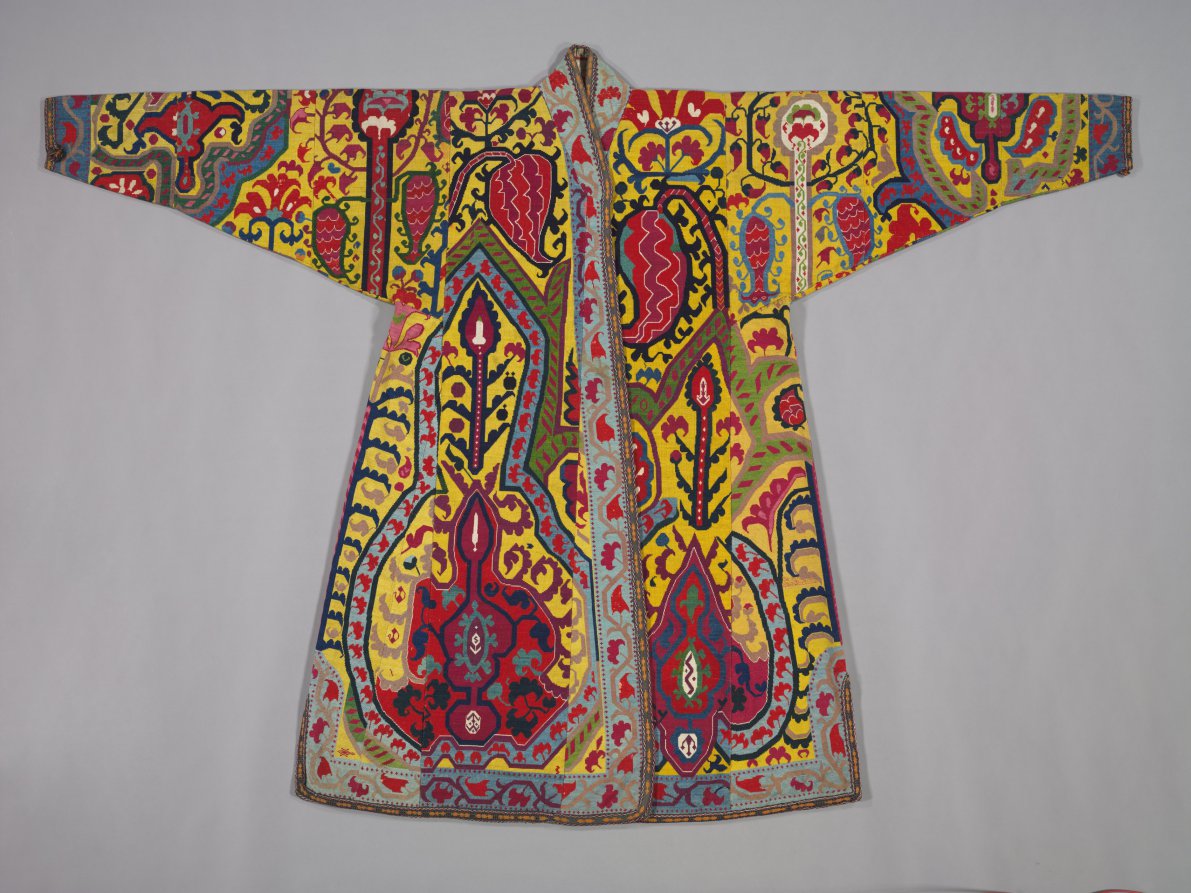
Man's surcoat (khalat) at the Cleveland Museum of Art: late 1800s, Silk: embroidery, cross-stitch. Explore the work's context, creator attribution and collection history.
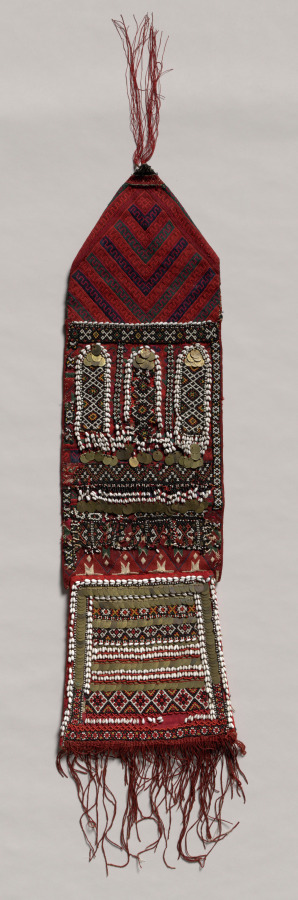
Headdress at the Cleveland Museum of Art: 1800s, Linen, shells, glass beads, metal coins. Explore the work's context, creator attribution and collection history.

Woman's cloak (chyrpy) at the Cleveland Museum of Art: 1800s, Cotton; silk: embroidery. Explore the work's context, creator attribution and collection history.
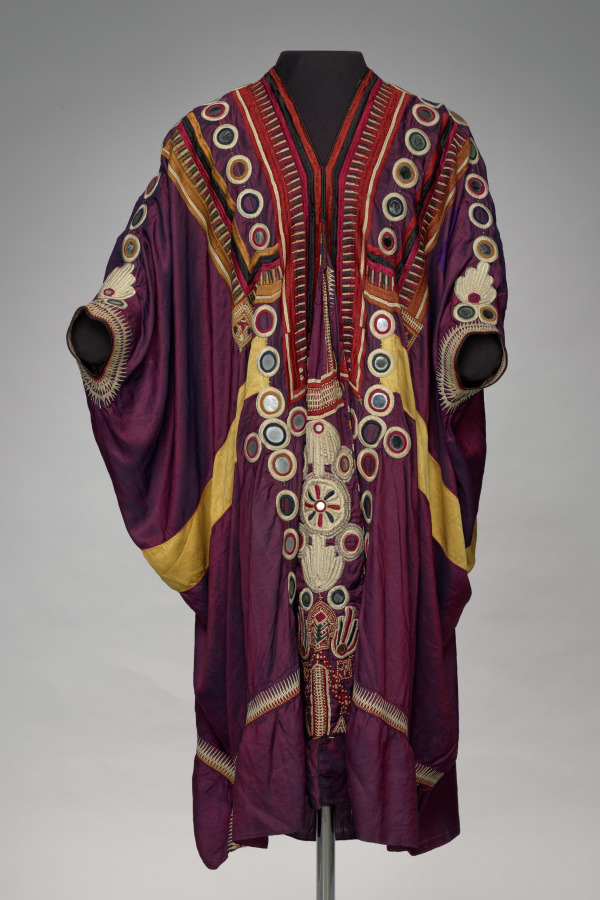
Garment at the Cleveland Museum of Art: c. 1890s, Silk, mirrored glass. Explore the work's context, creator attribution and collection history.
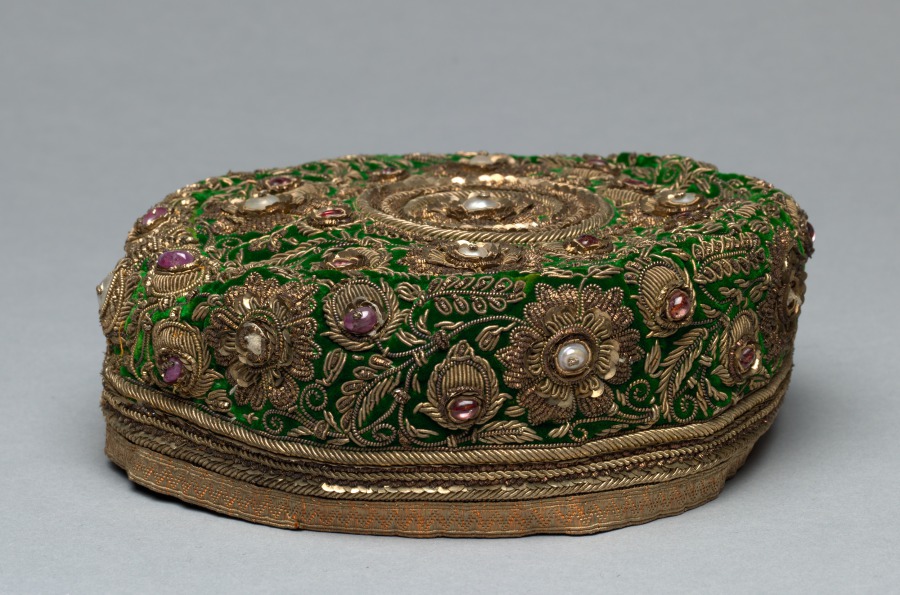
Cap at the Cleveland Museum of Art: 1800s, Velvet embroidered with gilt-silver–wrapped silk thread (zari); silk: lining; rubies, pearls, and spinels. Explore the work's context, creator attribution and collection history.
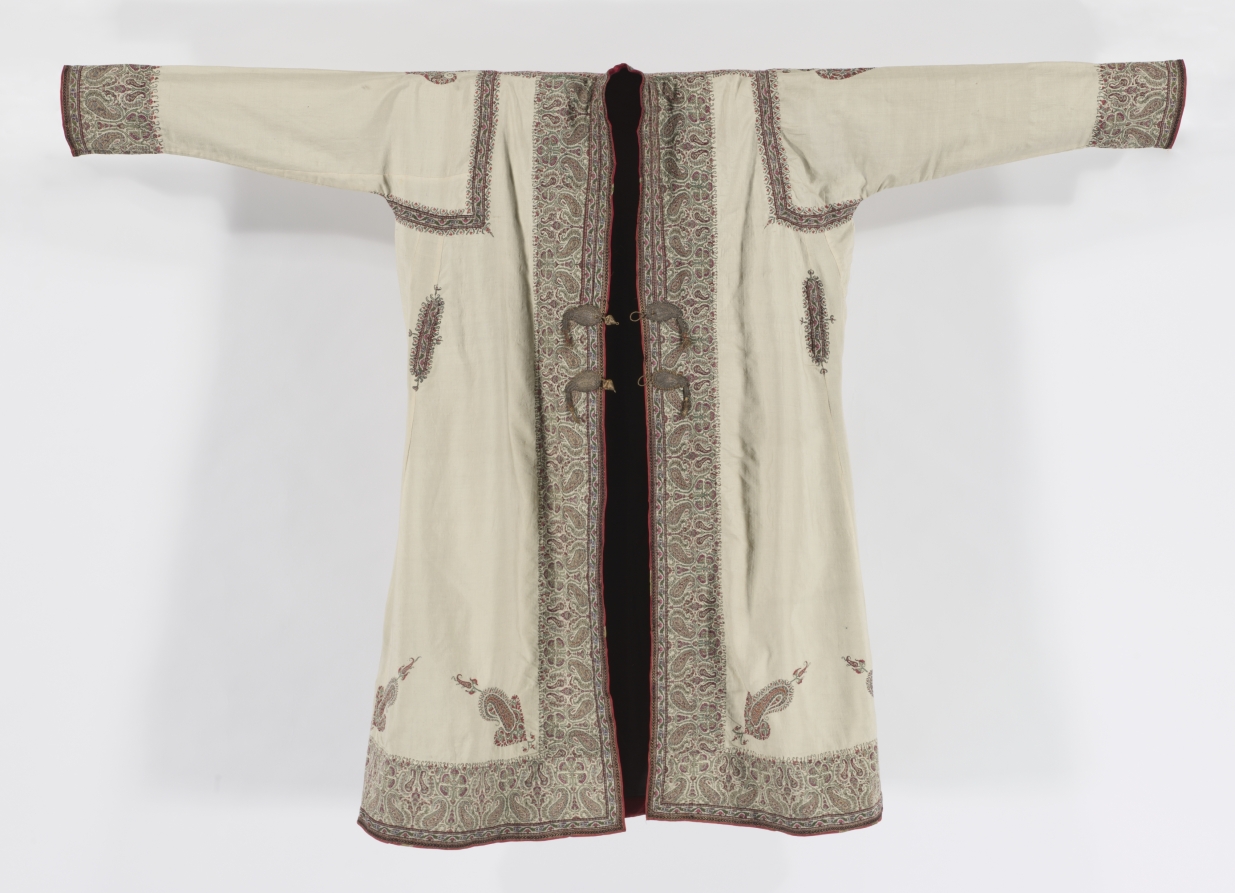
Coat at the Cleveland Museum of Art: early 1900s, wool: embroidery. Explore the work's context, creator attribution and collection history.
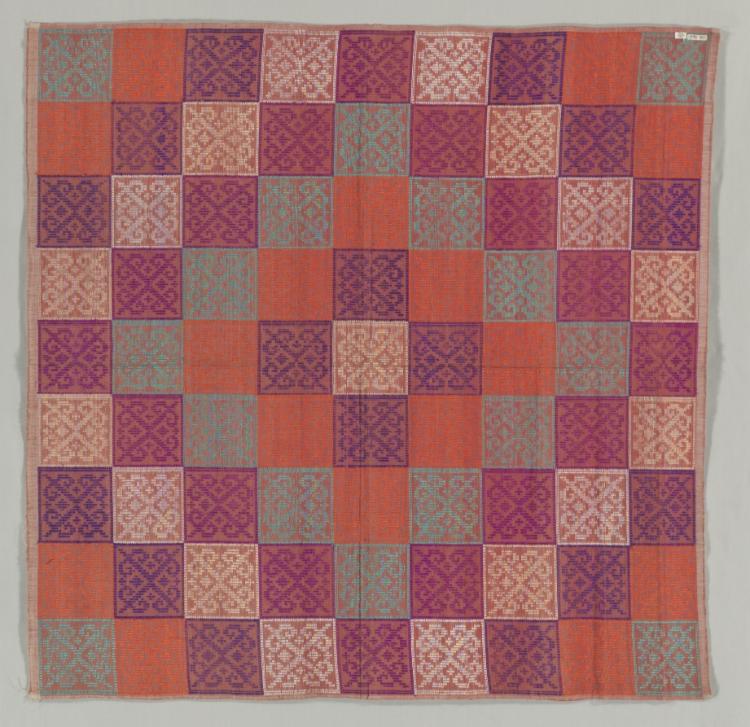
Headcloth (Yakan seputangan) at the Cleveland Museum of Art: c. early 1900s, plain weave with paired weft: cotton; supplementary weft: silk. Explore the work's context, creator attribution and collection history.
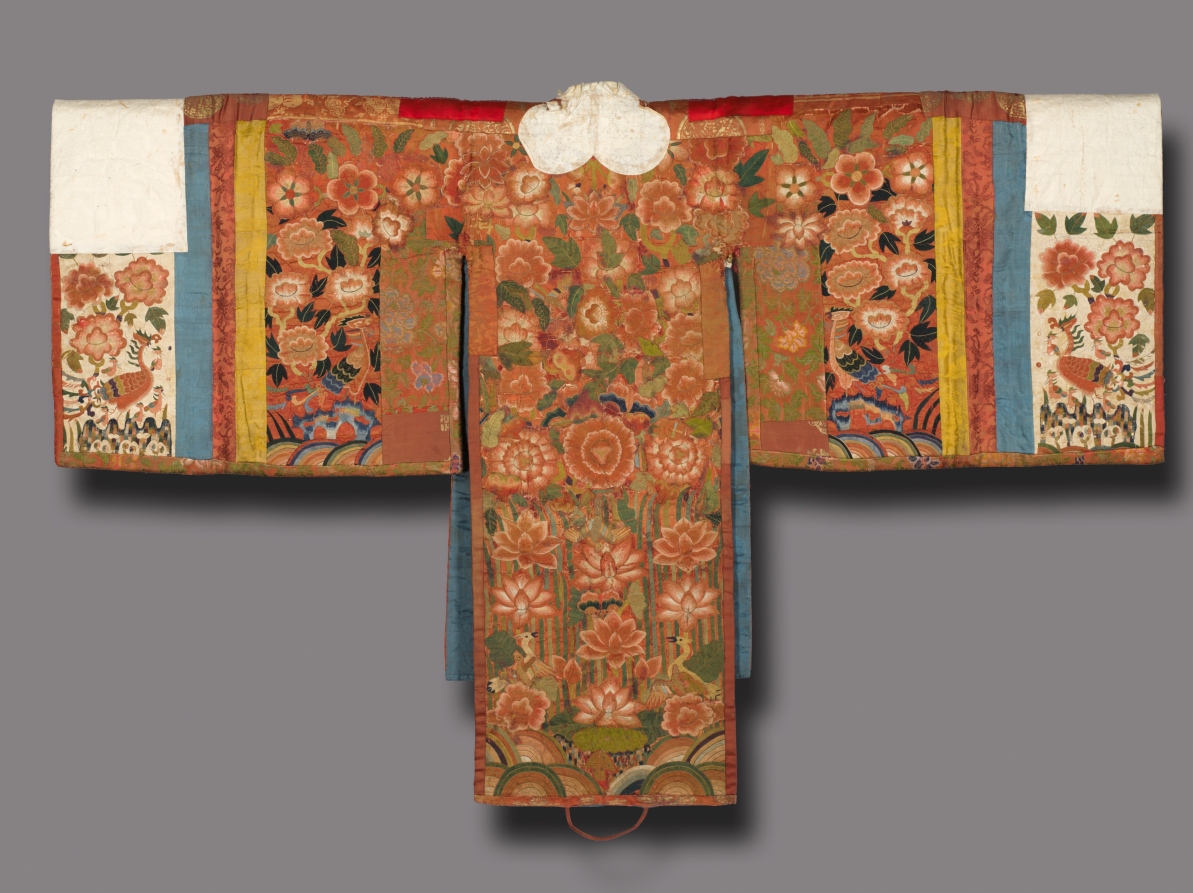
Bridal Robe (Hwarot) at the Cleveland Museum of Art: 1850–1910, Satin weave silk; silk embroidery; paper edging on neck and sleeves. Explore the work's context, creator attribution and collection history.
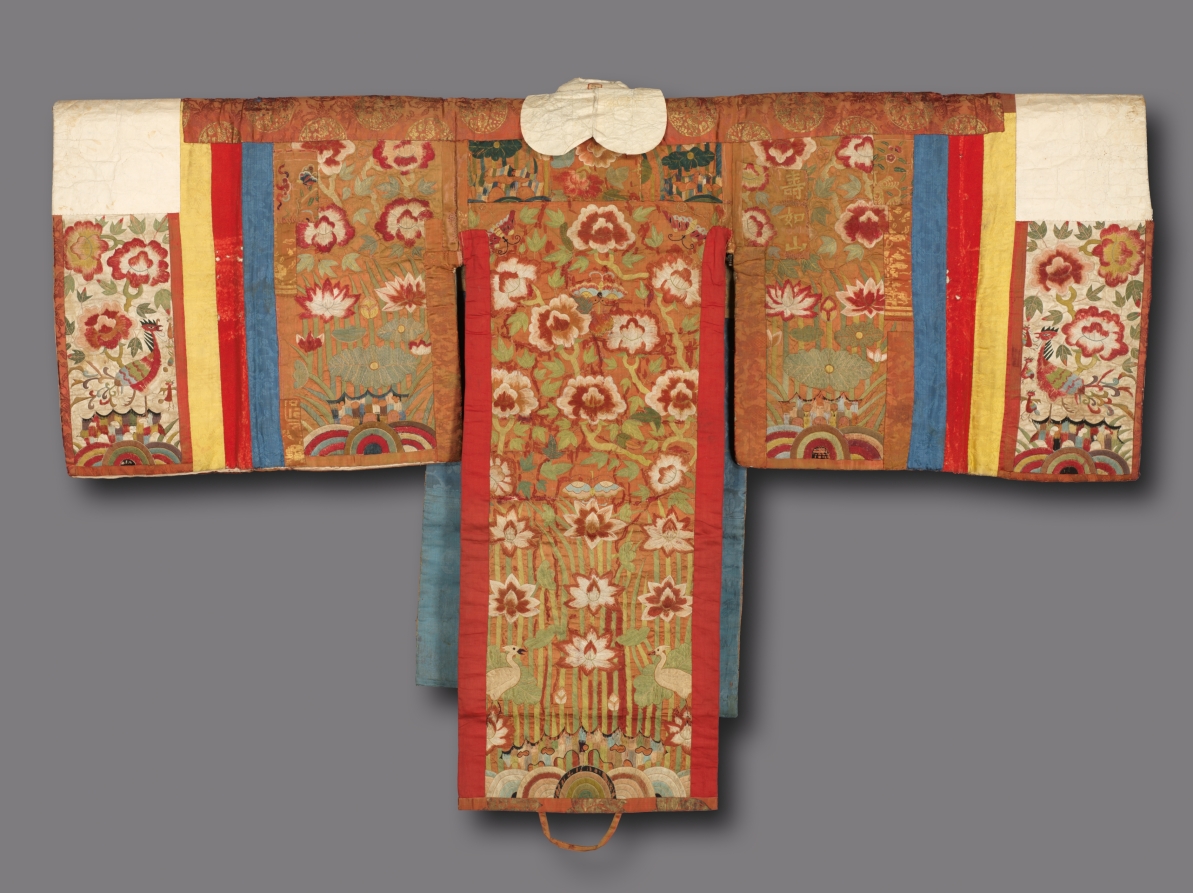
Bridal Robe (Hwarot) at the Cleveland Museum of Art: 1700s, Satin weave silk; silk embroidery; paper edging on neck and sleeves. Explore the work's context, creator attribution and collection history.
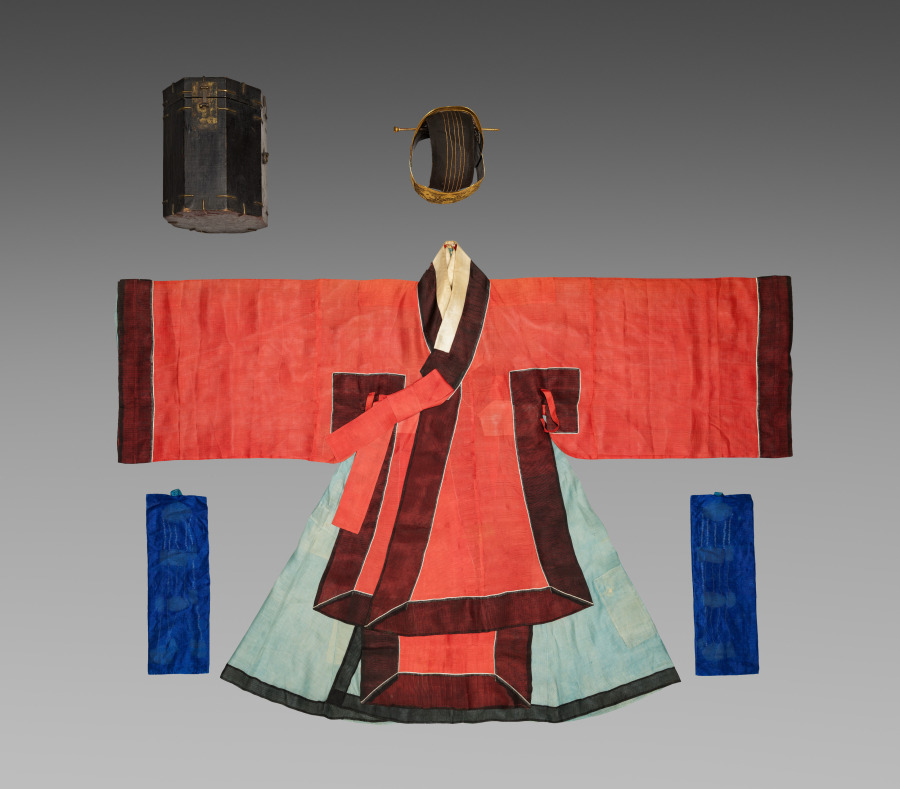
Royal Ceremonial Costume and Accessories at the Cleveland Museum of Art: late 1800s-early 1900s, gilded paper, wire, black silk. Explore the work's context, creator attribution and collection history.
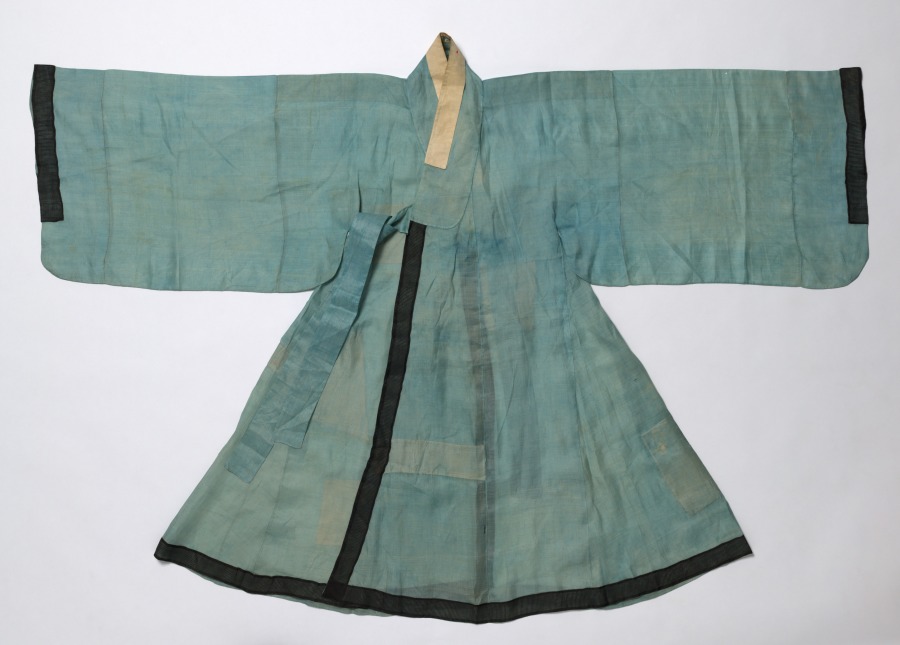
Inner Coat for the Royal Ceremonial Costume at the Cleveland Museum of Art: late 1800s–early 1900s, silk: dyed blue, black, and white; gauze weave. Explore the work's context, creator attribution and collection history.
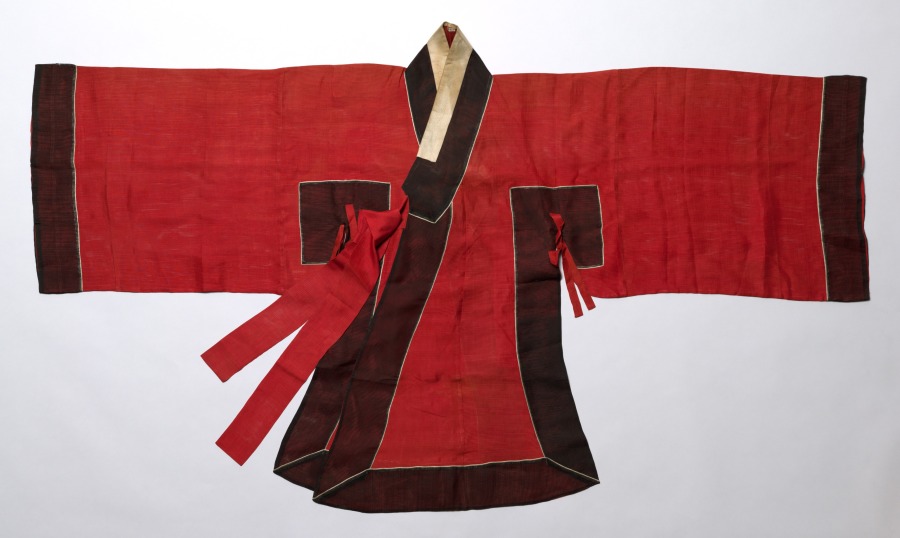
Overcoat for the Royal Ceremonial Costume at the Cleveland Museum of Art: late 1800s–early 1900s, silk: dyed red, black, and white; gauze weave. Explore the work's context, creator attribution and collection history.
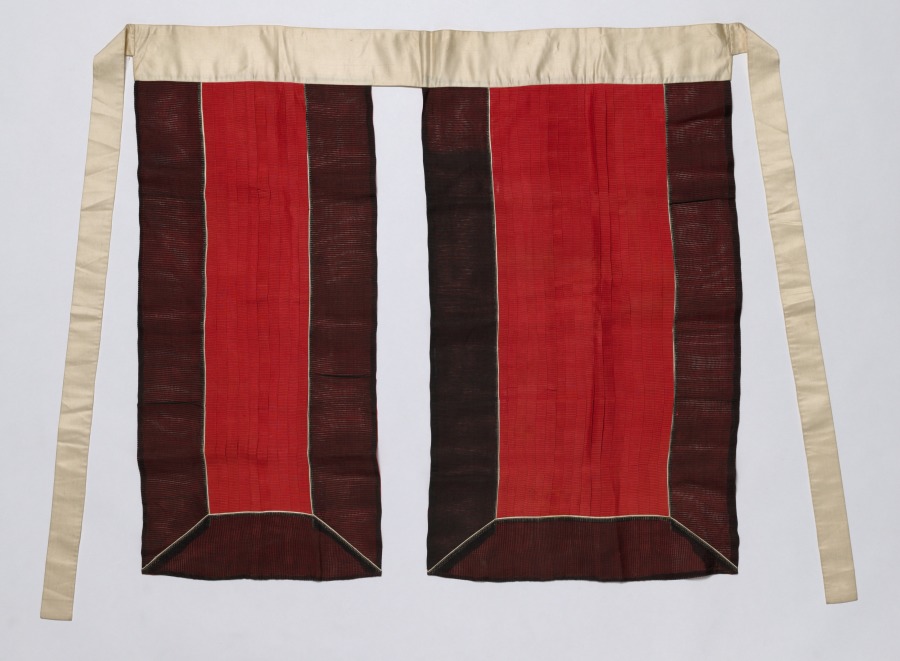
Skirt for the Royal Ceremonial Costume at the Cleveland Museum of Art: late 1800s–early 1900s, red and black silk, gauze weave, with white silk satin waistband and ties. Explore the work's context, creator attribution and collection history
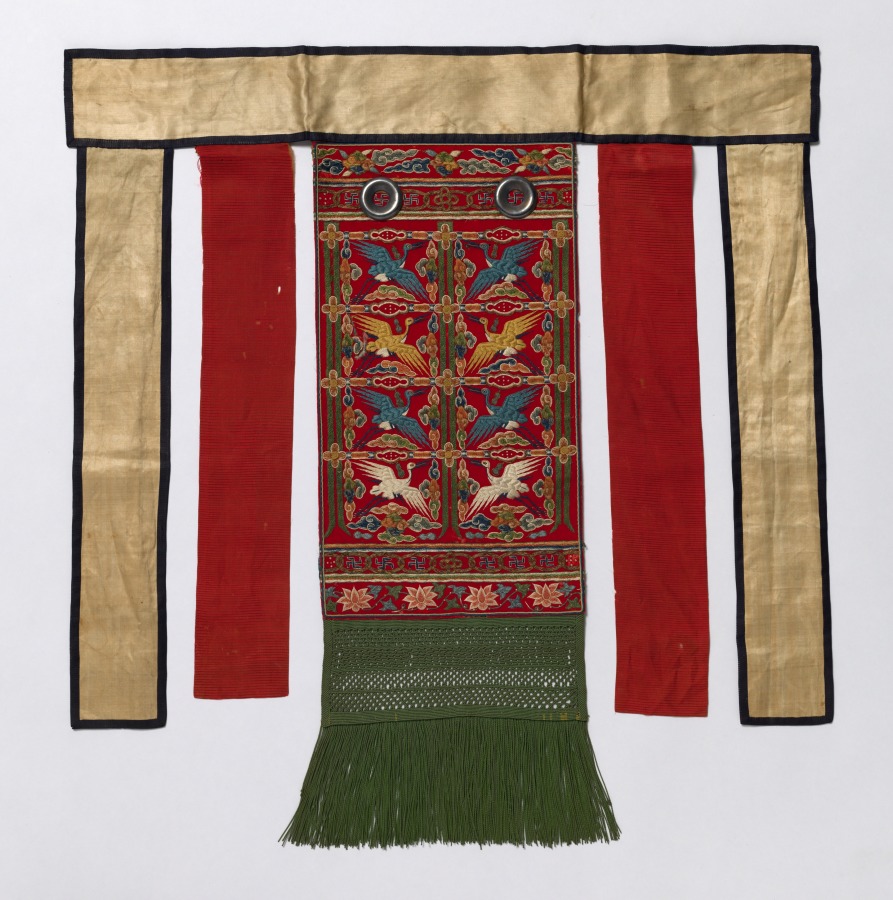
Back Apron for the Royal Ceremonial Robe at the Cleveland Museum of Art: late 1800s–early 1900s, red pile weave, wool or silk, embroidered with silk (polychromatic); red silk, gauze weave; white silk, gauze weave; green silk fringe; metal r
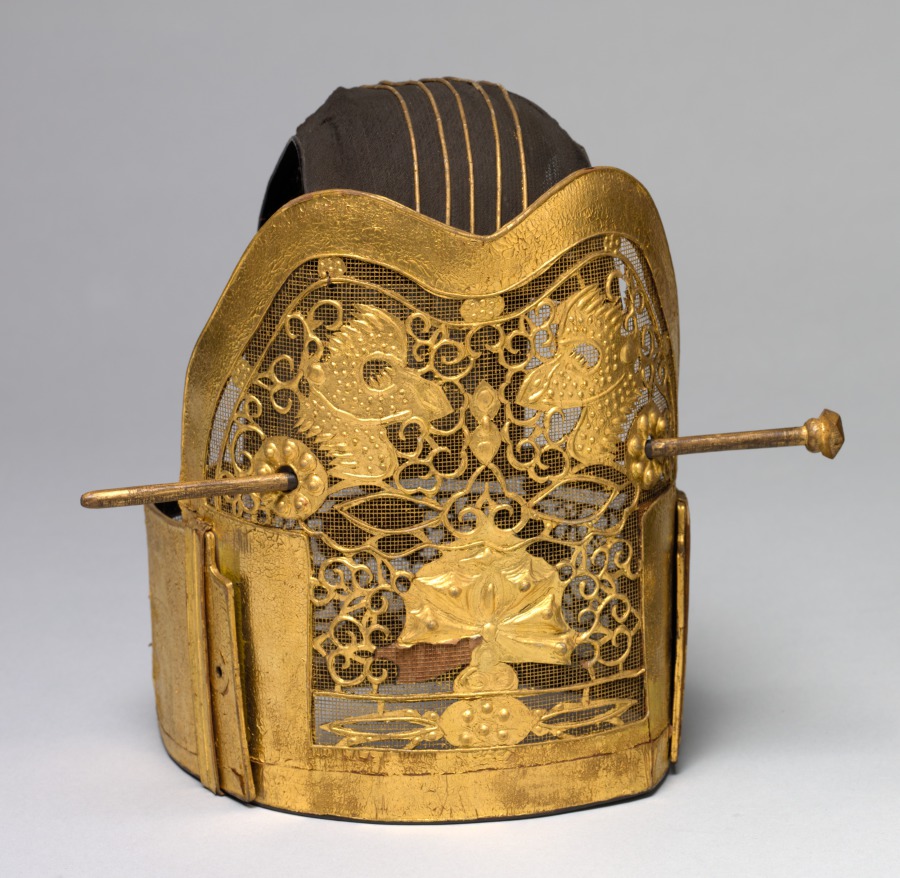
Crown for the Royal Ceremonial Costume at the Cleveland Museum of Art: late 1800s–early 1900s, gilded paper, metal wire, and black silk. Explore the work's context, creator attribution and collection history.
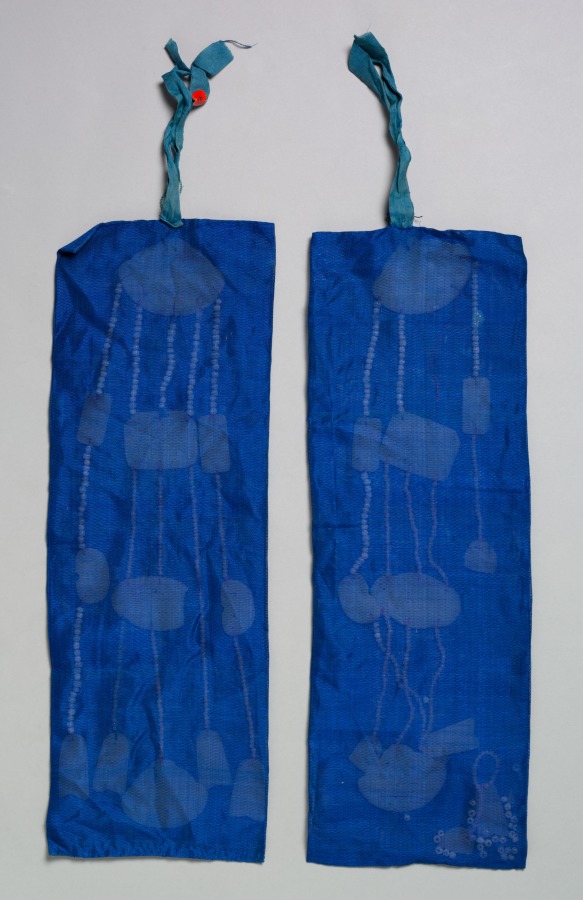
Jade String Pendant for the Royal Ceremonial Costume at the Cleveland Museum of Art: late 1800s–early 1900s, Silk: gauze weave and plain weave; jade and beads (2 sizes). Explore the work's context, creator attribution and collection history

Jade String Pendant (right) for the Royal Ceremonial Costume at the Cleveland Museum of Art: late 1800s–early 1900s, Blue silk, gauze weave and plain weave; jade and beads (2 sizes). Explore the work's context, creator attribution and colle