The Game of Leap Frog (1785): Art, History and Details
The Game of Leap Frog at the Cleveland Museum of Art: 1785, wax on slate. Explore the work's context, creator attribution and collection history.
Oldest entries first, in a fixed order. Newly added articles appear at the end. Explore a shuffled selection →
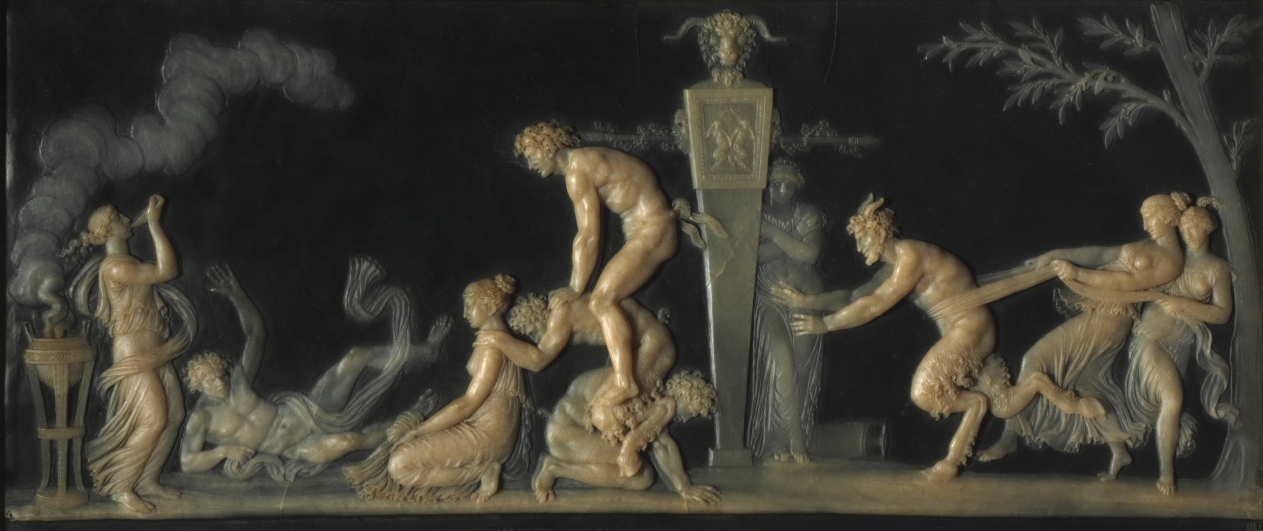
The Game of Leap Frog at the Cleveland Museum of Art: 1785, wax on slate. Explore the work's context, creator attribution and collection history.
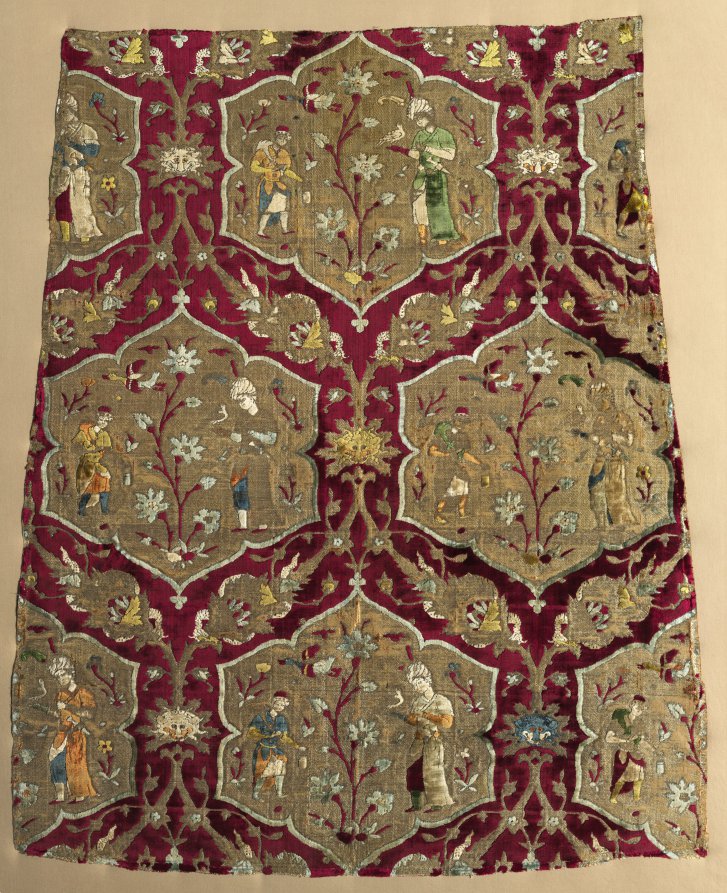
Fragment with falconer and attendant in animated lattice, from a robe at the Cleveland Museum of Art: mid-1500s, Silk: velvet, brocaded, pile-warp substitution; gilt-metal thread. Explore the work's context, creator attribution and collecti
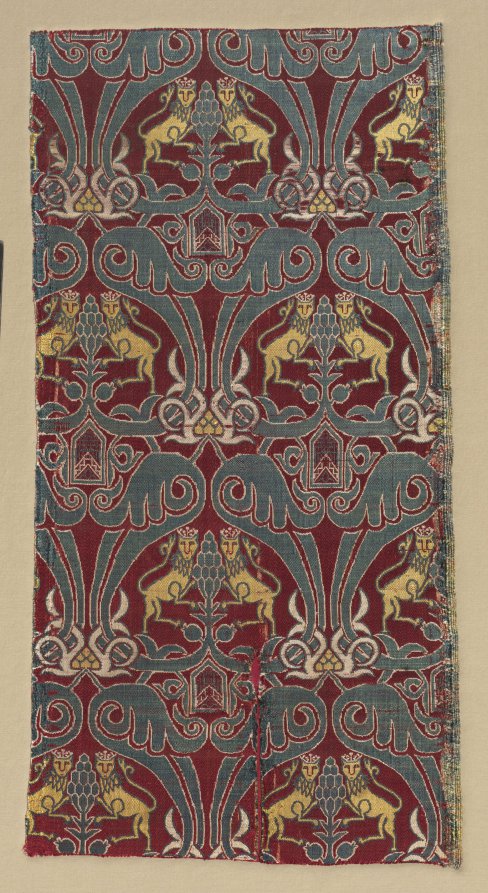
Fragment with crowned lions, palmettes, and escutcheons at the Cleveland Museum of Art: 1400s-1500s, Silk: lampas weave. Explore the work's context, creator attribution and collection history.
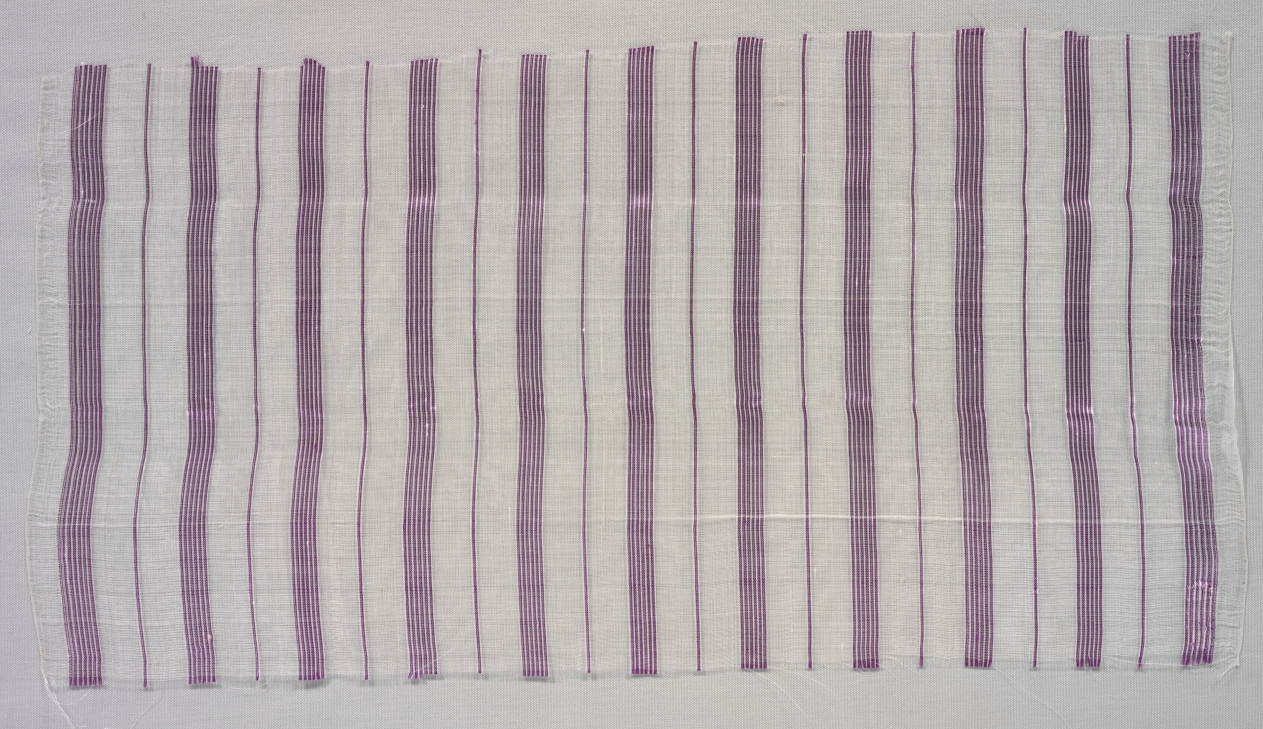
Piña cloth at the Cleveland Museum of Art: mid-1800s, piña fiber, silk. Explore the work's context, creator attribution and collection history.
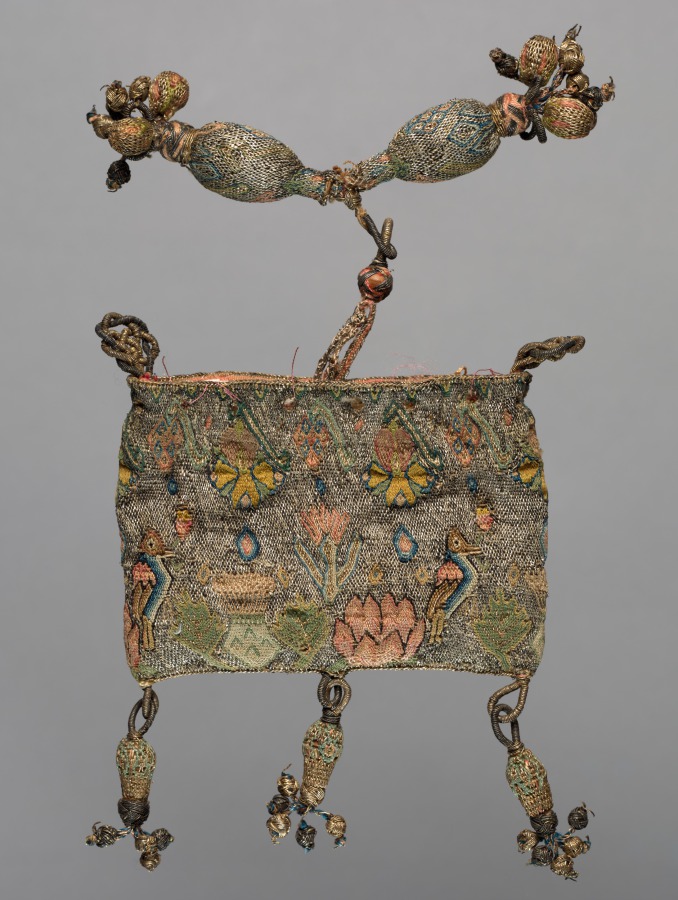
Purse at the Cleveland Museum of Art: early 1600s, embroidery; silk and silver filé on linen ground. Explore the work's context, creator attribution and collection history.

Mosque Lamp at the Cleveland Museum of Art: 1585–95, Fritware with underglaze design. Explore the work's context, creator attribution and collection history.
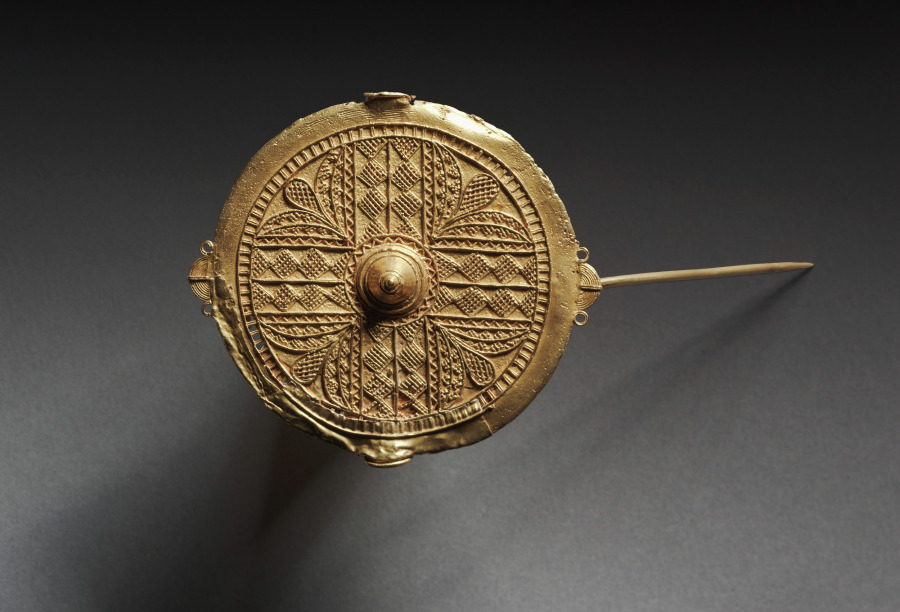
Disk Pendant (akrafokɔnmu) at the Cleveland Museum of Art: 1800s, before 1871; pin added later, Gold. Explore the work's context, creator attribution and collection history.
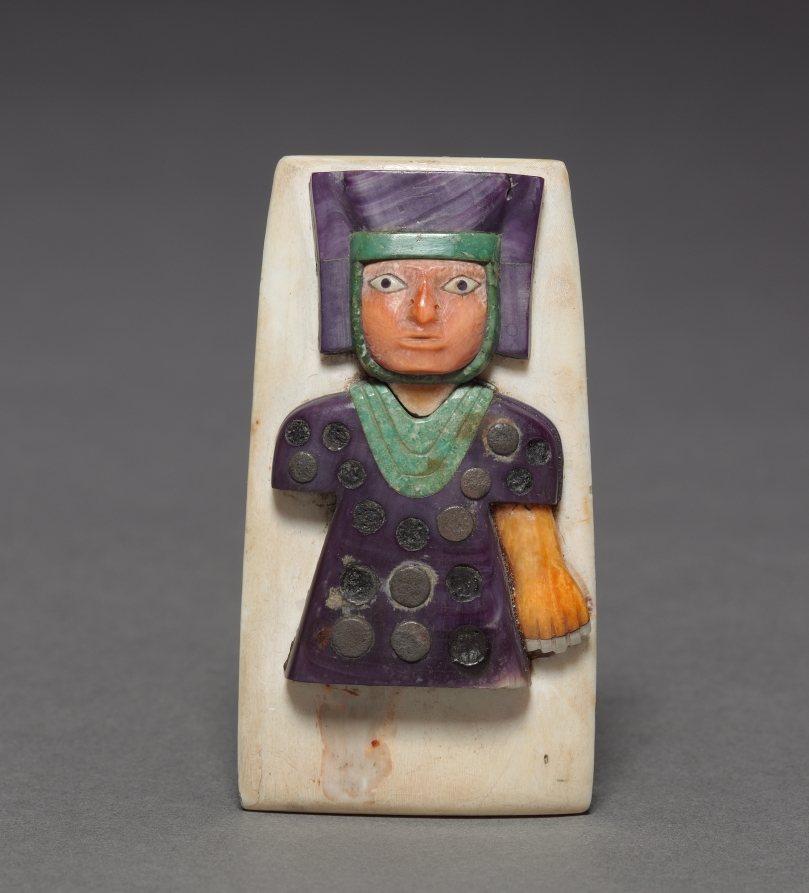
Ornament with Figure at the Cleveland Museum of Art: 600–1000, shell, stone, and metal (silver?). Explore the work's context, creator attribution and collection history.

Plate with the Name "Maria" at the Cleveland Museum of Art: c. 1437, tin-glazed earthenware, gold lustre. Explore the work's context, creator attribution and collection history.
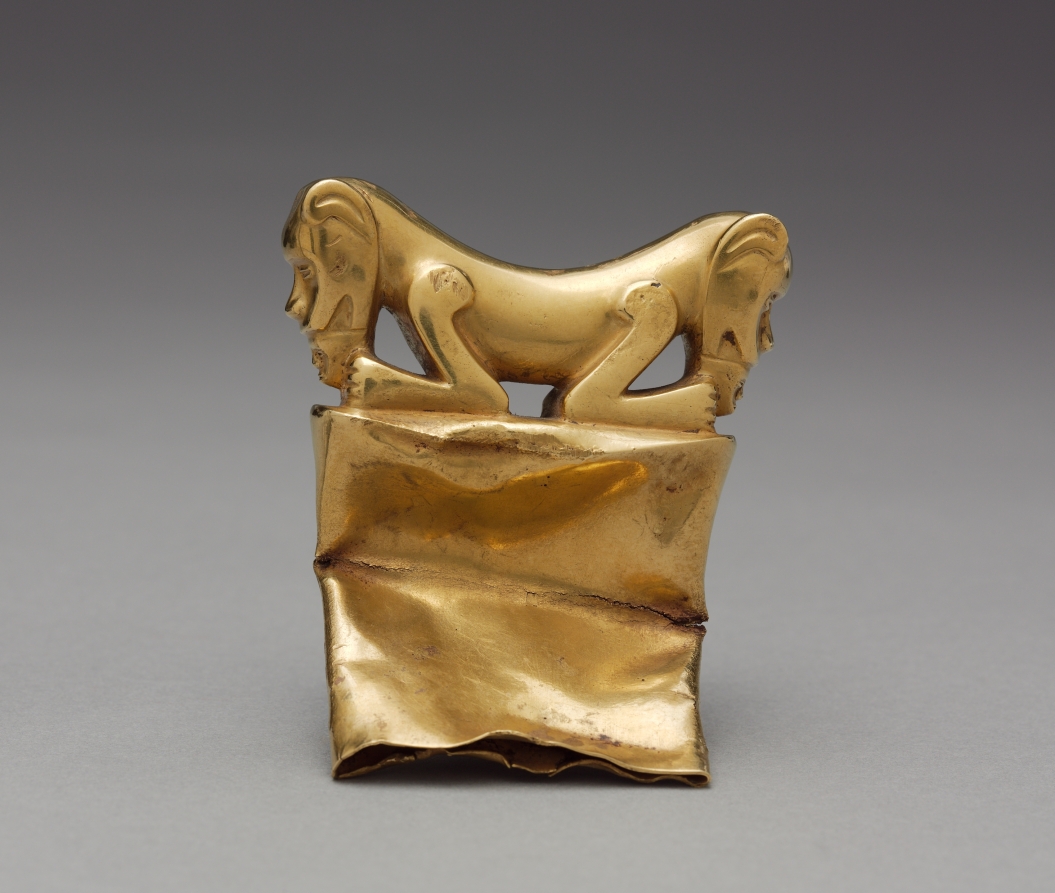
Staff Head(?) at the Cleveland Museum of Art: c. 400–700, cast gold. Explore the work's context, creator attribution and collection history.
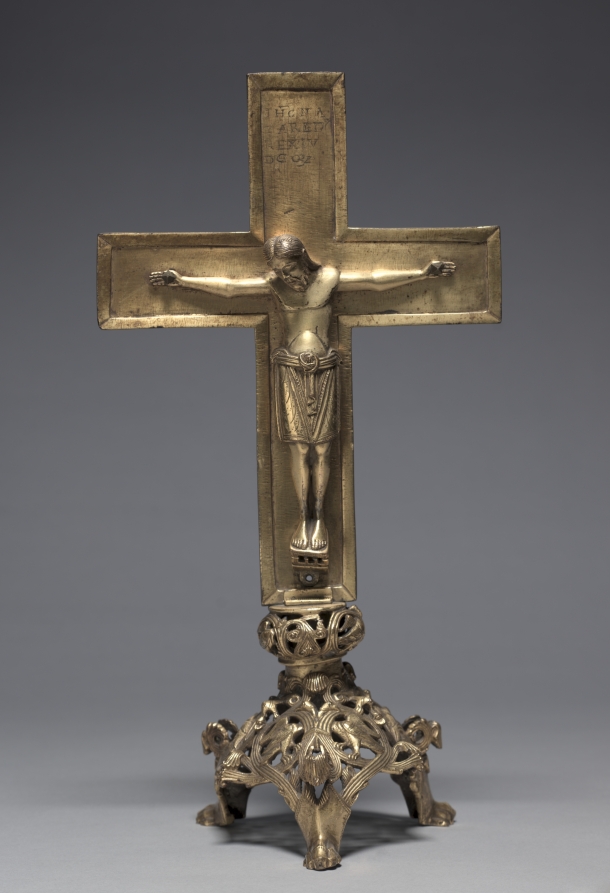
Altar Cross with Stand at the Cleveland Museum of Art: 1140–1150, bronze: cast, gilded, engraved, and chased. Explore the work's context, creator attribution and collection history.
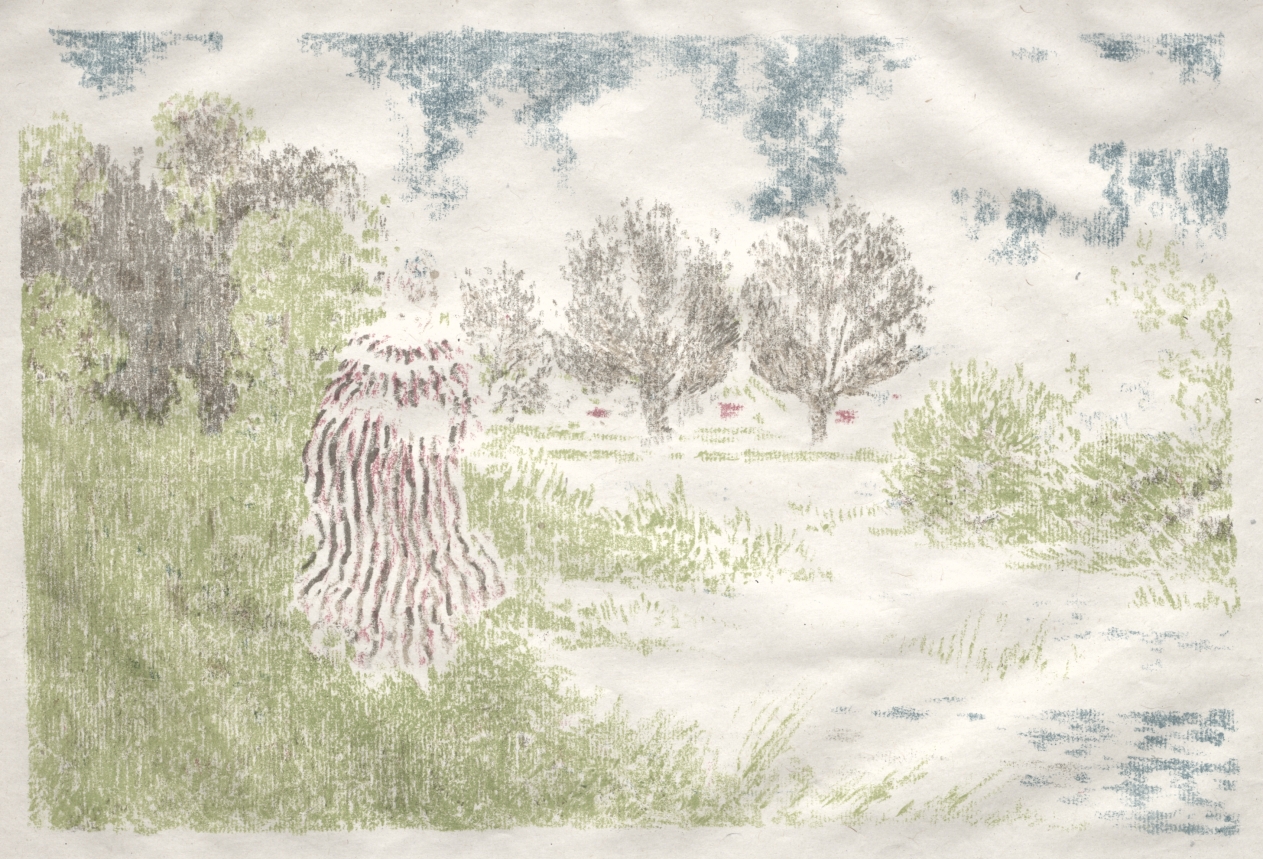
Woman in a Striped Dress at the Cleveland Museum of Art: c. 1900, color lithograph. Explore the work's context, creator attribution and collection history.
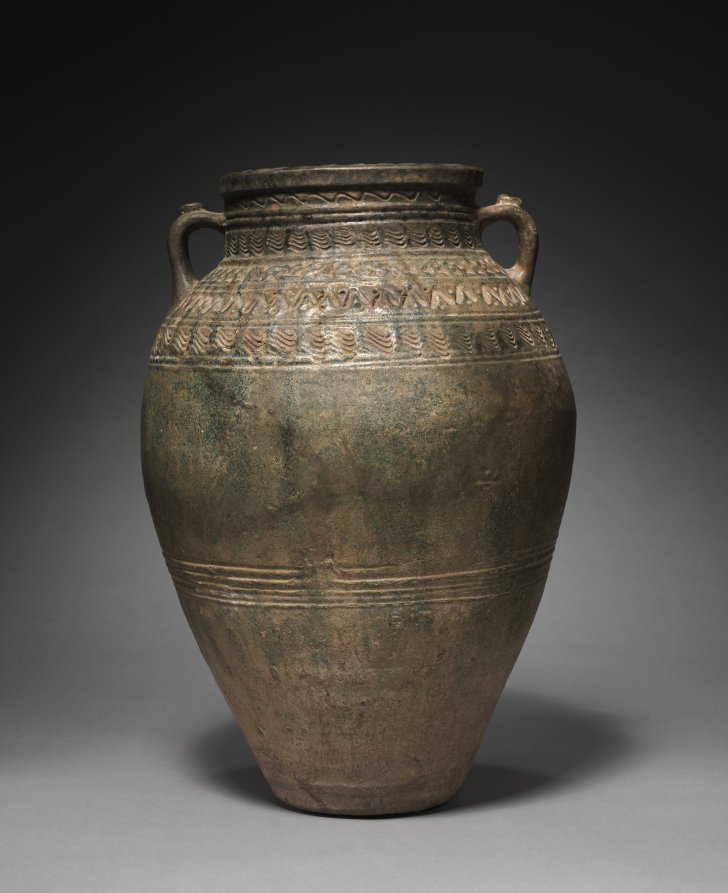
Jar at the Cleveland Museum of Art: 222–650 CE, earthenware. Explore the work's context, creator attribution and collection history.
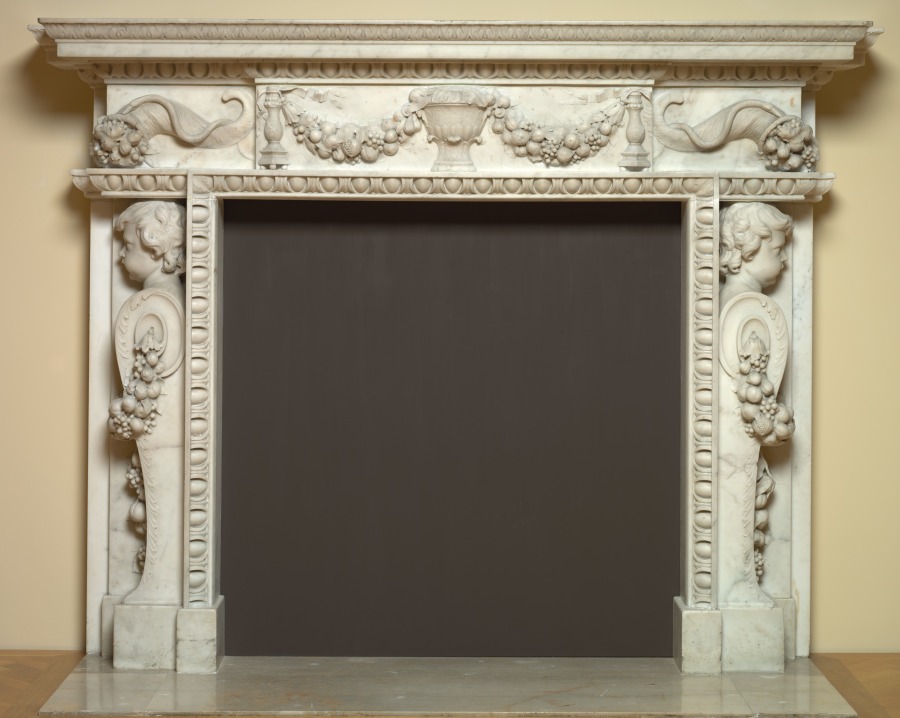
Mantel at the Cleveland Museum of Art: c. 1730, marble. Explore the work's context, creator attribution and collection history.
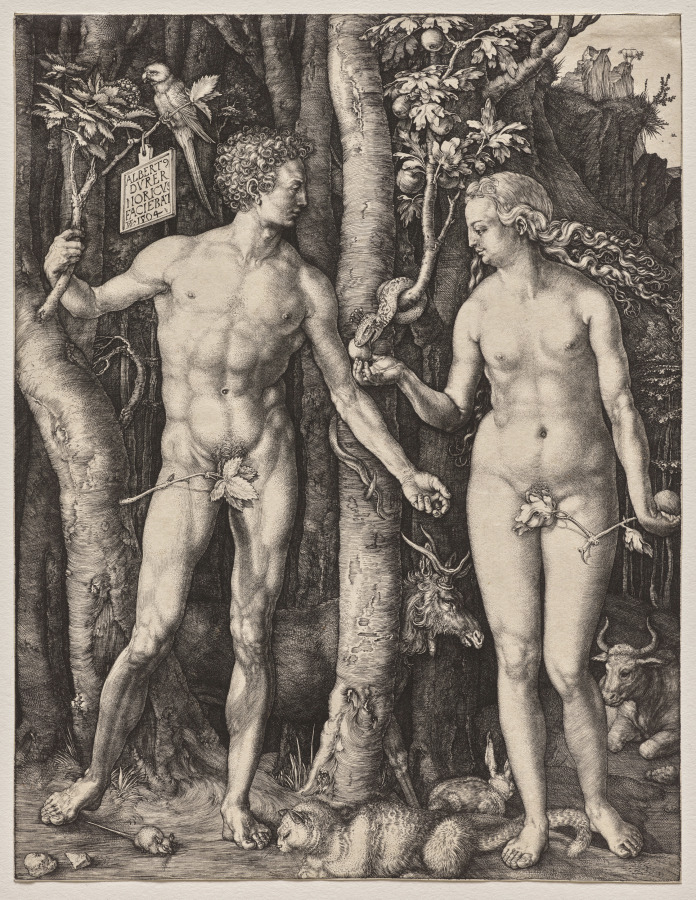
Adam and Eve at the Cleveland Museum of Art: 1504, engraving. Explore the work's context, creator attribution and collection history.
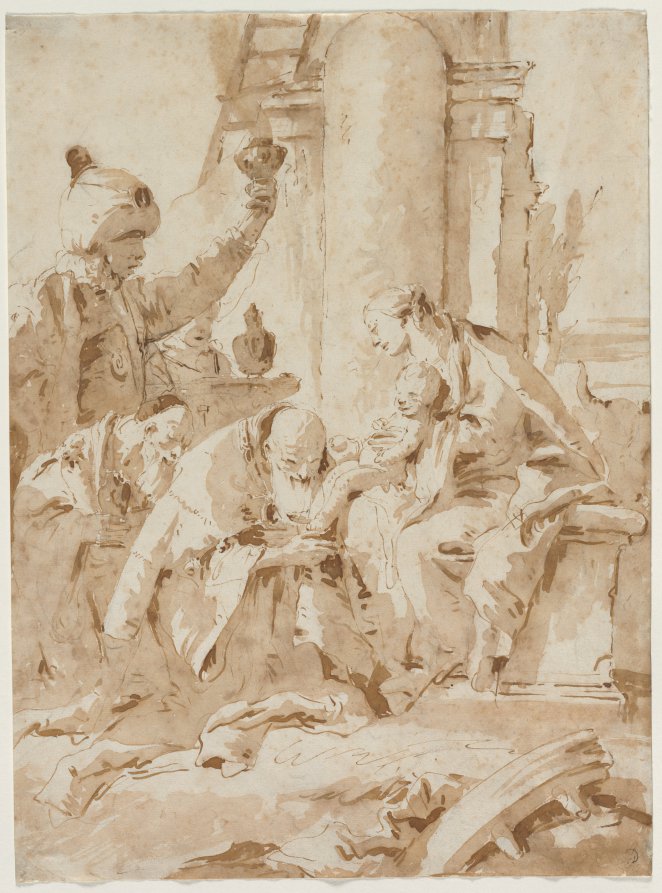
The Adoration of the Magi at the Cleveland Museum of Art: c. 1740, pen and brown ink and brush and brown wash, over black chalk. Explore the work's context, creator attribution and collection history.

Man Entwined by Two Snakes at the Cleveland Museum of Art: c. 1527, pen and brown ink and brown and blue wash, heightened with white gouache. Explore the work's context, creator attribution and collection history.
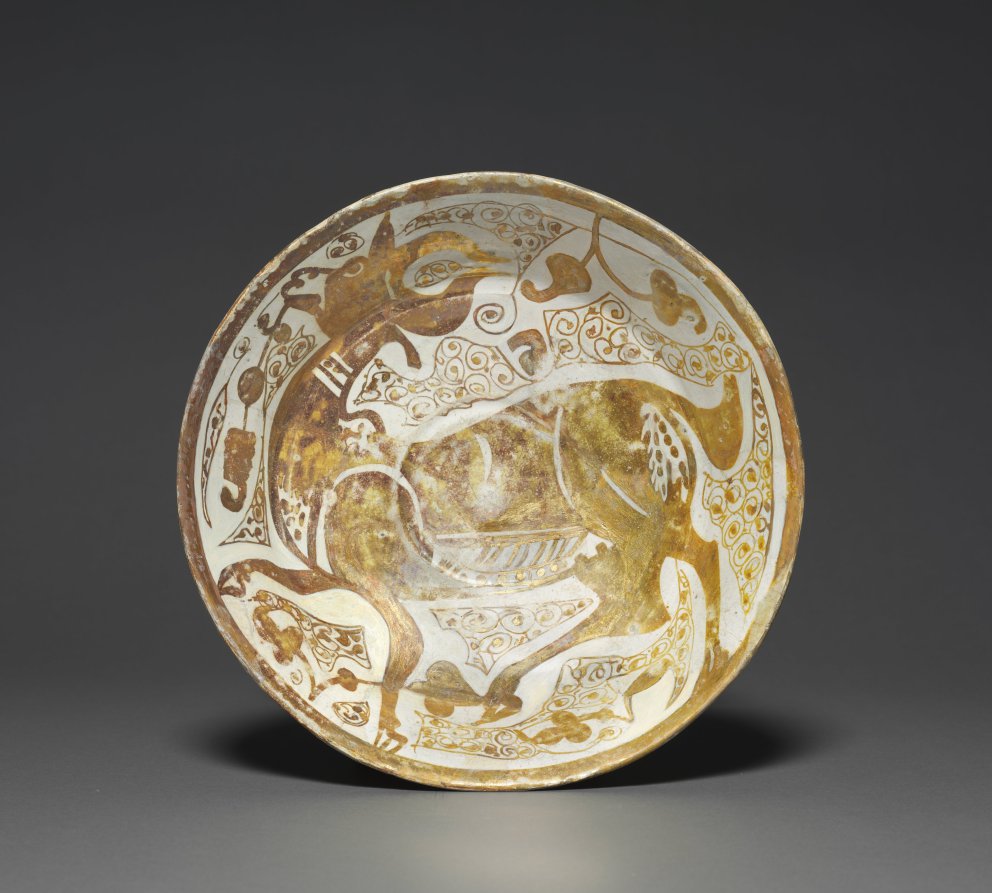
Luster Bowl with Antelope at the Cleveland Museum of Art: 1000s, earthenware with luster-painted design. Explore the work's context, creator attribution and collection history.
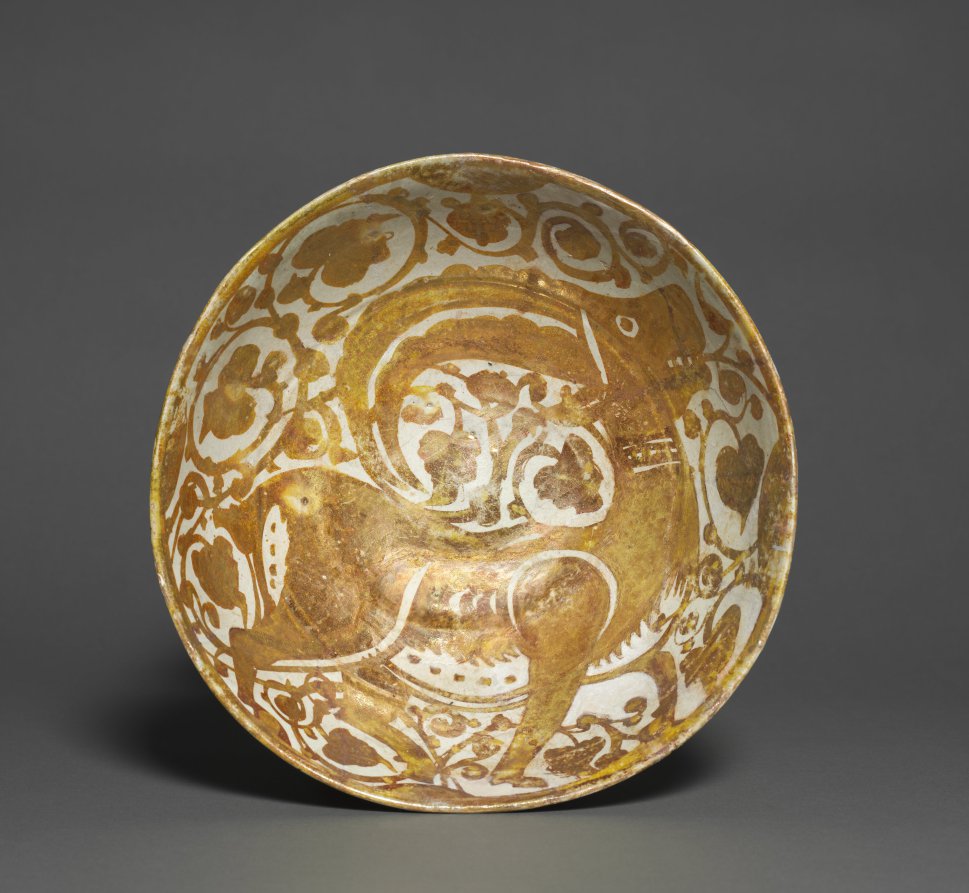
Luster Bowl with Ibex at the Cleveland Museum of Art: 1000s, earthenware with luster-painted design. Explore the work's context, creator attribution and collection history.
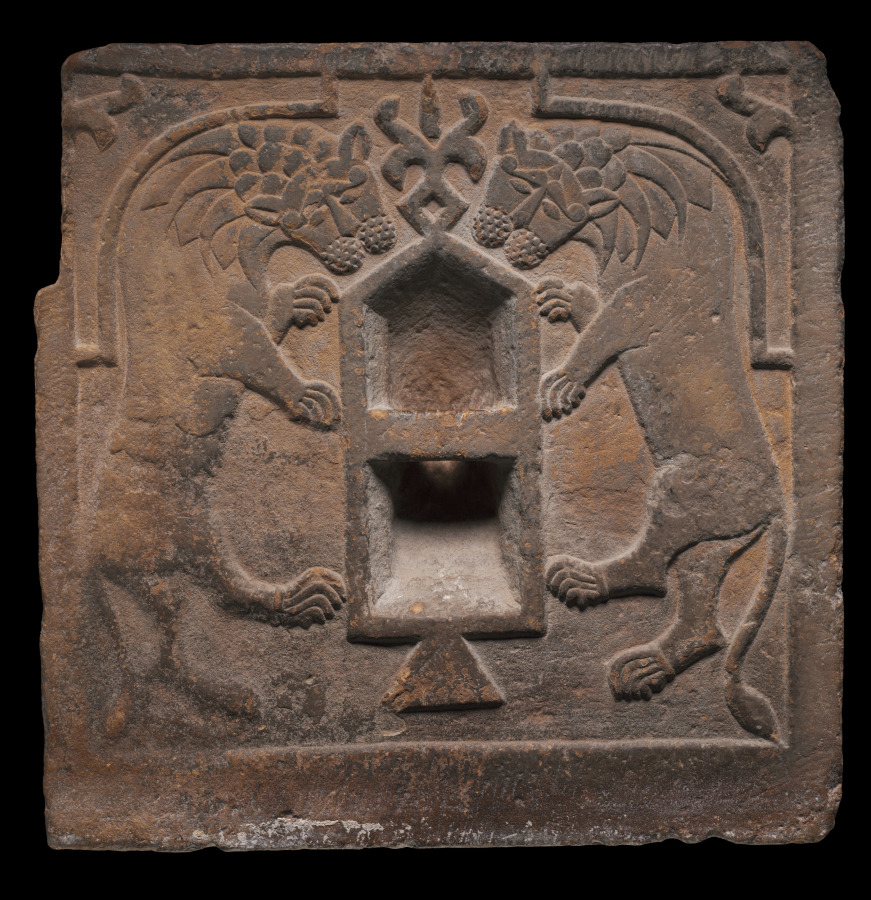
Hitching Post at the Cleveland Museum of Art: 1200s, limestone. Explore the work's context, creator attribution and collection history.

Luxury Inlaid Container at the Cleveland Museum of Art: c. 1250–1350, sheet brass, inlaid with silver and gold. Explore the work's context, creator attribution and collection history.
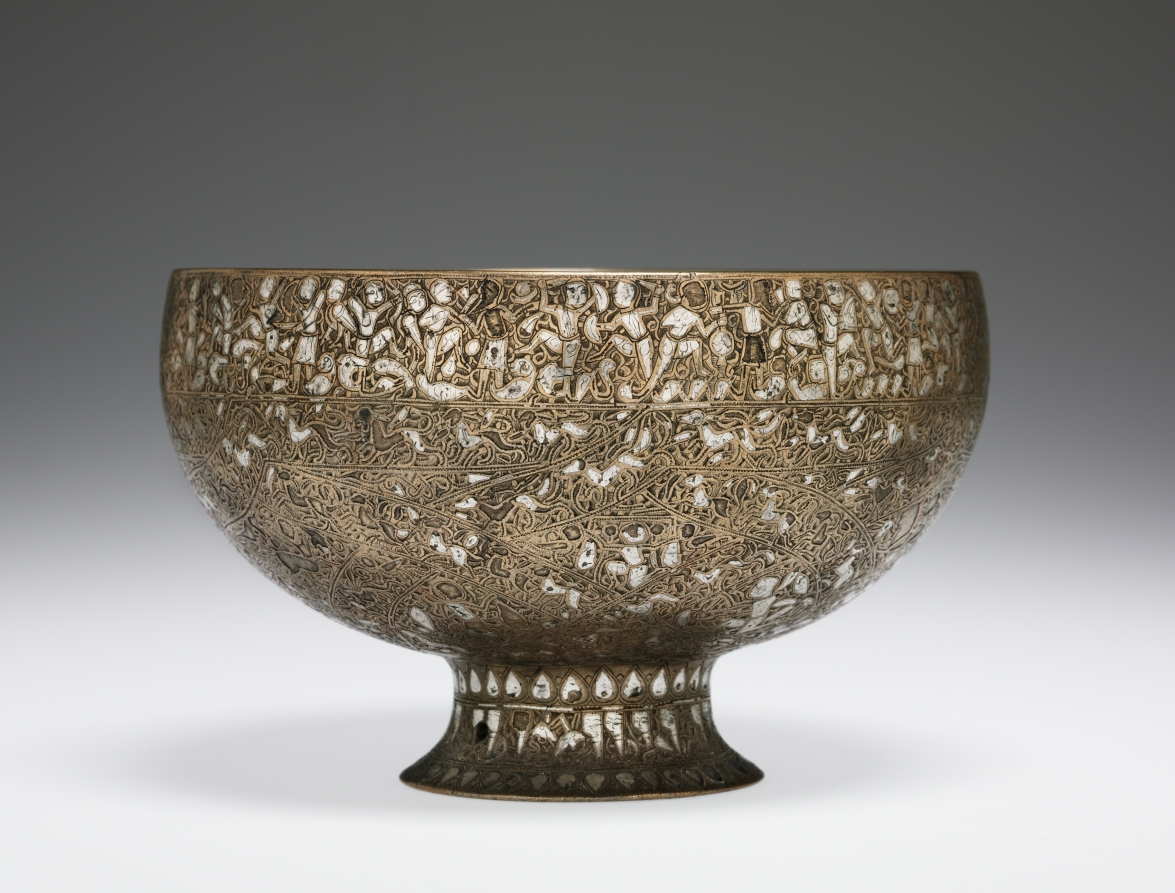
The Wade Cup with Animated Script at the Cleveland Museum of Art: 1200–1221, brass inlaid with silver. Explore the work's context, creator attribution and collection history.

Bahram Gur Visits the Princess of India in the Black Pavilion (recto): Illustration and Text, Persian Verses, from a manuscript of the Khamsa of Nizami, Haft Paykar [Seven Portraits] at the Cleveland Museum of Art: c. 1400–1410, opaque wate
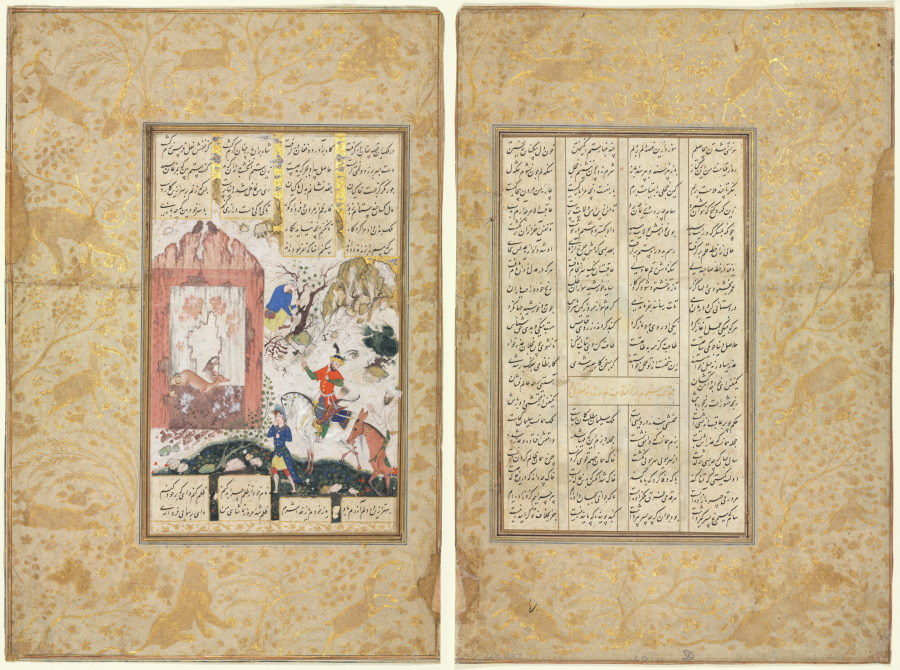
Nushirwan Listens to the Owls (recto); the Story of Nushirwan and his Minister, "The Third Discourse on Diverse Events and Disorder in Life" (verso) from a Khamsa (Quintet) of Nizami (1141–1209) at the Cleveland Museum of Art: 1555–65, opaq

Nushirwan Listens to the Owls (recto): Illustration and Text, Persian Verses, from a Manuscript of the Khamsa of Nizami, Makhzan al-Asrar [Treasure of Secrets] at the Cleveland Museum of Art: 1555–65, opaque watercolor, ink, and gold on pap
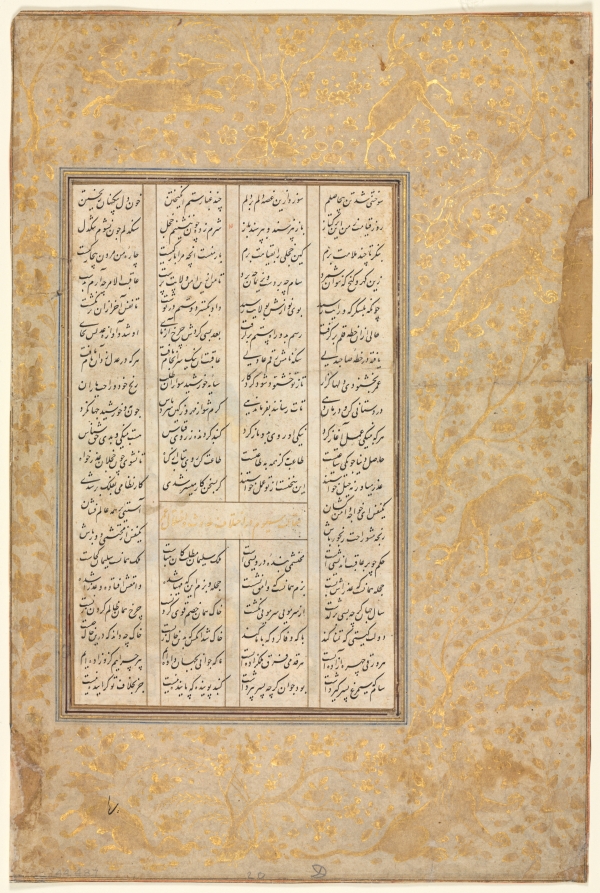
The Story of Nushirwan and his Minister, "The Third Discourse on Diverse Events and Disorder in Life" from a Khamsa (Quintet) of Nizami (1141–1209) (verso) at the Cleveland Museum of Art: 1555–65, ink and gold on paper. Explore the work's c
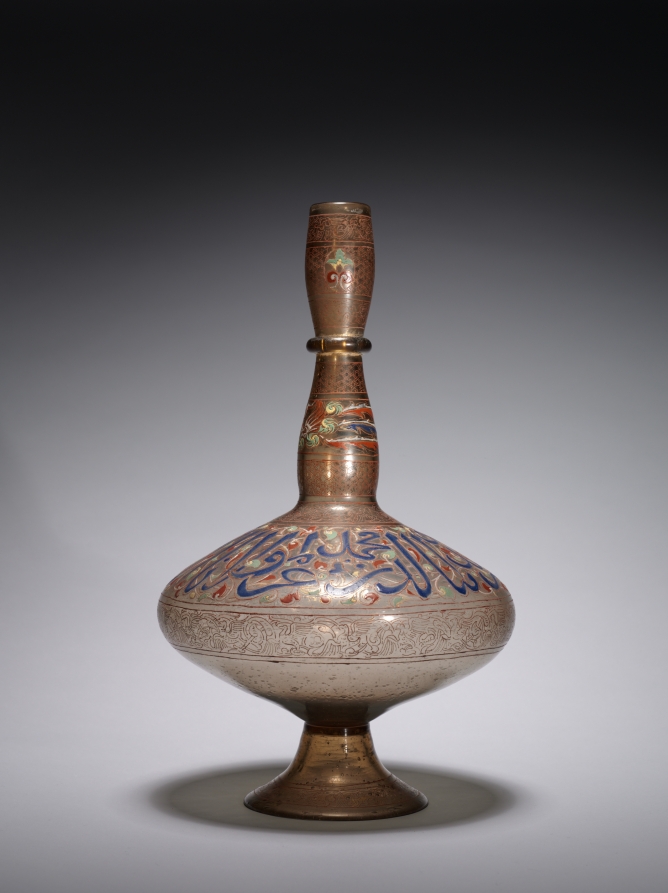
Bottle at the Cleveland Museum of Art: c. 1900, glass with enameled and gilded decoration. Explore the work's context, creator attribution and collection history.
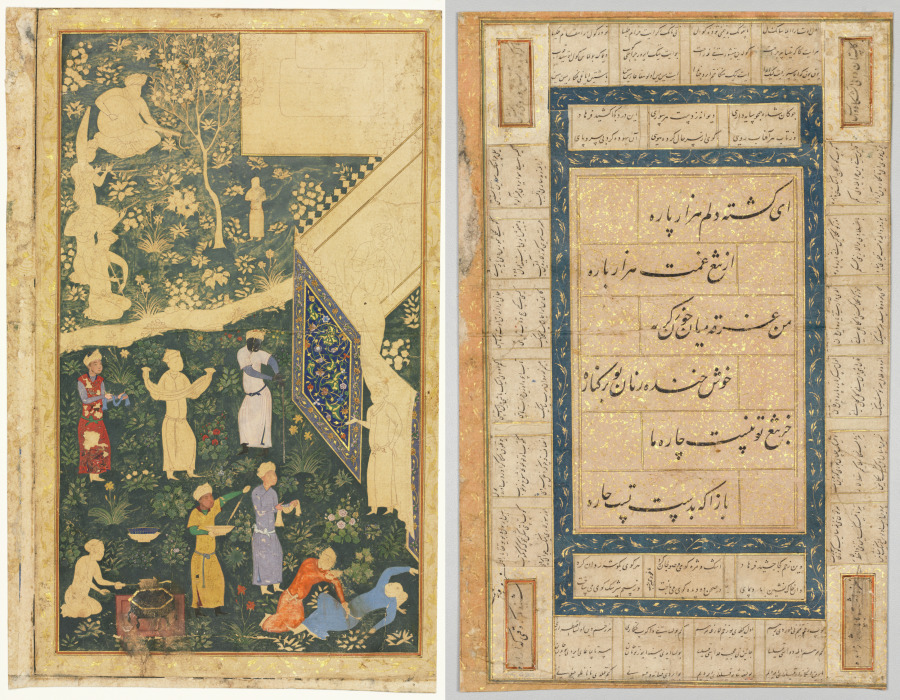
Left side of a double-page album folio: Outside a Royal Encampment (recto) and Calligraphy, Persian Verses (verso) at the Cleveland Museum of Art: c. 1485, opaque watercolor, ink, and gold on paper. Explore the work's context, creator attri
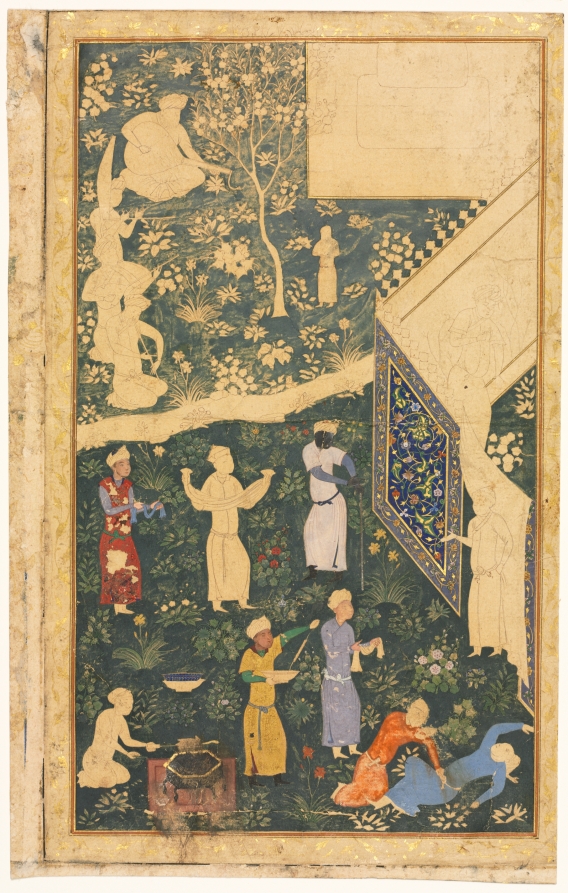
Left side of a double-page album folio: Outside a Royal Encampment (recto) at the Cleveland Museum of Art: c. 1485, opaque watercolor and gold on paper. Explore the work's context, creator attribution and collection history.
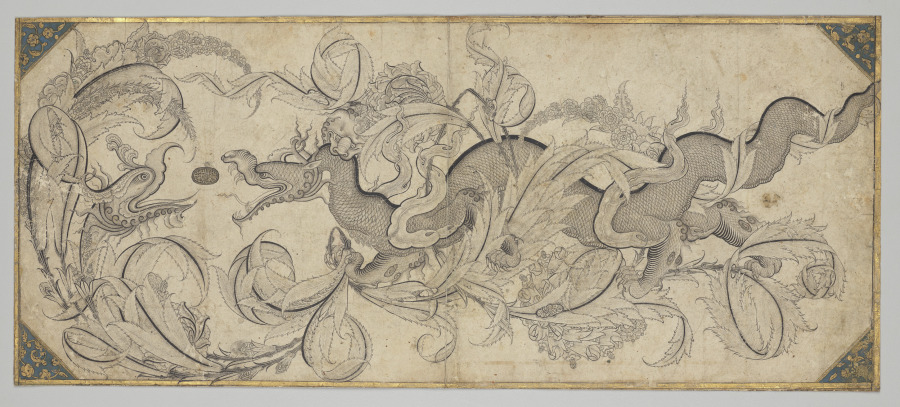
Dragon in foliage with lion and phoenix heads at the Cleveland Museum of Art: mid-1500s, Ink, gum tempera, and gold on paper. Explore the work's context, creator attribution and collection history.
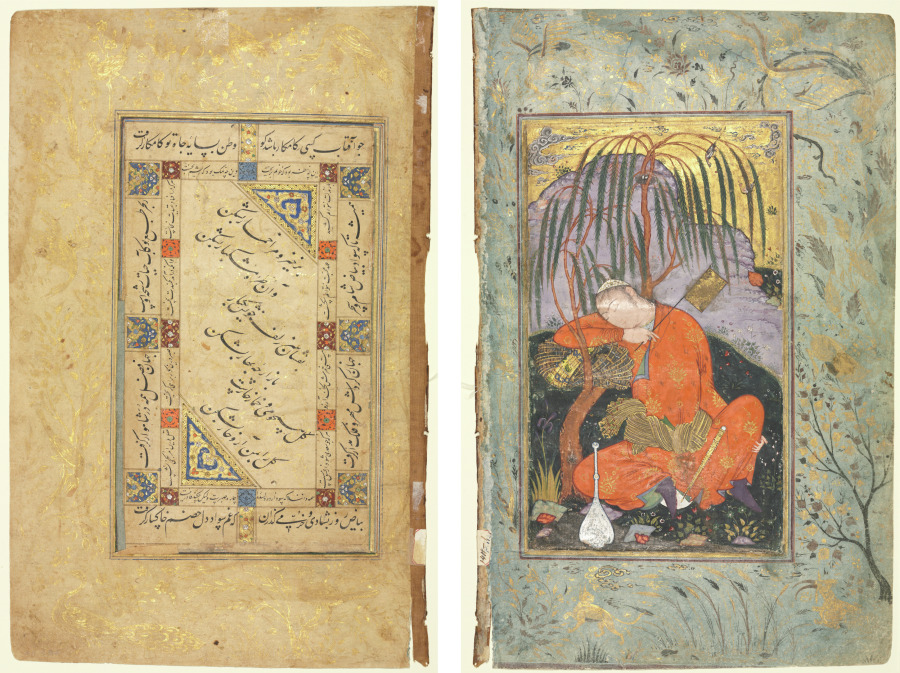
Persian Couplets (recto); Sleeping Youth (verso) at the Cleveland Museum of Art: late 1500s–early 1600s, ink, gold, and opaque watercolor on paper. Explore the work's context, creator attribution and collection history.

Persian Couplets (recto), Calligraphy, Persian Verses; Single Page Manuscript at the Cleveland Museum of Art: late 1500s–early 1600s, ink, gold, and opaque watercolor on paper. Explore the work's context, creator attribution and collection
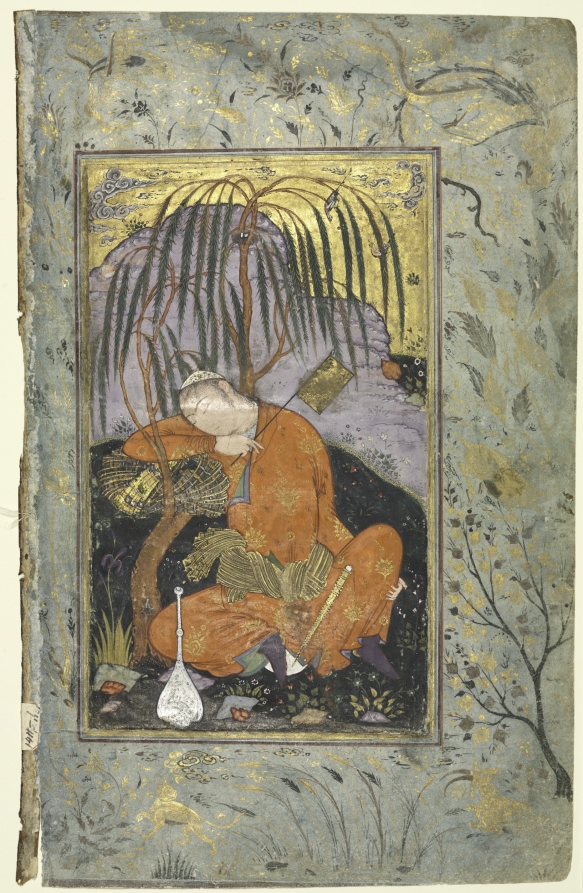
Sleeping Youth (verso), Illustration from a Single Page Manuscript at the Cleveland Museum of Art: early 1600s, opaque watercolor and gold on paper. Explore the work's context, creator attribution and collection history.
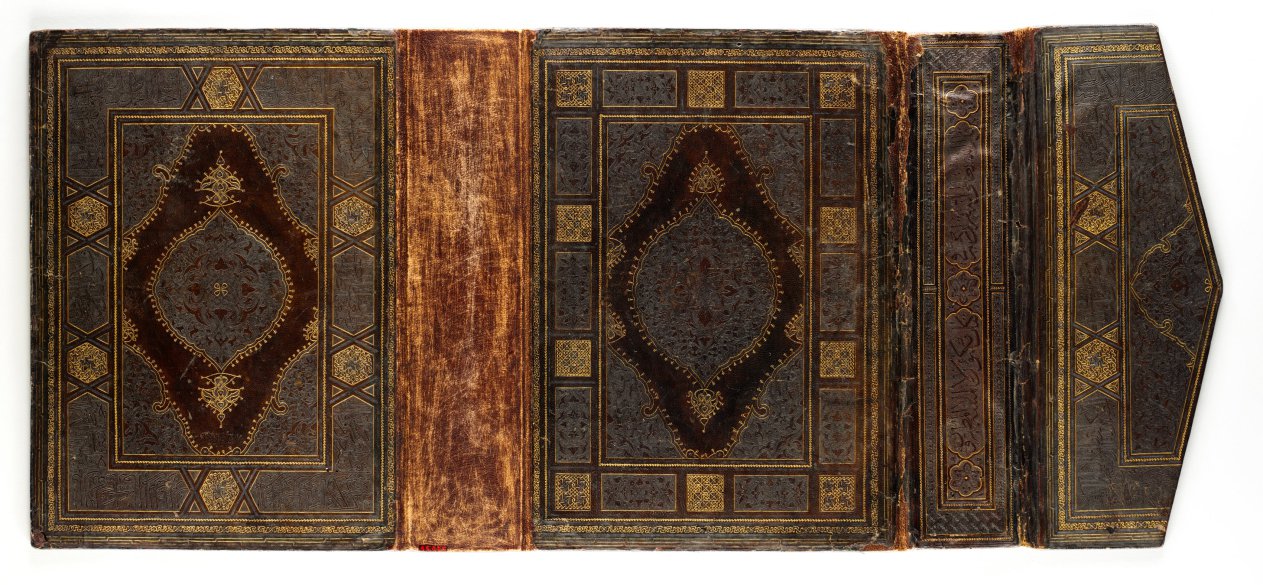
Bookbinding for a Qur'an at the Cleveland Museum of Art: 1460–1500, leather over paper pasteboards; outer cover tooled, blue paint; inner covers openwork designs over colored papers. Explore the work's context, creator attribution and colle
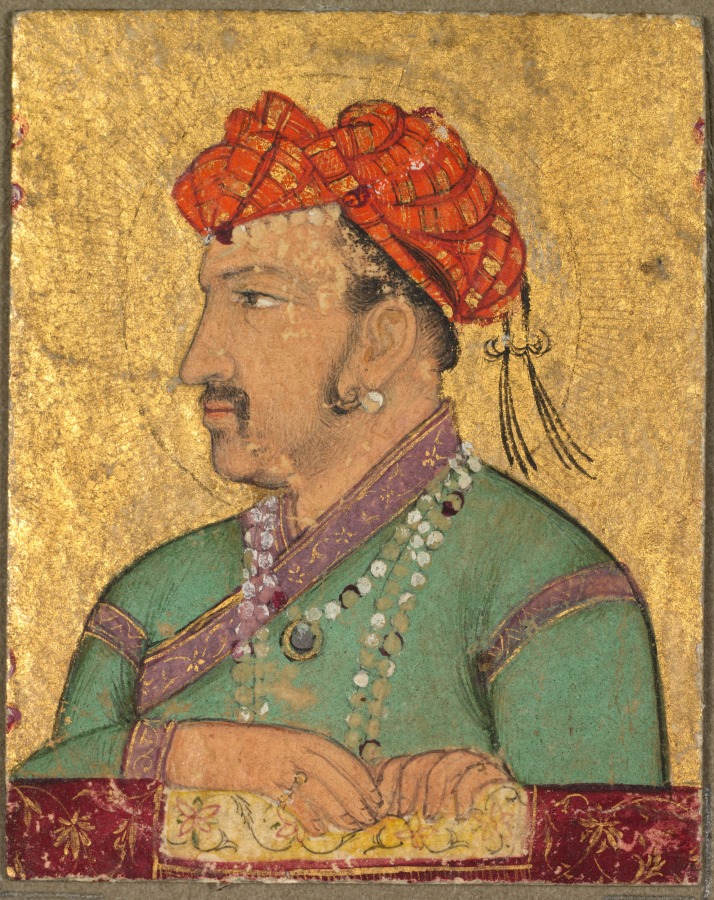
Portrait Jewel of Emperor Jahangir at the Cleveland Museum of Art: early 1600s, Gum tempera and gold on paper. Explore the work's context, creator attribution and collection history.
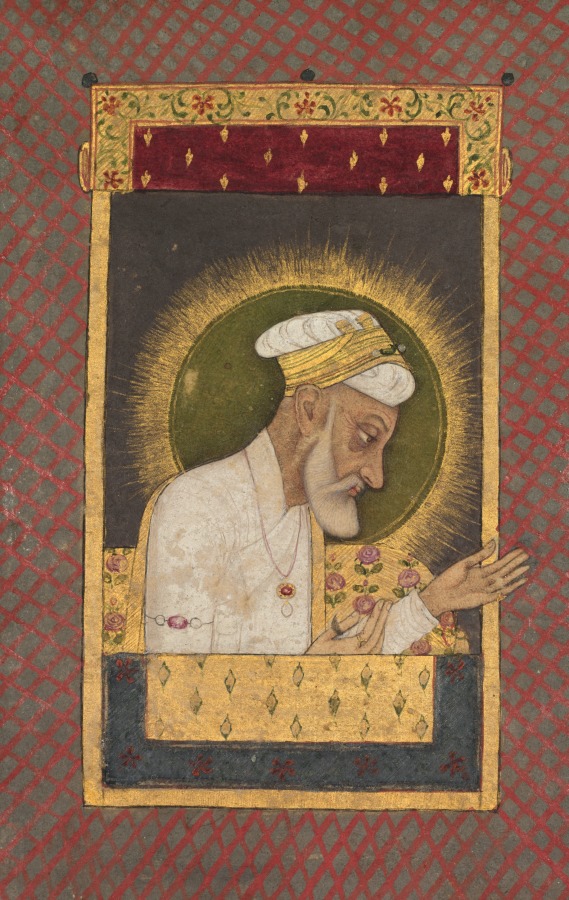
Portrait of Emperor Alamgir (Aurangzeb) at the Cleveland Museum of Art: c. 1700, Gum tempera and gold on paper. Explore the work's context, creator attribution and collection history.

Khusrau Surprising Shirin While Bathing at the Cleveland Museum of Art: 1550–99, Silk: velvet, pile-warp substitution. Explore the work's context, creator attribution and collection history.

Velvet Fragment, Khusrau Sees Shirin Bathing at the Cleveland Museum of Art: 1550–99, silk; velvet, cut, pile-warp substitution. Explore the work's context, creator attribution and collection history.
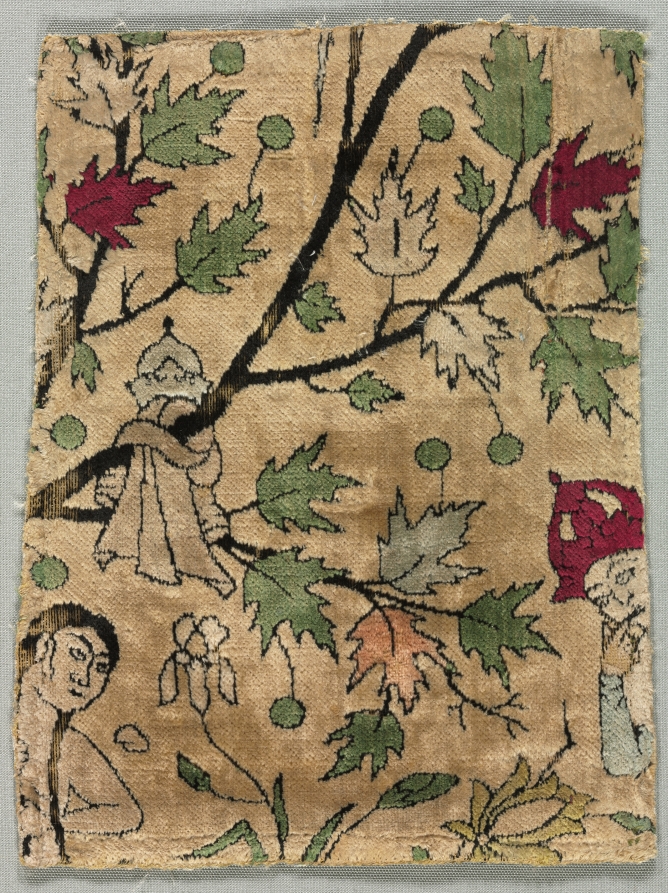
Velvet Fragment, Khusrau Sees Shirin Bathing at the Cleveland Museum of Art: 1550–99, silk; velvet, cut, pile-warp substitution. Explore the work's context, creator attribution and collection history.
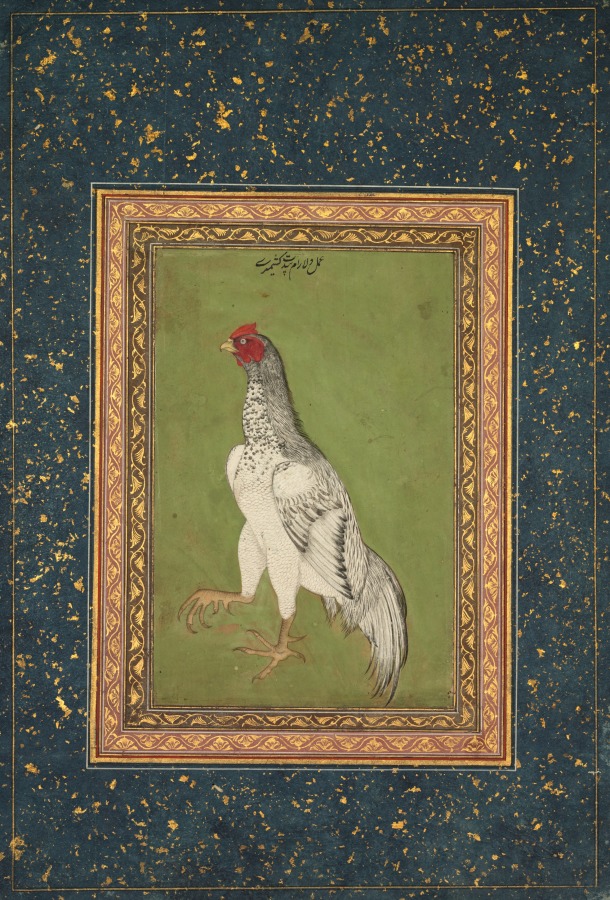
Rooster at the Cleveland Museum of Art: c. 1620, Gum tempera, ink, and gold on paper. Explore the work's context, creator attribution and collection history.