Study of Hands (recto) (1700s): Art, History and Details
Study of Hands (recto) at the Cleveland Museum of Art: 1700s, red and black chalk heightened with white chalk. Explore the work's context, creator attribution and collection history.
Oldest entries first, in a fixed order. Newly added articles appear at the end. Explore a shuffled selection →

Study of Hands (recto) at the Cleveland Museum of Art: 1700s, red and black chalk heightened with white chalk. Explore the work's context, creator attribution and collection history.
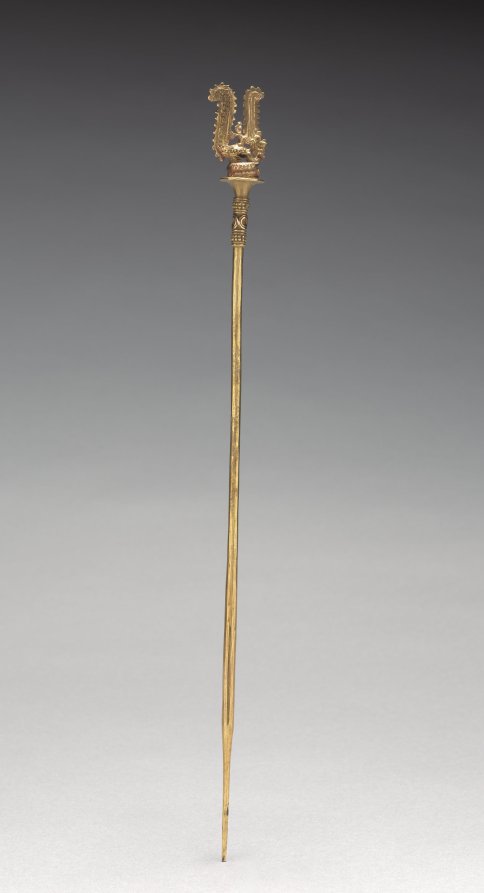
Lime Dipper at the Cleveland Museum of Art: c. 1–800 CE, gold. Explore the work's context, creator attribution and collection history.

The Right Honorable Lady Mary Radcliffe (1732-98), Wife of Francis Eyre, Esq. at the Cleveland Museum of Art: 1755, pastel on laid paper lined with canvas. Explore the work's context, creator attribution and collection history.
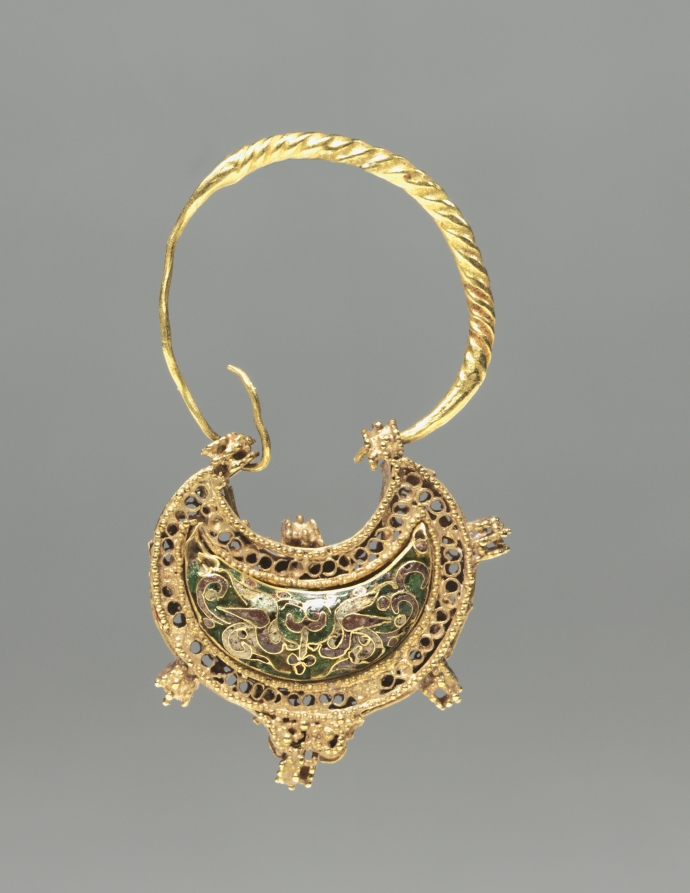
Crescent-Shaped Earring at the Cleveland Museum of Art: 1000–1100, gold filigree with cloisonné enamel. Explore the work's context, creator attribution and collection history.
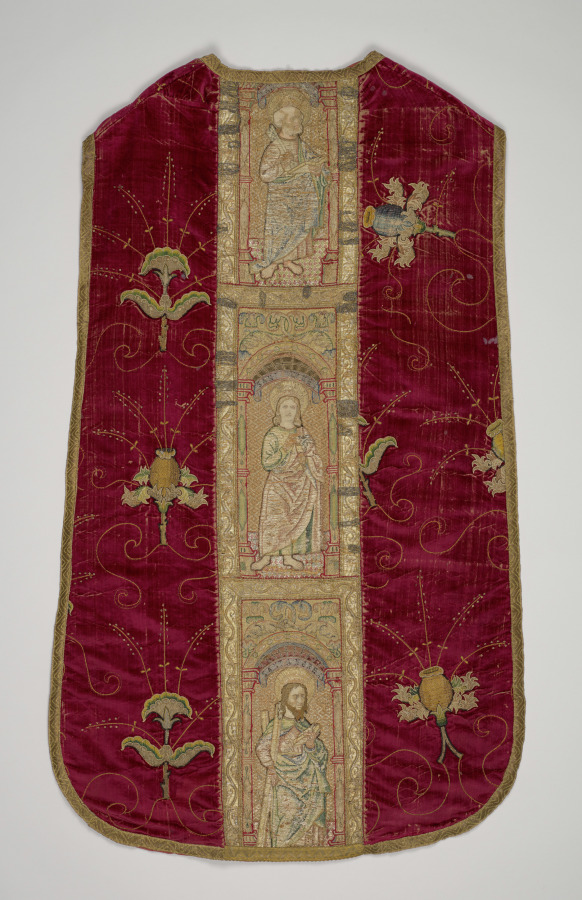
Chasuble with Orphrey Band at the Cleveland Museum of Art: 1500–1520, Silk, gold thread, sequins; appliqué, embroidery: couching stitches Velvet: solid pile, silk; embroidery: or nué (shaded gold). Explore the work's context, creator attrib
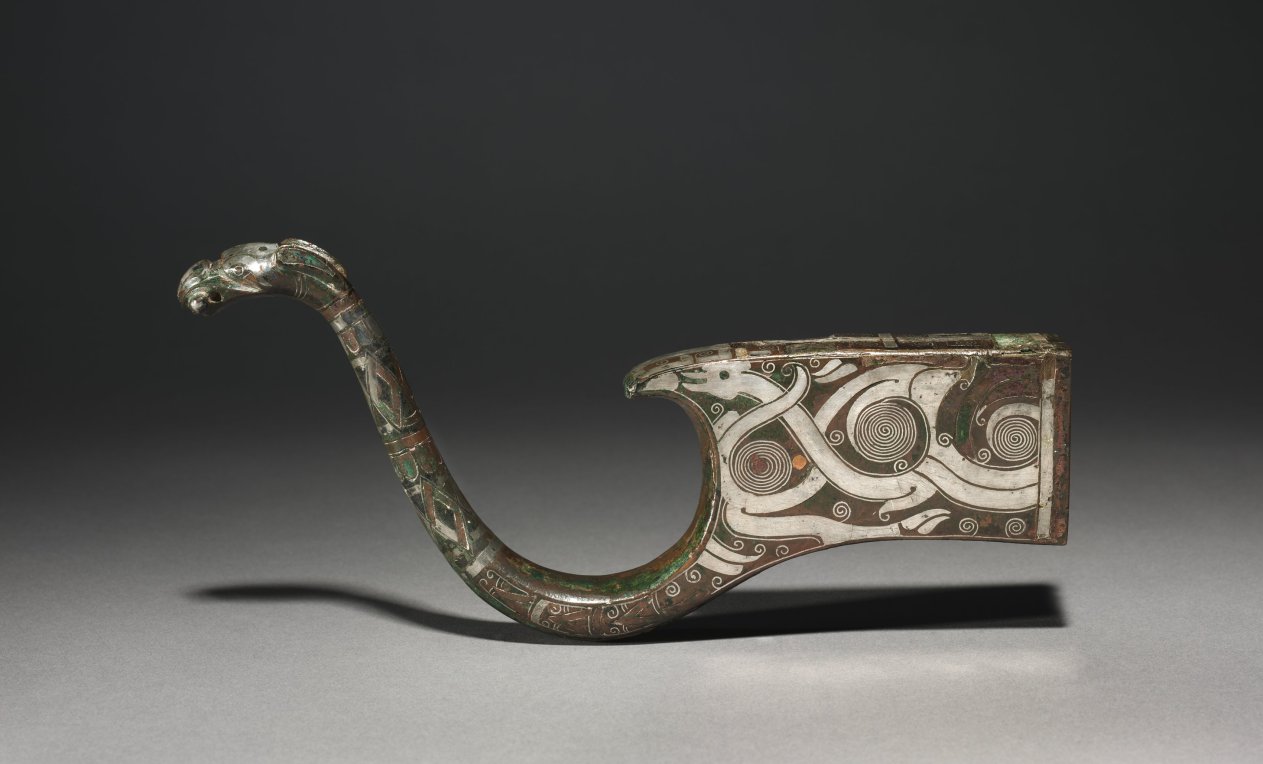
Crossbow Support at the Cleveland Museum of Art: 300–200 BCE, bronze inlaid with silver. Explore the work's context, creator attribution and collection history.

The Woman with a Tambourine at the Cleveland Museum of Art: 1790s, pen and brown ink and brush and brown wash, over black chalk; framing lines in pen and brown ink over graphite. Explore the work's context, creator attribution and collectio
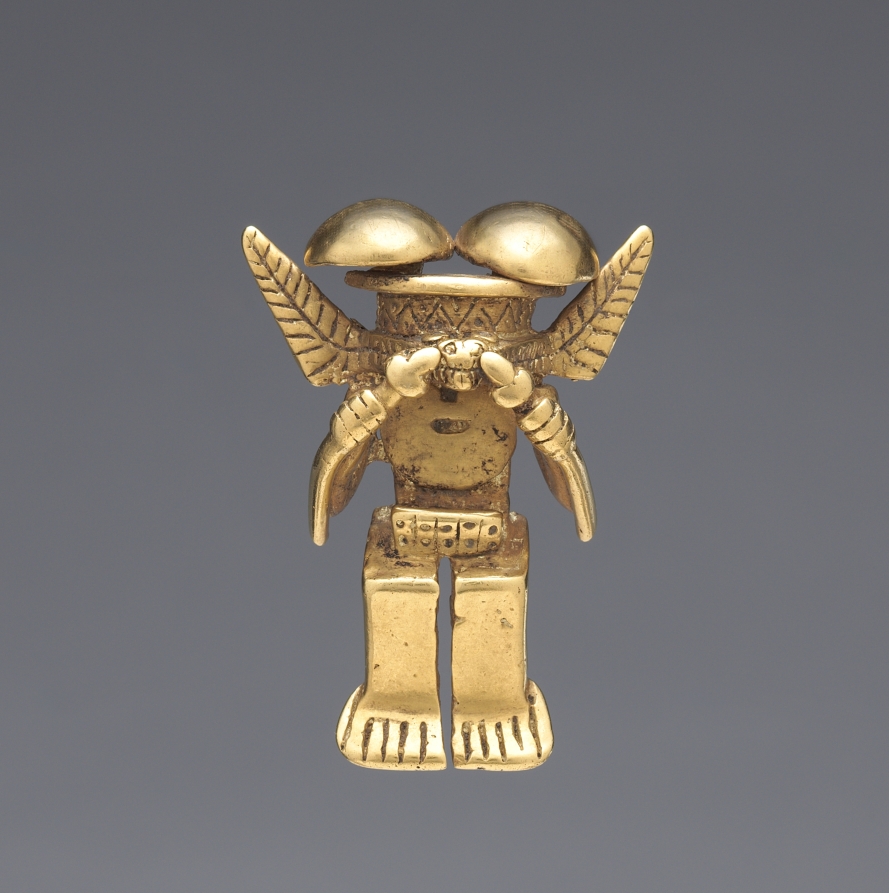
Animal-Headed Figure Pendant at the Cleveland Museum of Art: 1–800 CE, cast gold. Explore the work's context, creator attribution and collection history.

Tunjos (Votive Offering Figurine) at the Cleveland Museum of Art: c. 900–1550, cast gold. Explore the work's context, creator attribution and collection history.

Tunjos (Votive Offering Figurine) at the Cleveland Museum of Art: c. 900–1550, cast gold. Explore the work's context, creator attribution and collection history.

Tunjos (Votive Offering Figurine) at the Cleveland Museum of Art: c. 900–1550, cast gold. Explore the work's context, creator attribution and collection history.

Tunjos (Votive Offering Figurine) at the Cleveland Museum of Art: c. 900–1550, cast gold. Explore the work's context, creator attribution and collection history.
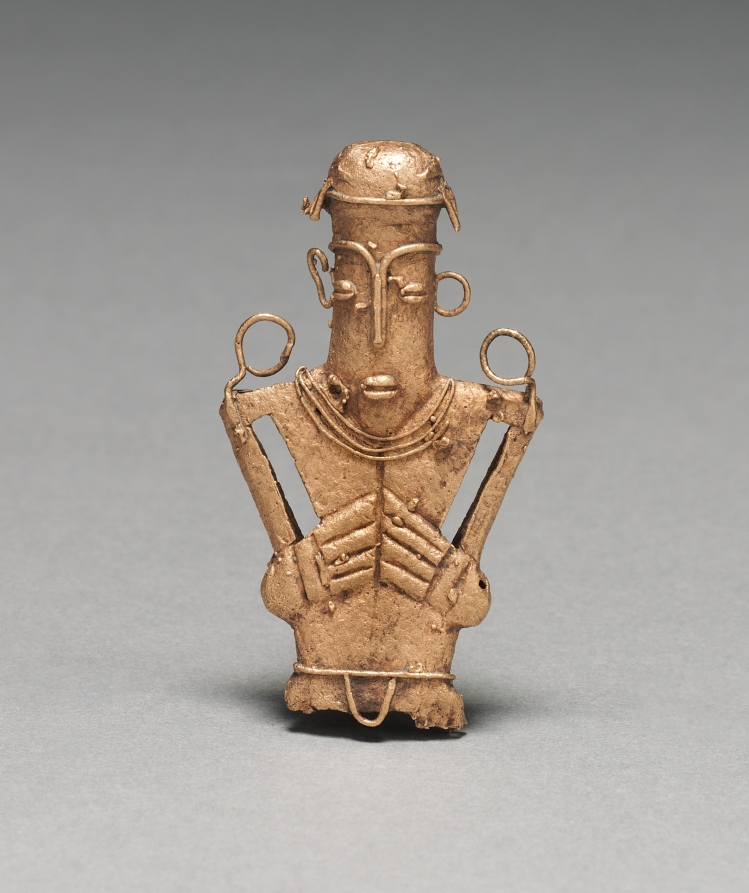
Tunjos (Votive Offering Figurine) at the Cleveland Museum of Art: c. 900–1550, cast gold. Explore the work's context, creator attribution and collection history.
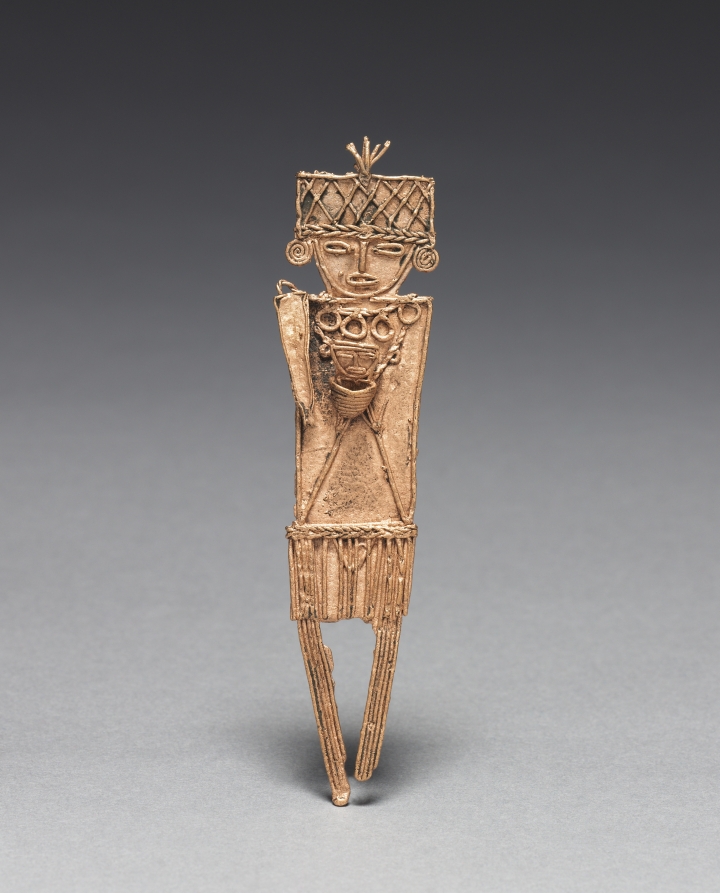
Tunjos (Votive Offering Figurine) at the Cleveland Museum of Art: c. 900–1550, cast gold. Explore the work's context, creator attribution and collection history.

Tunjos (Votive Offering Figurine) at the Cleveland Museum of Art: c. 900–1550, cast gold. Explore the work's context, creator attribution and collection history.
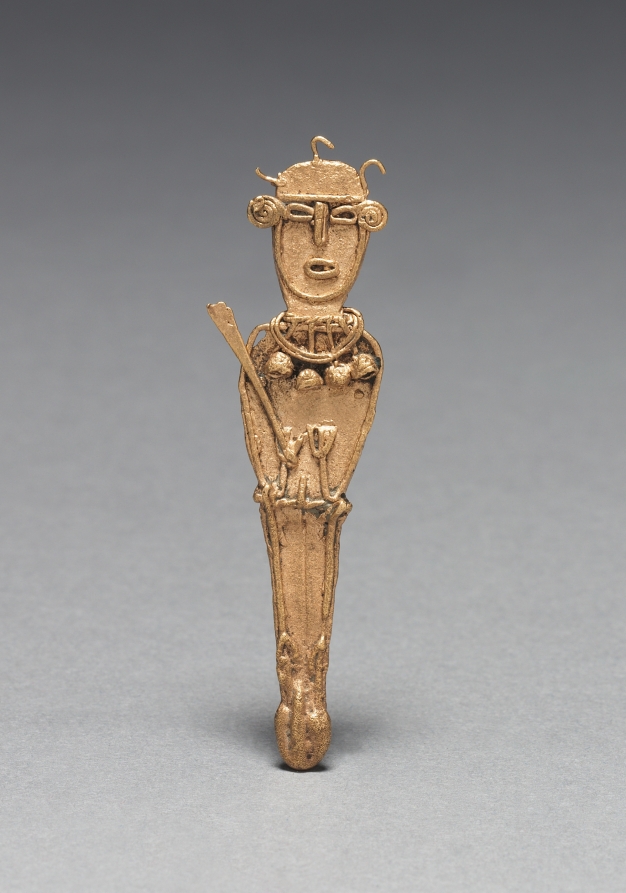
Tunjos (Votive Offering Figurine) at the Cleveland Museum of Art: c. 900–1550, cast gold. Explore the work's context, creator attribution and collection history.

Staff Head at the Cleveland Museum of Art: 400–1000 CE, cast gold. Explore the work's context, creator attribution and collection history.

Saint John the Baptist at the Cleveland Museum of Art: c. 1550, gilt bronze. Explore the work's context, creator attribution and collection history.
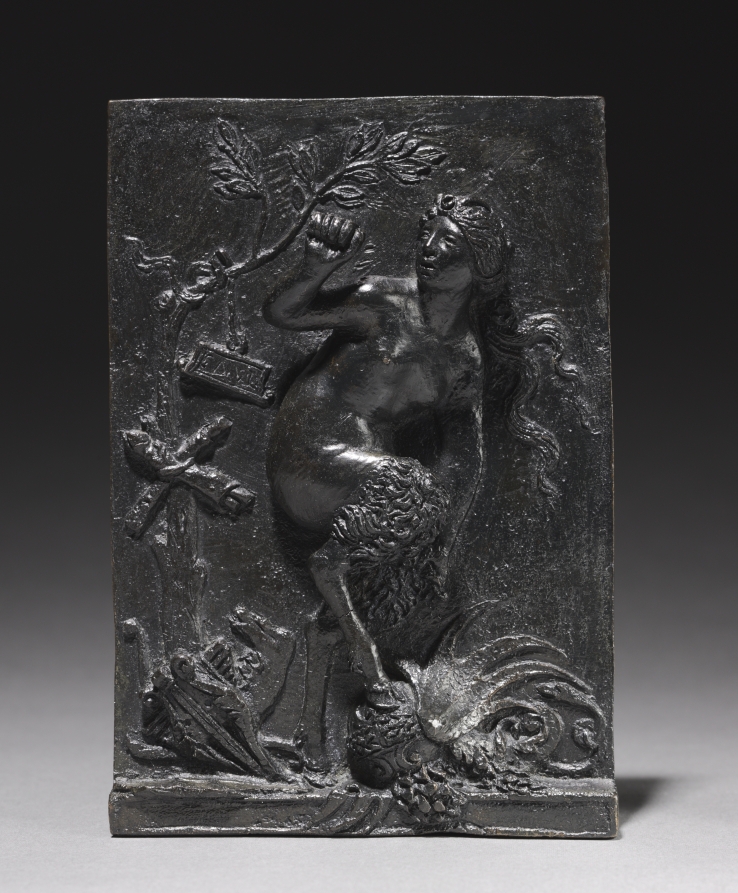
Satyress at the Cleveland Museum of Art: c. 1525–28, bronze. Explore the work's context, creator attribution and collection history.
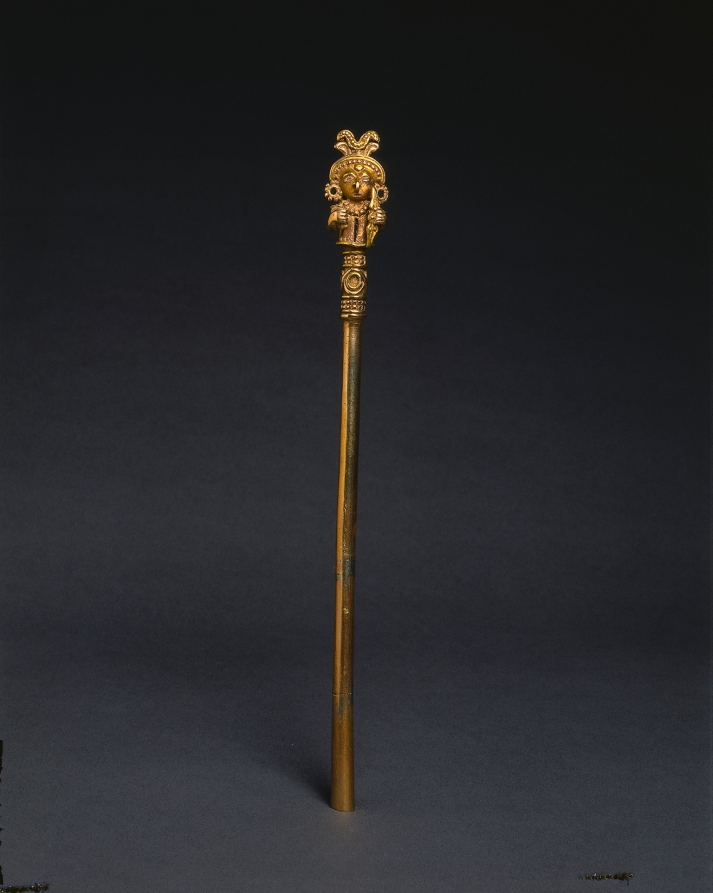
Lime Dipper at the Cleveland Museum of Art: c. 1–800 CE, gold. Explore the work's context, creator attribution and collection history.
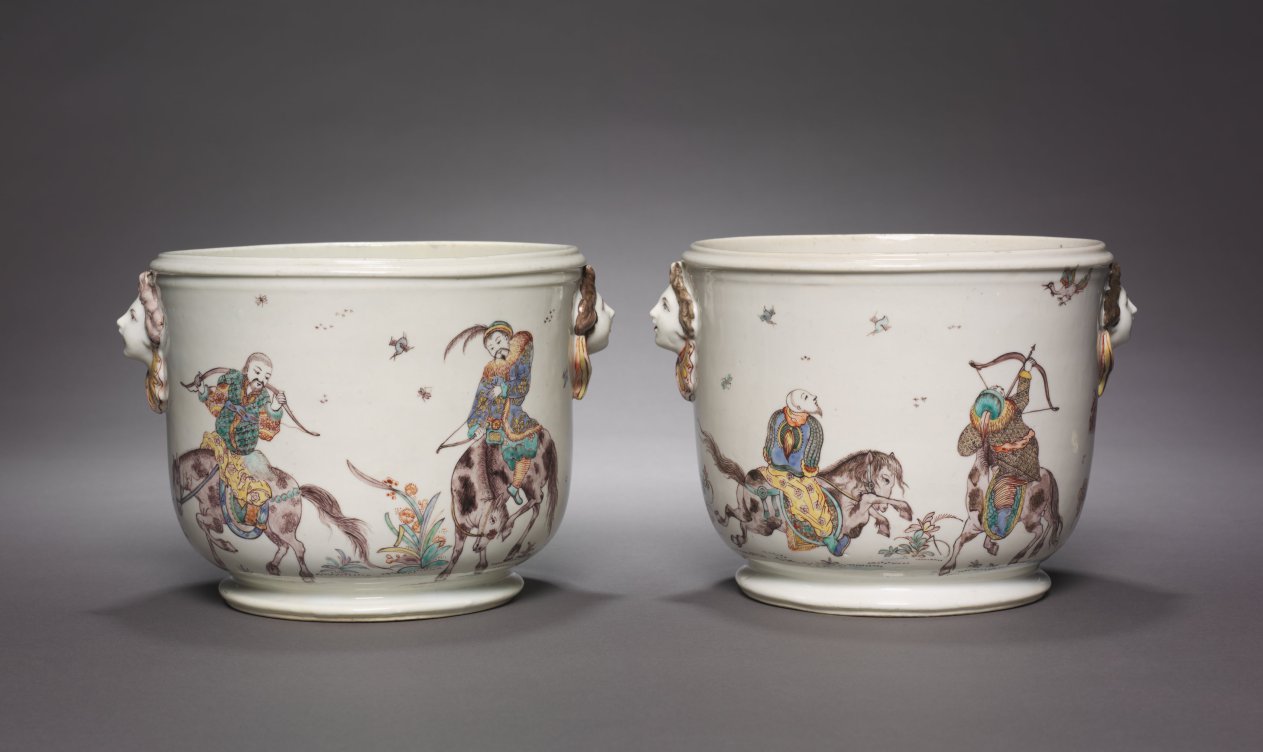
Pair of Bottle Coolers (seaux à rafraîchir) at the Cleveland Museum of Art: c. 1740, Tin-glazed soft-paste porcelain with enamel decoration. Explore the work's context, creator attribution and collection history.
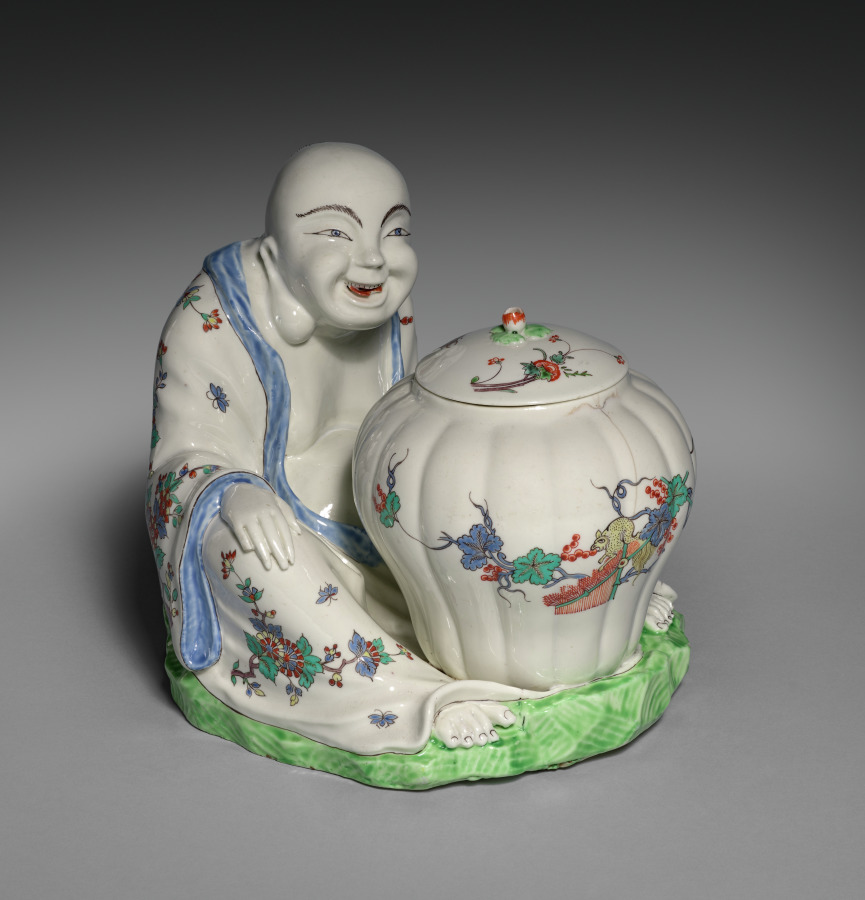
Figure of Budai or Hotei with Jar at the Cleveland Museum of Art: c. 1735–40, Tin-glazed soft-paste porcelain with enamel decoration. Explore the work's context, creator attribution and collection history.
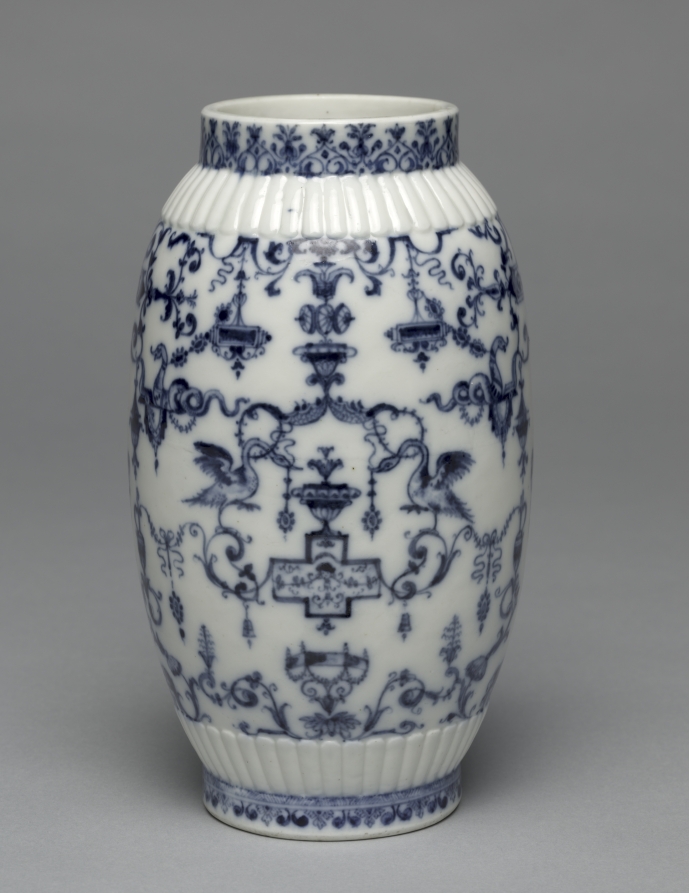
Vase at the Cleveland Museum of Art: c. 1695–1700, Molded soft-paste porcelain with blue underglaze. Explore the work's context, creator attribution and collection history.

God the Father and the Blessed Virgin Enthroned Attended by Angels at the Cleveland Museum of Art: c. 1480–90, engraving. Explore the work's context, creator attribution and collection history.
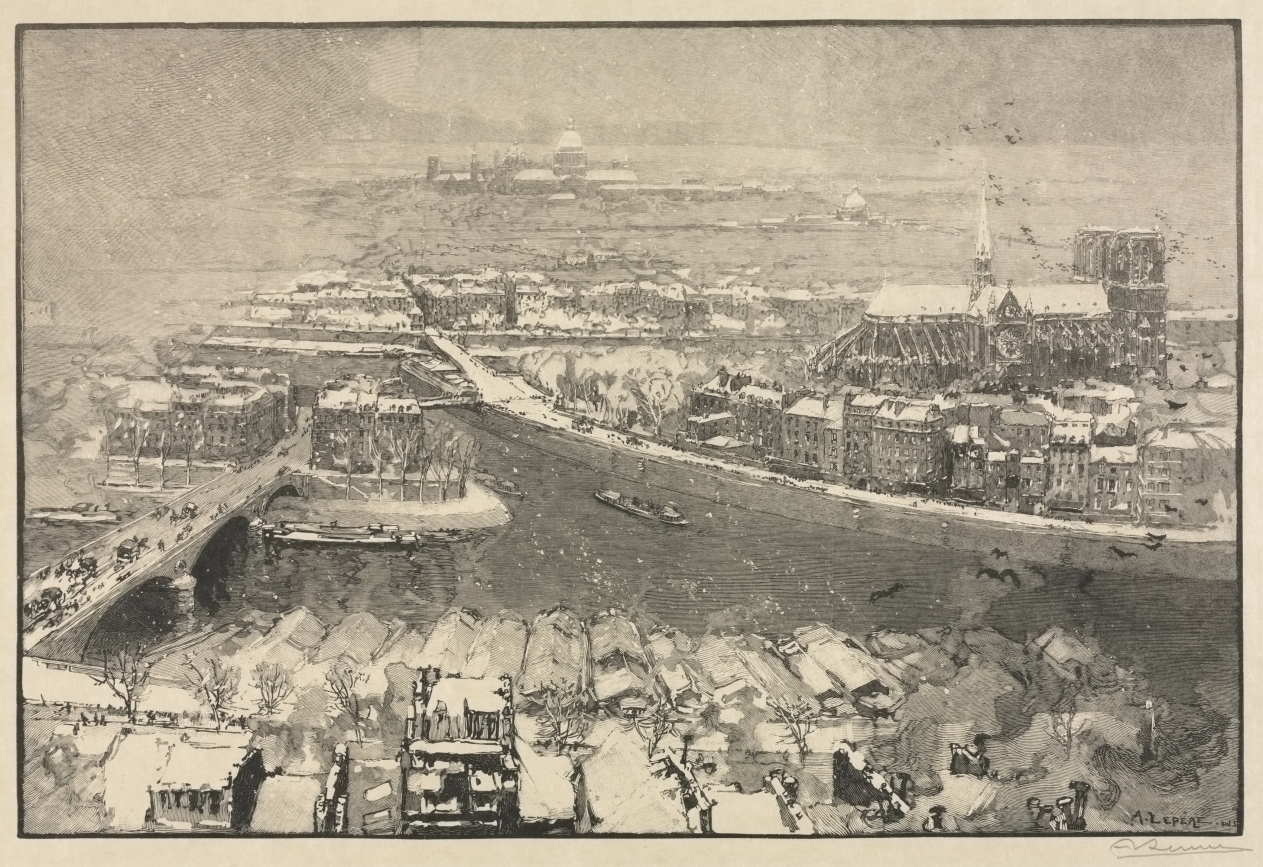
Paris under Snow at the Cleveland Museum of Art: 1890, wood engraving. Explore the work's context, creator attribution and collection history.
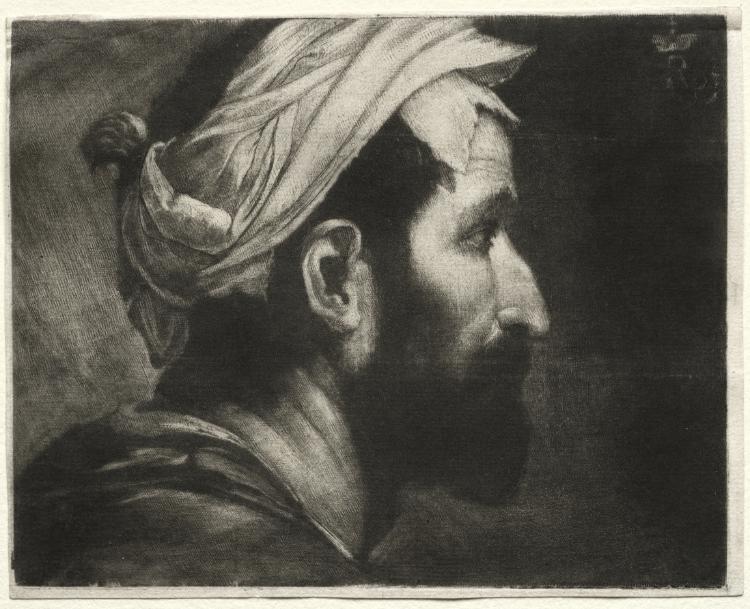
The Little Executioner at the Cleveland Museum of Art: 1662, mezzotint. Explore the work's context, creator attribution and collection history.

Vessel with Running Figures at the Cleveland Museum of Art: 450–550, earthenware with colored slips. Explore the work's context, creator attribution and collection history.

Bird Pendant at the Cleveland Museum of Art: c. 900–1550, cast gold. Explore the work's context, creator attribution and collection history.

Caster (Saupoudreuse) at the Cleveland Museum of Art: c. 1732–38, soft-paste porcelain, silver mount. Explore the work's context, creator attribution and collection history.
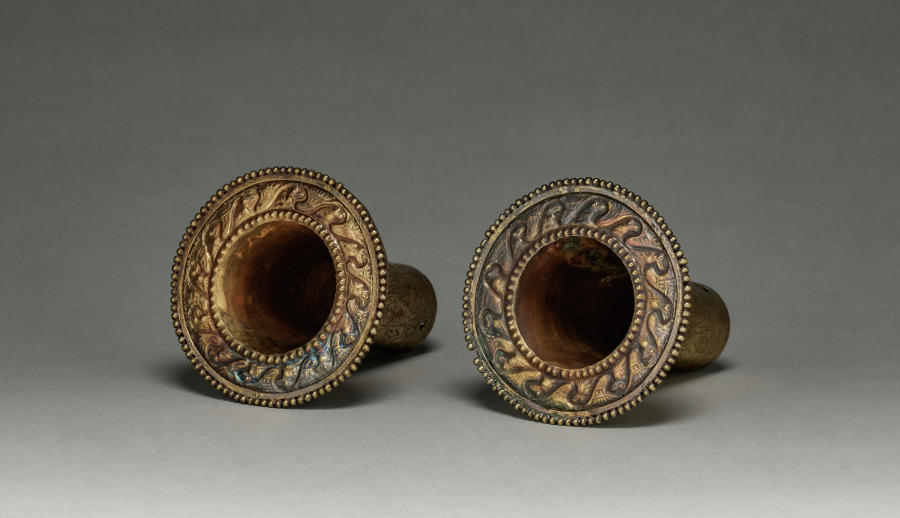
Pair of Ear Flares at the Cleveland Museum of Art: 900–1470, hammered gold alloy. Explore the work's context, creator attribution and collection history.
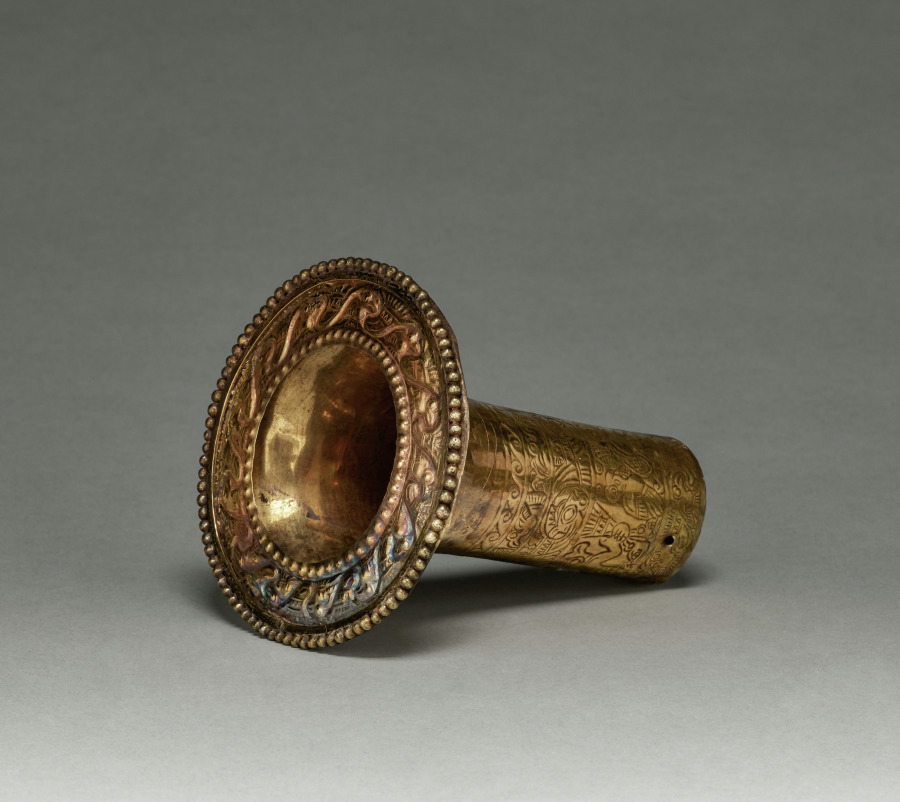
Ear Flare at the Cleveland Museum of Art: 900–1470, hammered gold alloy. Explore the work's context, creator attribution and collection history.
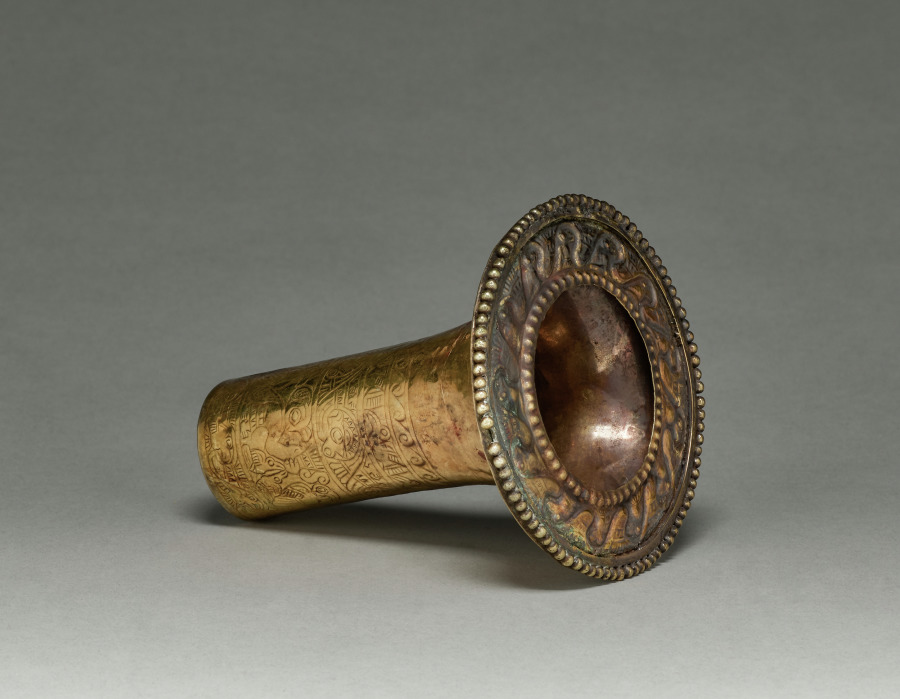
Ear Flare at the Cleveland Museum of Art: 900–1470, hammered gold alloy. Explore the work's context, creator attribution and collection history.
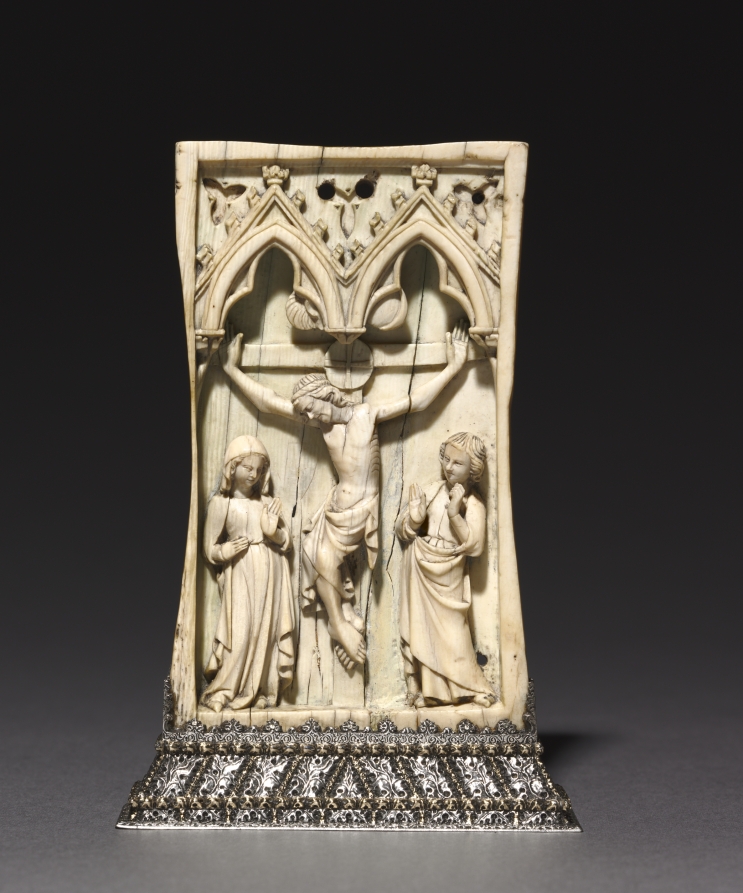
Plaque: The Crucifixion at the Cleveland Museum of Art: c. 1345–1365, ivory, mounted in a silver stand (after 1919). Explore the work's context, creator attribution and collection history.
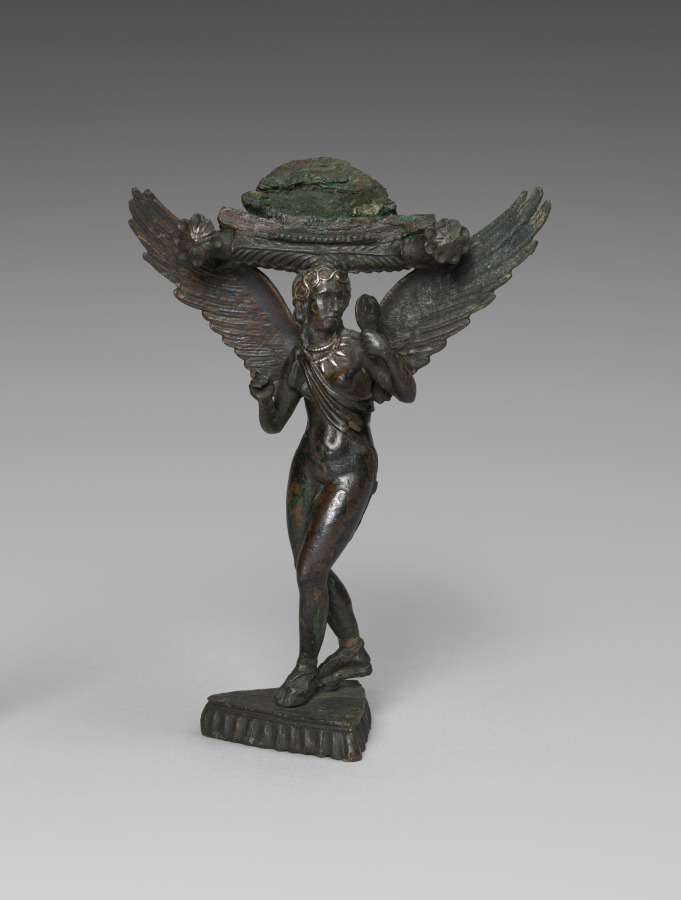
Patera Support: Lasa at the Cleveland Museum of Art: 300–175 BCE, bronze with silver inlays. Explore the work's context, creator attribution and collection history.
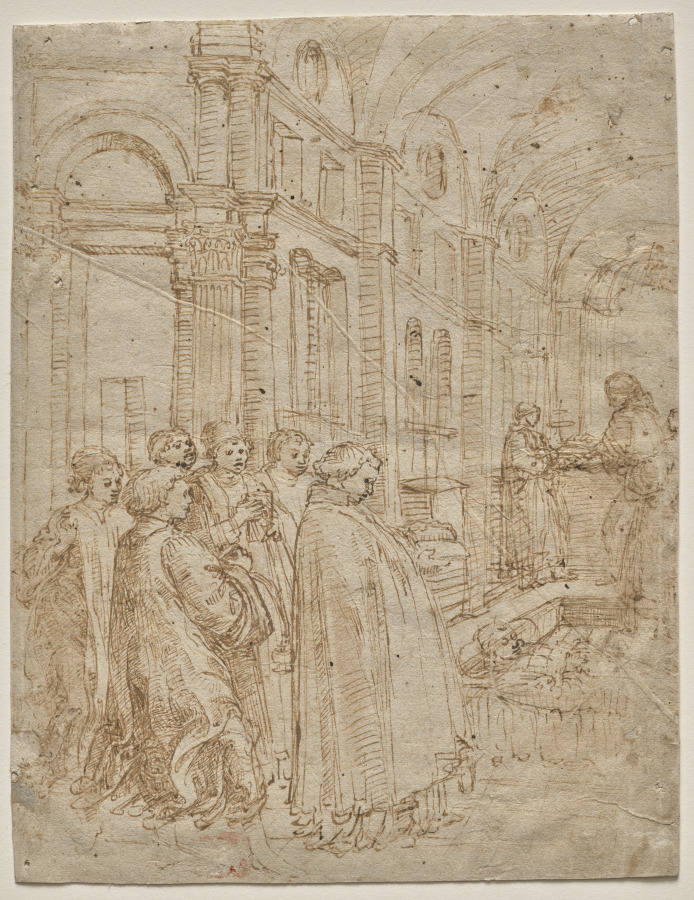
The Funeral of Saint Stephen at the Cleveland Museum of Art: c. 1460, pen and brown ink with brush and brown wash with traces of stylus over traces of black chalk. Explore the work's context, creator attribution and collection history.
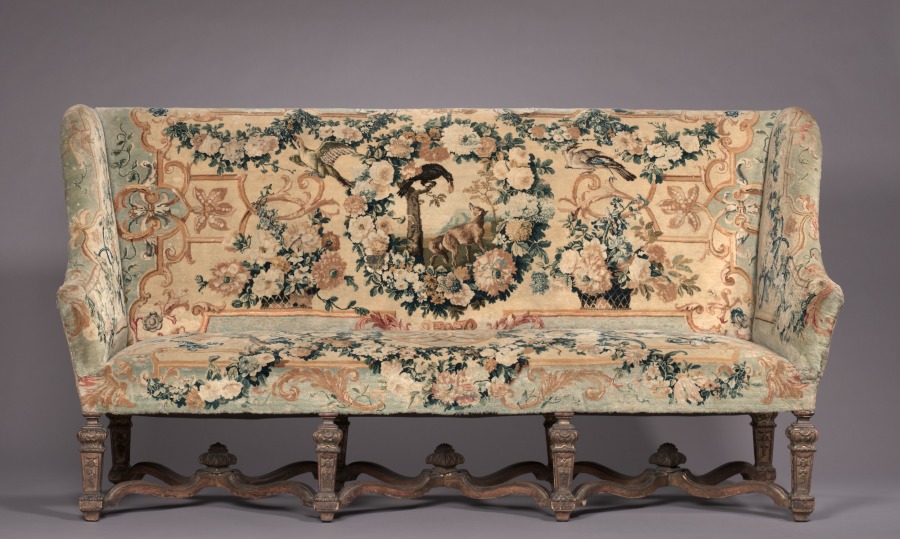
Set of Four Armchairs and Settee at the Cleveland Museum of Art: c. 1715, carved wood, Savonnerie knotted-pile (symmetrical rug knot) upholstery; wool, hemp. Explore the work's context, creator attribution and collection history.

Settee at the Cleveland Museum of Art: before 1717, carved wood, Savonnerie knotted-pile (symmetrical rug knot) upholstery; wool, hemp. Explore the work's context, creator attribution and collection history.

Armchair (1 of 4) at the Cleveland Museum of Art: before 1717, carved wood, Savonnerie knotted-pile (symmetrical rug knot) upholstery; wool, hemp. Explore the work's context, creator attribution and collection history.

Armchair (2 of 4) at the Cleveland Museum of Art: before 1717, carved wood, Savonnerie knotted-pile (symmertrical rug knot) upholstery; wool, hemp. Explore the work's context, creator attribution and collection history.
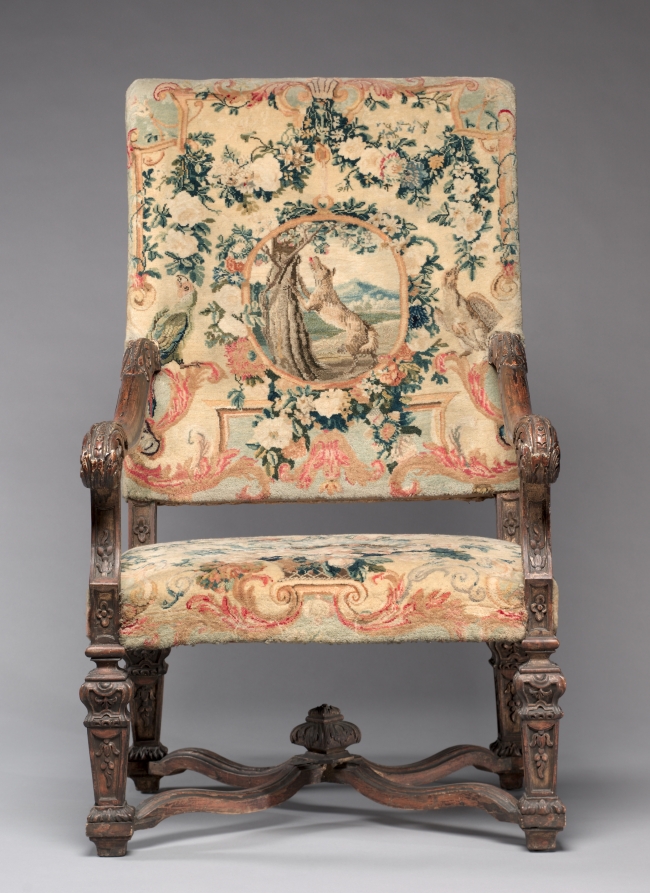
Armchair (3 of 4) at the Cleveland Museum of Art: before 1717, carved wood, Savonnerie knotted-pile (symmetrical rug knot) upholstery; wool, hemp. Explore the work's context, creator attribution and collection history.