Shinto Deity (900s): Art, History and Details
Shinto Deity at the Cleveland Museum of Art: 900s, wood, with traces of polychromy. Explore the work's context, creator attribution and collection history.
Oldest entries first, in a fixed order. Newly added articles appear at the end. Explore a shuffled selection →
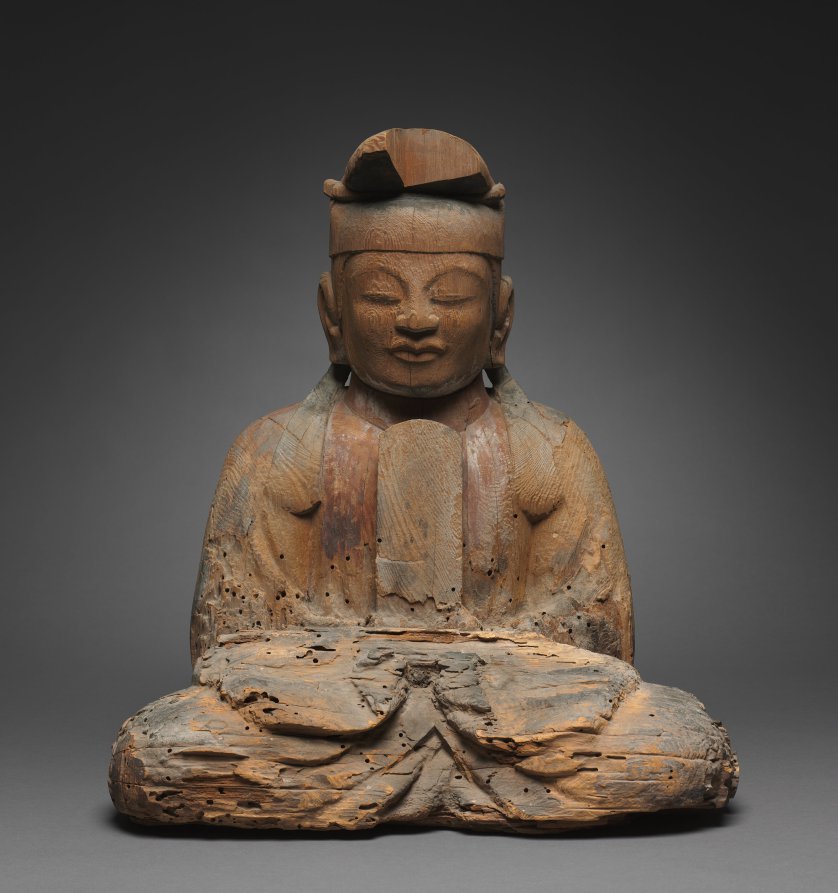
Shinto Deity at the Cleveland Museum of Art: 900s, wood, with traces of polychromy. Explore the work's context, creator attribution and collection history.
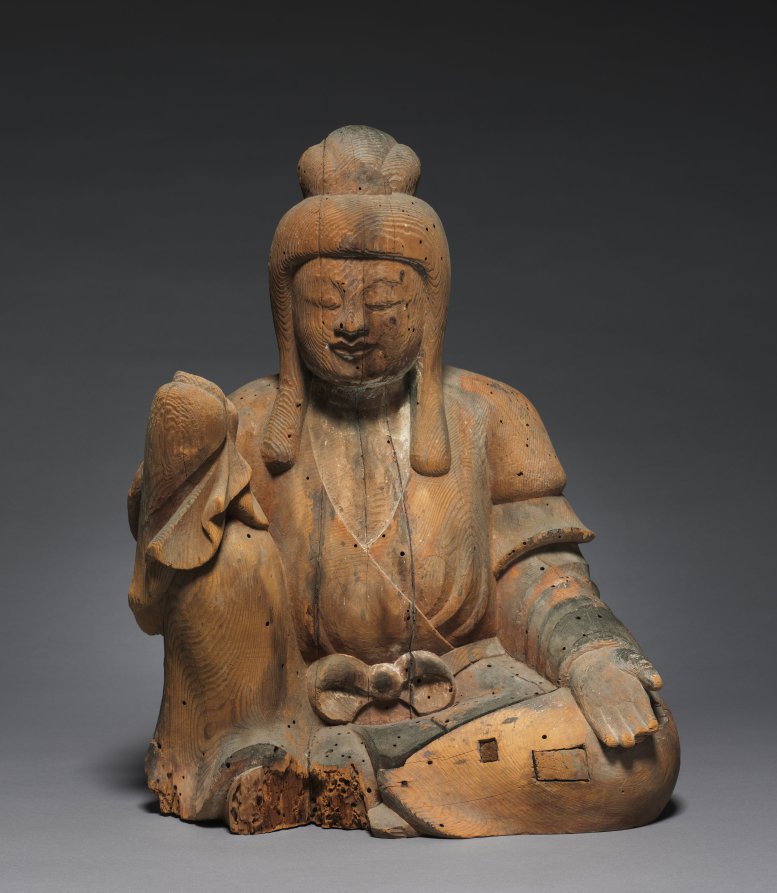
Shinto Deity at the Cleveland Museum of Art: 900s, wood, with traces of polychromy. Explore the work's context, creator attribution and collection history.
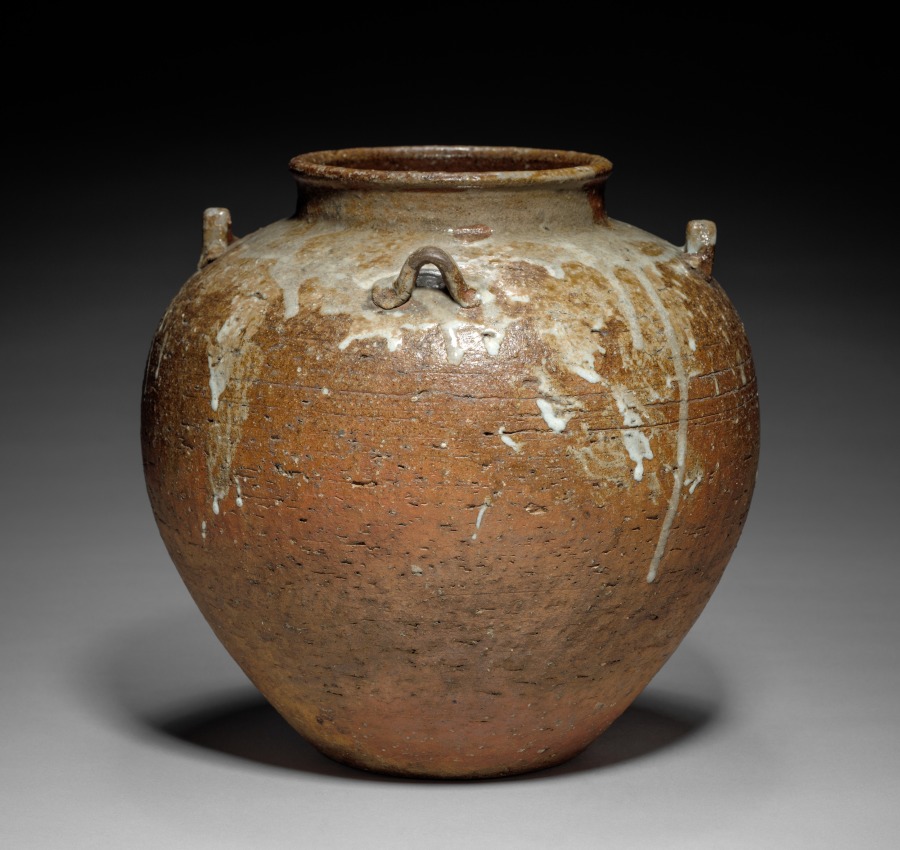
Tea Storage Jar at the Cleveland Museum of Art: mid- to late 1600s, Stoneware with white glaze (Shigaraki style). Explore the work's context, creator attribution and collection history.
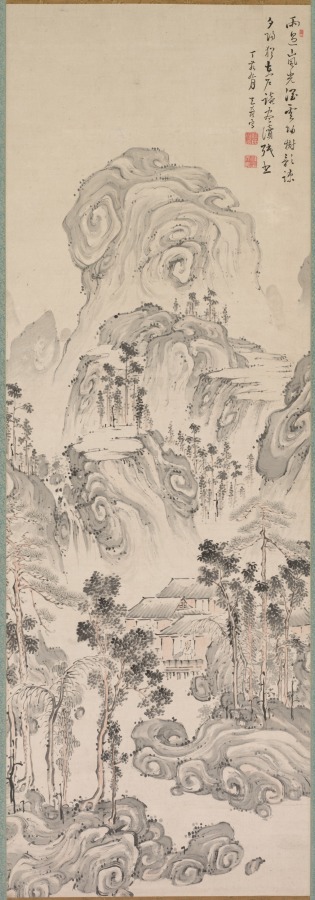
Landscape with Gentle Peaks at the Cleveland Museum of Art: possibly 1800s, hanging scroll; ink and light color on paper. Explore the work's context, creator attribution and collection history.
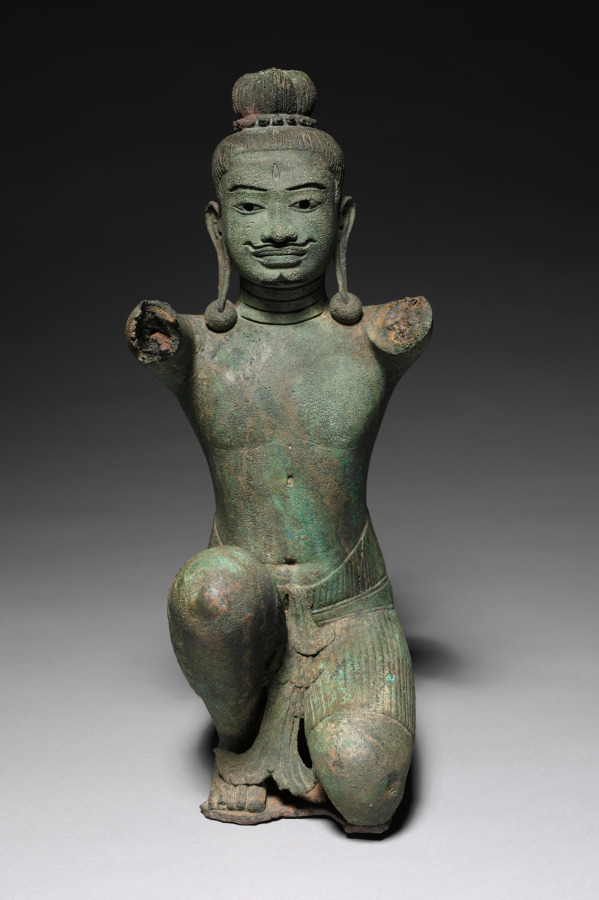
Kneeling Male Figure at the Cleveland Museum of Art: 1010–80, bronze. Explore the work's context, creator attribution and collection history.
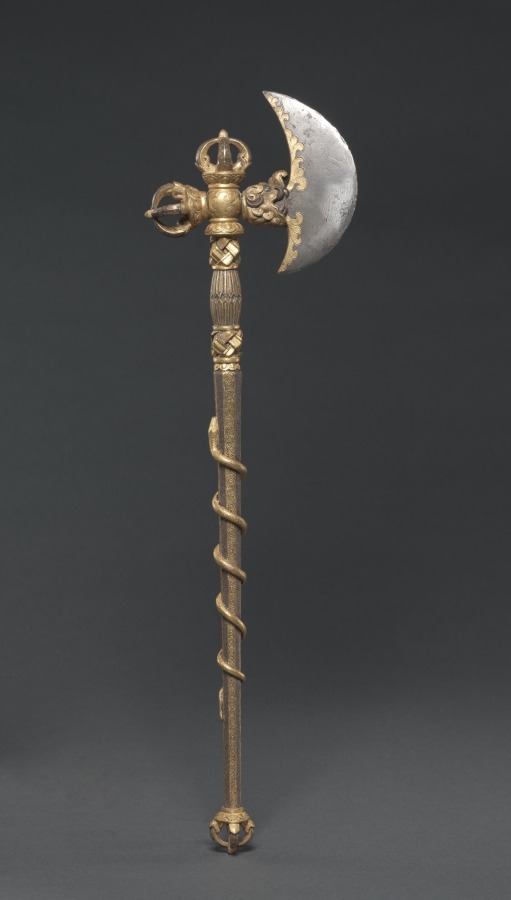
Ritual Weapons at the Cleveland Museum of Art: early 1400s, iron alloy with gold and silver inlay. Explore the work's context, creator attribution and collection history.
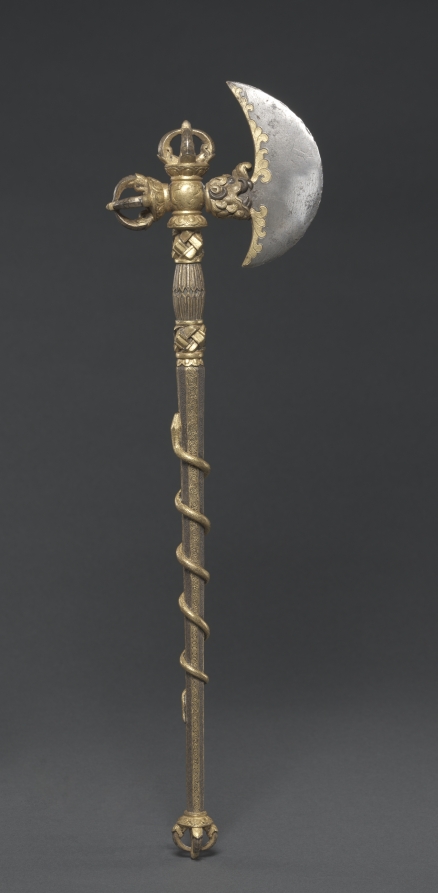
Ritual Axe at the Cleveland Museum of Art: c. 1407–1410, iron alloy with gold and silver inlay. Explore the work's context, creator attribution and collection history.
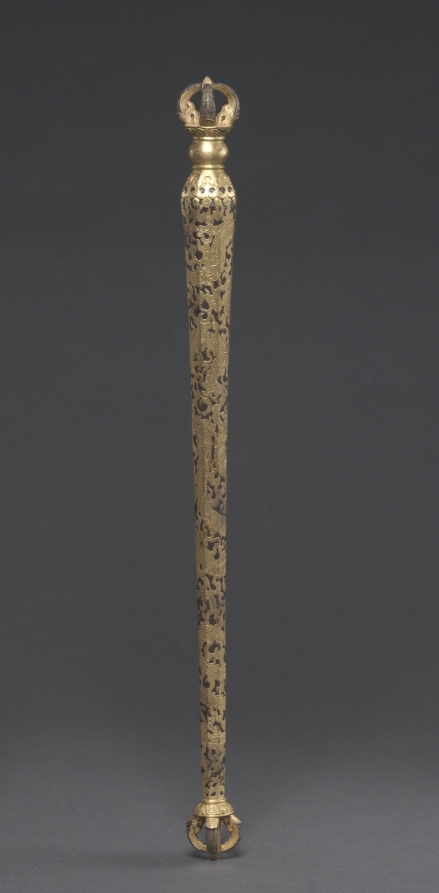
Ritual Mace at the Cleveland Museum of Art: early 1400s, iron alloy with gold inlay. Explore the work's context, creator attribution and collection history.
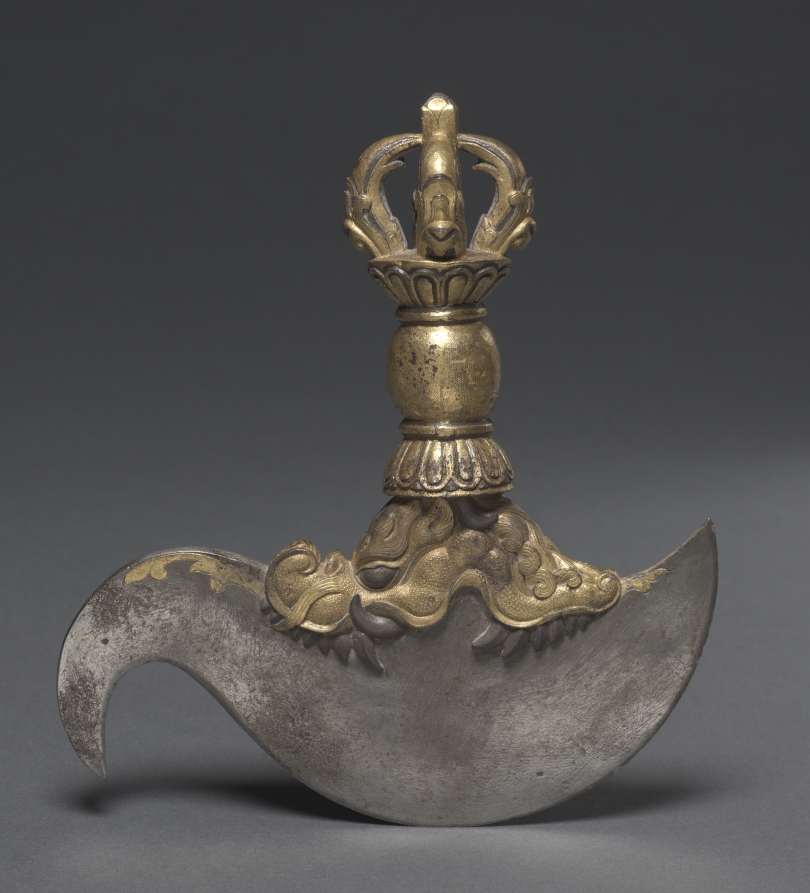
Ritual Flaying Knife at the Cleveland Museum of Art: c. 1407–1410, iron alloy with gold and silver inlay. Explore the work's context, creator attribution and collection history.
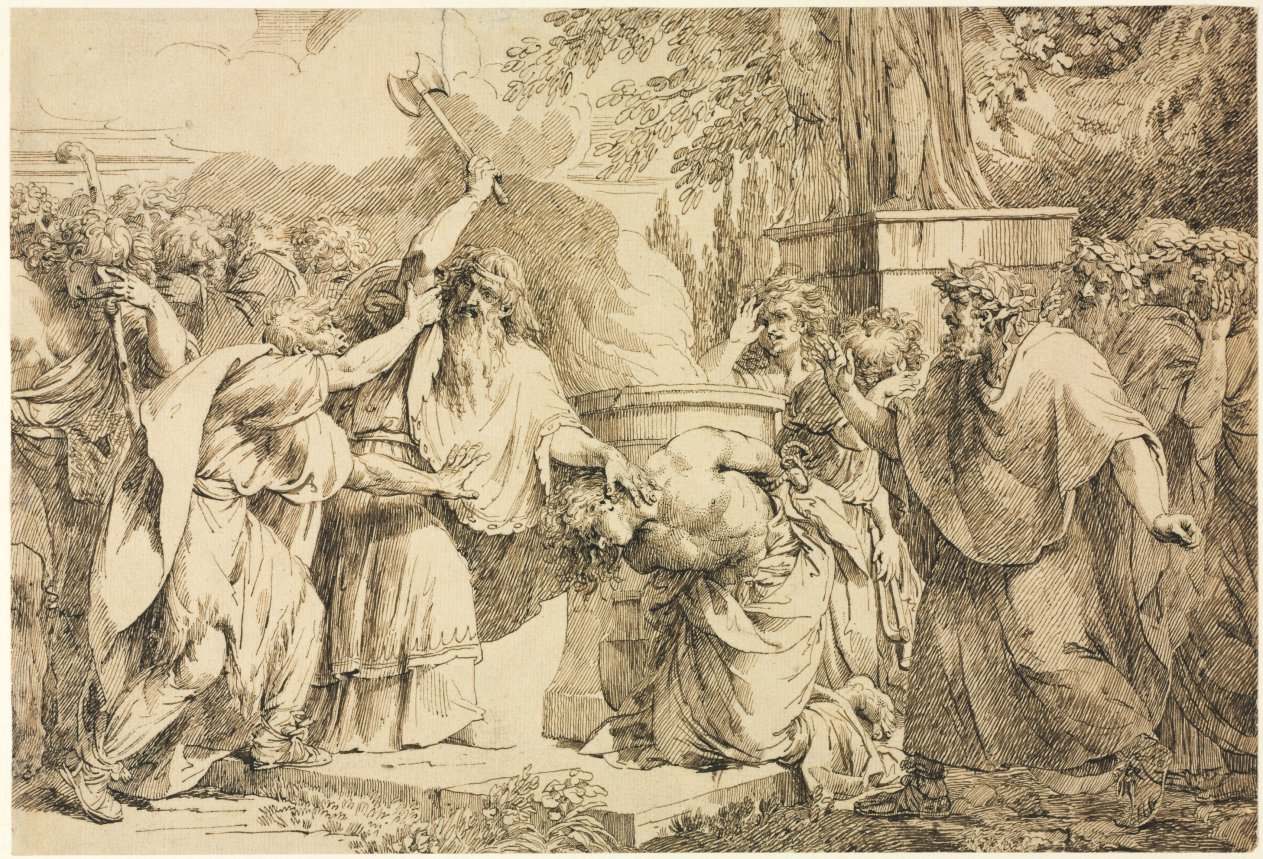
A Sacrifice Interrupted at the Cleveland Museum of Art: 1770s, pen and brown ink. Explore the work's context, creator attribution and collection history.
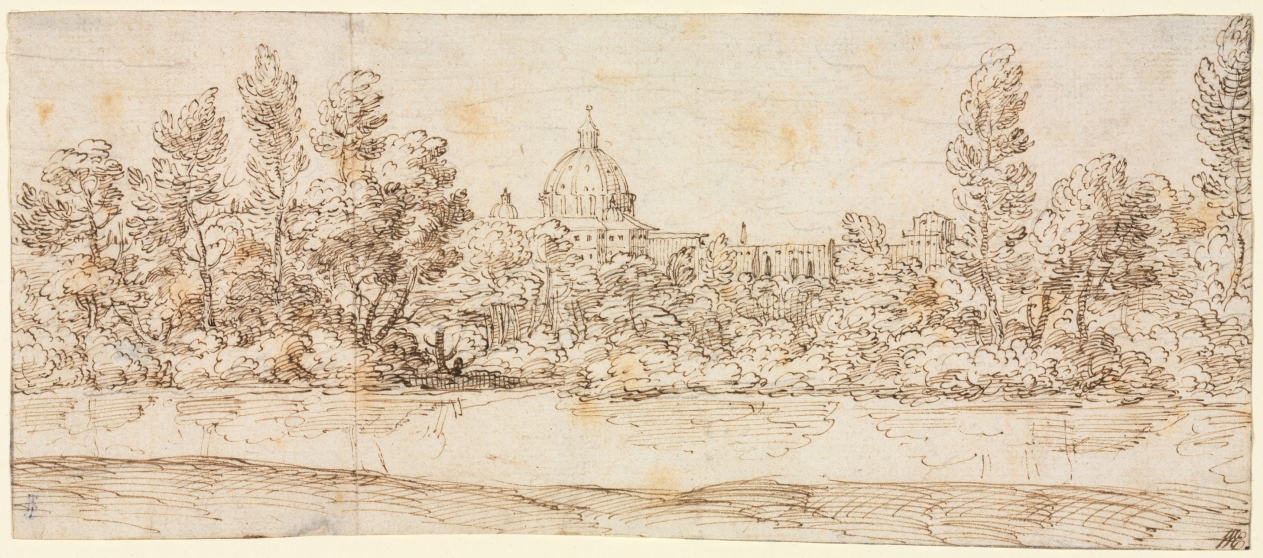
River Landscape with View of St. Peter's Basilica at the Cleveland Museum of Art: after 1660, pen and brown ink over traces of black chalk; framing lines in graphite. Explore the work's context, creator attribution and collection history.
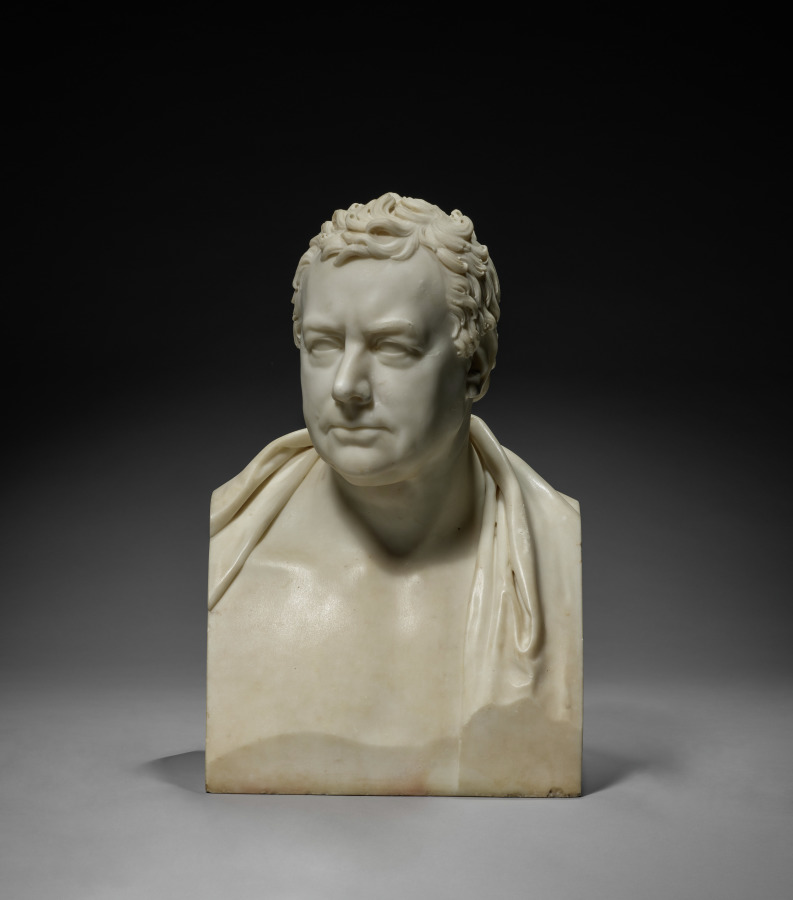
Sir H. C. Englefield, Bart. at the Cleveland Museum of Art: 1818, marble. Explore the work's context, creator attribution and collection history.
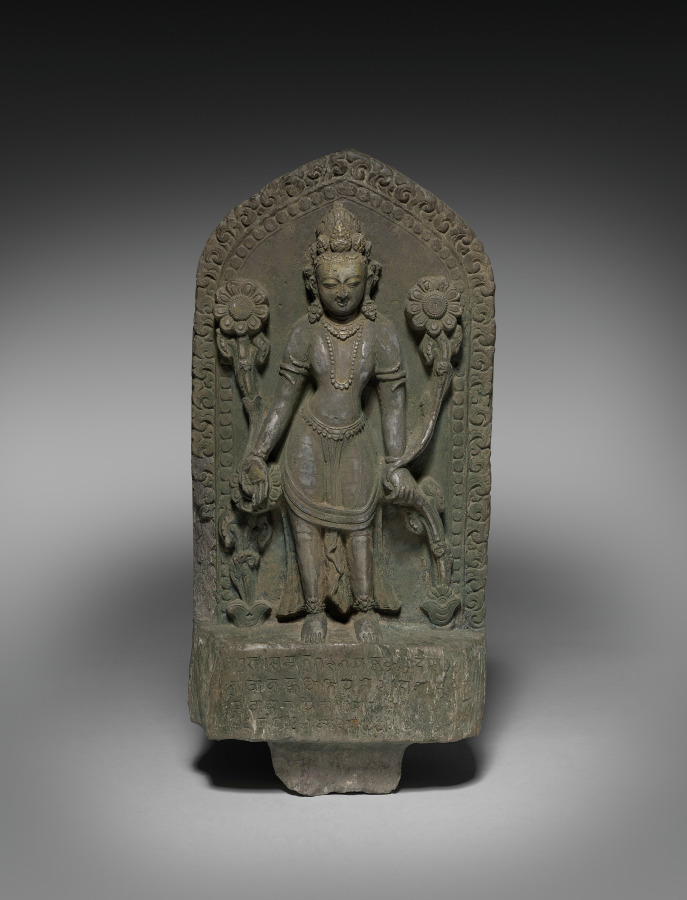
Bodhisattva of Compassion, Avalokiteshvara Padmapani at the Cleveland Museum of Art: 1674, stone. Explore the work's context, creator attribution and collection history.
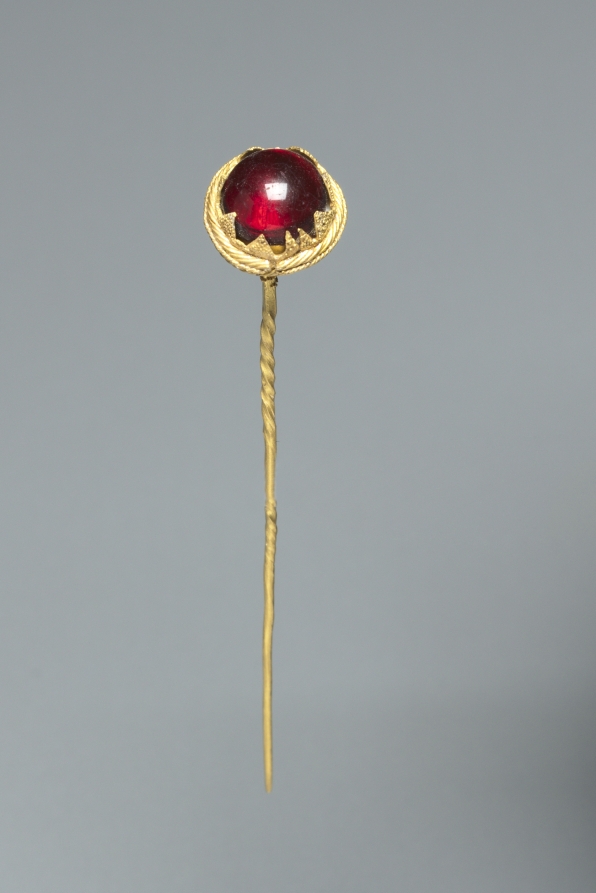
Straight Pin at the Cleveland Museum of Art: c. 500 BCE, gold and glass. Explore the work's context, creator attribution and collection history.
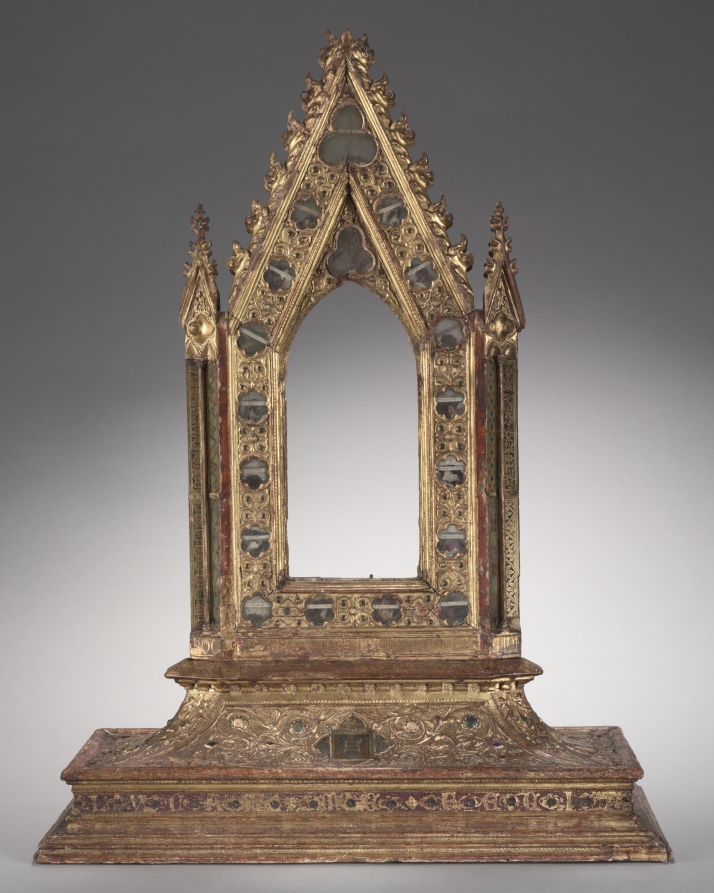
Frame for a Portable Reliquary Icon at the Cleveland Museum of Art: 1347, gilded wood, modeled gesso, verre églomisé, glass cabochons, and relics. Explore the work's context, creator attribution and collection history.
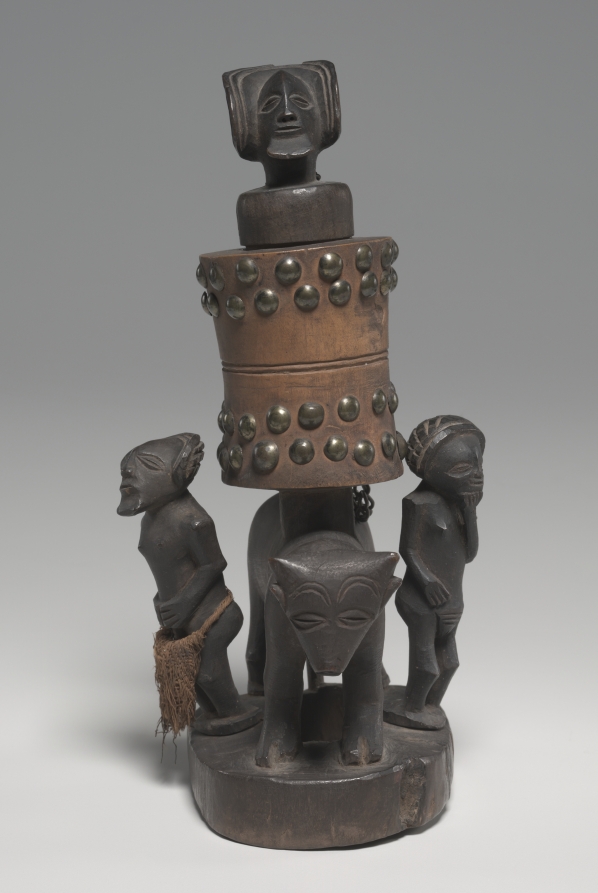
Snuff Mortar (Tesa Ya Ma Kanya) at the Cleveland Museum of Art: late 1800s, Wood, upholstery studs, cloth, and metal. Explore the work's context, creator attribution and collection history.

Scenes of the Life of the Virgin, from an Altar Frontal at the Cleveland Museum of Art: 1330s or 1340s, Silk, gold thread, linen; raised work, embroidery: split, stem, running, fishbone, and couching stitches. Explore the work's context, cr
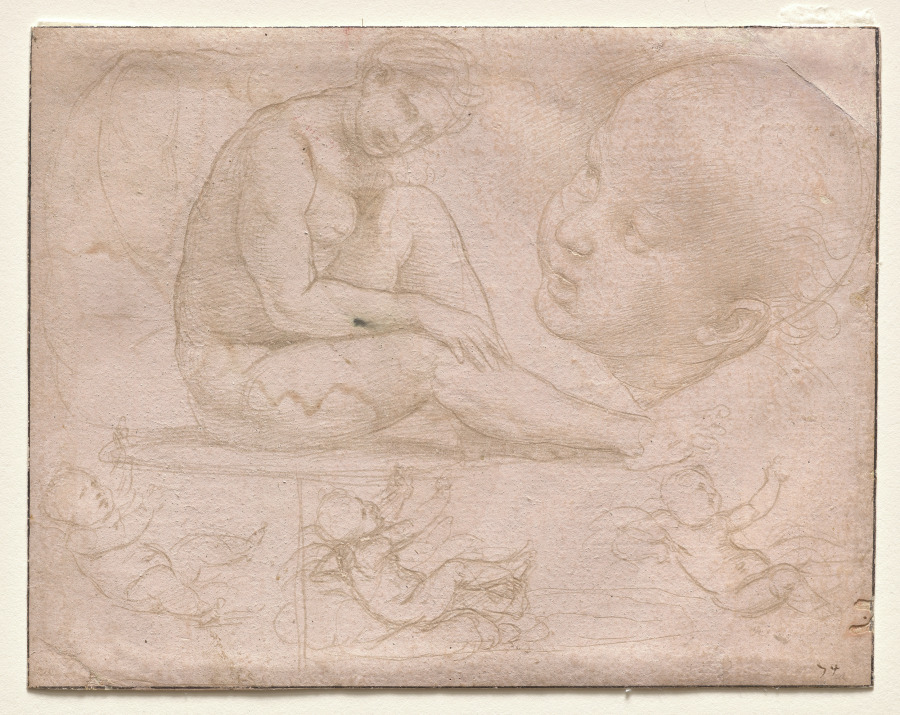
Studies of a Seated Female, Child's Head, and Three Studies of a Baby at the Cleveland Museum of Art: c. 1507–8, metalpoint. Explore the work's context, creator attribution and collection history.
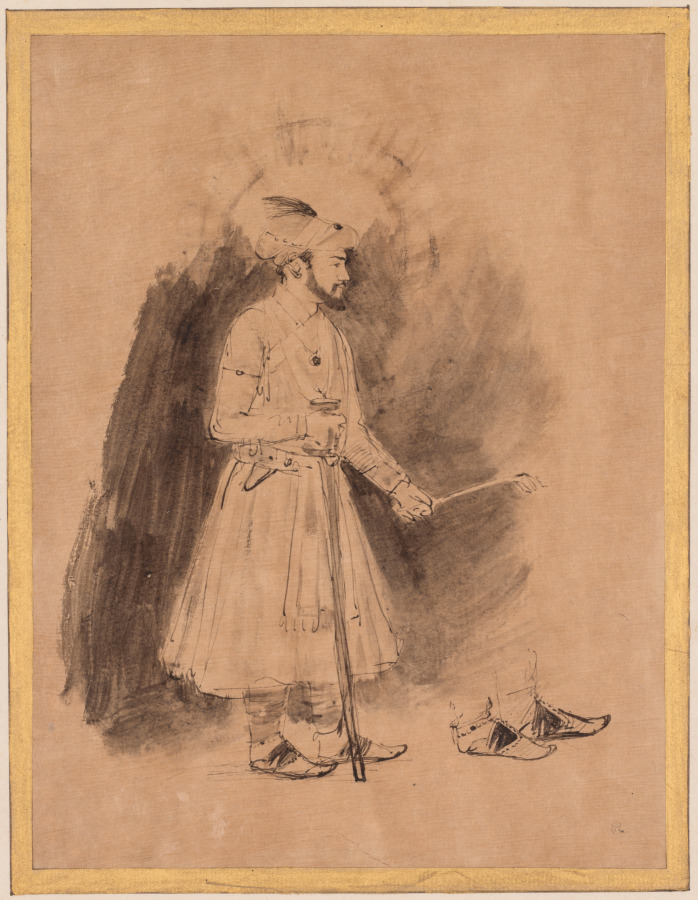
Shah Jahan at the Cleveland Museum of Art: c. 1656–61, pen and brown ink and brush and brown wash. Explore the work's context, creator attribution and collection history.
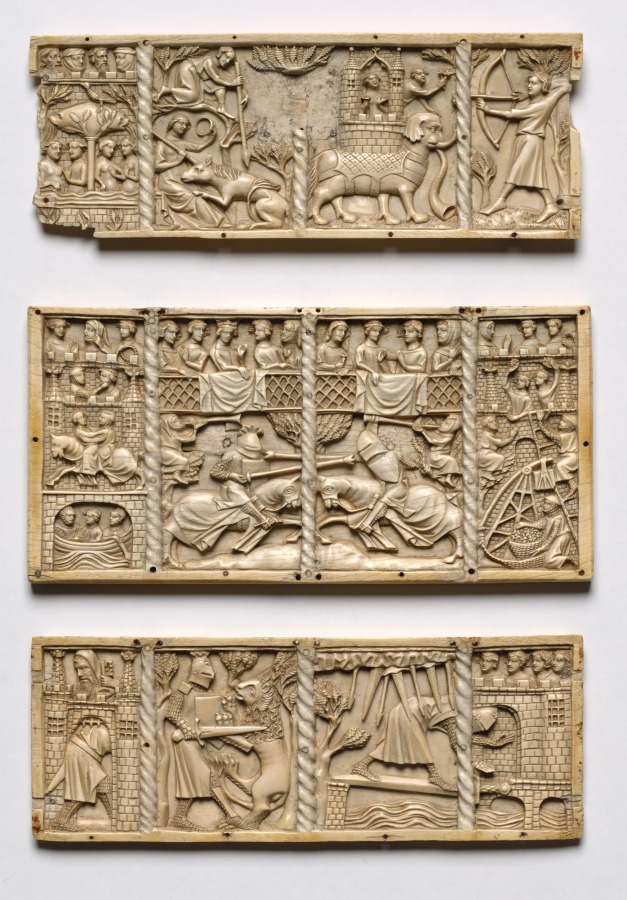
Set of Three Panels from a Casket with Scenes from Courtly Romances at the Cleveland Museum of Art: c. 1330–50, ivory. Explore the work's context, creator attribution and collection history.
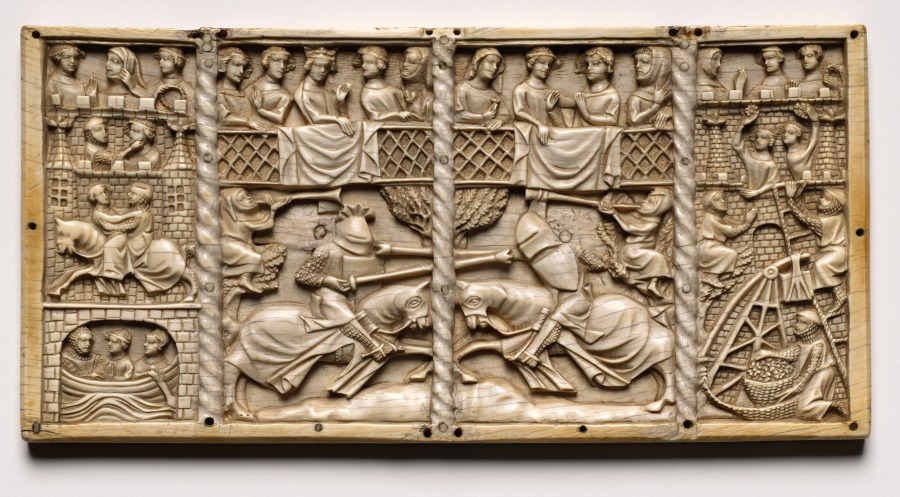
Panel from a Casket with Scenes from Courtly Romances at the Cleveland Museum of Art: c. 1330–50 or later, ivory. Explore the work's context, creator attribution and collection history.
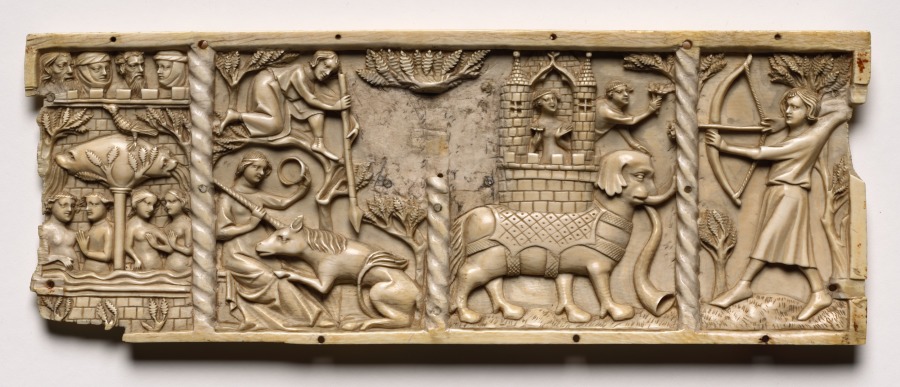
Panel from a Casket with Scenes from Courtly Romances at the Cleveland Museum of Art: 1330–1350 or later, ivory. Explore the work's context, creator attribution and collection history.
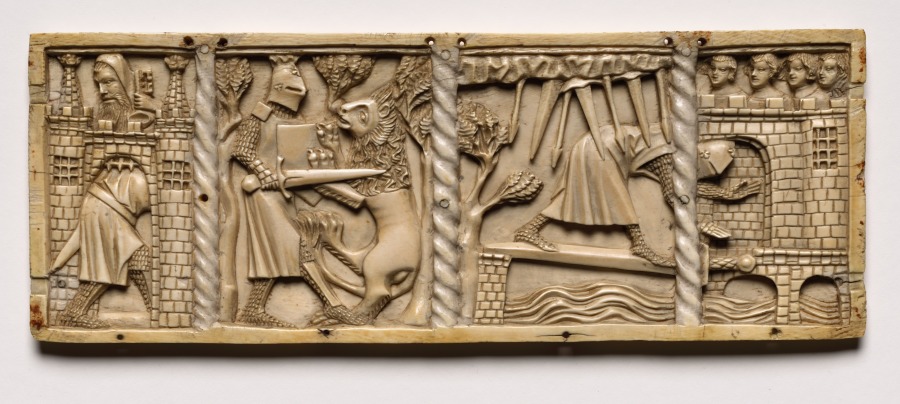
Panel from a Casket with Scenes from Courtly Romances at the Cleveland Museum of Art: 1330, ivory. Explore the work's context, creator attribution and collection history.
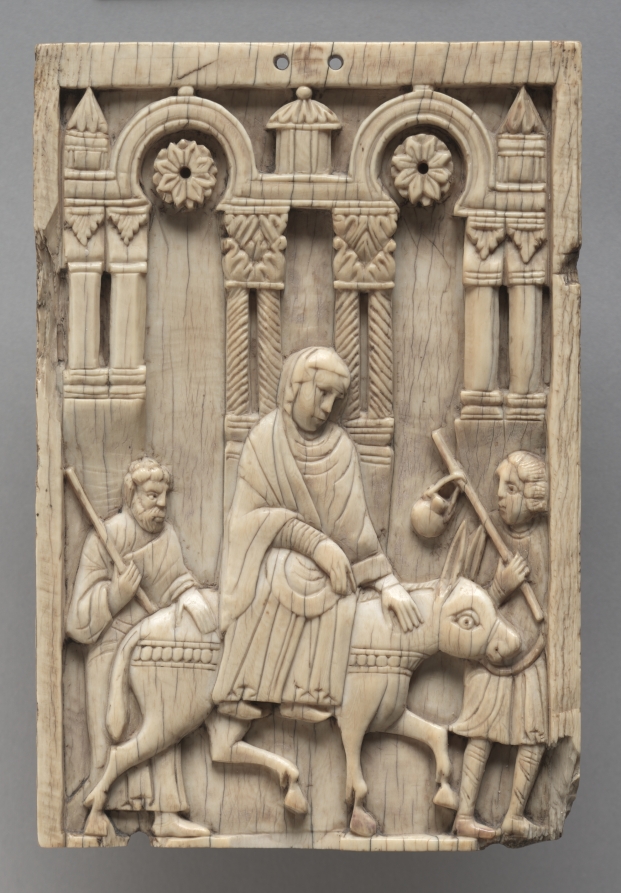
Plaque: The Journey to Bethlehem at the Cleveland Museum of Art: c. 1100–1120, ivory. Explore the work's context, creator attribution and collection history.
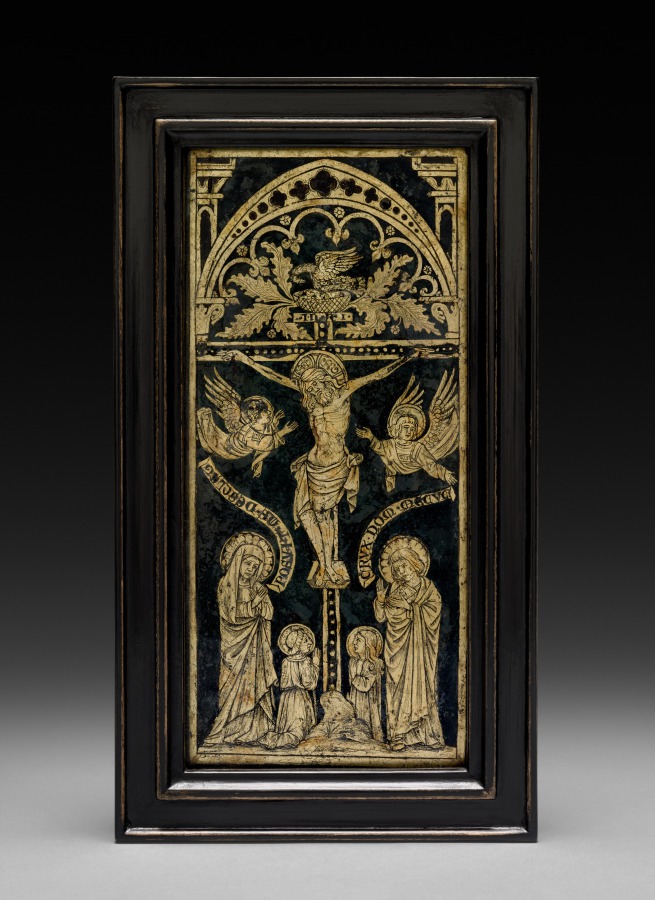
Plaque: The Crucifixion with Angels and Saints at the Cleveland Museum of Art: c. 1400–1425, verre églomisé (reverse gilded glass, engraved and painted). Explore the work's context, creator attribution and collection history.
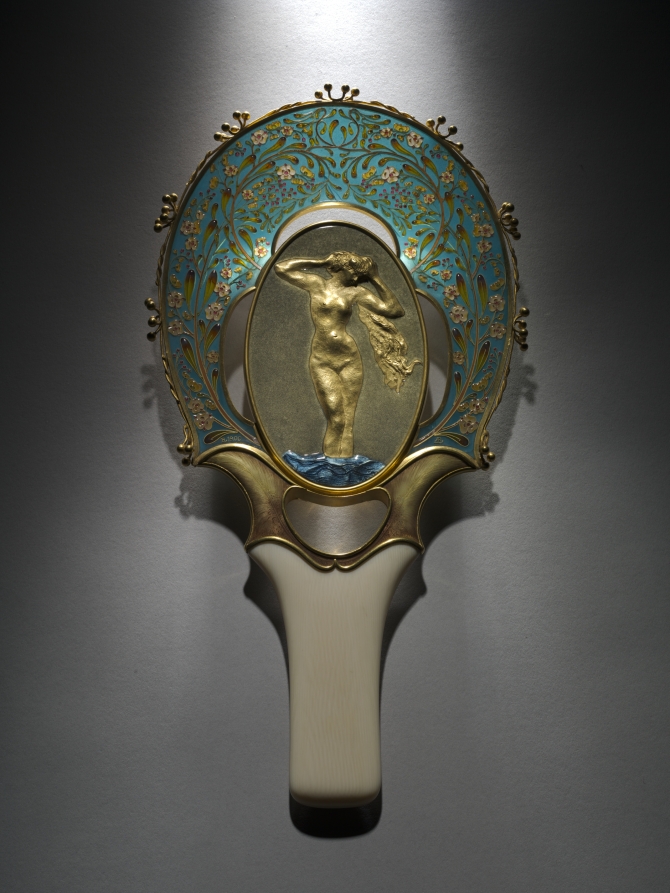
Hand Mirror at the Cleveland Museum of Art: c. 1900, gold, enamel, and ivory. Explore the work's context, creator attribution and collection history.
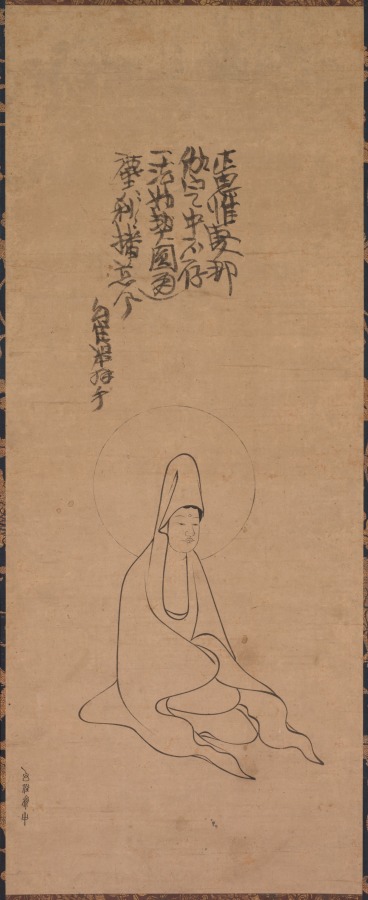
White-Robed Guanyin at the Cleveland Museum of Art: late 1200s–early 1300s, hanging scroll; ink on paper. Explore the work's context, creator attribution and collection history.

White-Robed Guanyin at the Cleveland Museum of Art: late 1200s–early 1300s, hanging scroll; ink and gold on silk. Explore the work's context, creator attribution and collection history.
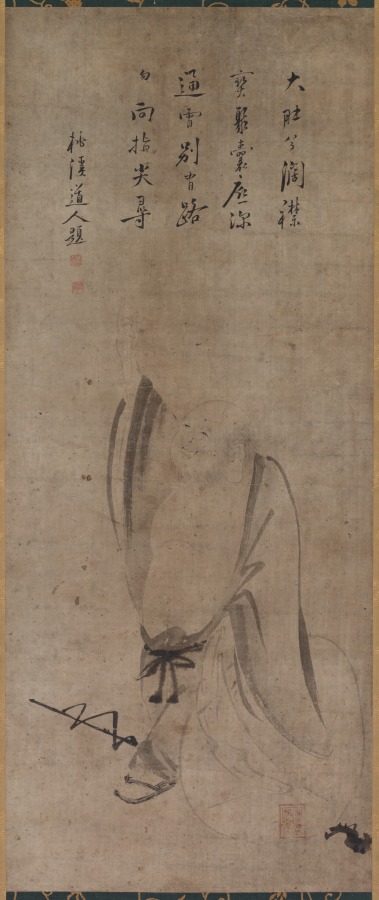
Hotei at the Cleveland Museum of Art: mid-1500s, hanging scroll; ink on paper. Explore the work's context, creator attribution and collection history.
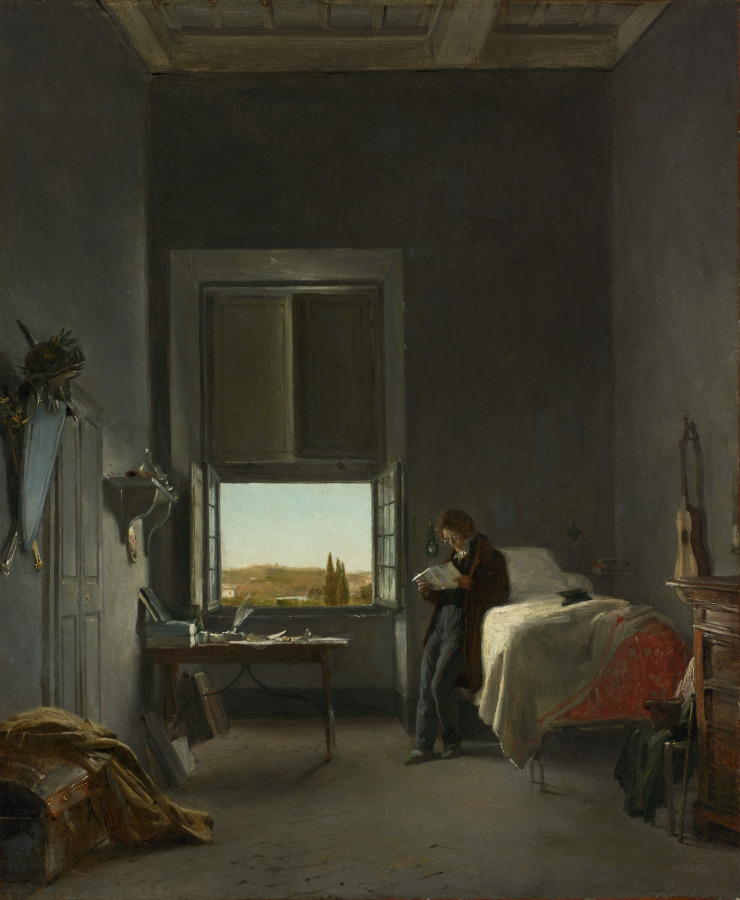
The Artist in His Room at the Villa Medici, Rome at the Cleveland Museum of Art: 1817, oil on canvas. Explore the work's context, creator attribution and collection history.

Trees and Undergrowth at the Cleveland Museum of Art: 1885, watercolor with gouache. Explore the work's context, creator attribution and collection history.

Female Nude, Seated, Three Quarter View from Front at the Cleveland Museum of Art: 1859, black and red crayon. Explore the work's context, creator attribution and collection history.
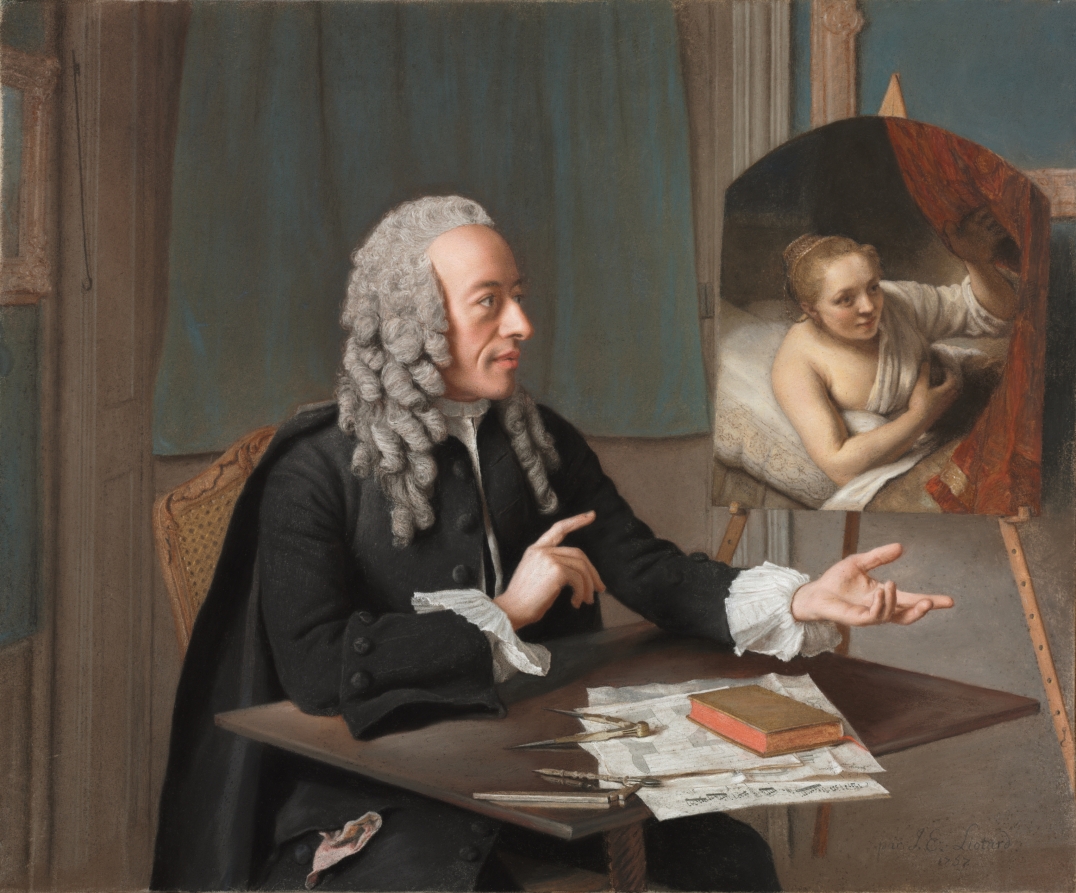
François Tronchin at the Cleveland Museum of Art: 1757, pastel on parchment. Explore the work's context, creator attribution and collection history.

The Crucifixion at the Cleveland Museum of Art: c. 1290–1320, ivory. Explore the work's context, creator attribution and collection history.

Head of an Apostle from the South Portal of the Cathedral of Thérouanne at the Cleveland Museum of Art: c. 1235–1240, oolitic limestone. Explore the work's context, creator attribution and collection history.

Head of an Apostle from the South Portal of the Cathedral of Thérouanne at the Cleveland Museum of Art: c. 1235–1240, oolitic limestone. Explore the work's context, creator attribution and collection history.

Head of an Apostle from the South Portal of the Cathedral of Thérouanne at the Cleveland Museum of Art: c. 1235–1240, oolitic limestone. Explore the work's context, creator attribution and collection history.

Cameo of King Charles VIII of France (1470–1498) at the Cleveland Museum of Art: c. 1494, agate. Explore the work's context, creator attribution and collection history.
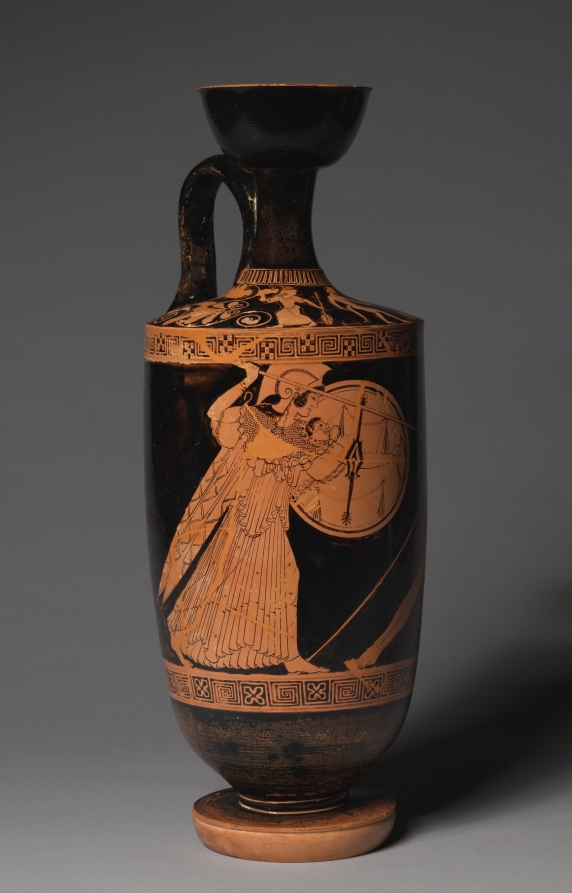
Red-Figure Lekythos (Oil Vessel): Athena Slaying Giant (body); Satyr between Maenads (shoulder) at the Cleveland Museum of Art: c. 490 BCE, ceramic. Explore the work's context, creator attribution and collection history.
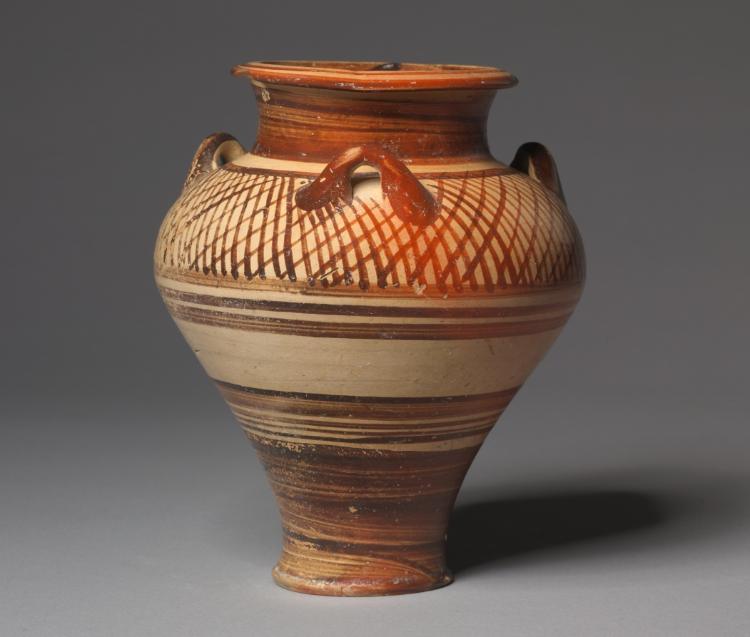
Piriform (Pear-Shaped) Jar at the Cleveland Museum of Art: c. 1400–1300 BCE, ceramic. Explore the work's context, creator attribution and collection history.