Je T'aime (No. 632) (1927): Art, History and Details
Je T'aime (No. 632) at the Cleveland Museum of Art: 1927, Silk crepe: plain weave, roller printed. Explore the work's context, creator attribution and collection history.
Oldest entries first, in a fixed order. Newly added articles appear at the end. Explore a shuffled selection →
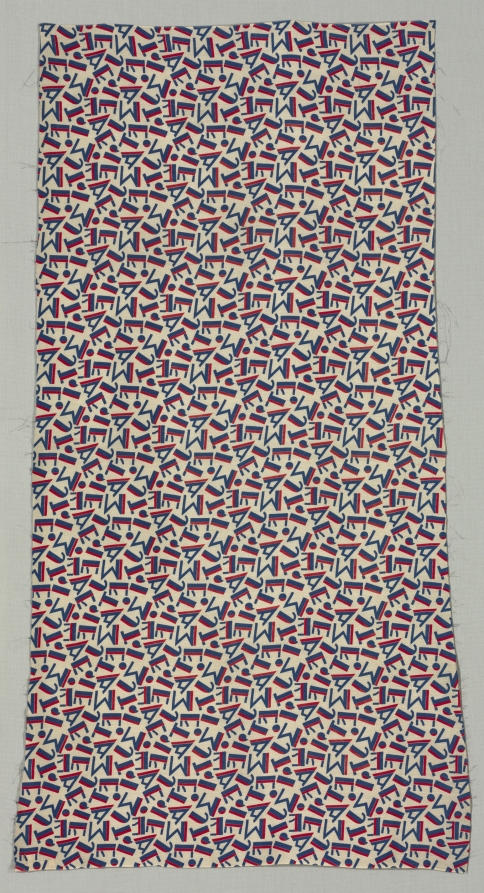
Je T'aime (No. 632) at the Cleveland Museum of Art: 1927, Silk crepe: plain weave, roller printed. Explore the work's context, creator attribution and collection history.
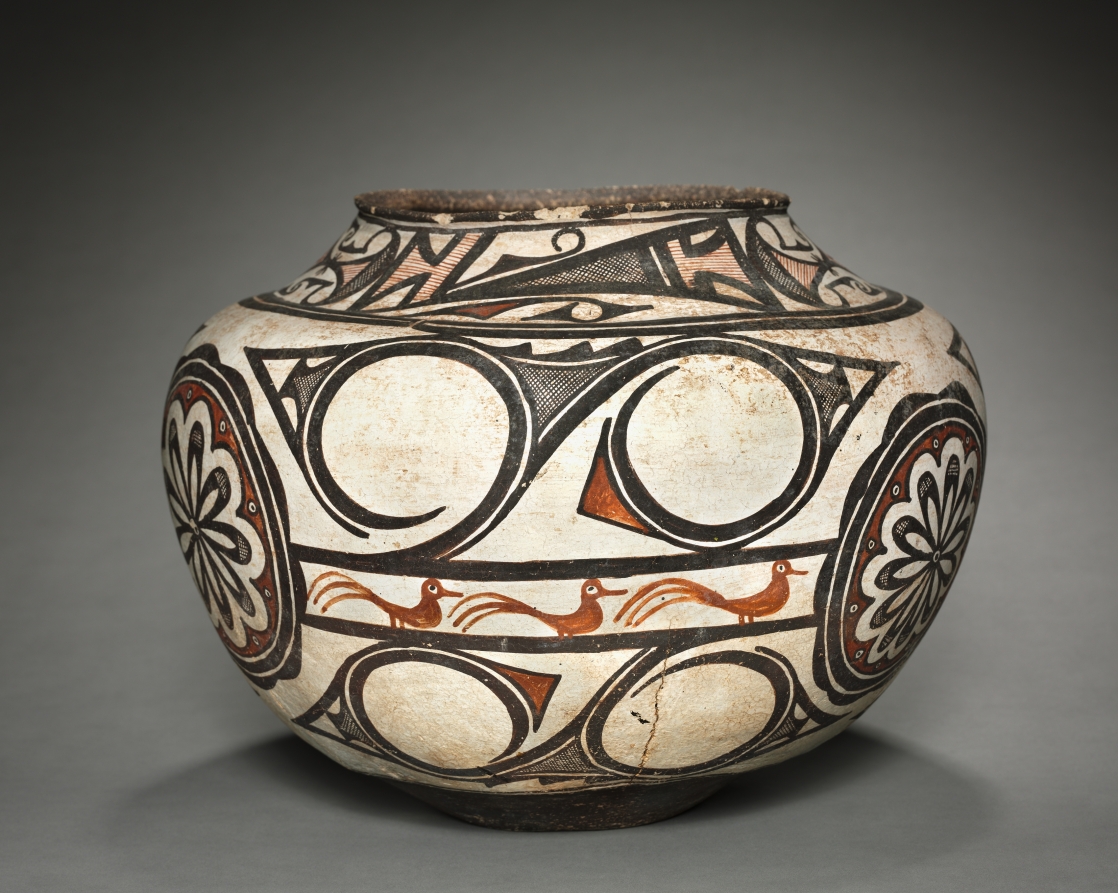
Water Jar (Olla) with Rosettes at the Cleveland Museum of Art: 1880s, ceramic, slip. Explore the work's context, creator attribution and collection history.
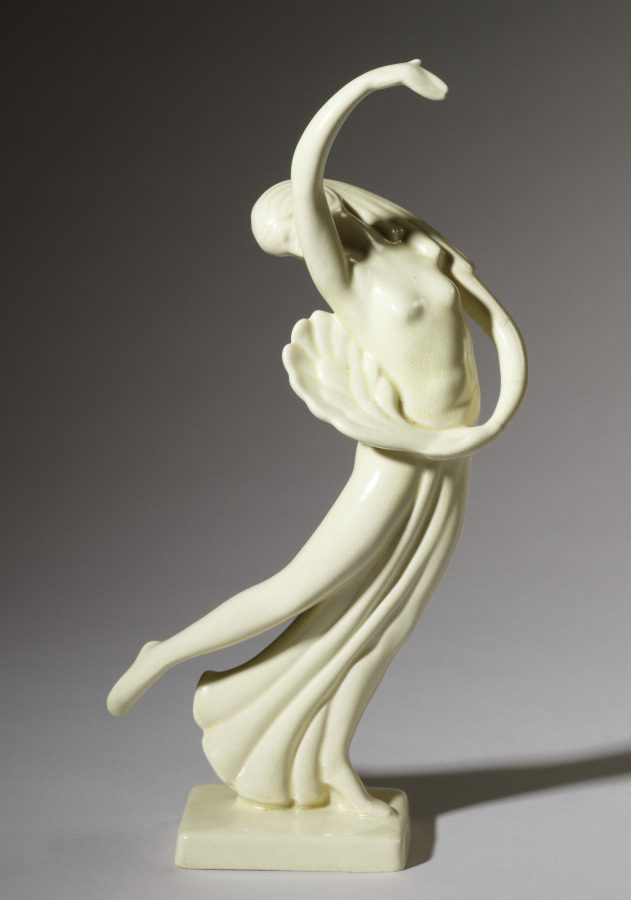
Fan Dancer at the Cleveland Museum of Art: 1928, glazed ceramic. Explore the work's context, creator attribution and collection history.
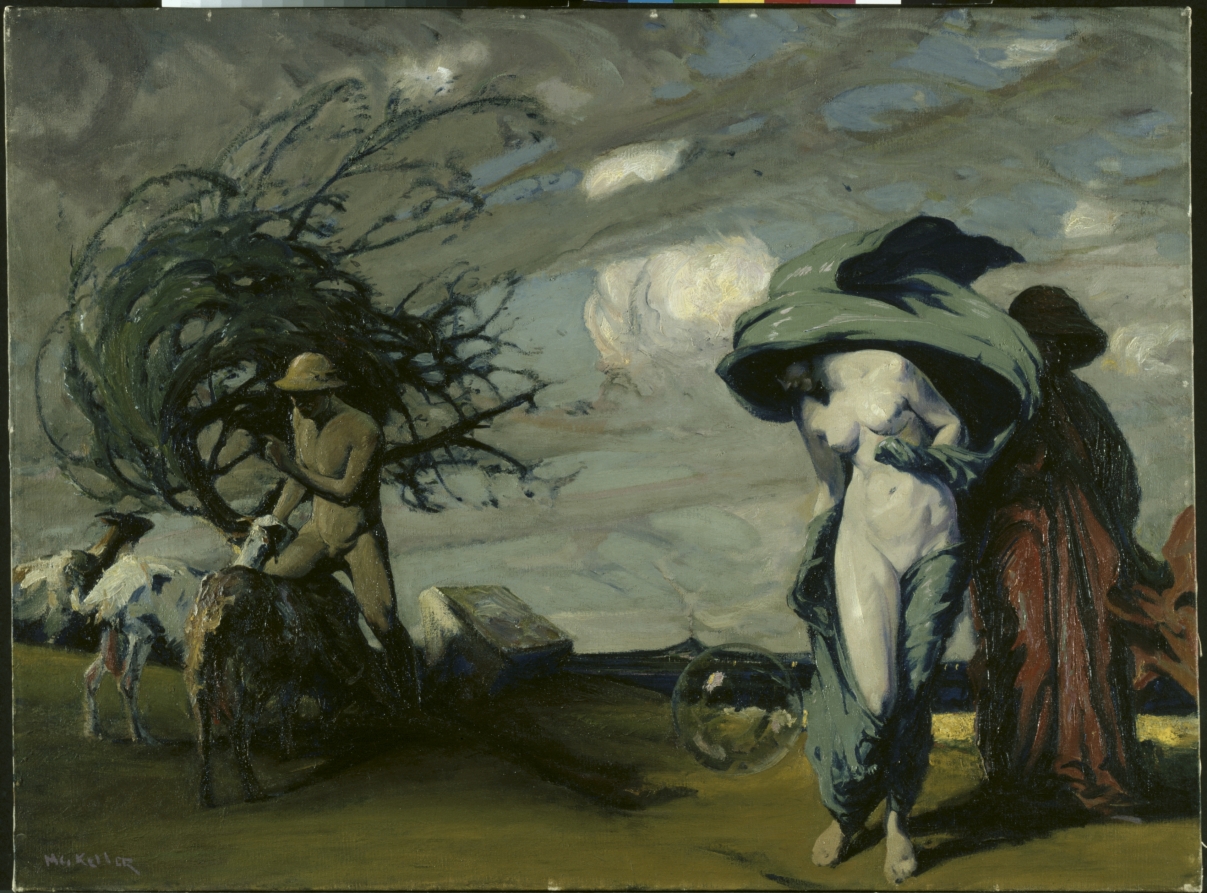
Wisdom and Destiny at the Cleveland Museum of Art: 1912, oil on canvas. Explore the work's context, creator attribution and collection history.

Red-Figure Oinochoe (Wine Jug): Eros and Woman at the Cleveland Museum of Art: c. 340–320 BCE, ceramic. Explore the work's context, creator attribution and collection history.

The Martyrdom of Saint Catherine of Alexandria at the Cleveland Museum of Art: c. 1497, woodcut. Explore the work's context, creator attribution and collection history.

Liber Studiorum: Devil's Bridge, Cardiganshire at the Cleveland Museum of Art: 1838, Soft ground etching. Explore the work's context, creator attribution and collection history.
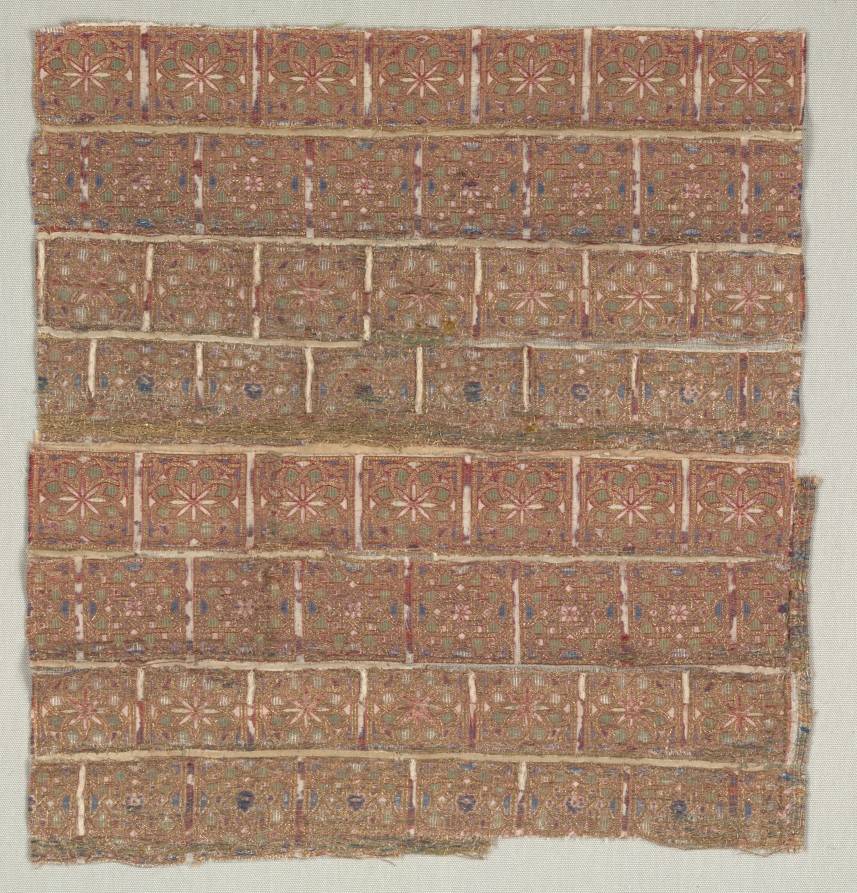
Vestment fragment with stars in staggered squares at the Cleveland Museum of Art: 1200s, Silk and gold thread: lampas weave with areas of double cloth. Explore the work's context, creator attribution and collection history.
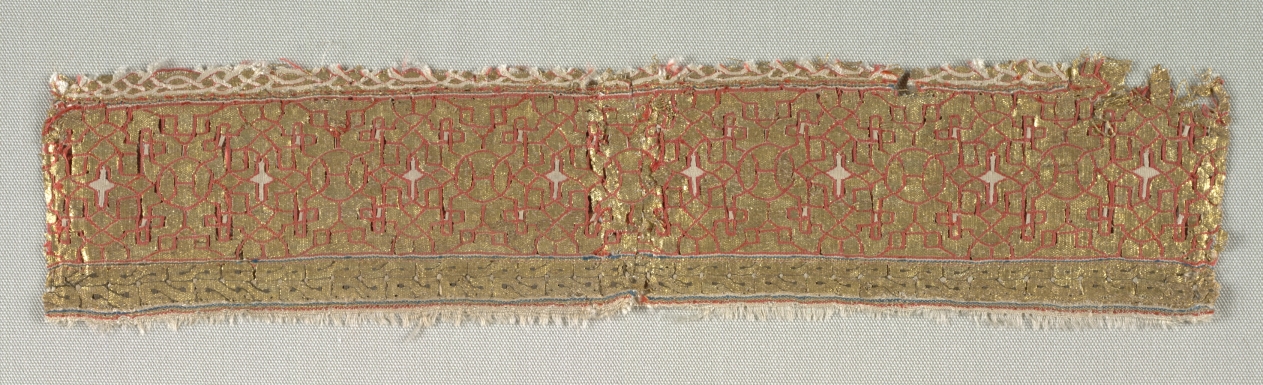
Guilloche band, from a dalmatic of San Valero at the Cleveland Museum of Art: 1200s, tapestry weave: silk and gold thread. Explore the work's context, creator attribution and collection history.

Leaf from a Gradual with Historiated Initial (G): Mary as Queen of Heaven at the Cleveland Museum of Art: c. 1425–1450, ink, tempera, and gold on parchment. Explore the work's context, creator attribution and collection history.
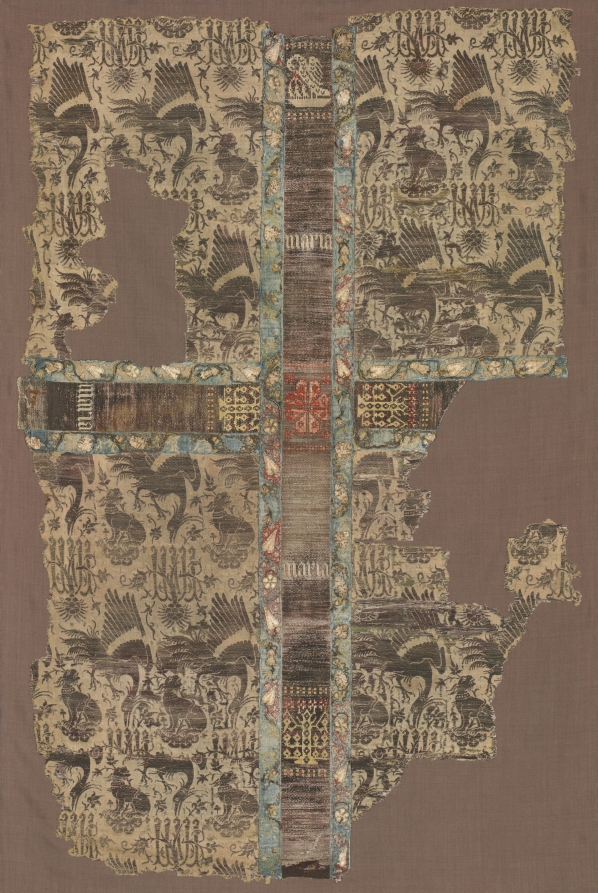
Fragmentary Chasuble with Woven Orphrey Band at the Cleveland Museum of Art: 1300s, Silk and gold thread, lampas weave; embroidered orphrey. Explore the work's context, creator attribution and collection history.
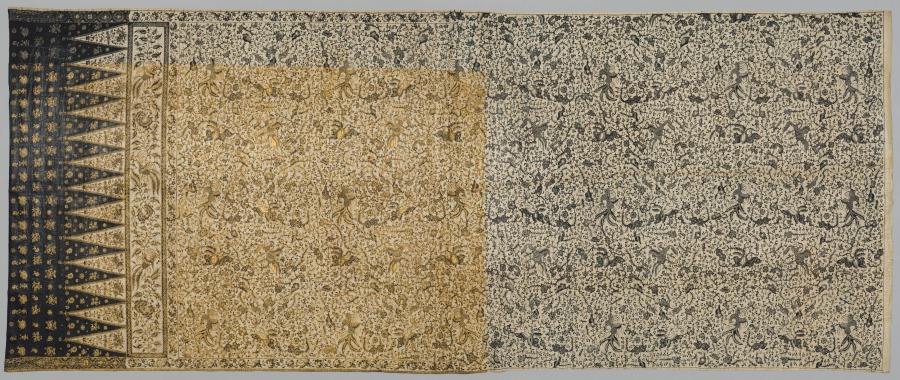
Sarong at the Cleveland Museum of Art: 1800s, batik and applied gold, cotton. Explore the work's context, creator attribution and collection history.
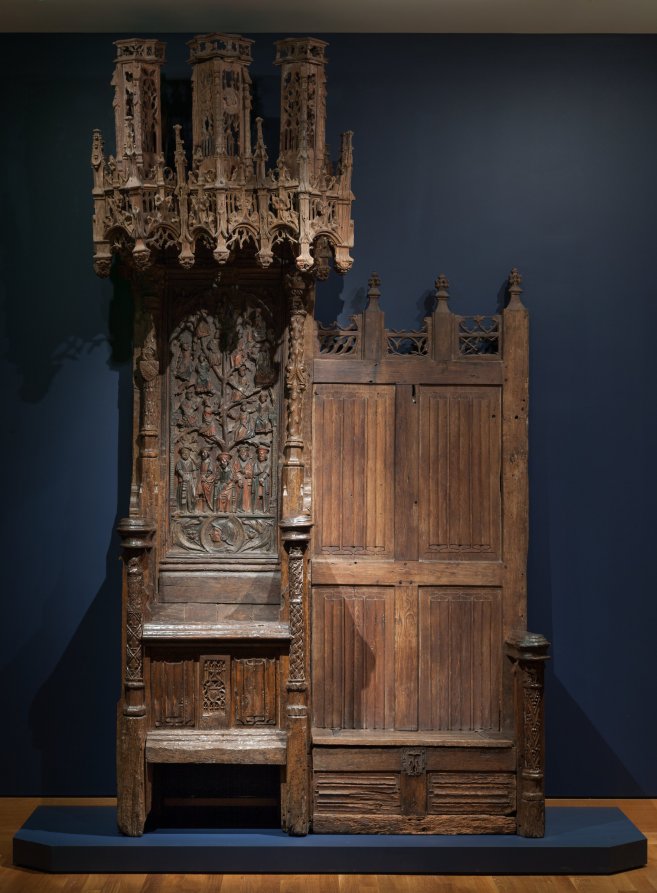
Abbot's Stall at the Cleveland Museum of Art: c. 1500–1515, oak. Explore the work's context, creator attribution and collection history.
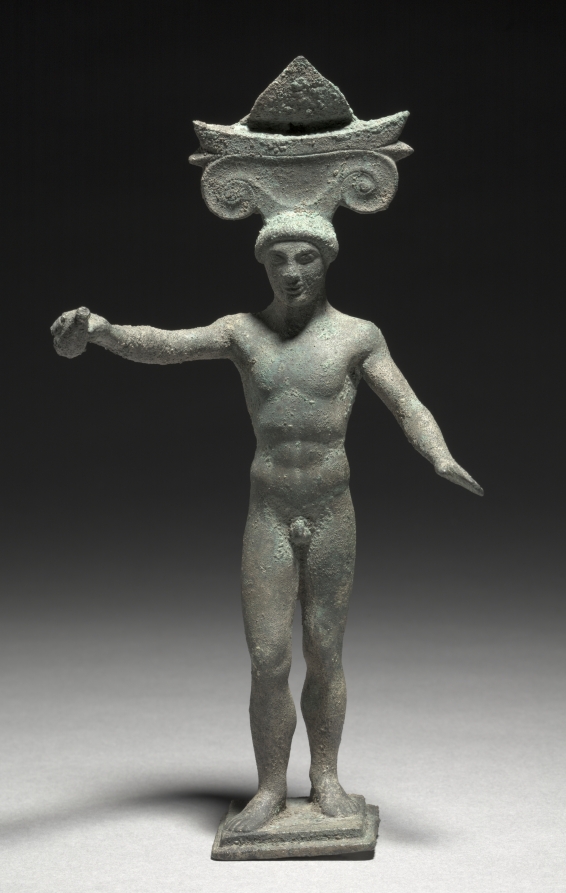
Mirror Support: Athlete at the Cleveland Museum of Art: 460–450 BCE, bronze. Explore the work's context, creator attribution and collection history.

Red-Figure Lekythos (Oil Vessel): Warrior Cutting Hair at the Cleveland Museum of Art: c. 480–470 BCE, ceramic. Explore the work's context, creator attribution and collection history.
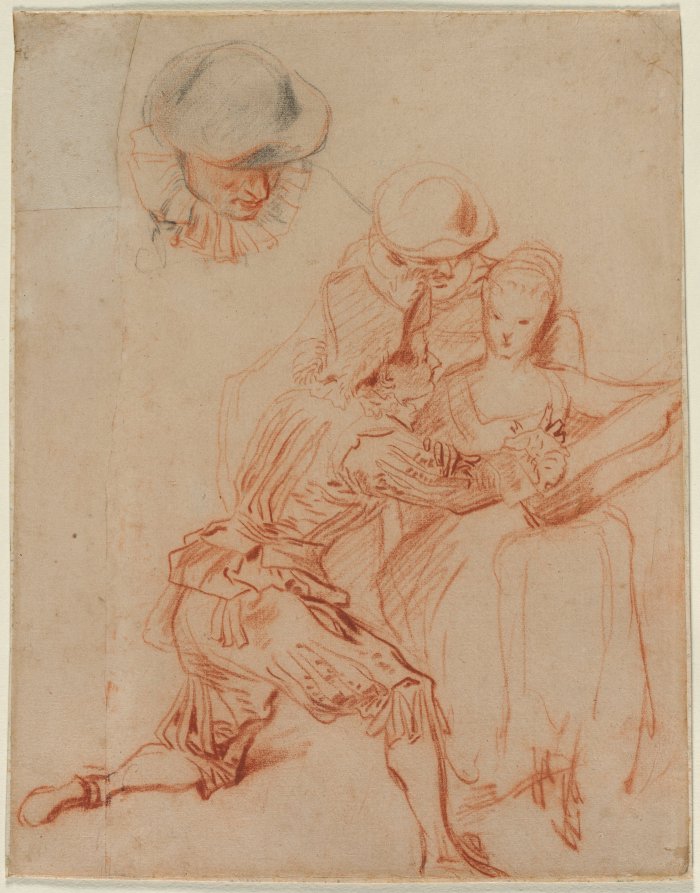
Study for "The Romancer" (Le Conteur) at the Cleveland Museum of Art: c. 1716, red chalk; red and black chalk (upper left figure). Explore the work's context, creator attribution and collection history.
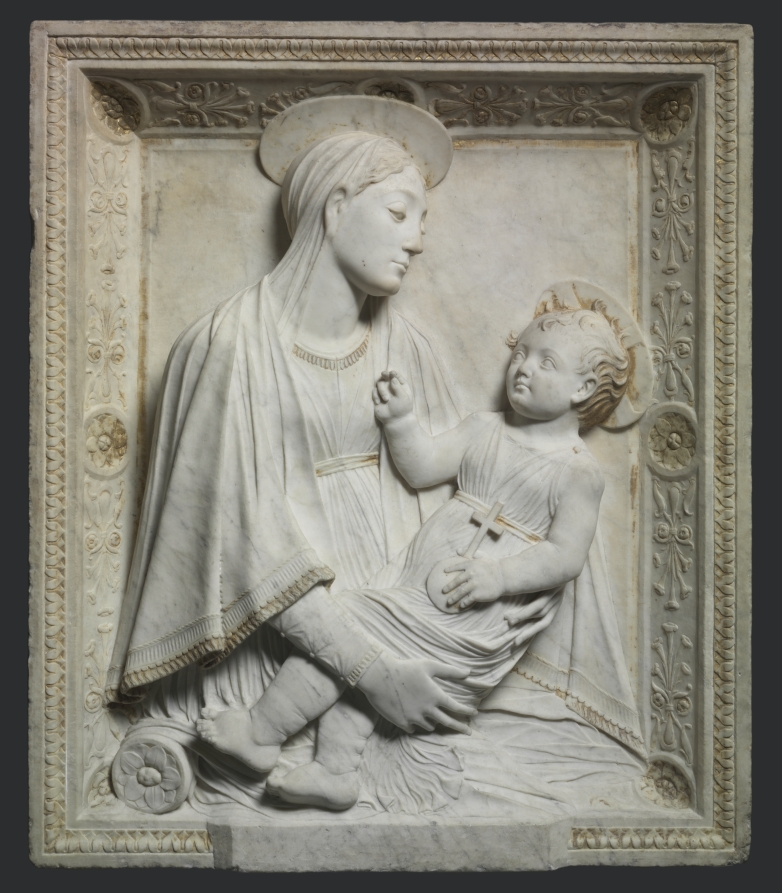
Madonna and Child at the Cleveland Museum of Art: by 1461, marble with traces of gilding. Explore the work's context, creator attribution and collection history.

The Good Samaritan at the Cleveland Museum of Art: 1861, lithograph. Explore the work's context, creator attribution and collection history.

Christ and Saint John the Evangelist at the Cleveland Museum of Art: 1300–1320, polychromed and gilded oak. Explore the work's context, creator attribution and collection history.
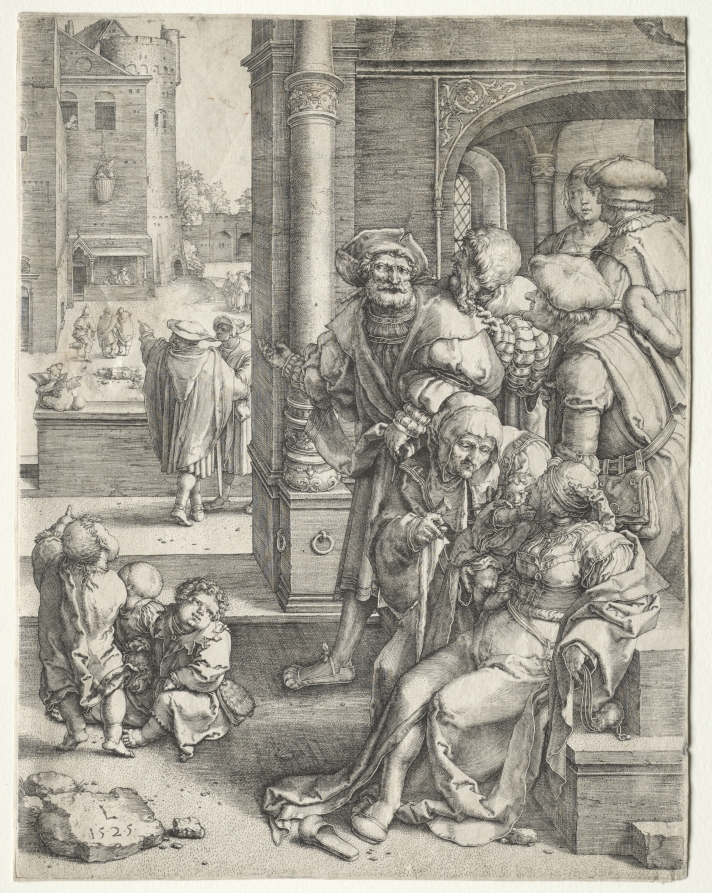
The Poet Virgil Suspended in a Basket at the Cleveland Museum of Art: 1525, engraving. Explore the work's context, creator attribution and collection history.
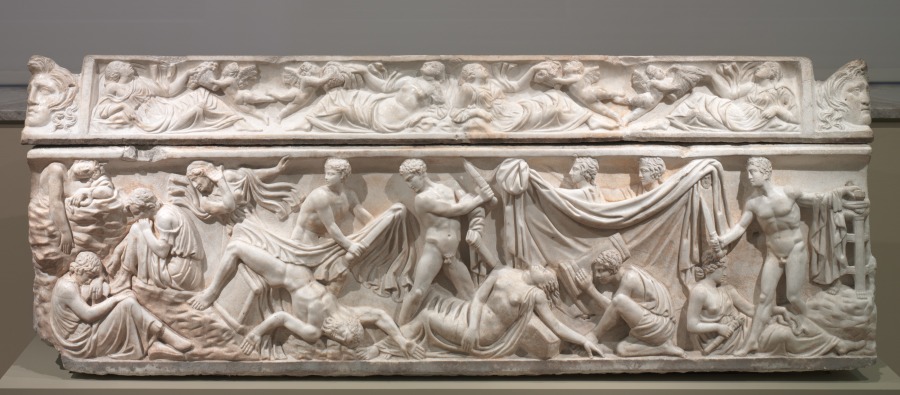
Sarcophagus at the Cleveland Museum of Art: c. 100–125 CE, Greek marble. Explore the work's context, creator attribution and collection history.
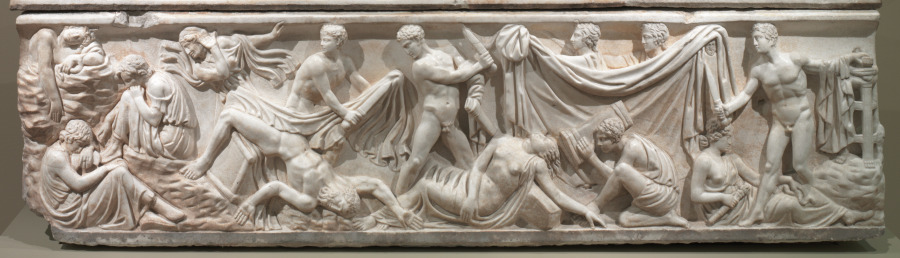
Sarcophagus at the Cleveland Museum of Art: c. 100–125 CE, Greek marble. Explore the work's context, creator attribution and collection history.

Sarcophagus (lid) at the Cleveland Museum of Art: c. 100–125 CE, Greek marble. Explore the work's context, creator attribution and collection history.
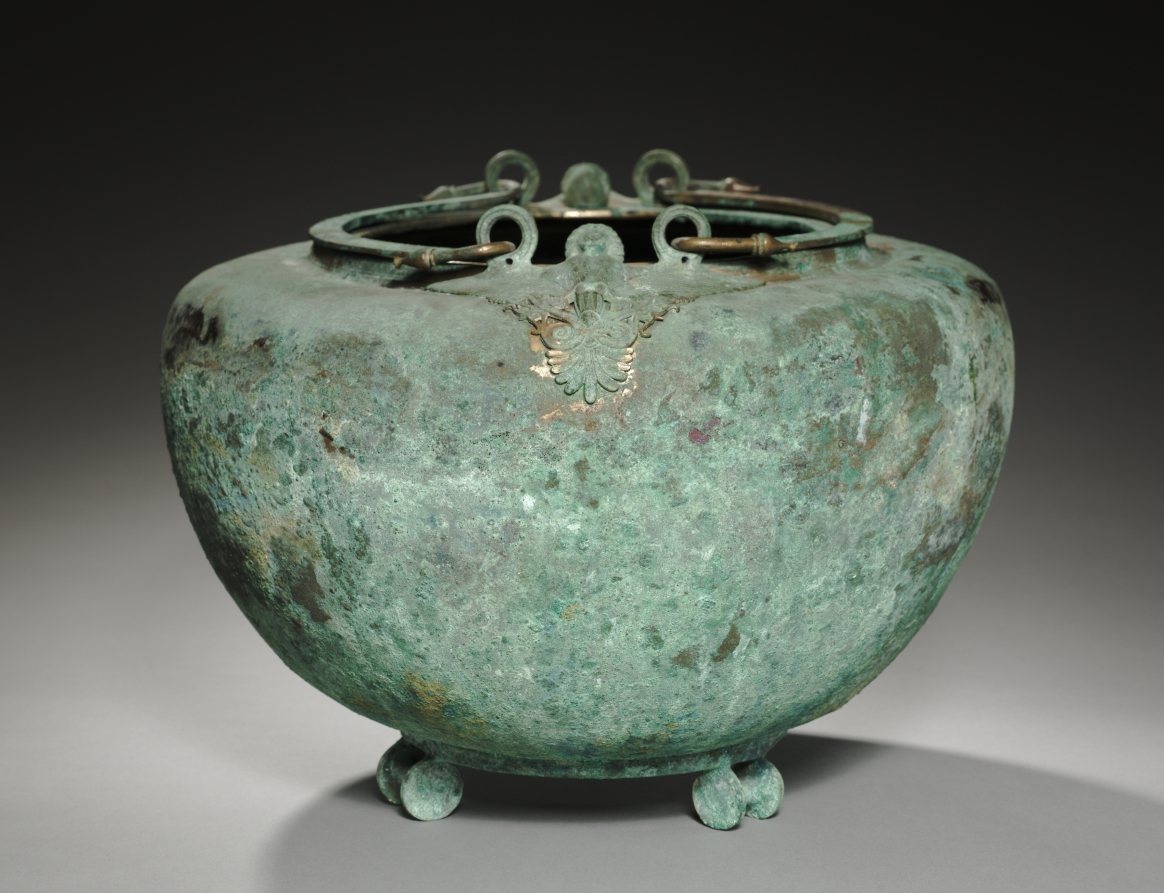
Lebes at the Cleveland Museum of Art: c. 480–460 BCE, bronze. Explore the work's context, creator attribution and collection history.
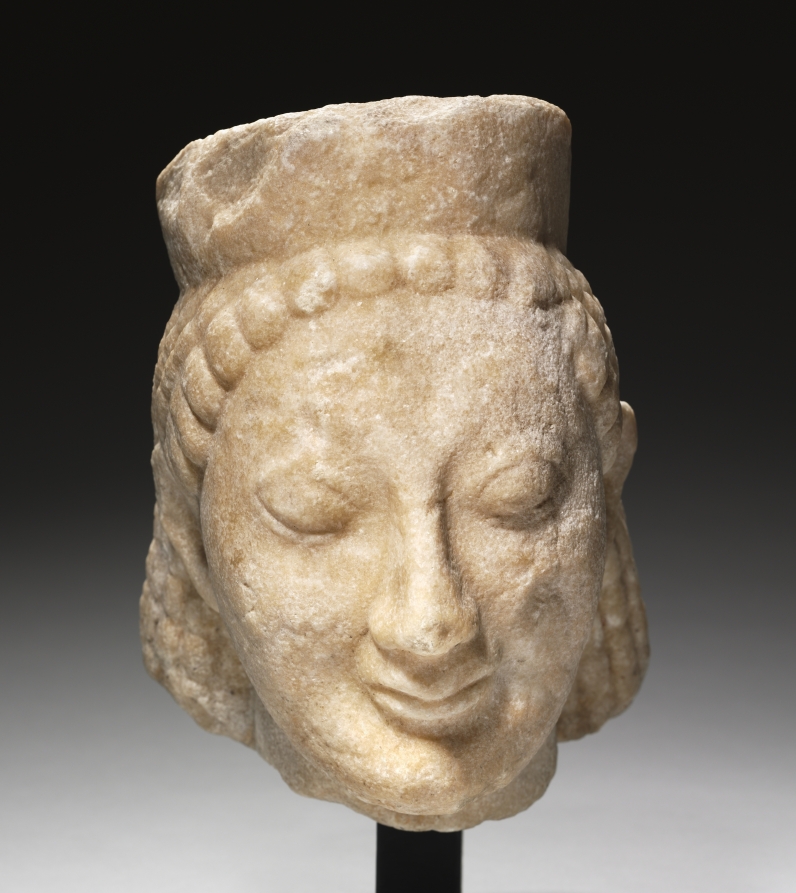
Head of a Sphinx at the Cleveland Museum of Art: 540–520 BCE, marble. Explore the work's context, creator attribution and collection history.
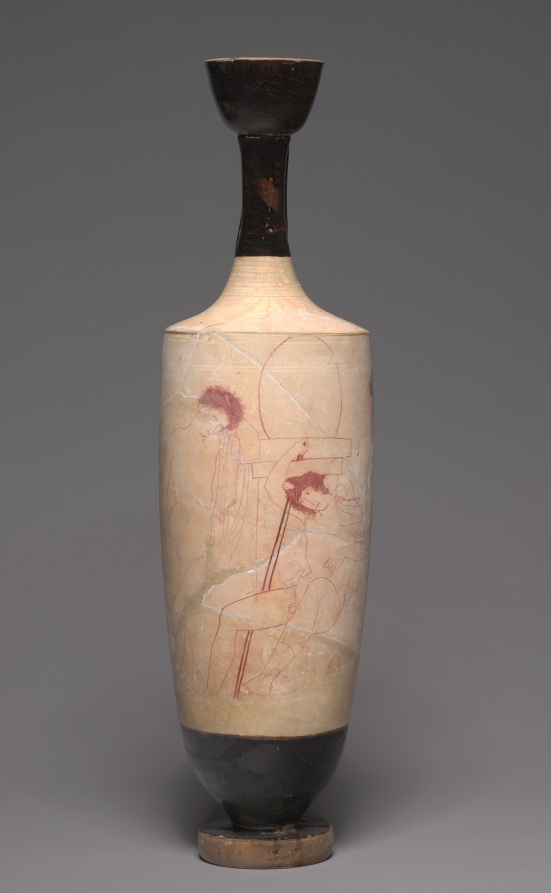
White-Ground Lekythos (Oil Vessel): Youths at Tomb at the Cleveland Museum of Art: c. 420–400 BCE, ceramic. Explore the work's context, creator attribution and collection history.
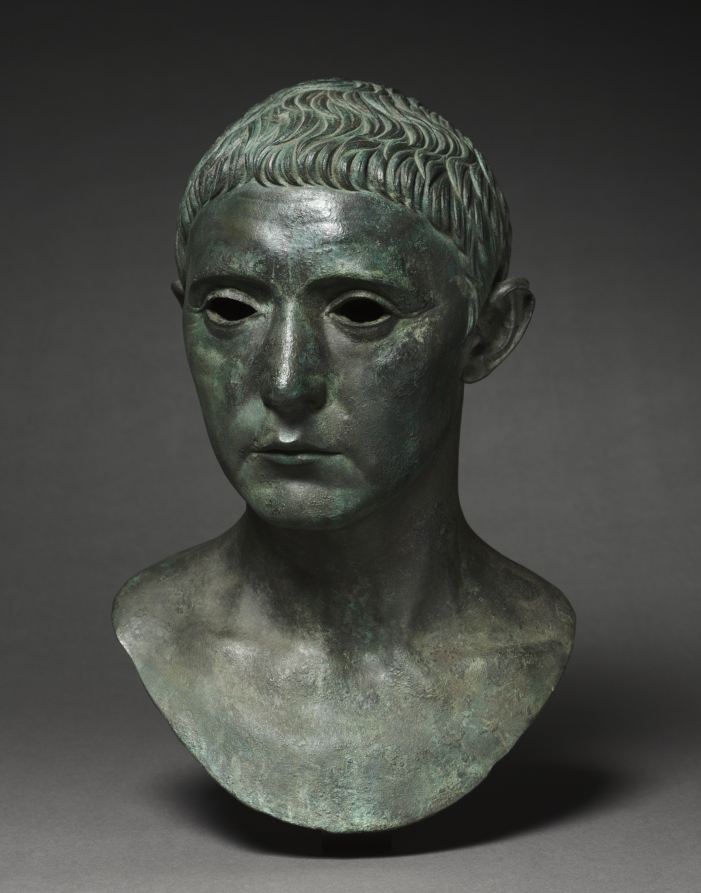
Portrait Bust of a Man at the Cleveland Museum of Art: 27 BCE–14 CE, bronze. Explore the work's context, creator attribution and collection history.
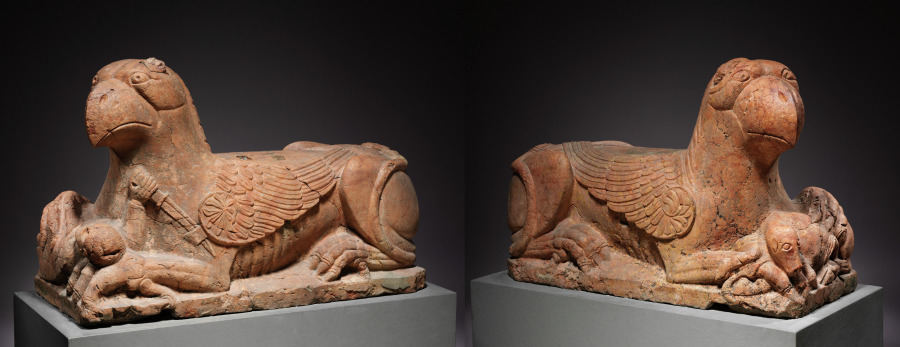
Guardian Griffin (pair) at the Cleveland Museum of Art: 1150–1175, pink limestone (called "Verona Marble"). Explore the work's context, creator attribution and collection history.
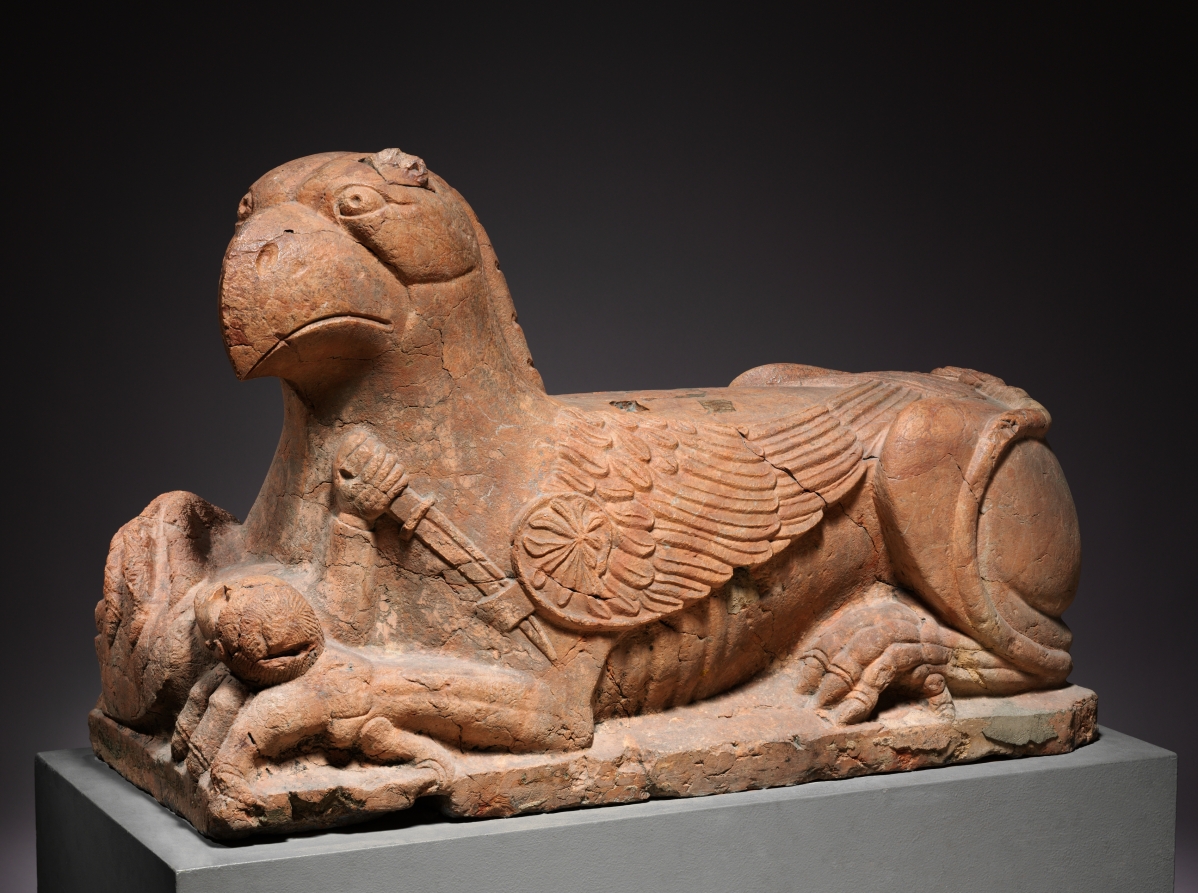
Guardian Griffin at the Cleveland Museum of Art: 1150–1175, pink limestone (called "Verona Marble"). Explore the work's context, creator attribution and collection history.
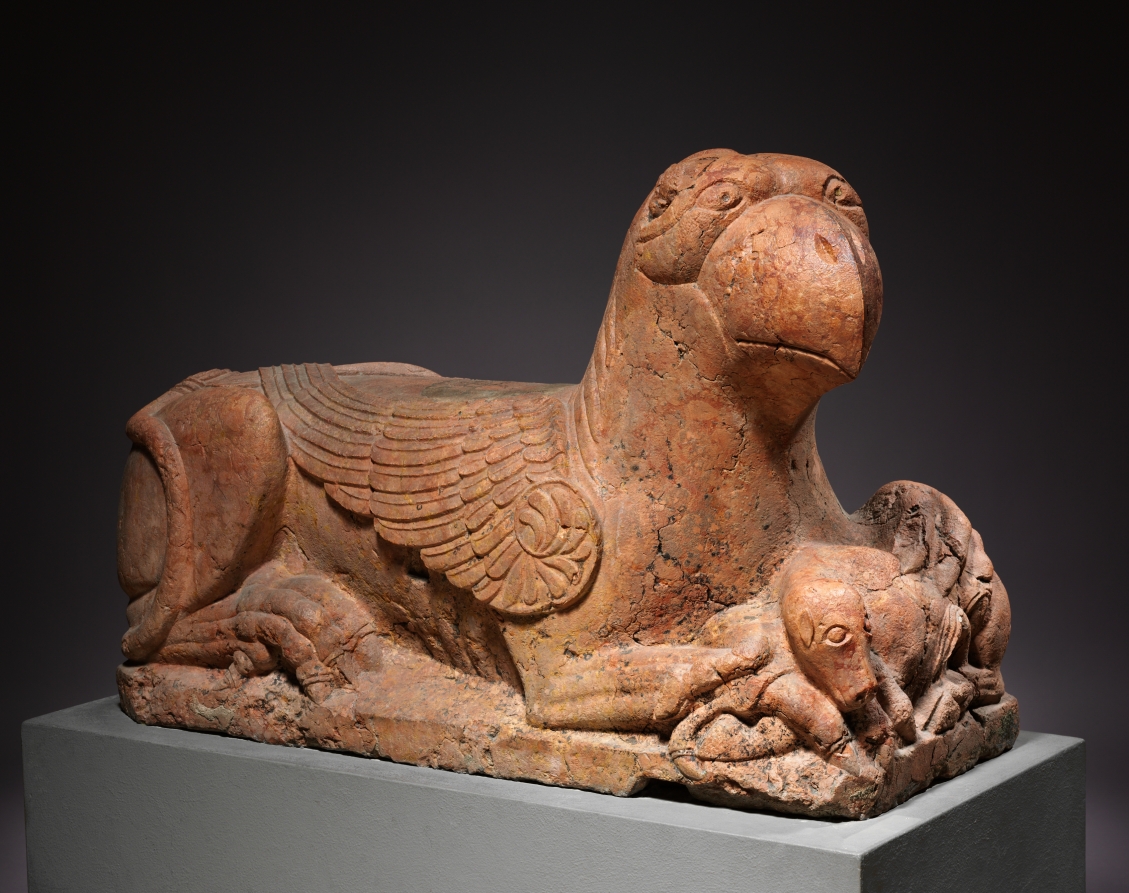
Guardian Griffin at the Cleveland Museum of Art: 1150–1175, pink limestone (called "Verona Marble"). Explore the work's context, creator attribution and collection history.
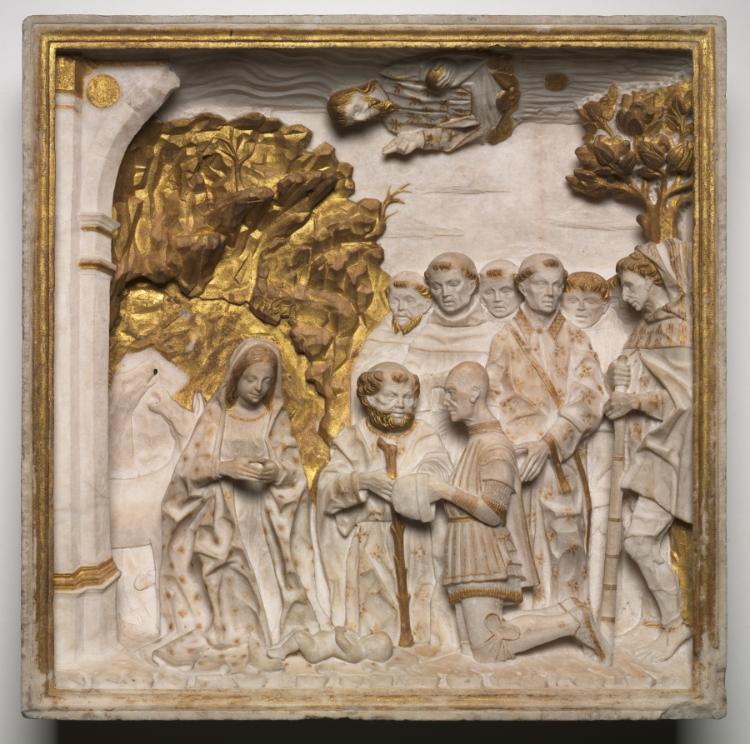
Pier Francesco Visconti, Court of Saliceto, Adoring the Christ Child at the Cleveland Museum of Art: shortly after 1484, marble with gilding. Explore the work's context, creator attribution and collection history.
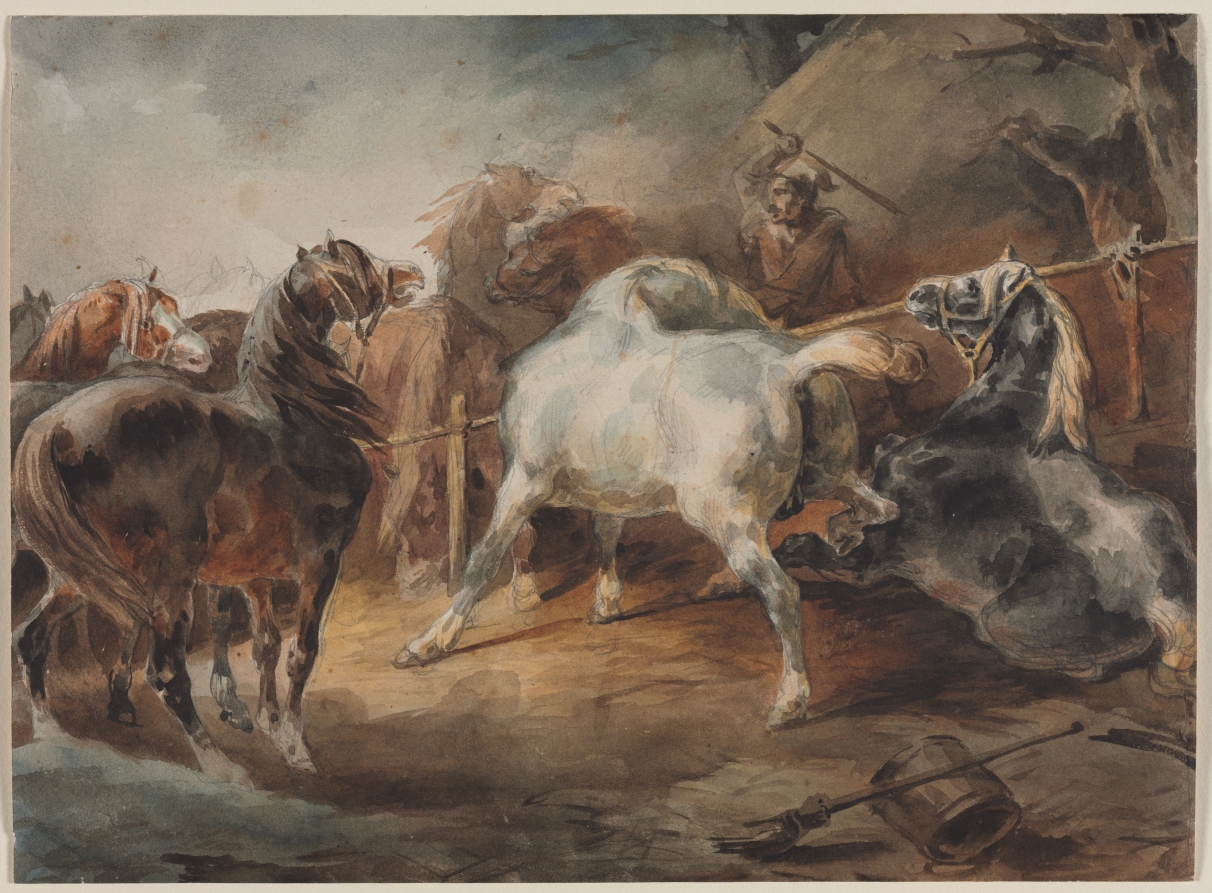
Fighting Horses at the Cleveland Museum of Art: c. 1820, watercolor over graphite. Explore the work's context, creator attribution and collection history.
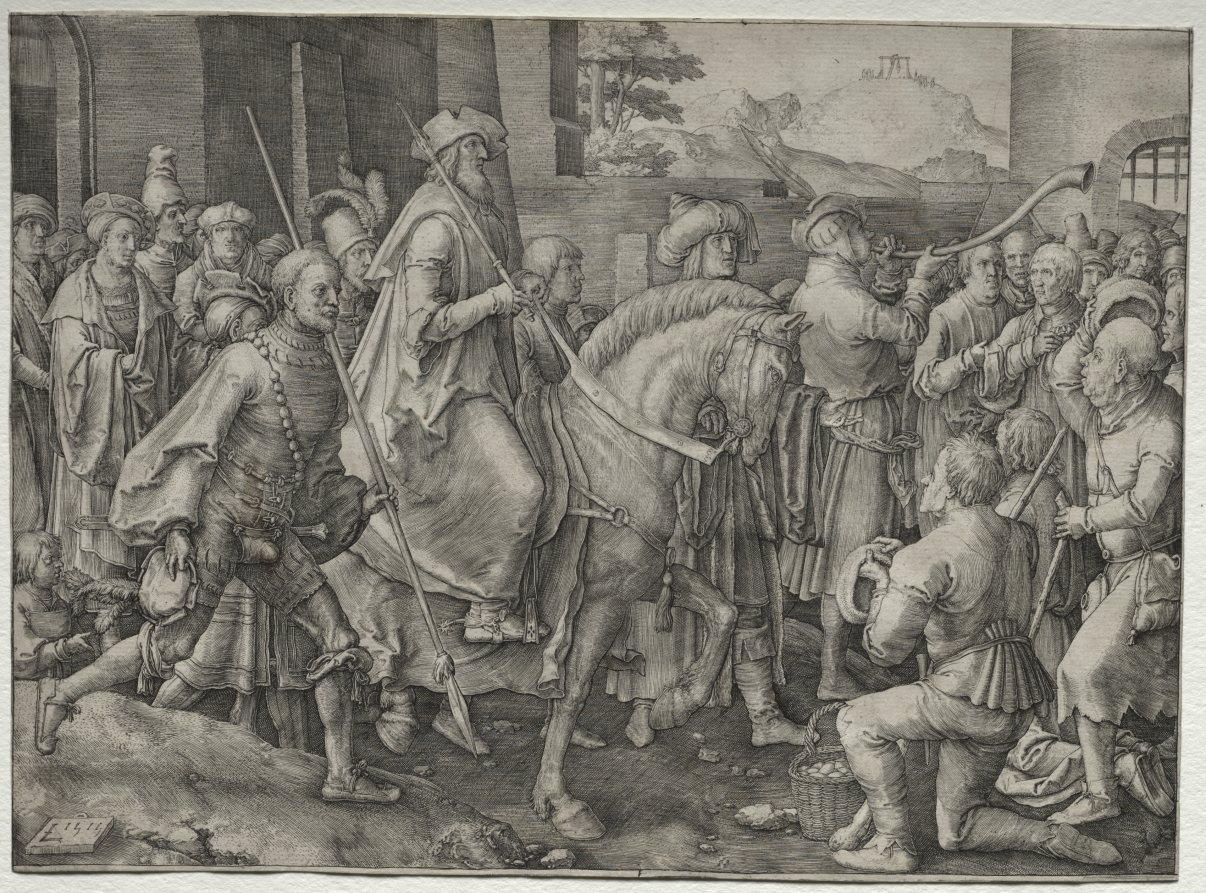
The Triumph of Mordecai at the Cleveland Museum of Art: 1515, engraving. Explore the work's context, creator attribution and collection history.
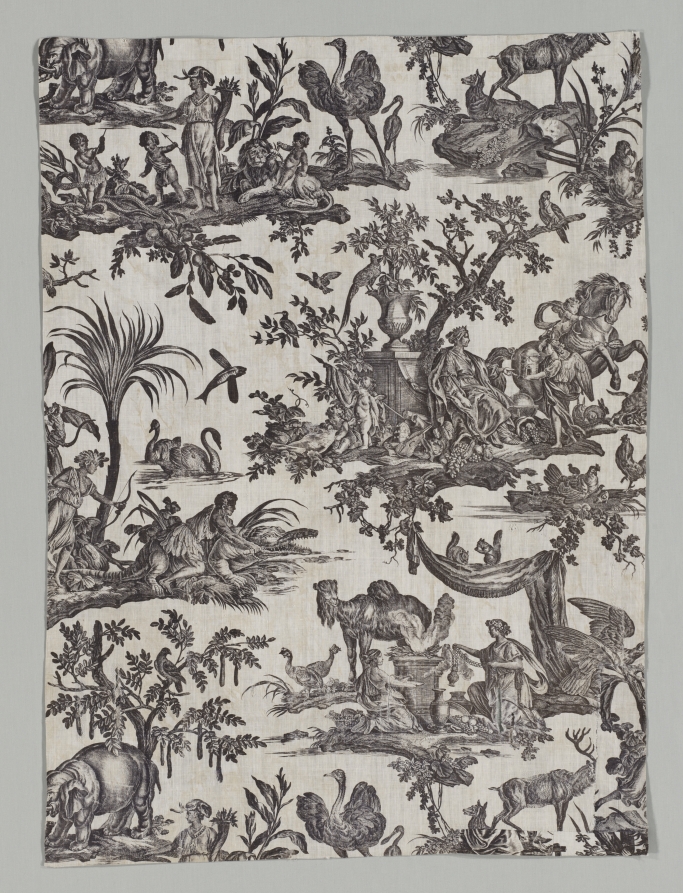
The Four Continents at the Cleveland Museum of Art: 1790, Cotton: copperplate printed. Explore the work's context, creator attribution and collection history.

Fragment at the Cleveland Museum of Art: 1800s, Silk, metal, dye. Explore the work's context, creator attribution and collection history.
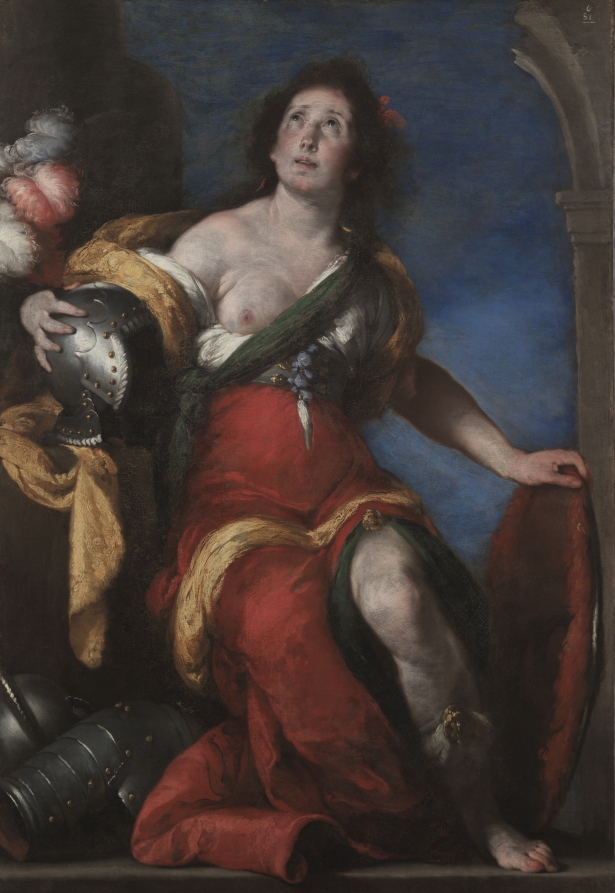
Allegorical Figure at the Cleveland Museum of Art: c. 1636, oil on canvas. Explore the work's context, creator attribution and collection history.
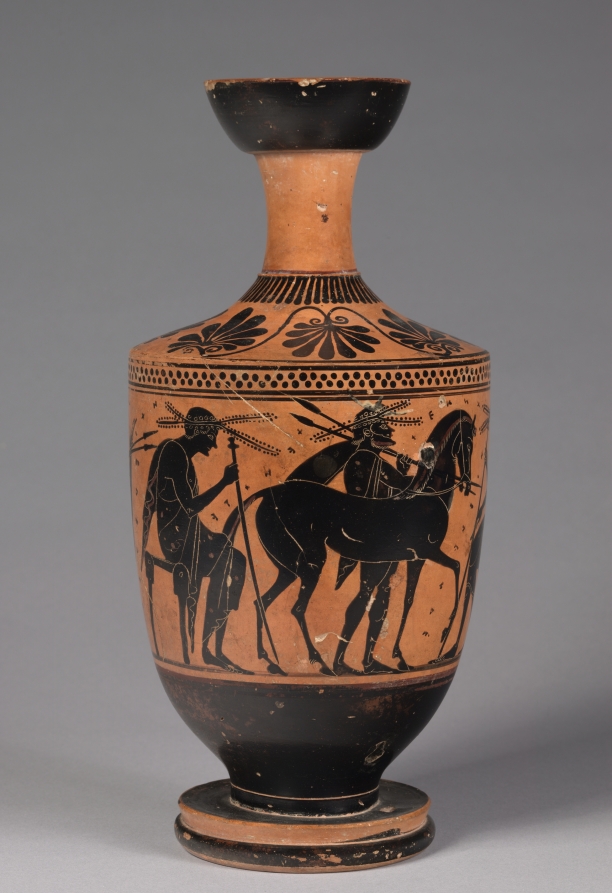
Black-Figure Lekythos (Oil Vessel): Seated Men, Warriors and Horse at the Cleveland Museum of Art: c. 510–500 BCE, ceramic. Explore the work's context, creator attribution and collection history.
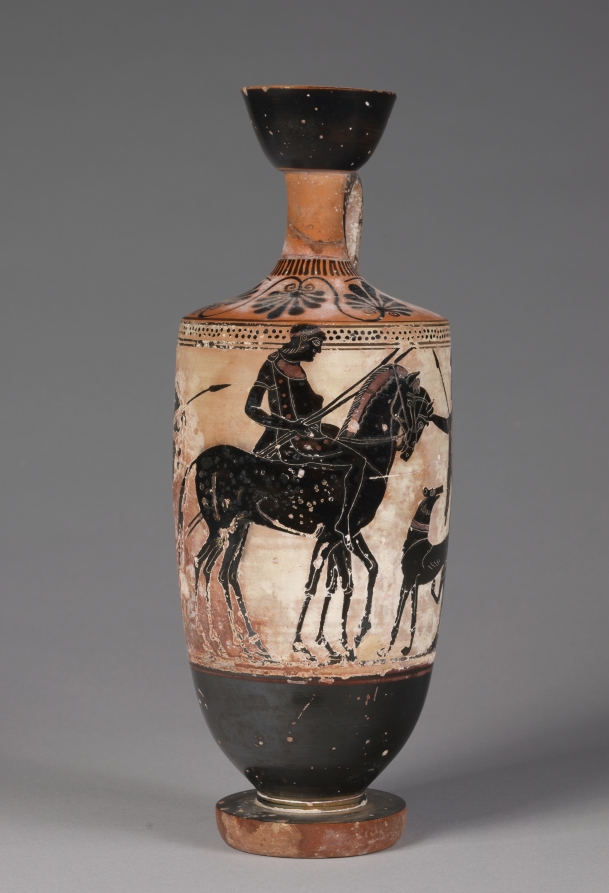
Black-Figure White-Ground Lekythos (Oil Vessel): Horseman, Horse between Warriors, Dog at the Cleveland Museum of Art: c. 500 BCE, ceramic. Explore the work's context, creator attribution and collection history.
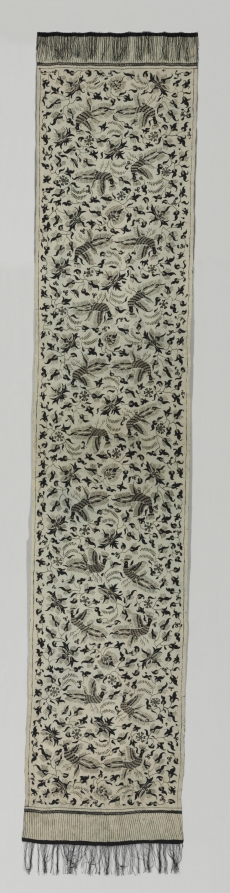
Slendang (Shoulder Cloth) at the Cleveland Museum of Art: 1800s-early 1900s, tabby weave, batik; silk. Explore the work's context, creator attribution and collection history.
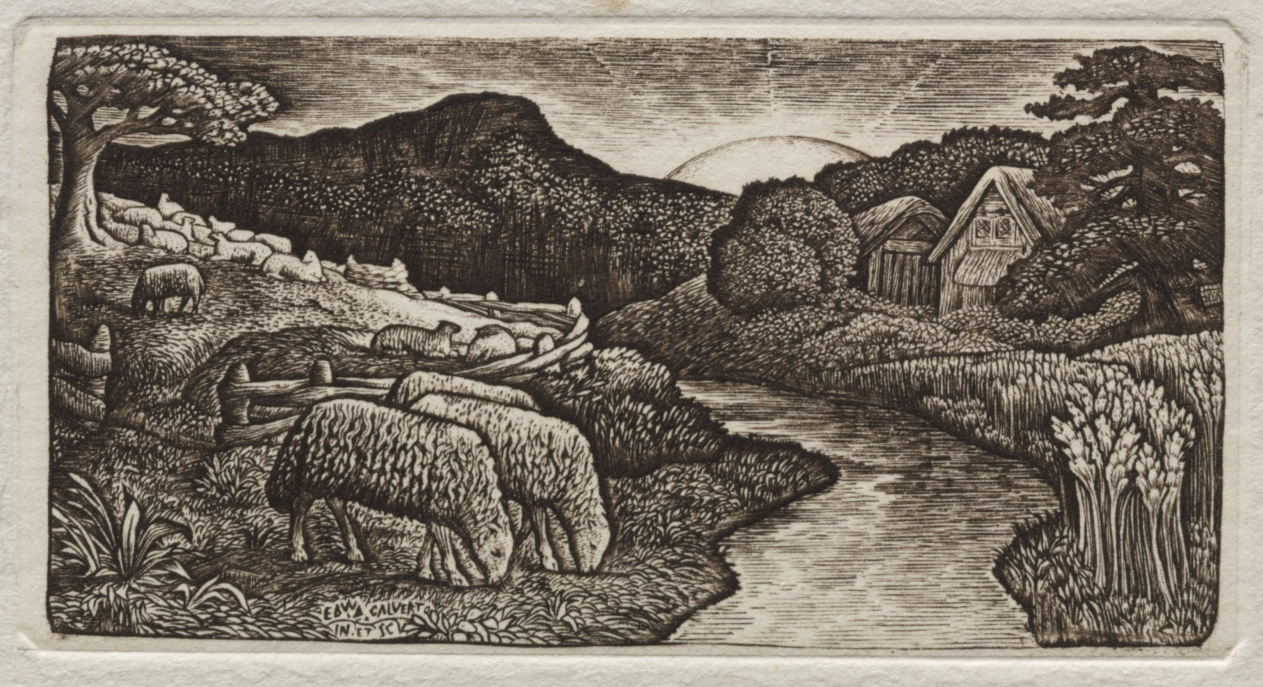
The Sheep of His Pasture at the Cleveland Museum of Art: 1828, wood engraving. Explore the work's context, creator attribution and collection history.