Horus Falcon (664–30 BCE OR 664–330 BCE): Art, History and Details
Horus Falcon at the Cleveland Museum of Art: 664–30 BCE OR 664–330 BCE, bronze, solid cast. Explore the work's context, creator attribution and collection history.
Oldest entries first, in a fixed order. Newly added articles appear at the end. Explore a shuffled selection →
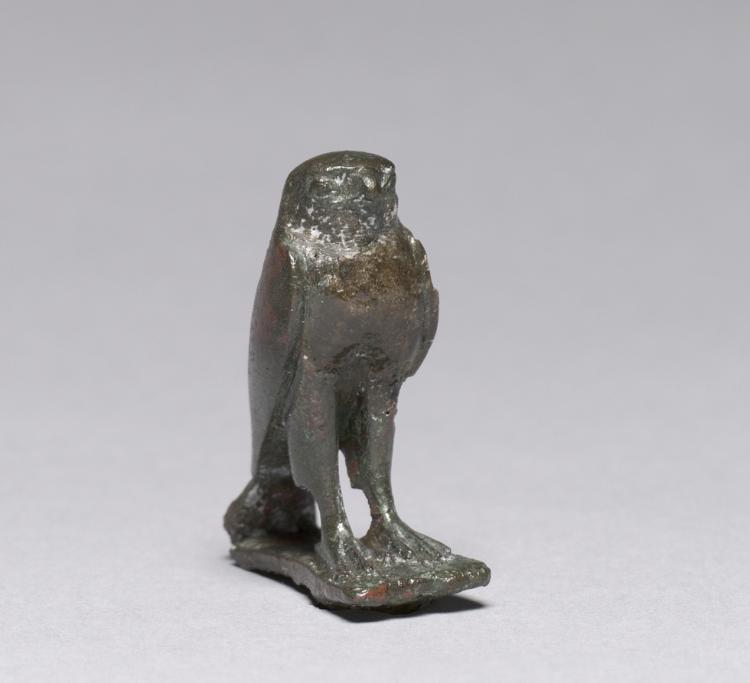
Horus Falcon at the Cleveland Museum of Art: 664–30 BCE OR 664–330 BCE, bronze, solid cast. Explore the work's context, creator attribution and collection history.
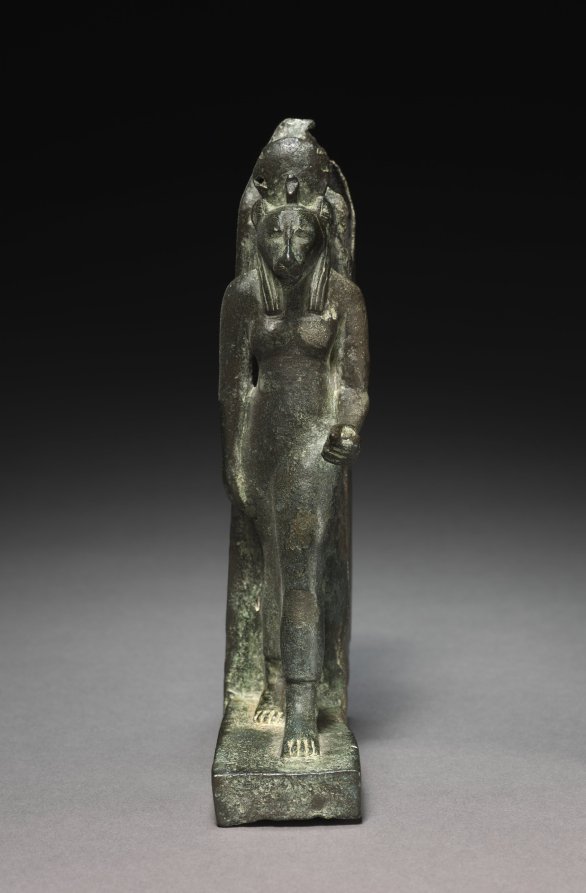
Statuette of Sekhmet at the Cleveland Museum of Art: 664–525 BCE, bronze, figure solid cast, obelisk hollow cast. Explore the work's context, creator attribution and collection history.

Pair of Blue Bottle Vases at the Cleveland Museum of Art: 1736–95, porcelain. Explore the work's context, creator attribution and collection history.

Blue Bottle Vase at the Cleveland Museum of Art: 1736–95, porcelain. Explore the work's context, creator attribution and collection history.
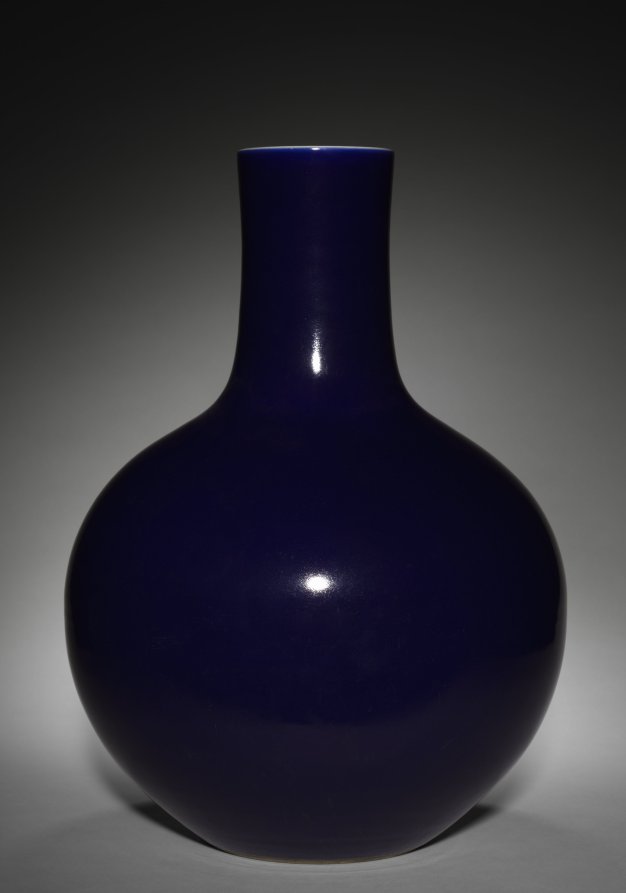
Blue Bottle Vase at the Cleveland Museum of Art: 1736–95, porcelain. Explore the work's context, creator attribution and collection history.

Brush Holder at the Cleveland Museum of Art: 1628–44, porcelain. Explore the work's context, creator attribution and collection history.
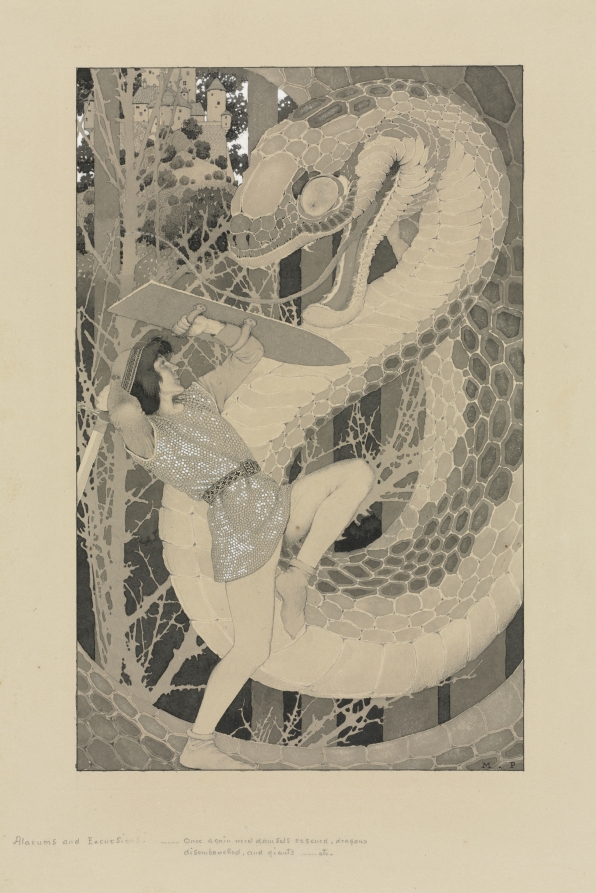
Alarums and Excursions at the Cleveland Museum of Art: 1899, brush and black and gray wash, with white gouache, over graphite, framing lines in pen and black ink. Explore the work's context, creator attribution and collection history.
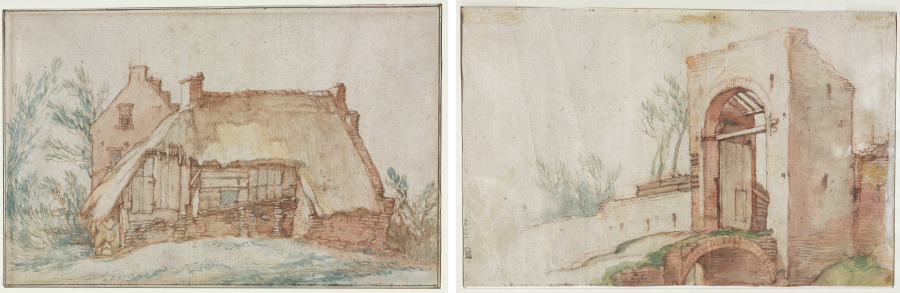
Peasant's Cottage (recto); Bridge and Gate (verso) at the Cleveland Museum of Art: c. 1600, pen and brown ink with brush and brown, blue, red and yellow wash, over black and red chalk. Explore the work's context, creator attribution and col
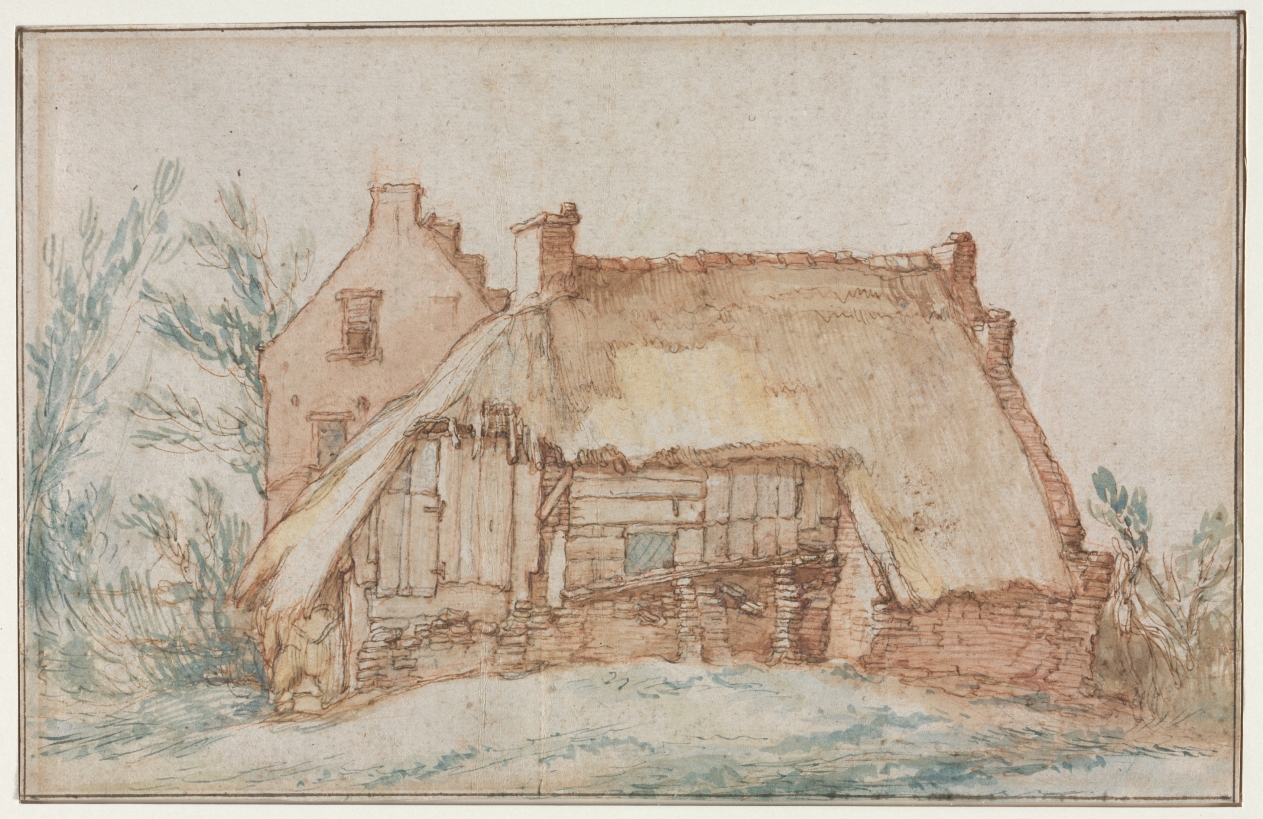
Peasant's Cottage (recto) at the Cleveland Museum of Art: c. 1600, pen and brown ink with brush and brown, blue, red and yellow wash, over black and red chalk. Explore the work's context, creator attribution and collection history.

Bridge and Gate (verso) at the Cleveland Museum of Art: c. 1600, pen and brown ink and brush and brown, red, green, yellow and blue wash, over red and black chalk. Explore the work's context, creator attribution and collection history.

The Queen of Sheba at the Cleveland Museum of Art: 1911, Pen and brown ink, watercolor, and gouache, with graphite and color wax crayon, on artist’s drawing board. Explore the work's context, creator attribution and collection history.

Twelve Etchings from Nature: En Plein Soleil at the Cleveland Museum of Art: 1858, etching on chine collé. Explore the work's context, creator attribution and collection history.
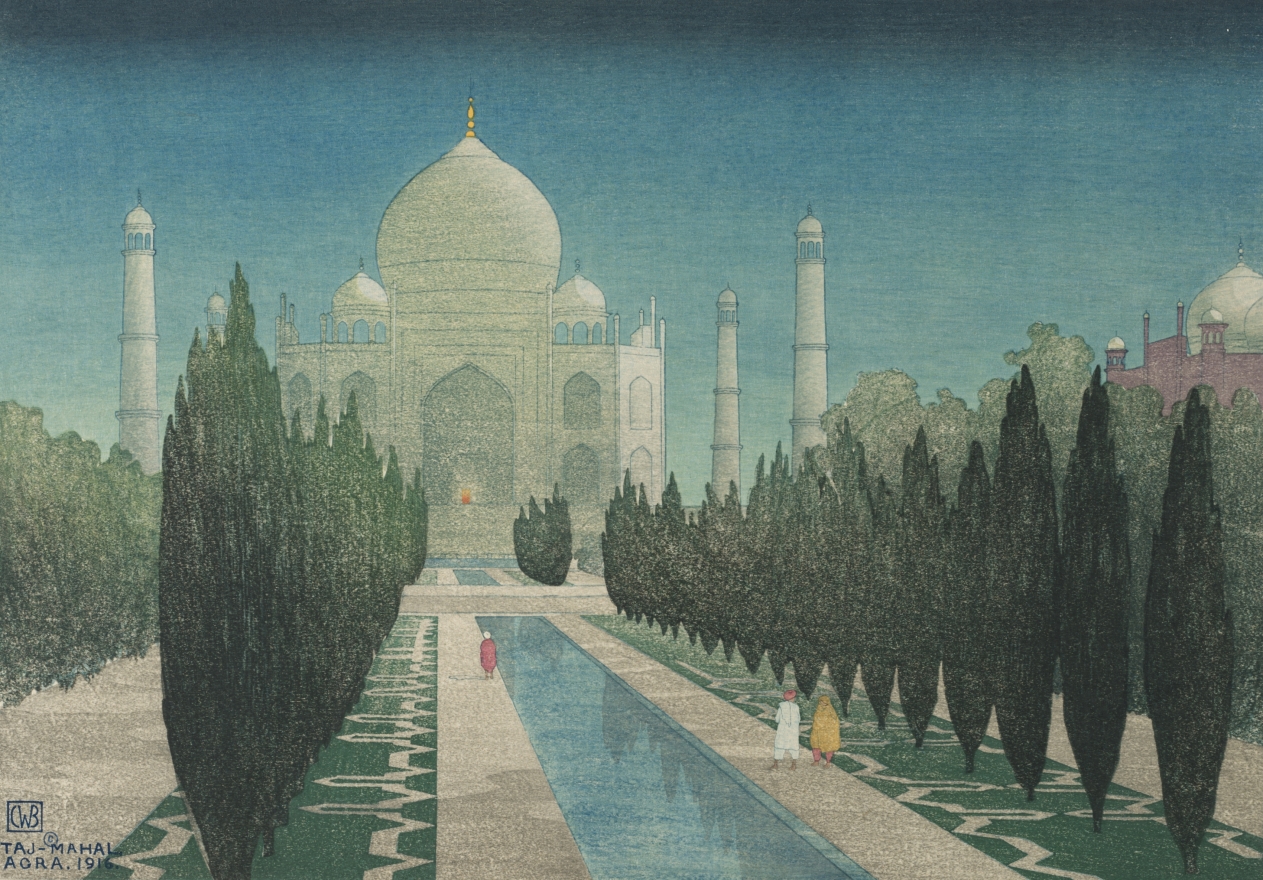
Taj Mahal, Agra at the Cleveland Museum of Art: 1916, color woodcut. Explore the work's context, creator attribution and collection history.
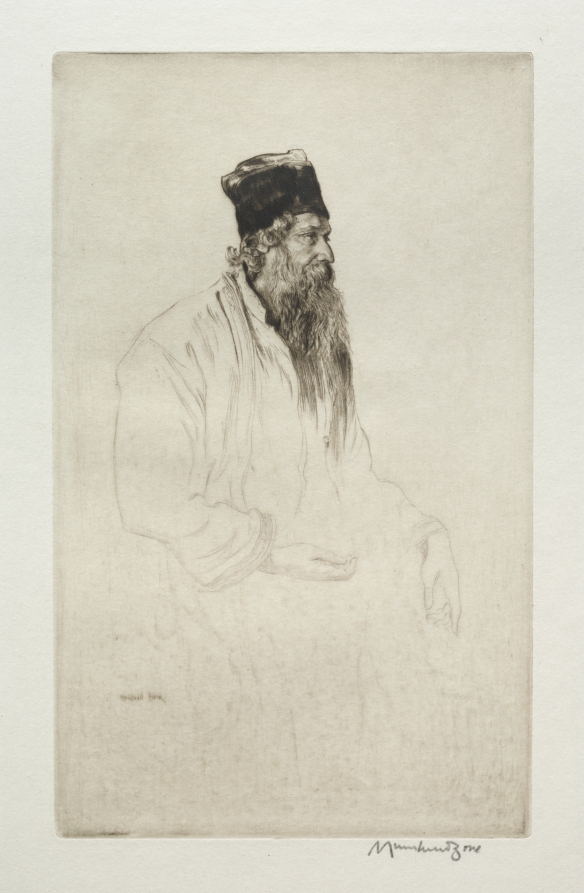
Rabindranath Tagore at the Cleveland Museum of Art: 1920, drypoint. Explore the work's context, creator attribution and collection history.
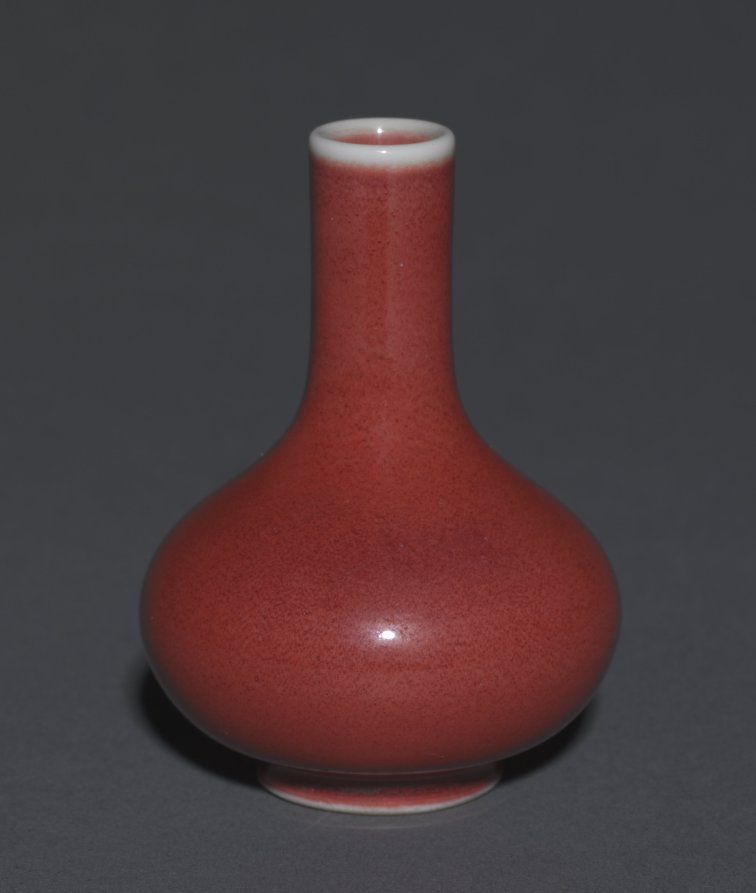
Bottle Vase at the Cleveland Museum of Art: 1662–1722, porcelain, Lang ware. Explore the work's context, creator attribution and collection history.

Wine Cup with Monochrome Red Glaze at the Cleveland Museum of Art: 1723–35, porcelain. Explore the work's context, creator attribution and collection history.

Evening Snow at Asuka Hill, from the series Eight Views of the Environs of Edo at the Cleveland Museum of Art: c. 1837–38, color woodblock print. Explore the work's context, creator attribution and collection history.
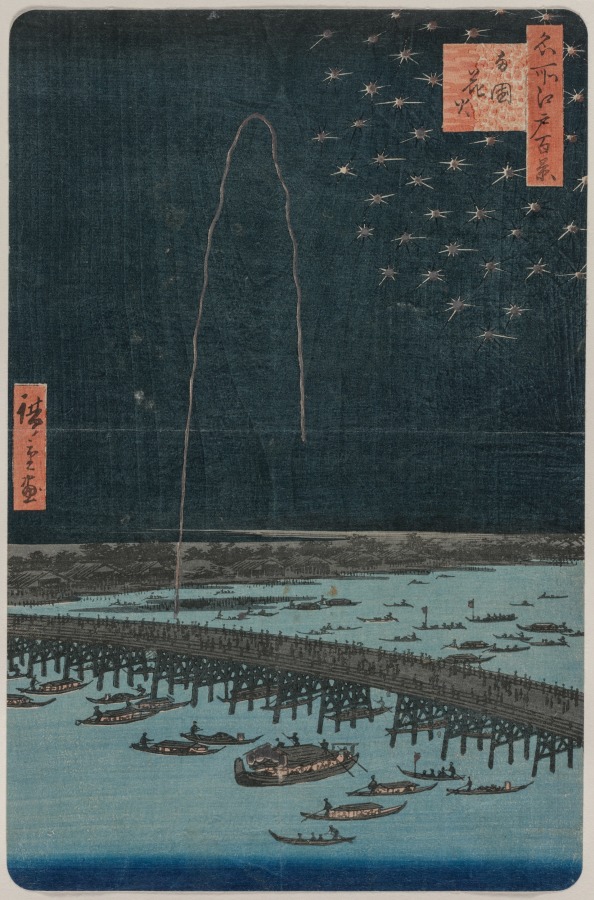
Fireworks at Ryōgoku, from the series One Hundred Views of Famous Places in Edo at the Cleveland Museum of Art: 1858, color woodblock print. Explore the work's context, creator attribution and collection history.
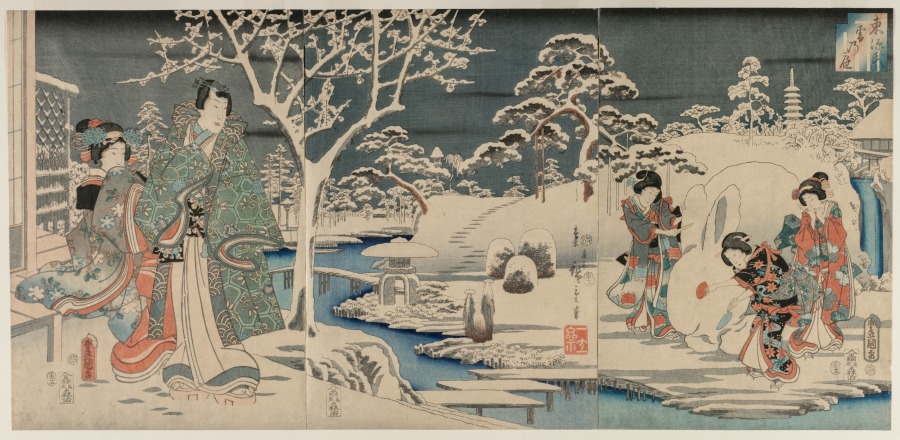
The Snowy Garden at the Cleveland Museum of Art: 1854, Triptych of color woodblock prints, ink and color on paper. Explore the work's context, creator attribution and collection history.
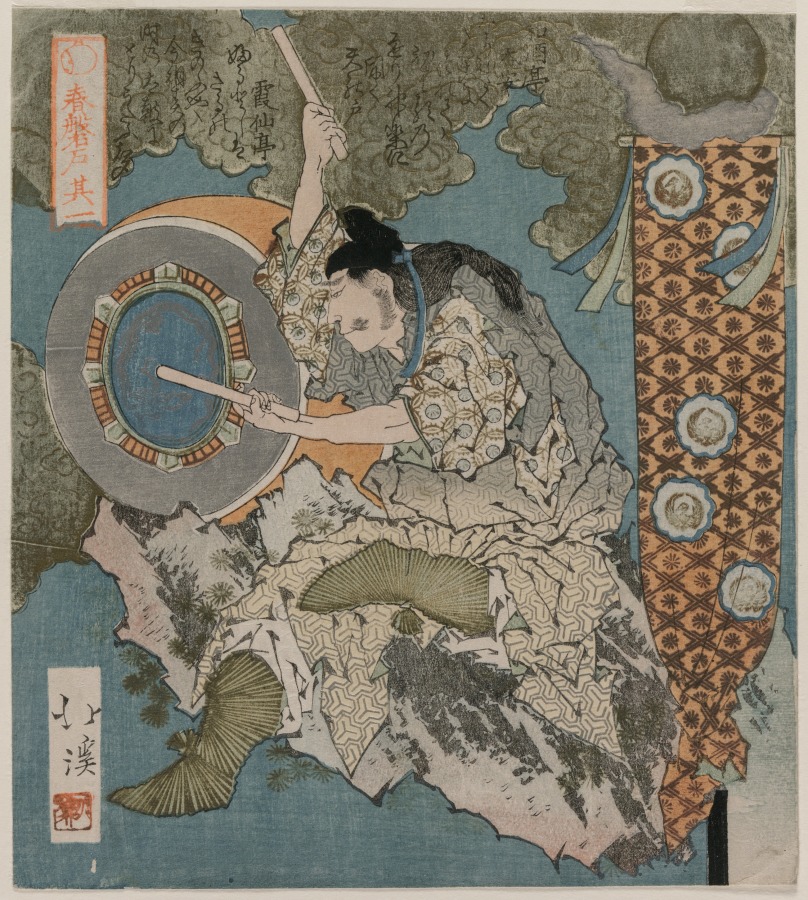
The Cave Door of Spring at the Cleveland Museum of Art: 1825, pentaptych of woodblock prints; ink and color on paper. Explore the work's context, creator attribution and collection history.
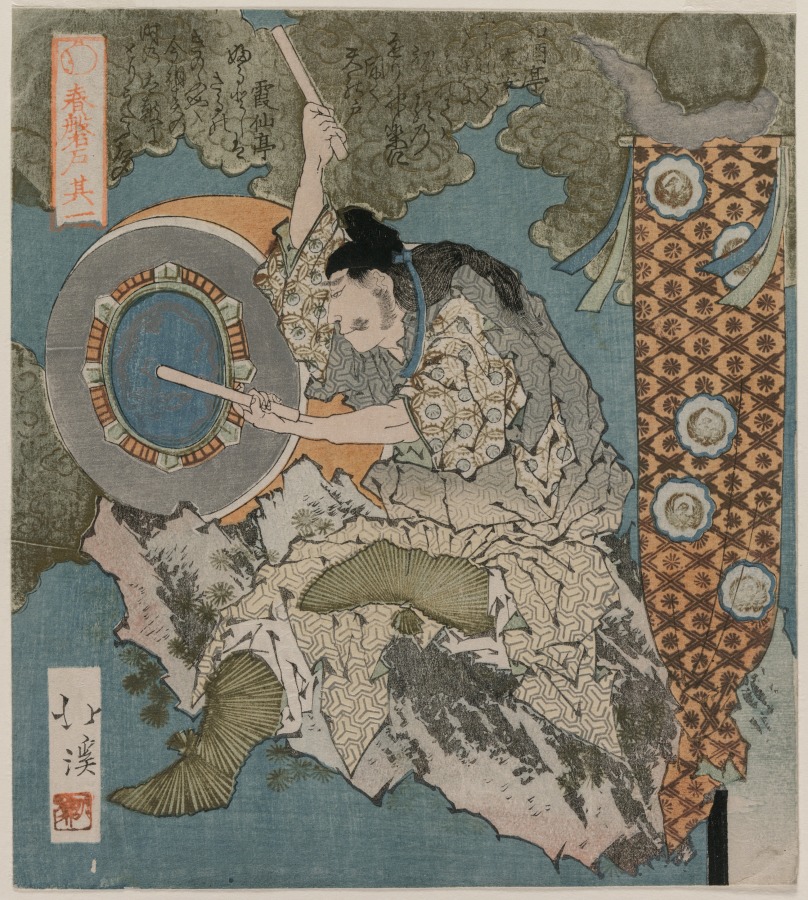
Drummer from The Cave Door of Spring at the Cleveland Museum of Art: 1825, first from a pentaptych of woodblock prints; ink and color on paper. Explore the work's context, creator attribution and collection history.

Sarutahiko from The Cave Door of Spring at the Cleveland Museum of Art: 1825, Second from a pentaptych of woodblock prints; ink and color on paper. Explore the work's context, creator attribution and collection history.
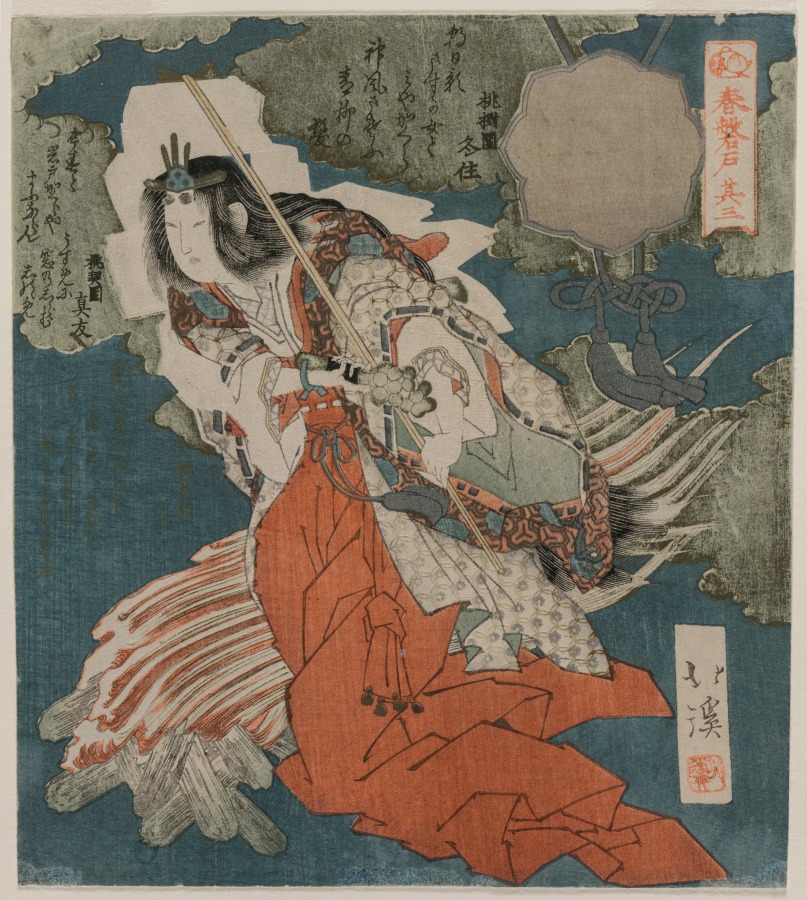
Uzume no Mikoto from The Cave Door of Spring at the Cleveland Museum of Art: 1825, third from a pentaptych of woodblock prints; ink and color on paper. Explore the work's context, creator attribution and collection history.
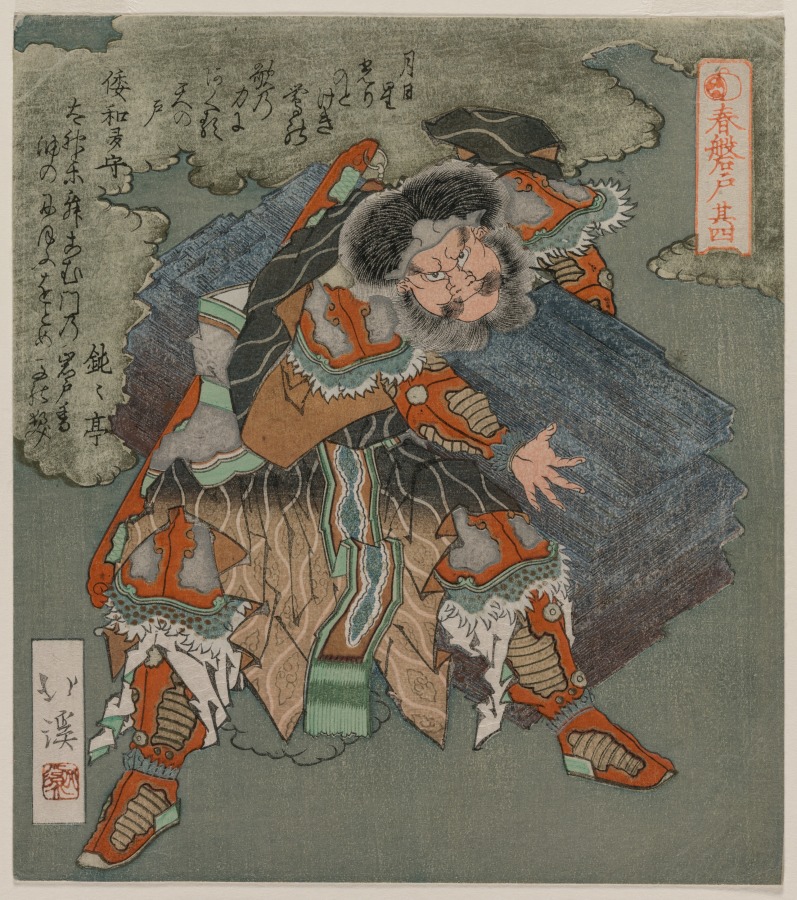
Ama no Tajikara no Mikoto from The Cave Door of Spring at the Cleveland Museum of Art: 1825, fourth of a pentaptych of woodblock prints; ink and color on paper. Explore the work's context, creator attribution and collection history.
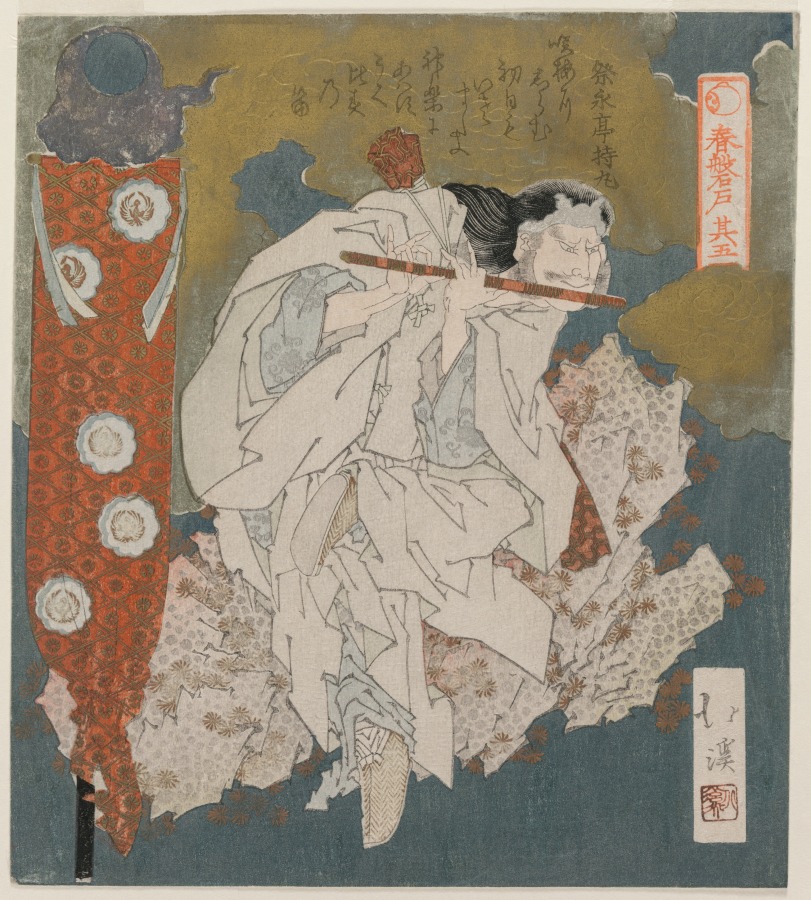
Flautist from The Cave Door of Spring at the Cleveland Museum of Art: 1825, fifth from a pentaptych of woodblock prints; ink and color on paper. Explore the work's context, creator attribution and collection history.

Rain Below the Mountain (from the series Thirty-six Views of Mt. Fuji) at the Cleveland Museum of Art: early 1830s, color woodblock print. Explore the work's context, creator attribution and collection history.
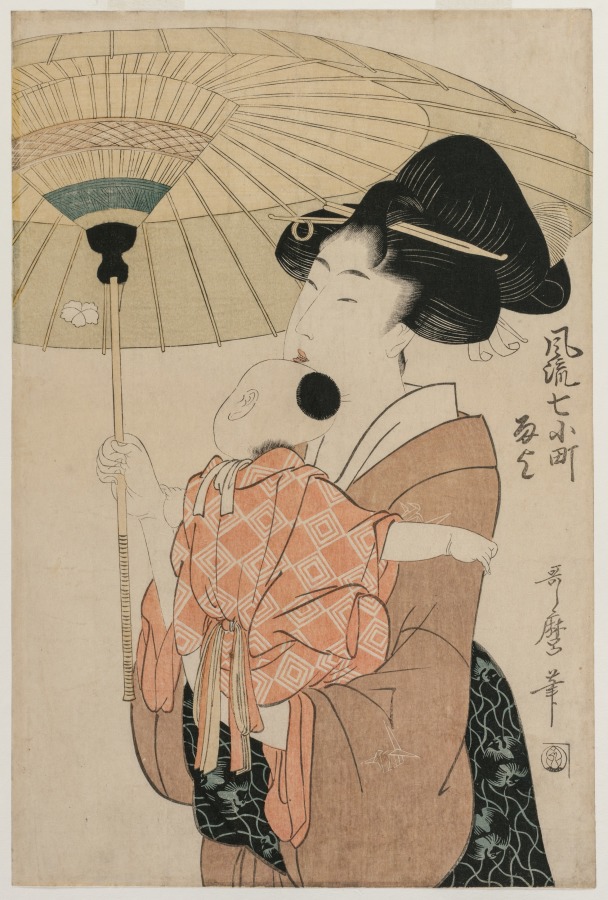
Prayers for Rain, from the series Seven Elegant Komachi at the Cleveland Museum of Art: late 1790s, Woodblock print; ink and color on paper. Explore the work's context, creator attribution and collection history.
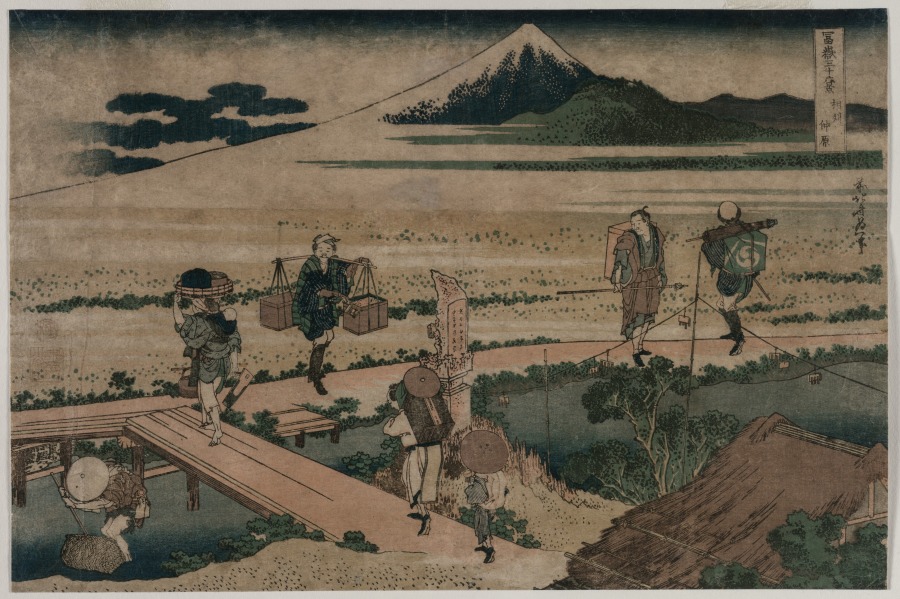
A View of Mount Fuji and Travellers by a Bridge at the Cleveland Museum of Art: ca. 1835, color woodblock print. Explore the work's context, creator attribution and collection history.
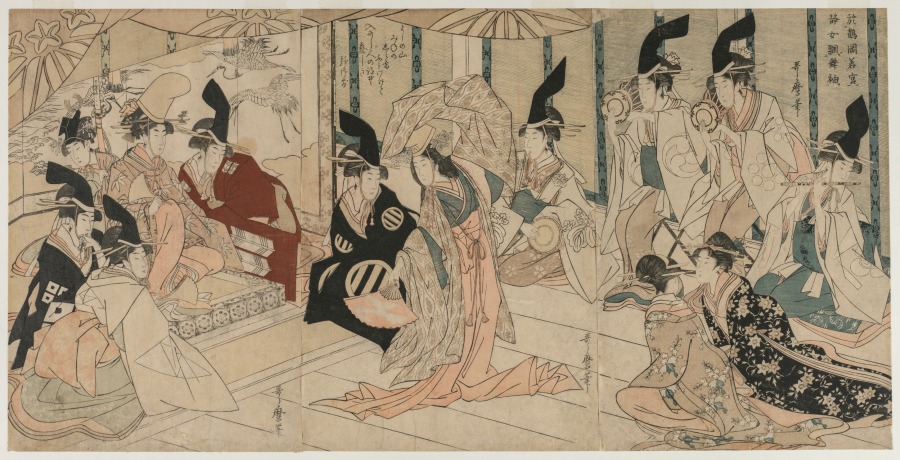
Scene Adapted from the play The Treasury of Loyal Retainers (Chushingura) at the Cleveland Museum of Art: late 1790s, color woodblock print. Explore the work's context, creator attribution and collection history.
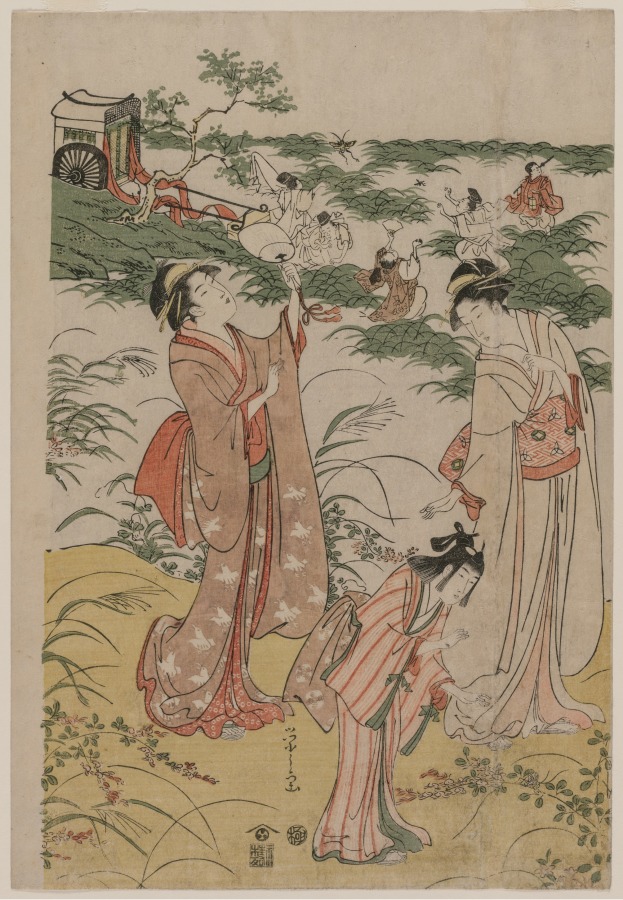
Women Chasing Crickets on an Autumn Moor at the Cleveland Museum of Art: early 1790s, color woodblock print. Explore the work's context, creator attribution and collection history.
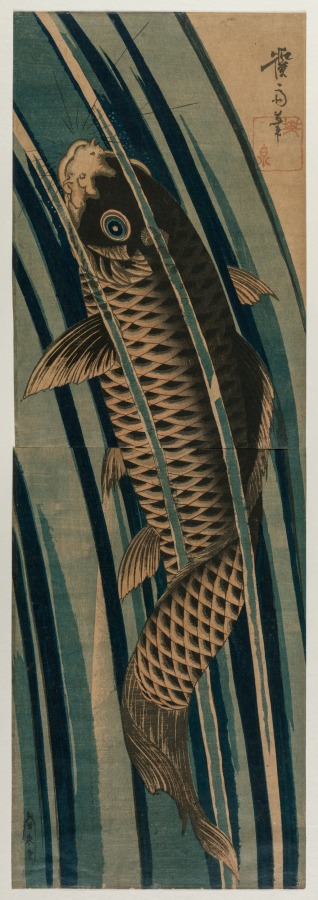
Carp Ascending a Waterfall at the Cleveland Museum of Art: early or mid-1830s, color woodblock print. Explore the work's context, creator attribution and collection history.
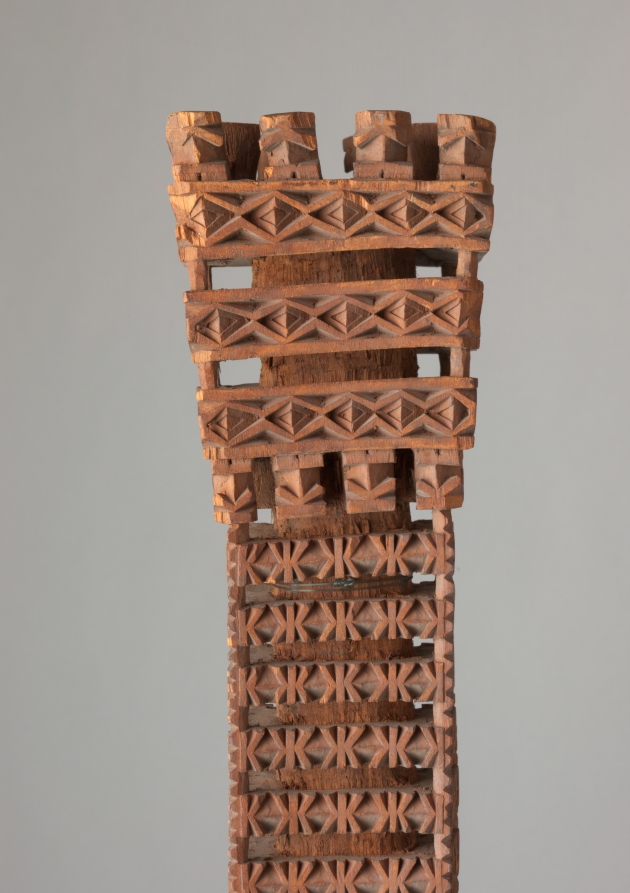
Ceremonial Adze at the Cleveland Museum of Art: 1800s, wood, stone, fiber. Explore the work's context, creator attribution and collection history.
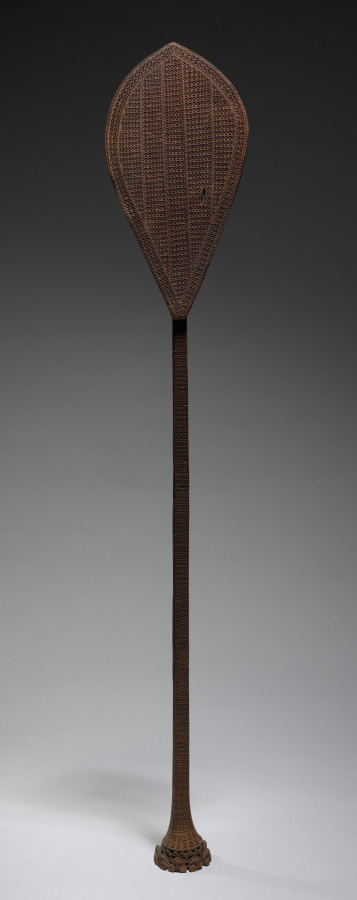
Ceremonial Paddle at the Cleveland Museum of Art: 1800s, wood. Explore the work's context, creator attribution and collection history.

Wine Glass at the Cleveland Museum of Art: 1740–50, glass. Explore the work's context, creator attribution and collection history.

Holy Family on the Flight into Egypt at the Cleveland Museum of Art: 1809, lithograph. Explore the work's context, creator attribution and collection history.
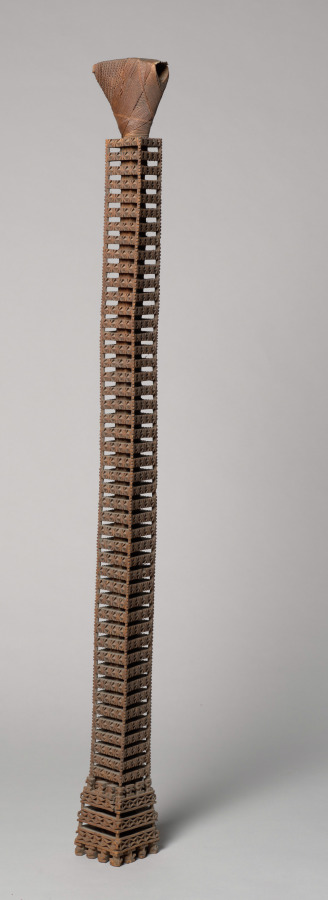
Haft from a Ceremonial Adze at the Cleveland Museum of Art: 1800s, wood, fiber. Explore the work's context, creator attribution and collection history.
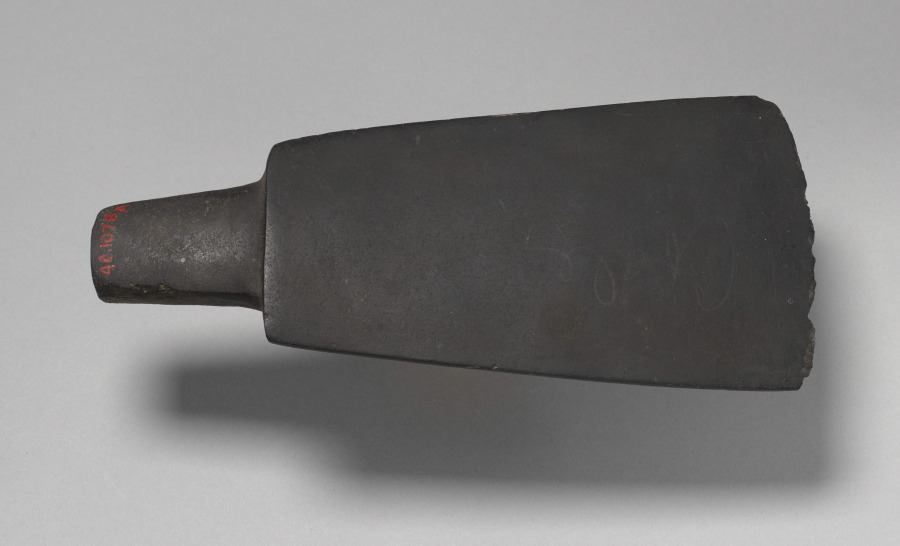
Blade from a Ceremonial Adze at the Cleveland Museum of Art: 1800s, stone. Explore the work's context, creator attribution and collection history.
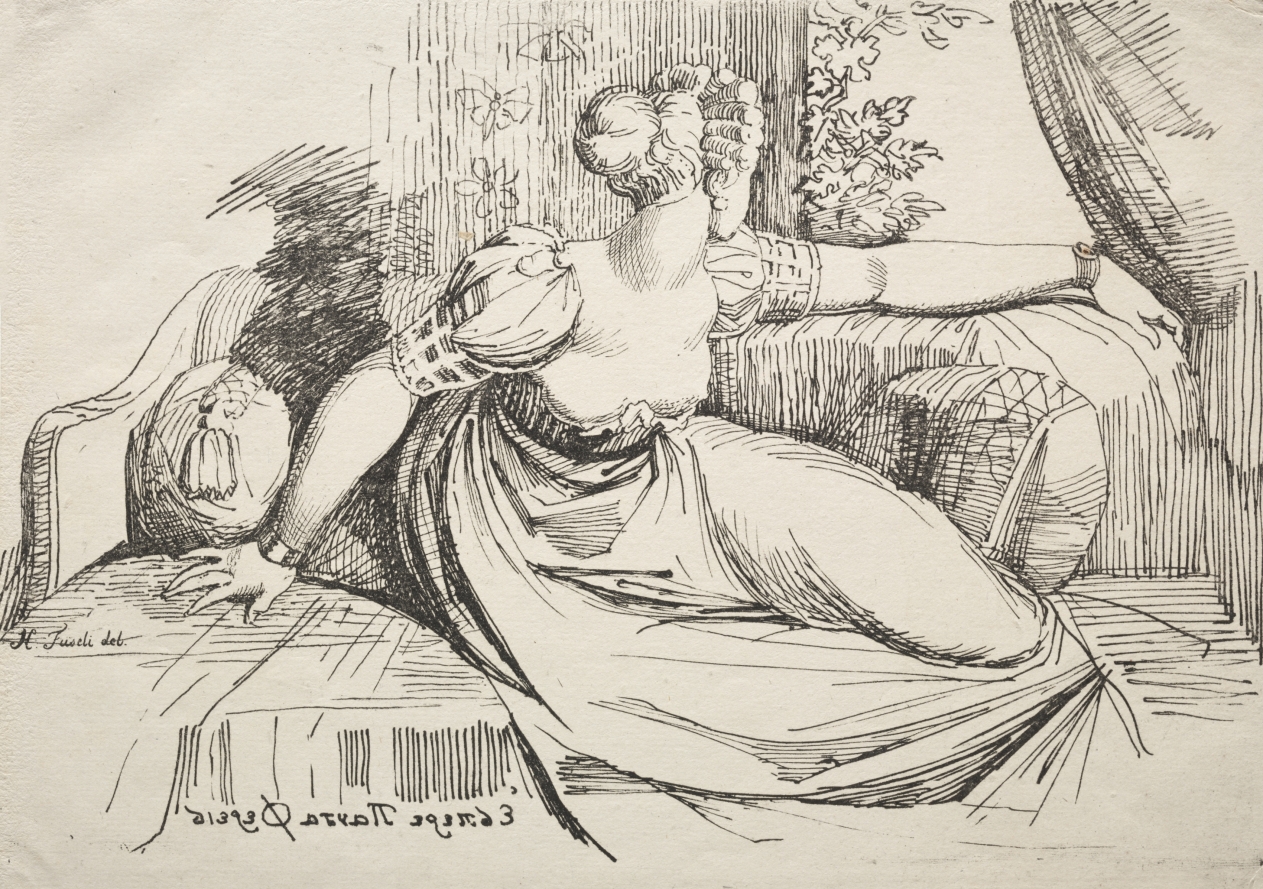
Evening Thou Bringest All at the Cleveland Museum of Art: 1803, Pen lithograph. Explore the work's context, creator attribution and collection history.
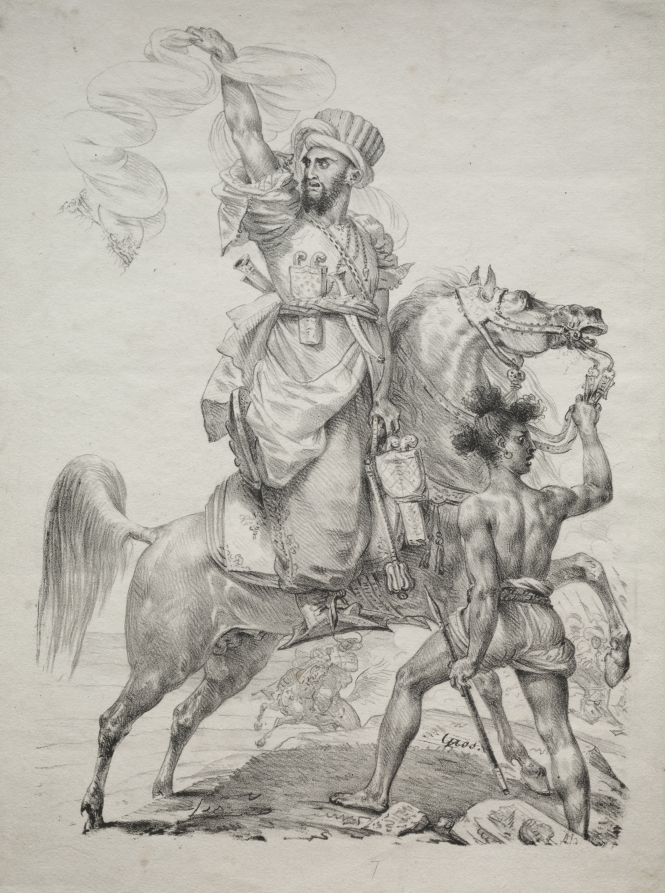
A Mameluke Chief on Horseback Signaling for Help at the Cleveland Museum of Art: 1817, lithograph. Explore the work's context, creator attribution and collection history.
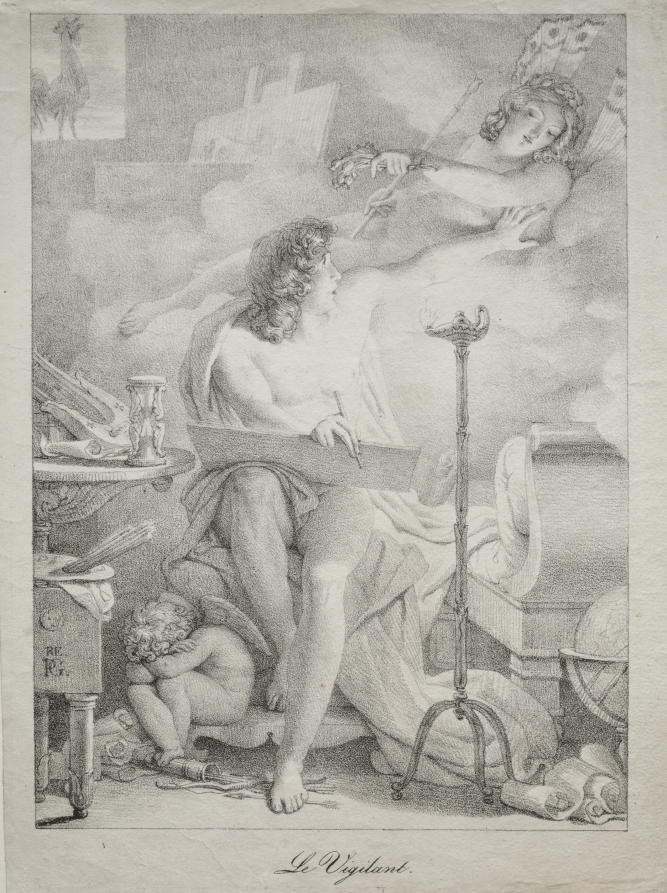
The Vigil at the Cleveland Museum of Art: 1816, lithograph. Explore the work's context, creator attribution and collection history.