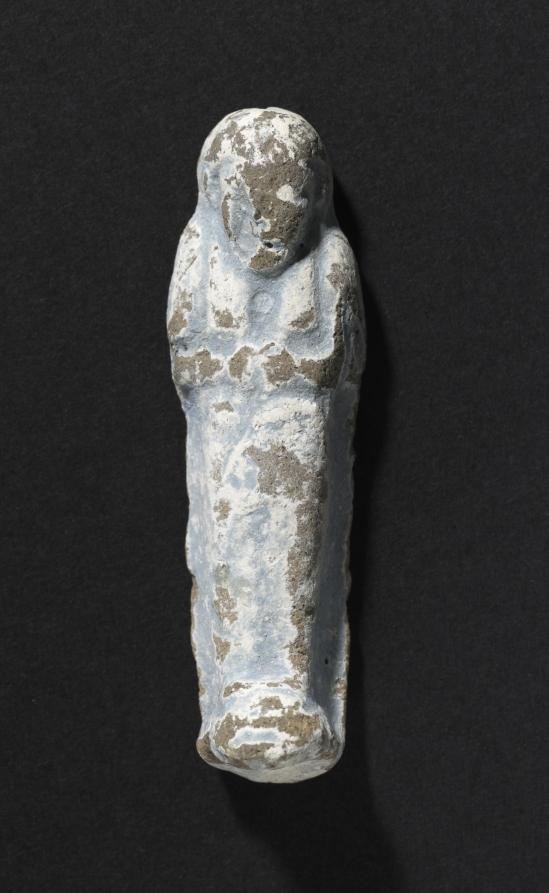
Plaque (16th/17th century): Artwork and History
Plaque at the Art Institute of Chicago: date, artist attribution, materials and the museum's explanation of the work.

Plaque (16th/17th century) is in the Art Institute of Chicago collection. The museum lists its creator attribution as Edo, Kingdom of Benin Nigeria Coastal West Africa.
The work and its context
The Art Institute of Chicago describes the work:
During the 16th century, coastal trade made brass amply available in the Kingdom of Benin. King Esigie (reigned about 1504–about 1550) exploited the inflow by commissioning his court’s brass casters to make commemorative plaques for his palace. The warrior depicted here wears a coral-studded cap and collar indicating his rank. The horseshoe shape in the upper left corner represents a copper or brass ring known as a manilla. Manufactured in Europe, such rings were used as currency among the Benin people.
Object facts
- Title: Plaque
- Date: 16th/17th century
- Artist attribution: Edo, Kingdom of Benin Nigeria Coastal West Africa
- Place of origin: Nigeria
- Medium: Brass
- Dimensions: 35 × 31.2 × 7 cm (13 3/4 × 12 1/4 × 2 3/4 in.)
- Type: Sculpture
- Department: Arts of Africa
- Reference number: 1933.782
Collection credit
Samuel P. Avery Fund
View the original
Explore the artwork in the Art Institute's collection, including its image and the museum's current catalogue details.
The description above is credited to the Art Institute of Chicago and reused under Creative Commons Attribution 4.0; HTML formatting has been converted to plain text. Other catalogue metadata and the public-domain image are provided under CC0 1.0.
Sources
More in Lifestyle
Keep reading