Wheel-Lock from a Hunting Gun (1600s): Art, History and Details
Wheel-Lock from a Hunting Gun at the Cleveland Museum of Art: 1600s, steel, engraved. Explore the work's context, creator attribution and collection history.
Oldest entries first, in a fixed order. Newly added articles appear at the end. Explore a shuffled selection →
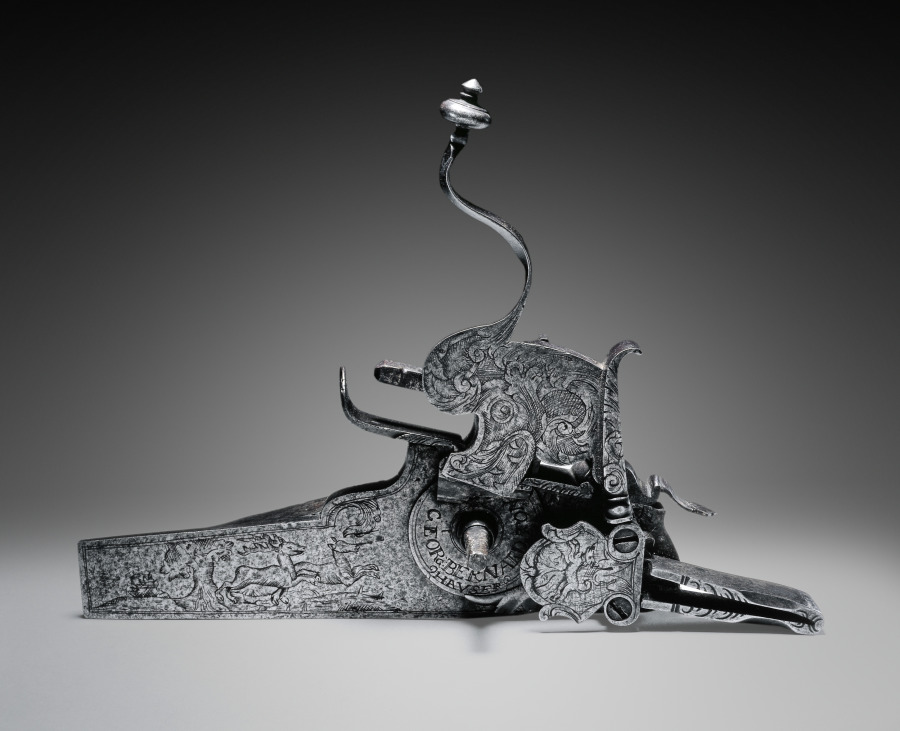
Wheel-Lock from a Hunting Gun at the Cleveland Museum of Art: 1600s, steel, engraved. Explore the work's context, creator attribution and collection history.
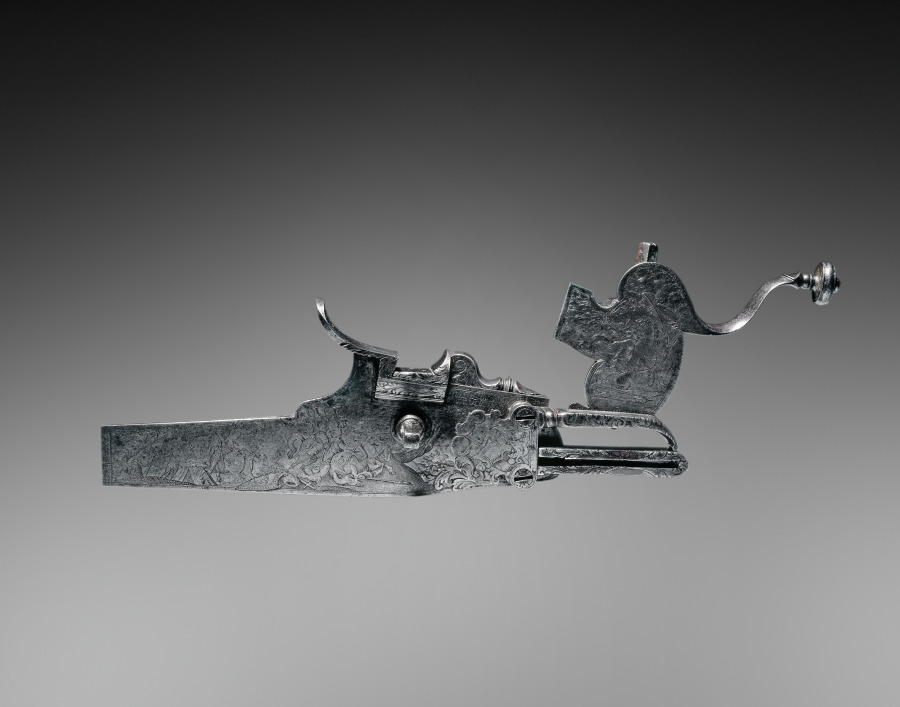
Wheel-Lock from a Hunting Rifle at the Cleveland Museum of Art: c. 1720–40, steel, engraved. Explore the work's context, creator attribution and collection history.
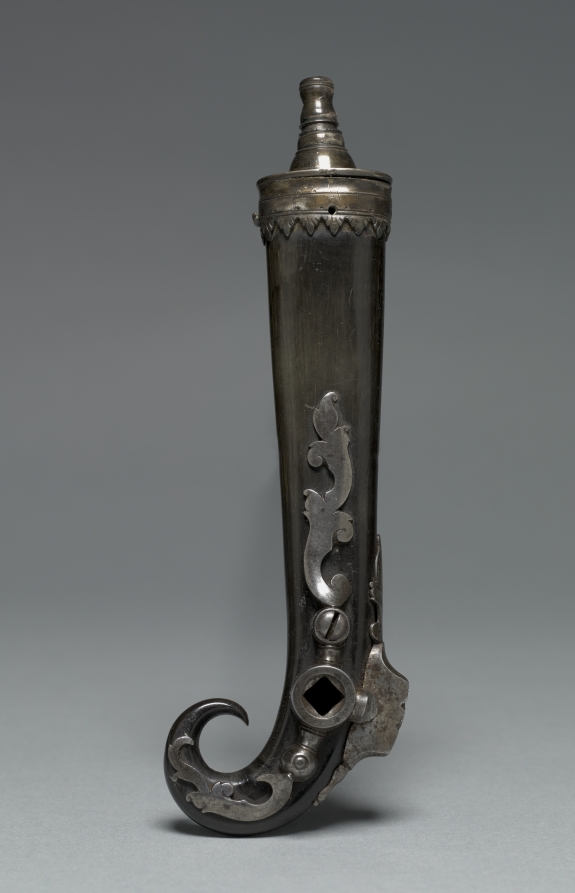
Combined Priming Flask and Wheel-Lock Spanner at the Cleveland Museum of Art: c. 1600–1650, horn with brass and steel mounts. Explore the work's context, creator attribution and collection history.
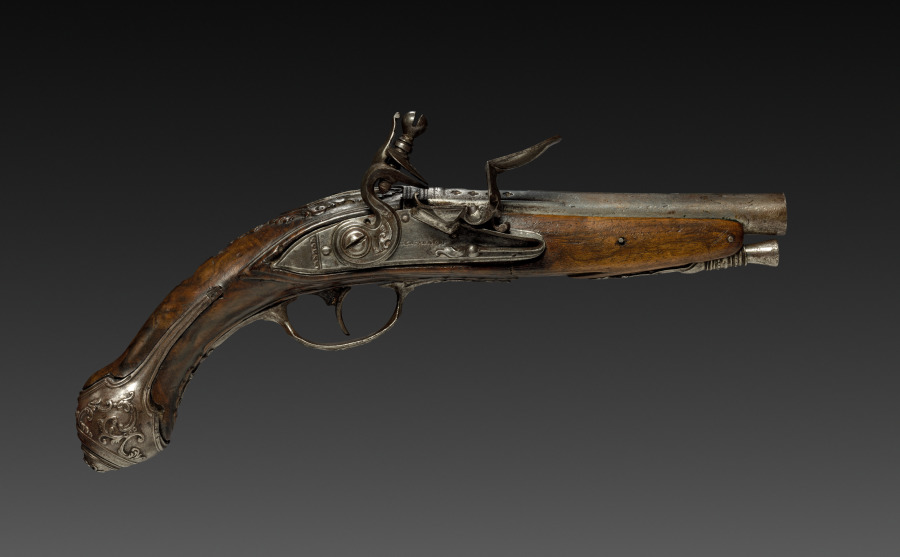
Flintlock Pistol at the Cleveland Museum of Art: 1700s, steel with traces of gilding; walnut stock. Explore the work's context, creator attribution and collection history.
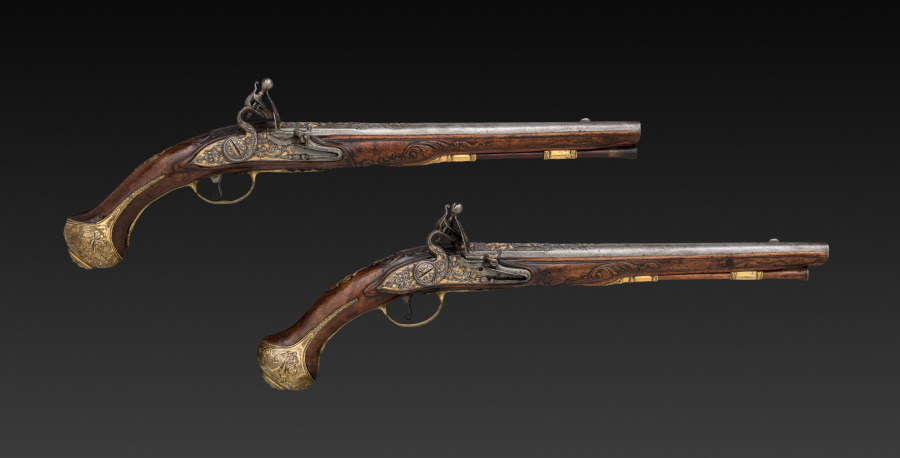
Pair of Flintlock Pistols at the Cleveland Museum of Art: early 1700s, steel with gold inlay, gilt-brass mounts; walnut burl stock; chiseled high-relief decoration. Explore the work's context, creator attribution and collection history.
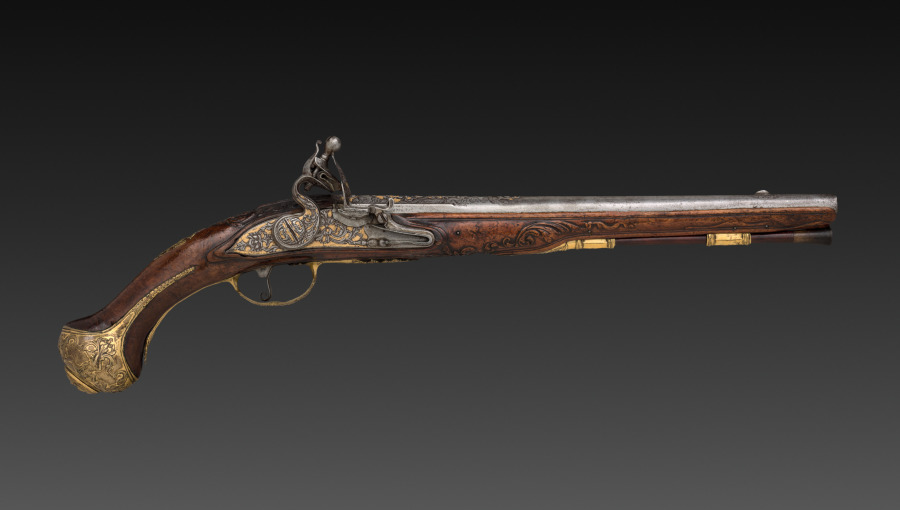
Flintlock Pistol (1 of 2) at the Cleveland Museum of Art: early 1700s, steel with gold inlay, gilt-brass mounts; walnut burl stock; chiseled high-relief decoration. Explore the work's context, creator attribution and collection history.
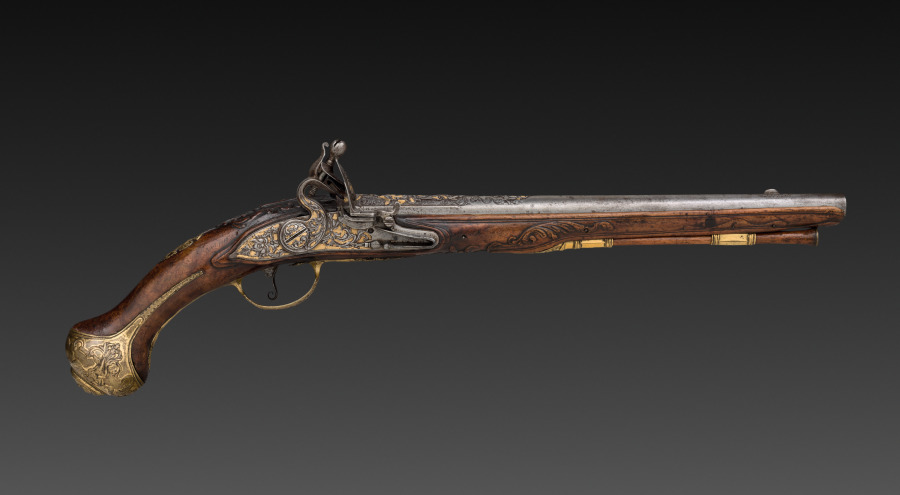
Flintlock Pistol (2 of 2) at the Cleveland Museum of Art: early 1700s, steel with gold inlay, gilt-brass mounts; walnut burl stock; chiseled high-relief decoration. Explore the work's context, creator attribution and collection history.
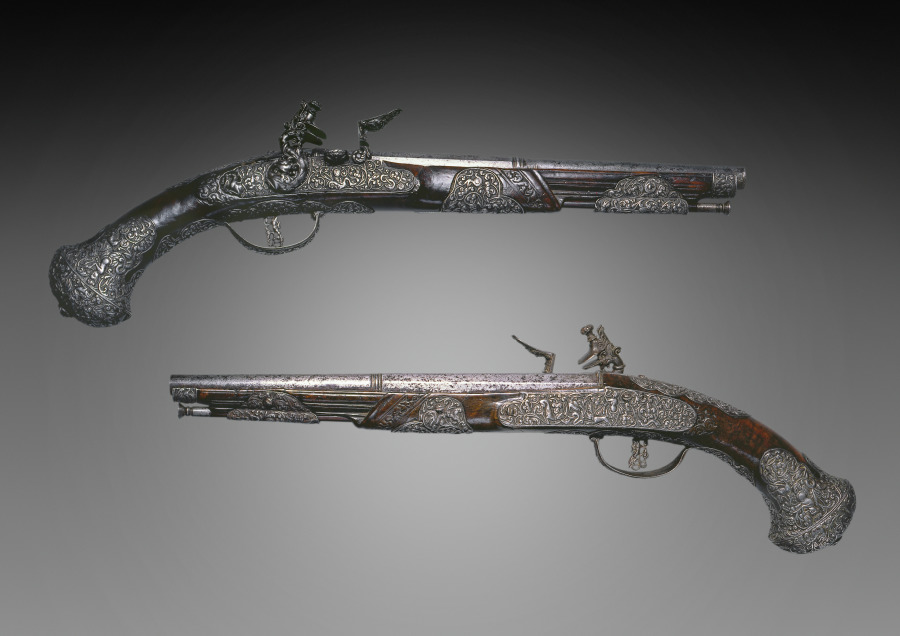
Pair of Flintlock Pistols at the Cleveland Museum of Art: c. 1670, steel, chiseled decoration with walnut stock. Explore the work's context, creator attribution and collection history.
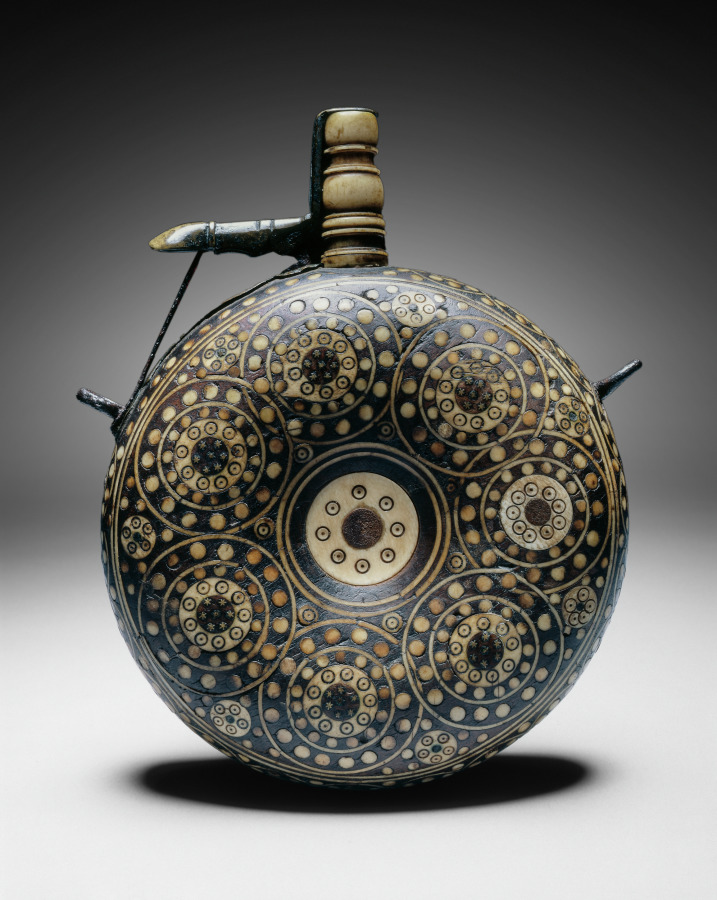
Powder Flask at the Cleveland Museum of Art: c. 1620–1650, walnut inlaid with horn in concentric circles; turned bone funnel with brass spring cap; iron suspension loops. Explore the work's context, creator attribution and collection histor
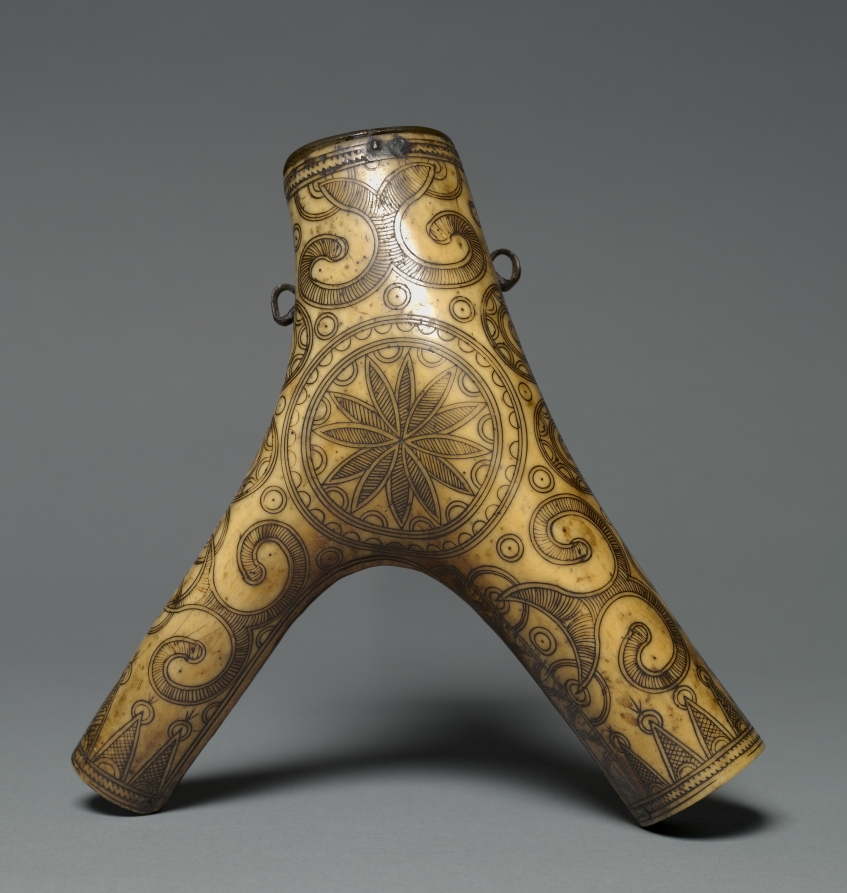
Powder Flask at the Cleveland Museum of Art: 1600s, horn, engraved. Explore the work's context, creator attribution and collection history.
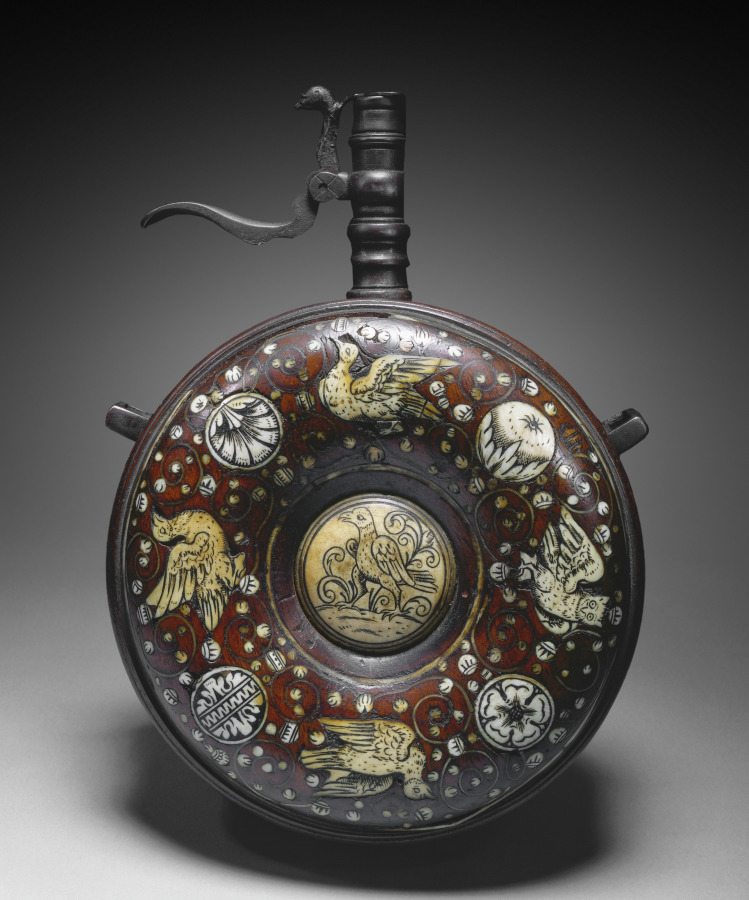
Powder Flask at the Cleveland Museum of Art: c. 1620–50, walnut inlaid with ivory decoration; turned steel funnel with spring cap. Explore the work's context, creator attribution and collection history.
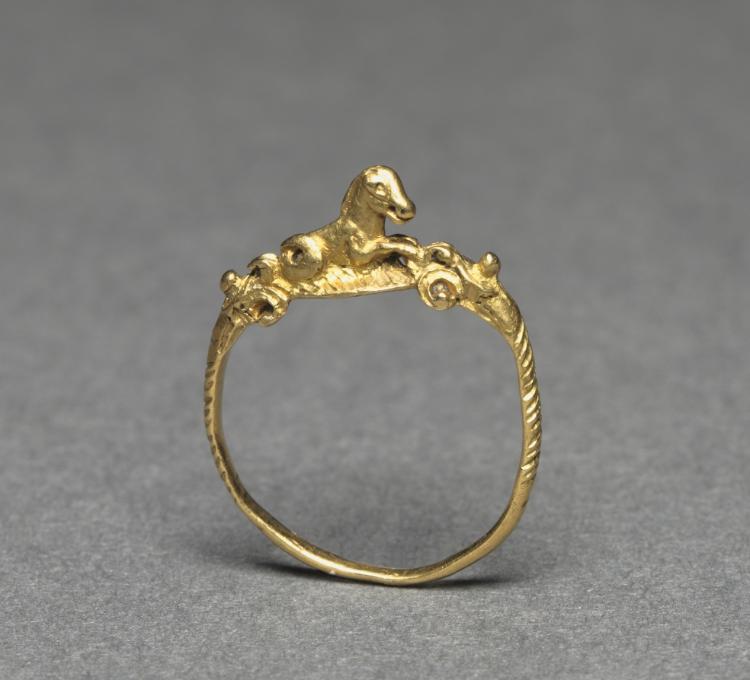
Ring with Hippocampus at the Cleveland Museum of Art: 100–200 CE, gold. Explore the work's context, creator attribution and collection history.

Shepherd Resting in a Clearing at the Art Institute of Chicago: date, artist attribution, materials and the museum's explanation of the work.

Copy of the Goods of Montpellier at the Art Institute of Chicago: date, artist attribution, materials and the museum's explanation of the work.

Copy of the Goods of Montpellier at the Art Institute of Chicago: date, artist attribution, materials and the museum's explanation of the work.

Portrait of Balzac at the Art Institute of Chicago: date, artist attribution, materials and the museum's explanation of the work.

The Story of Sugawara no Michizane (Kitano Tenjin Emaki Dankan) at the Art Institute of Chicago: date, artist attribution, materials and the museum's explanation of the work.

Serving Dish (Tabaq) with Vegetal and Fish-Scale Patterns at the Art Institute of Chicago: date, artist attribution, materials and the museum's explanation of the work.

Didrachm (Coin) Depicting the God Janus at the Art Institute of Chicago: date, artist attribution, materials and the museum's explanation of the work.

The Lovers at the Art Institute of Chicago: date, artist attribution, materials and the museum's explanation of the work.

A Falconer with Two Ladies and a Foot Soldier at the Art Institute of Chicago: date, artist attribution, materials and the museum's explanation of the work.

Saint John the Baptist in the Wilderness at the Art Institute of Chicago: date, artist attribution, materials and the museum's explanation of the work.

Seated Youth Wearing a Monk's Habit: Study for Saint Benedict at the Art Institute of Chicago: date, artist attribution, materials and the museum's explanation of the work.

Vision of Saint Dominic at the Art Institute of Chicago: date, artist attribution, materials and the museum's explanation of the work.

Panel (Furnishing Fabric) at the Art Institute of Chicago: date, artist attribution, materials and the museum's explanation of the work.

Panel of Chintz for a Woman's Skirt at the Art Institute of Chicago: date, artist attribution, materials and the museum's explanation of the work.

Portrait of a Nobleman at the Art Institute of Chicago: date, artist attribution, materials and the museum's explanation of the work.

The Skeletons at the Art Institute of Chicago: date, artist attribution, materials and the museum's explanation of the work.

Mephistopheles Flying, from Faust at the Art Institute of Chicago: date, artist attribution, materials and the museum's explanation of the work.

Shukongojin at the Art Institute of Chicago: date, artist attribution, materials and the museum's explanation of the work.

The Annunciation at the Art Institute of Chicago: date, artist attribution, materials and the museum's explanation of the work.

Pair of Plaques with Profile Animal Heads at the Art Institute of Chicago: date, artist attribution, materials and the museum's explanation of the work.
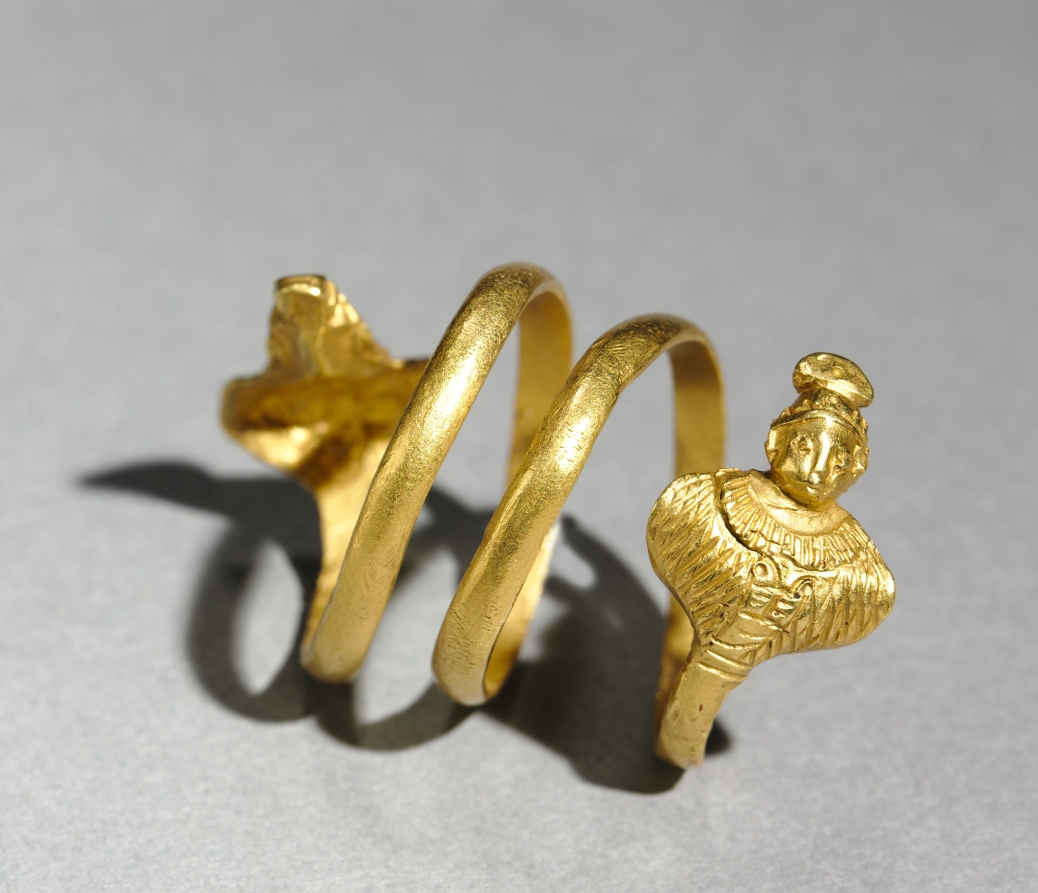
Spiral Ring with Isis and Serapis at the Cleveland Museum of Art: 1–100 CE, gold. Explore the work's context, creator attribution and collection history.
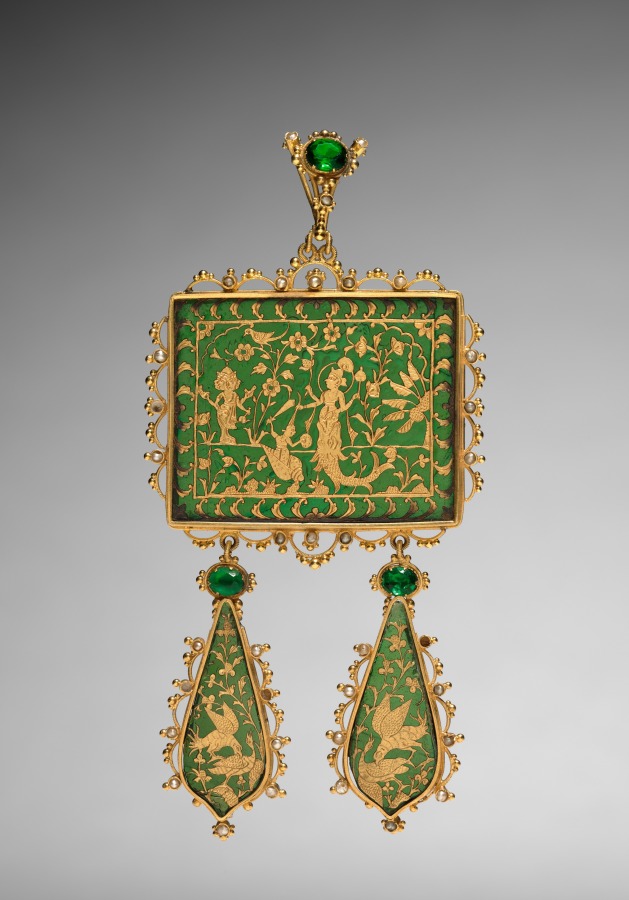
Pendant with Matsya (fish incarnation of Vishnu) defeating Hayagriva at the Cleveland Museum of Art: 1800s, gold, enamel, emeralds, and pearls. Explore the work's context, creator attribution and collection history.
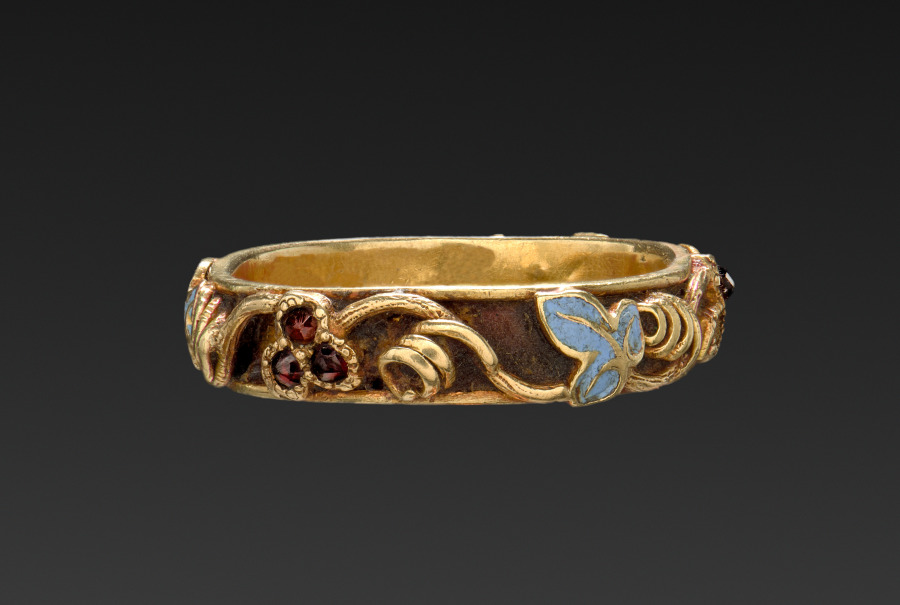
Ring at the Cleveland Museum of Art: c. 1850–75, gold, garnet, and enamel. Explore the work's context, creator attribution and collection history.
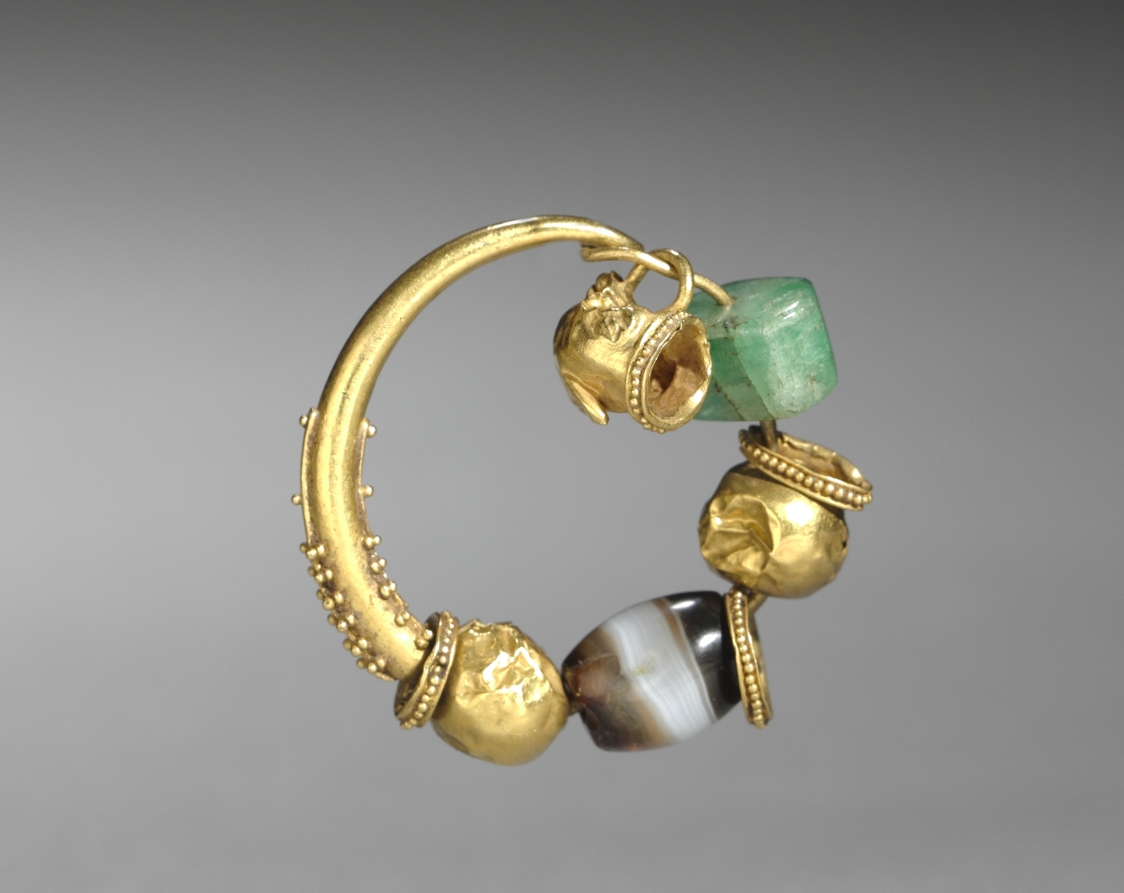
Earring at the Cleveland Museum of Art: 500–400 BCE, gold and agate. Explore the work's context, creator attribution and collection history.
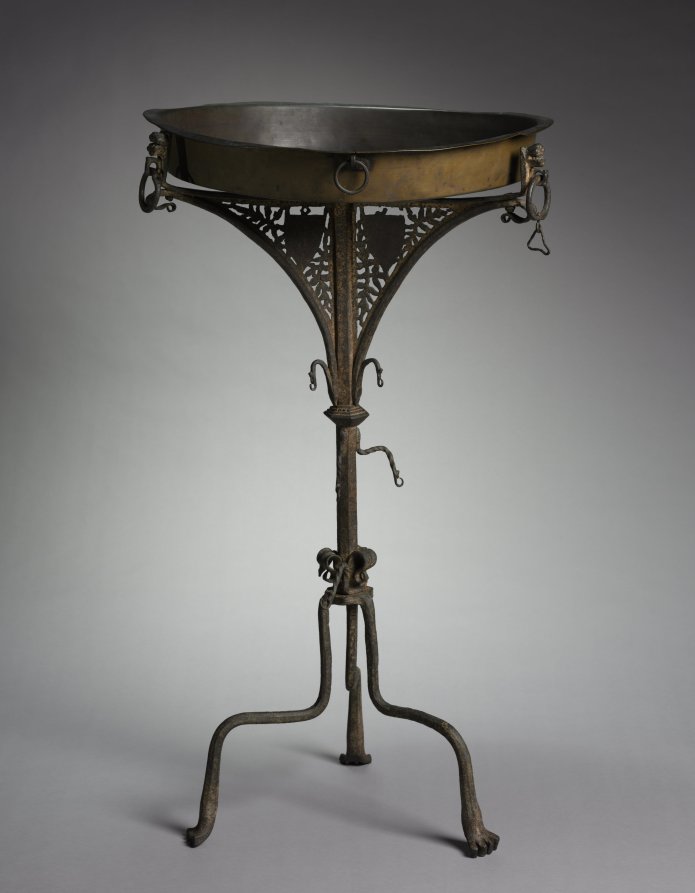
Tripod Brazier at the Cleveland Museum of Art: c. 1400–1450, wrought iron and copper. Explore the work's context, creator attribution and collection history.
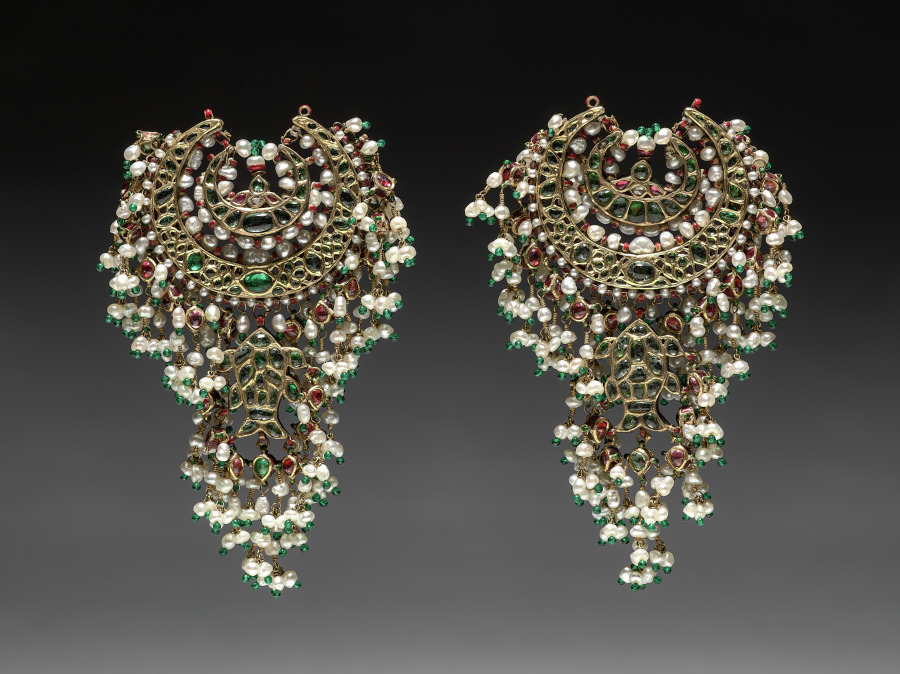
Pendants at the Cleveland Museum of Art: 1800s, Gilt silver with diamonds, emeralds, rubies, pearls, and enamel. Explore the work's context, creator attribution and collection history.
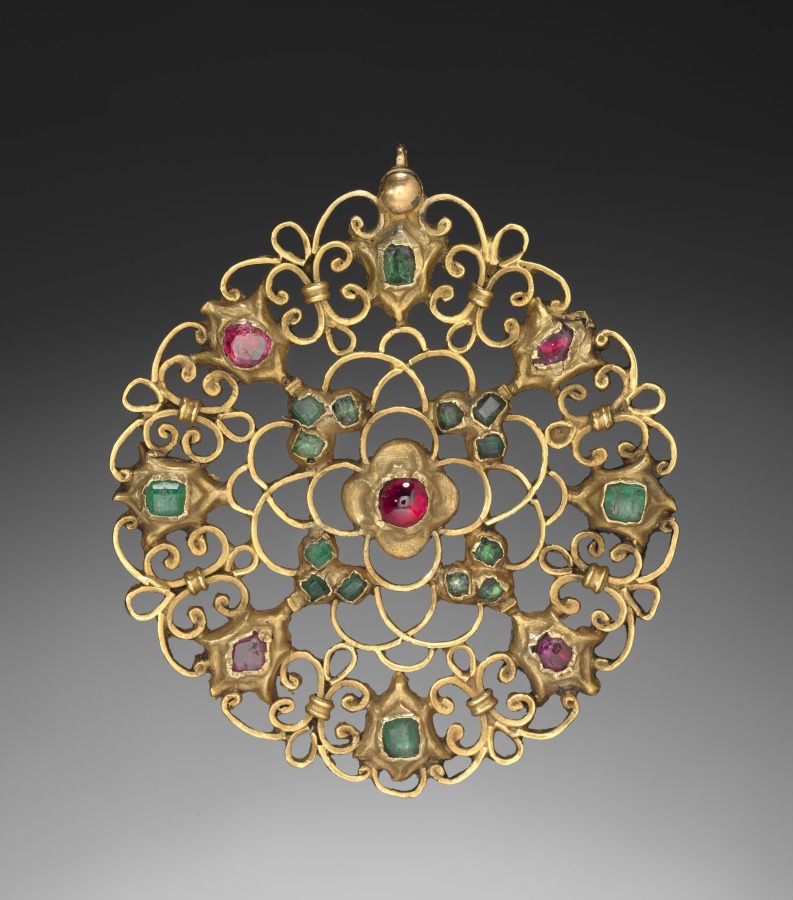
Medallion at the Cleveland Museum of Art: 1800s, silver gilt with rubies and emeralds. Explore the work's context, creator attribution and collection history.
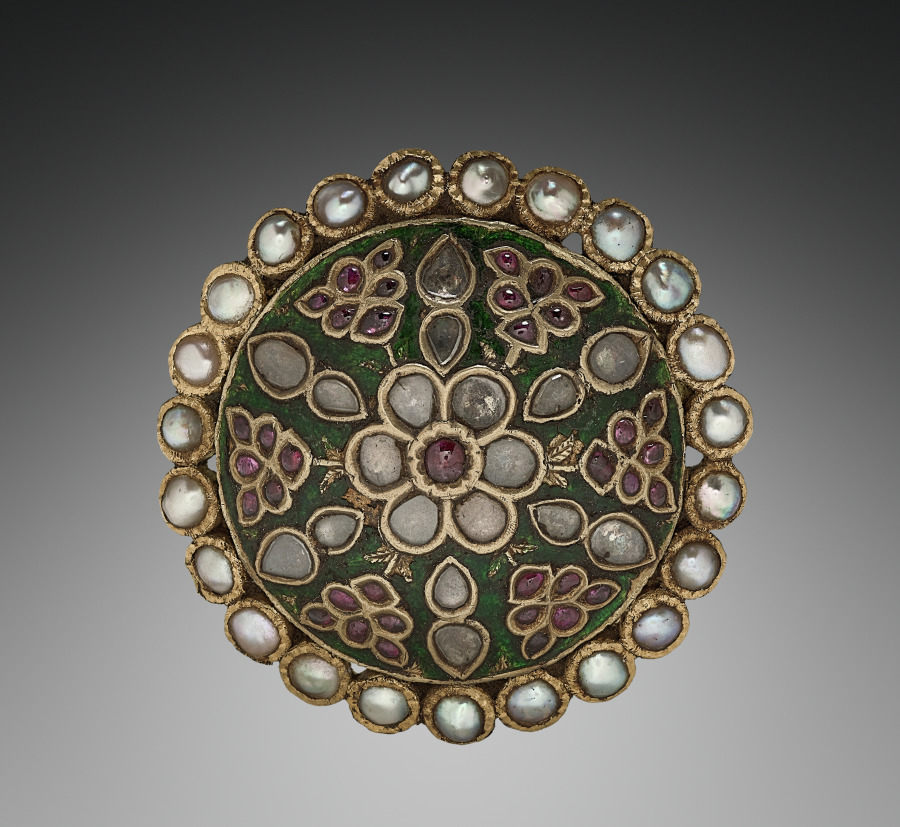
Ornament at the Cleveland Museum of Art: 1800s, Gold with green enamel ground, white sapphires, rubies, and pearls. Explore the work's context, creator attribution and collection history.