Saint Stephen (1502–8): Art, History and Details
Saint Stephen at the Cleveland Museum of Art: 1502–8, lindenwood with polychromy and gilding. Explore the work's context, creator attribution and collection history.
Oldest entries first, in a fixed order. Newly added articles appear at the end. Explore a shuffled selection →
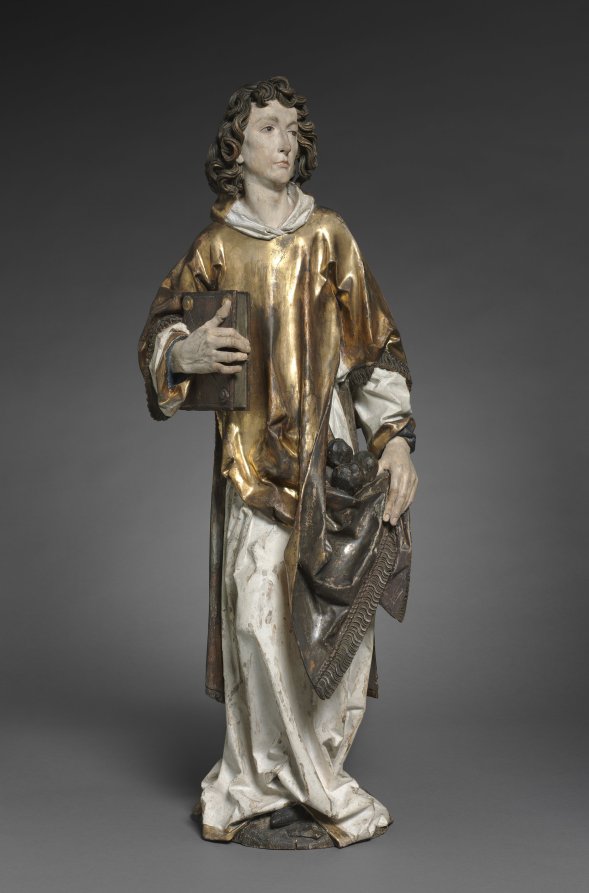
Saint Stephen at the Cleveland Museum of Art: 1502–8, lindenwood with polychromy and gilding. Explore the work's context, creator attribution and collection history.
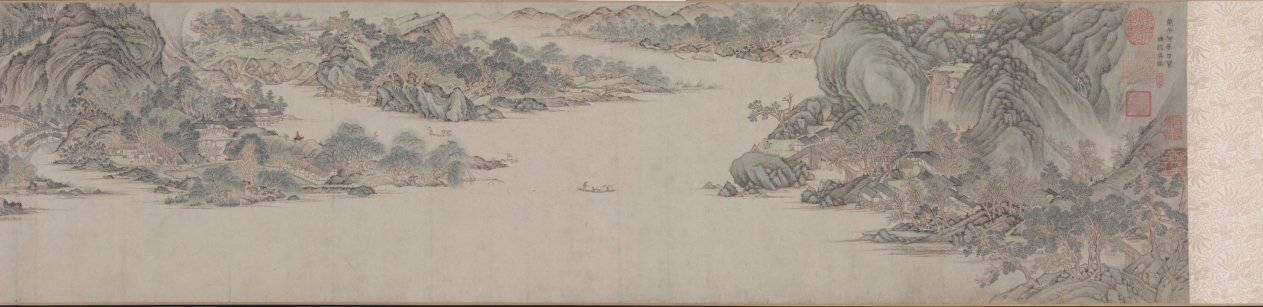
Greeting the Spring at the Cleveland Museum of Art: 1600, handscroll; ink and light color on paper. Explore the work's context, creator attribution and collection history.

River and Mountains on a Clear Autumn Day at the Cleveland Museum of Art: c. 1624–27, Handscroll; ink on Korean paper. Explore the work's context, creator attribution and collection history.
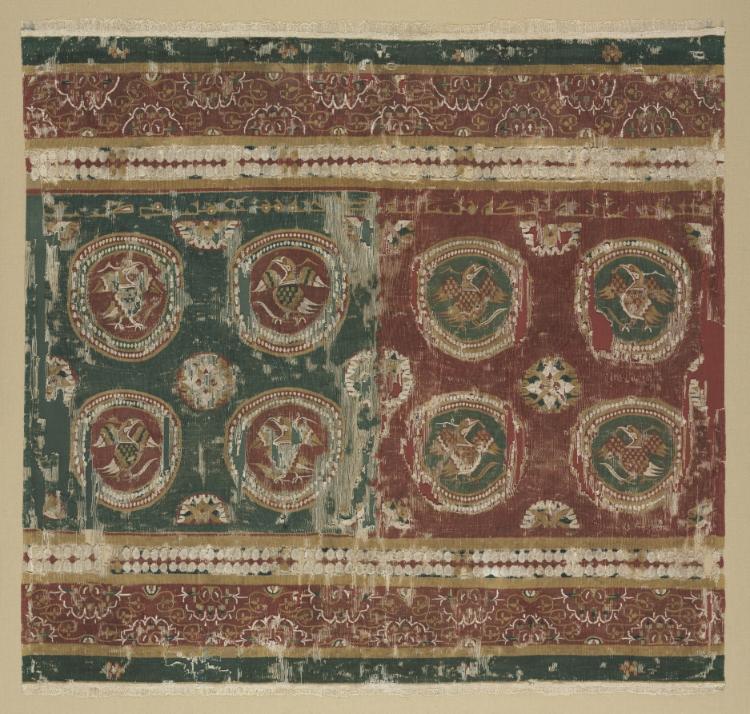
Pillow cover with Arabic inscription at the Cleveland Museum of Art: 800s, Wool and linen: tapestry weave. Explore the work's context, creator attribution and collection history.

Rembrandt and His Wife Saskia at the Cleveland Museum of Art: 1636, etching. Explore the work's context, creator attribution and collection history.
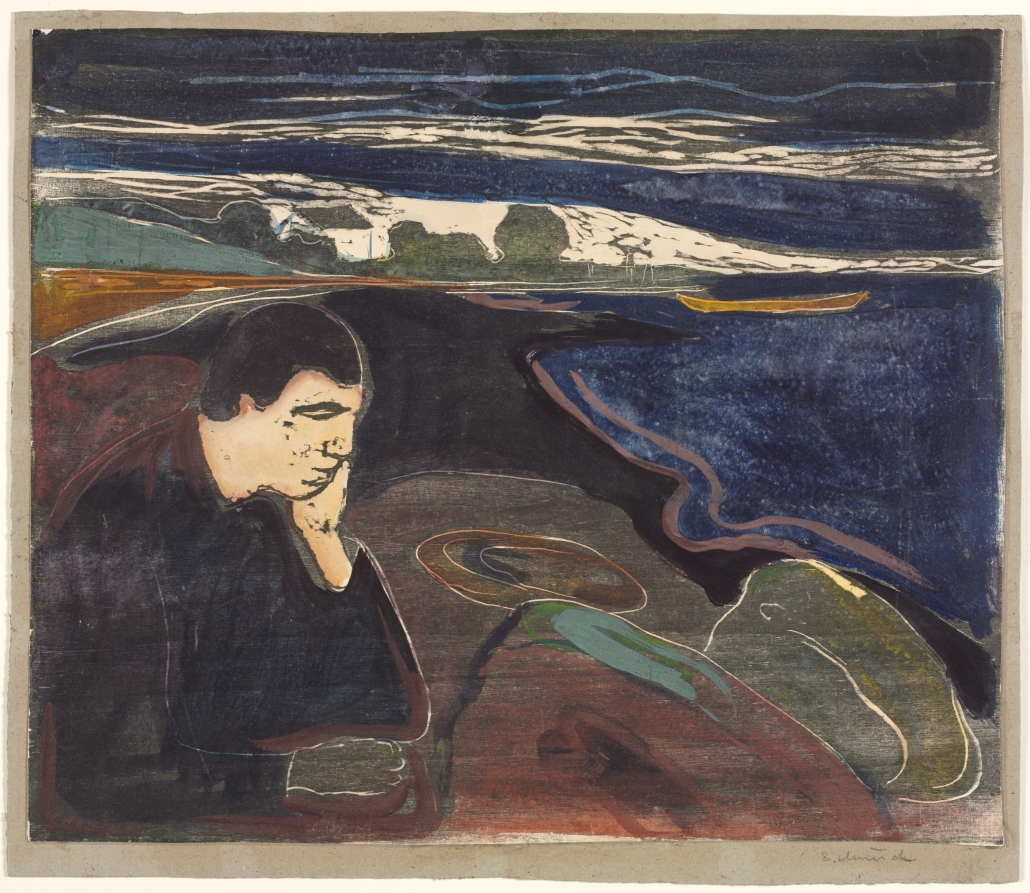
Evening, Melancholy I at the Cleveland Museum of Art: 1896, Hand-colored woodcut. Explore the work's context, creator attribution and collection history.

The Life of the Virgin at the Cleveland Museum of Art: c. 1510–11, woodcut. Explore the work's context, creator attribution and collection history.
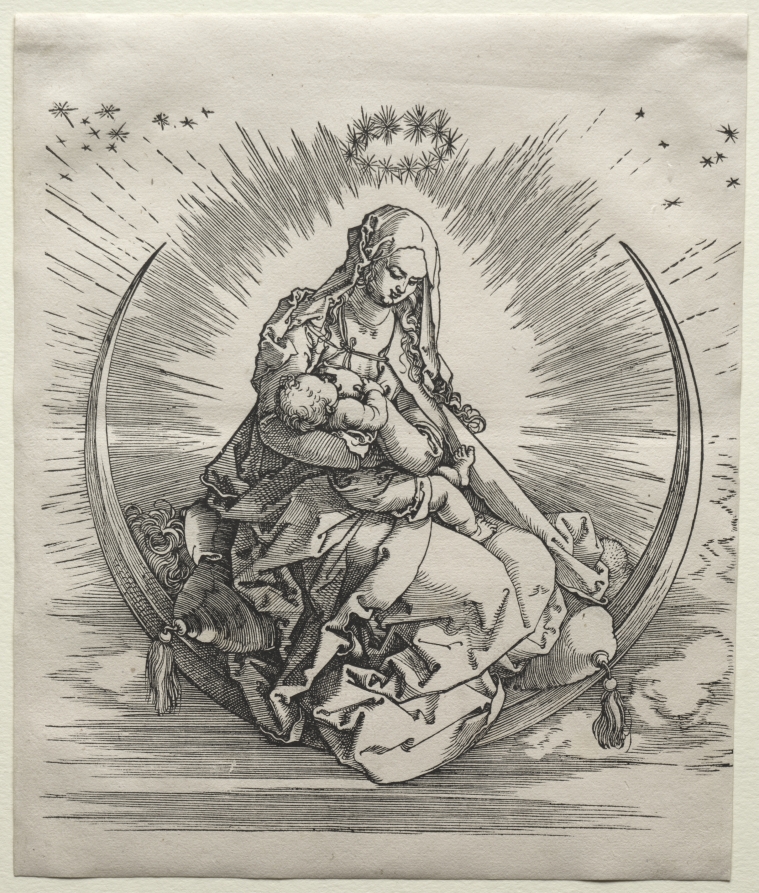
The Virgin on a Crescent at the Cleveland Museum of Art: c. 1510–11, woodcut. Explore the work's context, creator attribution and collection history.
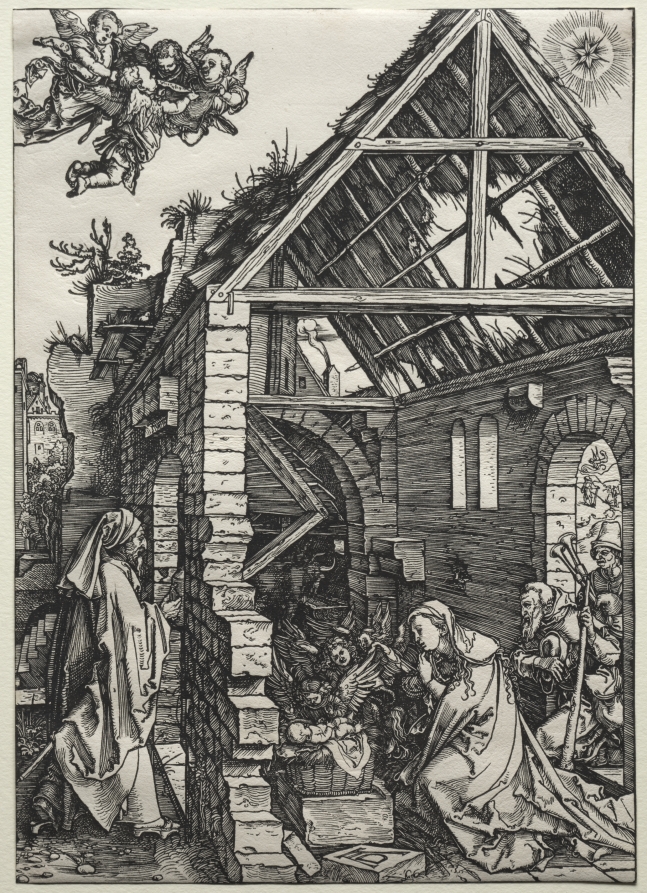
The Nativity at the Cleveland Museum of Art: c. 1502–3, woodcut. Explore the work's context, creator attribution and collection history.
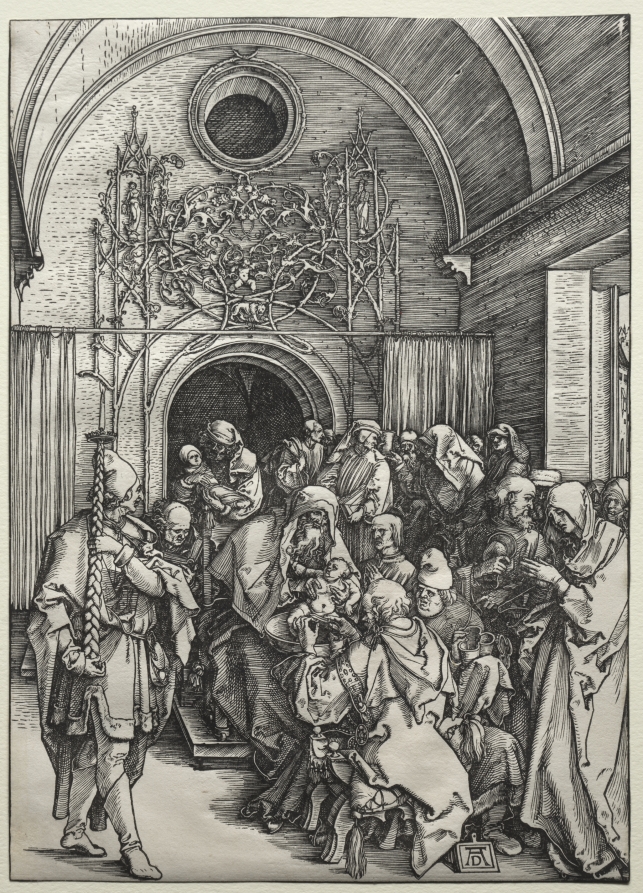
The Circumcision at the Cleveland Museum of Art: c. 1504–1505, woodcut. Explore the work's context, creator attribution and collection history.
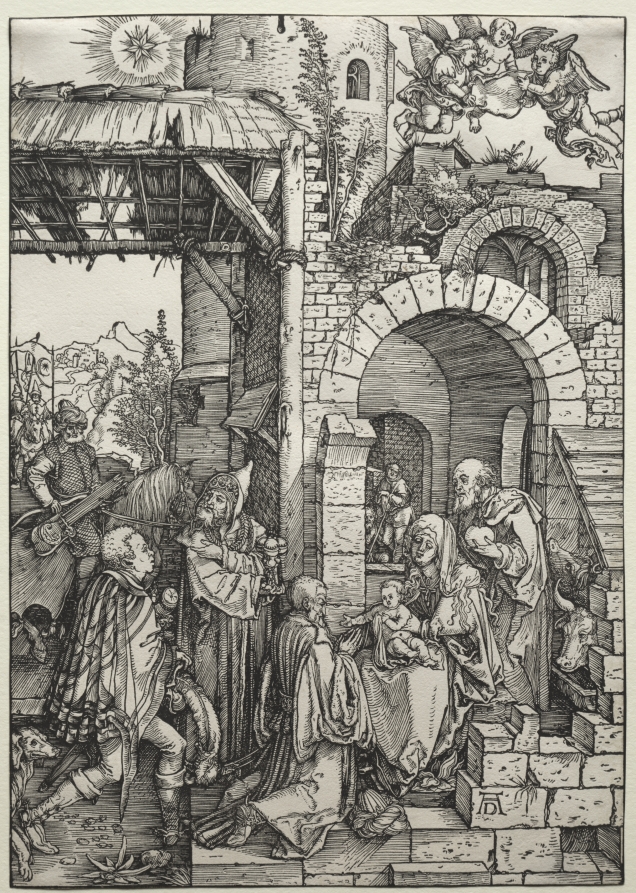
The Adoration of the Magi at the Cleveland Museum of Art: c. 1501–1503, woodcut. Explore the work's context, creator attribution and collection history.
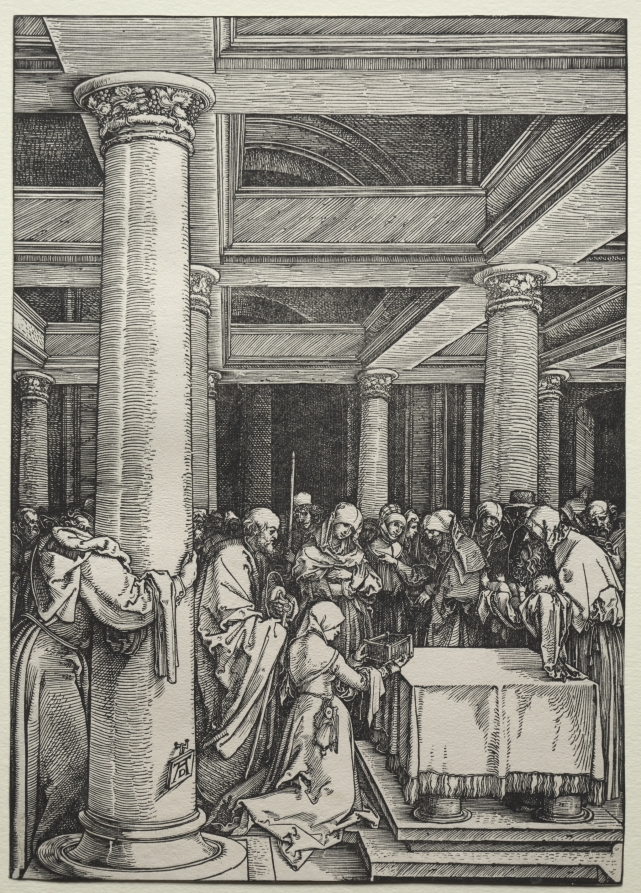
The Presentation of Christ in the Temple at the Cleveland Museum of Art: c. 1504–1505, woodcut. Explore the work's context, creator attribution and collection history.
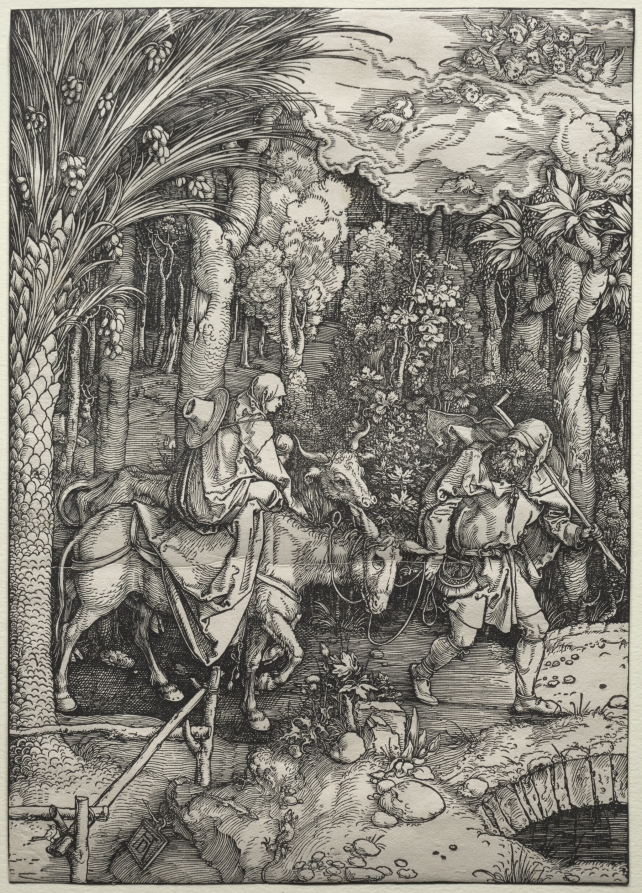
The Flight into Egypt at the Cleveland Museum of Art: c. 1503–5, woodcut. Explore the work's context, creator attribution and collection history.
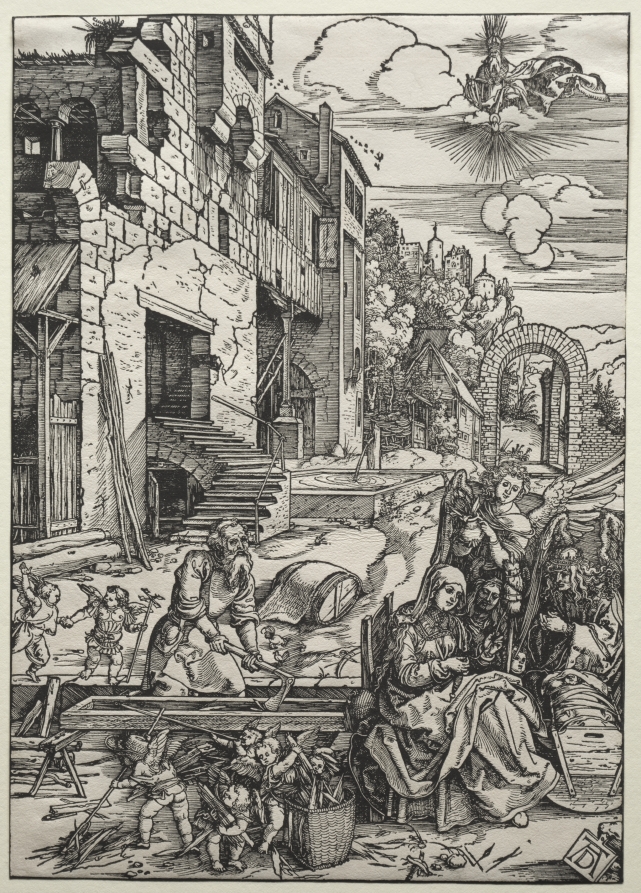
The Repose in Egypt at the Cleveland Museum of Art: c. 1501–1502, woodcut. Explore the work's context, creator attribution and collection history.
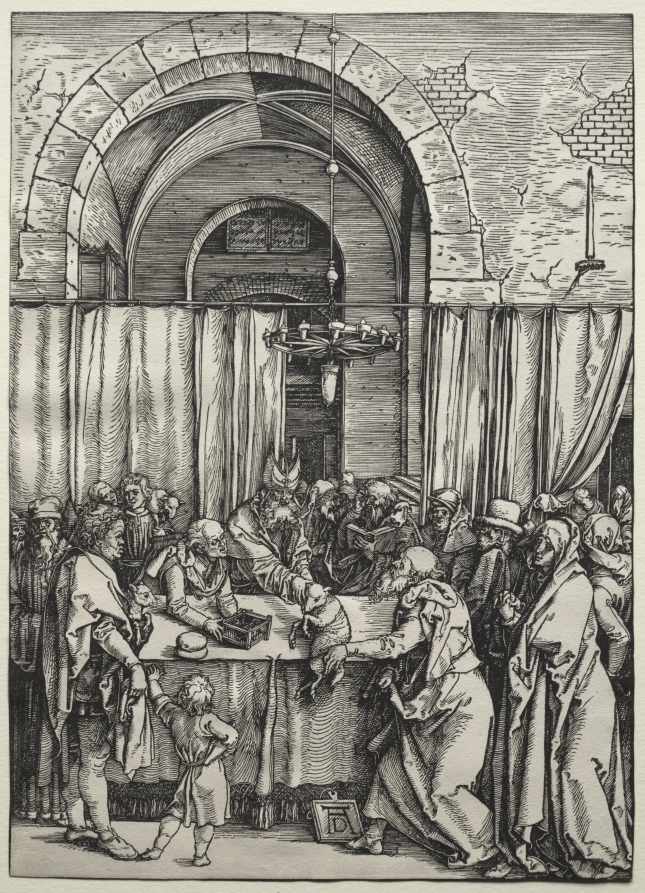
Joachim's Offering Rejected by the High Priest at the Cleveland Museum of Art: c. 1504–1505, woodcut. Explore the work's context, creator attribution and collection history.

Joachim and the Angel at the Cleveland Museum of Art: c. 1504, woodcut. Explore the work's context, creator attribution and collection history.
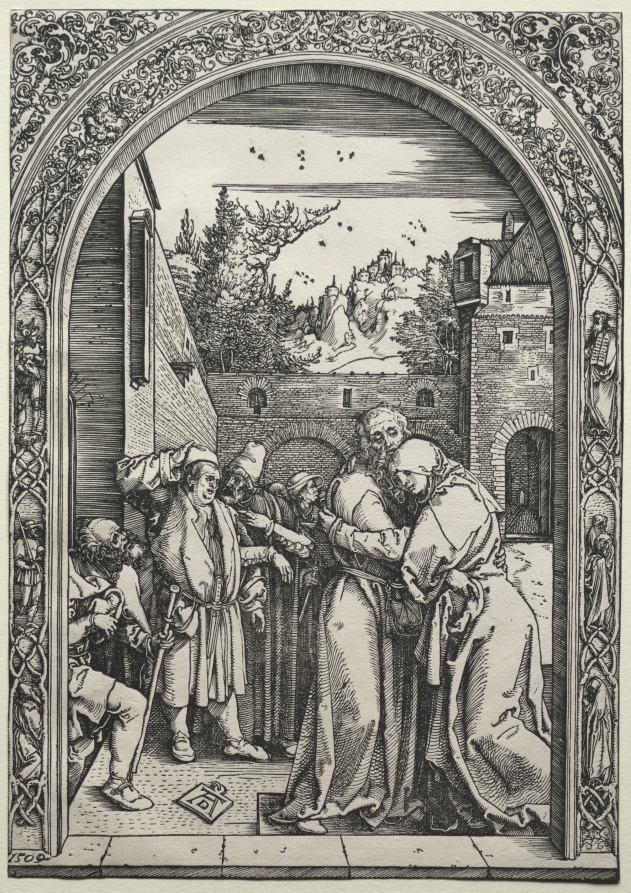
The Meeting of Joachim and Anna at the Golden Gate at the Cleveland Museum of Art: 1504, woodcut. Explore the work's context, creator attribution and collection history.
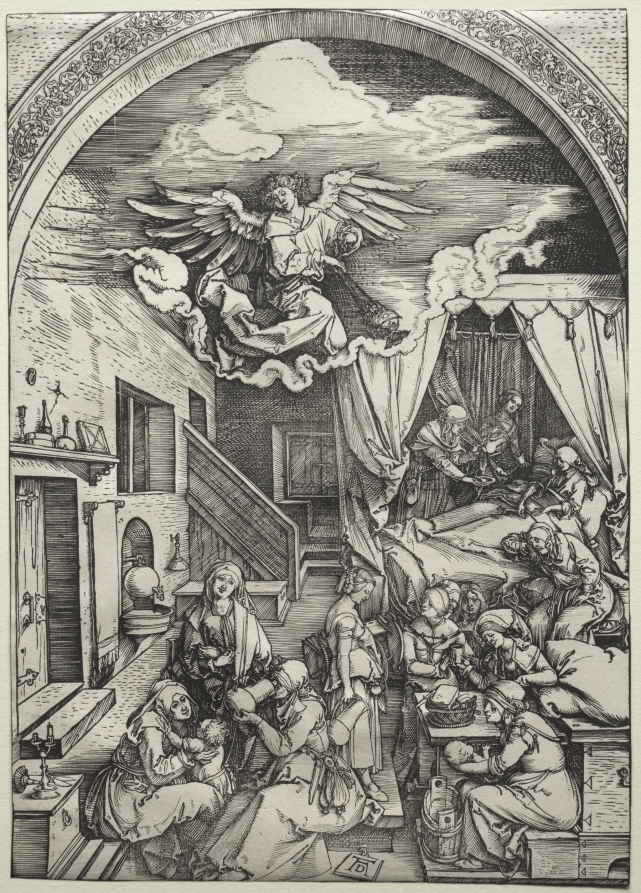
The Birth of the Virgin at the Cleveland Museum of Art: c. 1503–1504, woodcut. Explore the work's context, creator attribution and collection history.
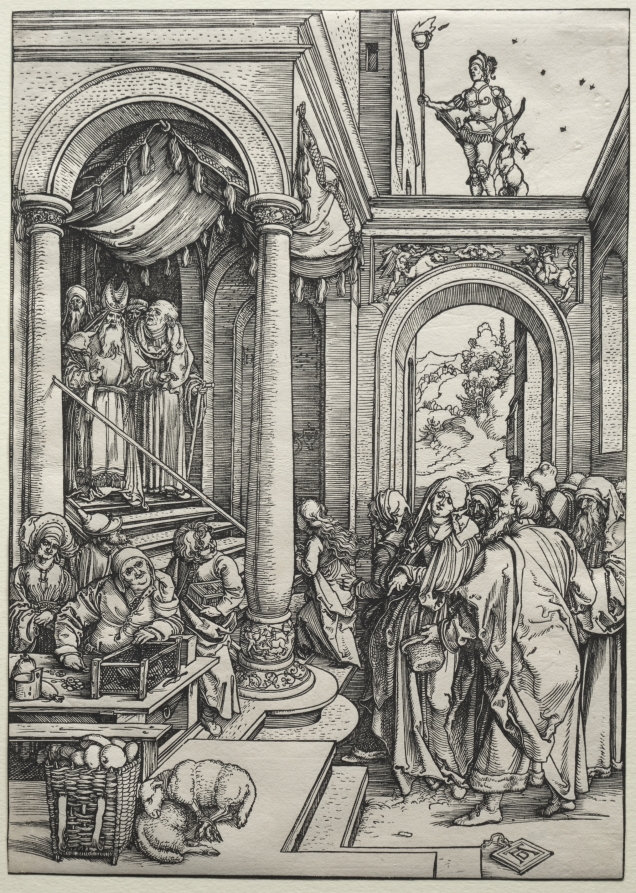
The Presentation of the Virgin in the Temple at the Cleveland Museum of Art: c. 1502–1503, woodcut. Explore the work's context, creator attribution and collection history.
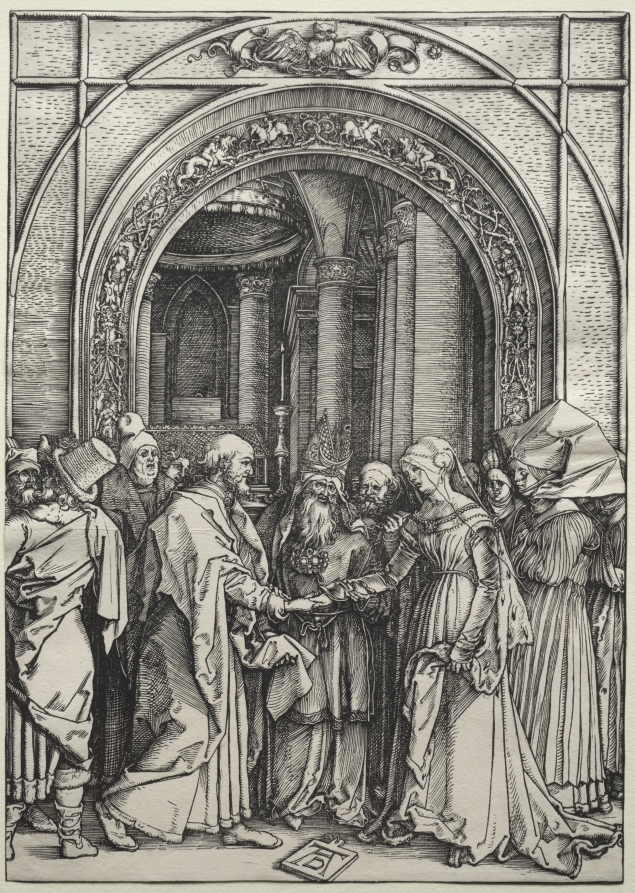
The Betrothal of the Virgin at the Cleveland Museum of Art: c. 1504–1505, woodcut. Explore the work's context, creator attribution and collection history.
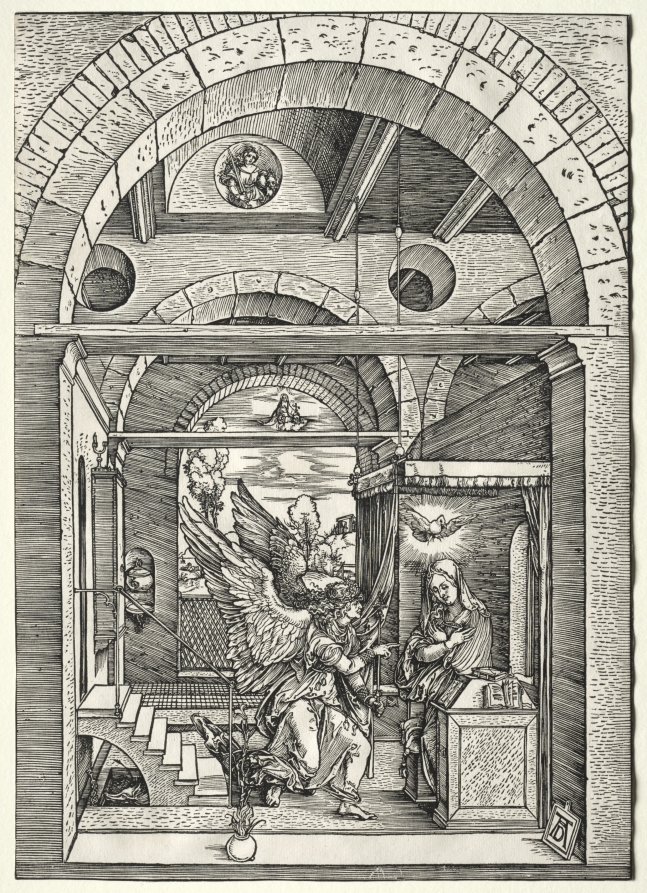
The Annunciation at the Cleveland Museum of Art: c. 1503–5, woodcut. Explore the work's context, creator attribution and collection history.
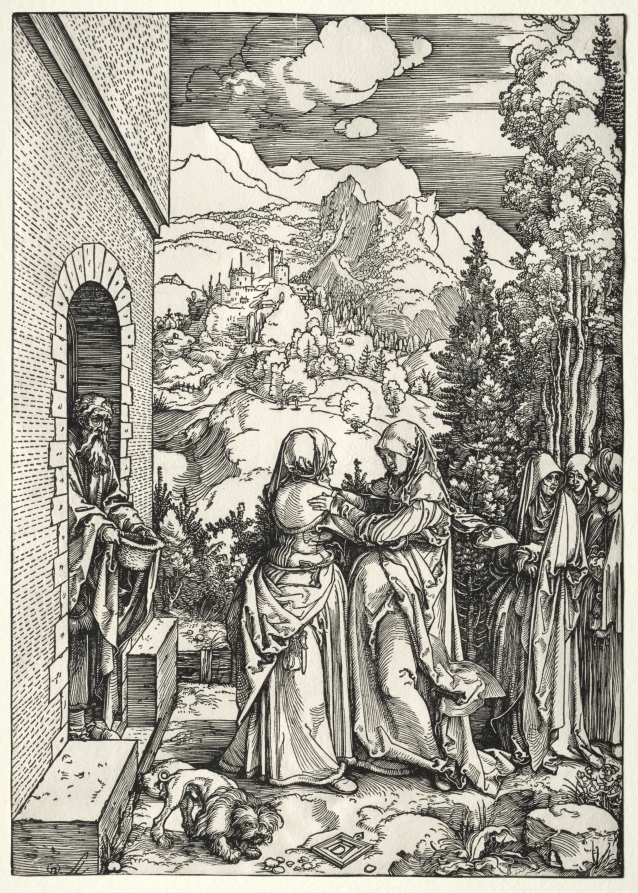
The Visitation at the Cleveland Museum of Art: c. 1504, woodcut. Explore the work's context, creator attribution and collection history.
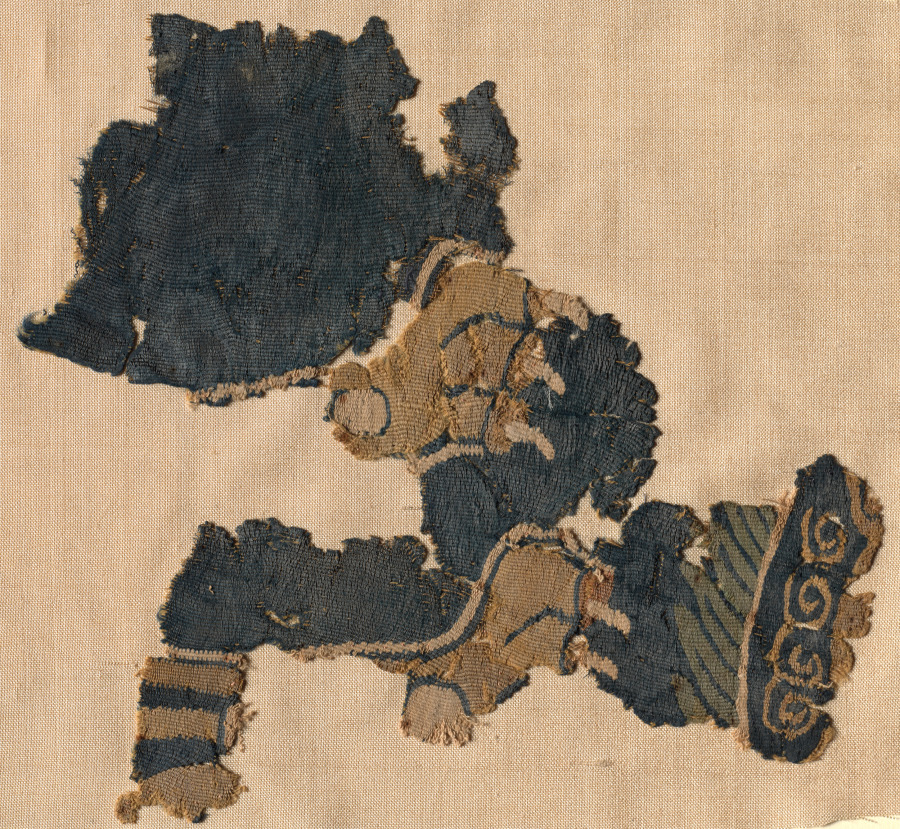
Fragment, probably from a large hanging at the Cleveland Museum of Art: 900s–1000s, Wool: tapestry weave. Explore the work's context, creator attribution and collection history.
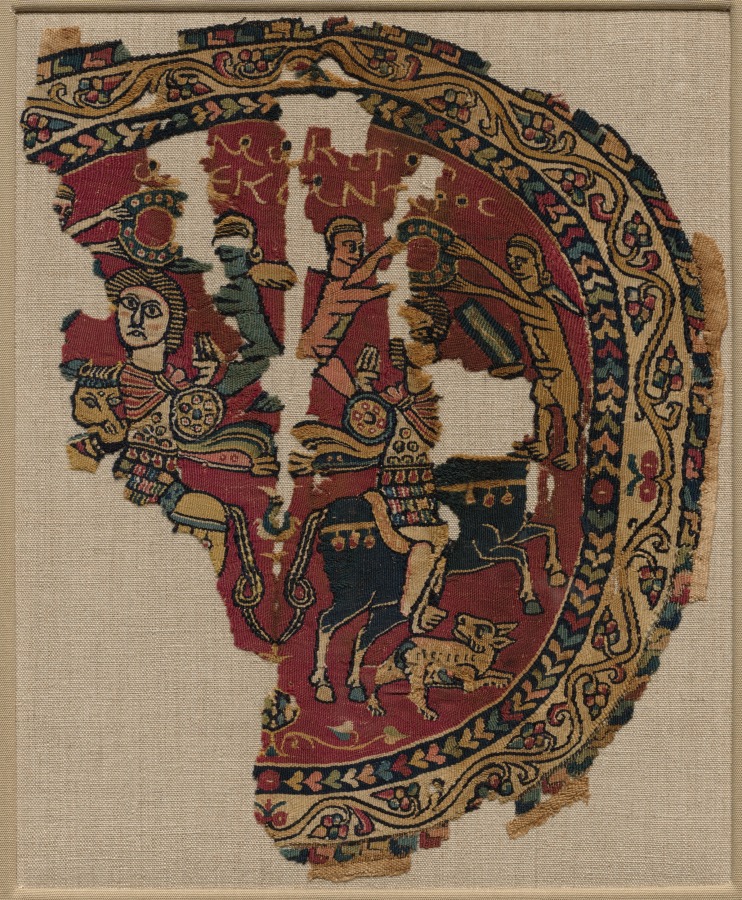
Alexander the Great on Horseback at the Cleveland Museum of Art: 700s, dyed wool, undyed linen; plain weave and slit-tapestry weave. Explore the work's context, creator attribution and collection history.
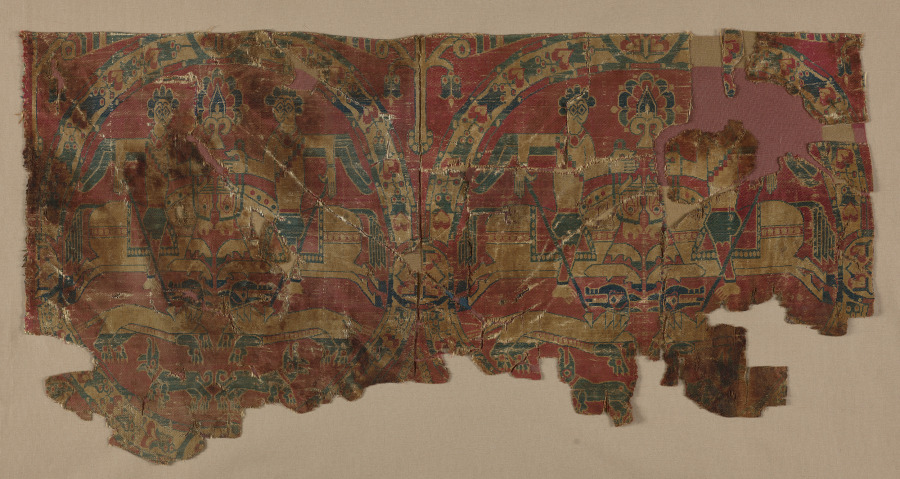
Roundels with Hunters at the Cleveland Museum of Art: 800s, Silk: samite weave. Explore the work's context, creator attribution and collection history.
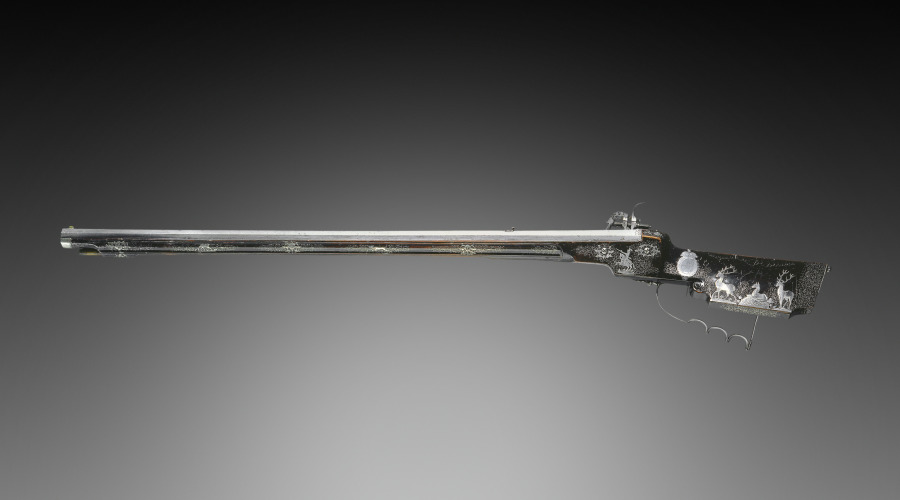
Wheel-Lock Hunting Rifle at the Cleveland Museum of Art: mid-1600s, steel, varnished wood (walnut) stock decorated with inlaid silver wire and appliqués. Explore the work's context, creator attribution and collection history.

Christ in Majesty with the Virgin and Saint John the Evangelist: Single Leaf from a Book of Rules at the Cleveland Museum of Art: c. 1310–20, ink, tempera, and gold on parchment. Explore the work's context, creator attribution and collectio
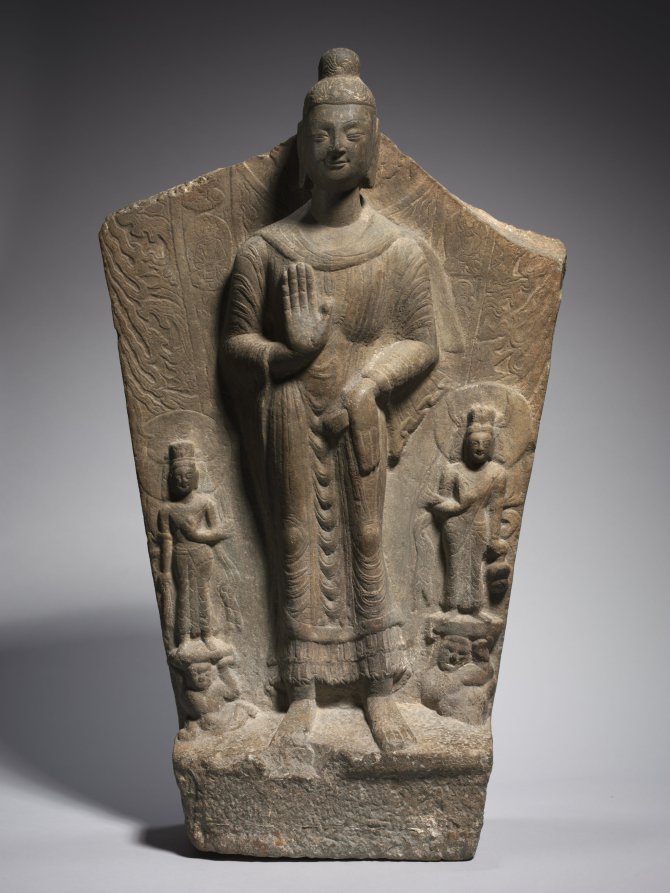
Stele with Maitreya and Attendants at the Cleveland Museum of Art: 500, gray limestone. Explore the work's context, creator attribution and collection history.
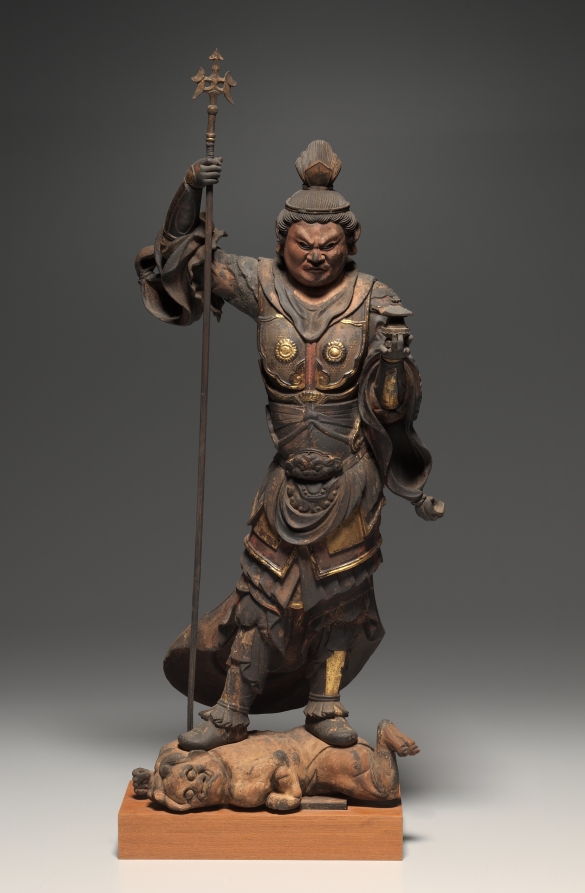
Guardian King of the North (Bishamonten) at the Cleveland Museum of Art: 1185–1333, wood with gold polychromy. Explore the work's context, creator attribution and collection history.
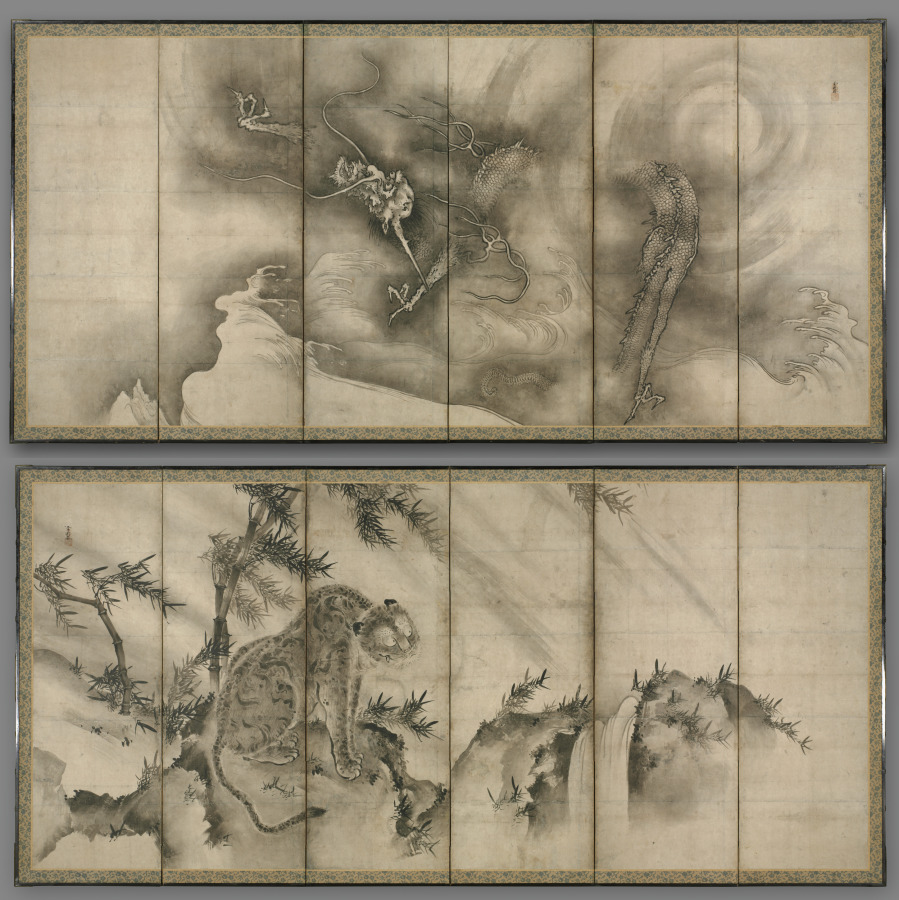
Dragon and Tiger at the Cleveland Museum of Art: c. 1546–56, Pair of six-panel folding screens; ink on paper. Explore the work's context, creator attribution and collection history.
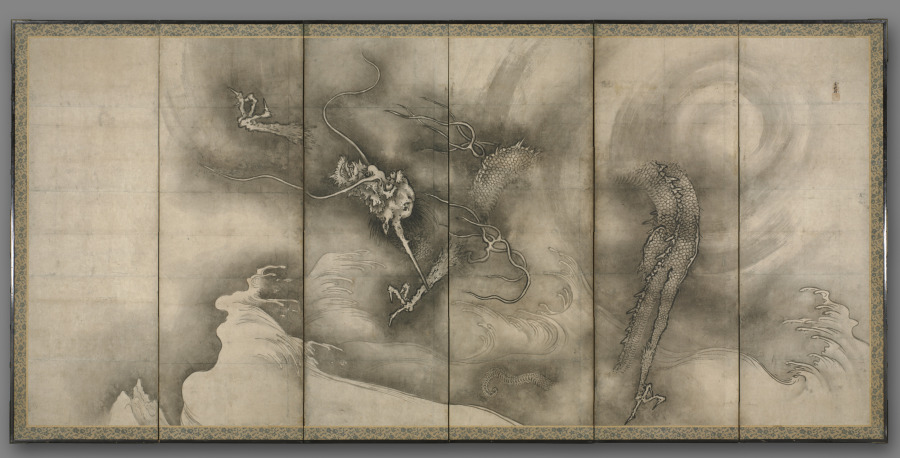
Dragon and Tiger at the Cleveland Museum of Art: c. 1546–56, One of a pair of six-panel folding screens; ink on paper. Explore the work's context, creator attribution and collection history.
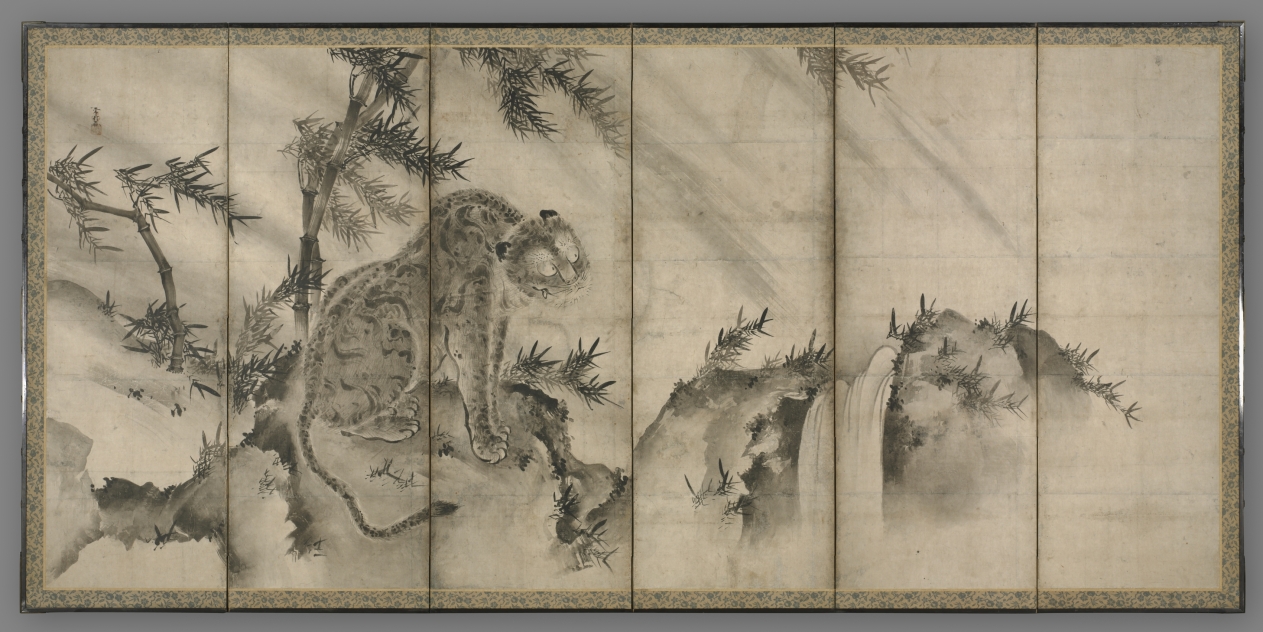
Dragon and Tiger at the Cleveland Museum of Art: c. 1546–56, One of a pair of six-panel folding screens; ink on paper. Explore the work's context, creator attribution and collection history.

Nine Songs at the Cleveland Museum of Art: 1361, handscroll; ink on paper. Explore the work's context, creator attribution and collection history.
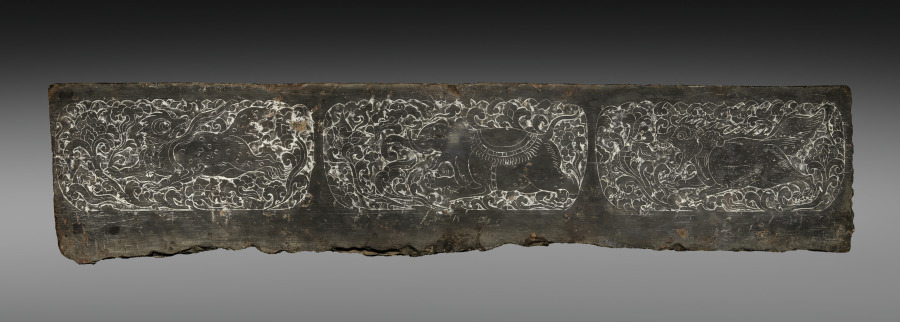
Section of a Sarcophagus Foundation or Epitaph Stone at the Cleveland Museum of Art: late 600s–early 700s, limestone with carved decoration. Explore the work's context, creator attribution and collection history.
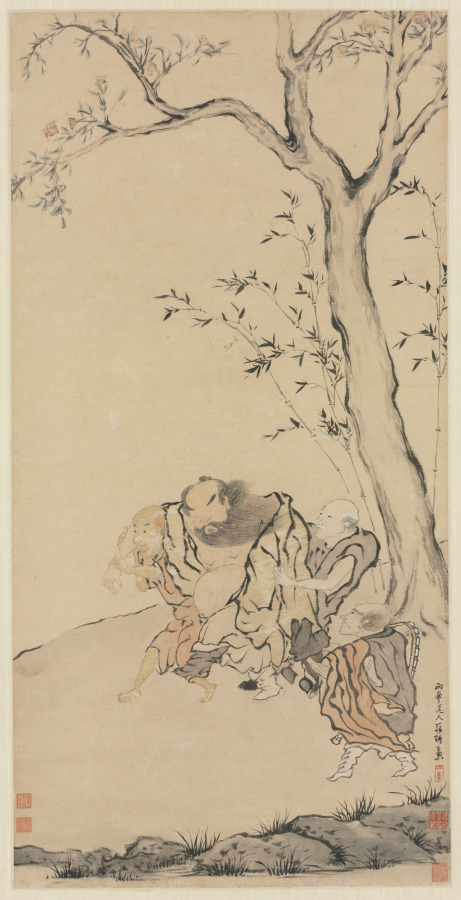
Zhong Kui Supported by Ghosts at the Cleveland Museum of Art: 1700s, hanging scroll; ink and light color on paper. Explore the work's context, creator attribution and collection history.
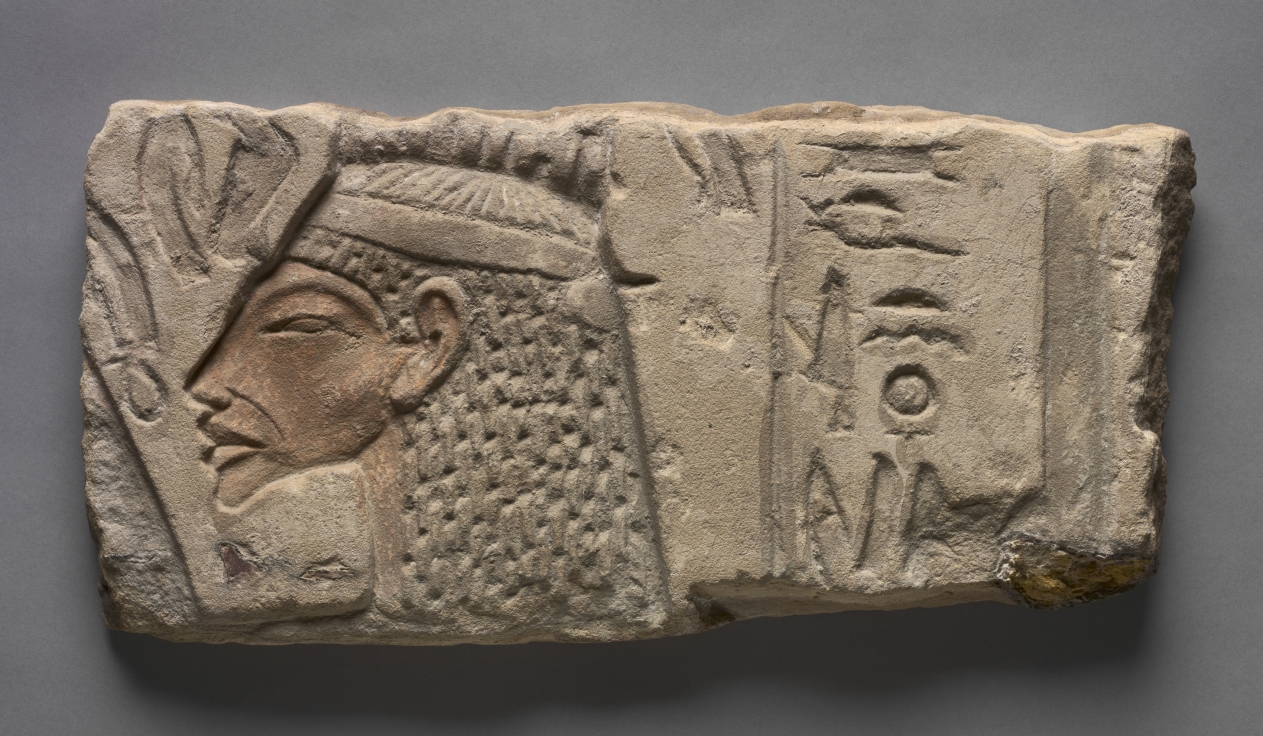
Talatat: Nefertiti Offers to the Aten at the Cleveland Museum of Art: 1353–1347 BCE, painted sandstone. Explore the work's context, creator attribution and collection history.
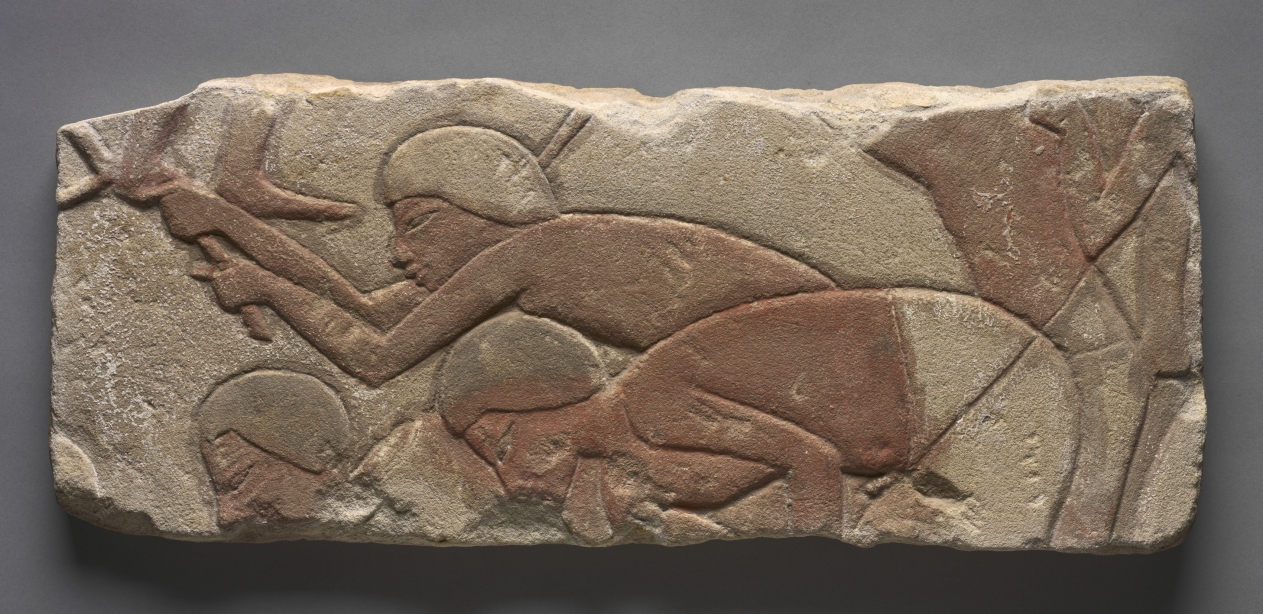
Talatat: Men Hoeing the Earth at the Cleveland Museum of Art: c. 1353–1347 BCE, painted sandstone. Explore the work's context, creator attribution and collection history.
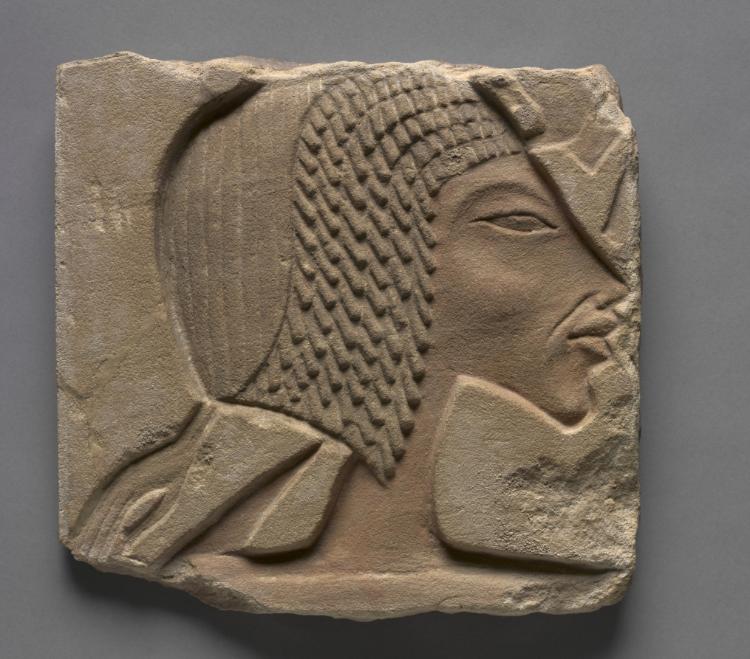
Talatat: Portrait of Nefertiti at the Cleveland Museum of Art: c. 1353–1347 BCE, painted sandstone. Explore the work's context, creator attribution and collection history.
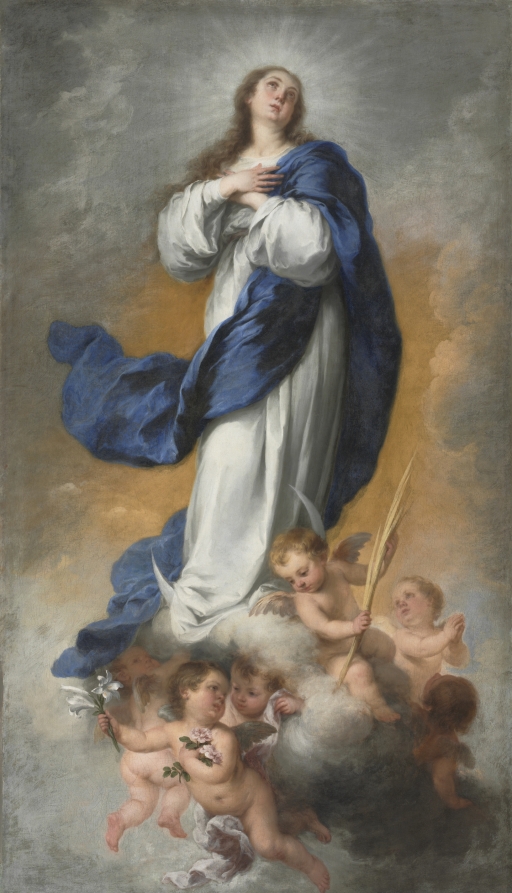
The Immaculate Conception at the Cleveland Museum of Art: c. 1680, oil on canvas. Explore the work's context, creator attribution and collection history.
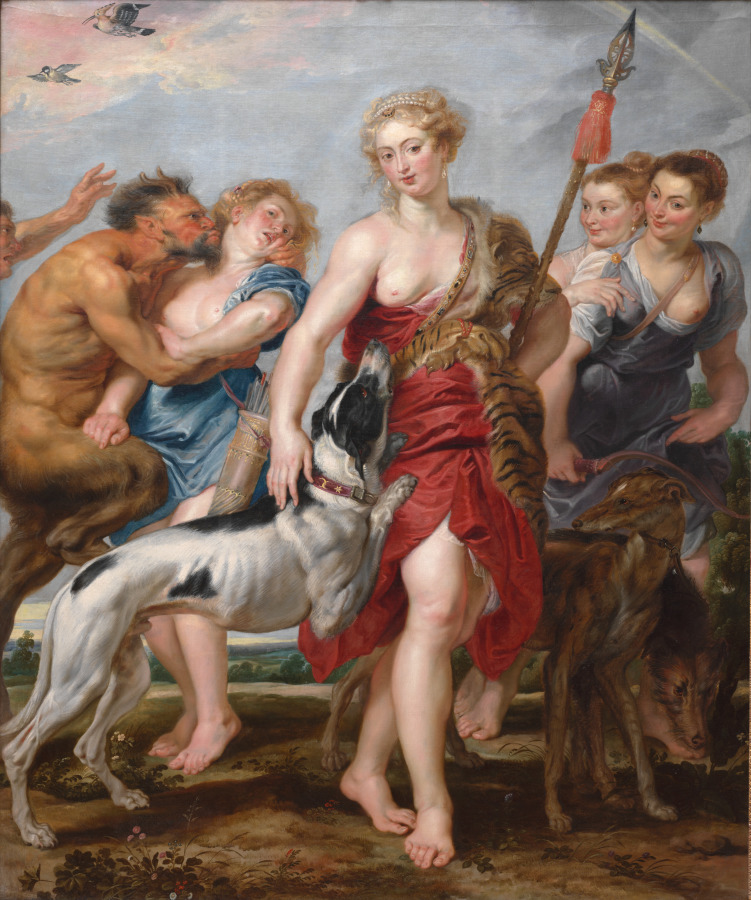
Diana and Her Nymphs Departing for the Hunt at the Cleveland Museum of Art: c. 1615, oil on canvas. Explore the work's context, creator attribution and collection history.