Eye (1900s): Art, History and Details
Eye at the Cleveland Museum of Art: 1900s, watercolor on ivory set in a ring with split pearl border. Explore the work's context, creator attribution and collection history.
Oldest entries first, in a fixed order. Newly added articles appear at the end. Explore a shuffled selection →

Eye at the Cleveland Museum of Art: 1900s, watercolor on ivory set in a ring with split pearl border. Explore the work's context, creator attribution and collection history.

Self-Portrait at the Cleveland Museum of Art: c. 1790s, oil on canvas. Explore the work's context, creator attribution and collection history.
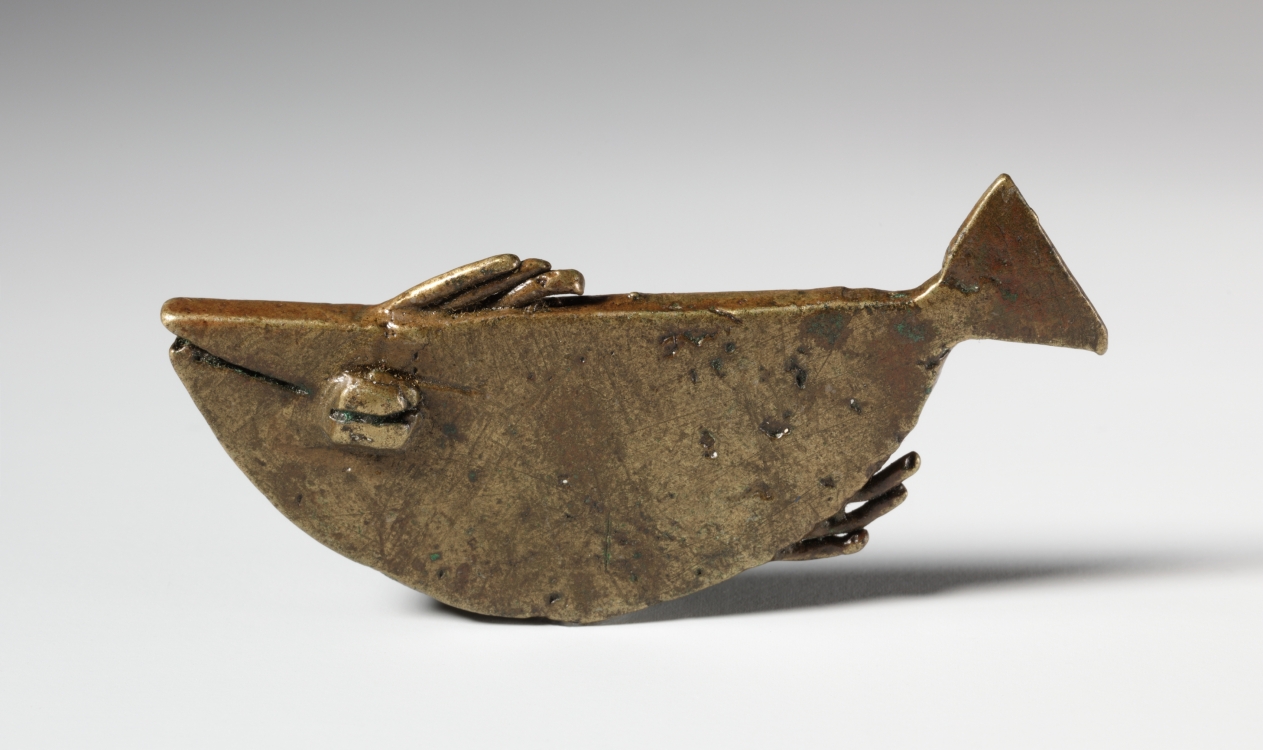
Gold Weight (abrammuo): Fish at the Cleveland Museum of Art: 1800s, Copper alloy. Explore the work's context, creator attribution and collection history.
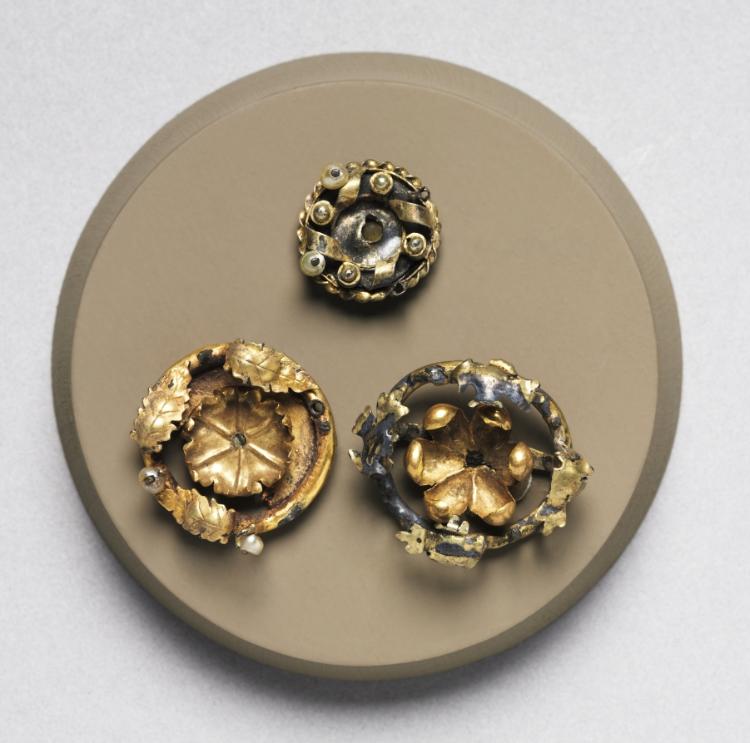
Brooch (Element of Garment Clasp) at the Cleveland Museum of Art: c. 1400, gold, gilt silver and pearls. Explore the work's context, creator attribution and collection history.

Brooch (Element of Garment Clasp) at the Cleveland Museum of Art: c. 1400, gold, gilt silver and pearls. Explore the work's context, creator attribution and collection history.
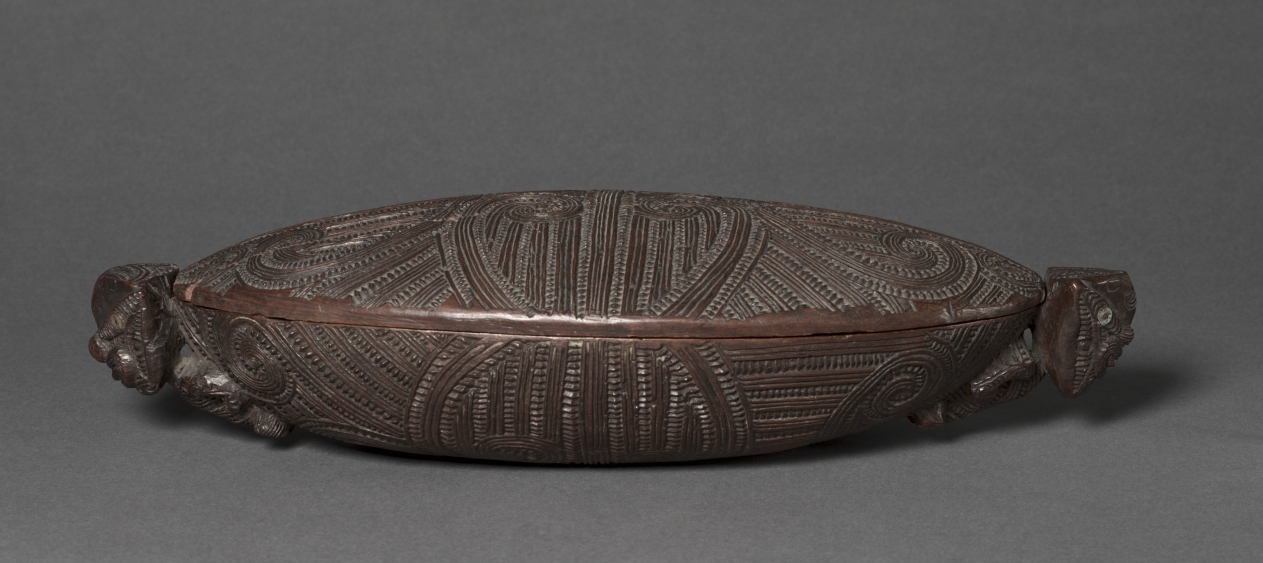
Treasure Box (Wakahuia) at the Cleveland Museum of Art: 1800s, wood with abalone shell. Explore the work's context, creator attribution and collection history.
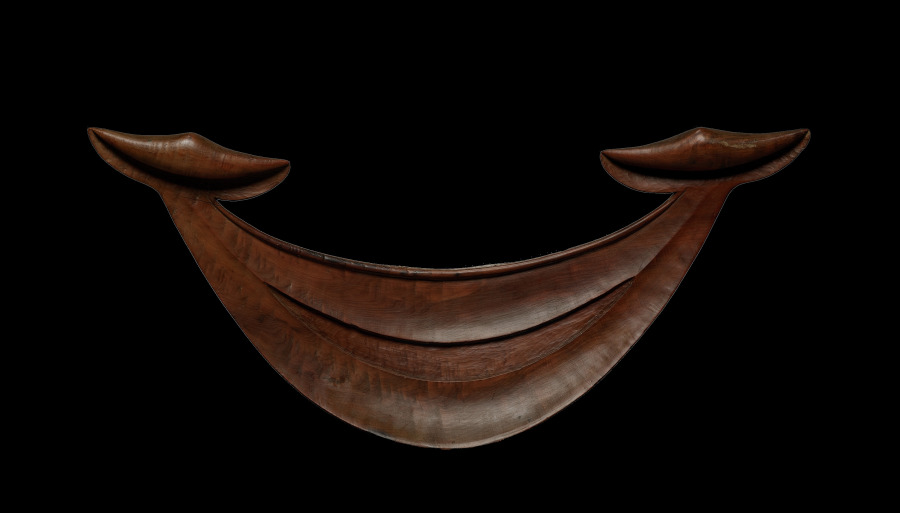
Gorget (Rei Miro) at the Cleveland Museum of Art: 1800s, wood. Explore the work's context, creator attribution and collection history.
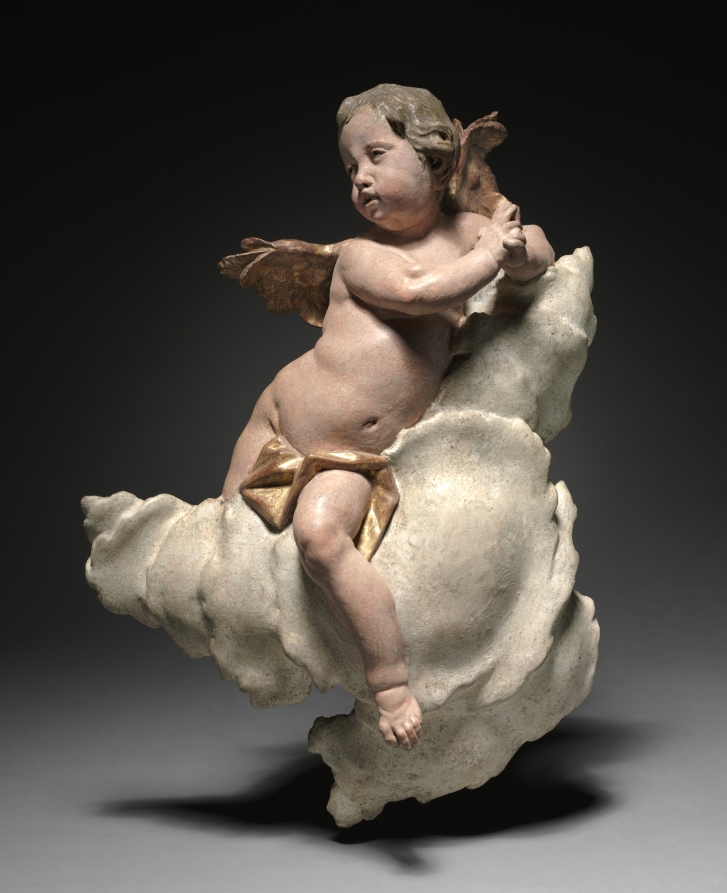
Putto at the Cleveland Museum of Art: c. 1760, painted and gilded wood. Explore the work's context, creator attribution and collection history.
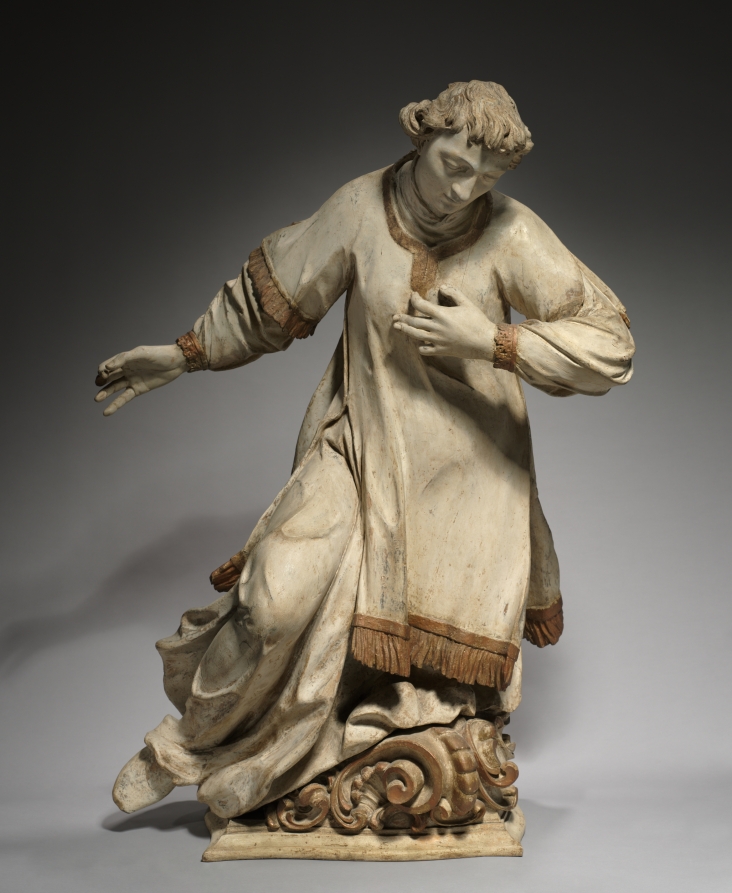
Kneeling Saint at the Cleveland Museum of Art: 1750–1800, painted and gilded wood. Explore the work's context, creator attribution and collection history.
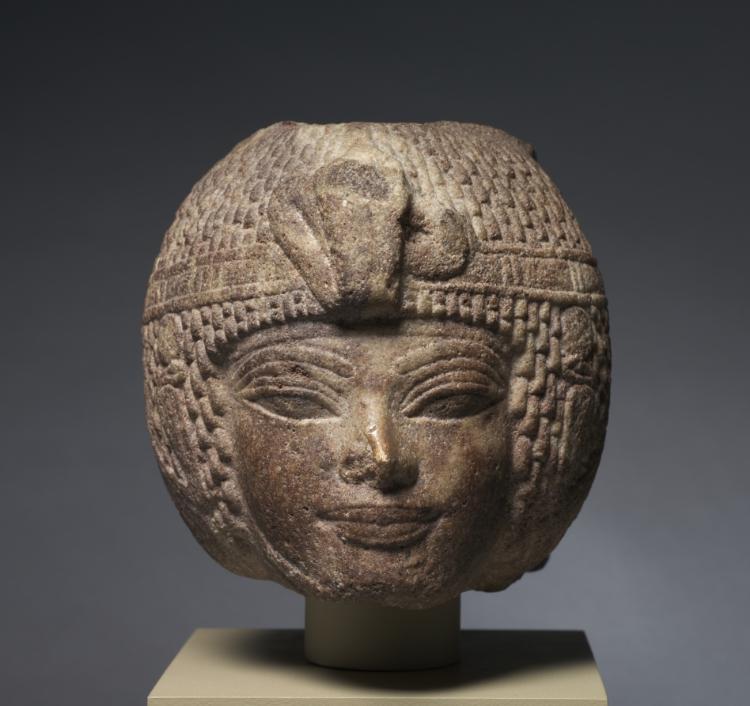
Head of Amenhotep III Wearing the Round Wig at the Cleveland Museum of Art: c. 1391–1353 BCE, brown quartzite. Explore the work's context, creator attribution and collection history.
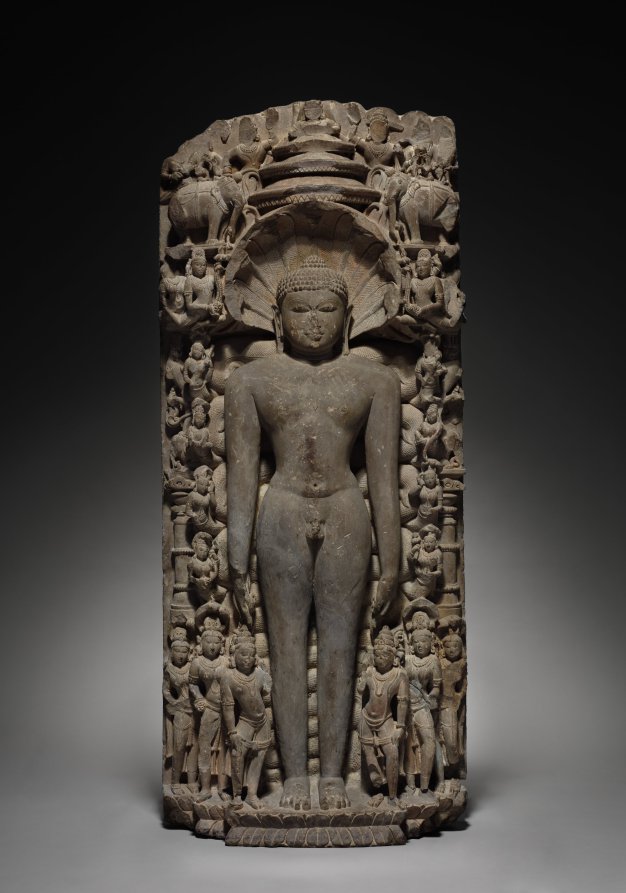
Parshva at the Cleveland Museum of Art: 800s, sandstone. Explore the work's context, creator attribution and collection history.
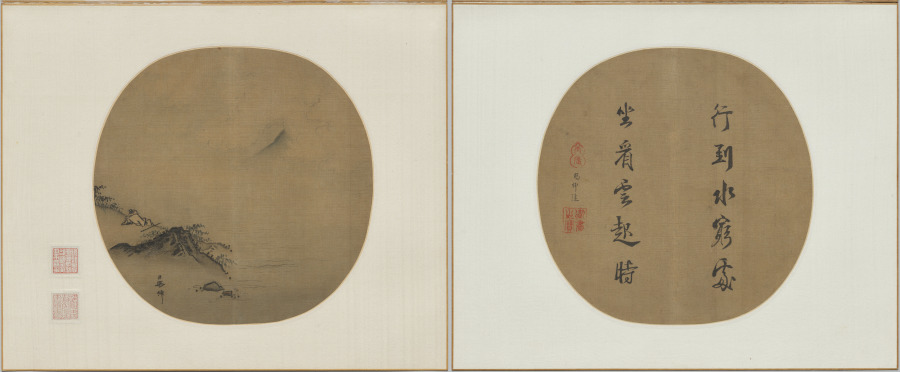
Scholar Reclining and Watching Rising Clouds; Poem by Wang Wei at the Cleveland Museum of Art: c. 1256, Album leaf; ink on silk. Explore the work's context, creator attribution and collection history.
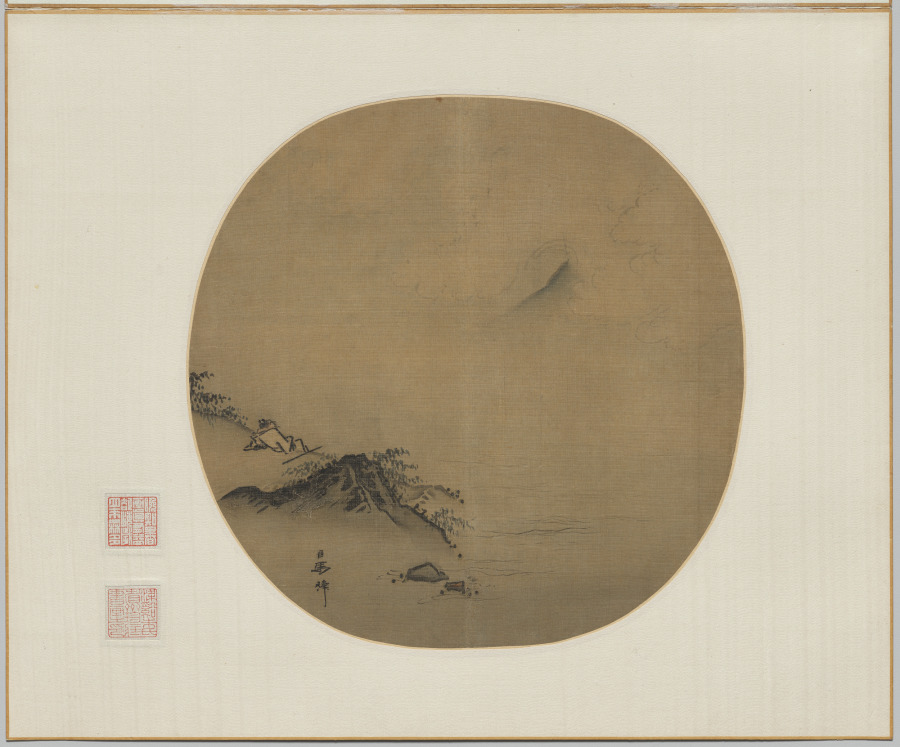
Scholar Reclining and Watching Rising Clouds, Poem by Wang Wei at the Cleveland Museum of Art: c. 1256, Album leaf; ink on silk. Explore the work's context, creator attribution and collection history.
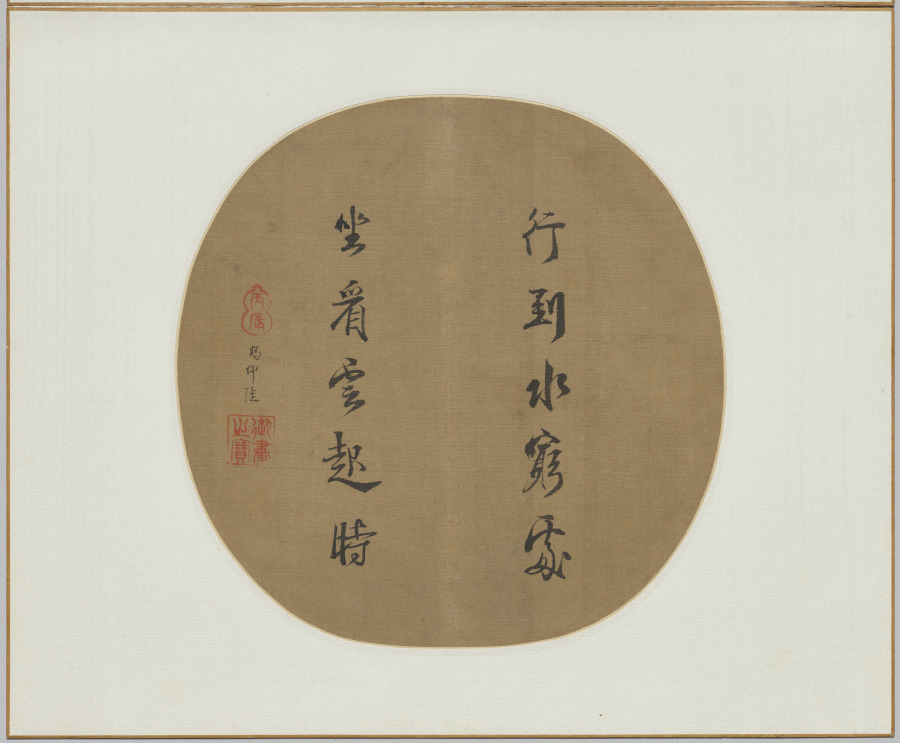
Poem by Wang Wei in the Cursive Script Style at the Cleveland Museum of Art: 1256, Album leaf; ink on silk. Explore the work's context, creator attribution and collection history.
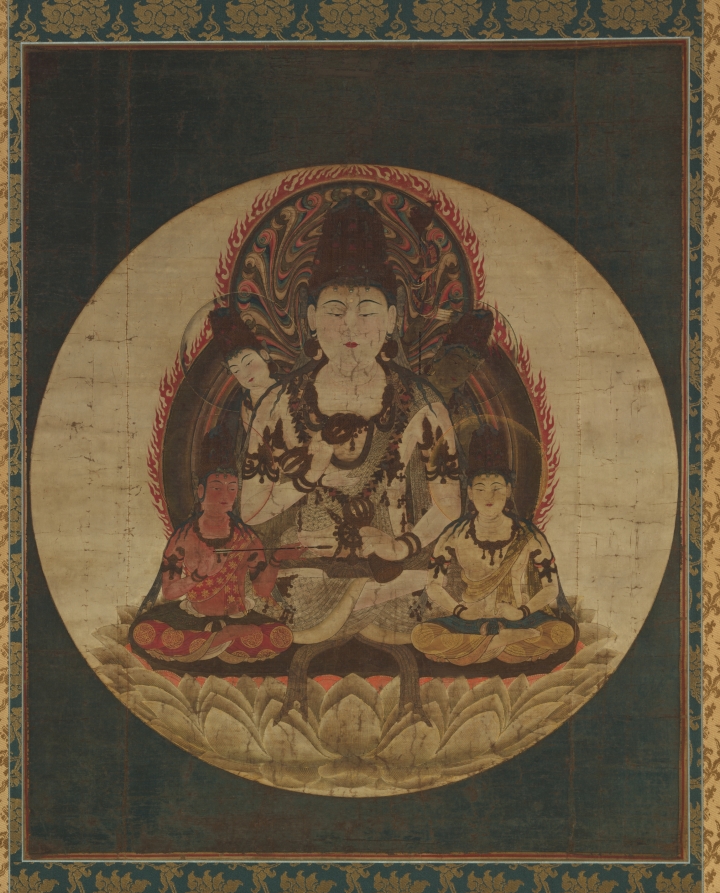
The Secret Five Bodhisattvas (Gohimitsu Bosatsu) at the Cleveland Museum of Art: 1200s, hanging scroll; ink, color, gold, and silver on silk. Explore the work's context, creator attribution and collection history.

Portrait of Vincenzo Guarignoni at the Cleveland Museum of Art: c. 1572, oil on canvas. Explore the work's context, creator attribution and collection history.

Mme L . . . (Laure Borreau) at the Cleveland Museum of Art: 1863, oil on fabric. Explore the work's context, creator attribution and collection history.
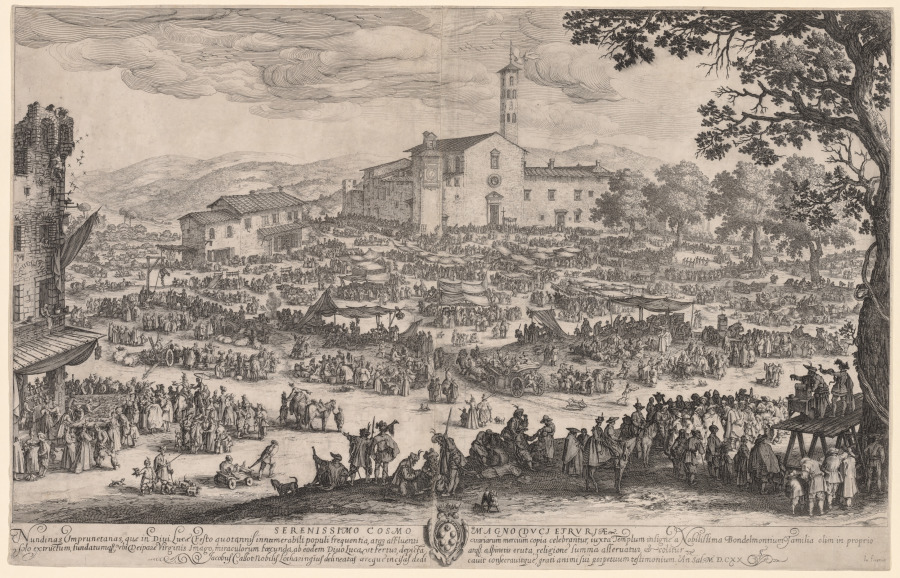
The Fair at Impruneta at the Cleveland Museum of Art: 1620, etching on two sheets of paper joined. Explore the work's context, creator attribution and collection history.
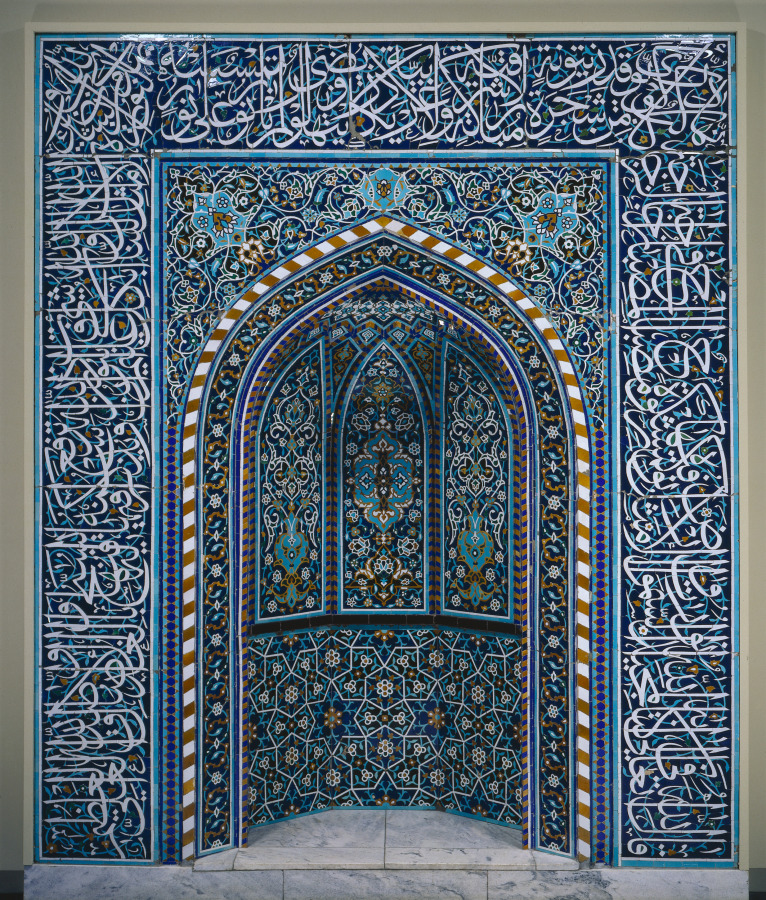
Prayer Niche (Mihrab) at the Cleveland Museum of Art: c. 1500s or mid-1900s, ceramic mosaic. Explore the work's context, creator attribution and collection history.

King Luhrasp Ascends the Throne: a Processon Arrives at Court (recto); the Story of King Luhrasp (verso) from a Shahnama (Book of Kings) of Firdausi (940-1019 or 1025) at the Cleveland Museum of Art: c. 1560–90, opaque watercolor, ink and g

King Luhrasp Ascends the Throne: a Processon Arrives at Court, recto of the left folio of a double-page composition from a Shahnama (Book of Kings) of Firdausi (940-1019 or 1025) at the Cleveland Museum of Art: c. 1560–90, opaque watercolor
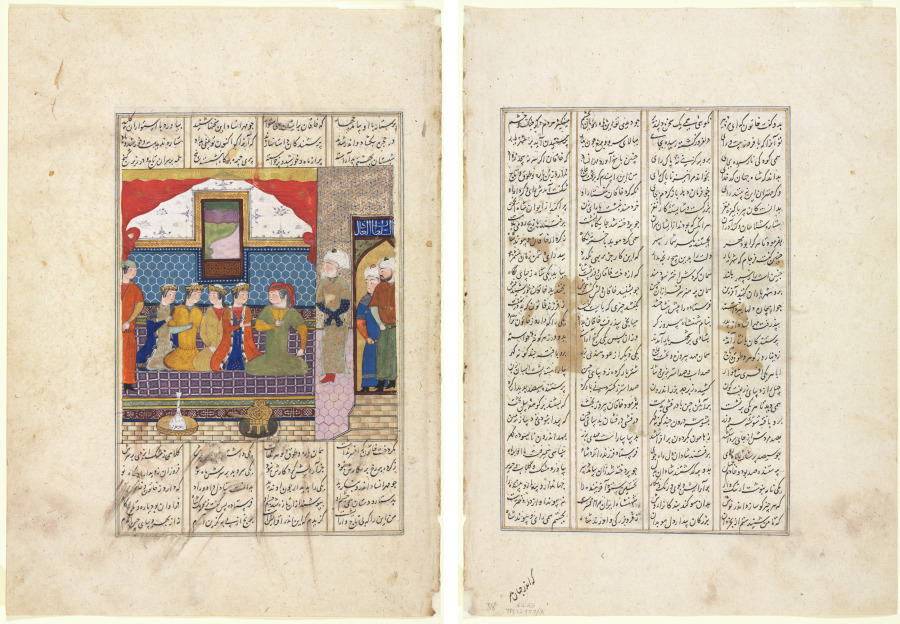
Nushirwan Sends Mihran Sitad to Fetch the Daughter of the King of China (Recto); The Forty-Eighth Year of Nushirwan's Reign. The Combat of the Khaqan of China with the Haithalians (Verso) at the Cleveland Museum of Art: c. 1482, opaque wate
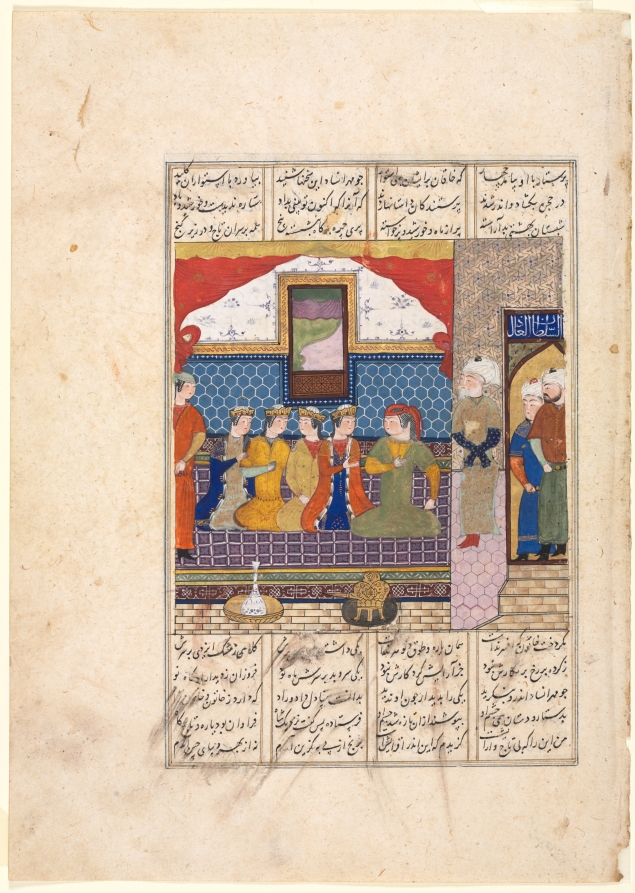
Nushirwan Sends Mihran Sitad to Fetch the Daughter of the King of China (recto) from a Shahnama (Book of Kings) of Firdausi (940–1019 or 1025) at the Cleveland Museum of Art: c. 1482, opaque watercolor, ink, and gold on paper. Explore the w
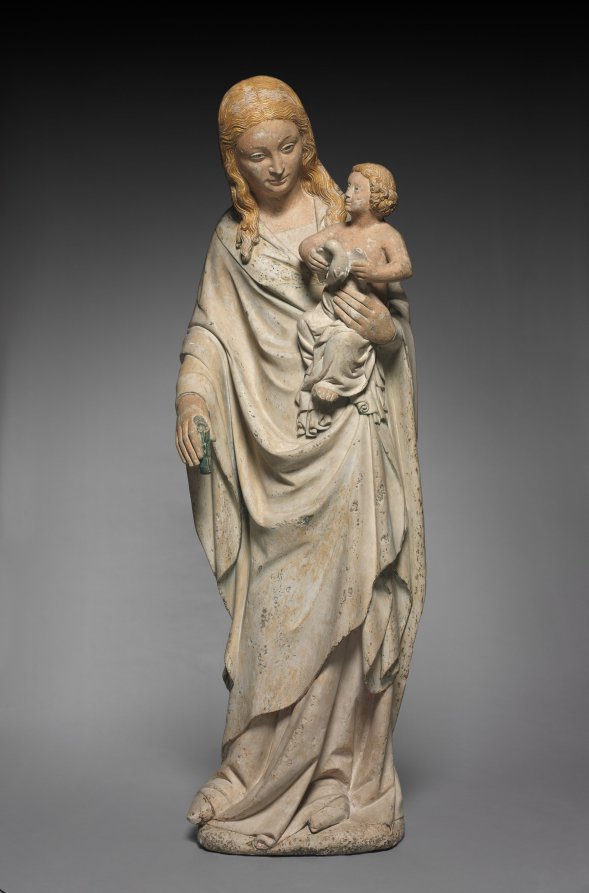
Virgin and Child at the Cleveland Museum of Art: c. 1385–90, limestone with traces of polychromy. Explore the work's context, creator attribution and collection history.

Enthroned Virgin and Child at the Cleveland Museum of Art: 1225–50, copper: repoussé, gilded, engraved, chased; black glass beads; light turquoise enameled pearls. Explore the work's context, creator attribution and collection history.
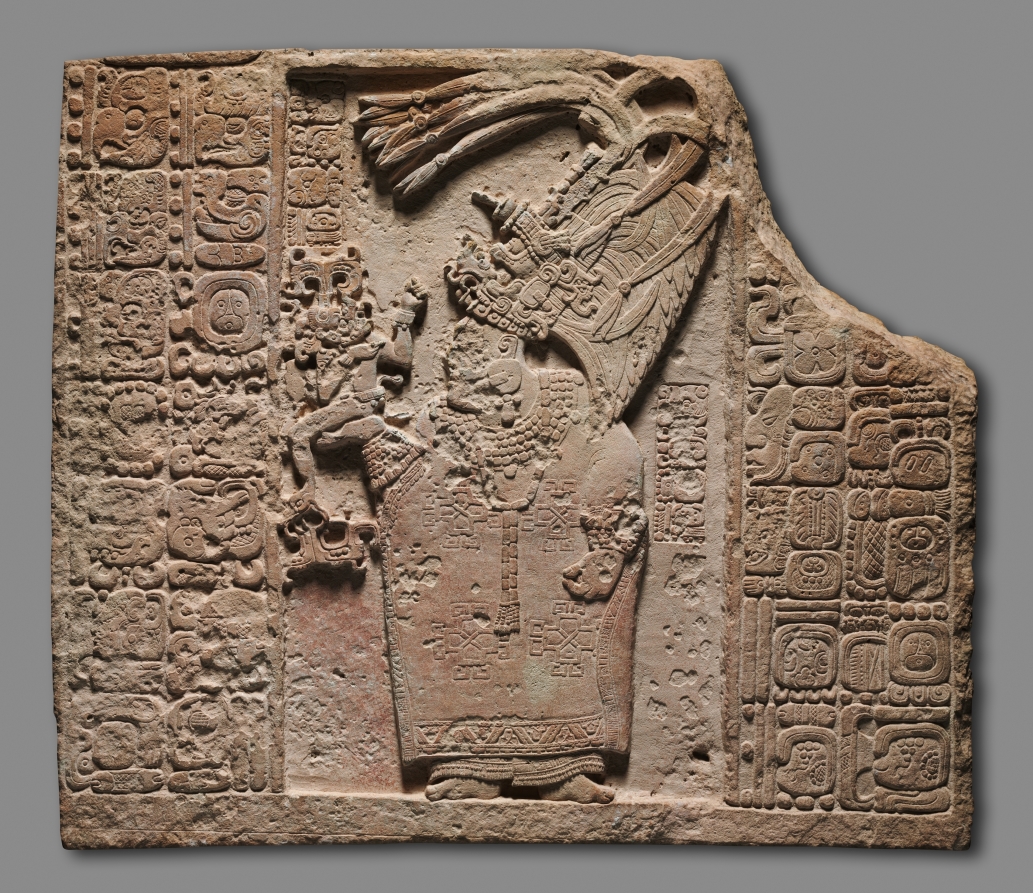
Panel with Royal Woman at the Cleveland Museum of Art: c. 795, limestone. Explore the work's context, creator attribution and collection history.
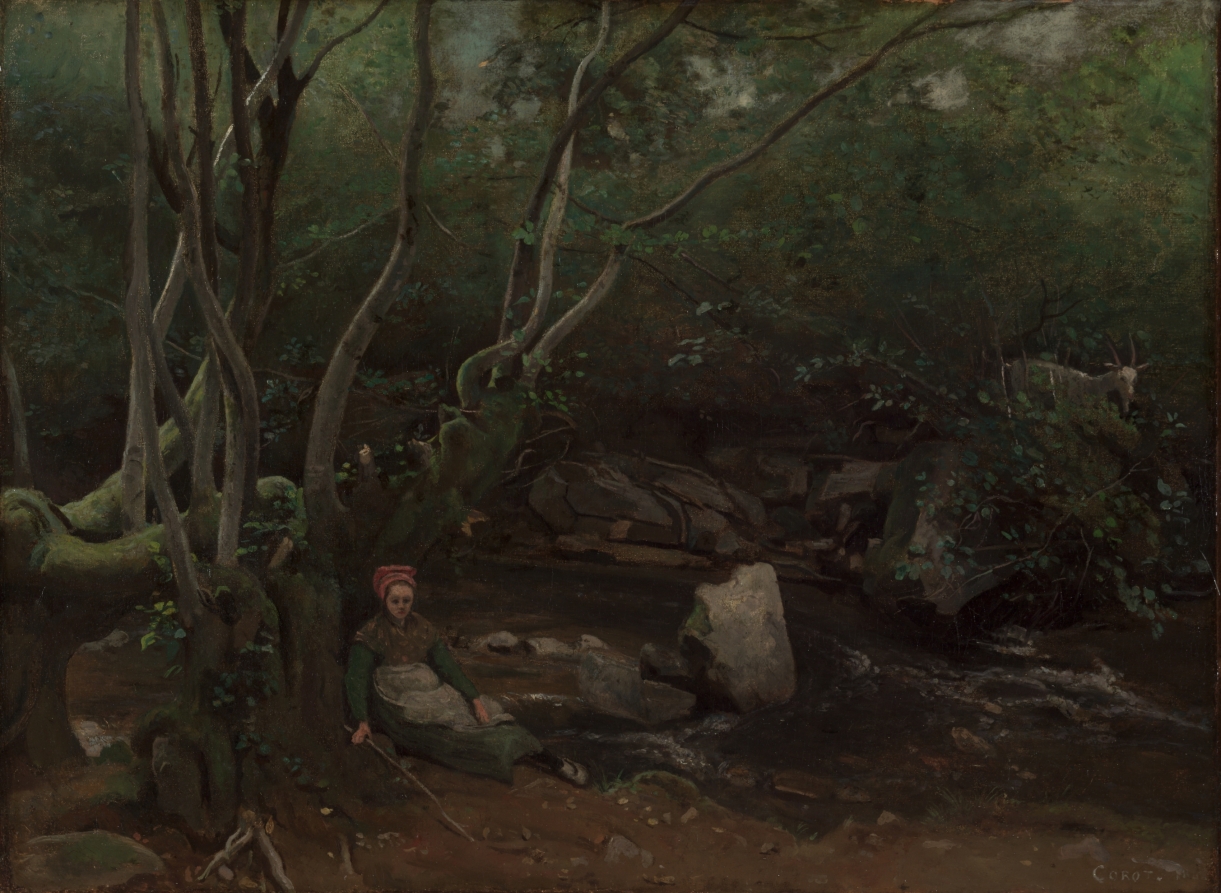
Lormes: Goat-Girl Sitting Beside a Stream in a Forest at the Cleveland Museum of Art: 1842, oil on fabric. Explore the work's context, creator attribution and collection history.
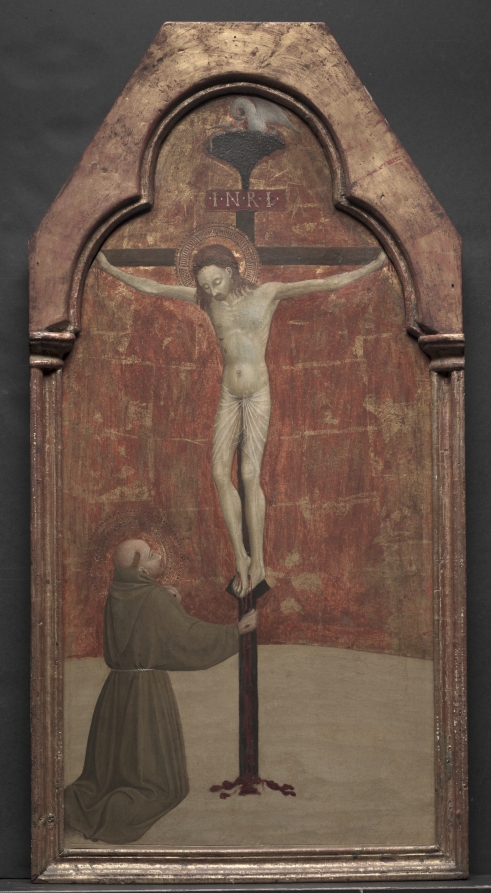
St. Francis Kneeling before Christ on the Cross at the Cleveland Museum of Art: 1437–1444, tempera and gold on wood. Explore the work's context, creator attribution and collection history.
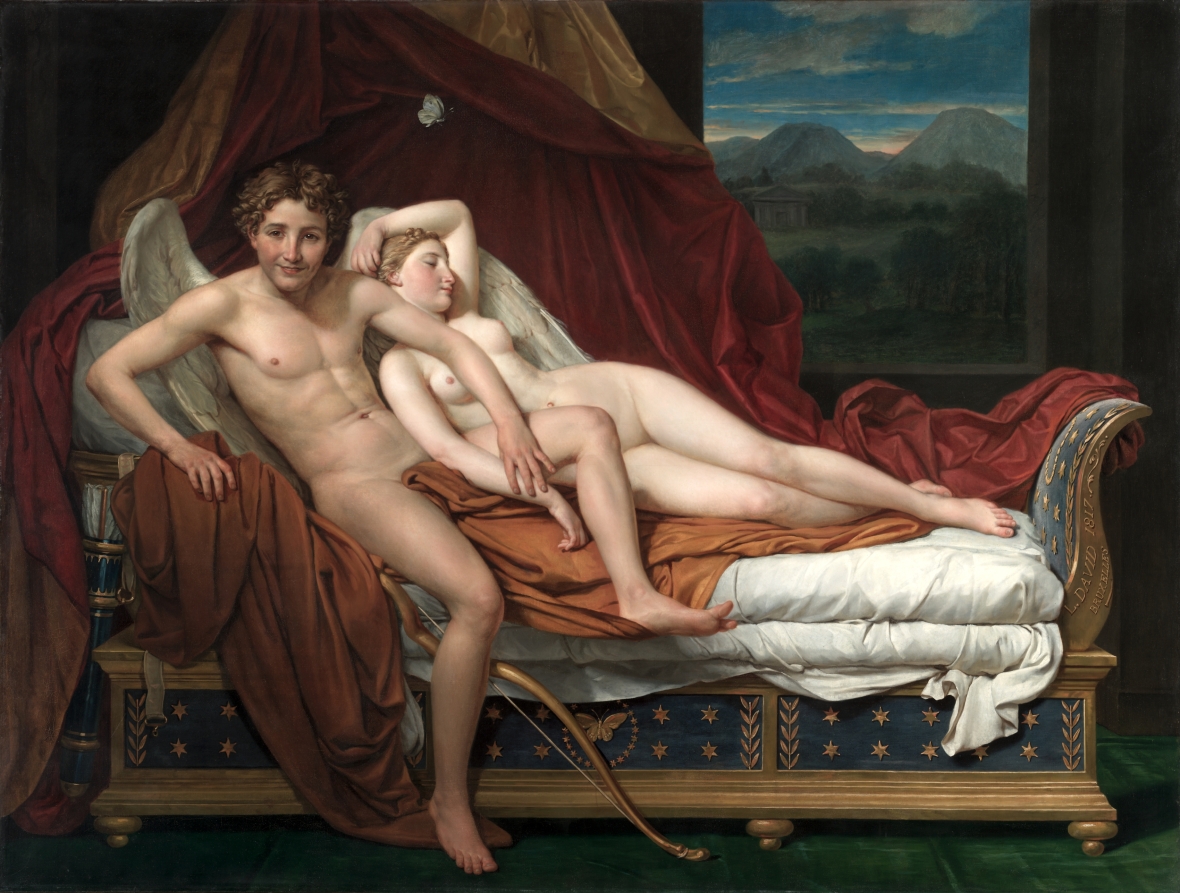
Cupid and Psyche at the Cleveland Museum of Art: 1817, oil on canvas. Explore the work's context, creator attribution and collection history.
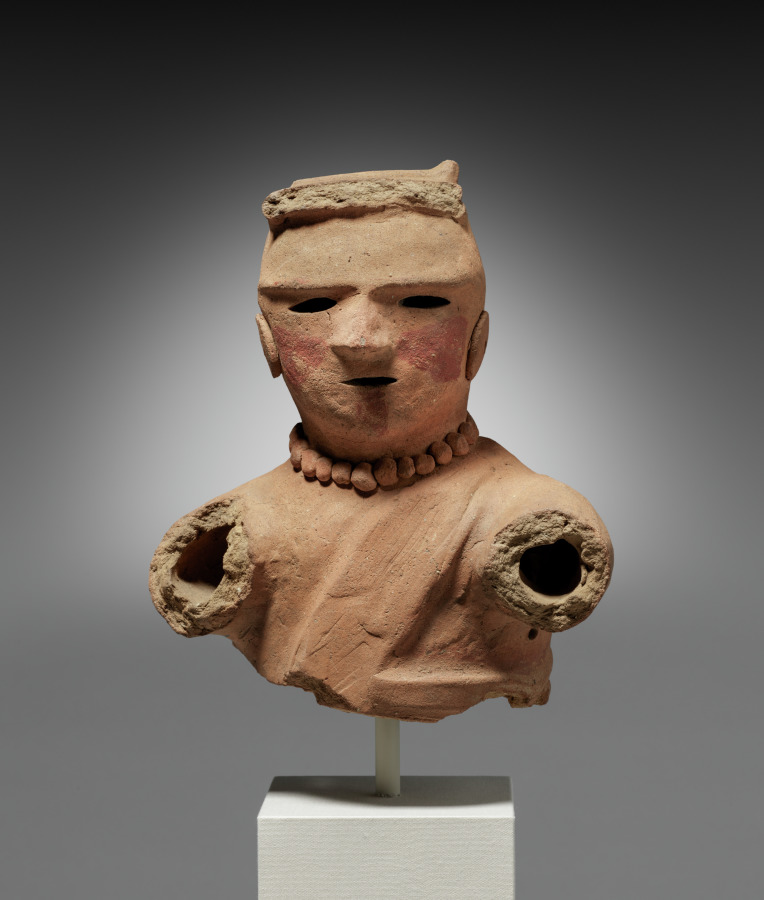
Haniwa Figure of a Female at the Cleveland Museum of Art: 500s, earthenware with traces of pigment. Explore the work's context, creator attribution and collection history.
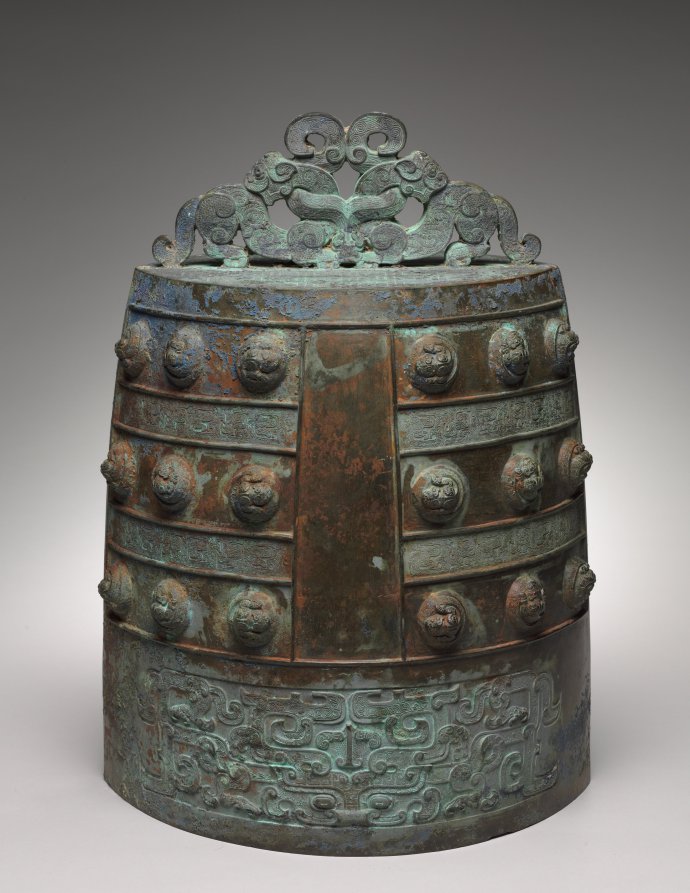
Bell (Bo Zhong) at the Cleveland Museum of Art: early 400s BCE, bronze. Explore the work's context, creator attribution and collection history.
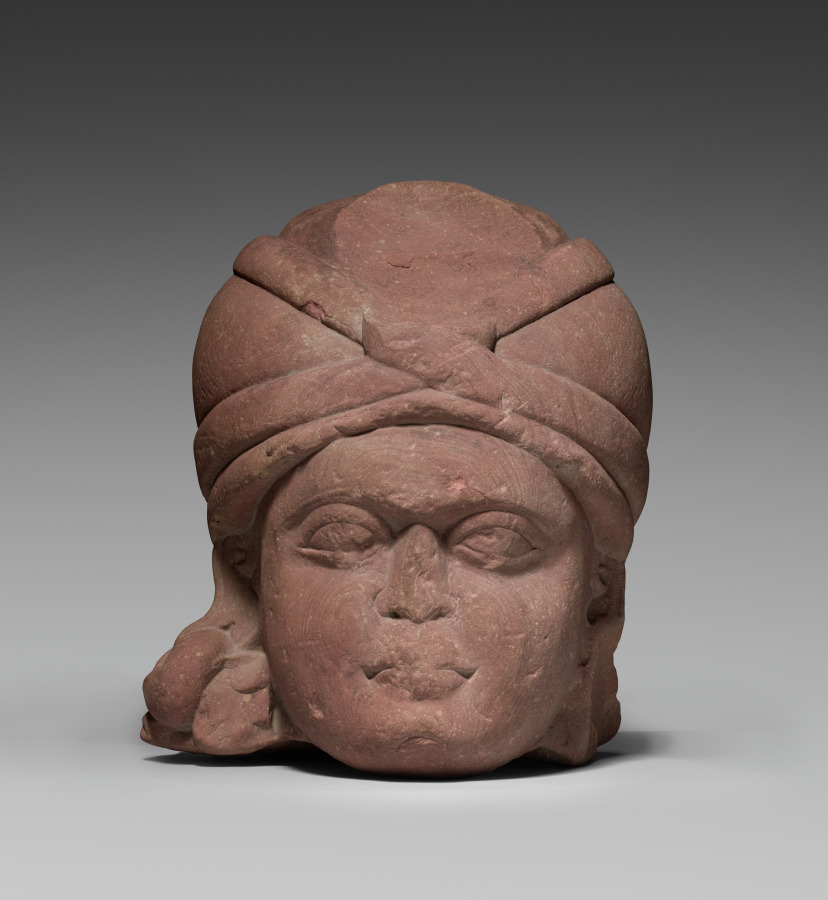
Head of a Yaksha at the Cleveland Museum of Art: c. 125 BCE, mottled red sandstone. Explore the work's context, creator attribution and collection history.

Macbeth Consulting the Witches at the Cleveland Museum of Art: 1825, lithograph. Explore the work's context, creator attribution and collection history.
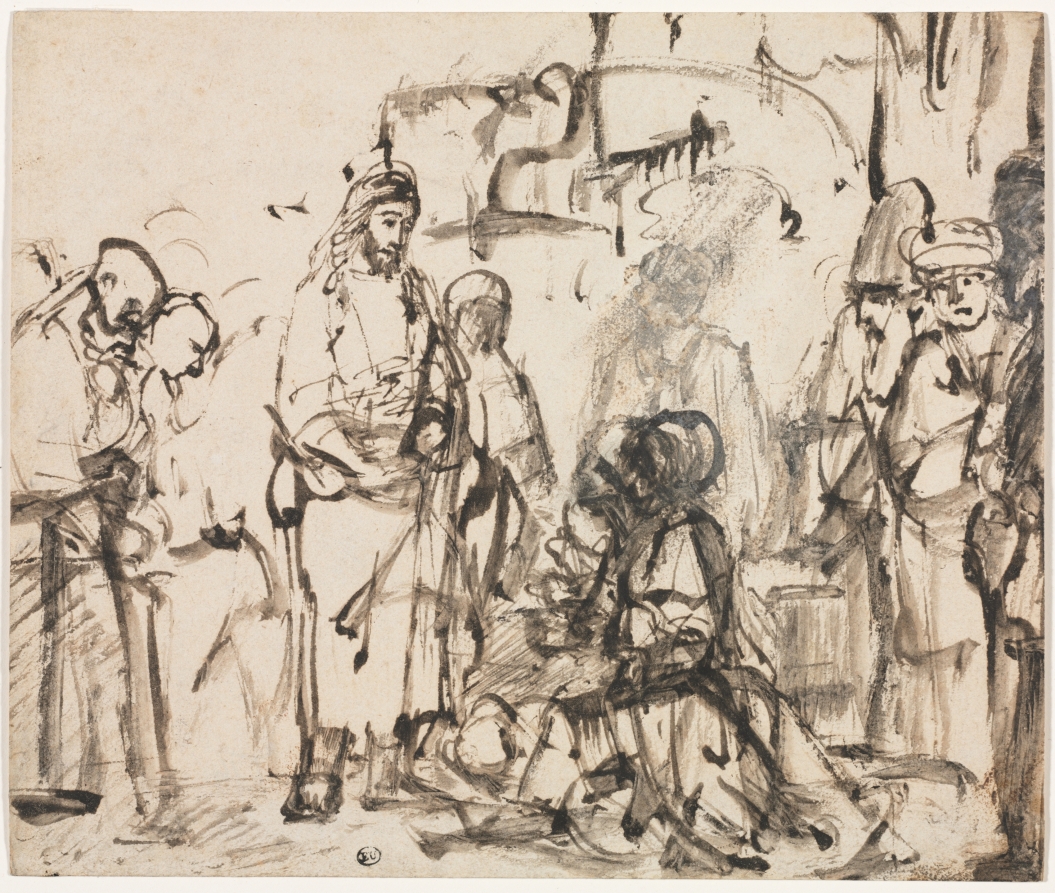
The Meeting of Christ with Martha and Mary after the Death of Lazarus at the Cleveland Museum of Art: c. 1662–65, reed pen and brown ink and wash, heightened with white gouache (in the heads of the kneeling figures). Explore the work's cont
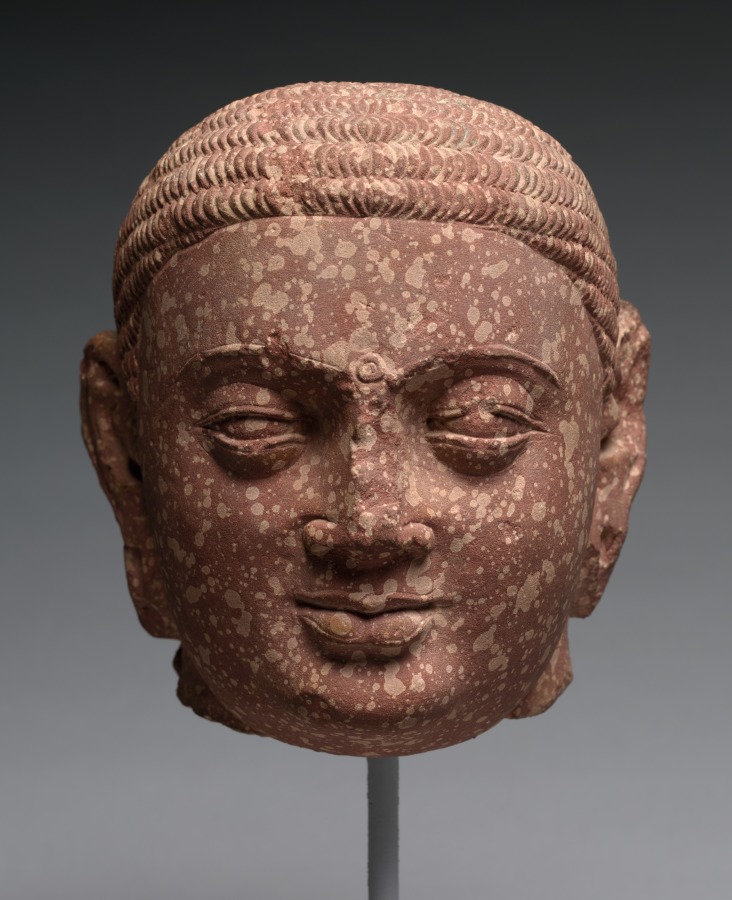
Head of Jina at the Cleveland Museum of Art: c. 150–75 CE, red mottled sandstone. Explore the work's context, creator attribution and collection history.
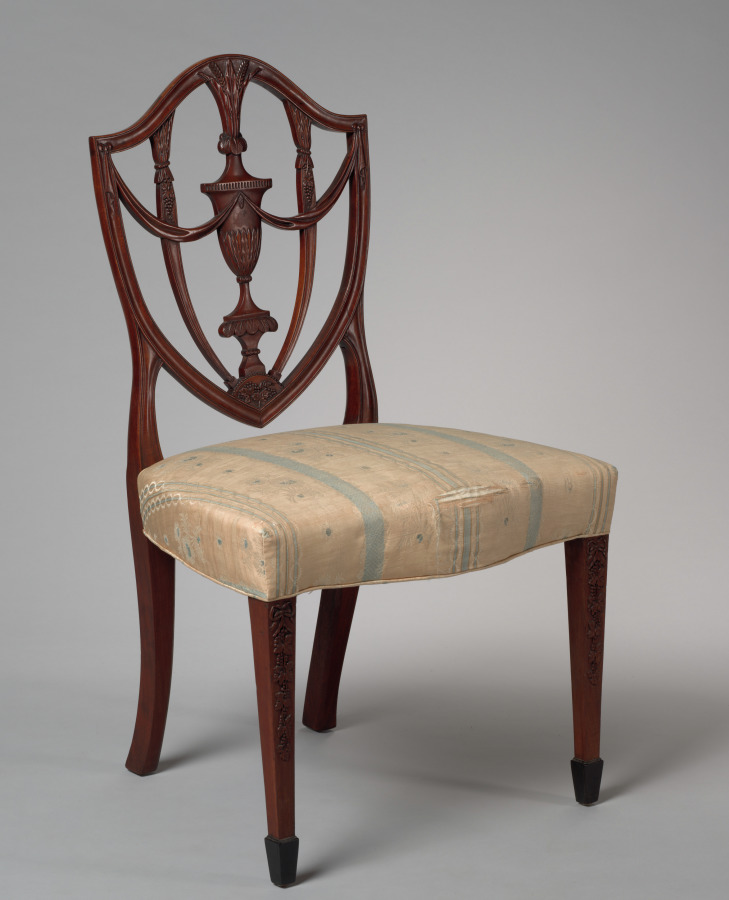
Chair at the Cleveland Museum of Art: c. 1800, mahogany. Explore the work's context, creator attribution and collection history.
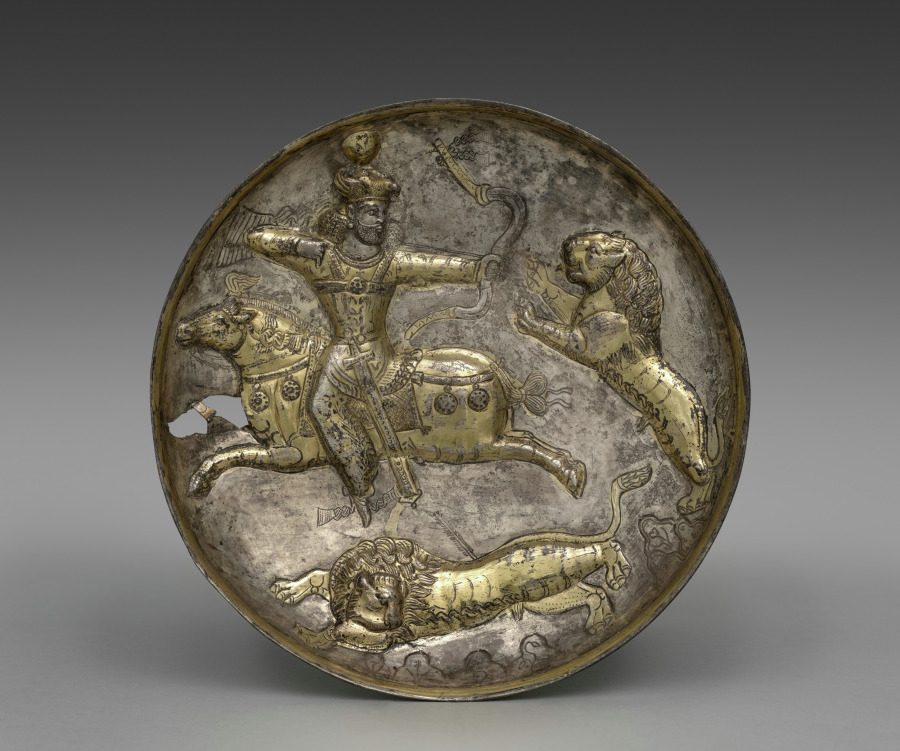
Dish with King Hormizd II or Hormizd III Hunting Lions at the Cleveland Museum of Art: 400–600 CE, silver gilt. Explore the work's context, creator attribution and collection history.
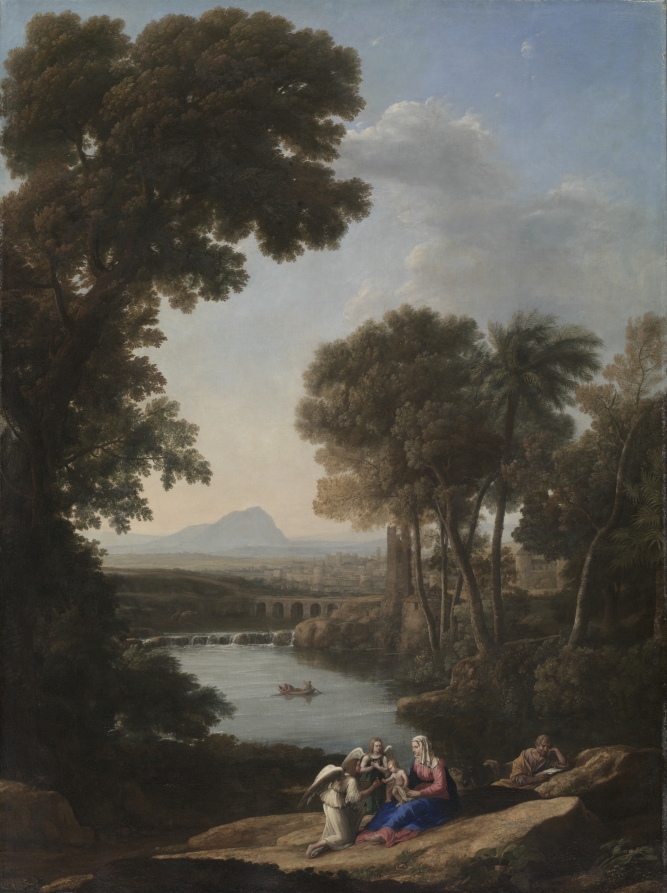
Rest on the Flight into Egypt at the Cleveland Museum of Art: early 1640s, oil on canvas. Explore the work's context, creator attribution and collection history.

Bottle with Incised and Sgraffito Fish Design at the Cleveland Museum of Art: 1400s–1500s, stoneware with incised design (Buncheong ware). Explore the work's context, creator attribution and collection history.
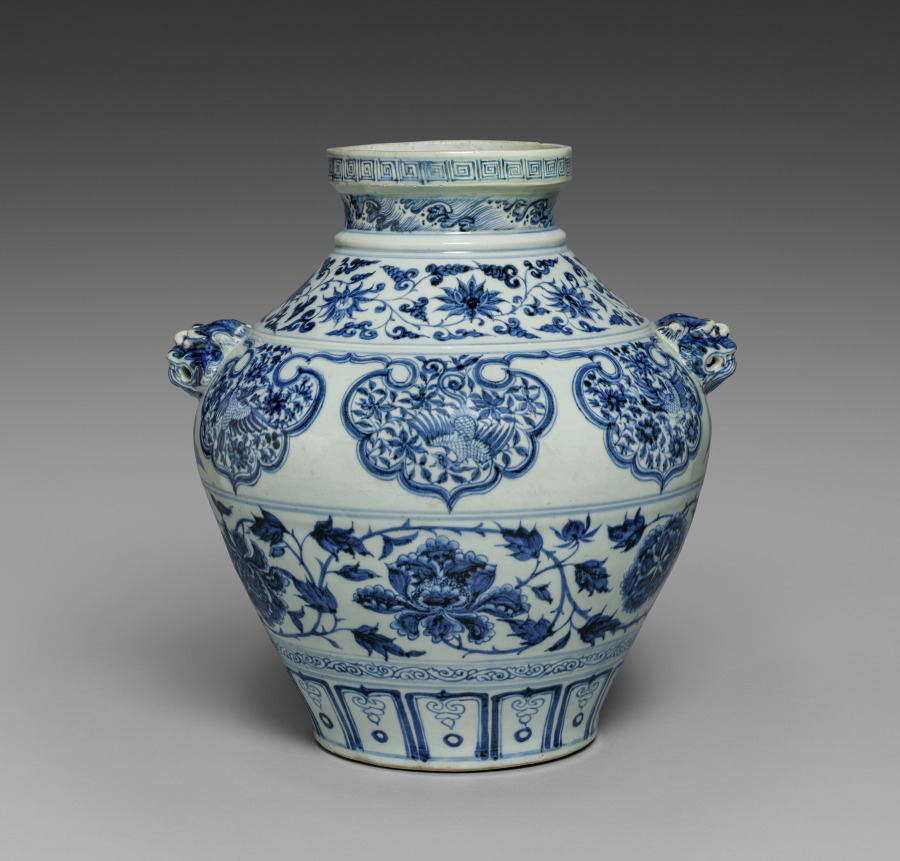
Jar with Lion-Head Handles at the Cleveland Museum of Art: 1300s, porcelain with underglaze painted decoration. Explore the work's context, creator attribution and collection history.