Bowl (c. 1775): Art, History and Details
Bowl at the Cleveland Museum of Art: c. 1775, tin-glazed earthenware (faience) with enamel decoration. Explore the work's context, creator attribution and collection history.
Oldest entries first, in a fixed order. Newly added articles appear at the end. Explore a shuffled selection →
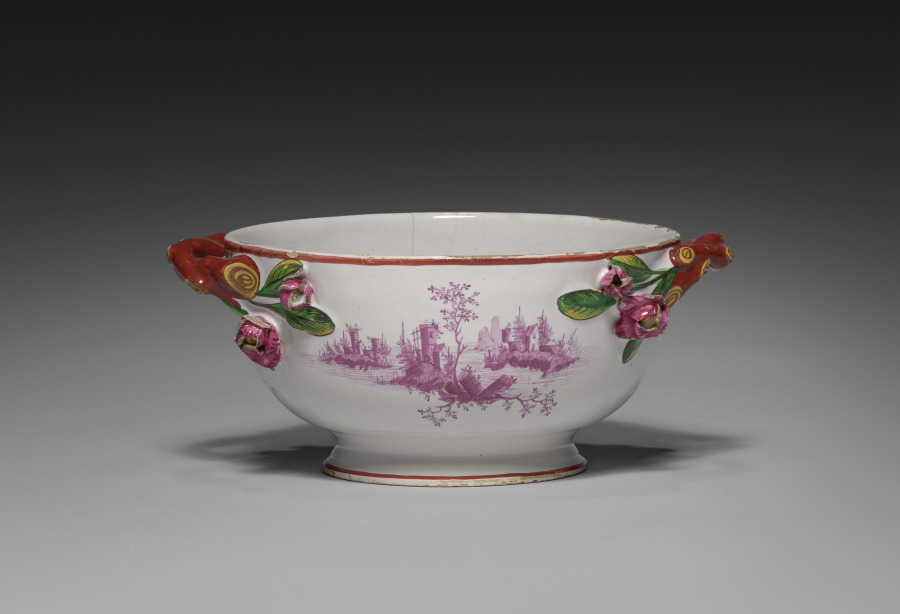
Bowl at the Cleveland Museum of Art: c. 1775, tin-glazed earthenware (faience) with enamel decoration. Explore the work's context, creator attribution and collection history.
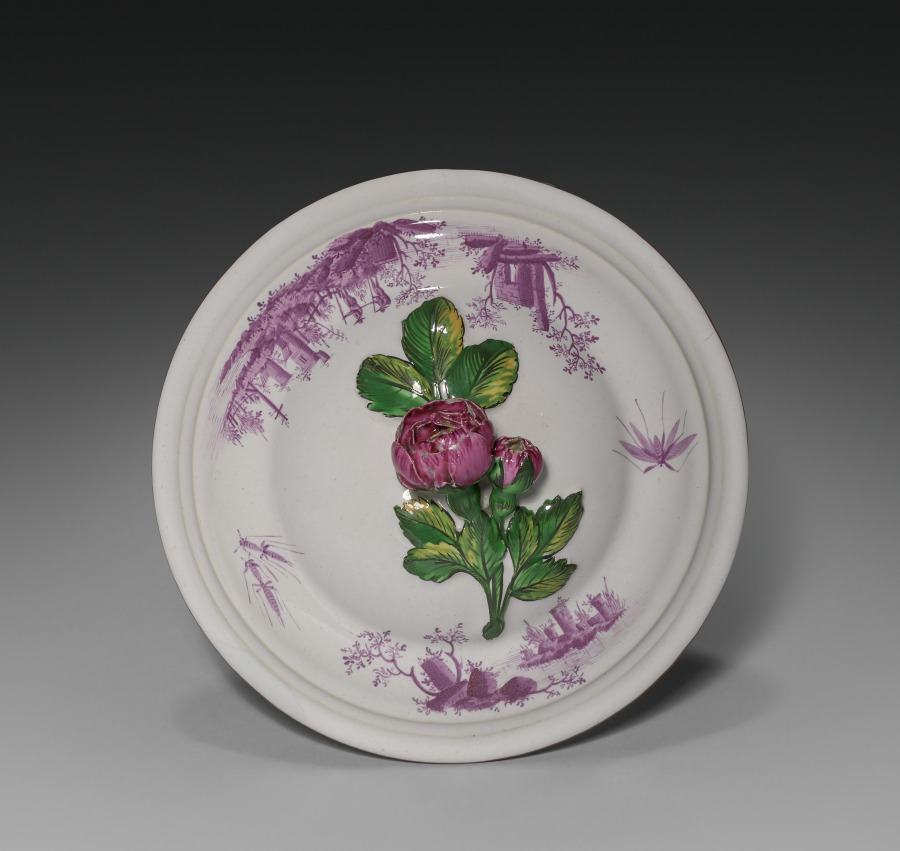
Cover for a Bowl at the Cleveland Museum of Art: c. 1775, tin-glazed earthenware (faience) with enamel decoration. Explore the work's context, creator attribution and collection history.
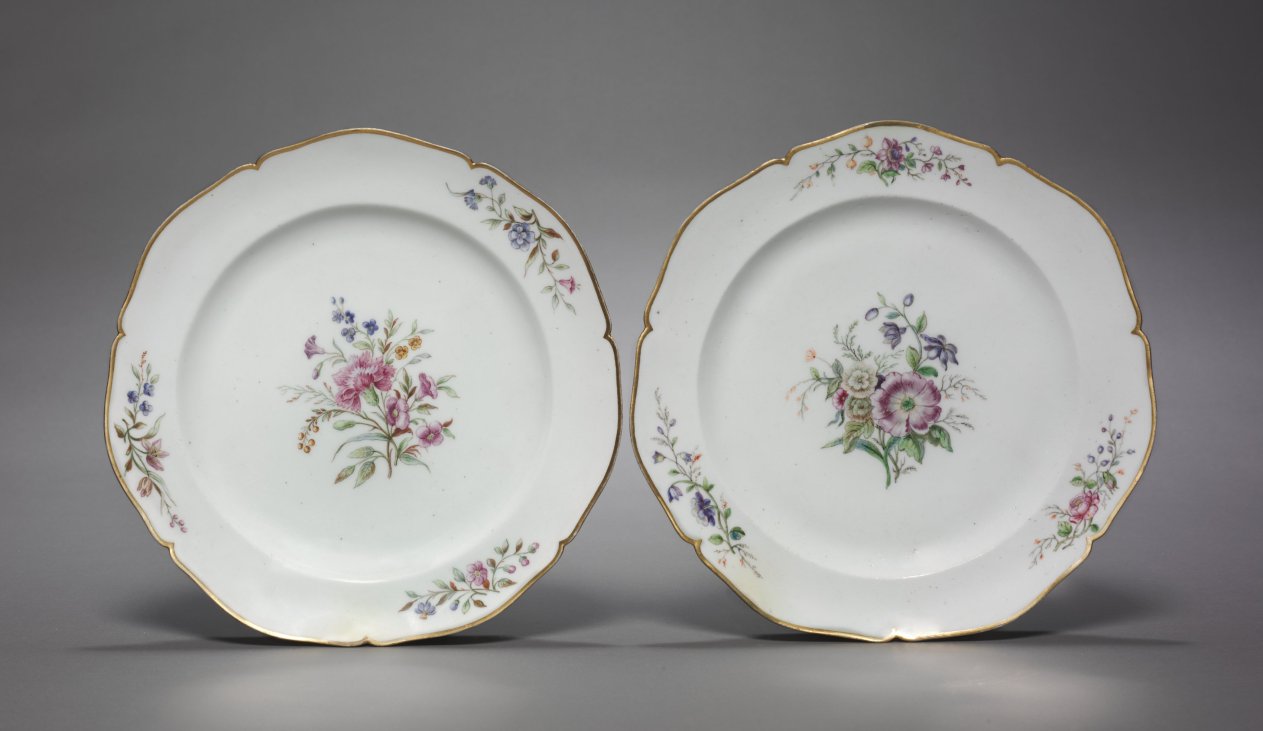
Pair of Plates (Assiettes) at the Cleveland Museum of Art: c. 1748–51, Soft-paste porcelain with enamel and gilt decoration. Explore the work's context, creator attribution and collection history.
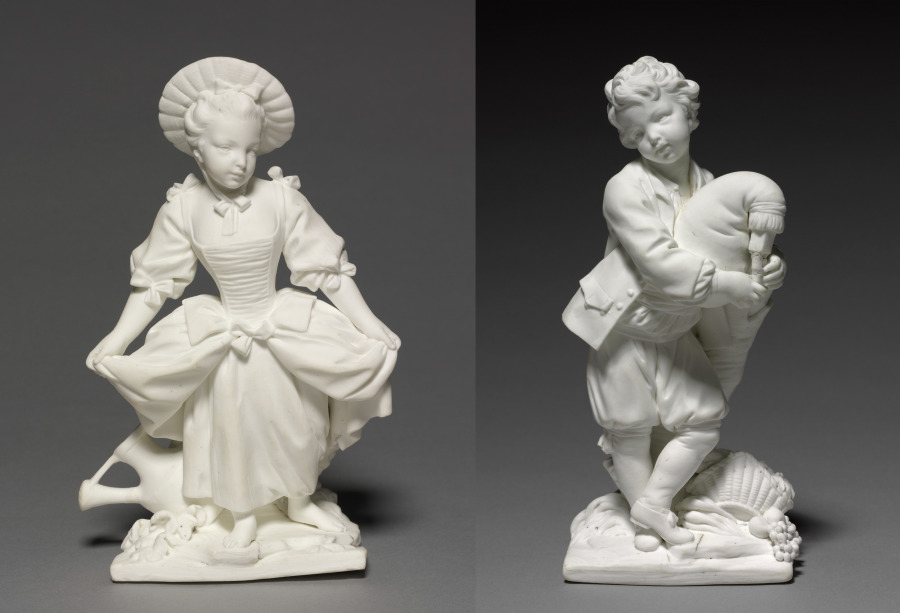
Figure Pair of the Dancer (La Danseuse) and the Bagpiper (Le Joueur de Musette) at the Cleveland Museum of Art: 1748–52, unglazed soft-paste porcelain (biscuit porcelain). Explore the work's context, creator attribution and collection histo

Figure of the Dancer (La Danseuse) at the Cleveland Museum of Art: 1748–52, unglazed soft-paste porcelain (biscuit porcelain). Explore the work's context, creator attribution and collection history.
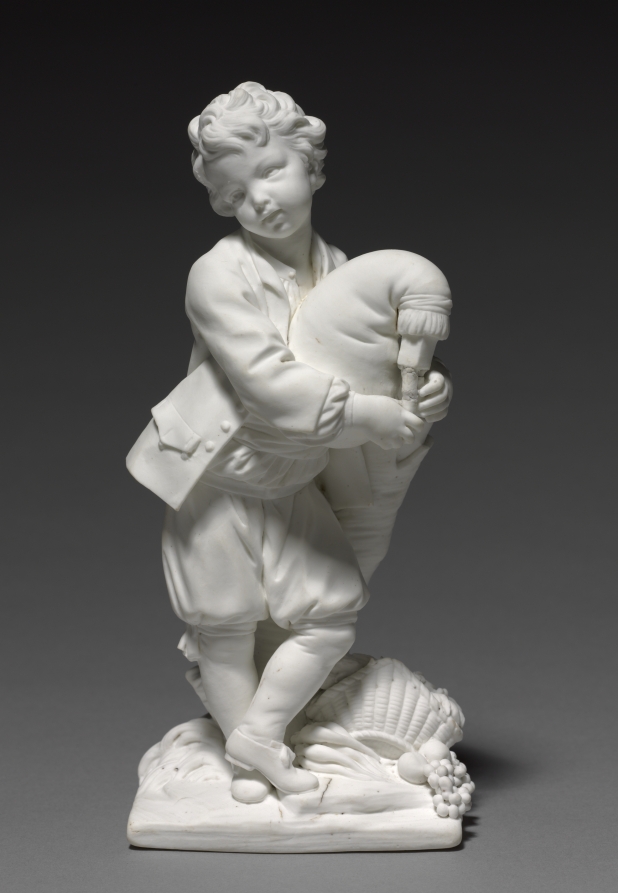
Figure of the Bagpiper (Le Joueur de musette) at the Cleveland Museum of Art: 1748–52, unglazed soft-paste porcelain (biscuit). Explore the work's context, creator attribution and collection history.
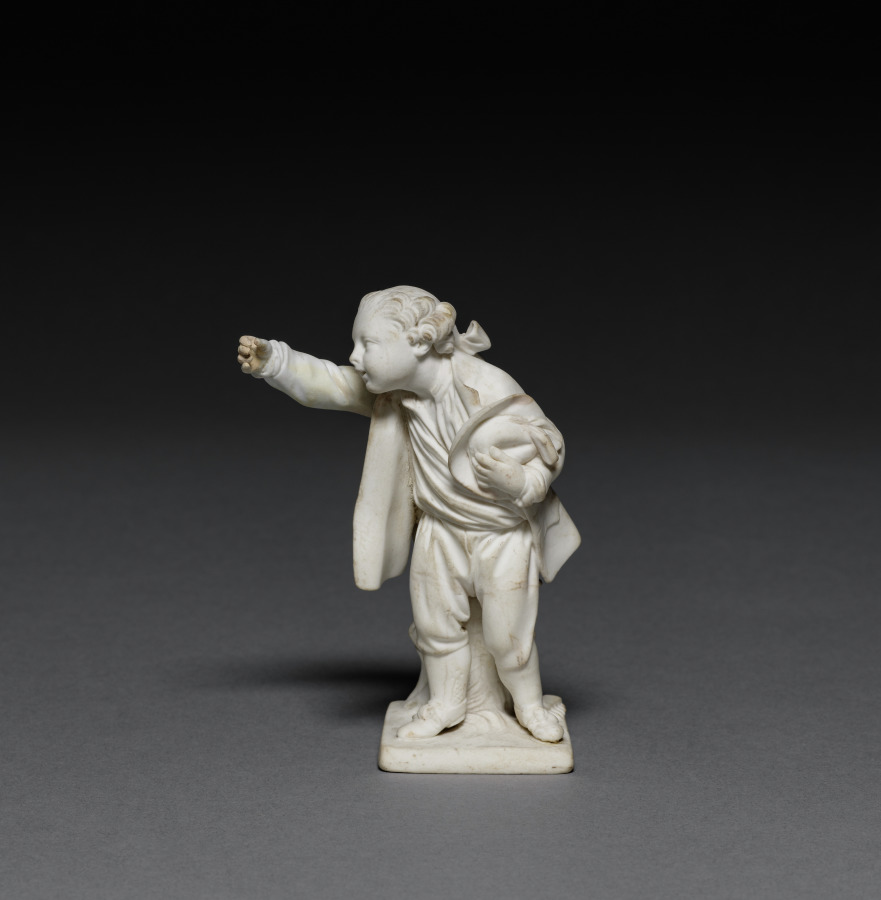
Figure of a Bird Charmer at the Cleveland Museum of Art: 1764–66, Unglazed soft-paste porcelain (biscuit). Explore the work's context, creator attribution and collection history.
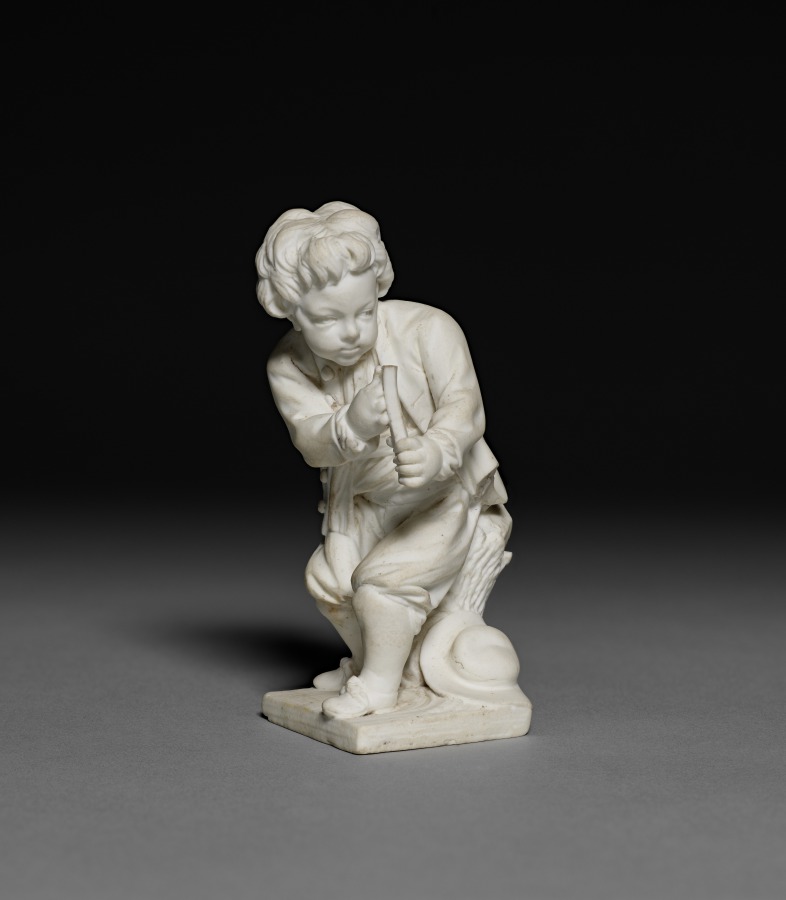
Figure of a Mischief Maker at the Cleveland Museum of Art: 1766, Unglazed soft-paste porcelain (biscuit). Explore the work's context, creator attribution and collection history.
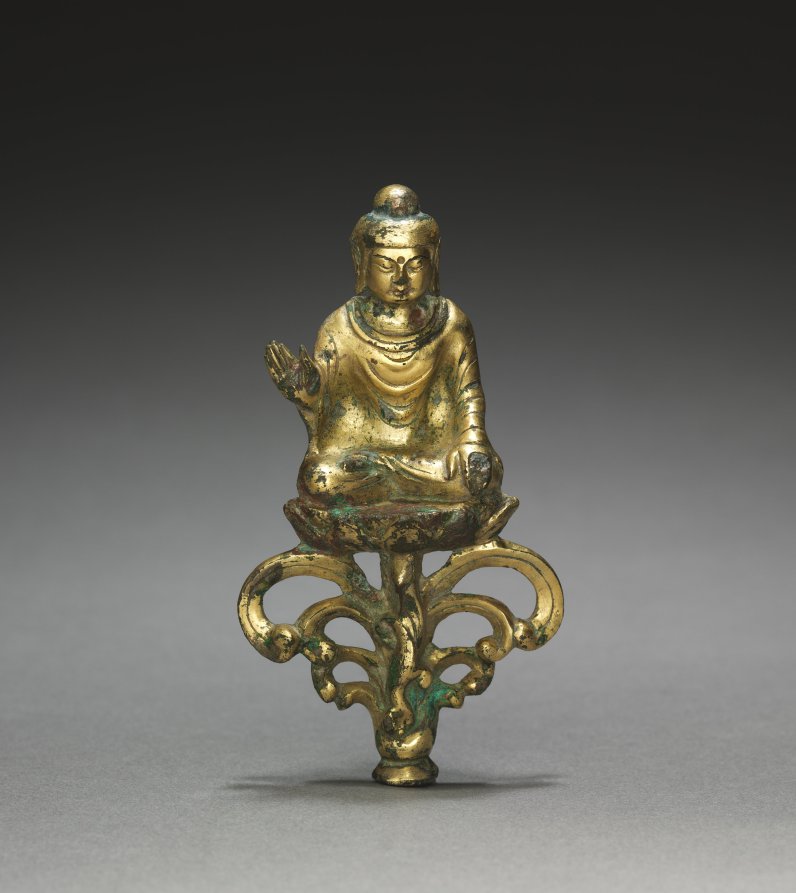
Seated Buddha at the Cleveland Museum of Art: 600s, gilt bronze. Explore the work's context, creator attribution and collection history.

Plaque from a Reliquary Shrine at the Cleveland Museum of Art: c. 1170, gilded copper; champlevé and cloisonné enamel. Explore the work's context, creator attribution and collection history.
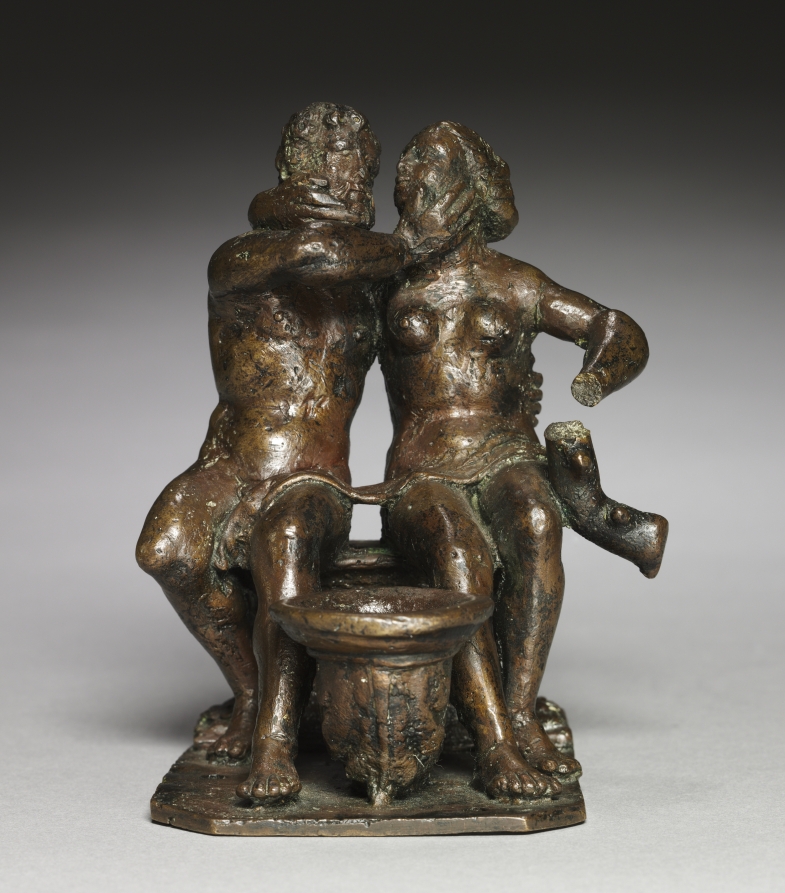
Adam and Eve at the Cleveland Museum of Art: c. 1520, bronze. Explore the work's context, creator attribution and collection history.

God the Father at the Cleveland Museum of Art: c. 1760, painted and gilded wood. Explore the work's context, creator attribution and collection history.
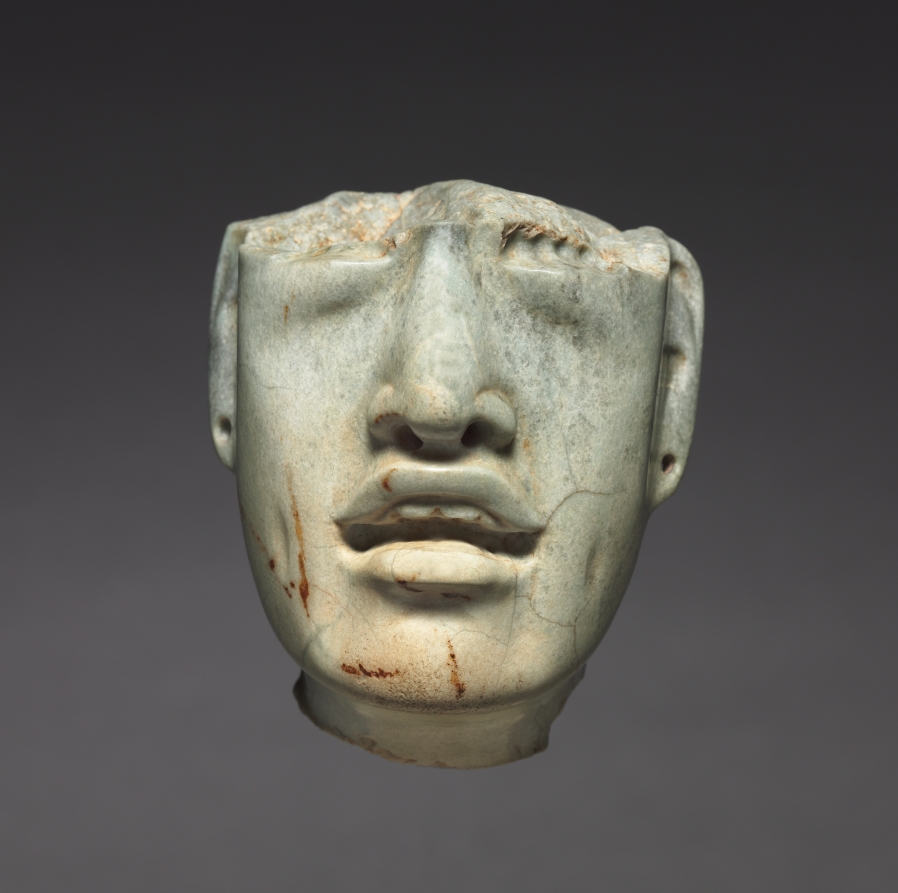
Head Fragment at the Cleveland Museum of Art: c. 900–300 BCE, jadeite. Explore the work's context, creator attribution and collection history.
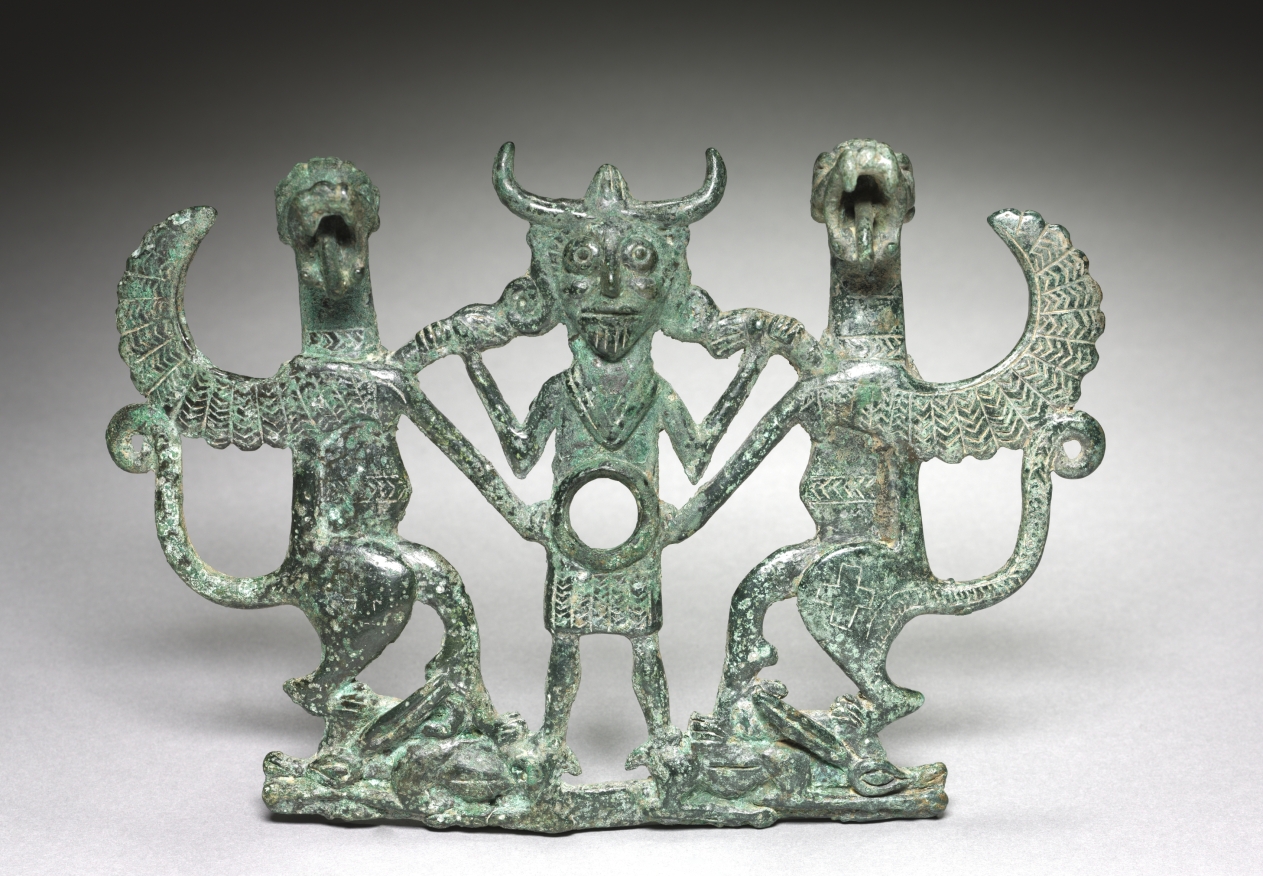
Master of Animals Cheekpiece at the Cleveland Museum of Art: c. 700 BCE, bronze, cast and incised. Explore the work's context, creator attribution and collection history.
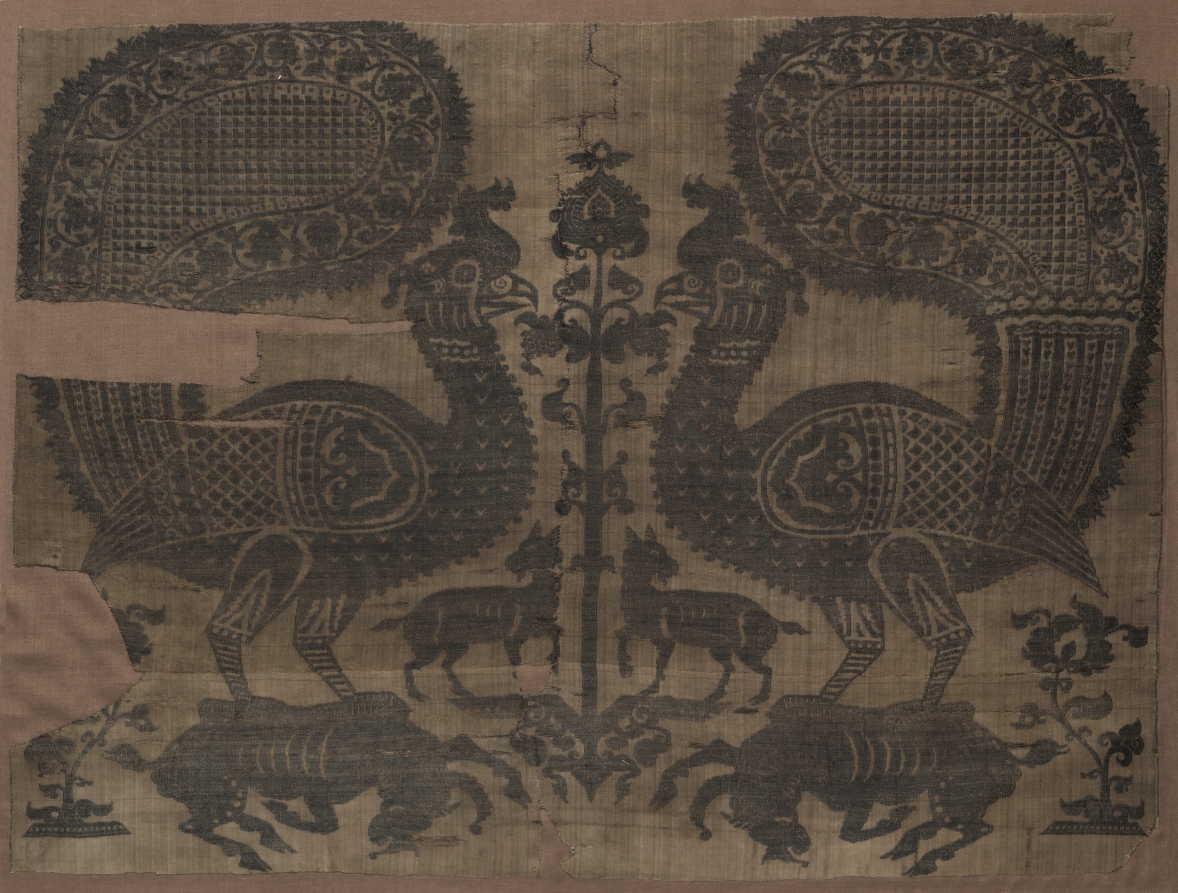
Fragment at the Cleveland Museum of Art: before 1961, Silk: lampas weave. Explore the work's context, creator attribution and collection history.
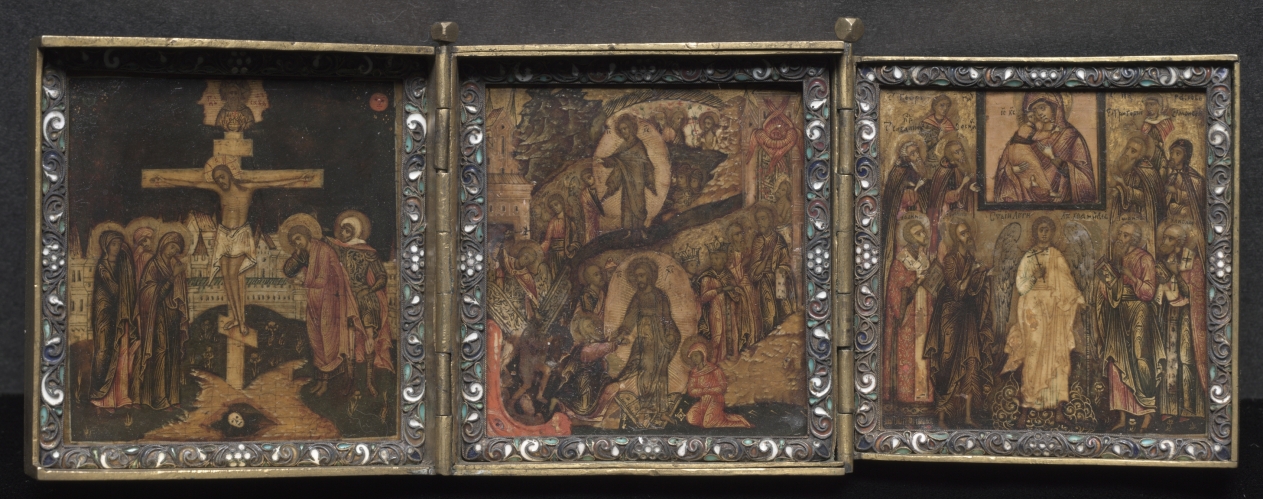
Portable Triptych Icon at the Cleveland Museum of Art: 1600s, painted wood panel within enameled brass frame. Explore the work's context, creator attribution and collection history.

Portable Triptych Icon: The Resurrection and Anastasis at the Cleveland Museum of Art: 1600s, painted wood panel within enameled brass frame. Explore the work's context, creator attribution and collection history.
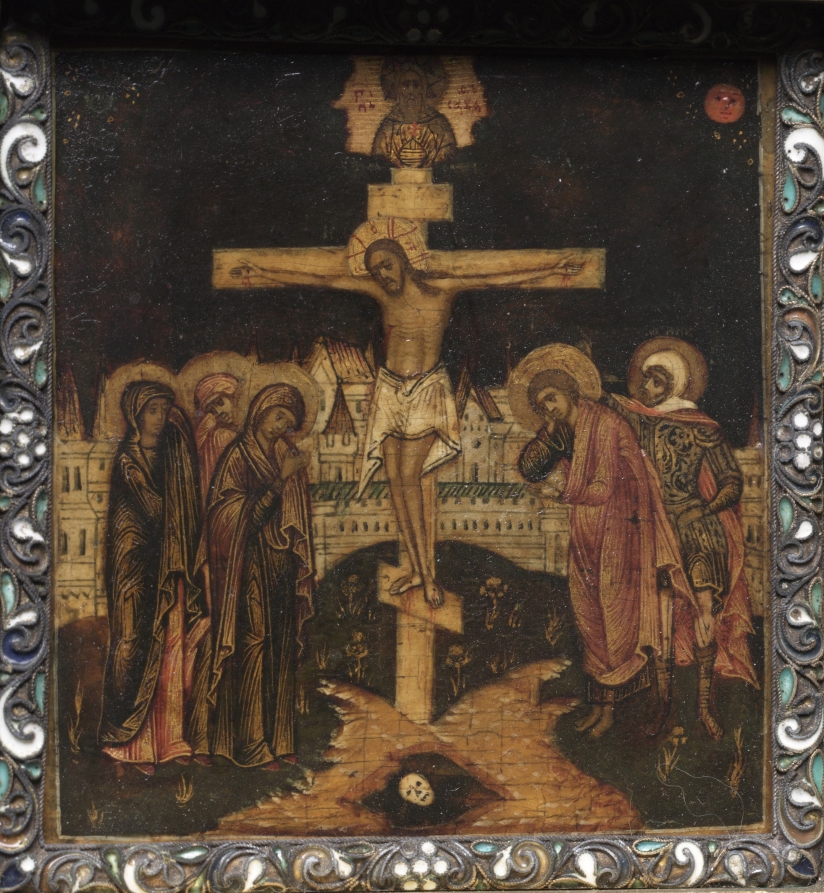
Portable Triptych Icon: The Crucifixion at the Cleveland Museum of Art: 1600s, painted wood panel within enameled brass frame. Explore the work's context, creator attribution and collection history.
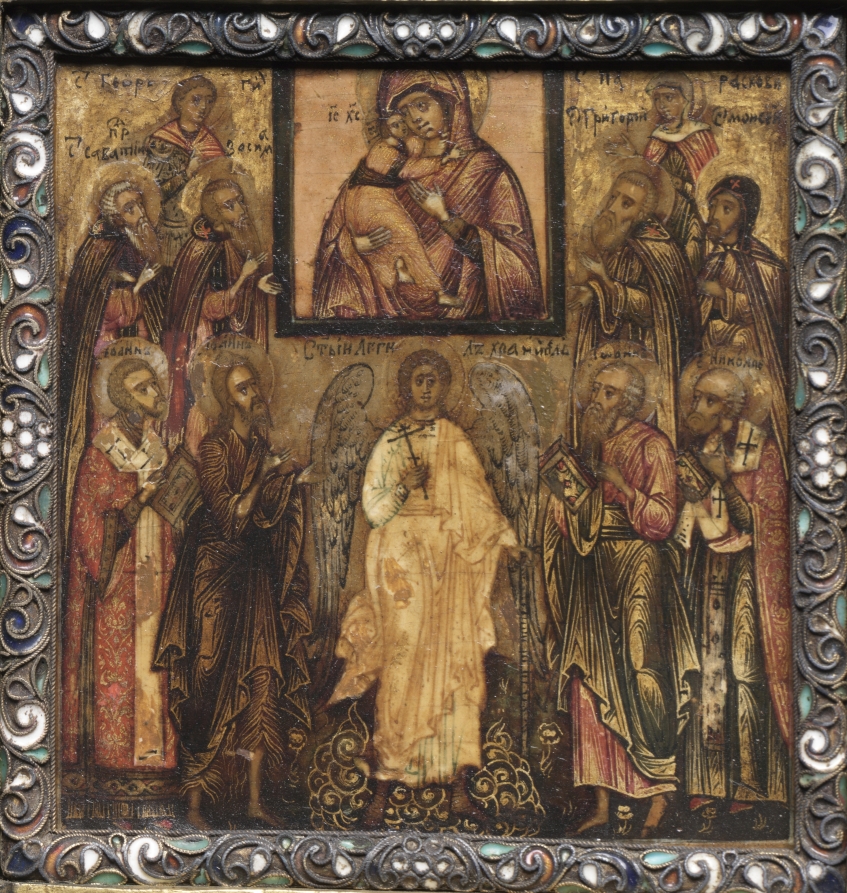
Portable Triptych Icon: Adoration of the Miracle-Working Icon of the Vladimir Mother of God at the Cleveland Museum of Art: 1600s, painted wood panel within enameled brass frame. Explore the work's context, creator attribution and collectio

Navicella (recto); Two Drawings of Ships (verso) at the Cleveland Museum of Art: c. 1410s, pen and brown ink (iron gall). Explore the work's context, creator attribution and collection history.
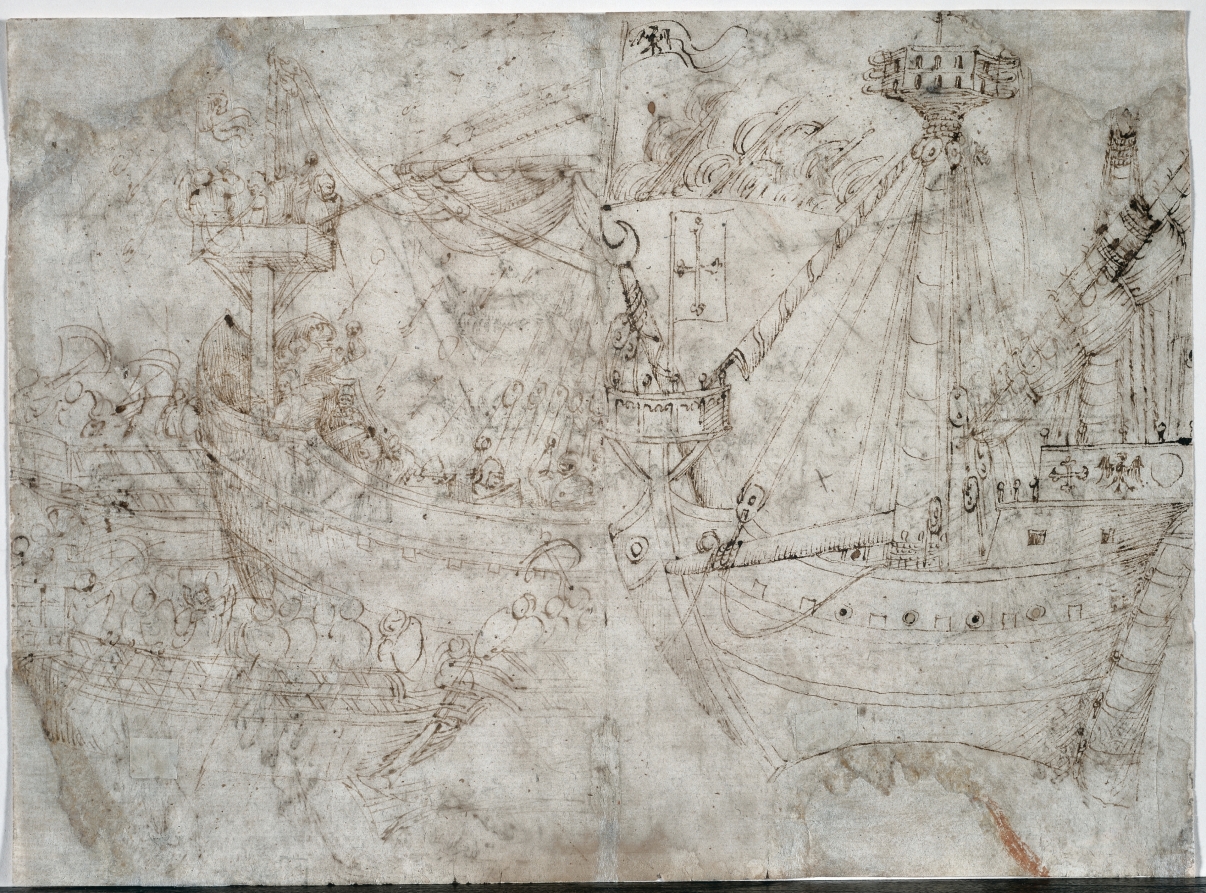
Navicella (recto) at the Cleveland Museum of Art: c. 1410s, pen and brown ink (iron gall). Explore the work's context, creator attribution and collection history.
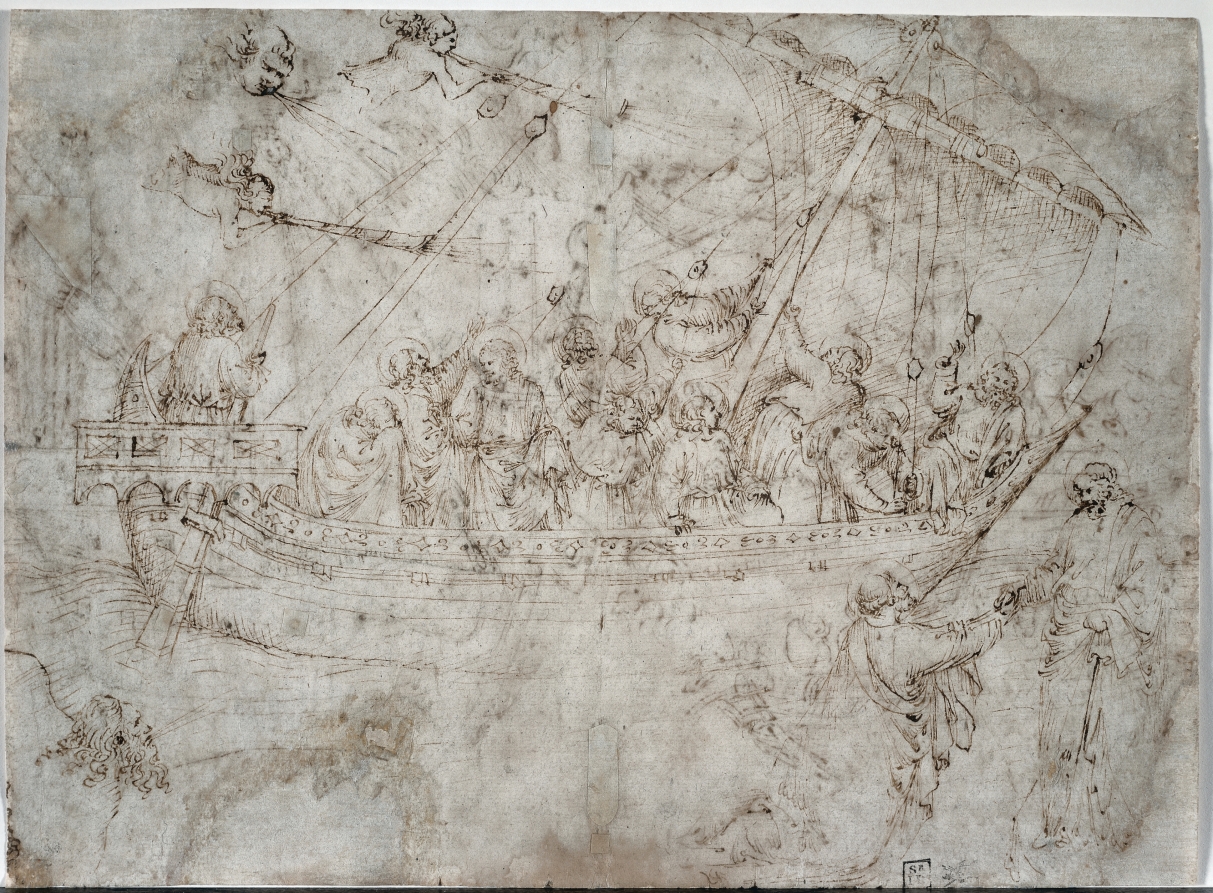
Two Drawings of Ships (verso) at the Cleveland Museum of Art: 1410s, pen and brown ink (iron gall). Explore the work's context, creator attribution and collection history.
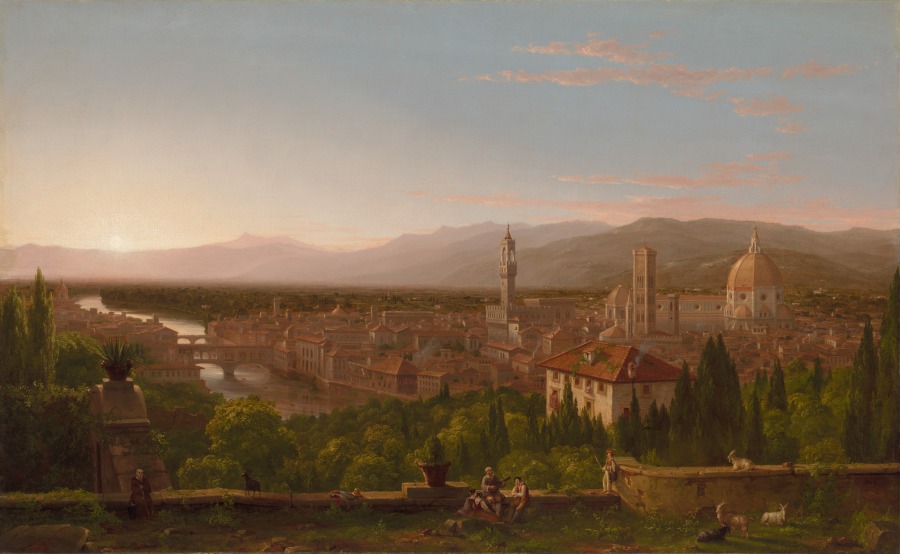
View of Florence at the Cleveland Museum of Art: 1837, oil on canvas. Explore the work's context, creator attribution and collection history.

Virgin and Child with Saints at the Cleveland Museum of Art: c. 1320, tempera and gold on wood panel. Explore the work's context, creator attribution and collection history.
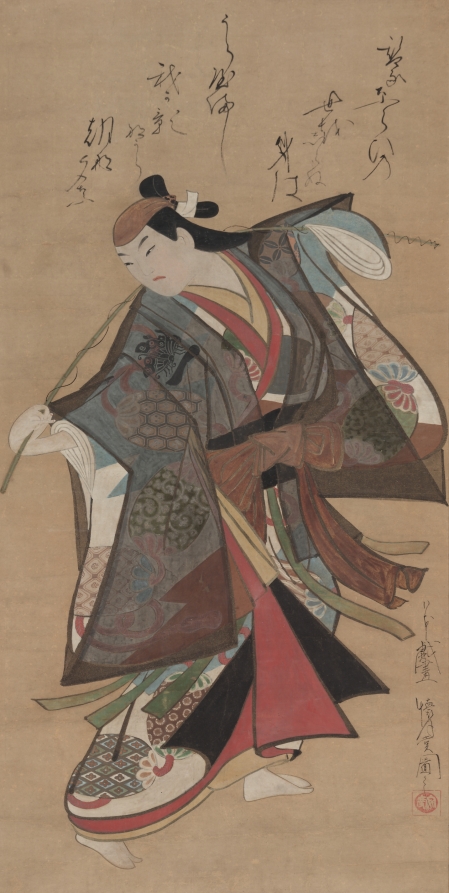
Sanjo Kantaro II in the Role of Urashima Taro at the Cleveland Museum of Art: early 1700s, hanging scroll; ink and color on paper. Explore the work's context, creator attribution and collection history.
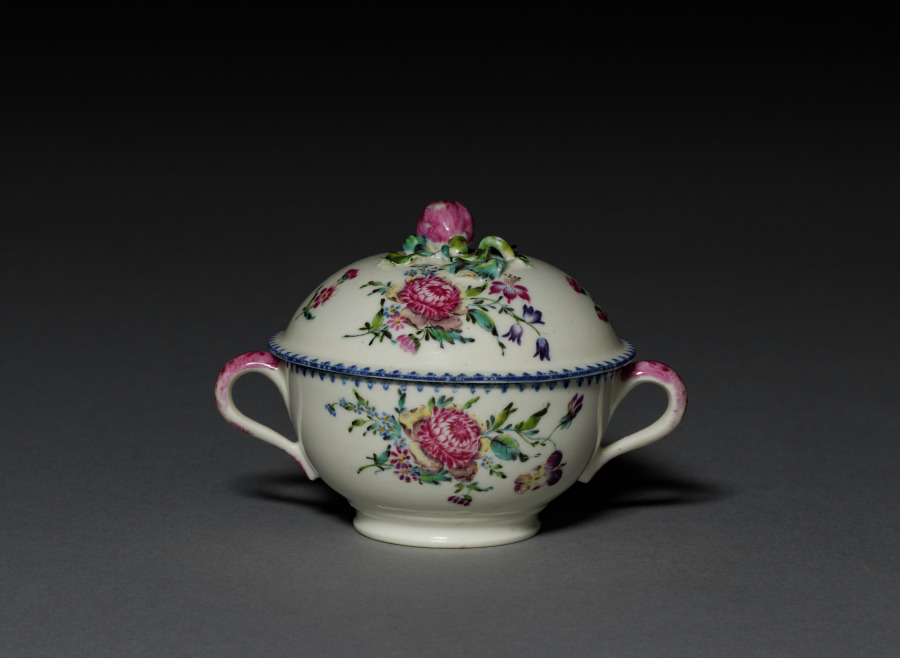
Covered Bowl (Écuelle) at the Cleveland Museum of Art: c. 1755, soft-paste porcelain with enamel decoration. Explore the work's context, creator attribution and collection history.

Amitābha Triad at the Cleveland Museum of Art: possibly 1400s, Hanging scroll; ink and color on silk. Explore the work's context, creator attribution and collection history.

The Dead Christ with Angels at the Cleveland Museum of Art: 1866–67, etching and aquatint. Explore the work's context, creator attribution and collection history.
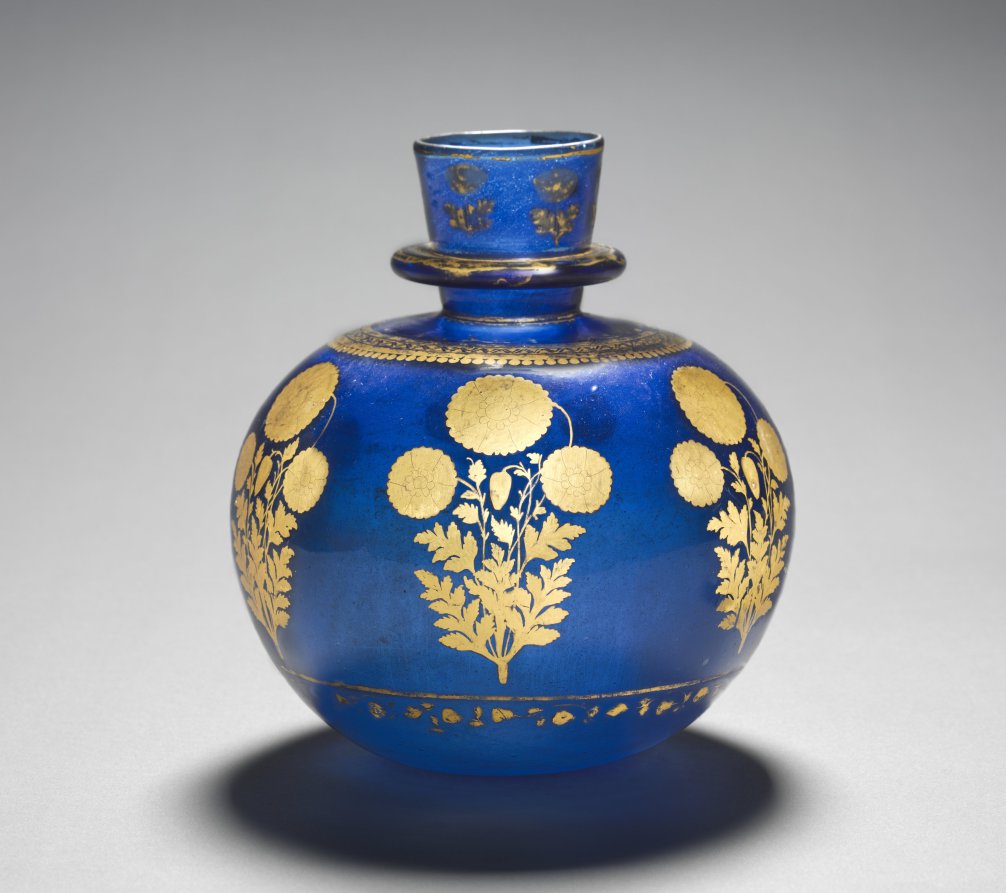
Hookah Base at the Cleveland Museum of Art: c. 1750, gold on blue glass. Explore the work's context, creator attribution and collection history.

Vishnu Riding on Garuda at the Cleveland Museum of Art: 300s CE, schist. Explore the work's context, creator attribution and collection history.
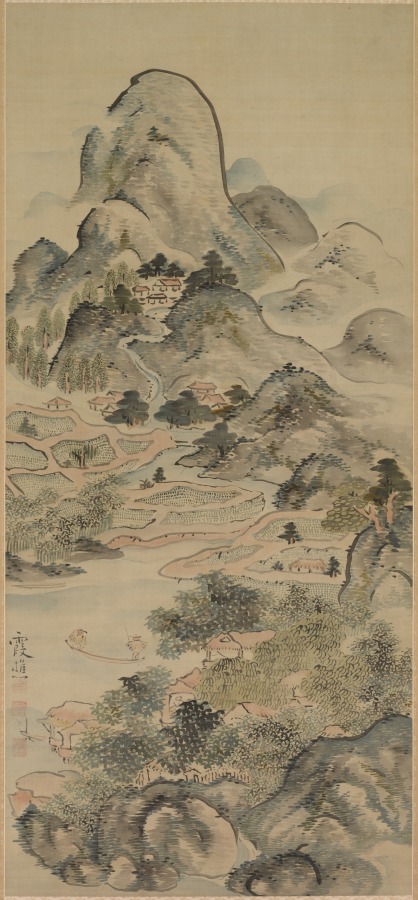
Fishing in a Springtime Valley at the Cleveland Museum of Art: 1700s, Hanging scroll; ink and color on silk. Explore the work's context, creator attribution and collection history.
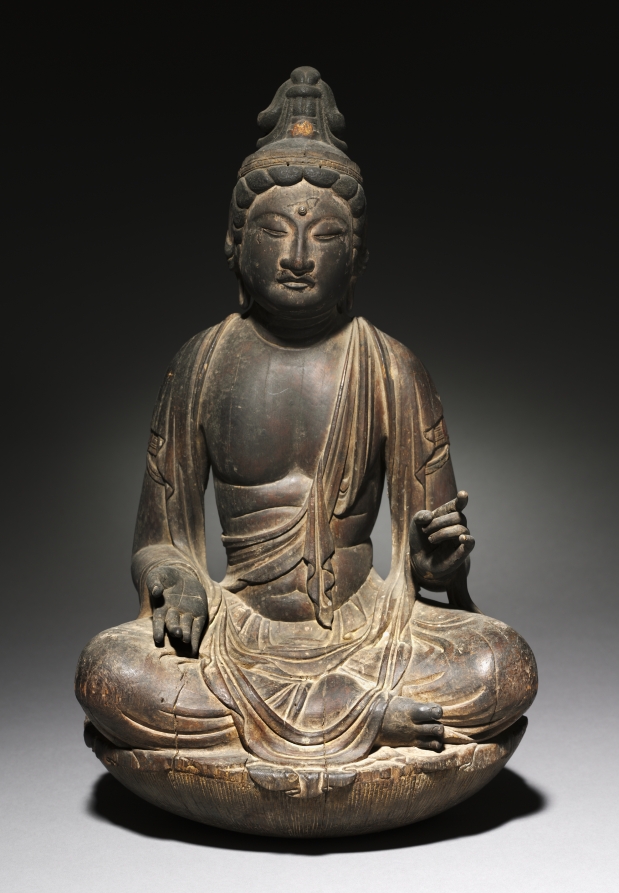
Sun Bodhisattva (Nikkō Bosatsu) at the Cleveland Museum of Art: c. 800, Japanese nutmeg-yew wood with traces of color and gold. Explore the work's context, creator attribution and collection history.
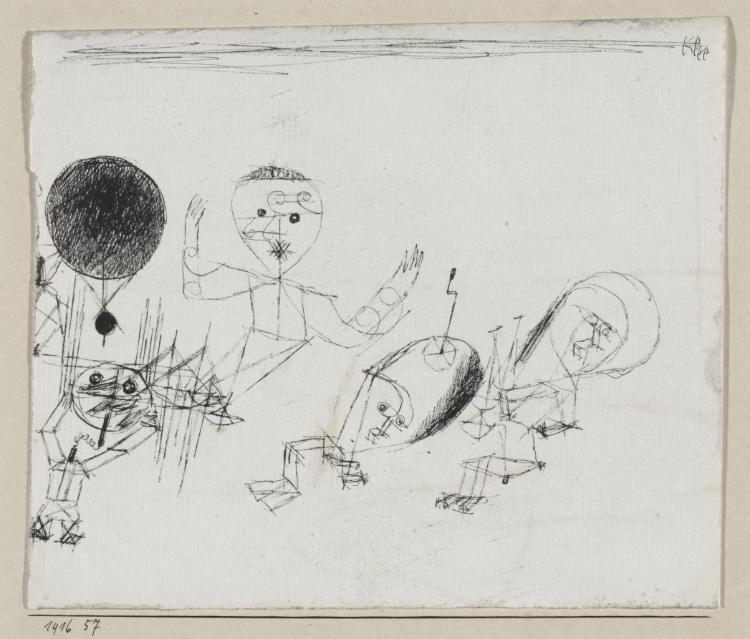
With the Dot at the Cleveland Museum of Art: 1916, pen and black ink. Explore the work's context, creator attribution and collection history.

Prayer Nut with Scenes from the Life of St. James the Greater at the Cleveland Museum of Art: c. 1500–1530, boxwood. Explore the work's context, creator attribution and collection history.
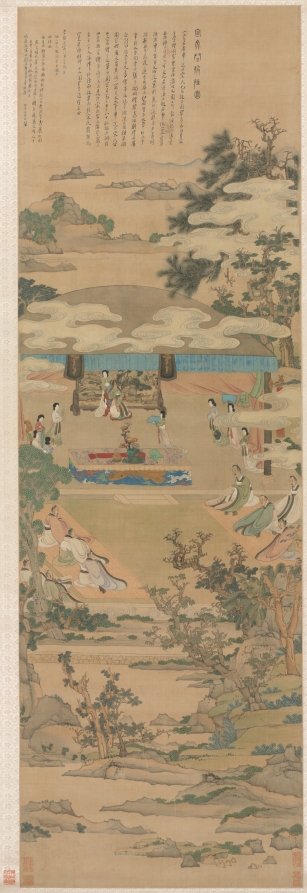
Lady Xuanwen Giving Instruction on the Rites of Zhou at the Cleveland Museum of Art: 1638, Hanging scroll; ink and color on silk. Explore the work's context, creator attribution and collection history.
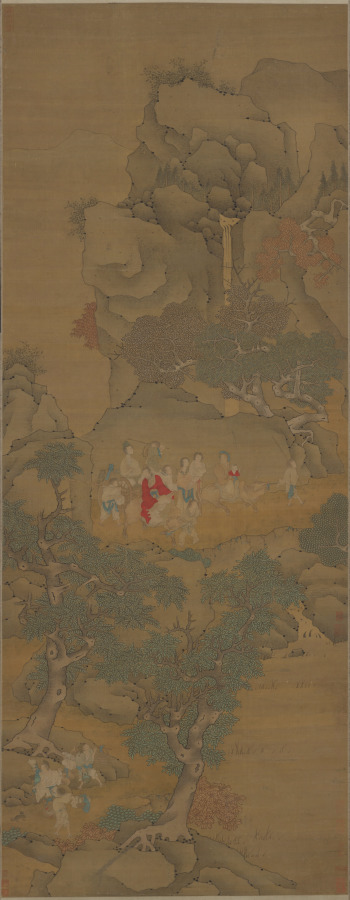
Xu Jingyang Moving His Family at the Cleveland Museum of Art: 1644, Hanging scroll; ink and color on silk. Explore the work's context, creator attribution and collection history.

Fragment Mounted as a Box Cover with a Scene from Amida's Paradise at the Cleveland Museum of Art: 1100s, gold lacquer on wood. Explore the work's context, creator attribution and collection history.
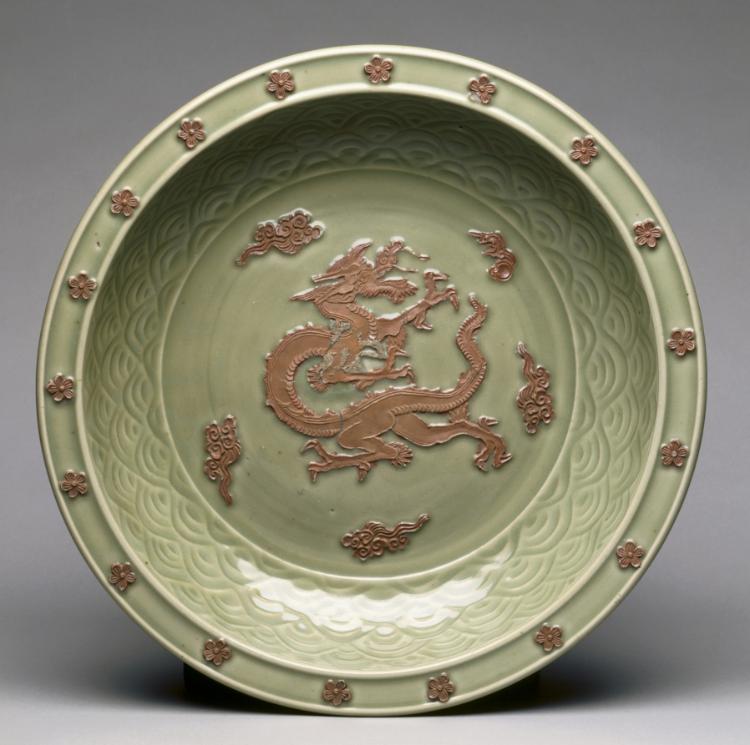
Plate with Relief Dragon among Clouds at the Cleveland Museum of Art: 1300s, porcelaneous stoneware with celadon glaze and molded decoration. Explore the work's context, creator attribution and collection history.
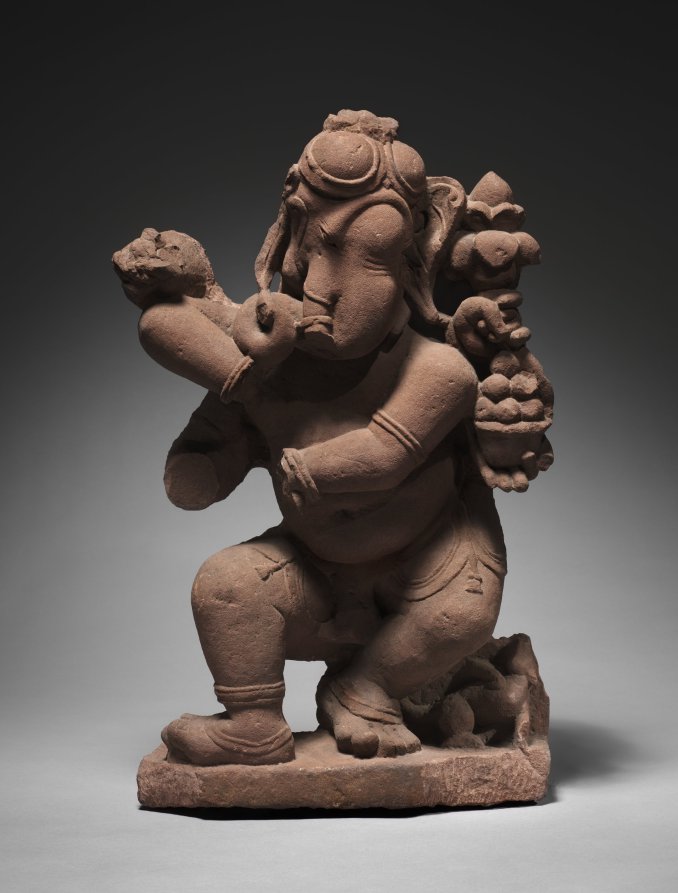
Dancing Ganesha at the Cleveland Museum of Art: c. 1000, sandstone. Explore the work's context, creator attribution and collection history.
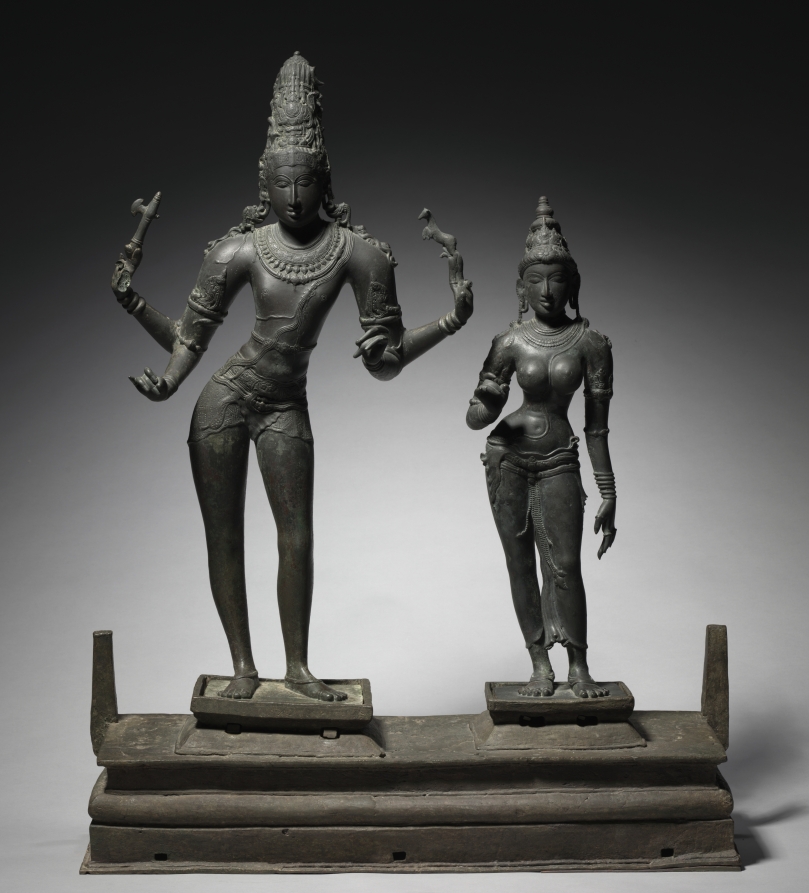
Shiva and Parvati at the Cleveland Museum of Art: c. 1020–40, bronze. Explore the work's context, creator attribution and collection history.