Fisherman (1906): Art, History and Details
Fisherman at the Cleveland Museum of Art: 1906, woodcut. Explore the work's context, creator attribution and collection history.
Oldest entries first, in a fixed order. Newly added articles appear at the end. Explore a shuffled selection →
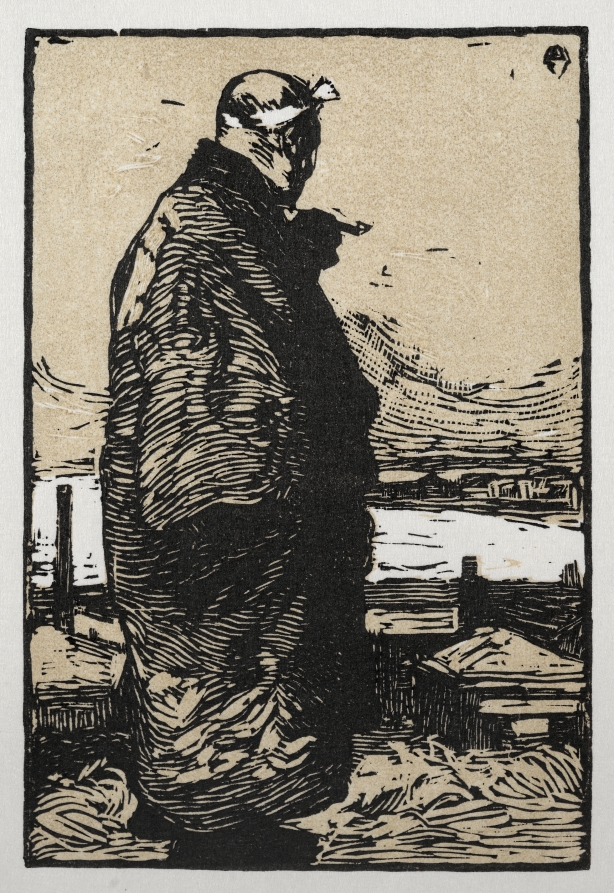
Fisherman at the Cleveland Museum of Art: 1906, woodcut. Explore the work's context, creator attribution and collection history.

Solomon's Idolatry at the Cleveland Museum of Art: 1516–1519, woodcut. Explore the work's context, creator attribution and collection history.
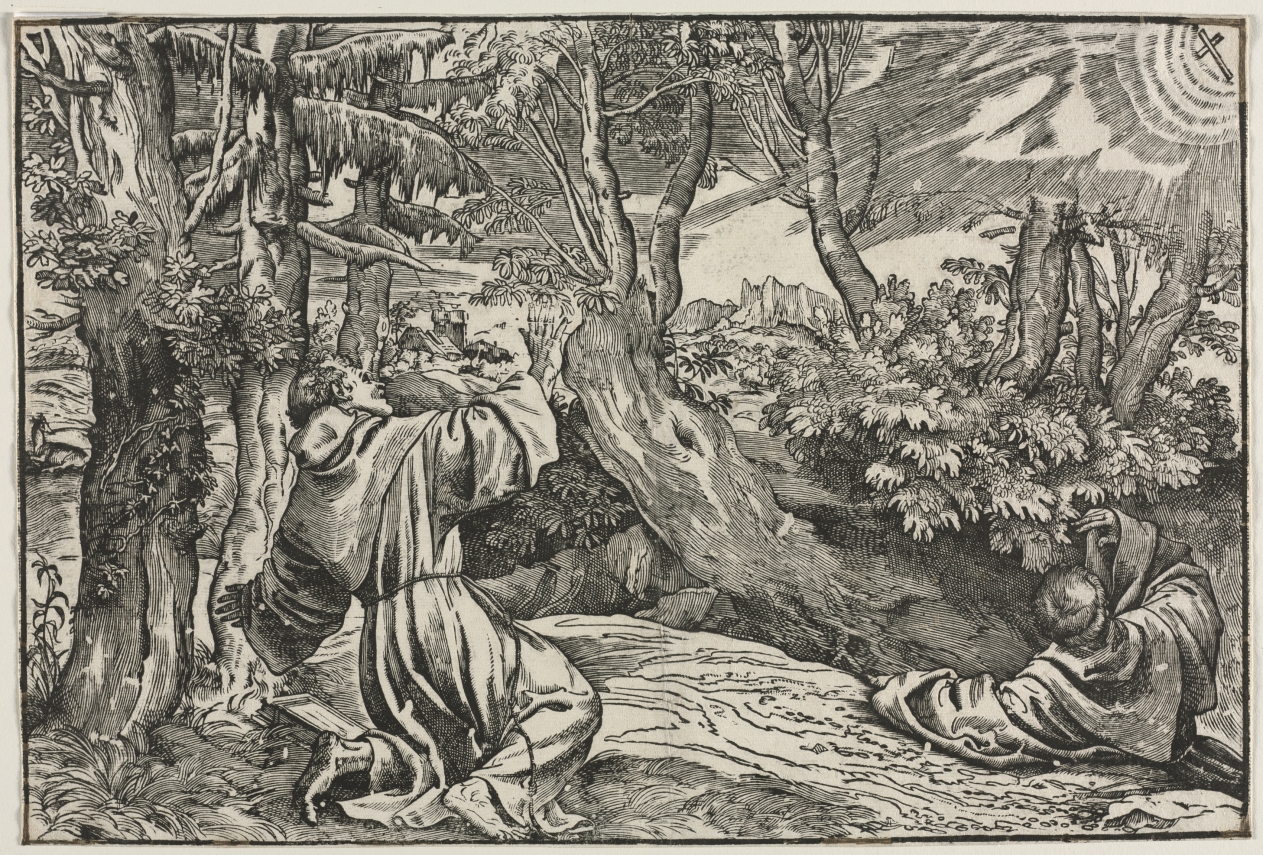
Saint Francis Receiving the Stigmata at the Cleveland Museum of Art: 1535–45, woodcut. Explore the work's context, creator attribution and collection history.
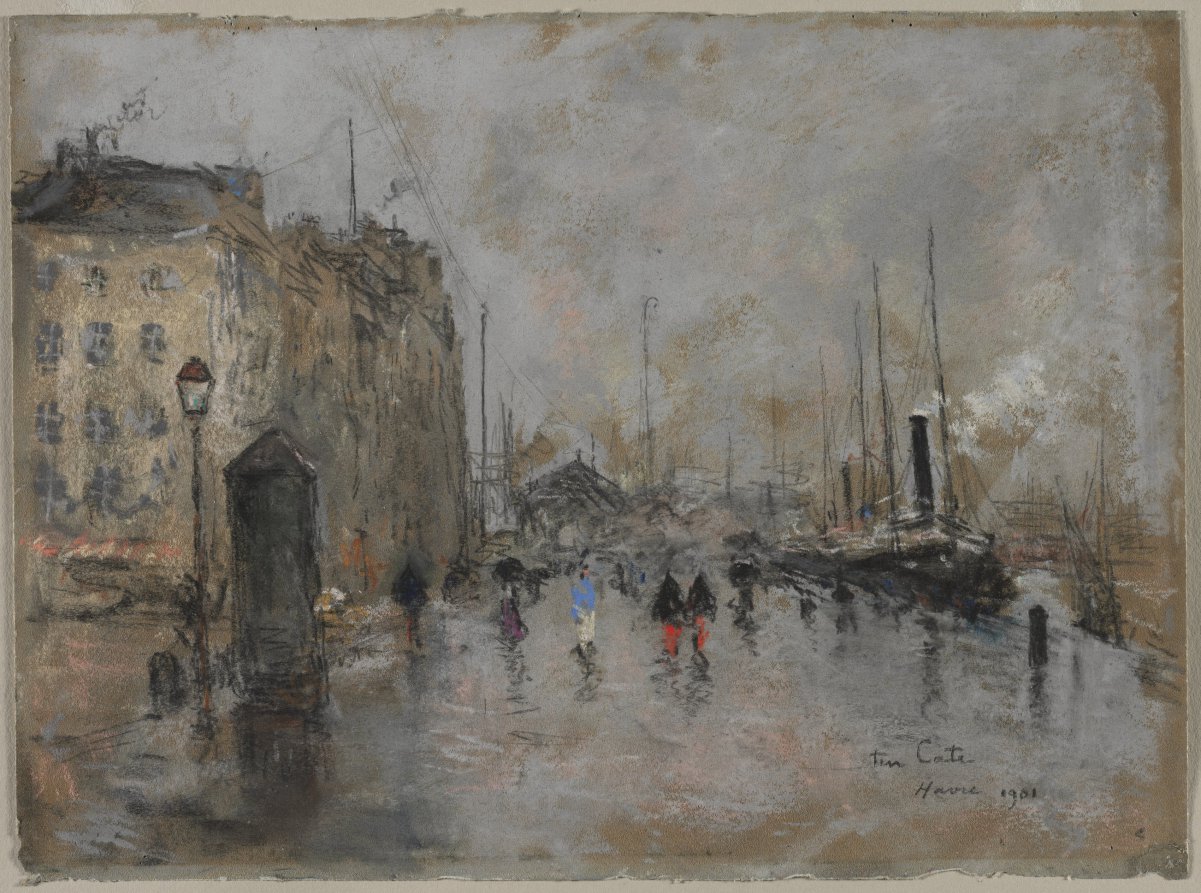
The Grand Quai of Le Havre at the Cleveland Museum of Art: 1901, pastel. Explore the work's context, creator attribution and collection history.

Face Mask with Female Figure (satimbe) at the Cleveland Museum of Art: early to mid-1900s, Wood and organic materials. Explore the work's context, creator attribution and collection history.
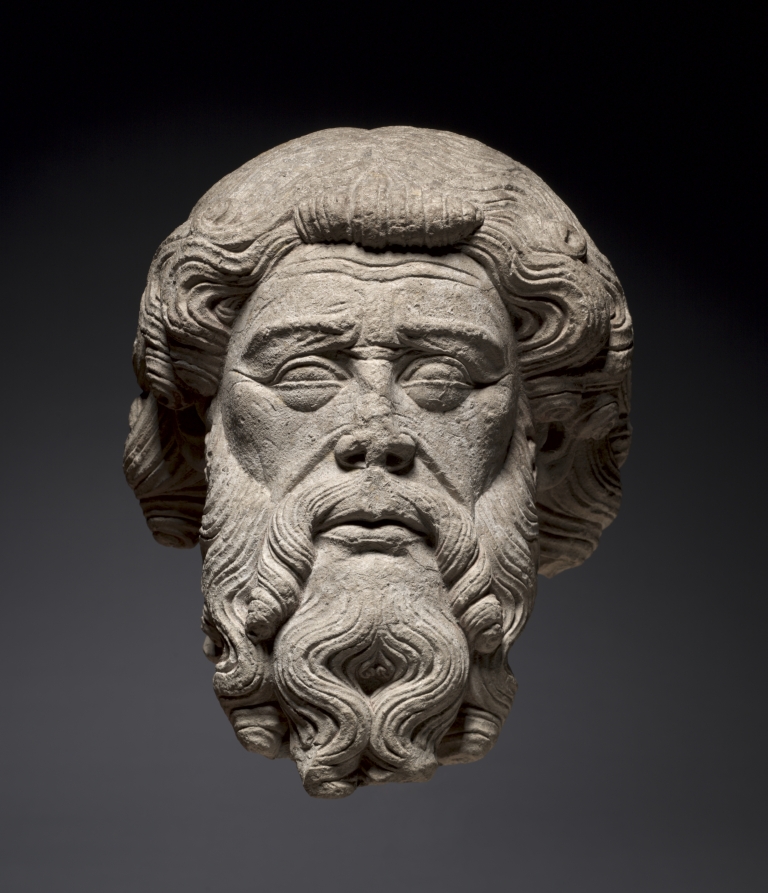
Head of an Apostle at the Cleveland Museum of Art: c. 1325–1350, limestone, with traces of polychromy. Explore the work's context, creator attribution and collection history.
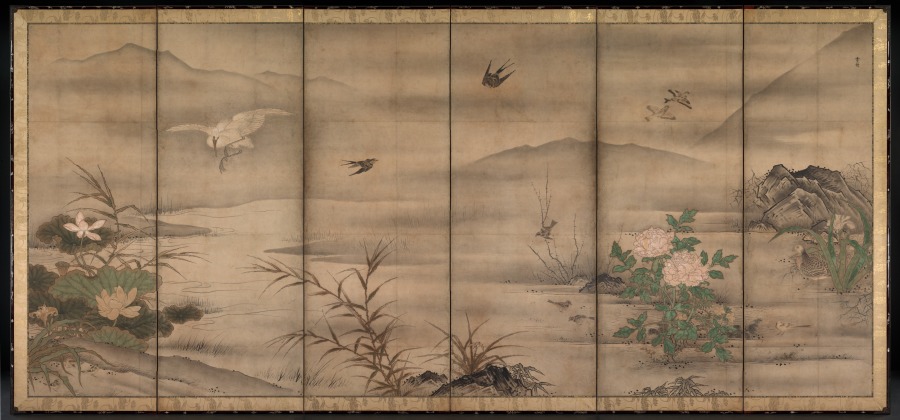
Birds and Flowers in a Landscape of the Four Seasons at the Cleveland Museum of Art: second half of the 1500s, Six-panel folding screen, ink and color on paper. Explore the work's context, creator attribution and collection history.

Chateau de Chaumont Set at the Cleveland Museum of Art: 1512–1515, silk and wool; tapestry weave. Explore the work's context, creator attribution and collection history.
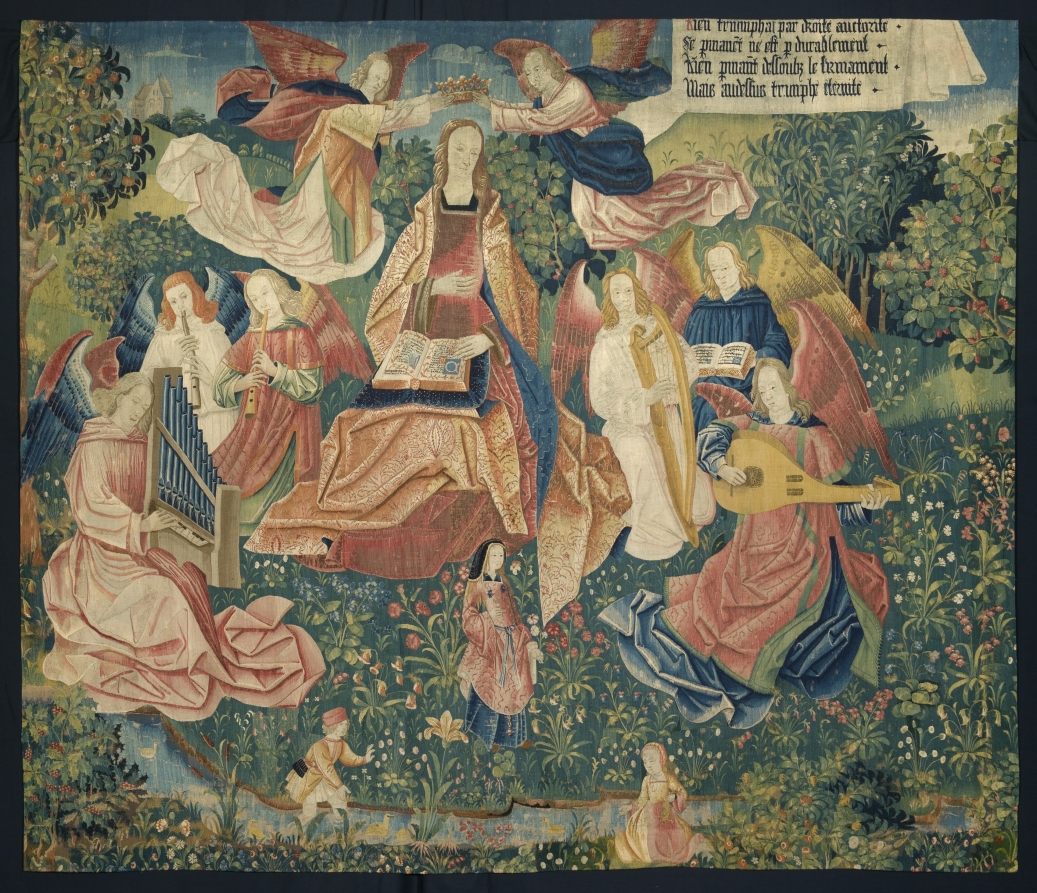
The Triumph of Eternity (from Chateau de Chaumont set) at the Cleveland Museum of Art: 1512–15, silk and wool; tapestry weave. Explore the work's context, creator attribution and collection history.
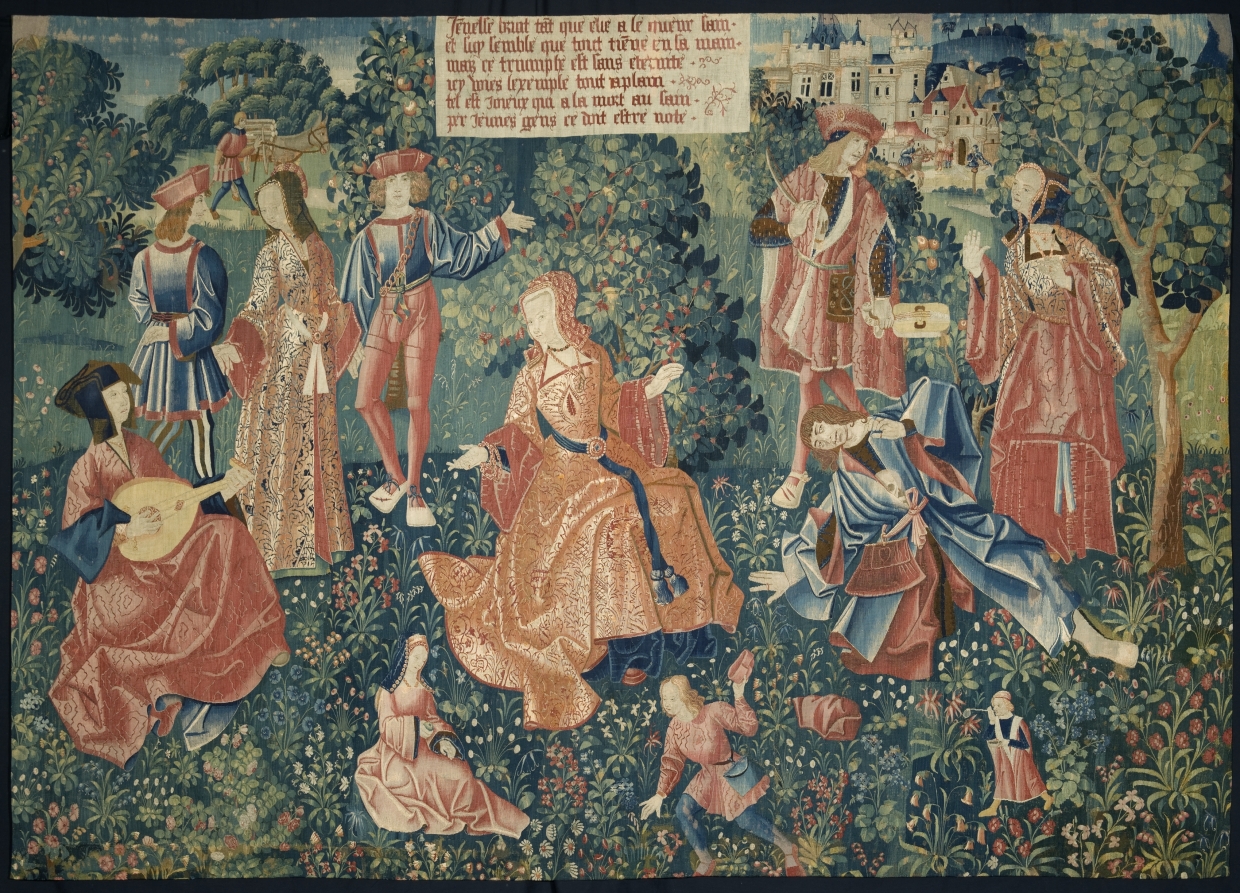
Youth (from Chateau de Chaumont set) at the Cleveland Museum of Art: 1512–15, silk and wool; tapestry weave. Explore the work's context, creator attribution and collection history.

Time (from Chateau de Chaumont set) at the Cleveland Museum of Art: 1512–15, silk and wool; tapestry weave. Explore the work's context, creator attribution and collection history.

Three Horses and Four Grooms at the Cleveland Museum of Art: c. 1320s, handscroll; ink and color on silk. Explore the work's context, creator attribution and collection history.

Dream Journey among Rivers and Mountains, no. 90 at the Cleveland Museum of Art: 1658, Handscroll; ink and color on paper. Explore the work's context, creator attribution and collection history.
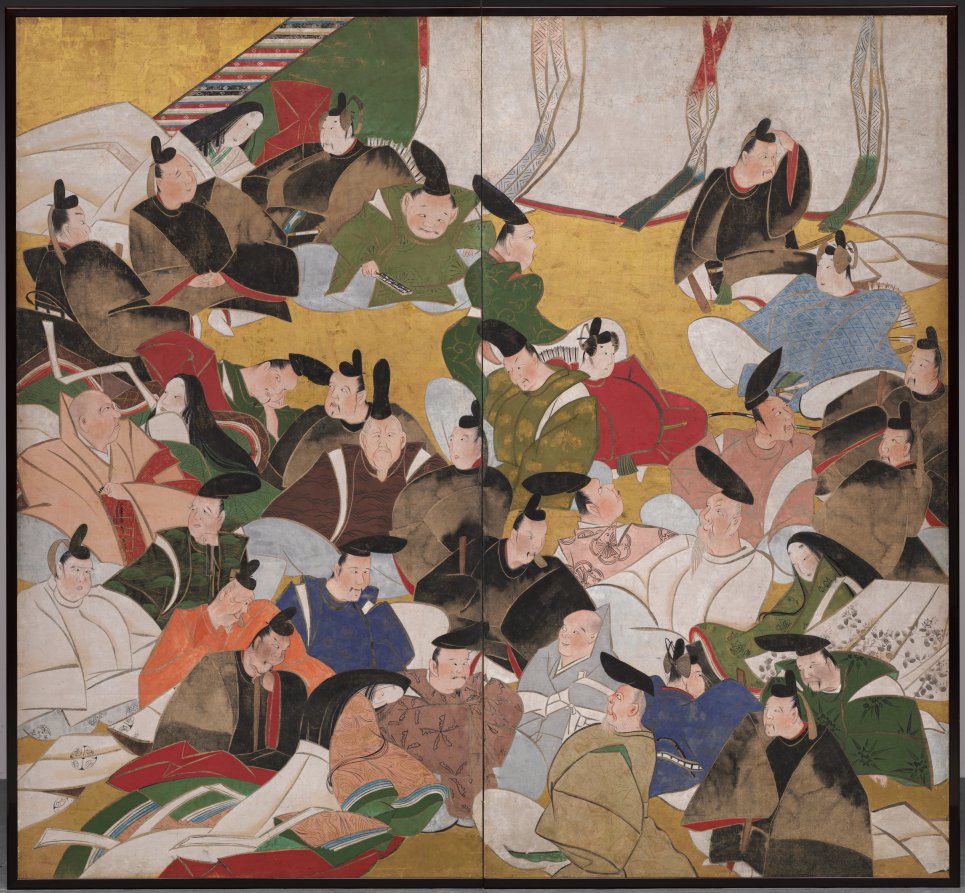
Thirty-Six Poetic Immortals at the Cleveland Museum of Art: mid 1700s, two-fold screen; ink, color, and gold on paper. Explore the work's context, creator attribution and collection history.
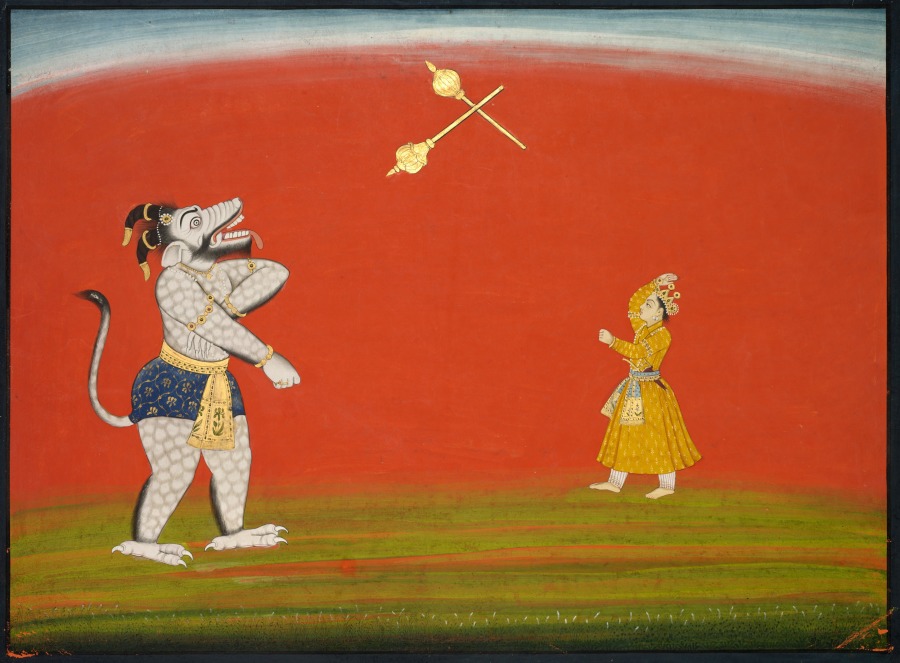
Pradyumna and Samvara fight with maces, from the "Large Basohli Bhagavata Purana" at the Cleveland Museum of Art: c. 1760–65, Gum tempera, ink, and gold on paper. Explore the work's context, creator attribution and collection history.
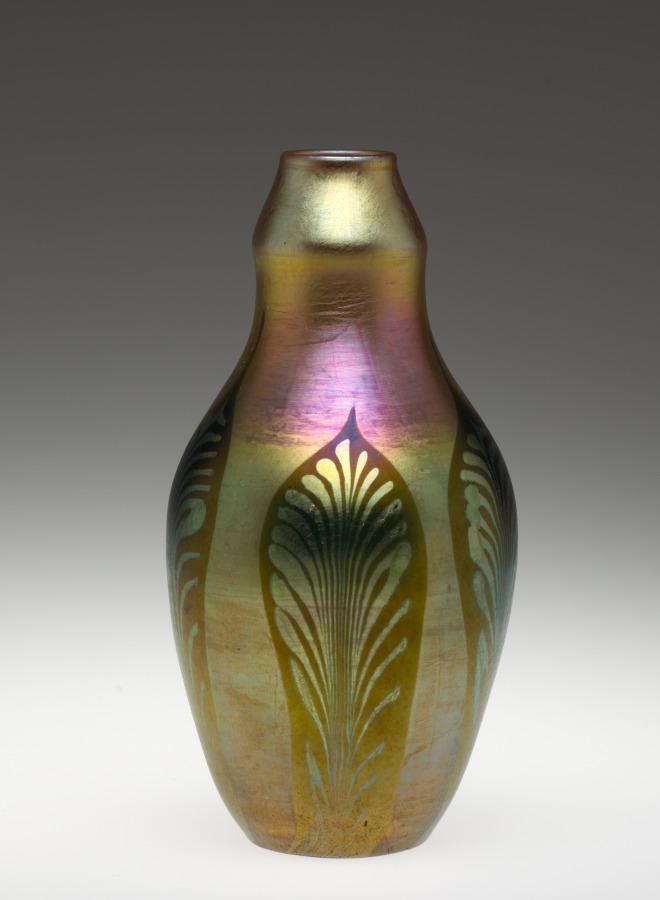
Vase at the Cleveland Museum of Art: c. 1900–1902, favrile glass. Explore the work's context, creator attribution and collection history.

Christ Taken before Caiaphas at the Cleveland Museum of Art: c. 1641–42, pen and brown ink and brush and brown wash, with white gouache. Explore the work's context, creator attribution and collection history.
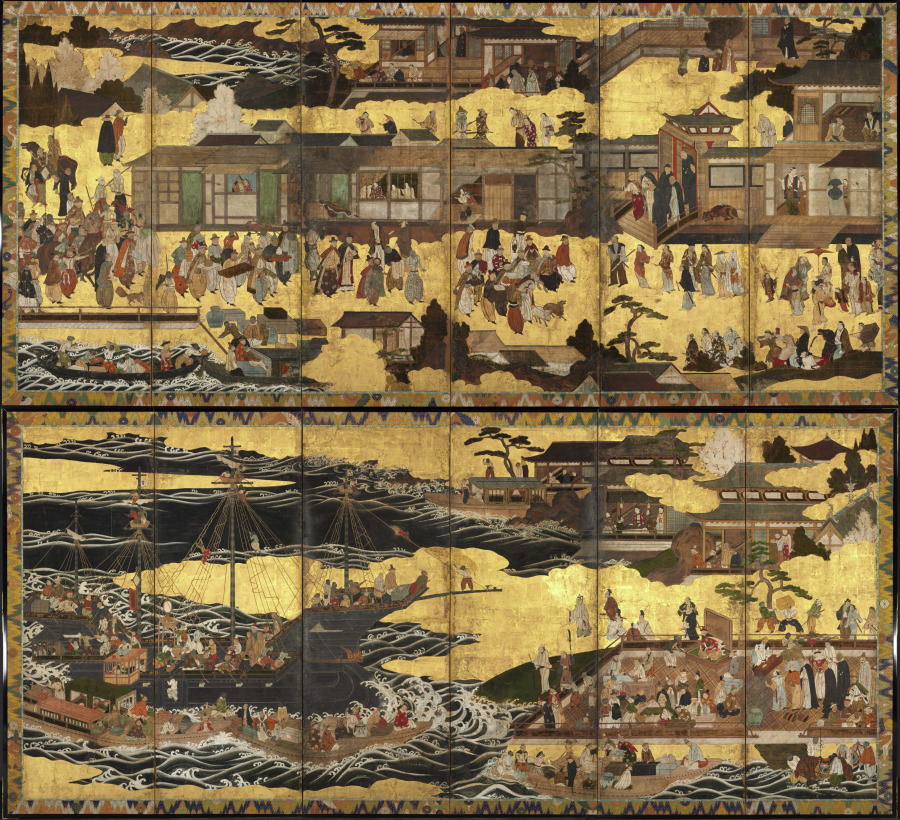
Arrival of the "Southern Barbarians" at the Cleveland Museum of Art: c. 1600, Pair of six-panel folding screens; ink, color, and gold on paper. Explore the work's context, creator attribution and collection history.
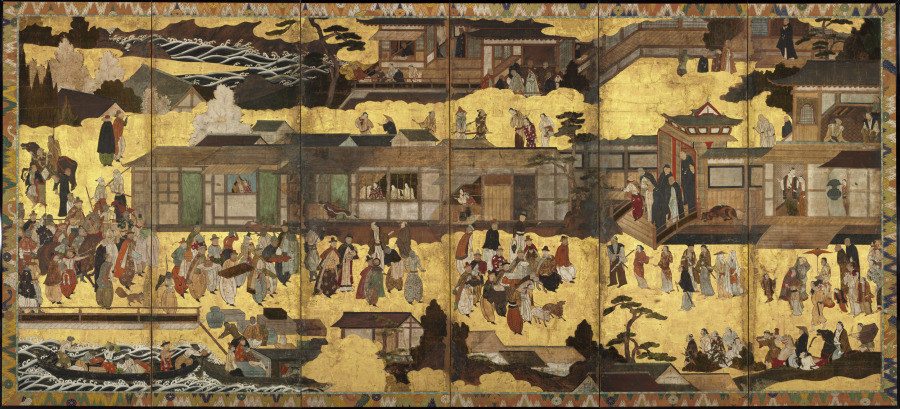
Arrival of the "Southern Barbarians" at the Cleveland Museum of Art: c. 1600, One of a pair of six-panel folding screens; ink, color, and gold on paper. Explore the work's context, creator attribution and collection history.
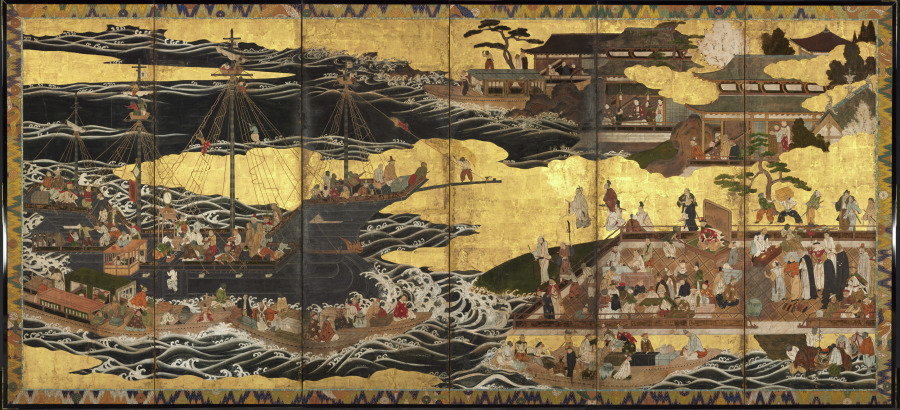
Arrival of the "Southern Barbarians" at the Cleveland Museum of Art: c. 1600, One of a pair of six-panel folding screens; ink, color, and gold on paper. Explore the work's context, creator attribution and collection history.

Incense Burner with Lid at the Cleveland Museum of Art: late 1300s, black lacquer on wood with decoration in maki-e; metal rims; bronze lid. Explore the work's context, creator attribution and collection history.
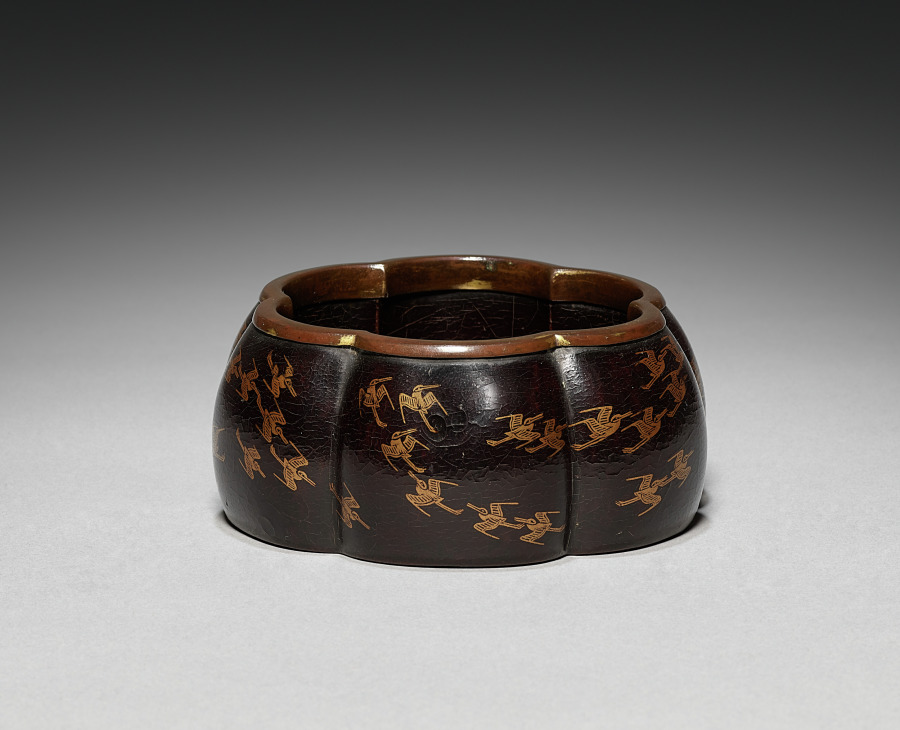
Incense Burner at the Cleveland Museum of Art: late 1300s, black lacquer on wood with decoration in maki-e; metal rims; bronze lid. Explore the work's context, creator attribution and collection history.

Incense Burner (lid) at the Cleveland Museum of Art: late 1300s, bronze with metal rim. Explore the work's context, creator attribution and collection history.

Buddha of Infinite Life and Light (Amida Nyorai) at the Cleveland Museum of Art: 1269, Cypress with lacquer, color, gold, cut gold, rock-crystal inlaid eyes, and quartz. Explore the work's context, creator attribution and collection history
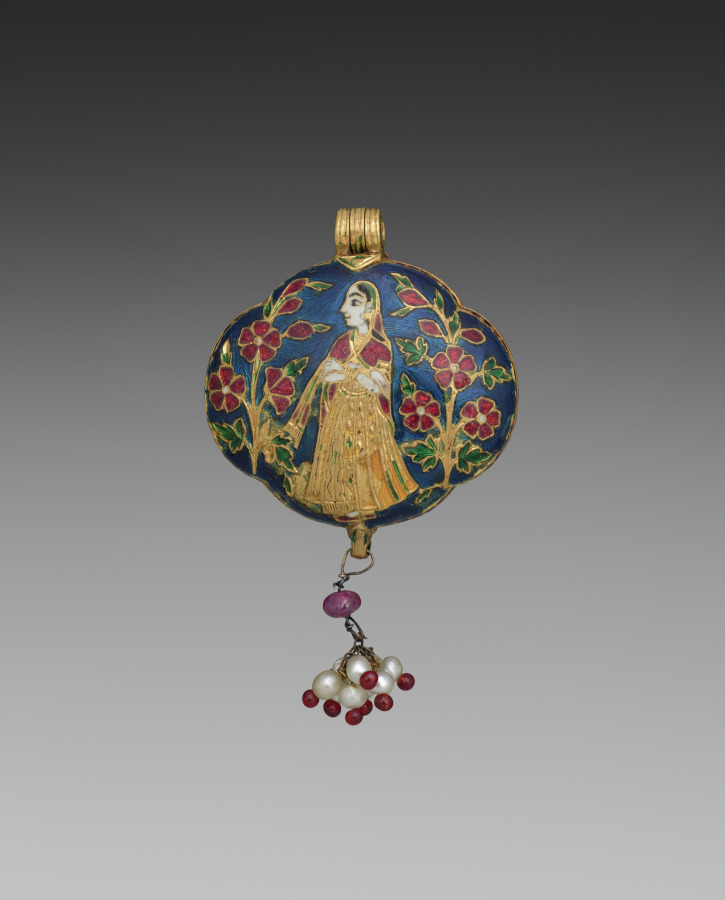
Locket at the Cleveland Museum of Art: 1700s, gold and enamel. Explore the work's context, creator attribution and collection history.
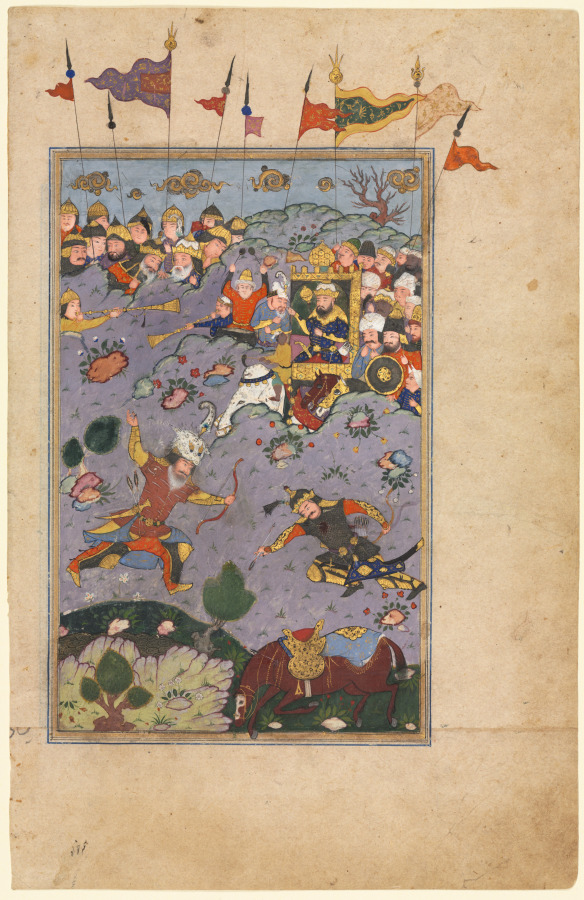
Rustam meets the challenge of Ashkabus, from a Shah-nama (Book of Kings) of Firdausi (Persian, about 934–1020) at the Cleveland Museum of Art: c. 1590–1600, Opaque watercolor, ink, and gold on paper. Explore the work's context, creator attr
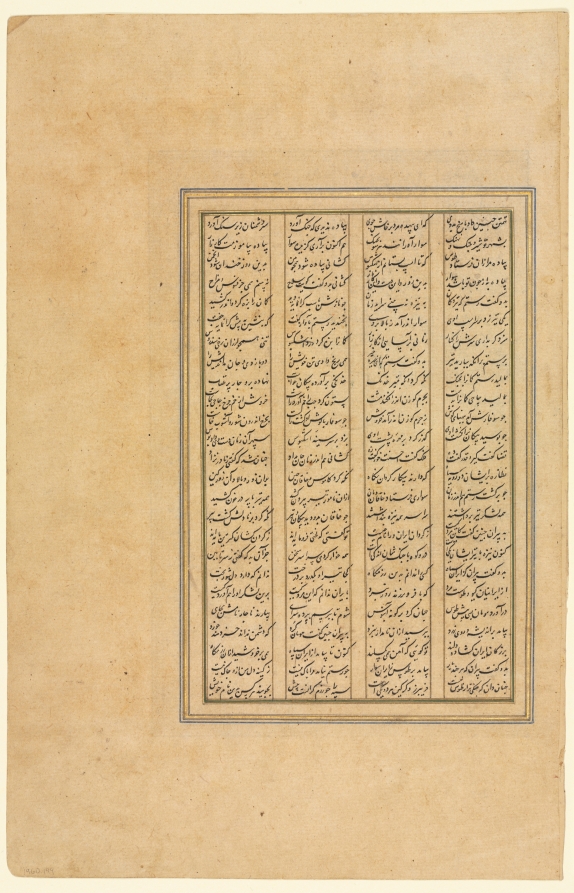
Page from a Shah-nama (Book of Kings) of Firdausi (Persian, about 934–1020) at the Cleveland Museum of Art: c. 1590–1600, Opaque watercolor, ink, and gold on paper. Explore the work's context, creator attribution and collection history.
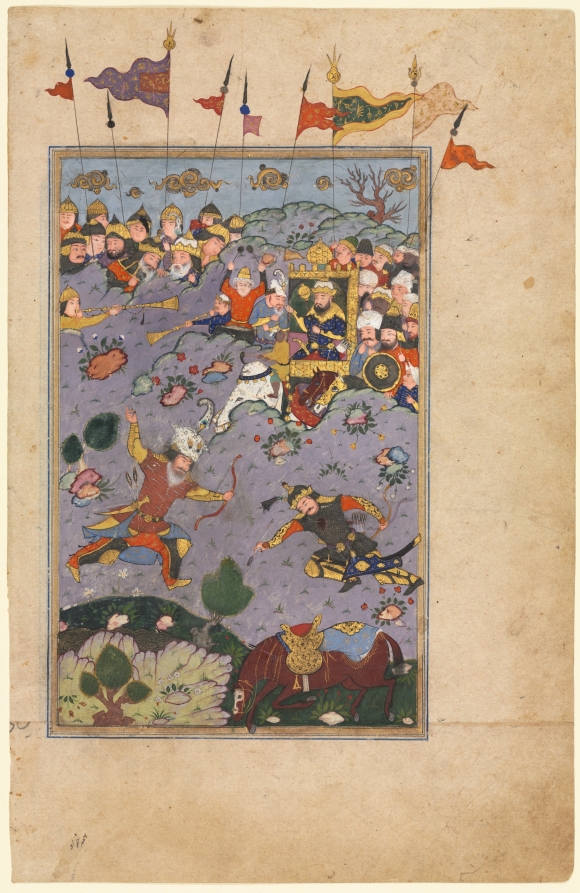
Rustam meets the challenge of Ashkabus, from a Shah-nama (Book of Kings) of Firdausi (Persian, about 934–1020) at the Cleveland Museum of Art: c. 1590–1600, opaque watercolor and gold on paper. Explore the work's context, creator attributio
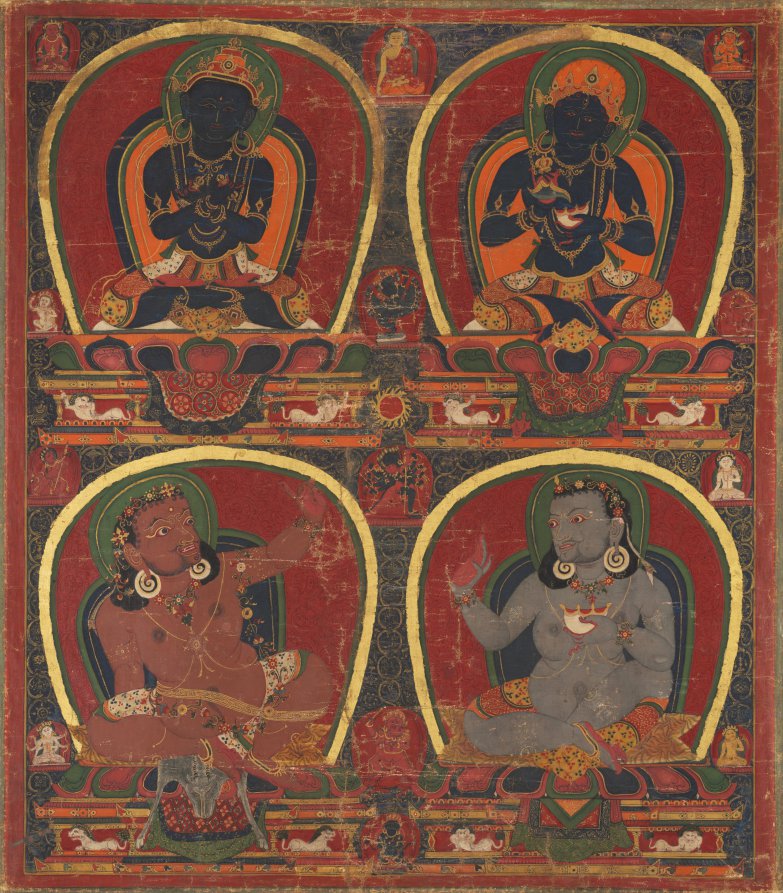
Vajradhara, Nairatmya, and mahasiddhas Virupa and Kanha at the Cleveland Museum of Art: c. 1450, Gum tempera and gold on cotton. Explore the work's context, creator attribution and collection history.
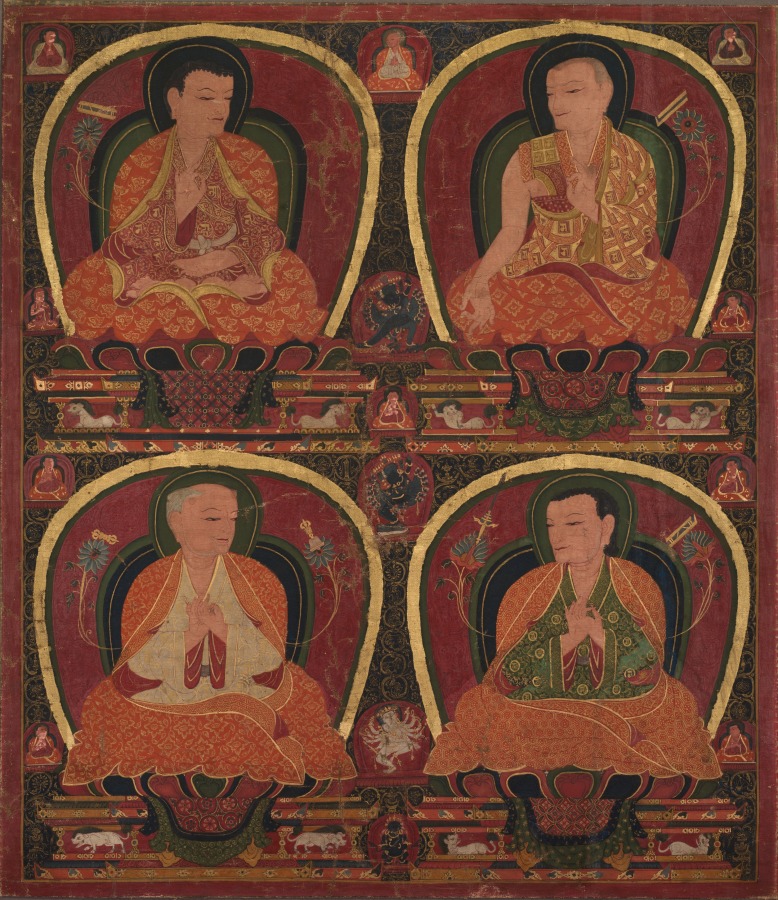
Four seated Masters at the Cleveland Museum of Art: c. 1450, Gum tempera and gold on cotton. Explore the work's context, creator attribution and collection history.
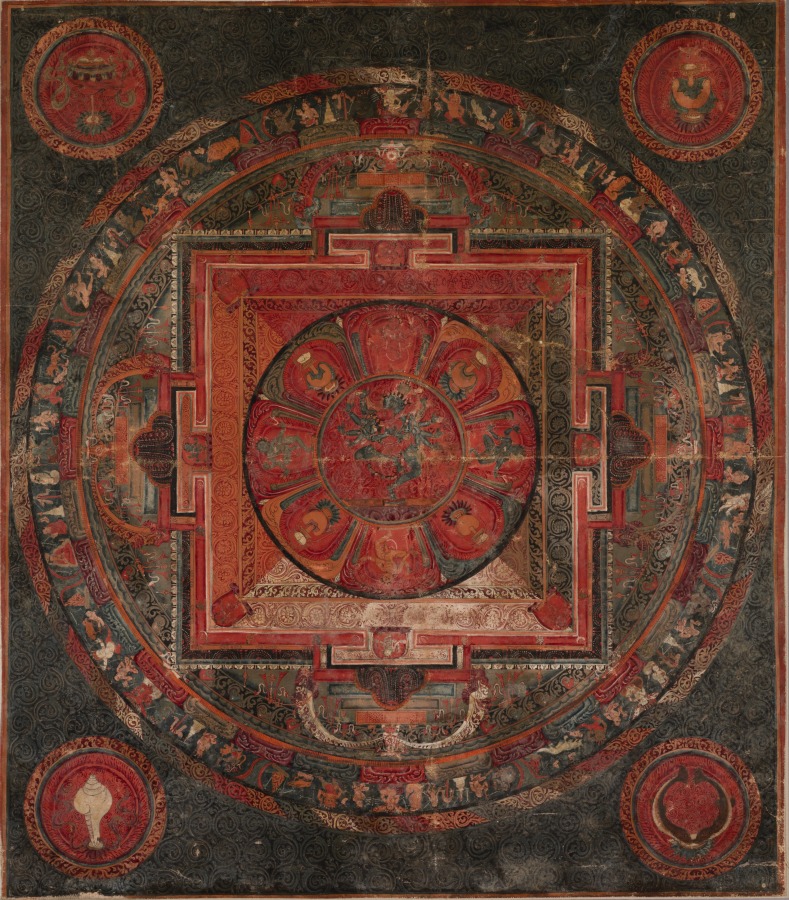
Mandala of Chakrasamvara and Vajravarahi at the Cleveland Museum of Art: late 1400s, Gum tempera on cloth. Explore the work's context, creator attribution and collection history.
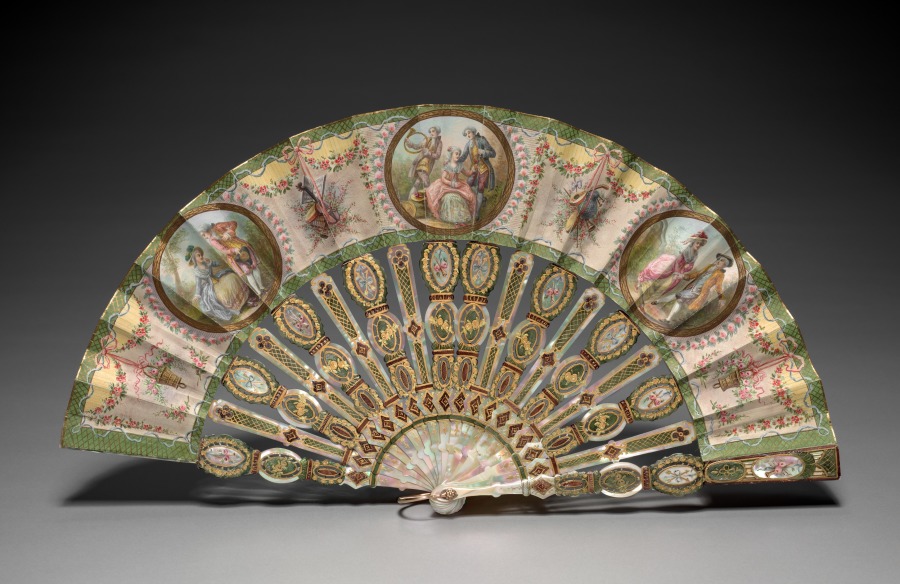
Fan at the Cleveland Museum of Art: c. 1850–1870, Leaf: gouache on paper; sticks and guards: mother-of-pearl; pivot: gold. Explore the work's context, creator attribution and collection history.
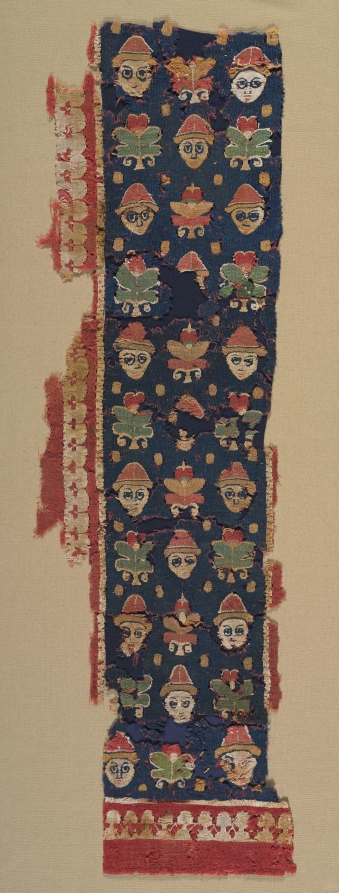
Border of Heads and Palmettes from a Large Hanging at the Cleveland Museum of Art: 500s CE, Dyed wool, undyed linen; slit-tapestry weave. Explore the work's context, creator attribution and collection history.
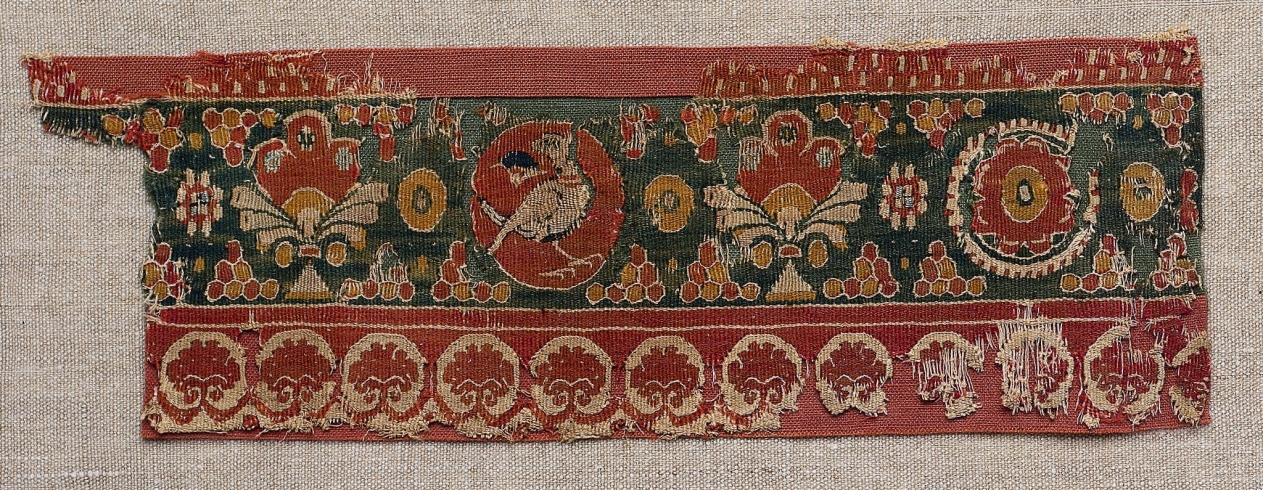
Decorated Band from a Tunic or Curtain at the Cleveland Museum of Art: 600s, tapestry weave with supplementary weft wrapping; undyed linen and dyed wool. Explore the work's context, creator attribution and collection history.
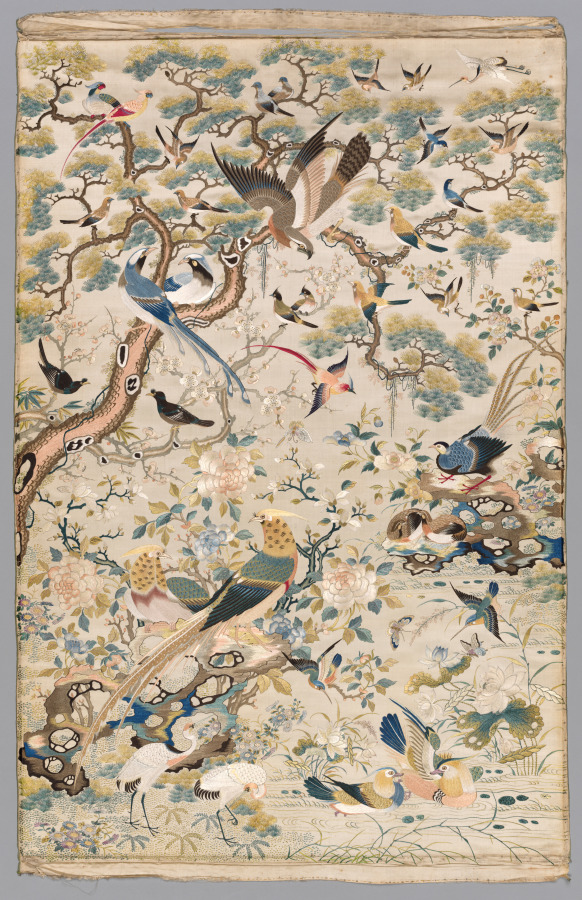
A Myriad of Birds at the Cleveland Museum of Art: 1700s–1800s, silk: satin weave with polychrome silk embroidery. Explore the work's context, creator attribution and collection history.
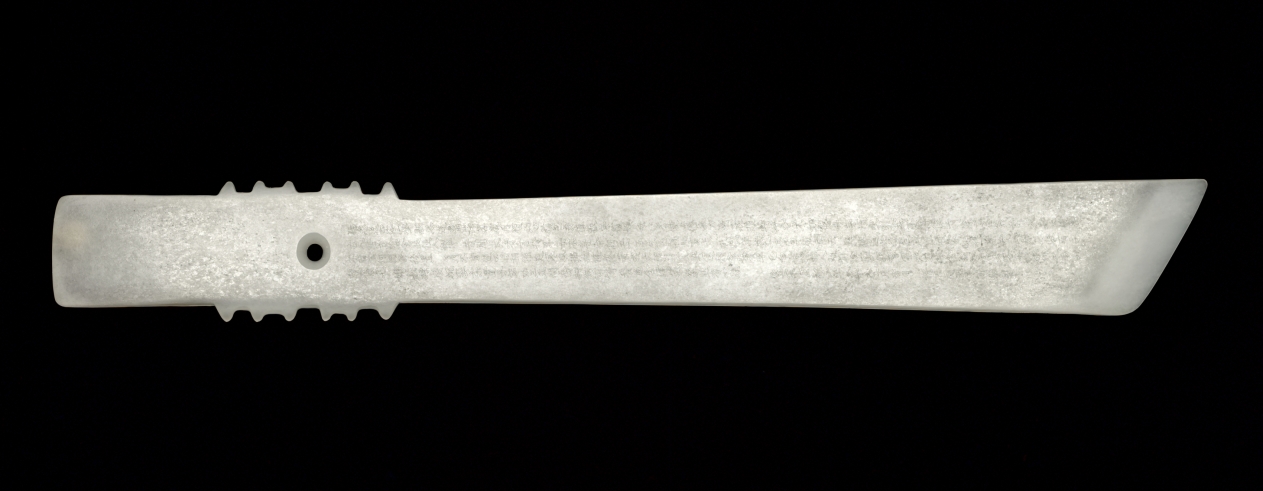
Scepter (Gui) with Miscellaneous Poems by Tao Qian (365–427 CE) at the Cleveland Museum of Art: 1122 or later, translucent white jade. Explore the work's context, creator attribution and collection history.
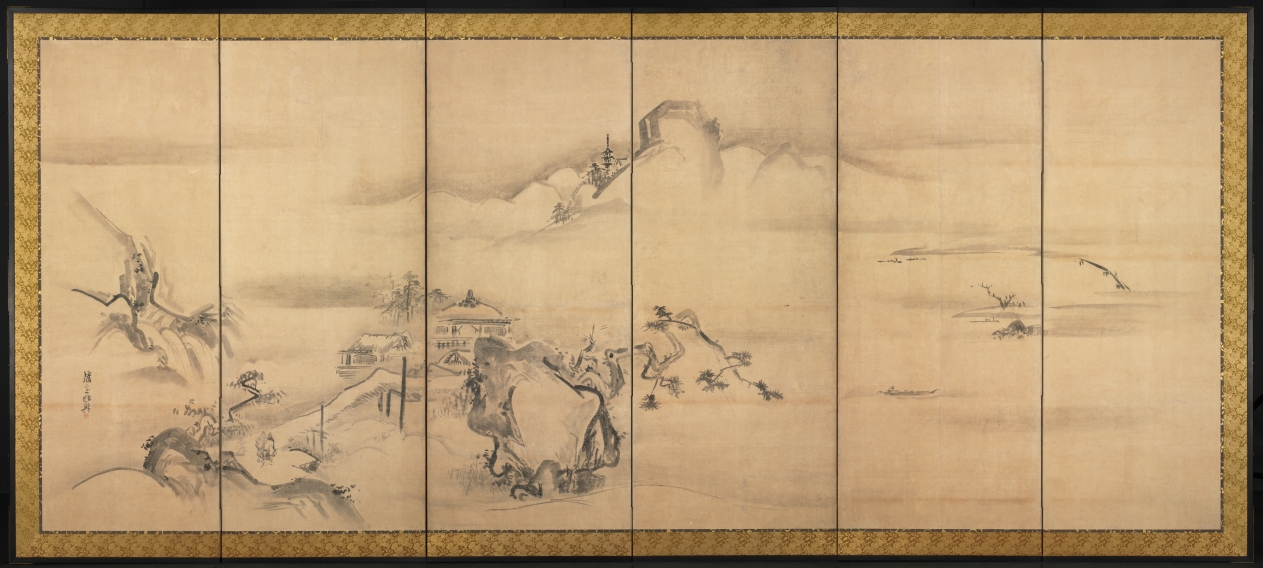
Eight Views of Xiao-Xiang at the Cleveland Museum of Art: early-mid 1700s, One of a pair of six-panel folding screens; ink on paper. Explore the work's context, creator attribution and collection history.
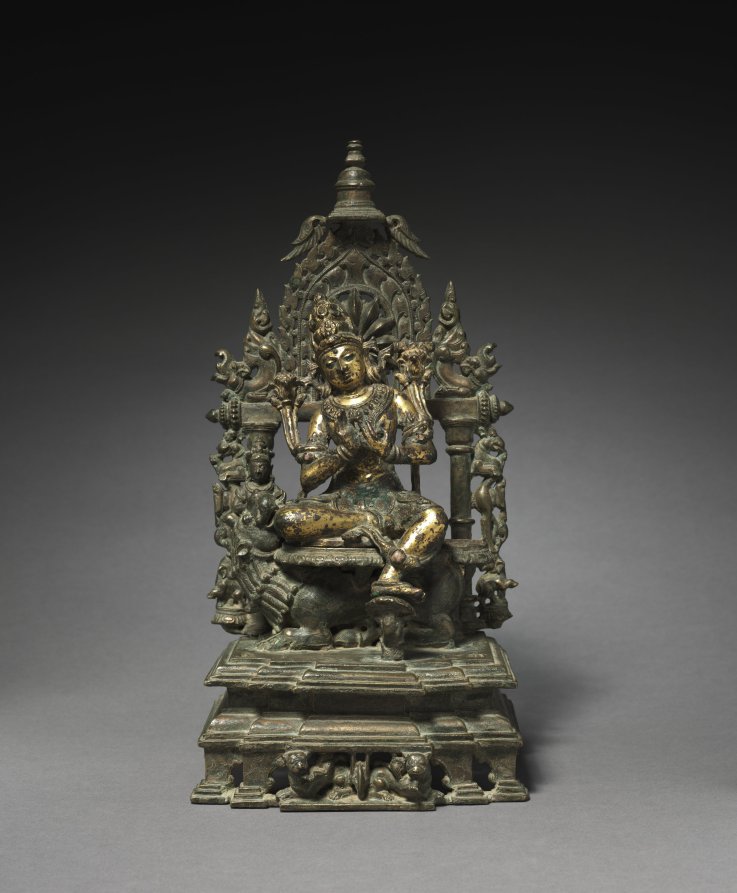
Bodhisattva Manjushri: Lord of Wisdom at the Cleveland Museum of Art: 1000s–1100s, Bronze with gilding and inlay of semiprecious stones. Explore the work's context, creator attribution and collection history.
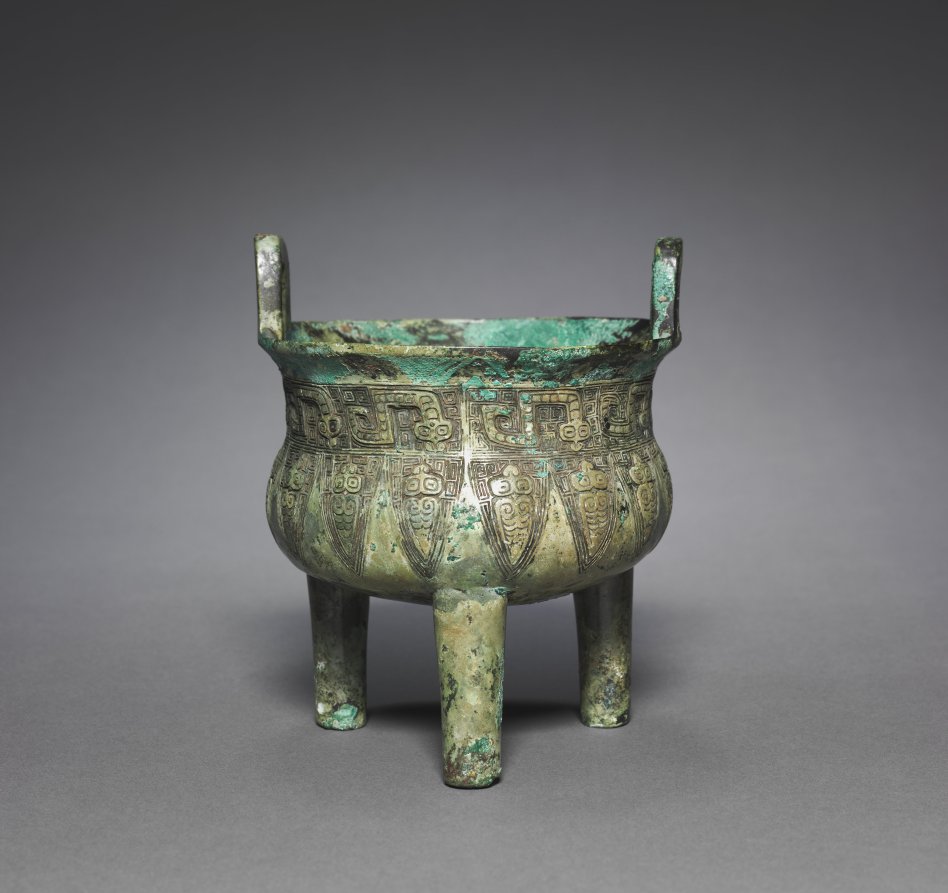
Tripod Cauldron (Ding) at the Cleveland Museum of Art: 1200–1100 BCE, bronze. Explore the work's context, creator attribution and collection history.
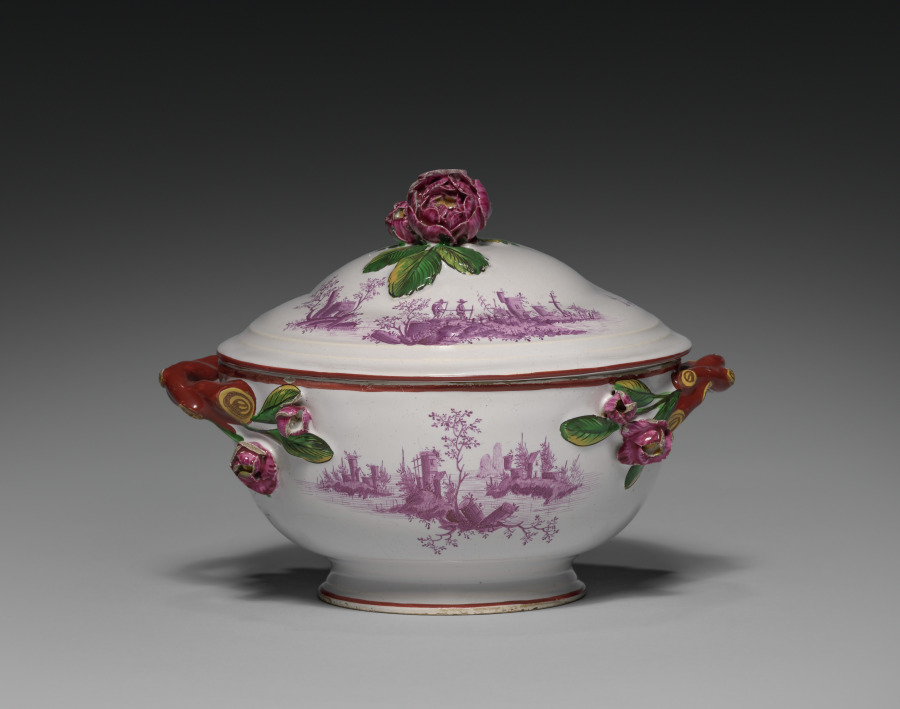
Covered Bowl at the Cleveland Museum of Art: c. 1775, tin-glazed earthenware (faience) with enamel decoration. Explore the work's context, creator attribution and collection history.