Net Worth →

Art & Design archive — Page 170

Oldest entries first, in a fixed order. Newly added articles appear at the end. Explore a shuffled selection →

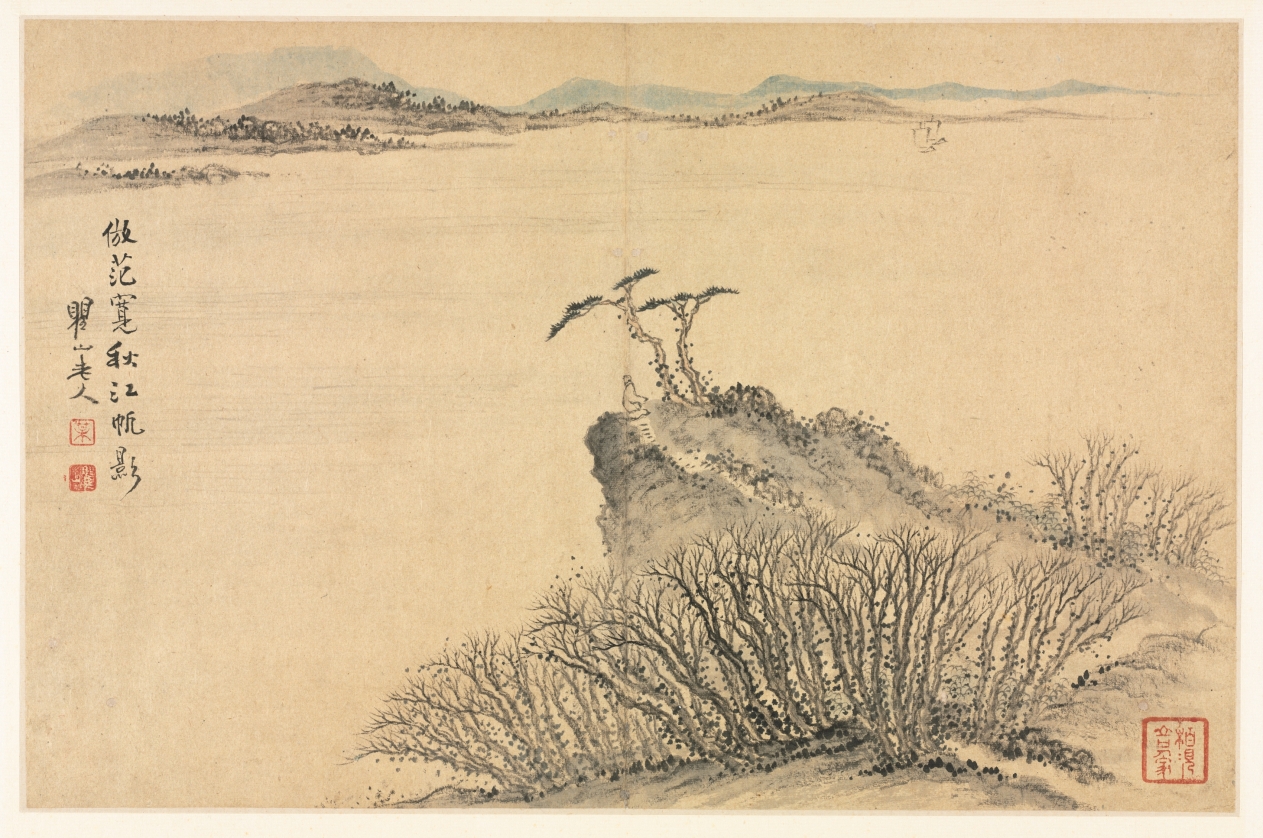
Landscapes in Various Styles after Old Masters (1690; Cleveland 1962.157.8)

Landscapes in Various Styles after Old Masters (1690): Art, History and Details

Landscapes in Various Styles after Old Masters at the Cleveland Museum of Art: 1690, album leaf: ink and color on paper. Explore the work's context, creator attribution and collection history.
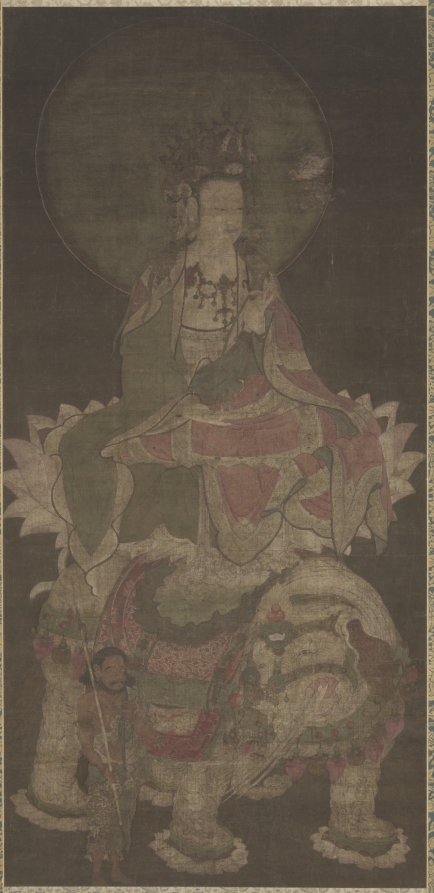
Samantabhadra (1100s; Cleveland 1962.161)

Samantabhadra (1100s): Art, History and Details

Samantabhadra at the Cleveland Museum of Art: 1100s, hanging scroll; ink and color on silk. Explore the work's context, creator attribution and collection history.

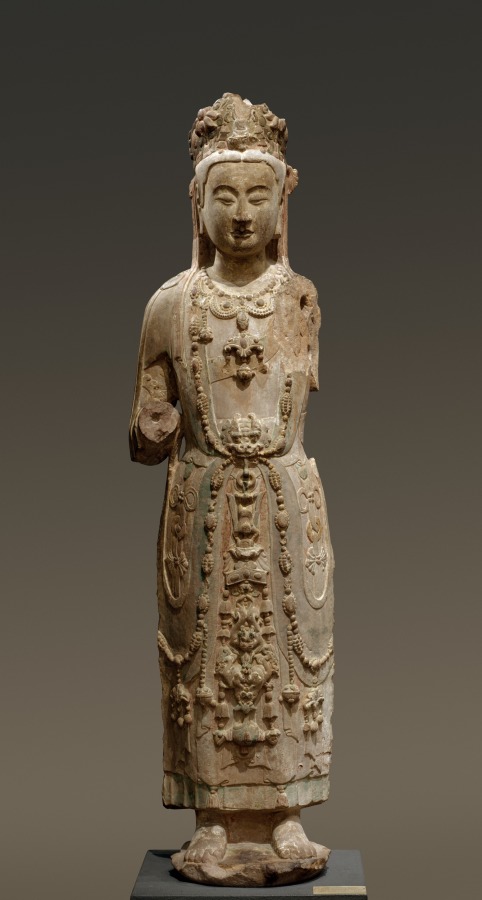
Bodhisattva Guanyin (late 500s–early 600s; Cleveland 1962.162)

Bodhisattva Guanyin (late 500s–early 600s): Art, History and Details

Bodhisattva Guanyin at the Cleveland Museum of Art: late 500s–early 600s, sandstone with polychromy. Explore the work's context, creator attribution and collection history.
Monk Mending Clothes in the Morning Sun (Chōyō Hotetsuzu) (c. 1350; Cleveland 1962.163)

Monk Mending Clothes in the Morning Sun (Chōyō Hotetsuzu) (c. 1350): Art, History and Details

Monk Mending Clothes in the Morning Sun (Chōyō Hotetsuzu) at the Cleveland Museum of Art: c. 1350, hanging scroll; ink on paper. Explore the work's context, creator attribution and collection history.
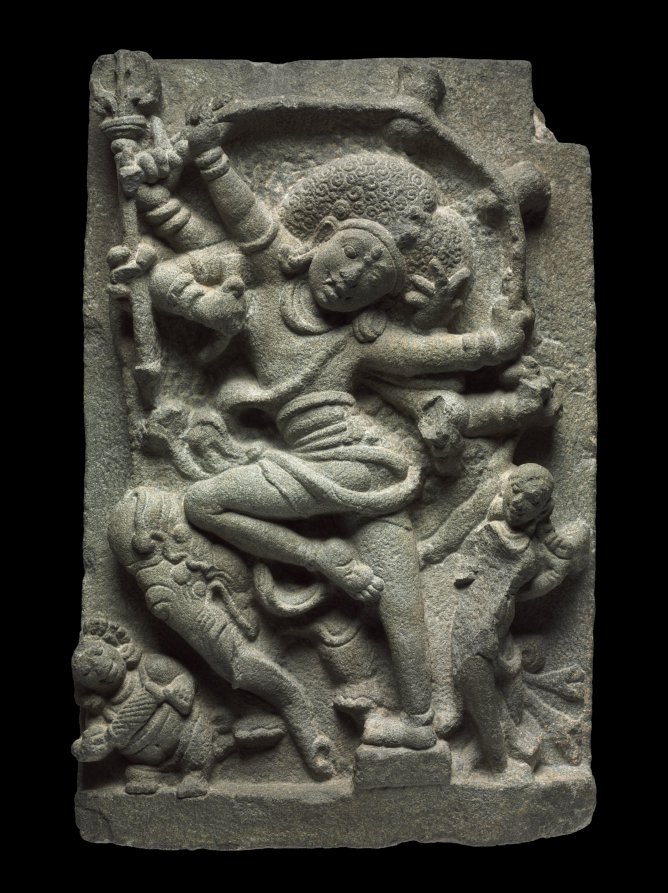
Shiva as Slayer of the Elephant Demon (1000s; Cleveland 1962.164)

Shiva as Slayer of the Elephant Demon (1000s): Art, History and Details

Shiva as Slayer of the Elephant Demon at the Cleveland Museum of Art: 1000s, granite. Explore the work's context, creator attribution and collection history.
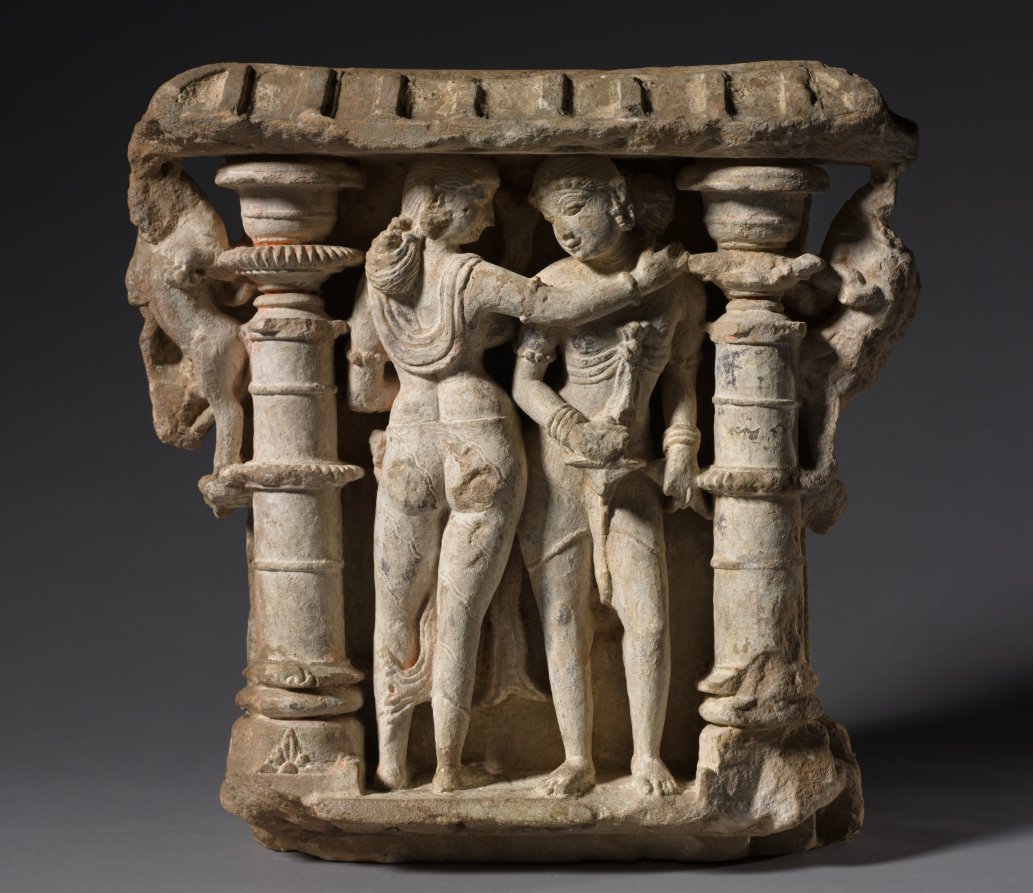
Lovers (Mithuna) (c. 973; Cleveland 1962.165)

Lovers (Mithuna) (c. 973): Art, History and Details

Lovers (Mithuna) at the Cleveland Museum of Art: c. 973, sandstonewith limestone wash. Explore the work's context, creator attribution and collection history.
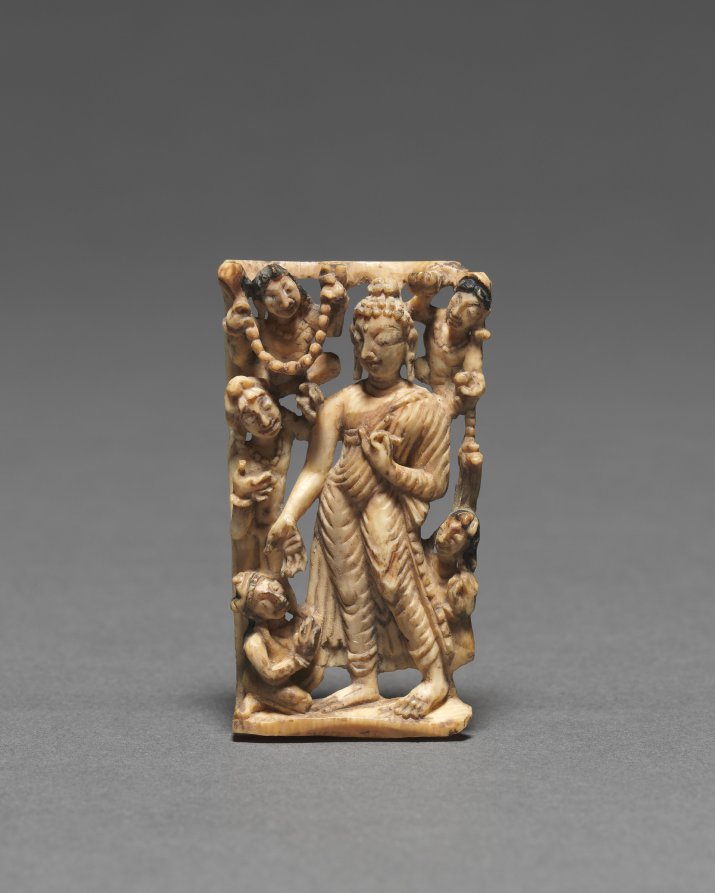
Walking Buddha (700s; Cleveland 1962.167)

Walking Buddha (700s): Art, History and Details

Walking Buddha at the Cleveland Museum of Art: 700s, ivory. Explore the work's context, creator attribution and collection history.
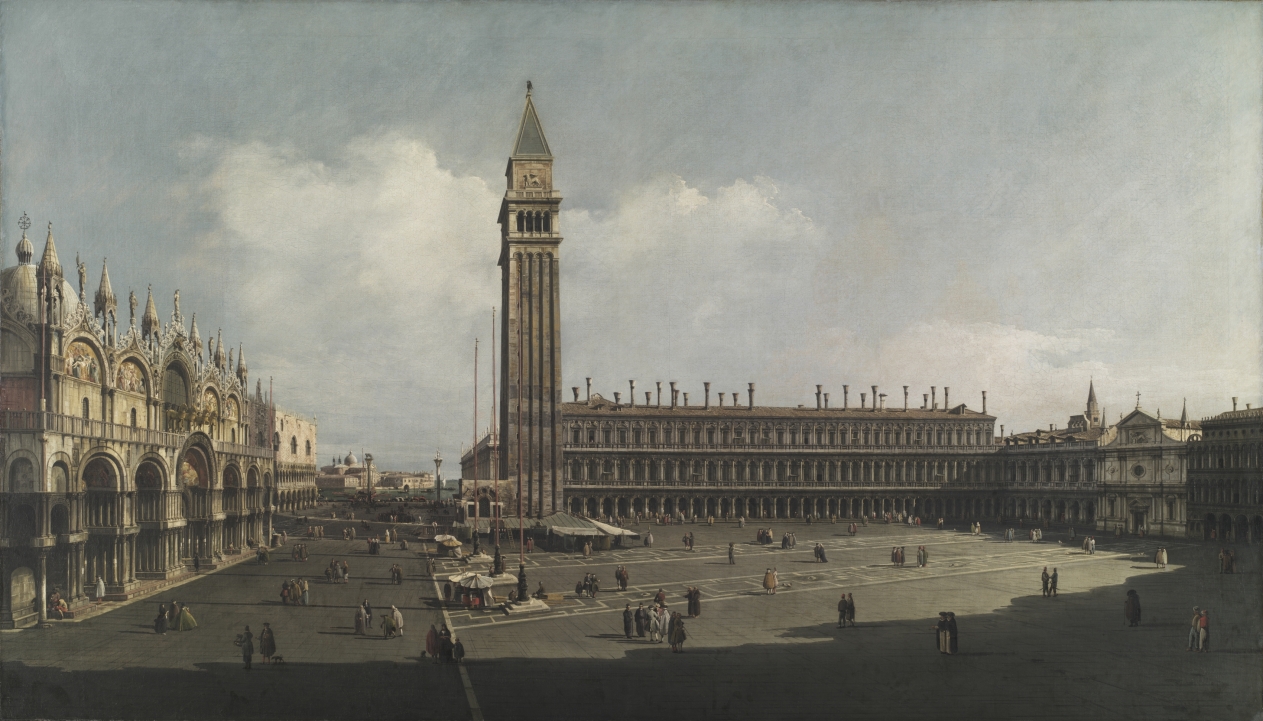
Piazza San Marco, Venice (c. 1740; Cleveland 1962.169)

Piazza San Marco, Venice (c. 1740): Art, History and Details

Piazza San Marco, Venice at the Cleveland Museum of Art: c. 1740, oil on canvas. Explore the work's context, creator attribution and collection history.
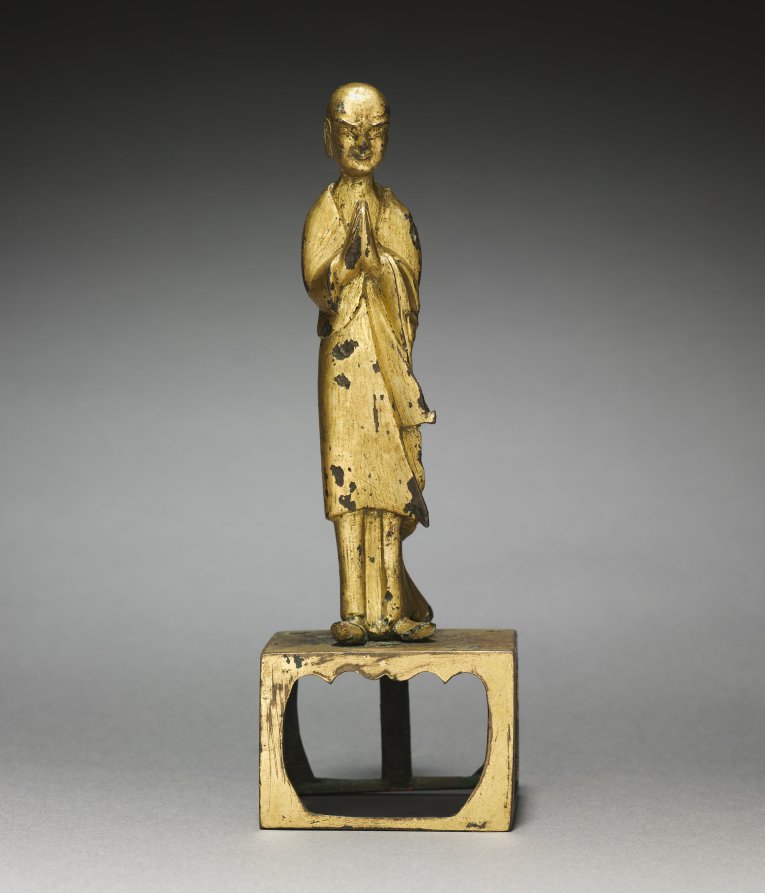
Adoring Monk (early 500s; Cleveland 1962.213)

Adoring Monk (early 500s): Art, History and Details

Adoring Monk at the Cleveland Museum of Art: early 500s, gilt bronze. Explore the work's context, creator attribution and collection history.

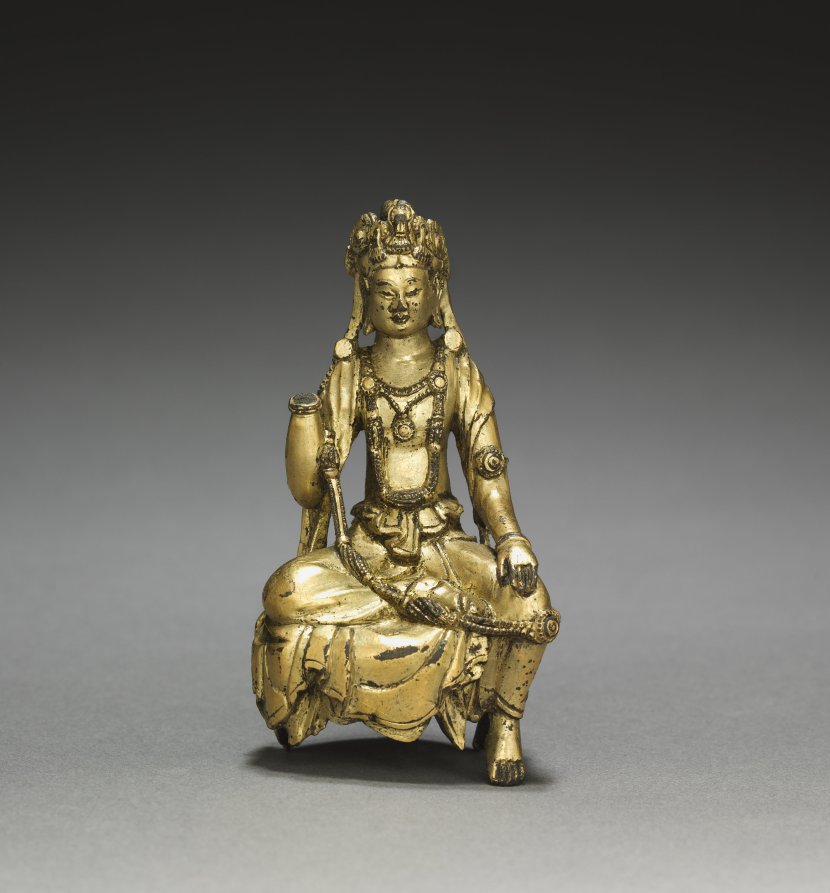
Bodhisattva Guanyin (581–618; Cleveland 1962.217)

Bodhisattva Guanyin (581–618): Art, History and Details

Bodhisattva Guanyin at the Cleveland Museum of Art: 581–618, gilt bronze. Explore the work's context, creator attribution and collection history.
Reclining Water Buffalo (1642–1722; Cleveland 1962.223)

Reclining Water Buffalo (1642–1722): Art, History and Details

Reclining Water Buffalo at the Cleveland Museum of Art: 1642–1722, Jade. Explore the work's context, creator attribution and collection history.
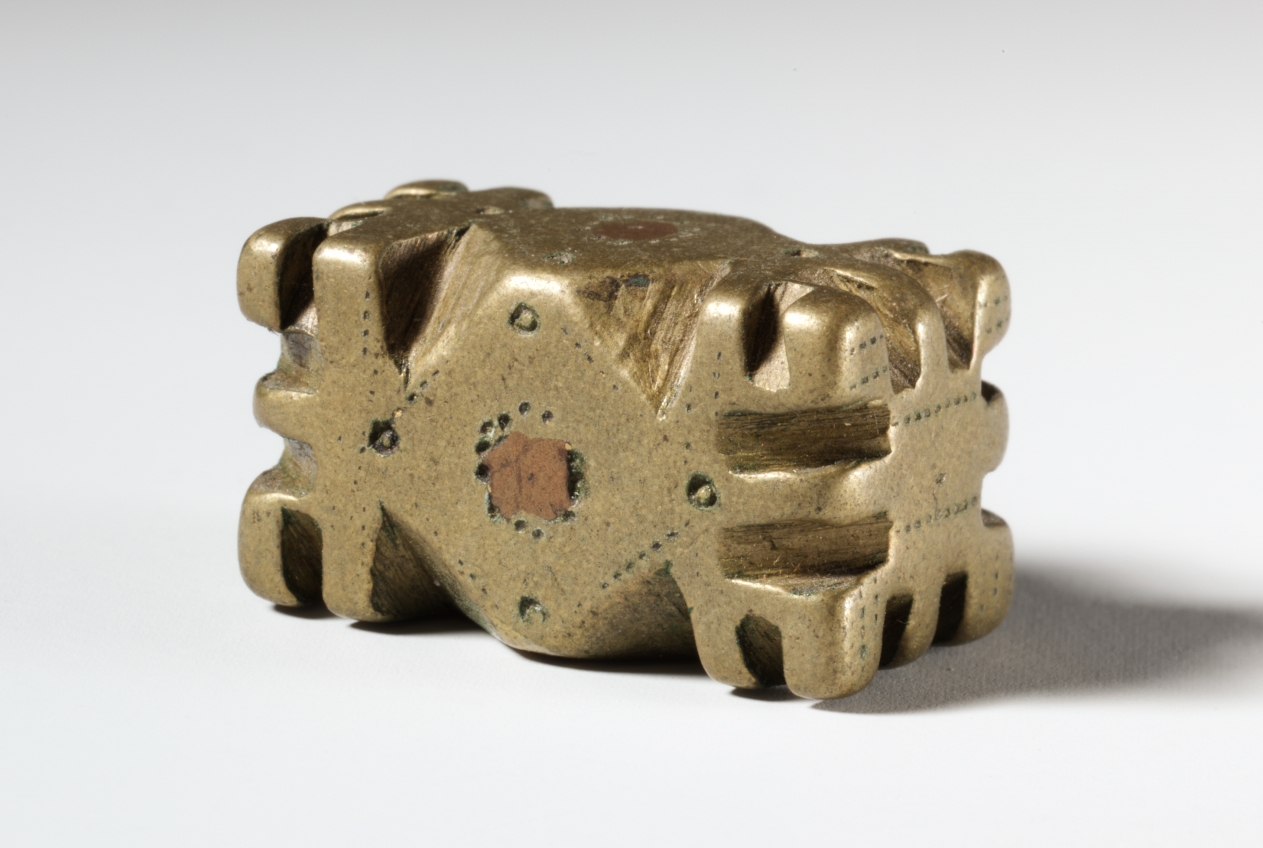
Gold Weight (abrammuo): Geometric Form (1800s; Cleveland 1962.244)

Gold Weight (abrammuo): Geometric Form (1800s): Art, History and Details

Gold Weight (abrammuo): Geometric Form at the Cleveland Museum of Art: 1800s, Copper alloy. Explore the work's context, creator attribution and collection history.

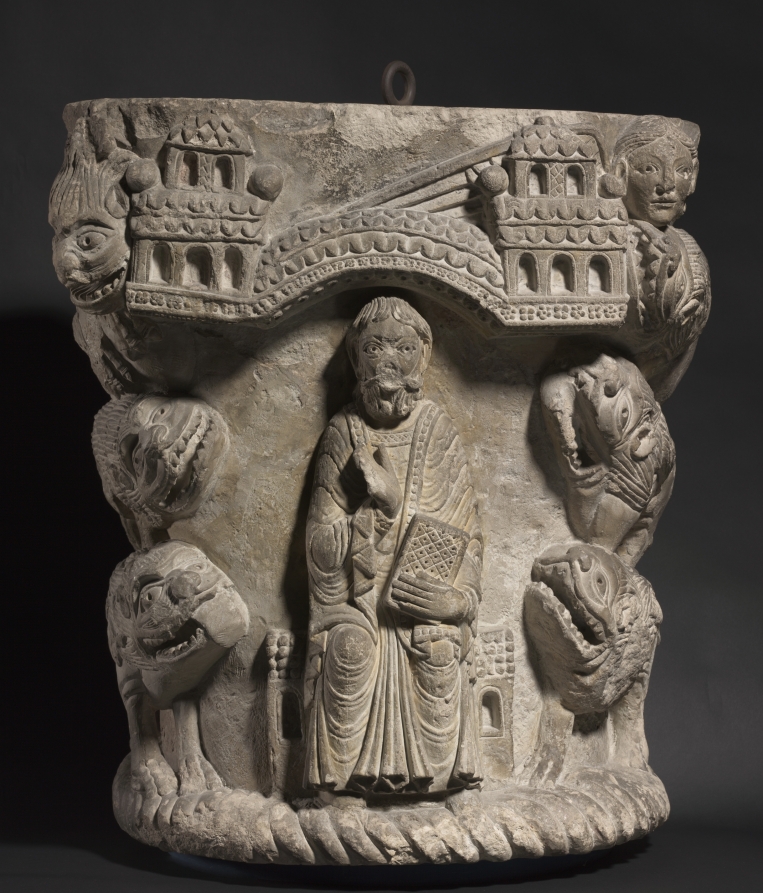
Daniel in the Lion's Den (c. 1125–50; Cleveland 1962.247)

Daniel in the Lion's Den (c. 1125–50): Art, History and Details

Daniel in the Lion's Den at the Cleveland Museum of Art: c. 1125–50, limestone. Explore the work's context, creator attribution and collection history.
Bowl with Rattle Base (c. 900–1519; Cleveland 1962.249)

Bowl with Rattle Base (c. 900–1519): Art, History and Details

Bowl with Rattle Base at the Cleveland Museum of Art: c. 900–1519, earthenware with colored slips. Explore the work's context, creator attribution and collection history.
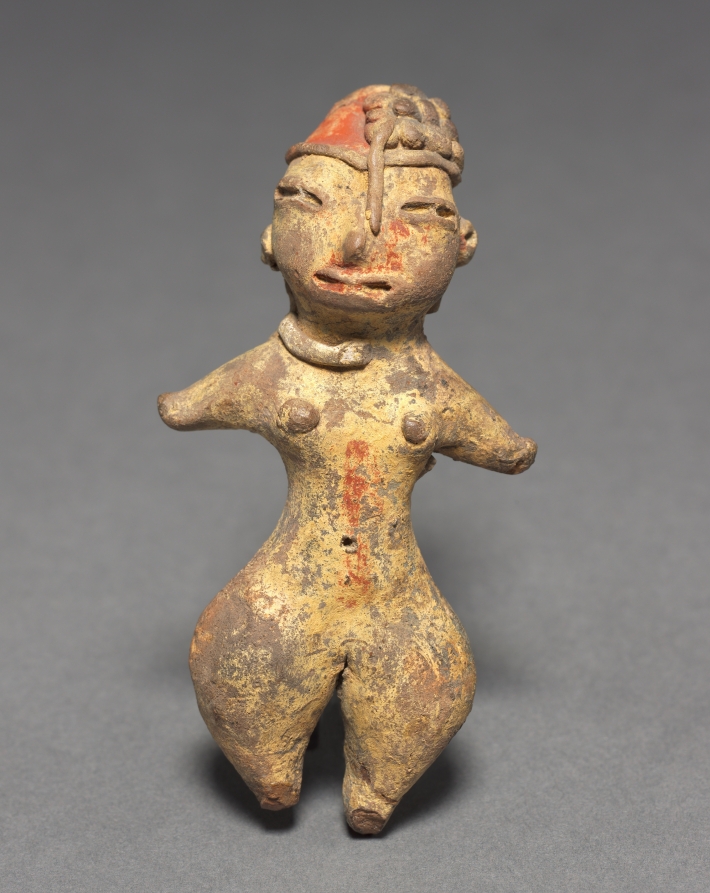
Standing Female Figurine (1200–400 BCE; Cleveland 1962.250)

Standing Female Figurine (1200–400 BCE): Art, History and Details

Standing Female Figurine at the Cleveland Museum of Art: 1200–400 BCE, ceramic with pigment. Explore the work's context, creator attribution and collection history.

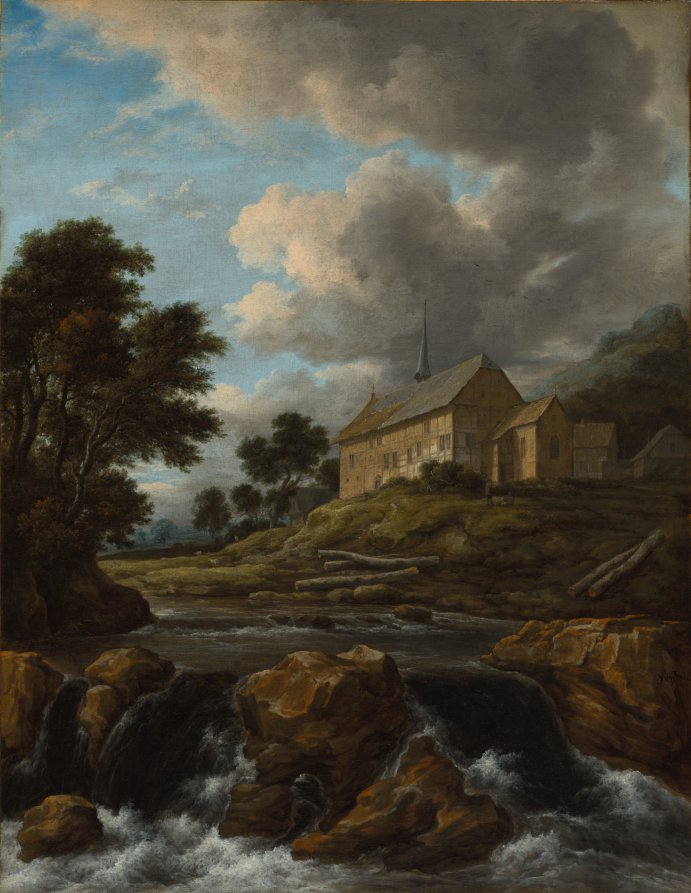
Landscape with a Church by a Torrent (c. 1670; Cleveland 1962.256)

Landscape with a Church by a Torrent (c. 1670): Art, History and Details

Landscape with a Church by a Torrent at the Cleveland Museum of Art: c. 1670, oil on canvas. Explore the work's context, creator attribution and collection history.

Pinnacle with Angel (pair) (c. 1340; Cleveland 1962.257)

Pinnacle with Angel (pair) (c. 1340): Art, History and Details

Pinnacle with Angel (pair) at the Cleveland Museum of Art: c. 1340, tempera and gold on wood panel. Explore the work's context, creator attribution and collection history.

Pinnacle with Angel (c. 1340; Cleveland 1962.257.1)

Pinnacle with Angel (c. 1340): Art, History and Details

Pinnacle with Angel at the Cleveland Museum of Art: c. 1340, tempera and gold on wood panel. Explore the work's context, creator attribution and collection history.

Pinnacle with Angel (c. 1340; Cleveland 1962.257.2)

Pinnacle with Angel (c. 1340): Art, History and Details

Pinnacle with Angel at the Cleveland Museum of Art: c. 1340, tempera and gold on wood. Explore the work's context, creator attribution and collection history.

Portrait of a Woman (c. 1490–95; Cleveland 1962.259)

Portrait of a Woman (c. 1490–95): Art, History and Details

Portrait of a Woman at the Cleveland Museum of Art: c. 1490–95, oil on wood. Explore the work's context, creator attribution and collection history.

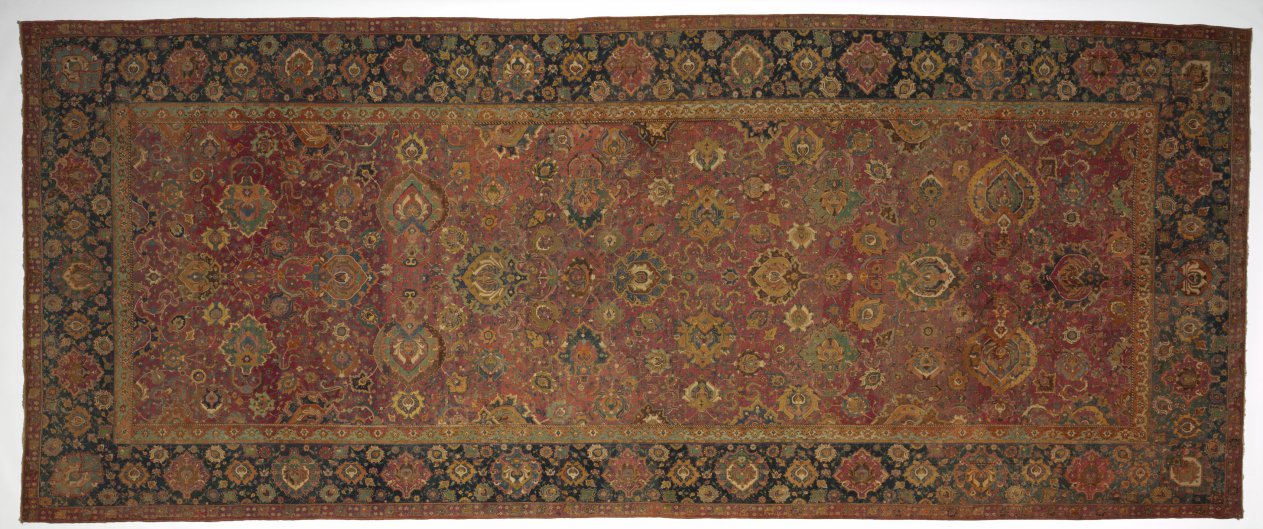
Carpet (1500s; Cleveland 1962.263)

Carpet (1500s): Art, History and Details

Carpet at the Cleveland Museum of Art: 1500s, senna knot: wool and cotton. Explore the work's context, creator attribution and collection history.

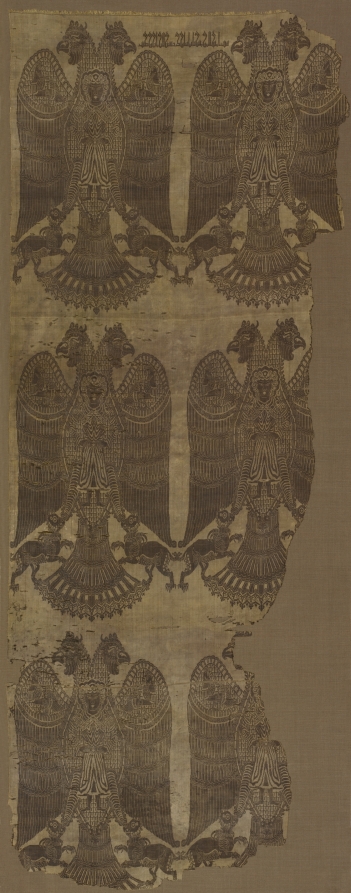
Fragment with Inscription (before 1962; Cleveland 1962.264)

Fragment with Inscription (before 1962): Art, History and Details

Fragment with Inscription at the Cleveland Museum of Art: before 1962, Silk: lampas weave. Explore the work's context, creator attribution and collection history.

Tuti-Nama (Tales of a Parrot) (c. 1560; Cleveland 1962.279)

Tuti-Nama (Tales of a Parrot) (c. 1560): Art, History and Details

Tuti-Nama (Tales of a Parrot) at the Cleveland Museum of Art: c. 1560, gum tempera, ink, and gold on paper. Explore the work's context, creator attribution and collection history.

The merchant hears of his wife’s unfaithfulness (above); the unfaithful wife performs penance by plucking her hair (below), from a Tuti-nama (Tales of a Parrot): First Night (c. 1560; Cleveland 1962.279.10.b)

The merchant hears of his wife’s unfaithfulness (above); the unfaithful wife performs penance by plucking her hair (below), from a Tuti-nama (Tales of a Parrot): First Night (c. 1560): Art, History an

The merchant hears of his wife’s unfaithfulness (above); the unfaithful wife performs penance by plucking her hair (below), from a Tuti-nama (Tales of a Parrot): First Night at the Cleveland Museum of Art: c. 1560, gum tempera, ink, and gol

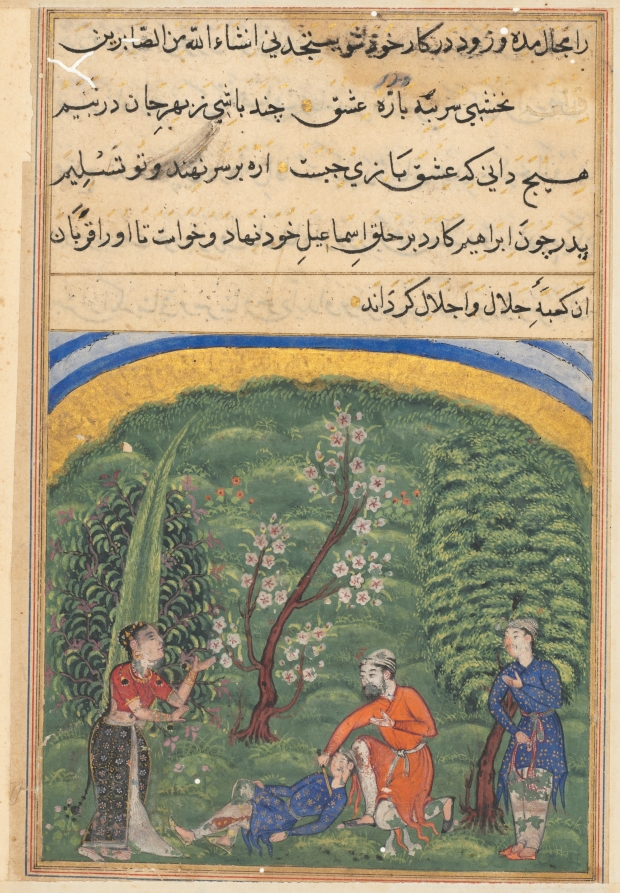
The sentinel in the employ of the Shah of Tabaristan prepares to sacrifice his son to the ghost of the Shah’s soul, from a Tuti-nama (Tales of a Parrot): Second Night (c. 1560; Cleveland 1962.279.16.a)

The sentinel in the employ of the Shah of Tabaristan prepares to sacrifice his son to the ghost of the Shah’s soul, from a Tuti-nama (Tales of a Parrot): Second Night (c. 1560): Art, History and Detai

The sentinel in the employ of the Shah of Tabaristan prepares to sacrifice his son to the ghost of the Shah’s soul, from a Tuti-nama (Tales of a Parrot): Second Night at the Cleveland Museum of Art: c. 1560, gum tempera, ink, and gold on pa

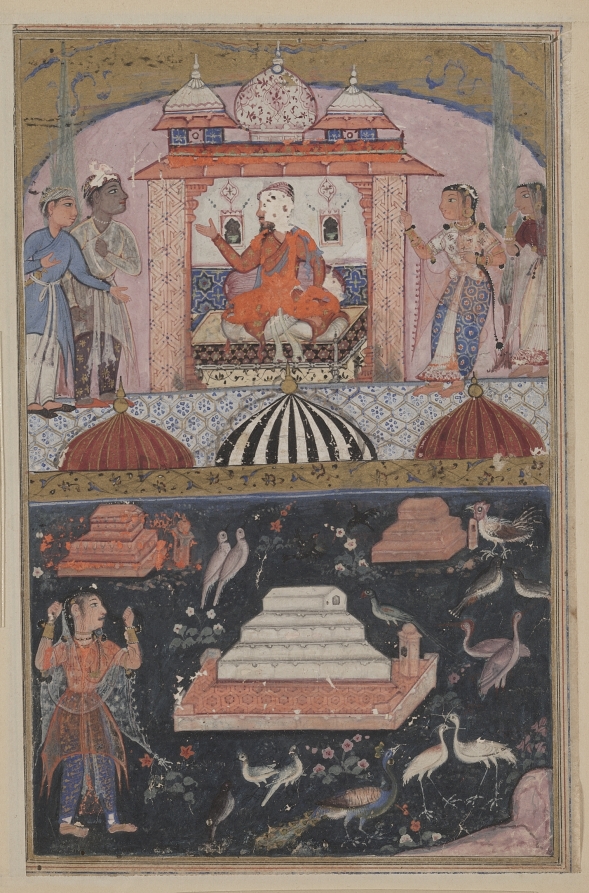
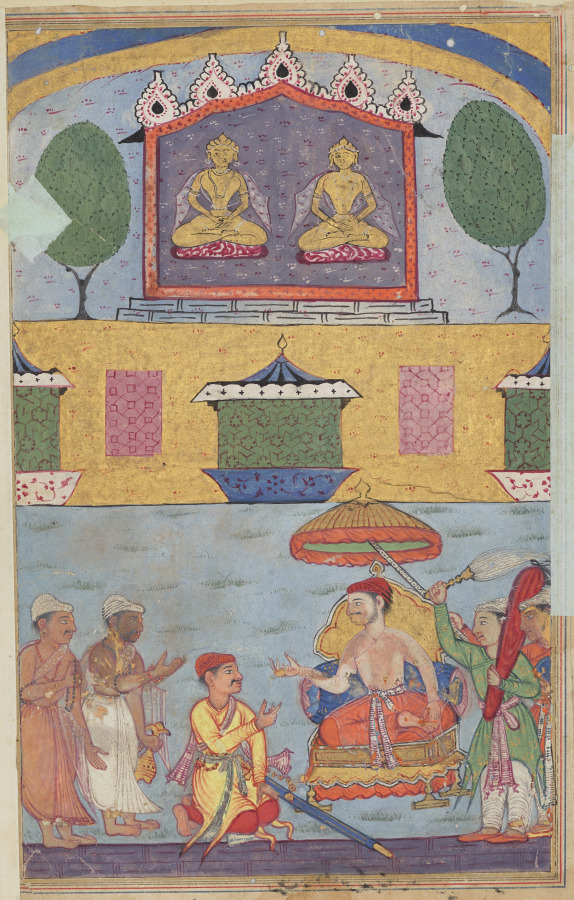
The goldsmith and the carpenter inform the king of a dream in which the golden images plan to desert the city for lack of worshippers, from a Tuti-nama (Tales of a Parrot): Third Night (c. 1560; Cleveland 1962.279.20.a)

The goldsmith and the carpenter inform the king of a dream in which the golden images plan to desert the city for lack of worshippers, from a Tuti-nama (Tales of a Parrot): Third Night (c. 1560): Art,

The goldsmith and the carpenter inform the king of a dream in which the golden images plan to desert the city for lack of worshippers, from a Tuti-nama (Tales of a Parrot): Third Night at the Cleveland Museum of Art: c. 1560, gum tempera, i

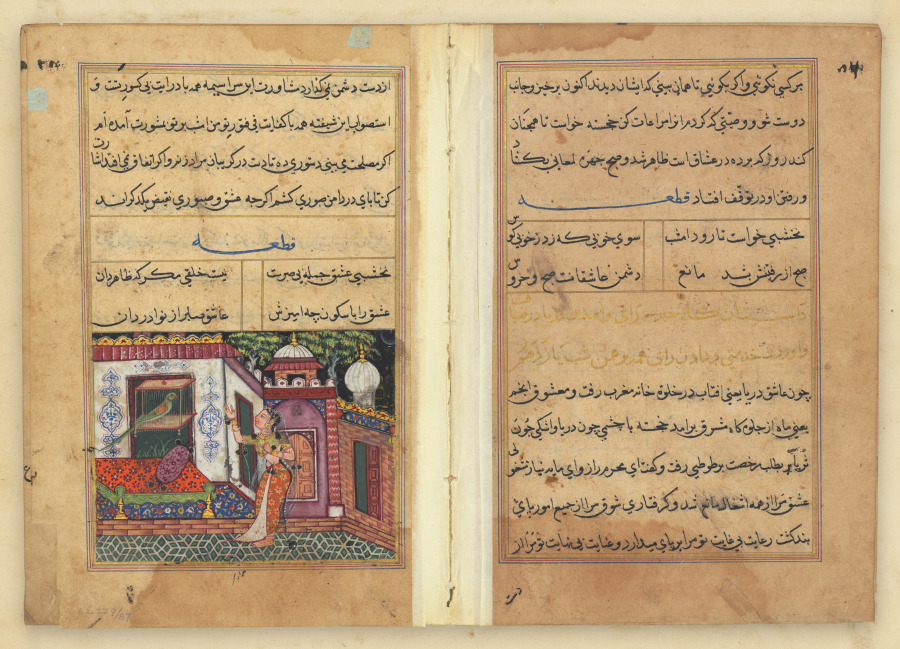
Khujasta kills the pet mynah who advises her not to be unfaithful to Maymun, her husband, from a Tuti-nama (Tales of the Parrot): First Night (c. 1560; Cleveland 1962.279.8.a)

Khujasta kills the pet mynah who advises her not to be unfaithful to Maymun, her husband, from a Tuti-nama (Tales of the Parrot): First Night (c. 1560): Art, History and Details

Khujasta kills the pet mynah who advises her not to be unfaithful to Maymun, her husband, from a Tuti-nama (Tales of the Parrot): First Night at the Cleveland Museum of Art: c. 1560, gum tempera, ink, and gold on paper. Explore the work's c

The goldsmith judged; the bear cubs trained by the carpenter as though they were his sons, from a Tuti-nama (Tales of a Parrot): Third Night (c. 1560; Cleveland 1962.279.23.a)

The goldsmith judged; the bear cubs trained by the carpenter as though they were his sons, from a Tuti-nama (Tales of a Parrot): Third Night (c. 1560): Art, History and Details

The goldsmith judged; the bear cubs trained by the carpenter as though they were his sons, from a Tuti-nama (Tales of a Parrot): Third Night at the Cleveland Museum of Art: c. 1560, gum tempera, ink, and gold on paper. Explore the work's co

The mendicant’s wife deceives him with a soldier, from a Tuti-nama (Tales of a Parrot): Fourth Night (c. 1560; Cleveland 1962.279.26.b)

The mendicant’s wife deceives him with a soldier, from a Tuti-nama (Tales of a Parrot): Fourth Night (c. 1560): Art, History and Details

The mendicant’s wife deceives him with a soldier, from a Tuti-nama (Tales of a Parrot): Fourth Night at the Cleveland Museum of Art: c. 1560, gum tempera, ink, and gold on paper. Explore the work's context, creator attribution and collectio

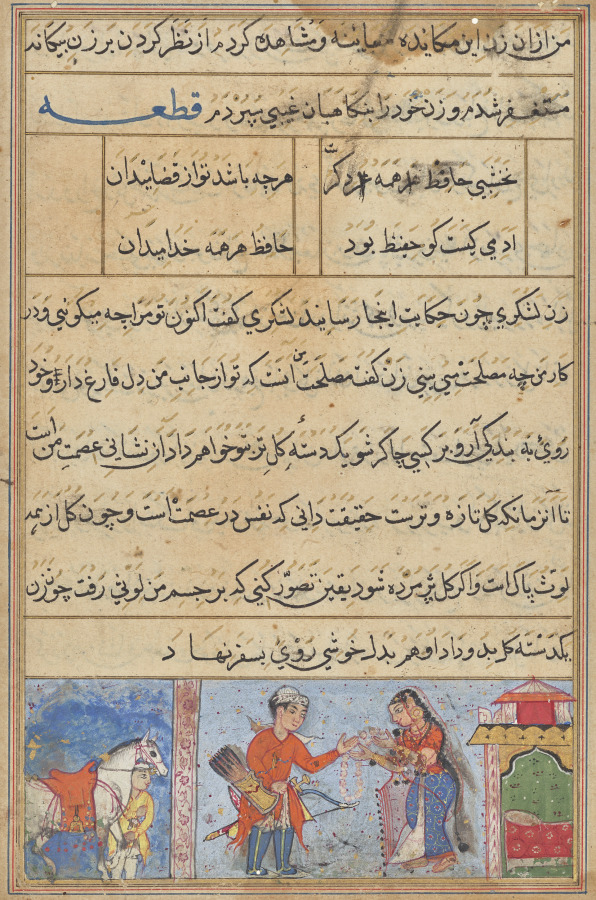
The soldier receives a garland of roses from his wife which will remain fresh as long as she is faithful, from a Tuti-nama (Tales of a Parrot): Fourth Night (c. 1560; Cleveland 1962.279.27.a)

The soldier receives a garland of roses from his wife which will remain fresh as long as she is faithful, from a Tuti-nama (Tales of a Parrot): Fourth Night (c. 1560): Art, History and Details

The soldier receives a garland of roses from his wife which will remain fresh as long as she is faithful, from a Tuti-nama (Tales of a Parrot): Fourth Night at the Cleveland Museum of Art: c. 1560, gum tempera, ink, and gold on paper. Explo

The two cooks, who attempt to seduce the warrior’s loyal wife, are trapped by her in a cellar, from a Tuti-nama (Tales of a Parrot): Fourth Night (c. 1560; Cleveland 1962.279.29.a)

The two cooks, who attempt to seduce the warrior’s loyal wife, are trapped by her in a cellar, from a Tuti-nama (Tales of a Parrot): Fourth Night (c. 1560): Art, History and Details

The two cooks, who attempt to seduce the warrior’s loyal wife, are trapped by her in a cellar, from a Tuti-nama (Tales of a Parrot): Fourth Night at the Cleveland Museum of Art: c. 1560, gum tempera, ink, and gold on paper. Explore the work

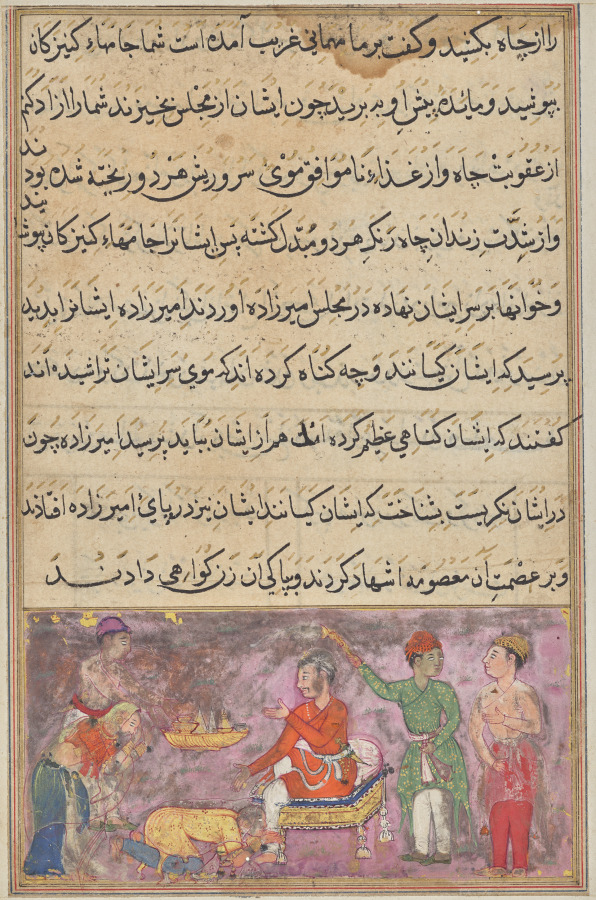
The two erring cooks, dressed as maidservants, fall at the prince’s feet and beg forgiveness, from a Tuti-nama (Tales of the Parrot): Fourth Night (c. 1560; Cleveland 1962.279.30.a)

The two erring cooks, dressed as maidservants, fall at the prince’s feet and beg forgiveness, from a Tuti-nama (Tales of the Parrot): Fourth Night (c. 1560): Art, History and Details

The two erring cooks, dressed as maidservants, fall at the prince’s feet and beg forgiveness, from a Tuti-nama (Tales of the Parrot): Fourth Night at the Cleveland Museum of Art: c. 1560, gum tempera, ink, and gold on paper. Explore the wor

The parrot mother cautions her young on the danger of playing with foxes, from a Tuti-nama (Tales of a Parrot): Fifth Night (c. 1560; Cleveland 1962.279.32.a)

The parrot mother cautions her young on the danger of playing with foxes, from a Tuti-nama (Tales of a Parrot): Fifth Night (c. 1560): Art, History and Details

The parrot mother cautions her young on the danger of playing with foxes, from a Tuti-nama (Tales of a Parrot): Fifth Night at the Cleveland Museum of Art: c. 1560, gum tempera, ink, and gold on paper. Explore the work's context, creator at

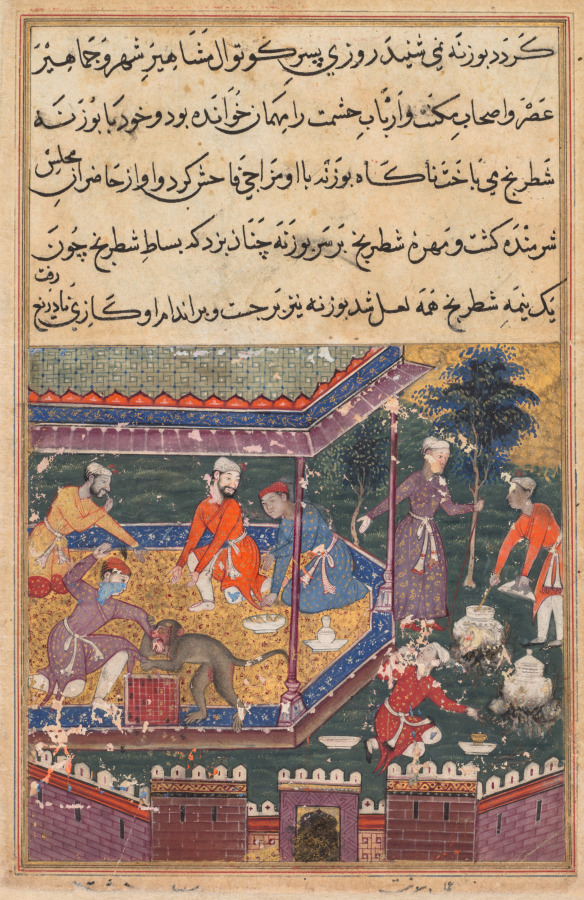
The wounded monkey bites the hand of the prince, his chessmate, in the presence of guests, from a Tuti-nama (Tales of a Parrot): Fifth Night (c. 1560; Cleveland 1962.279.32.b)

The wounded monkey bites the hand of the prince, his chessmate, in the presence of guests, from a Tuti-nama (Tales of a Parrot): Fifth Night (c. 1560): Art, History and Details

The wounded monkey bites the hand of the prince, his chessmate, in the presence of guests, from a Tuti-nama (Tales of a Parrot): Fifth Night at the Cleveland Museum of Art: c. 1560, gum tempera, ink, and gold on paper. Explore the work's co

Page from Tales of a Parrot (Tuti-nama): text page (c. 1560; Cleveland 1962.279.33.a)

Page from Tales of a Parrot (Tuti-nama): text page (c. 1560): Art, History and Details

Page from Tales of a Parrot (Tuti-nama): text page at the Cleveland Museum of Art: c. 1560, gum tempera, ink, and gold on paper. Explore the work's context, creator attribution and collection history.

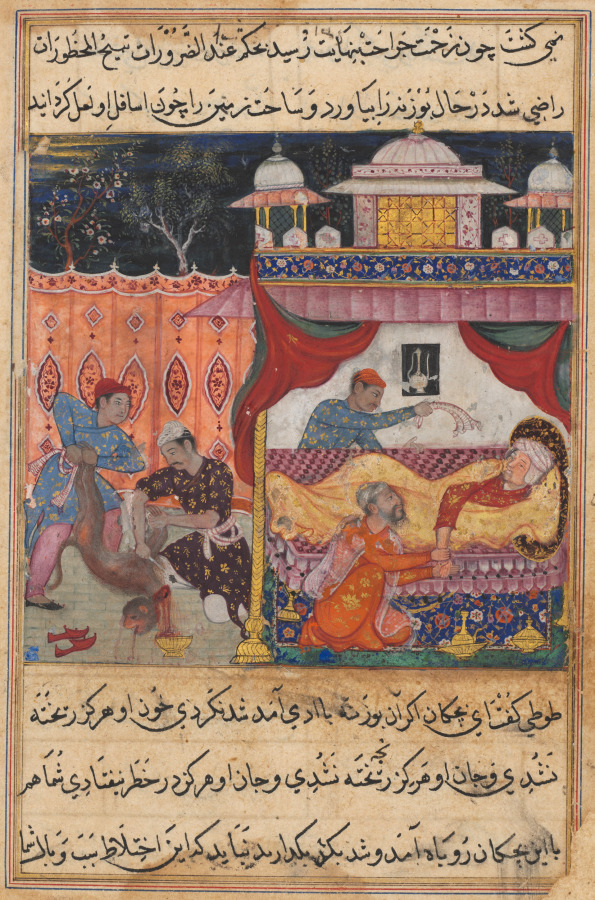
The monkey slain, his blood to be used as medicine for the ailing prince he has bitten, from a Tuti-nama (Tales of a Parrot): Fifth Night (c. 1560; Cleveland 1962.279.33.b)
The monkey slain, his blood to be used as medicine for the ailing prince he has bitten, from a Tuti-nama (Tales of a Parrot): Fifth Night (c. 1560): Art, History and Details

The monkey slain, his blood to be used as medicine for the ailing prince he has bitten, from a Tuti-nama (Tales of a Parrot): Fifth Night at the Cleveland Museum of Art: c. 1560, gum tempera, ink, and gold on paper. Explore the work's conte

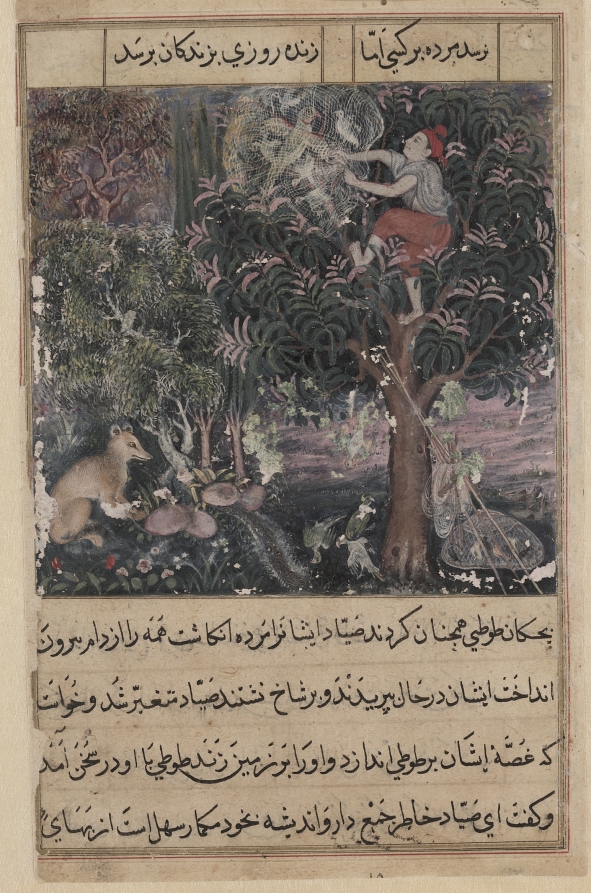
The hunter throws away the baby parrots, who pretend to be dead, and captures the mother, from a Tuti-nama (Tales of a Parrot): Fifth Night (c. 1560; Cleveland 1962.279.35.a)

The hunter throws away the baby parrots, who pretend to be dead, and captures the mother, from a Tuti-nama (Tales of a Parrot): Fifth Night (c. 1560): Art, History and Details

The hunter throws away the baby parrots, who pretend to be dead, and captures the mother, from a Tuti-nama (Tales of a Parrot): Fifth Night at the Cleveland Museum of Art: c. 1560, gum tempera, ink, and gold on paper. Explore the work's con

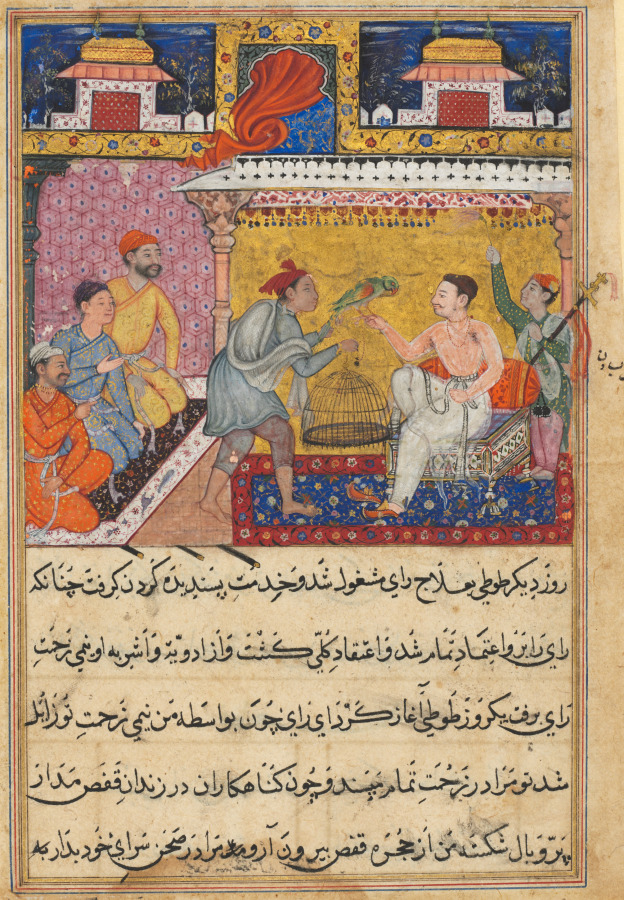
The hunter offers the mother parrot to the king of Kamarupa, from a Tuti-nama (Tales of a Parrot): Fifth Night (c. 1560; Cleveland 1962.279.36.b)

The hunter offers the mother parrot to the king of Kamarupa, from a Tuti-nama (Tales of a Parrot): Fifth Night (c. 1560): Art, History and Details

The hunter offers the mother parrot to the king of Kamarupa, from a Tuti-nama (Tales of a Parrot): Fifth Night at the Cleveland Museum of Art: c. 1560, gum tempera, ink, and gold on paper. Explore the work's context, creator attribution and

The Parrot Addresses Khujasta at the Beginning of the Sixth Night, from a Tuti-nama (Tales of a Parrot) (c. 1560; Cleveland 1962.279.37.b)

The Parrot Addresses Khujasta at the Beginning of the Sixth Night, from a Tuti-nama (Tales of a Parrot) (c. 1560): Art, History and Details

The Parrot Addresses Khujasta at the Beginning of the Sixth Night, from a Tuti-nama (Tales of a Parrot) at the Cleveland Museum of Art: c. 1560, gum tempera, ink, and gold on paper. Explore the work's context, creator attribution and collec

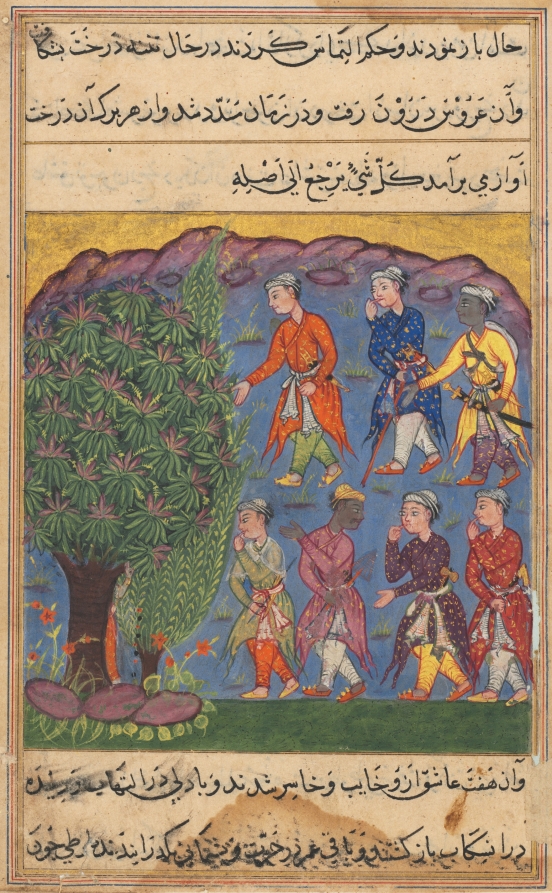
Seven men disputing possession of a woman bring her before the Tree of Justice into which she is absorbed, from a Tuti-nama (Tales of a Parrot): Sixth Night (c. 1560; Cleveland 1962.279.42.a)

Seven men disputing possession of a woman bring her before the Tree of Justice into which she is absorbed, from a Tuti-nama (Tales of a Parrot): Sixth Night (c. 1560): Art, History and Details

Seven men disputing possession of a woman bring her before the Tree of Justice into which she is absorbed, from a Tuti-nama (Tales of a Parrot): Sixth Night at the Cleveland Museum of Art: c. 1560, gum tempera, ink, and gold on paper. Explo