Jar (25–220 CE): Art, History and Details
Jar at the Cleveland Museum of Art: 25–220 CE, stoneware with impressed decoration. Explore the work's context, creator attribution and collection history.
Oldest entries first, in a fixed order. Newly added articles appear at the end. Explore a shuffled selection →
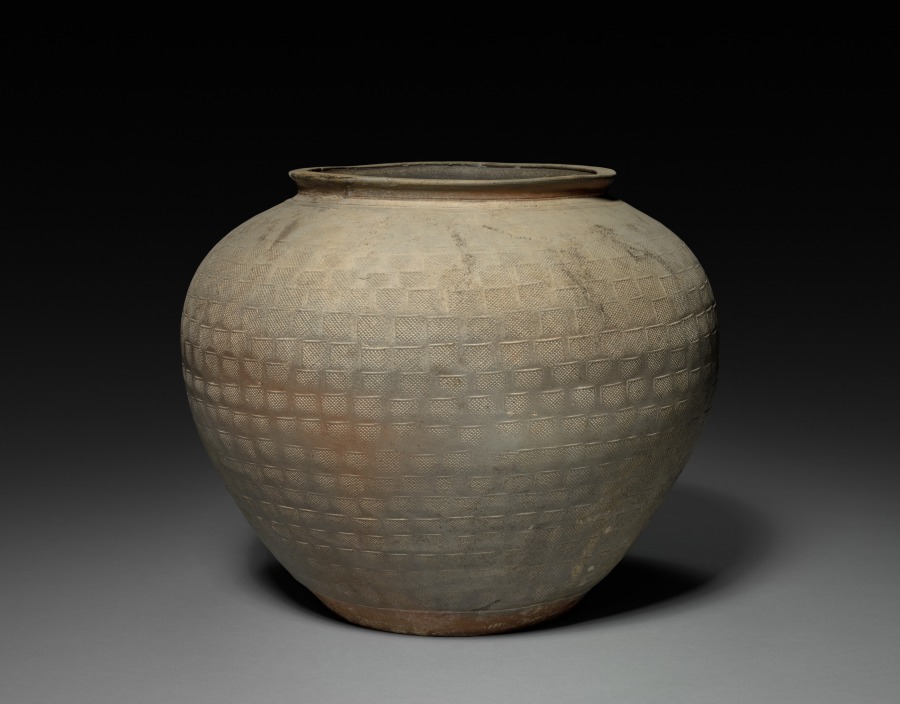
Jar at the Cleveland Museum of Art: 25–220 CE, stoneware with impressed decoration. Explore the work's context, creator attribution and collection history.

Bird-Headed Ewer at the Cleveland Museum of Art: 600s–700s, green-glazed stoneware with modeled, molded, and applied decoration. Explore the work's context, creator attribution and collection history.
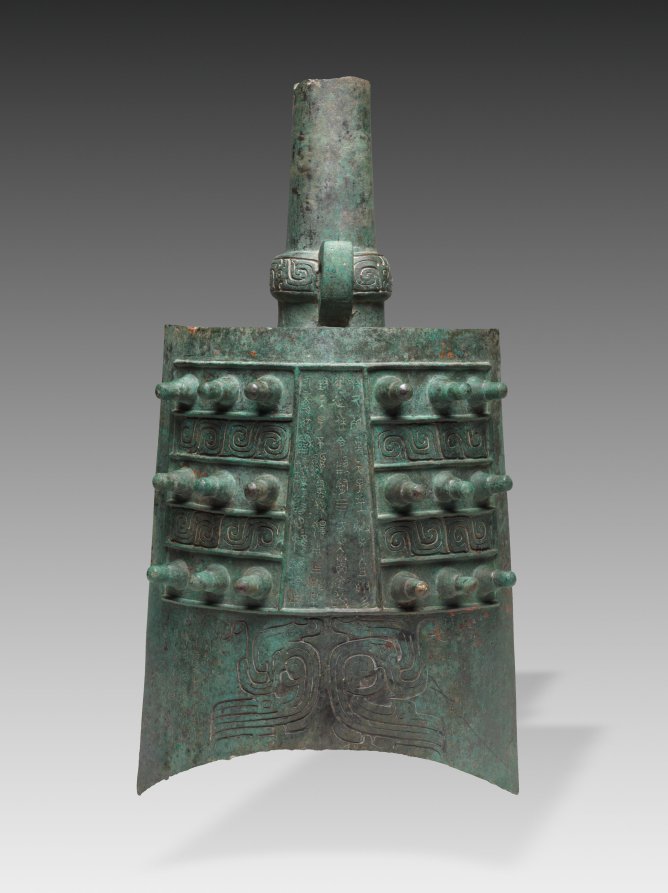
Bell (Lai Zhong) at the Cleveland Museum of Art: c. 800–700 BCE, bronze. Explore the work's context, creator attribution and collection history.
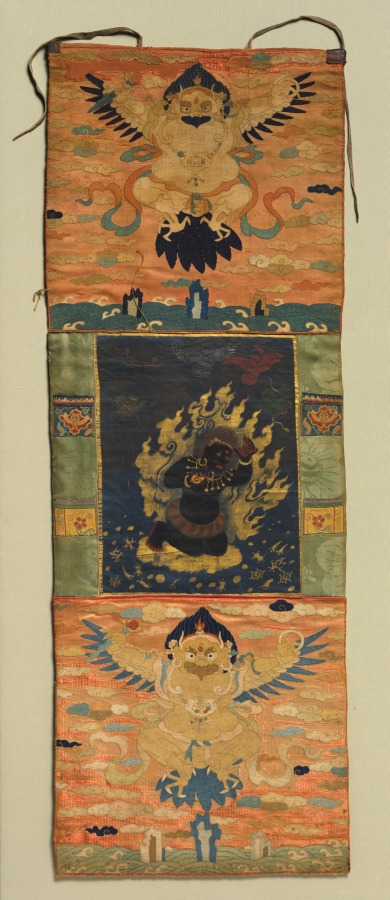
Vajrapani and Garuda at the Cleveland Museum of Art: painting c. 1650; top and bottom borders c. 1350, Painting: gum tempera, gold, and silver on silk; lateral borders: silk damask with needleloop embroidery; top and bottom panels: embroide
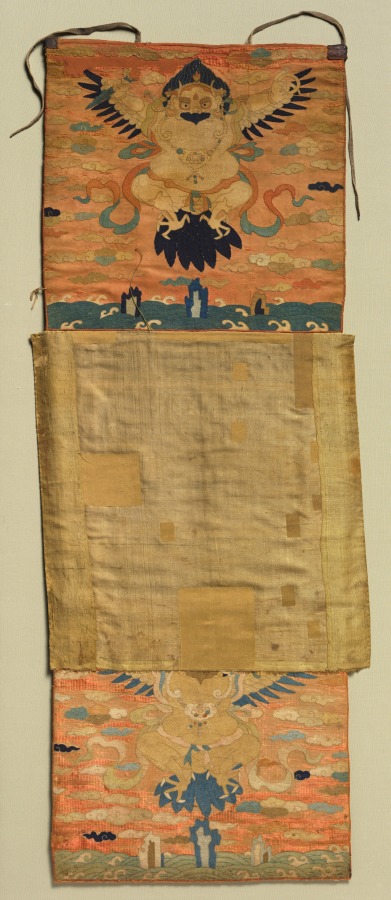
Vajrapani Embroidered Mount with Garuda at the Cleveland Museum of Art: painting 1600s, embroidery c. 1300, Opaque watercolor, gold, and silver on silk. Explore the work's context, creator attribution and collection history.
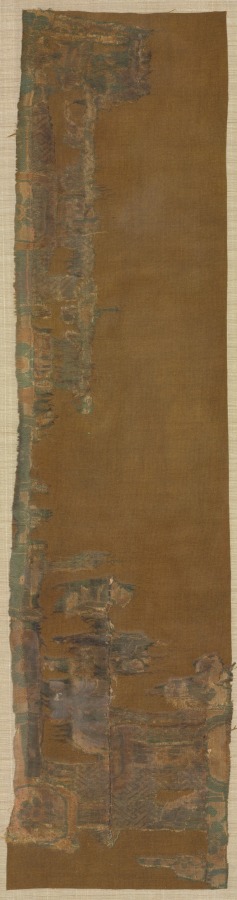
Vajrapani Embroidered Mount with Garuda at the Cleveland Museum of Art: painting 1600s, embroidery c. 1300, Opaque watercolor, gold, and silver on silk. Explore the work's context, creator attribution and collection history.

Vajrapani Embroidered Mount with Garuda at the Cleveland Museum of Art: painting 1600s, embroidery c. 1300, Opaque watercolor, gold, and silver on silk. Explore the work's context, creator attribution and collection history.
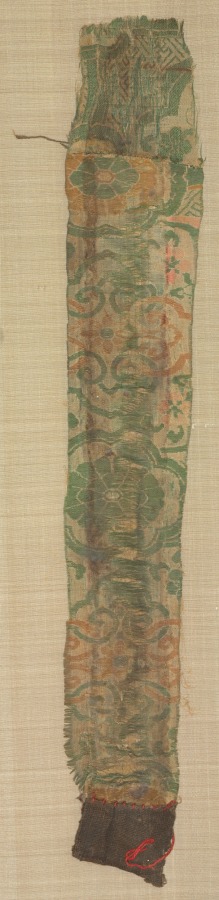
Vajrapani Embroidered Mount with Garuda at the Cleveland Museum of Art: painting 1600s, embroidery c. 1300, Opaque watercolor, gold, and silver on silk. Explore the work's context, creator attribution and collection history.
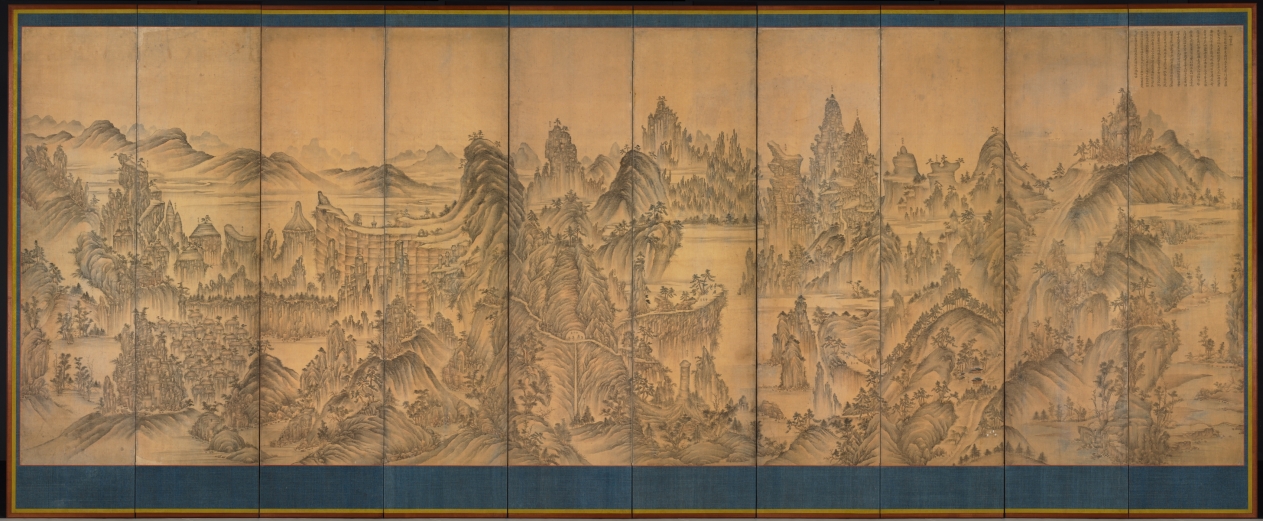
Seven Jeweled Mountain at the Cleveland Museum of Art: late 1800s, ten-panel screen; ink and color on silk. Explore the work's context, creator attribution and collection history.
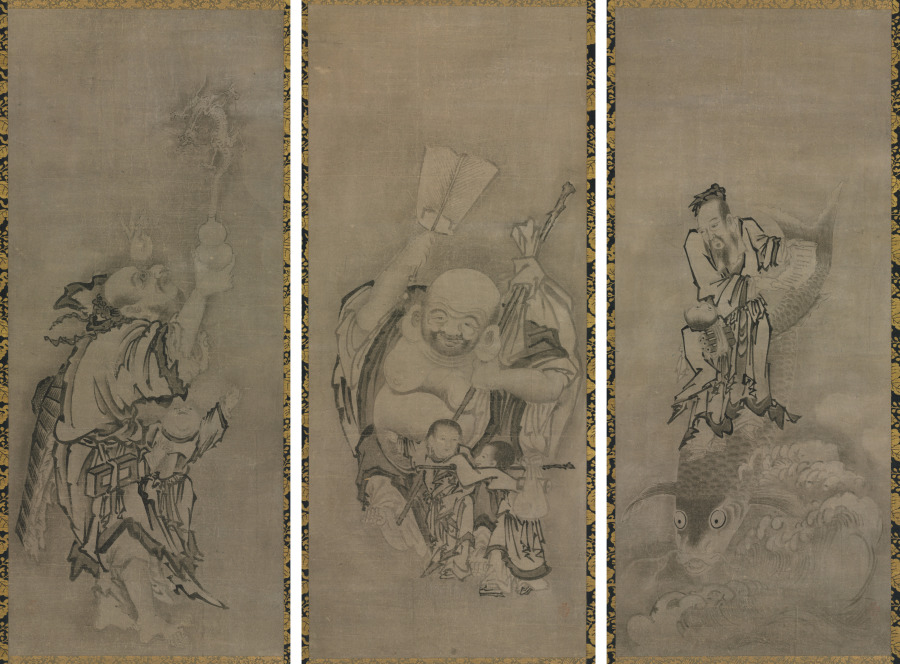
Hotei with Daoist Immortals at the Cleveland Museum of Art: late 1600s–early 1700s, triptych of hanging scrolls: ink on paper. Explore the work's context, creator attribution and collection history.
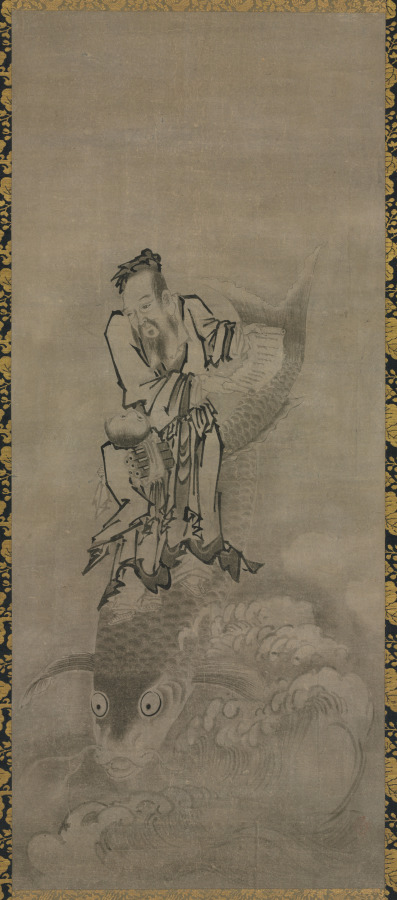
Hotei with Daoist Immortals: Immortal Riding Carp at the Cleveland Museum of Art: late 1600s-early 1700s, triptych of hanging scrolls: ink on paper. Explore the work's context, creator attribution and collection history.
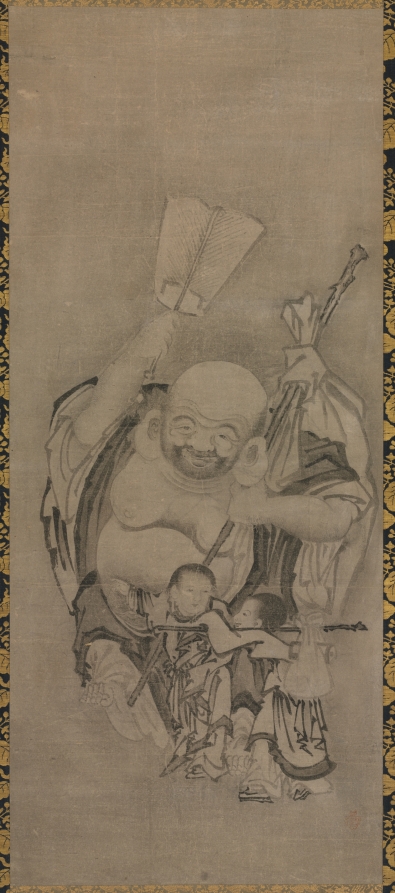
Hotei with Daoist Immortals: Hotei at the Cleveland Museum of Art: late 1600s–early 1700s, triptych of hanging scrolls: ink on paper. Explore the work's context, creator attribution and collection history.
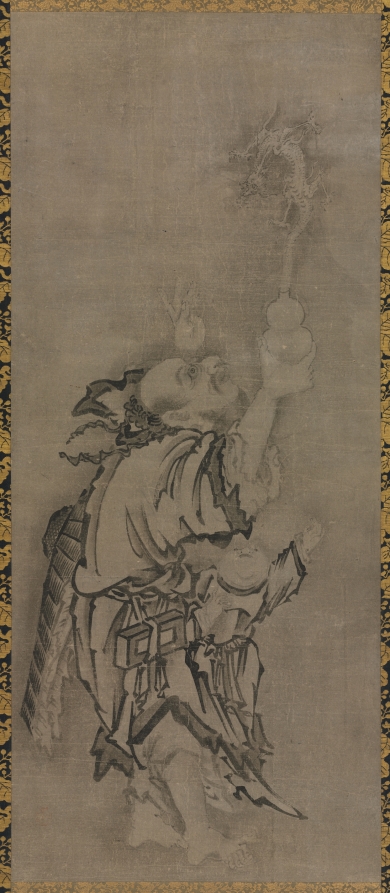
Hotei with Daoist Immortals: Immortal with Gourd and Dragon at the Cleveland Museum of Art: late 1600s-early 1700s, triptych of hanging scrolls: ink on paper. Explore the work's context, creator attribution and collection history.

Budding Sycamore at the Cleveland Museum of Art: c. 1876, black and gray wash, gouache, and graphite. Explore the work's context, creator attribution and collection history.
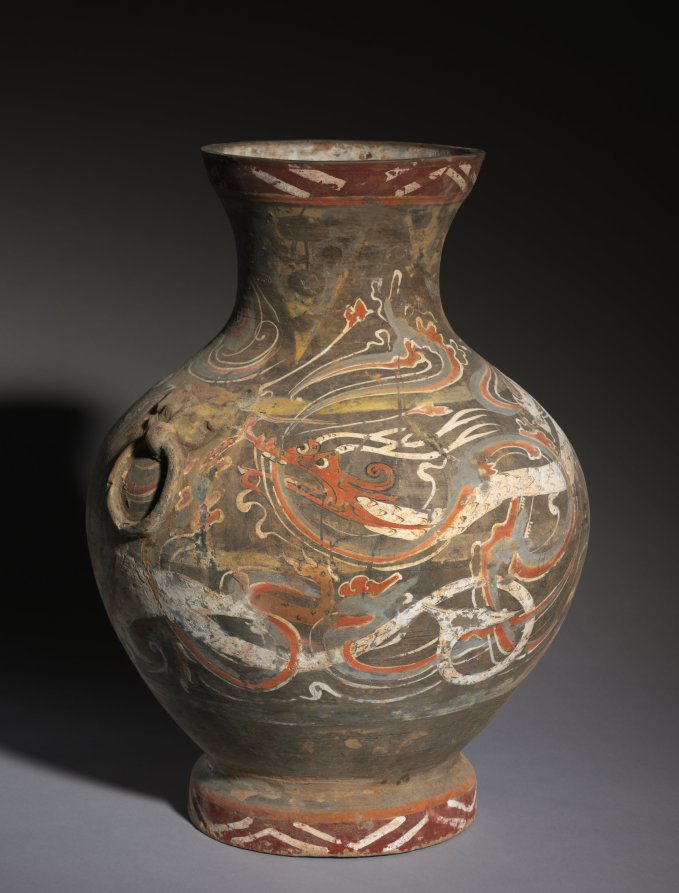
Jar (Hu) at the Cleveland Museum of Art: 202 BCE–9 CE, earthenware with slip and painted decoration. Explore the work's context, creator attribution and collection history.

View of the Small Grotto toward the Deer Pond, Bois de Boulogne at the Cleveland Museum of Art: 1858, albumen print from wet collodion negative. Explore the work's context, creator attribution and collection history.

Road in the Forest at the Cleveland Museum of Art: 1860–1863, salted paper print from waxed paper negative. Explore the work's context, creator attribution and collection history.

Mit Rahina Ware Vessel at the Cleveland Museum of Art: 200–100 BCE, polychrome faience. Explore the work's context, creator attribution and collection history.
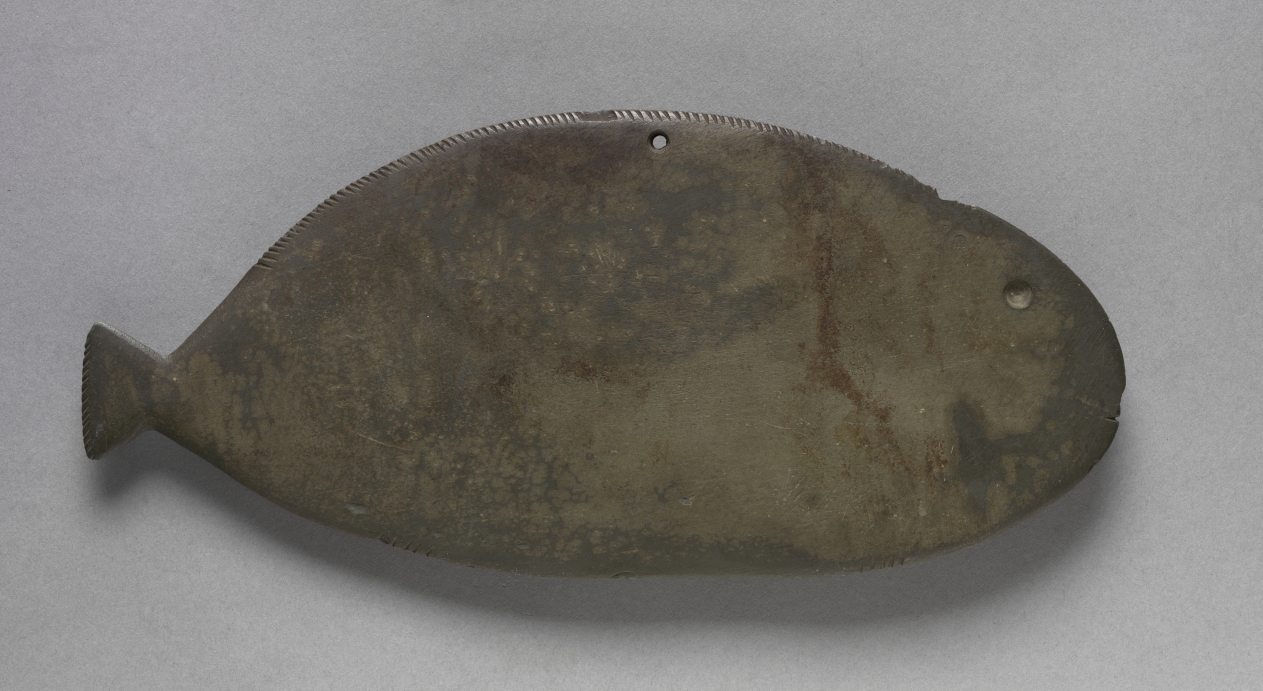
Palette in the Form of a Fish at the Cleveland Museum of Art: c. 3500–2950 BCE, graywacke. Explore the work's context, creator attribution and collection history.
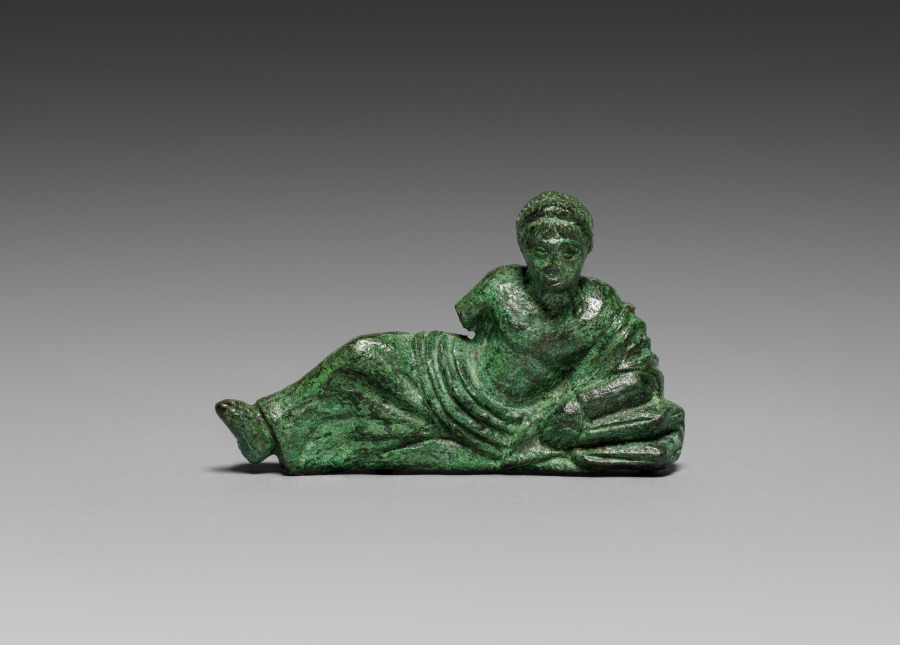
Vessel Ornament of Banqueter at the Cleveland Museum of Art: c. 400–375 BCE, bronze. Explore the work's context, creator attribution and collection history.
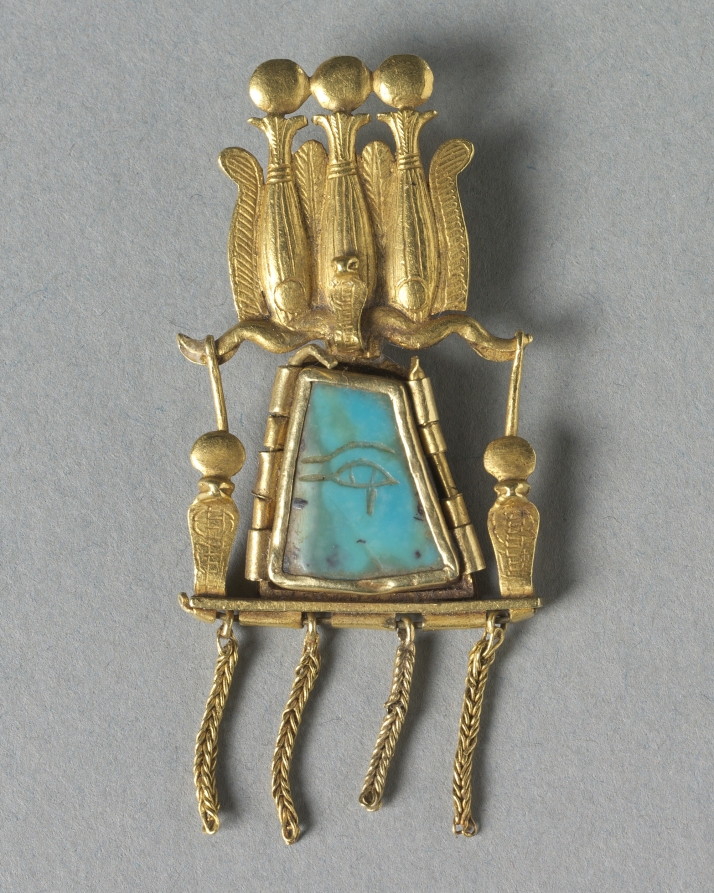
Pendant at the Cleveland Museum of Art: 1069–715 BCE, gold and turquoise. Explore the work's context, creator attribution and collection history.
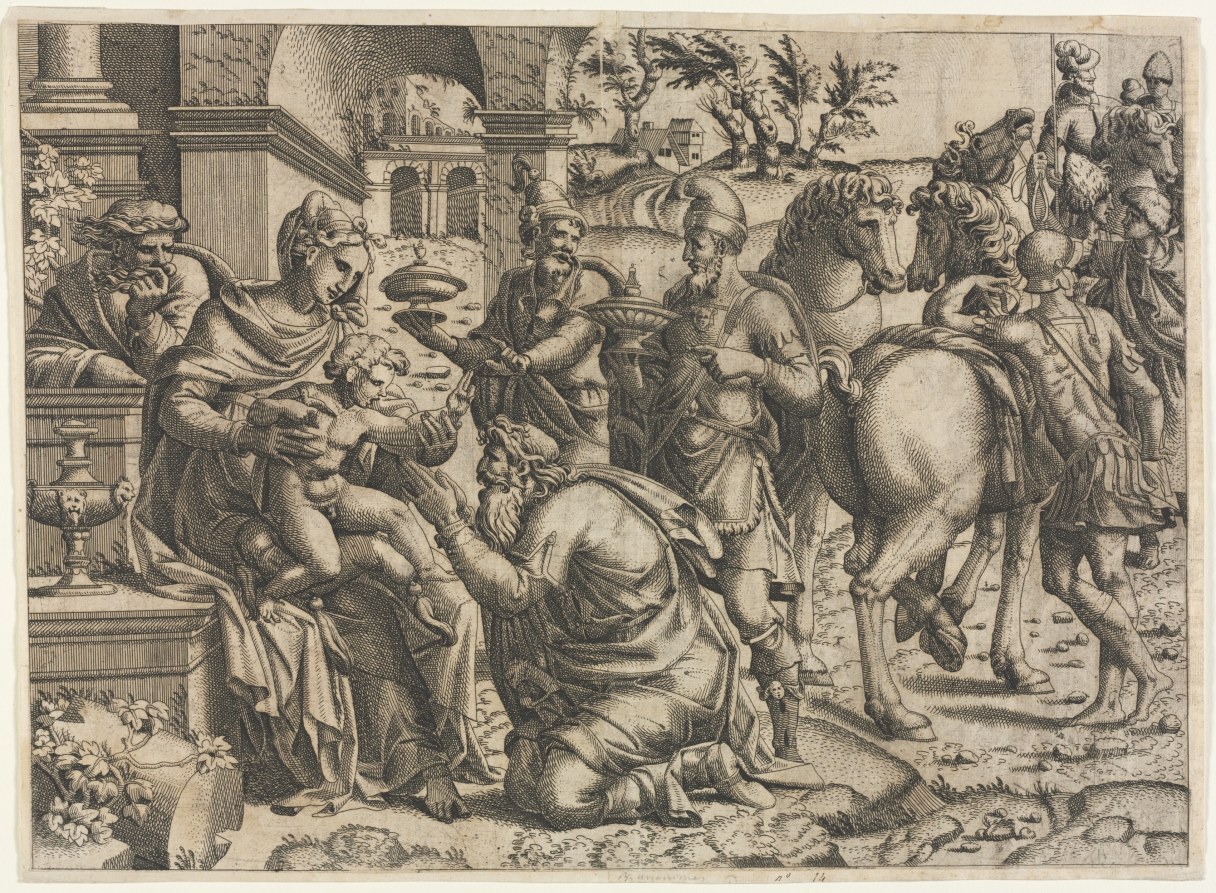
The Adoration of the Magi at the Cleveland Museum of Art: c. 1545, etching. Explore the work's context, creator attribution and collection history.
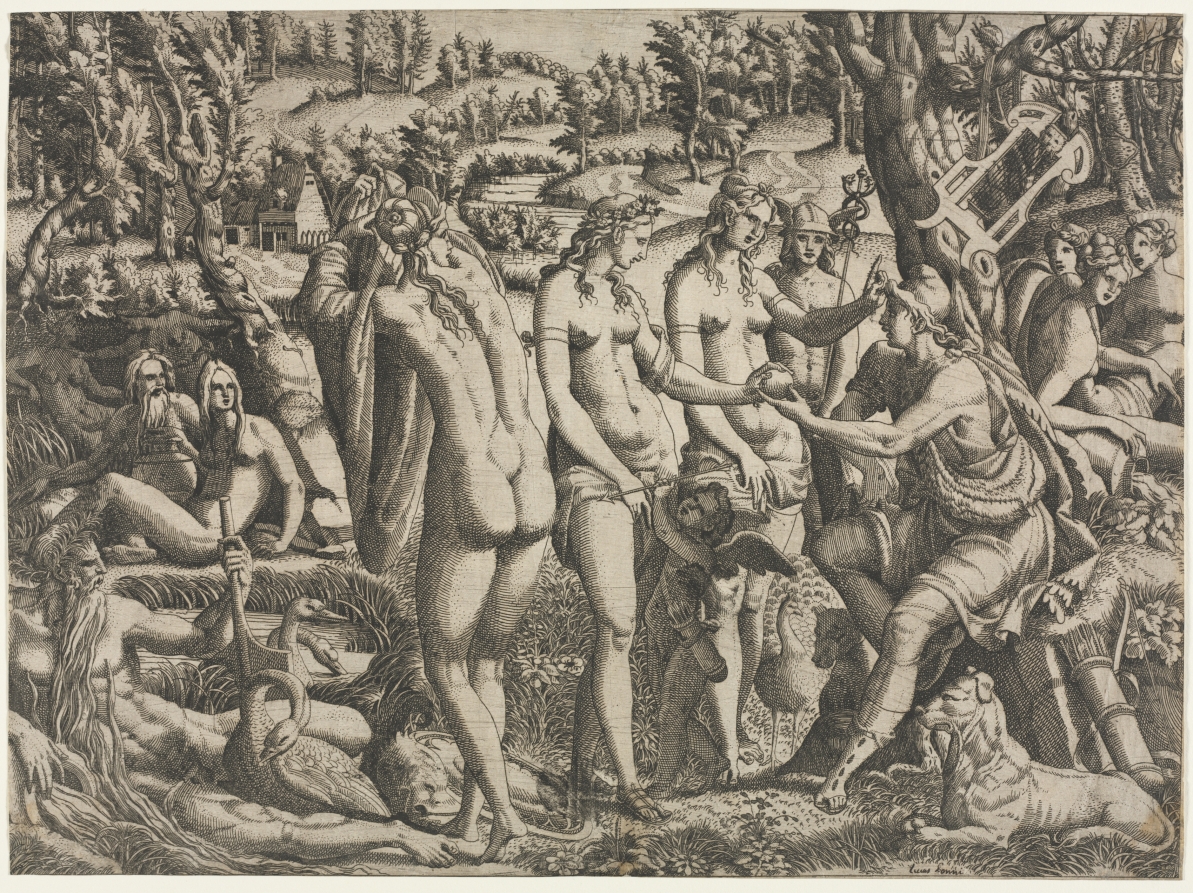
The Judgment of Paris at the Cleveland Museum of Art: c. 1545, etching. Explore the work's context, creator attribution and collection history.

The Resurrection at the Cleveland Museum of Art: 1561, etching and engraving. Explore the work's context, creator attribution and collection history.

Three Studies of Angels for a Pendentive (recto); Studies for Christ Meeting His Mother on the Road to Calvary, Studies of an Angel in a Pendentive (verso) at the Cleveland Museum of Art: 1599/1604, red chalk; squared in red chalk (left hal

Three Studies of Angels for a Pendentive (recto) at the Cleveland Museum of Art: 1599/1604, red chalk; squared in red chalk (left half), framing lines in red chalk. Explore the work's context, creator attribution and collection history.
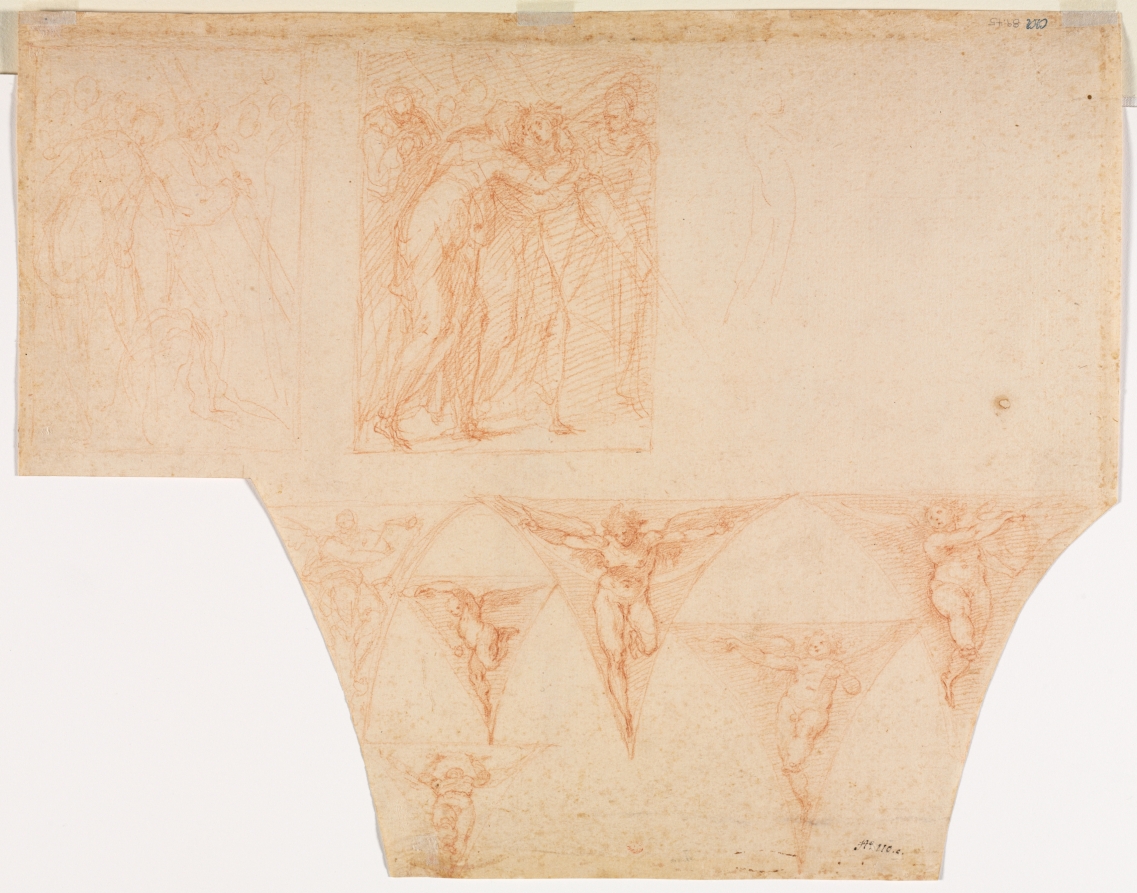
Studies for Christ Meeting His Mother on the Road to Calvary, Studies of an Angel in a Pendentive (verso) at the Cleveland Museum of Art: 1599/1604, red chalk. Explore the work's context, creator attribution and collection history.
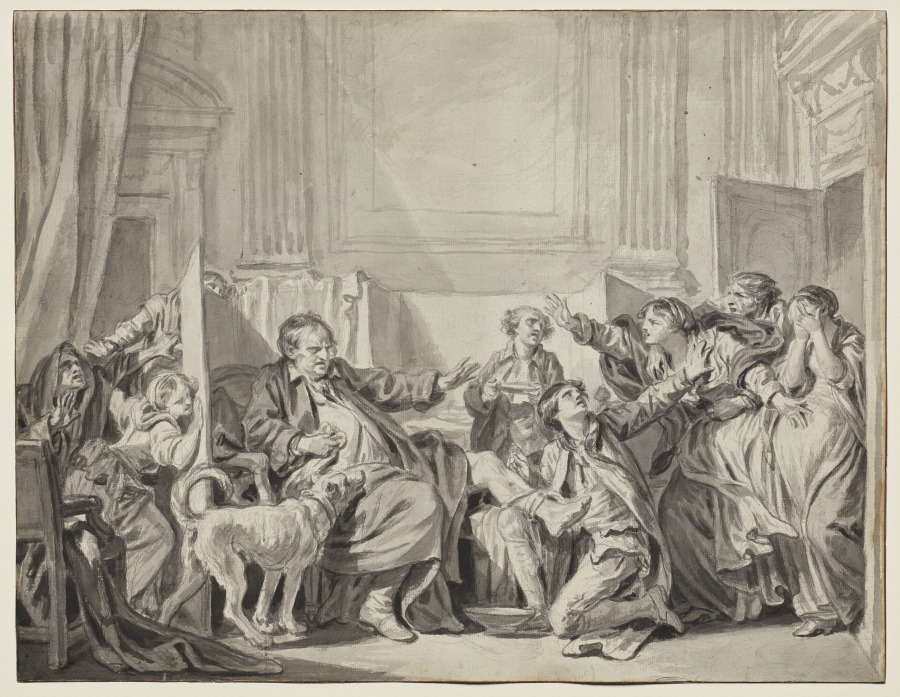
The Guilty and Repentant Daughter at the Cleveland Museum of Art: early 1770s, brush and black and gray wash over black chalk. Explore the work's context, creator attribution and collection history.
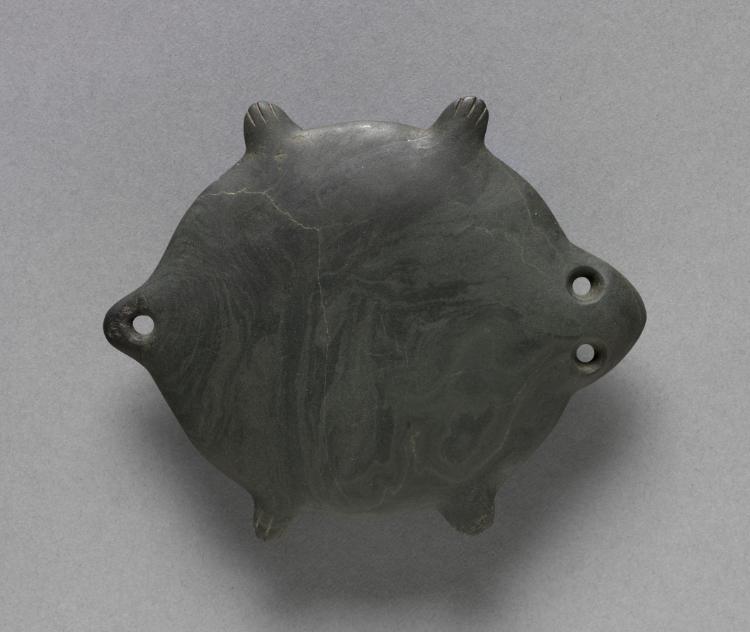
Palette in the Form of a Turtle at the Cleveland Museum of Art: c. 3500–3050 BCE, graywacke. Explore the work's context, creator attribution and collection history.

Cloth of gold with winged lions and griffins at the Cleveland Museum of Art: 1225–75, Silk and gold thread: lampas. Explore the work's context, creator attribution and collection history.

Cader Idris, with the Mawddach River at the Cleveland Museum of Art: c. 1774, oil on canvas. Explore the work's context, creator attribution and collection history.
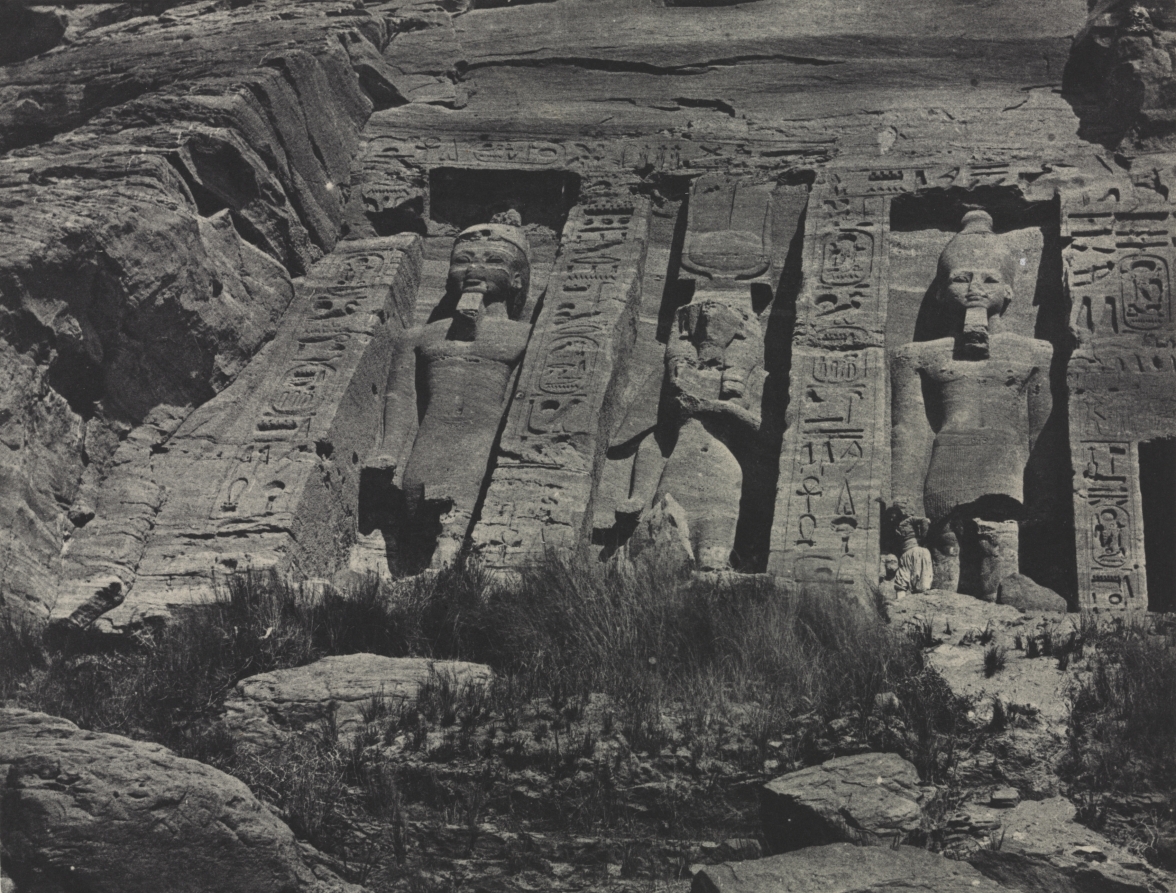
Southern Portion of the Rock-cut Temple of Hathor, Abu Simbel at the Cleveland Museum of Art: 1850, salted paper print from calotype negative, Blanquart-Évrard process. Explore the work's context, creator attribution and collection history.
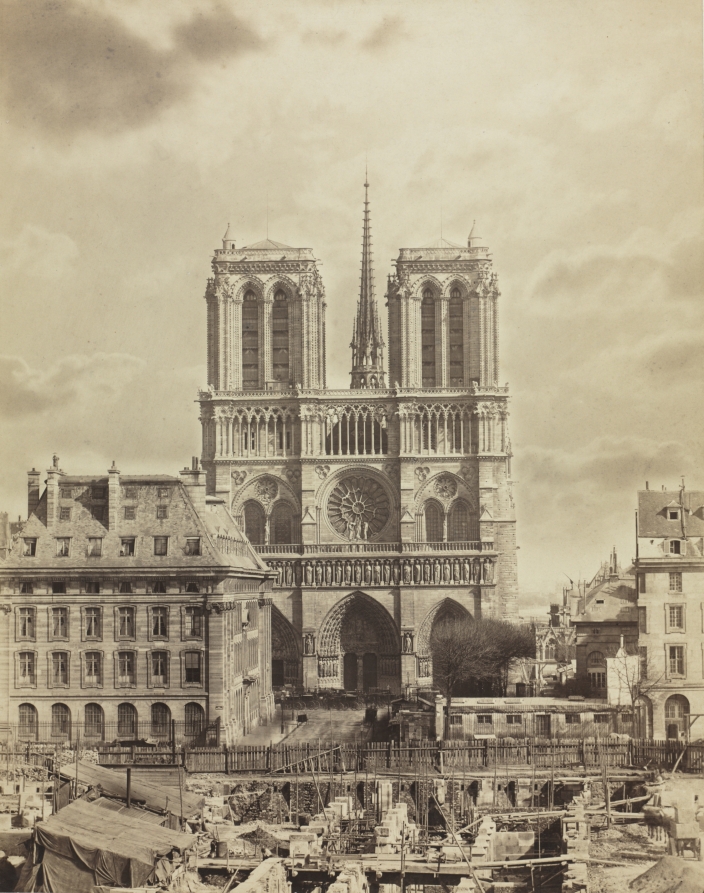
Notre Dame de Paris at the Cleveland Museum of Art: early 1860s, albumen print from glass negative. Explore the work's context, creator attribution and collection history.
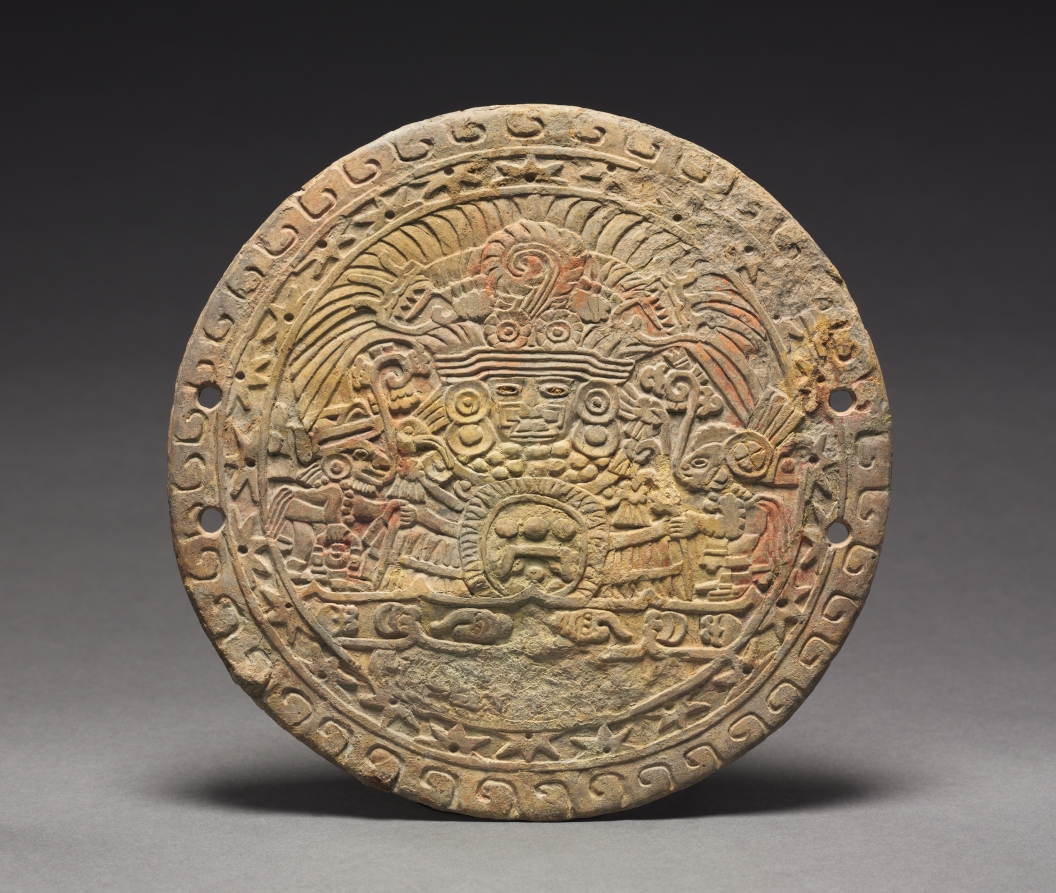
Mirror Back with Great Goddess at the Cleveland Museum of Art: 400–550 CE, slate, pigment; other side originally inlaid with polished pyrite mirror. Explore the work's context, creator attribution and collection history.

Bird-Shaped Container at the Cleveland Museum of Art: 500–900, wood. Explore the work's context, creator attribution and collection history.
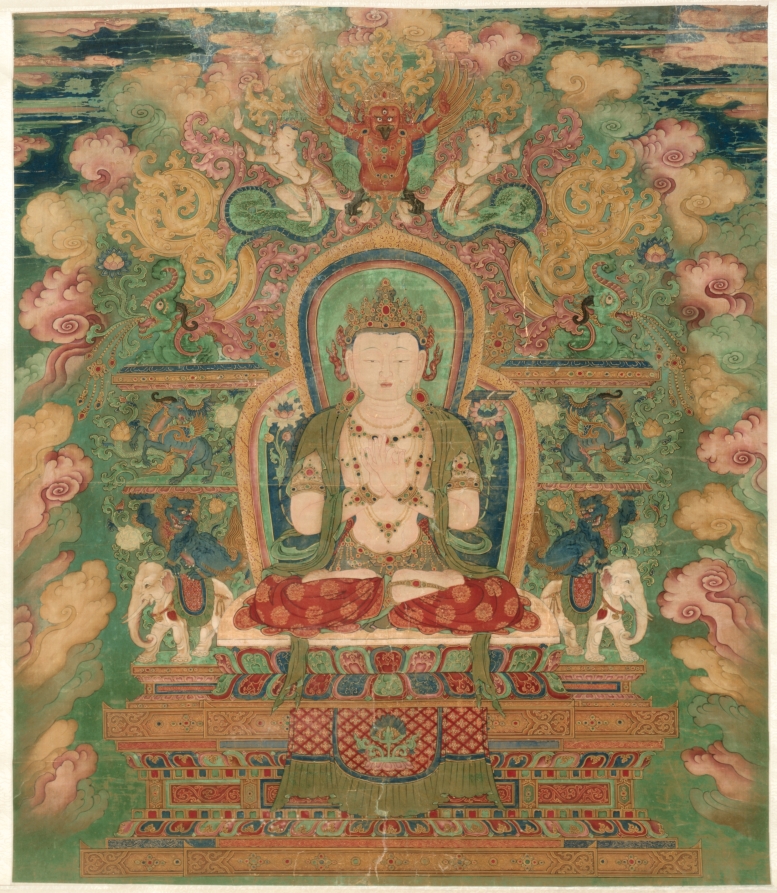
Manjushri at the Cleveland Museum of Art: c. 1500–1550, Hanging scroll, ink, color and gold on silk. Explore the work's context, creator attribution and collection history.
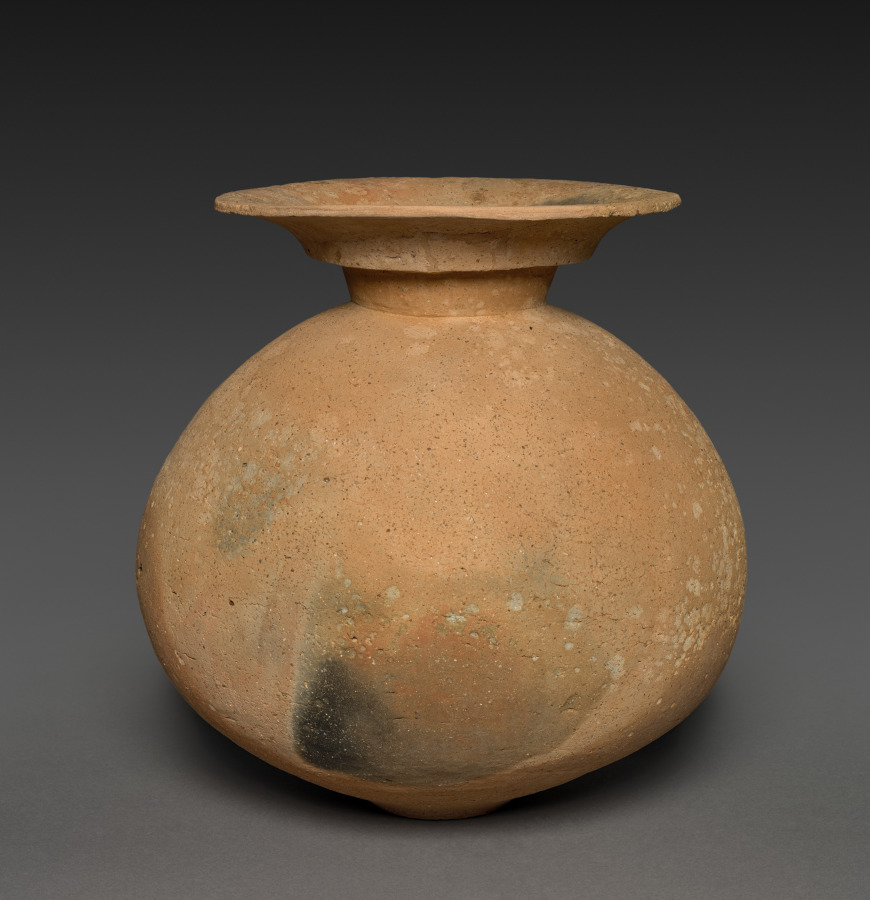
Vessel at the Cleveland Museum of Art: 300s BCE, Earthenware. Explore the work's context, creator attribution and collection history.

Watchtower at the Cleveland Museum of Art: 25–220 CE, earthenware with lead glaze. Explore the work's context, creator attribution and collection history.

Red-Figure Bell-Krater (Mixing Vessel): Bust of Dionysos and Comic Actors (A); Dionysos, Satyr, Maenad (B) at the Cleveland Museum of Art: c. 390–380 BCE, ceramic. Explore the work's context, creator attribution and collection history.
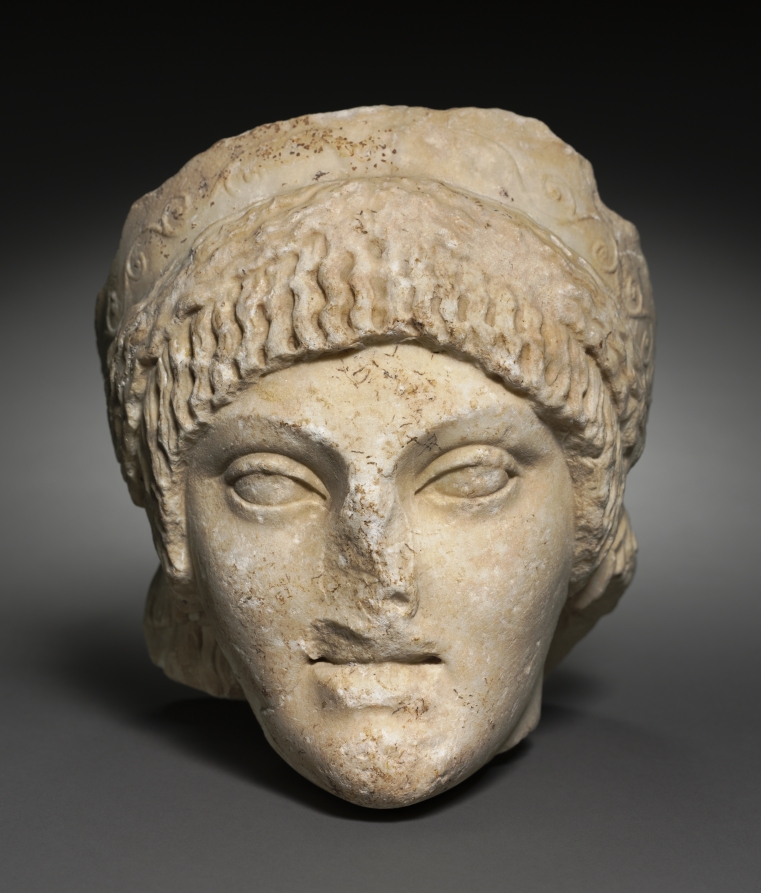
Head of a Young Woman at the Cleveland Museum of Art: 25–1 BCE, marble. Explore the work's context, creator attribution and collection history.