Alabastron (305–222 BCE): Art, History and Details
Alabastron at the Cleveland Museum of Art: 305–222 BCE, travertine. Explore the work's context, creator attribution and collection history.
Oldest entries first, in a fixed order. Newly added articles appear at the end. Explore a shuffled selection →
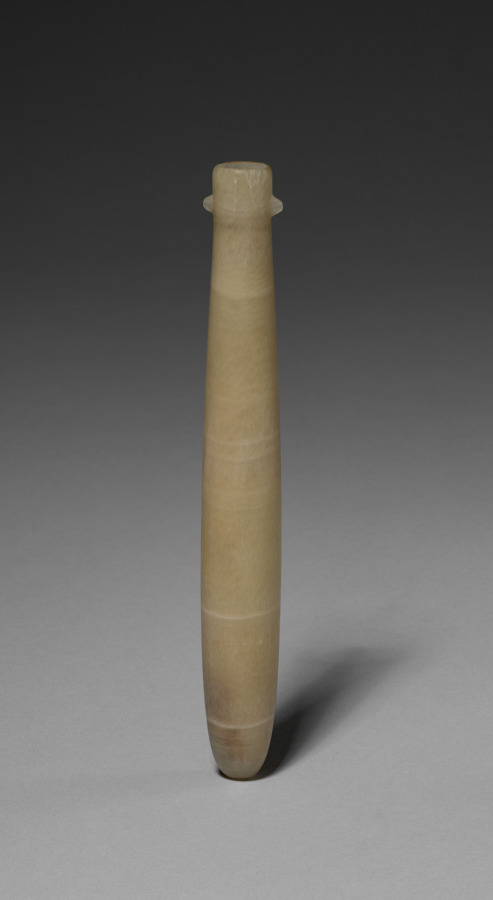
Alabastron at the Cleveland Museum of Art: 305–222 BCE, travertine. Explore the work's context, creator attribution and collection history.
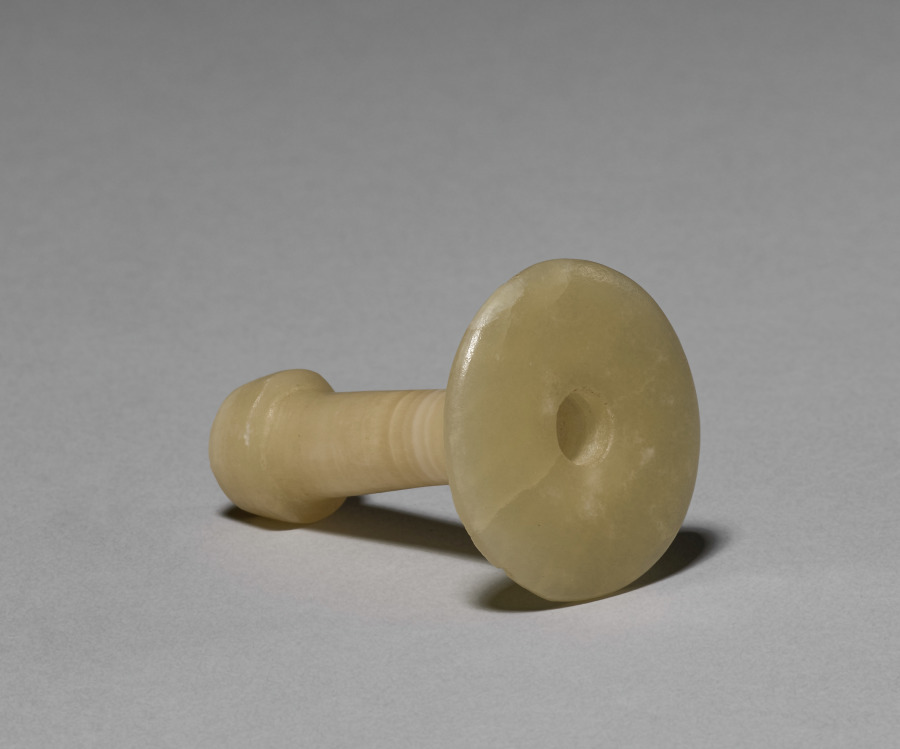
Alabastron (stopper) at the Cleveland Museum of Art: 305–222 BCE, travertine. Explore the work's context, creator attribution and collection history.

House of Cards at the Cleveland Museum of Art: c. 1737, engraving. Explore the work's context, creator attribution and collection history.

Mirror with Four T's at the Cleveland Museum of Art: 300s BCE, bronze. Explore the work's context, creator attribution and collection history.

TLV Mirror with Multiple Nipples at the Cleveland Museum of Art: 9–23 CE, bronze. Explore the work's context, creator attribution and collection history.
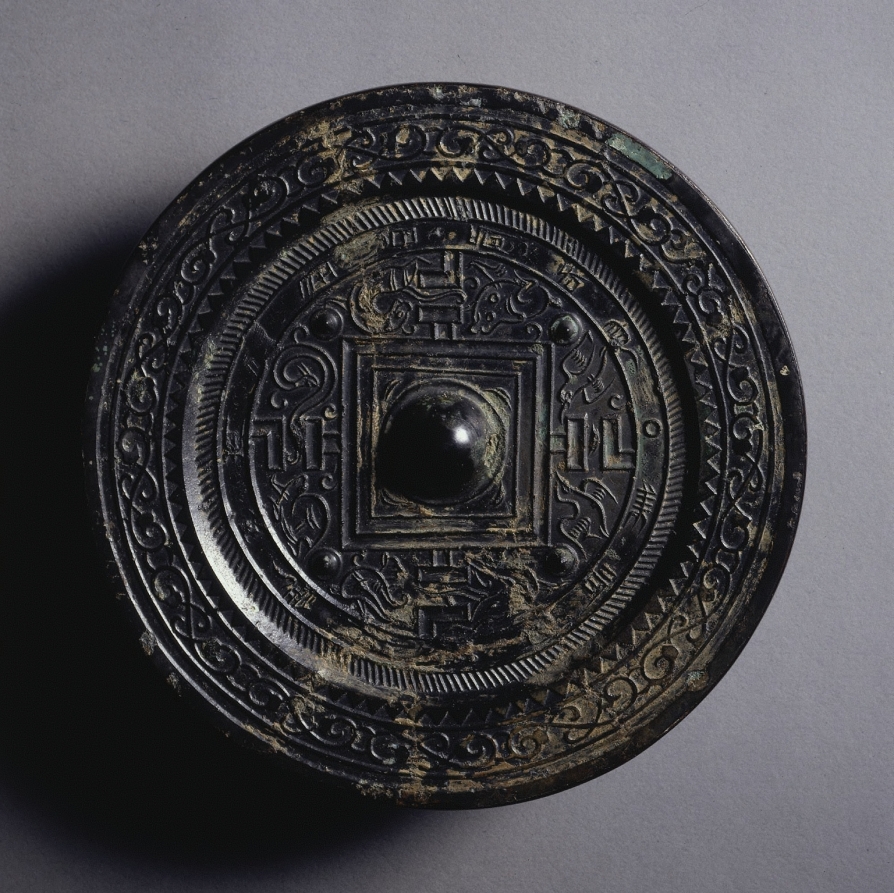
TLV Mirror at the Cleveland Museum of Art: 1–early 200s CE, bronze. Explore the work's context, creator attribution and collection history.
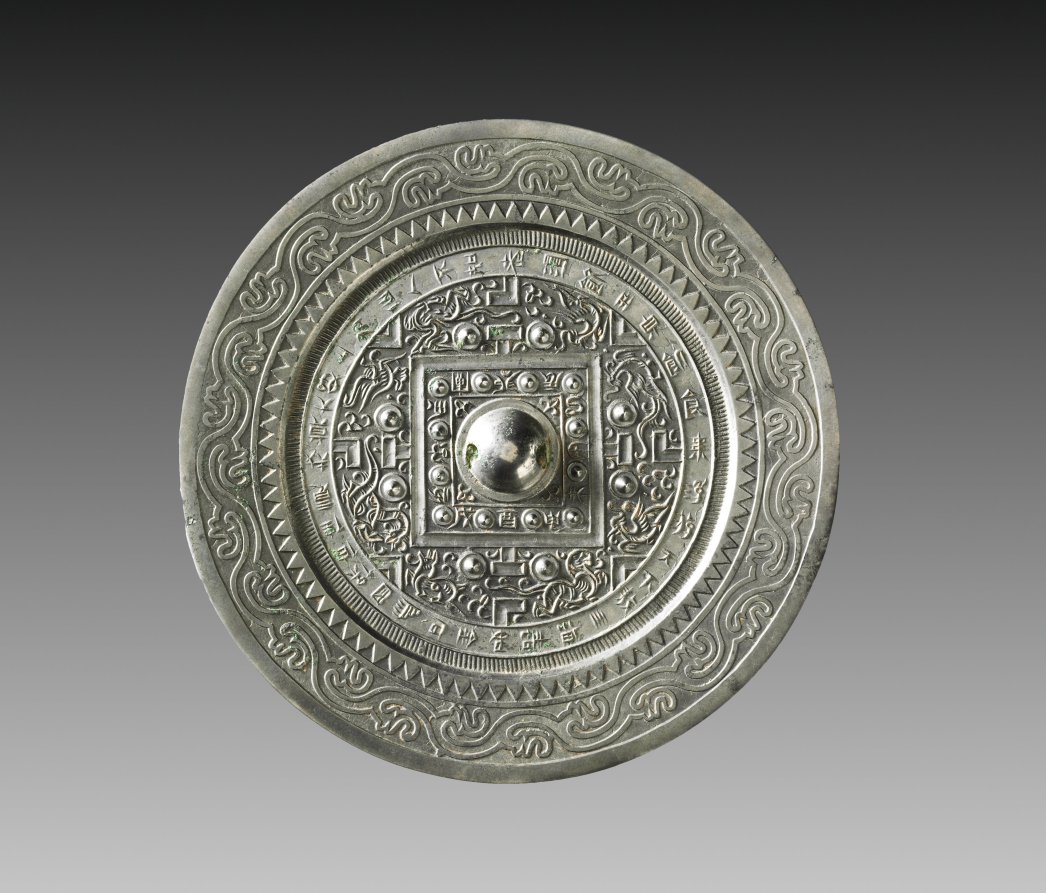
TLV Mirror with Multiple Nipples at the Cleveland Museum of Art: 9–23 CE, bronze. Explore the work's context, creator attribution and collection history.

TLV Mirror with Four Spirits and Companions at the Cleveland Museum of Art: 9–100 CE, bronze. Explore the work's context, creator attribution and collection history.

Mirror with Concentric Circles and Linked Arcs at the Cleveland Museum of Art: 100–1 BCE, bronze. Explore the work's context, creator attribution and collection history.

Mirror with Two Dragons and a Tiger at the Cleveland Museum of Art: 200s CE, bronze. Explore the work's context, creator attribution and collection history.

Mirror with Auspicious Animals Surrounded by Rings of Squares and Semicircles at the Cleveland Museum of Art: late 100s CE, bronze. Explore the work's context, creator attribution and collection history.
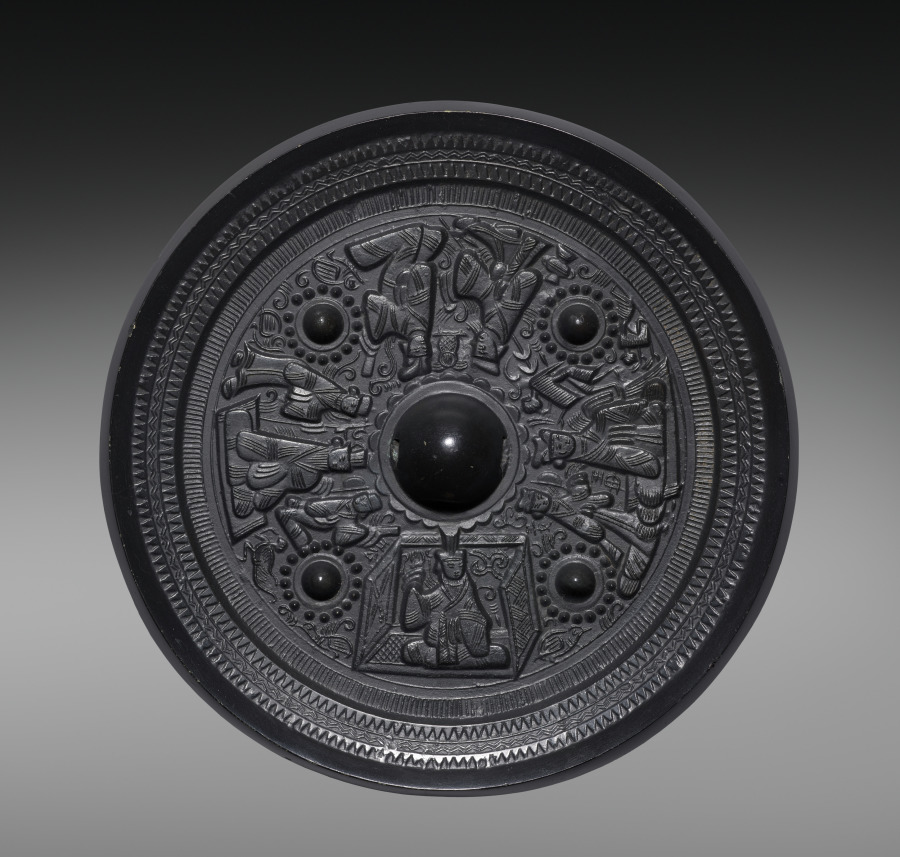
Mirror with Deities and Kings at the Cleveland Museum of Art: 100s CE, bronze. Explore the work's context, creator attribution and collection history.
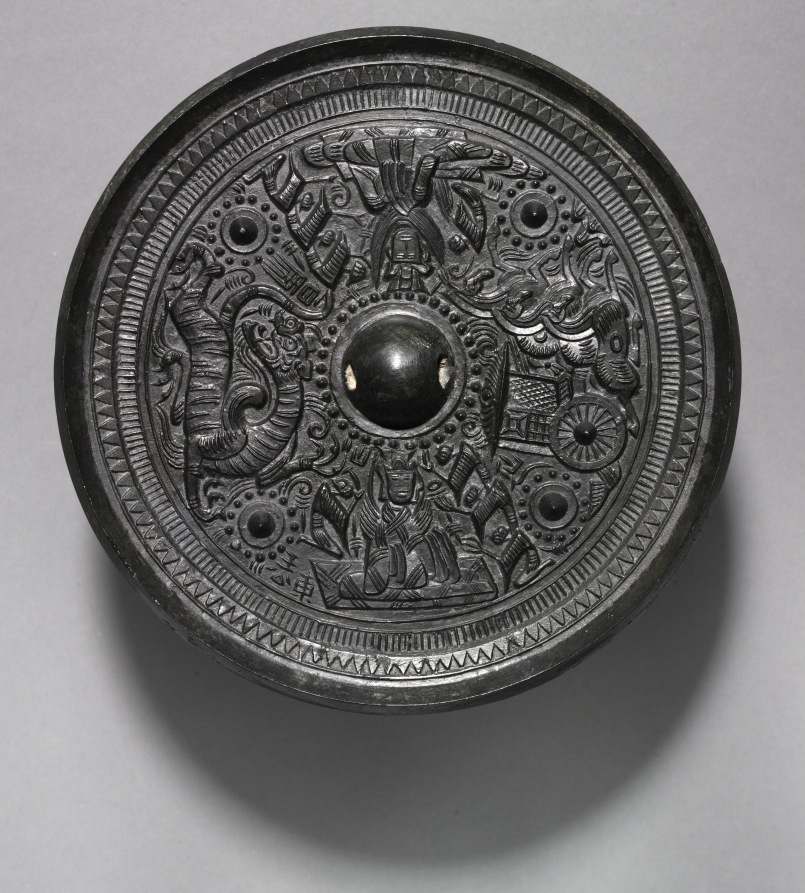
Mirror with Deities, Chariot, and the White Tiger at the Cleveland Museum of Art: 100–200 CE, bronze. Explore the work's context, creator attribution and collection history.

Mirror with Deities and Animals Surrounded by Rings of Squares and Semicircles at the Cleveland Museum of Art: late 100s CE, bronze. Explore the work's context, creator attribution and collection history.

Mirror with Four Nipples and Eight Animals at the Cleveland Museum of Art: 300 CE, bronze. Explore the work's context, creator attribution and collection history.
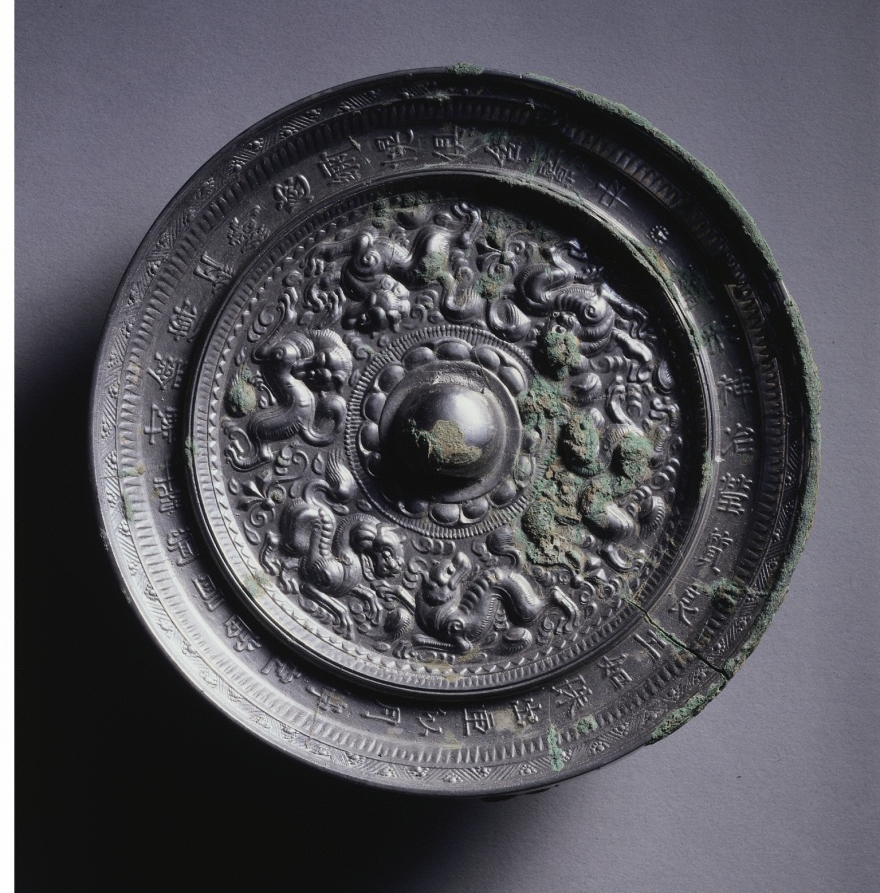
Mirror with Three Pairs of Bixie around a Loti-form Knob at the Cleveland Museum of Art: mid-600s, bronze. Explore the work's context, creator attribution and collection history.
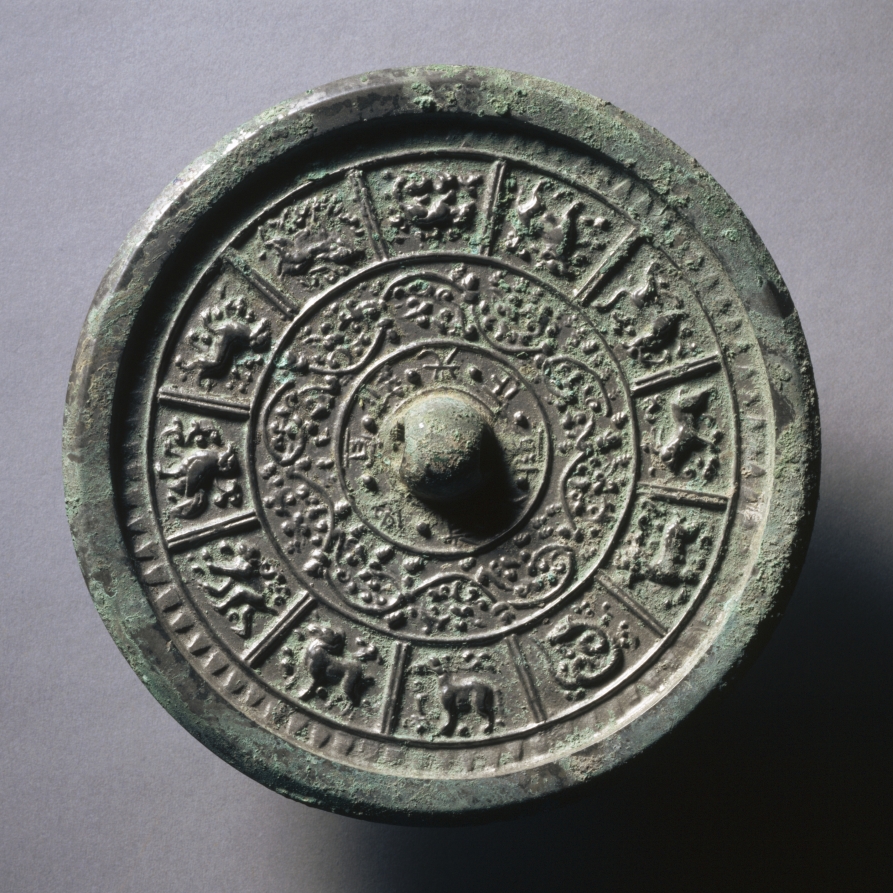
Mirror with Interlacing Floral Motifs and Twelve Zodiac Animals at the Cleveland Museum of Art: late 500s–early 600s, bronze. Explore the work's context, creator attribution and collection history.

Mirror with Four Running Animals at the Cleveland Museum of Art: early 600s, bronze. Explore the work's context, creator attribution and collection history.
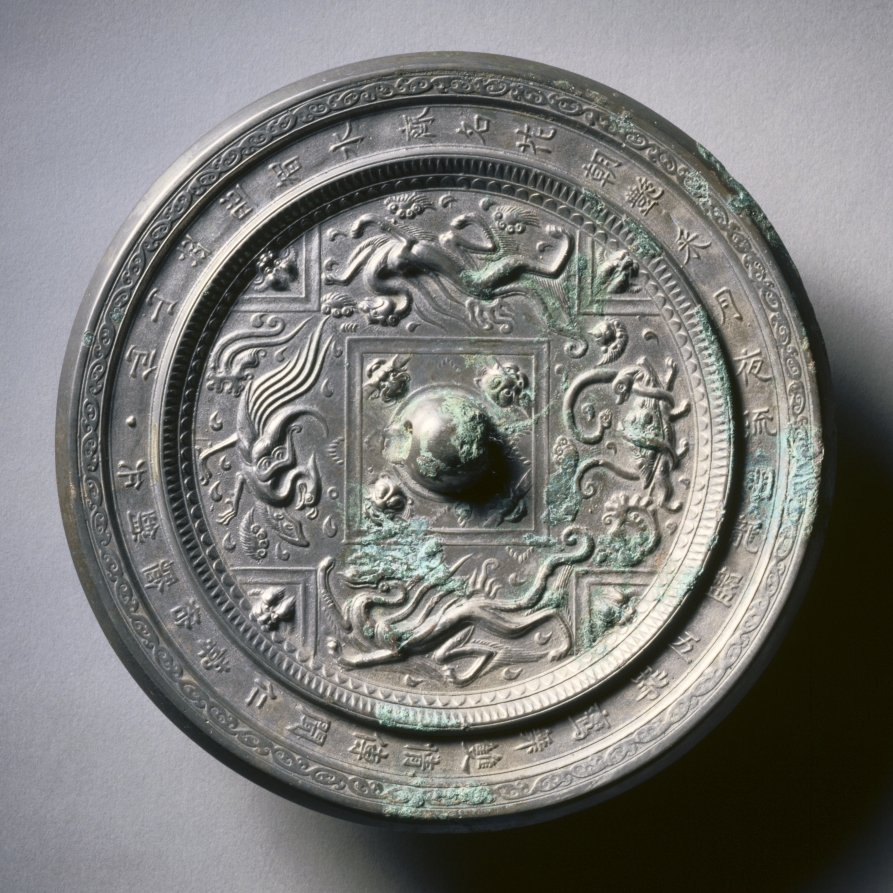
Mirror with Four Spirits at the Cleveland Museum of Art: 581–618, bronze. Explore the work's context, creator attribution and collection history.

Mirror with Six Circular Flowers at the Cleveland Museum of Art: 600s, bronze. Explore the work's context, creator attribution and collection history.
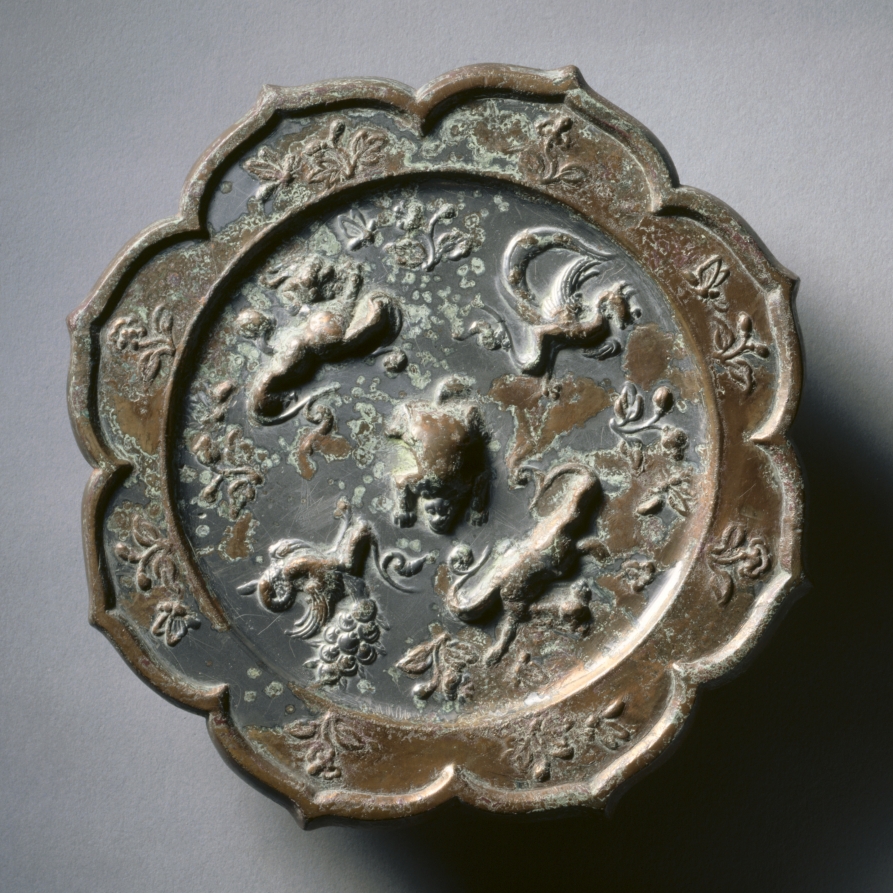
Octafoil Mirror with Crouched Animals at the Cleveland Museum of Art: early 600s-early 900s, bronze. Explore the work's context, creator attribution and collection history.

Lobed Mirror with Acrobats on Lotus Blossoms at the Cleveland Museum of Art: early 600s-early 900s, bronze. Explore the work's context, creator attribution and collection history.
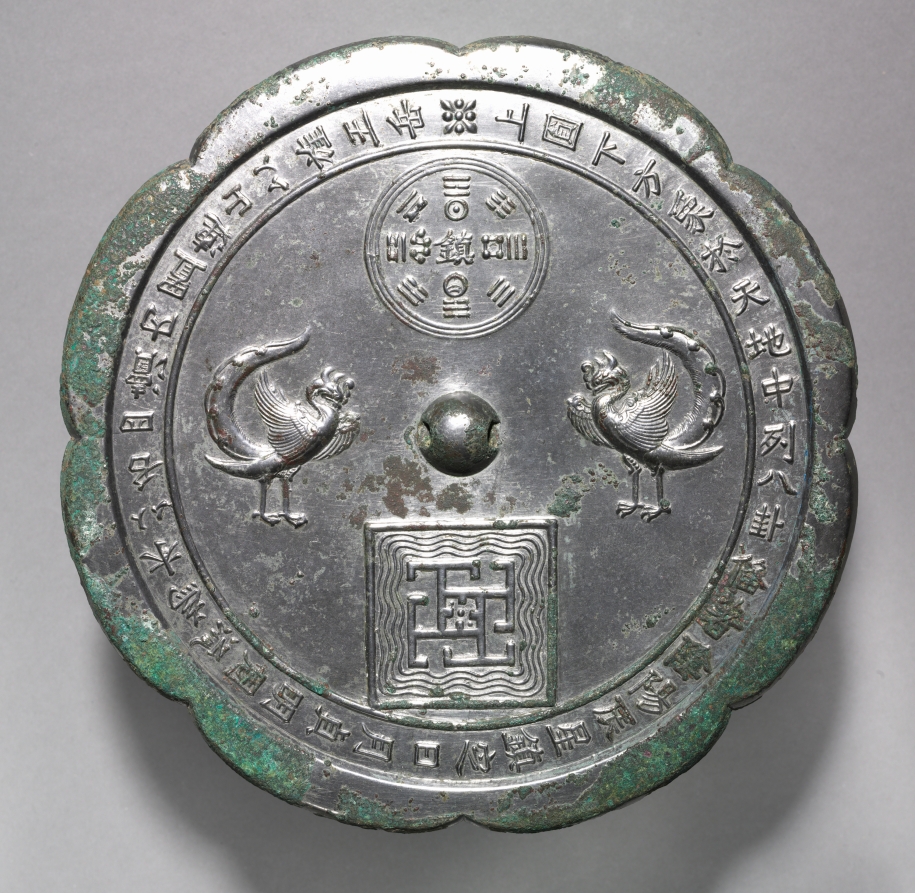
Lobed Mirror with Heaven and Earth between the Paired Phoenixes at the Cleveland Museum of Art: mid to late 700s, bronze. Explore the work's context, creator attribution and collection history.
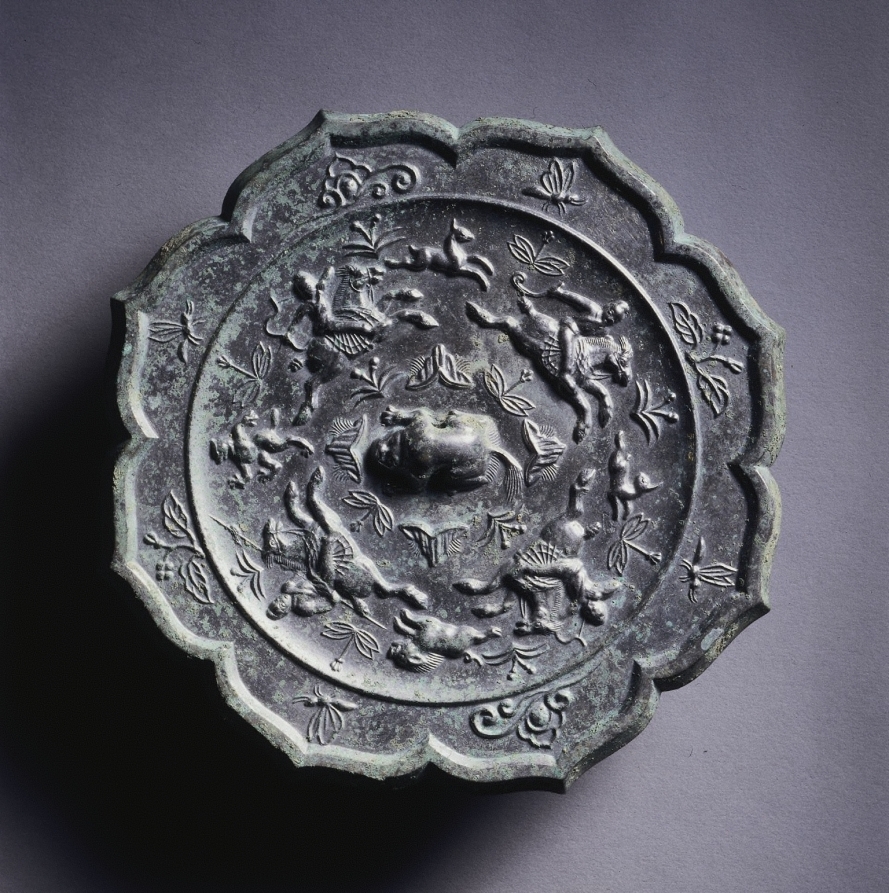
Octafoil Mirror with Hunters and Prey at the Cleveland Museum of Art: late 600s–early 700s, bronze. Explore the work's context, creator attribution and collection history.

Mirror with a Coiling Dragon at the Cleveland Museum of Art: 700s, bronze. Explore the work's context, creator attribution and collection history.
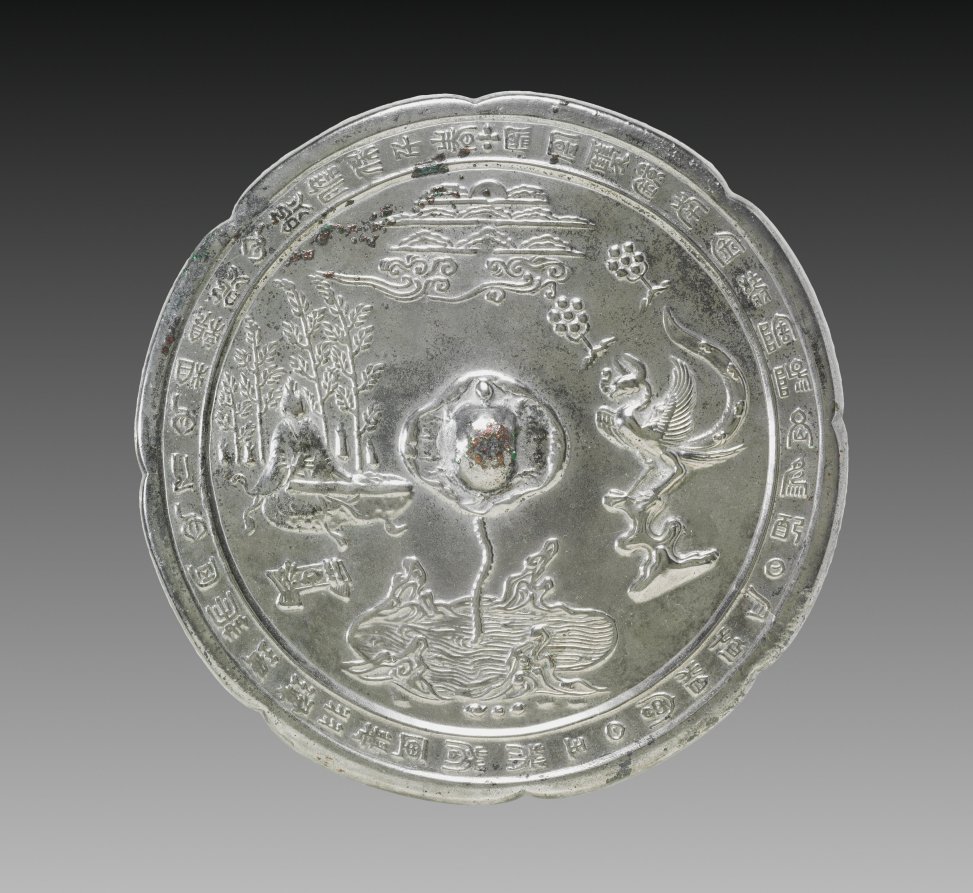
Lobed Mirror with a Tortoise Knob, Musician, and Phoenix at the Cleveland Museum of Art: late 700s, bronze. Explore the work's context, creator attribution and collection history.
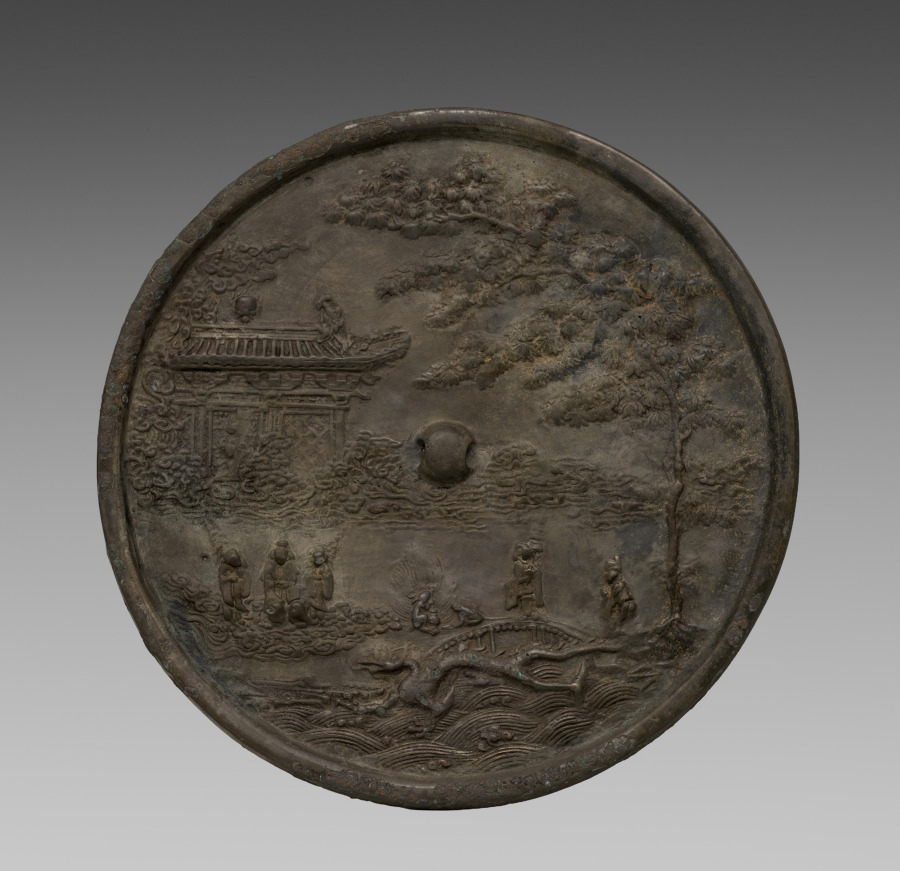
Octafoil Mirror with Lunar Palace at the Cleveland Museum of Art: early 1100s–mid-1200s, bronze. Explore the work's context, creator attribution and collection history.
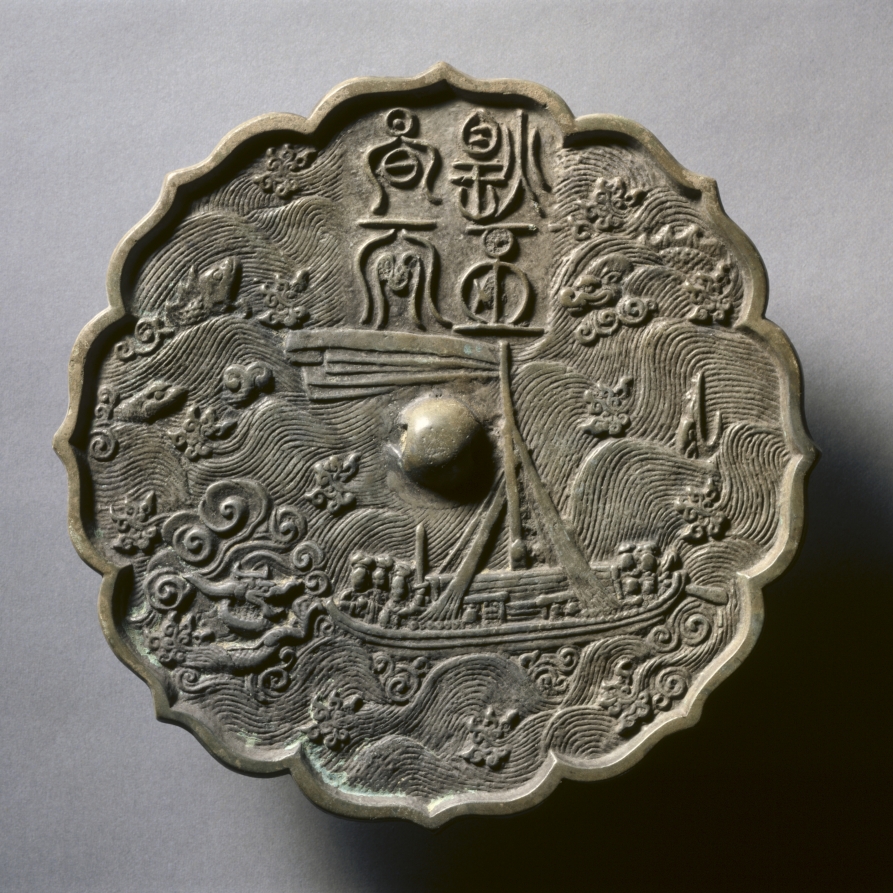
Octafoil-shaped Mirror Featuring Ci Fei, the Dragon Slayer at the Cleveland Museum of Art: 900s–1300s, bronze. Explore the work's context, creator attribution and collection history.
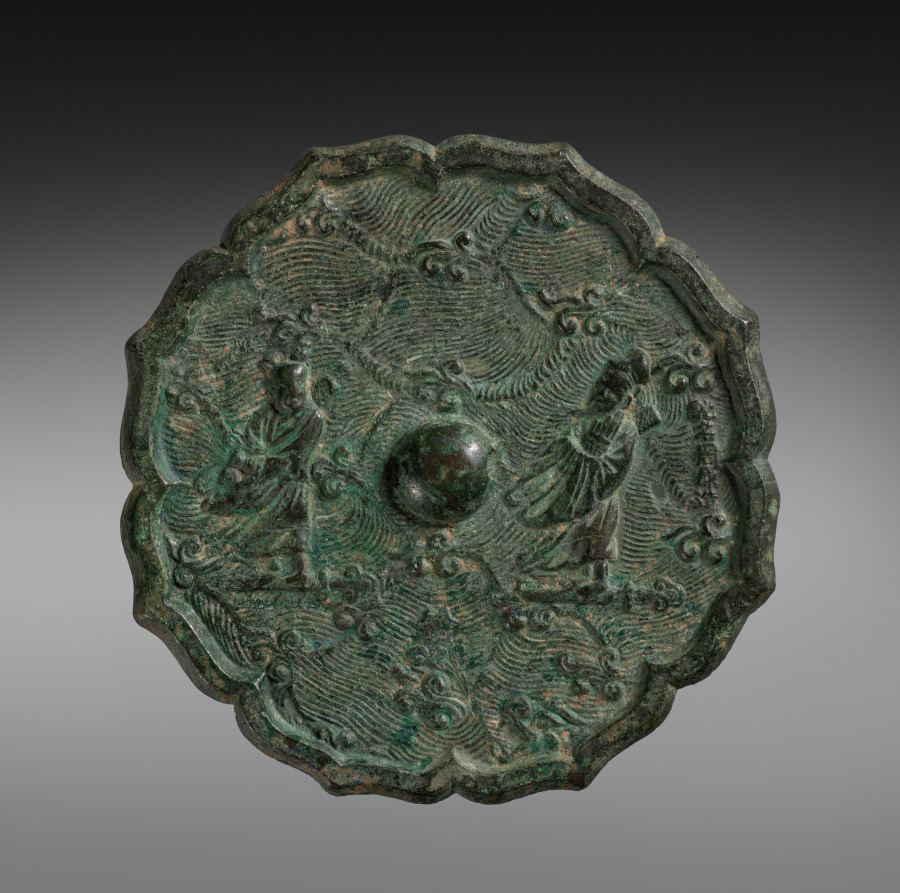
Octafoil Mirror with Two Immortals Crossing the Ocean at the Cleveland Museum of Art: mid-900s–late 1200s, bronze. Explore the work's context, creator attribution and collection history.
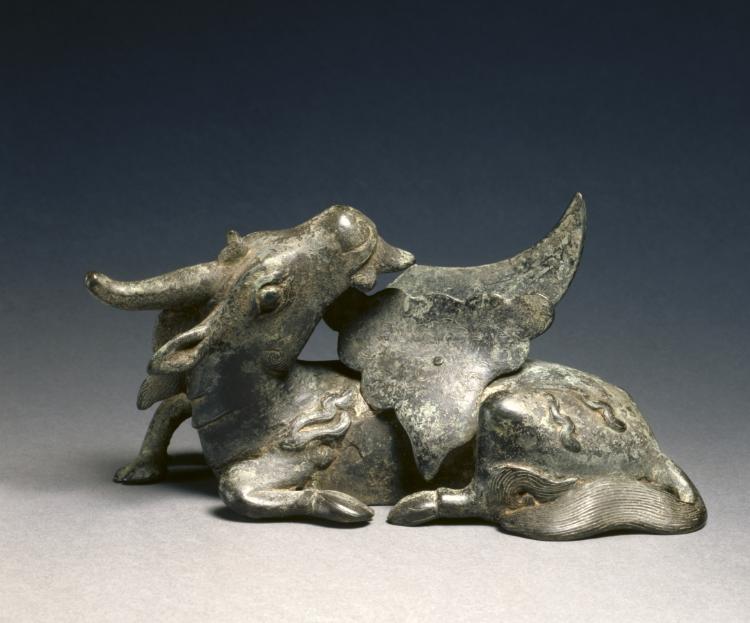
Mirror Stand in the Shape of a Djeiran at the Cleveland Museum of Art: mid 1600s-early 1900s, bronze. Explore the work's context, creator attribution and collection history.

Mirror with Twin Dragons and Lotus Blossoms at the Cleveland Museum of Art: 1338, bronze. Explore the work's context, creator attribution and collection history.
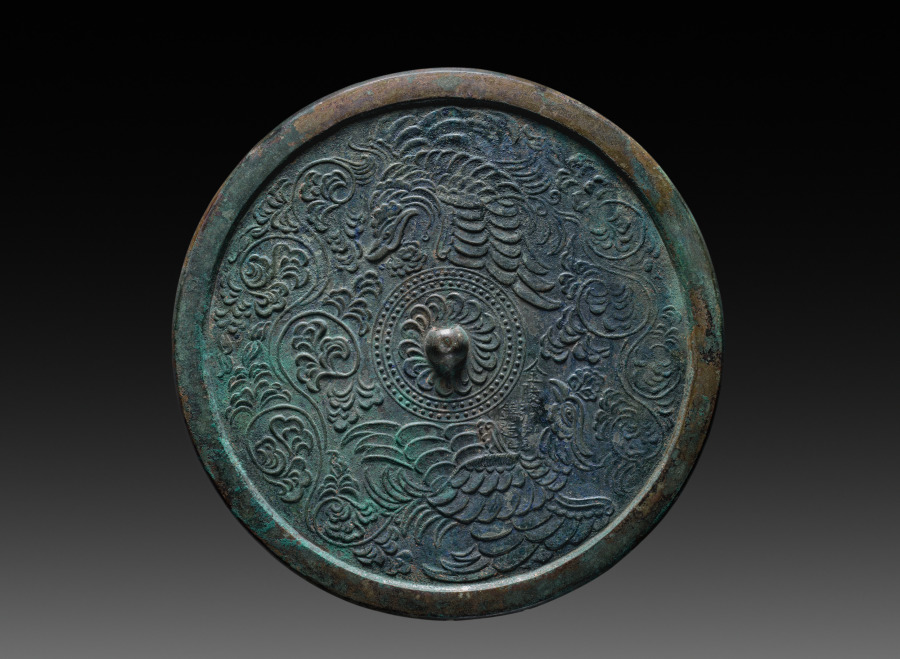
Mirror with a Pair of Phoenixes at the Cleveland Museum of Art: 1100s, bronze. Explore the work's context, creator attribution and collection history.
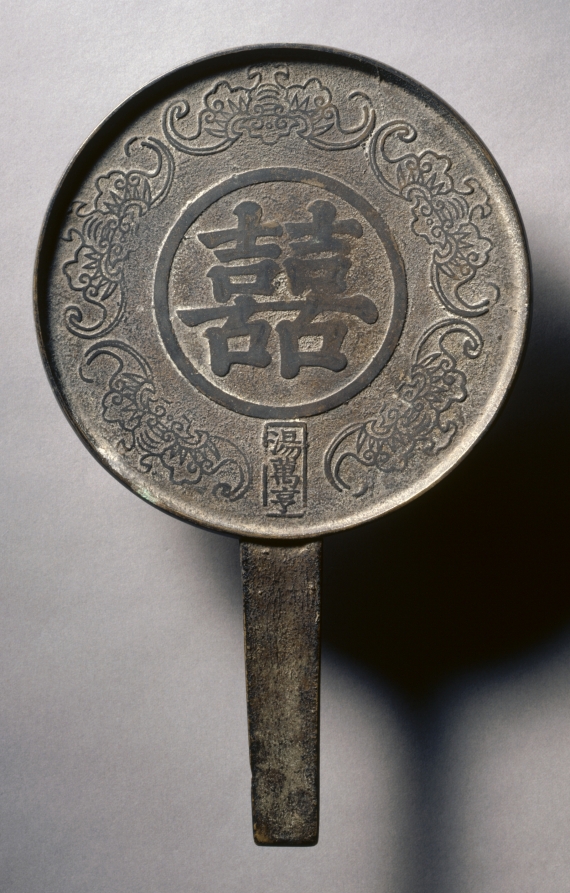
Mirror with Handle, Decorated with "Double Happiness" and Five Bats at the Cleveland Museum of Art: c. 1800, brass. Explore the work's context, creator attribution and collection history.
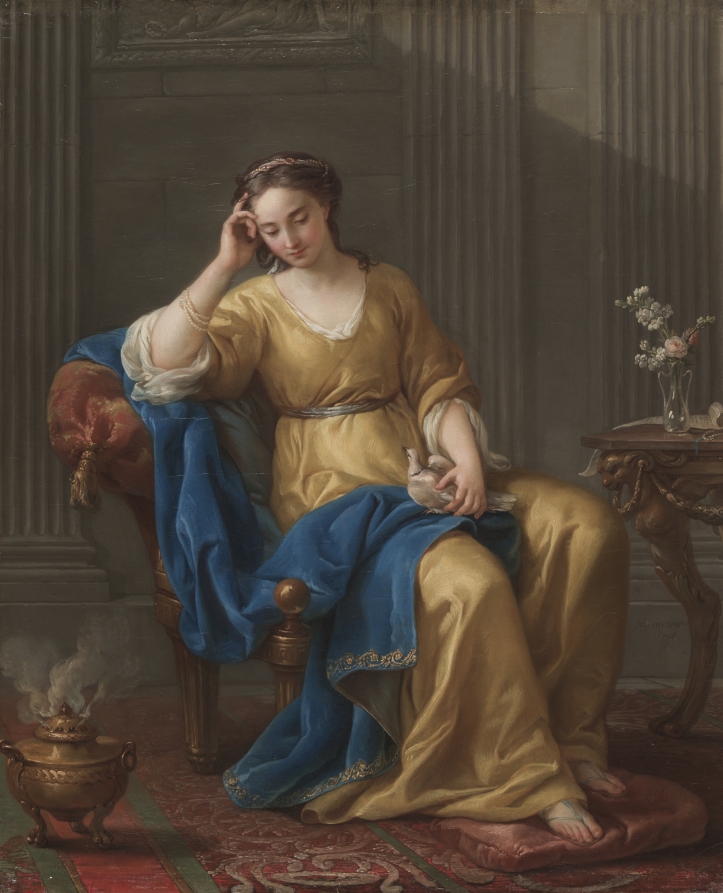
Sweet Melancholy at the Cleveland Museum of Art: 1756, oil on canvas. Explore the work's context, creator attribution and collection history.
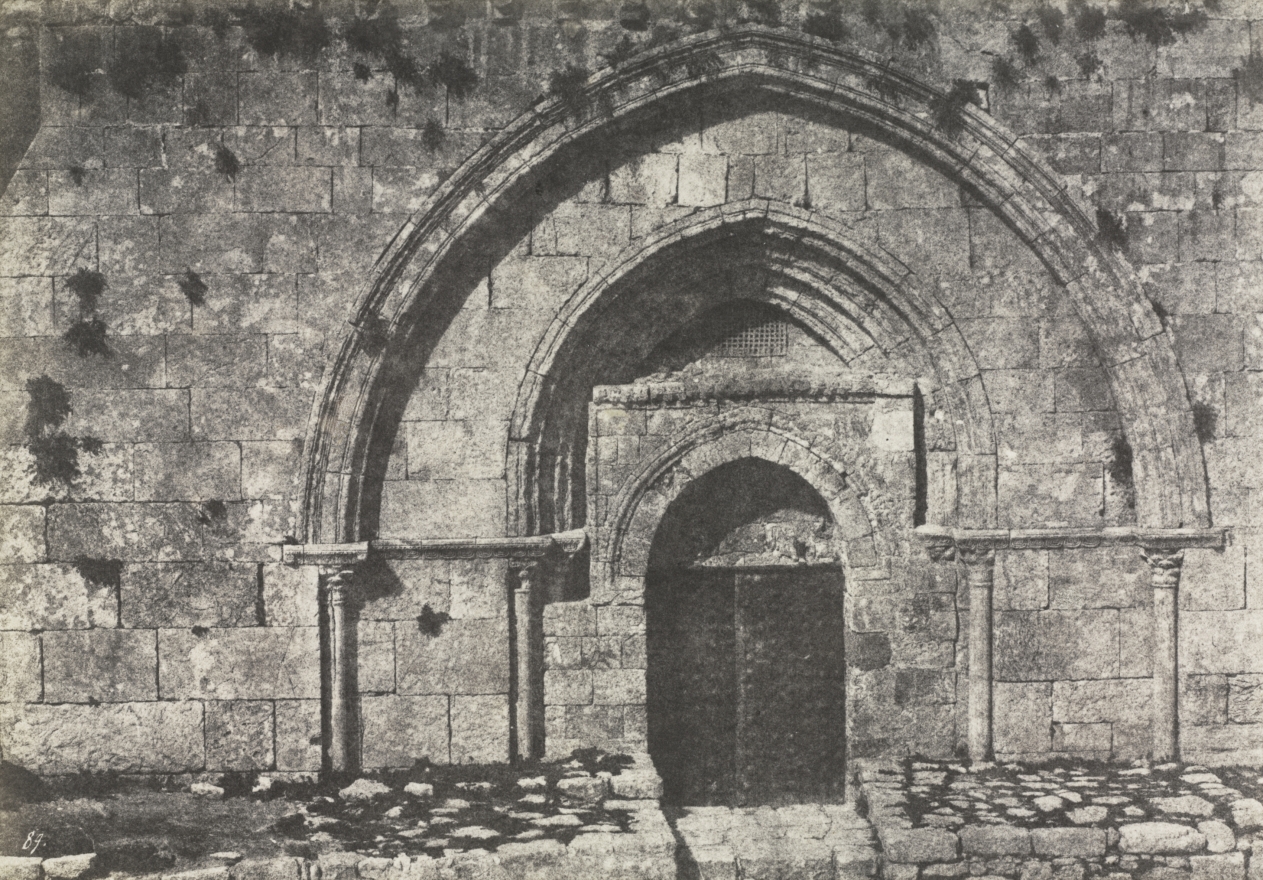
Tomb of the Virgin, Jerusalem at the Cleveland Museum of Art: 1854, salted paper print, Blanquart-Évrard process, from waxed paper negative. Explore the work's context, creator attribution and collection history.

Julia and Ethel Arnold at the Cleveland Museum of Art: 1872, albumen print from wet collodion negative. Explore the work's context, creator attribution and collection history.
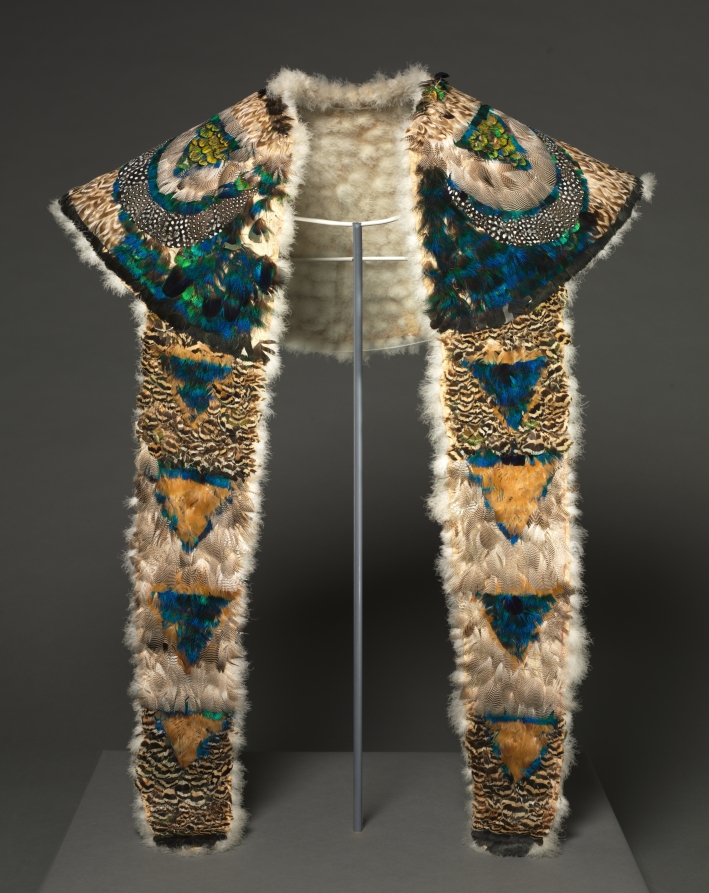
Pelerine (Collar or Cape) at the Cleveland Museum of Art: c. 1830–1860, Cotton, peacock feathers, guinea fowl feathers?, Gadwalls duck feathers. Explore the work's context, creator attribution and collection history.
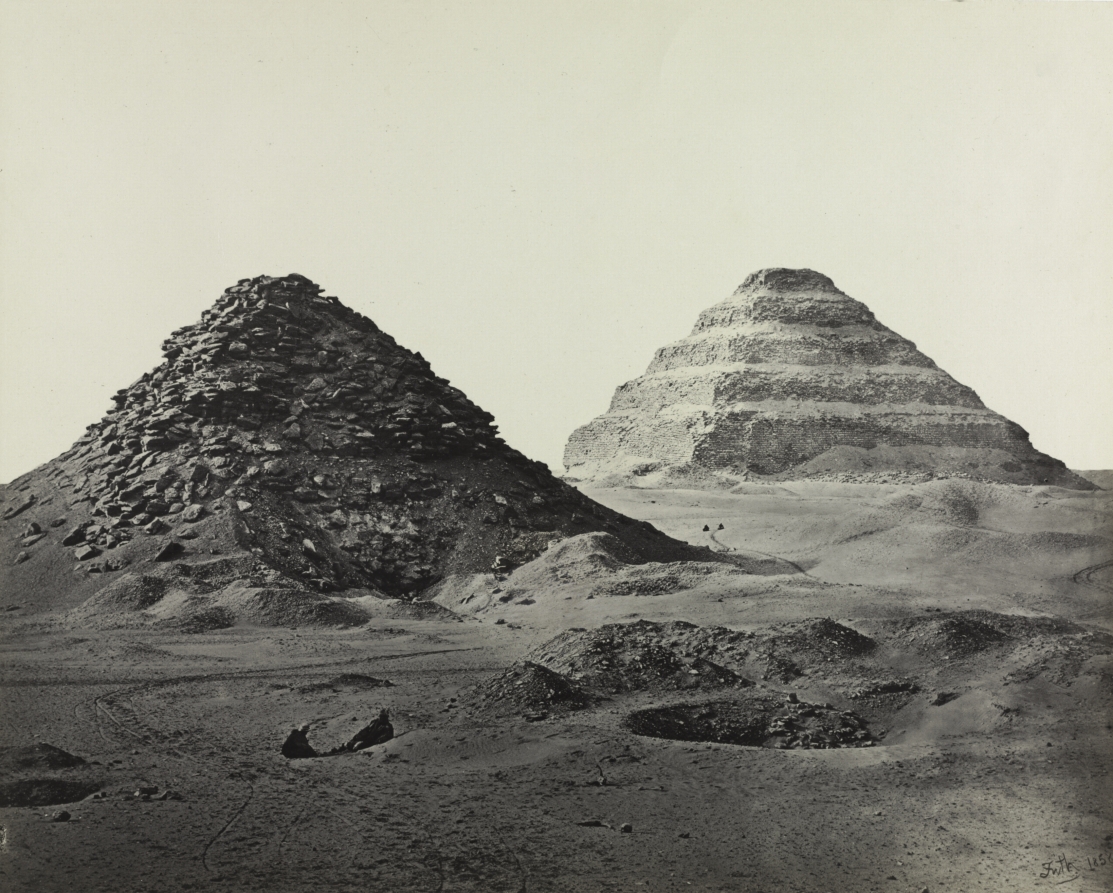
The Pyramids of Saqqara, from the Northeast at the Cleveland Museum of Art: 1858, albumen print from wet collodion negative. Explore the work's context, creator attribution and collection history.

View of Angoulême at the Cleveland Museum of Art: c. 1844, daguerreotype, applied color. Explore the work's context, creator attribution and collection history.
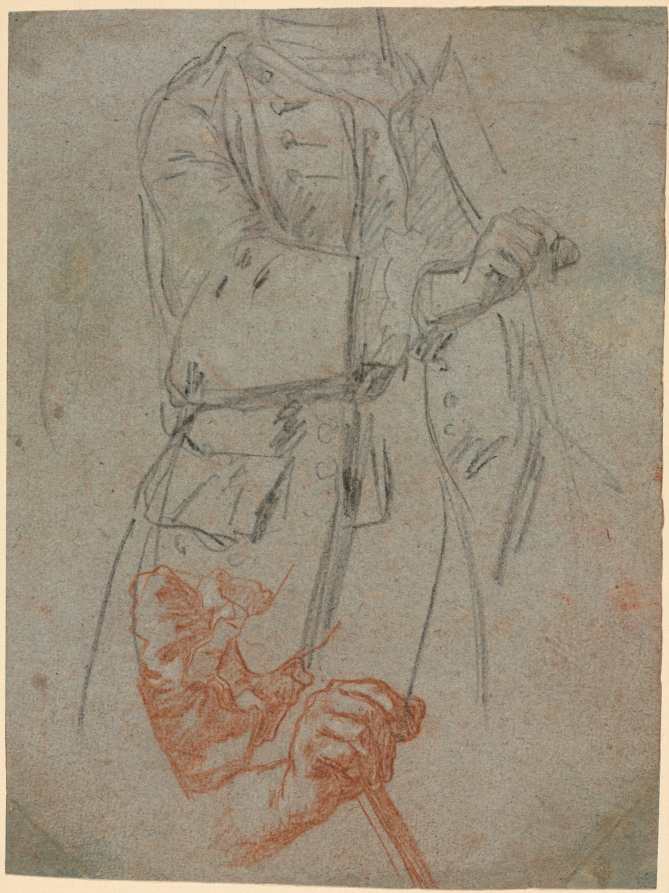
Studies of a Costume, Sleeve, and Hand at the Cleveland Museum of Art: c. 1747, black chalk (costume) and red chalk (sleeve and hand). Explore the work's context, creator attribution and collection history.