Orpheus Charming the Animals (c. 1505): Art, History and Details
Orpheus Charming the Animals at the Cleveland Museum of Art: c. 1505, engraving. Explore the work's context, creator attribution and collection history.
Oldest entries first, in a fixed order. Newly added articles appear at the end. Explore a shuffled selection →
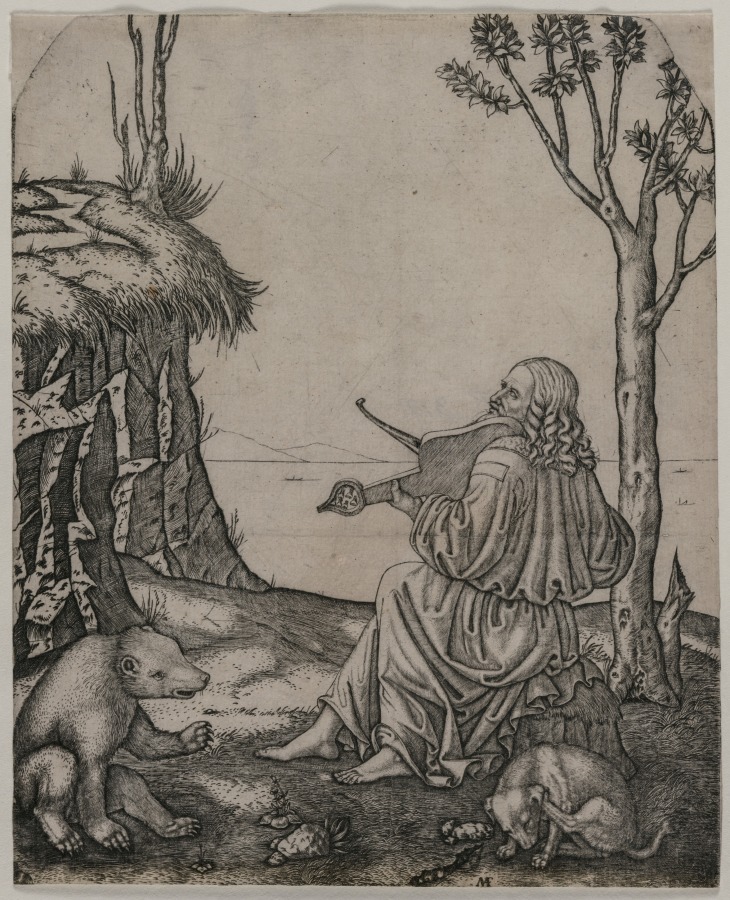
Orpheus Charming the Animals at the Cleveland Museum of Art: c. 1505, engraving. Explore the work's context, creator attribution and collection history.
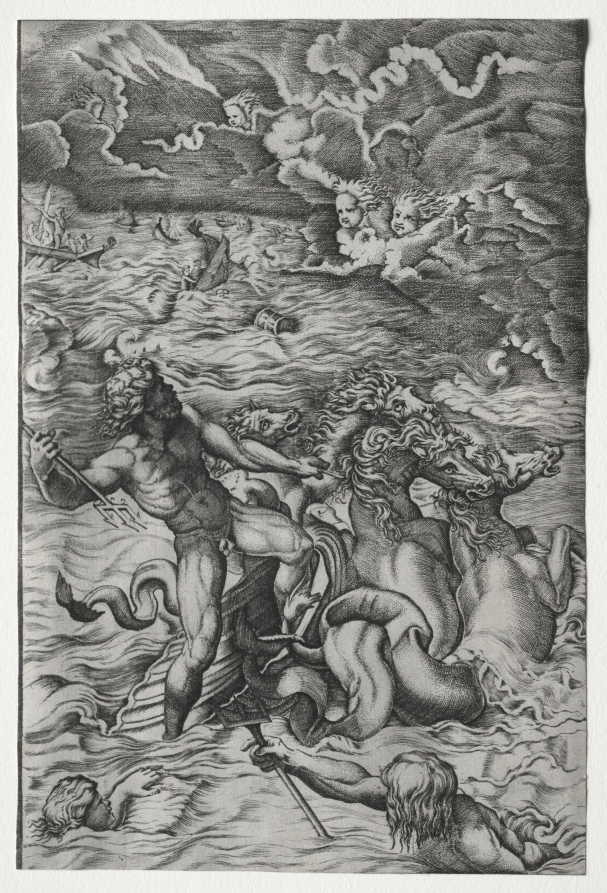
Neptune Calming the Tempest That Aeolus Raised Against Aeneas's Fleet at the Cleveland Museum of Art: c. 1515–16, engraving. Explore the work's context, creator attribution and collection history.
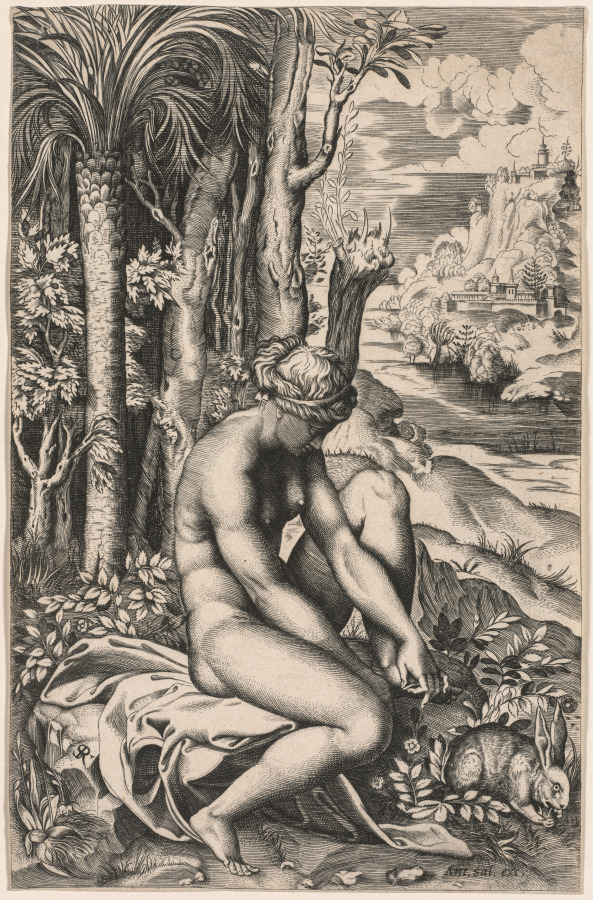
Venus Wounded by a Rose's Thorn at the Cleveland Museum of Art: c. 1516, engraving. Explore the work's context, creator attribution and collection history.

Ornamental Panel: Triton Ridden by a Child at the Cleveland Museum of Art: c. 1505–15, engraving. Explore the work's context, creator attribution and collection history.

The Triumph of Julius Caesar at the Cleveland Museum of Art: 1593–99, chiaroscuro woodcut. Explore the work's context, creator attribution and collection history.

The Triumph of Julius Caesar: Frontispiece at the Cleveland Museum of Art: 1593–99, chiaroscuro woodcut. Explore the work's context, creator attribution and collection history.
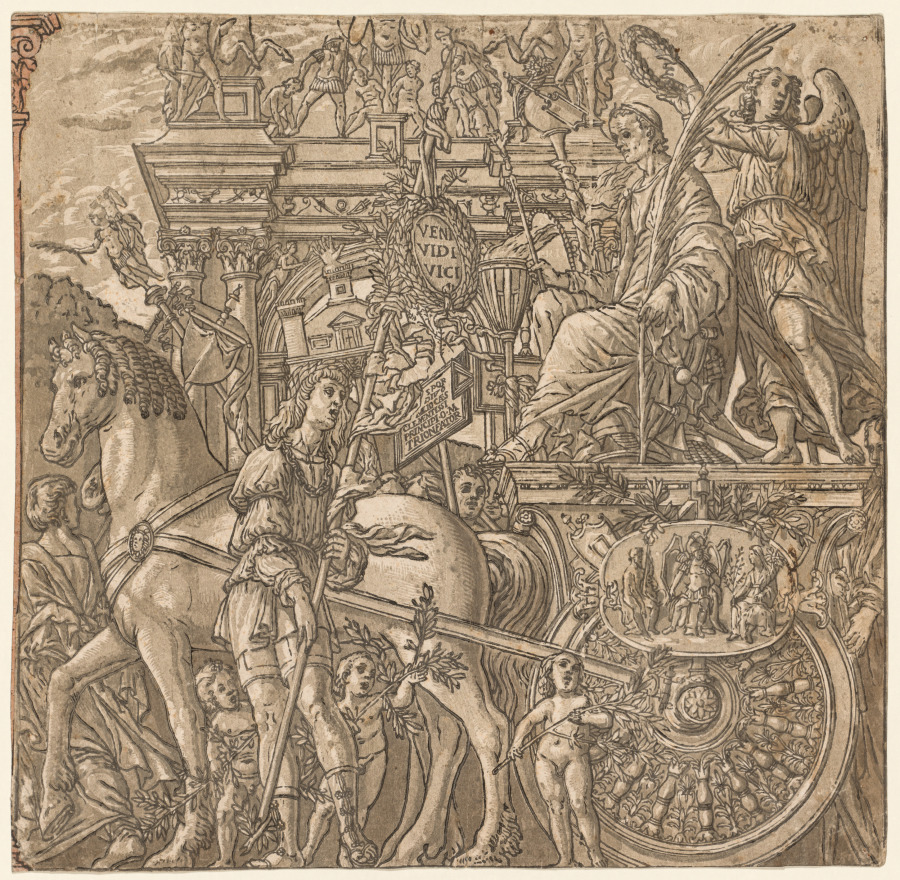
The Triumph of Julius Caesar: Caesar Triumphant at the Cleveland Museum of Art: 1593–99, chiaroscuro woodcut. Explore the work's context, creator attribution and collection history.
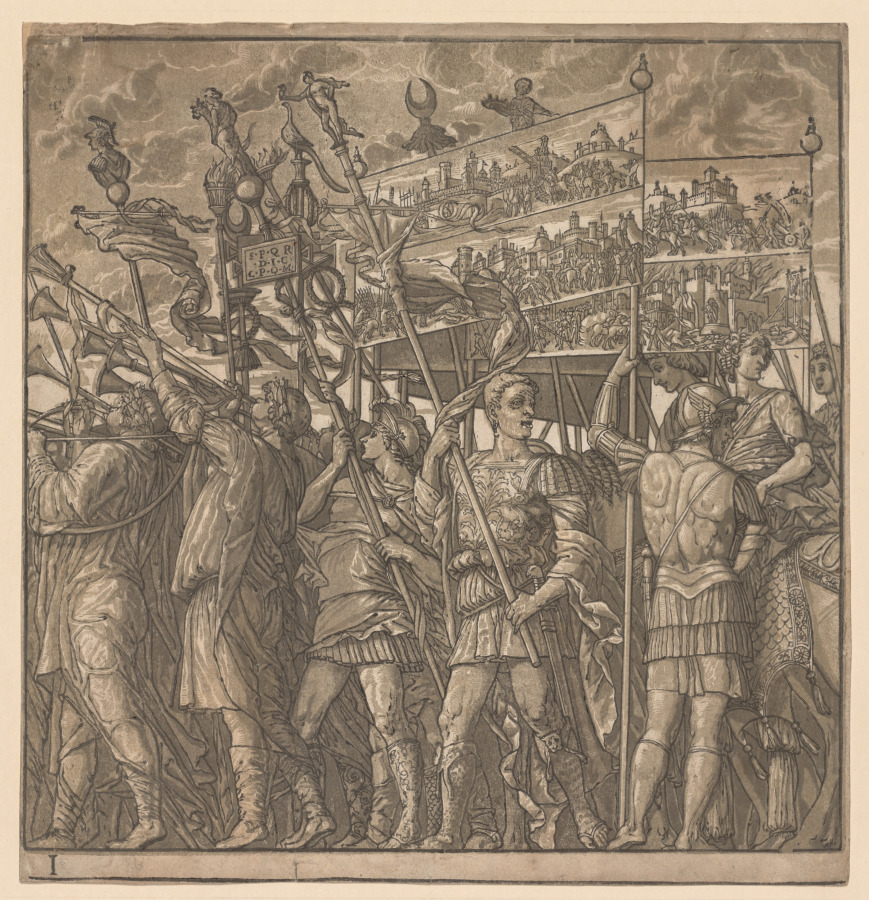
The Triumph of Julius Caesar: Soldiers Carrying the Pictures of War at the Cleveland Museum of Art: 1593–99, chiaroscuro woodcut. Explore the work's context, creator attribution and collection history.
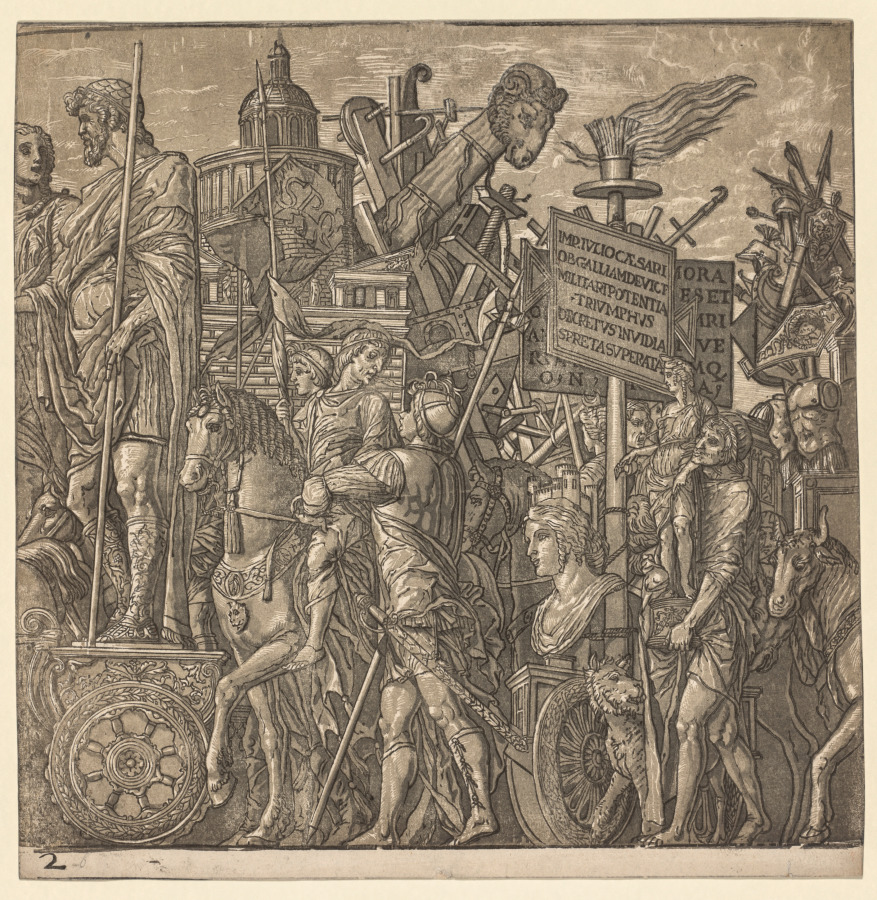
The Triumph of Julius Caesar: Colossal Statues and Siege Equipment at the Cleveland Museum of Art: 1593–99, chiaroscuro woodcut. Explore the work's context, creator attribution and collection history.

The Triumph of Julius Caesar: Soldiers Marching with Trophies of War at the Cleveland Museum of Art: 1593–99, chiaroscuro woodcut. Explore the work's context, creator attribution and collection history.
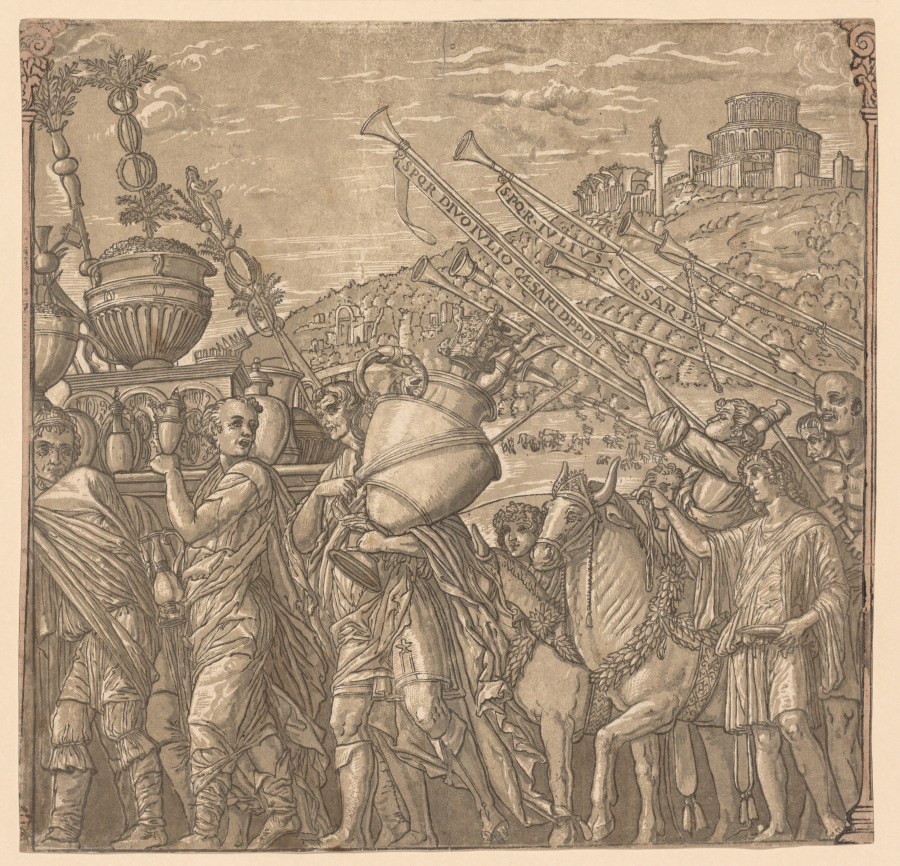
The Triumph of Julius Caesar: Soldiers Carrying Vases at the Cleveland Museum of Art: 1593–99, chiaroscuro woodcut. Explore the work's context, creator attribution and collection history.
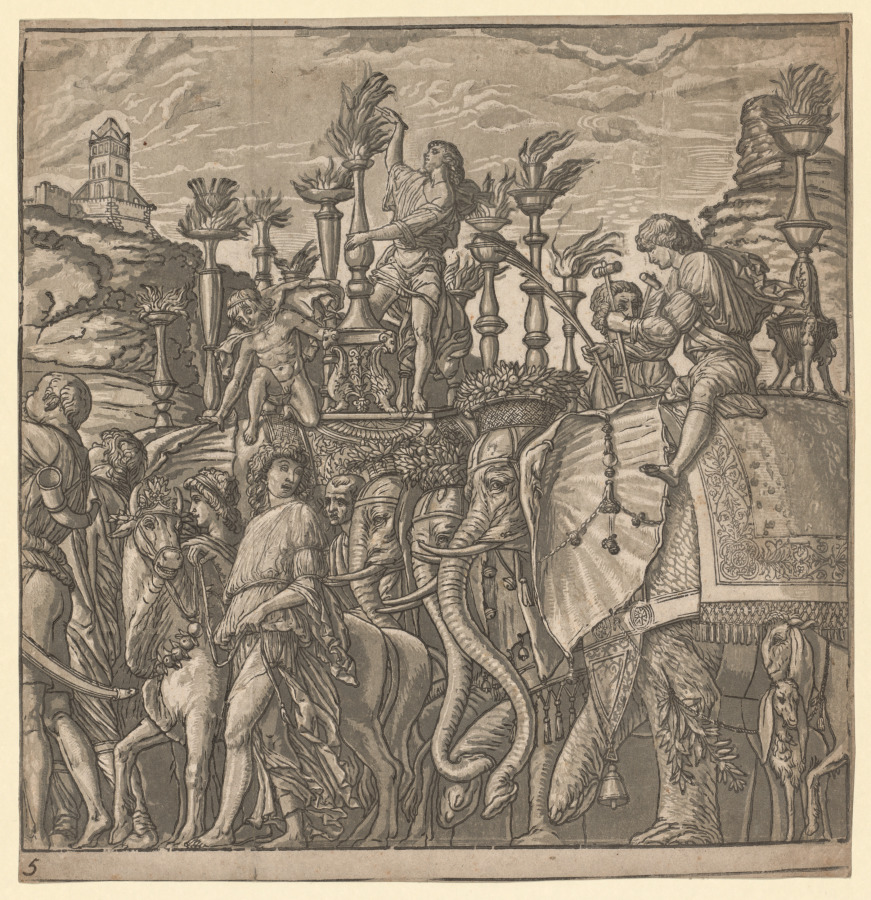
The Triumph of Julius Caesar: Elephants Carrying Torches at the Cleveland Museum of Art: 1593–99, chiaroscuro woodcut. Explore the work's context, creator attribution and collection history.

The Triumph of Julius Caesar: Soldiers Carrying Vases and Trophies of War at the Cleveland Museum of Art: 1593–99, chiaroscuro woodcut. Explore the work's context, creator attribution and collection history.
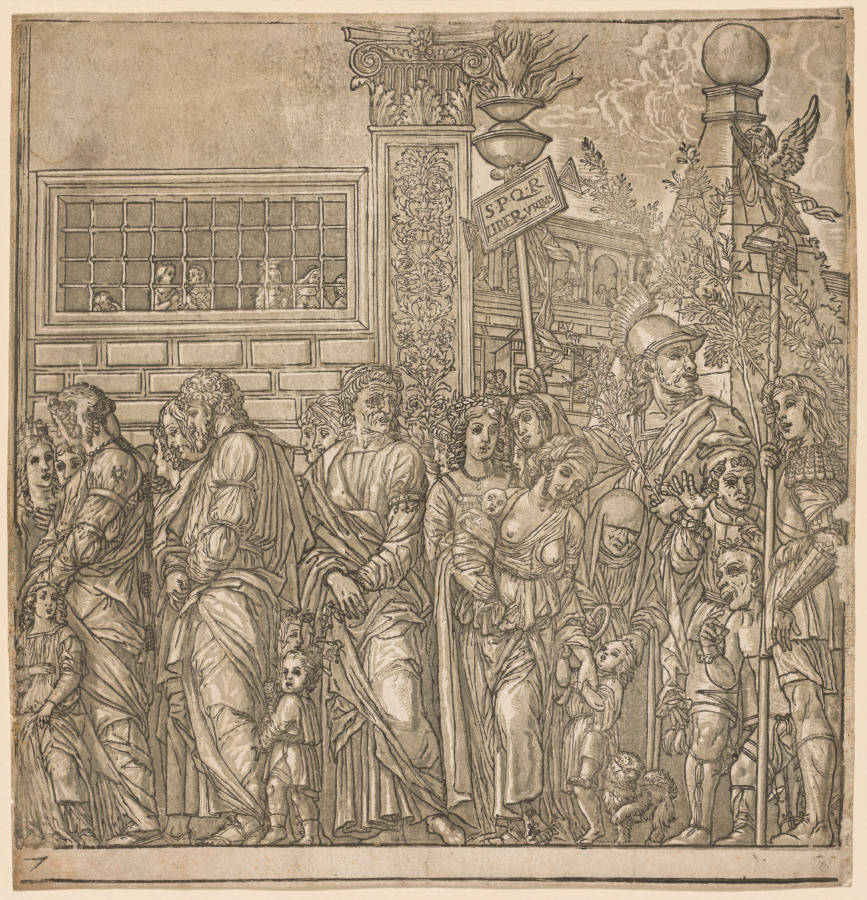
The Triumph of Julius Caesar: Procession of Men, Women and Children at the Cleveland Museum of Art: 1593–99, chiaroscuro woodcut. Explore the work's context, creator attribution and collection history.
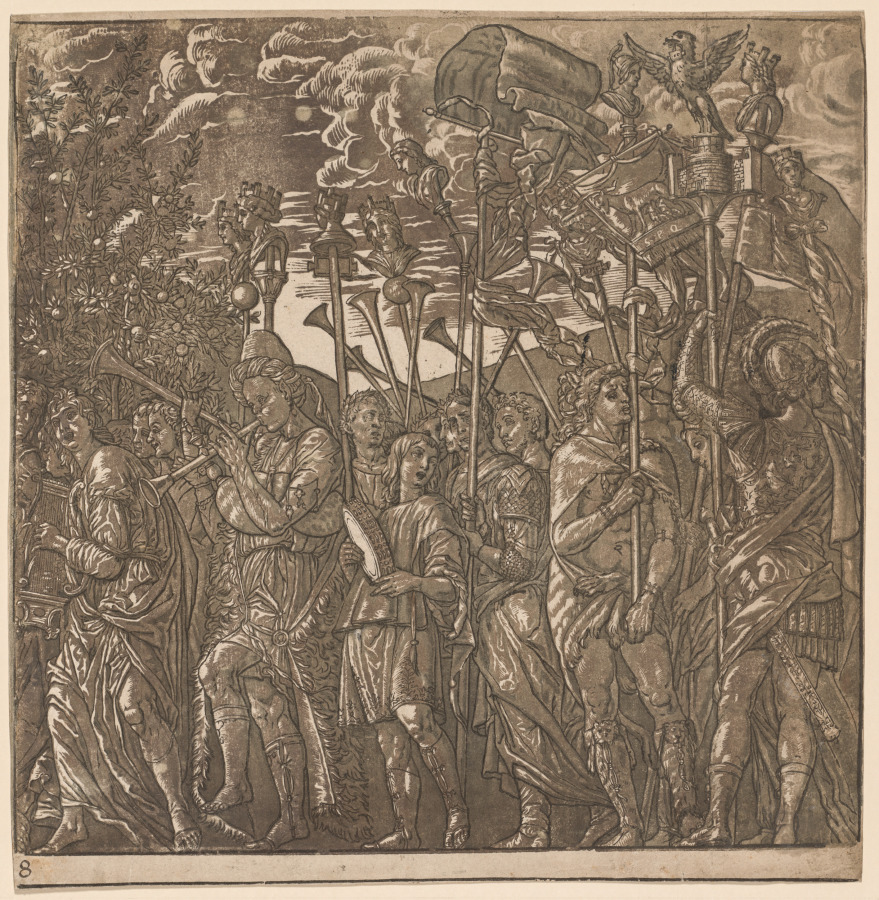
The Triumph of Julius Caesar: Soldiers Carrying Banners and Standards at the Cleveland Museum of Art: 1593–99, chiaroscuro woodcut. Explore the work's context, creator attribution and collection history.
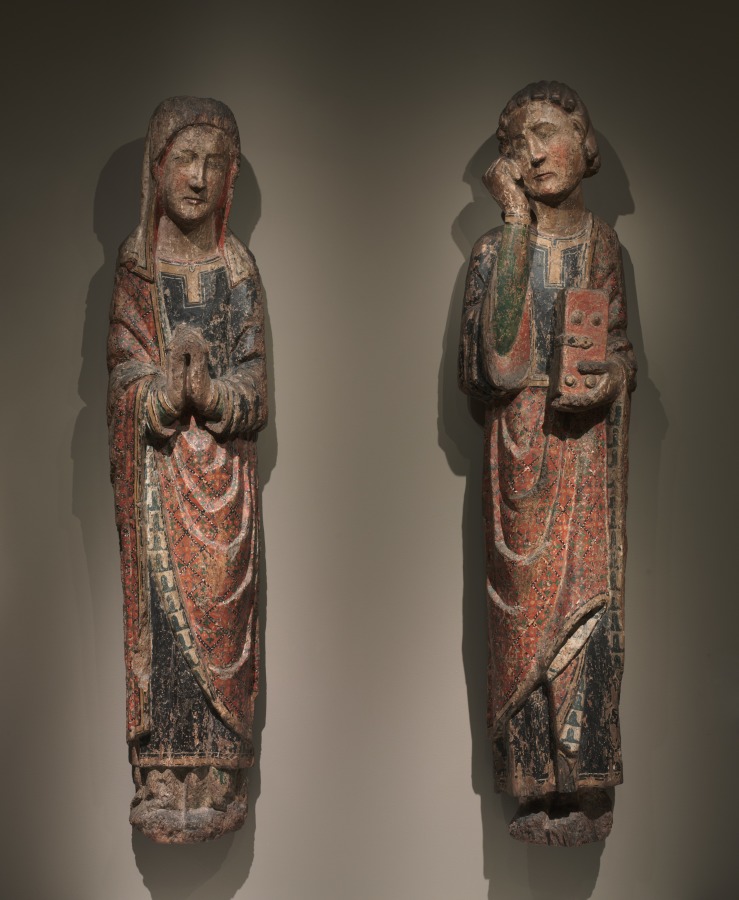
Mourning Saint John and Mourning Virgin (pair) at the Cleveland Museum of Art: c. 1250–1275, polychromed oak. Explore the work's context, creator attribution and collection history.
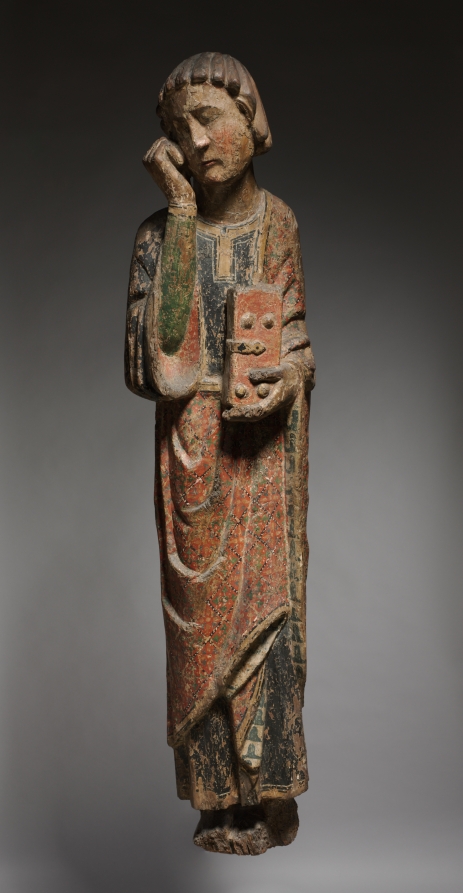
Mourning Saint John at the Cleveland Museum of Art: c. 1250–1275, polychromed oak. Explore the work's context, creator attribution and collection history.
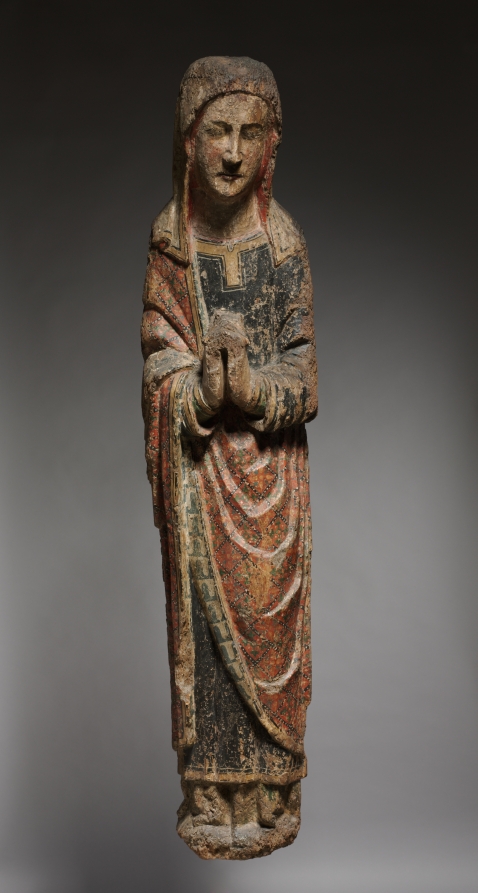
Mourning Virgin at the Cleveland Museum of Art: c. 1250–1275, polychromed oak. Explore the work's context, creator attribution and collection history.

Portrait Head Vessel at the Cleveland Museum of Art: 200–550 CE, earthenware with colored slips. Explore the work's context, creator attribution and collection history.
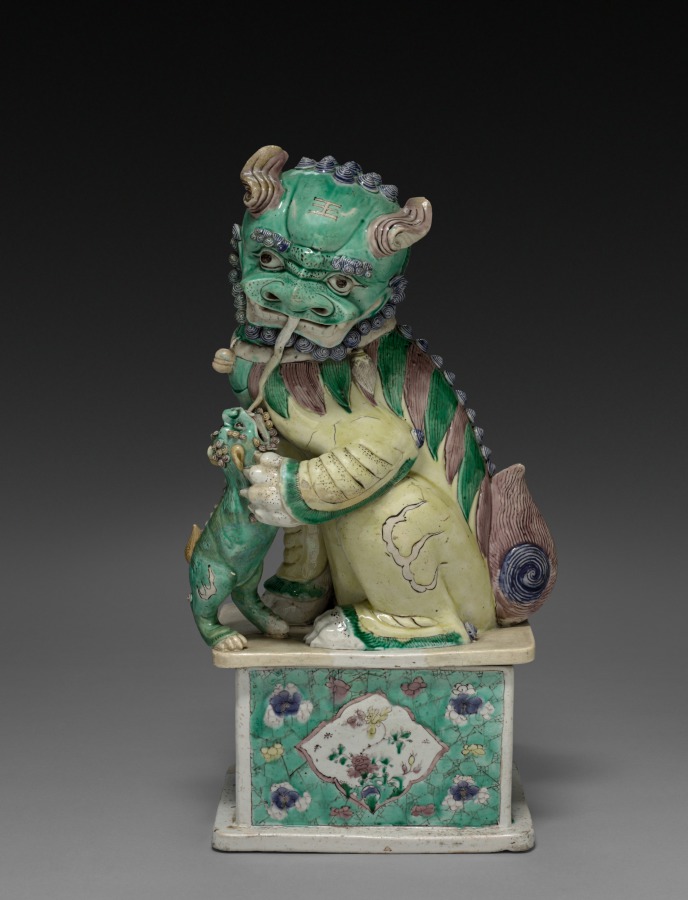
Lion at the Cleveland Museum of Art: 1662–1722, porcelain with overglaze enamel decoration. Explore the work's context, creator attribution and collection history.
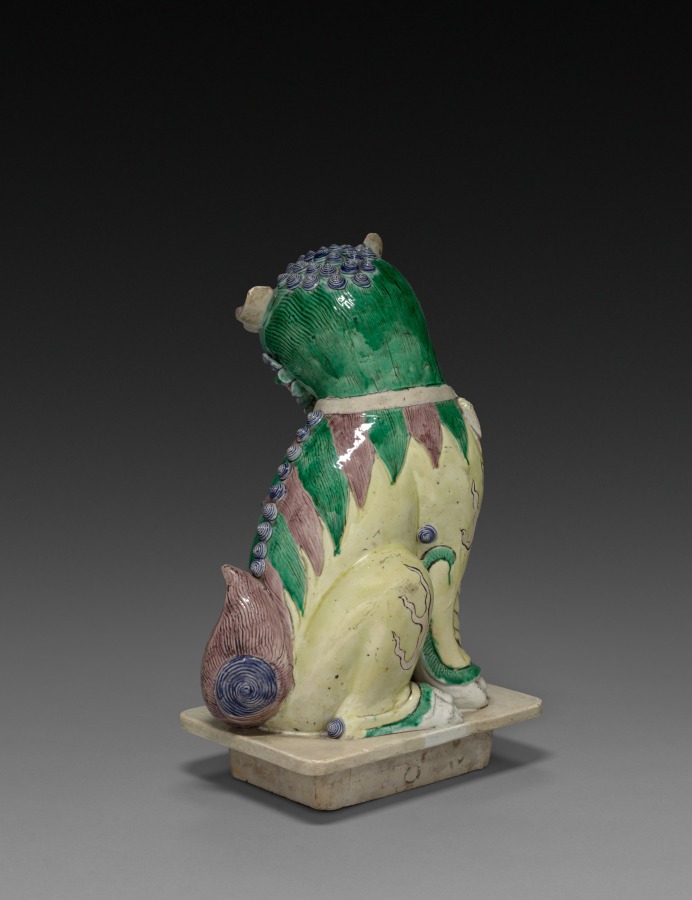
Lion at the Cleveland Museum of Art: 1662–1722, porcelain with overglaze enamel decoration. Explore the work's context, creator attribution and collection history.
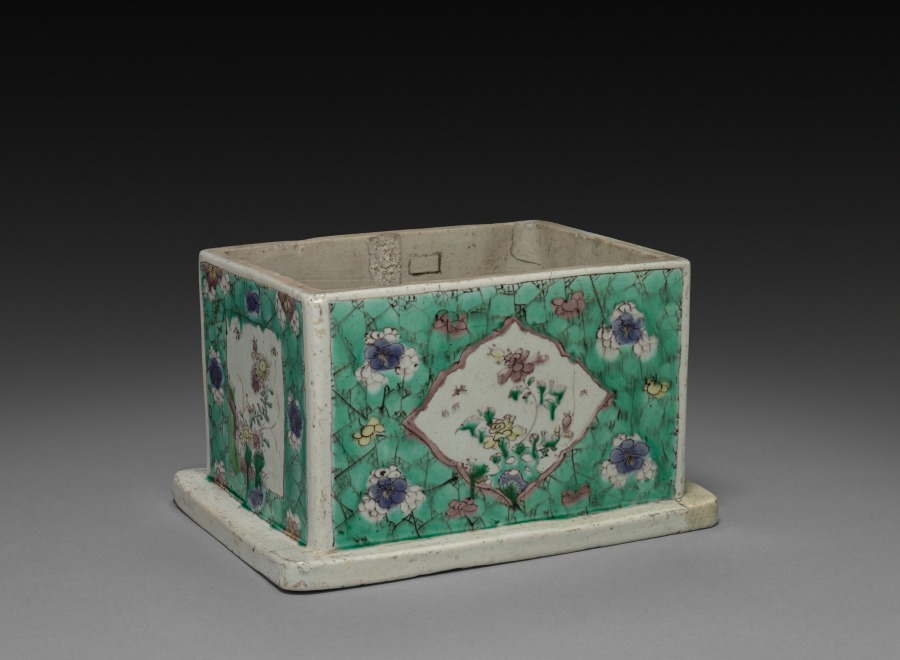
Lion (base) at the Cleveland Museum of Art: 1662–1722, porcelain with overglaze enamel decoration. Explore the work's context, creator attribution and collection history.
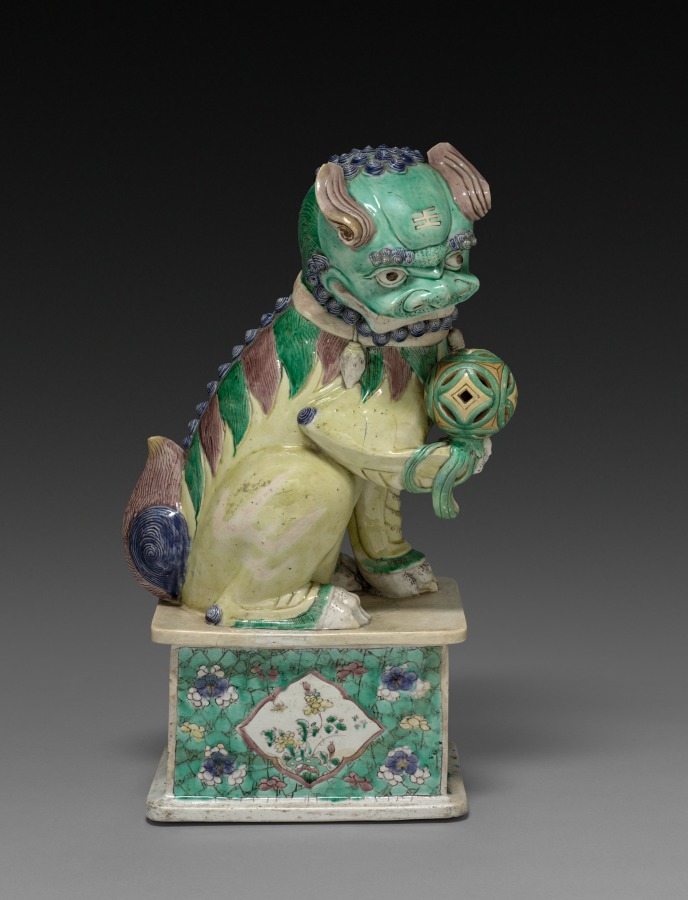
Lion at the Cleveland Museum of Art: 1662–1722, porcelain with overglaze enamel decoration. Explore the work's context, creator attribution and collection history.
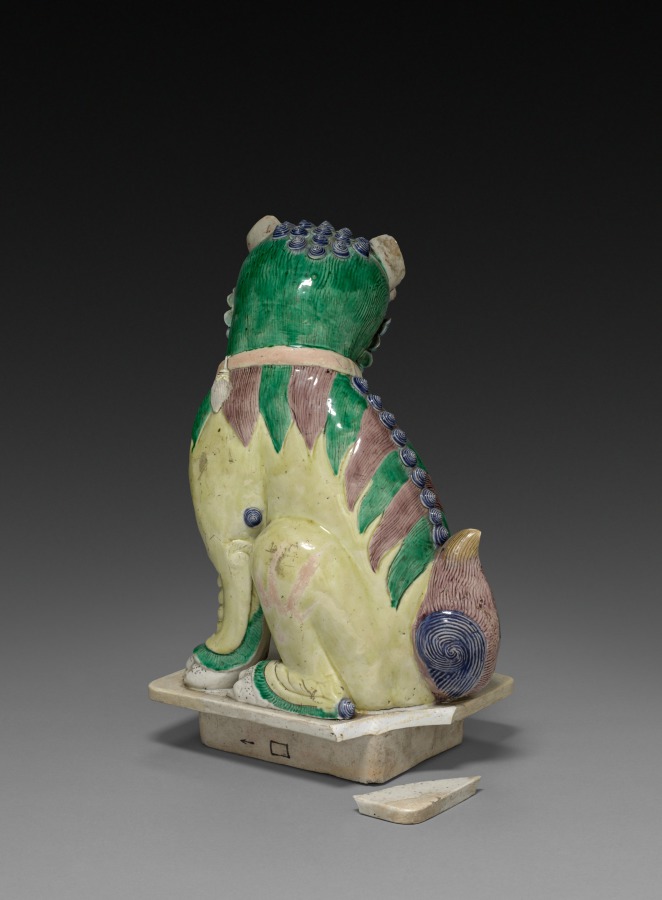
Lion at the Cleveland Museum of Art: 1662–1722, porcelain with overglaze enamel decoration. Explore the work's context, creator attribution and collection history.
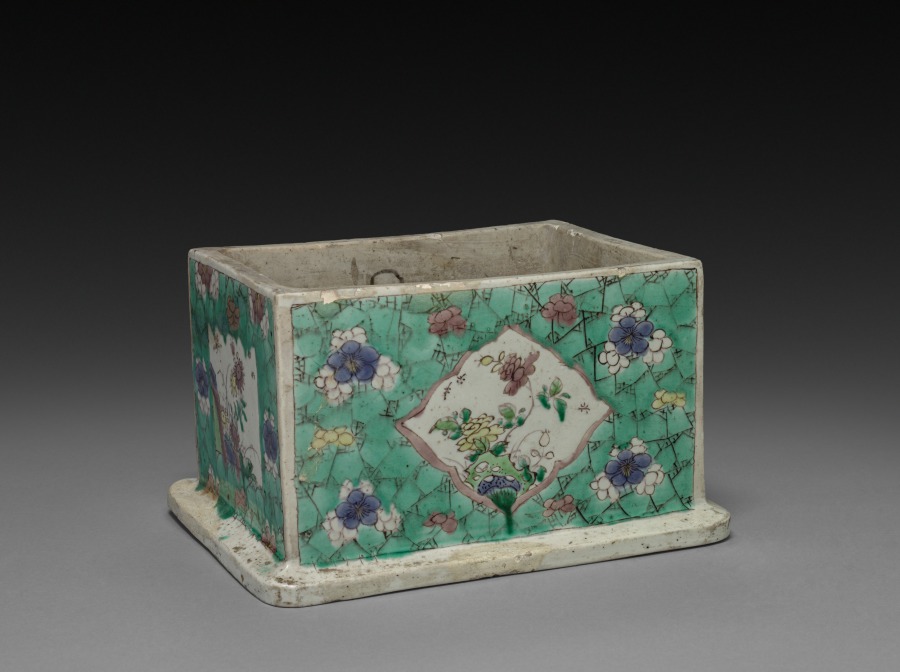
Lion (base) at the Cleveland Museum of Art: 1662–1722, porcelain with overglaze enamel decoration. Explore the work's context, creator attribution and collection history.

Lace Cloth at the Cleveland Museum of Art: 1560–1600, Linen; needle lace (cutwork and reticella). Explore the work's context, creator attribution and collection history.

Antiphonary at the Cleveland Museum of Art: c. 1470–80, ink, tempera, and gold on parchment. Explore the work's context, creator attribution and collection history.

Antiphonary: Initial, angel at the Cleveland Museum of Art: c. 1470–80, ink, tempera, and gold on parchment. Explore the work's context, creator attribution and collection history.
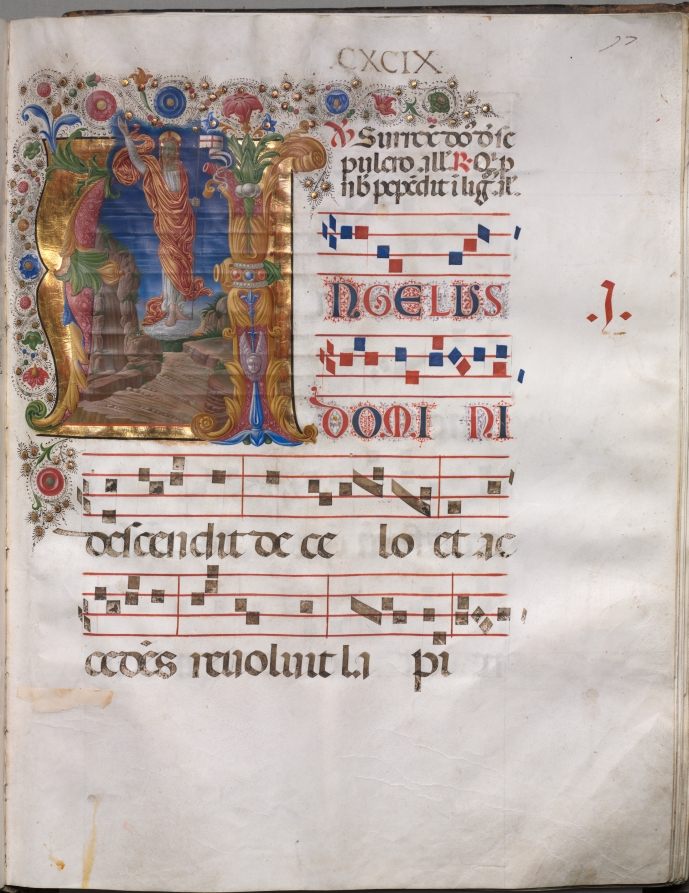
Antiphonary: Initial A, Resurrection at the Cleveland Museum of Art: c. 1470–80, ink, tempera, and gold on parchment. Explore the work's context, creator attribution and collection history.
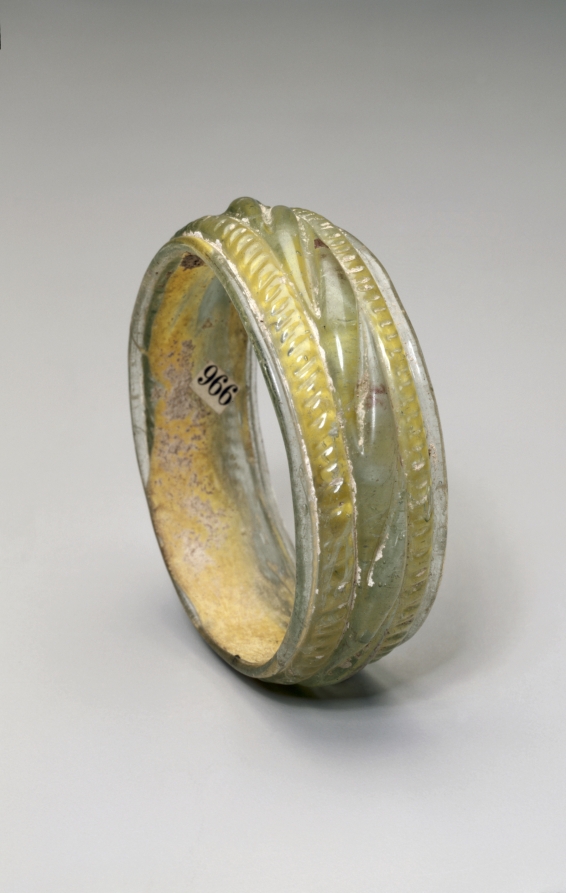
Arm Ring at the Cleveland Museum of Art: c. 230–110 BCE, glass. Explore the work's context, creator attribution and collection history.
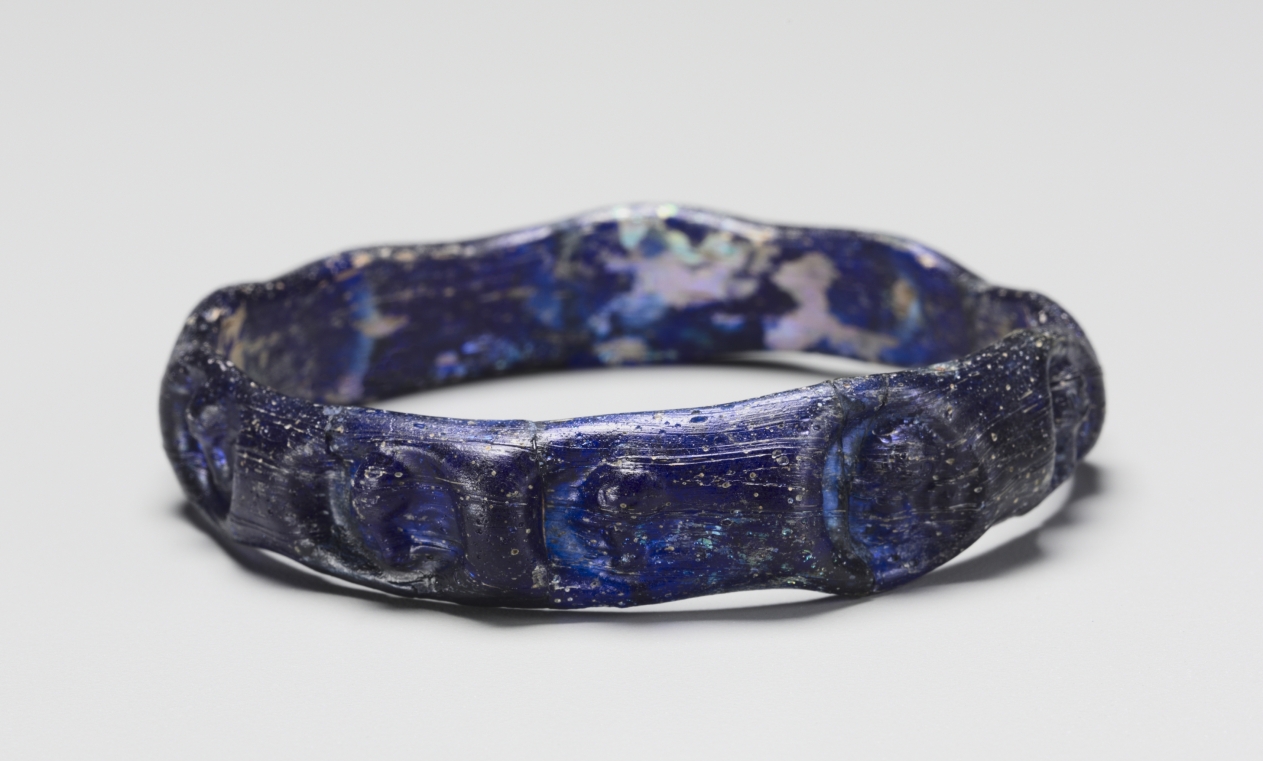
Bracelet at the Cleveland Museum of Art: 350–500 CE, glass. Explore the work's context, creator attribution and collection history.
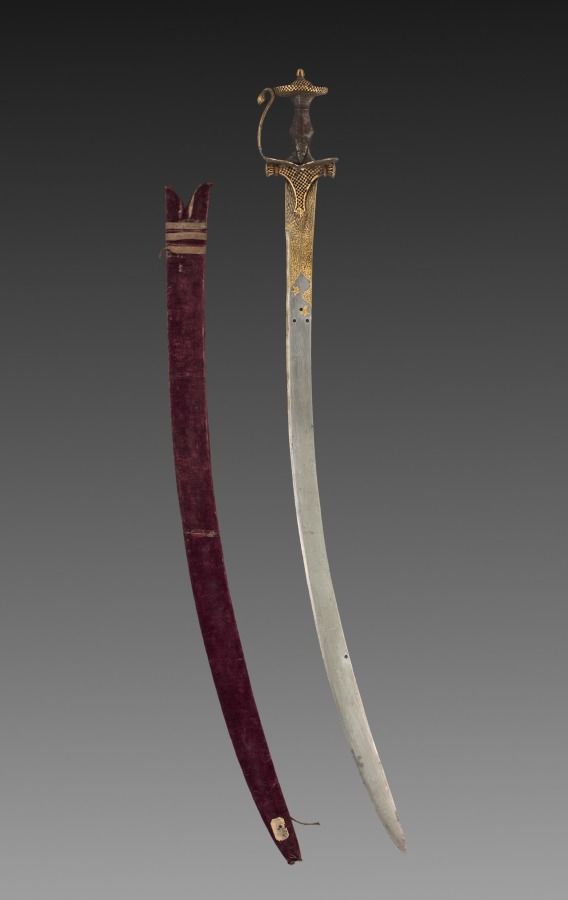
Tulwar sword at the Cleveland Museum of Art: 1700s, Iron hilt with gold; steel blade with gold; wood scabbard with velvet and metallic thread. Explore the work's context, creator attribution and collection history.
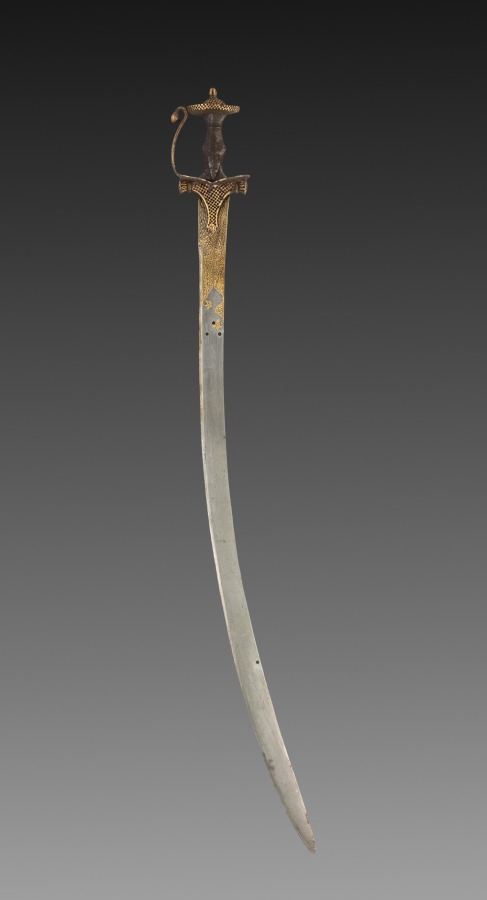
Tulwar Sword at the Cleveland Museum of Art: 1700s, Iron hilt with gold; steel blade with gold. Explore the work's context, creator attribution and collection history.
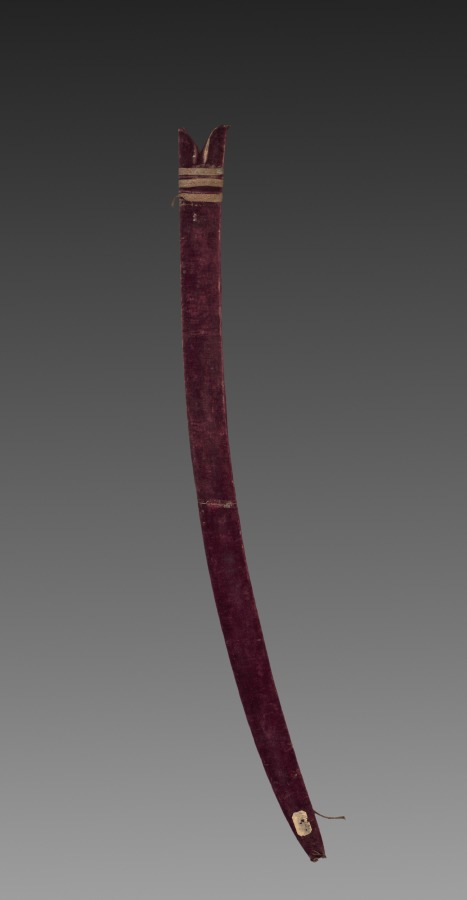
Tulwar Sword (case) at the Cleveland Museum of Art: 1700s, wood scabbard with velvet and metallic thread. Explore the work's context, creator attribution and collection history.

Silapa Sword at the Cleveland Museum of Art: 1700s–1800s, gold with inlay and leather. Explore the work's context, creator attribution and collection history.
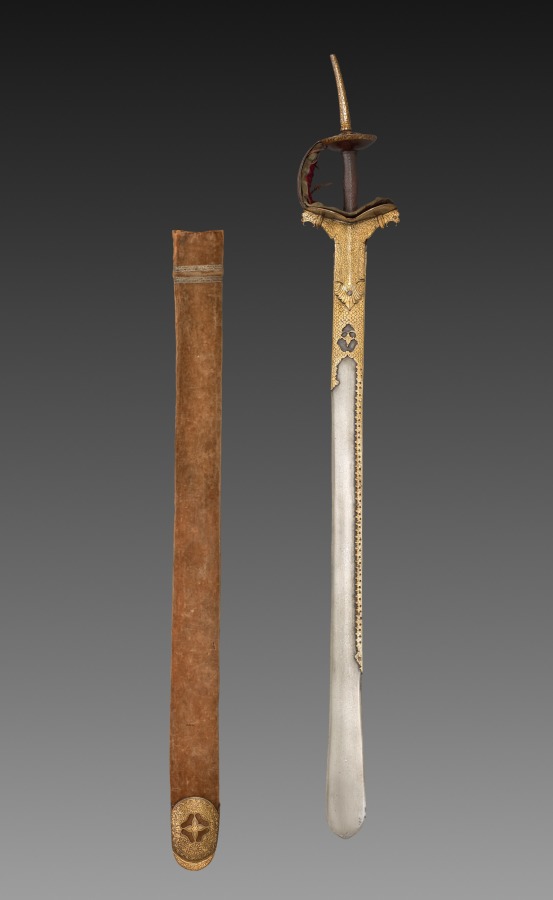
Sword with scabbard at the Cleveland Museum of Art: 1700s–1800s, Watered steel blade with iron hilt inlaid with gold; velvet lining with leather straps; wooden scabbard with velvet case and metallic threads. Explore the work's context, crea
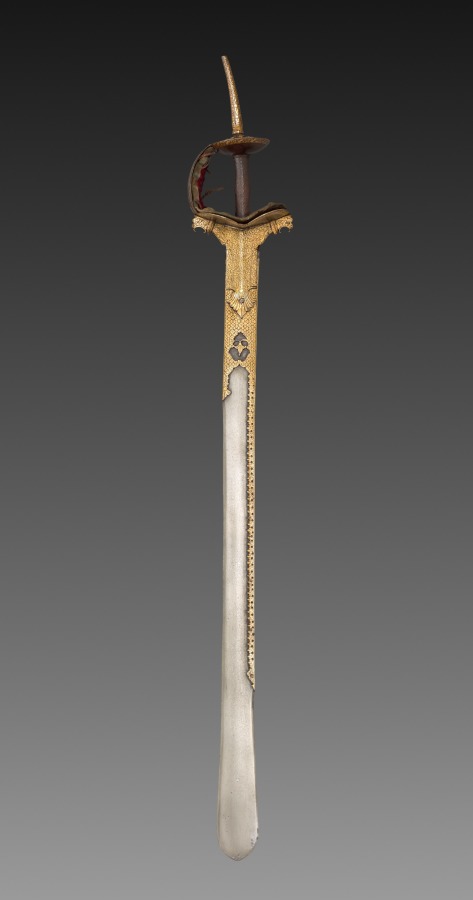
Sword at the Cleveland Museum of Art: 1700s–1800s, Watered steel blade with iron hilt inlaid with gold. Explore the work's context, creator attribution and collection history.
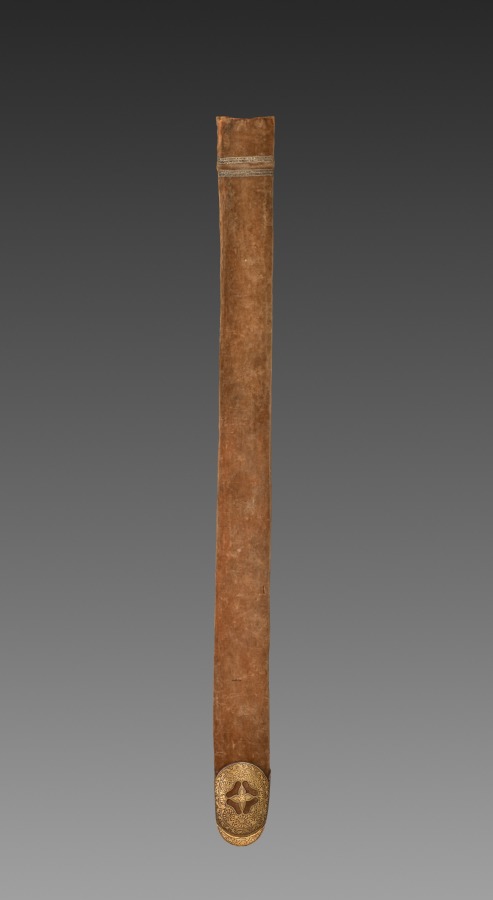
Scabbard at the Cleveland Museum of Art: 1700s–1800s, velvet lining with leather straps; wooden scabbard with velvet case and metallic threads. Explore the work's context, creator attribution and collection history.
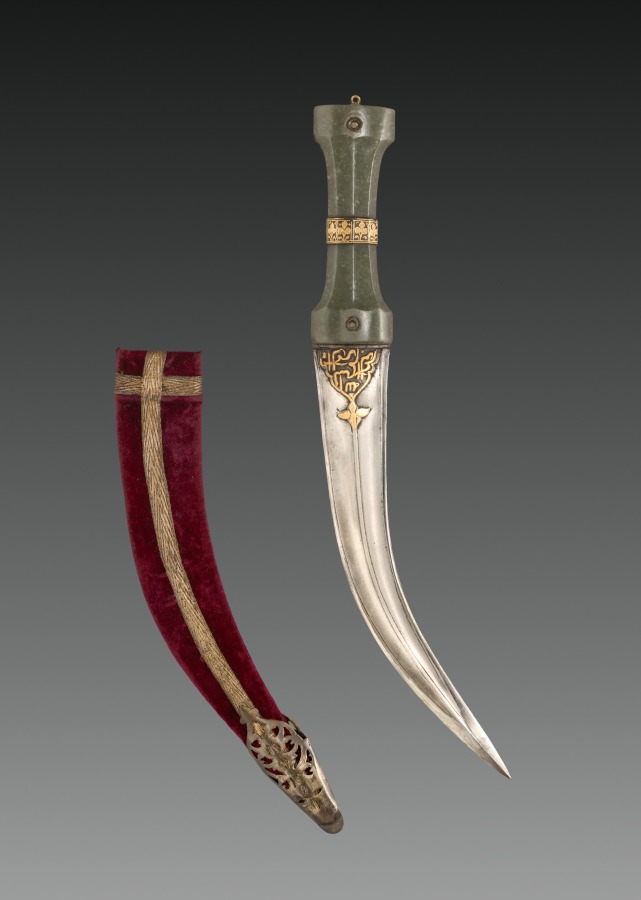
Khanjar dagger at the Cleveland Museum of Art: c. 1600s, Jade hilt with iron and gold; steel blade with iron and gold; wood sheath covered in velvet with metallic thread. Explore the work's context, creator attribution and collection histor
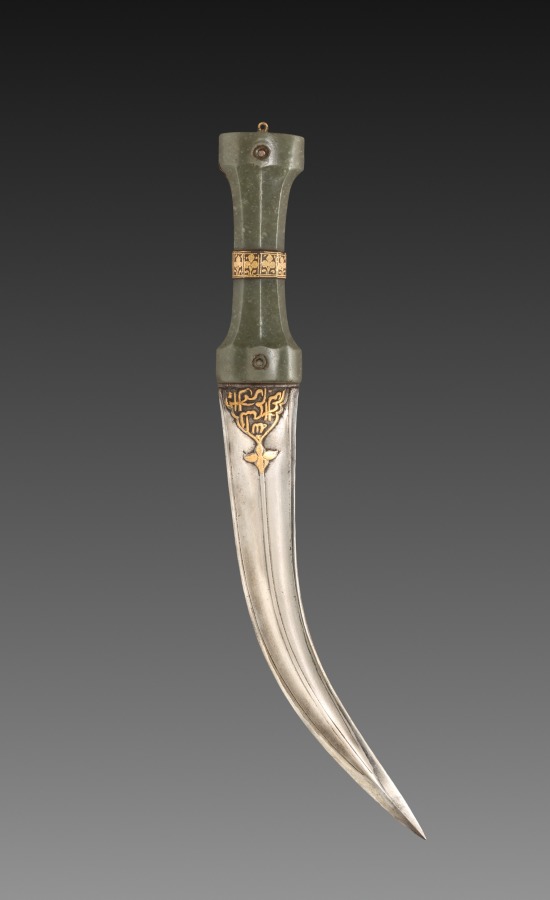
Dagger at the Cleveland Museum of Art: 1700s–1800s, Jade hilt with iron and gold; steel blade with iron and gold. Explore the work's context, creator attribution and collection history.