Net Worth →

Art & Design archive — Page 72

Oldest entries first, in a fixed order. Newly added articles appear at the end. Explore a shuffled selection →

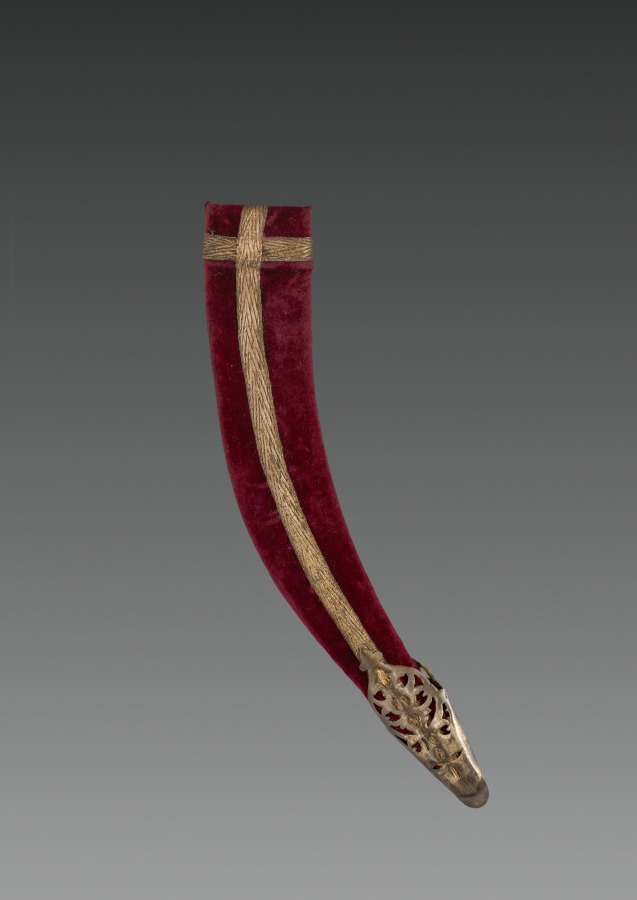
Dagger (red velvet case) (1700s–1800s; Cleveland 1930.708.b)

Dagger (red velvet case) (1700s–1800s): Art, History and Details

Dagger (red velvet case) at the Cleveland Museum of Art: 1700s–1800s, Wood sheath covered in velvet with metallic thread. Explore the work's context, creator attribution and collection history.
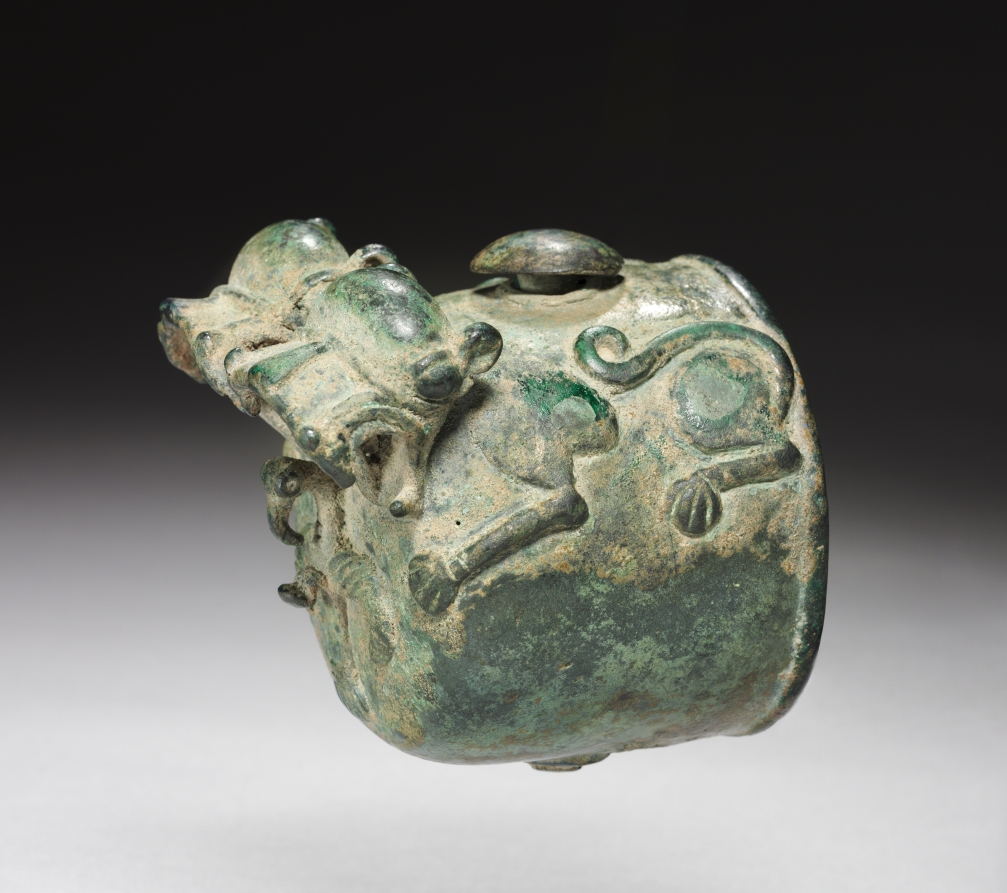
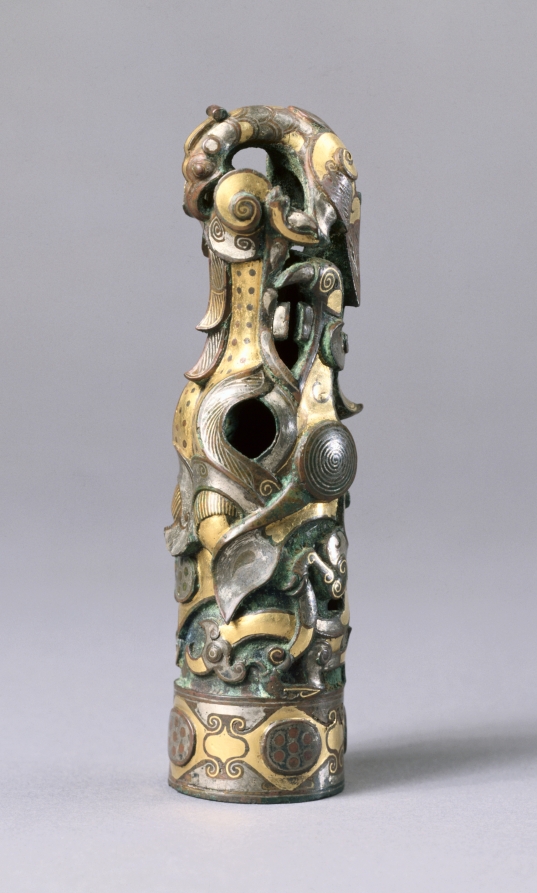
Axel Shaft Cup (c. 800–700 BCE; Cleveland 1930.729)

Axel Shaft Cup (c. 800–700 BCE): Art, History and Details

Axel Shaft Cup at the Cleveland Museum of Art: c. 800–700 BCE, bronze, cast. Explore the work's context, creator attribution and collection history.
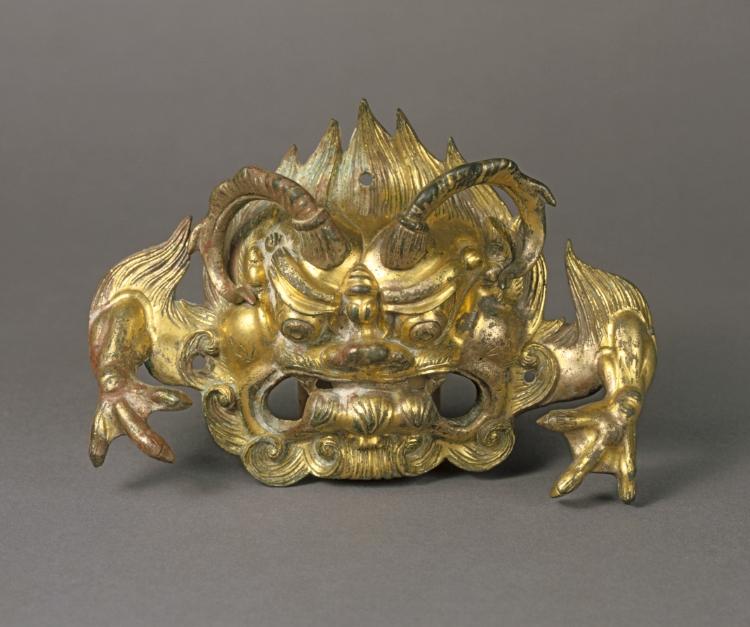
Finial (475–221 BCE; Cleveland 1930.730)

Finial (475–221 BCE): Art, History and Details

Finial at the Cleveland Museum of Art: 475–221 BCE, bronze inlaid with gold and silver. Explore the work's context, creator attribution and collection history.
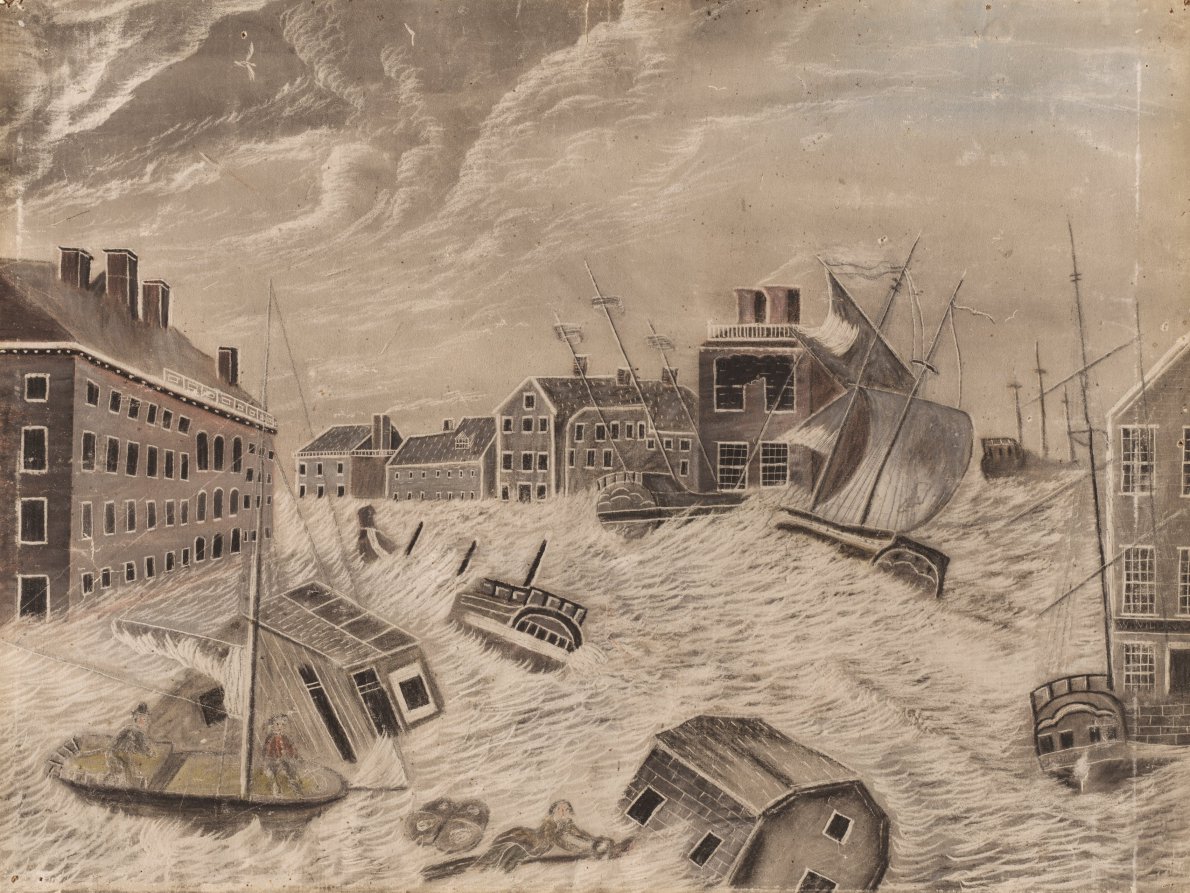
Monster Face: Door Ring Holder (Pushou) (500s; Cleveland 1930.731)

Monster Face: Door Ring Holder (Pushou) (500s): Art, History and Details

Monster Face: Door Ring Holder (Pushou) at the Cleveland Museum of Art: 500s, gilt bronze. Explore the work's context, creator attribution and collection history.
Market Square, Providence, Rhode Island, During the Great September Gale (1815; Cleveland 1930.733)

Market Square, Providence, Rhode Island, During the Great September Gale (1815): Art, History and Details

Market Square, Providence, Rhode Island, During the Great September Gale at the Cleveland Museum of Art: 1815, black crayon and pastel, with graphite and stylus; scraped and incised in places. Explore the work's context, creator attribution

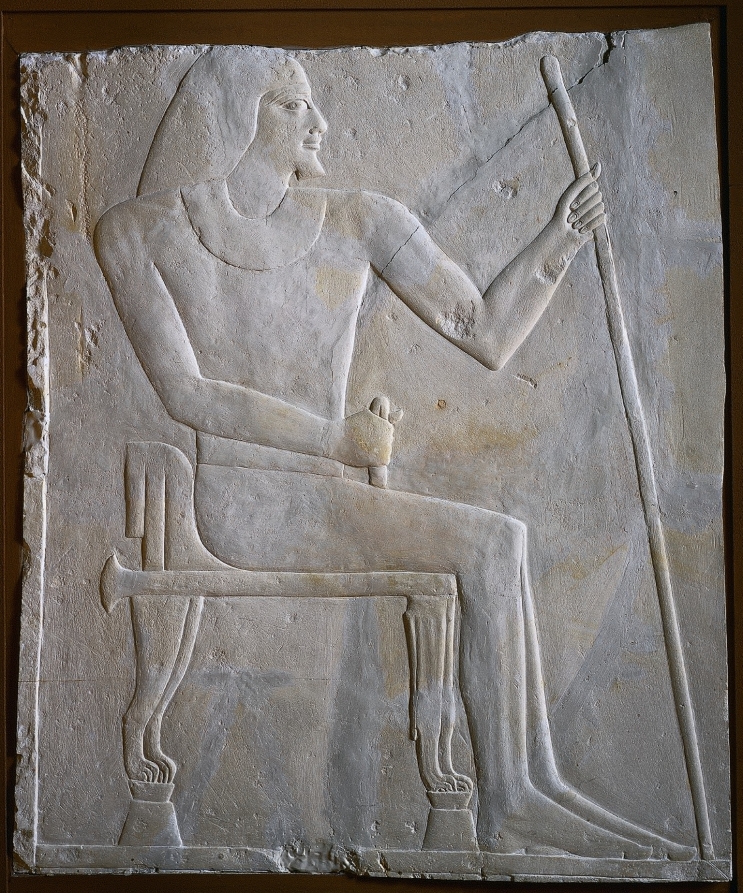
Relief of Nyankhnesut Seated (c. 2311–2281 BCE; Cleveland 1930.735)

Relief of Nyankhnesut Seated (c. 2311–2281 BCE): Art, History and Details

Relief of Nyankhnesut Seated at the Cleveland Museum of Art: c. 2311–2281 BCE, painted limestone. Explore the work's context, creator attribution and collection history.
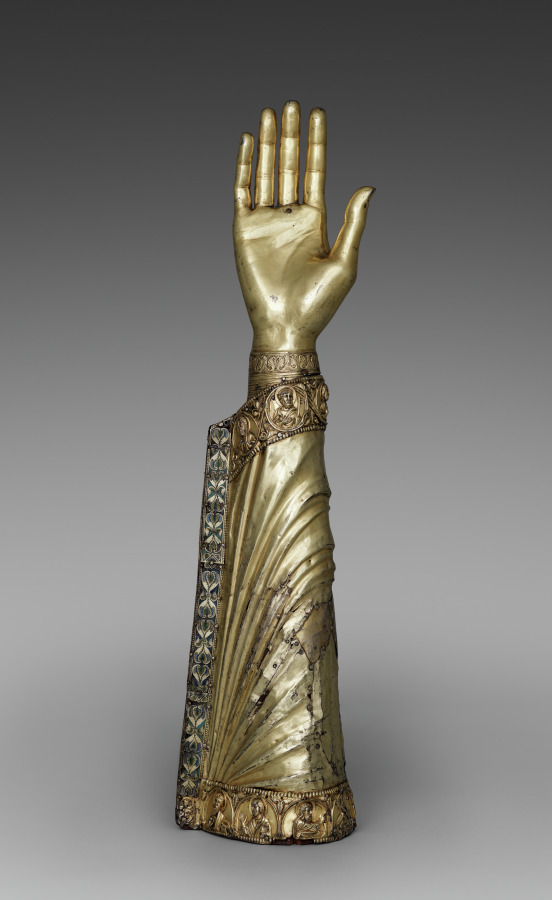
Arm Reliquary of the Apostles (c. 1190; Cleveland 1930.739)

Arm Reliquary of the Apostles (c. 1190): Art, History and Details

Arm Reliquary of the Apostles at the Cleveland Museum of Art: c. 1190, gilt silver, champlevé enamel, oak. Explore the work's context, creator attribution and collection history.

The So-called Horn of Saint Blaise (1100–1200; Cleveland 1930.740)

The So-called Horn of Saint Blaise (1100–1200): Art, History and Details

The So-called Horn of Saint Blaise at the Cleveland Museum of Art: 1100–1200, ivory. Explore the work's context, creator attribution and collection history.
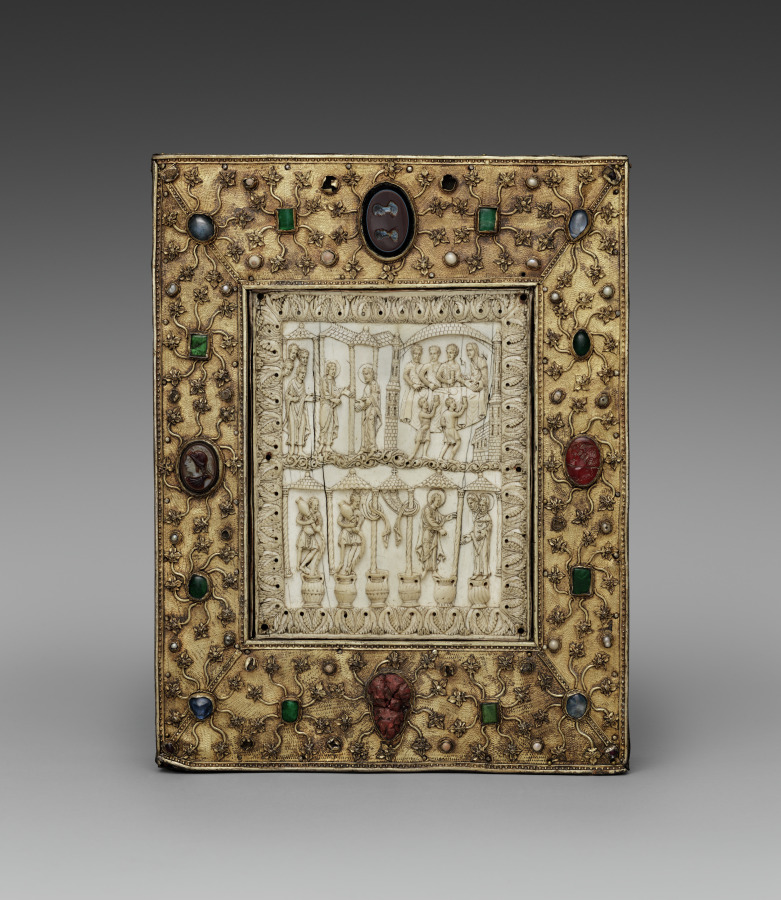
Book-Shaped Reliquary (c. 1000; Cleveland 1930.741)

Book-Shaped Reliquary (c. 1000): Art, History and Details

Book-Shaped Reliquary at the Cleveland Museum of Art: c. 1000, ivory, silver: gilded, pearls, rubies, emeralds, crystals, onyx, carnelian, oak. Explore the work's context, creator attribution and collection history.
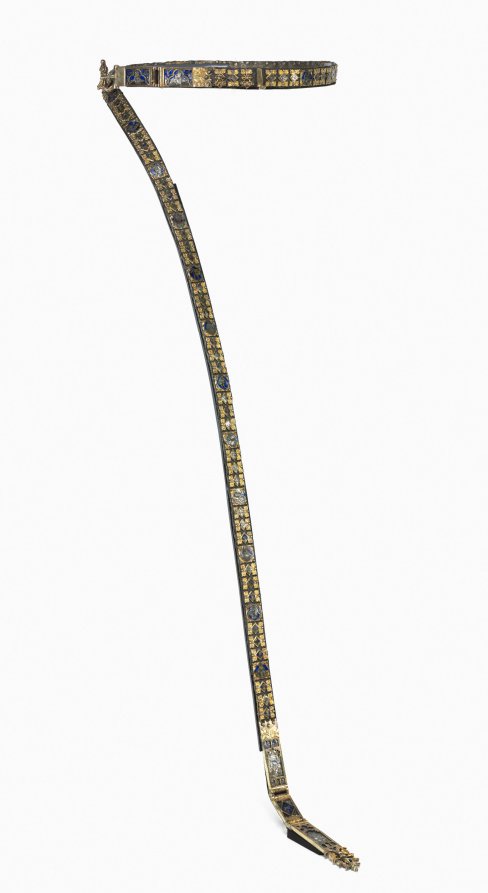
Belt for a Lady's Dress (c. 1375–1400; Cleveland 1930.742)

Belt for a Lady's Dress (c. 1375–1400): Art, History and Details

Belt for a Lady's Dress at the Cleveland Museum of Art: c. 1375–1400, basse-taille enamel and gilding on silver, silver thread, gilt-silver buckle, cast and chased. Explore the work's context, creator attribution and collection history.
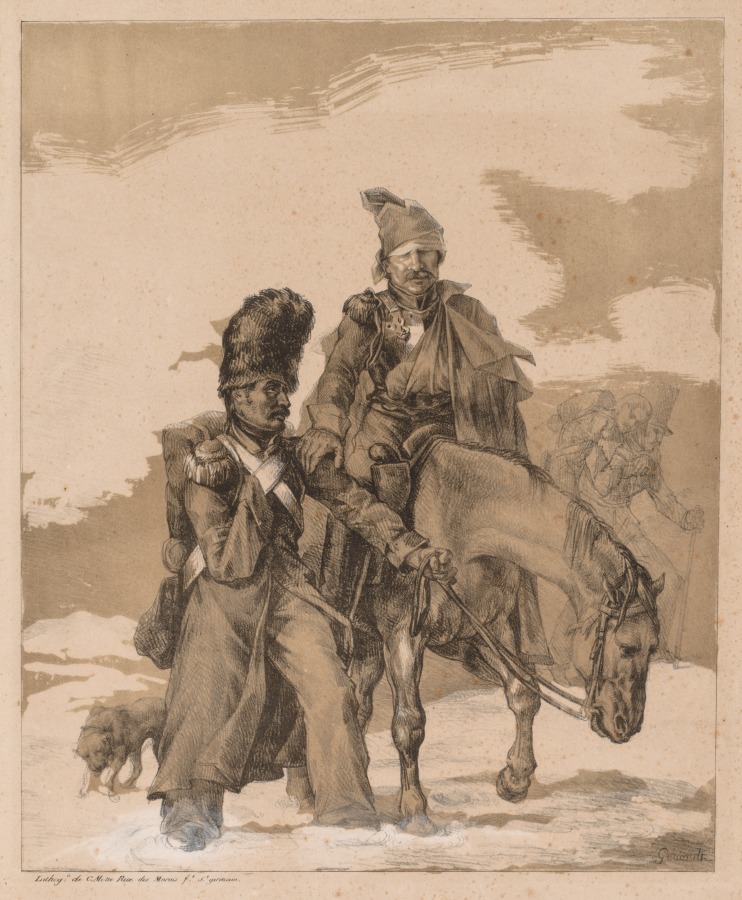
Return from Russia (c. 1818; Cleveland 1931.48)

Return from Russia (c. 1818): Art, History and Details

Return from Russia at the Cleveland Museum of Art: c. 1818, lithograph printed in black and ochre with watercolor added by hand. Explore the work's context, creator attribution and collection history.

Beatrice (1897; Cleveland 1931.50)

Beatrice (1897): Art, History and Details

Beatrice at the Cleveland Museum of Art: 1897, color lithograph on China paper laid on wove paper. Explore the work's context, creator attribution and collection history.
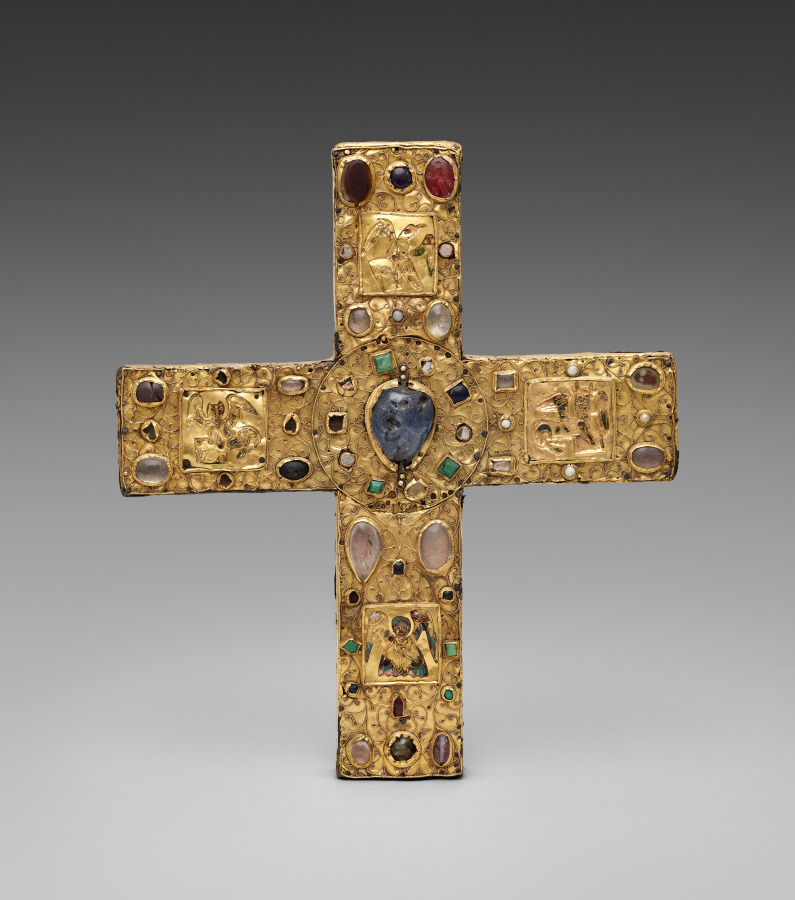
Ceremonial Cross of Countess Gertrude (1038 or shortly after; Cleveland 1931.55)

Ceremonial Cross of Countess Gertrude (1038 or shortly after): Art, History and Details

Ceremonial Cross of Countess Gertrude at the Cleveland Museum of Art: 1038 or shortly after, gold: worked in repoussé; cloisonné enamel, intaglio gems, pearls, wood core. Explore the work's context, creator attribution and collection histor

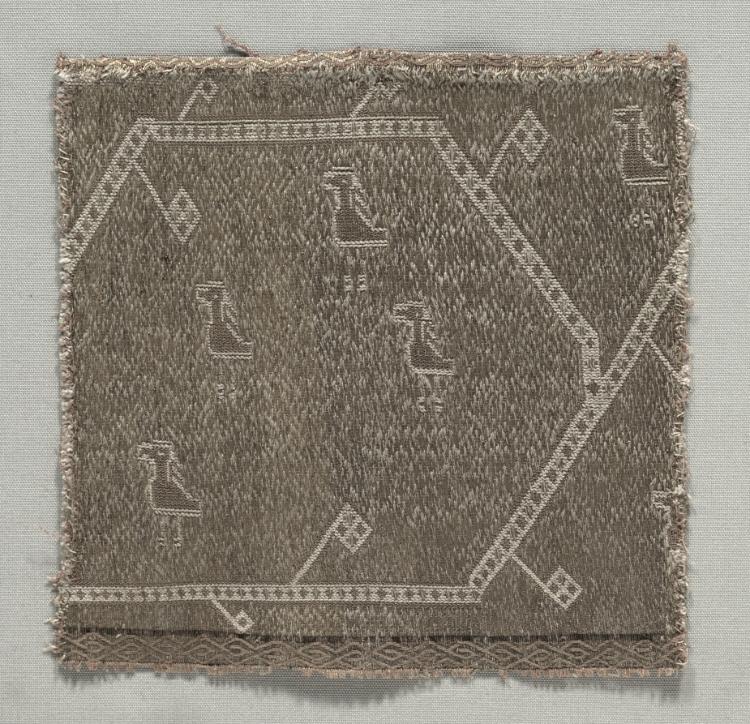
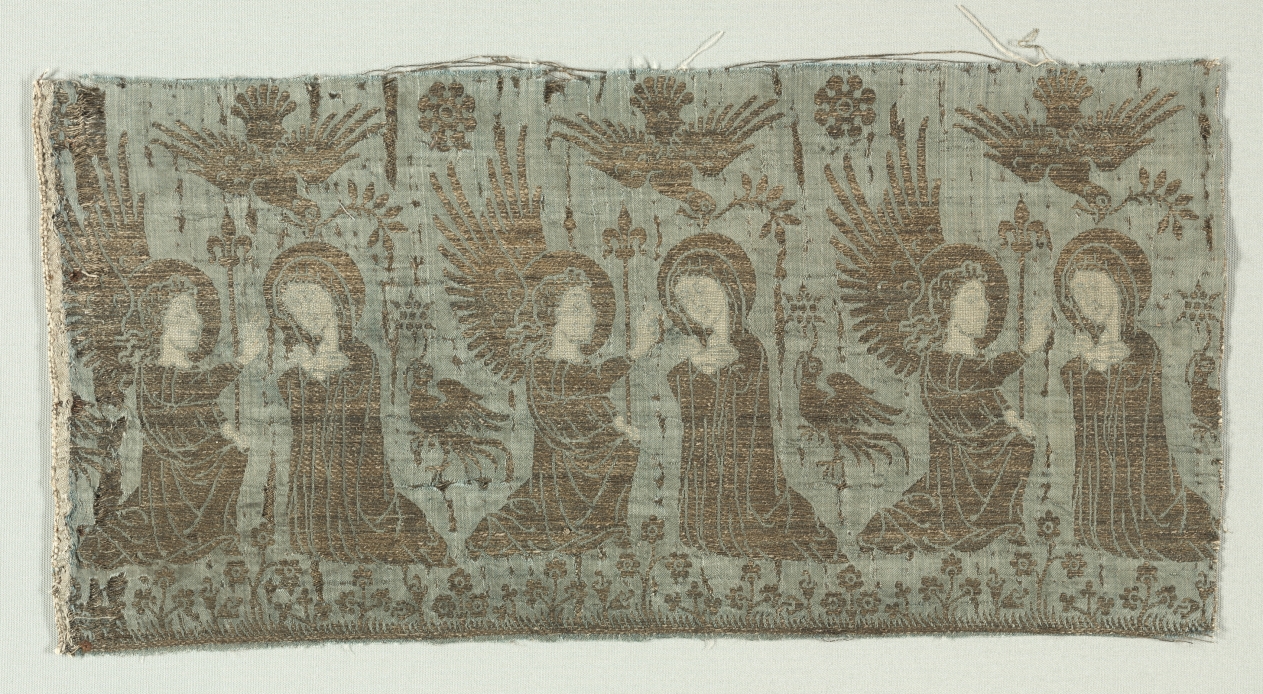
Textile Fragment with the Annunciation (1370–1400; Cleveland 1931.61)

Textile Fragment with the Annunciation (1370–1400): Art, History and Details

Textile Fragment with the Annunciation at the Cleveland Museum of Art: 1370–1400, Silk with gold thread; lampas weave. Explore the work's context, creator attribution and collection history.
White Flower (1929; Cleveland 1930.2162)

White Flower (1929): Art, History and Details

White Flower at the Cleveland Museum of Art: 1929, oil on canvas. Explore the work's context, creator attribution and collection history.

The Sun Through the Trees (June 30, 1917; Cleveland 1930.849)

The Sun Through the Trees (June 30, 1917): Art, History and Details

The Sun Through the Trees at the Cleveland Museum of Art: June 30, 1917, Watercolor and opaque watercolor. Explore the work's context, creator attribution and collection history.

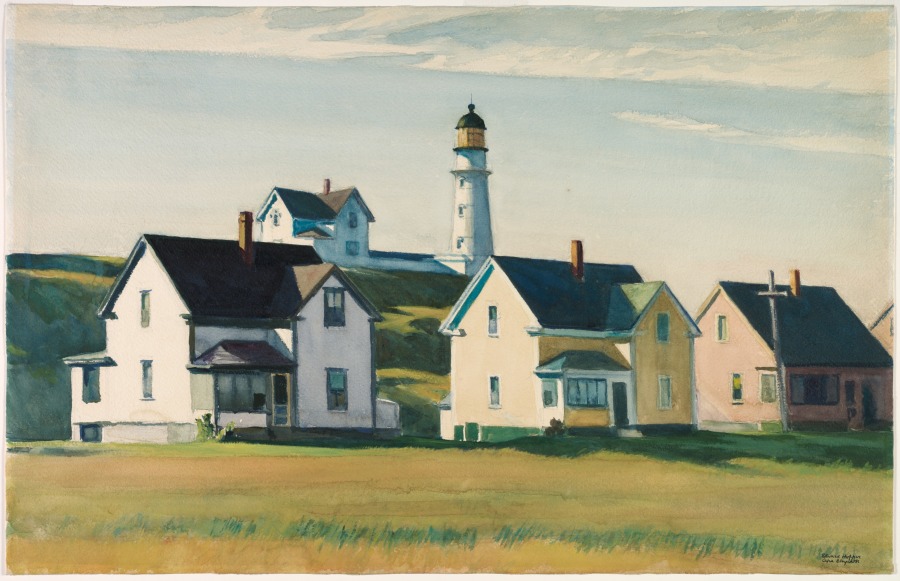
Lighthouse Village (also known as Cape Elizabeth) (1929; Cleveland 1930.851)

Lighthouse Village (also known as Cape Elizabeth) (1929): Art, History and Details

Lighthouse Village (also known as Cape Elizabeth) at the Cleveland Museum of Art: 1929, Watercolor with graphite and scraping on paper. Explore the work's context, creator attribution and collection history.
Lace Towel End (c. 1700s–1800s; Cleveland 1931.104)

Lace Towel End (c. 1700s–1800s): Art, History and Details

Lace Towel End at the Cleveland Museum of Art: c. 1700s–1800s, cotton or linen (est.) straight (continuous) bobbin lace (Vologda tape lace). The tape forms figural or plant motifs outlined with gimp (heavy cord) with a monochrome plaited gr

Lace Towel End (1700s–1800s; Cleveland 1931.106)

Lace Towel End (1700s–1800s): Art, History and Details

Lace Towel End at the Cleveland Museum of Art: 1700s–1800s, cotton or linen (est.); straight (continuous) bobbin lace; ground with interspersed motifs of plant and animal forms in plain weave outlined with gimp (heavy cord); applied silk (e

Lace Towel End (c. 1700s–1800s; Cleveland 1931.107)

Lace Towel End (c. 1700s–1800s): Art, History and Details

Lace Towel End at the Cleveland Museum of Art: c. 1700s–1800s, cotton or linen (est.); straight (continuous) bobbin lace (Vologda tape lace). The tape forms figural or plant motifs outlined with gimp (heavy cord) with a polychrome plaited g

Lace Towel End (c. 1700s–1800s; Cleveland 1931.108)

Lace Towel End (c. 1700s–1800s): Art, History and Details

Lace Towel End at the Cleveland Museum of Art: c. 1700s–1800s, cotton or linen (est.); straight (continuous) bobbin lace (Vologda tape lace). The tape forms figural or plant motifs outlined with colored gimp (heavy cord) with a polychrome p

Lace Towel End (1700s–1800s; Cleveland 1931.109)

Lace Towel End (1700s–1800s): Art, History and Details

Lace Towel End at the Cleveland Museum of Art: 1700s–1800s, cotton or linen (est.) straight (continuous) bobbin lace; ground with interspersed motifs of plant and animal forms in plain weave outlined with metal thread; applied silk (est.) r

Lace Towel End (c. 1700s–1800s; Cleveland 1931.110)

Lace Towel End (c. 1700s–1800s): Art, History and Details

Lace Towel End at the Cleveland Museum of Art: c. 1700s–1800s, cotton or linen (est.); straight (continuous) bobbin lace (Vologda tape lace). The tape forms figural or plants motifs outlined with gimp (heavy cord) with a polychrome plaited

Lace Towel End (c. 1700s–1800s; Cleveland 1931.111)

Lace Towel End (c. 1700s–1800s): Art, History and Details

Lace Towel End at the Cleveland Museum of Art: c. 1700s–1800s, cotton or linen (est.) straight (continuous) bobbin lace; ground with interspersed motifs of plant and animal forms in plain weave outlined with gimp (heavy cord); applied silk

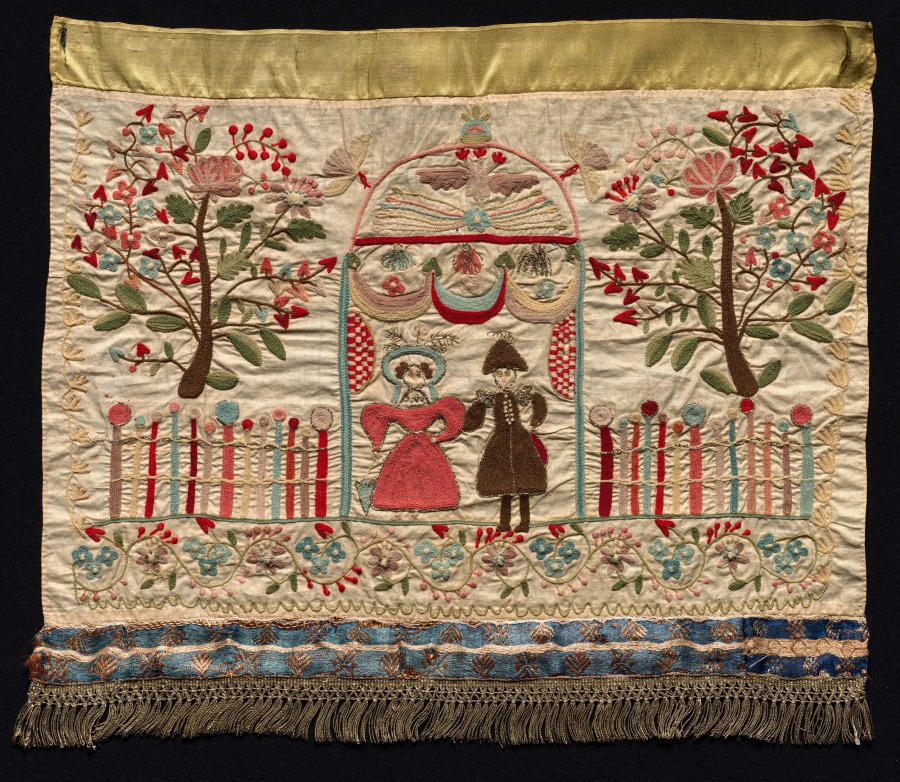
Towel End (c 1700s- 1800s; Cleveland 1931.132)

Towel End (c 1700s- 1800s): Art, History and Details

Towel End at the Cleveland Museum of Art: c 1700s- 1800s, plain weave linen (est.) with polychrome wool (est.) and metal thread chain stitch embroidery; applied silk (est.) ribbon and metal thread trim. Explore the work's context, creator a

Towel End (c. 1800–1825; Cleveland 1931.133)

Towel End (c. 1800–1825): Art, History and Details

Towel End at the Cleveland Museum of Art: c. 1800–1825, Linen: plain weave ground; wool; metal thread: embroidery, chain stitch; silk: ribbon. Explore the work's context, creator attribution and collection history.
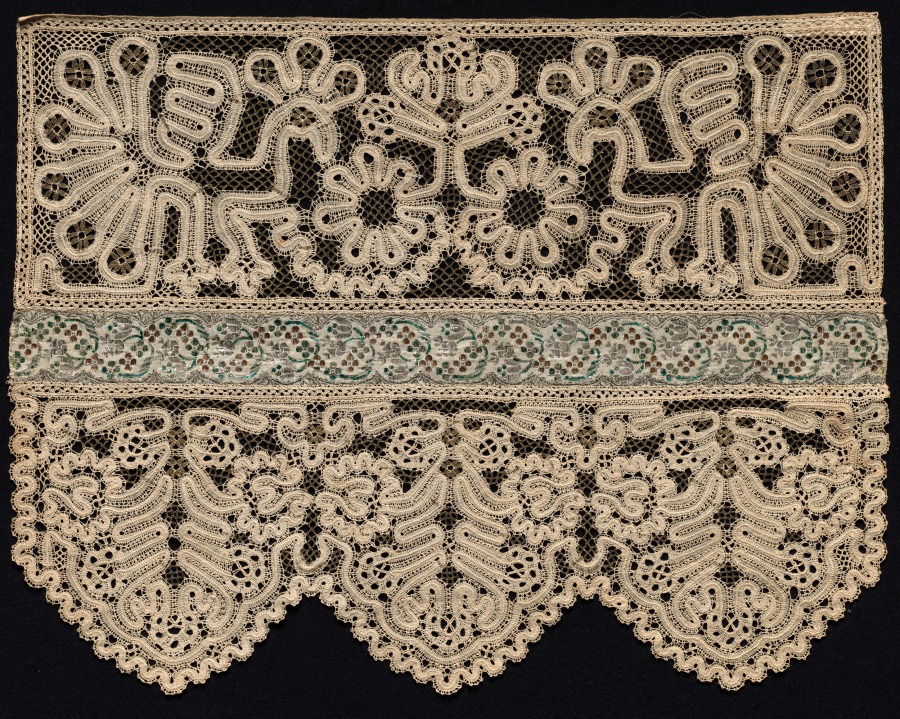
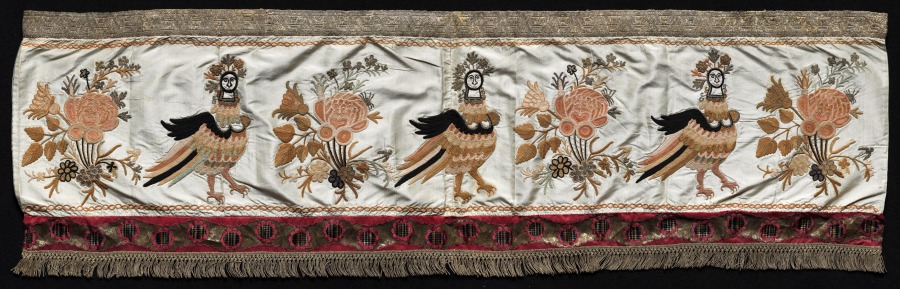
Border (c 1800– 1825; Cleveland 1931.137)

Border (c 1800– 1825): Art, History and Details

Border at the Cleveland Museum of Art: c 1800– 1825, plain weave silk (est.) ground with polychrome silk (est.) and metal thread chain stitch embroidery; applied silk (est.) ribbon and metal thread trims. Explore the work's context, creator

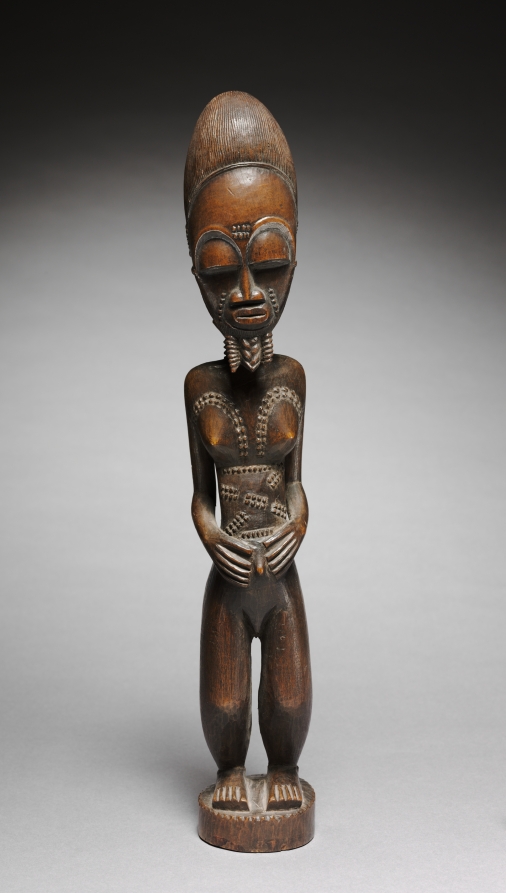
Male Figure (by 1931; Cleveland 1931.204)

Male Figure (by 1931): Art, History and Details

Male Figure at the Cleveland Museum of Art: by 1931, wood. Explore the work's context, creator attribution and collection history.
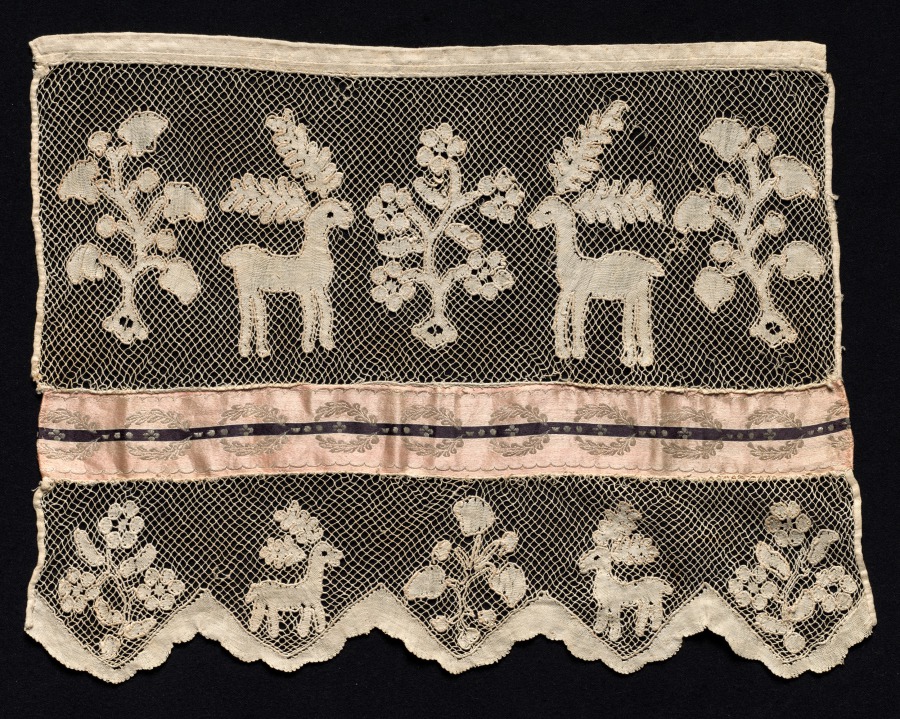
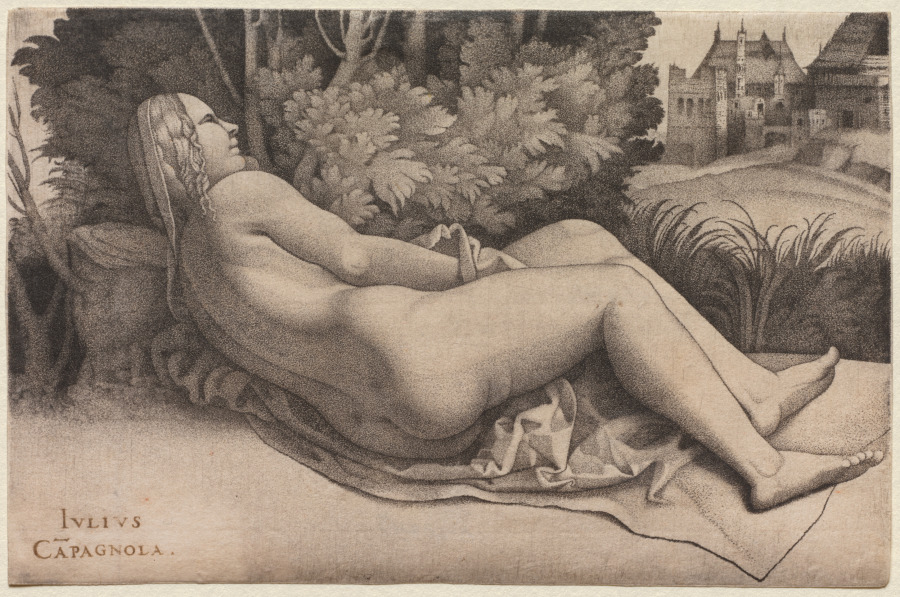
Venus Reclining in a Landscape (c. 1508–9; Cleveland 1931.205)

Venus Reclining in a Landscape (c. 1508–9): Art, History and Details

Venus Reclining in a Landscape at the Cleveland Museum of Art: c. 1508–9, engraving. Explore the work's context, creator attribution and collection history.
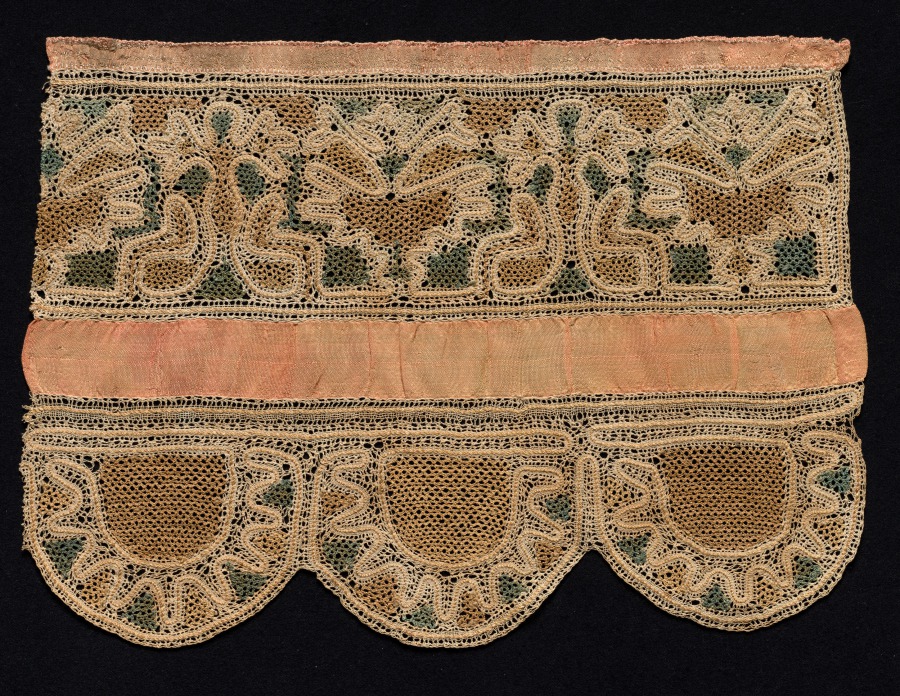
The Offering (c. 1915; Cleveland 1931.244)

The Offering (c. 1915): Art, History and Details

The Offering at the Cleveland Museum of Art: c. 1915, oil on canvas. Explore the work's context, creator attribution and collection history.
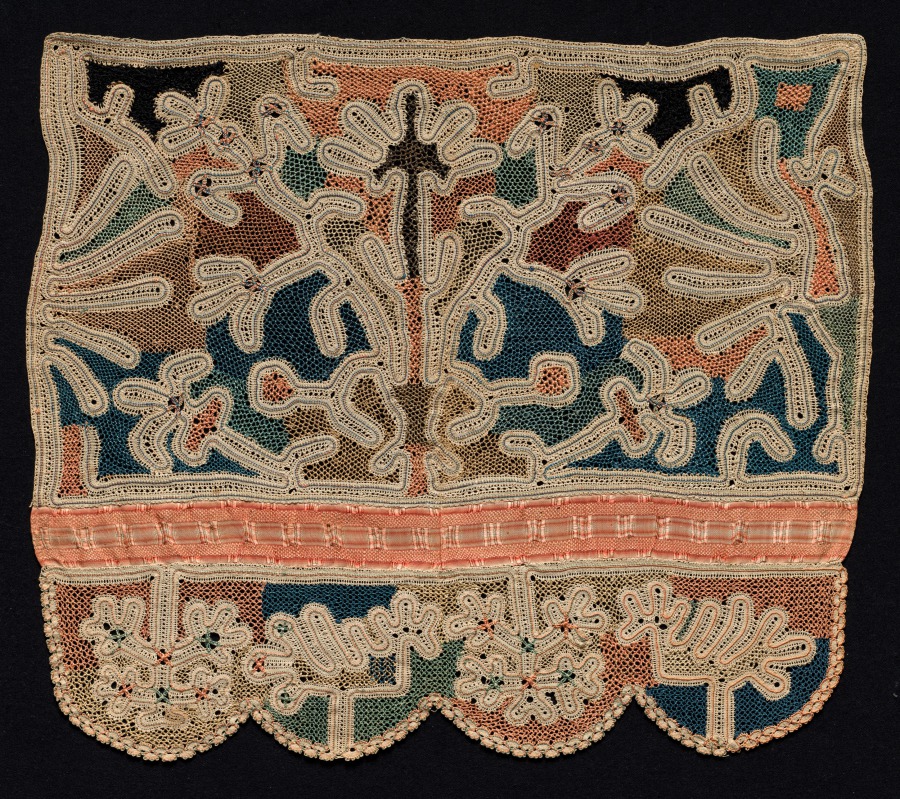
The Supper at Emmaus (c. 1720; Cleveland 1931.245)

The Supper at Emmaus (c. 1720): Art, History and Details

The Supper at Emmaus at the Cleveland Museum of Art: c. 1720, oil on canvas. Explore the work's context, creator attribution and collection history.
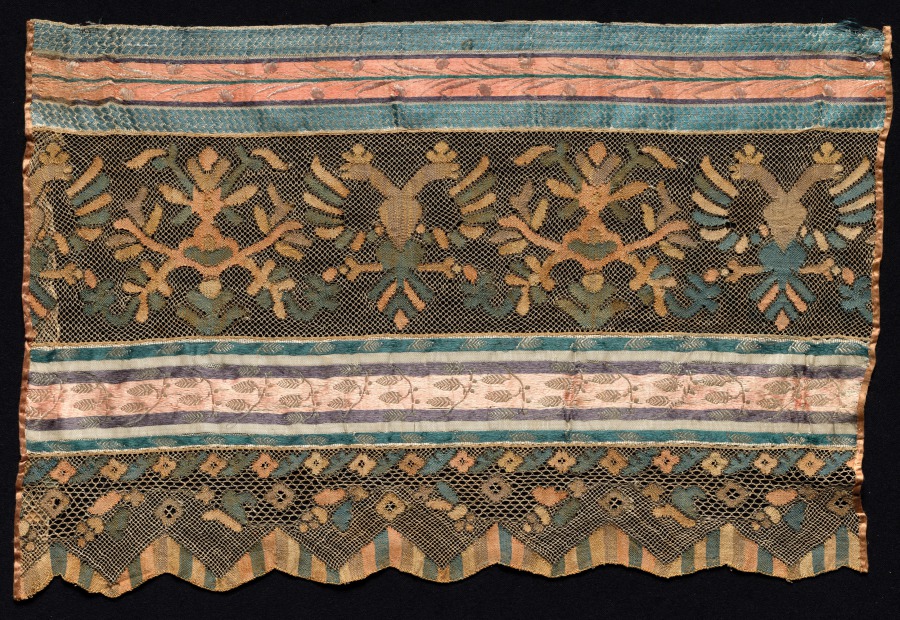
At the Window II (c. 1923; Cleveland 1931.269)

At the Window II (c. 1923): Art, History and Details

At the Window II at the Cleveland Museum of Art: c. 1923, lithograph. Explore the work's context, creator attribution and collection history.
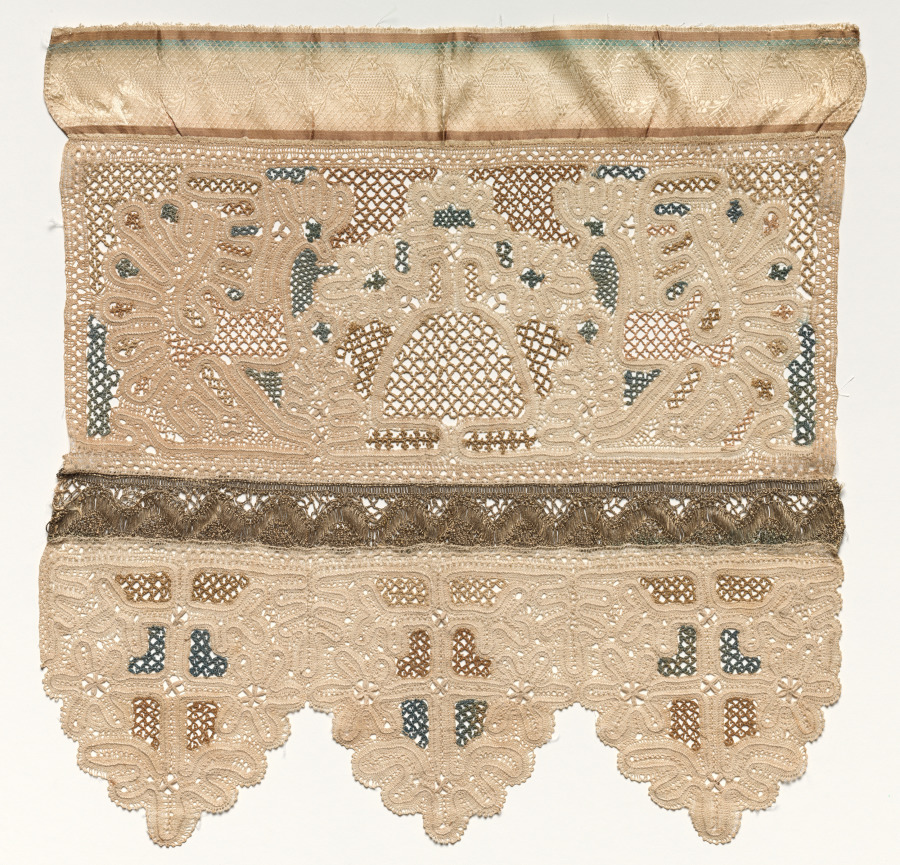
Polychrome Oinochoe (Wine Jug): Deer and Lions (?) (c. 600–575 BCE; Cleveland 1931.425)

Polychrome Oinochoe (Wine Jug): Deer and Lions (?) (c. 600–575 BCE): Art, History and Details

Polychrome Oinochoe (Wine Jug): Deer and Lions (?) at the Cleveland Museum of Art: c. 600–575 BCE, ceramic. Explore the work's context, creator attribution and collection history.
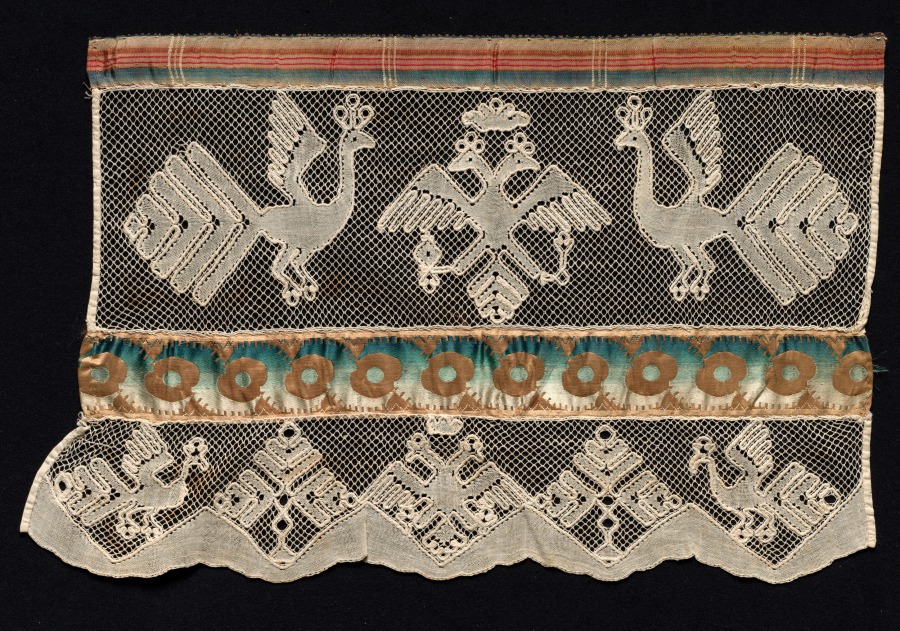
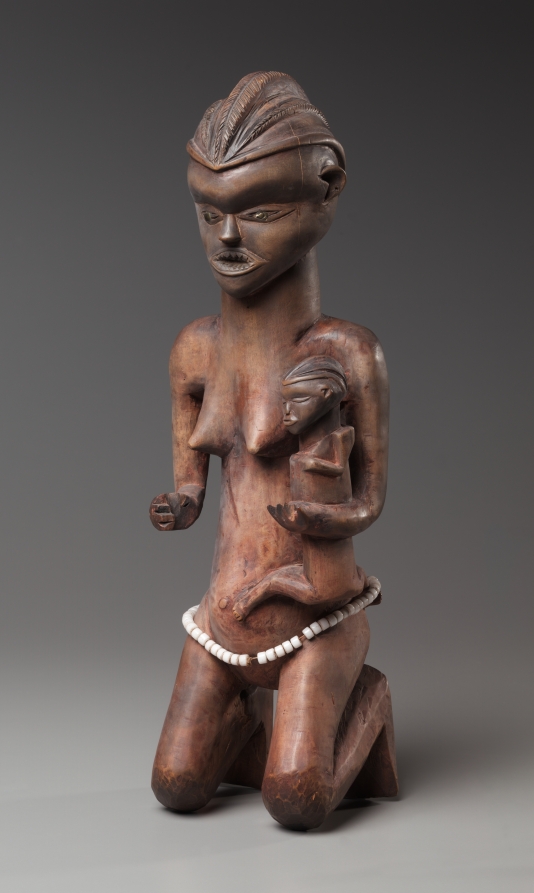
Mother-and-Child Figure (late 1800s–early 1900s; Cleveland 1931.426)

Mother-and-Child Figure (late 1800s–early 1900s): Art, History and Details

Mother-and-Child Figure at the Cleveland Museum of Art: late 1800s–early 1900s, Wood, glass beads, upholstery studs, natural fiber, and pigment. Explore the work's context, creator attribution and collection history.
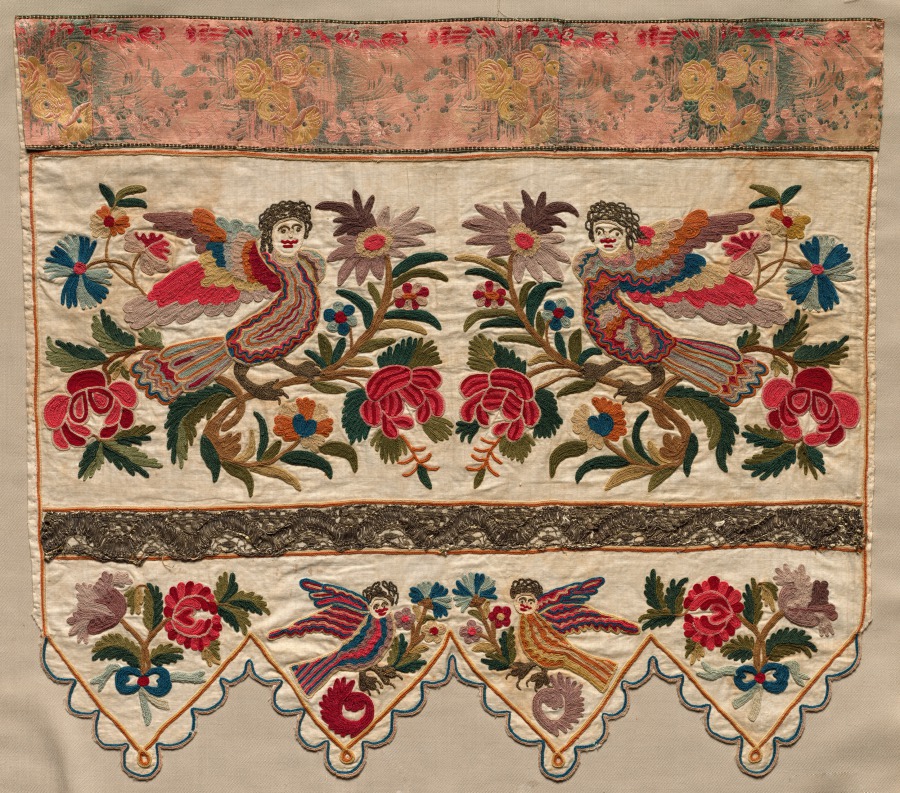
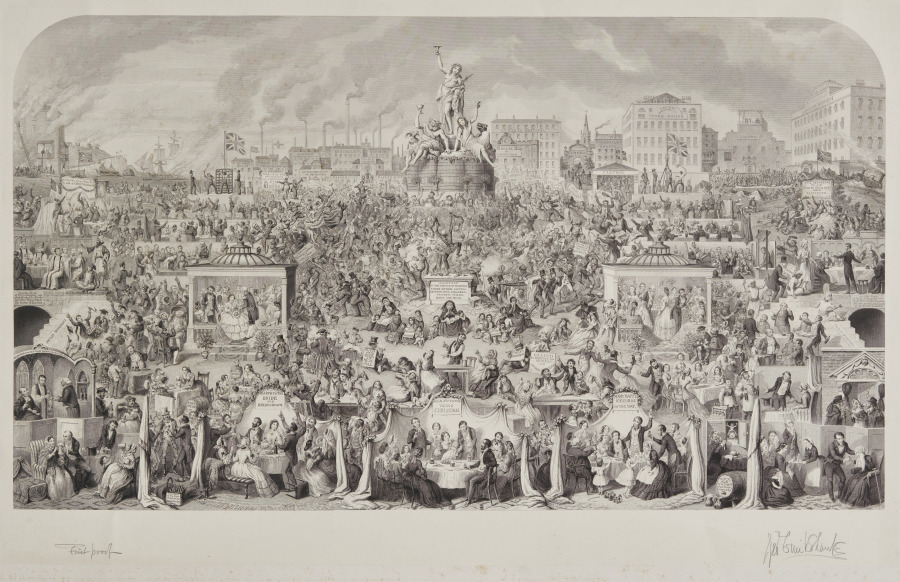
The Drinking Customs of Society or Worship of Bacchus (1864; Cleveland 1931.434)

The Drinking Customs of Society or Worship of Bacchus (1864): Art, History and Details

The Drinking Customs of Society or Worship of Bacchus at the Cleveland Museum of Art: 1864, steel engraving. Explore the work's context, creator attribution and collection history.
Fragment of a Chasuble Orphrey Cross Band (1000s; Cleveland 1931.444)

Fragment of a Chasuble Orphrey Cross Band (1000s): Art, History and Details

Fragment of a Chasuble Orphrey Cross Band at the Cleveland Museum of Art: 1000s, Silk and gold metallic thread: tablet weave. Explore the work's context, creator attribution and collection history.
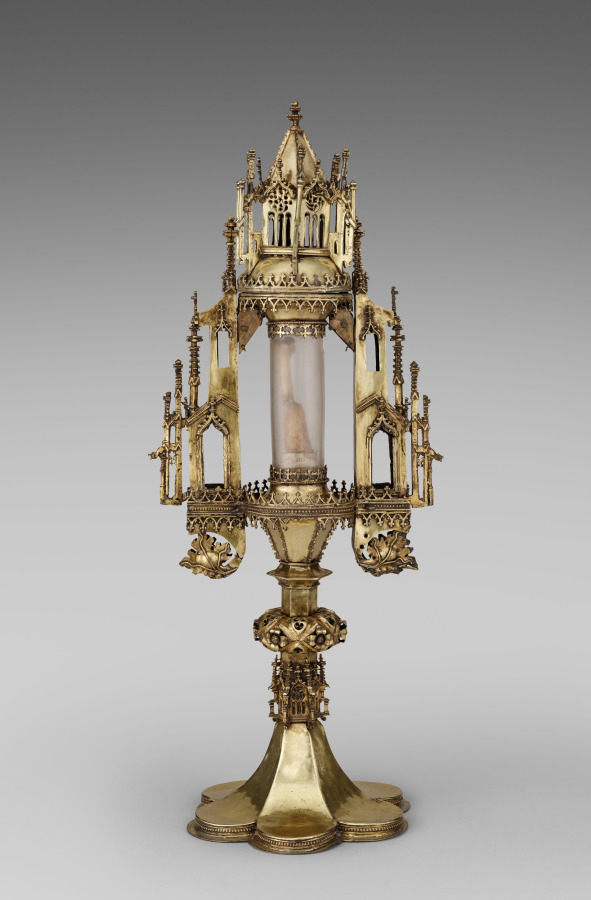
Monstrance with a Relic of Saint Sebastian (1484; Cleveland 1931.65)

Monstrance with a Relic of Saint Sebastian (1484): Art, History and Details

Monstrance with a Relic of Saint Sebastian at the Cleveland Museum of Art: 1484, gilded silver, rock crystal, bone, parchment. Explore the work's context, creator attribution and collection history.
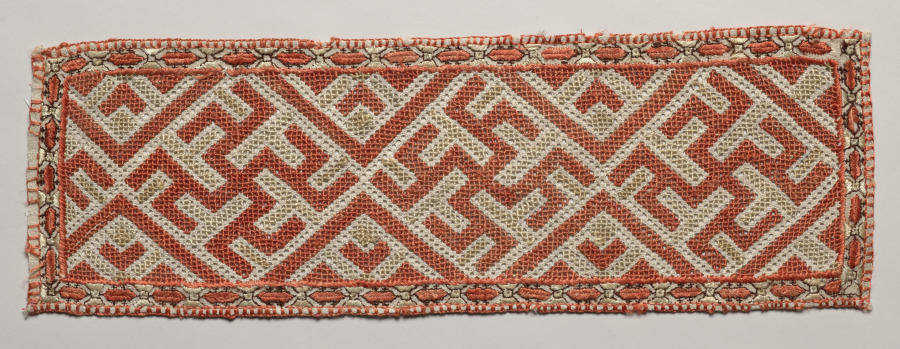
Panel (c. 1780–1840; Cleveland 1931.71)

Panel (c. 1780–1840): Art, History and Details

Panel at the Cleveland Museum of Art: c. 1780–1840, Linen: plain weave; silk: embroidery. Explore the work's context, creator attribution and collection history.
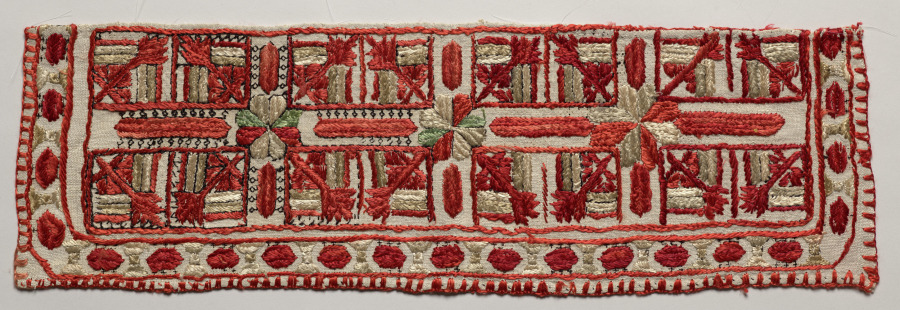
Panel (c. 1780–1840; Cleveland 1931.72)

Panel (c. 1780–1840): Art, History and Details

Panel at the Cleveland Museum of Art: c. 1780–1840, Linen: plain weave; silk; embroidery. Explore the work's context, creator attribution and collection history.

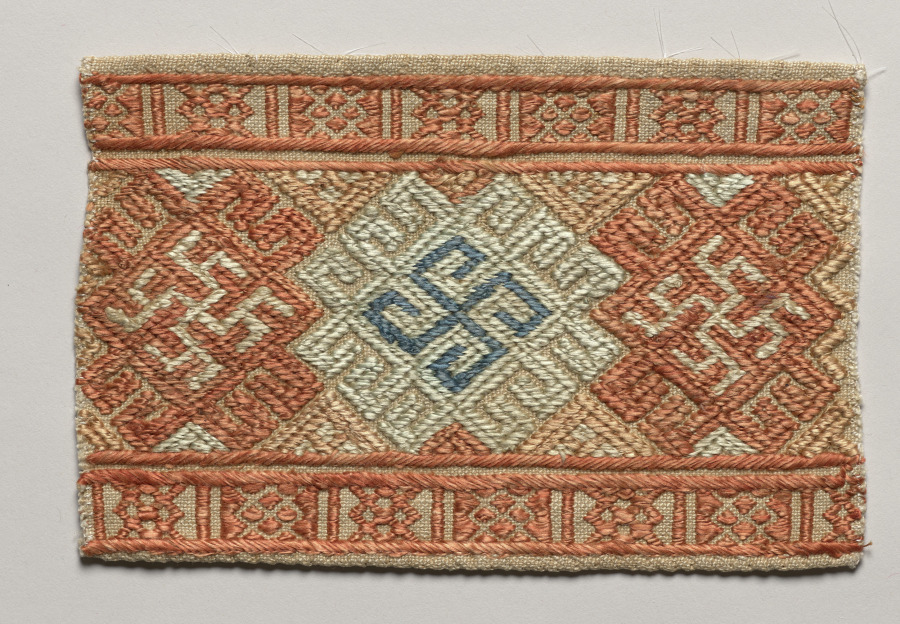
Panel for a Headdress (1700–1900; Cleveland 1931.75)

Panel for a Headdress (1700–1900): Art, History and Details

Panel for a Headdress at the Cleveland Museum of Art: 1700–1900, Linen: plain weave; silk: embroidery. Explore the work's context, creator attribution and collection history.