Seaside (July: Specimen of a Portrait) (1878): Art, History and Details
Seaside (July: Specimen of a Portrait) at the Cleveland Museum of Art: 1878, oil on fabric. Explore the work's context, creator attribution and collection history.
Oldest entries first, in a fixed order. Newly added articles appear at the end. Explore a shuffled selection →
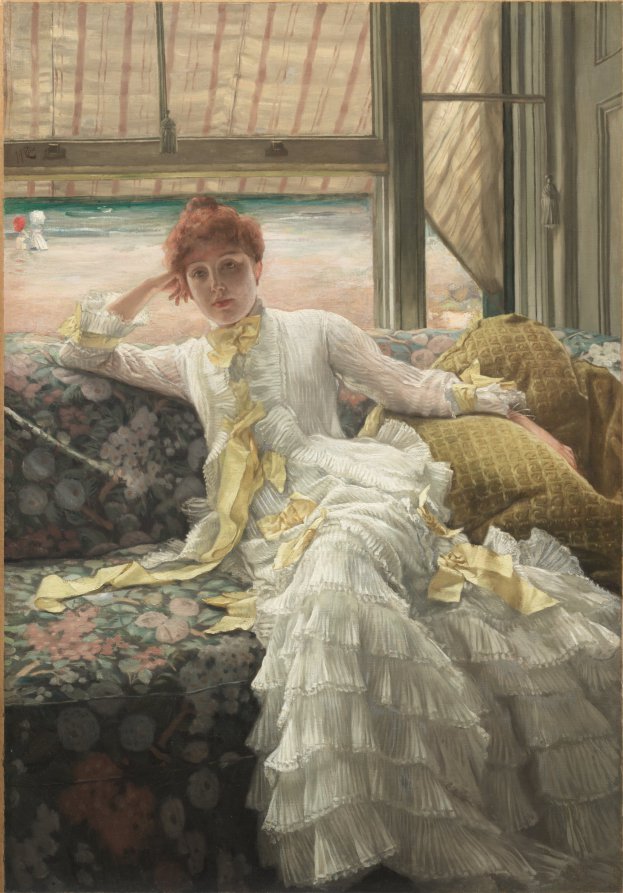
Seaside (July: Specimen of a Portrait) at the Cleveland Museum of Art: 1878, oil on fabric. Explore the work's context, creator attribution and collection history.

Construction of an Elevated Railway: Bridge over the Cours de Vincennes at the Cleveland Museum of Art: 1888, oil on fabric. Explore the work's context, creator attribution and collection history.

A Night Class at the Cleveland Museum of Art: c. 1881, oil on wood panel. Explore the work's context, creator attribution and collection history.
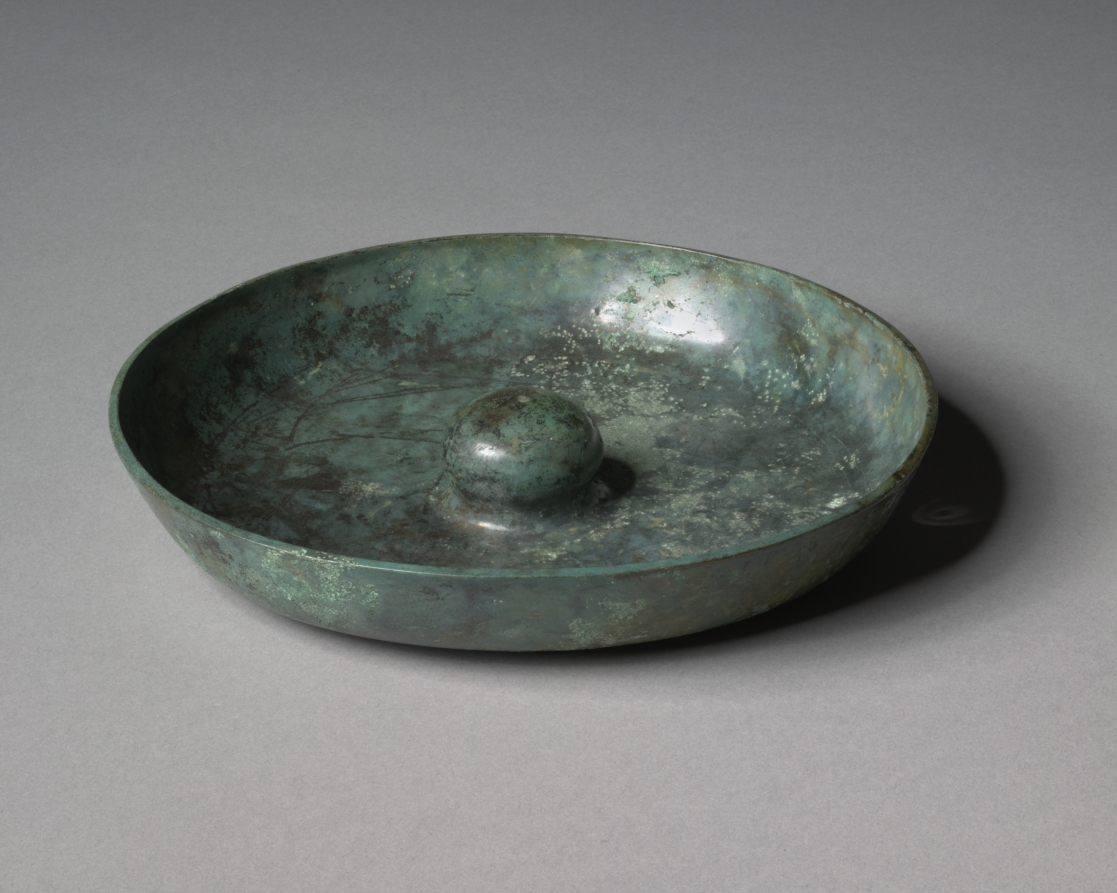
Phiale (Libation Dish) at the Cleveland Museum of Art: c. 500–400 BCE, bronze. Explore the work's context, creator attribution and collection history.
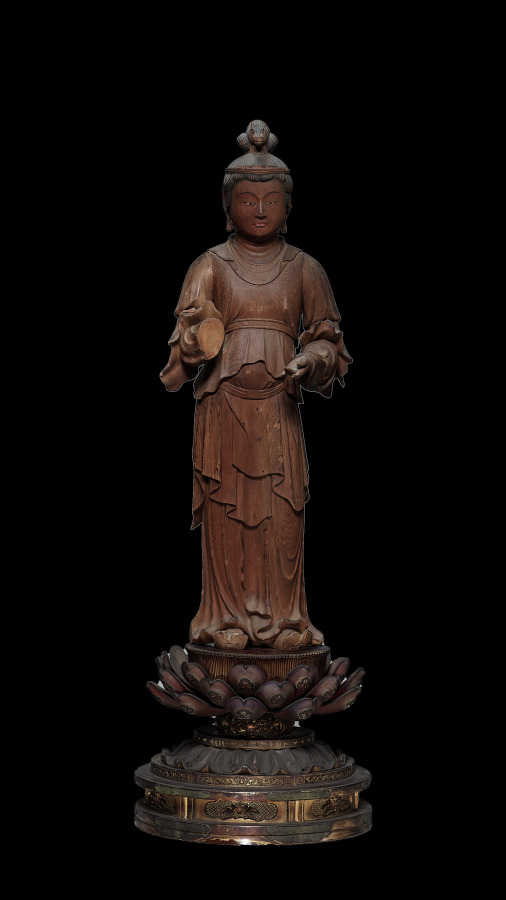
Batō (Horse-Headed) Kannon at the Cleveland Museum of Art: early 1300s, pedestal 1600s–1700s, Wood with traces of color and gold; pedestal: wood with lacquer, color, and gold. Explore the work's context, creator attribution and collection h
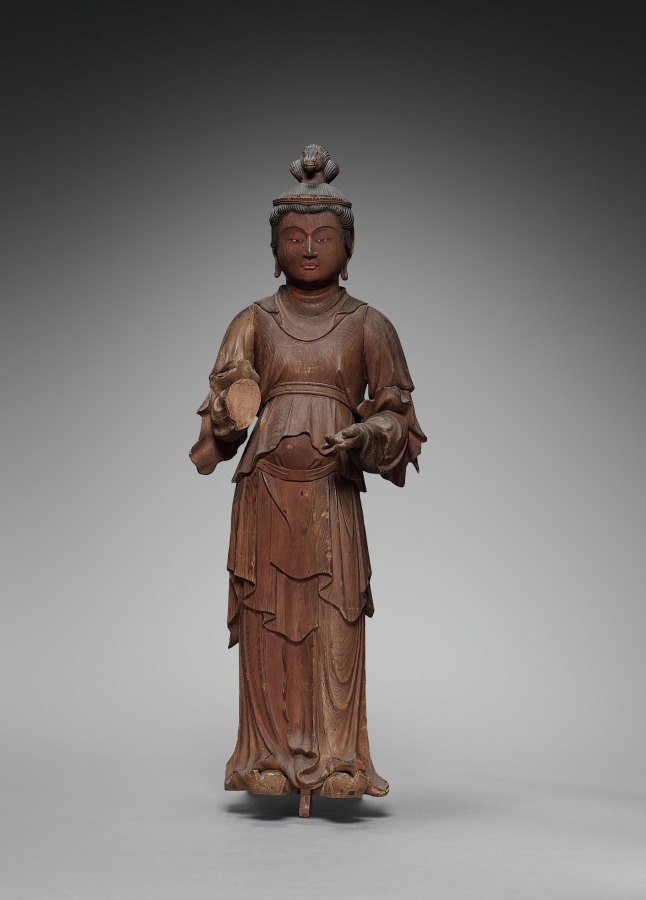
Batō (Horse-Headed) Kannon at the Cleveland Museum of Art: early 1300s, Wood with traces of color and gold. Explore the work's context, creator attribution and collection history.
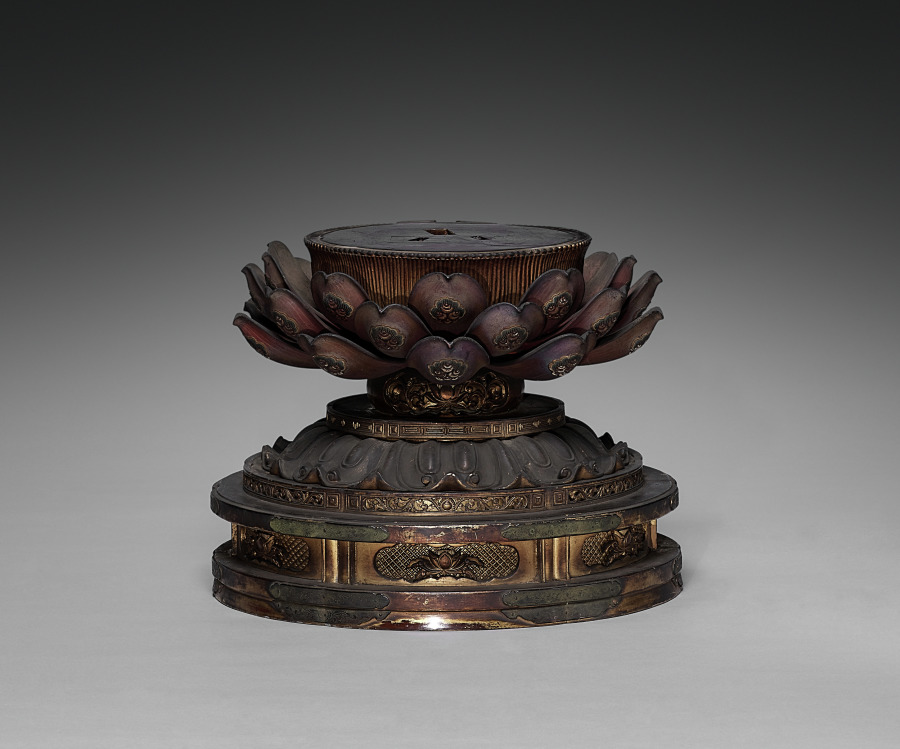
Batō (Horse-Headed) Kannon (base) at the Cleveland Museum of Art: 1600s–1700s, wood with lacquer, color, and gold. Explore the work's context, creator attribution and collection history.

Mosque Lamp at the Cleveland Museum of Art: late 1800s, glass with enameled and gilded decoration. Explore the work's context, creator attribution and collection history.
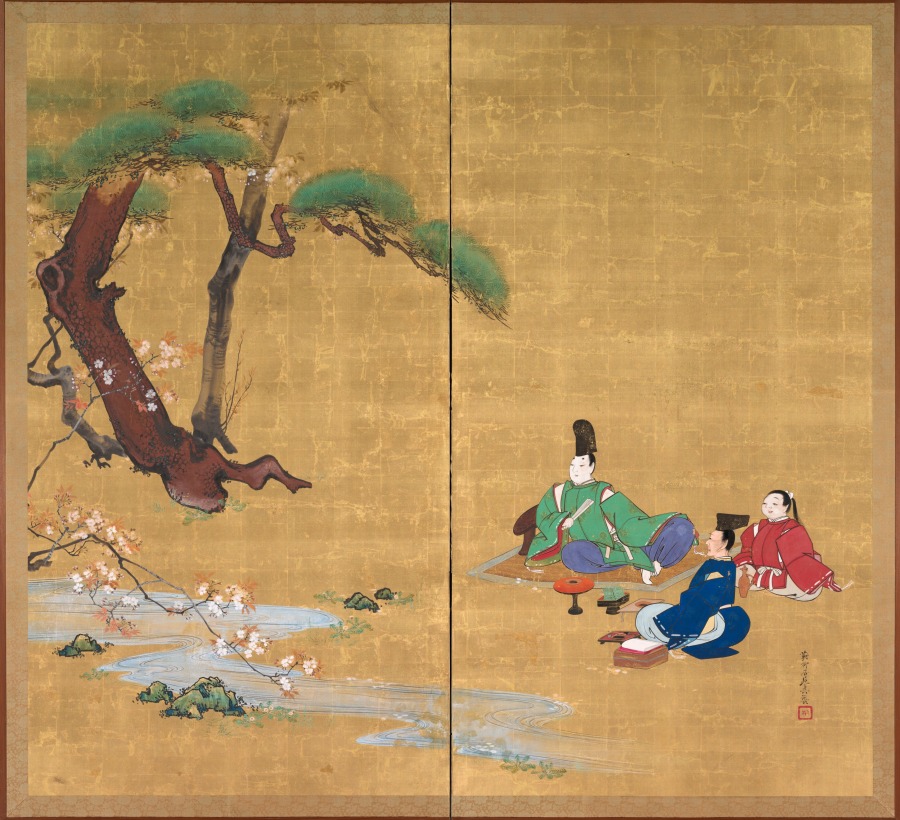
Nagisa Palace from the Tales of Ise at the Cleveland Museum of Art: late 1800s, Two-panel folding screen; ink, color, lacquer, and gold on silk. Explore the work's context, creator attribution and collection history.
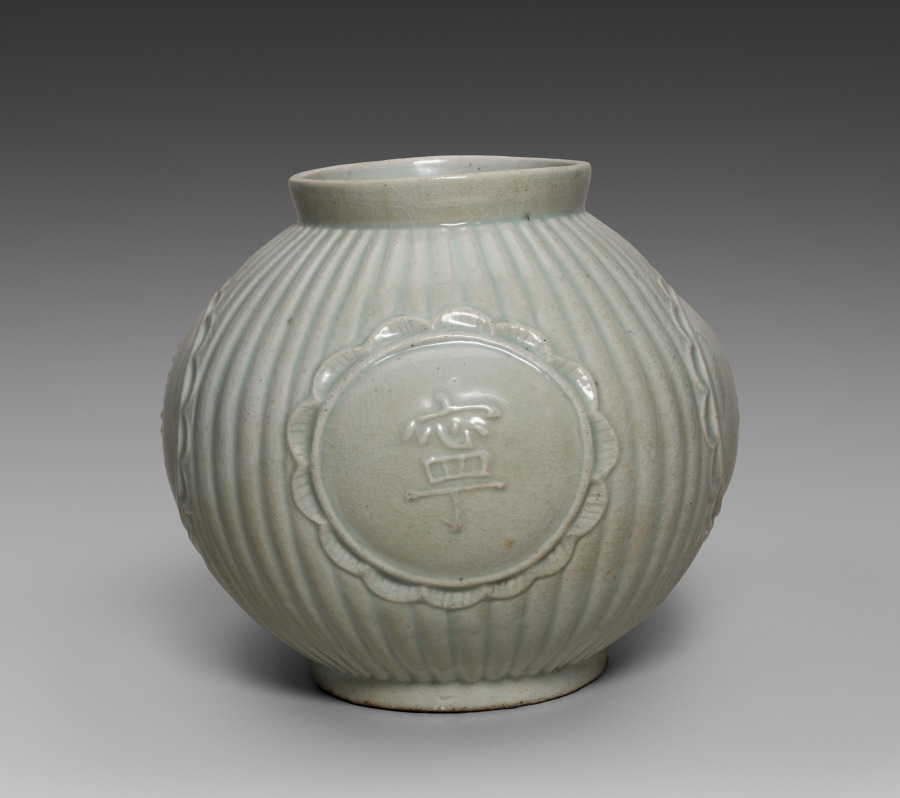
Jar with Four Auspicious Characters in Relief at the Cleveland Museum of Art: 1800s, glazed porcelain. Explore the work's context, creator attribution and collection history.

A Hundred Sparrows in a Lofty Grove at the Cleveland Museum of Art: 1368–1644, handscroll; ink on silk. Explore the work's context, creator attribution and collection history.
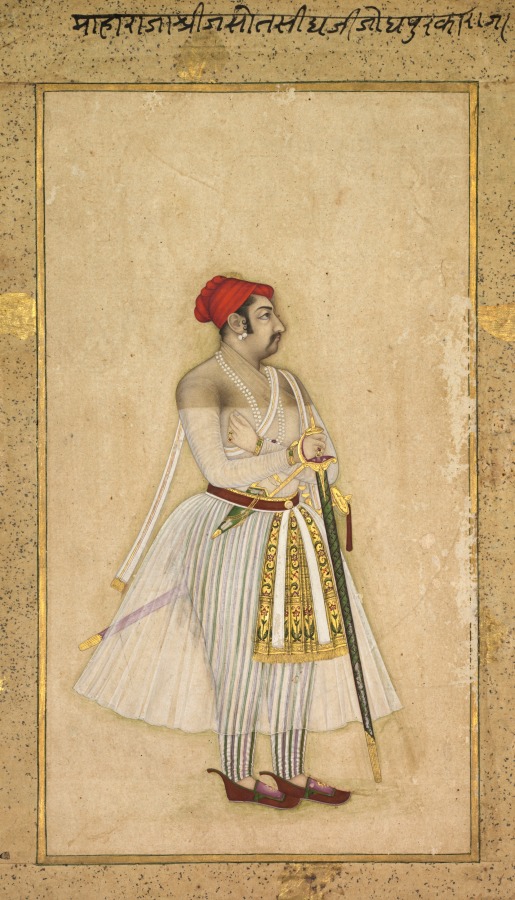
Jaswant Singh of Jodhpur (reigned 1635–1678) at the Cleveland Museum of Art: c. 1660–65, Gum temper and gold on paper. Explore the work's context, creator attribution and collection history.
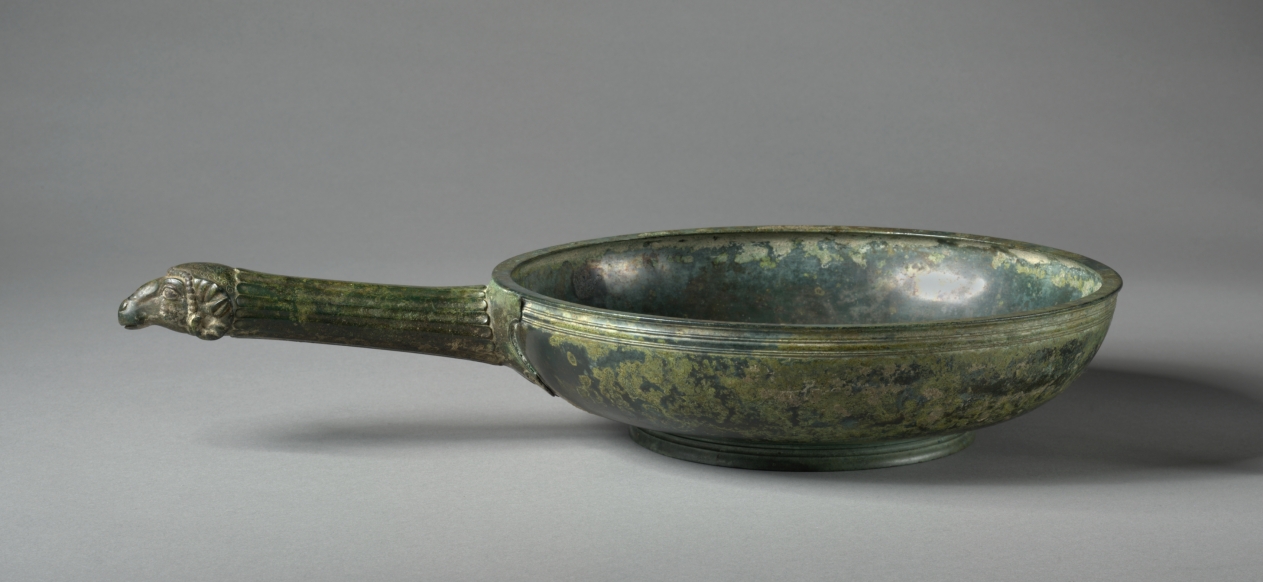
Patera with Fluted Handle and Ram Head Finial at the Cleveland Museum of Art: 500–400 BCE, bronze. Explore the work's context, creator attribution and collection history.
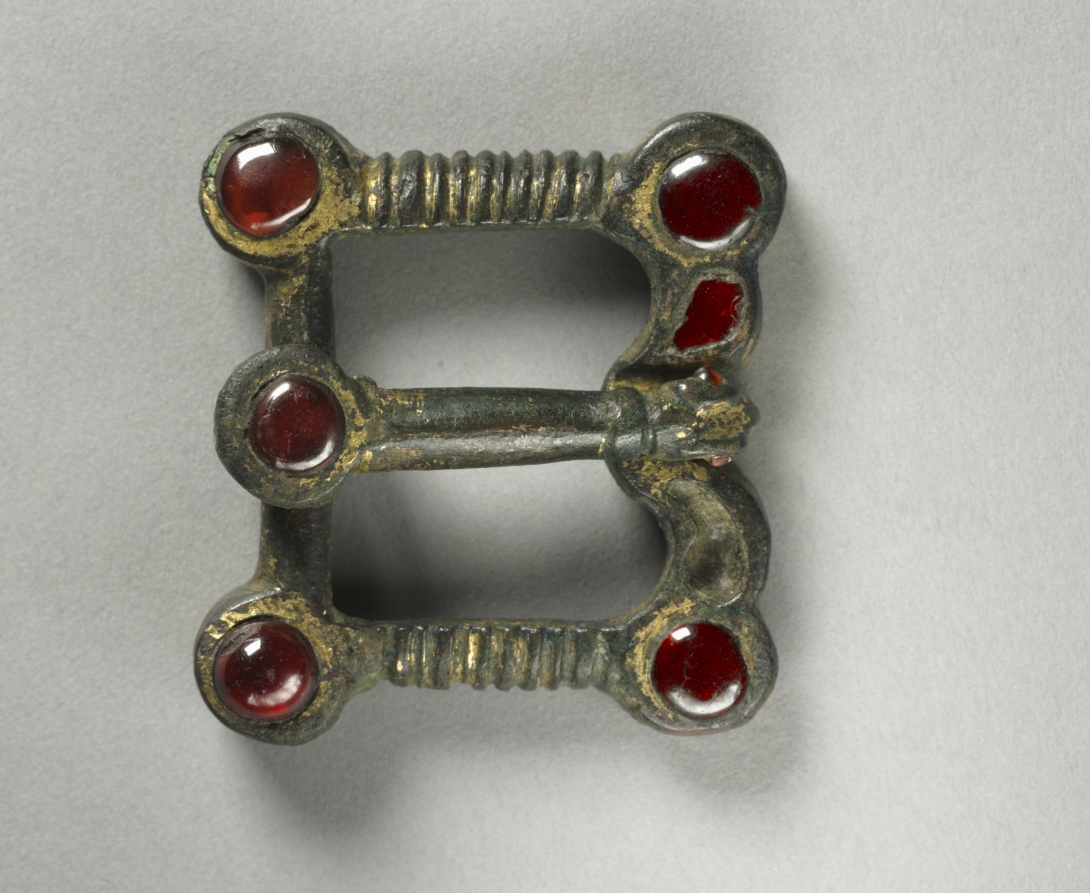
Buckle with Animal-Shaped Thorn and Belt Plate at the Cleveland Museum of Art: 400s CE, bronze with traces of gilding and garnets. Explore the work's context, creator attribution and collection history.

The Annunciation at the Cleveland Museum of Art: 1750s, ivory, ebony, velvet, in the original gilded and glazed frame. Explore the work's context, creator attribution and collection history.
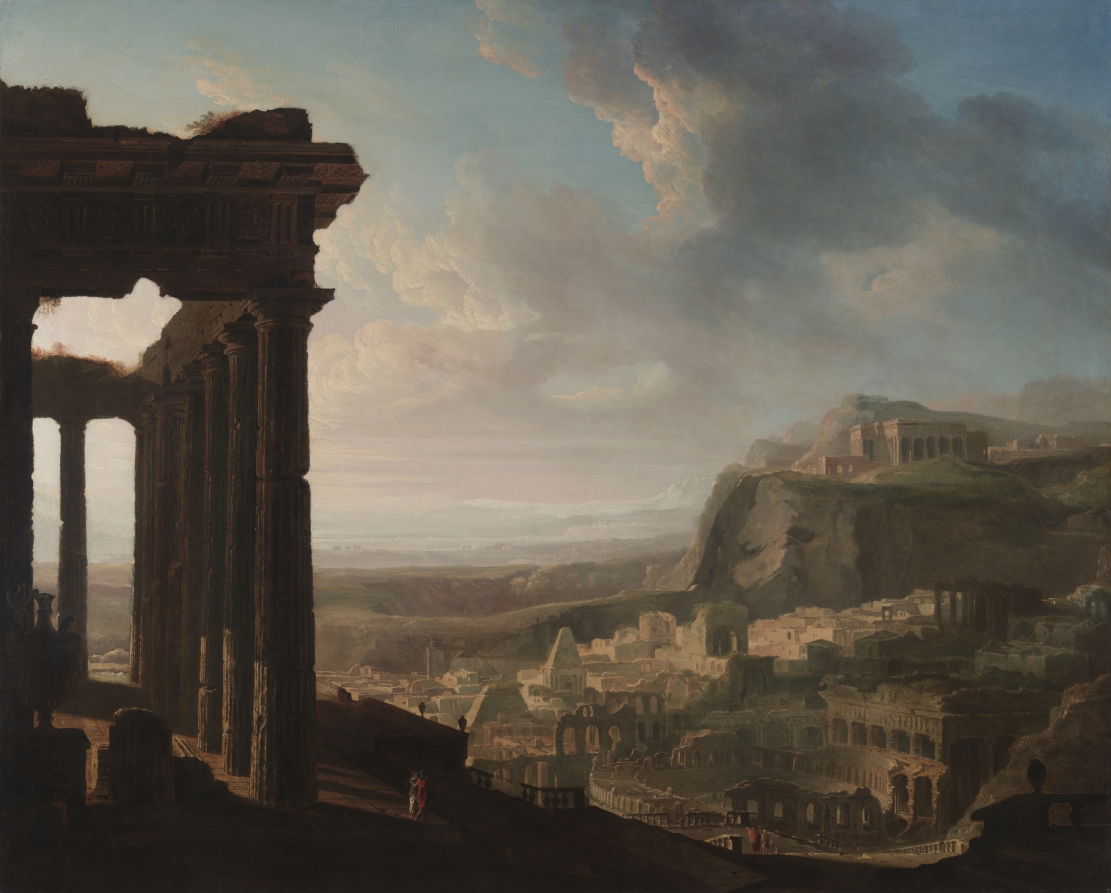
Ruins of an Ancient City at the Cleveland Museum of Art: c. 1810–20, oil on paper, mounted on canvas. Explore the work's context, creator attribution and collection history.
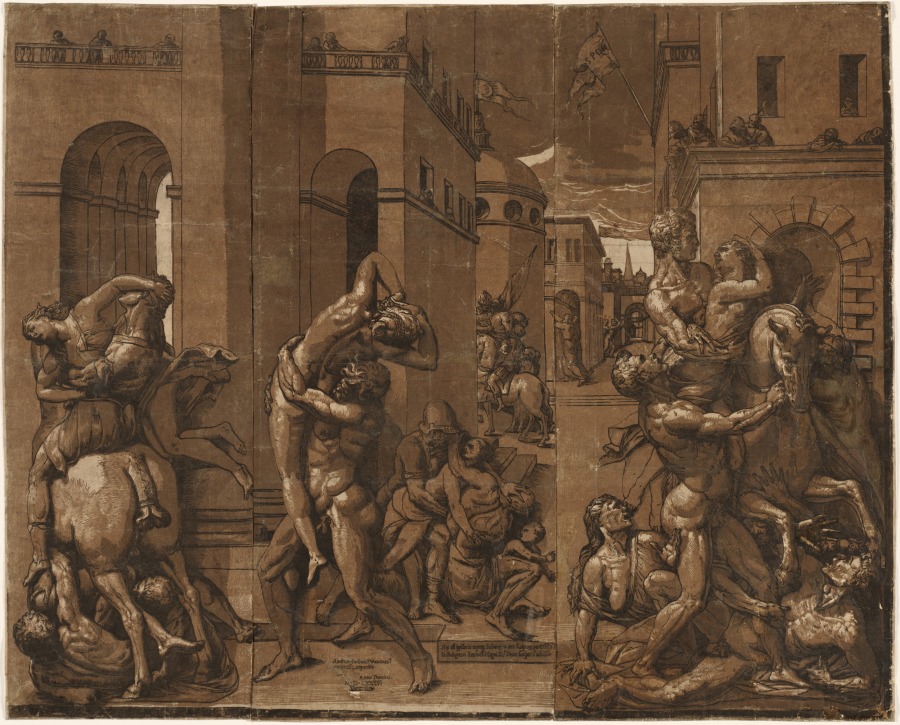
The Abduction of the Sabine Women at the Cleveland Museum of Art: 1585, chiaroscuro woodcut (in three shades of brown and black). Explore the work's context, creator attribution and collection history.
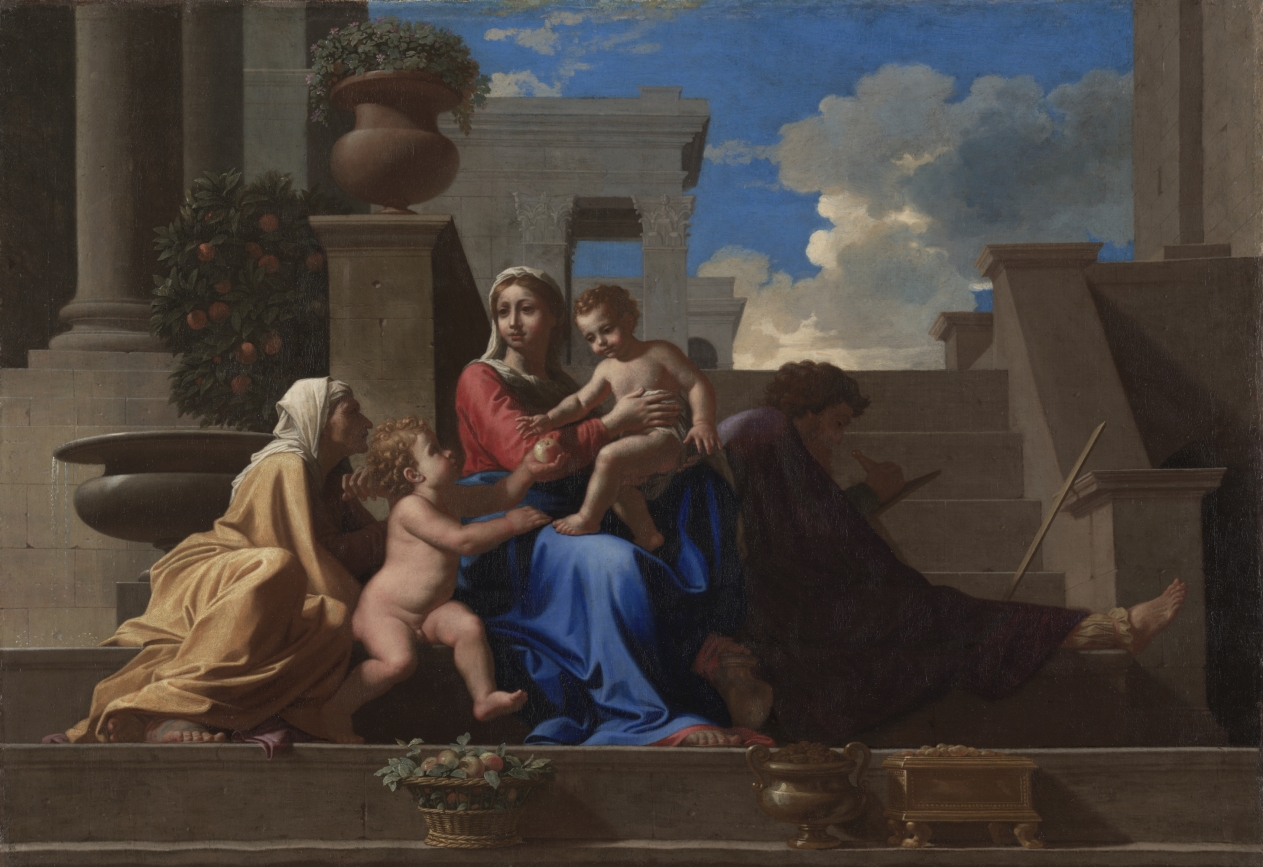
The Holy Family on the Steps at the Cleveland Museum of Art: 1648, oil on canvas. Explore the work's context, creator attribution and collection history.

Fragment at the Cleveland Museum of Art: before 1981, Silk: compound tabby. Explore the work's context, creator attribution and collection history.
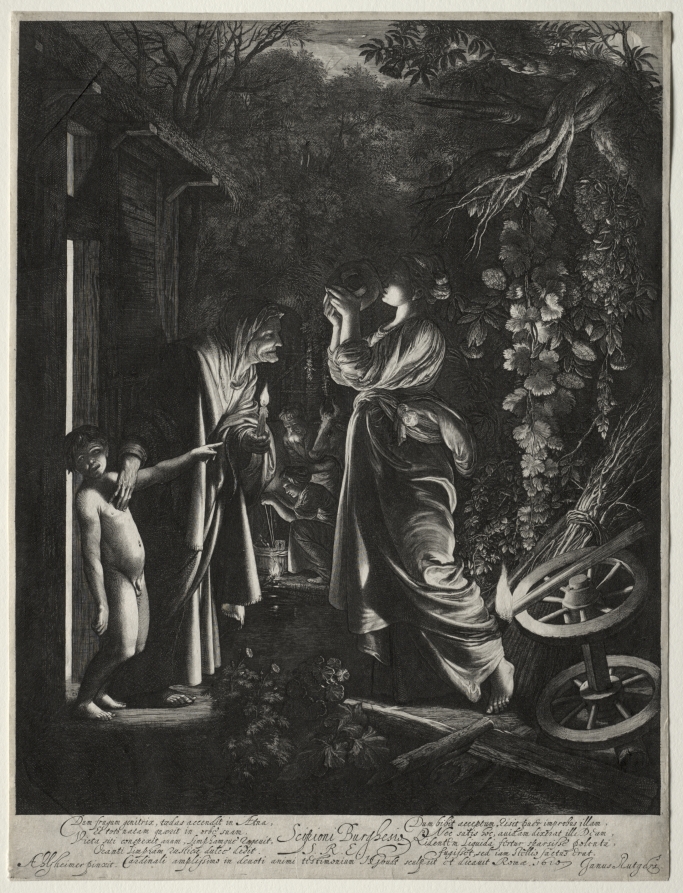
The Mocking of Ceres at the Cleveland Museum of Art: 1610, engraving. Explore the work's context, creator attribution and collection history.

A Portrait of Welby Sherman Asleep in a Chair at the Cleveland Museum of Art: 1828, graphite with touches of watercolor. Explore the work's context, creator attribution and collection history.
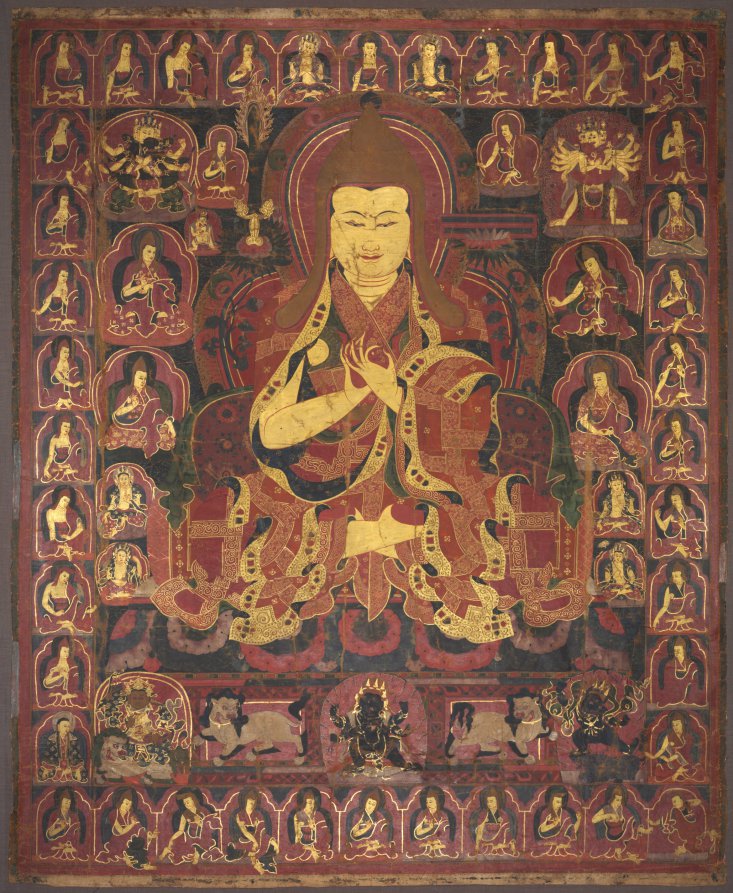
Tsong Khapa, Founder of the Geluk Order at the Cleveland Museum of Art: c. 1440–70, Gum tempera and gold on cotton. Explore the work's context, creator attribution and collection history.
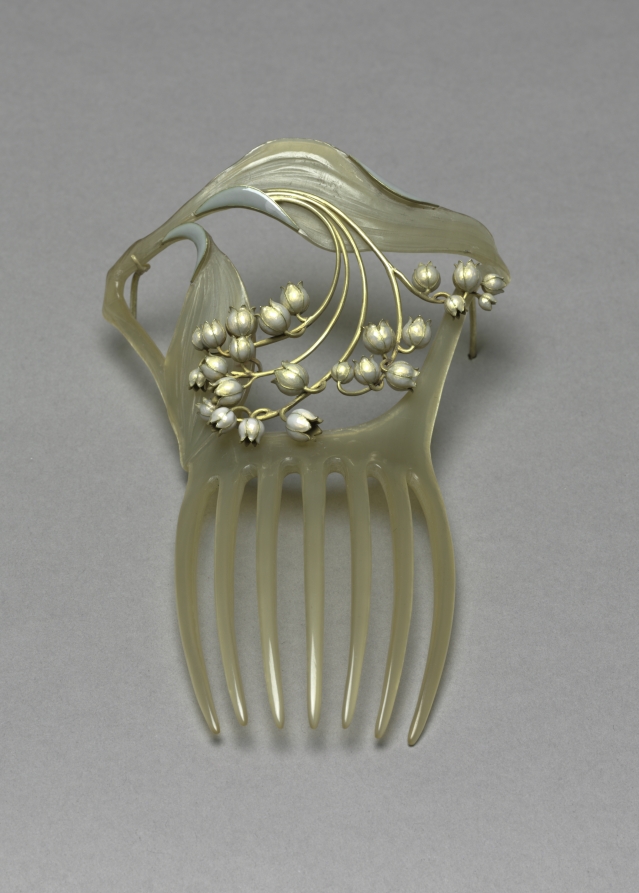
Lily of the Valley Comb at the Cleveland Museum of Art: c. 1900, horn, enamel and gold. Explore the work's context, creator attribution and collection history.
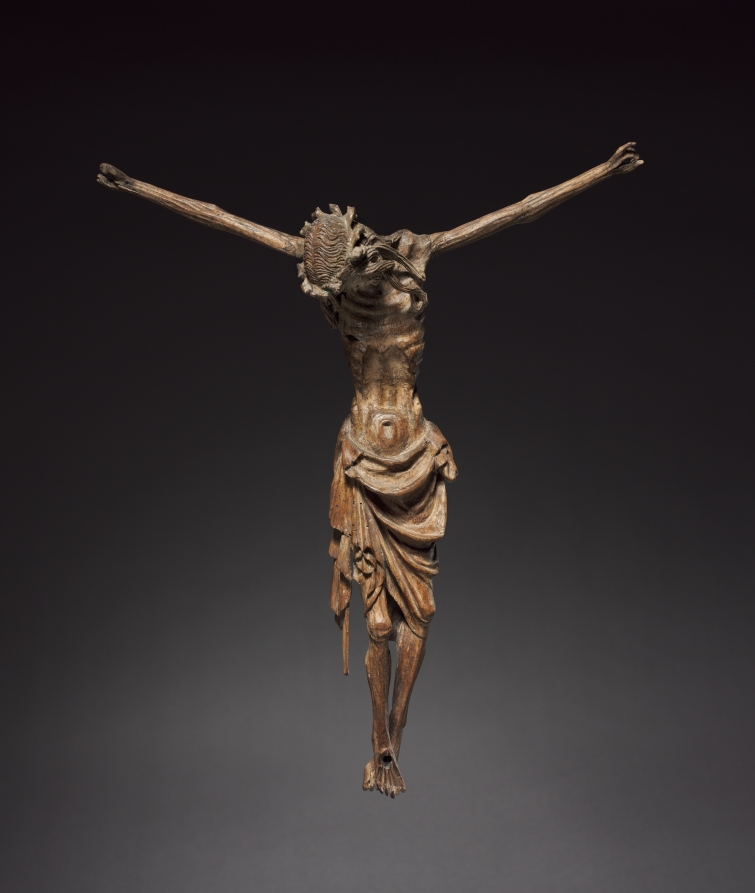
Crucified Christ at the Cleveland Museum of Art: c. 1340–1350, wood (walnut) once polychromed. Explore the work's context, creator attribution and collection history.
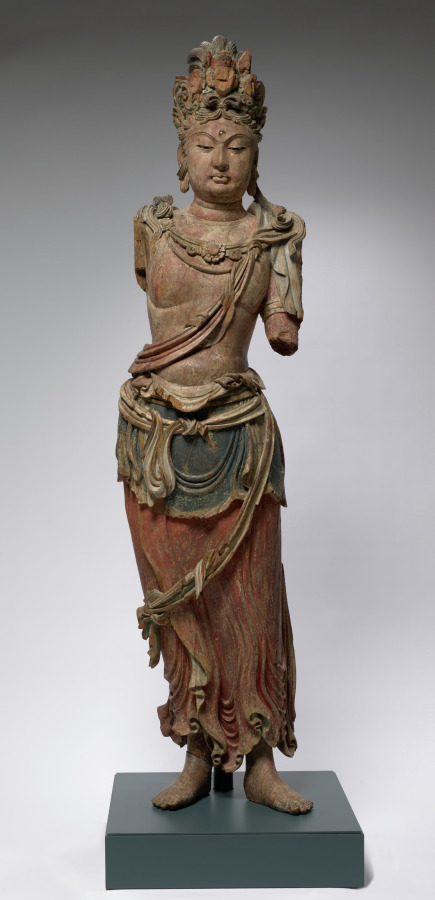
Eleven-Headed Guanyin at the Cleveland Museum of Art: 1100–1200, wood with polychromy and cut gold. Explore the work's context, creator attribution and collection history.

A traveler persuades Lorik to return home (top); Chanda objects (bottom), from a Chandayana (Story of Chanda) at the Cleveland Museum of Art: c. 1540, gum tempera, ink, and gold on paper. Explore the work's context, creator attribution and
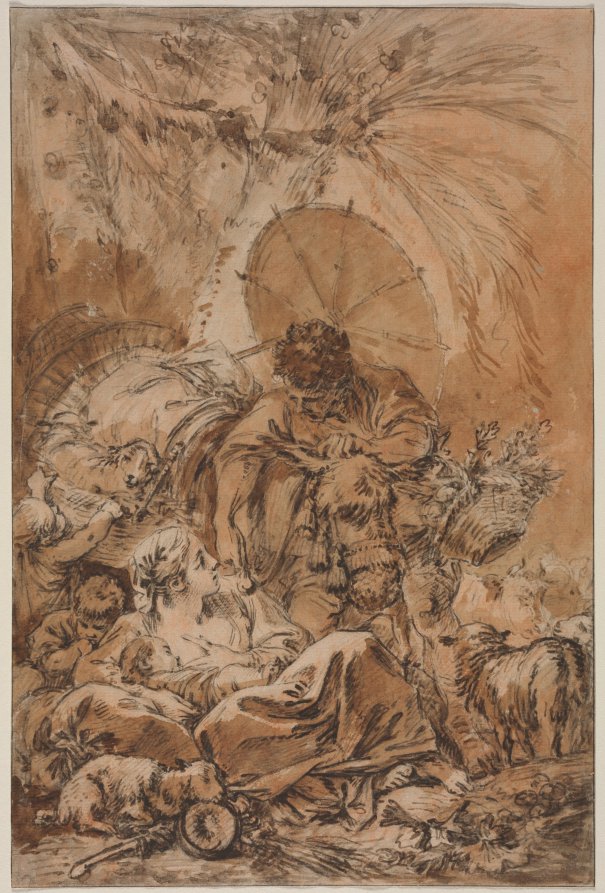
The Departure of Jacob at the Cleveland Museum of Art: c. 1755, Pen and brown-black ink, brown ink wash, and red chalk wash, with black chalk on cream laid paper. Explore the work's context, creator attribution and collection history.

André Bénac at the Cleveland Museum of Art: 1936, oil on fabric. Explore the work's context, creator attribution and collection history.
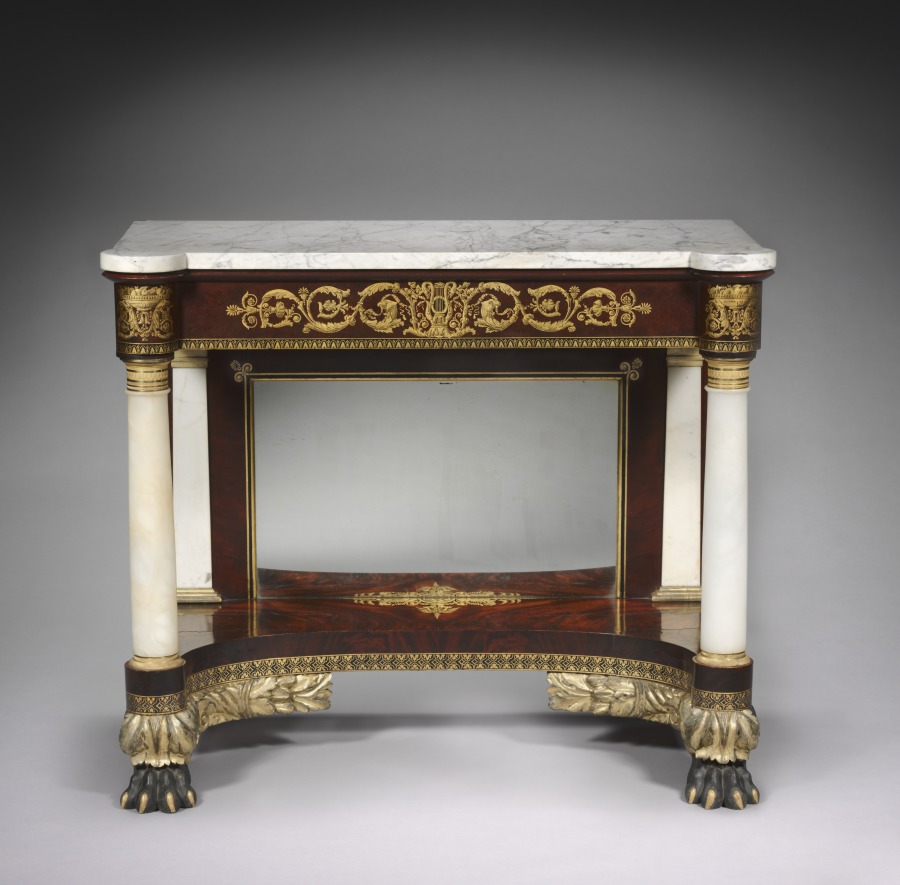
Pier Table at the Cleveland Museum of Art: c. 1829–35, mahogany; marble. Explore the work's context, creator attribution and collection history.

Selimut (Man's Textile) at the Cleveland Museum of Art: 1900s, cotton, ikat dyed. Explore the work's context, creator attribution and collection history.
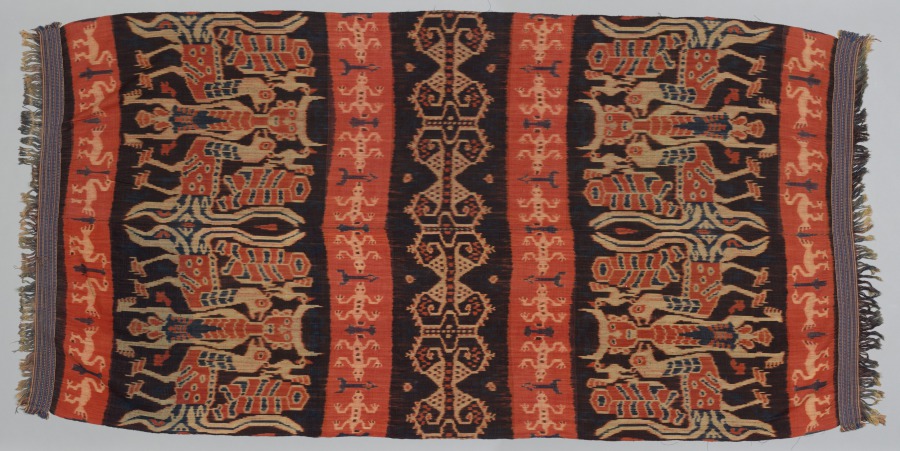
Hinggi at the Cleveland Museum of Art: early 1900s, cotton, ikat dyed. Explore the work's context, creator attribution and collection history.

Andromeda at the Cleveland Museum of Art: c. 1720–30, terracotta. Explore the work's context, creator attribution and collection history.
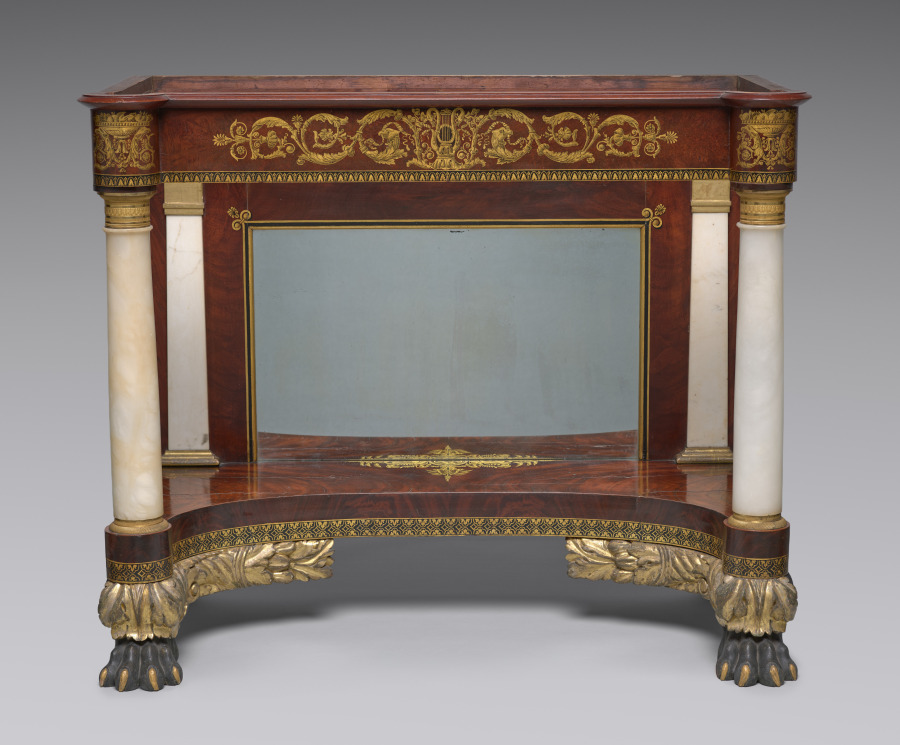
Pier Table at the Cleveland Museum of Art: c. 1829–35, mahogany; marble. Explore the work's context, creator attribution and collection history.
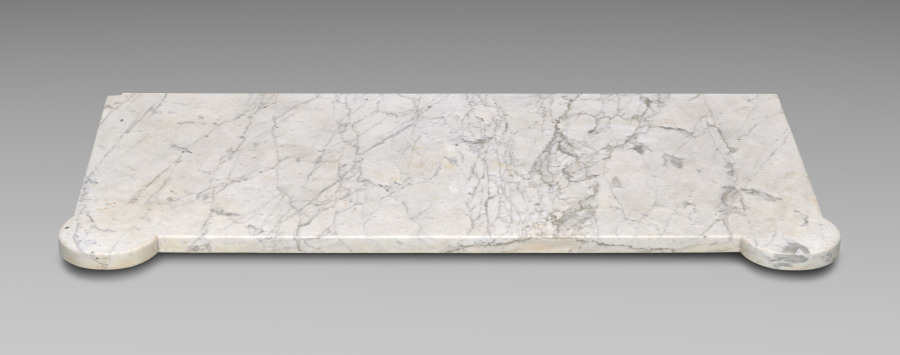
Pier Table (marble top) at the Cleveland Museum of Art: c. 1829–1835, mahogany, marble. Explore the work's context, creator attribution and collection history.
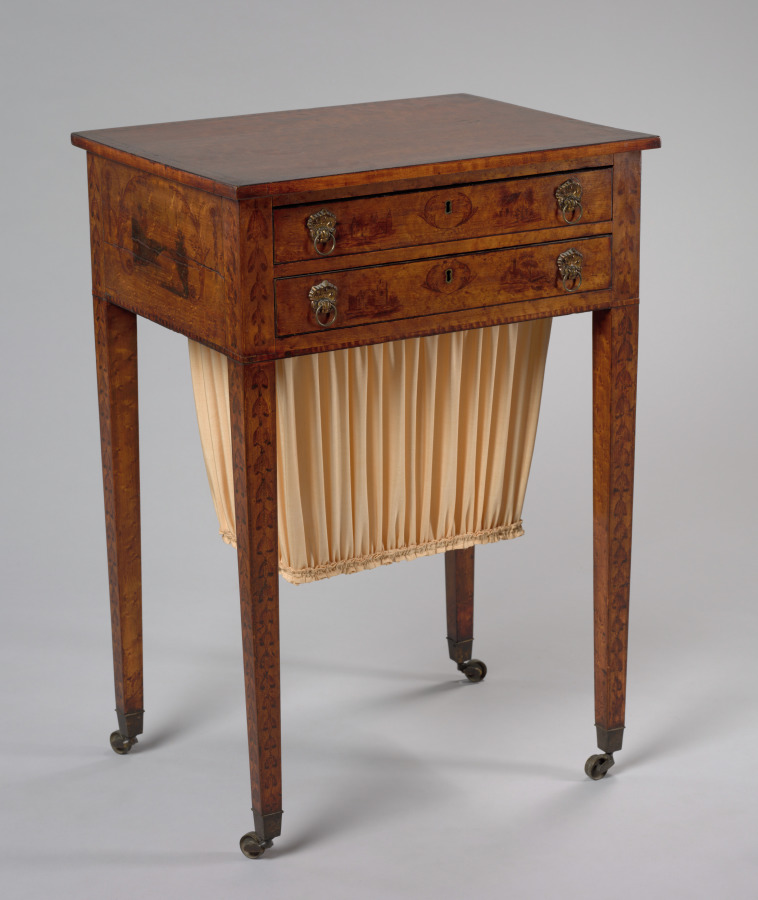
Work Table at the Cleveland Museum of Art: 1800–1825, maple, brass hardware. Explore the work's context, creator attribution and collection history.
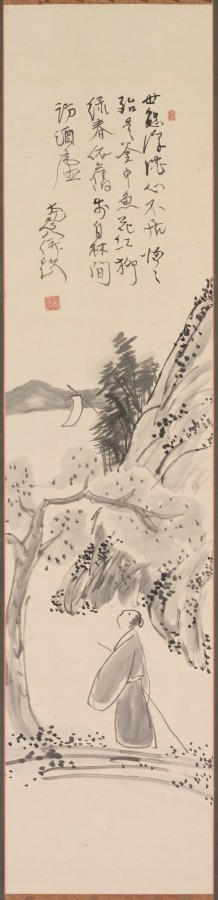
Casually Created on a Spring Day at the Cleveland Museum of Art: c. 1825–81, hanging scroll; ink on paper. Explore the work's context, creator attribution and collection history.
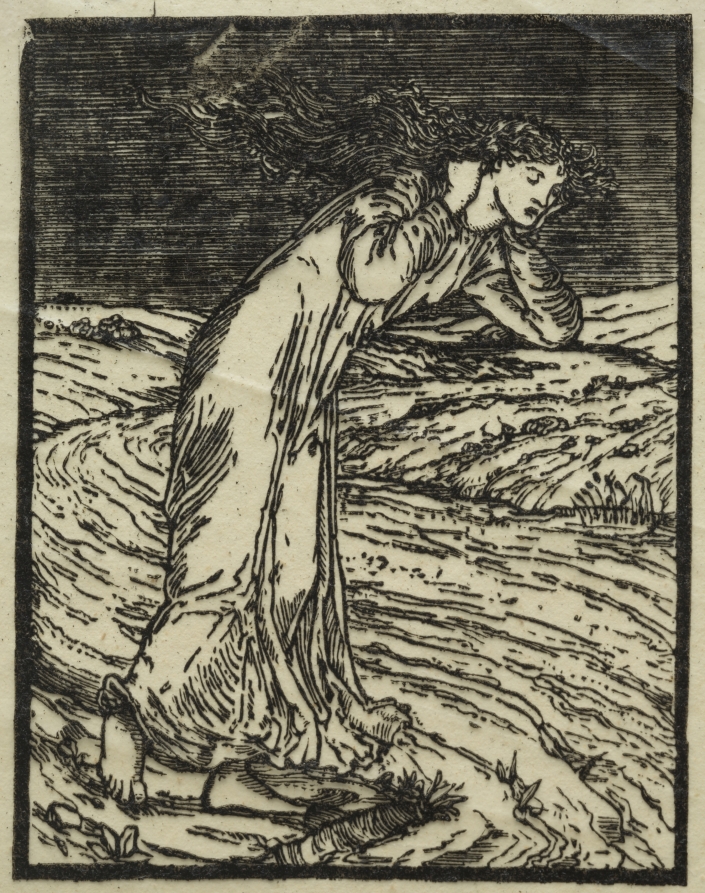
Psyche Throwing Herself into the River at the Cleveland Museum of Art: 1865–68, wood engraving. Explore the work's context, creator attribution and collection history.
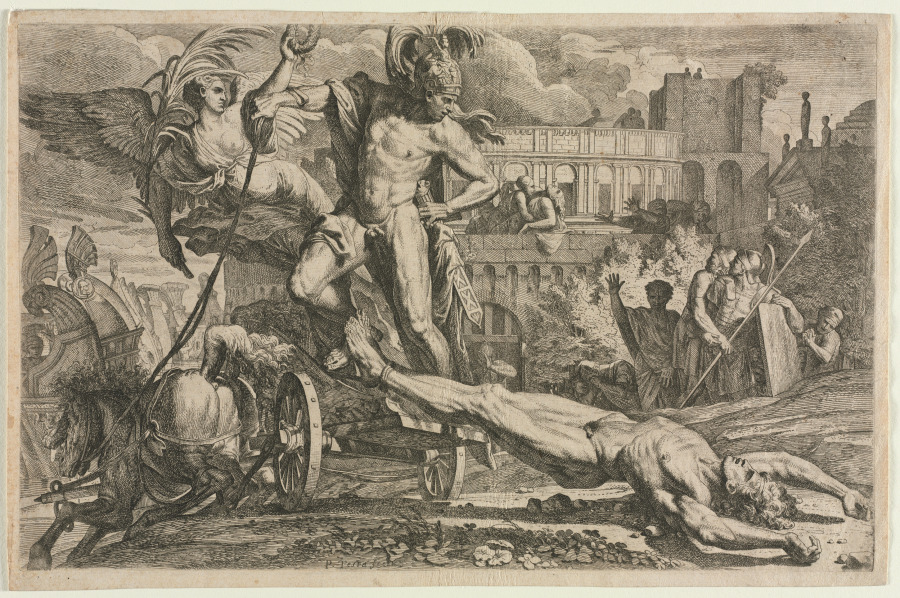
Achilles Dragging the Body of Hector at the Cleveland Museum of Art: 1648, etching. Explore the work's context, creator attribution and collection history.

Elephant at the Cleveland Museum of Art: 900–950, sandstone. Explore the work's context, creator attribution and collection history.
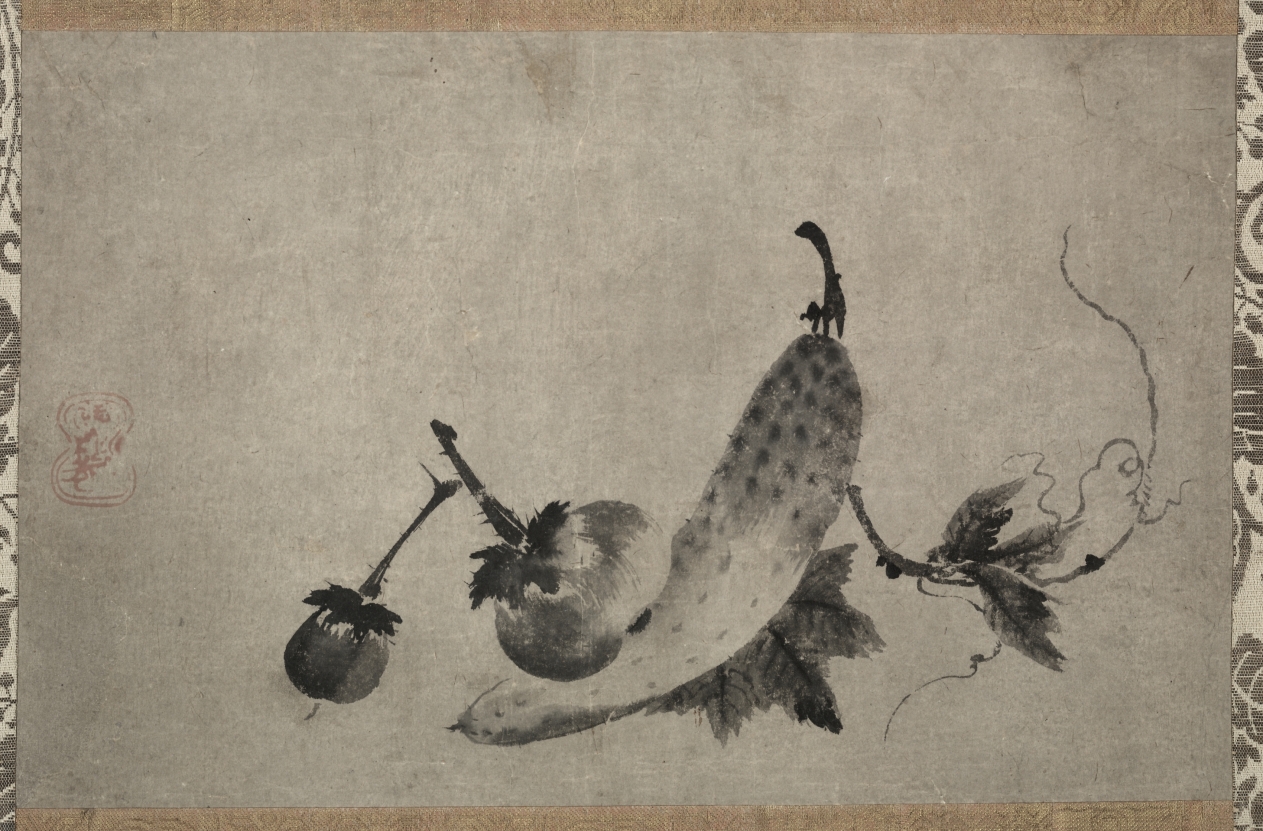
Cucumber and Eggplants at the Cleveland Museum of Art: 1500s, hanging scroll; ink on paper. Explore the work's context, creator attribution and collection history.