A Flying Angel (recto) (1723–27): Art, History and Details
A Flying Angel (recto) at the Cleveland Museum of Art: 1723–27, black chalk heightened with traces of white chalk. Explore the work's context, creator attribution and collection history.
Oldest entries first, in a fixed order. Newly added articles appear at the end. Explore a shuffled selection →

A Flying Angel (recto) at the Cleveland Museum of Art: 1723–27, black chalk heightened with traces of white chalk. Explore the work's context, creator attribution and collection history.

Studies of Hands Playing Instruments (verso) at the Cleveland Museum of Art: 1723–27, black chalk. Explore the work's context, creator attribution and collection history.
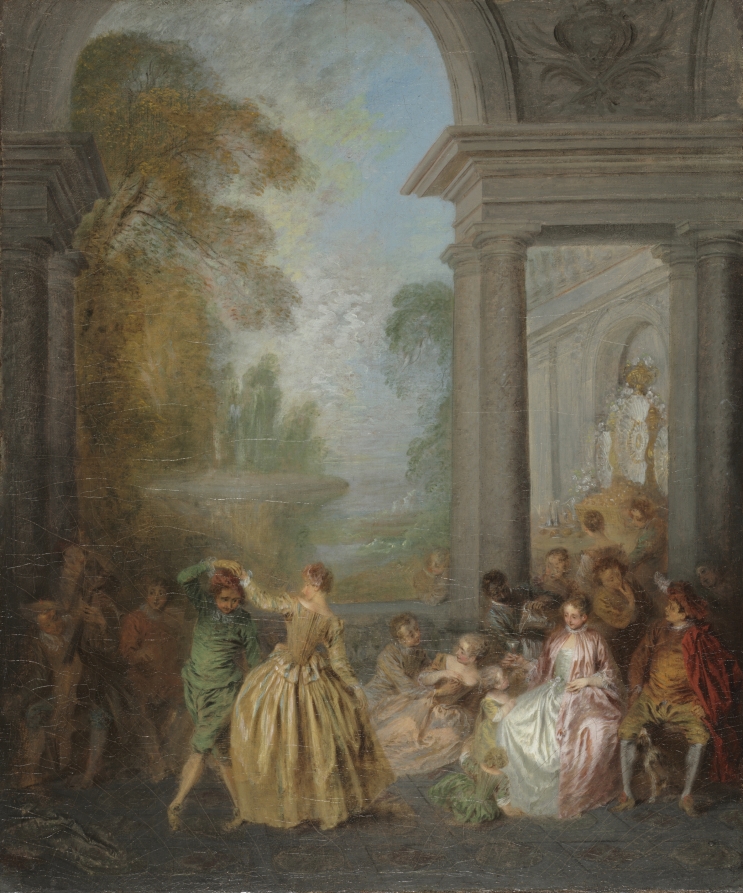
Dancers in a Pavilion at the Cleveland Museum of Art: 1720s, oil on canvas. Explore the work's context, creator attribution and collection history.

Colophon, folio 188 (recto), from a Manuscript of the Perfection of Wisdom in Eight Thousand Lines (Ashtasahasrika Prajnaparamita-sutra) at the Cleveland Museum of Art: Sunday, September 14, 1119 (year 239 of the Newar Samvat in the month o
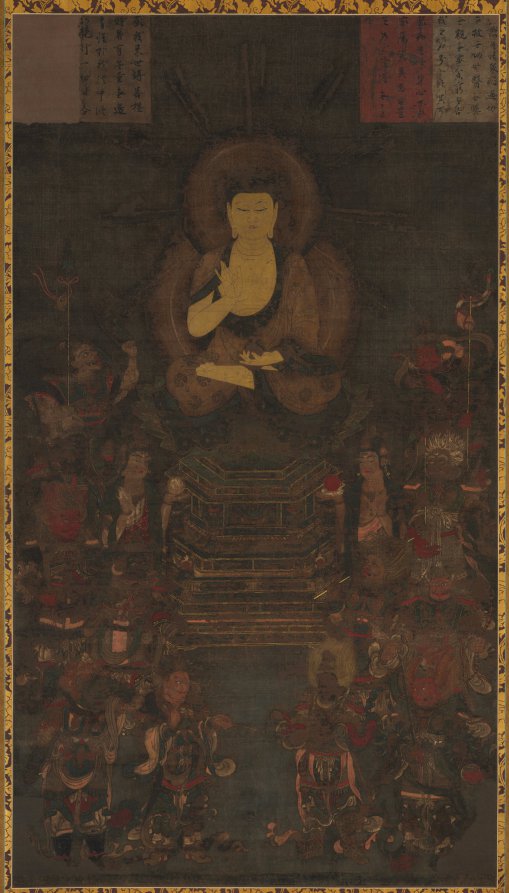
Medicine Master Buddha and the Twelve Divine Generals at the Cleveland Museum of Art: 1200s, Hanging scroll painting; ink, color, gold, and silver on silk. Explore the work's context, creator attribution and collection history.
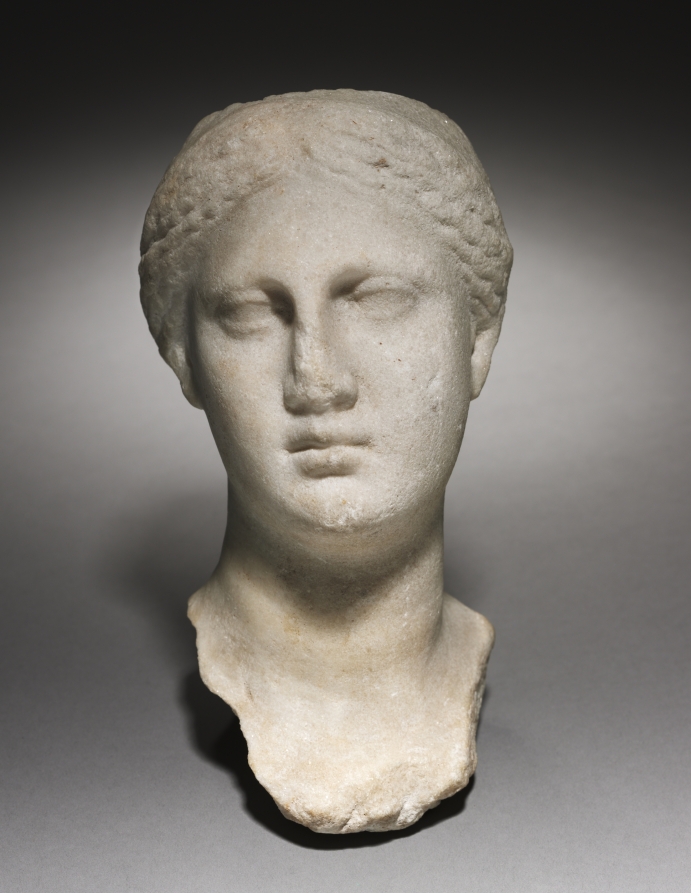
Head of a Woman at the Cleveland Museum of Art: 400–200 BCE, marble. Explore the work's context, creator attribution and collection history.
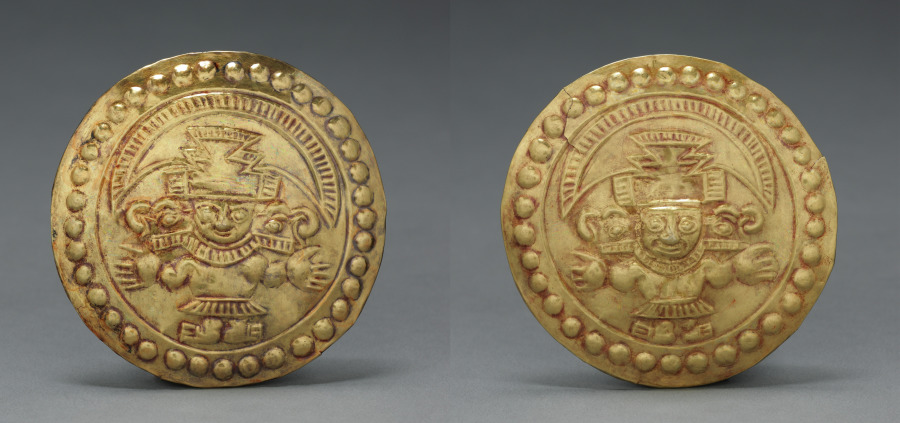
Pair of Ear Flare Frontals at the Cleveland Museum of Art: Chimú style (900–1470), hammered gold alloy. Explore the work's context, creator attribution and collection history.

Ear Flare Frontal at the Cleveland Museum of Art: Chimú style (900–1470), hammered gold alloy. Explore the work's context, creator attribution and collection history.
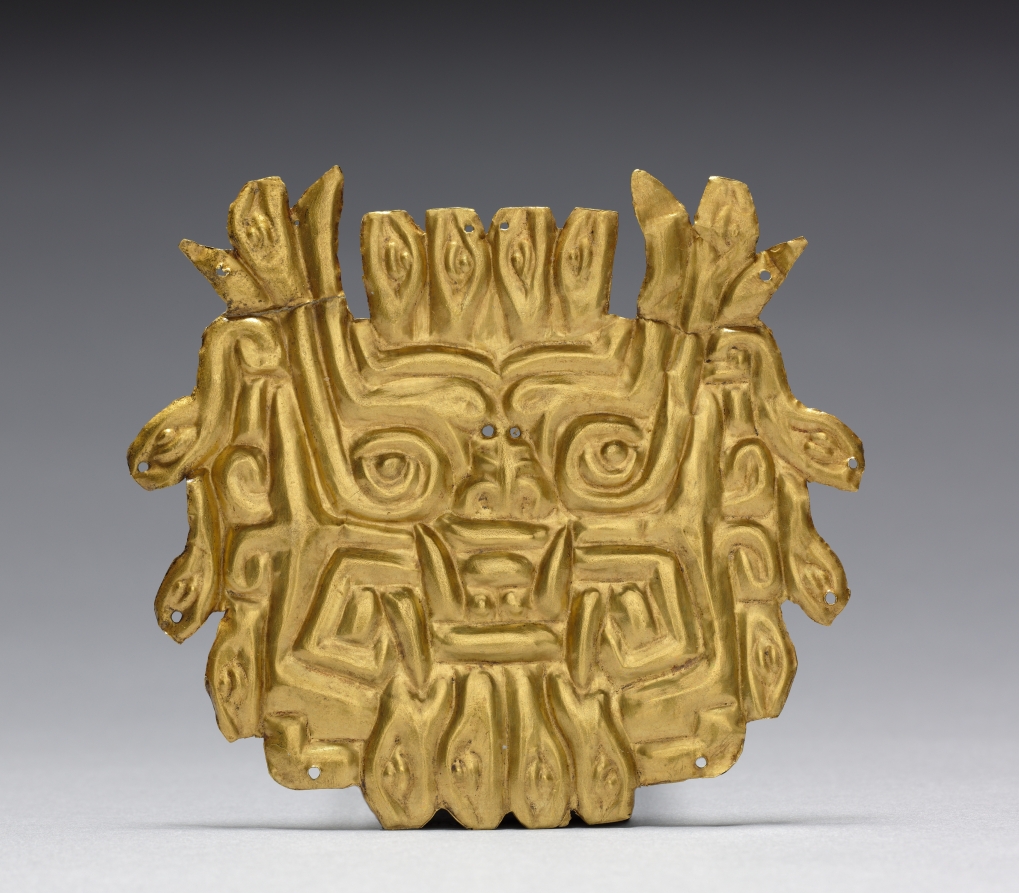
Plaque at the Cleveland Museum of Art: c. 500–200 BCE, hammered and cut gold. Explore the work's context, creator attribution and collection history.
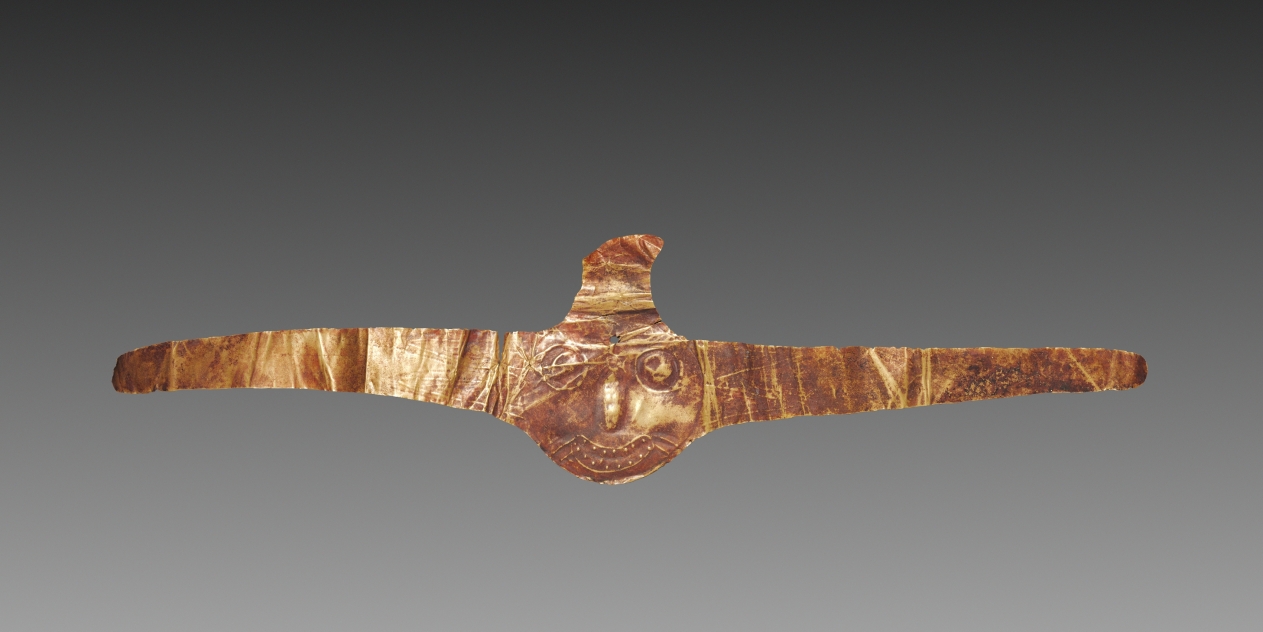
Headdress Ornament at the Cleveland Museum of Art: c. 300 BCE–200 CE, hammered and embossed gold-copper alloy. Explore the work's context, creator attribution and collection history.

Frieze with Apsaras at the Cleveland Museum of Art: late 1100s, sandstone. Explore the work's context, creator attribution and collection history.
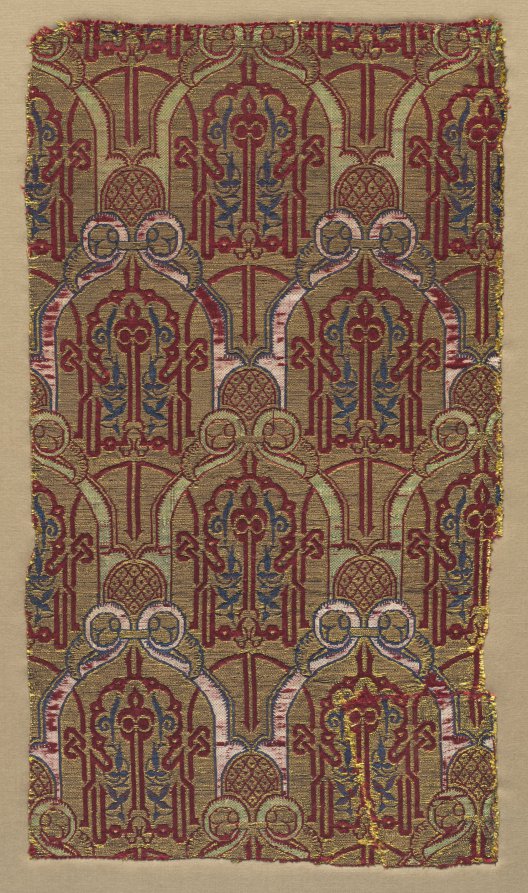
Fragment with palmette arches with Alhambra wall pattern at the Cleveland Museum of Art: 1300s, Silk and gilt-metal thread: lampas weave. Explore the work's context, creator attribution and collection history.
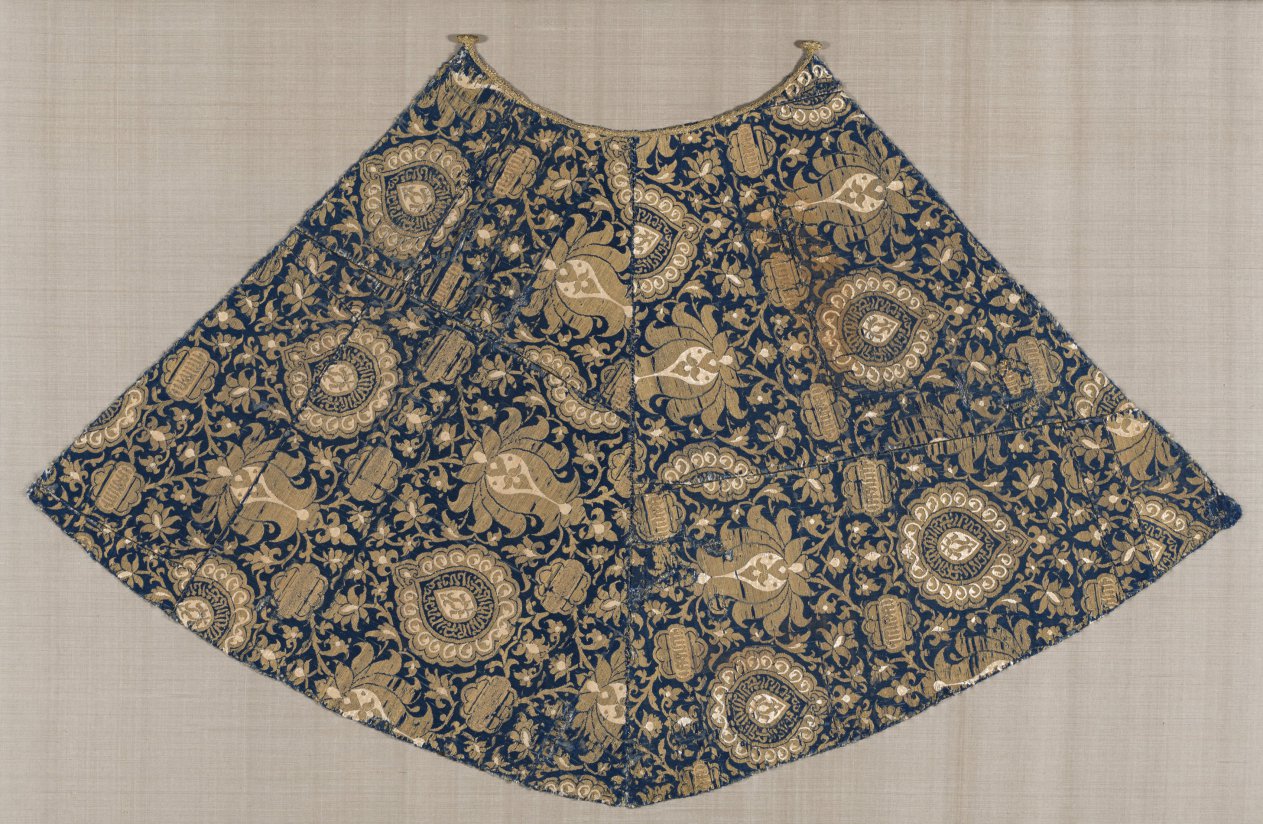
Mantle for a Statue of the Virgin with Lotus Blossoms and Medallions at the Cleveland Museum of Art: c. 1430, Silk and gilt-metal thread: lampas weave. Explore the work's context, creator attribution and collection history.

Lampas with foliate roundels at the Cleveland Museum of Art: 1300s, lampas: silk and gold thread. Explore the work's context, creator attribution and collection history.
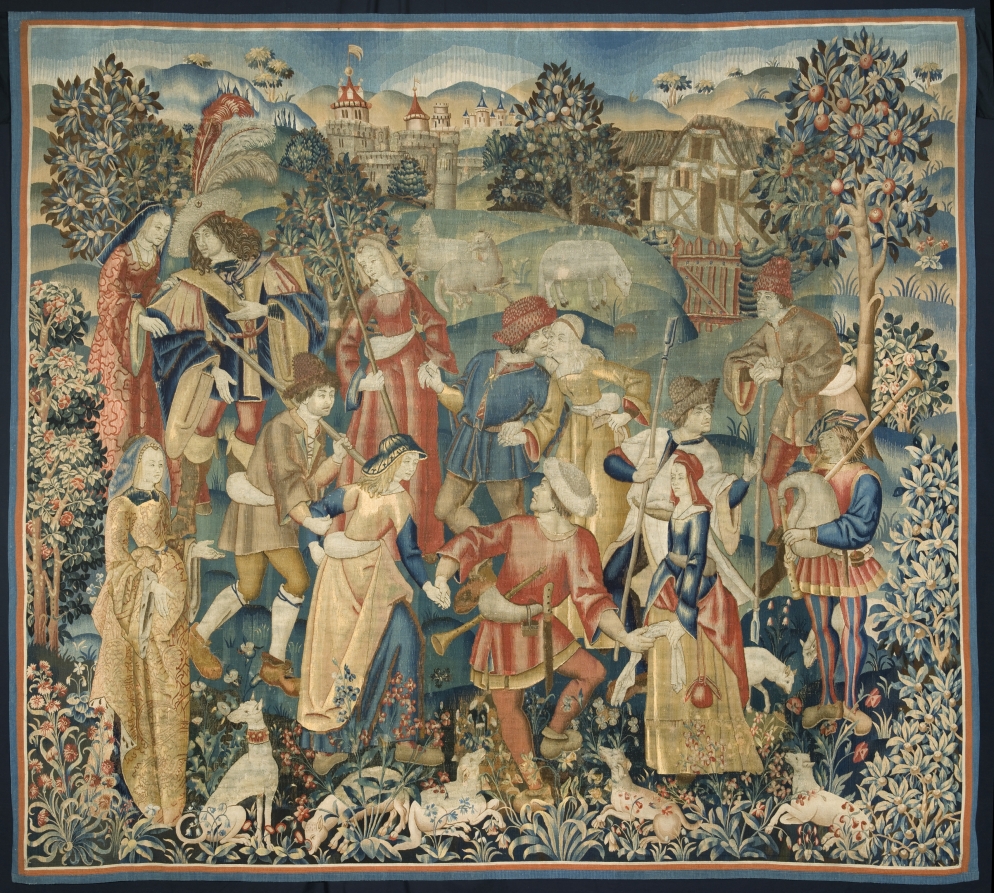
Shepherds in a Round Dance at the Cleveland Museum of Art: around 1500, Wool and silk: tapestry weave. Explore the work's context, creator attribution and collection history.

Aurelius Antoninus Pius at the Cleveland Museum of Art: late 1400s, marble. Explore the work's context, creator attribution and collection history.
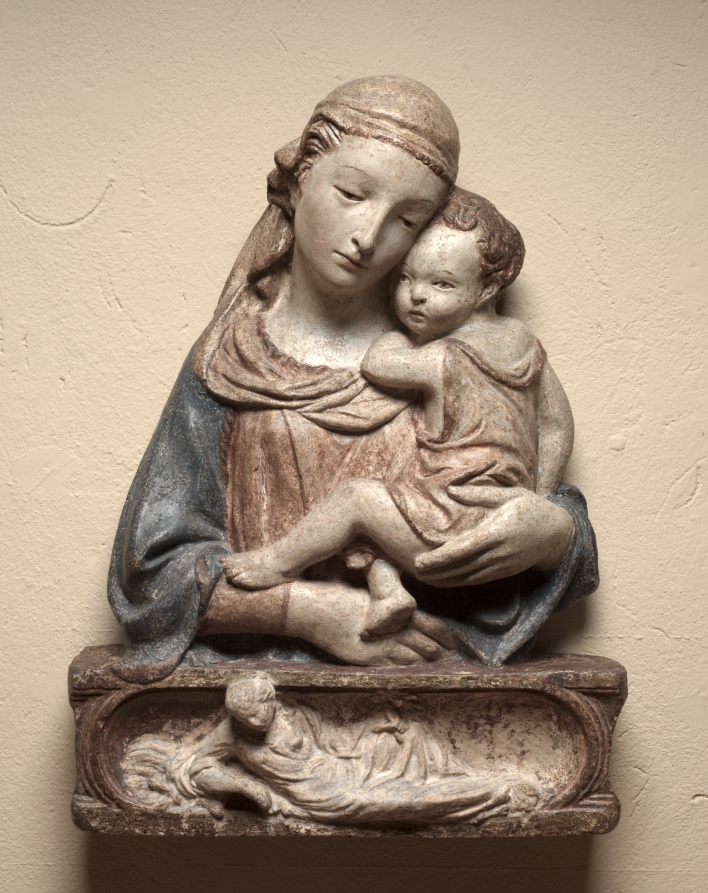
Madonna and Child at the Cleveland Museum of Art: c. 1450, polychromed terracotta. Explore the work's context, creator attribution and collection history.
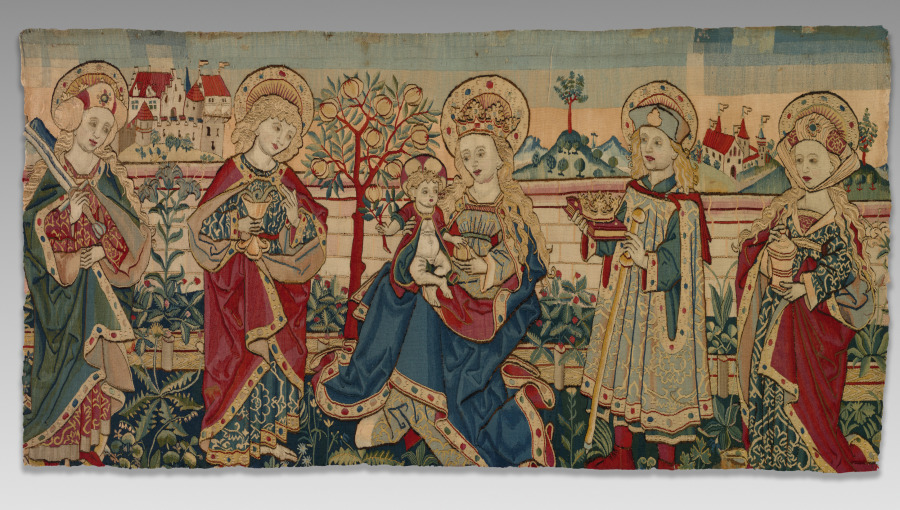
Virgin and Child with Four Saints at the Cleveland Museum of Art: c. 1500, tapestry weave: linen warp, wool and silk wefts. Explore the work's context, creator attribution and collection history.
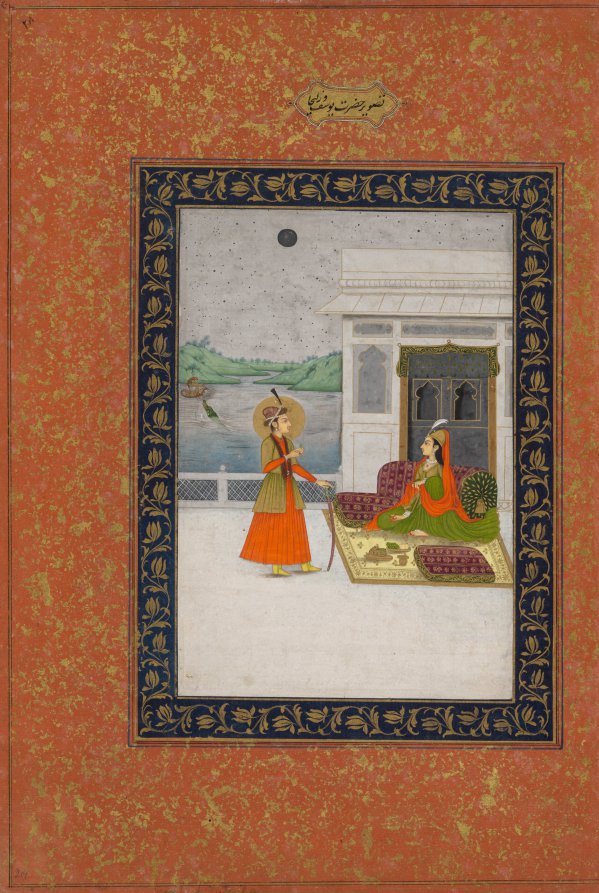
Yusuf and Zulaykha meeting at the Cleveland Museum of Art: c. 1764, Gum tempera, ink, and gold on paper. Explore the work's context, creator attribution and collection history.

The Dock of Deauville at the Cleveland Museum of Art: 1891, oil on wood panel. Explore the work's context, creator attribution and collection history.

Village Wedding at the Cleveland Museum of Art: 1785, Lavis-manner color engraving and etching. Explore the work's context, creator attribution and collection history.

Study of a Reclining Nude at the Cleveland Museum of Art: c. 1841, oil on fabric. Explore the work's context, creator attribution and collection history.
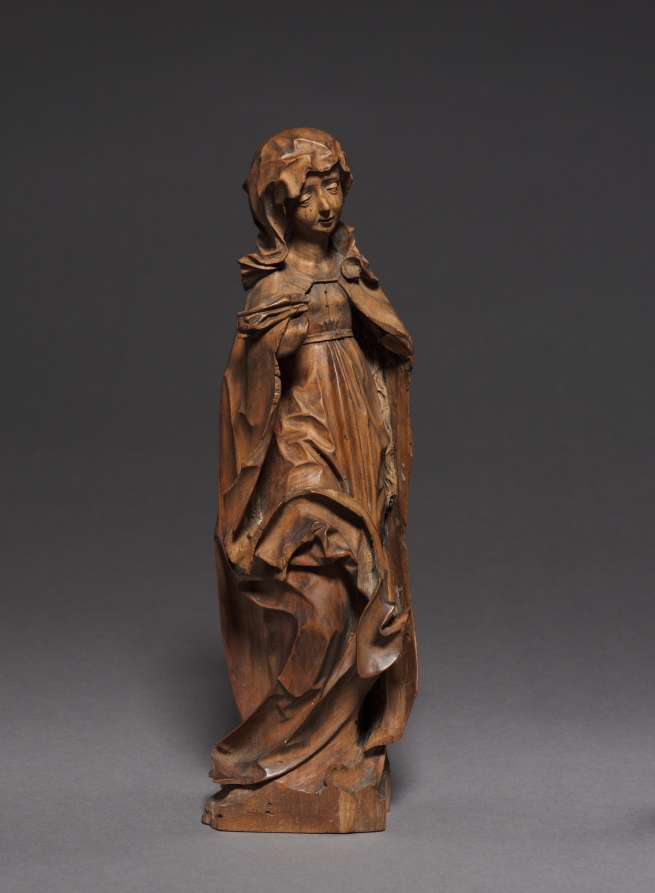
Mourning Virgin from a Crucifixion Group at the Cleveland Museum of Art: about 1620/40, pearwood. Explore the work's context, creator attribution and collection history.
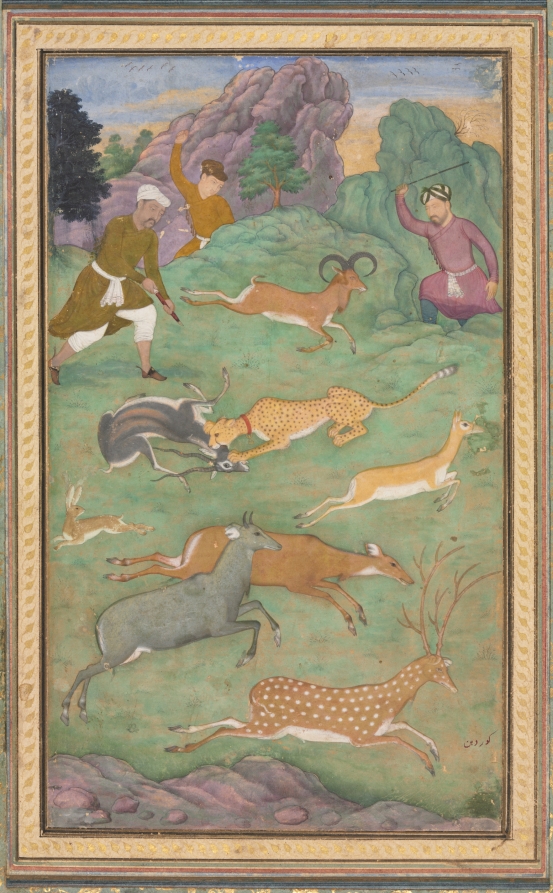
Antelope and deer hunt at the Cleveland Museum of Art: c. 1602–4, Gum tempera and gold on paper. Explore the work's context, creator attribution and collection history.
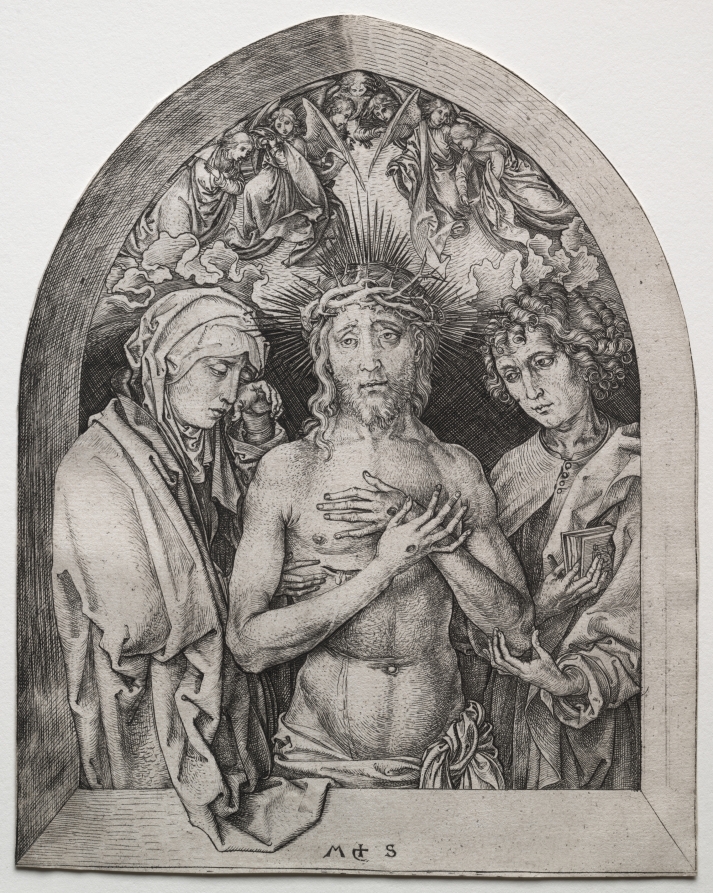
Christ as the Man of Sorrows between the Virgin and St. John at the Cleveland Museum of Art: 1470–75, engraving. Explore the work's context, creator attribution and collection history.
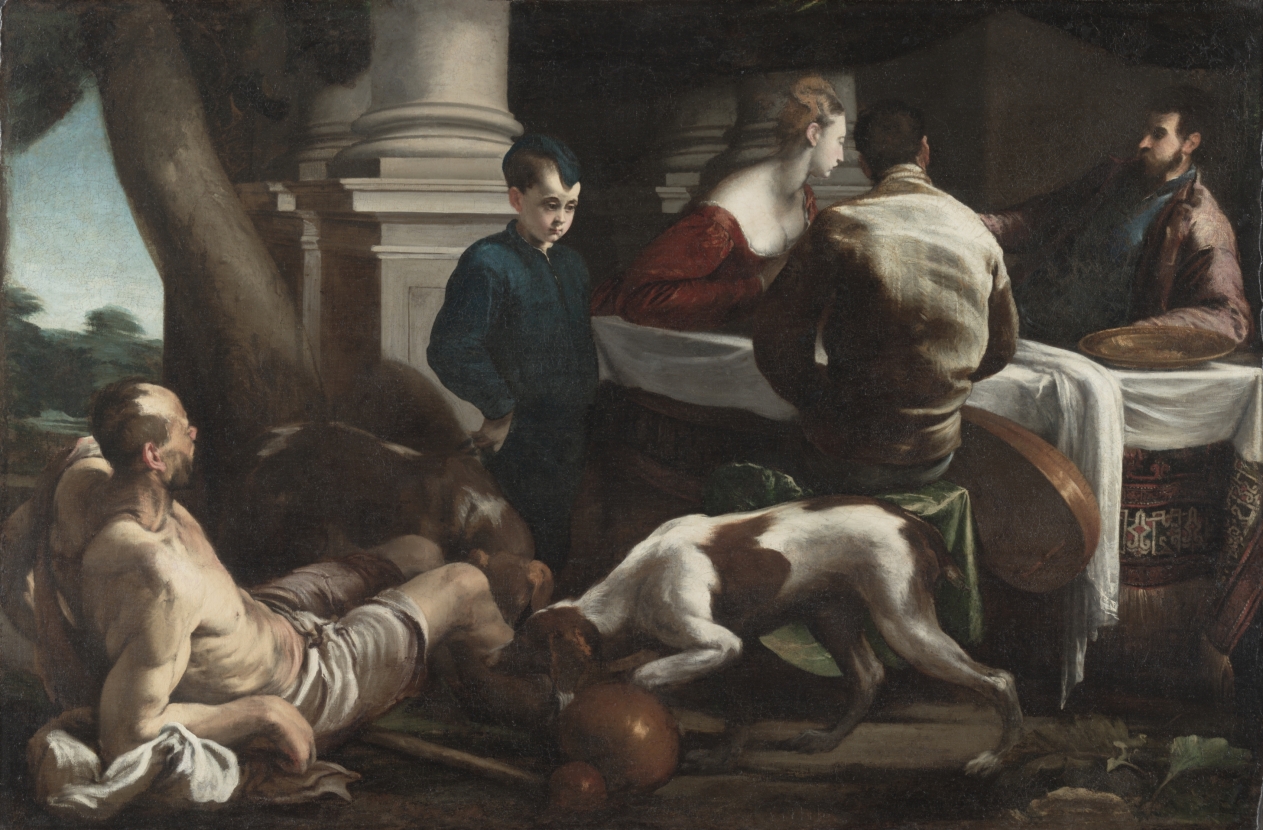
Lazarus and the Rich Man at the Cleveland Museum of Art: c. 1550, oil on canvas. Explore the work's context, creator attribution and collection history.
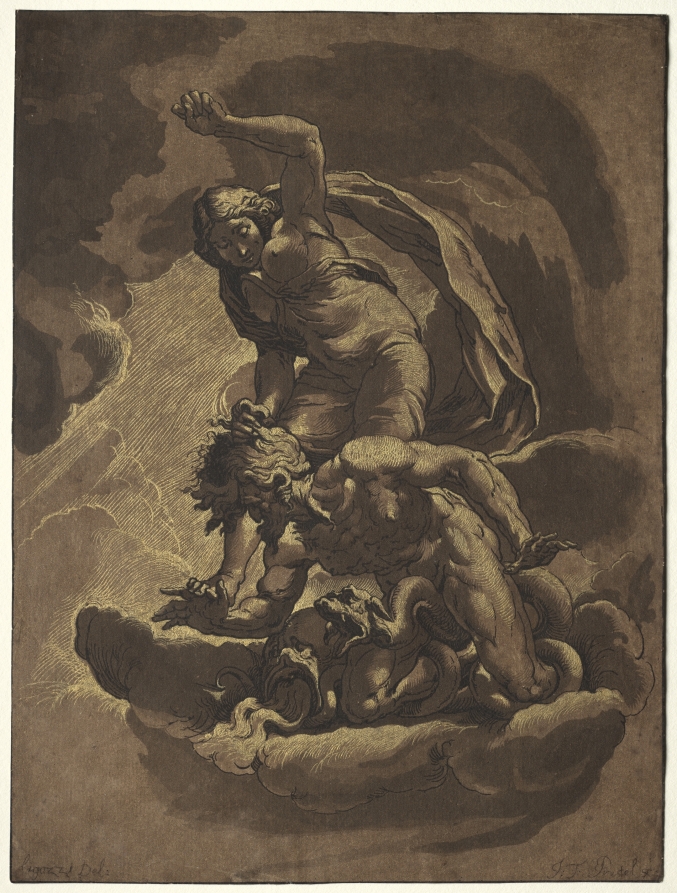
The Triumph of Truth over Envy, Plate 24 at the Cleveland Museum of Art: 1781, Etching and aquatint printed in brown ink with gold leaf. Explore the work's context, creator attribution and collection history.
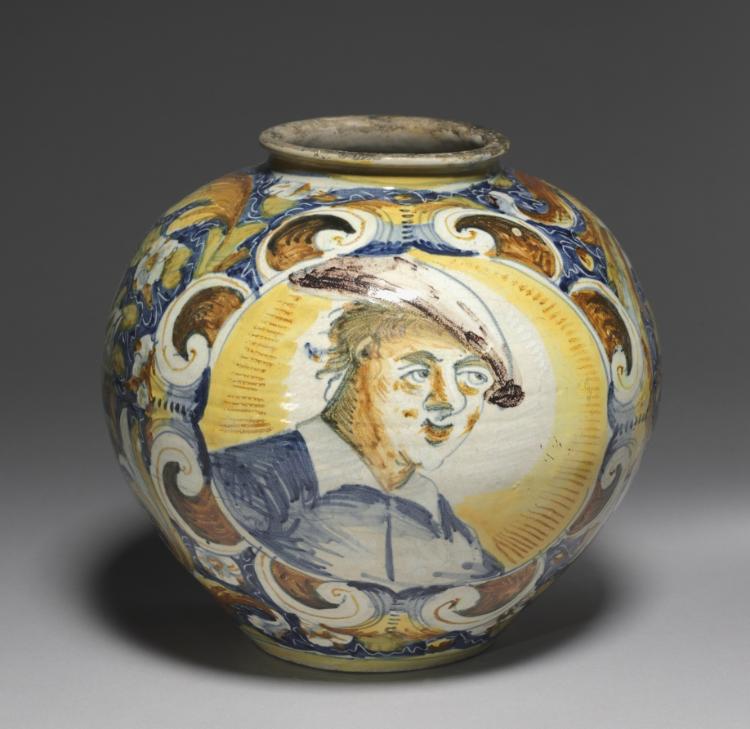
Storage Jar (Vaso a Palla) at the Cleveland Museum of Art: c. 1560–80, tin-glazed earthenware (maiolica). Explore the work's context, creator attribution and collection history.
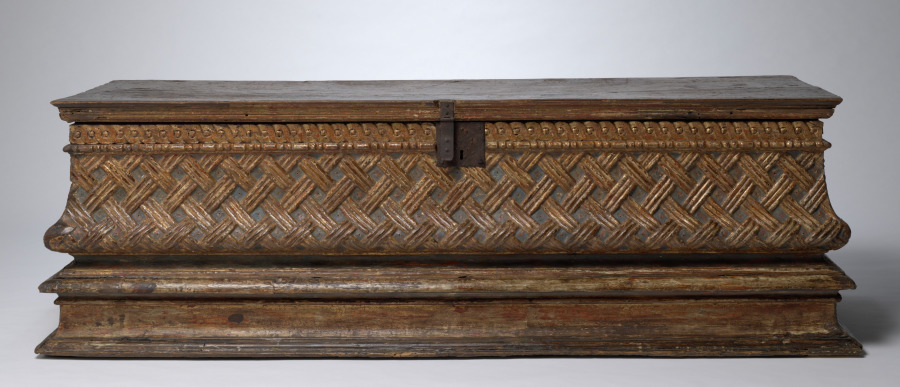
Cassone at the Cleveland Museum of Art: early 1500s, walnut, painted and gilded. Explore the work's context, creator attribution and collection history.
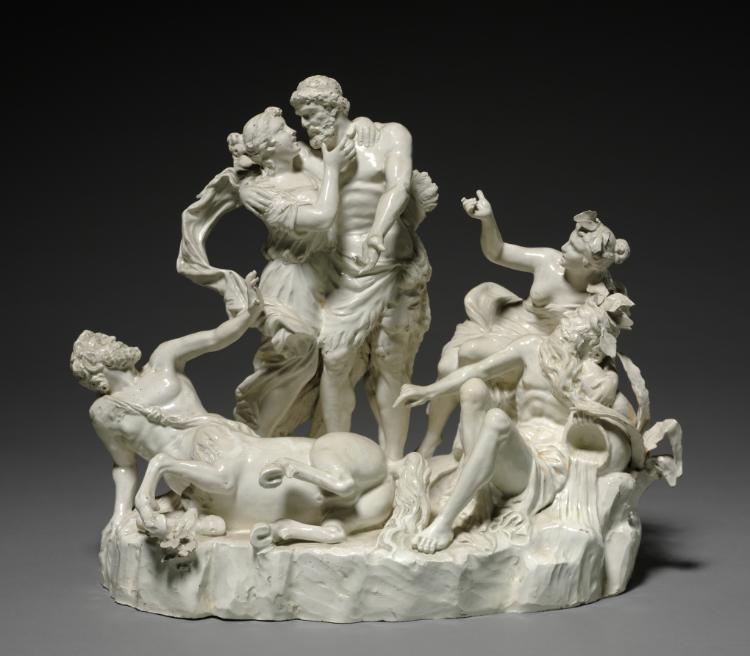
Hercules, Deianeira, and Nessus at the Cleveland Museum of Art: 1700s, glazed ceramic. Explore the work's context, creator attribution and collection history.
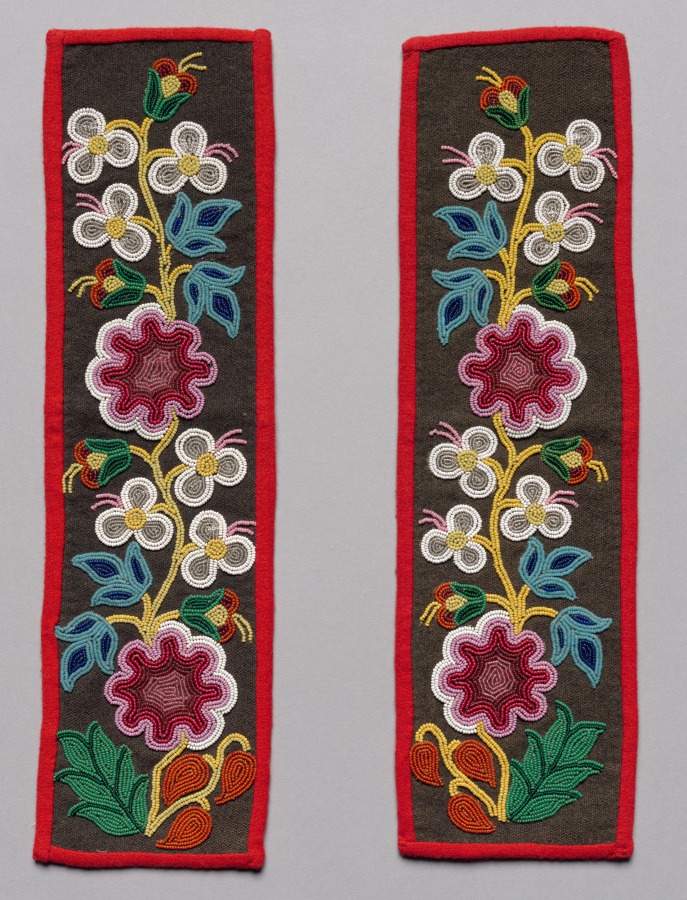
Two Beaded Panels at the Cleveland Museum of Art: late 1800s, glass beads on wool. Explore the work's context, creator attribution and collection history.
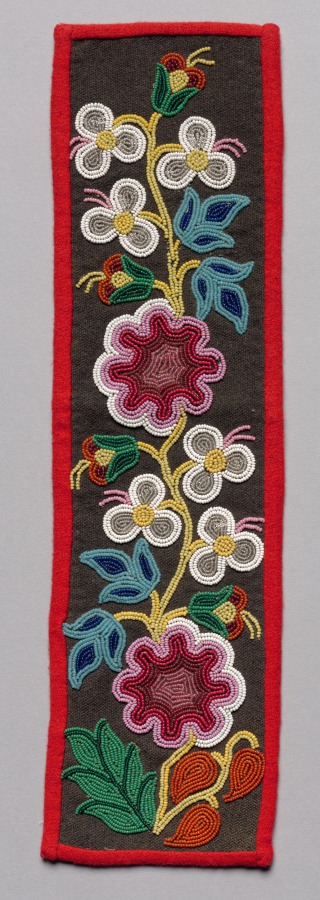
Beaded Panel at the Cleveland Museum of Art: late 1800s, glass beads on wool. Explore the work's context, creator attribution and collection history.
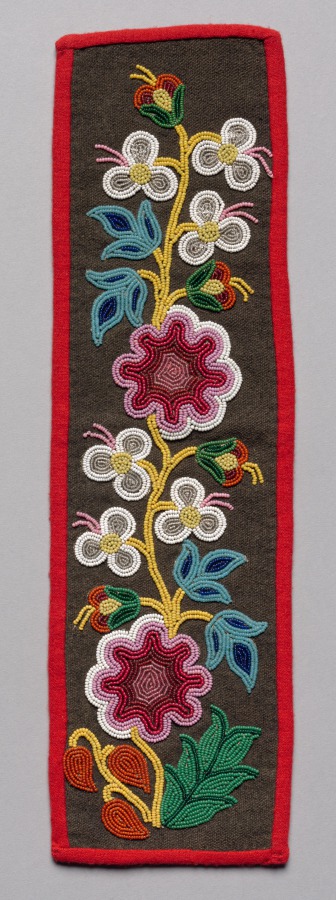
Beaded Panel at the Cleveland Museum of Art: late 1800s, glass beads on wool. Explore the work's context, creator attribution and collection history.
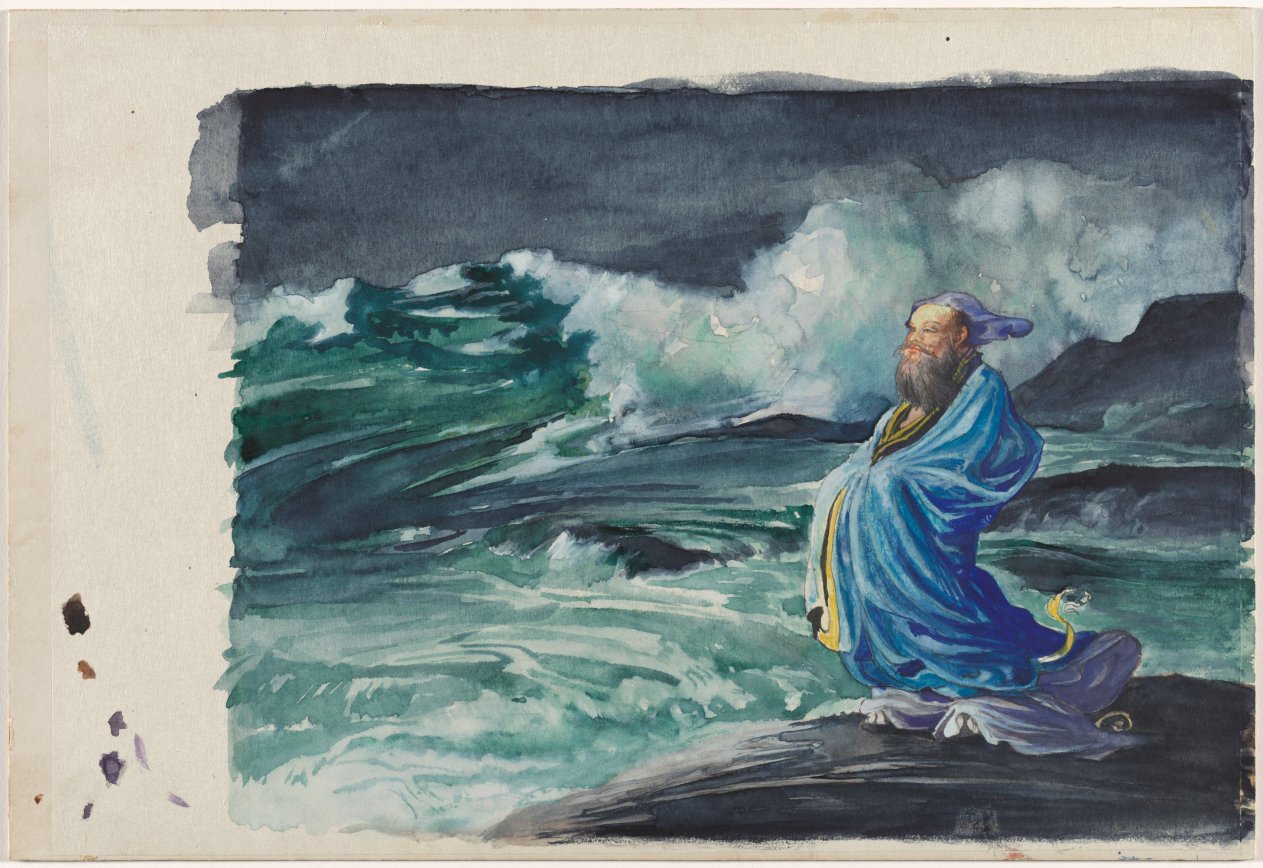
A Rishi Stirring Up a Storm at the Cleveland Museum of Art: 1897, watercolor and gouache over graphite. Explore the work's context, creator attribution and collection history.
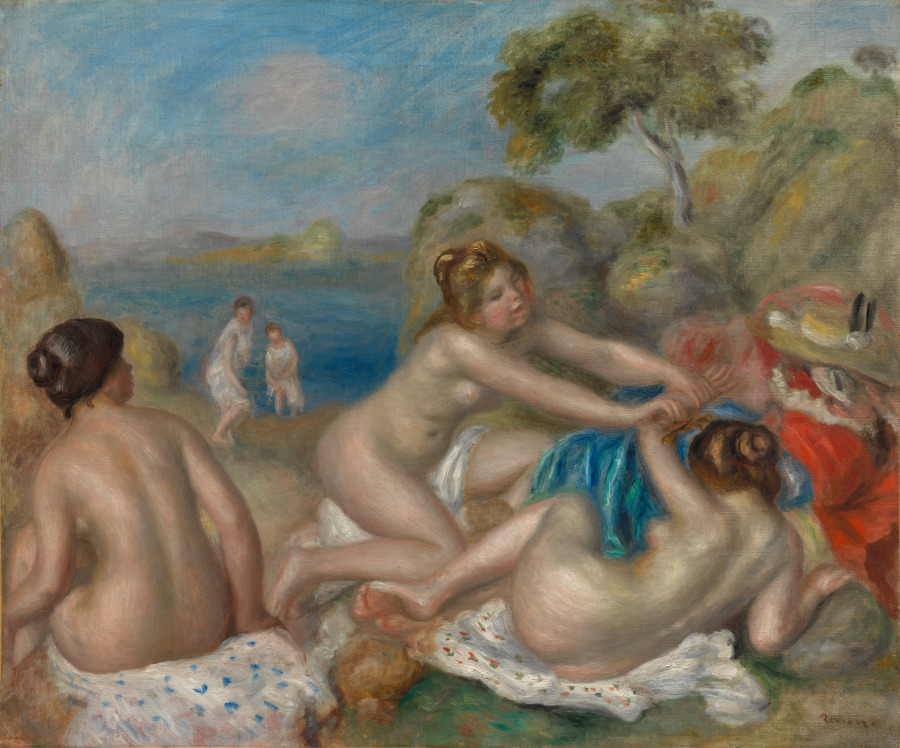
Bathers Playing with a Crab at the Cleveland Museum of Art: c. 1897, oil on canvas. Explore the work's context, creator attribution and collection history.
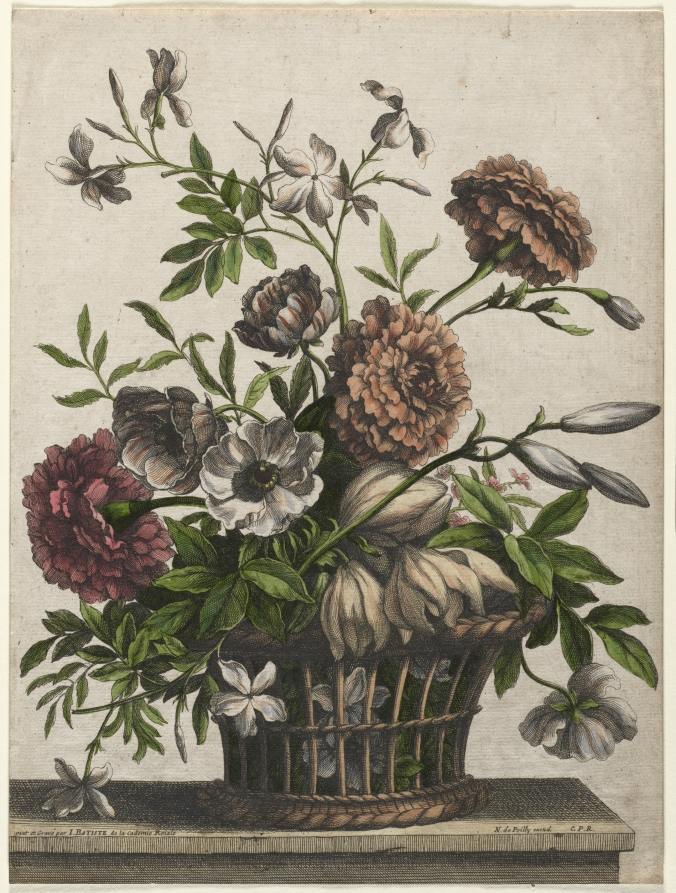
Marigolds, single Anemone, Jasmine. . . . at the Cleveland Museum of Art: c. 1680–95, etching and engraving, hand colored. Explore the work's context, creator attribution and collection history.
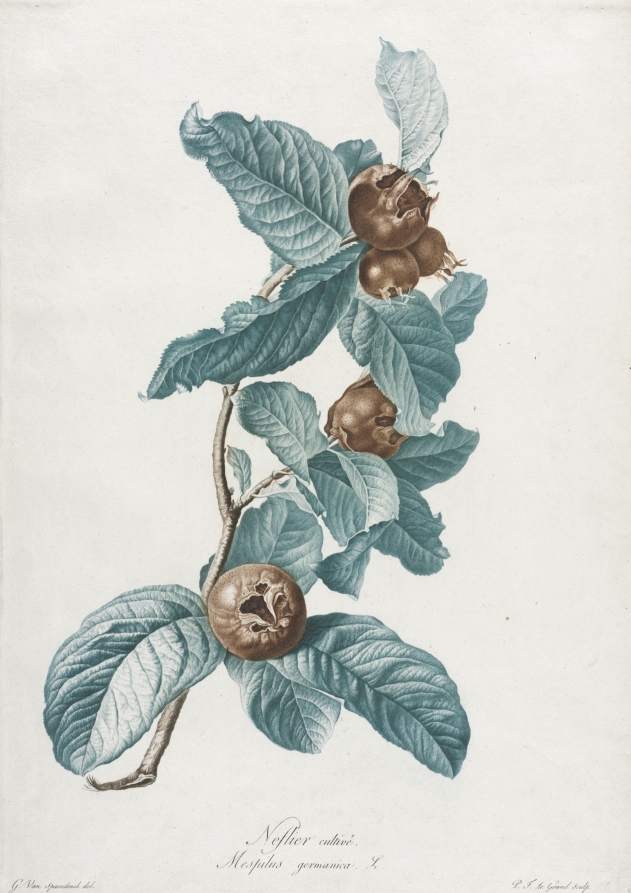
Cultivated Medlar (Mespilus germanica) at the Cleveland Museum of Art: c. 1800, stipple and roulette. Explore the work's context, creator attribution and collection history.
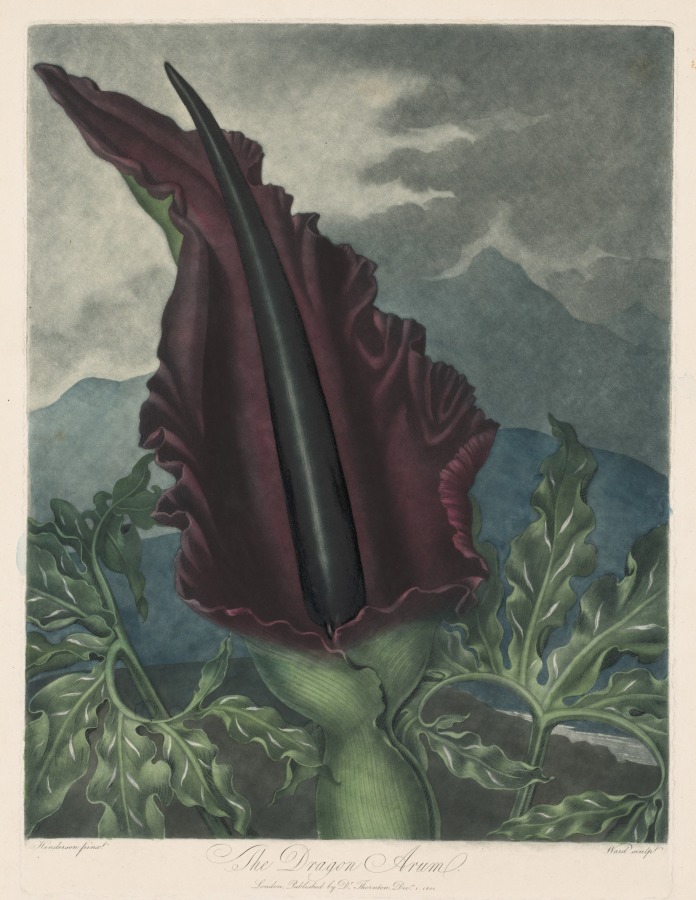
The Dragon Arum, Black Calla or Solomon's Lily at the Cleveland Museum of Art: 1799–1807, mezzotint. Explore the work's context, creator attribution and collection history.
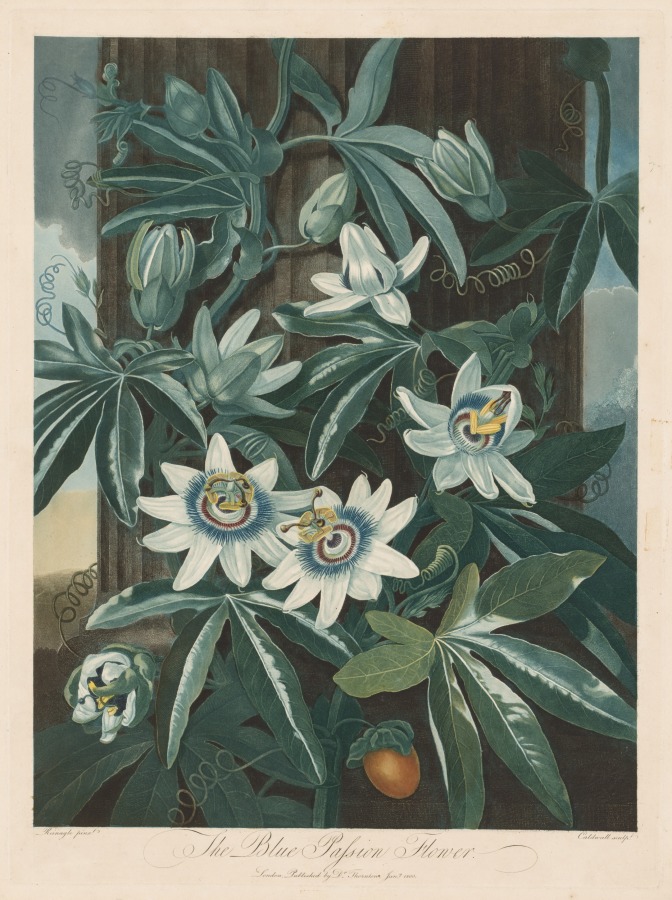
The Blue Passion-flower at the Cleveland Museum of Art: 1799–1807, aquatint, stipple, line engraving, etching and roulette. Explore the work's context, creator attribution and collection history.
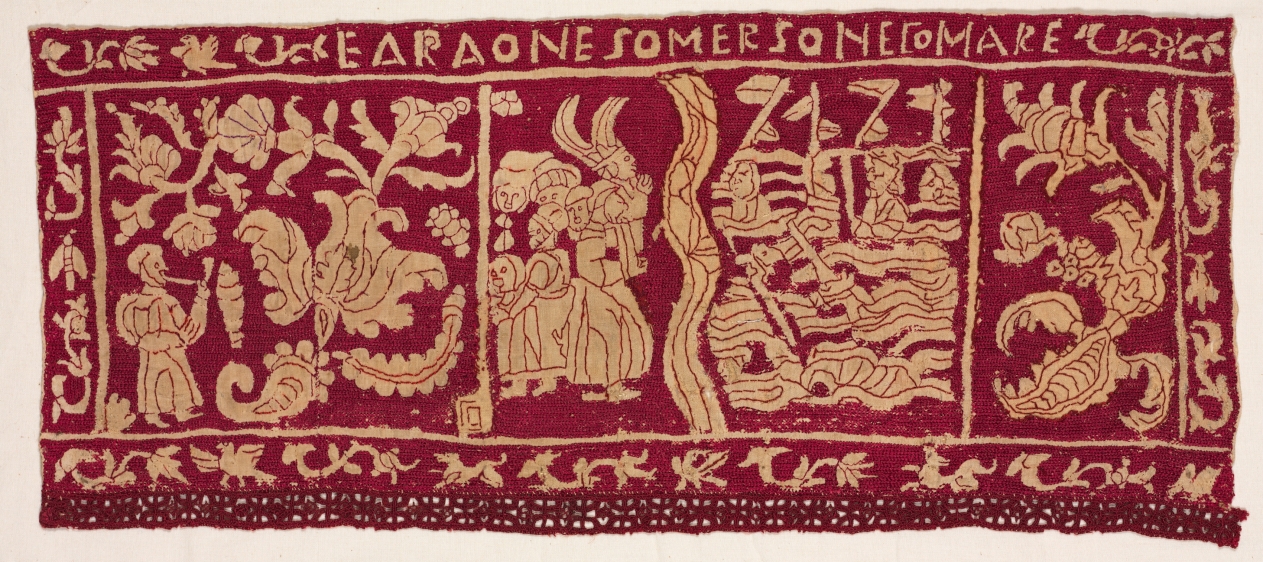
Embroidered Border: The Pharaoh Being Submerged in the Sea at the Cleveland Museum of Art: 1500s-1600s, Plain weave linen; embroidery in silk; attached border of needle lace. Explore the work's context, creator attribution and collection hi