Peony (1920): Art, History and Details
Peony at the Cleveland Museum of Art: 1920, plain weave cotton, printed. Explore the work's context, creator attribution and collection history.
Oldest entries first, in a fixed order. Newly added articles appear at the end. Explore a shuffled selection →

Peony at the Cleveland Museum of Art: 1920, plain weave cotton, printed. Explore the work's context, creator attribution and collection history.
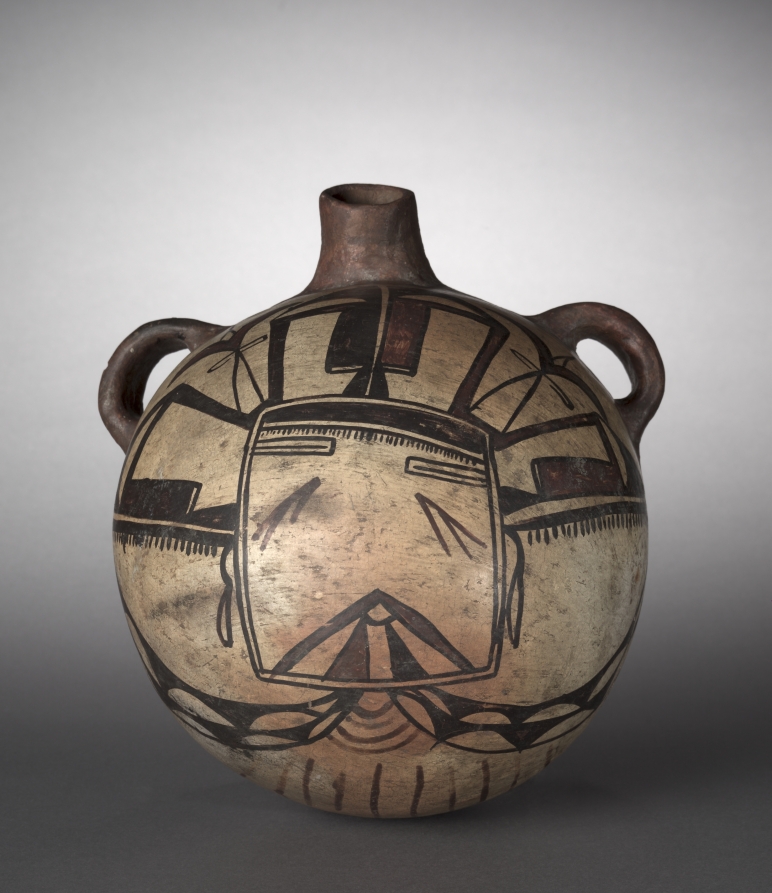
Canteen with a Katsina-like Face at the Cleveland Museum of Art: 1890, ceramic, slip. Explore the work's context, creator attribution and collection history.
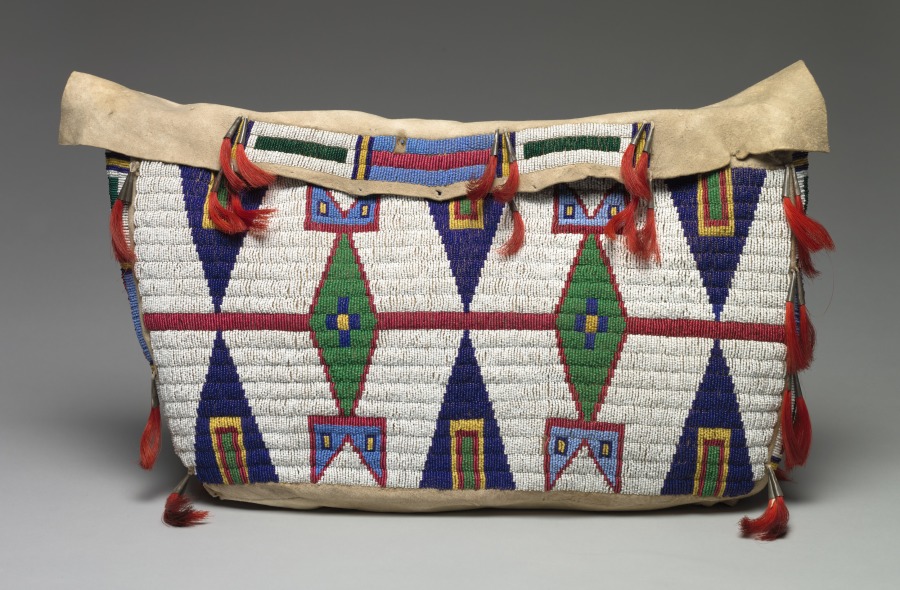
Storage Bag at the Cleveland Museum of Art: late 1800s, Native-tanned hide, glass beads, dyed horsehair, tin cones, sinew thread. Explore the work's context, creator attribution and collection history.

Blanket Strip at the Cleveland Museum of Art: c. 1900, Native-tanned hide, glass beads, metal beads, sinew thread. Explore the work's context, creator attribution and collection history.
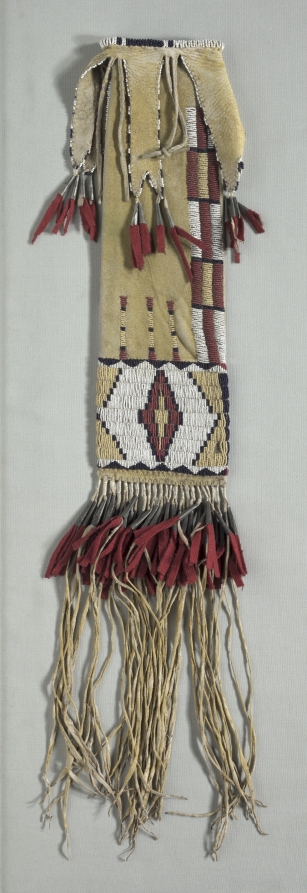
Pipe or Tobacco Bag at the Cleveland Museum of Art: c. 1870, Native-tanned hide, yellow pigment, glass beads, red trade cloth, tin cones, sinew thread. Explore the work's context, creator attribution and collection history.
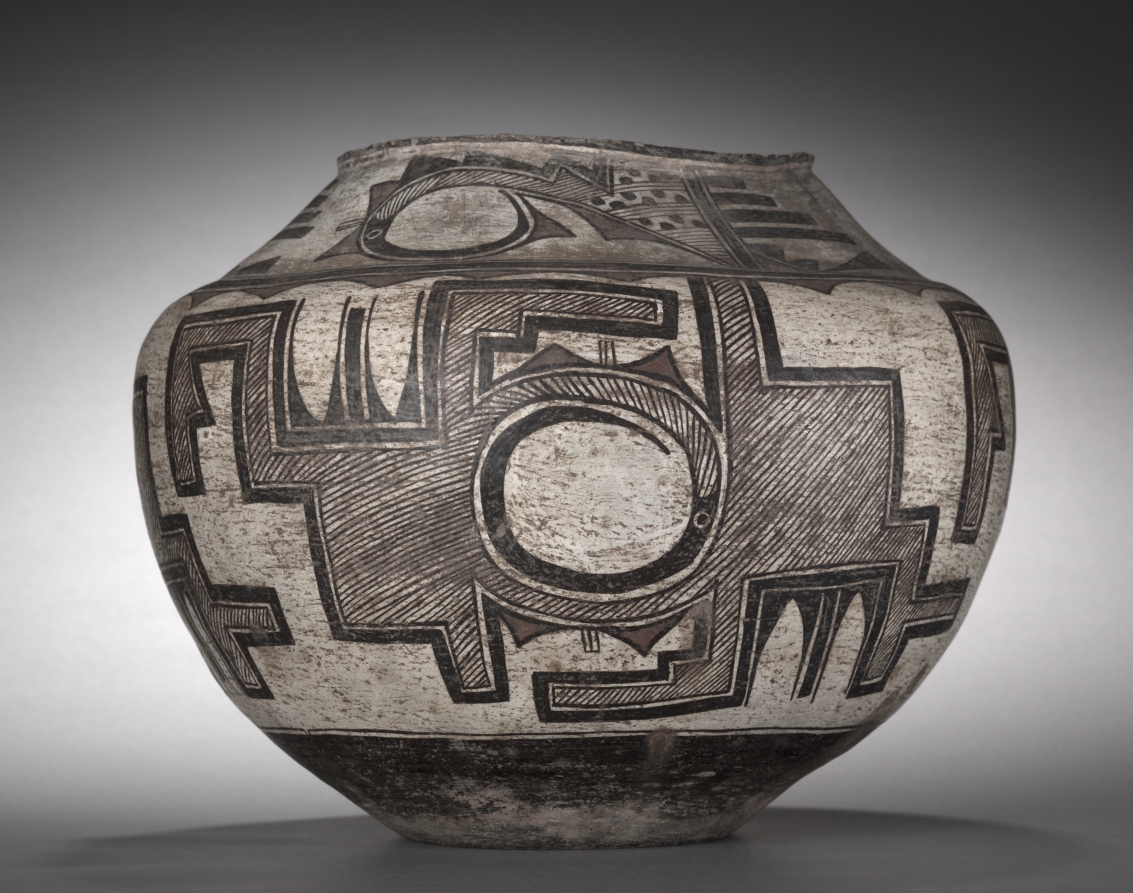
Water Jar (Olla) with Rainbird at the Cleveland Museum of Art: 1850–60, ceramic, slip. Explore the work's context, creator attribution and collection history.
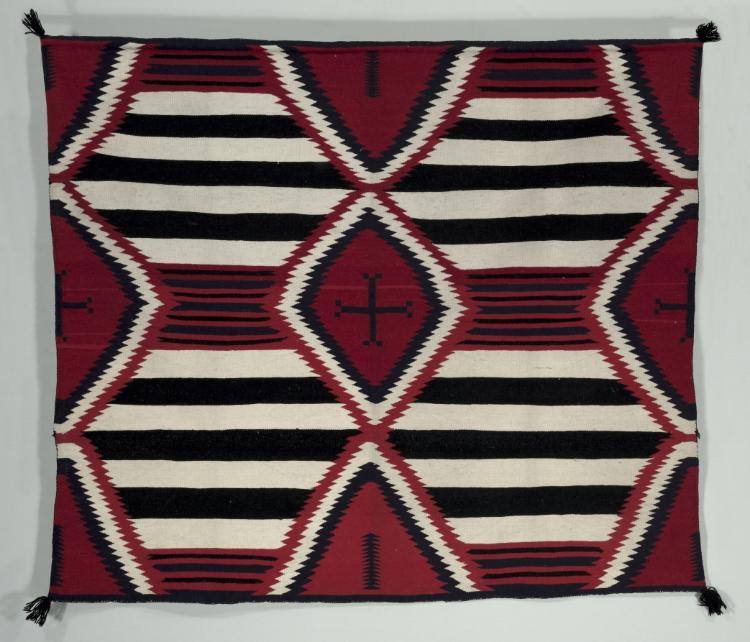
Fourth-Phase Chief Blanket Style Rug at the Cleveland Museum of Art: c. 1900, wool (handspun, Germantown, and bayeta): tapestry weave. Explore the work's context, creator attribution and collection history.
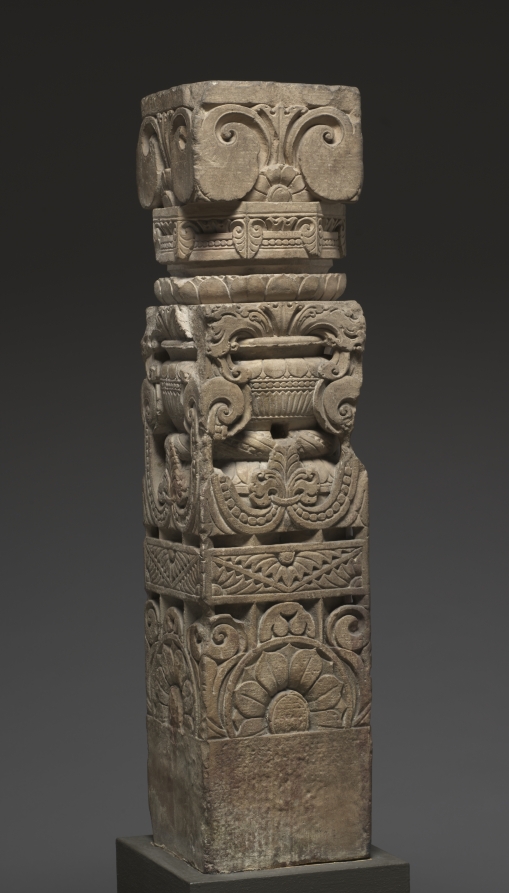
Monolithic Pillar at the Cleveland Museum of Art: 600s–700s, red sandstone. Explore the work's context, creator attribution and collection history.
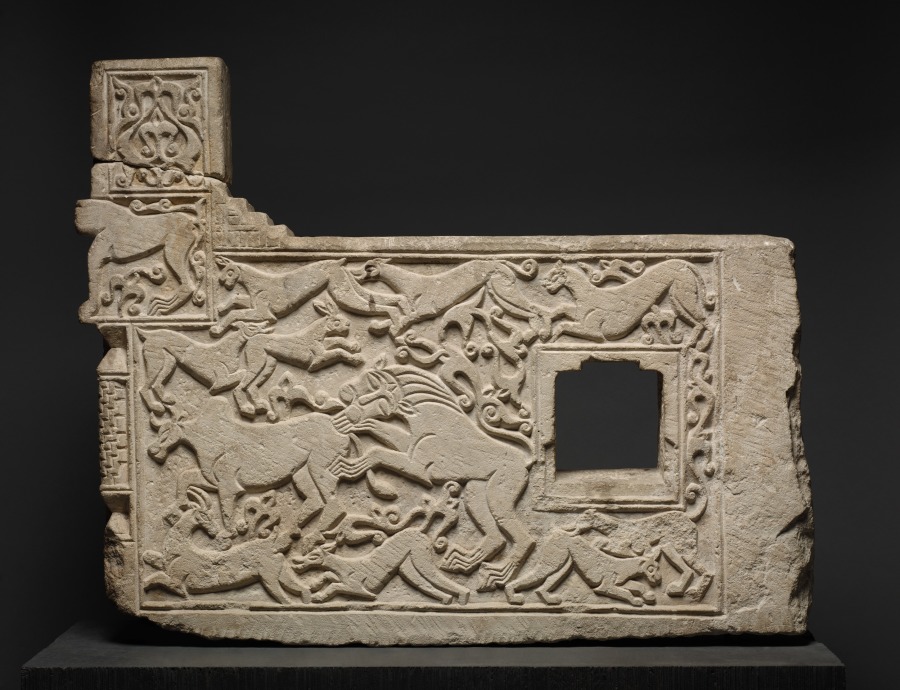
Balustrade Fragment with Animals from the residence of Hajji Hasan ibn Ibrahim ibn Muhammad at the Cleveland Museum of Art: 1303–4, limestone. Explore the work's context, creator attribution and collection history.
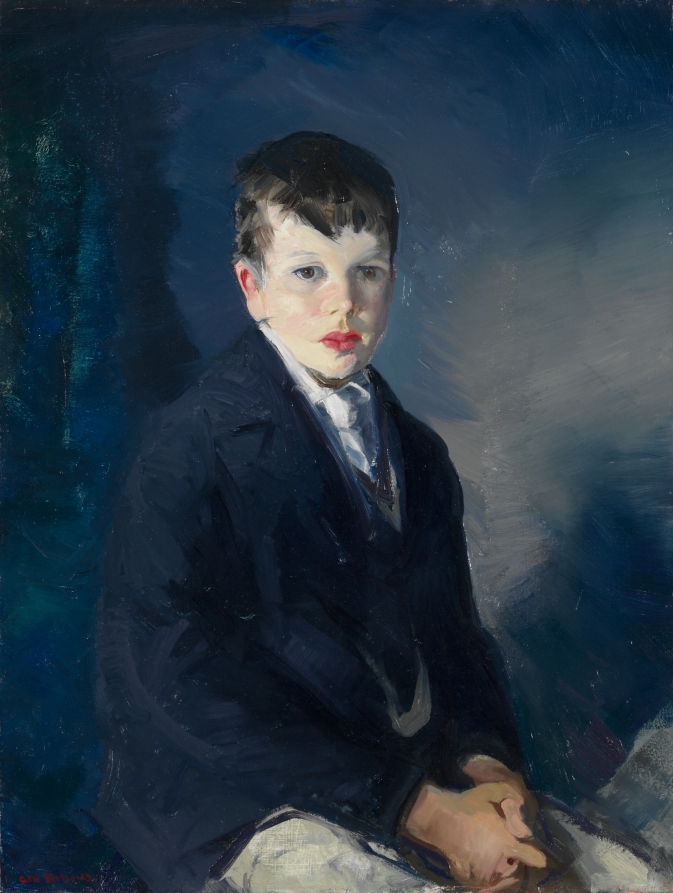
Boy in a Blue Coat at the Cleveland Museum of Art: 1915, oil on canvas. Explore the work's context, creator attribution and collection history.
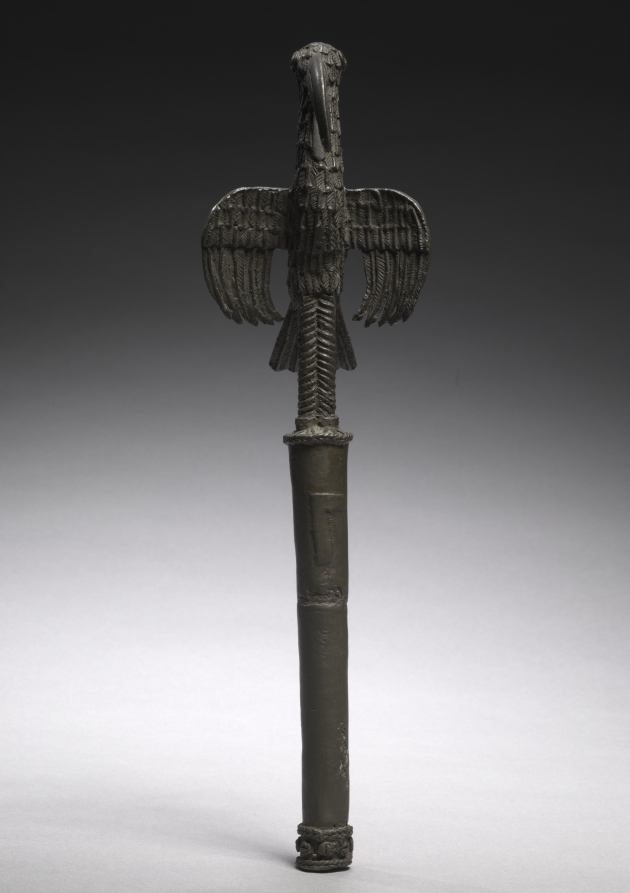
Idiophone/Staff (ahianmwẹn-ọrọ) at the Cleveland Museum of Art: possibly 1800s, Copper alloy. Explore the work's context, creator attribution and collection history.
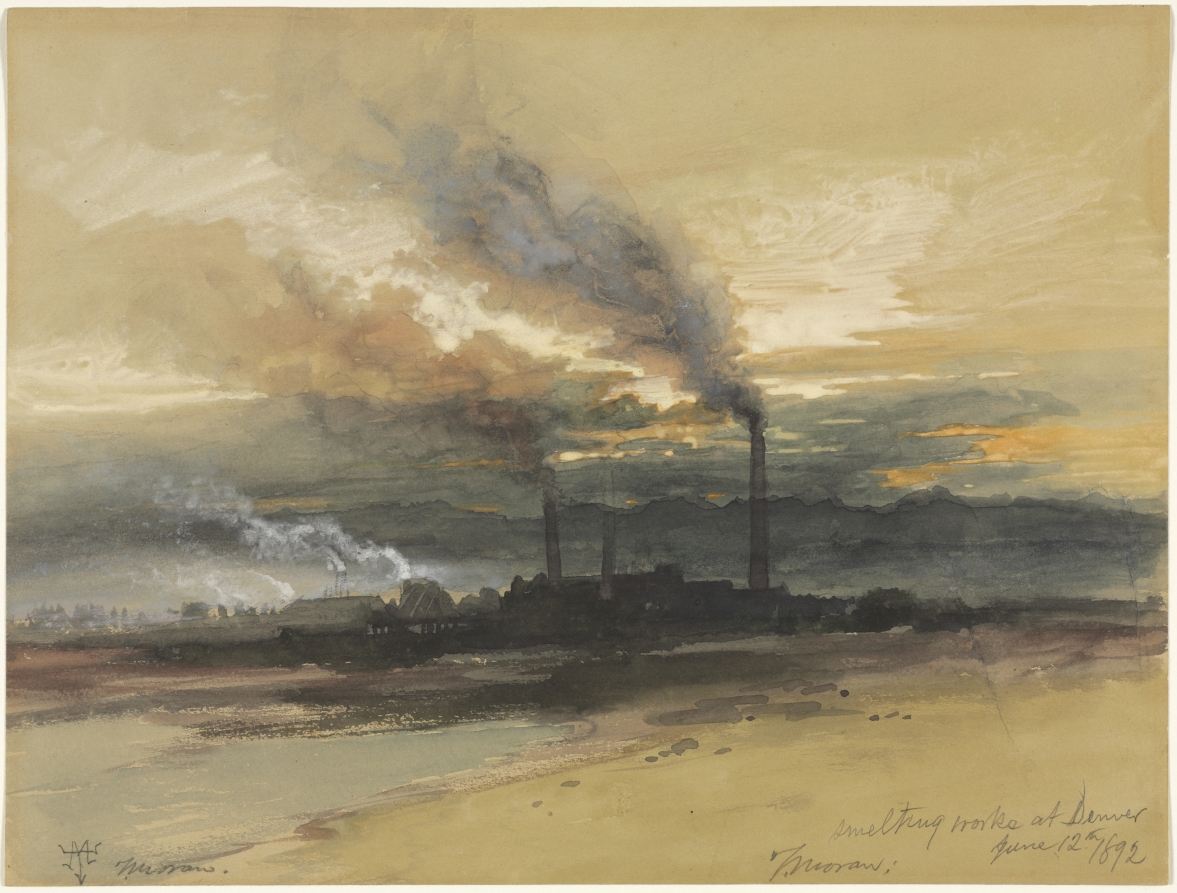
Smelting Works at Denver at the Cleveland Museum of Art: 1892, watercolor and gouache. Explore the work's context, creator attribution and collection history.
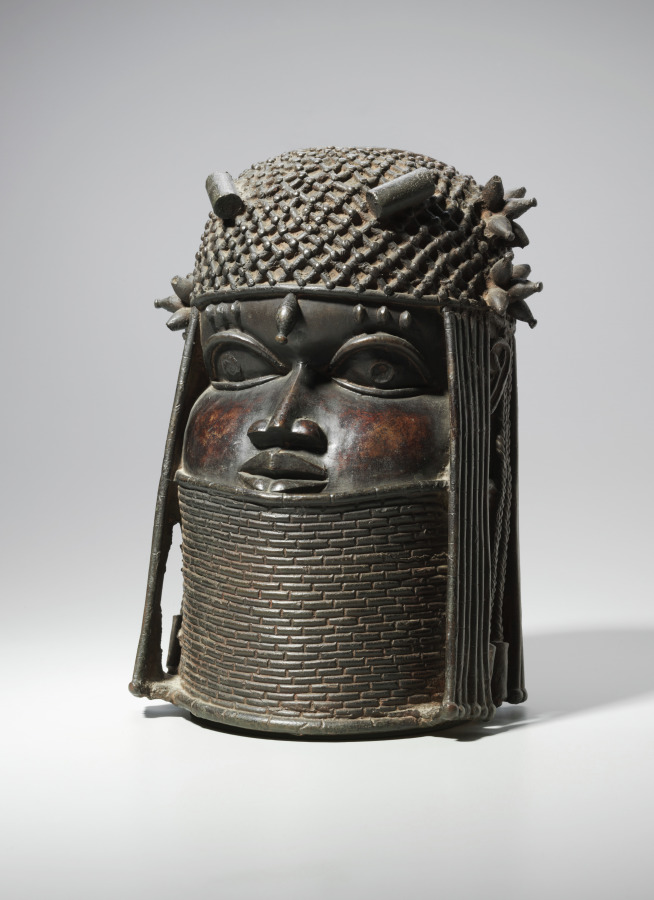
Ancestral Commemorative Head (uhunmwun-elao) at the Cleveland Museum of Art: possibly mid-1500s or early 1600s, Copper alloy and iron. Explore the work's context, creator attribution and collection history.
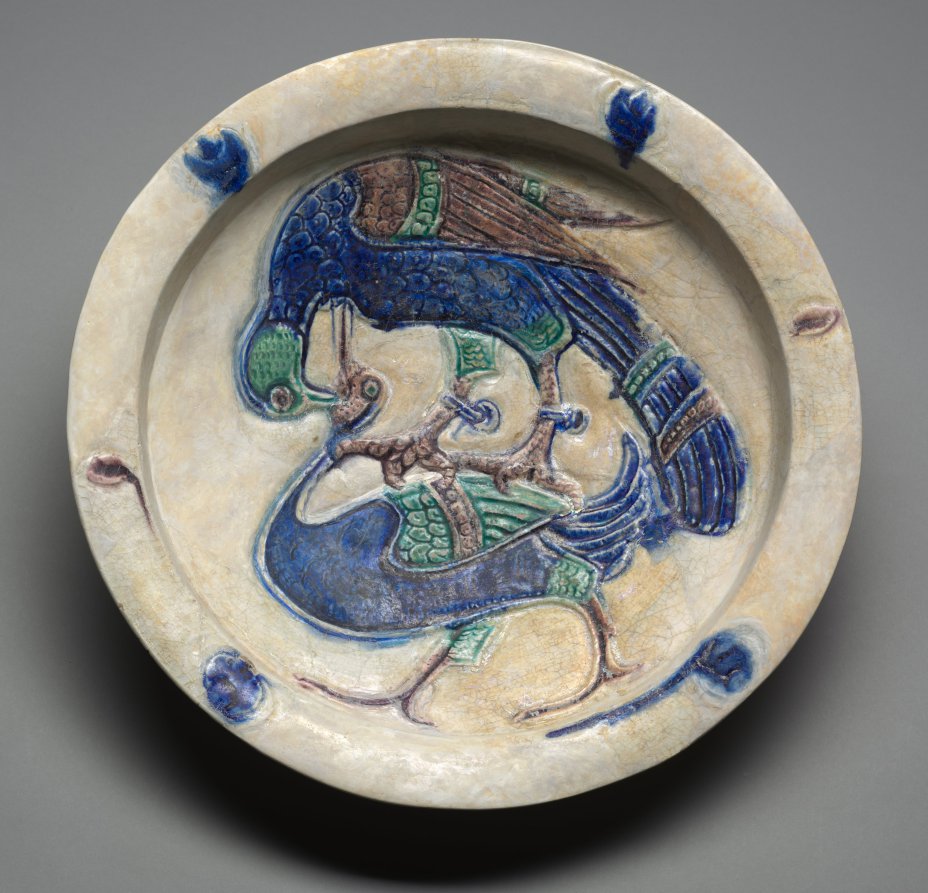
Dish with Falcon Attacking a Water Bird at the Cleveland Museum of Art: 1100s, Fritware with carved decoration and underglaze design, Lakabi ware. Explore the work's context, creator attribution and collection history.
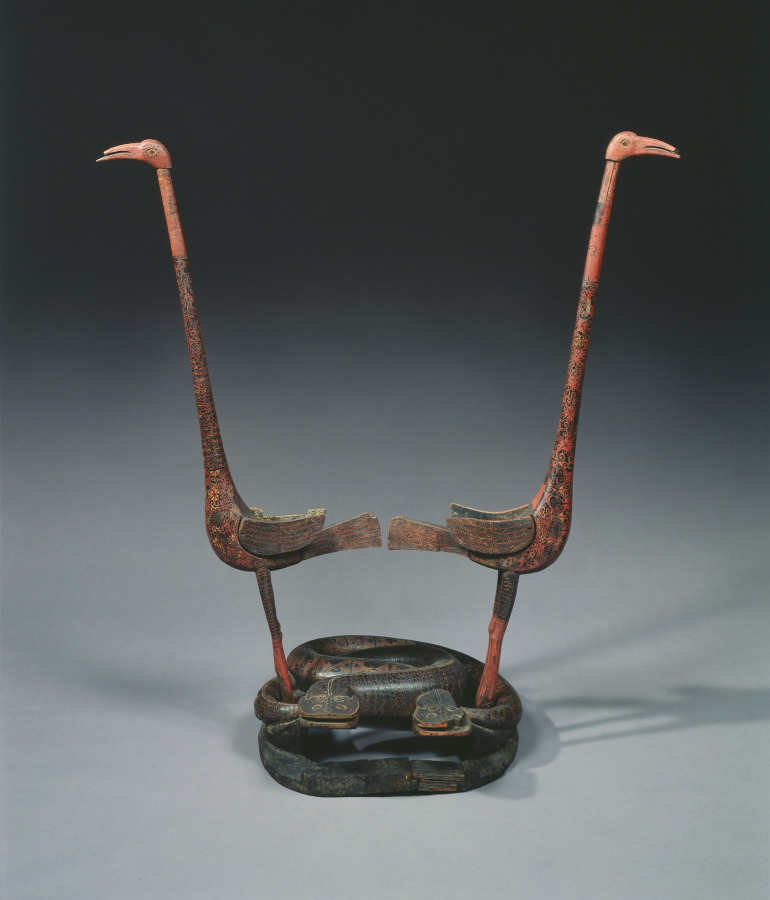
Cranes and Serpents at the Cleveland Museum of Art: 475–221 BCE, lacquered wood with polychromy. Explore the work's context, creator attribution and collection history.
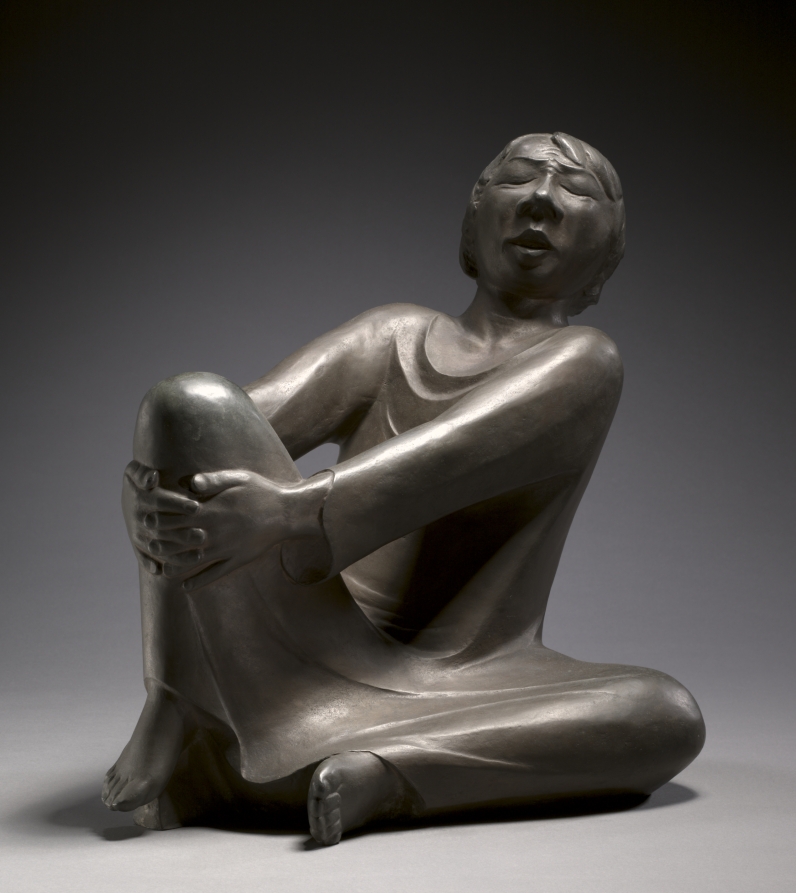
Singing Man at the Cleveland Museum of Art: 1928, bronze. Explore the work's context, creator attribution and collection history.
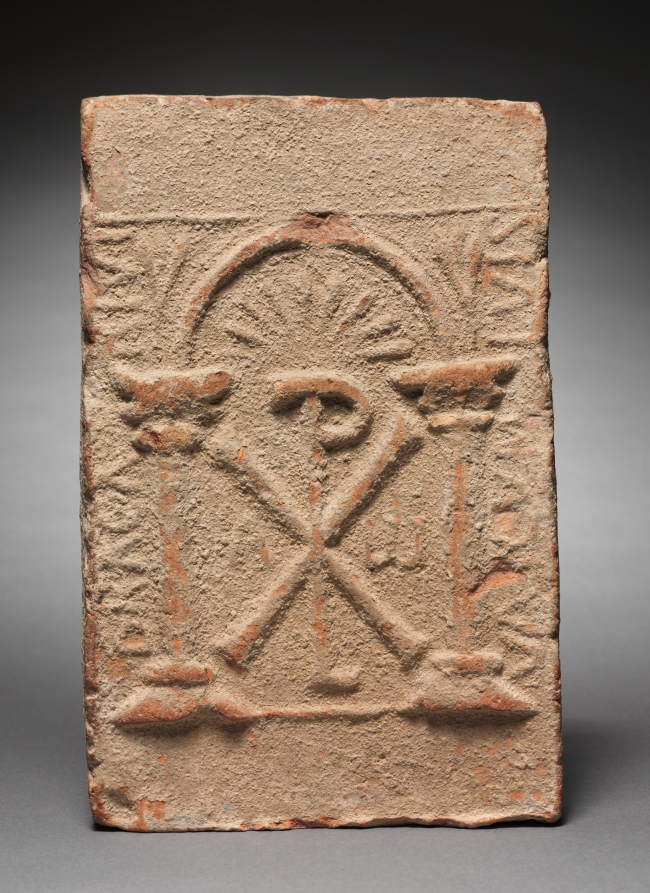
Columbarium Tomb Plaque with the Monogram of Christ at the Cleveland Museum of Art: 400–800, terracotta. Explore the work's context, creator attribution and collection history.

Temptation of Saint Anthony of Egypt at the Cleveland Museum of Art: c. 1400s, stone. Explore the work's context, creator attribution and collection history.
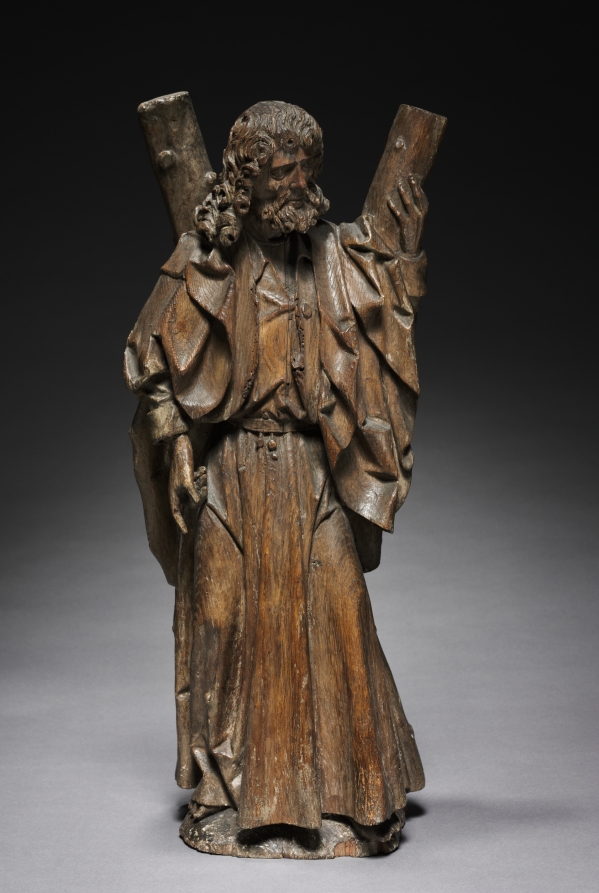
Saint Andrew at the Cleveland Museum of Art: c. 1515–20, oak with traces of paint. Explore the work's context, creator attribution and collection history.
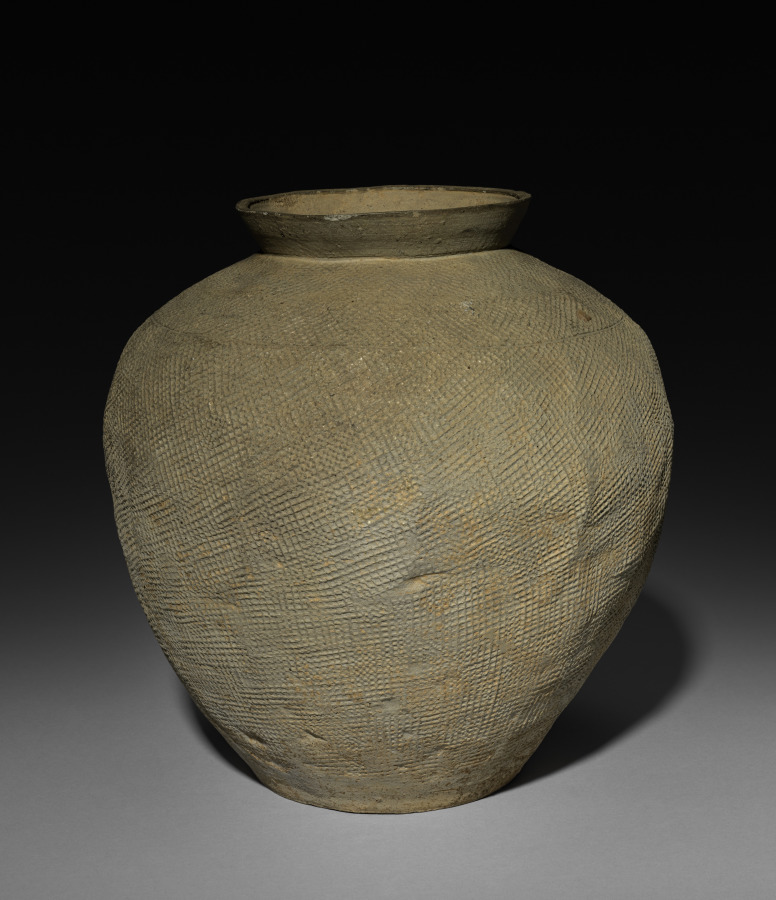
Jar at the Cleveland Museum of Art: 481–221 BCE, earthenware with stamped decoration. Explore the work's context, creator attribution and collection history.
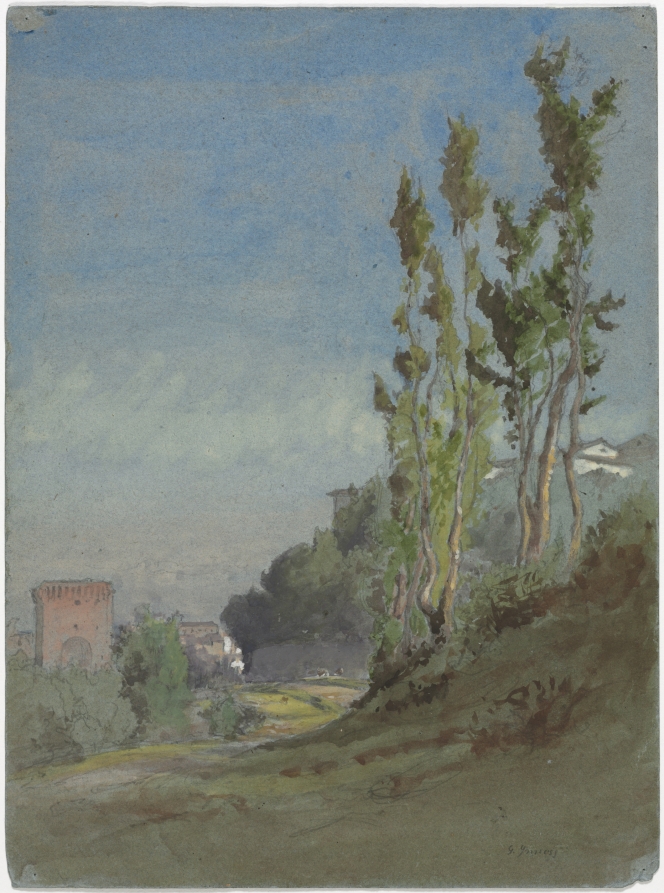
Albano, Italy at the Cleveland Museum of Art: c. 1872, watercolor with gouache over graphite. Explore the work's context, creator attribution and collection history.
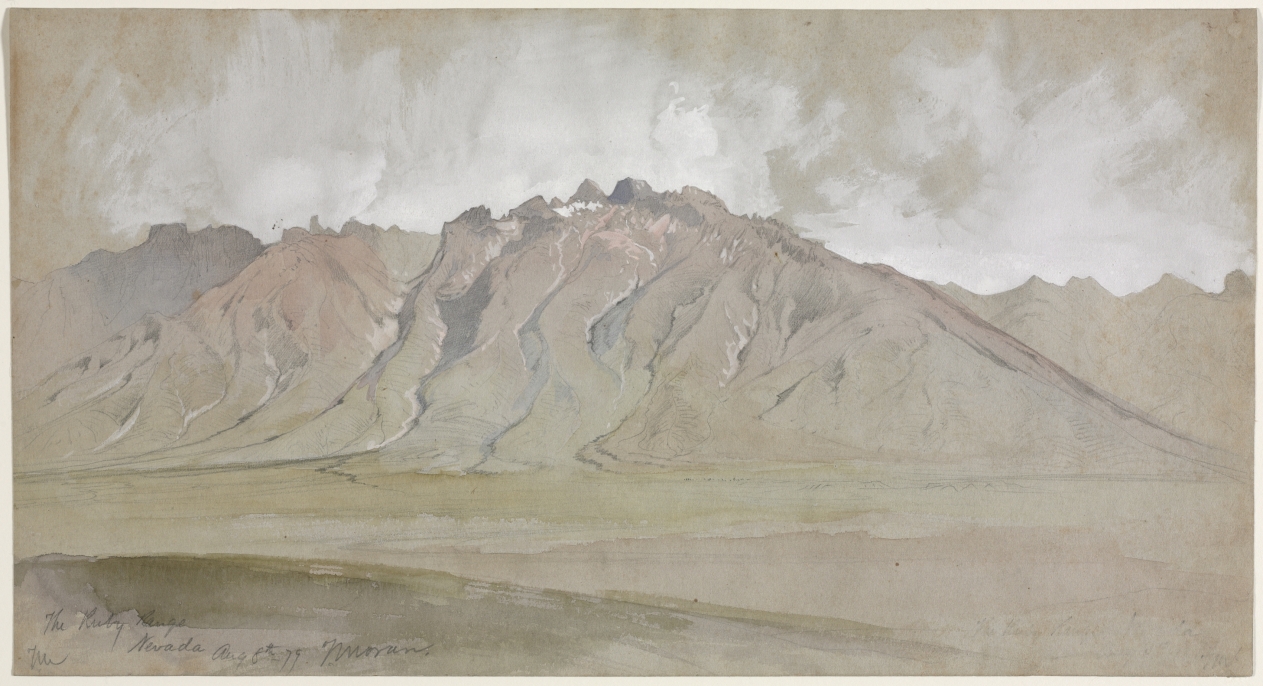
The Ruby Range, Nevada at the Cleveland Museum of Art: 1879, watercolor, gouache and graphite. Explore the work's context, creator attribution and collection history.
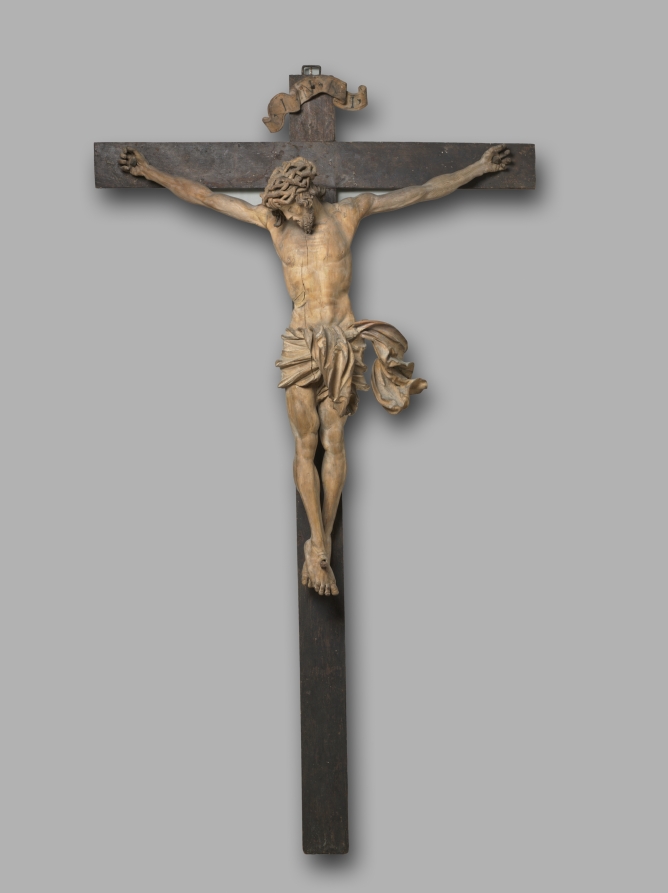
Crucified Christ at the Cleveland Museum of Art: c. 1525–1530, lindenwood. Explore the work's context, creator attribution and collection history.
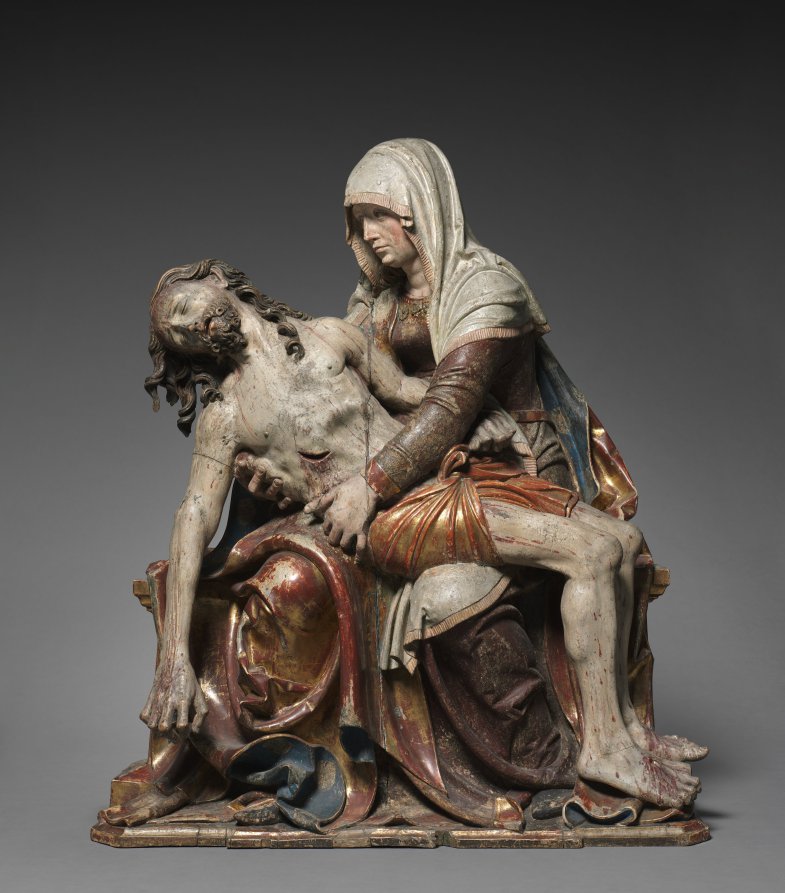
Vesperbild (Pietà) at the Cleveland Museum of Art: c. 1515–20, lindenwood, polychromed and gilded. Explore the work's context, creator attribution and collection history.
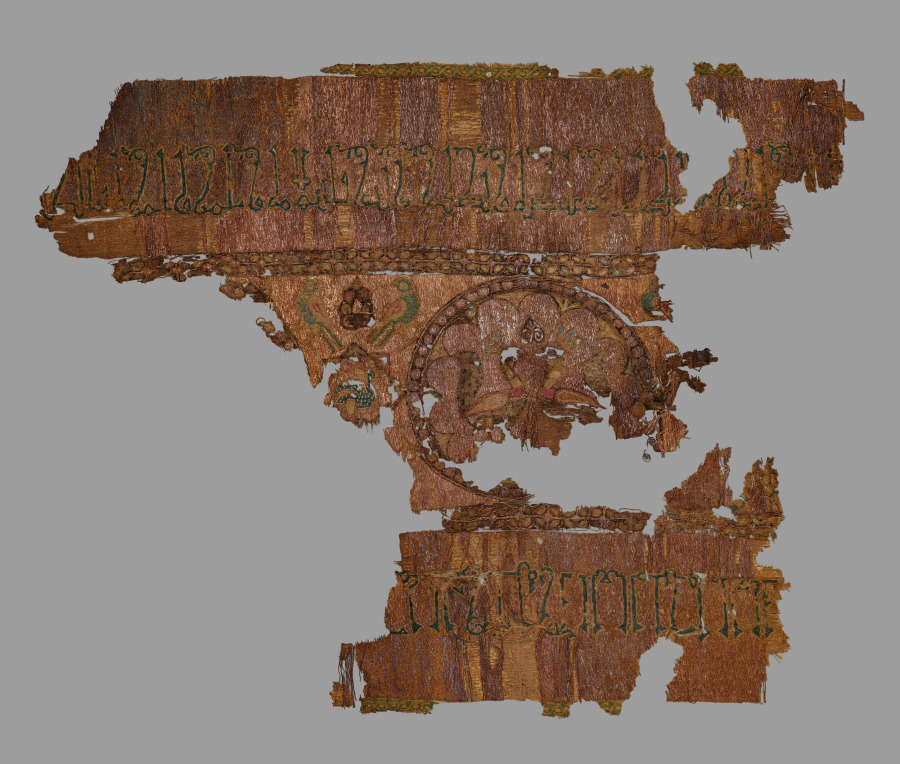
Fragment with peacocks and inscription at the Cleveland Museum of Art: 1000–1100s, Silk warp and cotton weft (mulham): plain weave; silk, gilt, and silver thread: embroidery, couched and split stitches. Explore the work's context, creator a

Manuscript of the Perfection of Wisdom in Eight Thousand Lines (Ashtasahasrika Prajnaparamita-sutra) at the Cleveland Museum of Art: Sunday, September 14, 1119 (year 239 of the Newar Samvat in the month of Ashvina), Covers: Gum tempera, col

Folio 1 (recto), from a Manuscript of the Perfection of Wisdom in Eight Thousand Lines (Ashtasahasrika Prajnaparamita-sutra) at the Cleveland Museum of Art: Sunday, September 14, 1119 (year 239 of the Newar Samvat in the month of Ashvina),

Prajnaparamita flanked by two female figures, folio 1 (verso), from a Manuscript of the Perfection of Wisdom in Eight Thousand Lines (Ashtasahasrika Prajnaparamita-sutra) at the Cleveland Museum of Art: Sunday, September 14, 1119 (year 239 of

Top cover, from a Manuscript of the Perfection of Wisdom in Eight Thousand Lines (Ashtasahasrika Prajnaparamita-sutra) at the Cleveland Museum of Art: Sunday, September 14, 1119 (year 239 of the Newar Samvat in the month of Ashvina), Covers

Ratnasambhava, Akshobhya, Vairochana with attendants, Amitabha, and Amoghasiddhi, Top cover, from a Manuscript of the Perfection of Wisdom in Eight Thousand Lines (Ashtasahasrika Prajnaparamita-sutra) at the Cleveland Museum of Art: Sunday,

Preaching Amitabha with Avalokiteshvara and Manjushri, folio 186 (verso), from a Manuscript of the Perfection of Wisdom in Eight Thousand Lines (Ashtasahasrika Prajnaparamita-sutra) at the Cleveland Museum of Art: Sunday, September 14, 1119

Text, folio 186 (recto), from a Manuscript of the Perfection of Wisdom in Eight Thousand Lines (Ashtasahasrika Prajnaparamita-sutra) at the Cleveland Museum of Art: Sunday, September 14, 1119 (year 239 of the Newar Samvat in the month of As

Prajnaparamita flanked by two bodhisattvas, folio 187 (recto), from a Manuscript of the Perfection of Wisdom in Eight Thousand Lines (Ashtasahasrika Prajnaparamita-sutra) at the Cleveland Museum of Art: Sunday, September 14, 1119 (year 239

End of the Perfection of Wisdom in Eight Thousand Lines; Haribhadra’s final remarks; beginning of colophon, folio 187 (verso), from a Manuscript of the Perfection of Wisdom in Eight Thousand Lines (Ashtasahasrika Prajnaparamita-sutra) at th

Bottom cover, from a Manuscript of the Perfection of Wisdom in Eight Thousand Lines (Ashtasahasrika Prajnaparamita-sutra) at the Cleveland Museum of Art: Sunday, September 14, 1119 (year 239 of the Newar Samvat in the month of Ashvina), Gum
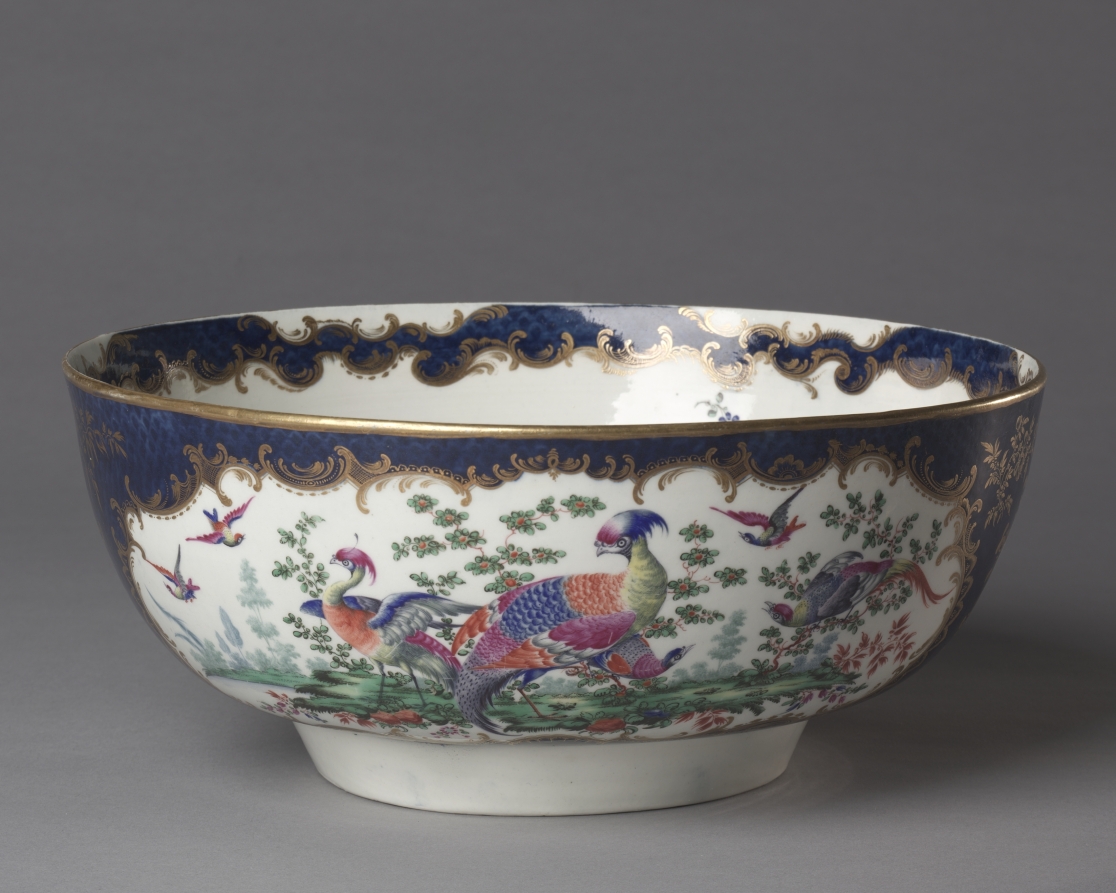
Punch Bowl at the Cleveland Museum of Art: c. 1770, soft-paste porcelain. Explore the work's context, creator attribution and collection history.
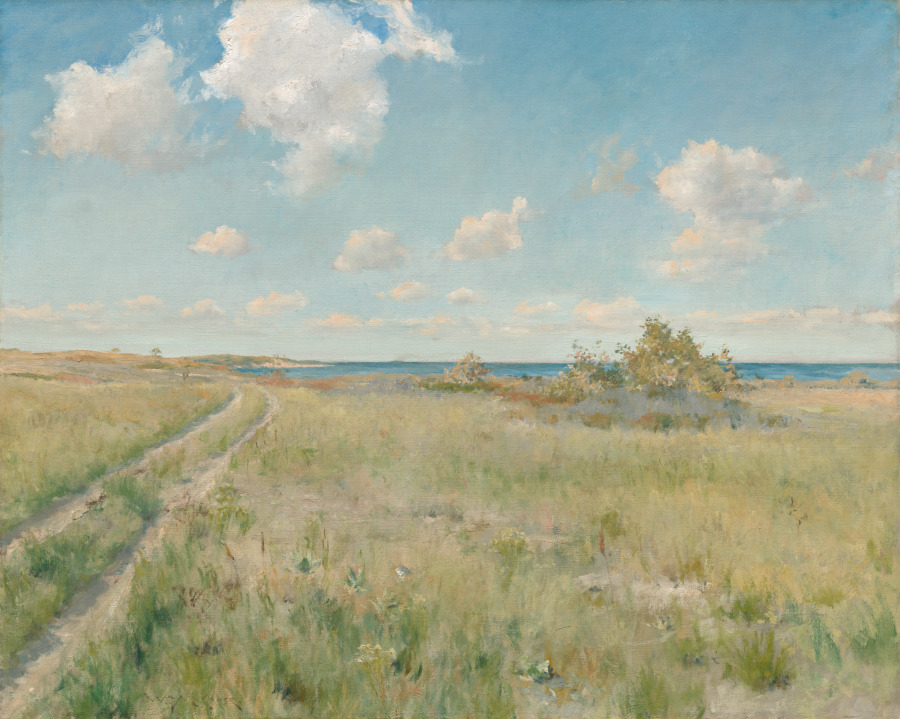
The Old Road to the Sea at the Cleveland Museum of Art: c. 1893, oil on canvas. Explore the work's context, creator attribution and collection history.
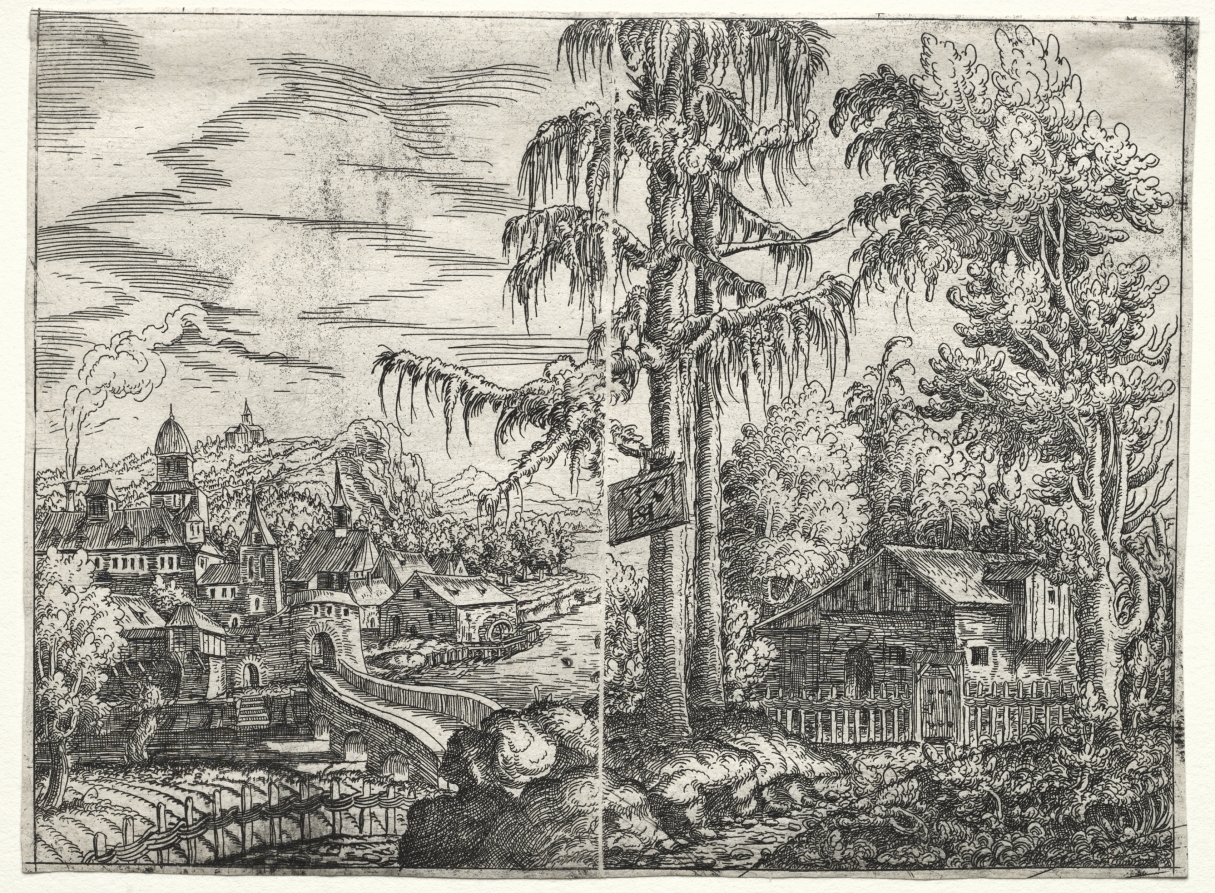
Landscape with the Town on a River and the Cottage between Trees at the Cleveland Museum of Art: 1551, etching. Explore the work's context, creator attribution and collection history.
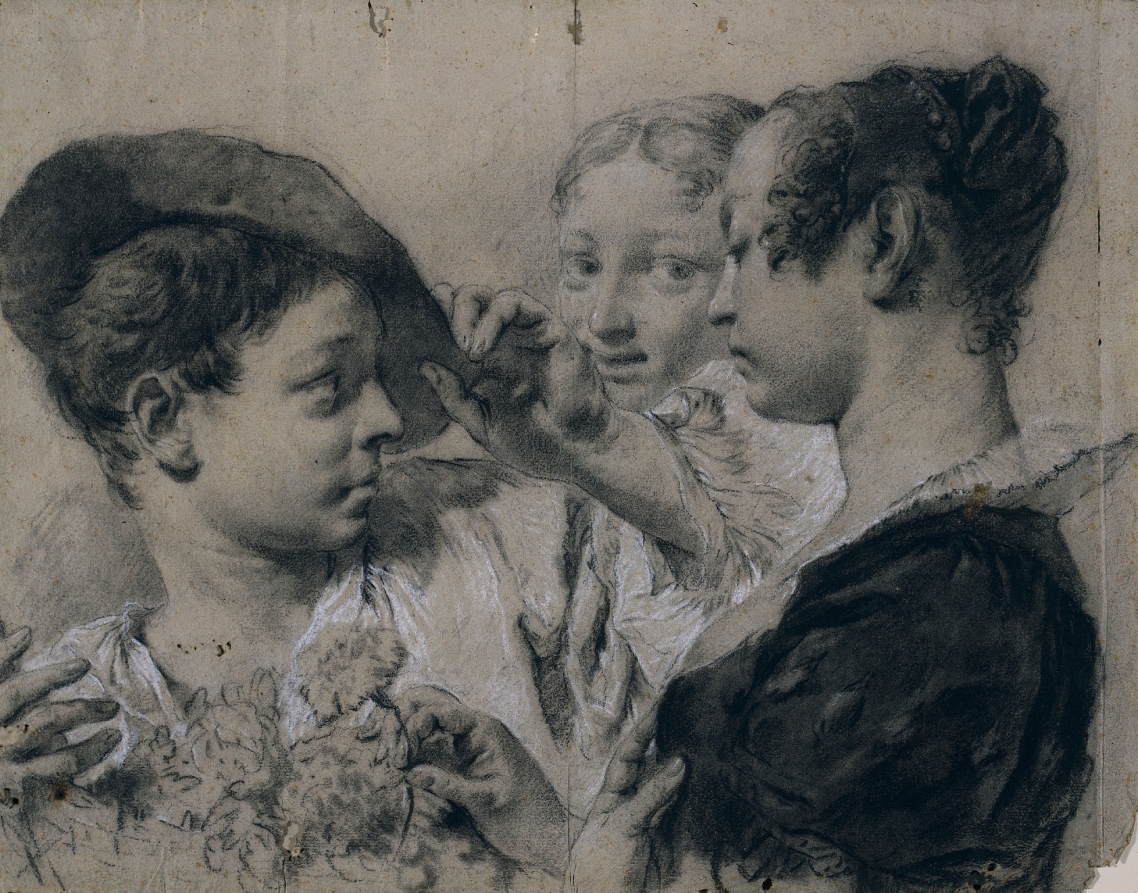
A Young Woman Buying a Pink from a Young Man at the Cleveland Museum of Art: c. 1740, black crayon (wetted and rubbed) heightened with white chalk on faded blue paper. Explore the work's context, creator attribution and collection history.
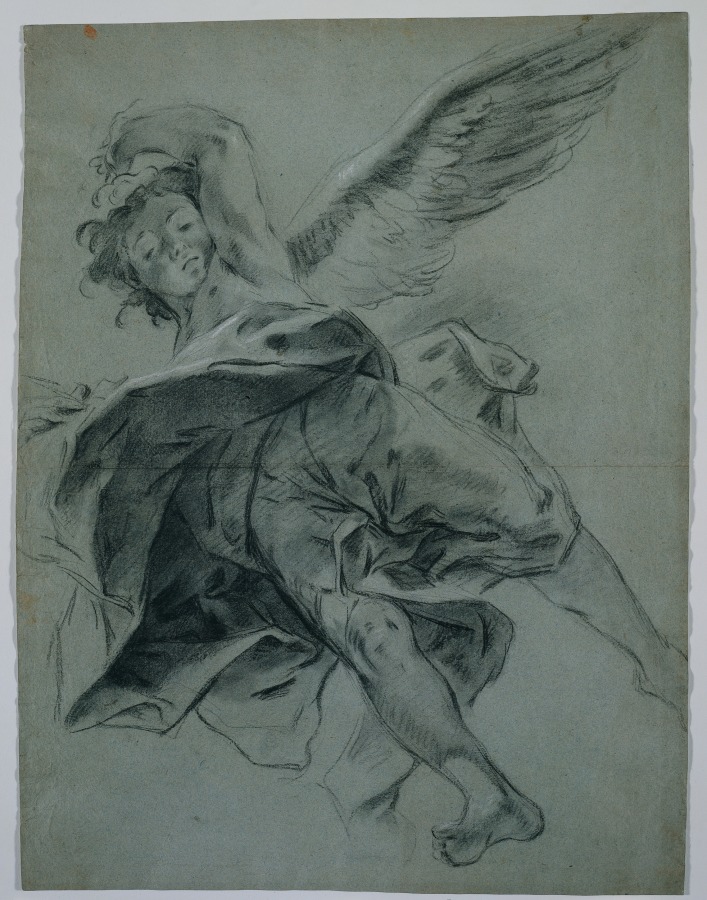
A Flying Angel (recto); Studies of Hands Playing Instruments (verso) at the Cleveland Museum of Art: 1723–27, black chalk heightened with traces of white chalk. Explore the work's context, creator attribution and collection history.