Bottle (c. 1900): Art, History and Details
Bottle at the Cleveland Museum of Art: c. 1900, glass with enameled and gilded decoration. Explore the work's context, creator attribution and collection history.
Oldest entries first, in a fixed order. Newly added articles appear at the end. Explore a shuffled selection →
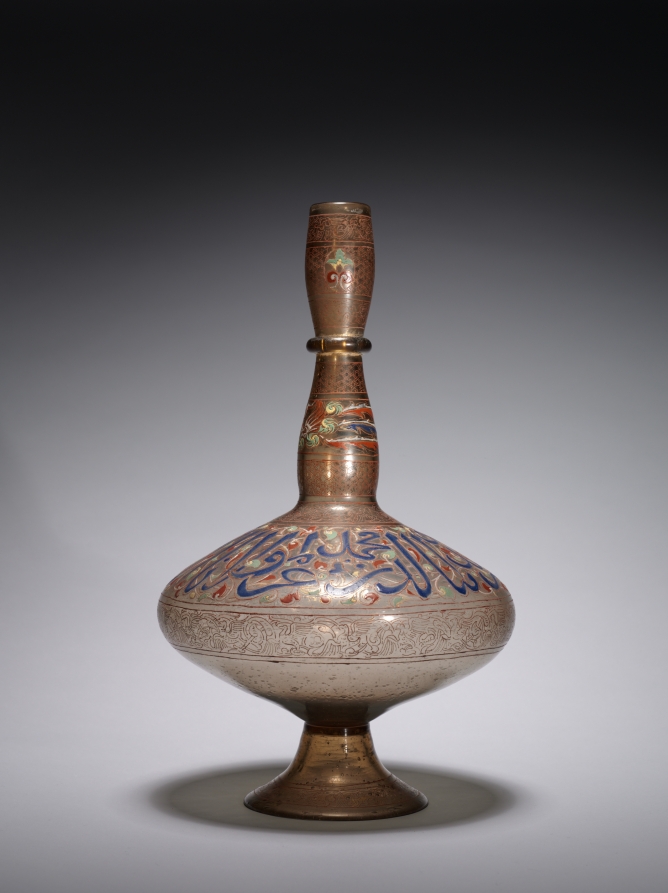
Bottle at the Cleveland Museum of Art: c. 1900, glass with enameled and gilded decoration. Explore the work's context, creator attribution and collection history.
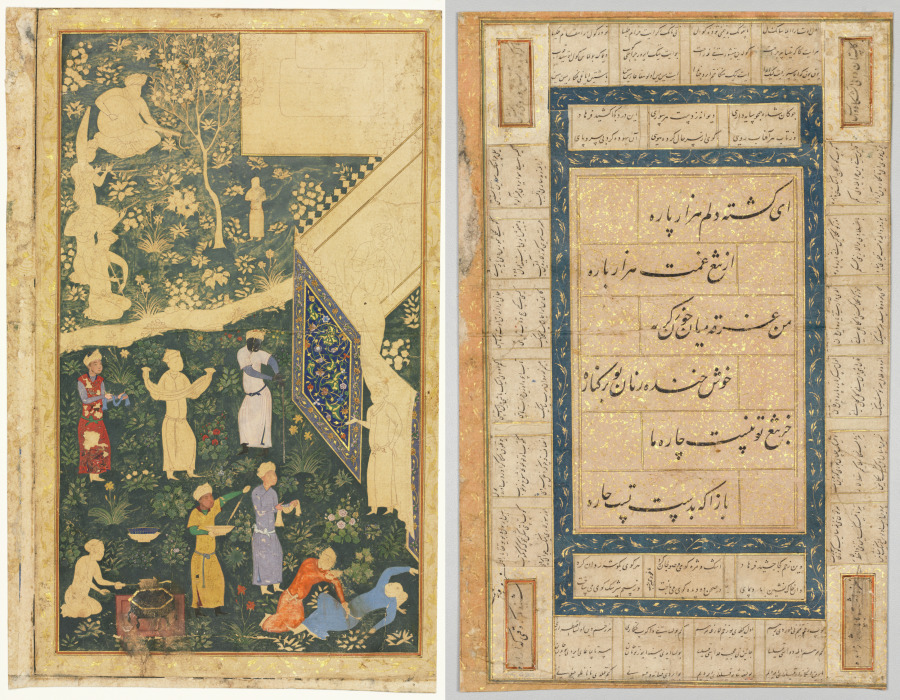
Left side of a double-page album folio: Outside a Royal Encampment (recto) and Calligraphy, Persian Verses (verso) at the Cleveland Museum of Art: c. 1485, opaque watercolor, ink, and gold on paper. Explore the work's context, creator attri
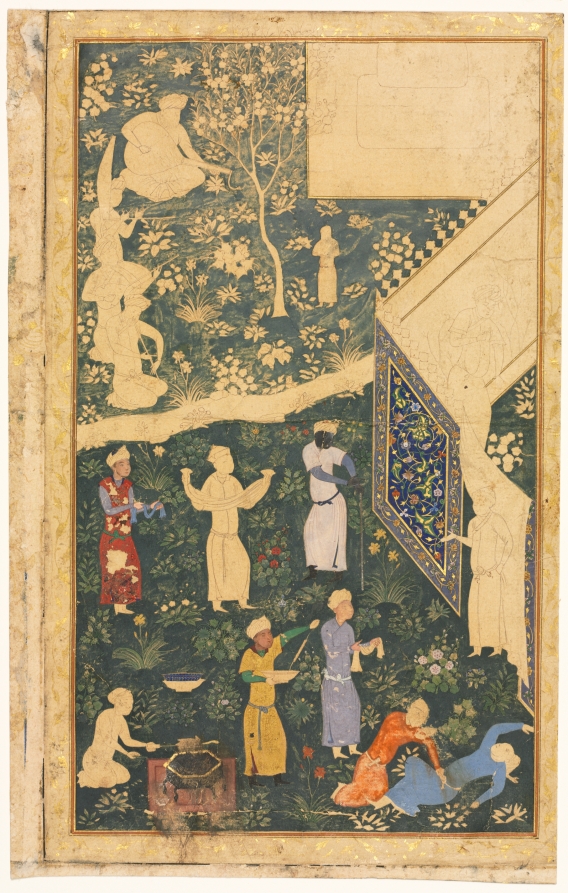
Left side of a double-page album folio: Outside a Royal Encampment (recto) at the Cleveland Museum of Art: c. 1485, opaque watercolor and gold on paper. Explore the work's context, creator attribution and collection history.
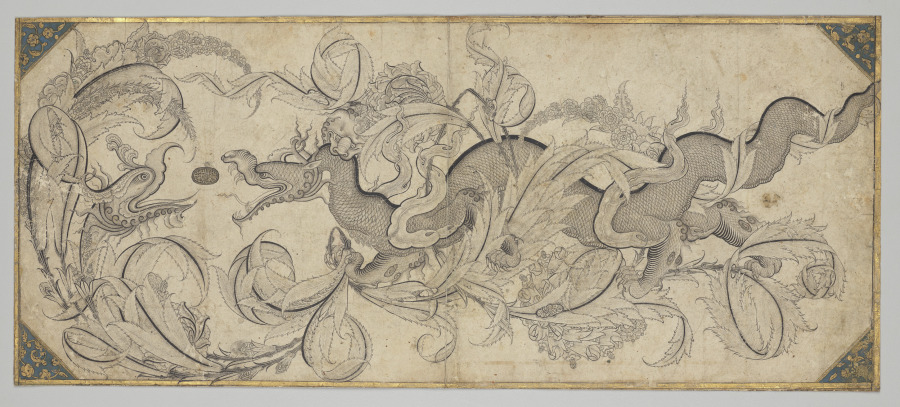
Dragon in foliage with lion and phoenix heads at the Cleveland Museum of Art: mid-1500s, Ink, gum tempera, and gold on paper. Explore the work's context, creator attribution and collection history.
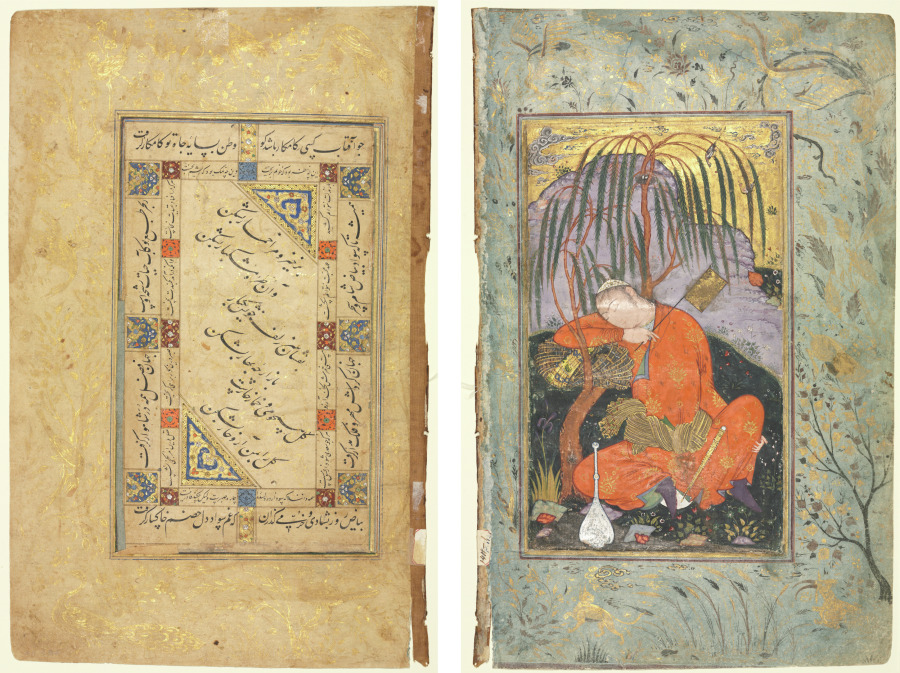
Persian Couplets (recto); Sleeping Youth (verso) at the Cleveland Museum of Art: late 1500s–early 1600s, ink, gold, and opaque watercolor on paper. Explore the work's context, creator attribution and collection history.

Persian Couplets (recto), Calligraphy, Persian Verses; Single Page Manuscript at the Cleveland Museum of Art: late 1500s–early 1600s, ink, gold, and opaque watercolor on paper. Explore the work's context, creator attribution and collection
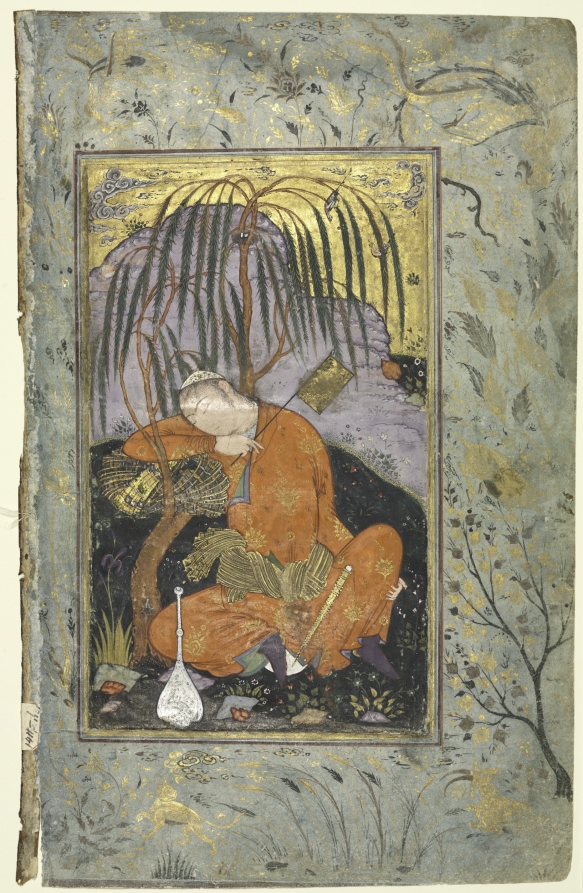
Sleeping Youth (verso), Illustration from a Single Page Manuscript at the Cleveland Museum of Art: early 1600s, opaque watercolor and gold on paper. Explore the work's context, creator attribution and collection history.
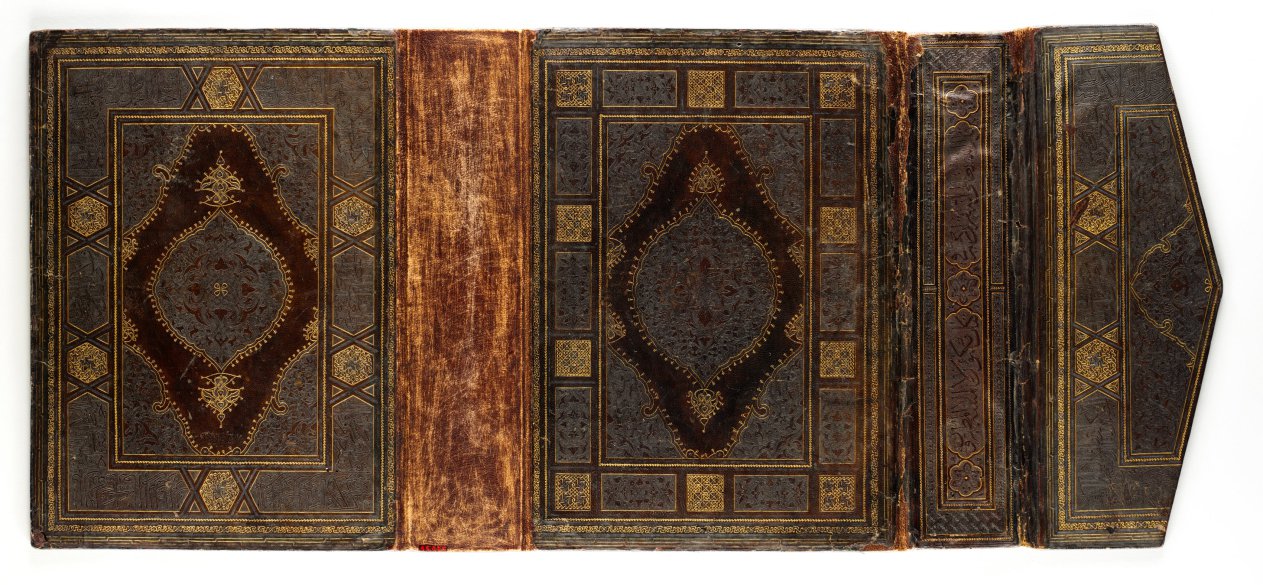
Bookbinding for a Qur'an at the Cleveland Museum of Art: 1460–1500, leather over paper pasteboards; outer cover tooled, blue paint; inner covers openwork designs over colored papers. Explore the work's context, creator attribution and colle
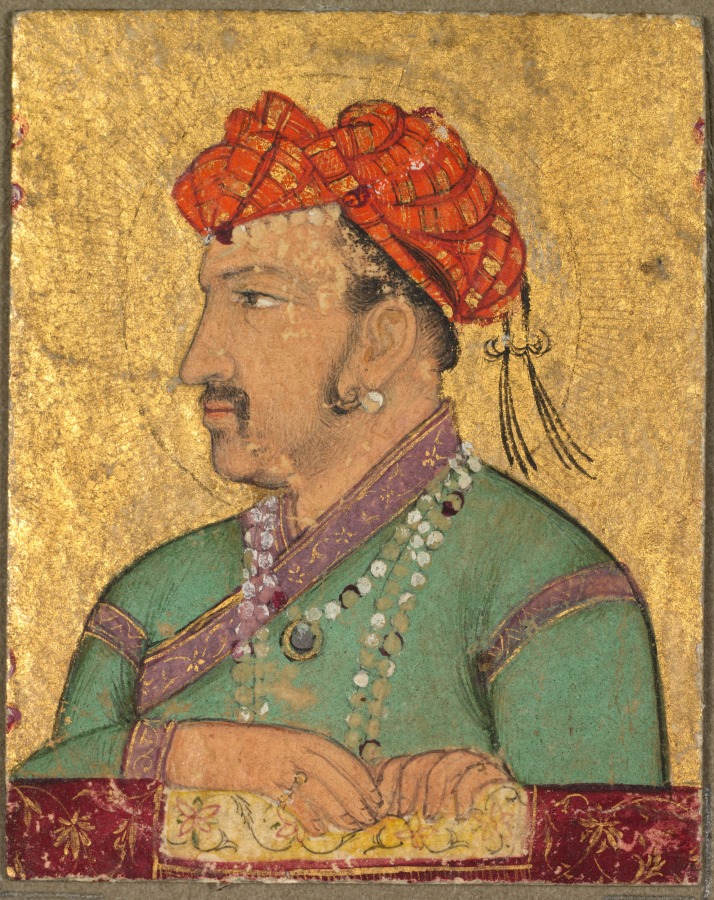
Portrait Jewel of Emperor Jahangir at the Cleveland Museum of Art: early 1600s, Gum tempera and gold on paper. Explore the work's context, creator attribution and collection history.
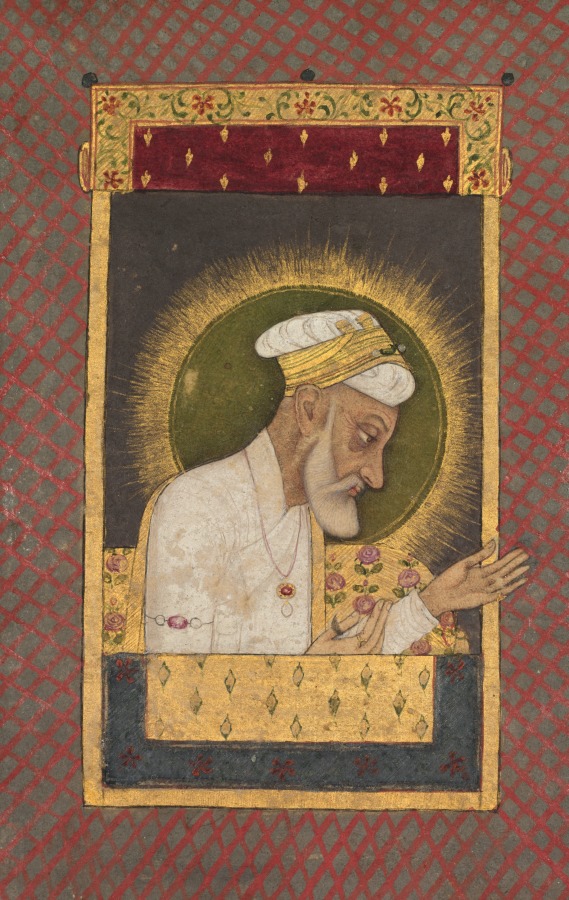
Portrait of Emperor Alamgir (Aurangzeb) at the Cleveland Museum of Art: c. 1700, Gum tempera and gold on paper. Explore the work's context, creator attribution and collection history.

Khusrau Surprising Shirin While Bathing at the Cleveland Museum of Art: 1550–99, Silk: velvet, pile-warp substitution. Explore the work's context, creator attribution and collection history.

Velvet Fragment, Khusrau Sees Shirin Bathing at the Cleveland Museum of Art: 1550–99, silk; velvet, cut, pile-warp substitution. Explore the work's context, creator attribution and collection history.
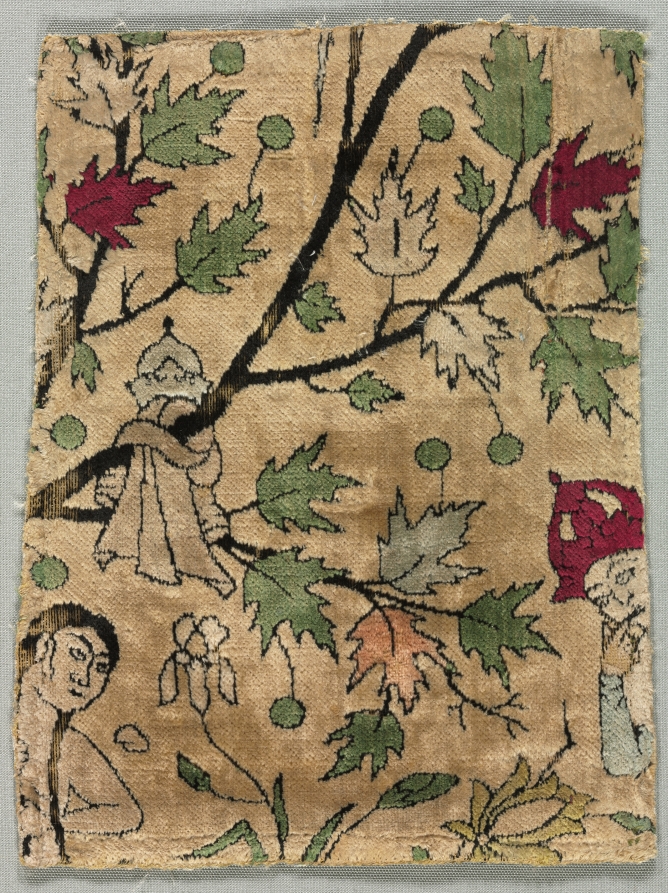
Velvet Fragment, Khusrau Sees Shirin Bathing at the Cleveland Museum of Art: 1550–99, silk; velvet, cut, pile-warp substitution. Explore the work's context, creator attribution and collection history.
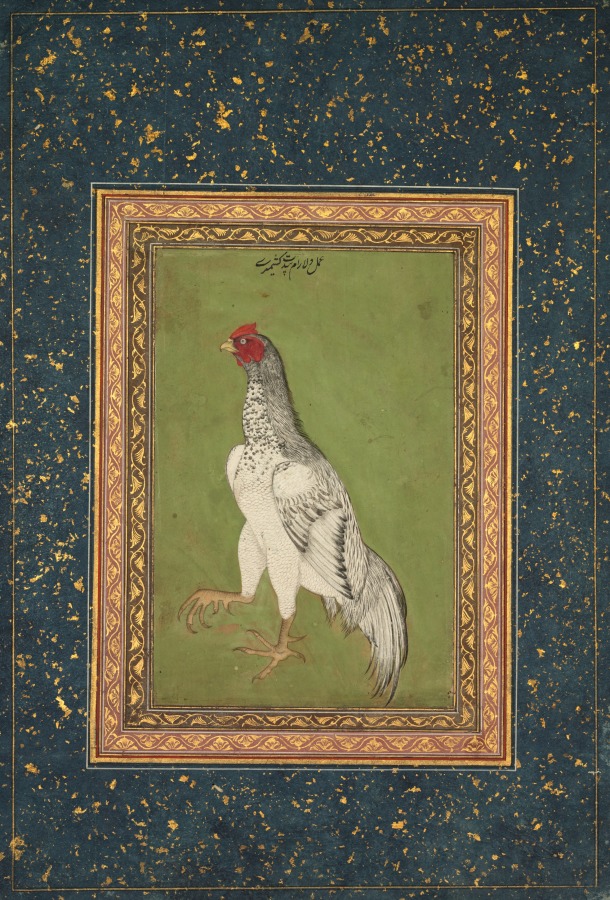
Rooster at the Cleveland Museum of Art: c. 1620, Gum tempera, ink, and gold on paper. Explore the work's context, creator attribution and collection history.
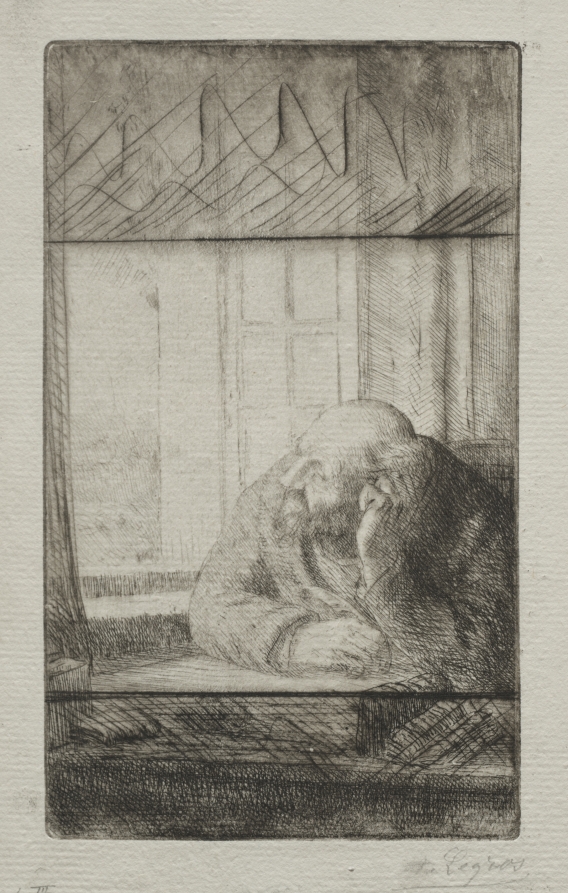
Evening at the Window at the Cleveland Museum of Art: 1884, etching and drypoint. Explore the work's context, creator attribution and collection history.
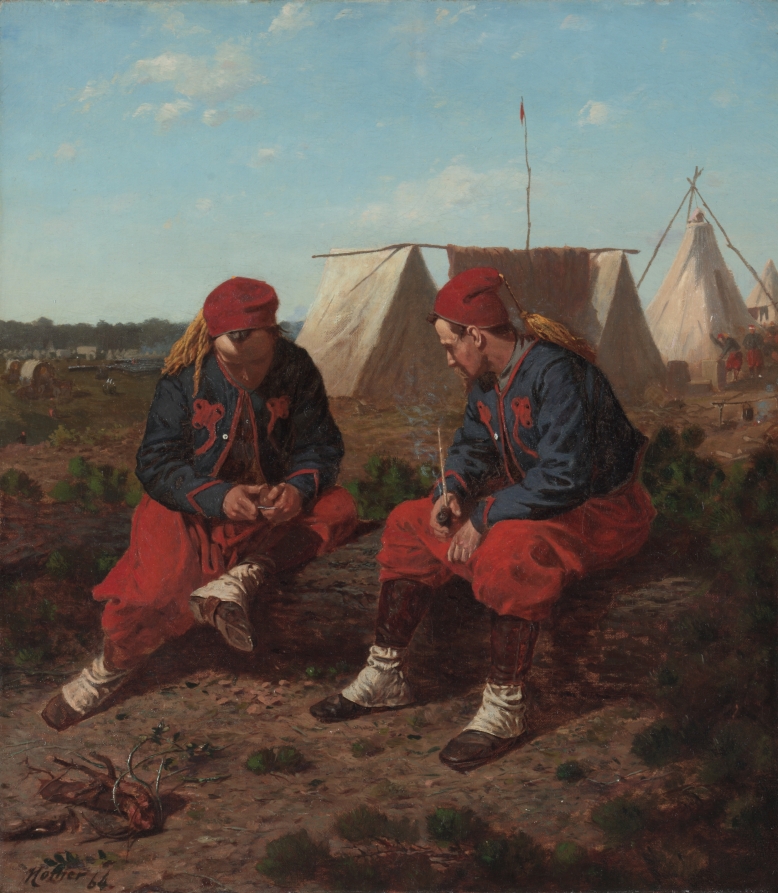
The Brierwood Pipe at the Cleveland Museum of Art: 1864, oil on canvas. Explore the work's context, creator attribution and collection history.

Tughra: Shah Muhammad bin Ibrahim Khan, al-muzaffar daima (Sultan Mehmed, son of Ibrahim Khan, the eternally victorious; Calligraphy (Ottoman Turkish Signature), Single Page Manuscript at the Cleveland Museum of Art: 1648–87, opaque waterco
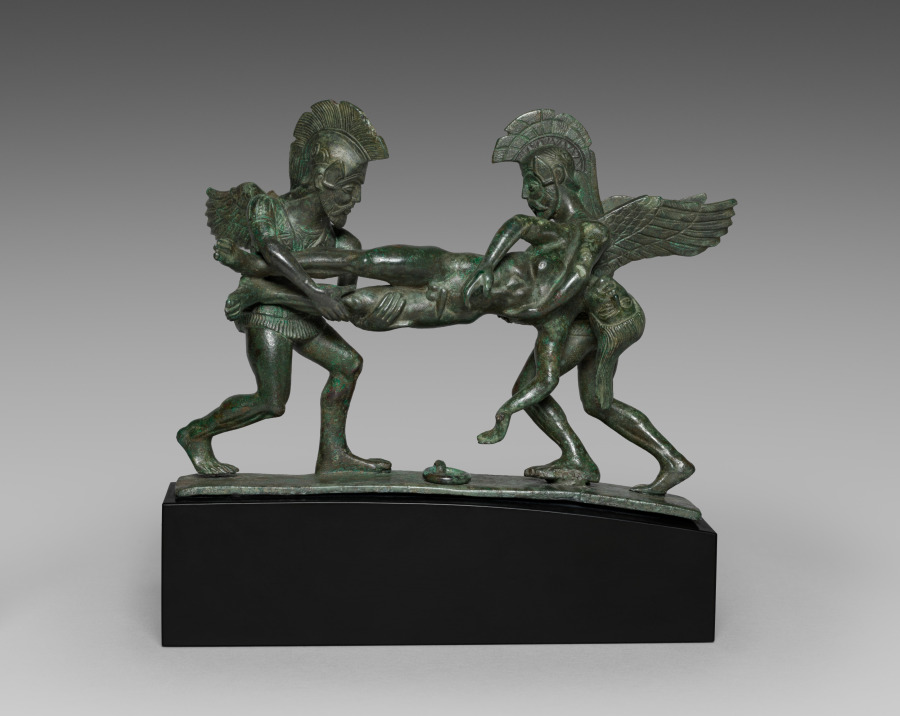
Sleep and Death Cista Handle at the Cleveland Museum of Art: 400–375 BCE, bronze. Explore the work's context, creator attribution and collection history.

Leaf from Jehan de Courcy's "Chronique Universelle": King Priam Meets Helen and Paris outside the Gates of Troy at the Cleveland Museum of Art: c. 1470, ink, tempera, and gold on vellum. Explore the work's context, creator attribution and c
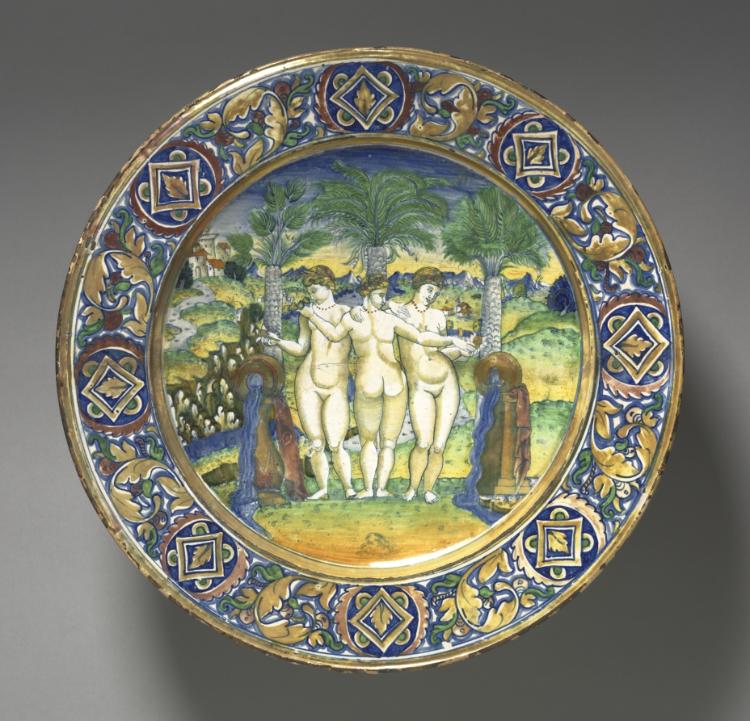
Charger Depicting the Three Graces at the Cleveland Museum of Art: c. 1525, tin-glazed earthenware with gold lustre (maiolica). Explore the work's context, creator attribution and collection history.
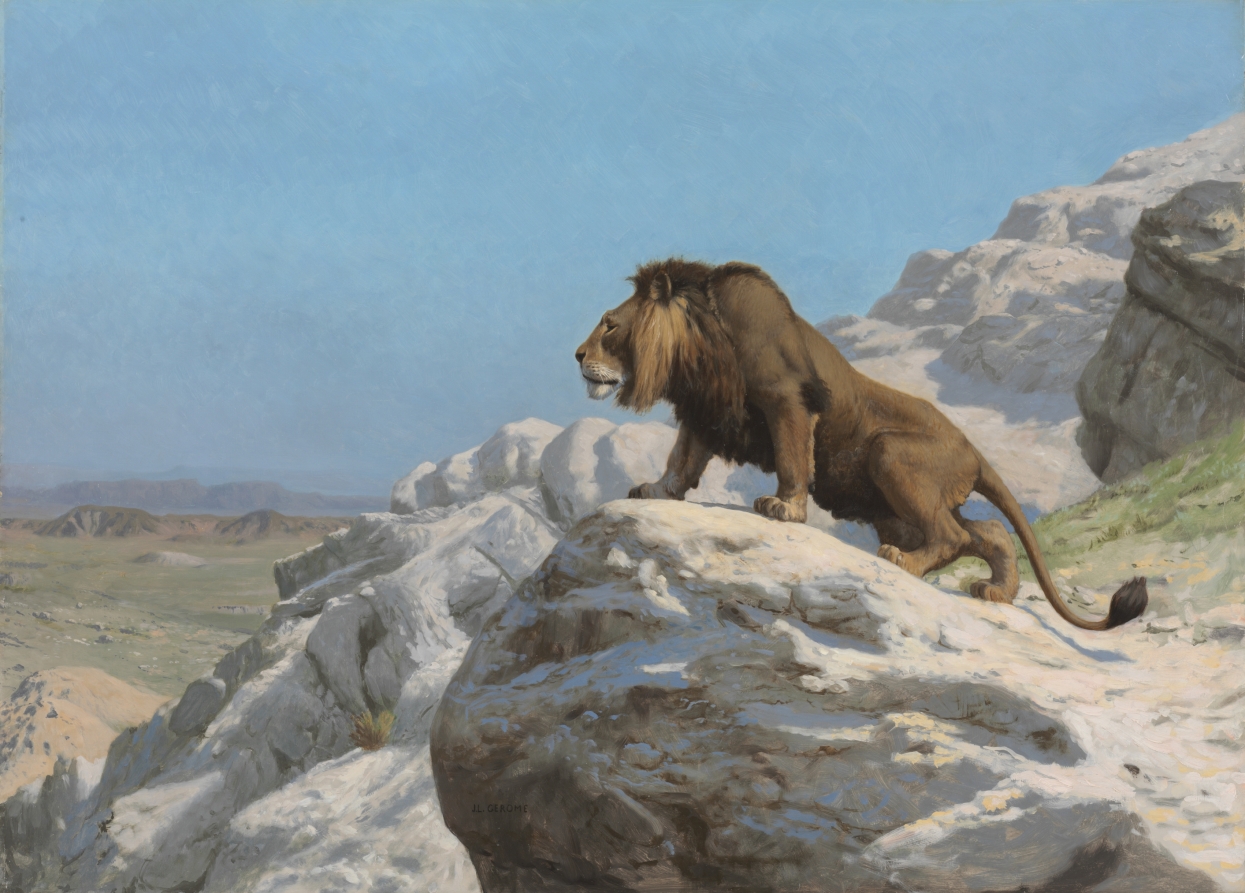
Lion on the Watch at the Cleveland Museum of Art: c. 1885, oil on wood panel. Explore the work's context, creator attribution and collection history.

The Great Triumphal Car of Emperor Maximilian at the Cleveland Museum of Art: 1523, woodcut. Explore the work's context, creator attribution and collection history.

The Great Triumphal Car of Emperor Maximilian at the Cleveland Museum of Art: 1523, woodcut. Explore the work's context, creator attribution and collection history.
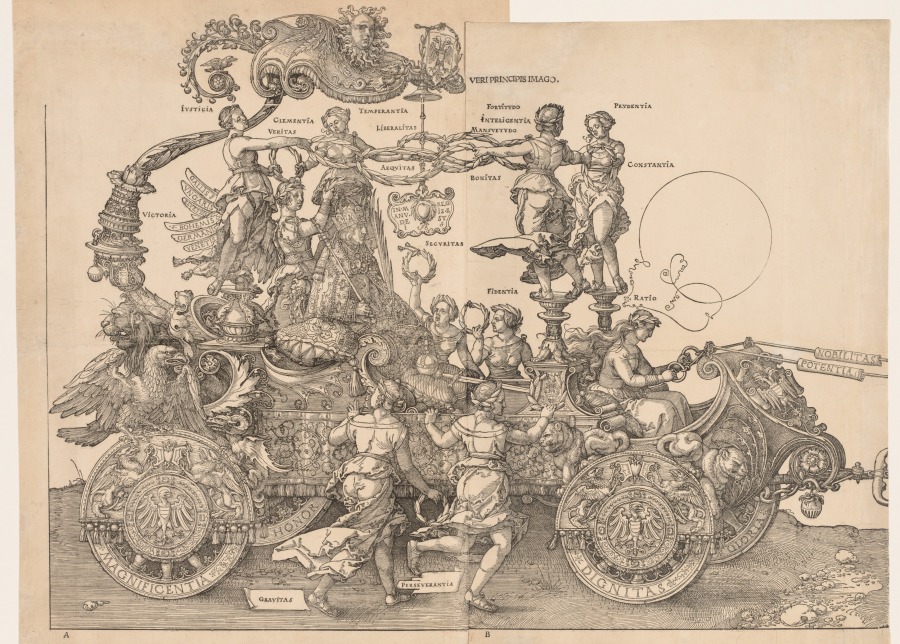
The Great Triumphal Car of Emperor Maximilian at the Cleveland Museum of Art: 1523, woodcut. Explore the work's context, creator attribution and collection history.

The Great Triumphal Car of Emperor Maximilian at the Cleveland Museum of Art: 1523, woodcut. Explore the work's context, creator attribution and collection history.
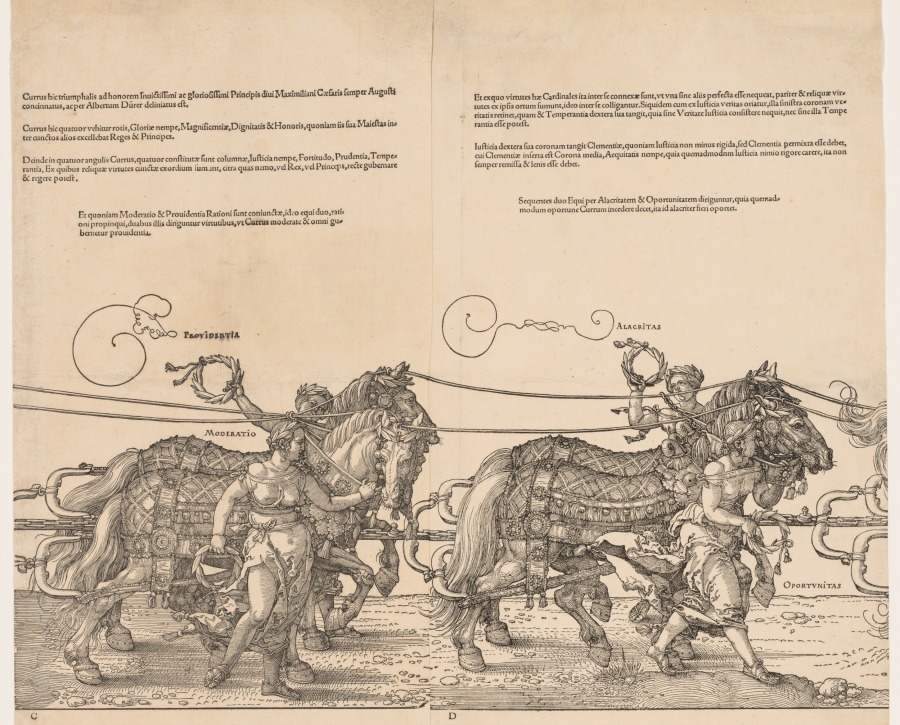
The Great Triumphal Car of Emperor Maximilian at the Cleveland Museum of Art: 1523, woodcut. Explore the work's context, creator attribution and collection history.

The Great Triumphal Car of Emperor Maximilian at the Cleveland Museum of Art: 1523, woodcut. Explore the work's context, creator attribution and collection history.

The Great Triumphal Car of Emperor Maximilian at the Cleveland Museum of Art: 1523, woodcut. Explore the work's context, creator attribution and collection history.
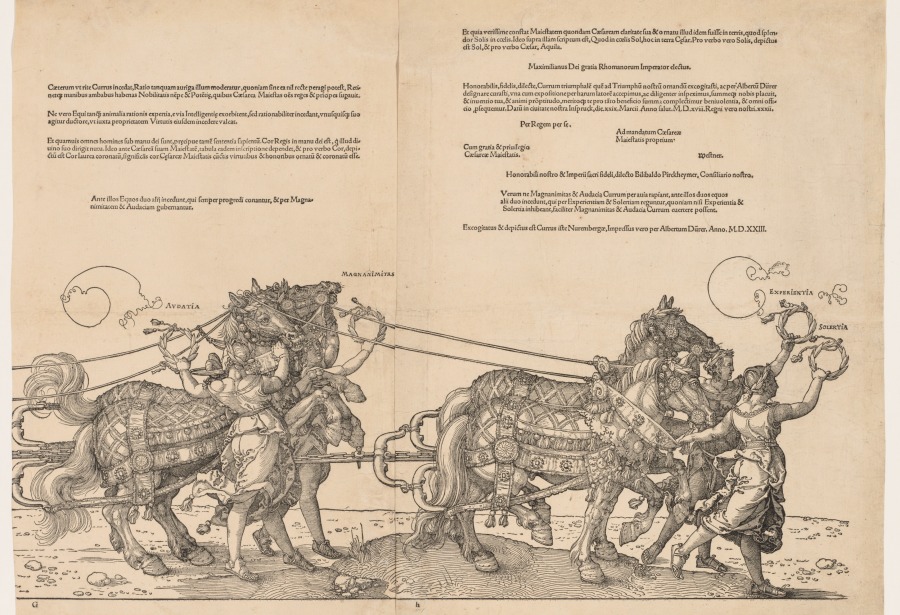
The Great Triumphal Car of Emperor Maximilian at the Cleveland Museum of Art: c. 1523, woodcut. Explore the work's context, creator attribution and collection history.
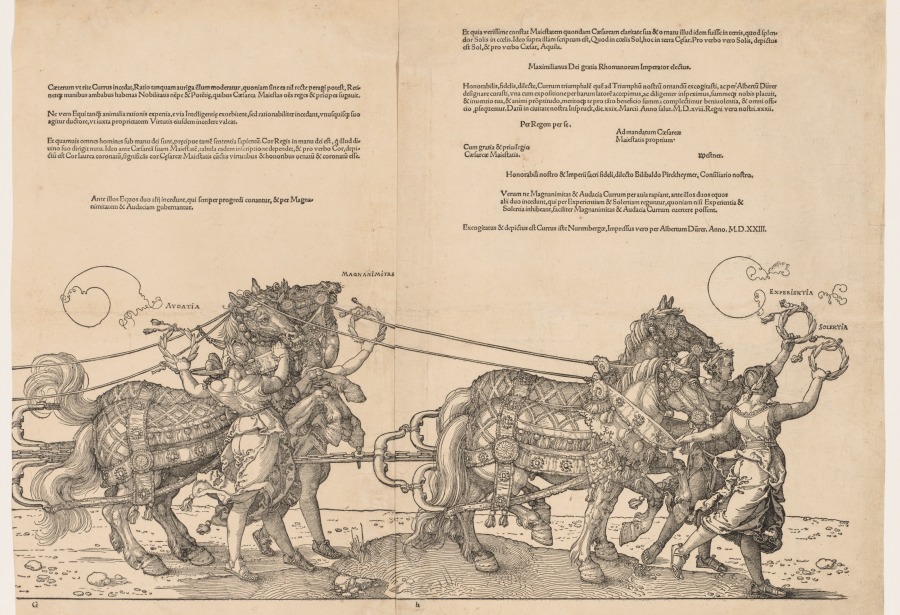
The Great Triumphal Car of Emperor Maximilian at the Cleveland Museum of Art: 1523, woodcut. Explore the work's context, creator attribution and collection history.
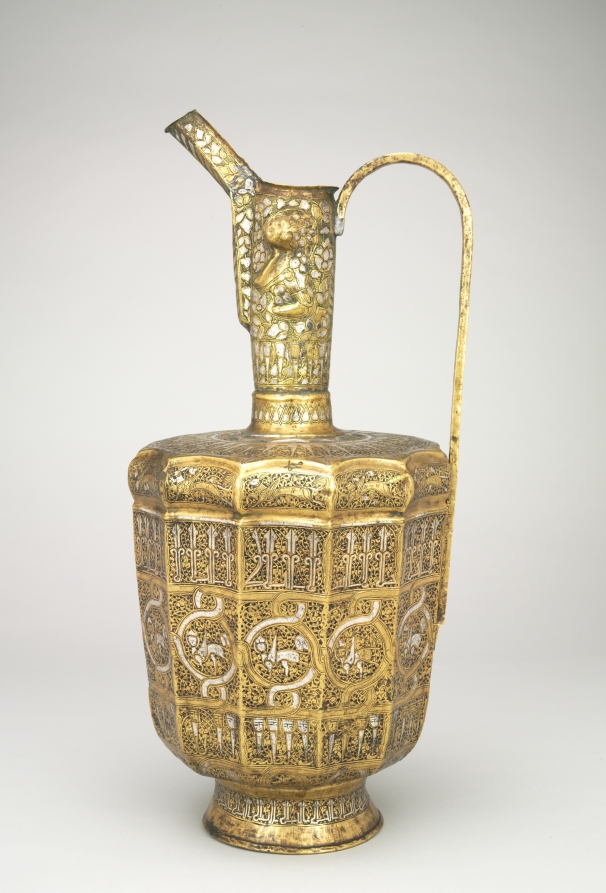
Twelve-sided Ewer with Sphinxes and Human-Headed Inscriptions at the Cleveland Museum of Art: 1300–1350, hammered sheet of brass inlaid with silver. Explore the work's context, creator attribution and collection history.

Albarello with Pseudo-Kufic Letters at the Cleveland Museum of Art: 1300s, tin-glazed earthenware (maiolica). Explore the work's context, creator attribution and collection history.

Male Figurine at the Cleveland Museum of Art: 1400–1532, hammered gold. Explore the work's context, creator attribution and collection history.
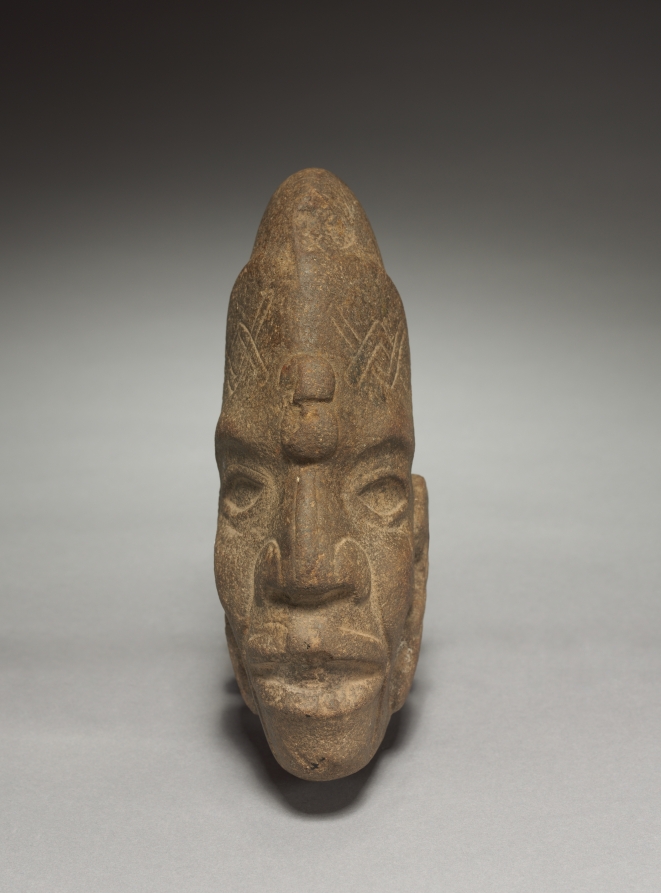
Ballgame Thin Stone Head (Hacha) at the Cleveland Museum of Art: 600–900, stone. Explore the work's context, creator attribution and collection history.
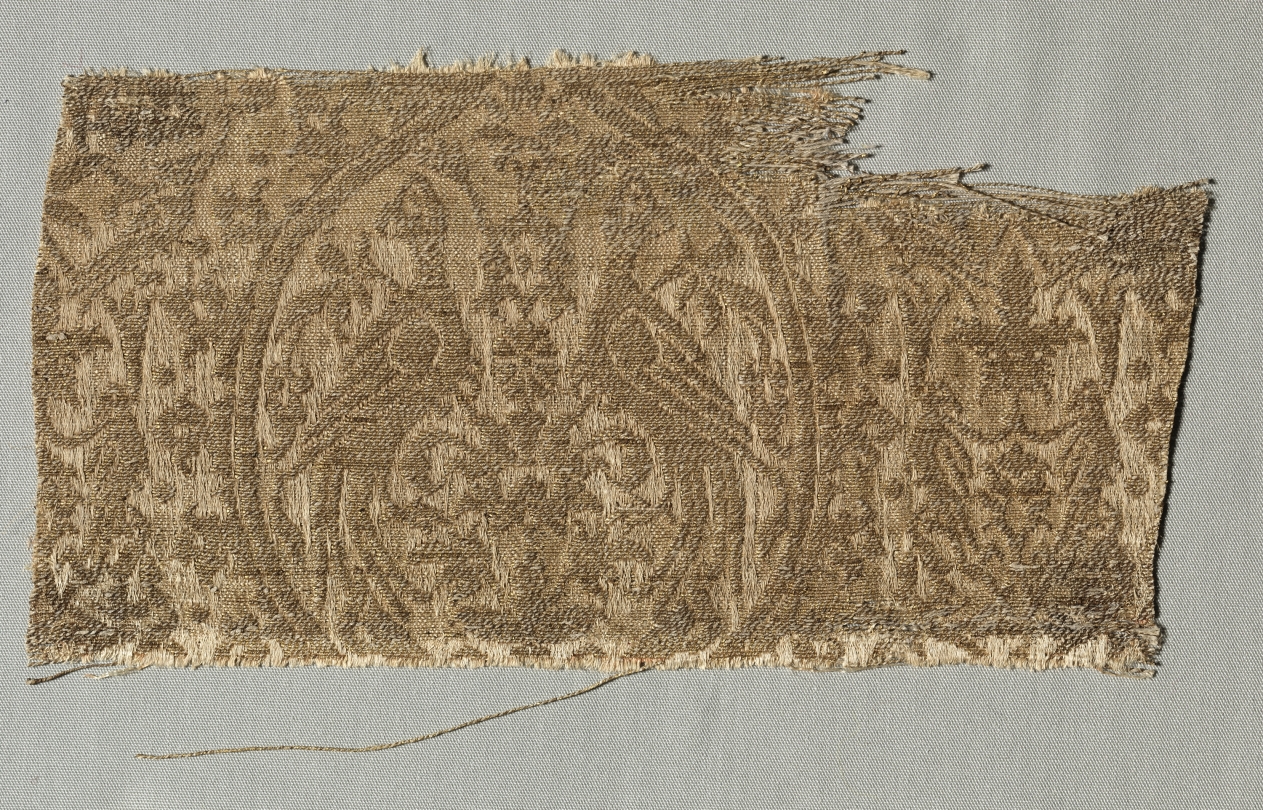
Fragment at the Cleveland Museum of Art: 1300s, Silk and gold thread; lampas. Explore the work's context, creator attribution and collection history.
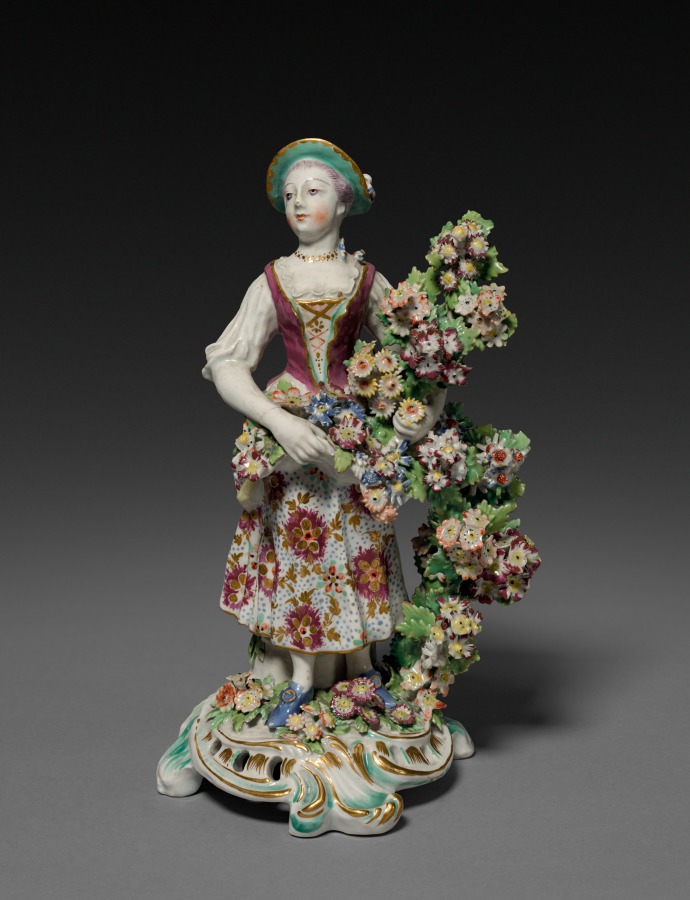
Figure of a Gardener at the Cleveland Museum of Art: c. 1765–70, soft-paste porcelain. Explore the work's context, creator attribution and collection history.

Figure of a Gardener at the Cleveland Museum of Art: c. 1765–70, soft-paste porcelain. Explore the work's context, creator attribution and collection history.

Lace Lappet (one of a pair) at the Cleveland Museum of Art: 1730s–40s, noncontinuous bobbin lace (Point d'Angleterre) (double-stitched ground) with added needle lace; linen. Explore the work's context, creator attribution and collection his
Lace Lappet (one of a pair) at the Cleveland Museum of Art: 1730–50, Linen: needle and bobbin (Point d'Angleterre) lace. Explore the work's context, creator attribution and collection history.

Pair of Lace Lappets at the Cleveland Museum of Art: 1700s, Linen: bobbin lace (Point d'Angleterre). Explore the work's context, creator attribution and collection history.