Drawer for Cabinet (c. 1690): Art, History and Details
Drawer for Cabinet at the Cleveland Museum of Art: c. 1690, ebony, marquetry in metal and tortoiseshell. Explore the work's context, creator attribution and collection history.
Oldest entries first, in a fixed order. Newly added articles appear at the end. Explore a shuffled selection →

Drawer for Cabinet at the Cleveland Museum of Art: c. 1690, ebony, marquetry in metal and tortoiseshell. Explore the work's context, creator attribution and collection history.

Drawer for Cabinet at the Cleveland Museum of Art: c. 1690, ebony, marquetry in metal and tortoiseshell. Explore the work's context, creator attribution and collection history.

Center Drawer for Cabinet at the Cleveland Museum of Art: c. 1690, ebony, marquetry in metal and tortoiseshell. Explore the work's context, creator attribution and collection history.

Interior Drawer for Cabinet at the Cleveland Museum of Art: c. 1690, ebony, marquetry in metal and tortoise shell. Explore the work's context, creator attribution and collection history.

Interior Drawer for Cabinet at the Cleveland Museum of Art: c. 1690, ebony, marquetry in metal and tortoise shell. Explore the work's context, creator attribution and collection history.

Interior Drawer for Cabinet at the Cleveland Museum of Art: c. 1690, ebony, marquetry in metal and tortoiseshell. Explore the work's context, creator attribution and collection history.

Interior Drawer for Cabinet at the Cleveland Museum of Art: c. 1690, ebony, marquetry in metal and tortoiseshell. Explore the work's context, creator attribution and collection history.
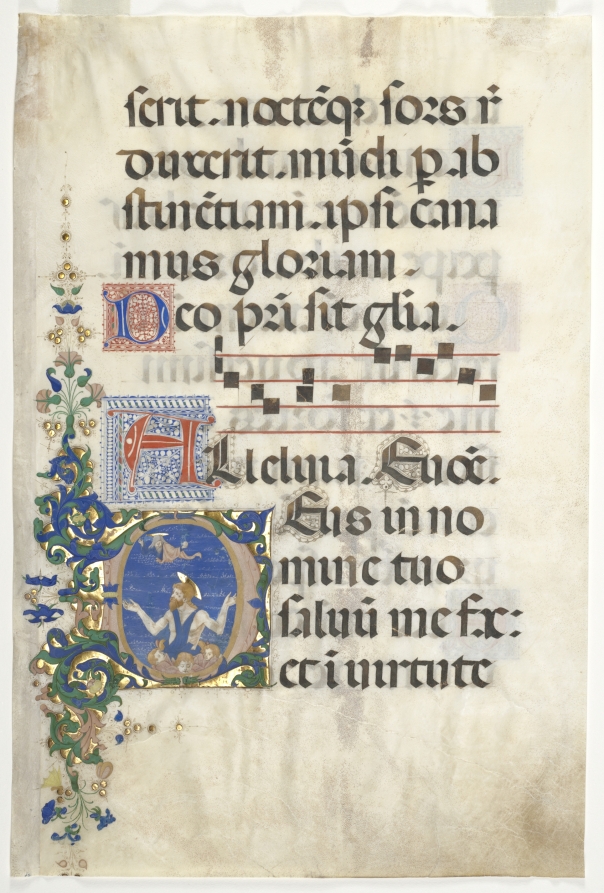
Leaf from a Gradual: Initial (D) with John the Baptist at the Cleveland Museum of Art: late 1450s, Ink, tempera, and gold on vellum. Explore the work's context, creator attribution and collection history.
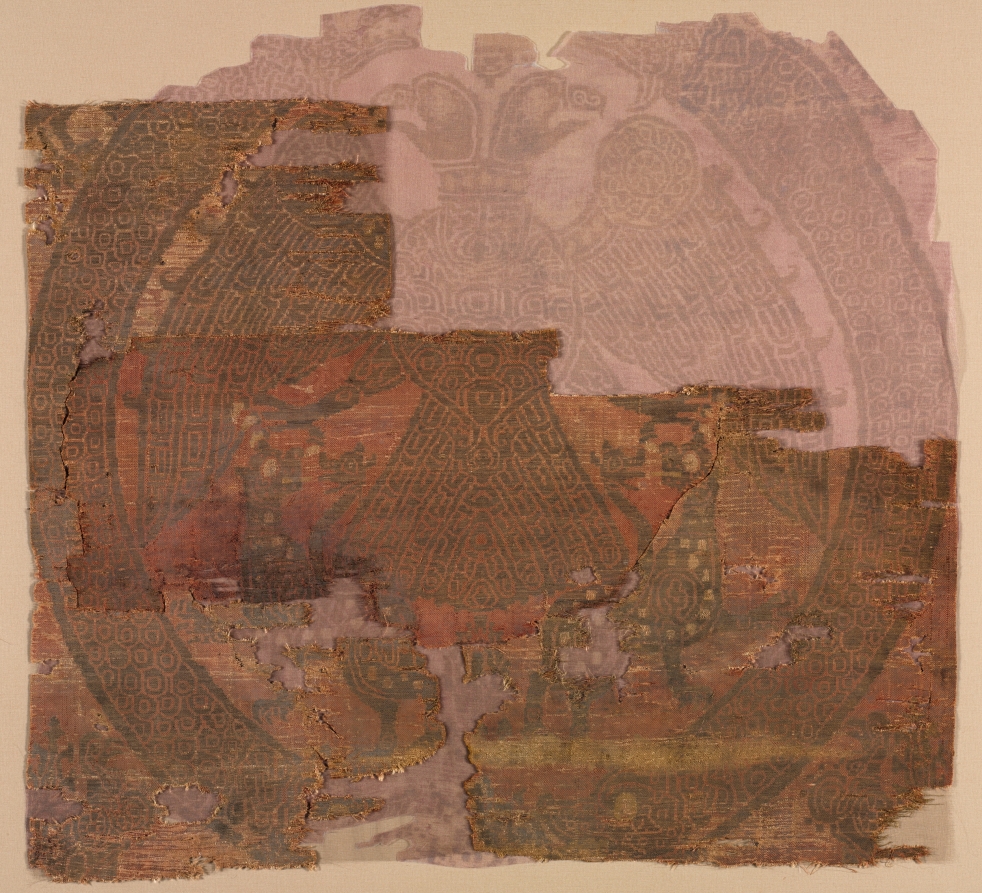
Fragment at the Cleveland Museum of Art: 900s–1000s, Silk and gold: compound twill, brocaded. Explore the work's context, creator attribution and collection history.
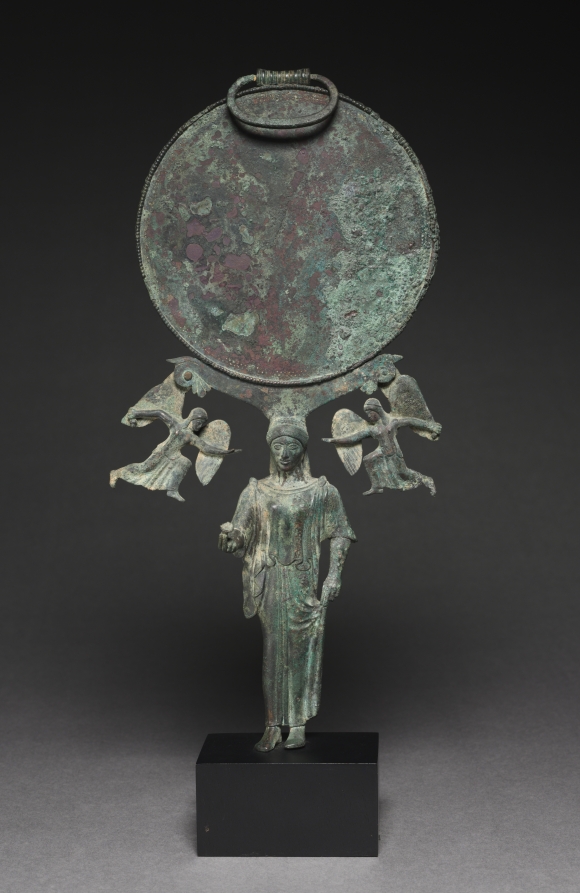
Mirror at the Cleveland Museum of Art: c. 470–460 BCE, bronze. Explore the work's context, creator attribution and collection history.
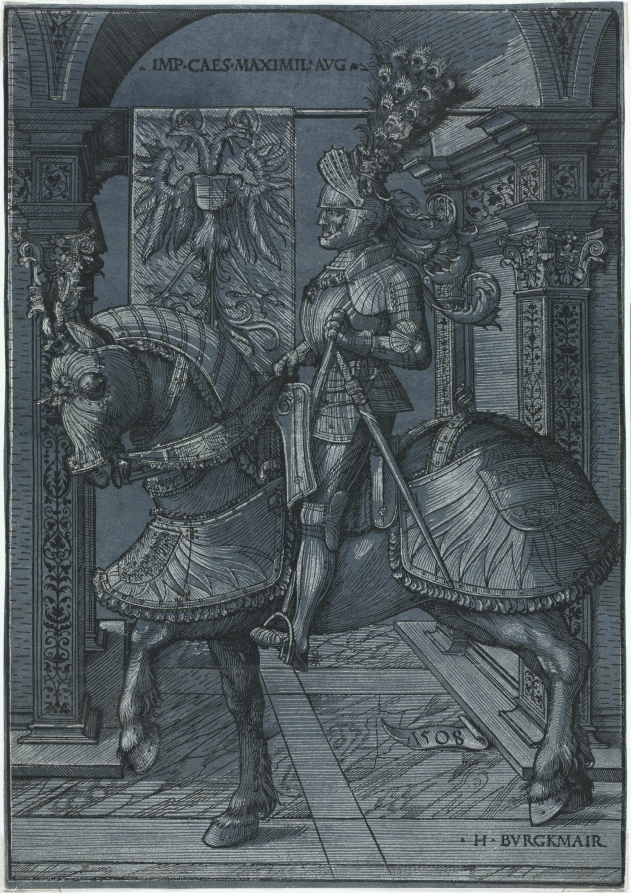
Equestrian Portrait of the Emperor Maximilian at the Cleveland Museum of Art: 1508, woodcut, in black and white on paper washed blue. Explore the work's context, creator attribution and collection history.
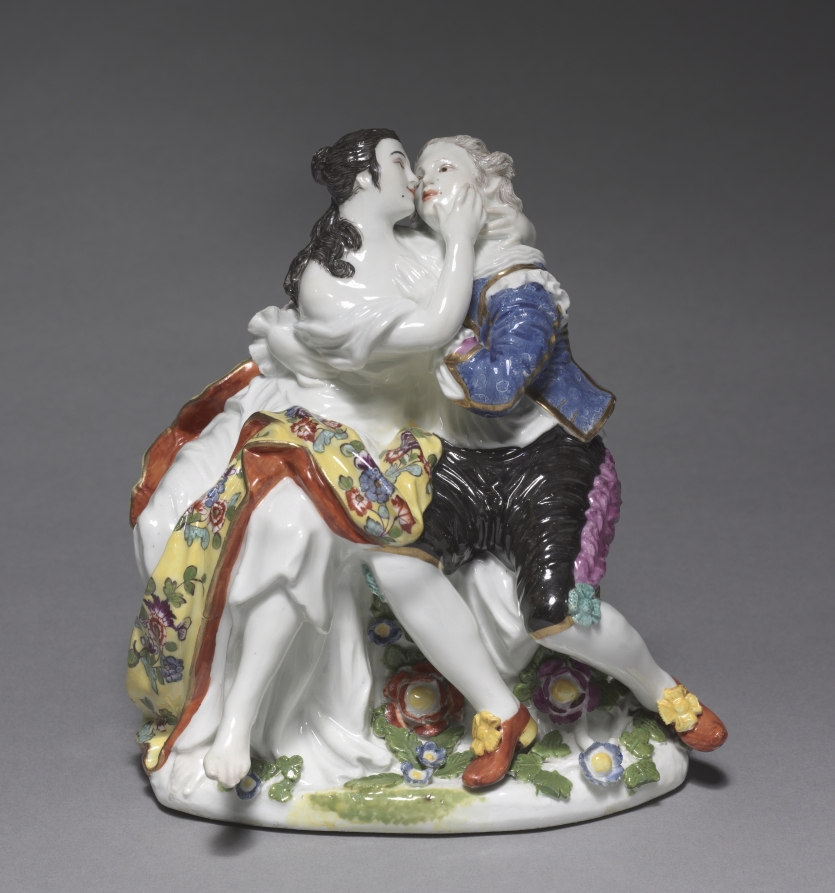
The Lovers at the Cleveland Museum of Art: c. 1740, porcelain with enamel decoration. Explore the work's context, creator attribution and collection history.
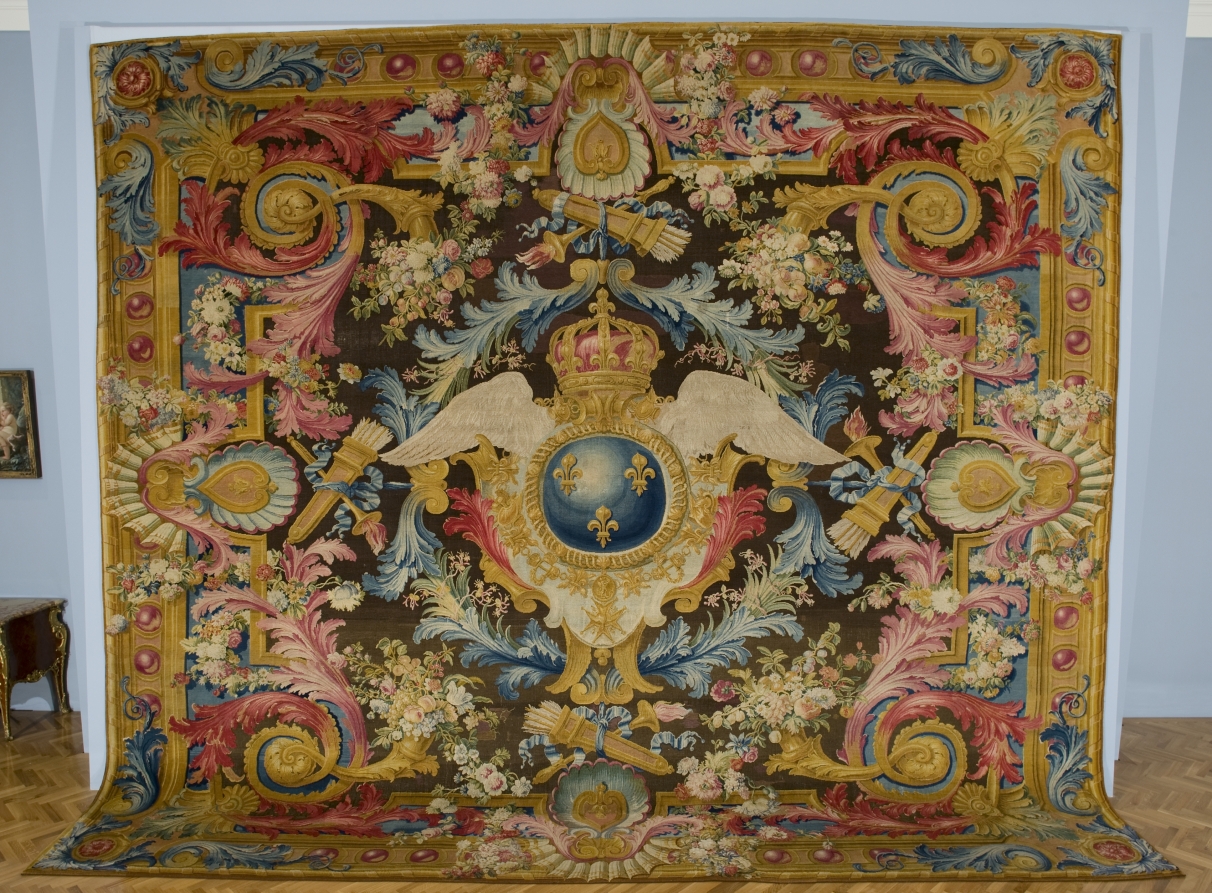
Louis XV Savonnerie Carpet with Royal Arms at the Cleveland Museum of Art: c. 1740–50, Savonnerie knotted pile (symmetrical ruf knot), wool, hemp. Explore the work's context, creator attribution and collection history.

Double Cup (Mazer) at the Cleveland Museum of Art: c. 1530, maple wood with gilt-silver mounts. Explore the work's context, creator attribution and collection history.

Double Cup (Mazer) at the Cleveland Museum of Art: c. 1530, maple wood with gilt-silver mounts. Explore the work's context, creator attribution and collection history.
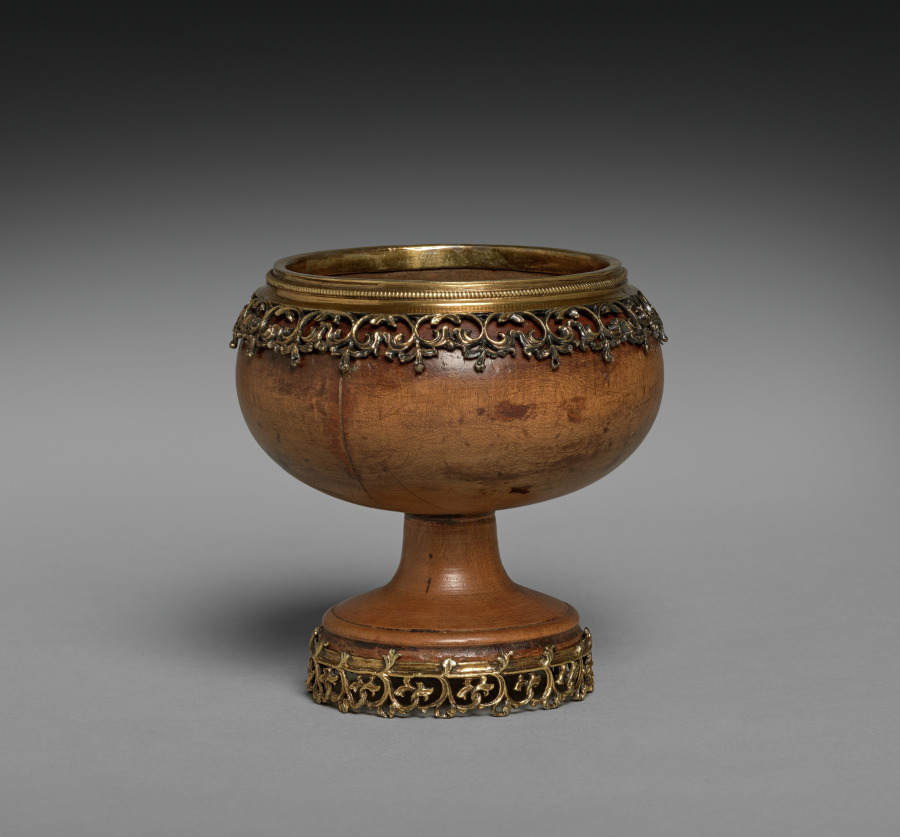
Double Cup (Mazer) (lid) at the Cleveland Museum of Art: c. 1530, maple wood with gilt-silver mounts. Explore the work's context, creator attribution and collection history.
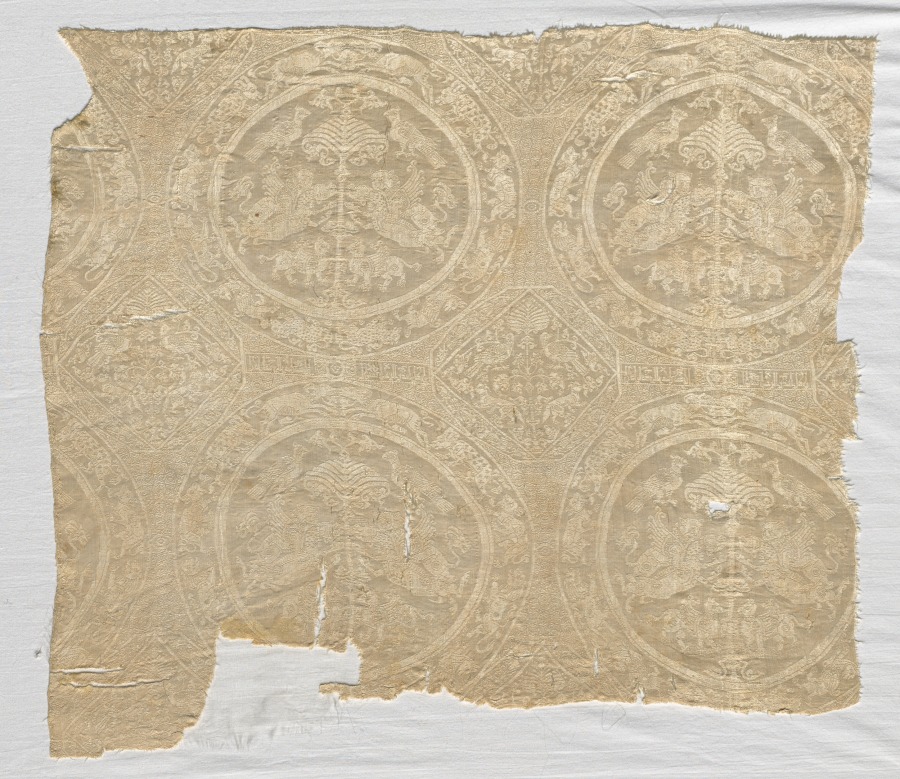
Fragment with confronted animal medallions and kufic bands at the Cleveland Museum of Art: 1480–1649 (radiocarbon date, 95% probability), Silk: diasper, tabby weave. Explore the work's context, creator attribution and collection history.
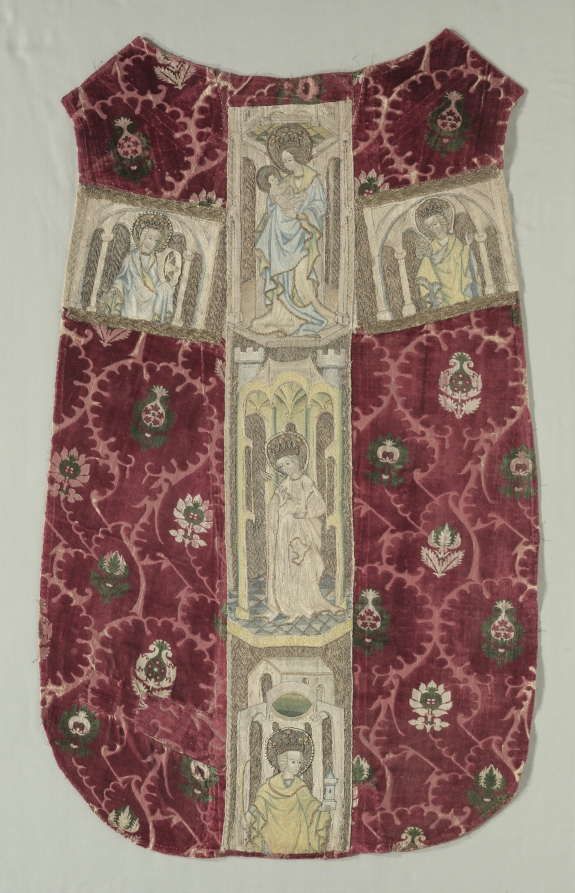
Chasuble Back with Embroidered Orphrey Band at the Cleveland Museum of Art: 1415–25, Velvet: cut pile and voided; silk, gold and silver thread: embroidery; split and couching stitches. Explore the work's context, creator attribution and col
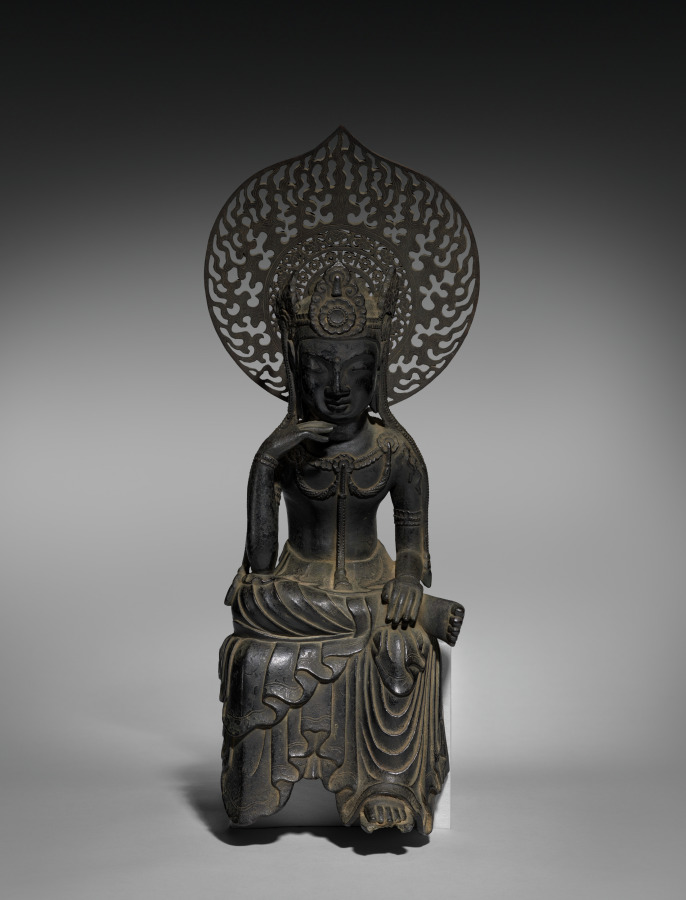
Buddha of the Future (Miroku Bosatsu) at the Cleveland Museum of Art: late 600s, cast bronze, incised, with traces of gilding. Explore the work's context, creator attribution and collection history.
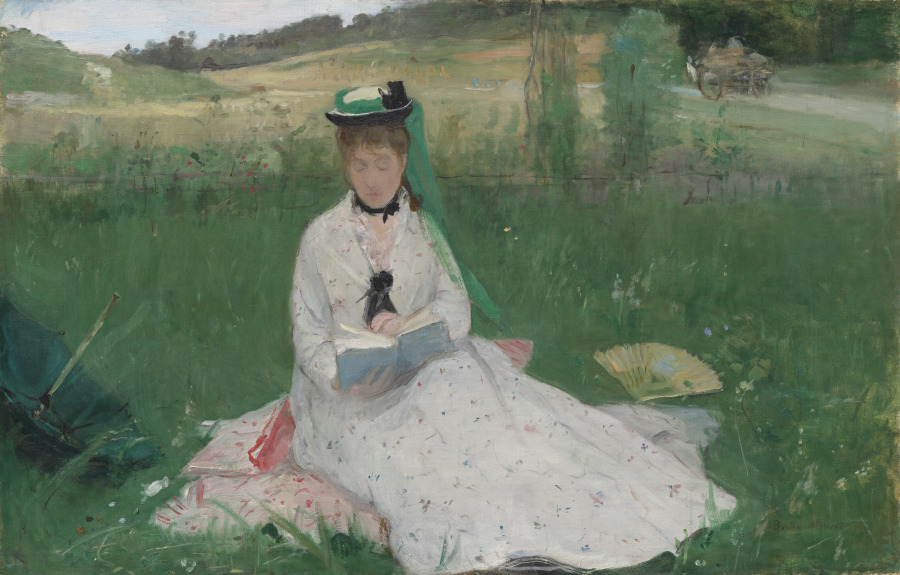
Reading at the Cleveland Museum of Art: 1873, oil on canvas. Explore the work's context, creator attribution and collection history.
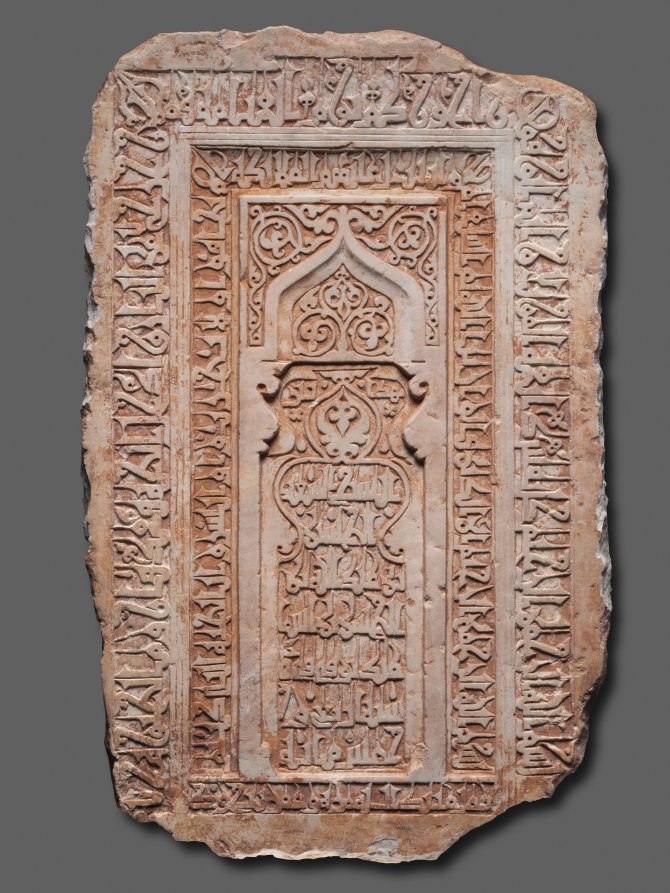
Inscribed Tombstone of Shaikh al-Husain ibn Abdallah ibn al-Hasan (died 1110) at the Cleveland Museum of Art: 1110, limestone. Explore the work's context, creator attribution and collection history.

Café Wepler at the Cleveland Museum of Art: c. 1908–10, reworked in 1912, oil on fabric. Explore the work's context, creator attribution and collection history.
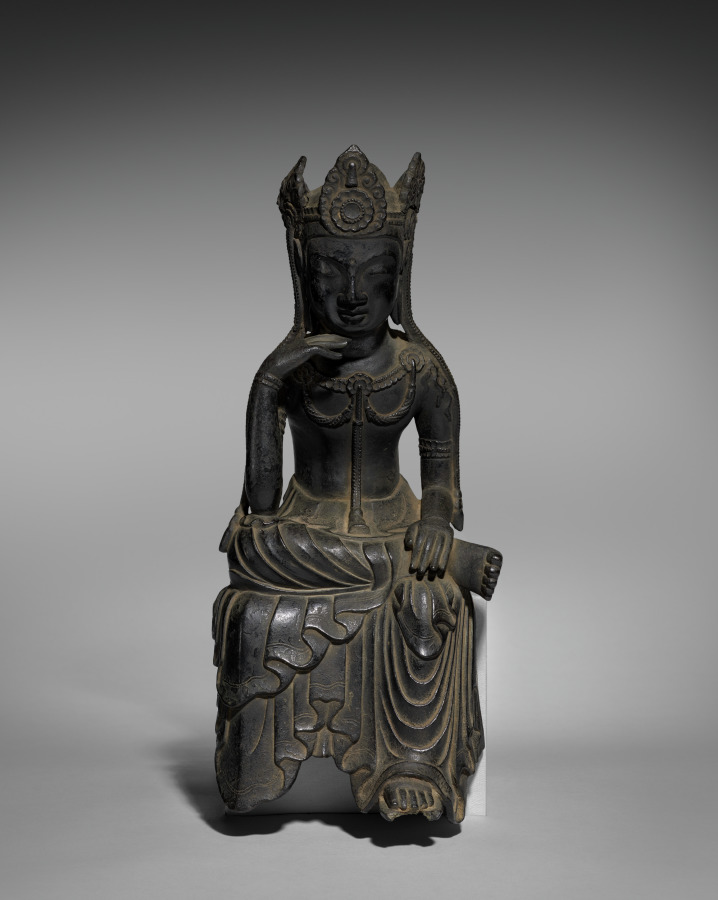
Buddha of the Future (Miroku Bosatsu) at the Cleveland Museum of Art: late 600s, cast bronze, incised, with traces of gilding. Explore the work's context, creator attribution and collection history.
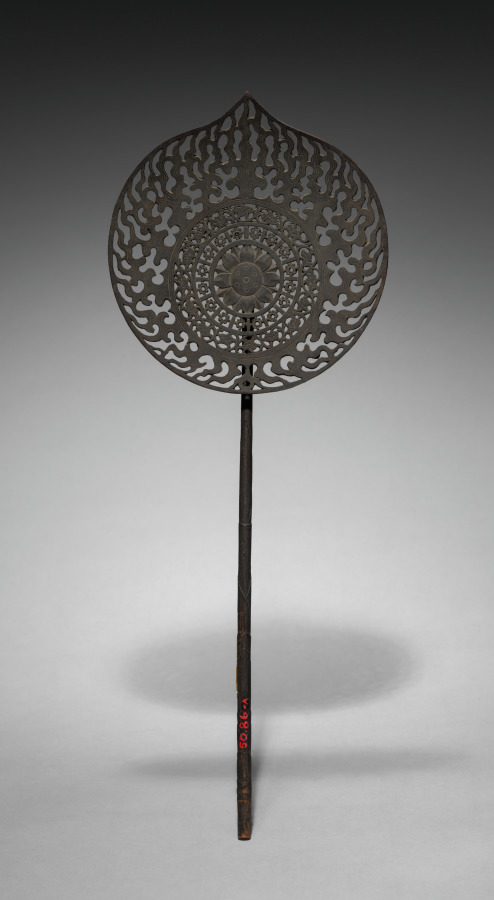
Halo for Buddha of the Future (Miroku Bosatsu) at the Cleveland Museum of Art: late 600s, cast bronze, incised, with traces of gilding. Explore the work's context, creator attribution and collection history.
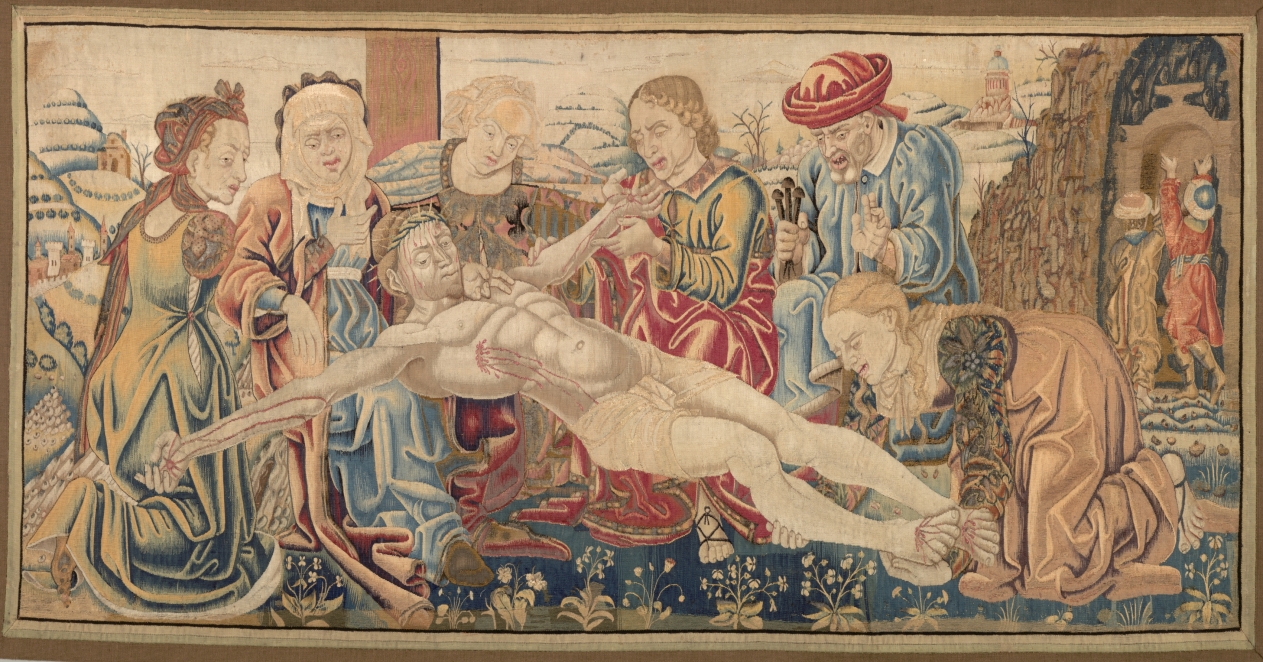
Altar Frontal with the Lamentation at the Cleveland Museum of Art: c. 1474, Wool, silk, gold and silver threads. Explore the work's context, creator attribution and collection history.
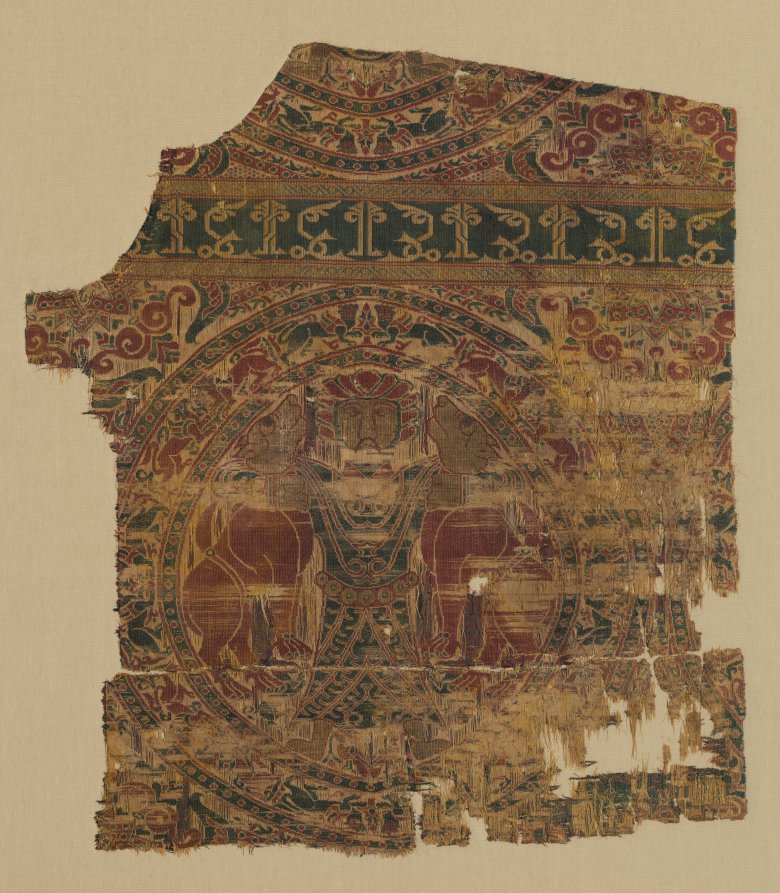
Fragment with Lion Strangler from a Dalmatic of Saint Bernard Calvo at the Cleveland Museum of Art: 1200–1243, Silk and gold thread: lampas, taqueté, and plain-weave variant. Explore the work's context, creator attribution and collection hi
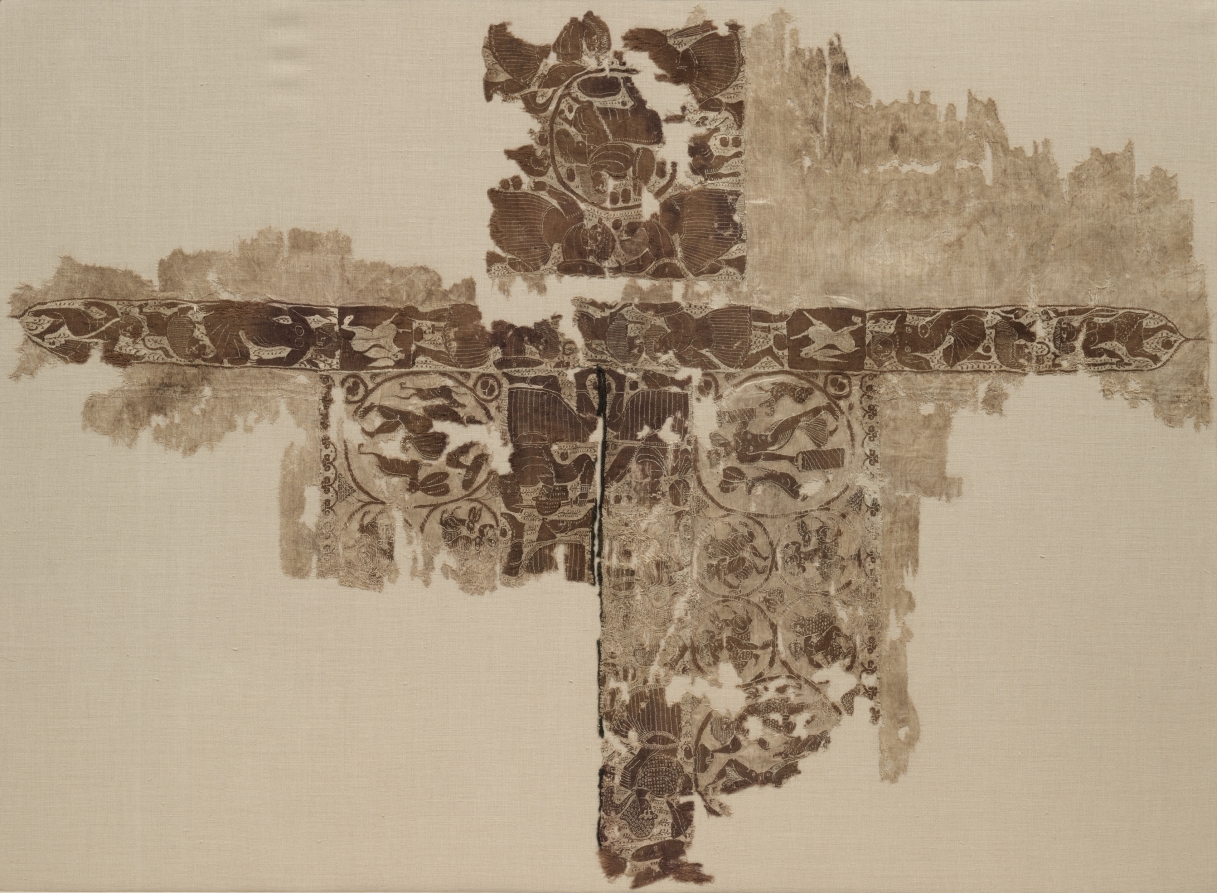
Fragment of a Tunic at the Cleveland Museum of Art: 400s, tabby weave with inwoven tapestry ornament: linen. Explore the work's context, creator attribution and collection history.
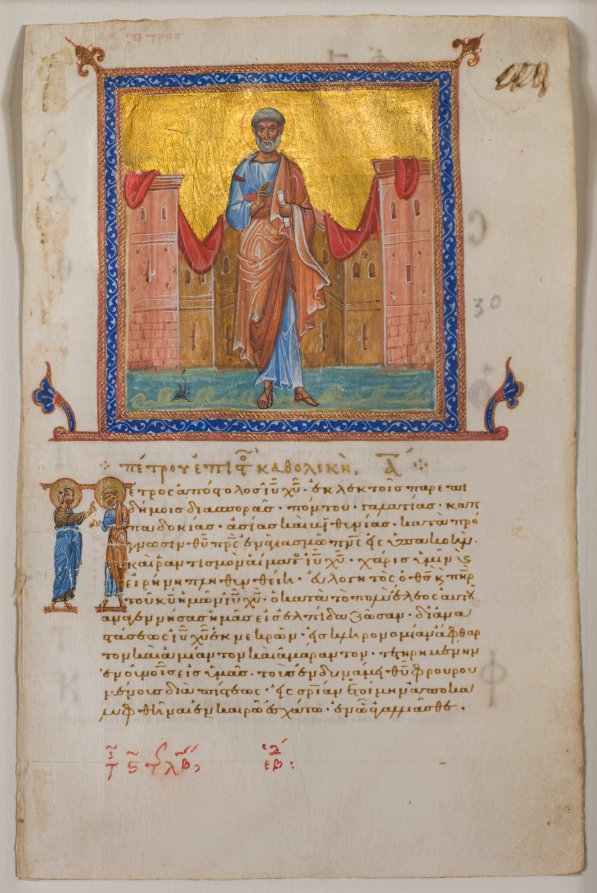
Leaf from a Greek Psalter and New Testament at the Cleveland Museum of Art: 1084, ink, tempera, and gold on vellum. Explore the work's context, creator attribution and collection history.
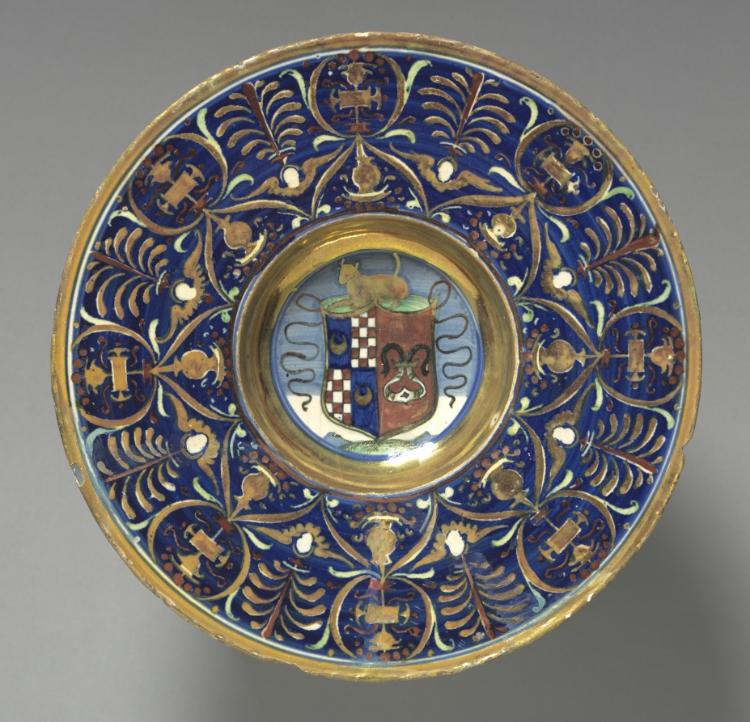
Plate with Arms of the Vitelleschi Family at the Cleveland Museum of Art: 1527, tin-glazed earthenware with gold luster (maiolica). Explore the work's context, creator attribution and collection history.
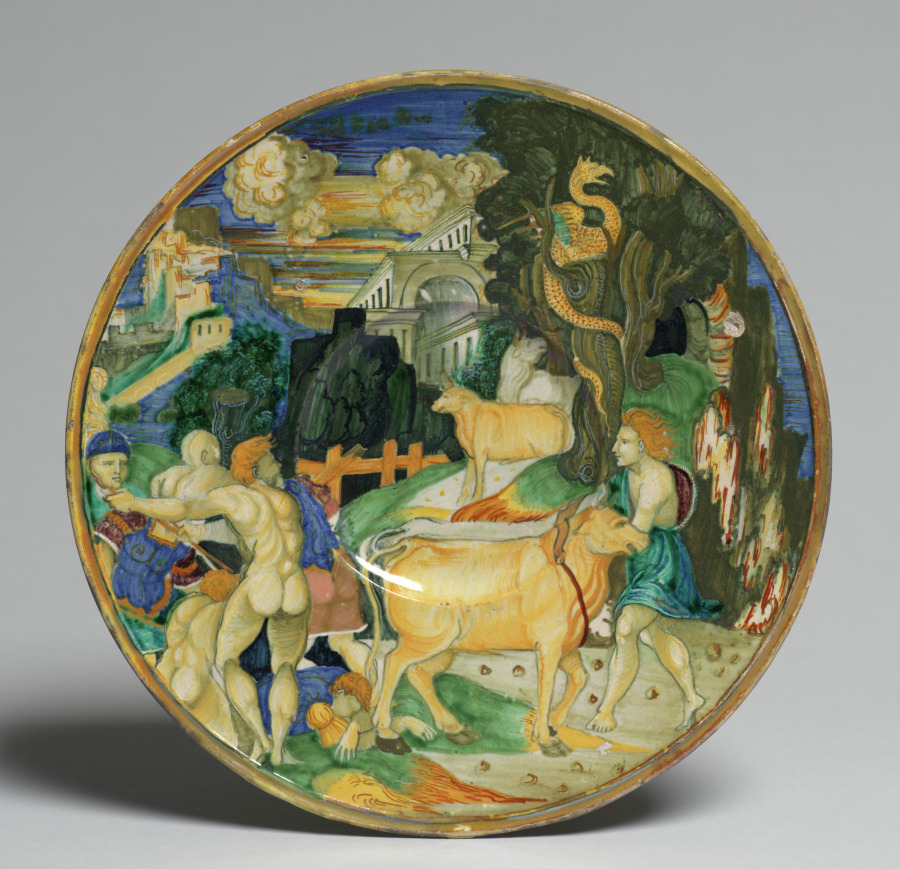
Plate Depicting the Myth of Cadmus at the Cleveland Museum of Art: 1526, tin-glazed earthenware with gold lustre (maiolica). Explore the work's context, creator attribution and collection history.
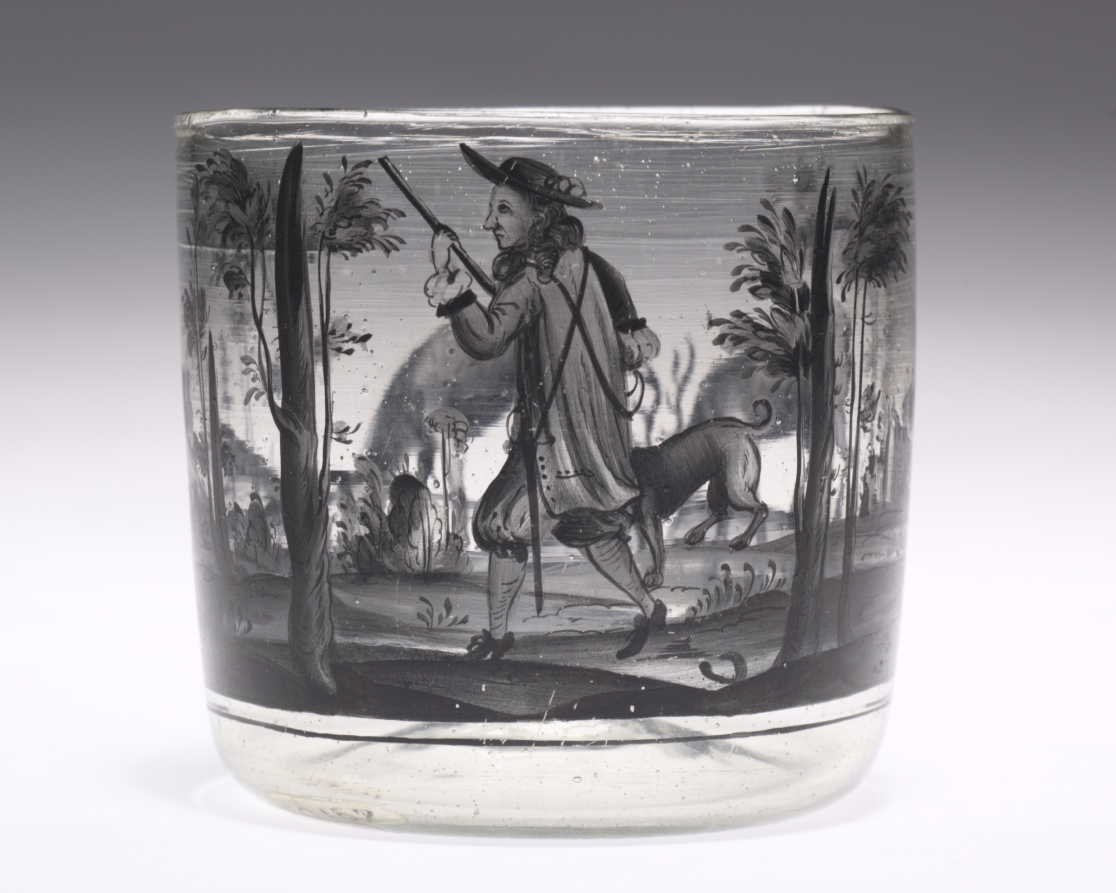
Bowl at the Cleveland Museum of Art: c. 1665, Wheel engraved glass; enamel. Explore the work's context, creator attribution and collection history.

Cup at the Cleveland Museum of Art: c. 1720, glass. Explore the work's context, creator attribution and collection history.
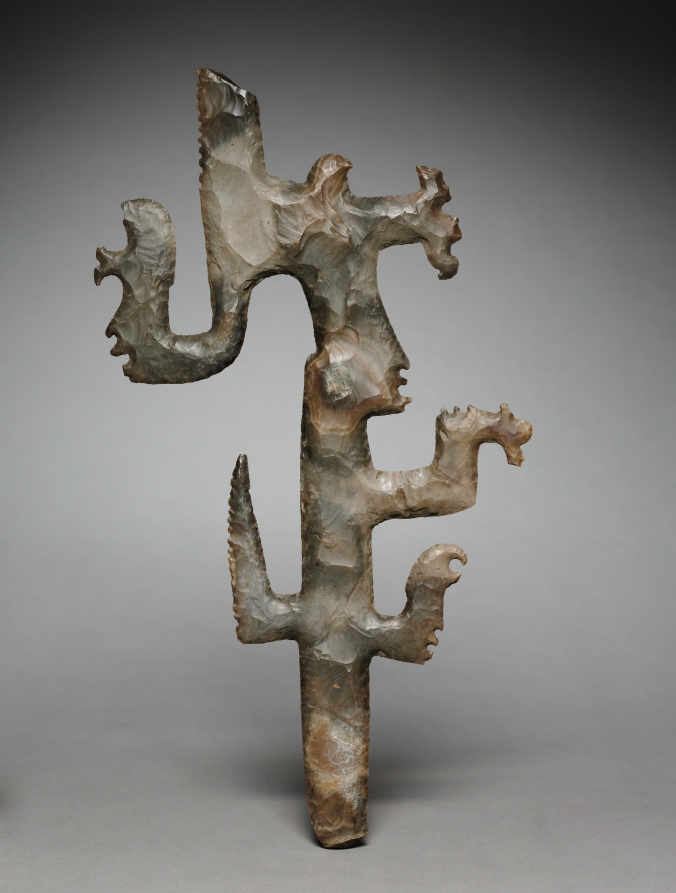
Eccentric Flint at the Cleveland Museum of Art: 600–900, chipped flint. Explore the work's context, creator attribution and collection history.
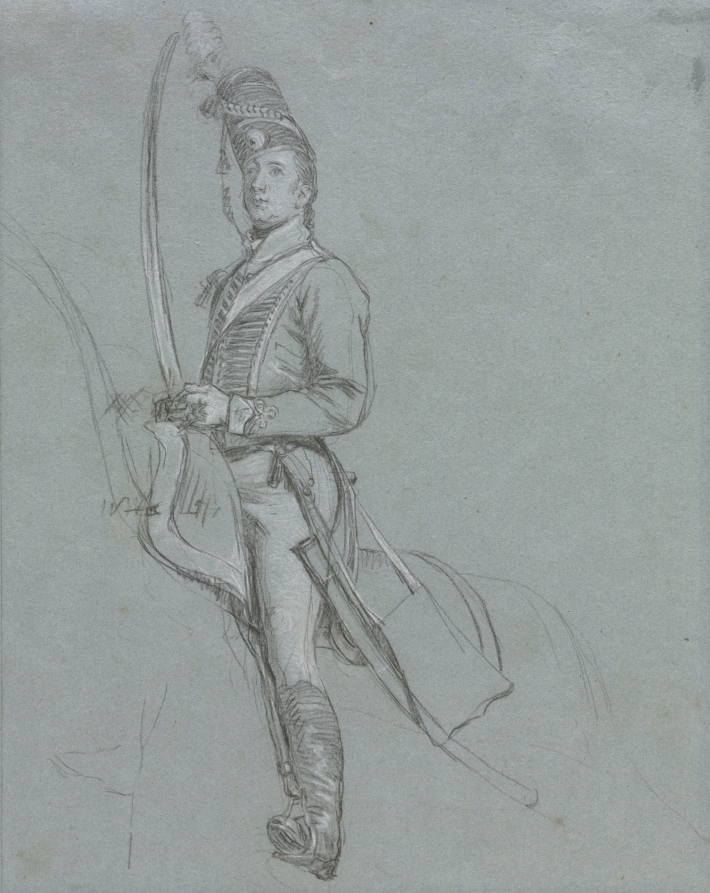
A Hussar Officer on Horseback at the Cleveland Museum of Art: 1812, black and white chalk. Explore the work's context, creator attribution and collection history.
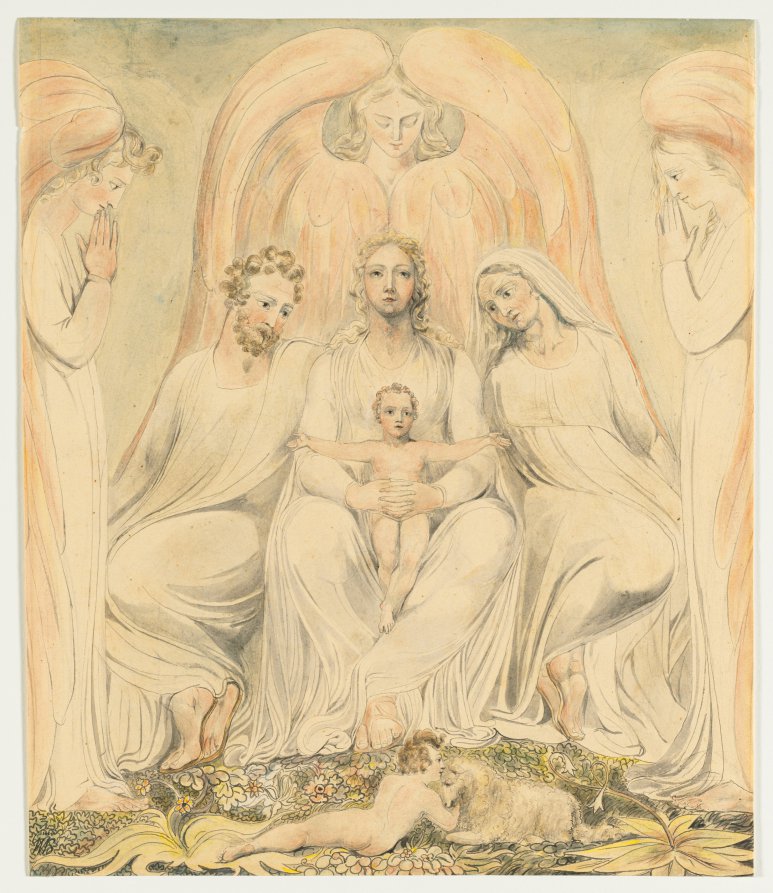
The Holy Family (Christ in the Lap of Truth) at the Cleveland Museum of Art: c. 1805, black, gray, and brown ink applied with pen and point of brush; gray, pink, yellow, and green wash. Explore the work's context, creator attribution and co
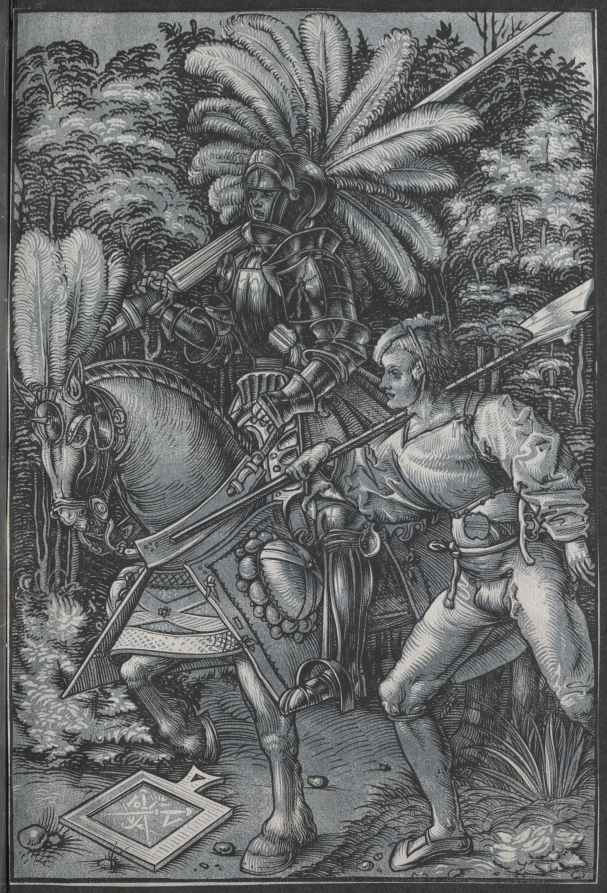
The Knight and Lansquenet at the Cleveland Museum of Art: c. 1512, chiaroscuro woodcut (in blue and black). Explore the work's context, creator attribution and collection history.

Portrait of a Man, Possibly Girolamo Rosati at the Cleveland Museum of Art: 1533–34, oil on canvas. Explore the work's context, creator attribution and collection history.
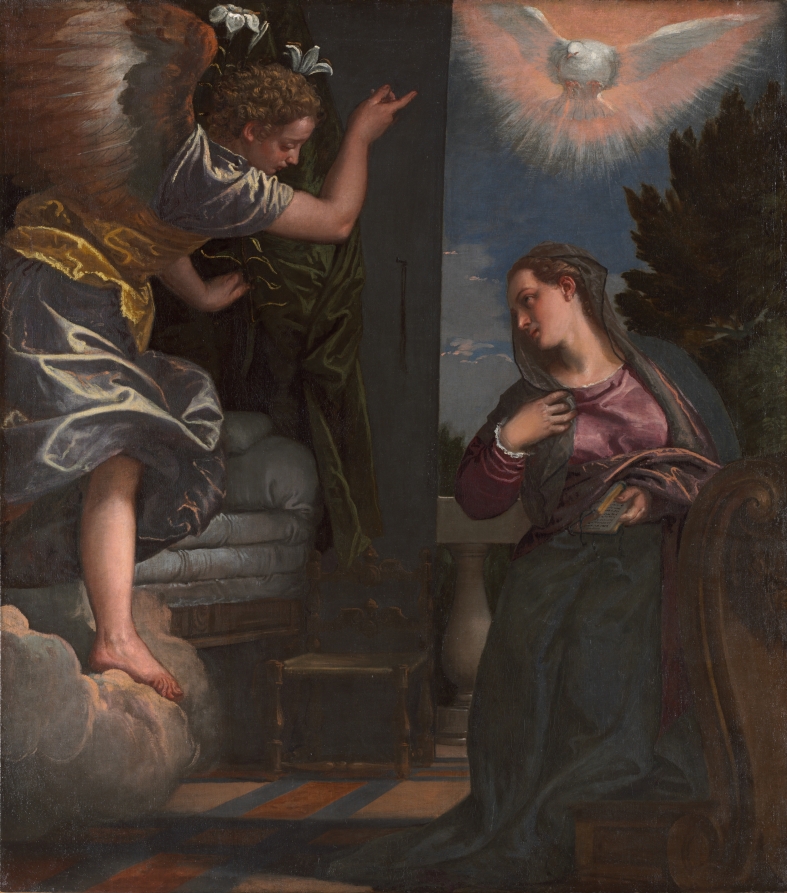
The Annunciation at the Cleveland Museum of Art: c. 1580, oil on canvas. Explore the work's context, creator attribution and collection history.
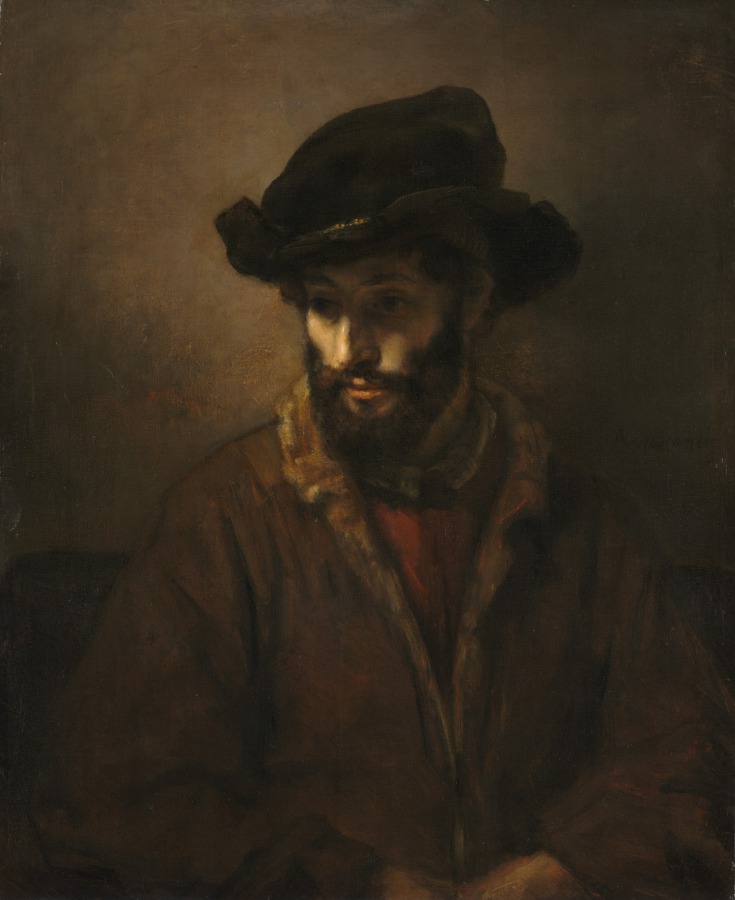
A Bearded Man Wearing a Hat at the Cleveland Museum of Art: c. 1655–60, oil on canvas. Explore the work's context, creator attribution and collection history.

Fortune at the Cleveland Museum of Art: 1901, graphite. Explore the work's context, creator attribution and collection history.