Two-faced Carpet Fragment (1100s): Art, History and Details
Two-faced Carpet Fragment at the Cleveland Museum of Art: 1100s, senna knot. Explore the work's context, creator attribution and collection history.
Oldest entries first, in a fixed order. Newly added articles appear at the end. Explore a shuffled selection →
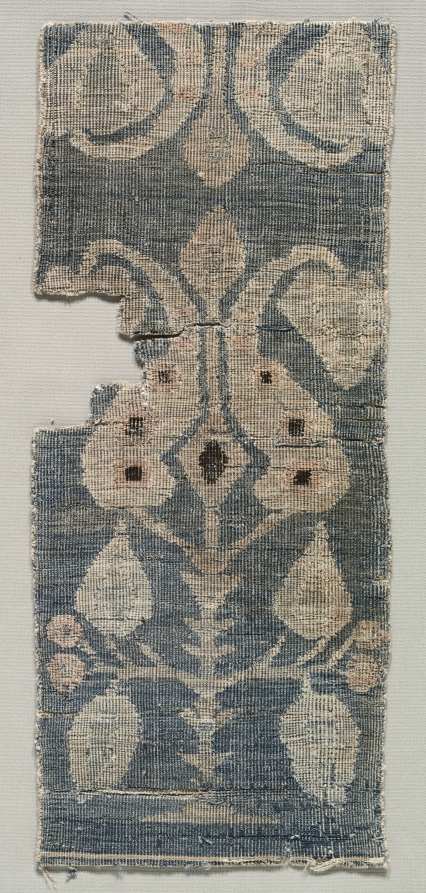
Two-faced Carpet Fragment at the Cleveland Museum of Art: 1100s, senna knot. Explore the work's context, creator attribution and collection history.
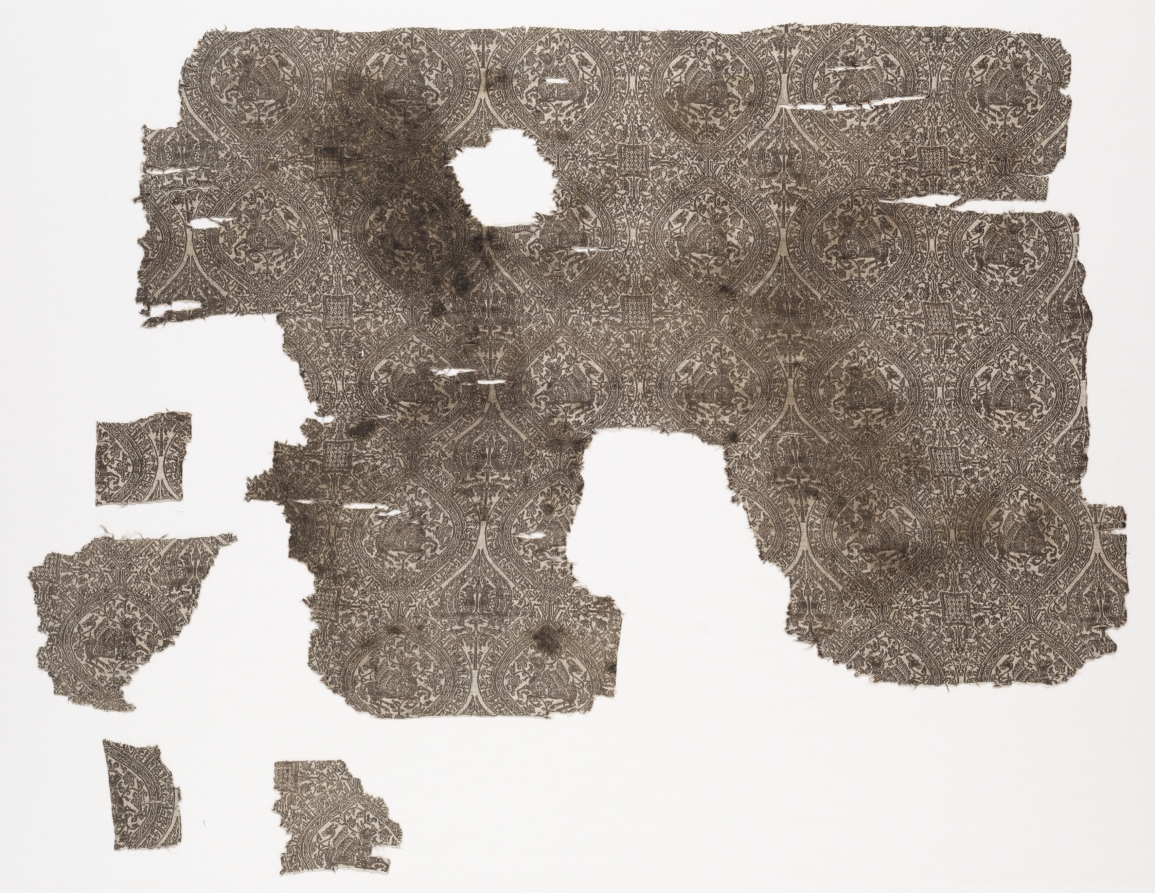
Ogives with Winged Quadrupeds and Peacocks at the Cleveland Museum of Art: 1517–1950 (radiocarbon date, 95% probability), Silk: lampas weave. Explore the work's context, creator attribution and collection history.
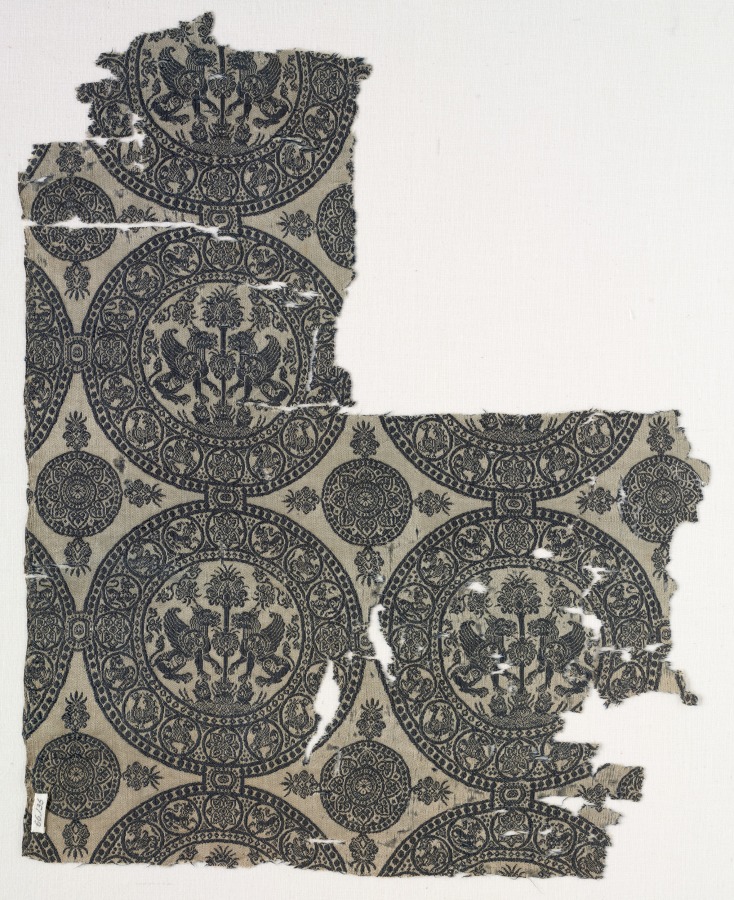
Fragments with Griffins in Roundels at the Cleveland Museum of Art: before 1966, Silk: lampas weave. Explore the work's context, creator attribution and collection history.
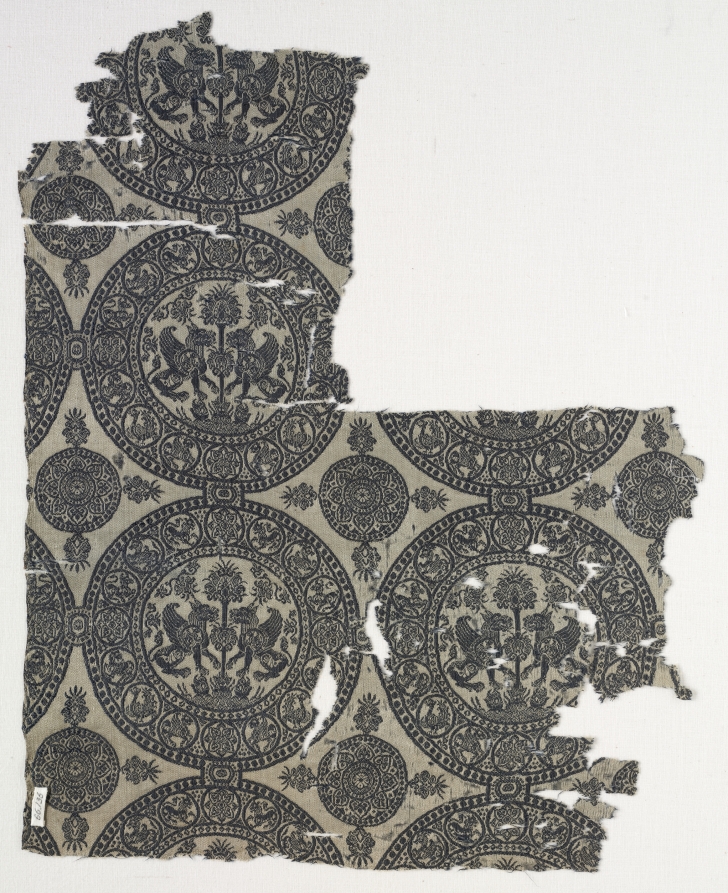
Fragments with Griffins in Roundels at the Cleveland Museum of Art: before 1966, Silk: lampas weave. Explore the work's context, creator attribution and collection history.
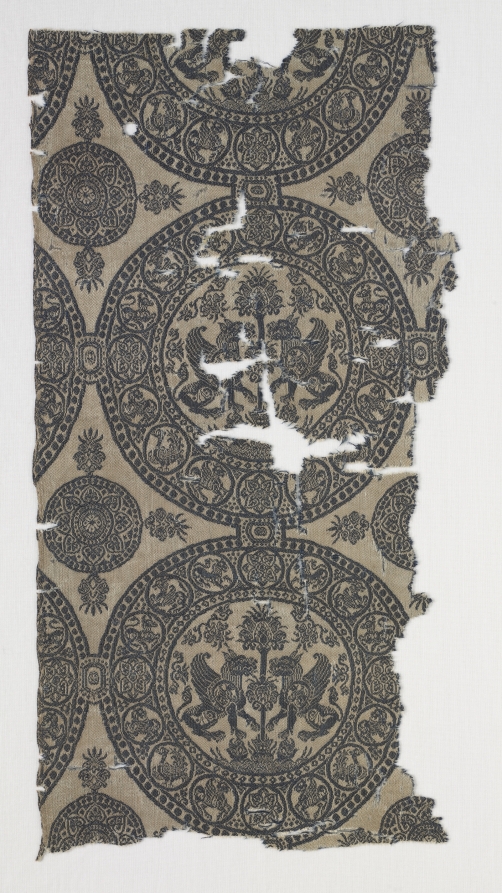
Fragments with Griffins in Roundels at the Cleveland Museum of Art: before 1966, Silk: lampas weave. Explore the work's context, creator attribution and collection history.
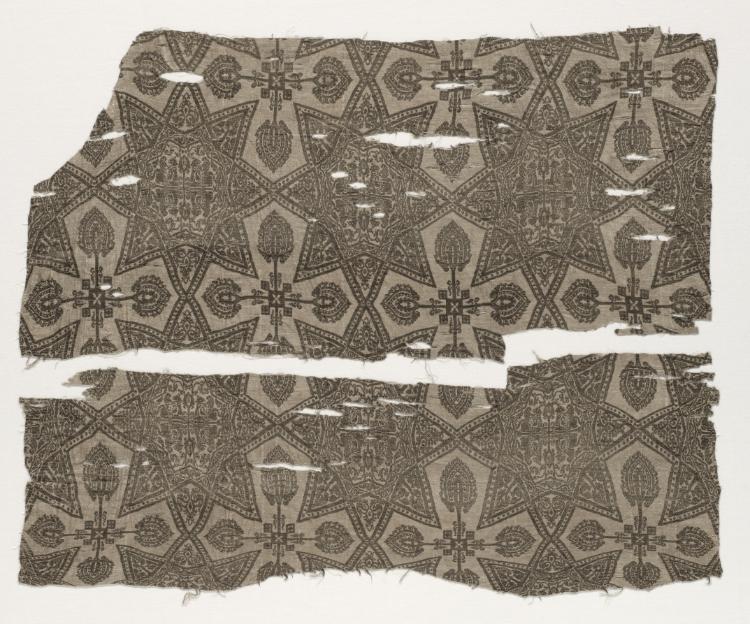
Fragments with Eight-Pointed Star (Two Pieces) at the Cleveland Museum of Art: before 1966, Silk: compound weave. Explore the work's context, creator attribution and collection history.
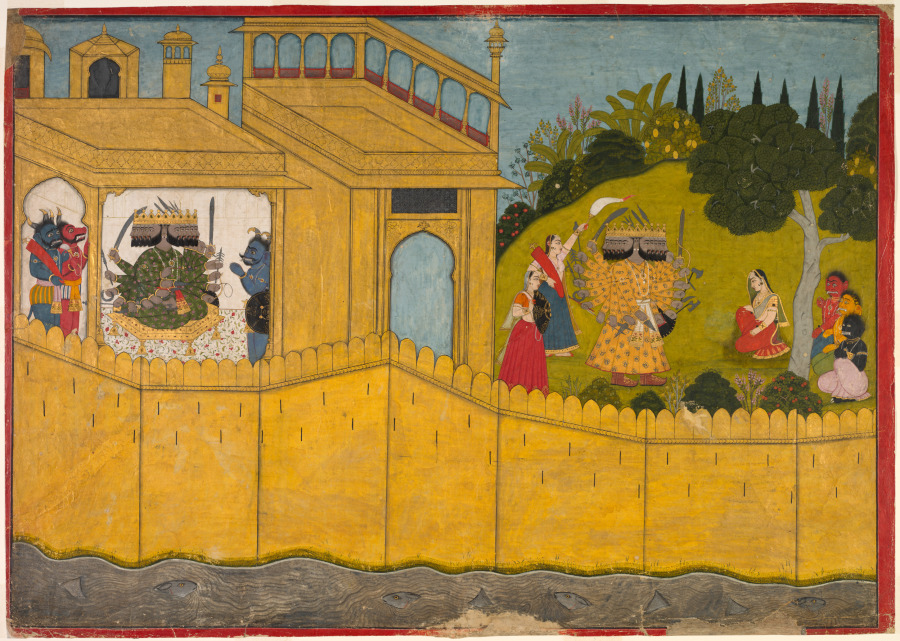
Ravana addresses Sita in the garden of Lanka, from Chapters 53 and 54 of the Aranya Kanda (Book of the Forest) of a Ramayana (Rama’s Journey) at the Cleveland Museum of Art: c. 1725, Gum tempera, gold, and silver on paper. Explore the work'

David with the Head of Goliath at the Cleveland Museum of Art: 1620s–30s, engraving. Explore the work's context, creator attribution and collection history.
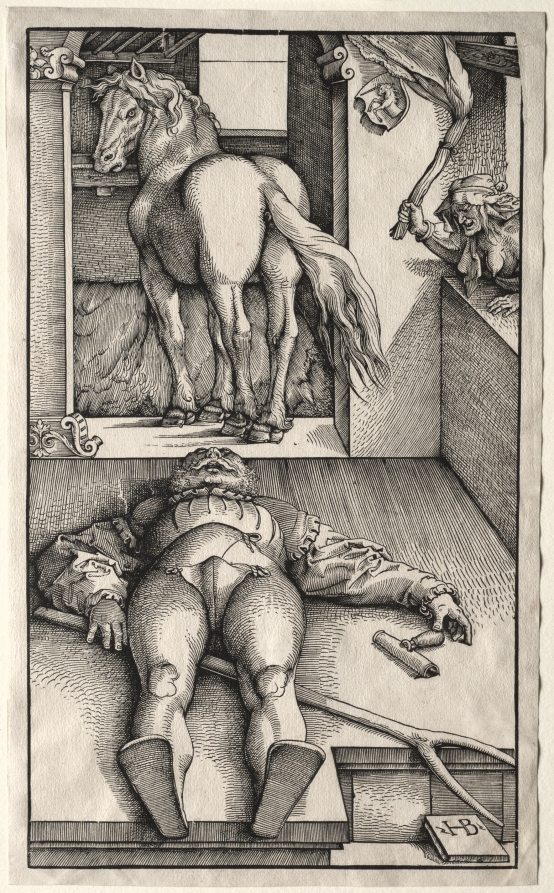
The Bewitched Groom at the Cleveland Museum of Art: 1544–45, woodcut. Explore the work's context, creator attribution and collection history.
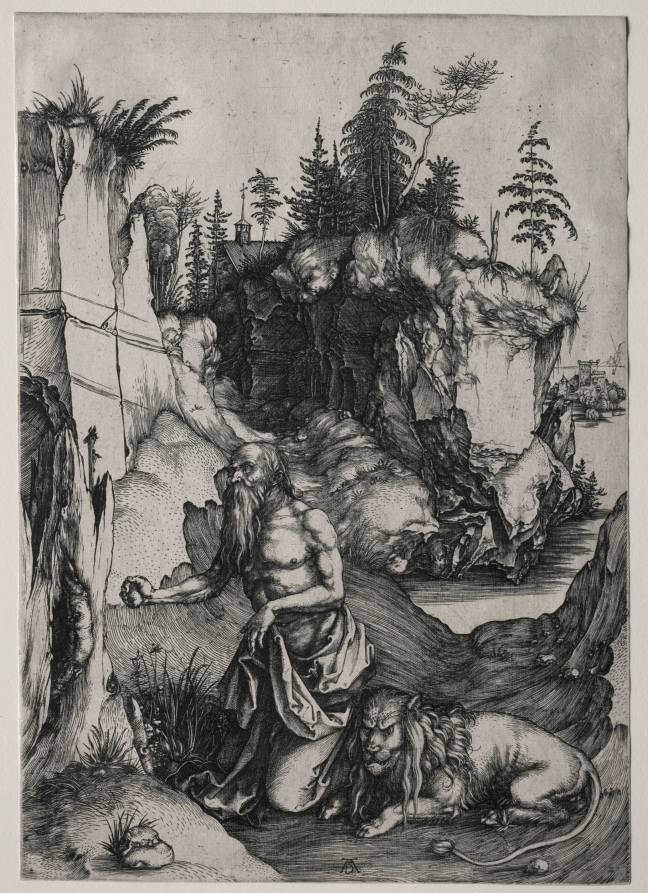
St. Jerome in Penitence at the Cleveland Museum of Art: c. 1497, engraving. Explore the work's context, creator attribution and collection history.
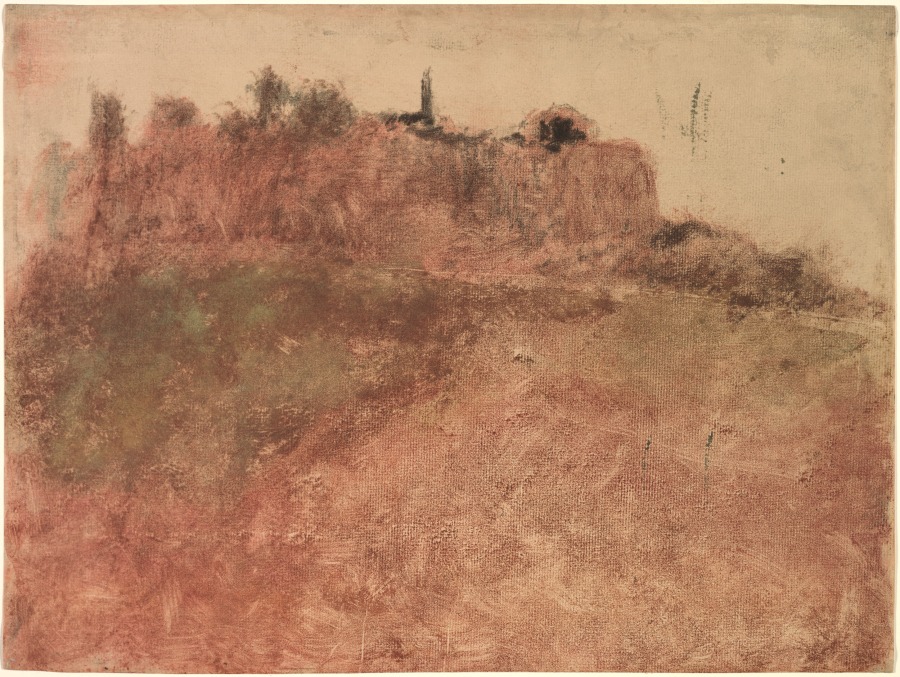
Estérel Village at the Cleveland Museum of Art: c. 1890, color monotype. Explore the work's context, creator attribution and collection history.
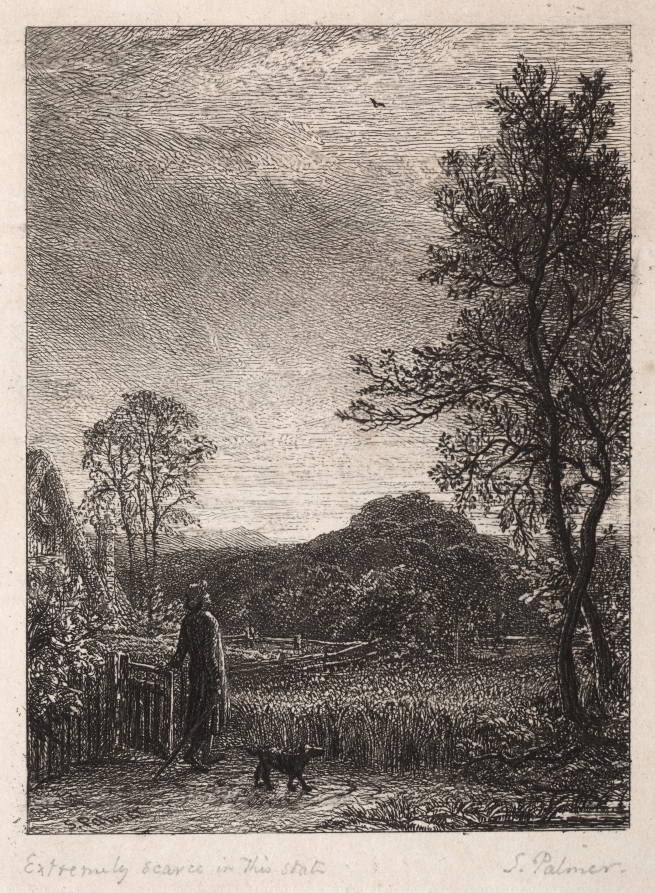
The Skylark at the Cleveland Museum of Art: 1850, etching. Explore the work's context, creator attribution and collection history.
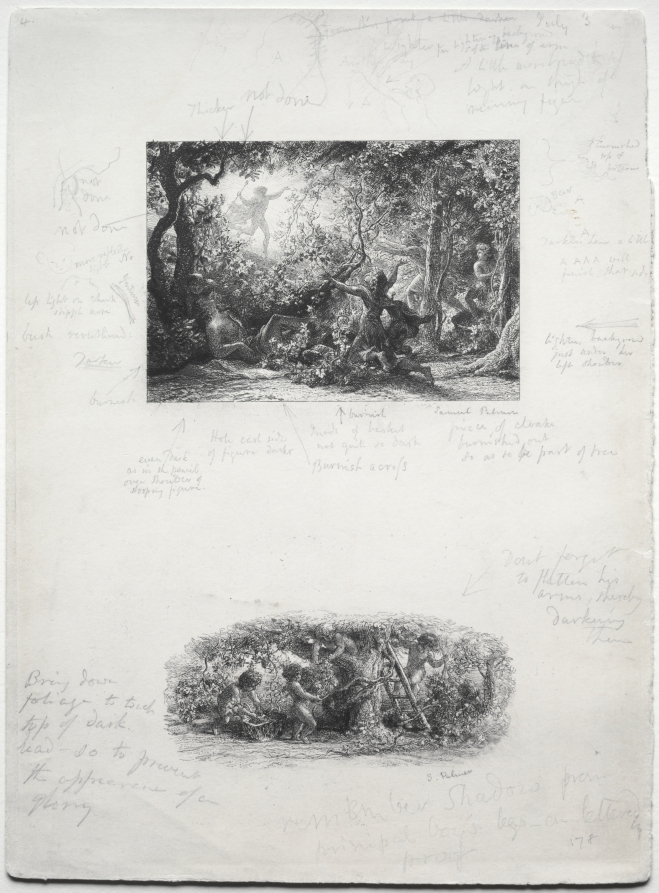
The Vine at the Cleveland Museum of Art: 1852, etching. Explore the work's context, creator attribution and collection history.

The Bellman at the Cleveland Museum of Art: 1879, etching. Explore the work's context, creator attribution and collection history.

Set of figures at the Cleveland Museum of Art: 1745–1750, faience. Explore the work's context, creator attribution and collection history.

Figure at the Cleveland Museum of Art: 1745–50, faience. Explore the work's context, creator attribution and collection history.

Figure at the Cleveland Museum of Art: 1745–50, faience. Explore the work's context, creator attribution and collection history.
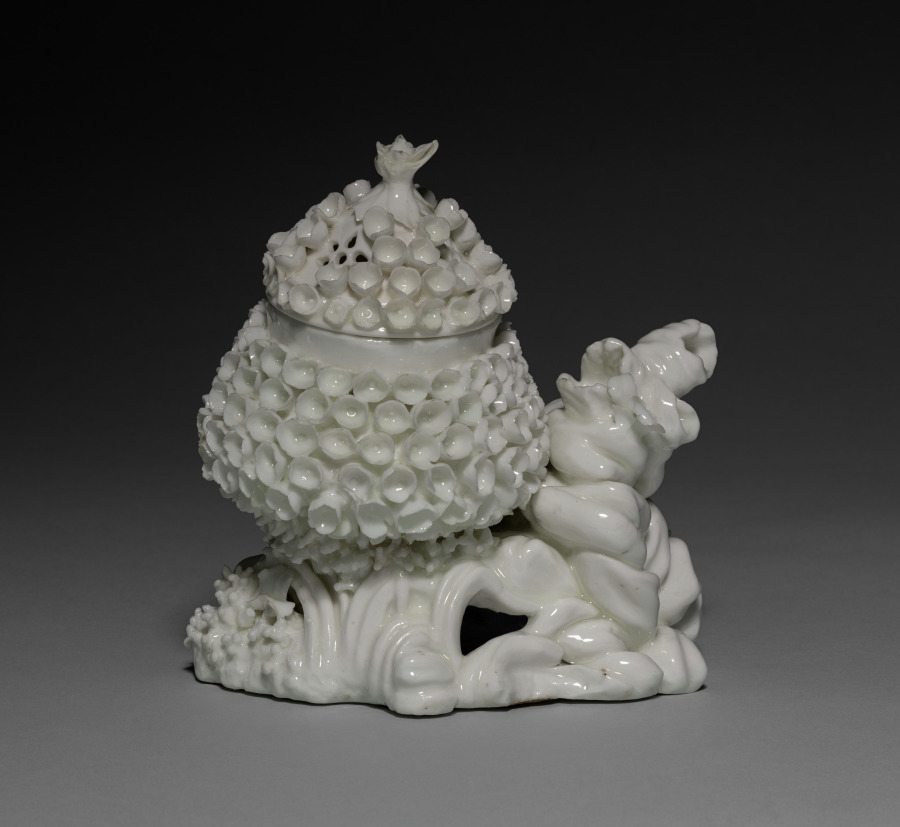
Potpourri Vase with Cover at the Cleveland Museum of Art: c. 1750, soft-paste porcelain. Explore the work's context, creator attribution and collection history.

Figure Group of the Festival at the Chateau (La fête au château) or the Model Fidelity (La fidélité modèle) at the Cleveland Museum of Art: 1766, unglazed soft-paste porcelain (biscuit). Explore the work's context, creator attribution and c
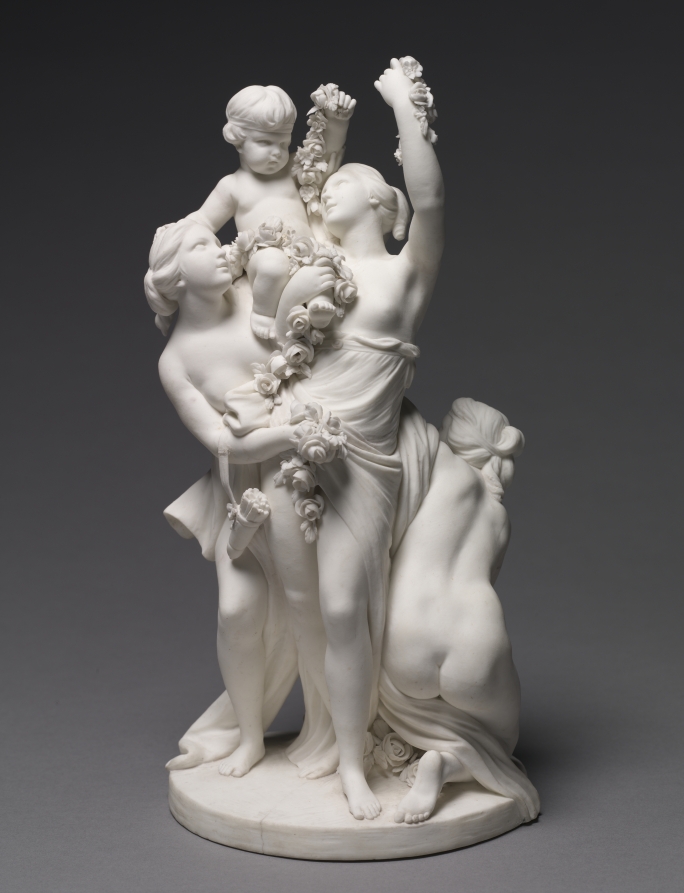
Figure Group of Love Carried by the Three Graces at the Cleveland Museum of Art: c. 1768–78, unglazed soft-paste porcelain (biscuit). Explore the work's context, creator attribution and collection history.

Virgin and Child with Saints at the Cleveland Museum of Art: c. 1230s, triptych (tabernacle); tempera and gold on poplar panel. Explore the work's context, creator attribution and collection history.

Virgin and Child with Saints at the Cleveland Museum of Art: c. 1230s, tempera and gold on wood. Explore the work's context, creator attribution and collection history.
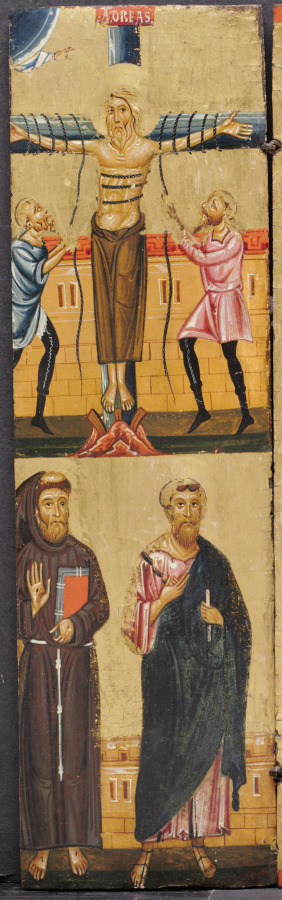
The Crucifixion of St. Andrew, with St. Francis and St. Paul below at the Cleveland Museum of Art: c. 1230s, tempera and gold on wood. Explore the work's context, creator attribution and collection history.

Christ in a Mandorla, with the instruments of the Passion, with St. Stephen and St. Lawrence below at the Cleveland Museum of Art: c. 1230s, tempera and gold on wood. Explore the work's context, creator attribution and collection history.
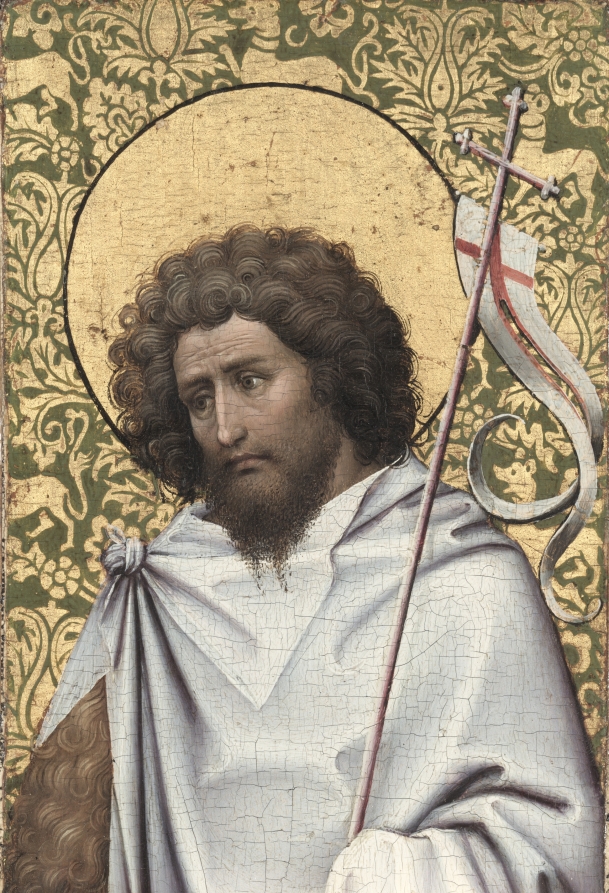
John the Baptist at the Cleveland Museum of Art: c. 1410, oil on oak panel. Explore the work's context, creator attribution and collection history.
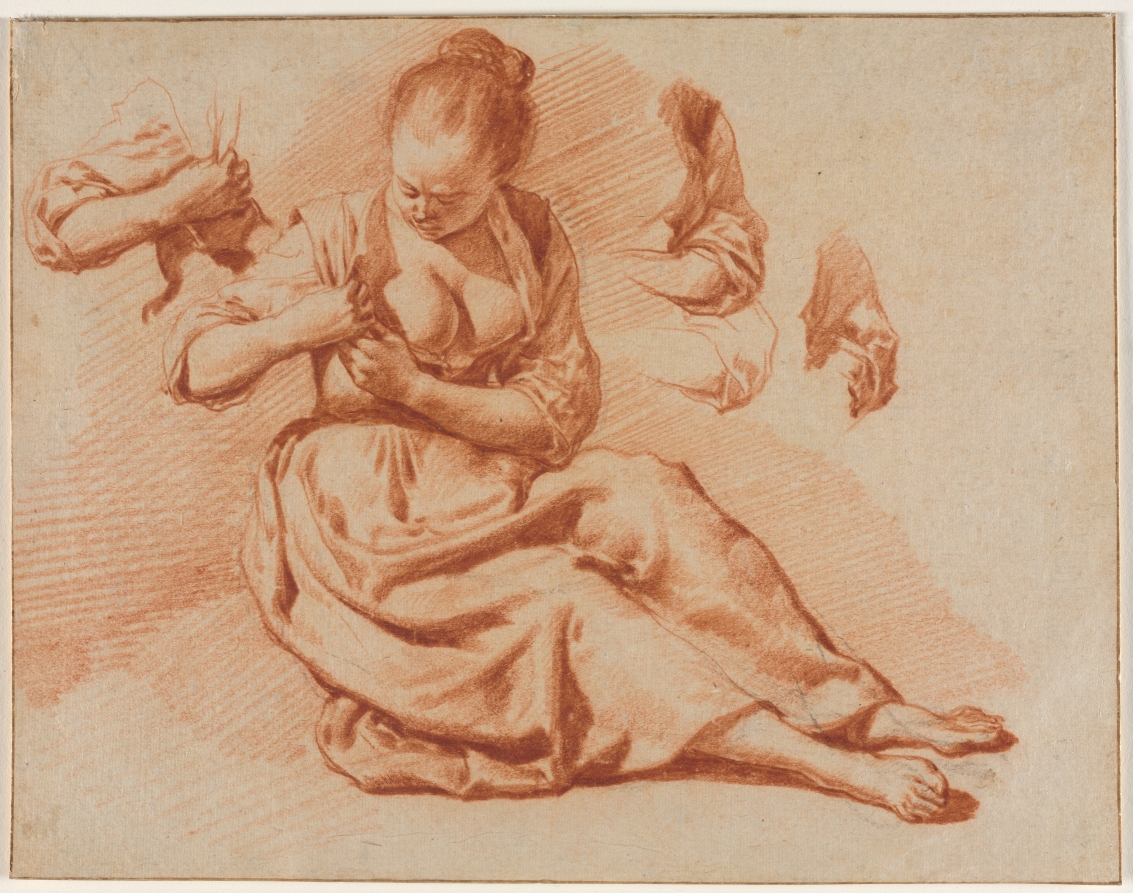
Seated Woman Searching for Fleas at the Cleveland Museum of Art: c. 1671, red chalk over black chalk; framing lines in pen and brown ink. Explore the work's context, creator attribution and collection history.
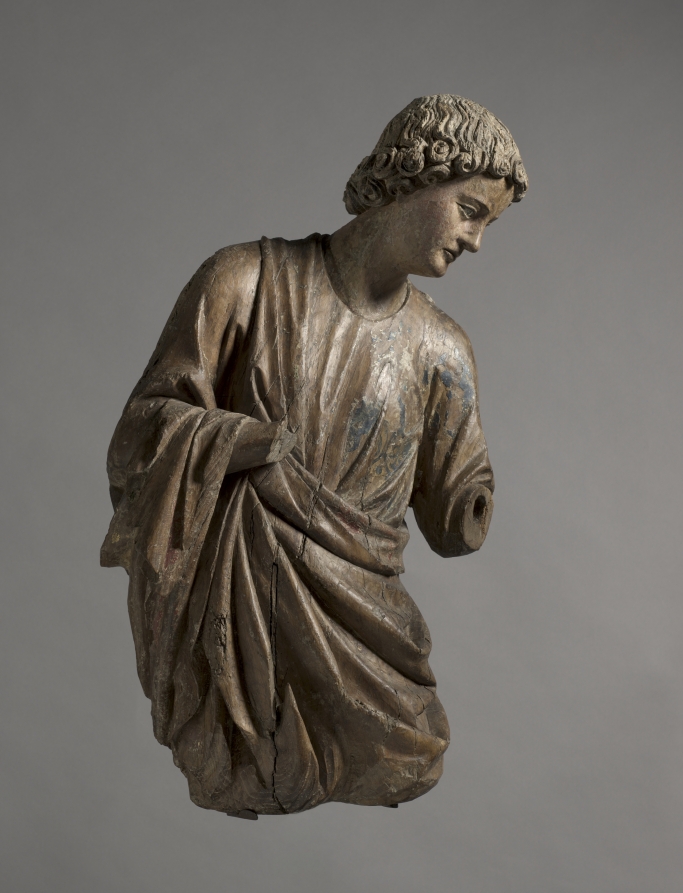
Angel at the Cleveland Museum of Art: c. 1250, walnut with traces of gilding and polychromy. Explore the work's context, creator attribution and collection history.
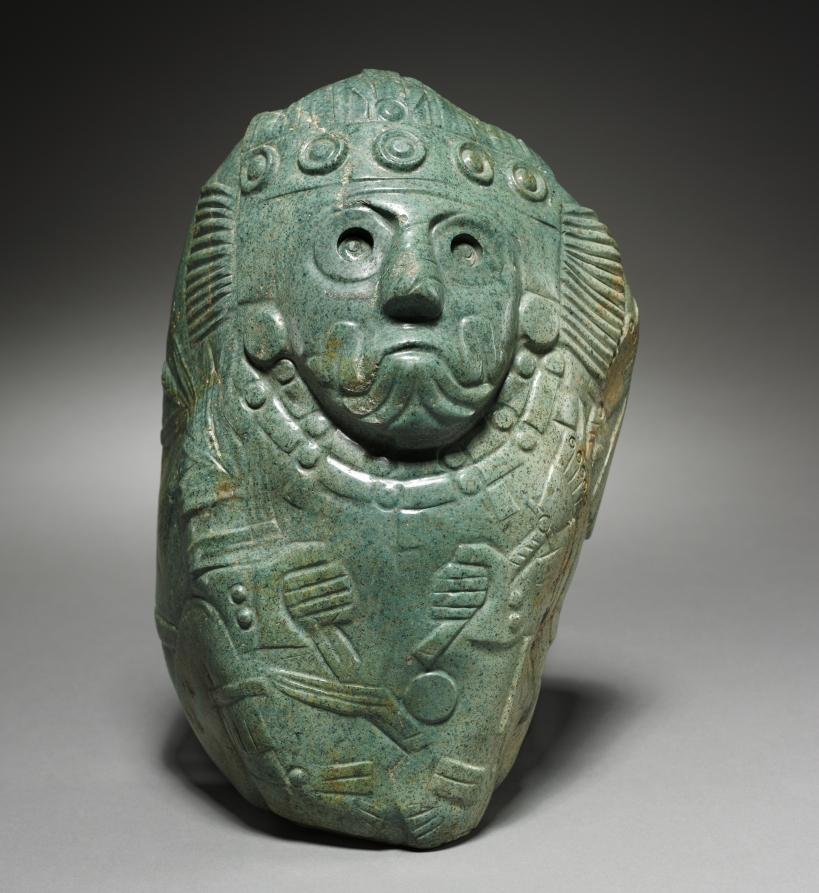
Tlaloc at the Cleveland Museum of Art: c. 1200–1519, stone. Explore the work's context, creator attribution and collection history.

Crucifixion at the Cleveland Museum of Art: c. 1680, terracotta. Explore the work's context, creator attribution and collection history.
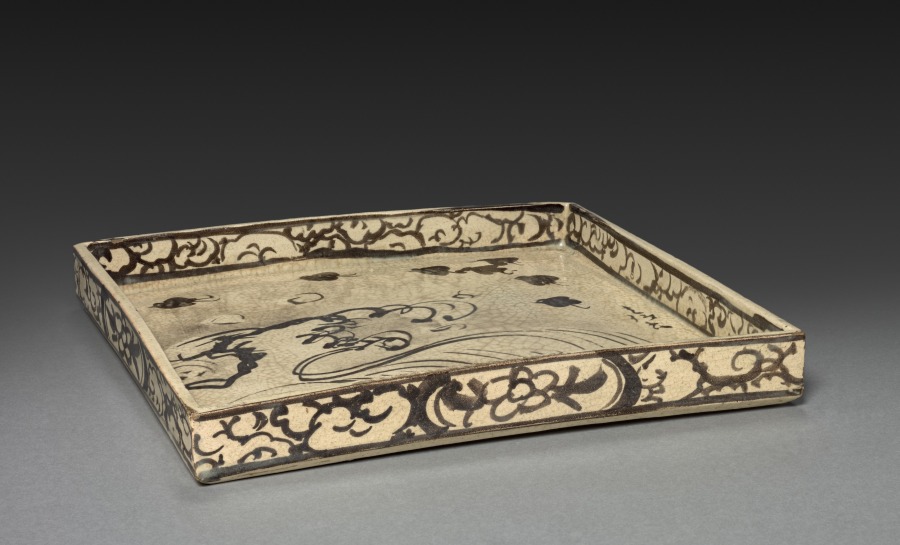
Square Dish with Design of Plovers over Waves at the Cleveland Museum of Art: c. 1700, Glazed stoneware with iron oxide underglaze slip. Explore the work's context, creator attribution and collection history.
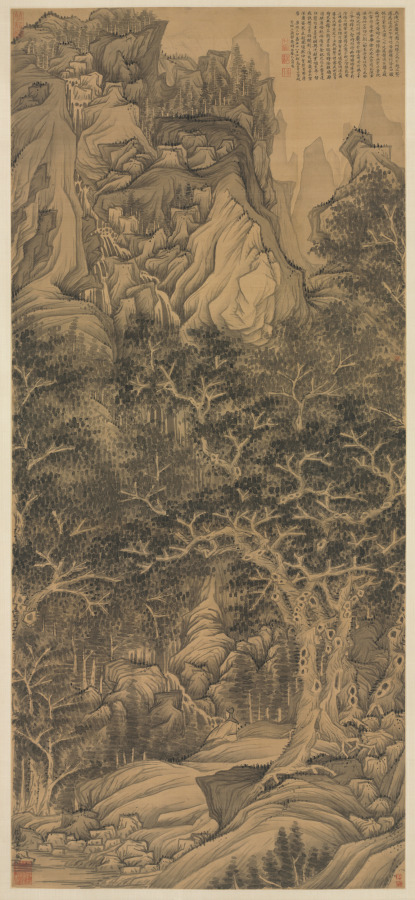
The Mountain of Five Cataracts at the Cleveland Museum of Art: c. 1630, hanging scroll; ink on silk. Explore the work's context, creator attribution and collection history.
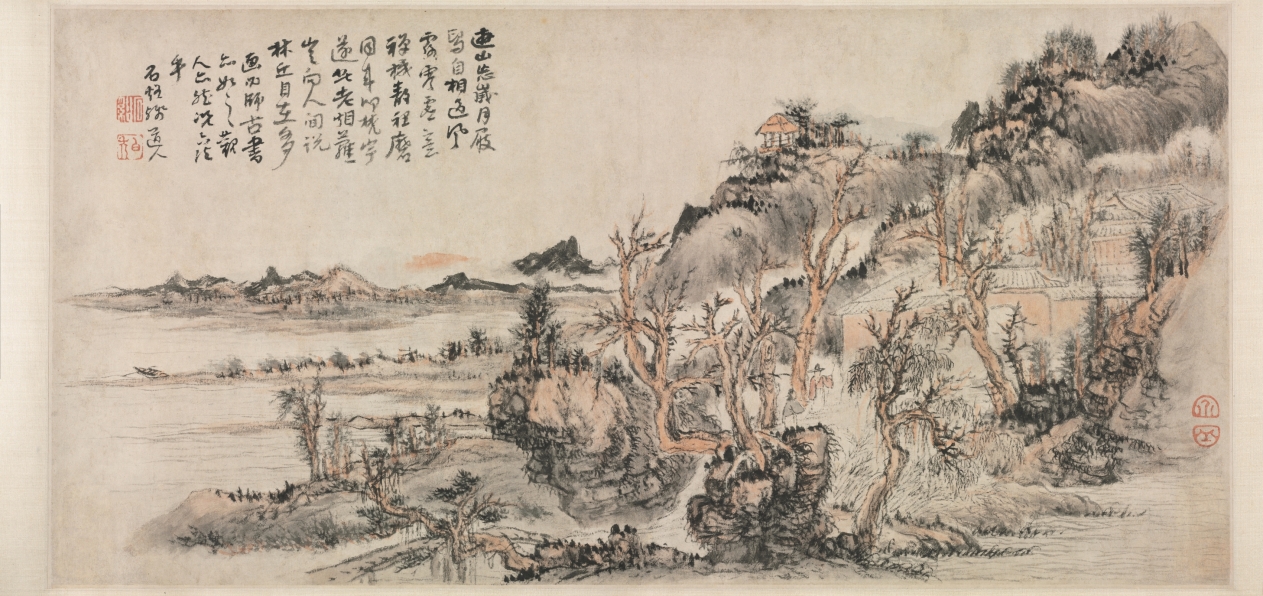
Spring Landscape at the Cleveland Museum of Art: 1666, double album leaf mounted as a handscroll; ink and color on paper. Explore the work's context, creator attribution and collection history.
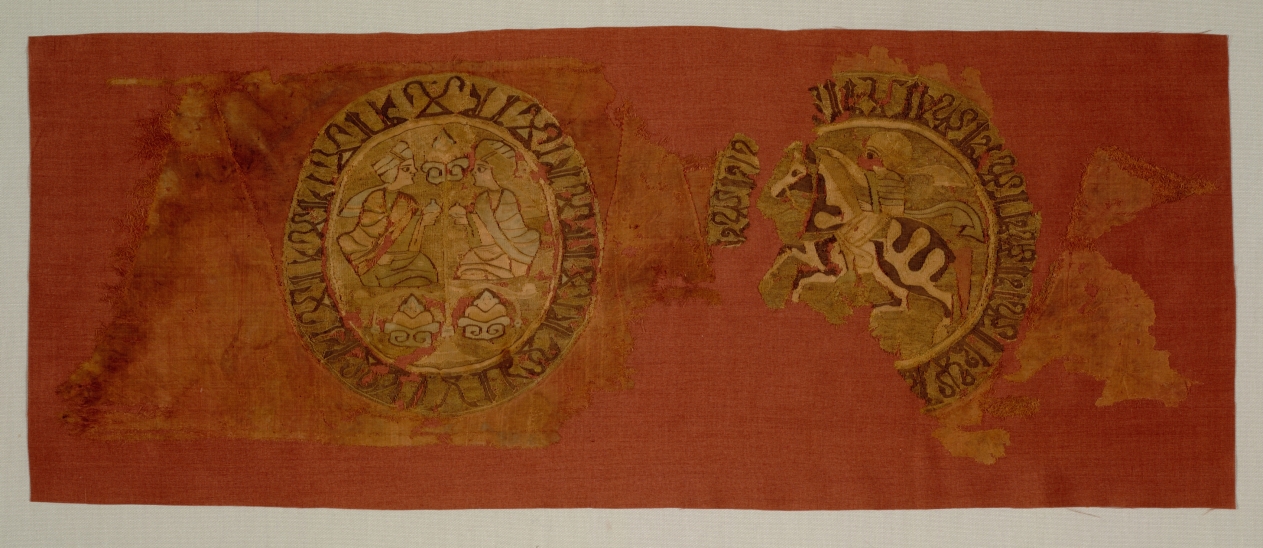
Celestial banquet hanging, from the tomb of Bishop Gurb at the Cleveland Museum of Art: 1200–1284, Silk and gold thread: plain weave with inwoven tapestry weave. Explore the work's context, creator attribution and collection history.
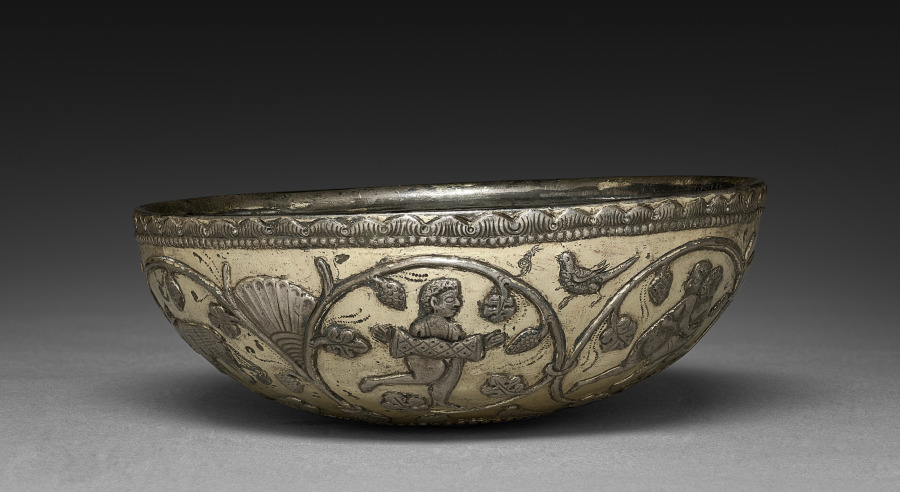
Bowl at the Cleveland Museum of Art: 500–700 CE, silver. Explore the work's context, creator attribution and collection history.
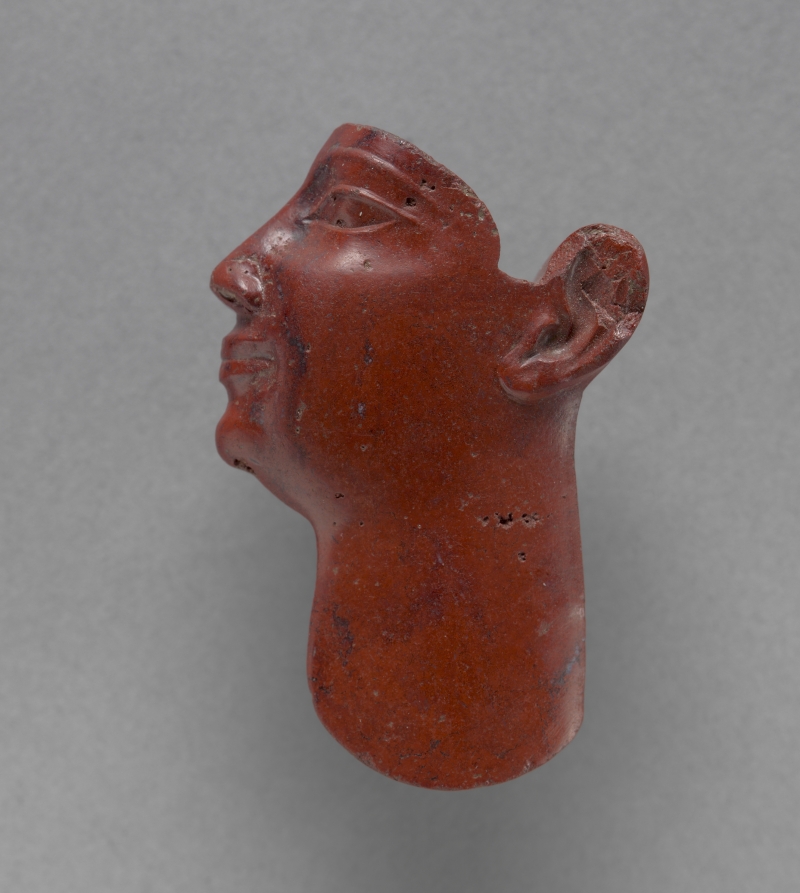
Inlay: Head of a King at the Cleveland Museum of Art: 380–246 BCE, red jasper. Explore the work's context, creator attribution and collection history.
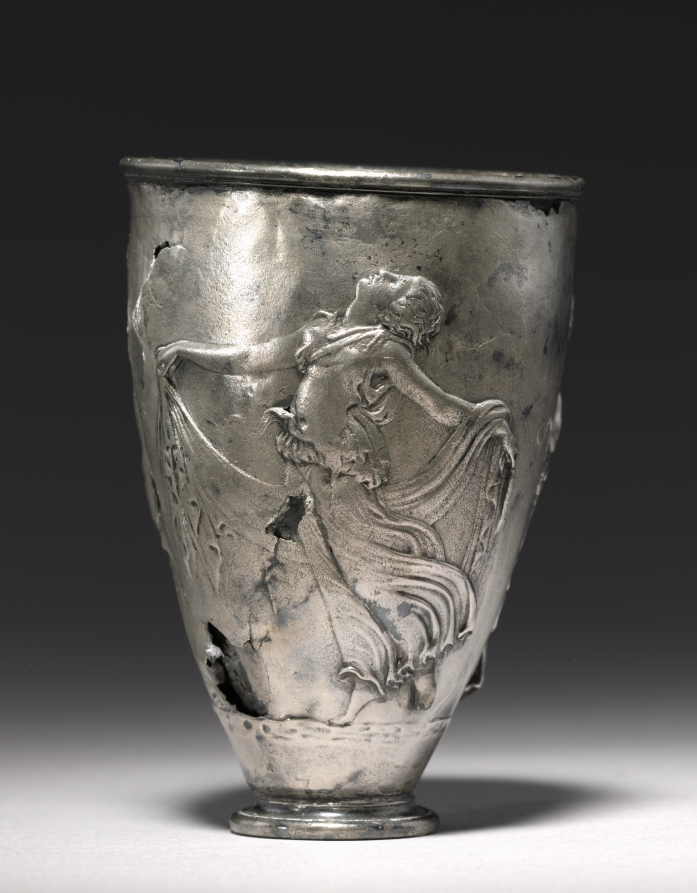
The Vicarello Goblet at the Cleveland Museum of Art: 25 BCE–25 CE, silver. Explore the work's context, creator attribution and collection history.
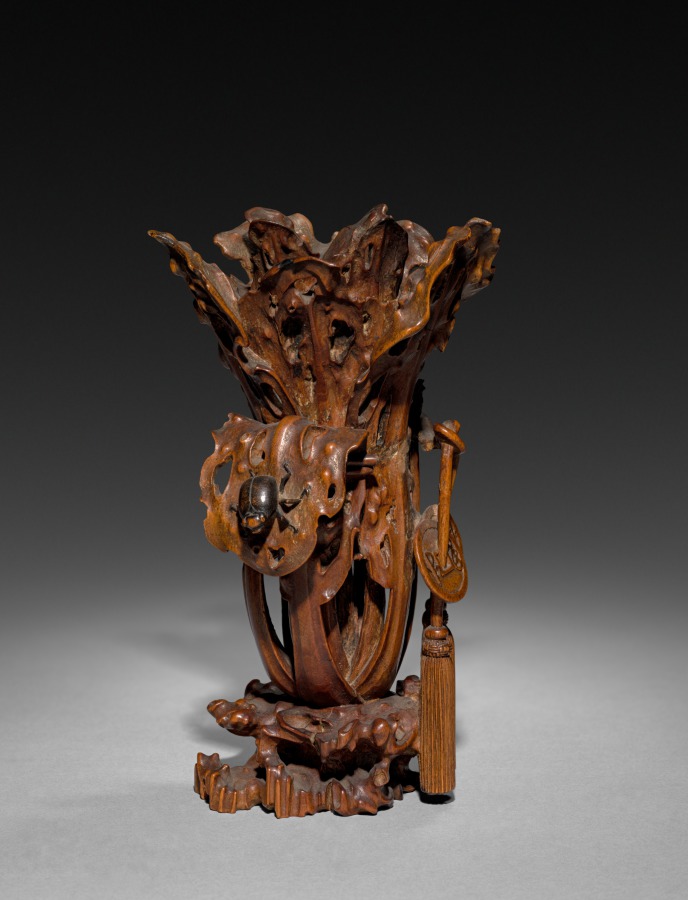
Cabbage and Beetle at the Cleveland Museum of Art: mid-1700s, carved wood. Explore the work's context, creator attribution and collection history.

Vase at the Cleveland Museum of Art: c. 1905–10, favrile glass. Explore the work's context, creator attribution and collection history.
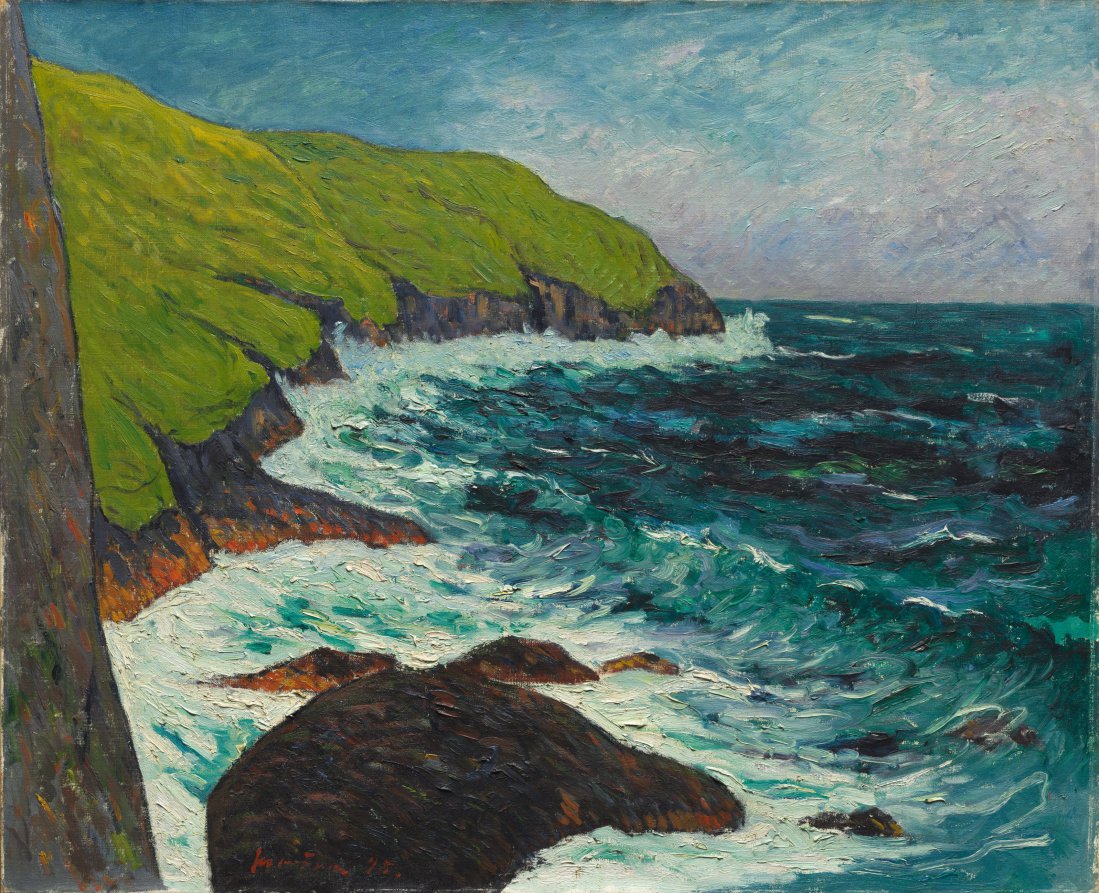
The Cliffs at Beg-ar-Fry, Saint-Jean-du-Doigt at the Cleveland Museum of Art: 1895, oil on fabric. Explore the work's context, creator attribution and collection history.

Portrait of Prince Alexander Bezborodko at the Cleveland Museum of Art: mid- to late 1700s, watercolor on ivory in a 19th-century gilt metal frame. Explore the work's context, creator attribution and collection history.