Storage Jar (late 1300s–1400s): Art, History and Details
Storage Jar at the Cleveland Museum of Art: late 1300s–1400s, Stoneware with natural ash glaze (Shigaraki ware). Explore the work's context, creator attribution and collection history.
Oldest entries first, in a fixed order. Newly added articles appear at the end. Explore a shuffled selection →
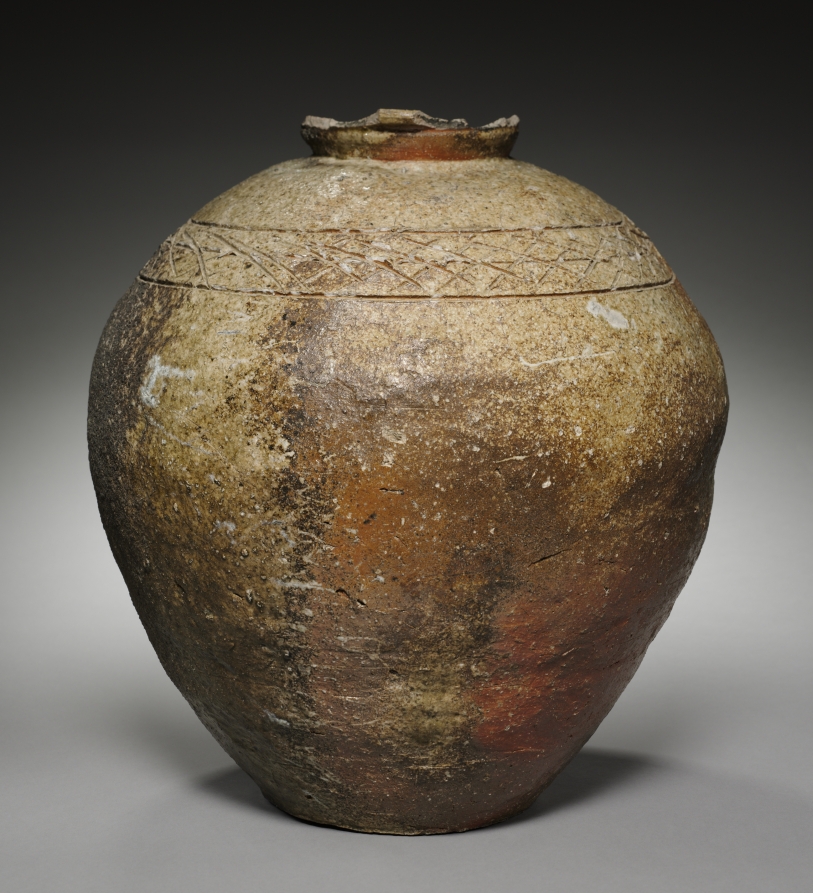
Storage Jar at the Cleveland Museum of Art: late 1300s–1400s, Stoneware with natural ash glaze (Shigaraki ware). Explore the work's context, creator attribution and collection history.
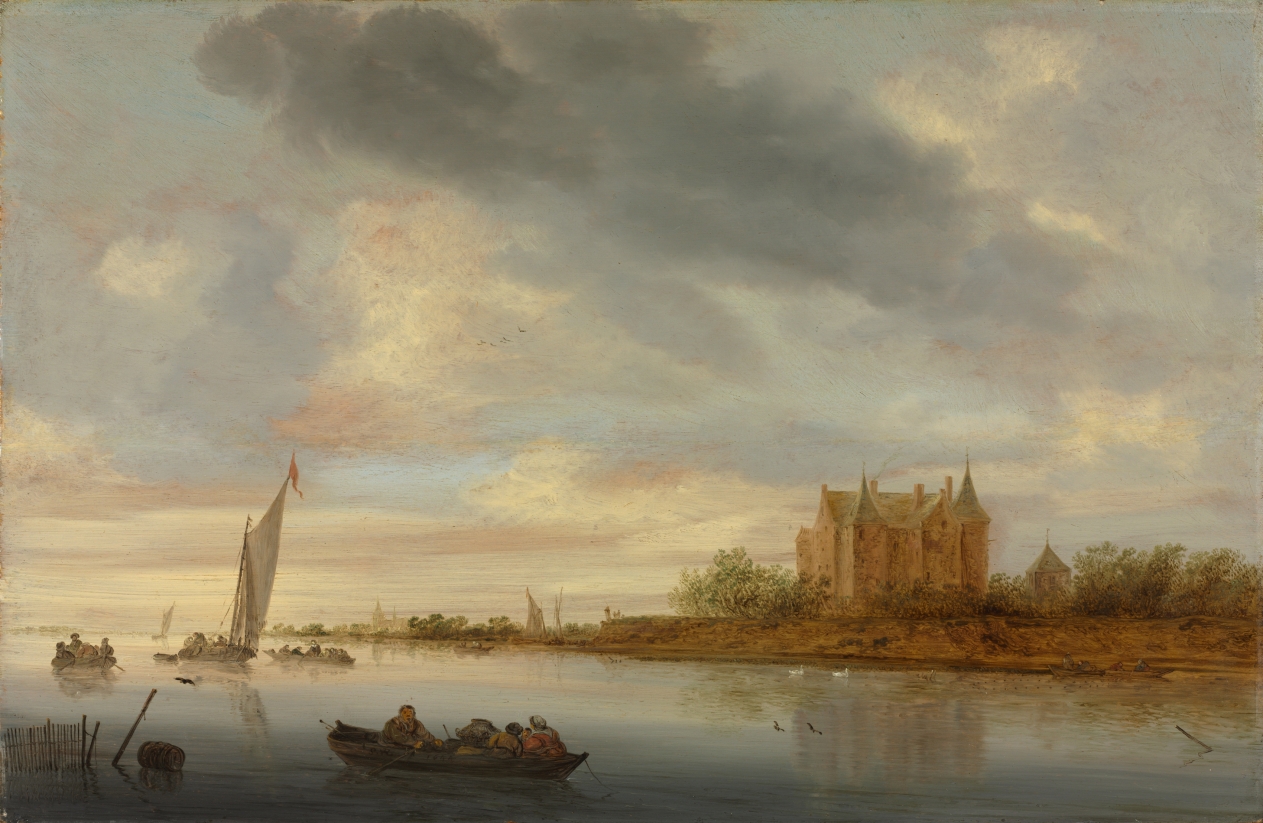
Castle on a River at the Cleveland Museum of Art: 1644, oil on wood. Explore the work's context, creator attribution and collection history.
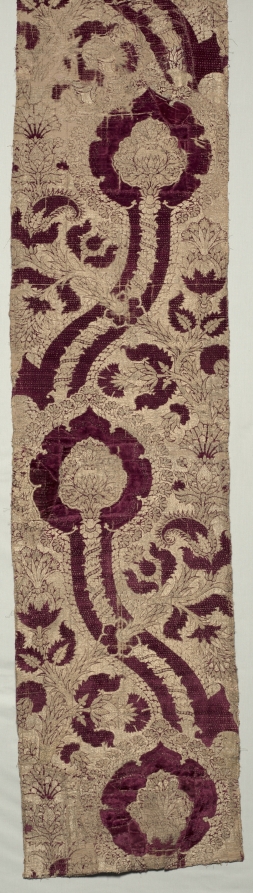
Velvet with Pomegranate Pattern at the Cleveland Museum of Art: 1450–1500, silk, gold thread; velvet: three heights of cut pile, gold thread loops. Explore the work's context, creator attribution and collection history.
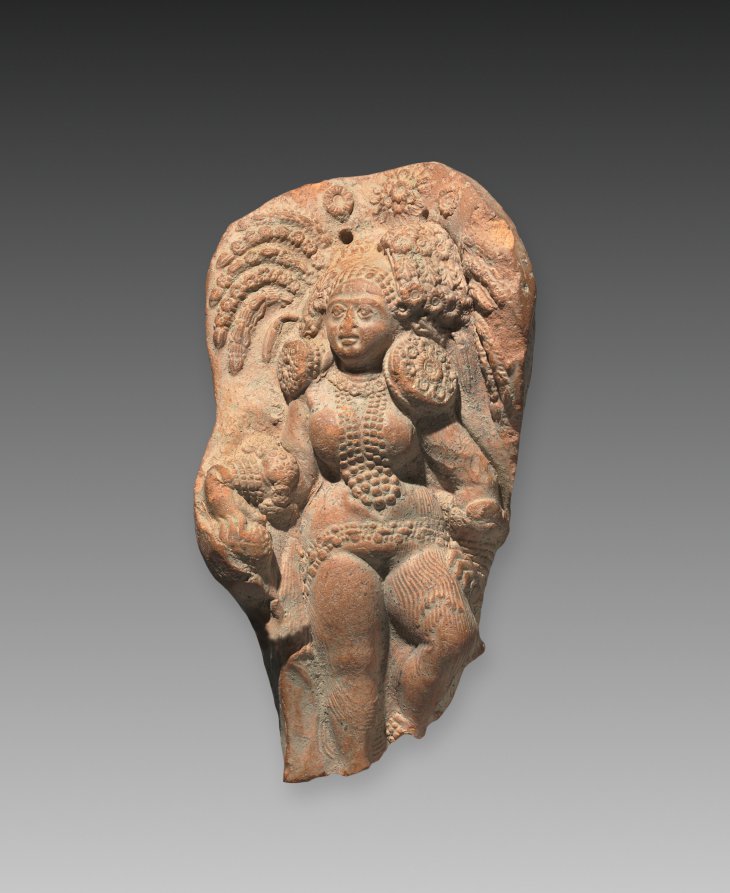
Female Figure, Probably a Nature Divinity (Yakshi) at the Cleveland Museum of Art: c. 75 BCE, terracotta. Explore the work's context, creator attribution and collection history.
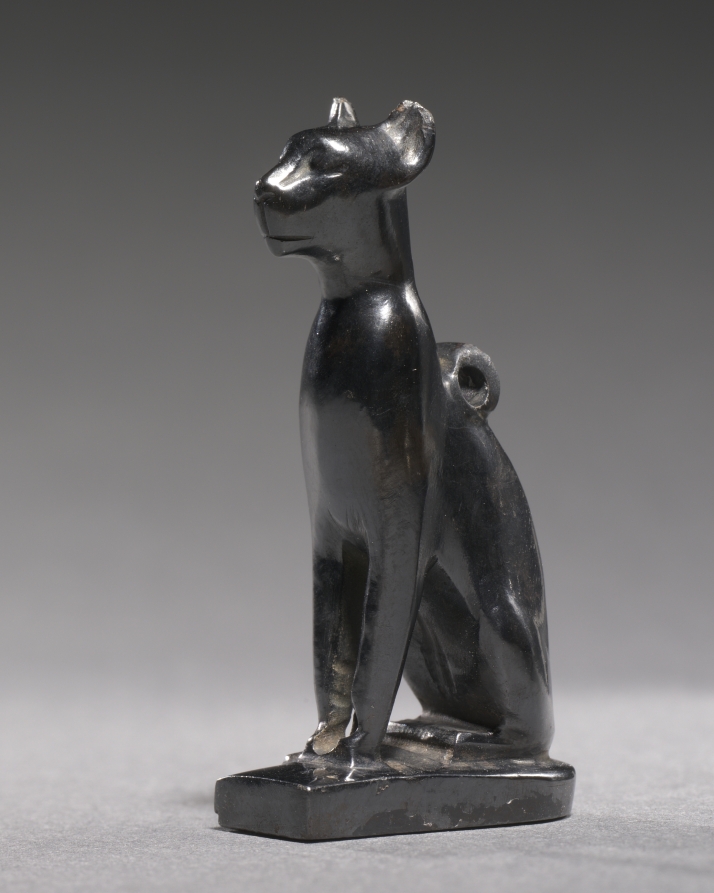
Amulet of Bastet at the Cleveland Museum of Art: c. 1069–715 BCE, hematite. Explore the work's context, creator attribution and collection history.
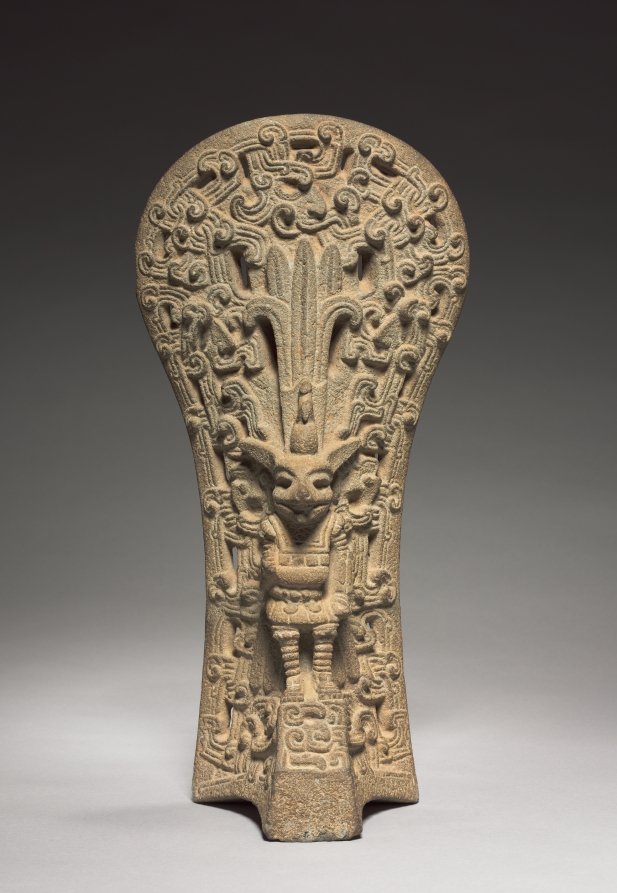
Ballgame Palma at the Cleveland Museum of Art: c. 900–1100, stone. Explore the work's context, creator attribution and collection history.

Card Rack with a Jack of Hearts at the Cleveland Museum of Art: c.1895, oil on canvas. Explore the work's context, creator attribution and collection history.

Rest on the Flight into Egypt at the Cleveland Museum of Art: c. 1640, oil on wood. Explore the work's context, creator attribution and collection history.

Count Demetrius de Palatiano in Suliot Costume at the Cleveland Museum of Art: not dated, oil on fabric. Explore the work's context, creator attribution and collection history.
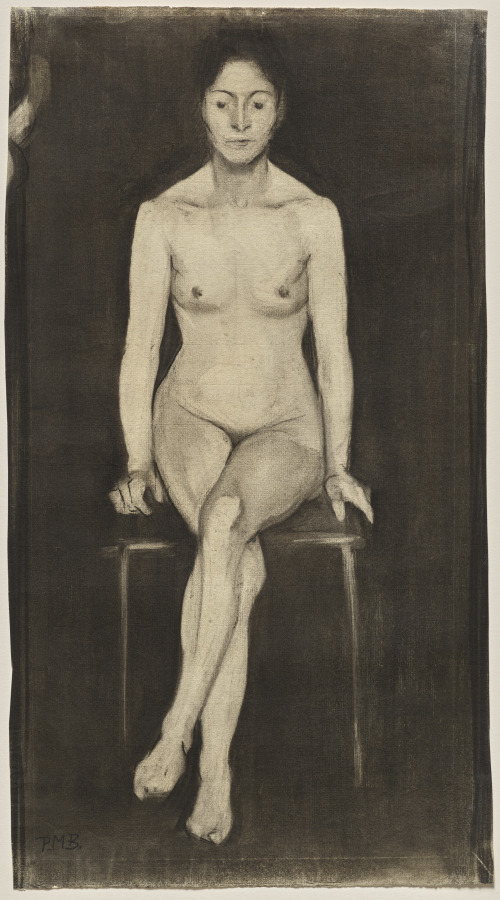
Seated Female Nude (Self-Portrait?) at the Cleveland Museum of Art: c. 1899, charcoal with stumping. Explore the work's context, creator attribution and collection history.
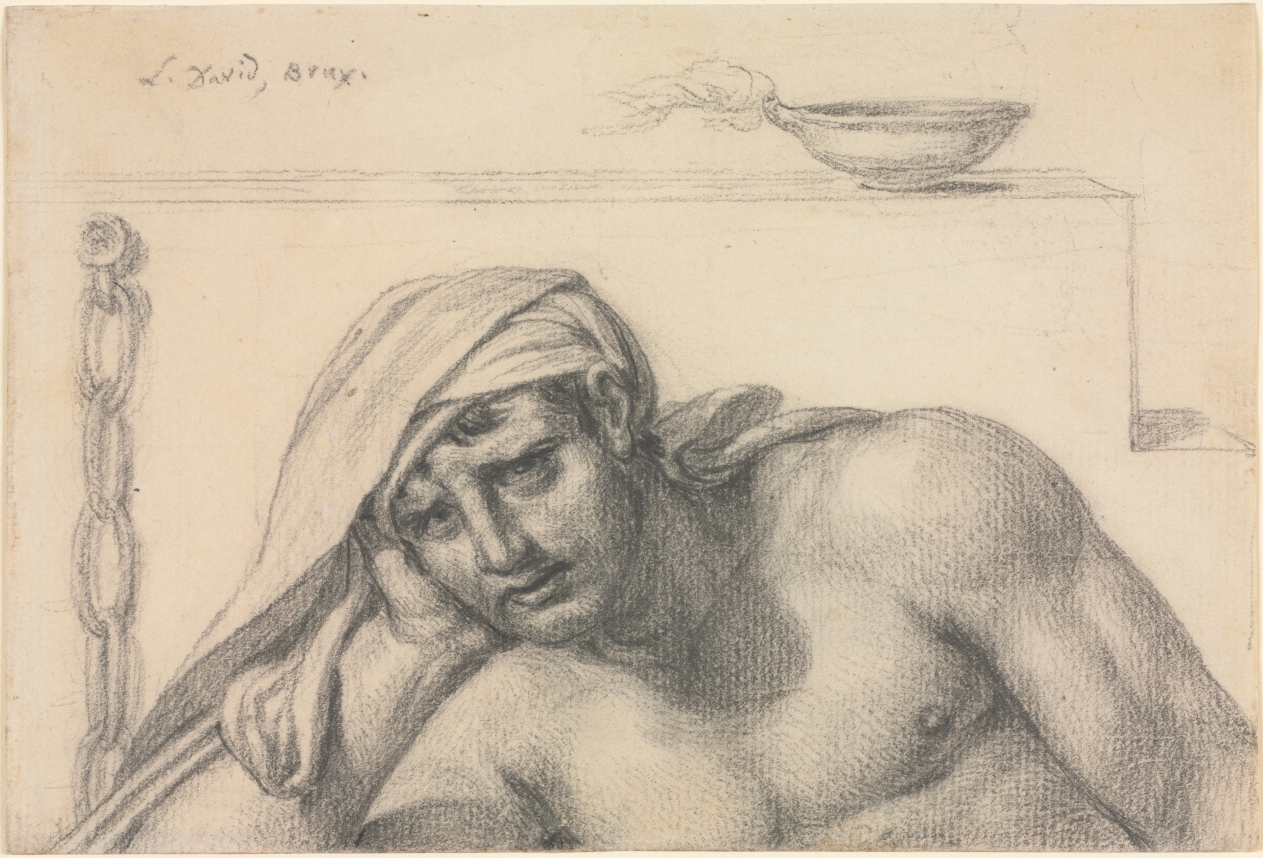
The Prisoner at the Cleveland Museum of Art: c. 1816–22, black chalk on cream laid paper. Explore the work's context, creator attribution and collection history.
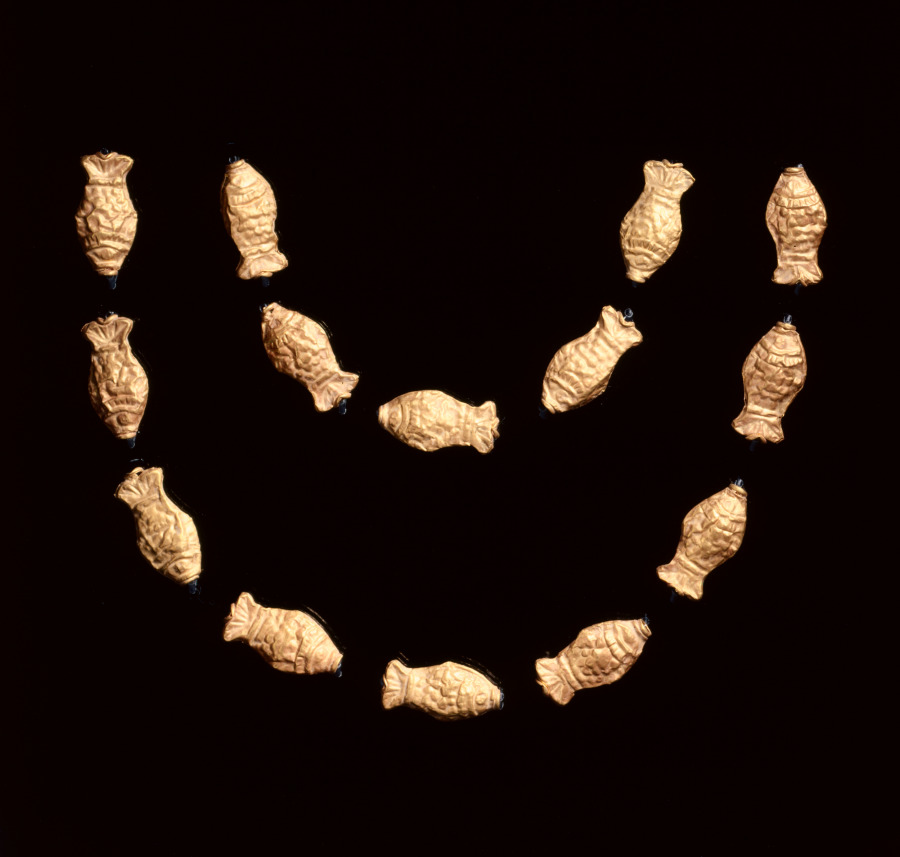
Necklace Beads in the Form of Fish at the Cleveland Museum of Art: 185–72 BCE, gold repoussé with granulation. Explore the work's context, creator attribution and collection history.
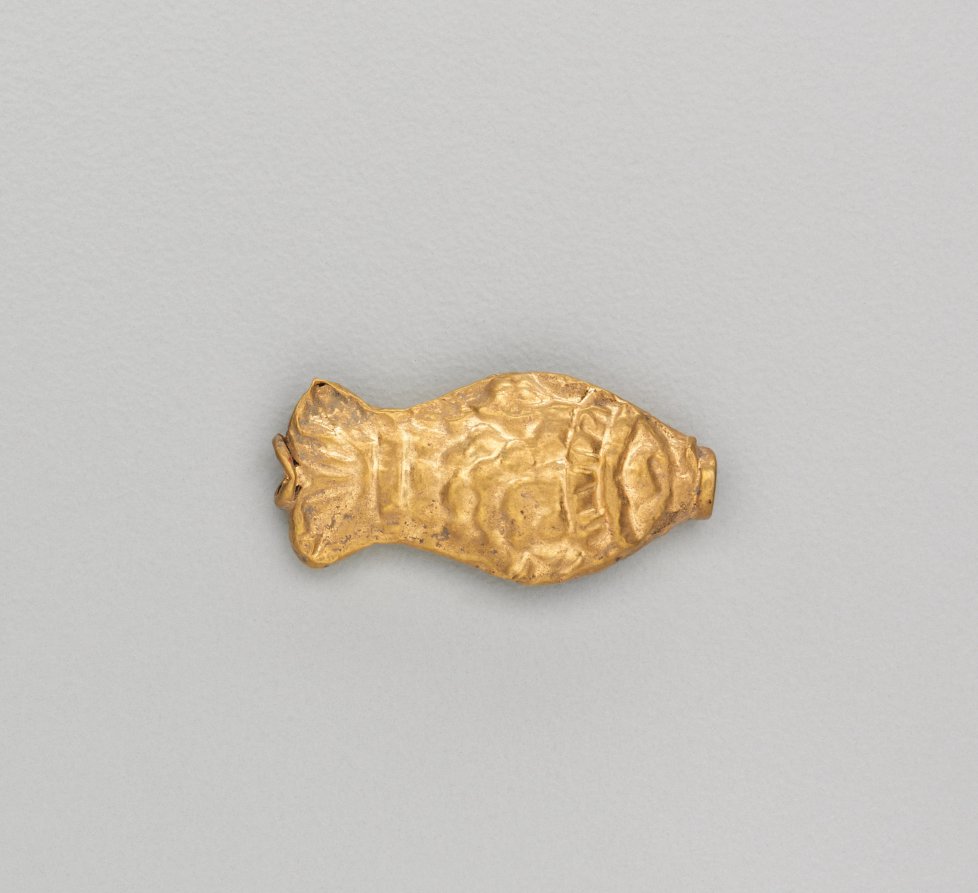
Necklace Bead in the Form of a Fish at the Cleveland Museum of Art: 185–72 BCE, gold repoussé with granulation. Explore the work's context, creator attribution and collection history.
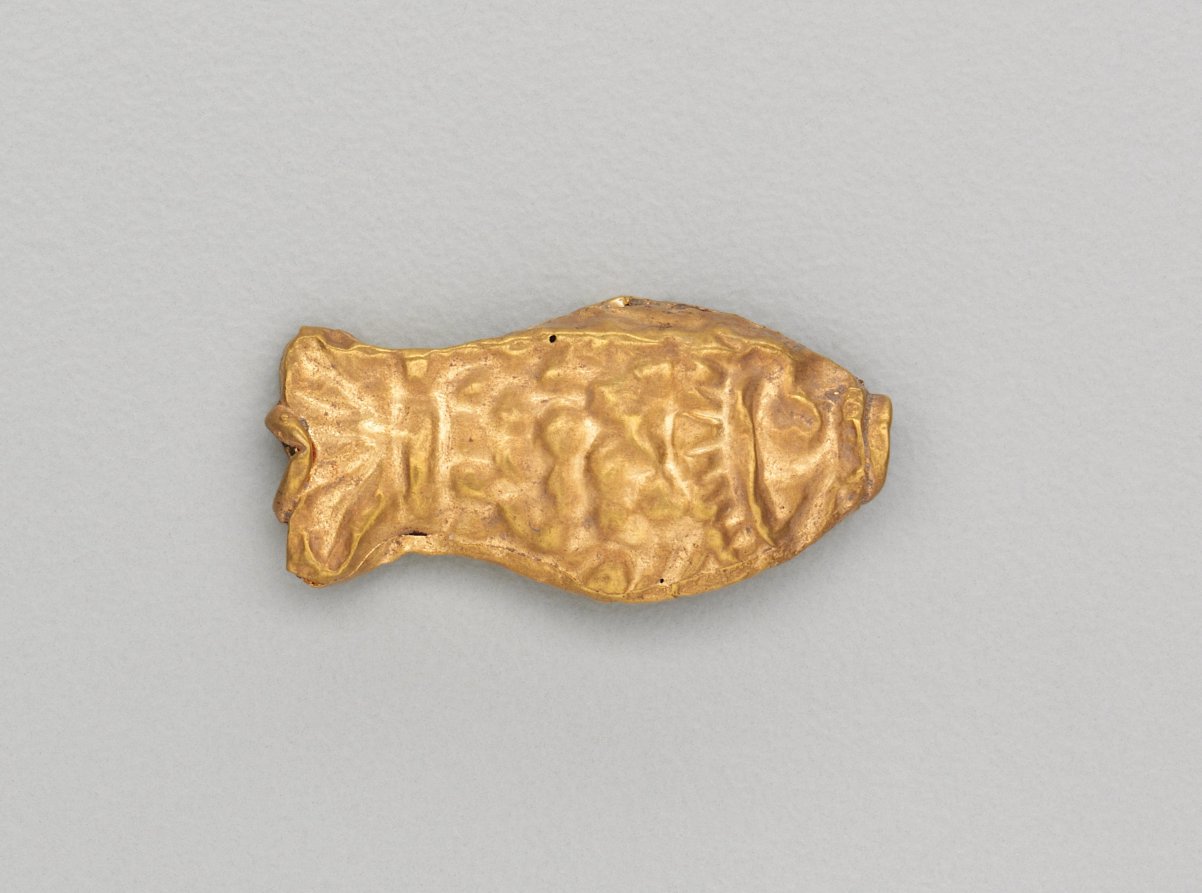
Necklace Bead in the Form of a Fish at the Cleveland Museum of Art: 185–72 BCE, gold repoussé with granulation. Explore the work's context, creator attribution and collection history.

Necklace Bead in the Form of a Fish at the Cleveland Museum of Art: 185–72 BCE, gold repoussé with granulation. Explore the work's context, creator attribution and collection history.

The "Apostles" Pyx (Box) at the Cleveland Museum of Art: c. 980–1010, ivory. Explore the work's context, creator attribution and collection history.
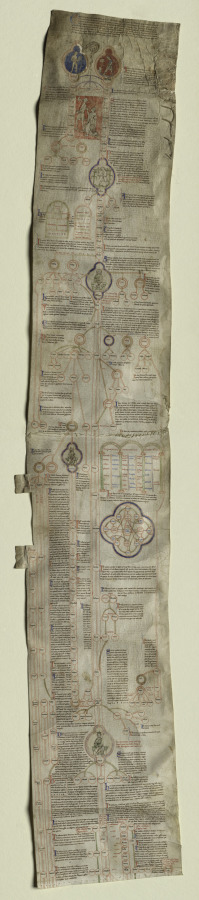
Peter of Poitiers's "Compendium Historiae in Genealogia Christi" (pair) at the Cleveland Museum of Art: c. 1220, ink and tempera on a vellum roll of four membranes. Explore the work's context, creator attribution and collection history.

Peter of Poitiers's "Compendium Historiae in Genealogia Christi" at the Cleveland Museum of Art: c. 1220, ink and tempera on a vellum roll of four membranes. Explore the work's context, creator attribution and collection history.
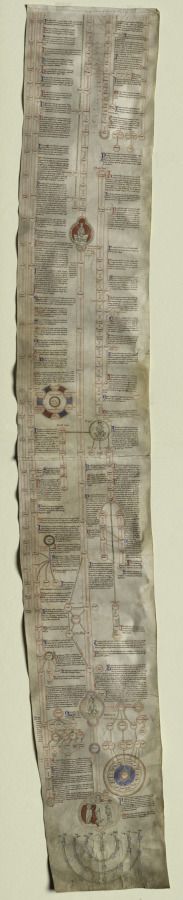
Peter of Poitiers's "Compendium Historiae in Genealogia Christi" at the Cleveland Museum of Art: c. 1220, ink and tempera on a vellum roll of four membranes. Explore the work's context, creator attribution and collection history.

Education of the Virgin at the Cleveland Museum of Art: c. 1700, marble. Explore the work's context, creator attribution and collection history.
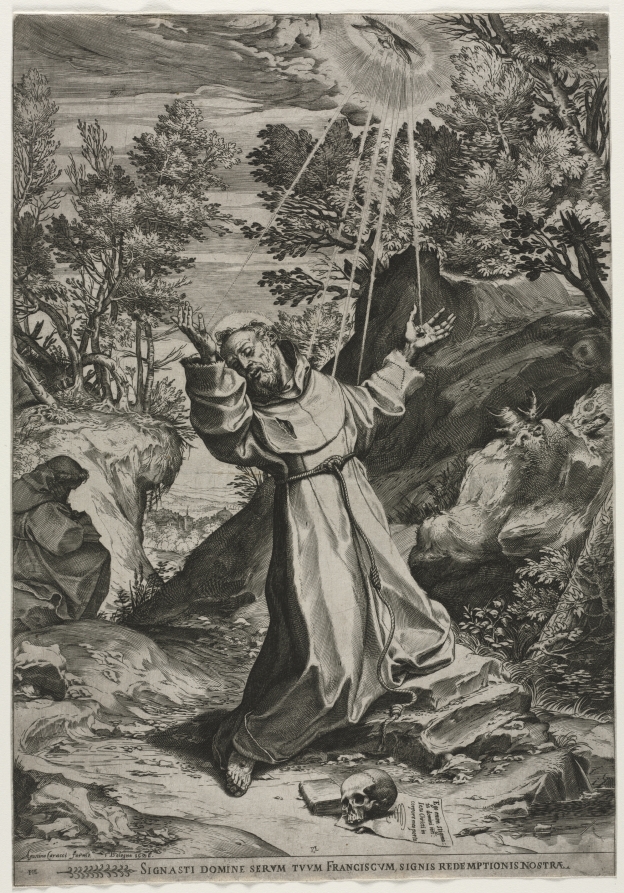
Saint Francis Receiving the Stigmata at the Cleveland Museum of Art: 1586, engraving. Explore the work's context, creator attribution and collection history.
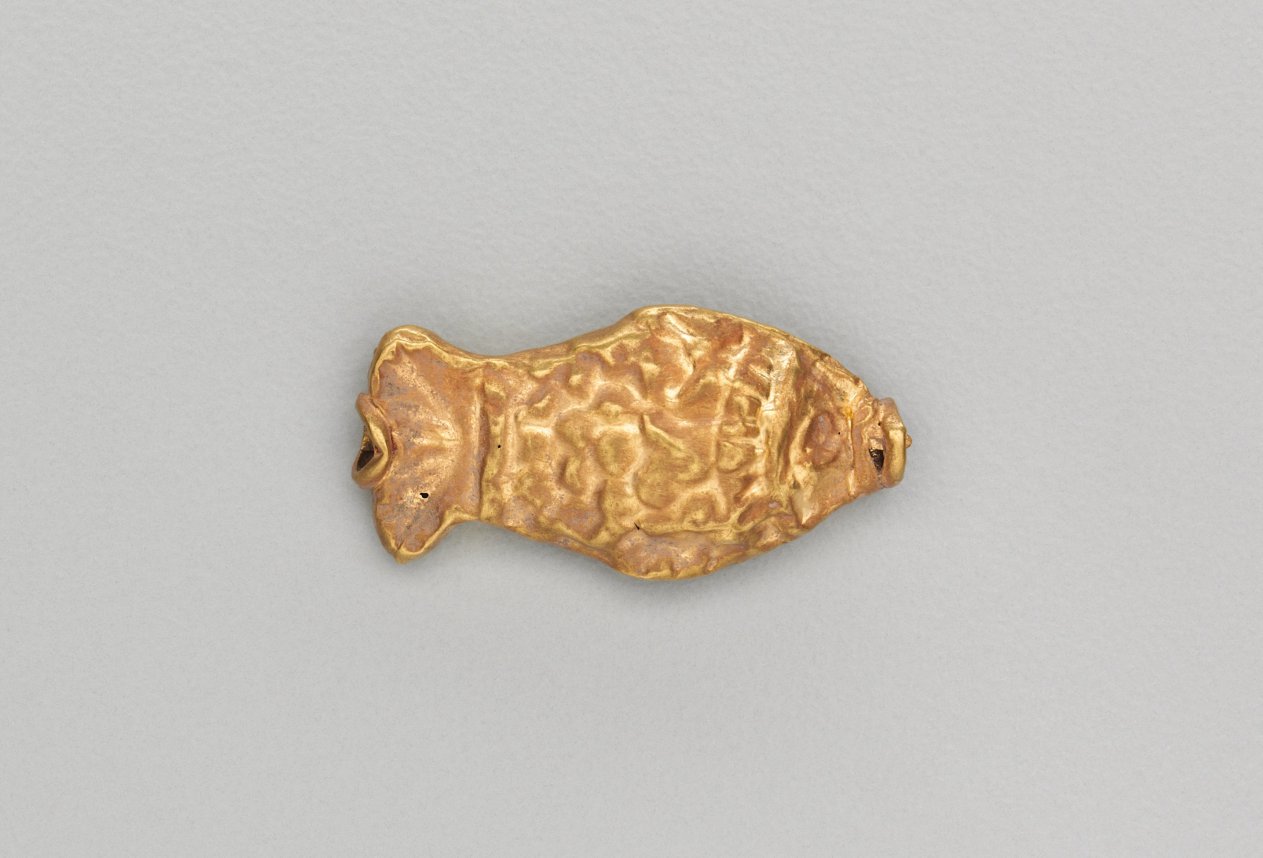
Necklace Bead in the Form of a Fish at the Cleveland Museum of Art: 185–72 BCE, gold repoussé with granulation. Explore the work's context, creator attribution and collection history.

Necklace Bead in the Form of a Fish at the Cleveland Museum of Art: 185–72 BCE, gold repoussé with granulation. Explore the work's context, creator attribution and collection history.

Necklace Bead in the Form of a Fish at the Cleveland Museum of Art: 185–72 BCE, gold repoussé with granulation. Explore the work's context, creator attribution and collection history.

Necklace Bead in the Form of a Fish at the Cleveland Museum of Art: 185–72 BCE, gold repoussé with granulation. Explore the work's context, creator attribution and collection history.

Necklace Bead in the Form of a Fish at the Cleveland Museum of Art: 185–72 BCE, gold repoussé with granulation. Explore the work's context, creator attribution and collection history.

Necklace Bead in the Form of a Fish at the Cleveland Museum of Art: 185–72 BCE, gold repoussé with granulation. Explore the work's context, creator attribution and collection history.

Necklace Bead in the Form of a Fish at the Cleveland Museum of Art: 185–72 BCE, gold repoussé with granulation. Explore the work's context, creator attribution and collection history.

Necklace Bead in the Form of a Fish at the Cleveland Museum of Art: 185–72 BCE, gold repoussé with granulation. Explore the work's context, creator attribution and collection history.

Necklace Bead in the Form of a Fish at the Cleveland Museum of Art: 185–72 BCE, gold repoussé with granulation. Explore the work's context, creator attribution and collection history.

Necklace Bead in the Form of a Fish at the Cleveland Museum of Art: 185–72 BCE, gold repoussé with granulation. Explore the work's context, creator attribution and collection history.

Necklace Bead in the Form of a Fish at the Cleveland Museum of Art: 185–72 BCE, gold repoussé with granulation. Explore the work's context, creator attribution and collection history.
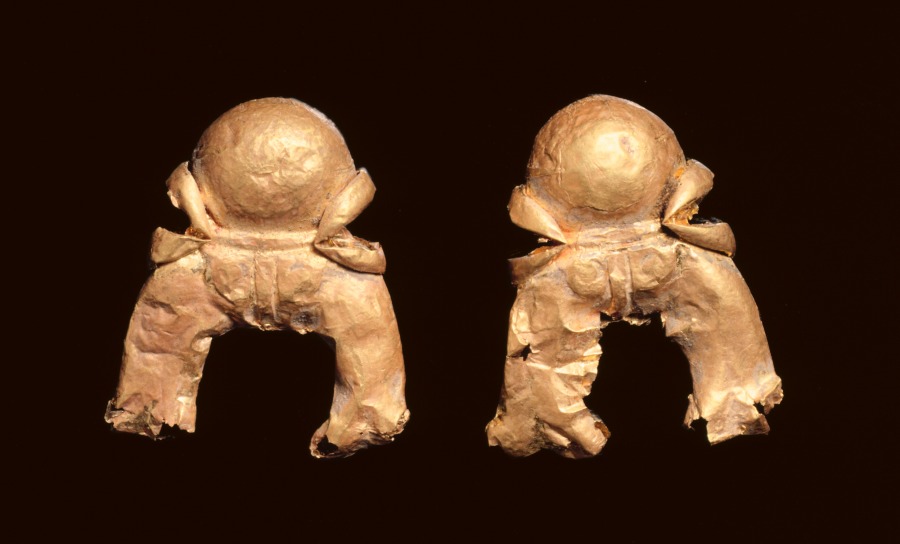
Pair of Pendants in the Shape of an Auspicious Symbol at the Cleveland Museum of Art: 185–72 BCE, gold. Explore the work's context, creator attribution and collection history.

Pendant in the Shape of a Fish-Tailed Elephant at the Cleveland Museum of Art: 185–72 BCE, gold. Explore the work's context, creator attribution and collection history.
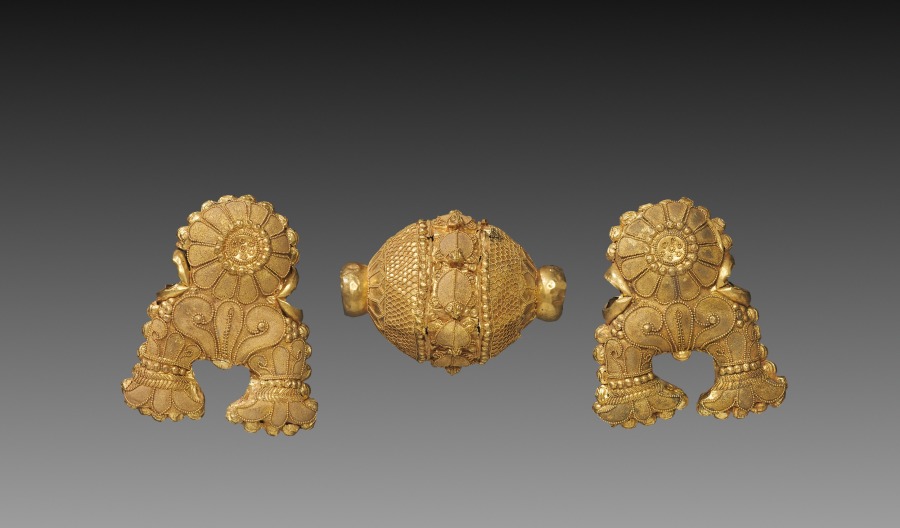
Necklace Bead and Pair of Pendants in the Shape of an Auspicious Symbol at the Cleveland Museum of Art: c. 150 BCE, gold. Explore the work's context, creator attribution and collection history.
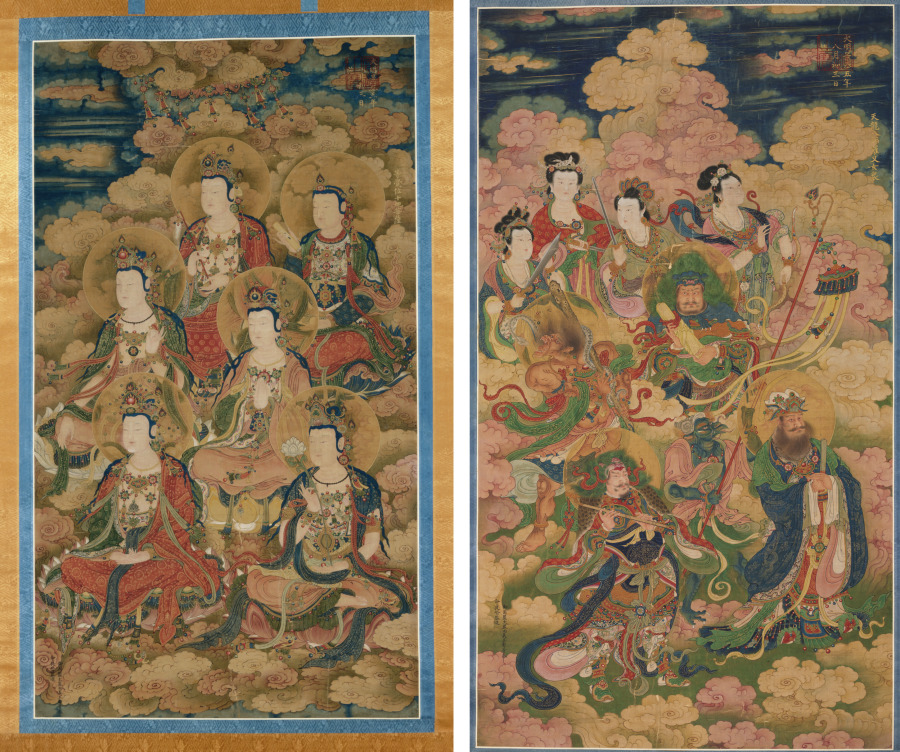
The Bodhisattvas of the Ten Stages in Attaining the Most Perfect Knowledge; The Eight Hosts of Deva, Naga, and Yakshi at the Cleveland Museum of Art: 1454, Pair of hanging scrolls; ink and color on silk. Explore the work's context, creator
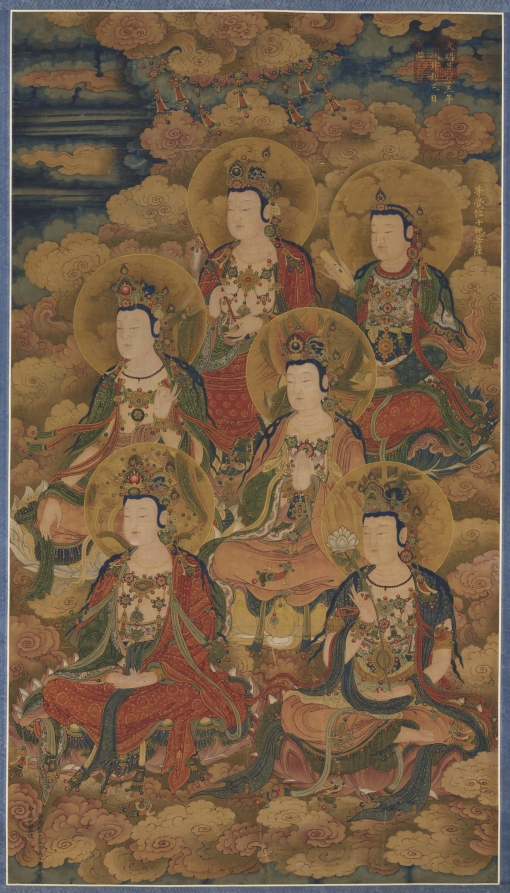
The Bodhisattvas of the Ten Stages in Attaining the Most Perfect Knowledge at the Cleveland Museum of Art: 1454, hanging scroll; ink and color on silk. Explore the work's context, creator attribution and collection history.
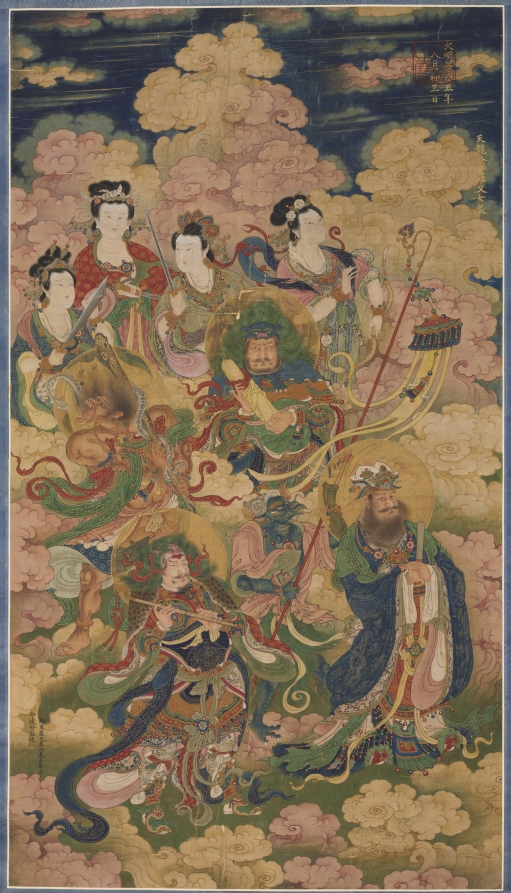
The Eight Hosts of Deva, Naga, and Yakshi at the Cleveland Museum of Art: 1454, hanging scroll; ink and color on silk. Explore the work's context, creator attribution and collection history.
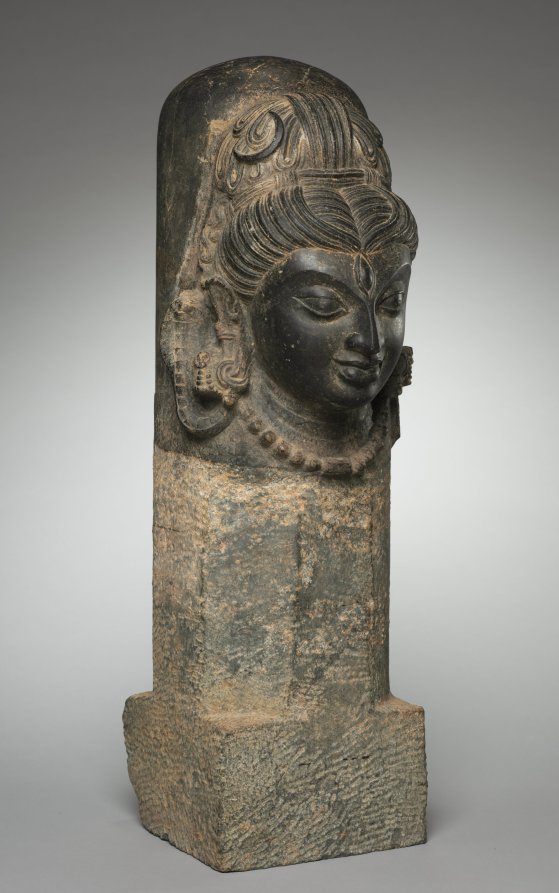
One-Faced Linga (Ekamukhalinga) at the Cleveland Museum of Art: 600s–700s, chloritic schist. Explore the work's context, creator attribution and collection history.

Mirror with Phoenixes, Birds, Butterflies, and Floral Sprays at the Cleveland Museum of Art: 700s, bronze with silver and gold inlaid lacquer. Explore the work's context, creator attribution and collection history.