The Ecstasy of St. Mary Magdalene (1506): Art, History and Details
The Ecstasy of St. Mary Magdalene at the Cleveland Museum of Art: 1506, woodcut. Explore the work's context, creator attribution and collection history.
Oldest entries first, in a fixed order. Newly added articles appear at the end. Explore a shuffled selection →
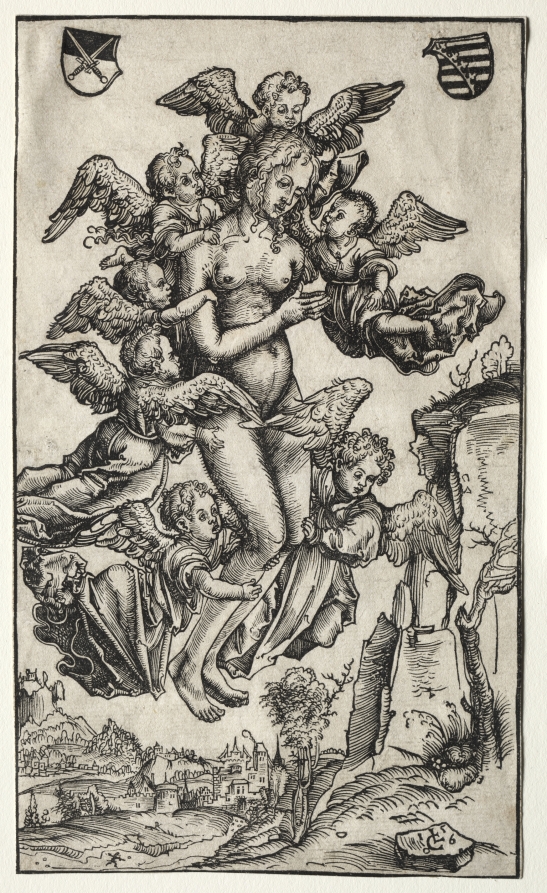
The Ecstasy of St. Mary Magdalene at the Cleveland Museum of Art: 1506, woodcut. Explore the work's context, creator attribution and collection history.
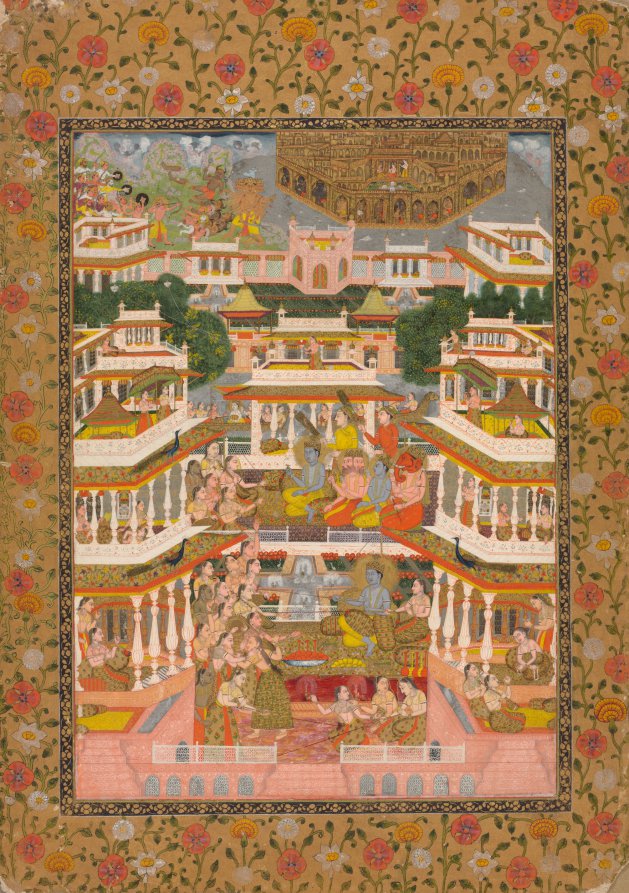
Tiered Court Scene at the Cleveland Museum of Art: c. 1735, Gum tempera, ink, and gold on paper. Explore the work's context, creator attribution and collection history.

Still Life with Herrings at the Cleveland Museum of Art: c. 1735, oil on canvas. Explore the work's context, creator attribution and collection history.

Black-Figure Nikosthenic Amphora (Storage Vessel): Dancing Youths; Sphinxes and Lions; Satyrs and Maenads at the Cleveland Museum of Art: c. 530–510 BCE, ceramic. Explore the work's context, creator attribution and collection history.
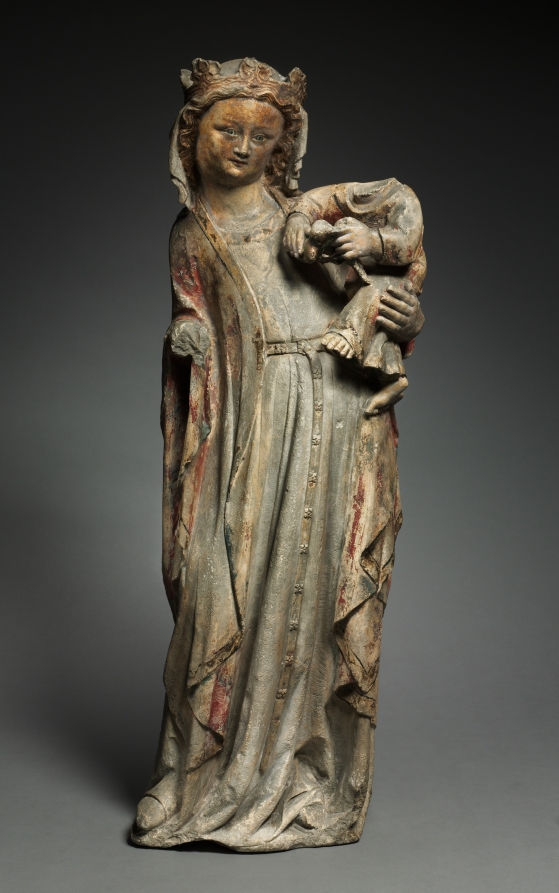
Virgin and Child at the Cleveland Museum of Art: c. 1315–20, limestone with traces of polychromy and gilding. Explore the work's context, creator attribution and collection history.

Return to Nazareth at the Cleveland Museum of Art: 1735, oil on canvas. Explore the work's context, creator attribution and collection history.
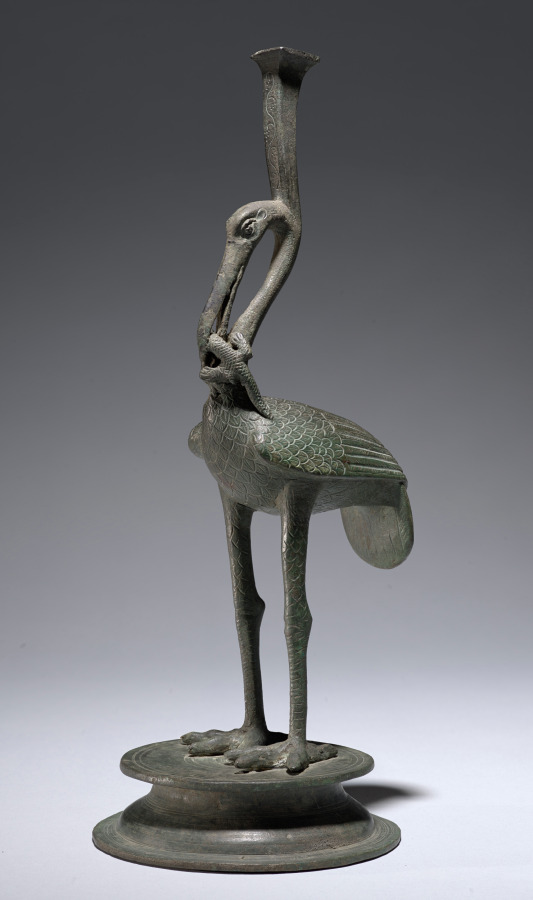
Ibis Eating a Lizard at the Cleveland Museum of Art: 100 BCE–100 CE, bronze, hollow cast. Explore the work's context, creator attribution and collection history.

Architectural Canopy (pair) at the Cleveland Museum of Art: c. 1450–75, limestone from Tonnerre. Explore the work's context, creator attribution and collection history.

Architectural Canopy at the Cleveland Museum of Art: c. 1450–75, limestone from Tonnerre. Explore the work's context, creator attribution and collection history.
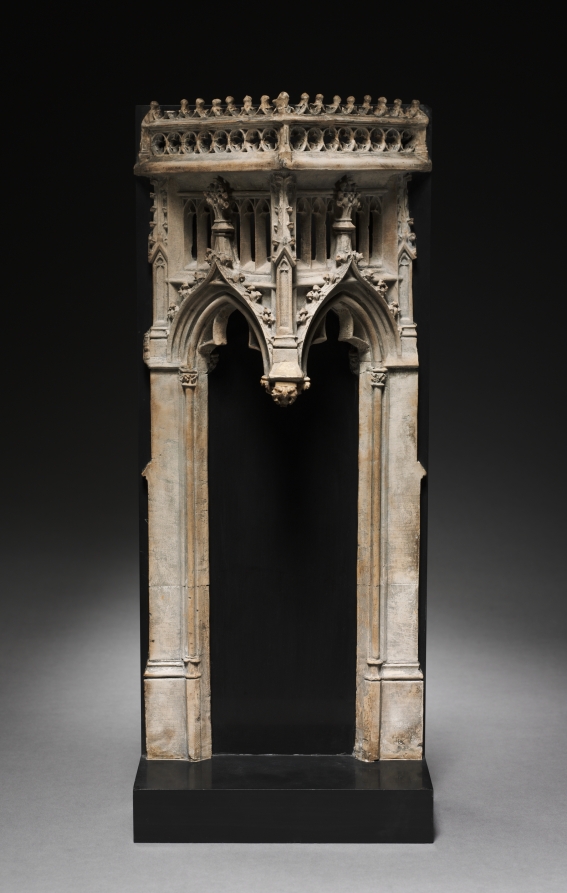
Architectural Canopy at the Cleveland Museum of Art: c. 1450–75, limestone from Tonnerre. Explore the work's context, creator attribution and collection history.
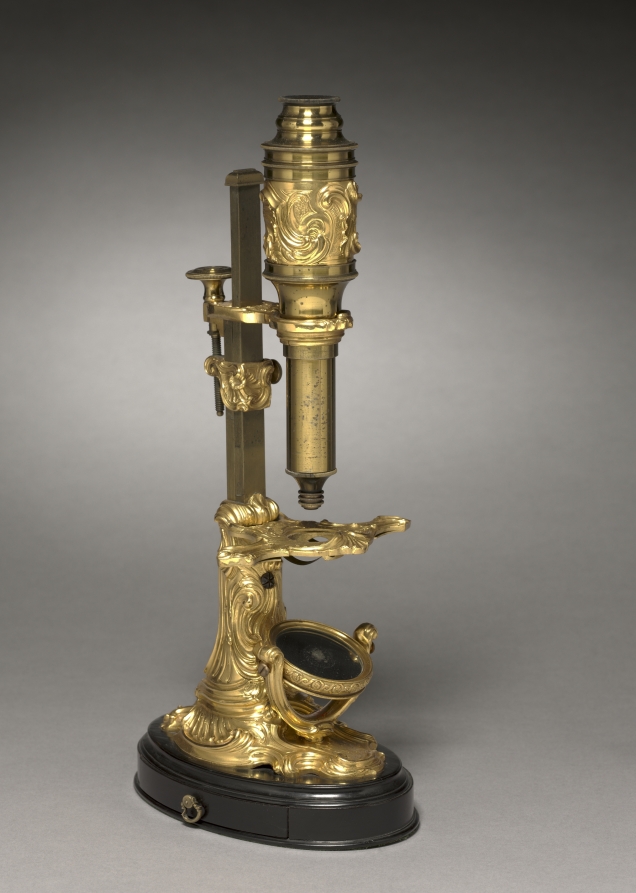
Microscope at the Cleveland Museum of Art: c. 1745– 1765, gilt bronze mounts. Explore the work's context, creator attribution and collection history.
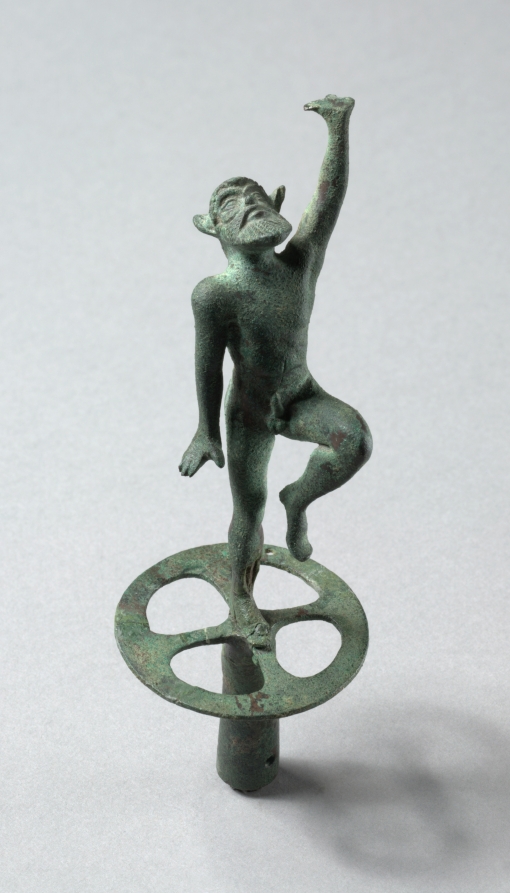
Kottabos Element of a Dancing Satyr at the Cleveland Museum of Art: 470–450 BCE, bronze. Explore the work's context, creator attribution and collection history.
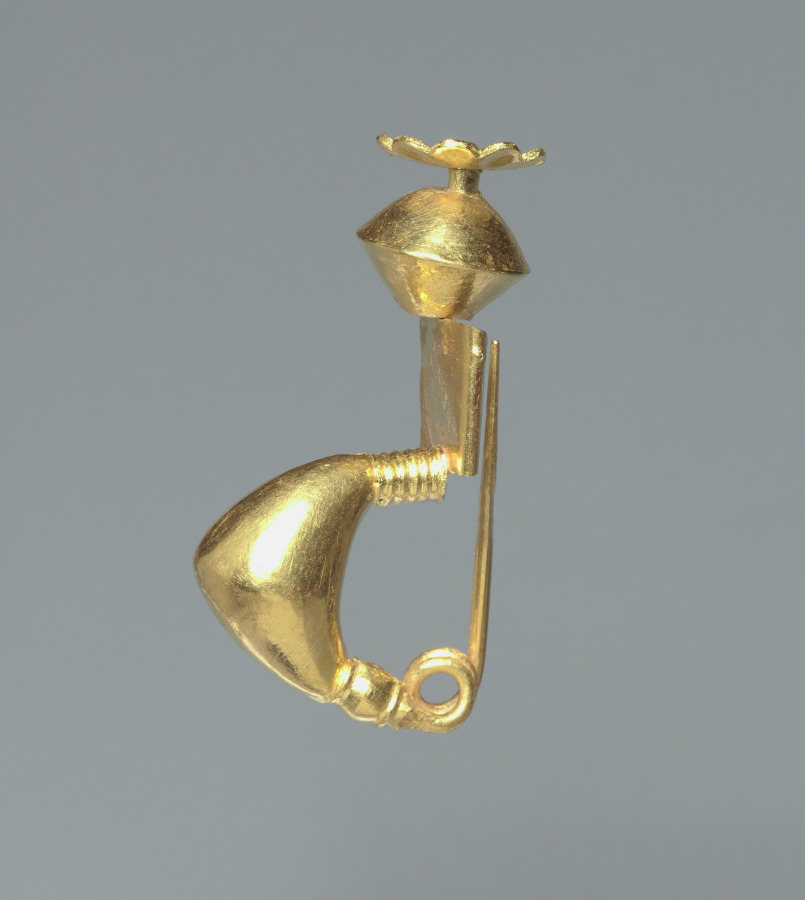
Fibula (Pin) at the Cleveland Museum of Art: 300s BCE, gold. Explore the work's context, creator attribution and collection history.

View from My Window in Rome (recto) Soldier in a Landscape (verso) at the Cleveland Museum of Art: c. 1817, graphite and pen and gray ink, framing lines in pen and black ink and graphite. Explore the work's context, creator attribution and
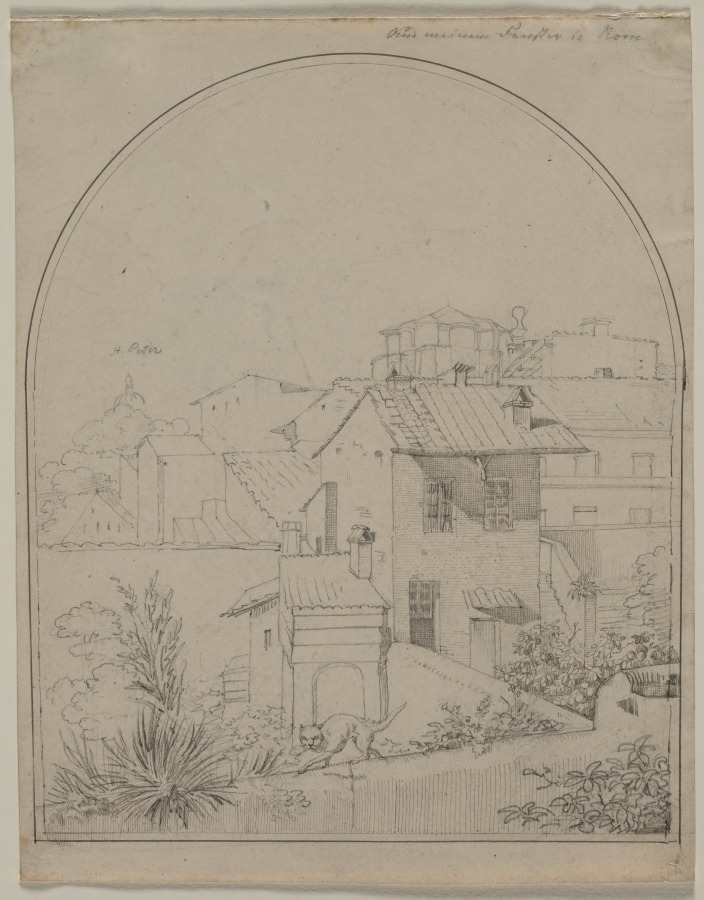
View from My Window in Rome (recto) at the Cleveland Museum of Art: c. 1819, graphite and pen and gray ink, framing lines in pen and black ink and graphite. Explore the work's context, creator attribution and collection history.
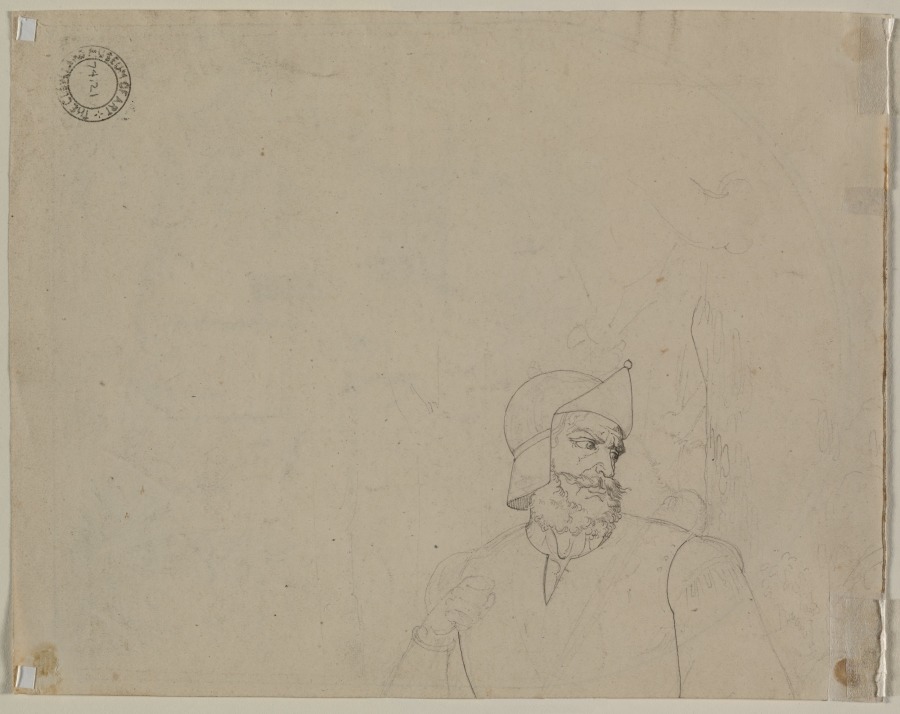
Soldier in a Landscape (verso) at the Cleveland Museum of Art: 1825–50, pen and gray ink and graphite. Explore the work's context, creator attribution and collection history.
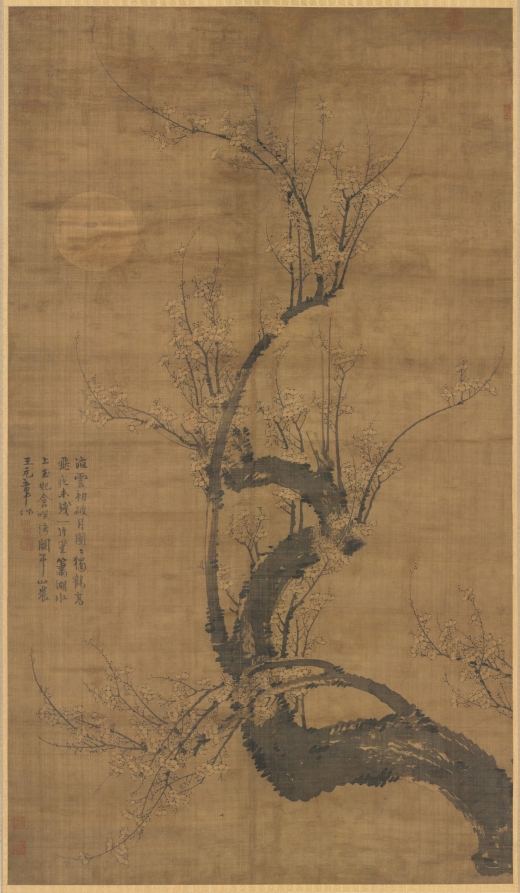
A Prunus in the Moonlight at the Cleveland Museum of Art: 1300s, Hanging scroll; ink on silk. Explore the work's context, creator attribution and collection history.
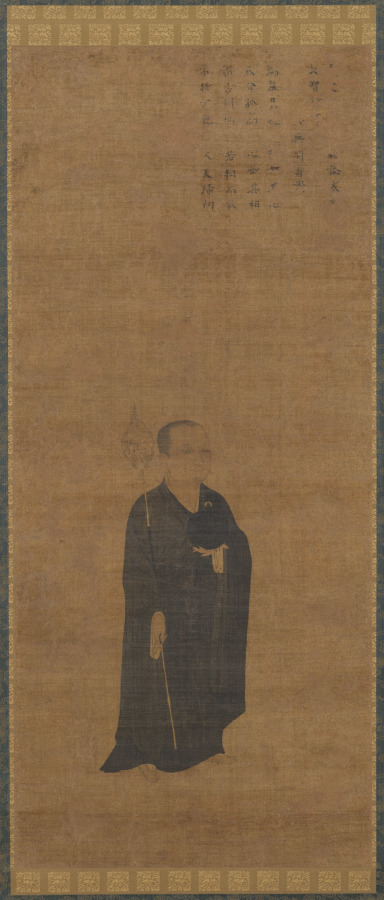
Portrait of Priest Dazhi (1048–1116), Master of Law at the Cleveland Museum of Art: 1100s, Hanging scroll; ink and light color on silk. Explore the work's context, creator attribution and collection history.
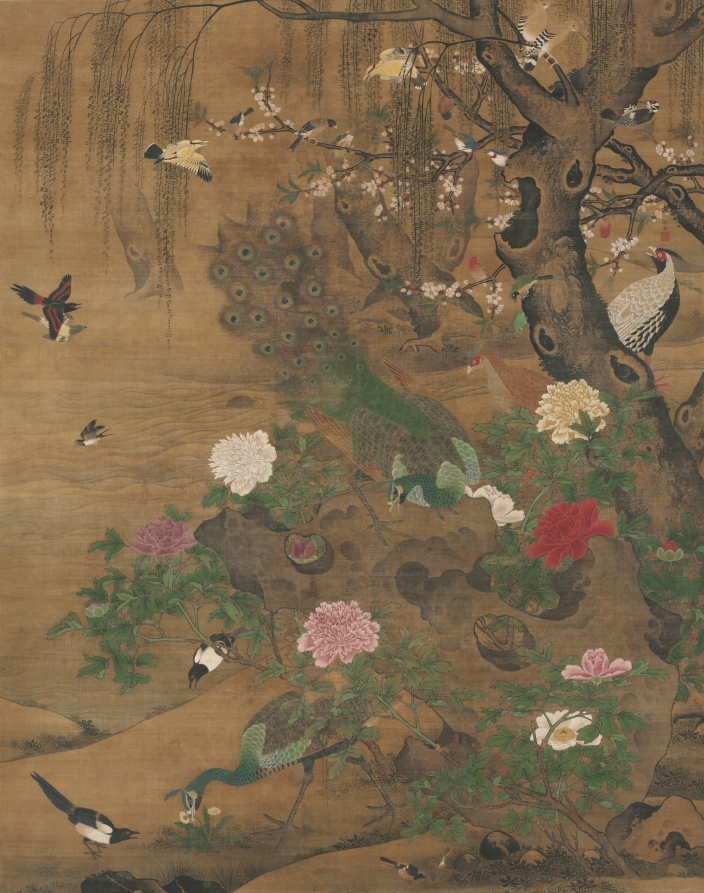
Birds Gather under the Spring Willow at the Cleveland Museum of Art: late 1400s–early 1500, hanging scroll, ink and color on silk. Explore the work's context, creator attribution and collection history.
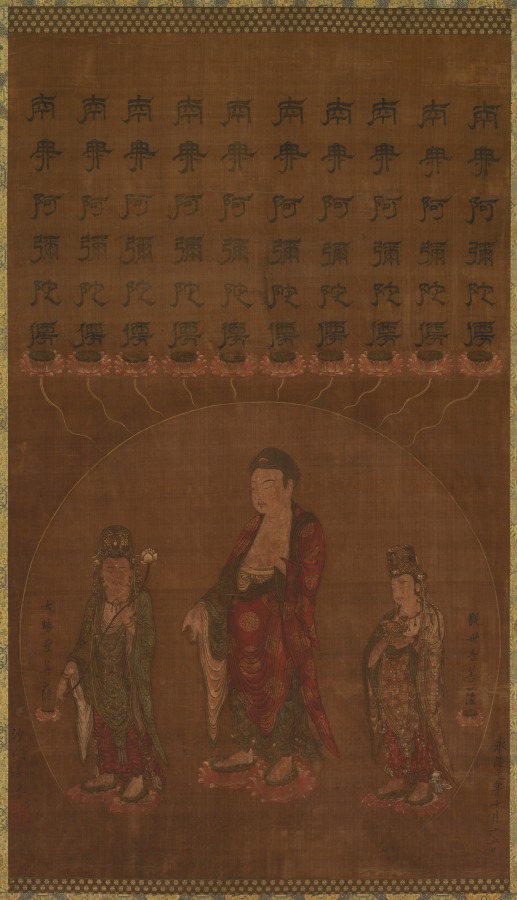
Buddha Amitābha with Two Attending Bodhisattvas at the Cleveland Museum of Art: 1200s, Hanging scroll; ink and color on silk. Explore the work's context, creator attribution and collection history.

Recumbent Animal on Grater or Scraper at the Cleveland Museum of Art: 700–500 BCE, bronze with iron grating plate. Explore the work's context, creator attribution and collection history.
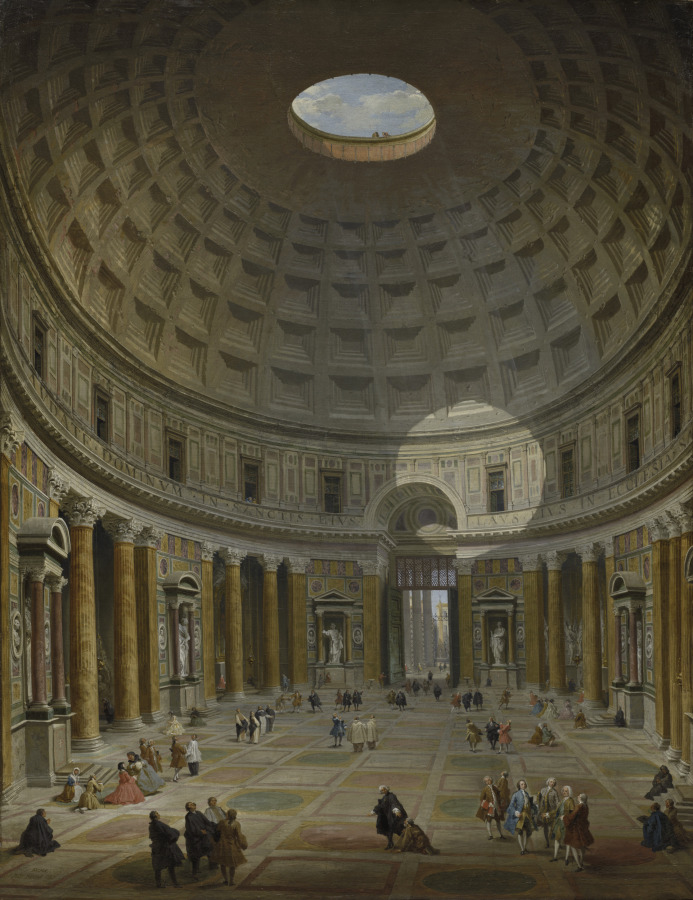
Interior of the Pantheon, Rome at the Cleveland Museum of Art: 1747, oil on canvas. Explore the work's context, creator attribution and collection history.
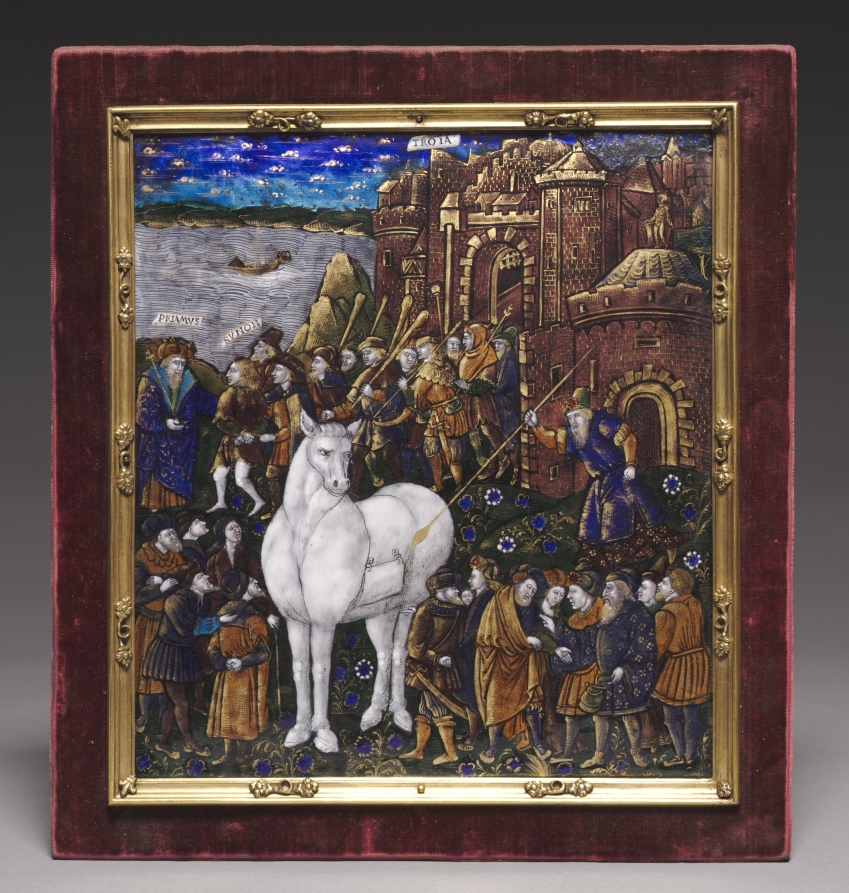
Plaque Depicting the Trojan Horse from the Aeneid at the Cleveland Museum of Art: c. 1530–40, painted enamel on copper, gilt-silver frame. Explore the work's context, creator attribution and collection history.
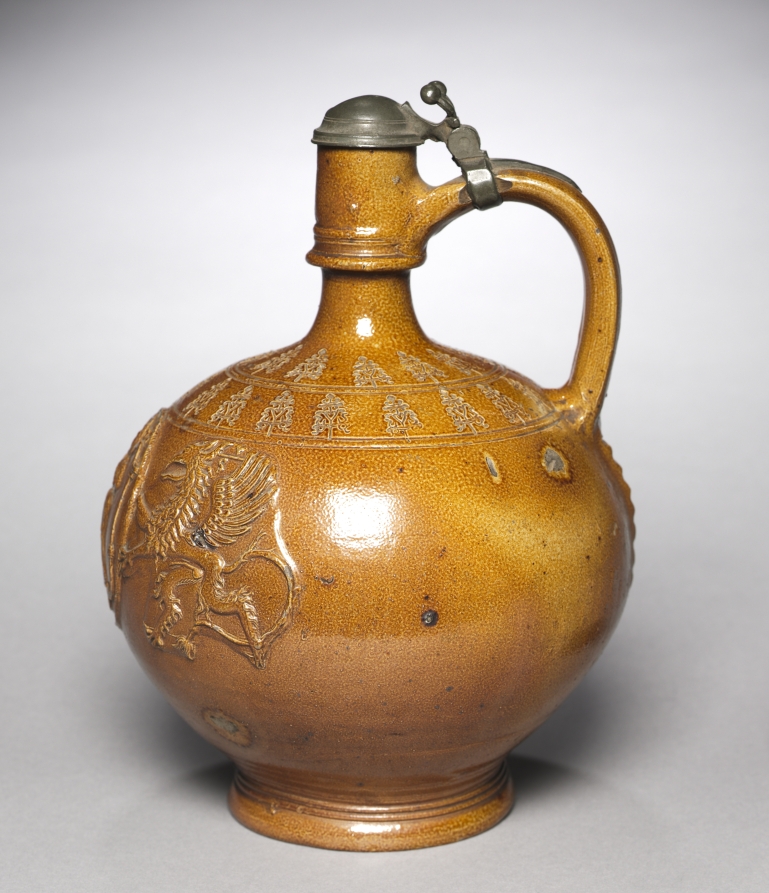
Jug with Pewter Lid at the Cleveland Museum of Art: 1602, stoneware, brown glaze. Explore the work's context, creator attribution and collection history.
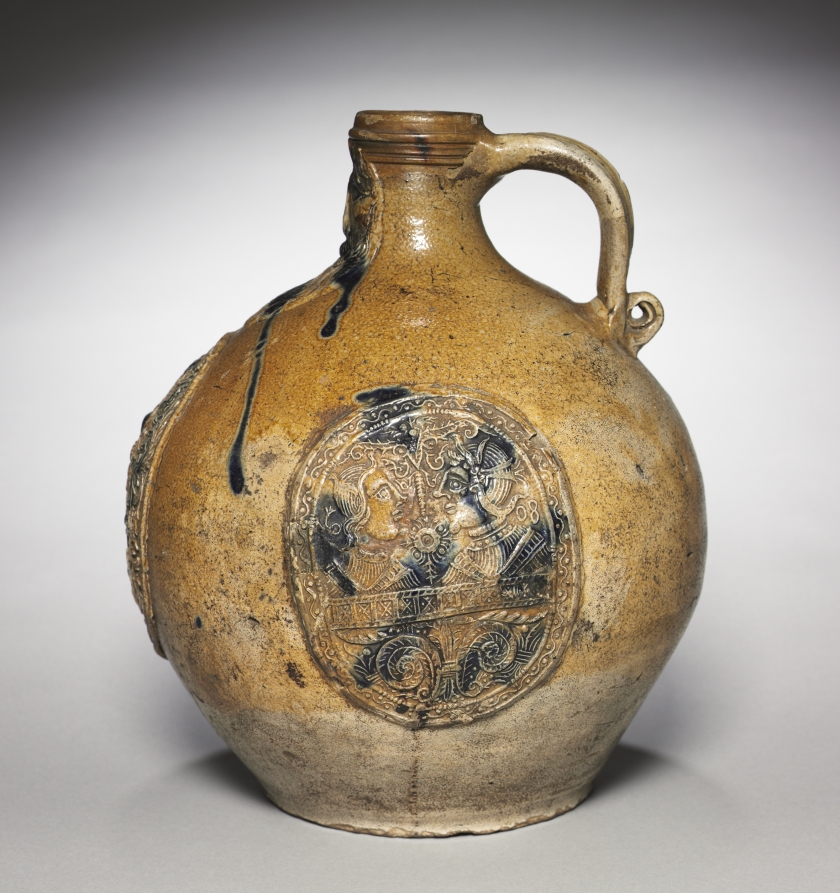
Jug at the Cleveland Museum of Art: 1608, salt-glazed stoneware with applied and impressed decoration. Explore the work's context, creator attribution and collection history.

The Hermit Xu You Resting by a Stream at the Cleveland Museum of Art: 1400s, Hanging scroll; ink and slight color on silk. Explore the work's context, creator attribution and collection history.
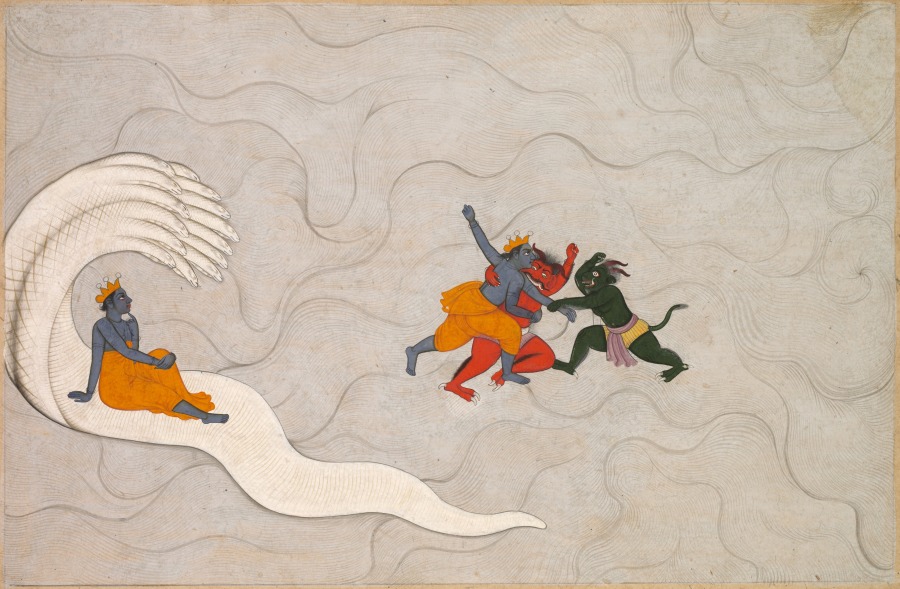
Vishnu Battles Madhu and Kaitabha, from a Markandeya Purana at the Cleveland Museum of Art: c. 1760, Gum tempera on paper. Explore the work's context, creator attribution and collection history.
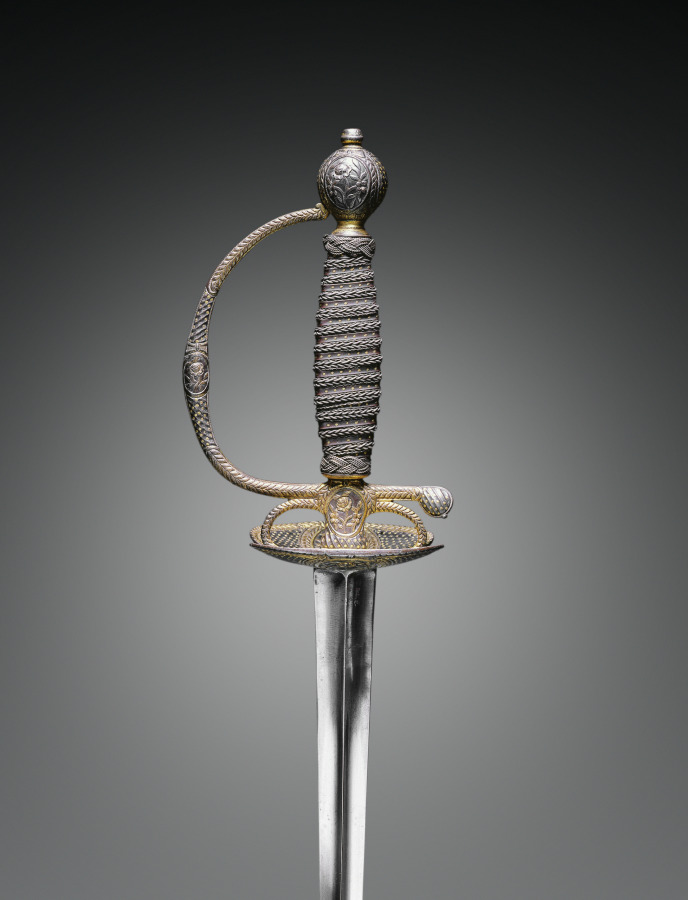
Small Sword at the Cleveland Museum of Art: c. 1780, forged steel blade; partially gilt and russet steel hilt; steel wire, leather bands, wood core. Explore the work's context, creator attribution and collection history.

Hand-and-a-Half Sword at the Cleveland Museum of Art: c.1540–80, steel; wood, leather, sharkskin grip. Explore the work's context, creator attribution and collection history.
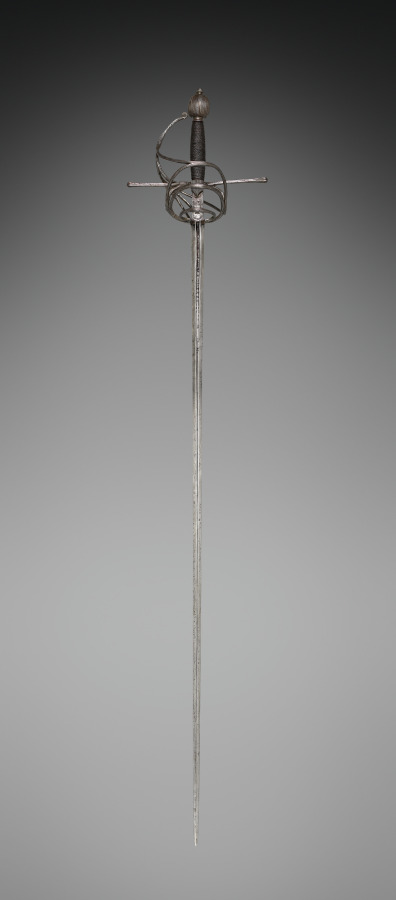
Rapier at the Cleveland Museum of Art: c. 1580–1610, steel, ribbed guard and pommel; wood and wire. Explore the work's context, creator attribution and collection history.

Gathering at Lanting (Orchid Pavilion) at the Cleveland Museum of Art: 1400s–1500s, Carved cinnabar-red lacquer. Explore the work's context, creator attribution and collection history.
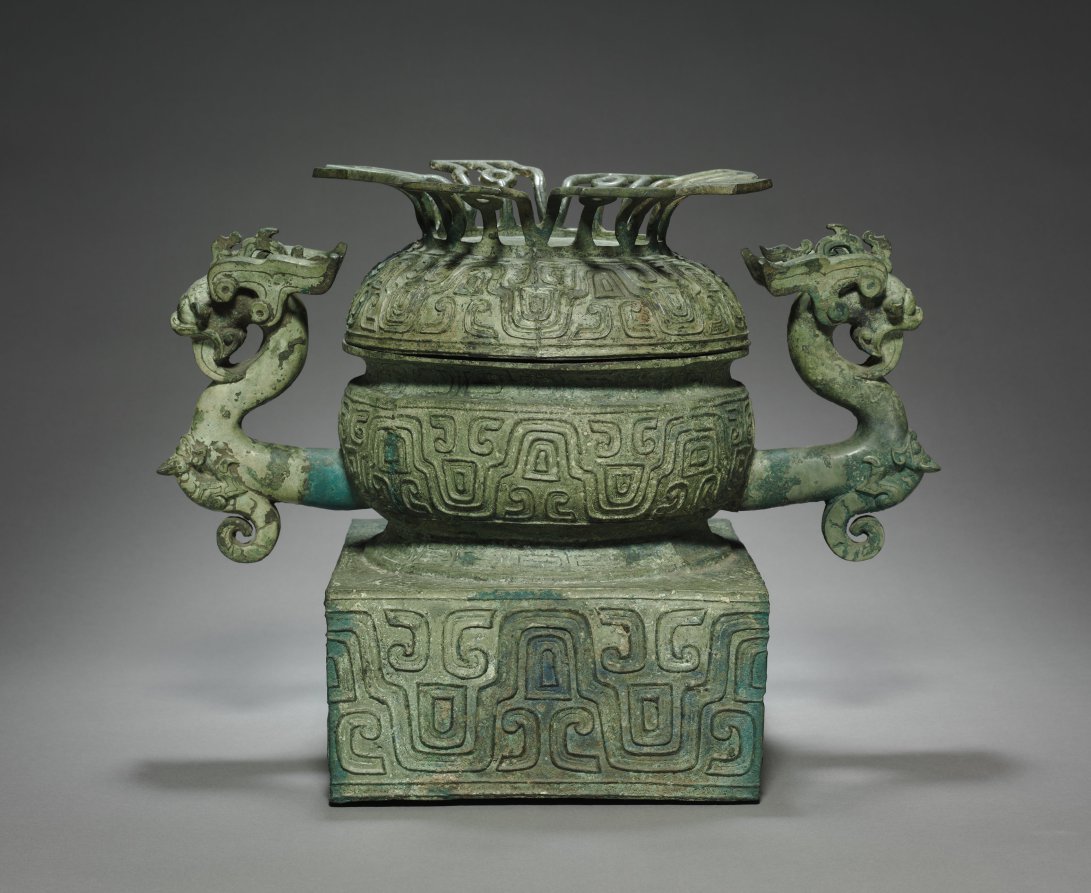
Food Container (Gui) at the Cleveland Museum of Art: 600–500 BCE, bronze. Explore the work's context, creator attribution and collection history.

The Sea near Staberhuk at the Cleveland Museum of Art: 1908, lithograph. Explore the work's context, creator attribution and collection history.
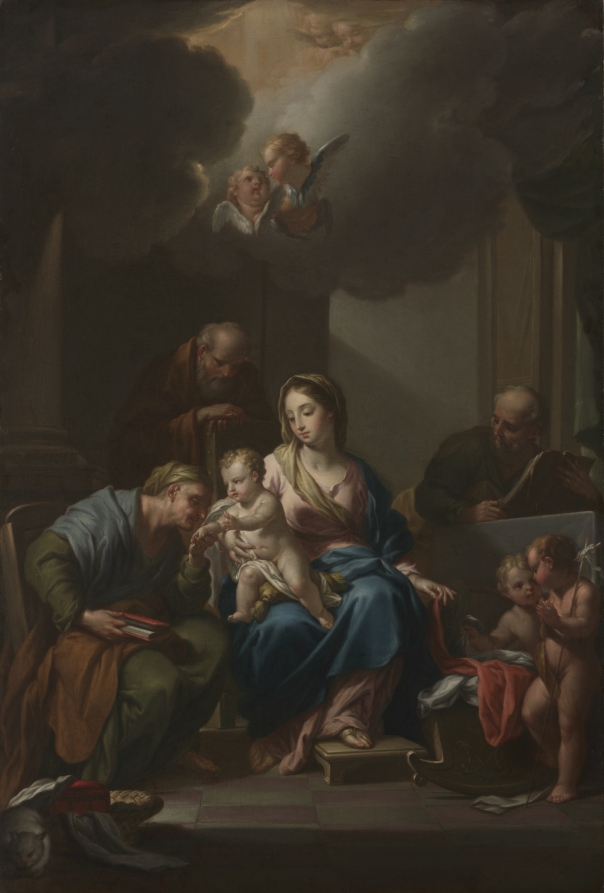
Presentation Sketch for "The Holy Family with Saints Anne, Joachim, and John the Baptist" (for Santa Maria in Via Lata, Roma) at the Cleveland Museum of Art: c. 1729, oil on canvas. Explore the work's context, creator attribution and collec

Shalabhanjika (Woman and Tree) at the Cleveland Museum of Art: 300s–400s CE, gray steatite. Explore the work's context, creator attribution and collection history.

Lamp with Griffin-Head Handle at the Cleveland Museum of Art: 300s–400s CE, bronze. Explore the work's context, creator attribution and collection history.
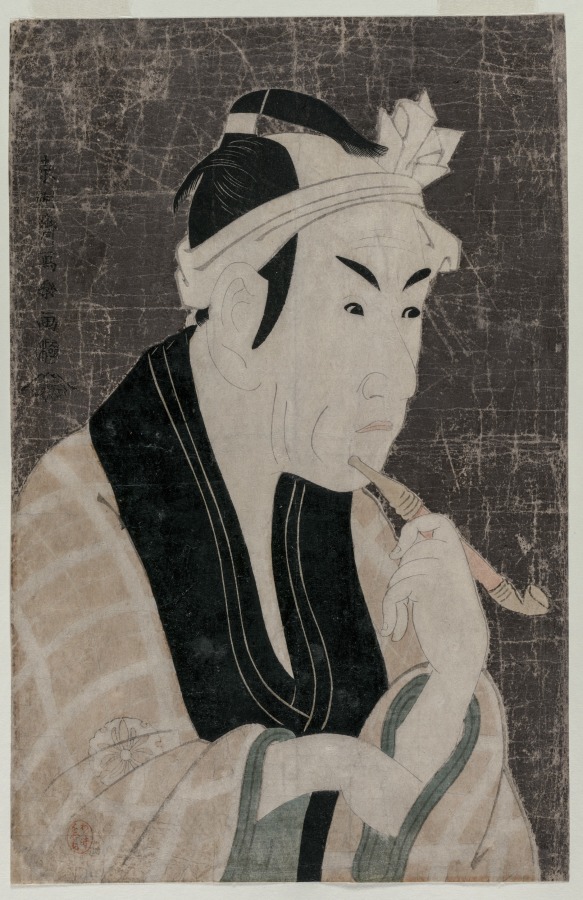
Matsumoto Koshiro IV as Gorobei, the Fish Seller from Sanya at the Cleveland Museum of Art: 1794, color woodblock print. Explore the work's context, creator attribution and collection history.

Ichimura Takenojo and Sanjo Kantaro as a Pair of Lovers in the Yoshiwara at the Cleveland Museum of Art: early 1720s, hand-colored woodblock print. Explore the work's context, creator attribution and collection history.
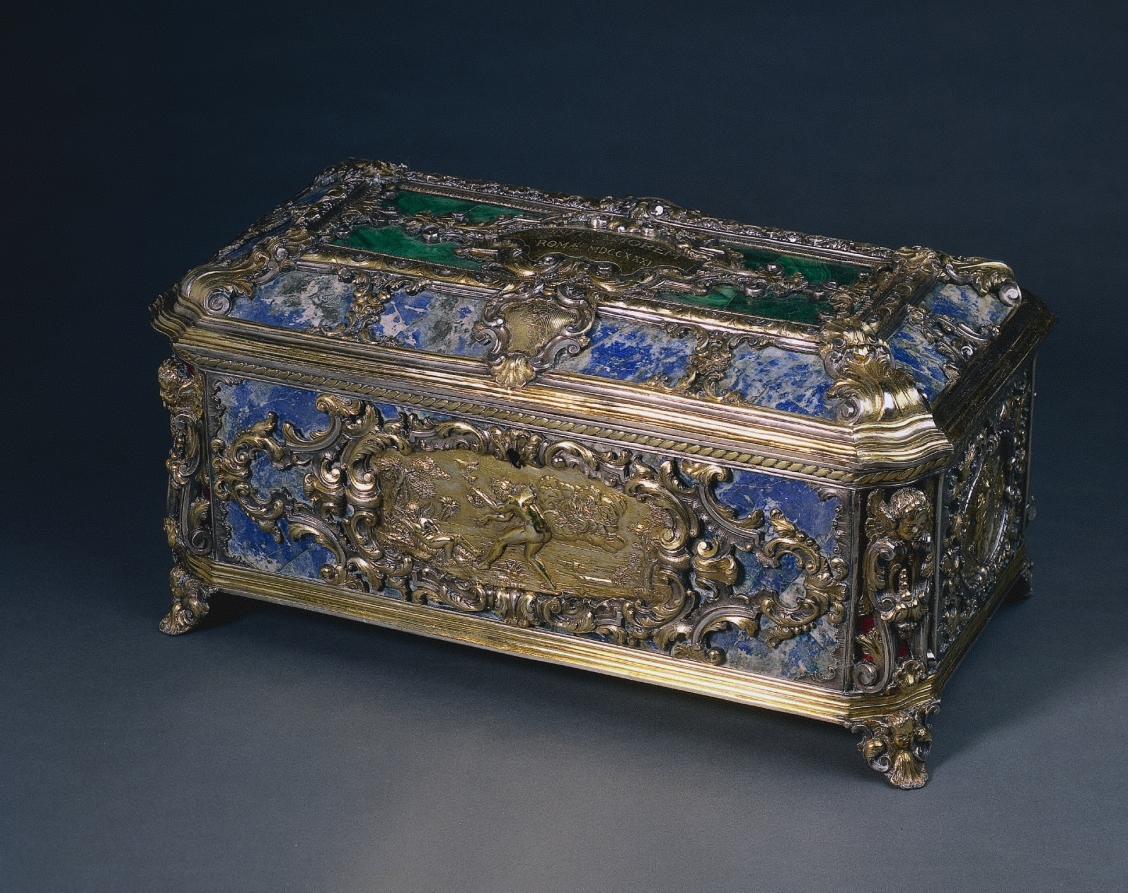
Boncompagni-Ludovisi-Ottoboni Marriage Casket at the Cleveland Museum of Art: 1731, silver, partially gilt, malachite, lapis lazuli, enamel. Explore the work's context, creator attribution and collection history.
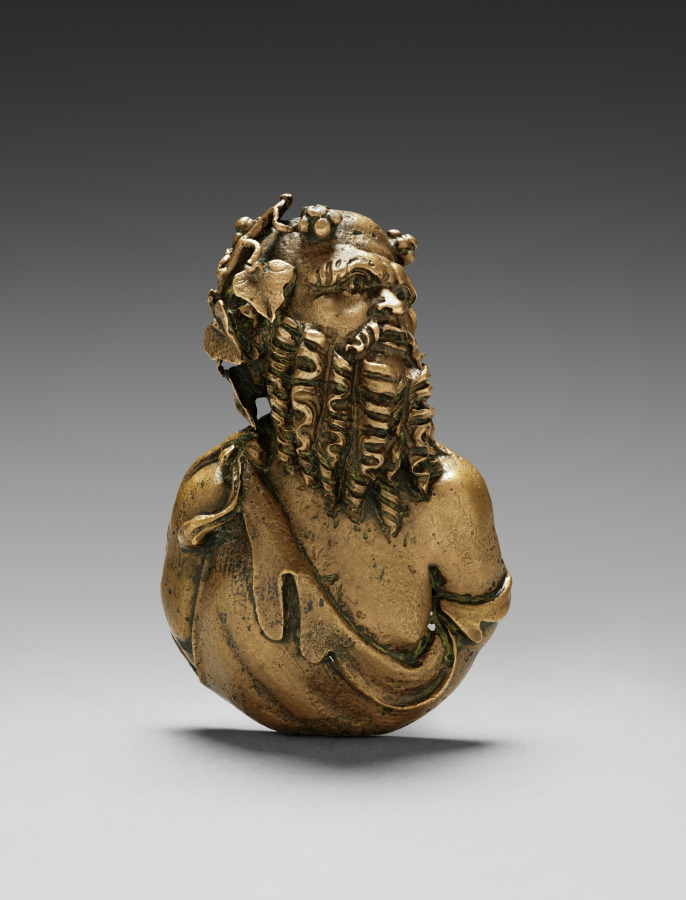
Silenus Bust for a Couch at the Cleveland Museum of Art: 1–125 CE, bronze. Explore the work's context, creator attribution and collection history.