Architectural Scene (200 BCE–300 CE): Art, History and Details
Architectural Scene at the Cleveland Museum of Art: 200 BCE–300 CE, ceramic, pigment. Explore the work's context, creator attribution and collection history.
Oldest entries first, in a fixed order. Newly added articles appear at the end. Explore a shuffled selection →

Architectural Scene at the Cleveland Museum of Art: 200 BCE–300 CE, ceramic, pigment. Explore the work's context, creator attribution and collection history.

Flat Male Figure at the Cleveland Museum of Art: 200 BCE–300 CE, ceramic, pigment. Explore the work's context, creator attribution and collection history.
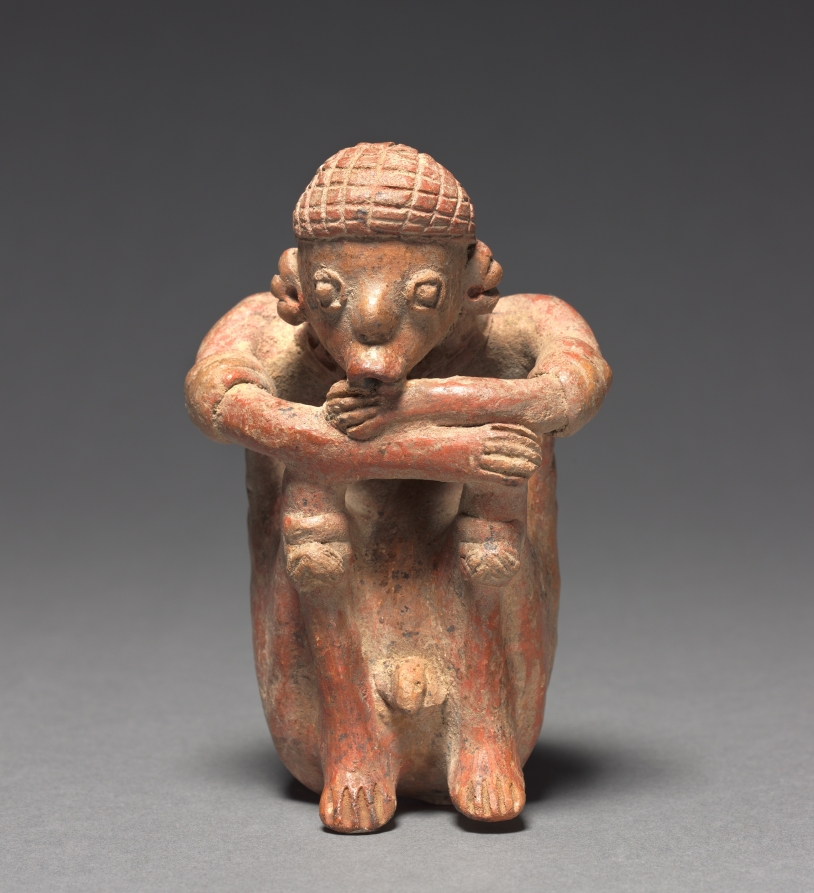
Emaciated Crouching Figure at the Cleveland Museum of Art: c. 100 BCE–300 CE, earthenware with burnished red slip. Explore the work's context, creator attribution and collection history.
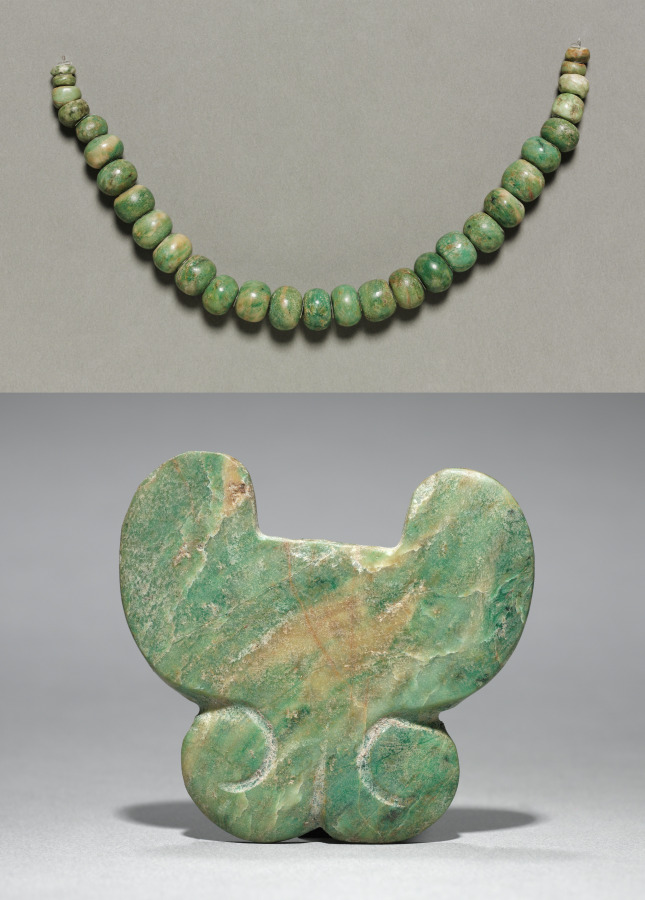
Necklace and Nose Ornament at the Cleveland Museum of Art: 150–200 CE, jadeite-albitite?, gold. Explore the work's context, creator attribution and collection history.
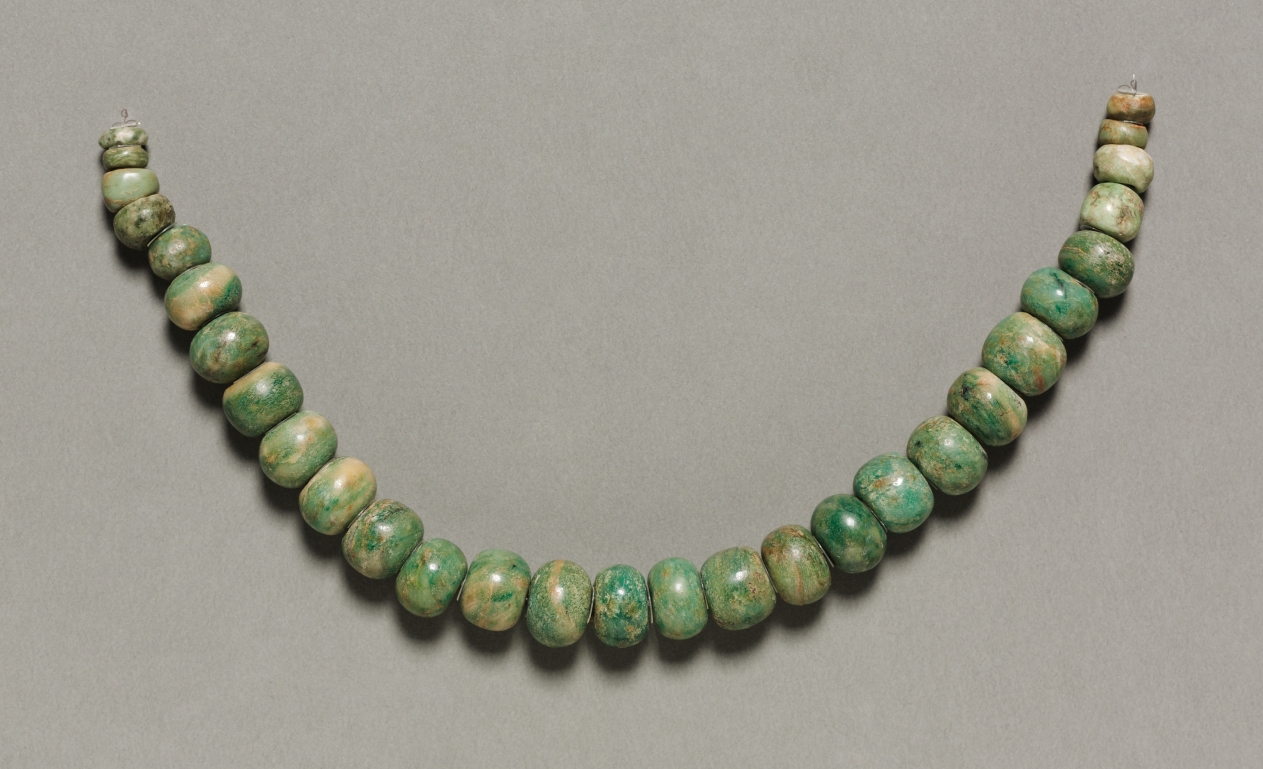
Necklace at the Cleveland Museum of Art: 150–200 CE, jadeite-albitite?. Explore the work's context, creator attribution and collection history.
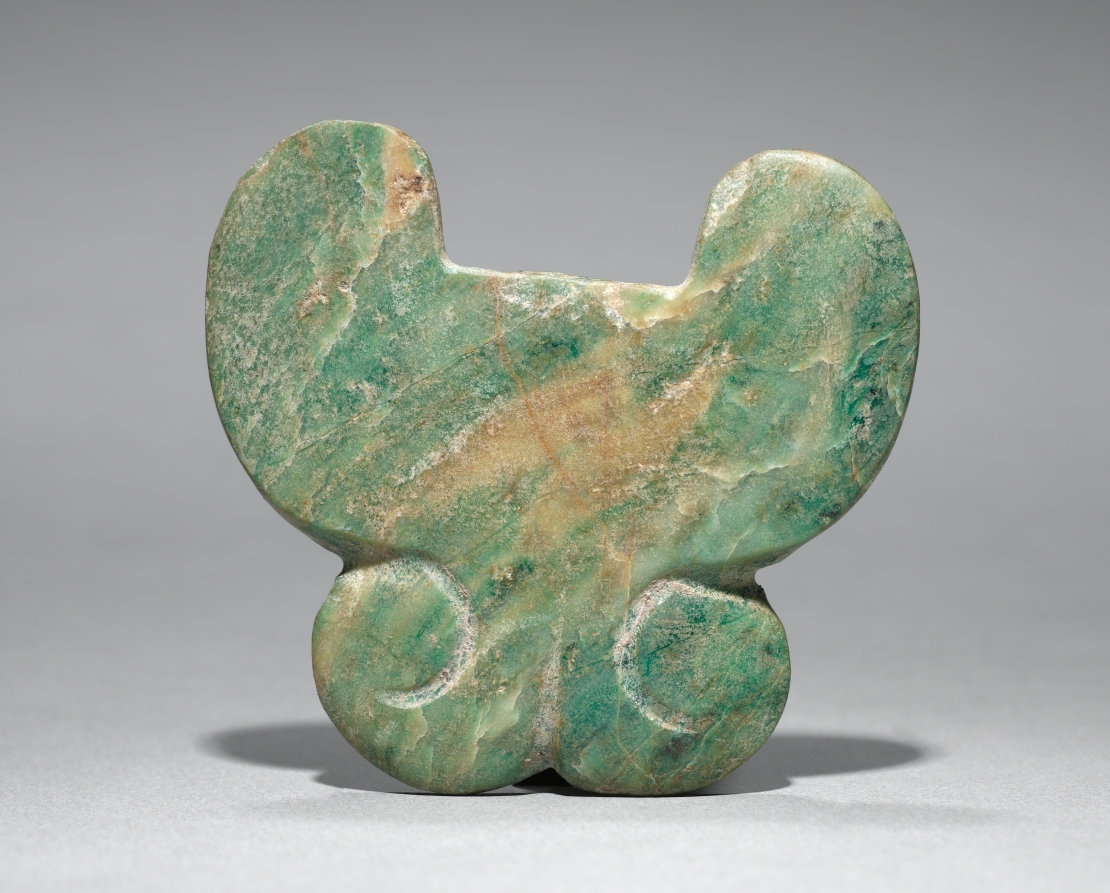
Butterfly Nose Ornament at the Cleveland Museum of Art: 150–200 CE, jadeite-albitite?. Explore the work's context, creator attribution and collection history.
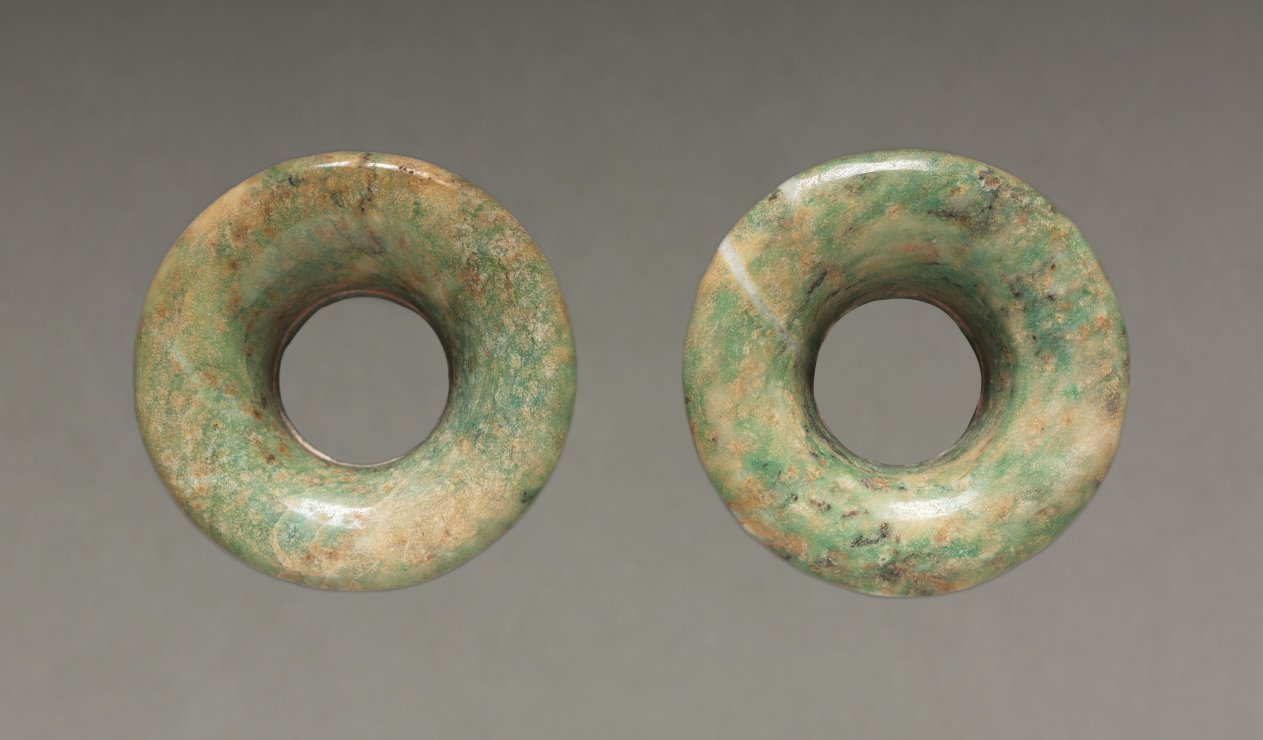
Pair of Ear Ornaments at the Cleveland Museum of Art: 150–200 CE, jadeite-albitite(?). Explore the work's context, creator attribution and collection history.
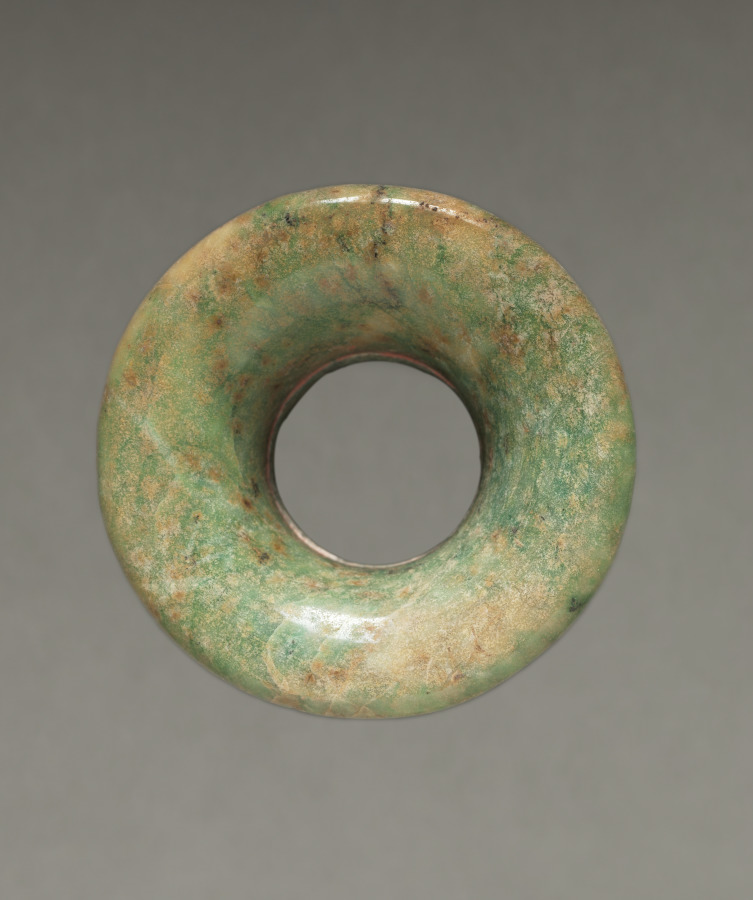
Ear Ornament at the Cleveland Museum of Art: 150–200 CE, jadeite-albitite(?). Explore the work's context, creator attribution and collection history.
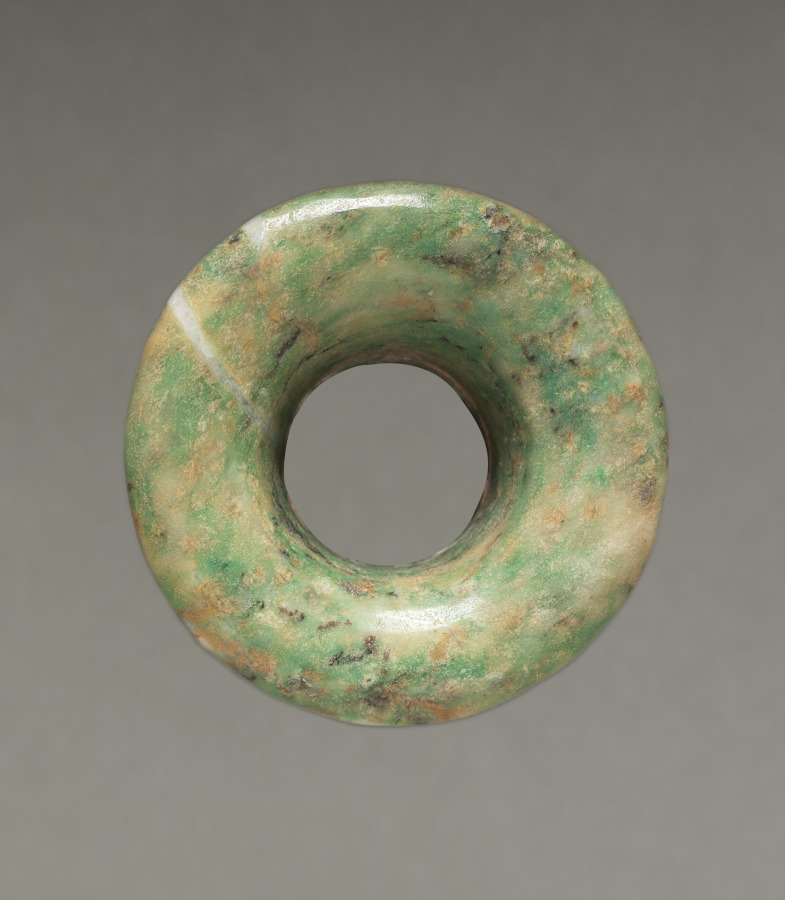
Ear Ornament at the Cleveland Museum of Art: 150–200 CE, jadeite-albitite(?). Explore the work's context, creator attribution and collection history.
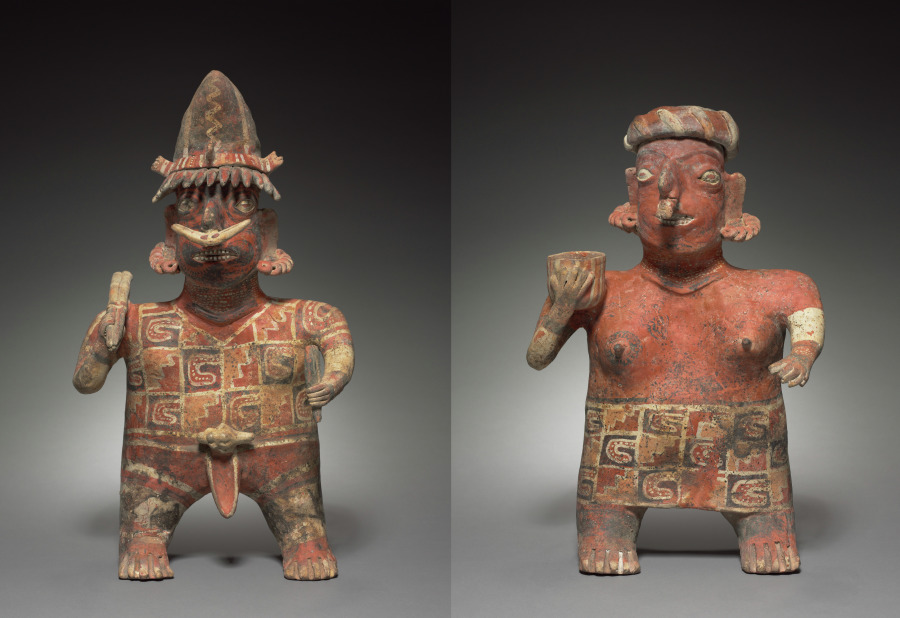
Pair of Standing Figures at the Cleveland Museum of Art: c. 100 BCE–300 CE, earthenware with colored slips. Explore the work's context, creator attribution and collection history.

Standing Male Figure at the Cleveland Museum of Art: c. 100 BCE–300 CE, earthenware with colored slips. Explore the work's context, creator attribution and collection history.

Standing Female Figure at the Cleveland Museum of Art: c. 100 BCE–300 CE, earthenware with colored slips. Explore the work's context, creator attribution and collection history.
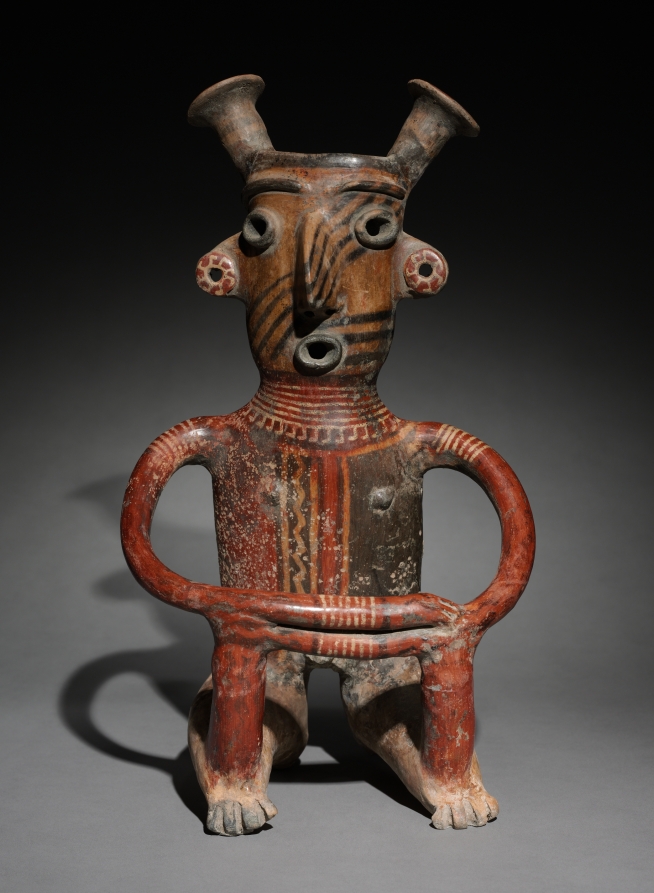
Seated Male Figure at the Cleveland Museum of Art: c. 200 CE, earthenware with colored slips. Explore the work's context, creator attribution and collection history.
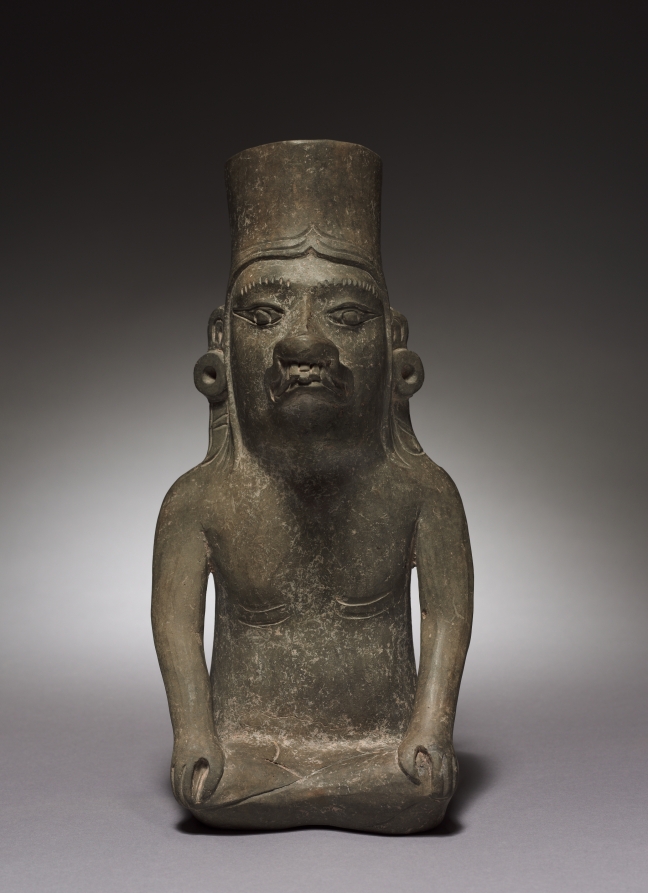
Urn Figure at the Cleveland Museum of Art: c. 150 BCE–200 CE (thermoluminescence date, 60 BCE–642 CE), earthenware. Explore the work's context, creator attribution and collection history.
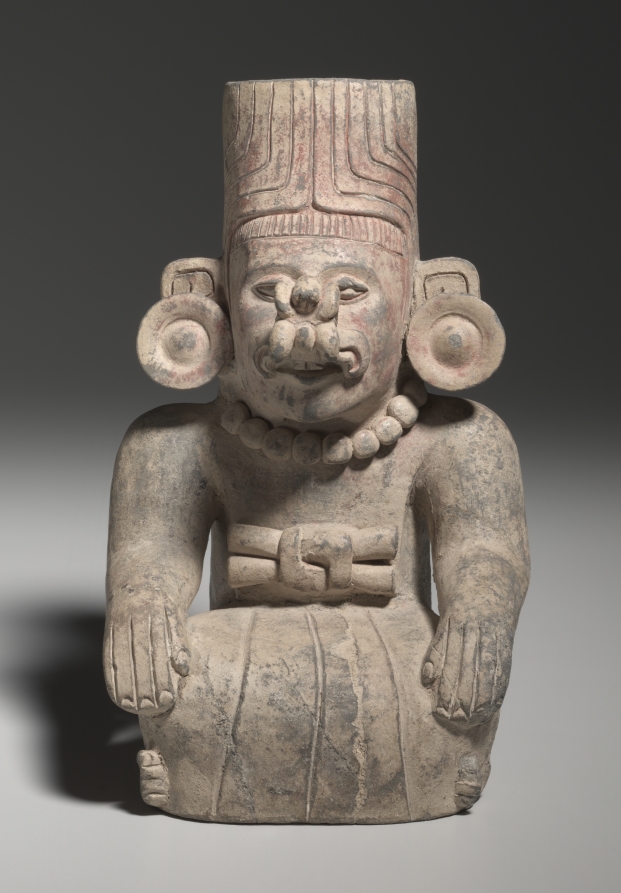
Urn Figure at the Cleveland Museum of Art: c. 200–500 CE (thermoluminescence date, 60 BCE–390 CE, earthenware. Explore the work's context, creator attribution and collection history.
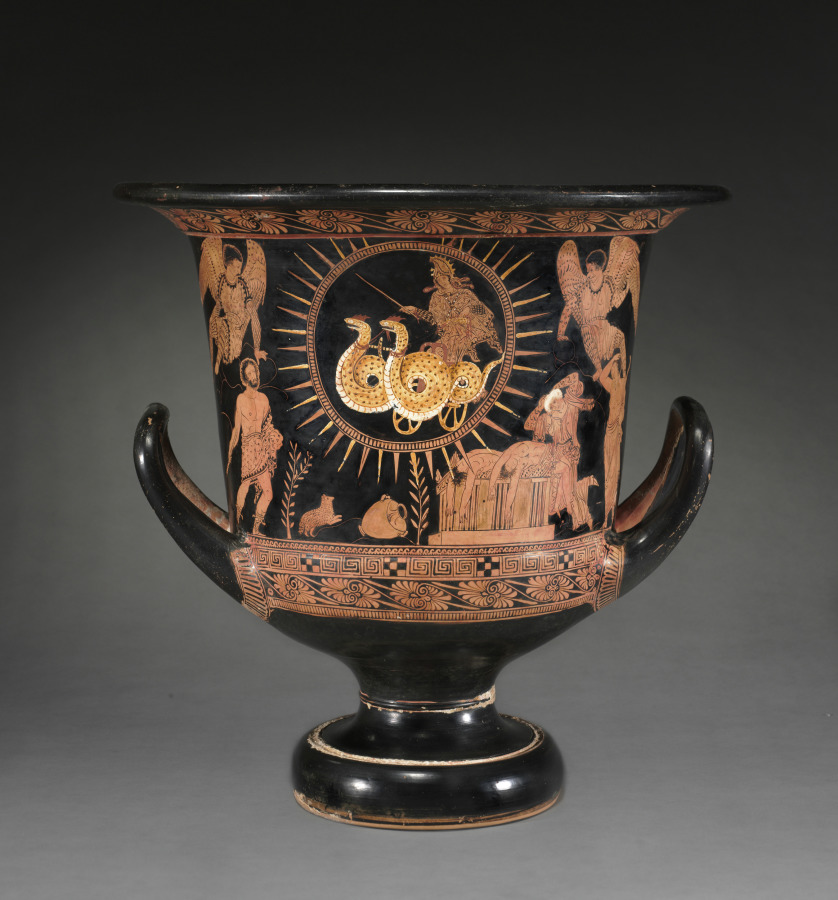
Red-Figure Calyx-Krater (Mixing Vessel): Medea in Chariot (A); Telephos with Baby Orestes (B) at the Cleveland Museum of Art: c. 400 BCE, ceramic. Explore the work's context, creator attribution and collection history.
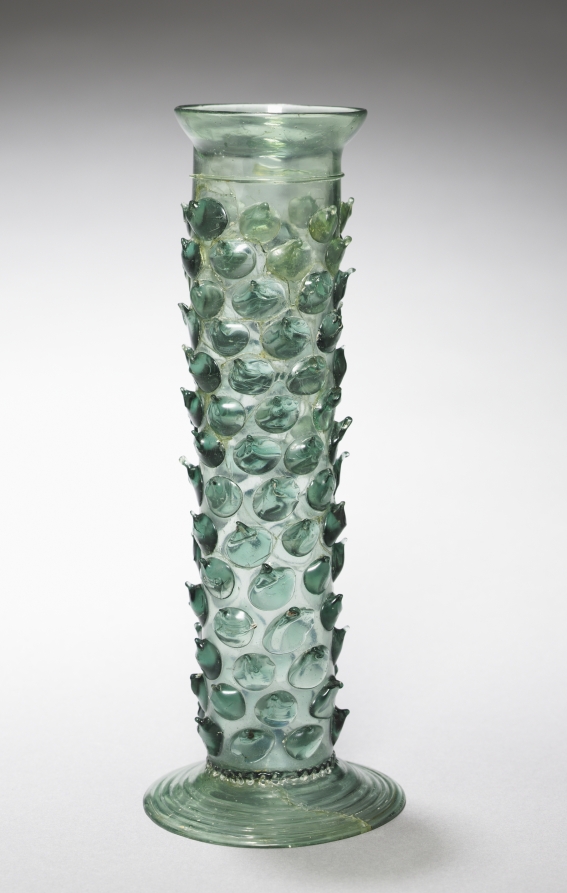
Tall Beaker with Prunts (Stangenglas) at the Cleveland Museum of Art: late 1400s, green glass. Explore the work's context, creator attribution and collection history.
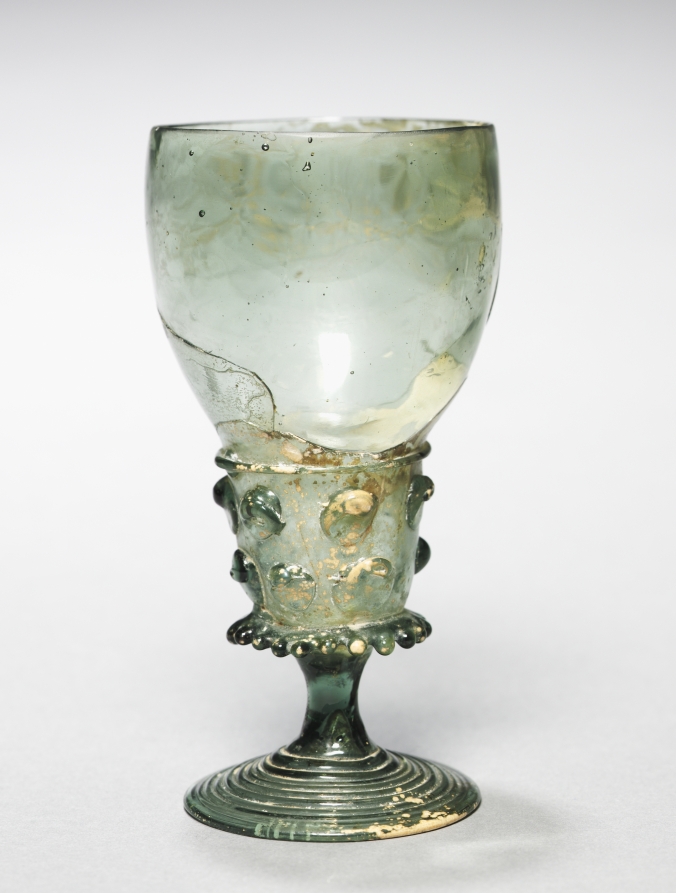
Goblet (Berkemeyer) at the Cleveland Museum of Art: c. 1525–50, green glass. Explore the work's context, creator attribution and collection history.
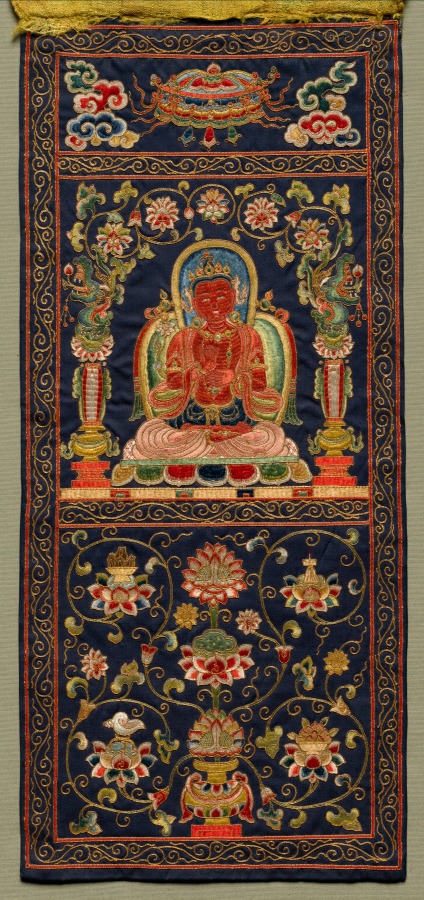
Thangka with the Seventh Bodhisattva at the Cleveland Museum of Art: 1368–1424, Silk and gold thread on silk satin ground, embroidery. Explore the work's context, creator attribution and collection history.
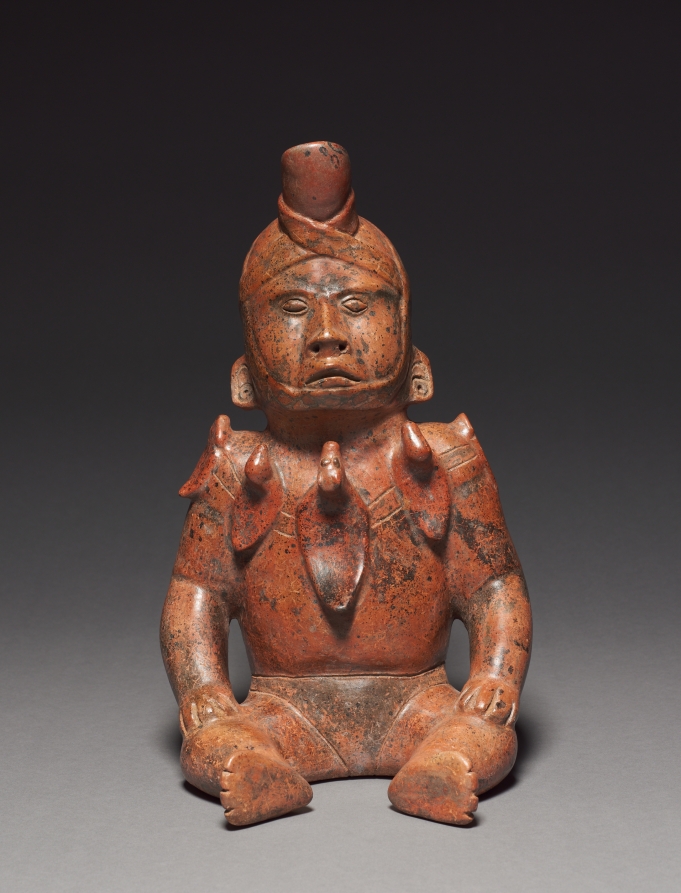
"Horned" Male at the Cleveland Museum of Art: 100 BCE–300 CE, earthenware with colored slips, black burial deposits. Explore the work's context, creator attribution and collection history.
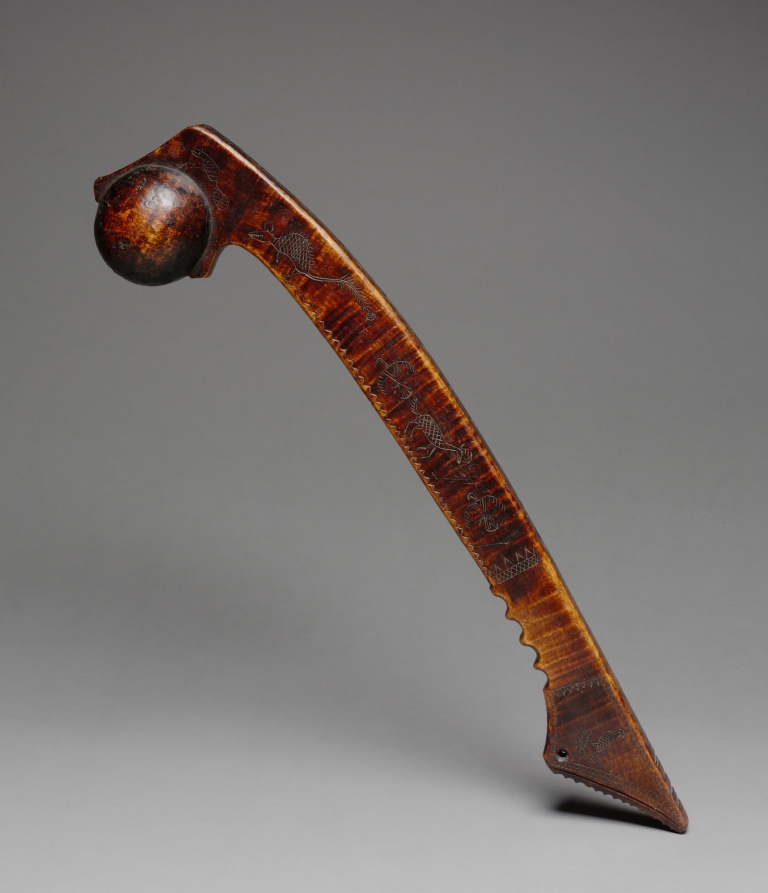
Ball-Headed War Club at the Cleveland Museum of Art: late 1700s–early 1800s, wood (maple?). Explore the work's context, creator attribution and collection history.
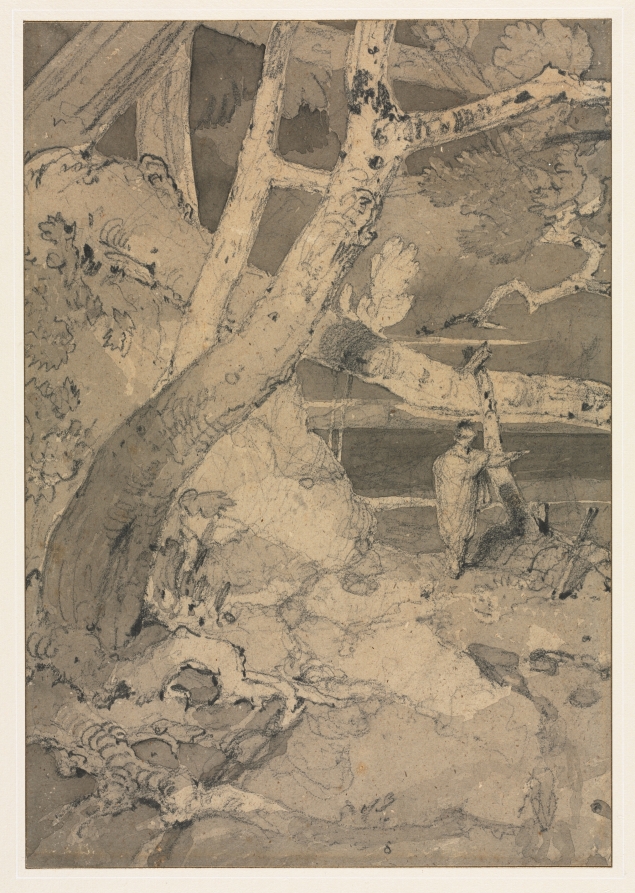
Traveler in a Woodland Landscape at the Cleveland Museum of Art: 1806, graphite and gray wash. Explore the work's context, creator attribution and collection history.
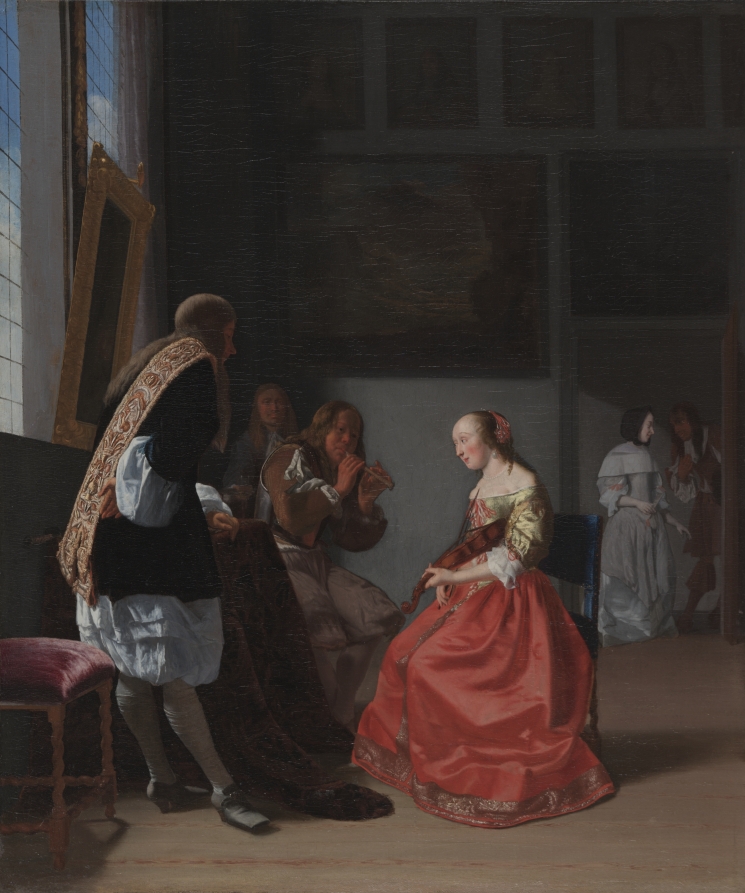
A Musical Company at the Cleveland Museum of Art: c. 1668, oil on canvas. Explore the work's context, creator attribution and collection history.

Couple in Room, Nude Man with Woman at the Cleveland Museum of Art: 1915–16, Lithograph on yellow paper. Explore the work's context, creator attribution and collection history.
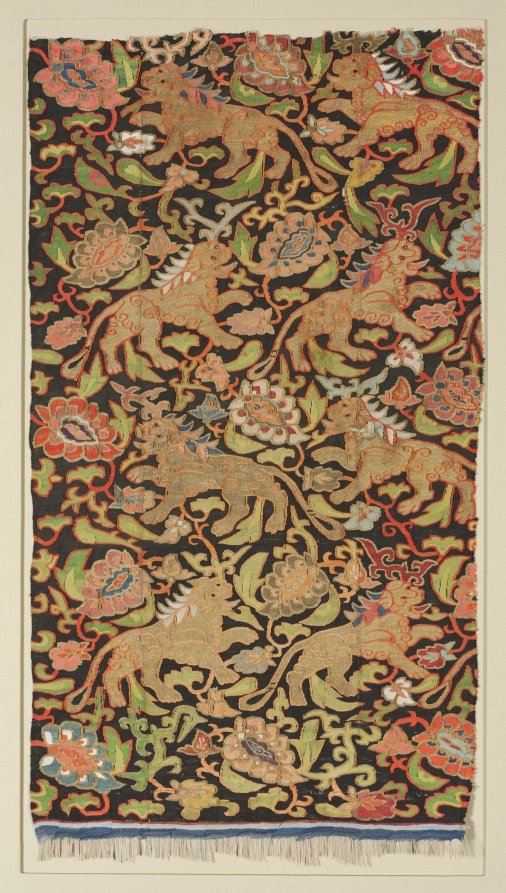
Tapestry with golden lions and palmettes at the Cleveland Museum of Art: 1200s or earlier, silk, gold thread; tapestry weave. Explore the work's context, creator attribution and collection history.
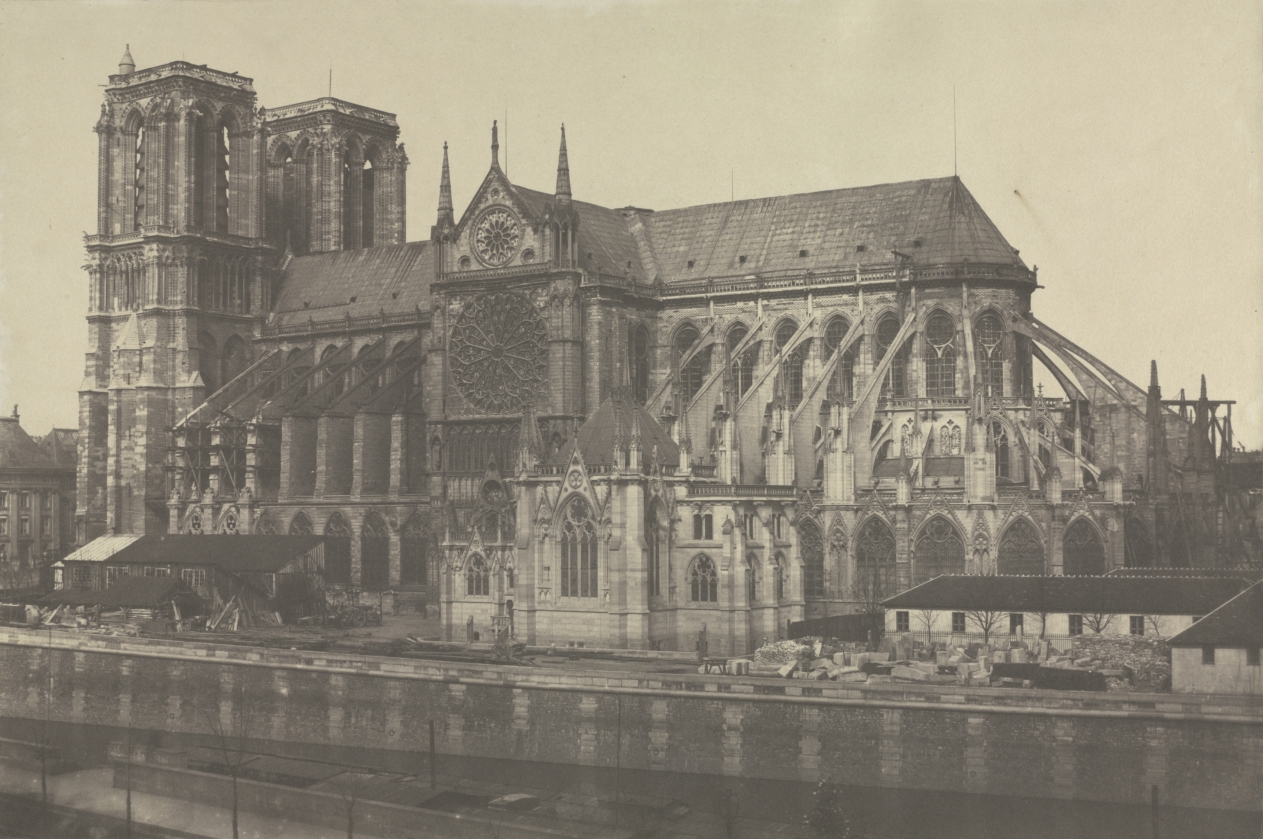
Notre-Dame, Paris at the Cleveland Museum of Art: 1852–53, salted paper print from wet collodion negative. Explore the work's context, creator attribution and collection history.

Doorway to Sèvres Factory at the Cleveland Museum of Art: c. 1852, salted paper print, waxed, from waxed paper negative. Explore the work's context, creator attribution and collection history.

Cleveland at the Cleveland Museum of Art: c. 1842–1843, daguerreotype. Explore the work's context, creator attribution and collection history.

Brocade with Djeiran Gazing at the Moon at the Cleveland Museum of Art: 1115–1234, Silk and gold thread; tabby, brocaded. Explore the work's context, creator attribution and collection history.

Arch in Farmyard, Swansea at the Cleveland Museum of Art: 1845, salted paper print from calotype negative, gold-toned. Explore the work's context, creator attribution and collection history.
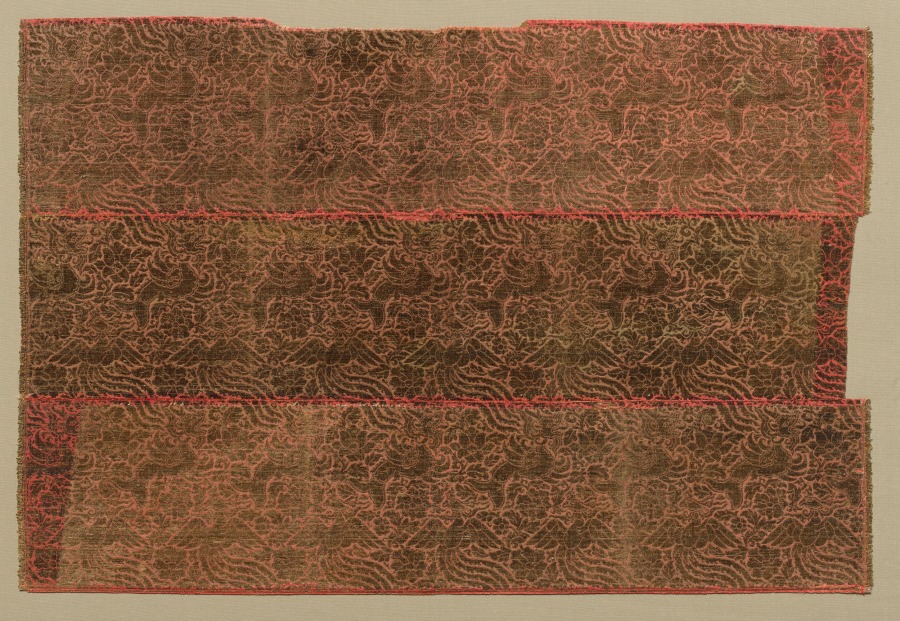
Makaras, Phoenixes and Flowers at the Cleveland Museum of Art: 1200s, lampas, silk and gold thread. Explore the work's context, creator attribution and collection history.
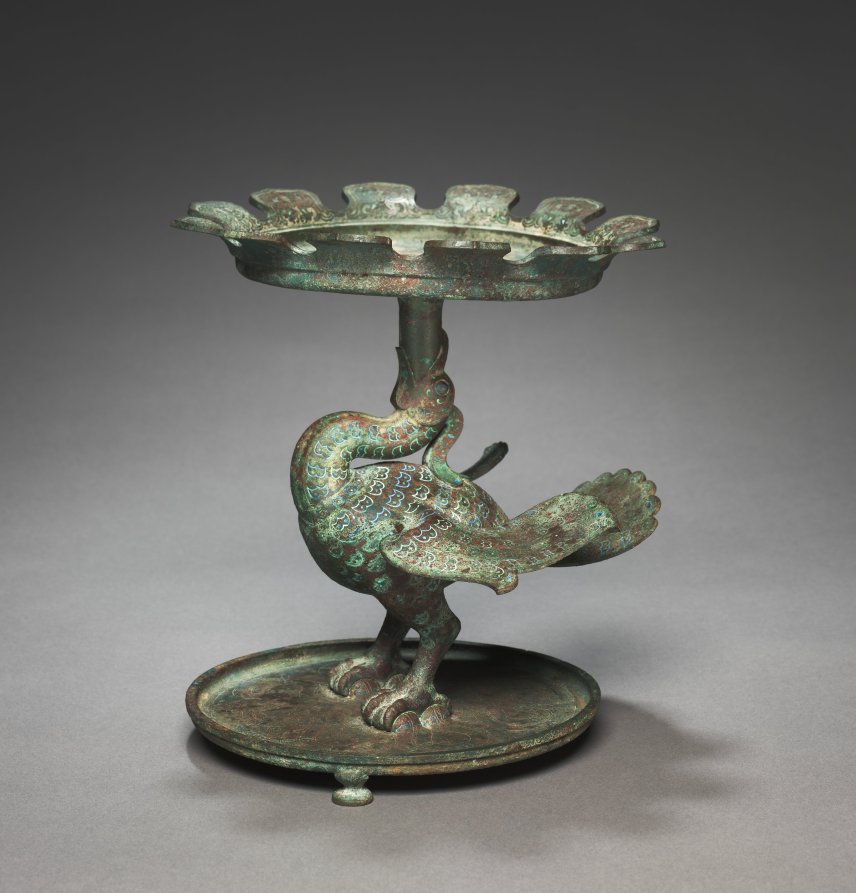
Shallow Basin Supported by a Bird (Bian) at the Cleveland Museum of Art: early 400s BCE, bronze inlaid with powdered malachite and azurite. Explore the work's context, creator attribution and collection history.
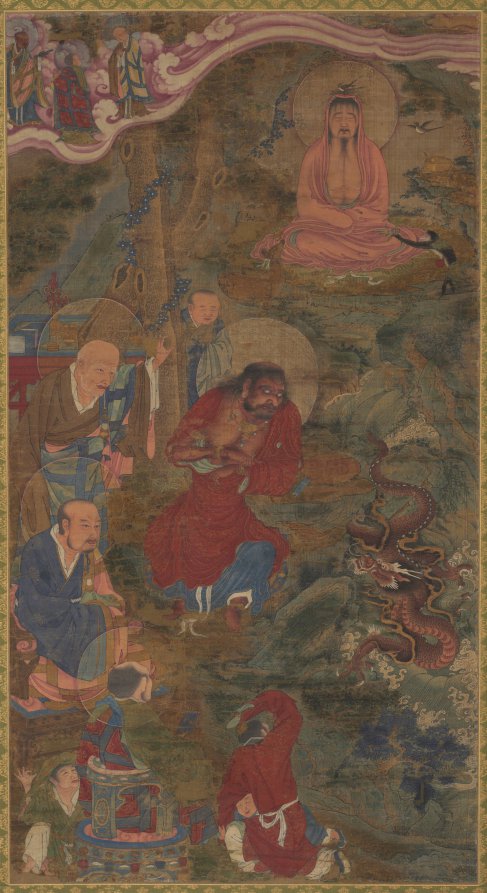
Miracle of the Dragon at the Cleveland Museum of Art: 1600s, Hanging scroll; ink, color, and gold on silk. Explore the work's context, creator attribution and collection history.

The Risen Christ Adored by Saints and Angels at the Cleveland Museum of Art: 1566–68, Black chalk, pen and brown ink, and extensive white heightening (wash and point of brush), with incising on paper prepared with a brown wash.. Explore the
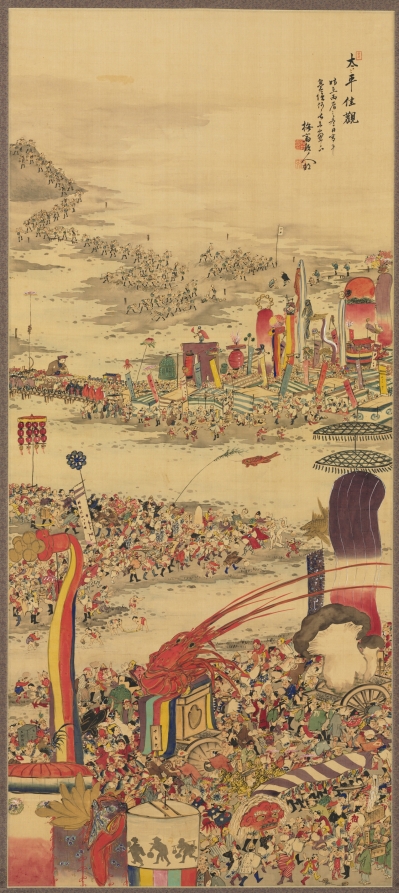
The Sand-Carrying Festival (Sunamochi Matsuri) at the Cleveland Museum of Art: 1856, hanging scroll; ink and color on silk. Explore the work's context, creator attribution and collection history.
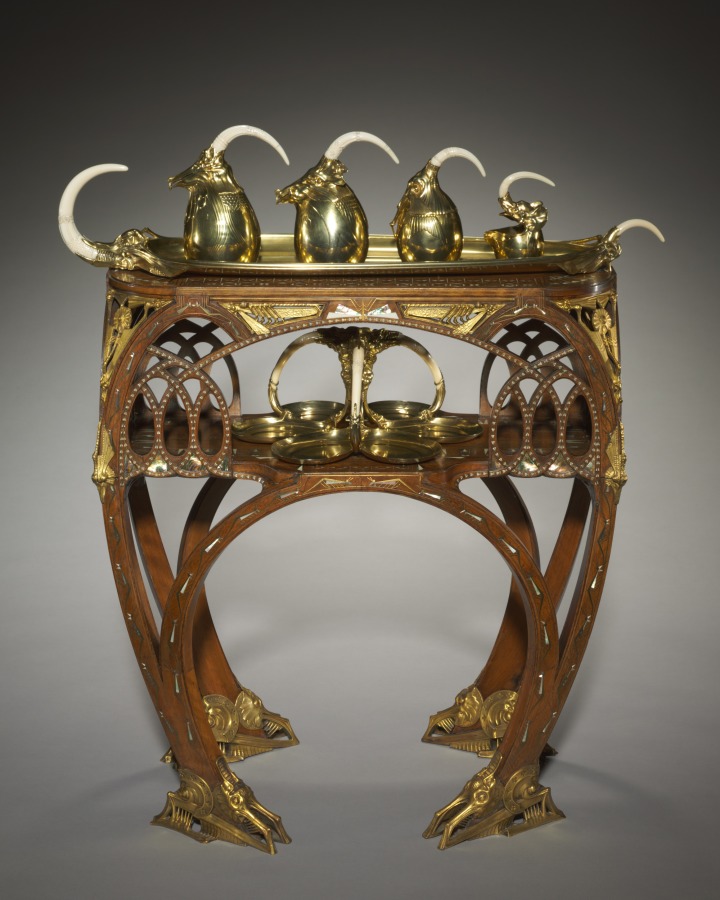
Tea Table at the Cleveland Museum of Art: c. 1907, inlaid wood (mahogany?), cast and gilded bronze mounts, inlays of ivory or bone, metal, and mother-of-pearl (marine mussels or pearl oysters). Explore the work's context, creator attributio

Salver at the Cleveland Museum of Art: c. 1907, Gilt silver and ivory. Explore the work's context, creator attribution and collection history.
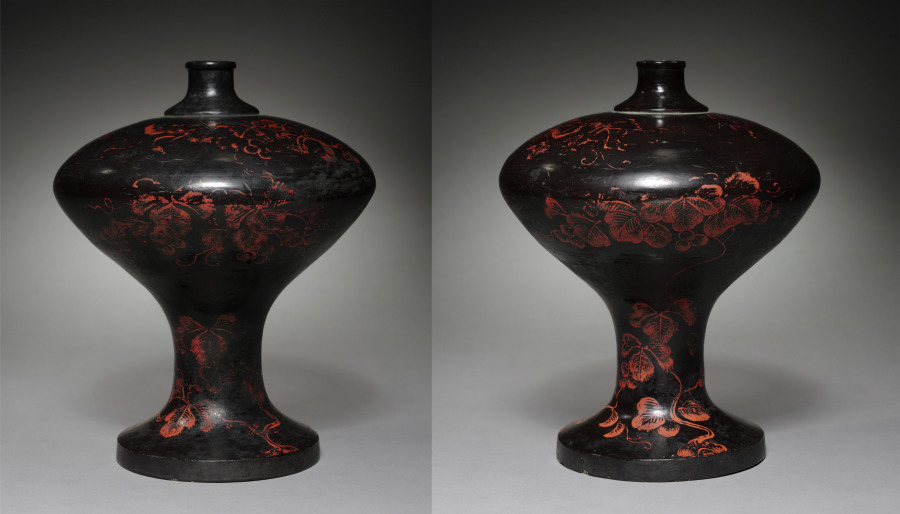
Sake Flask (pair) at the Cleveland Museum of Art: 1500s, Black laquered wood with red lacquer. Explore the work's context, creator attribution and collection history.
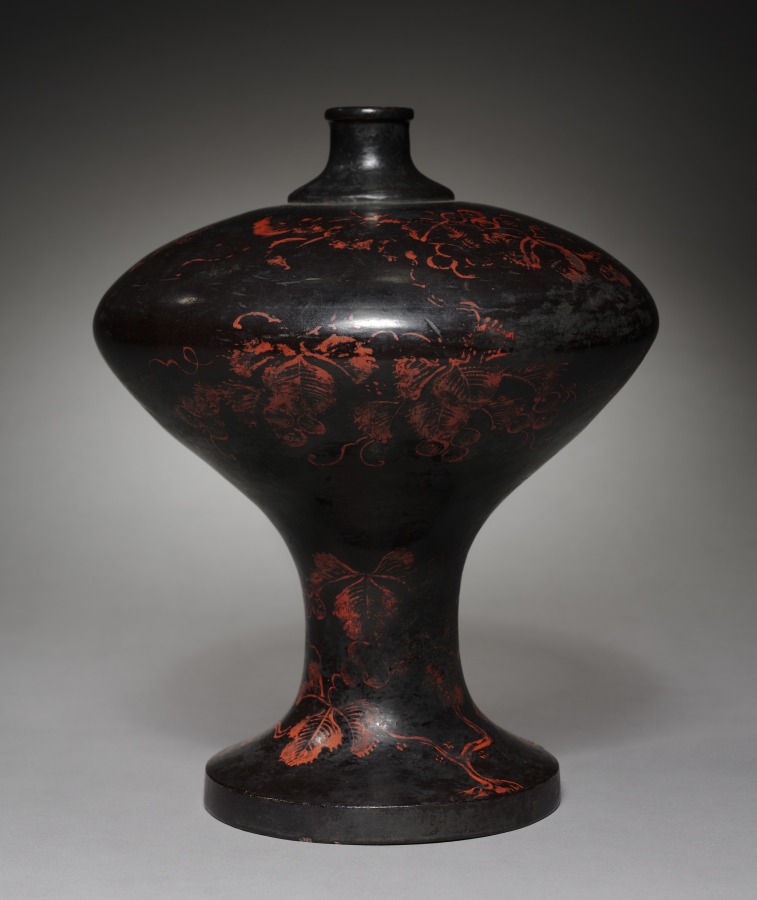
Sake Flask at the Cleveland Museum of Art: 1500s, Black laquered wood with red lacquer. Explore the work's context, creator attribution and collection history.
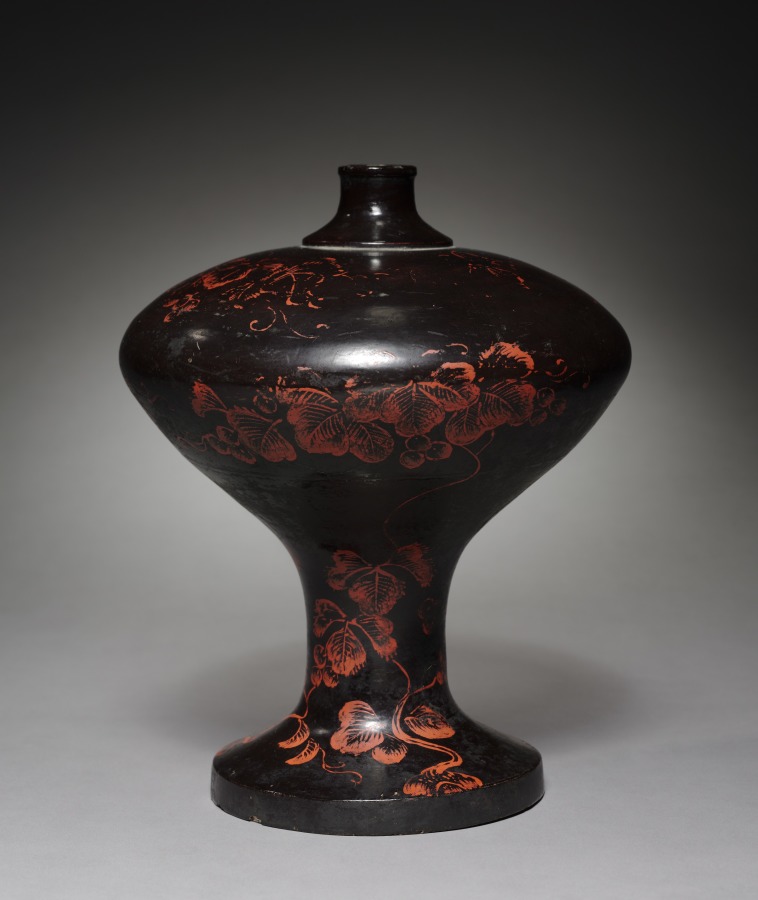
Sake Flask at the Cleveland Museum of Art: 1500s, Black laquered wood with red lacquer. Explore the work's context, creator attribution and collection history.