Vinca Idol (4500–3500 BCE): Art, History and Details
Vinca Idol at the Cleveland Museum of Art: 4500–3500 BCE, fired clay with paint. Explore the work's context, creator attribution and collection history.
Oldest entries first, in a fixed order. Newly added articles appear at the end. Explore a shuffled selection →
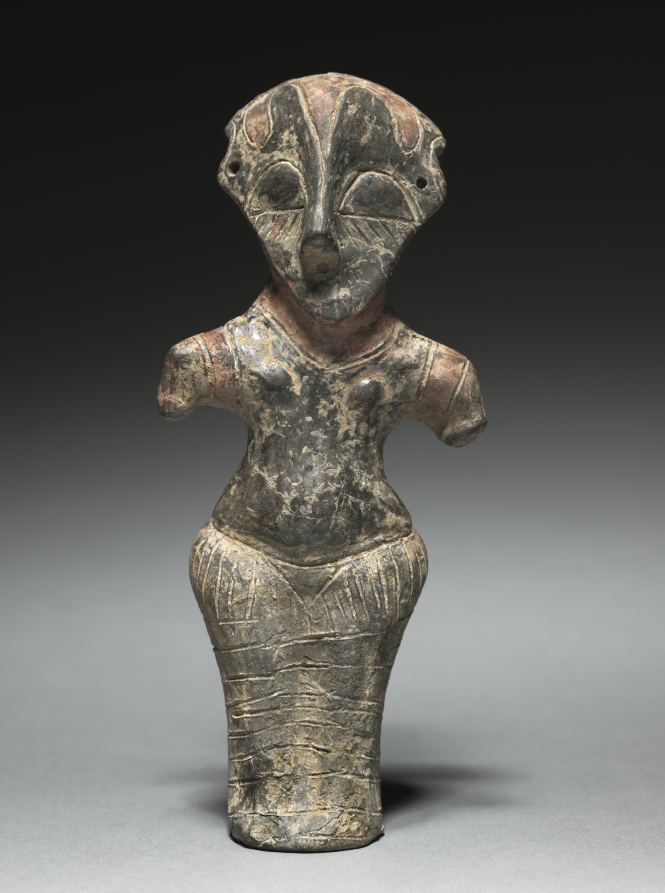
Vinca Idol at the Cleveland Museum of Art: 4500–3500 BCE, fired clay with paint. Explore the work's context, creator attribution and collection history.
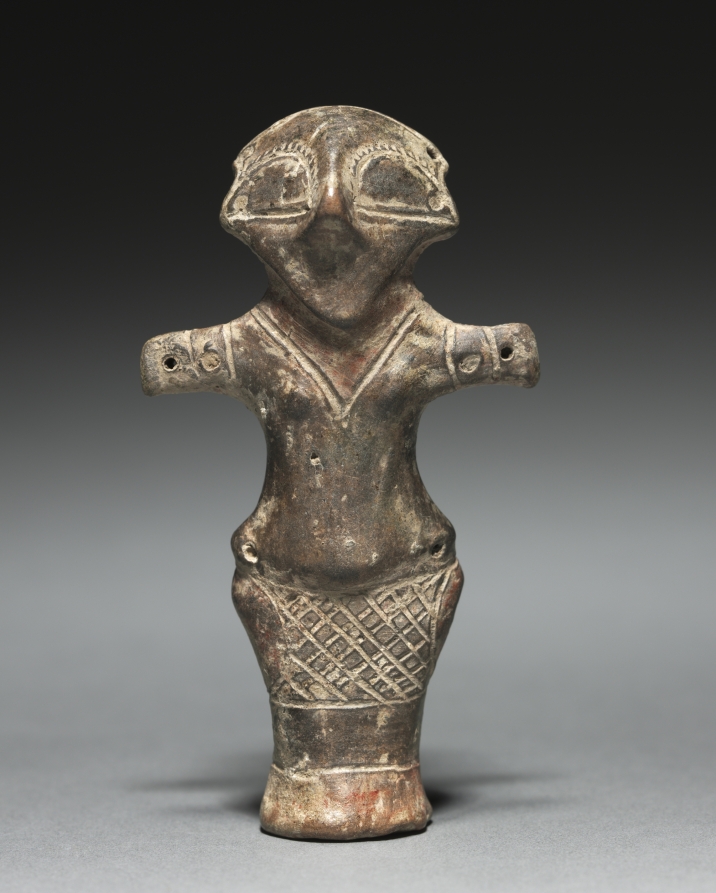
Vinca Idol at the Cleveland Museum of Art: 4000 BCE, fired clay with paint. Explore the work's context, creator attribution and collection history.
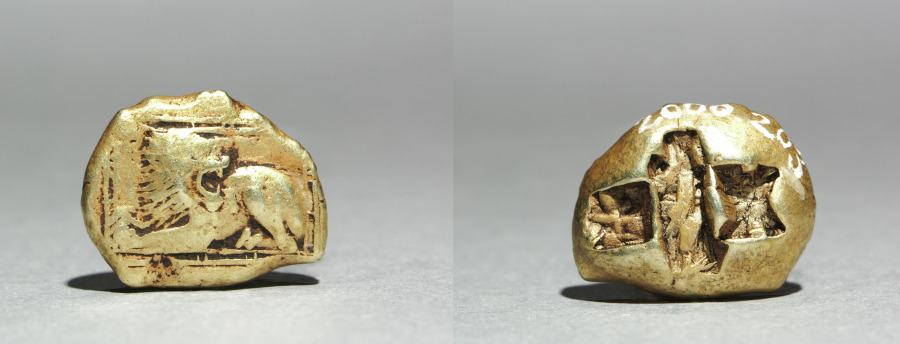
Stater: Lion (obverse); Incuse Punches (reverse) at the Cleveland Museum of Art: 600–550 BCE, Electrum (gold-silver alloy). Explore the work's context, creator attribution and collection history.
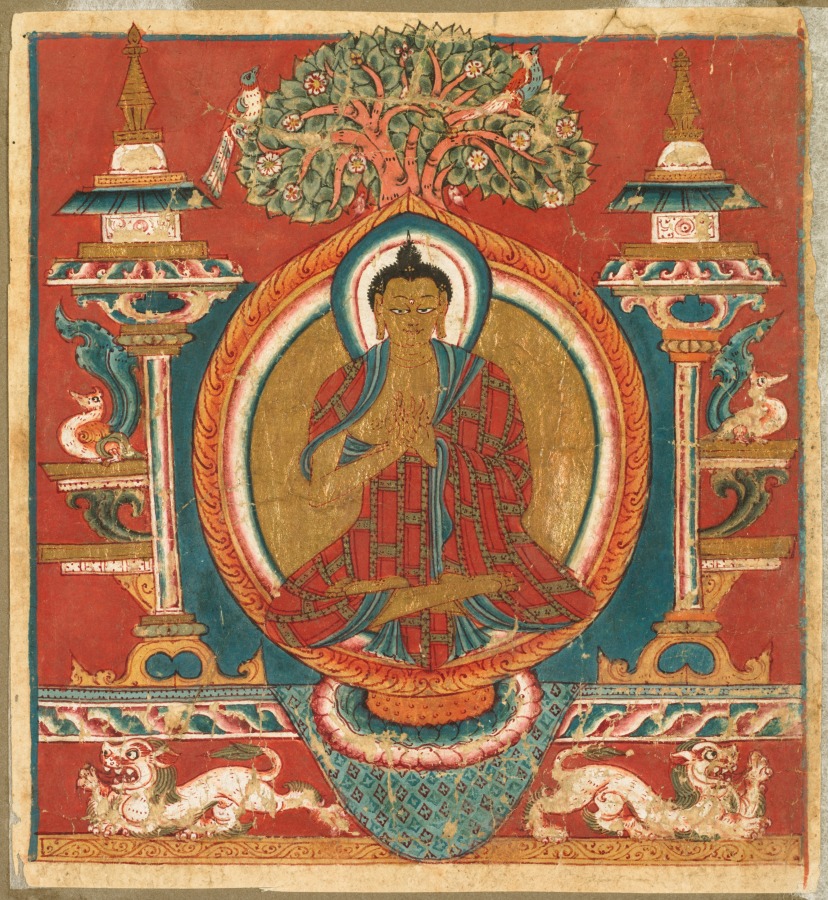
Votive initiation card (tsakali) with preaching Buddha Shakyamuni at the Cleveland Museum of Art: 1000s, Gum tempera, ink, and gold on paper. Explore the work's context, creator attribution and collection history.
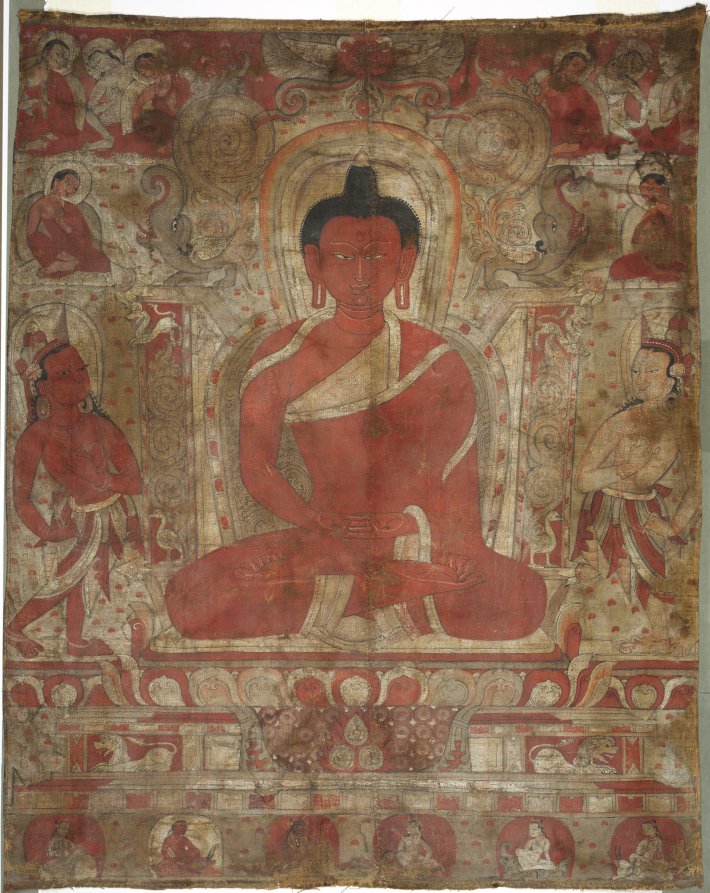
Seated Amitabha with Attendants at the Cleveland Museum of Art: c. 1100s, Gum tempera and ink on sized cotton. Explore the work's context, creator attribution and collection history.

Cleansing Medicinal Herbs in the Stream on a Spring Day at the Cleveland Museum of Art: 1703, Handscroll; ink and color on silk. Explore the work's context, creator attribution and collection history.
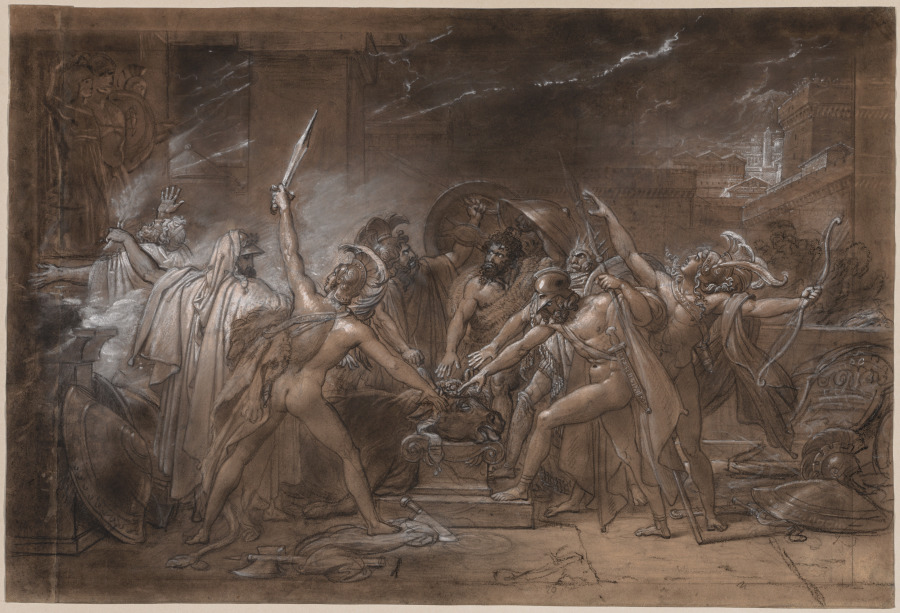
The Oath of the Seven Chiefs against Thebes at the Cleveland Museum of Art: c. 1800, Black chalks and white chalk with stumping and erasing on light brown wove paper. Explore the work's context, creator attribution and collection history.
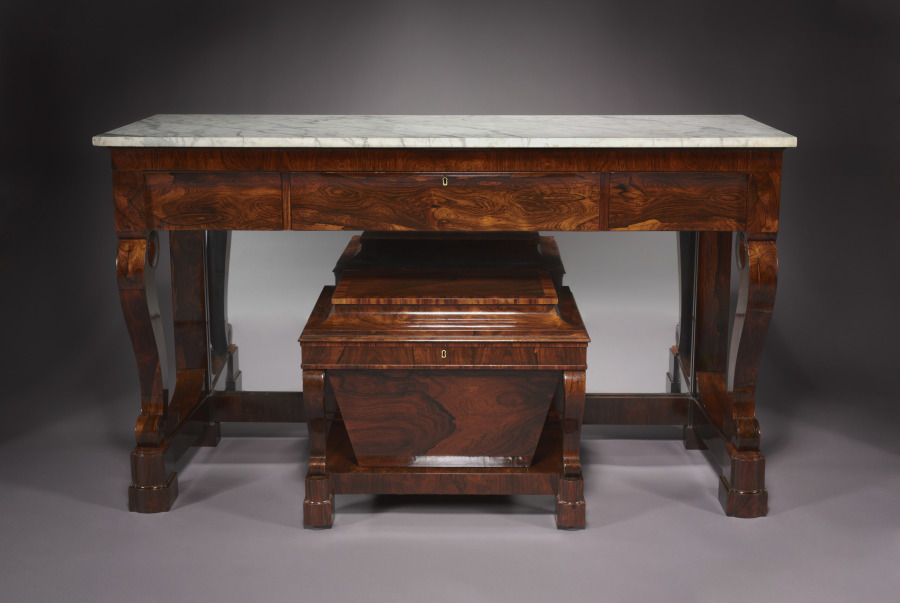
Sideboard and Cellarette at the Cleveland Museum of Art: c. 1840, chiefly rosewood veneer with pine and poplar secondary woods. Explore the work's context, creator attribution and collection history.
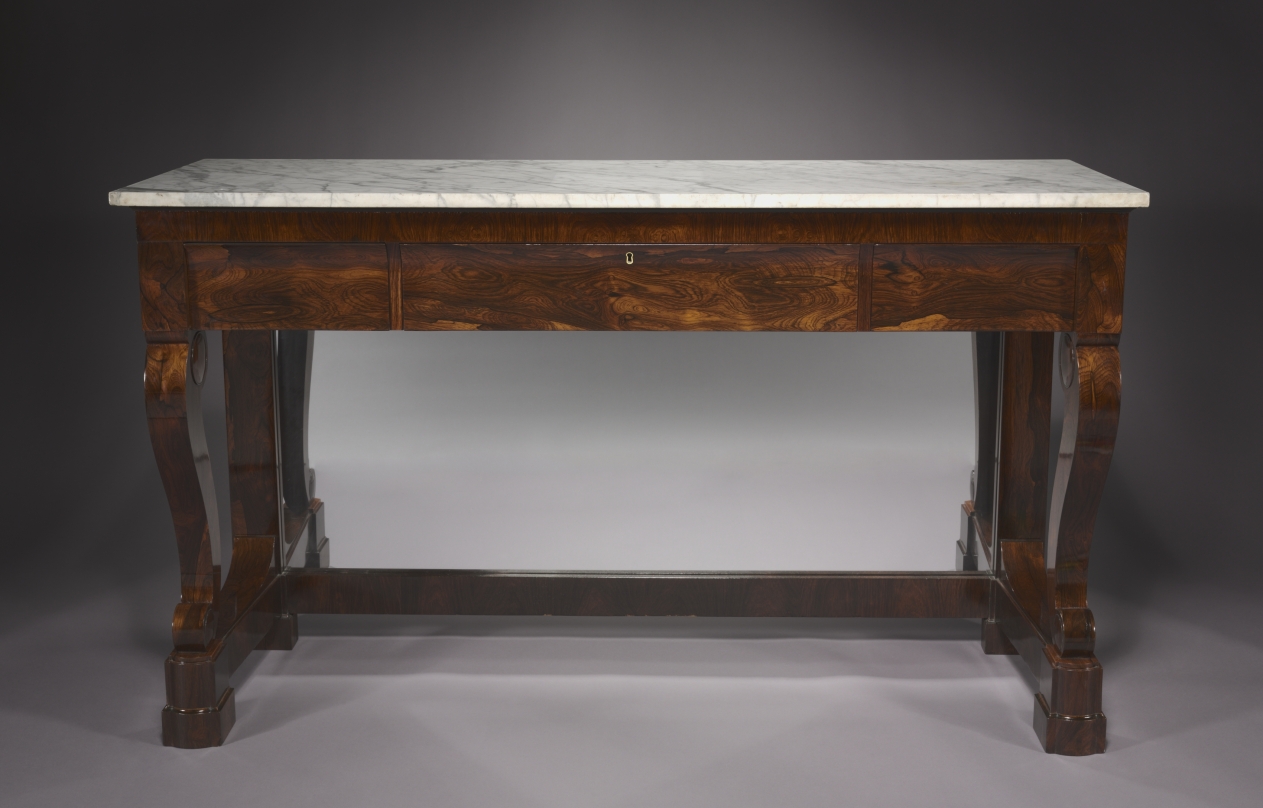
Sideboard at the Cleveland Museum of Art: c. 1840, chiefly rosewood veneer with pine and poplar secondary woods. Explore the work's context, creator attribution and collection history.
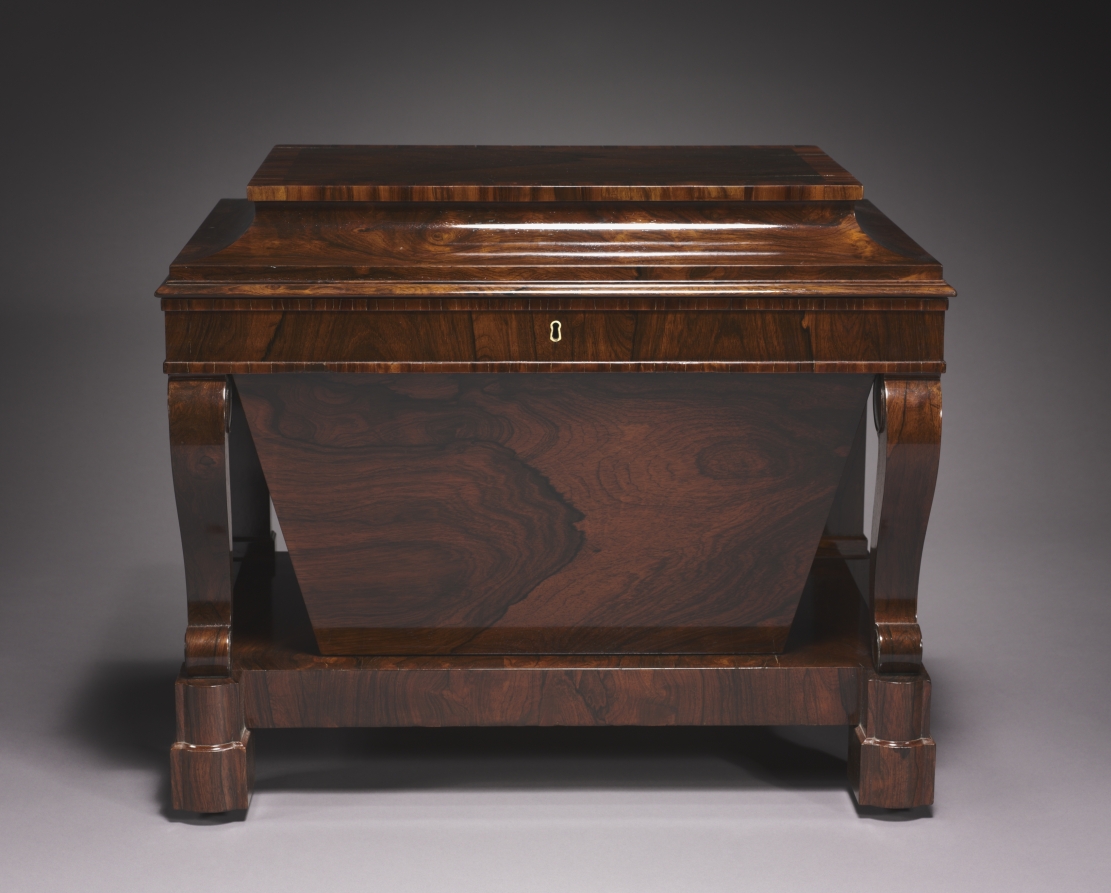
Cellarette at the Cleveland Museum of Art: c. 1840, chiefly rosewood veneer with pine and poplar secondary woods. Explore the work's context, creator attribution and collection history.

Silver Sculptural Project for a Large Centerpiece and Two Tureens Which Have Been Executed for His Lordship the Duke of Kingston, plate 115 from Works of Juste-Aurèle Meissonier (Oeuvre de Juste-Aurèle Meissonier) at the Cleveland Museum of

View from the Lawn, Dennicanniby at the Cleveland Museum of Art: 1870s, carbon print. Explore the work's context, creator attribution and collection history.
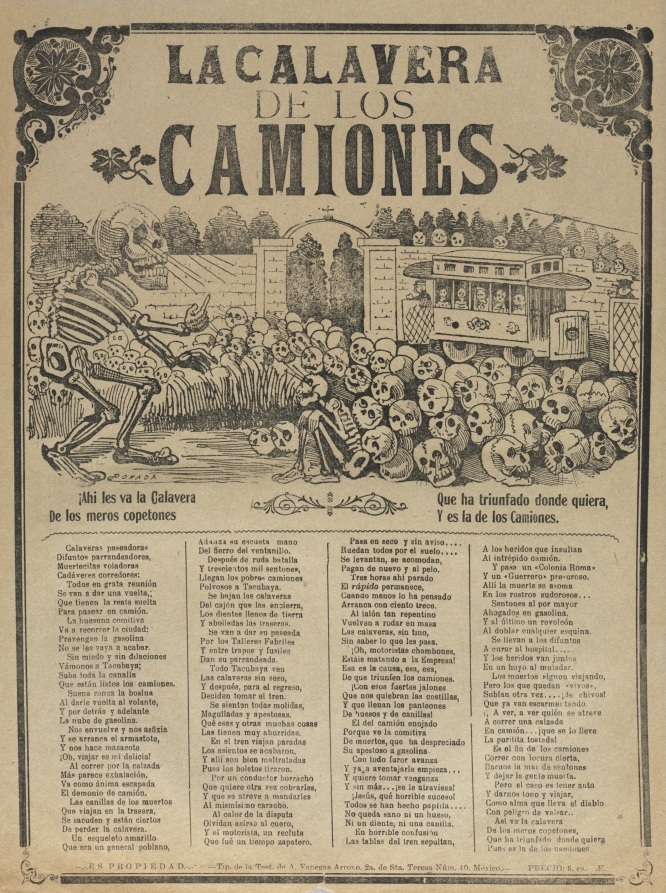
The Skeleton of the Buses at the Cleveland Museum of Art: c. 1900–10, relief etching and letterpress. Explore the work's context, creator attribution and collection history.

Jar with Four Ibex at the Cleveland Museum of Art: c. 2800–2500 BCE, ceramic with black slip. Explore the work's context, creator attribution and collection history.

Fanciful Costumes: Costume of the Astrologer at the Cleveland Museum of Art: c. 1690, etching and engraving. Explore the work's context, creator attribution and collection history.

Fanciful Costumes: Costume of the Fireworks Maker at the Cleveland Museum of Art: c. 1690, etching and engraving. Explore the work's context, creator attribution and collection history.

The Optical Viewer at the Cleveland Museum of Art: c. 1793, Chalk-manner etching and engraving. Explore the work's context, creator attribution and collection history.

The Indiscretion at the Cleveland Museum of Art: 1788, Color wash-manner engraving and etching. Explore the work's context, creator attribution and collection history.
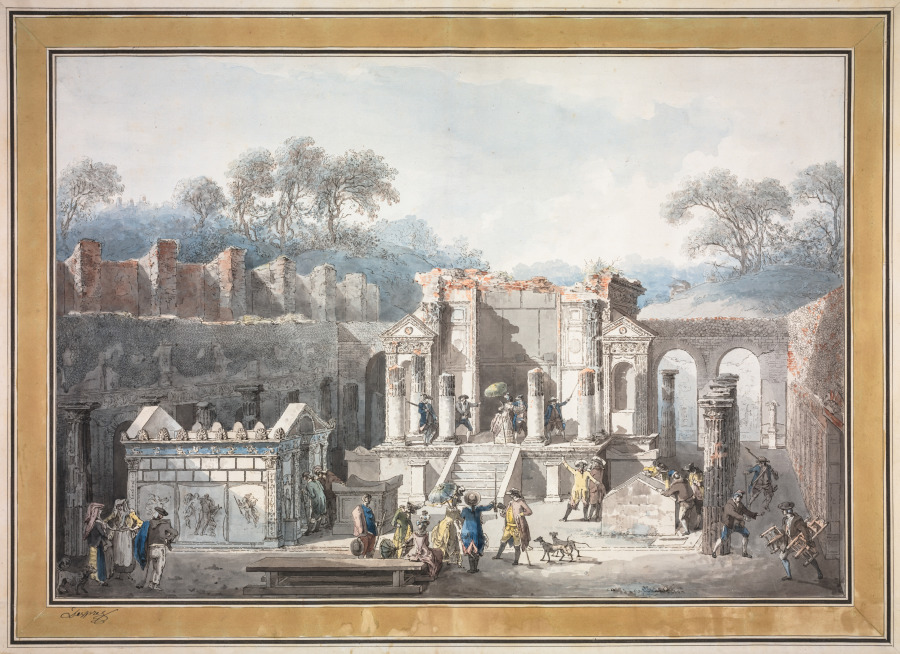
The Temple of Isis at Pompeii at the Cleveland Museum of Art: 1788, etching, hand colored with watercolor. Explore the work's context, creator attribution and collection history.
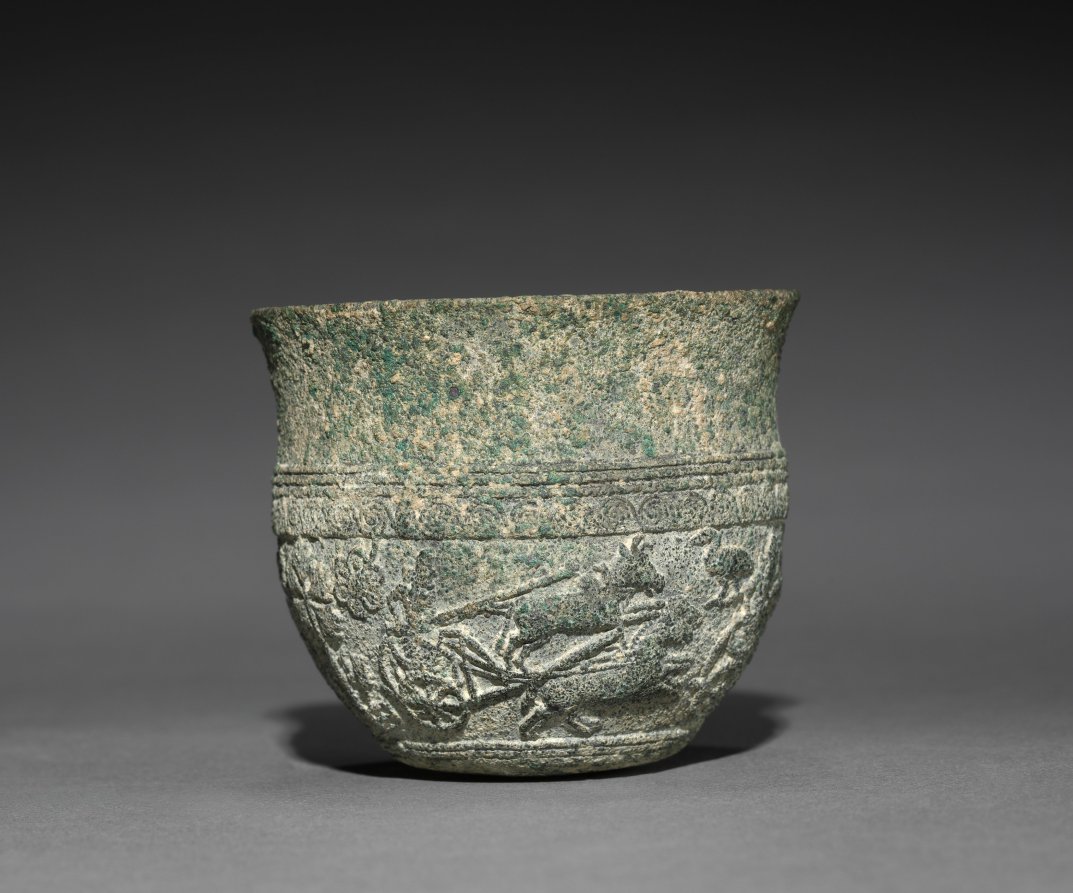
Libation Cup at the Cleveland Museum of Art: c. 235–185 BCE, bronze, lost wax technique. Explore the work's context, creator attribution and collection history.
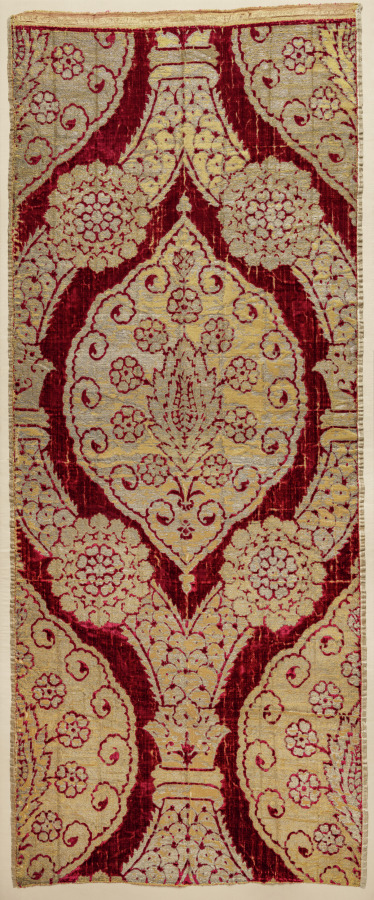
Brocaded velvet with medallions in ogival lattice at the Cleveland Museum of Art: late 1500s, Silk: velvet, brocaded; gilt- and silver-metal thread. Explore the work's context, creator attribution and collection history.

Centerpiece at the Cleveland Museum of Art: c. 1880, glass with gilt metal mounts. Explore the work's context, creator attribution and collection history.

House in Pau at the Cleveland Museum of Art: 1854, salted paper print from a paper negative. Explore the work's context, creator attribution and collection history.

Beach Study (verso) at the Cleveland Museum of Art: c. 1910, oil on panel. Explore the work's context, creator attribution and collection history.
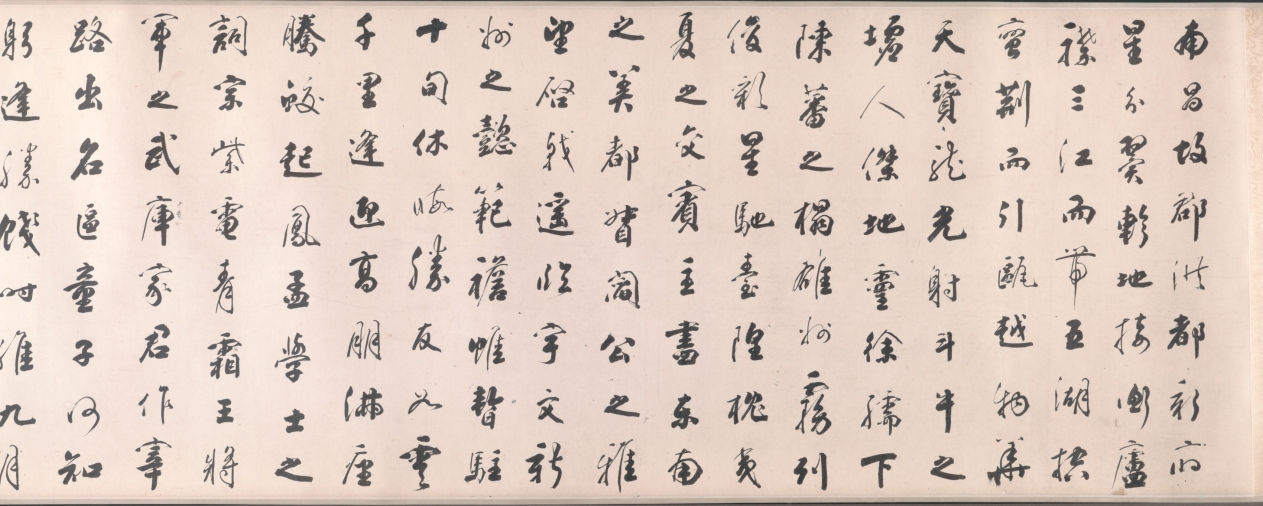
Calligraphy in Running Style based on Wang Bo's Essay on Tengwang Pavilion at the Cleveland Museum of Art: 1811, handscroll, ink on paper. Explore the work's context, creator attribution and collection history.

Krishna Lifting Mount Govardhan at the Cleveland Museum of Art: c. 1780–90, gum tempera and gold on paper. Explore the work's context, creator attribution and collection history.

Samson Taken by the Philistines in Delilah's House at the Cleveland Museum of Art: 1767, chalk-manner etching and engraving printed in black and white on blue paper. Explore the work's context, creator attribution and collection history.

Sacred Conversation at the Cleveland Museum of Art: 1540s, etching. Explore the work's context, creator attribution and collection history.

Mother with Two Children at the Cleveland Museum of Art: c. 1855, salted paper print from a collodion negative. Explore the work's context, creator attribution and collection history.

Portrait of Victor Hugo on Guernsey at the Cleveland Museum of Art: 1862, albumen print from wet collodion negative. Explore the work's context, creator attribution and collection history.
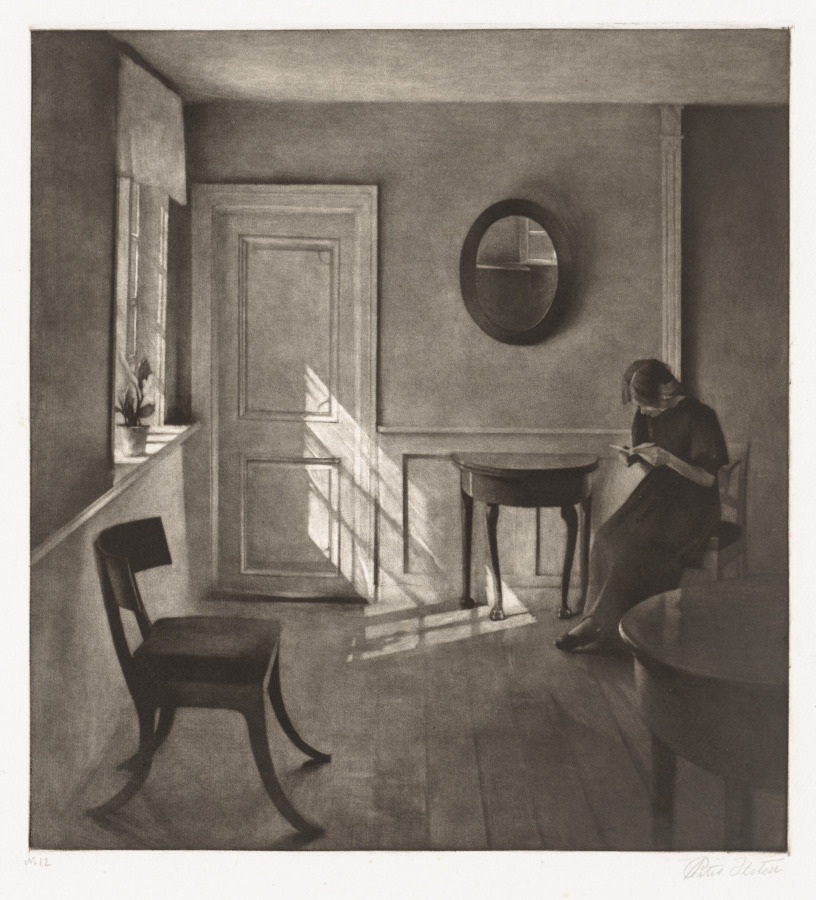
Sunshine in an Interior at the Cleveland Museum of Art: 1920, mezzotint. Explore the work's context, creator attribution and collection history.
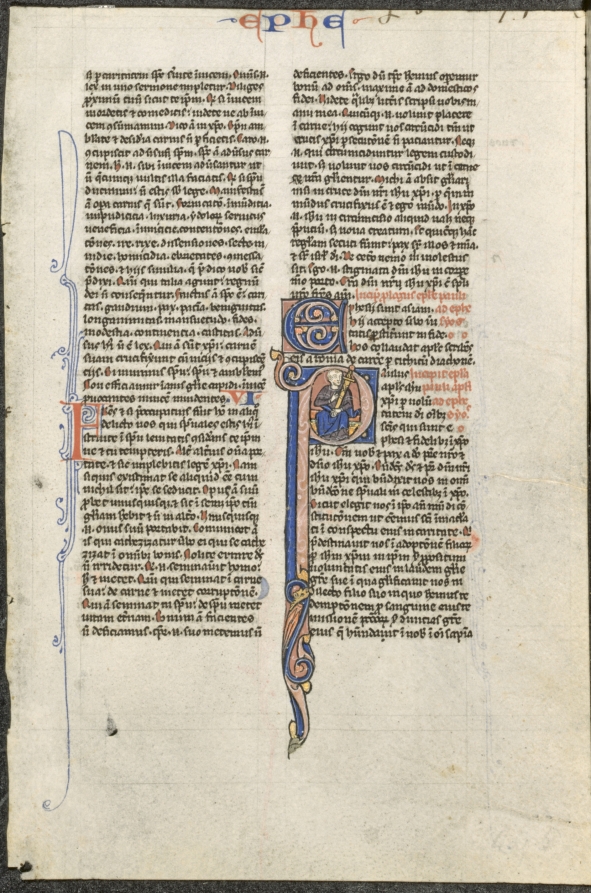
Leaf from a Latin Bible: Initial P with St. Paul Holding a Sword (St. Paul's Epistle to the Ephesians) at the Cleveland Museum of Art: c. 1250, ink, tempera, and gold on vellum. Explore the work's context, creator attribution and collection
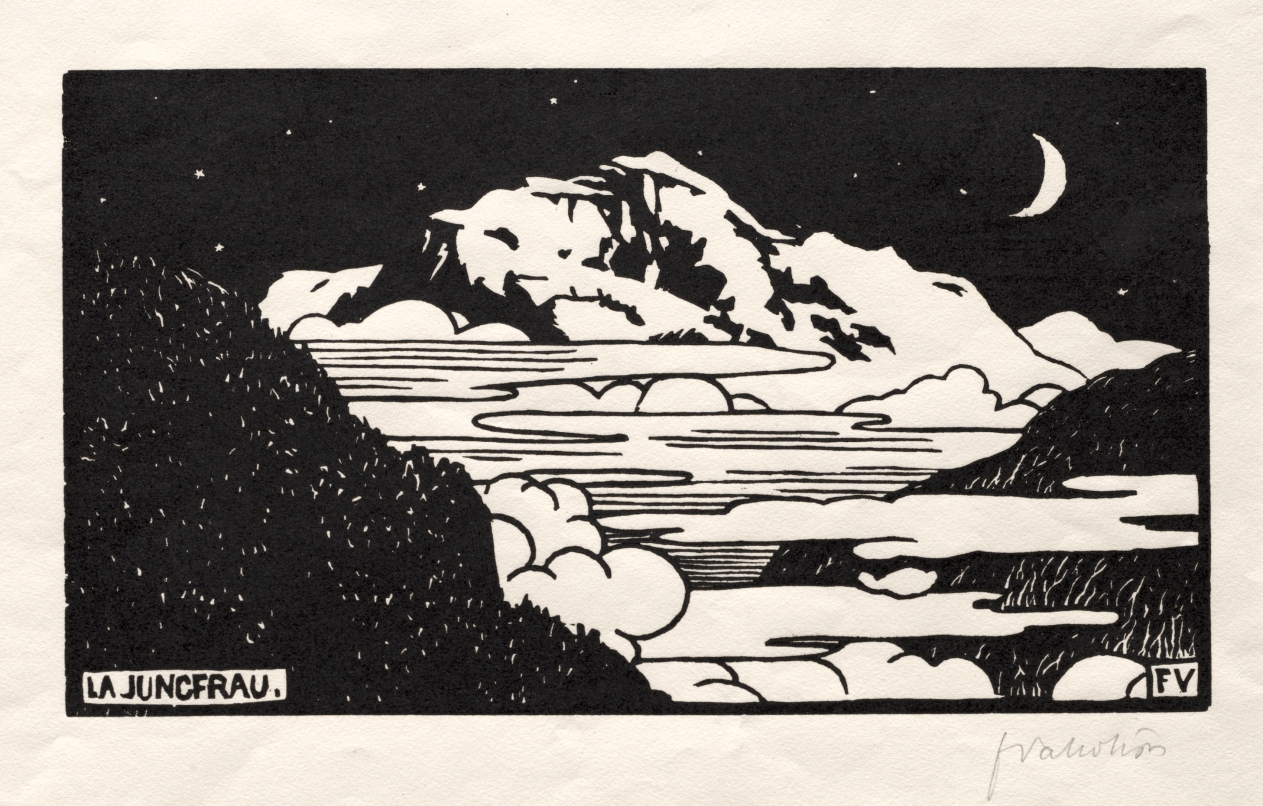
The Jungfrau at the Cleveland Museum of Art: 1892, woodcut. Explore the work's context, creator attribution and collection history.

The Port at San Remo at the Cleveland Museum of Art: 1878, etching. Explore the work's context, creator attribution and collection history.

Kausa Ragaputra of Malkos, from a Ragamala at the Cleveland Museum of Art: c. 1750, Gum tempera, ink, and gold on paper. Explore the work's context, creator attribution and collection history.
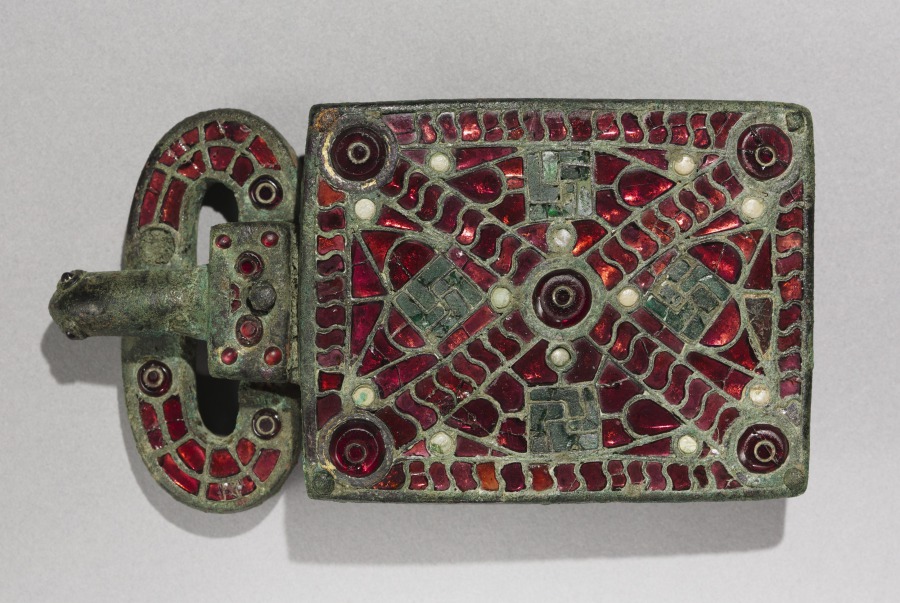
Belt Buckle at the Cleveland Museum of Art: c. 525–560, bronze with garnets, glass, mother of pearl, gold foil, traces of gilding; bronze and glass. Explore the work's context, creator attribution and collection history.
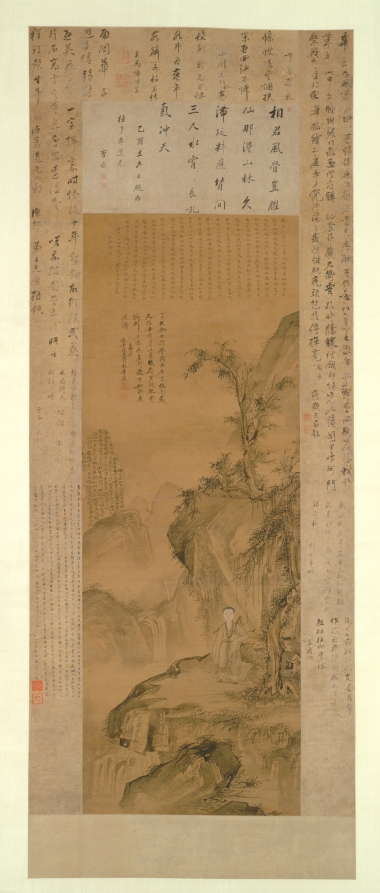
Layered Peaks and Splashing Waterfall: Portrait of Hua Yan as a Young Man at the Cleveland Museum of Art: 1705, Hanging scroll; ink and color on silk. Explore the work's context, creator attribution and collection history.

Standing Cup and Cover at the Cleveland Museum of Art: 1844, porcelain. Explore the work's context, creator attribution and collection history.

Standing Cup at the Cleveland Museum of Art: 1844, porcelain. Explore the work's context, creator attribution and collection history.

Cover for a Standing Cup at the Cleveland Museum of Art: 1844, porcelain. Explore the work's context, creator attribution and collection history.