Textile Fragment (c. 50–650 CE): Art, History and Details
Textile Fragment at the Cleveland Museum of Art: c. 50–650 CE, cotton and camelid fiber. Explore the work's context, creator attribution and collection history.
Oldest entries first, in a fixed order. Newly added articles appear at the end. Explore a shuffled selection →
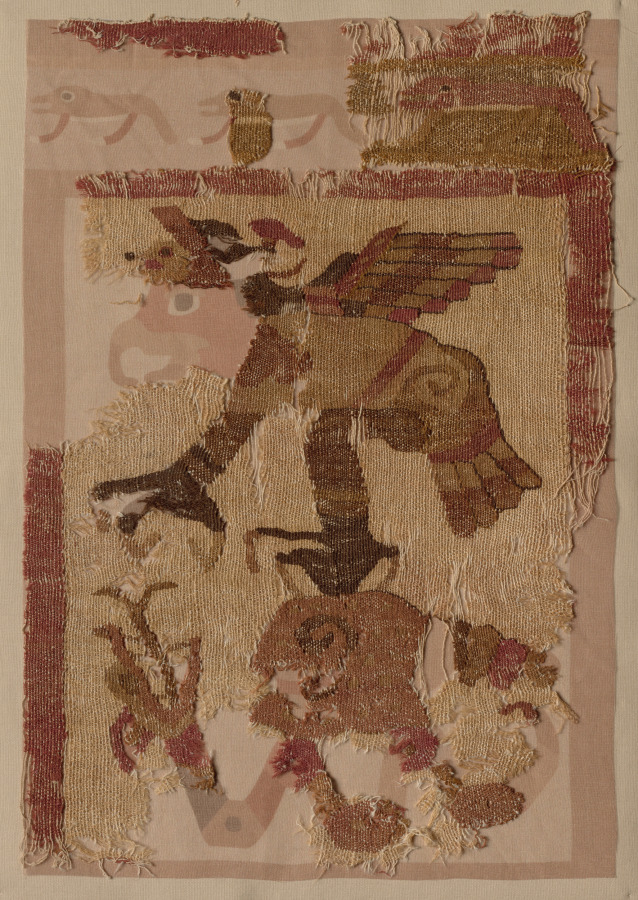
Textile Fragment at the Cleveland Museum of Art: c. 50–650 CE, cotton and camelid fiber. Explore the work's context, creator attribution and collection history.
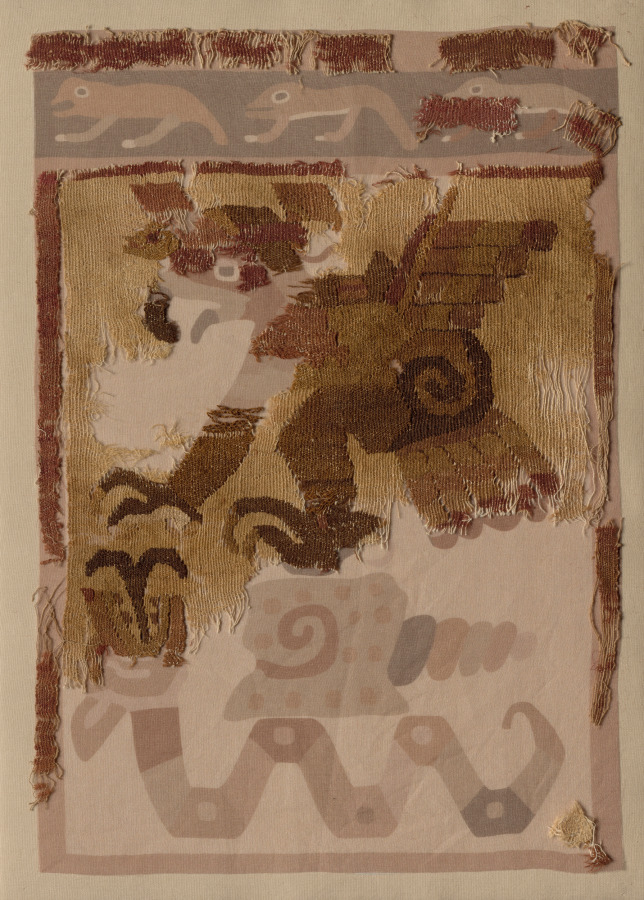
Textile Fragment at the Cleveland Museum of Art: c. 50–650 CE, cotton and camelid fiber. Explore the work's context, creator attribution and collection history.

Mullein in Bloom at the Cleveland Museum of Art: c. 1897–1899, albumen print. Explore the work's context, creator attribution and collection history.
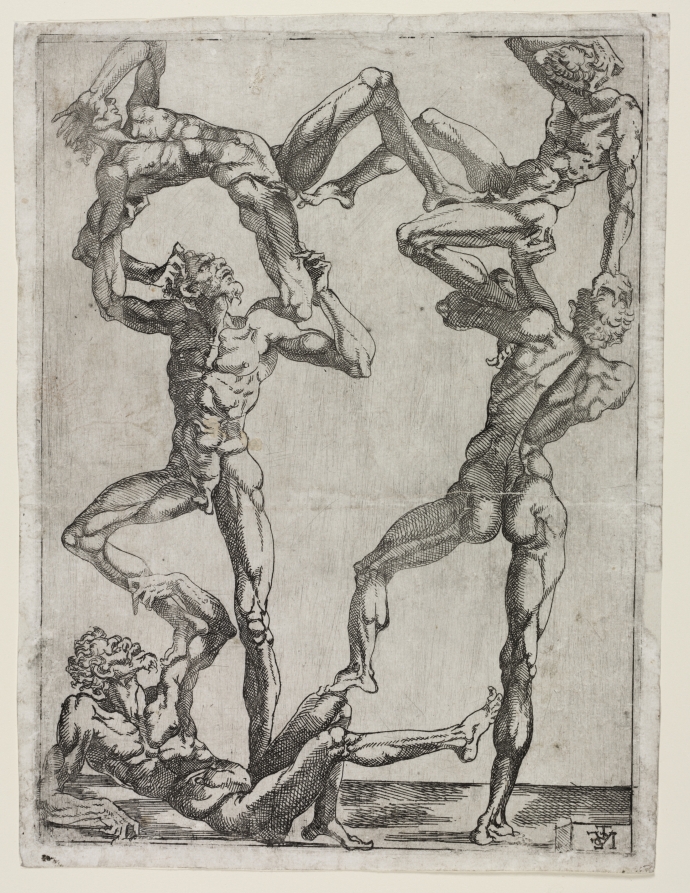
Pyramid of Five Men at the Cleveland Museum of Art: c. 1540, etching. Explore the work's context, creator attribution and collection history.
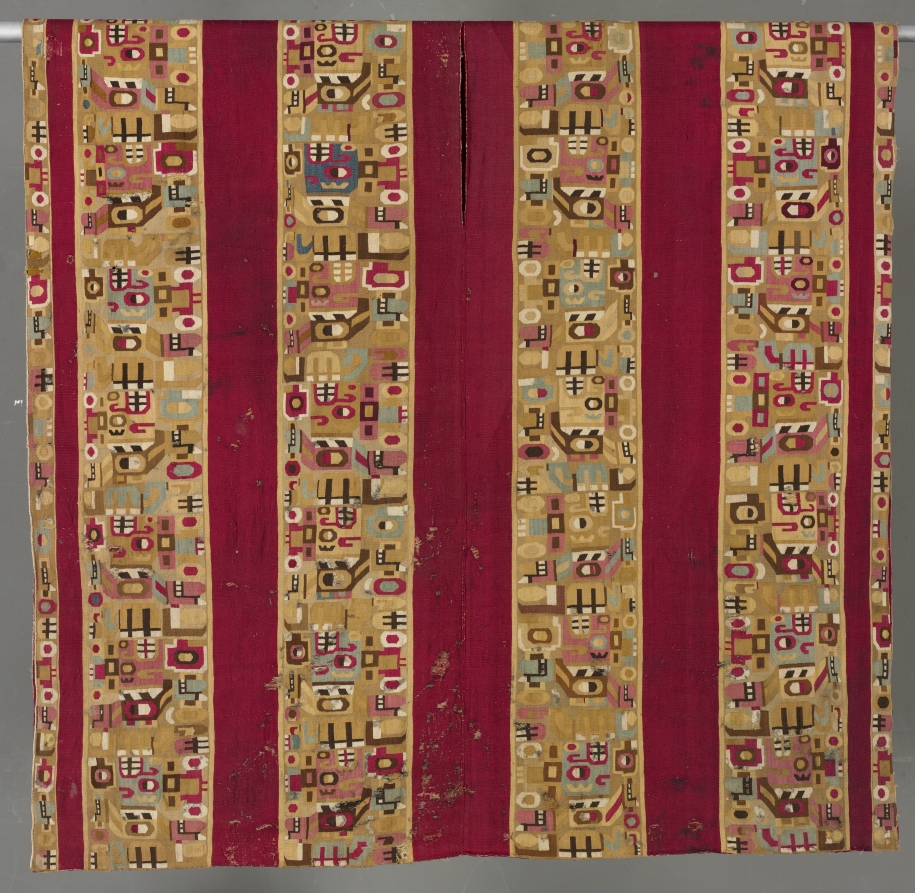
Tunic with Sacrificer at the Cleveland Museum of Art: 600–1000, camelid fiber, cotton: tapestry weave. Explore the work's context, creator attribution and collection history.
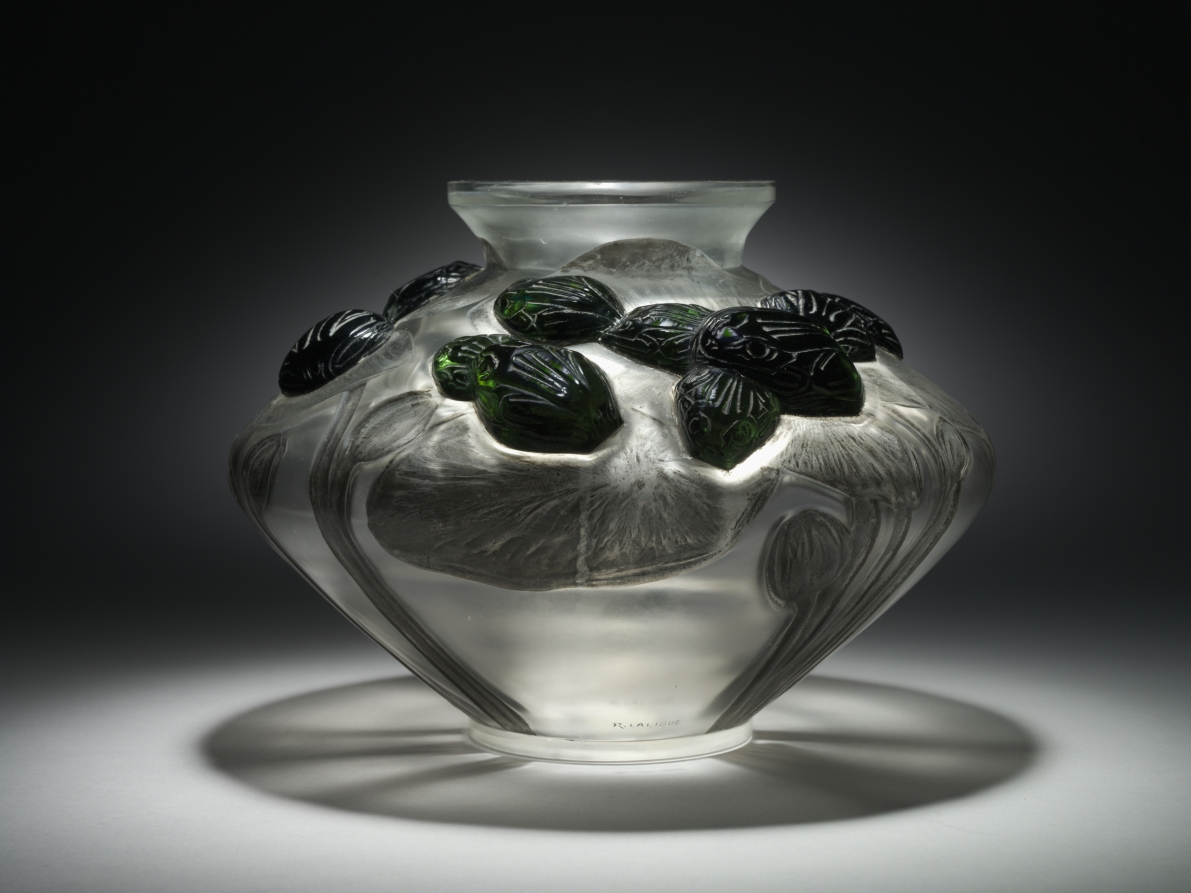
Frogs and Lily Pads (Grenouilles et Nénuphars) Vase at the Cleveland Museum of Art: 1909–12, glass. Explore the work's context, creator attribution and collection history.
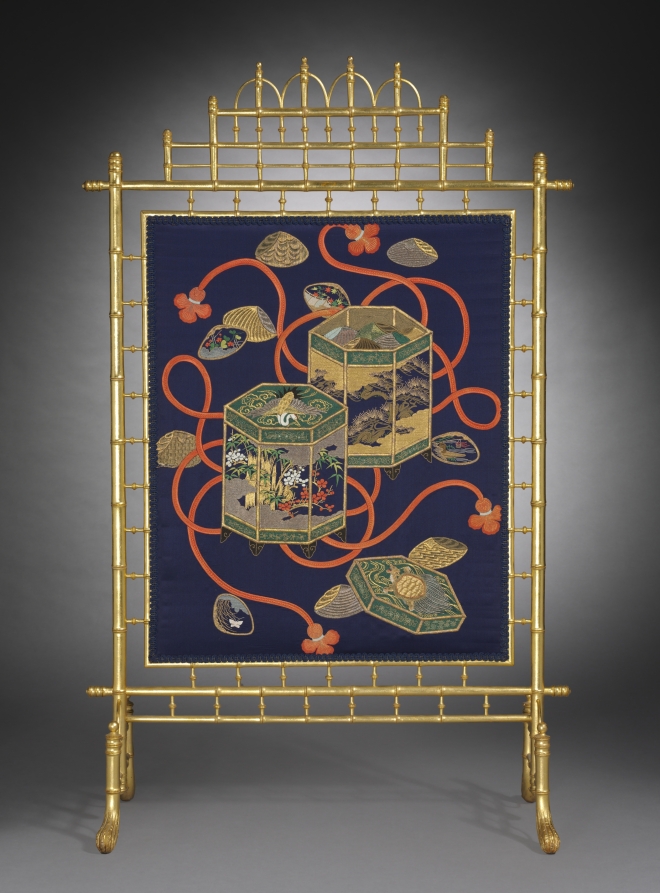
Fire Screen with Shell-Matching Game at the Cleveland Museum of Art: c. 1870–80, Gilt wood frame with embroidered silk gift cover mounted as a panel. Explore the work's context, creator attribution and collection history.
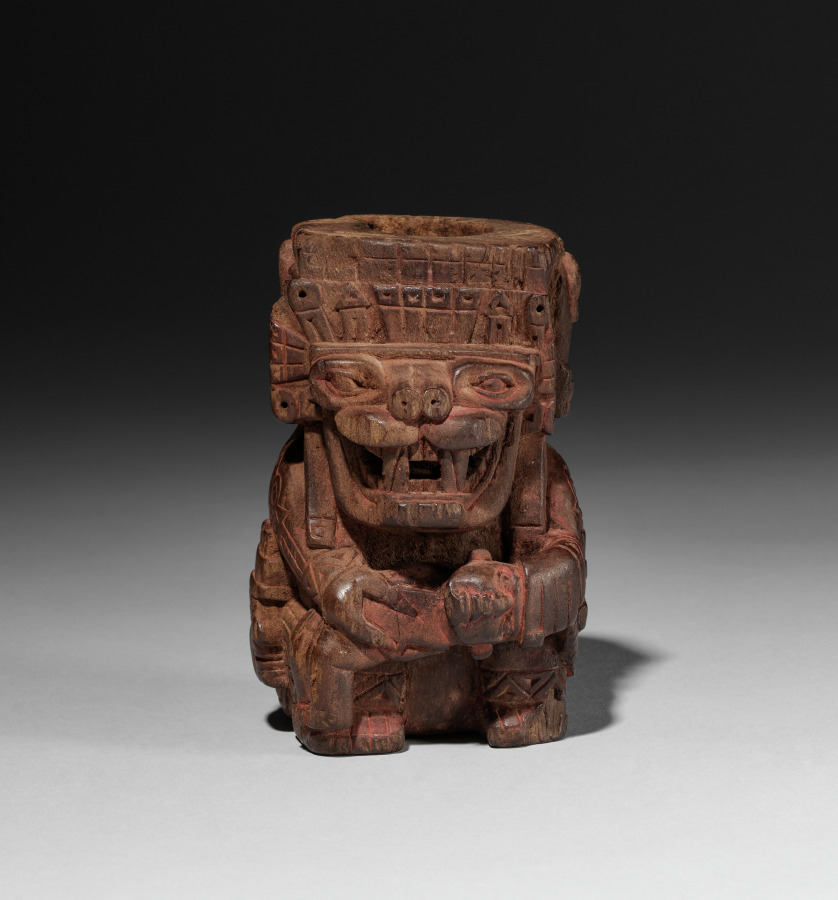
Sacrificer Container at the Cleveland Museum of Art: 770–890 (radiocarbon date, 95% probability), wood and cinnabar. Explore the work's context, creator attribution and collection history.

Container in the form of a Sacrificer at the Cleveland Museum of Art: 770–890 (radiocarbon date, 95% probability), wood and red pigment (cinnabar). Explore the work's context, creator attribution and collection history.

plug for the bottom of Container in the form of a Sacrificer at the Cleveland Museum of Art: 770–890 (radiocarbon date, 95% probability), wood and red pigment (cinnabar). Explore the work's context, creator attribution and collection histor

Mlle Bécat at the Café des Ambassadeurs at the Cleveland Museum of Art: 1877–78, lithograph. Explore the work's context, creator attribution and collection history.

Six Marines: Interior of a Port at the Cleveland Museum of Art: 1833, lithograph on chine collé. Explore the work's context, creator attribution and collection history.
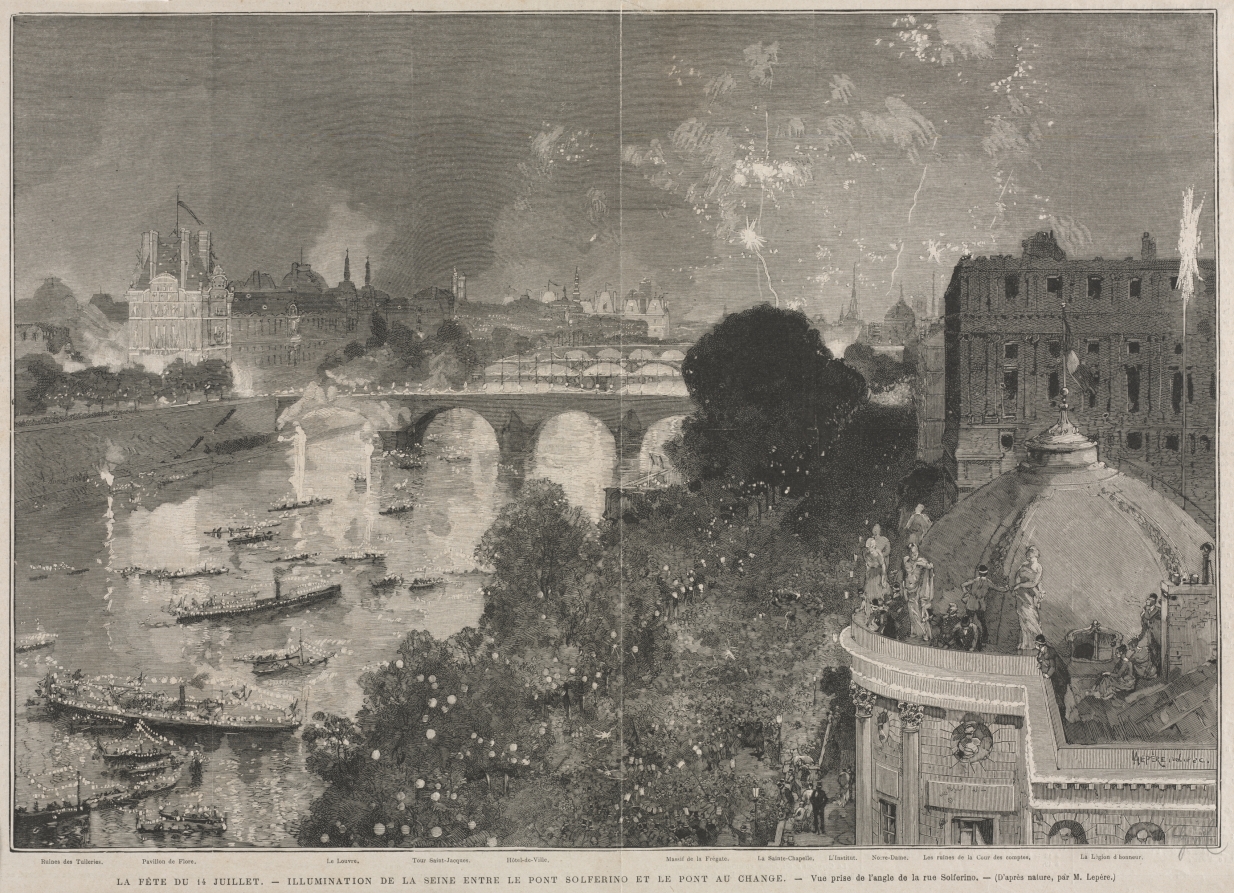
The Festival of 14 July, Illumination of the Place of the Republic (after H. Scott) at the Cleveland Museum of Art: 1880, wood engraving. Explore the work's context, creator attribution and collection history.
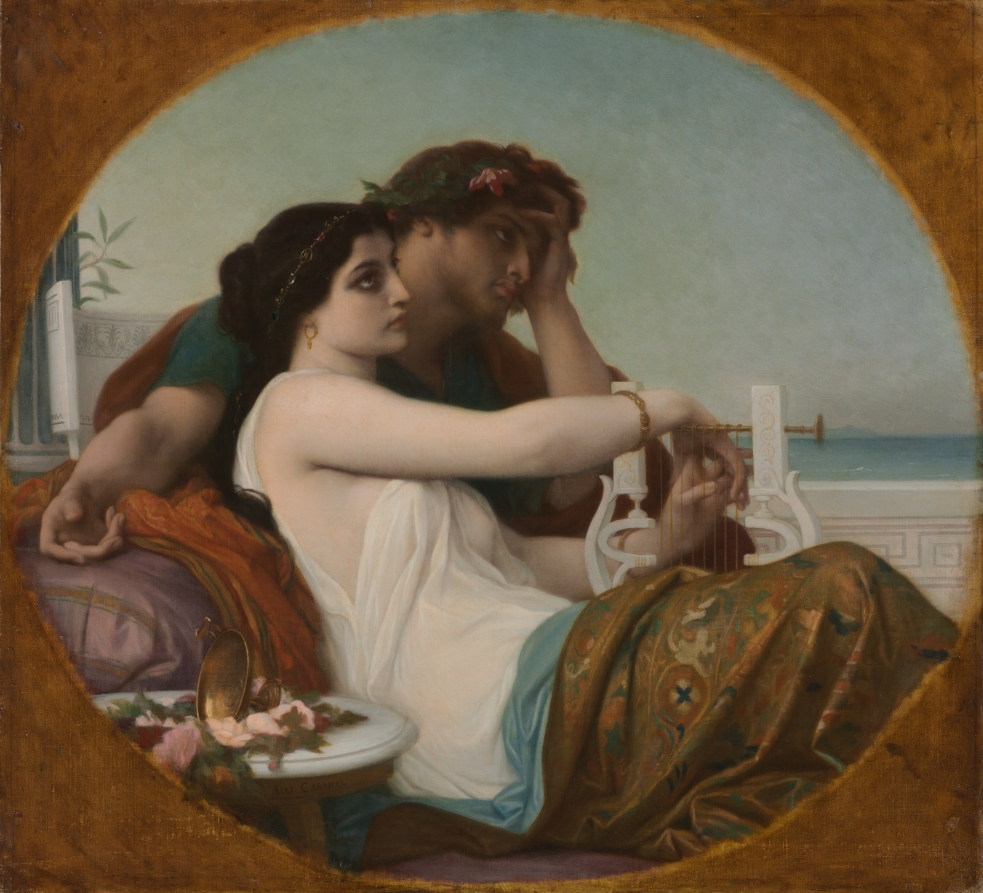
Aglaida and Boniface at the Cleveland Museum of Art: c. 1857, oil on canvas. Explore the work's context, creator attribution and collection history.

Bird-shaped Urn at the Cleveland Museum of Art: 2650–2350 BCE, earthenware with slip-painted decoration. Explore the work's context, creator attribution and collection history.

Liberty Enlightening the World, Offered to the City of Paris by the Americans at the Cleveland Museum of Art: 1885, wood engraving. Explore the work's context, creator attribution and collection history.
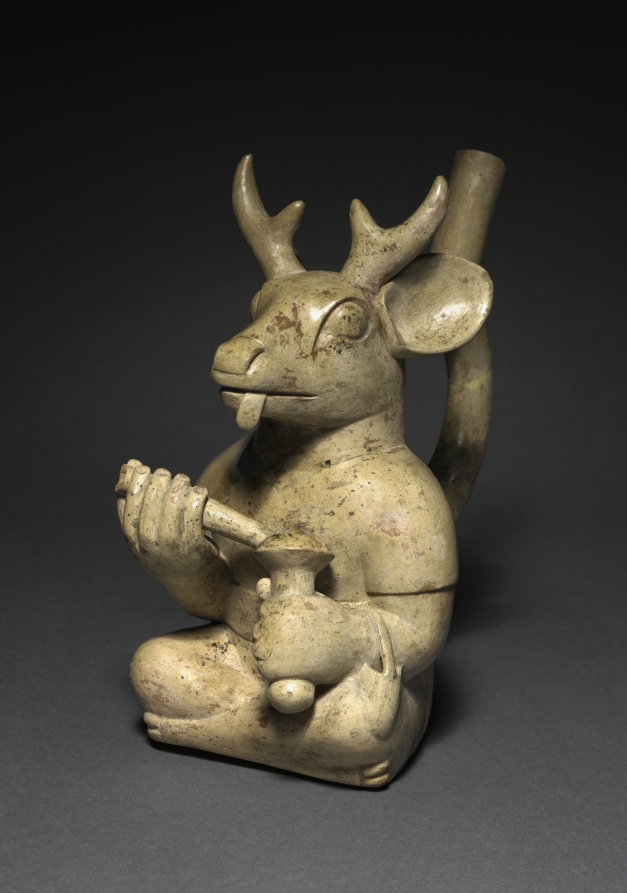
Deer-Headed Figure Vessel at the Cleveland Museum of Art: 200–850 CE, ceramic, slip. Explore the work's context, creator attribution and collection history.
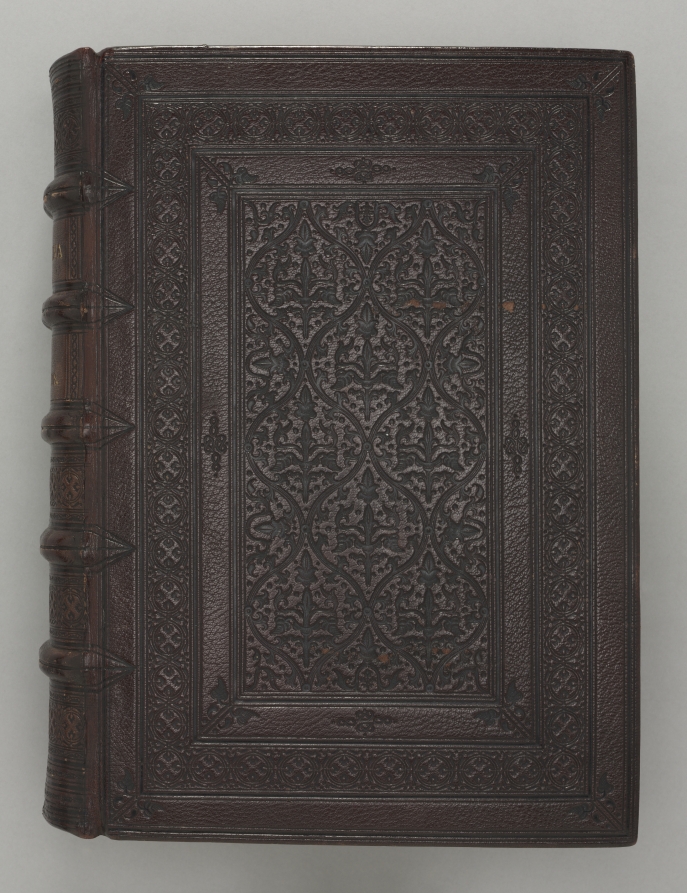
Gothic Bible (Vulgate) at the Cleveland Museum of Art: c. 1275–1300, ink, tempera, and gold on vellum. Explore the work's context, creator attribution and collection history.

Fol. 1r, Genesis, with a full-length historiated initial I, showing the Creation and the Crucifixion, all on burnished gold grounds, with diapered pink and blue frames and cusped dragon and foliage extensions at top and bottom, on which are

Fol. 112r, Kings II, historiated initial F, the beheading of the Amalekite at the Cleveland Museum of Art: c. 1275–1300, ink, tempera and gold on vellum. Explore the work's context, creator attribution and collection history.

Fol. 123r, Kings III, historiated initial E, an attendant bringing Abishag to David who lies on a bed at the Cleveland Museum of Art: c. 1275–1300, ink, tempera and gold on vellum. Explore the work's context, creator attribution and collect
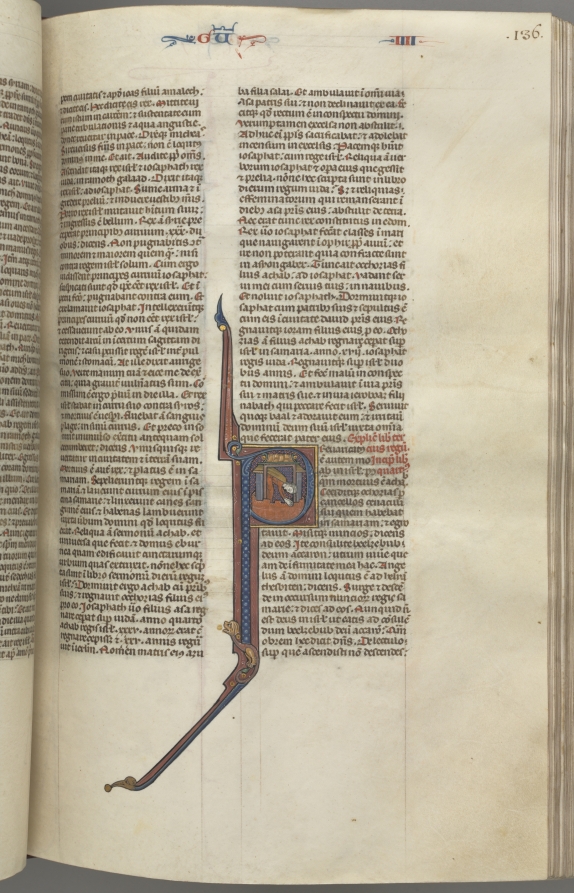
Fol. 136r, Kings IV, historiated initial P, Ahaziah falling from a tower at the Cleveland Museum of Art: c. 1275–1300, ink, tempera and gold on vellum. Explore the work's context, creator attribution and collection history.

Fol. 148v, Chronicles I, historiated initial A, three descendants of Adam at the Cleveland Museum of Art: c. 1275–1300, ink, tempera and gold on vellum. Explore the work's context, creator attribution and collection history.

Fol. 160r, Chronicles II, historiated initial C, Solomon kneeling before an altar praying, a bust of God above at the Cleveland Museum of Art: c. 1275–1300, ink, tempera and gold on vellum. Explore the work's context, creator attribution an

Fol. 174v, Ezra, historiated initial I, Cyrus directing the building of the Temple at the Cleveland Museum of Art: c. 1275–1300, ink, tempera and gold on vellum. Explore the work's context, creator attribution and collection history.

Fol. 178v, Nehemiah, historiated initial V, Nehemiah presenting the golden cup to Artaxerxes at the Cleveland Museum of Art: c. 1275–1300, ink, tempera and gold on vellum. Explore the work's context, creator attribution and collection histo

Fol. 184r, Ezra II, historiated initial E, a priest censing an altar at the Cleveland Museum of Art: c. 1275–1300, ink, tempera and gold on vellum. Explore the work's context, creator attribution and collection history.

Fol. 190r,Tobit, historiated initial T, Tobit sleeping on a bed at the Cleveland Museum of Art: c. 1275–1300, ink, tempera and gold on vellum. Explore the work's context, creator attribution and collection history.

Fol. 194r, Judith, historiated initial A, Judith beheading Holofernes at the Cleveland Museum of Art: c. 1275–1300, ink, tempera and gold on vellum. Explore the work's context, creator attribution and collection history.

Fol. 199r, Esther, historiated initial, two seated male figures at the Cleveland Museum of Art: c. 1275–1300, ink, tempera and gold on vellum. Explore the work's context, creator attribution and collection history.
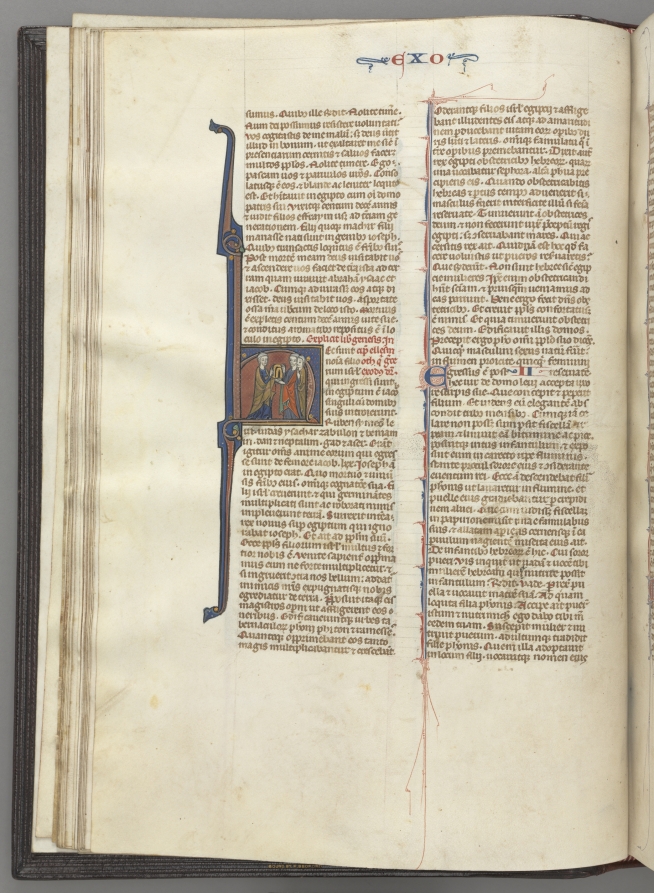
Fol. 20v, Exodus, historiated initial H, Moses and two followers with the tablets of the law at the Cleveland Museum of Art: c. 1275–1300, ink, tempera and gold on vellum. Explore the work's context, creator attribution and collection histo

Fol. 36r, Leviticus, historiated initial V, Moses offering a sacrificial lamb on an altar at the Cleveland Museum of Art: c. 1275–1300, ink, tempera and gold on vellum. Explore the work's context, creator attribution and collection history.
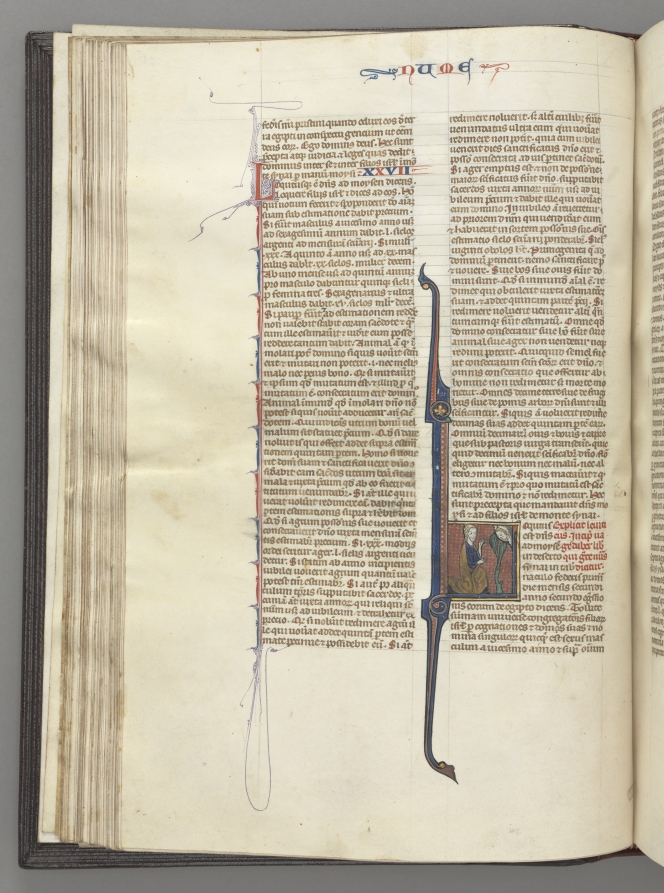
Fol. 46v, Numbers, historiated initial L, Moses with horns, kneeling before God at the Cleveland Museum of Art: c. 1275–1300, ink, tempera and gold on vellum. Explore the work's context, creator attribution and collection history.

Fol. 62v, Deuteronomy, historiated initial H, Moses with horns and scroll preaching to two men at the Cleveland Museum of Art: c. 1275–1300, ink, tempera and gold on vellum. Explore the work's context, creator attribution and collection his

Fol. 76v, Joshua, historiated initial E, Joshua with a scroll kneeling before God at the Cleveland Museum of Art: c. 1275–1300, ink, tempera, and gold on vellum. Explore the work's context, creator attribution and collection history.

Fol. 86r, Judges, historiated initial R, Judah seated with a book talking to God at the Cleveland Museum of Art: c. 1275–1300, ink, tempera and gold on vellum. Explore the work's context, creator attribution and collection history.

Fol. 96r, Ruth, Historiated Initial I with Elimilech and Naomi. at the Cleveland Museum of Art: c. 1275–1300, ink, tempera and gold on vellum. Explore the work's context, creator attribution and collection history.

Fol. 98r, Kings I, historiated initial F, Elkanah and Hannah kneeling before an altar with God appearing above at the Cleveland Museum of Art: c. 1275–1300, ink, tempera and gold on vellum. Explore the work's context, creator attribution an

Fol. ir: Prologue, St. Jerome, large historiated initial I, the saint in a brown habit writing at a desk in a gothic architectural frame, with full-length border of foliage and small hybrids, a hare, a dog and a grotesque perched on the fol

Fol. 205r, Job, historiated initial V, Job on the dungheap given a gold earring by one of his sisters at the Cleveland Museum of Art: c. 1275–1300, ink, tempera and gold on vellum. Explore the work's context, creator attribution and collect