Night Café (c. 1923): Art, History and Details
Night Café at the Cleveland Museum of Art: c. 1923, oil on canvas. Explore the work's context, creator attribution and collection history.
Oldest entries first, in a fixed order. Newly added articles appear at the end. Explore a shuffled selection →
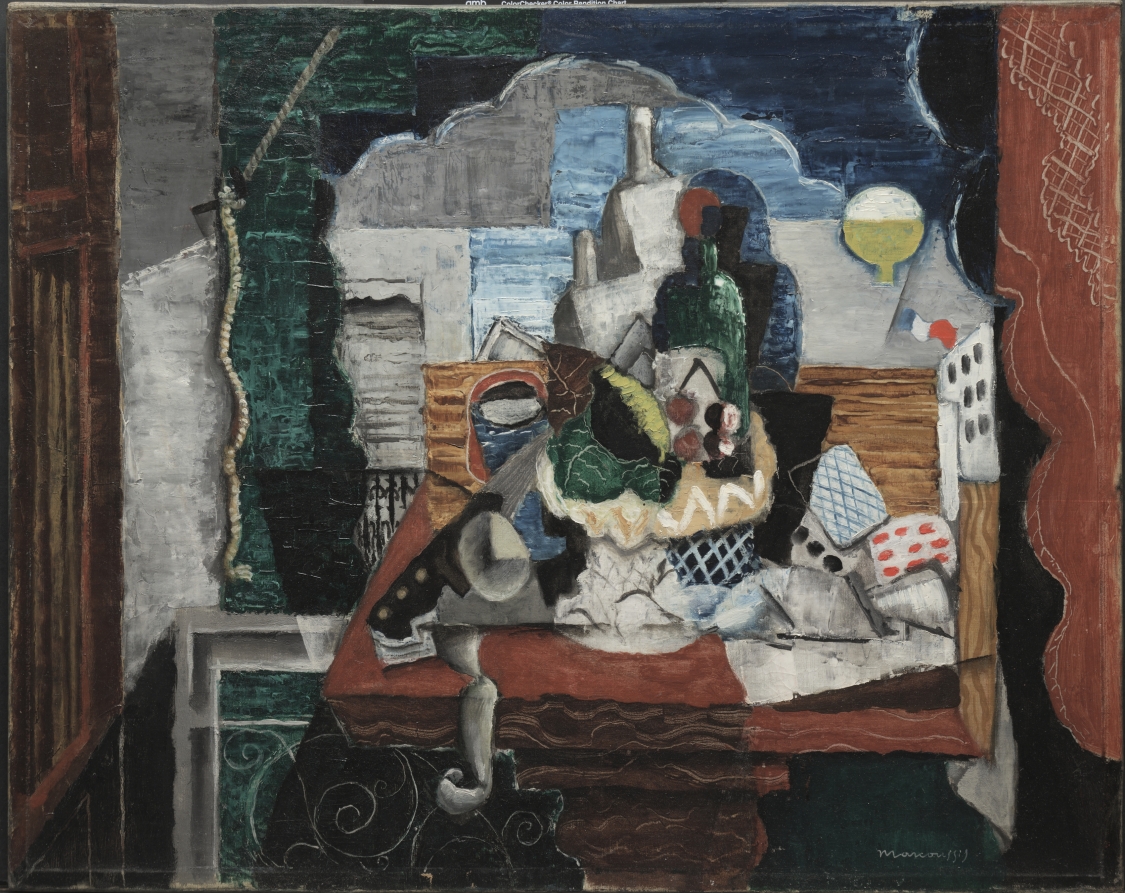
Night Café at the Cleveland Museum of Art: c. 1923, oil on canvas. Explore the work's context, creator attribution and collection history.

Peaches and Bats at the Cleveland Museum of Art: late 1600s–1700s, greenish-white jade. Explore the work's context, creator attribution and collection history.
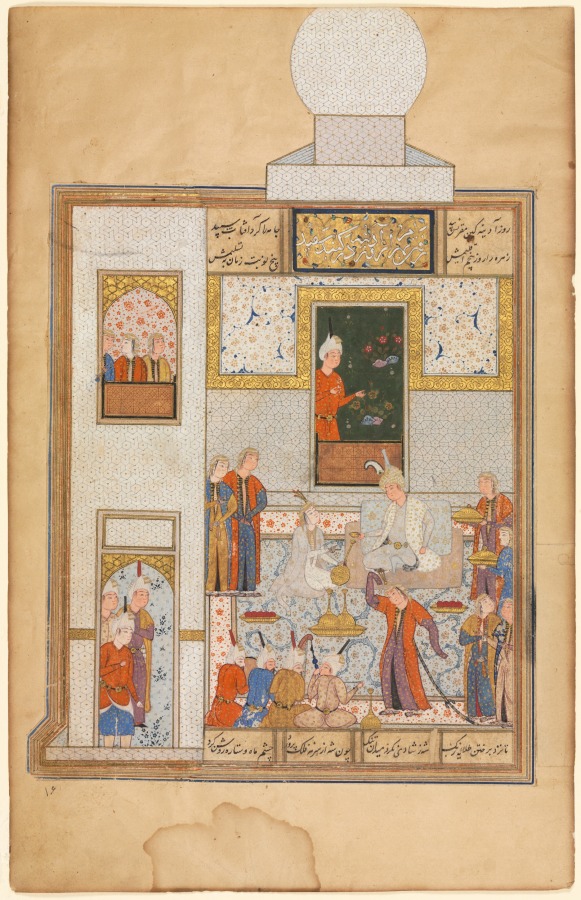
Bahram Visits the White Domed Pavilion on Friday, illustrated with text in Khamsa of Nizami (verso), from a Haft Paykar (Seven Portraits) of Nizami at the Cleveland Museum of Art: c. 1560–80, opaque watercolor, ink, and gold on paper. Explo
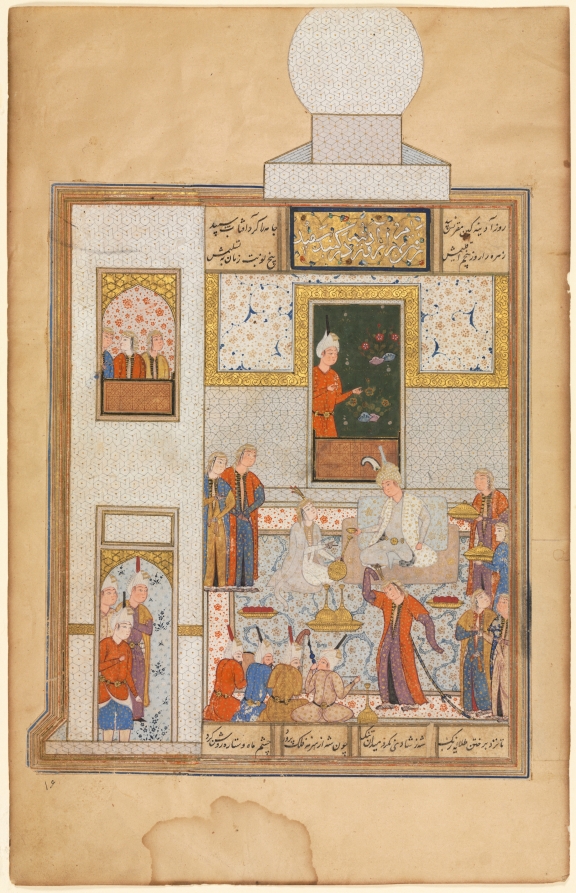
Bahram Visits the White Domed Pavilion on Friday (recto) at the Cleveland Museum of Art: c. 1560–80, opaque watercolor, ink, and gold on paper. Explore the work's context, creator attribution and collection history.
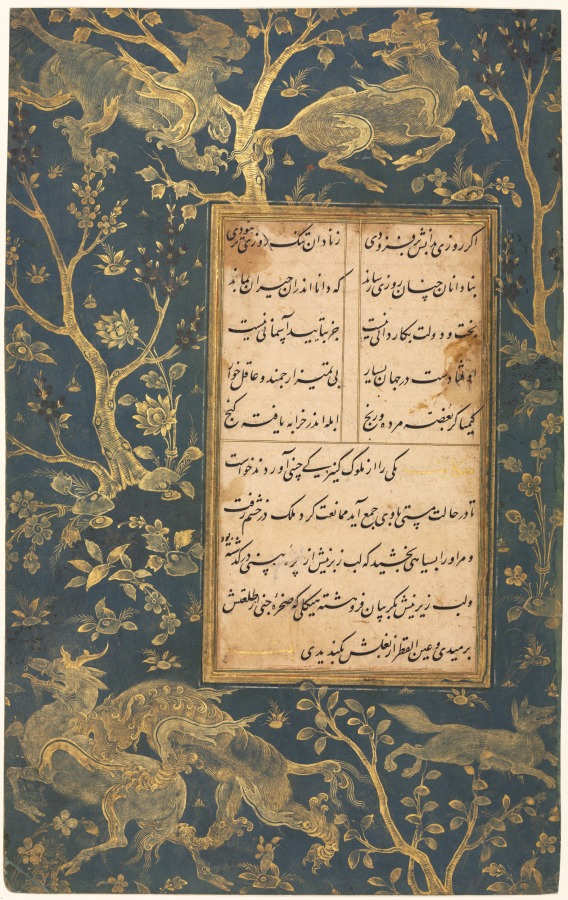
Illuminated Folio from a Gulistan (Rose Garden) of Sa'di (c. 1213–1291) at the Cleveland Museum of Art: calligraphy: c. 1475–1500; border: c. 1550, Gum tempera, ink, gold, and silver on paper. Explore the work's context, creator attribution
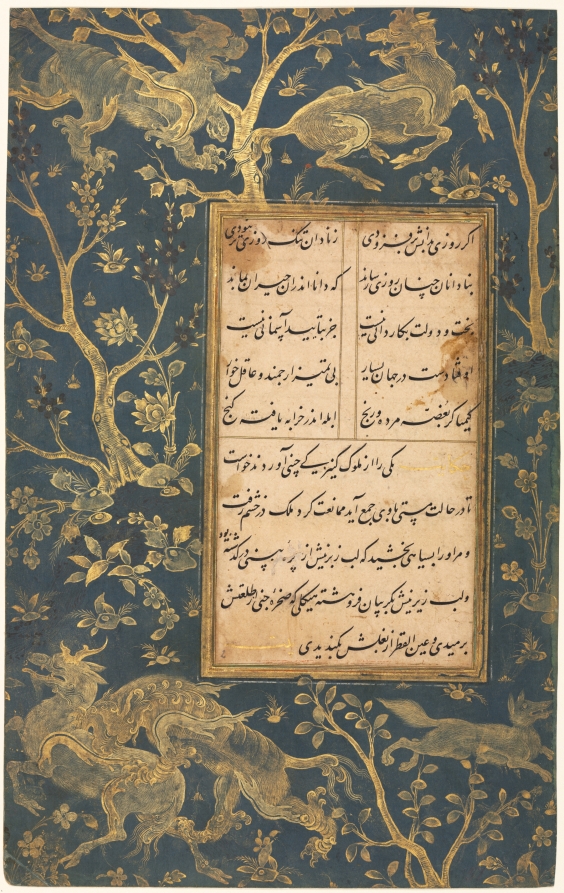
Illuminated folio (recto) from a Gulistan (Rose Garden) of Sa'di (c. 1213–1291) at the Cleveland Museum of Art: calligraphy: c. 1475–1500; border: c. 1550, Gum tempera, ink, gold, and silver on paper. Explore the work's context, creator att
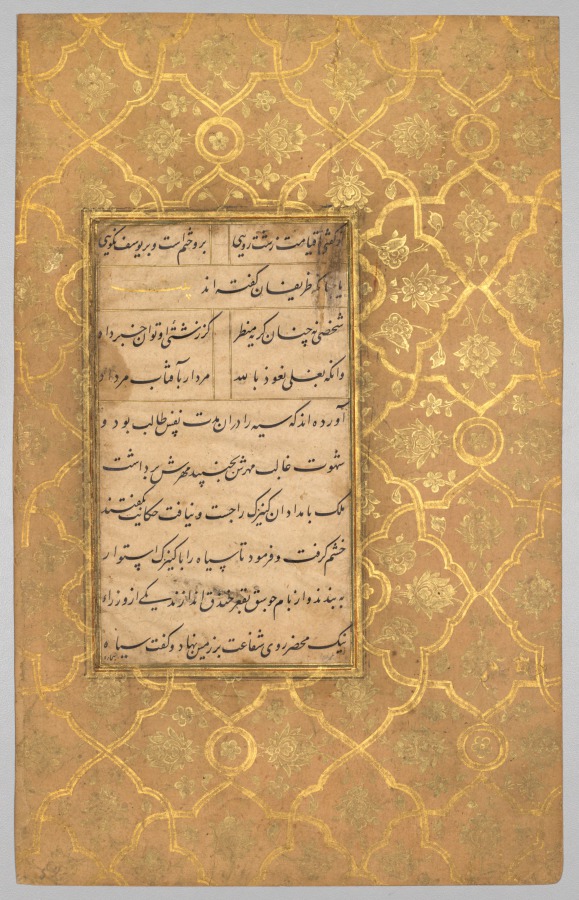
Illuminated folio (verso) from a Gulistan (Rose Garden) of Sa'di (c. 1213–1291) at the Cleveland Museum of Art: calligraphy: c. 1475–1500; border: c. 1550, Gum tempera, ink, gold, and silver on paper. Explore the work's context, creator att
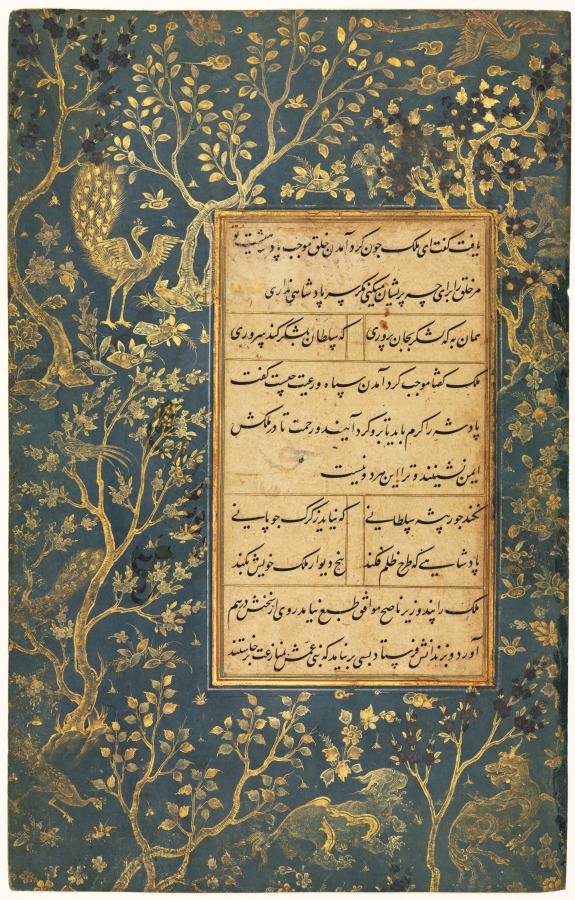
Illuminated Folio from a Gulistan (Rose Garden) of Sa'di (c. 1213–1291) at the Cleveland Museum of Art: c. 1475–1500; border: c. 1550, Gum tempera, ink, gold, and silver on paper. Explore the work's context, creator attribution and collecti
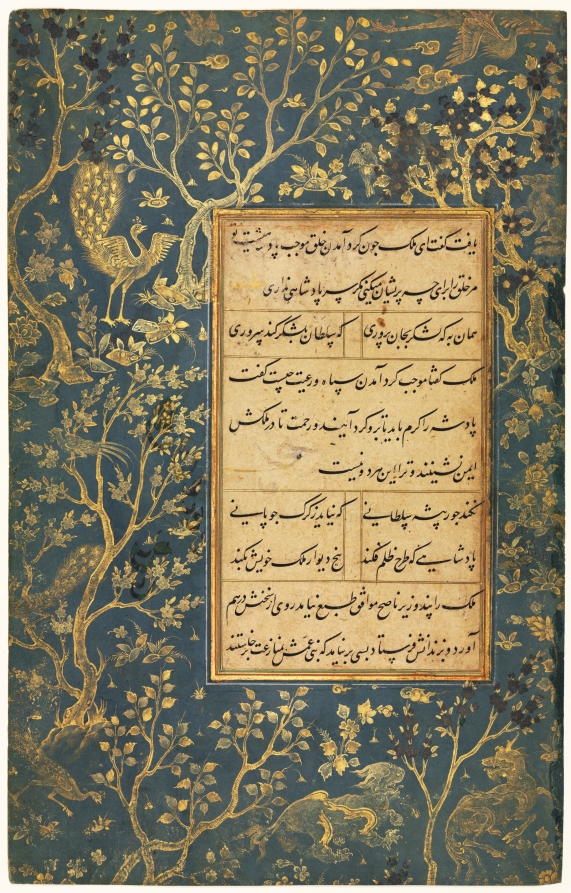
Illuminated Folio (recto) from a Gulistan (Rose Garden) of Sa'di (c. 1213–1291) at the Cleveland Museum of Art: c. 1475–1500; border: c. 1550, Gum tempera, ink, gold, and silver on paper. Explore the work's context, creator attribution and
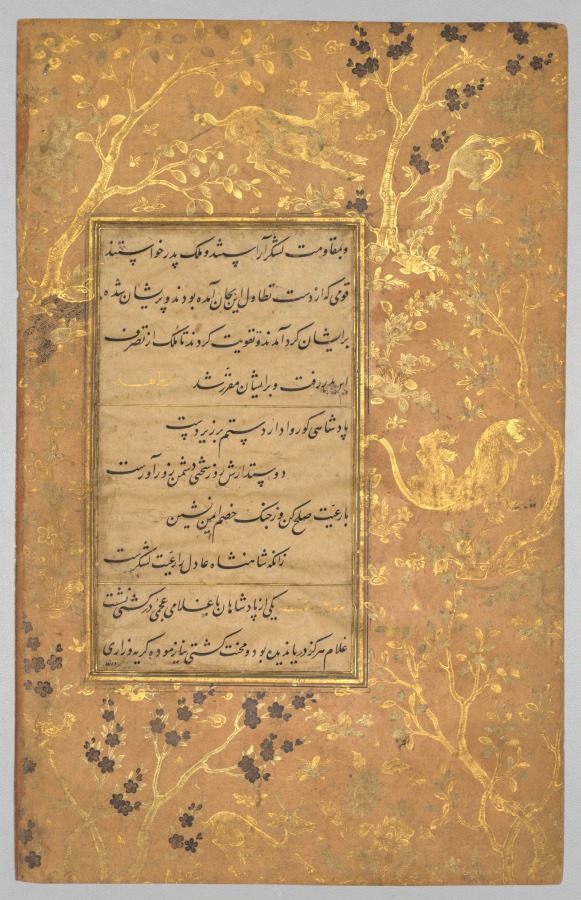
Illuminated folio from a Gulistan (Rose Garden) of Sa'di (c. 1213–1291) at the Cleveland Museum of Art: about 1475–1500; border: about 1550, Gum tempera, ink, gold, and silver on paper. Explore the work's context, creator attribution and co

Leaf from a Psalter and Prayerbook: Initial E with Ornamental Border Containing a Seated Satyr and a Bird Eating Grapes (recto) at the Cleveland Museum of Art: c. 1524, ink, tempera and liquid gold on vellum. Explore the work's context, cre

Leaf from a Psalter and Prayerbook: Ornamental Border with Flowers and Squirrel (verso) at the Cleveland Museum of Art: c. 1524, ink, tempera and liquid gold on vellum. Explore the work's context, creator attribution and collection history.
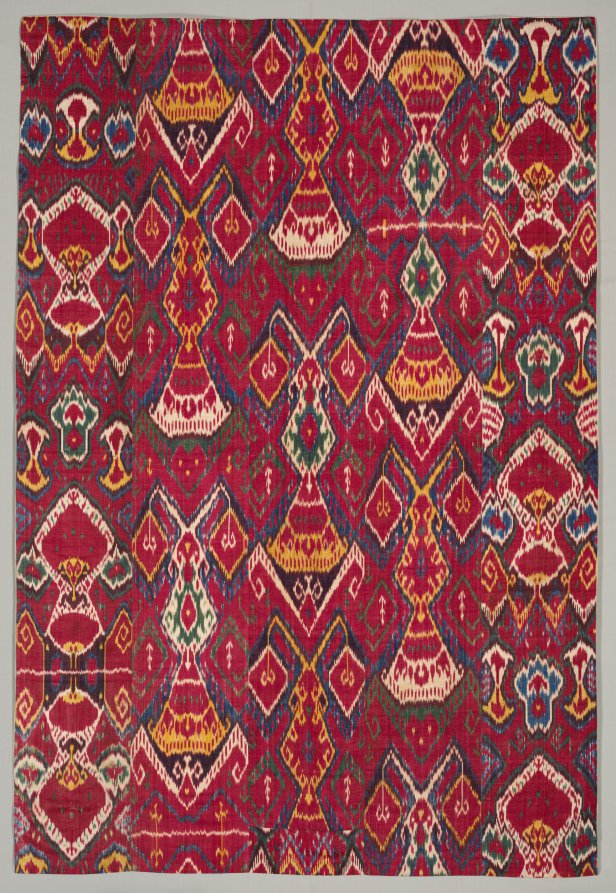
Wall Hanging (pardah) at the Cleveland Museum of Art: 1800–1850, Silk: warp-faced plain weave, warp-ikat; cotton weft. Explore the work's context, creator attribution and collection history.
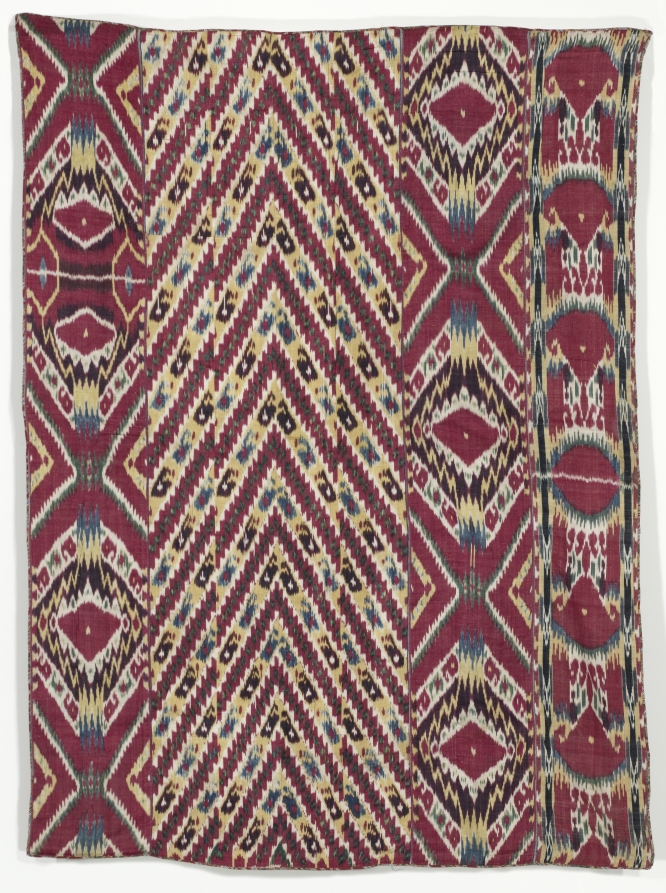
Wall hanging (pardah) at the Cleveland Museum of Art: 1850–75, warp ikat, warp-faced plain weave; silk warp; cotton weft; 5 panels./ lining: printed cotton, plain weave; 2 panels. Explore the work's context, creator attribution and collecti

The Caporali Missal at the Cleveland Museum of Art: 1469, Ink, tempera and gold on vellum; 400 folios. Explore the work's context, creator attribution and collection history.

Missale: Fol. 185v: Crucifixion with borders (full page) at the Cleveland Museum of Art: 1469, ink, tempera and burnished gold on vellum. Explore the work's context, creator attribution and collection history.

Missale: Fol. 186: Decorated Initial T[e igitur] (full page) at the Cleveland Museum of Art: 1469, ink, tempera and burnished gold on vellum. Explore the work's context, creator attribution and collection history.
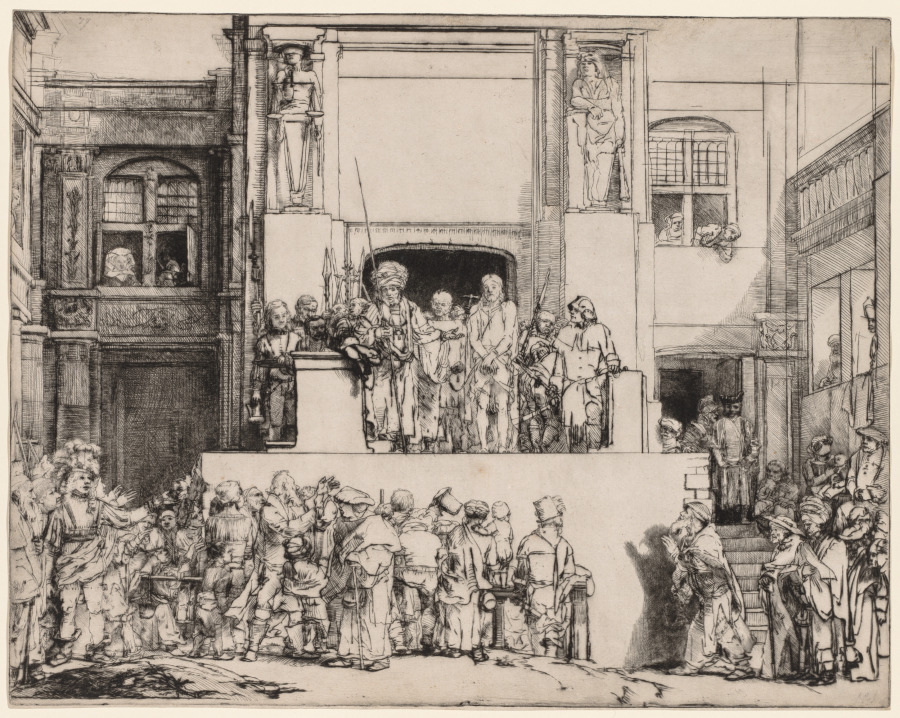
Ecce Homo. Christ Presented to the People at the Cleveland Museum of Art: 1655, drypoint. Explore the work's context, creator attribution and collection history.

A Herdsman with Three Cows by an Upland Pool at the Cleveland Museum of Art: mid-1780s, watercolor, ink and oil paint heightened with white chalk ("Bristol lead white"). Explore the work's context, creator attribution and collection history

Dipper at the Cleveland Museum of Art: 100 BCE–700 CE, ceramic, slip. Explore the work's context, creator attribution and collection history.

Portrait of Paul Chenavard, from the series "Histoire des Artistes Vivants" at the Cleveland Museum of Art: c. 1852, albumen print from wet collodion negative. Explore the work's context, creator attribution and collection history.

Love Requests Venus to Return His Weapons to Him at the Cleveland Museum of Art: 1768, chalk-manner etching and engraving printed in color. Explore the work's context, creator attribution and collection history.
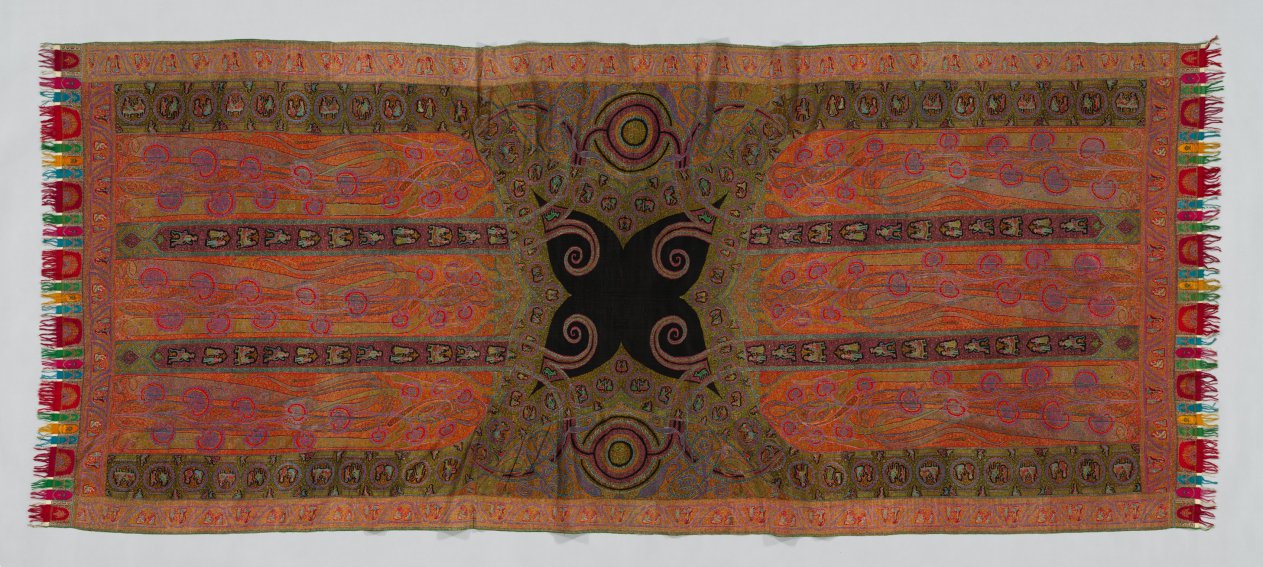
Long shawl with woven figures and animals at the Cleveland Museum of Art: c. 1885, 2/2 twill tapestry weave, double interlocked and pieced: wool (possibly pashmina). Explore the work's context, creator attribution and collection history.
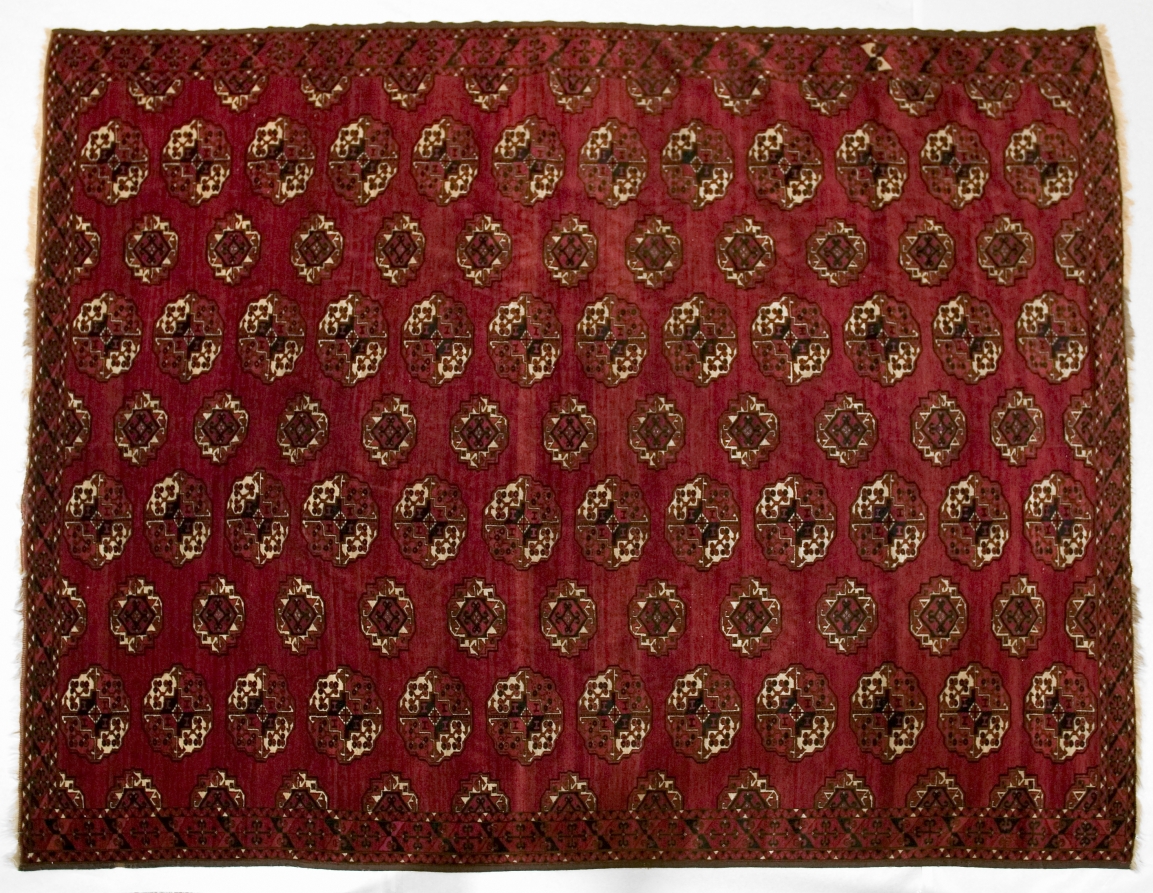
Turkmen Main Carpet at the Cleveland Museum of Art: 1870s, Wool, silk; 171 symmetrical (Turkish) knots per square inch. Explore the work's context, creator attribution and collection history.

Krishna Lifting Mount Govardhan, from a Persian translation of the Bhagavata Purana, c. 1625 at the Cleveland Museum of Art: 1700s, gum tempera, ink, and gold on paper. Explore the work's context, creator attribution and collection history.
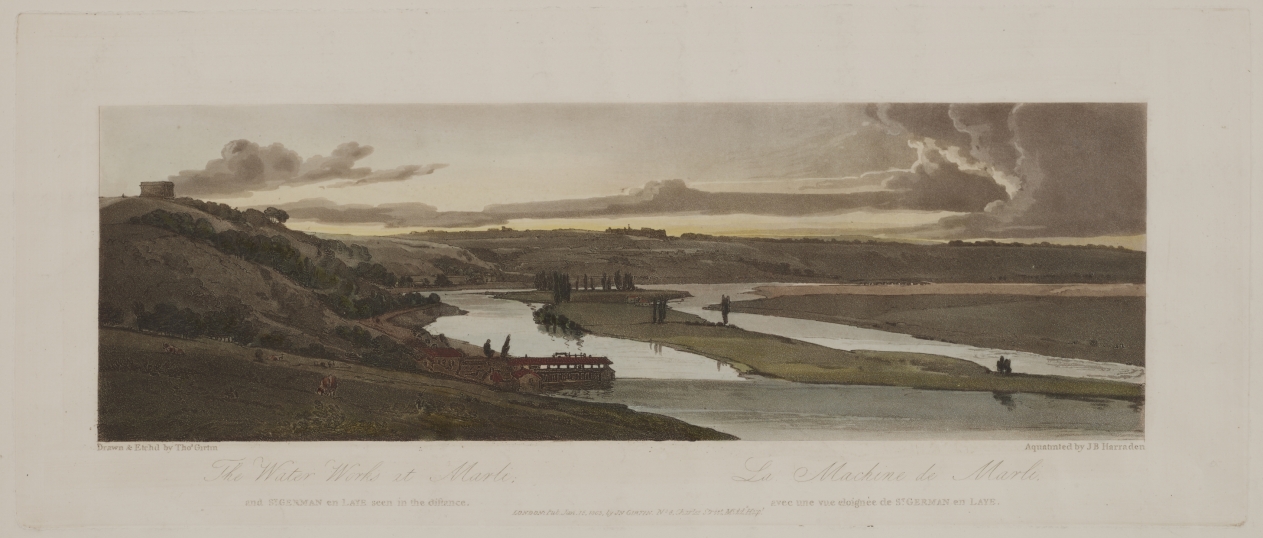
A Selection of Twenty of the Most Picturesque Views in Paris: The Water Works at Marli, and St. Germain en Laye seen in the distance at the Cleveland Museum of Art: 1803, softground etching and aquatint printed in brown, hand-colored with w
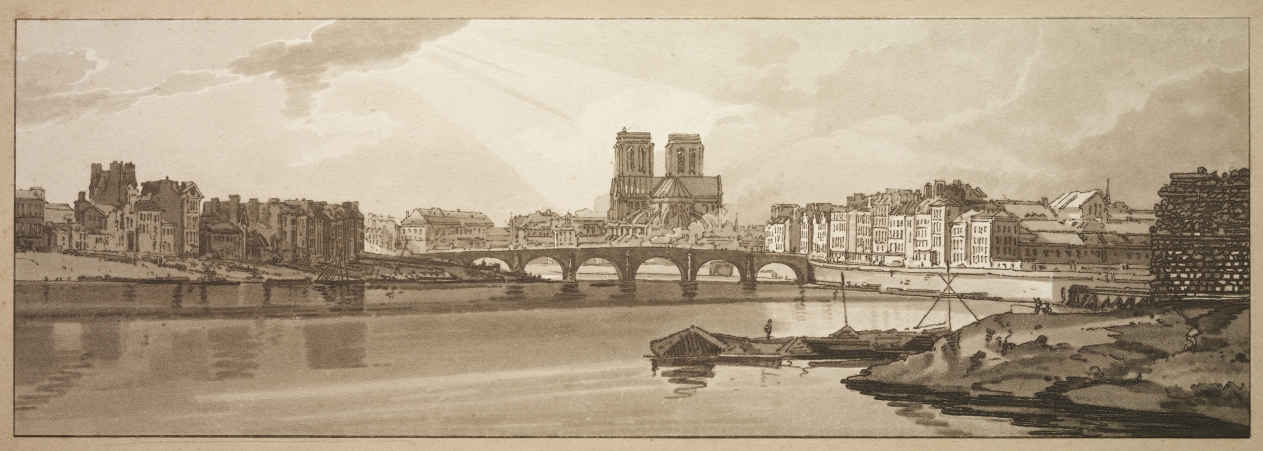
A Selection of Twenty of the Most Picturesque Views in Paris: View of Pont de la Tournelle & Notre Dame taken from the Arsenal at the Cleveland Museum of Art: 1802, softground etching and aquatint printed in brown. Explore the work's contex

Statue of the Virgin, Notre Dame de Paris at the Cleveland Museum of Art: 1853, salted paper print from paper negative. Explore the work's context, creator attribution and collection history.

Eggs of a Stone-curlew or Plover at the Cleveland Museum of Art: 1900s, silver print on printing out paper. Explore the work's context, creator attribution and collection history.
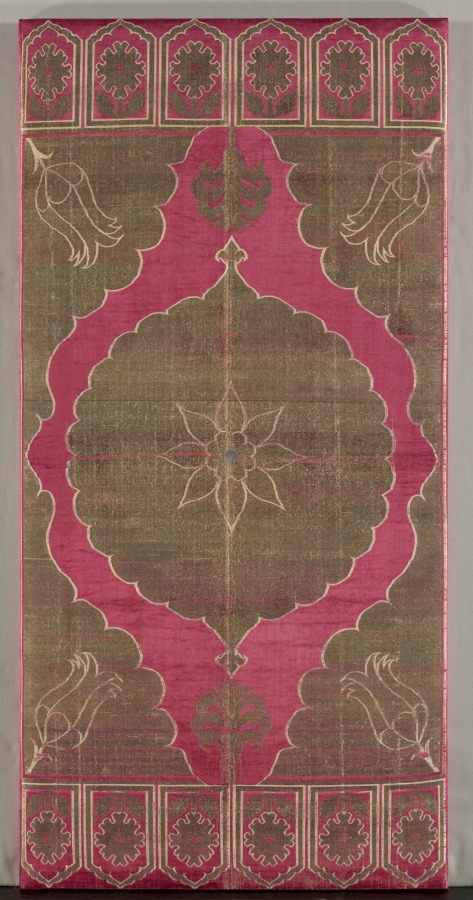
Brocaded Silk Cushion Cover & Iranian Striped Silk Surround at the Cleveland Museum of Art: early 1600s, silk, gilt-metal thread; lampas weave. Explore the work's context, creator attribution and collection history.

Lampas silk cushion cover at the Cleveland Museum of Art: early 1600s, lampas: silk and gilt-metal thread. Explore the work's context, creator attribution and collection history.
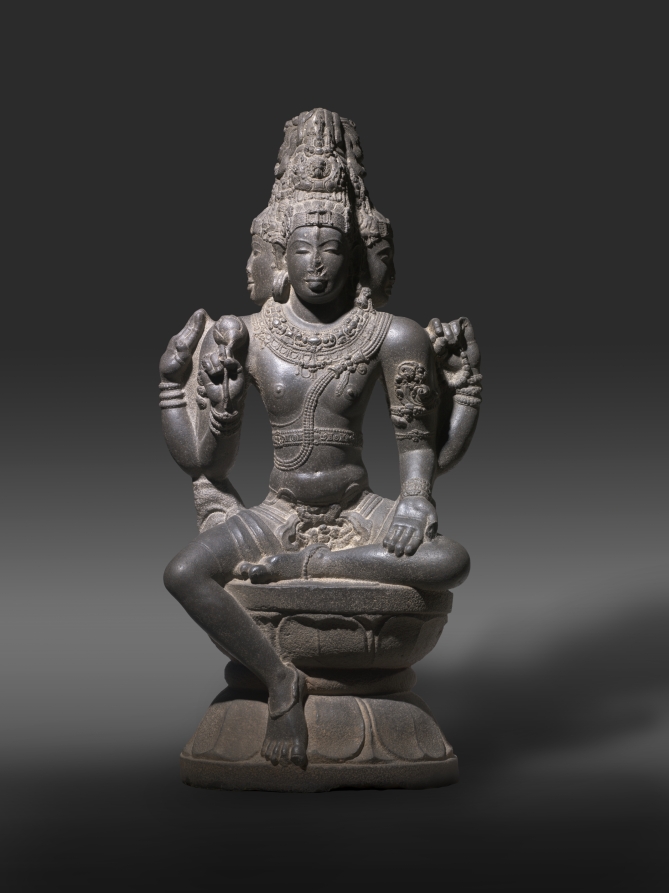
Brahma-Shiva at the Cleveland Museum of Art: 900s, granite. Explore the work's context, creator attribution and collection history.
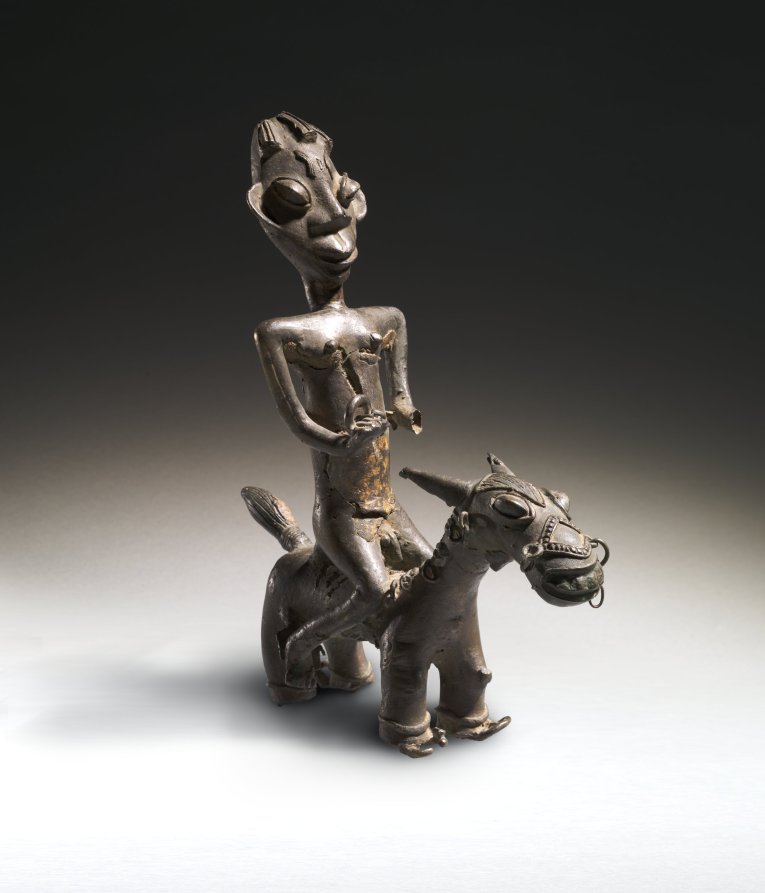
Altar figure (onílé) at the Cleveland Museum of Art: possibly 1700s, Copper alloy. Explore the work's context, creator attribution and collection history.

Parade Halberd (from the bodyguard of Ludwig Rudolf, Duke of Brunswick- Wolfenbüttel [1671-1735]) at the Cleveland Museum of Art: 1717, blued, etched and gilded steel, wooden haft with orginal steel base spike, silk tassel with alternating

Parade Partisan (from the Bodyguard of August Wilhelm, Duke of Brunswick- Wolfenbüttel [1662-1731]) at the Cleveland Museum of Art: 1718, blued, etched and gilded steel, wooden haft with orginal steel base spike, silk tassel with alternatin
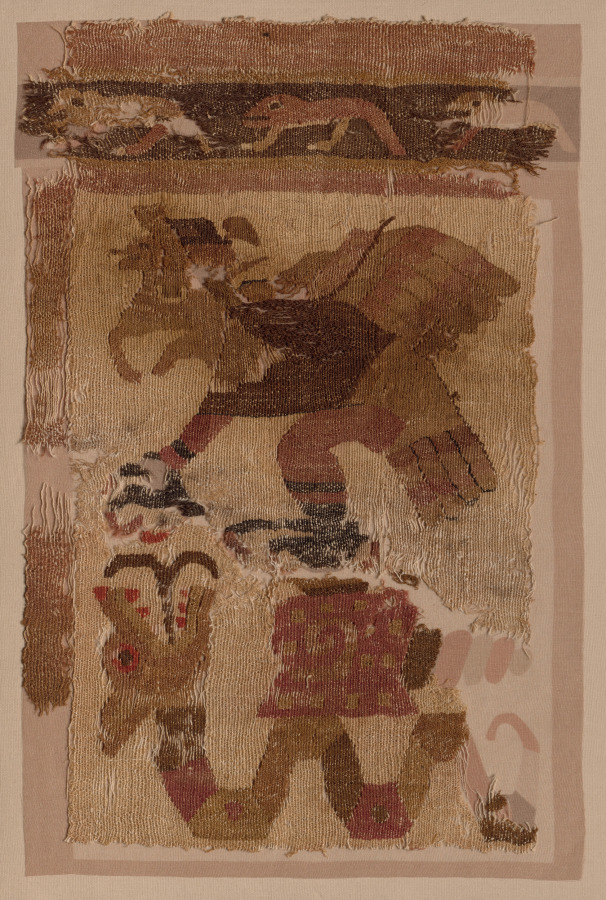
Textile Fragments at the Cleveland Museum of Art: c. 50–650 CE, cotton and camelid fiber. Explore the work's context, creator attribution and collection history.
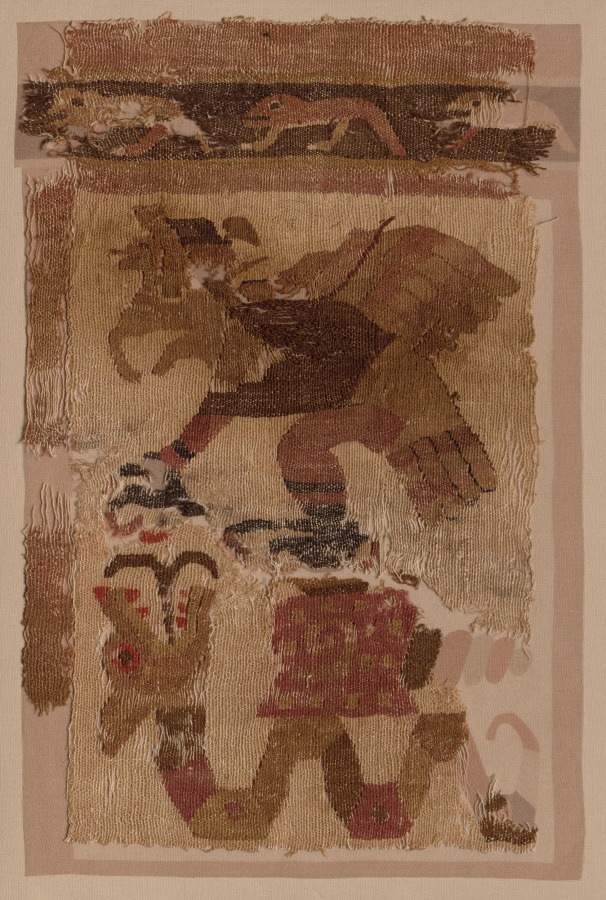
Textile Fragment at the Cleveland Museum of Art: c. 50–650 CE, cotton and camelid fiber. Explore the work's context, creator attribution and collection history.
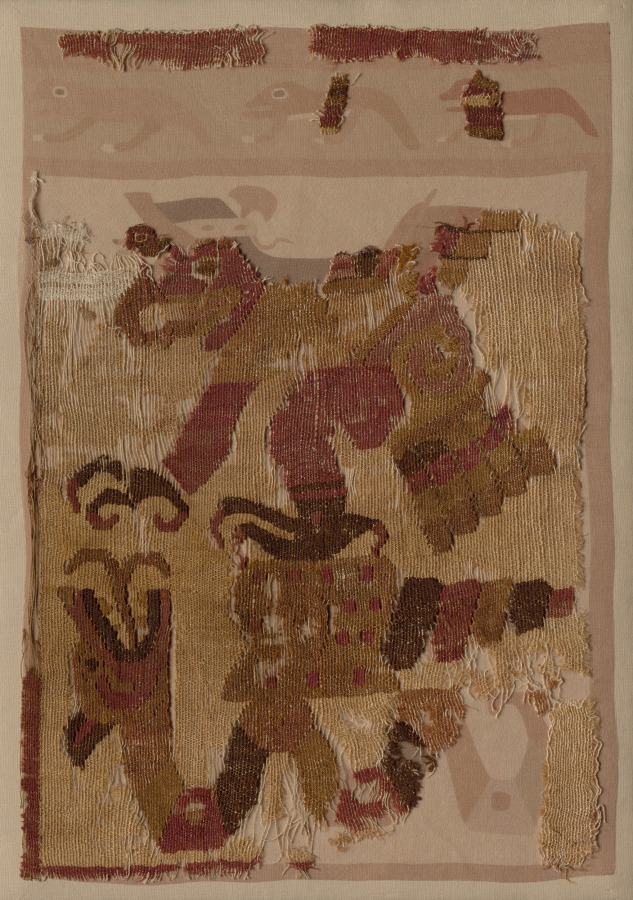
Textile Fragment at the Cleveland Museum of Art: c. 50–650 CE, cotton and camelid fiber. Explore the work's context, creator attribution and collection history.
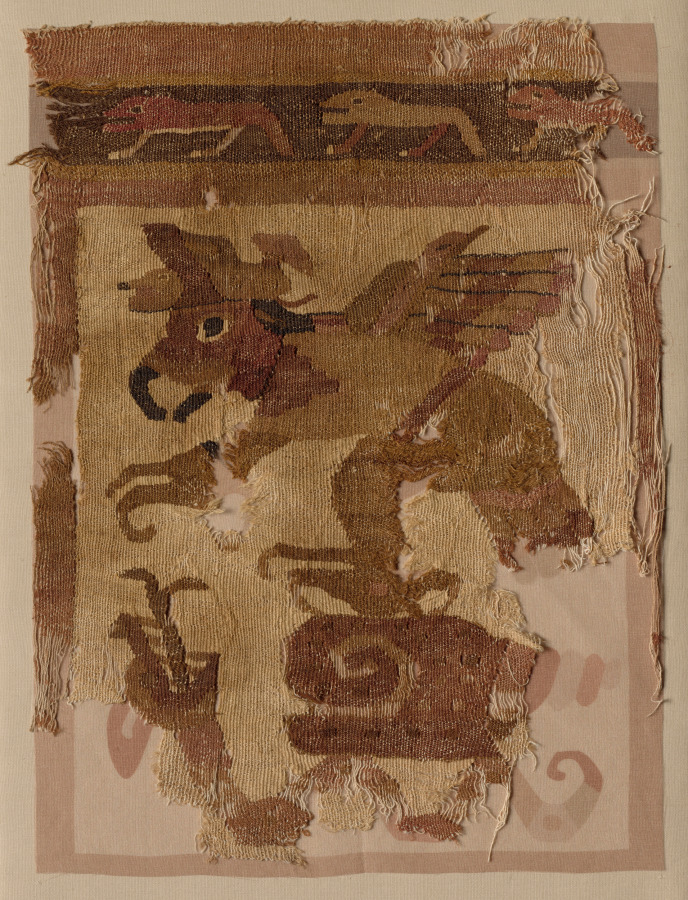
Textile Fragment at the Cleveland Museum of Art: c. 50–650 CE, cotton and camelid fiber. Explore the work's context, creator attribution and collection history.
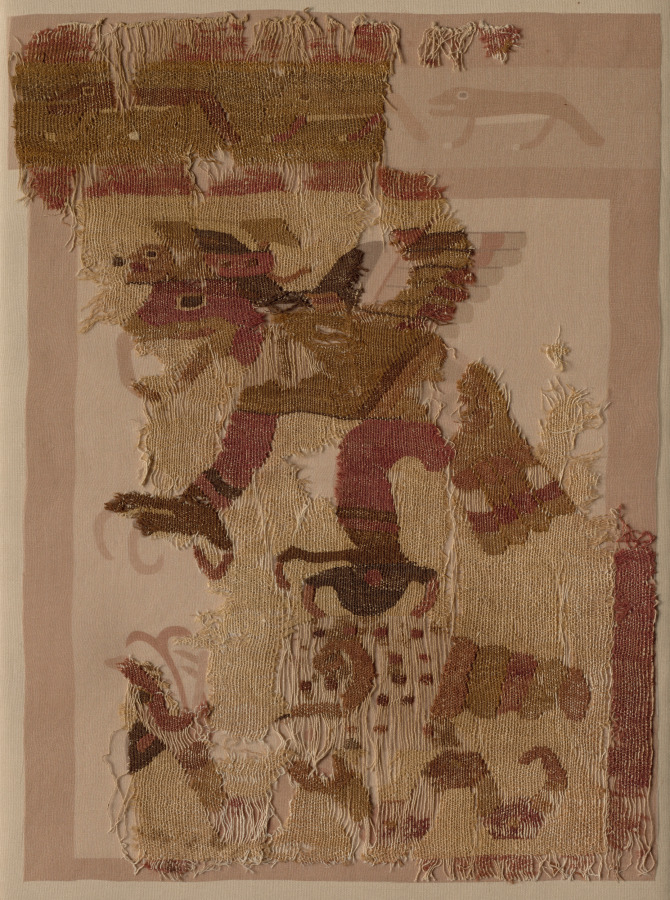
Textile Fragment at the Cleveland Museum of Art: c. 50–650 CE, cotton and camelid fiber. Explore the work's context, creator attribution and collection history.