Wine Vessel (Jia) (c. 1250–1046 BCE): Art, History and Details
Wine Vessel (Jia) at the Cleveland Museum of Art: c. 1250–1046 BCE, bronze. Explore the work's context, creator attribution and collection history.
Oldest entries first, in a fixed order. Newly added articles appear at the end. Explore a shuffled selection →
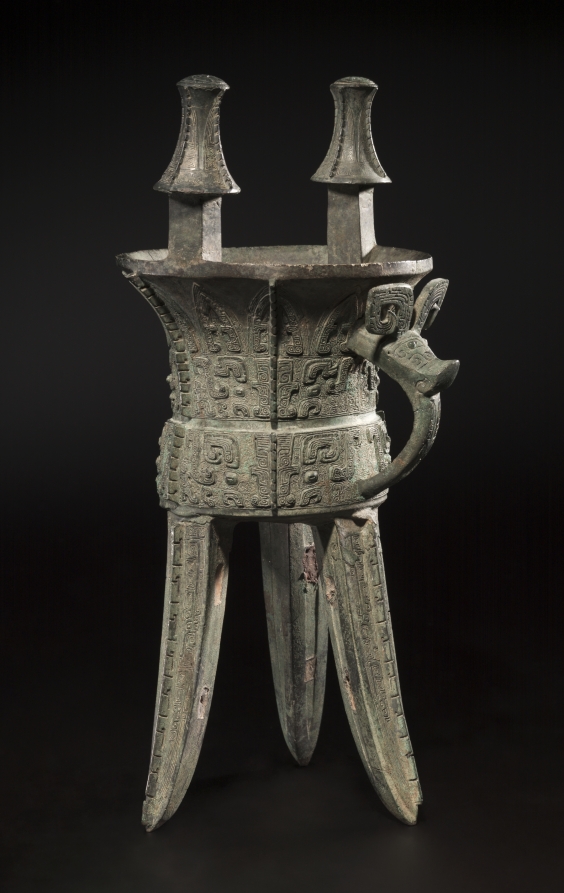
Wine Vessel (Jia) at the Cleveland Museum of Art: c. 1250–1046 BCE, bronze. Explore the work's context, creator attribution and collection history.

Leaf Excised from a Breviary of Charles the Bold and Margaret of York: The Martyrdom of Saint Denis at the Cleveland Museum of Art: c. 1467–70, tempera on vellum. Explore the work's context, creator attribution and collection history.

Big-Eared Brown Bat Vessel at the Cleveland Museum of Art: 200–850 CE, ceramic, slip. Explore the work's context, creator attribution and collection history.
Fichu at the Cleveland Museum of Art: c. 1875–80, Composite lace. Machine-made netting (reseau), Brussels bobbin lace and French needle point lace; linen. Explore the work's context, creator attribution and collection history.

Mirror of Holiness (Mir’at al-quds) of Father Jerome Xavier at the Cleveland Museum of Art: 1602–4, 24 full size illustrations with 160 folios of text; gum tempera, ink, and gold on paper. Explore the work's context, creator attribution and
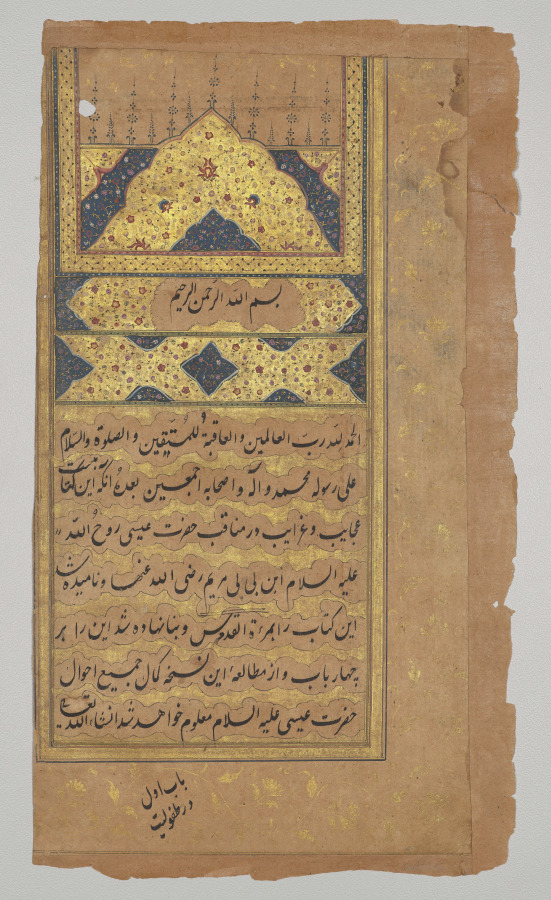
Illuminated opening page (folio 1 verso) and 131 folios with Persian text, from a Mirror of Holiness (Mir’at al-quds) of Father Jerome Xavier at the Cleveland Museum of Art: 1602–4; margins added with rebinding, about 1900, Gum tempera, ink
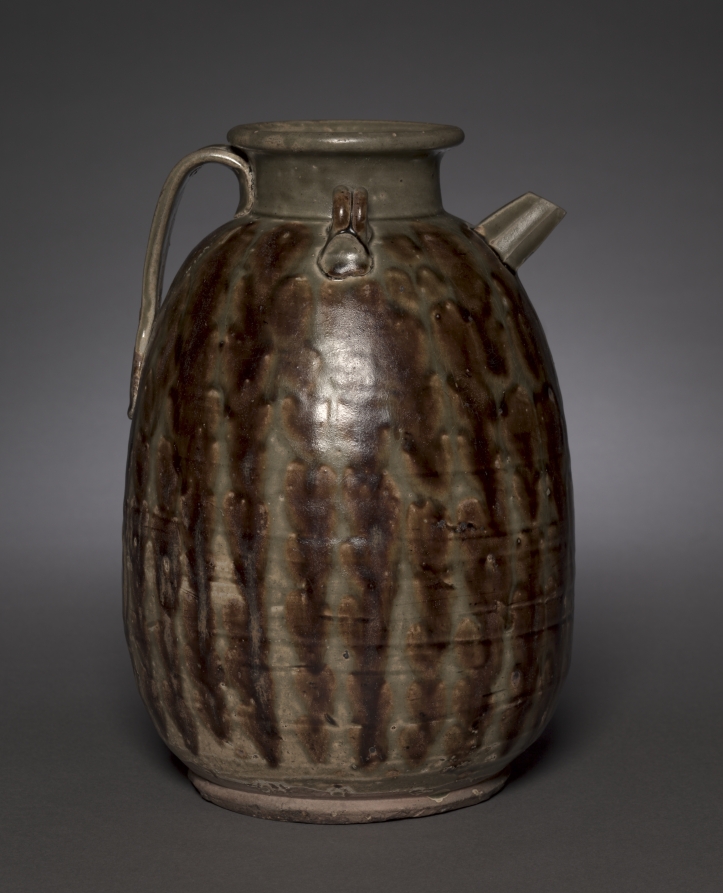
Ewer at the Cleveland Museum of Art: 800s, stoneware with olive-green glaze and ironbrown splashes, Changsha ware. Explore the work's context, creator attribution and collection history.

Portrait of a man at the Cleveland Museum of Art: late 1700s, Gum tempera on paper. Explore the work's context, creator attribution and collection history.

Four-armed goddess, with hearts in margin at the Cleveland Museum of Art: 1900s, ink and color on paper. Explore the work's context, creator attribution and collection history.

The Flowering of Joseph’s Rod (folio 11 verso), from a Mirror of Holiness (Mir’at al-quds) of Father Jerome Xavier at the Cleveland Museum of Art: 1602–04, Gum tempera, ink, and gold on paper. Explore the work's context, creator attribution

The Annunciation (folio 15 recto), from a Mirror of Holiness (Mir’at al-quds) of Father Jerome Xavier at the Cleveland Museum of Art: 1602–4, Gum tempera, ink, and gold on paper. Explore the work's context, creator attribution and collectio

Mary ascends the stairs to the temple, from a Mirror of Holiness (Mir’at al-quds) of Father Jerome Xavier at the Cleveland Museum of Art: 1602–4, Gum tempera, ink, color, and gold on paper. Explore the work's context, creator attribution an

Mary and Joseph Travel to Bethlehem (folio 24 verso), from a Mirror of Holiness (Mir’at al-quds) of Father Jerome Xavier at the Cleveland Museum of Art: 1602–4, Gum tempera, ink, and gold on paper. Explore the work's context, creator attrib
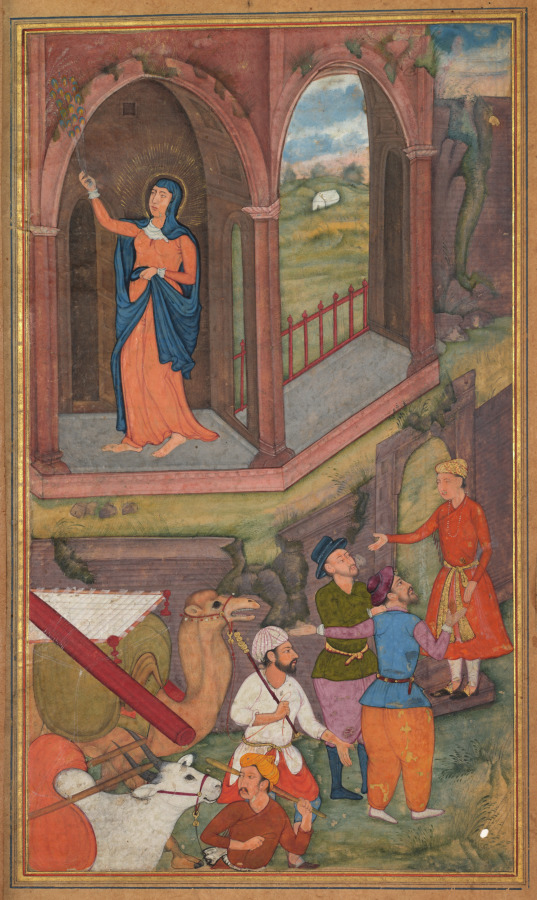
The place of Jesus’s birth (folio 25 recto), from a Mirror of Holiness (Mir’at al-quds) of Father Jerome Xavier at the Cleveland Museum of Art: 1602–4, Gum tempera, ink, and gold on paper. Explore the work's context, creator attribution and
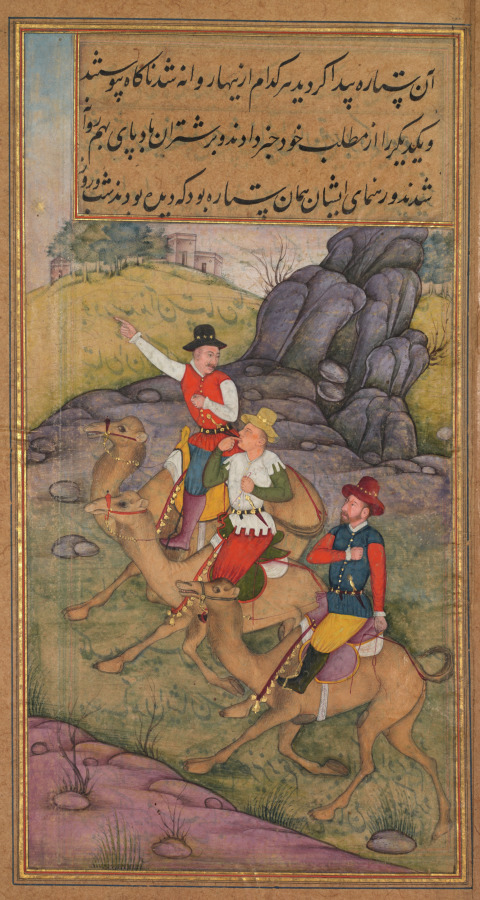
The Magi Follow the Star (folio 34 recto), from a Mirror of Holiness (Mir’at al-quds) of Father Jerome Xavier at the Cleveland Museum of Art: 1602–4, Gum tempera, ink, and gold on paper. Explore the work's context, creator attribution and c
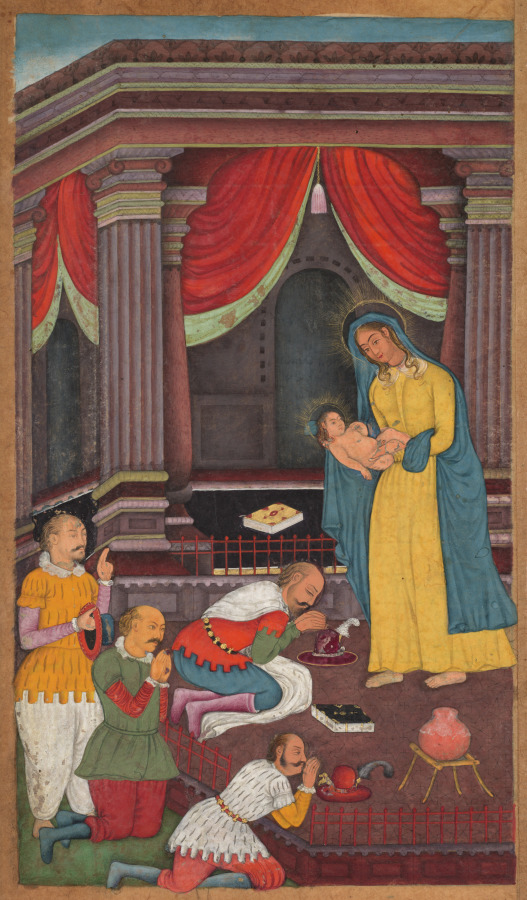
The Adoration of the Shepherds, from a Mirror of Holiness (Mir’at al-quds) of Father Jerome Xavier at the Cleveland Museum of Art: 1602–4, Gum tempera, ink, and gold on paper. Explore the work's context, creator attribution and collection h
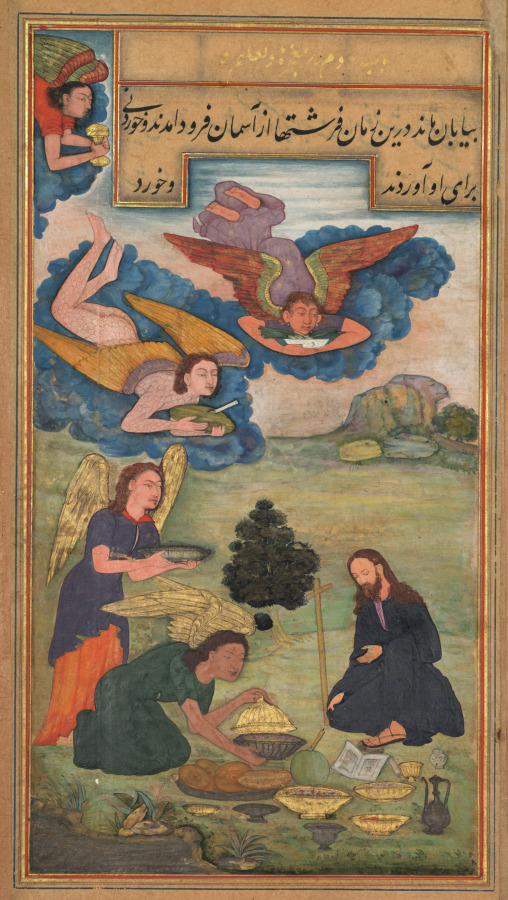
Angels bring food to Jesus in the wilderness (folio 55 recto), from a Mirror of Holiness (Mir’at al-quds) of Father Jerome Xavier at the Cleveland Museum of Art: 1602–4, Gum tempera, ink, color, and gold on paper. Explore the work's context
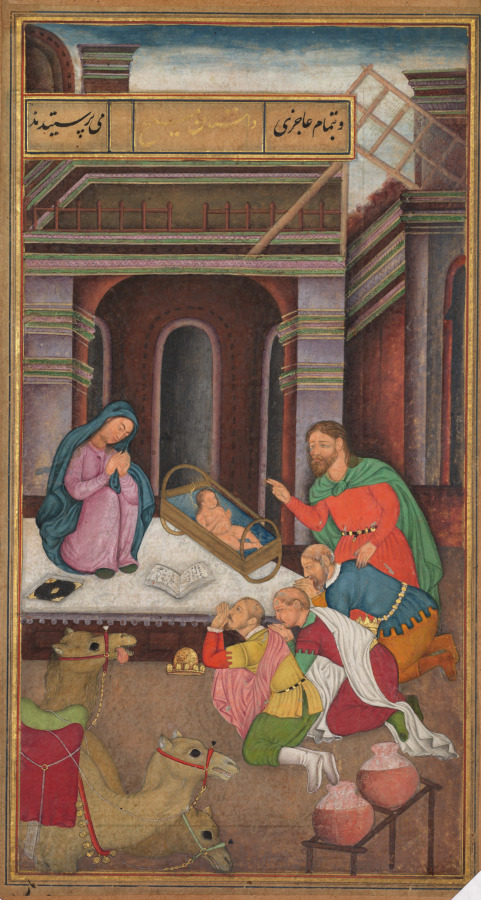
The Adoration of the Magi, from a Mirror of Holiness (Mir’at al-quds) of Father Jerome Xavier at the Cleveland Museum of Art: 1602–4, Gum tempera, ink, and gold on paper. Explore the work's context, creator attribution and collection histor

Simeon Kneels in Front of Mary and Jesus after Recognizing Them (folio 40 recto), from a Mirror of Holiness (Mir’at al-quds) of Father Jerome Xavier at the Cleveland Museum of Art: 1602–4, Gum tempera, ink, and gold on paper. Explore the wo

John the Baptist recognizes Christ by the appearance of a dove (folio 50 verso), from a Mirror of Holiness (Mir’at al-quds) of Father Jerome Xavier at the Cleveland Museum of Art: 1602–4, Gum tempera, ink, and gold on paper. Explore the wor
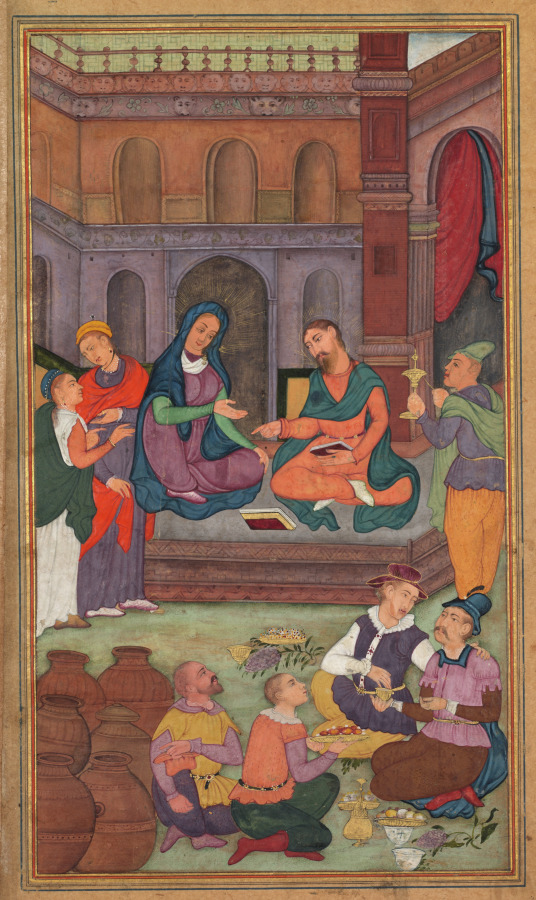
The Marriage at Cana (folio 58 verso), from a Mirror of Holiness (Mir’at al-quds) of Father Jerome Xavier at the Cleveland Museum of Art: 1602–4, Gum tempera, ink, color, and gold on paper. Explore the work's context, creator attribution an

Moses praying to end the serpents’ attack on the Israelites (folio 63 verso), from a Mirror of Holiness (Mir’at al-quds) of Father Jerome Xavier at the Cleveland Museum of Art: 1602–4, Gum tempera, ink, color, and gold on paper. Explore the

Jesus Heals the Nobleman’s Son in Capernaum (folio 70 recto), from a Mirror of Holiness (Mir’at al-quds) of Father Jerome Xavier at the Cleveland Museum of Art: 1602–4, Gum tempera, ink, color, and gold on paper. Explore the work's context,
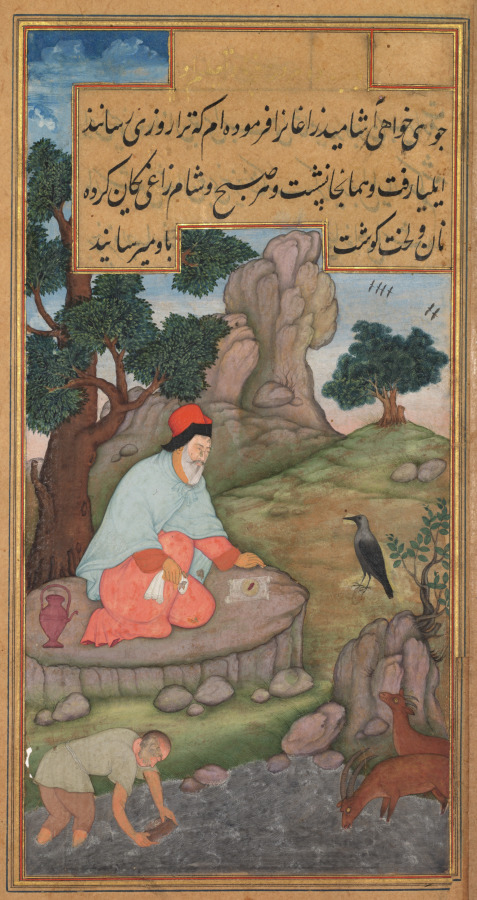
A raven brings food to Elijah (folio 72 recto), from a Mirror of Holiness (Mir’at al-quds) of Father Jerome Xavier, at the Cleveland Museum of Art: 1602–4, Gum tempera, ink, color, and gold on paper. Explore the work's context, creator attr

Jesus being awakened during a tempest on the Sea of Galilee (folio 77 recto), from a Mirror of Holiness (Mir’at al-quds) of Father Jerome Xavier at the Cleveland Museum of Art: 1602–4, Gum tempera, ink, color, and gold on paper. Explore the

Jesus on Mount Tabor, near Nazareth where he Chooses Twelve of his Followers and Calls them Apostles (folio 87 verso), from a Mirror of Holiness (Mir’at al-quds) of Father Jerome Xavier at the Cleveland Museum of Art: 1602–04, Gum tempera,

Jesus Raises Jairus’s Daughter from the Dead (folio 82 verso), from a Mirror of Holiness (Mir’at al-quds) of Father Jerome Xavier at the Cleveland Museum of Art: 1602–4, Gum tempera, ink, color, and gold on paper. Explore the work's context

Mary Magdalene Presents Ointment to Jesus (folio 102 verso), from a Mirror of Holiness (Mir’at al-quds) of Father Jerome Xavier at the Cleveland Museum of Art: 1602–04, Gum tempera, ink, color, and gold on paper. Explore the work's context,

Salome Receiving John the Baptist’s Head on a Platter (folio 112 verso), from a Mirror of Holiness (Mir’at al-quds) of Father Jerome Xavier at the Cleveland Museum of Art: 1602–4, Gum tempera, ink, color, and gold on paper. Explore the work

Jesus writes on the ground (folio 130 verso), from a Mirror of Holiness (Mir’at al-quds) of Father Jerome Xavier at the Cleveland Museum of Art: 1602–4, Gum tempera, ink, color, and gold on paper. Explore the work's context, creator attribu
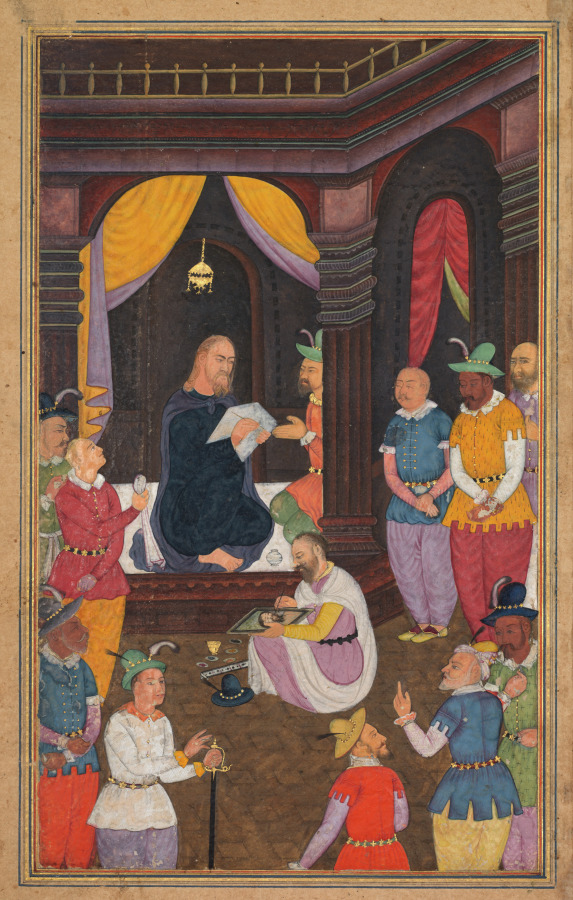
Jesus being portrayed by King Abgar’s painter (folio 143 recto), from a Mirror of Holiness (Mir’at al-quds) of Father Jerome Xavier at the Cleveland Museum of Art: 1602–4, Gum tempera, ink, color, and gold on paper. Explore the work's conte

The Entry into Jerusalem (folio 156 recto), from a Mirror of Holiness (Mir’at al-quds) of Father Jerome Xavier at the Cleveland Museum of Art: 1602–4, Gum tempera, ink, color, and gold on paper. Explore the work's context, creator attributi

The Flagellation (folio 182 recto), from a Mirror of Holiness (Mir’at al-quds) of Father Jerome Xavier at the Cleveland Museum of Art: 1602–4, Gum tempera, ink, color, and gold on paper. Explore the work's context, creator attribution and c
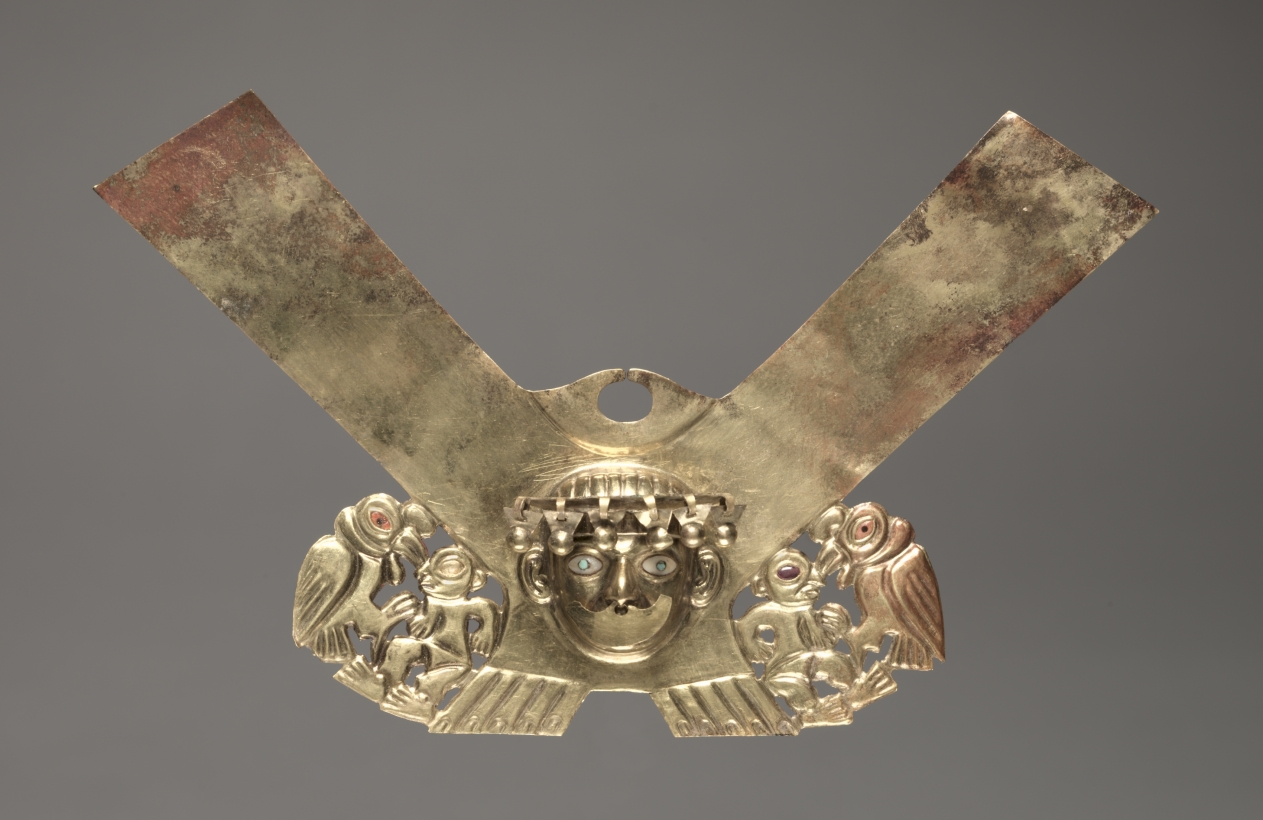
Nose Ornament with Human Head and Condors Attacking Humans at the Cleveland Museum of Art: c. 100–300 CE, gold alloy. Explore the work's context, creator attribution and collection history.
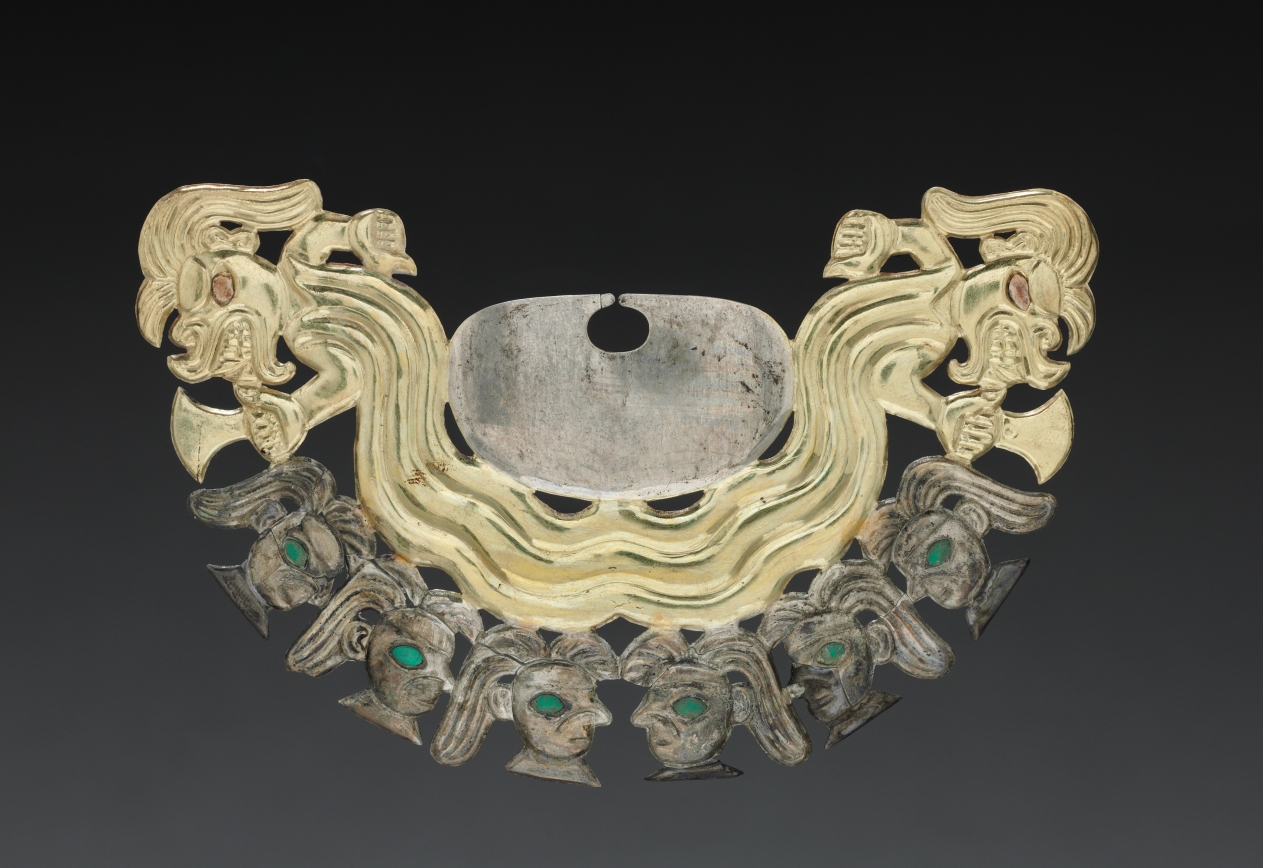
Nose Ornament with Decapitators and Human Heads at the Cleveland Museum of Art: c. 100–300 CE, gold alloy and silver. Explore the work's context, creator attribution and collection history.
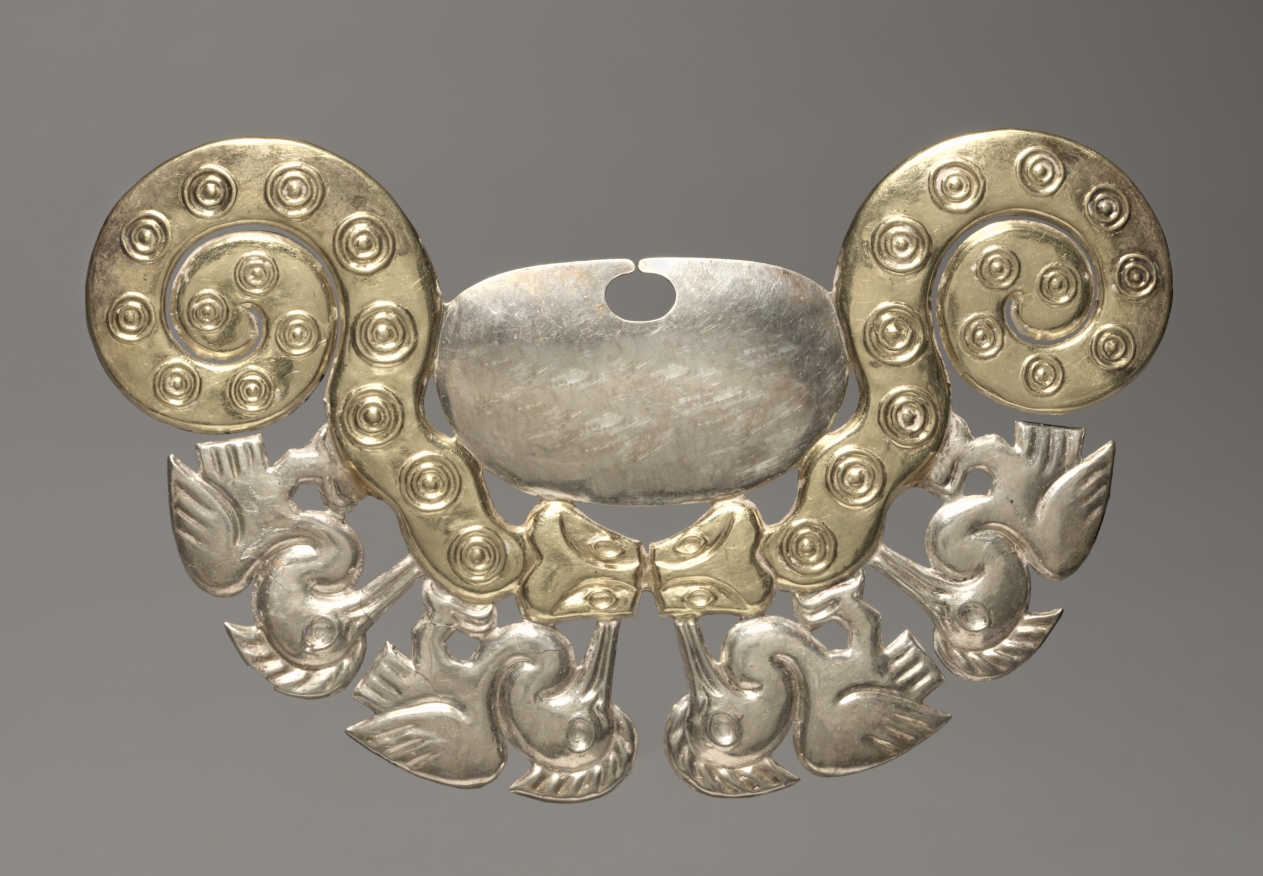
Nose Ornament with Serpents and Long-necked Birds at the Cleveland Museum of Art: c. 100–300 CE, gold alloy and silver. Explore the work's context, creator attribution and collection history.
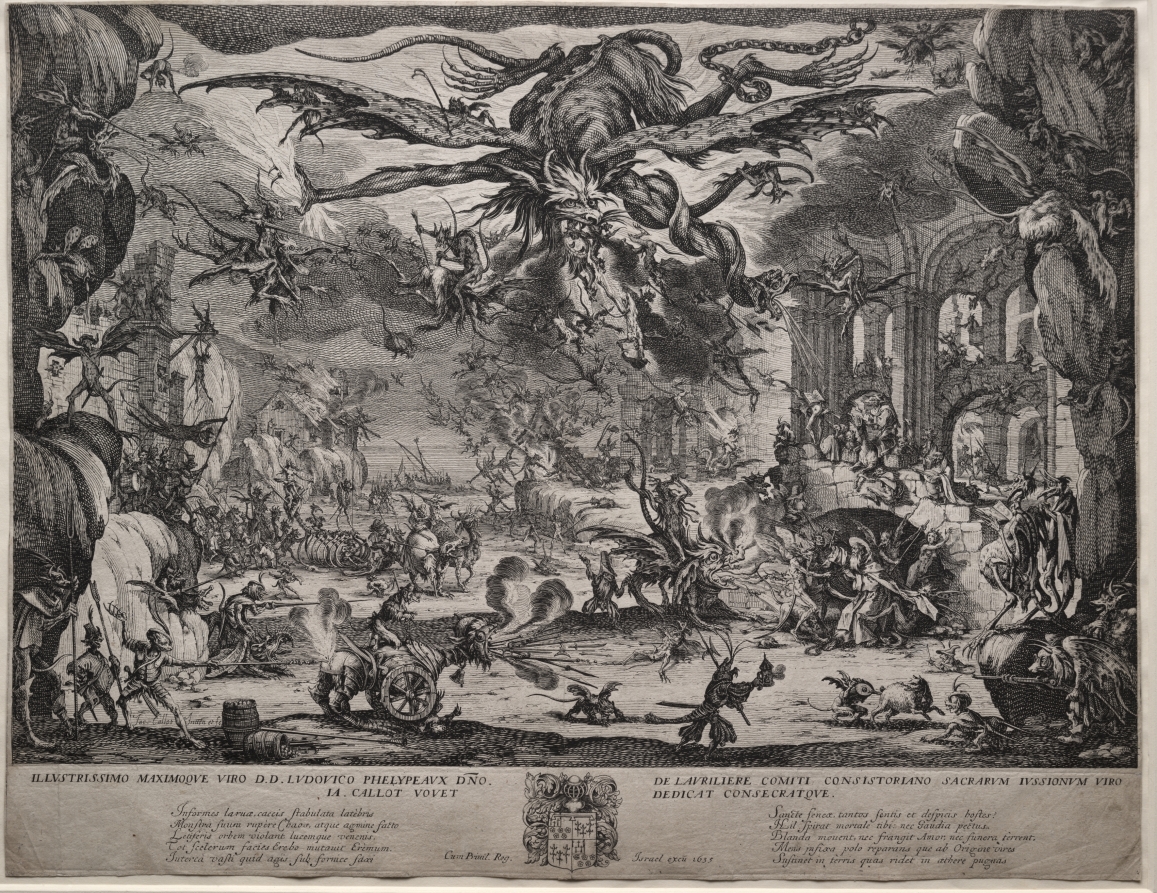
The Temptation of Saint Anthony (second version) at the Cleveland Museum of Art: 1635, etching. Explore the work's context, creator attribution and collection history.
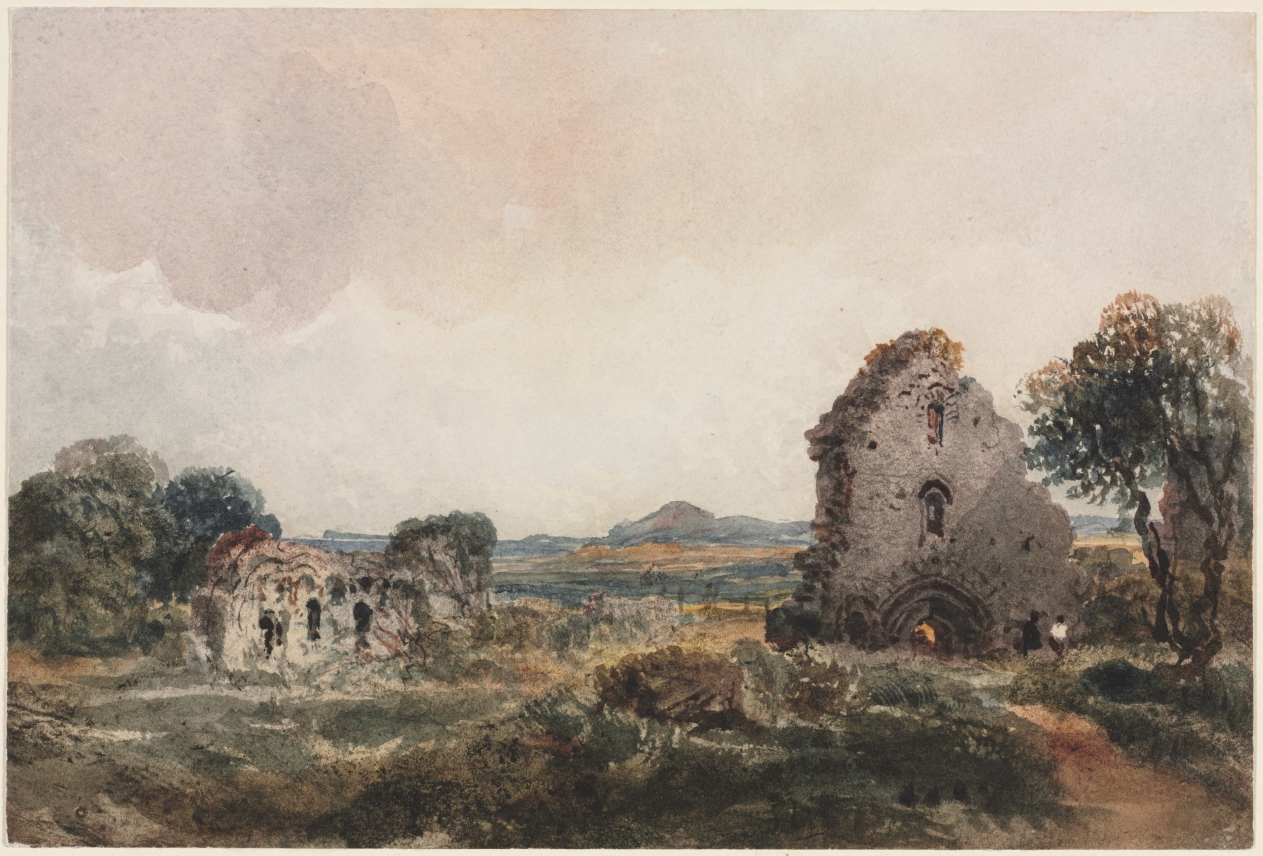
Neath Abbey at the Cleveland Museum of Art: c. 1840s, watercolor with traces of graphite underdrawing and scratch-away. Explore the work's context, creator attribution and collection history.
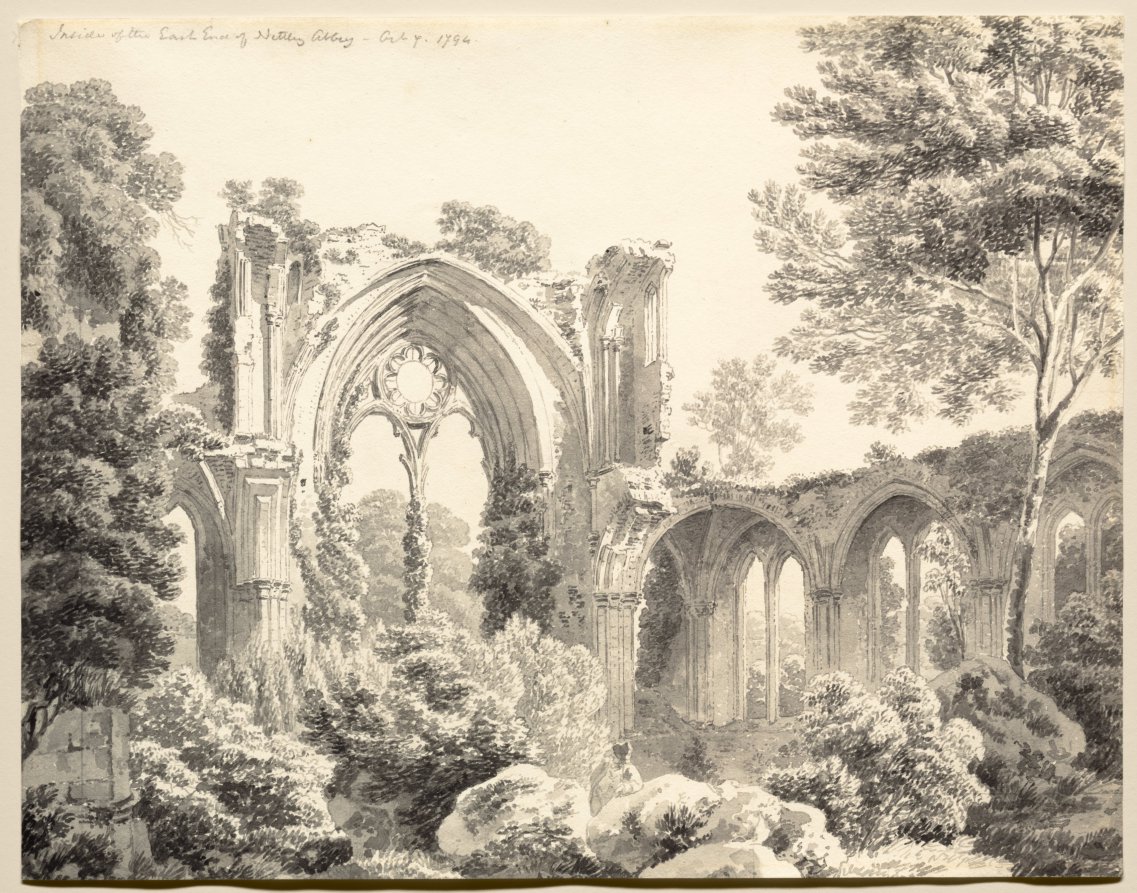
Inside the East End of Nettley Abbey at the Cleveland Museum of Art: 1794, gray wash with extensive point of brush with traces of graphite; squared with graphite. Explore the work's context, creator attribution and collection history.

Leigh Tor Rocks at Poundsgate, near New Bridge on the Dart, Devon at the Cleveland Museum of Art: 1800, watercolor with pen and black ink and traces of graphite underdrawing. Explore the work's context, creator attribution and collection hi