Net Worth →

Art & Design archive — Page 319

Oldest entries first, in a fixed order. Newly added articles appear at the end. Explore a shuffled selection →

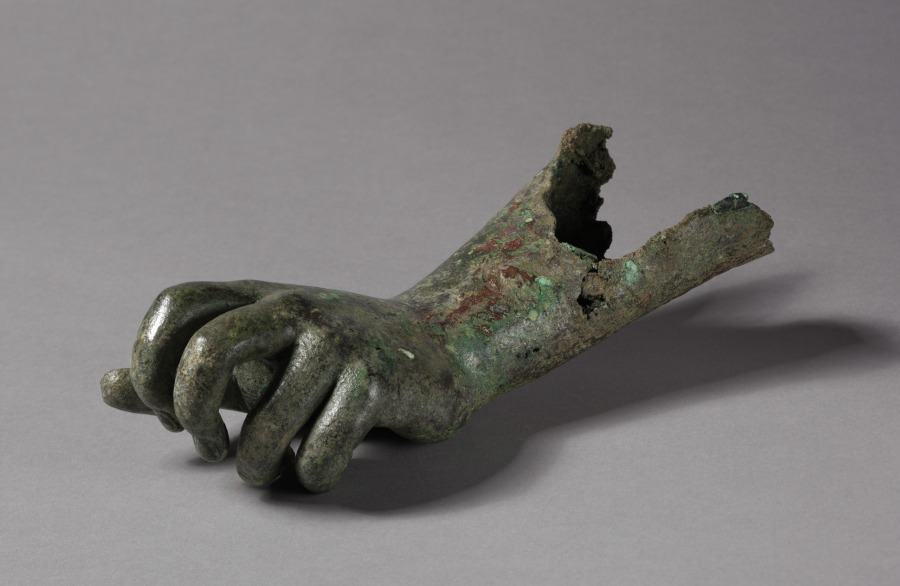
Detached Left Forearm and Hand of the Cleveland Apollo: Apollo Sauroktonos (Lizard-Slayer) or Apollo the Python-Slayer (c. 350–200 BCE; Cleveland 2004.30.b)

Detached Left Forearm and Hand of the Cleveland Apollo: Apollo Sauroktonos (Lizard-Slayer) or Apollo the Python-Slayer (c. 350–200 BCE): Art, History and Details

Detached Left Forearm and Hand of the Cleveland Apollo: Apollo Sauroktonos (Lizard-Slayer) or Apollo the Python-Slayer at the Cleveland Museum of Art: c. 350–200 BCE, bronze, copper and stone inlay. Explore the work's context, creator attri
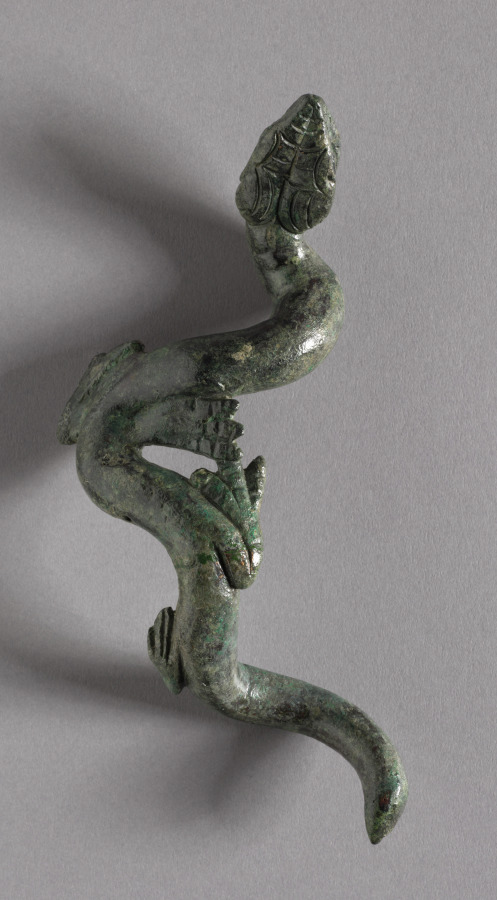
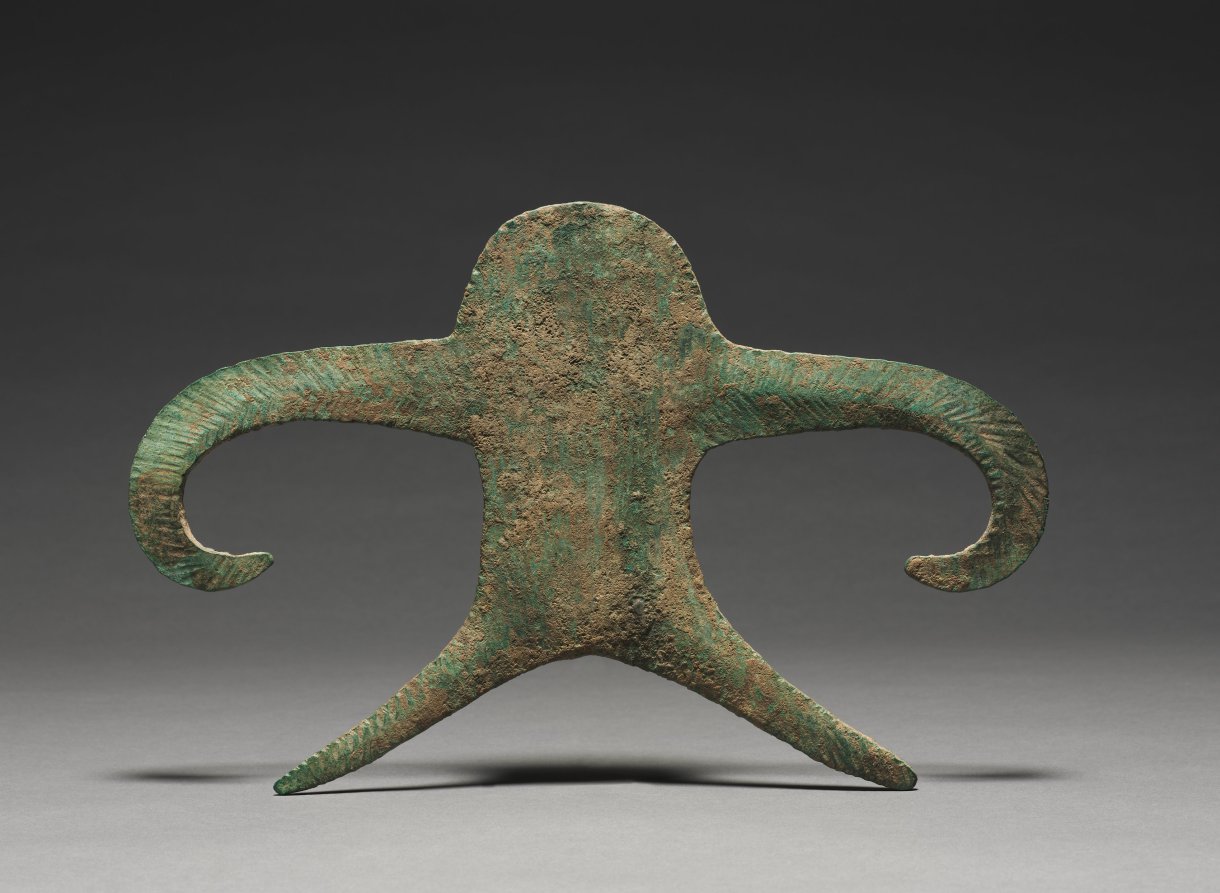
Detached Creature from the Cleveland Apollo: Apollo Sauroktonos (Lizard-Slayer) or Apollo the Python-Slayer (c. 350–200 BCE; Cleveland 2004.30.c)

Detached Creature from the Cleveland Apollo: Apollo Sauroktonos (Lizard-Slayer) or Apollo the Python-Slayer (c. 350–200 BCE): Art, History and Details

Detached Creature from the Cleveland Apollo: Apollo Sauroktonos (Lizard-Slayer) or Apollo the Python-Slayer at the Cleveland Museum of Art: c. 350–200 BCE, bronze, copper and stone inlay. Explore the work's context, creator attribution and

Anthropomorph (c. 1500–1000 BCE; Cleveland 2004.31)

Anthropomorph (c. 1500–1000 BCE): Art, History and Details

Anthropomorph at the Cleveland Museum of Art: c. 1500–1000 BCE, copper. Explore the work's context, creator attribution and collection history.

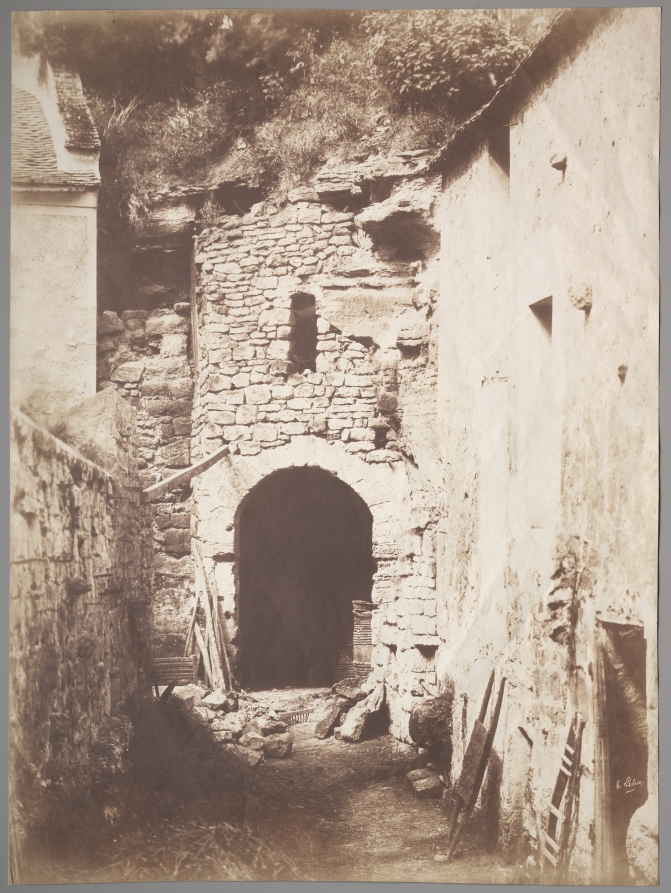
Behind the Troglodyte Farm (c. 1853; Cleveland 2004.32)

Behind the Troglodyte Farm (c. 1853): Art, History and Details

Behind the Troglodyte Farm at the Cleveland Museum of Art: c. 1853, salted paper print from waxed paper negative. Explore the work's context, creator attribution and collection history.

Harbor of Boston, with the City in the Distance (c. 1846–47; Cleveland 2004.35)

Harbor of Boston, with the City in the Distance (c. 1846–47): Art, History and Details

Harbor of Boston, with the City in the Distance at the Cleveland Museum of Art: c. 1846–47, oil on canvas. Explore the work's context, creator attribution and collection history.

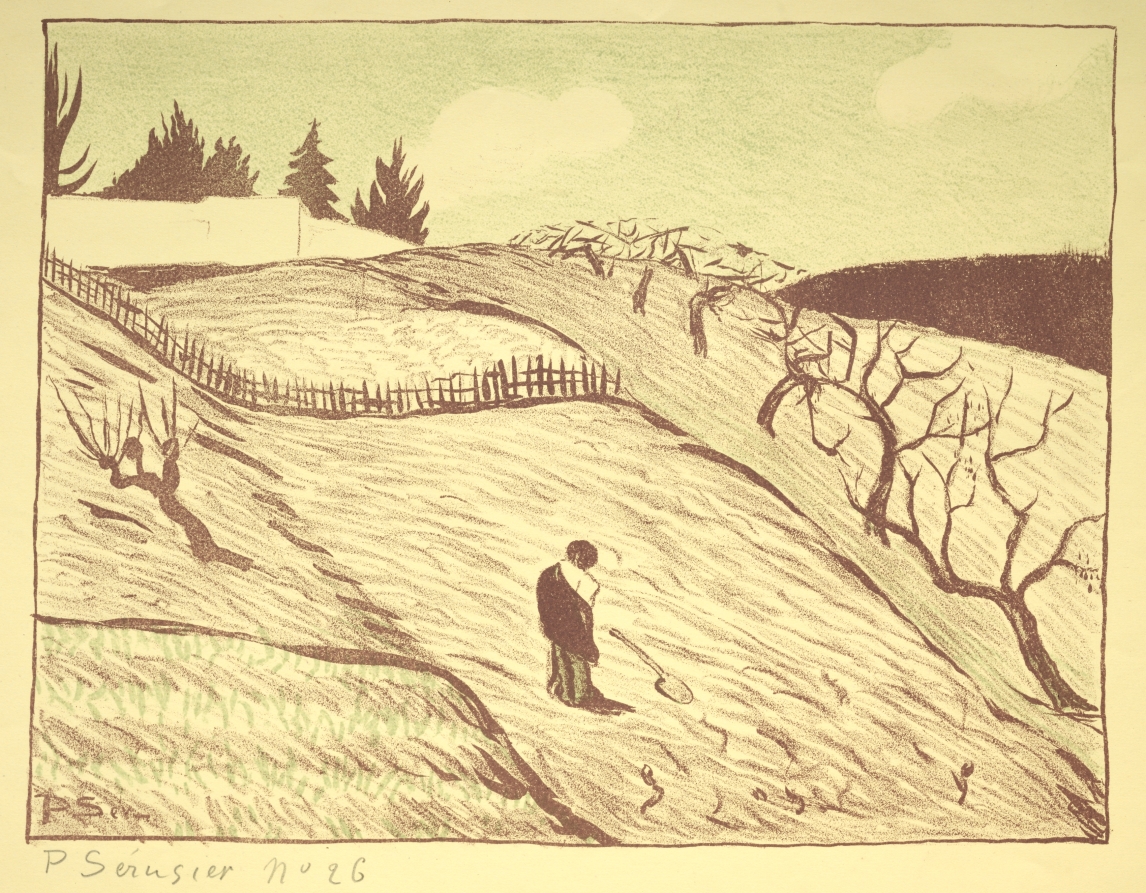
Landscape (1893; Cleveland 2004.39)

Landscape (1893): Art, History and Details

Landscape at the Cleveland Museum of Art: 1893, lithograph printed in green and brown on yellow paper. Explore the work's context, creator attribution and collection history.

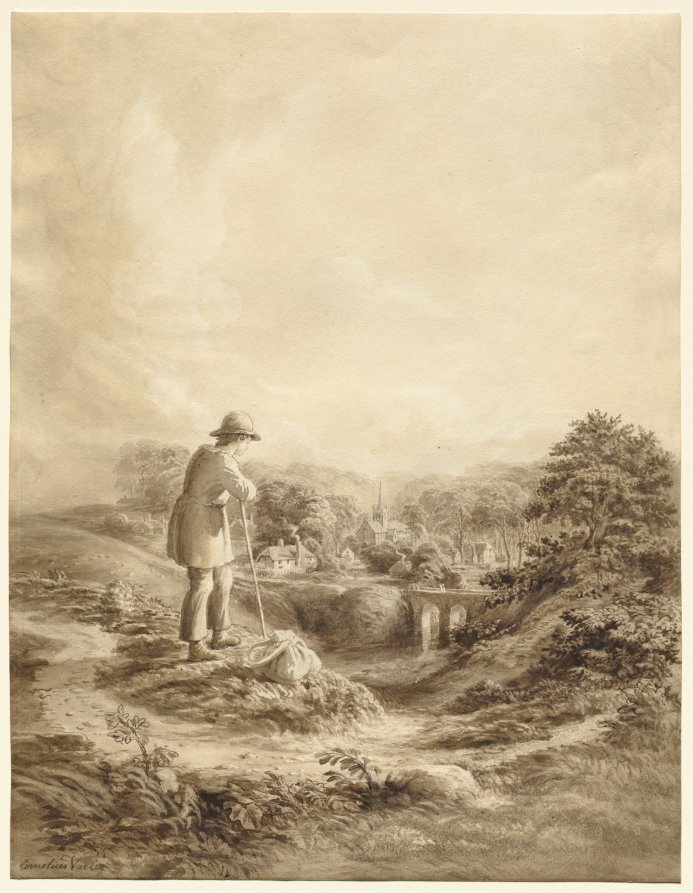
Landscape with Figure in Foreground (c. 1840; Cleveland 2004.40)

Landscape with Figure in Foreground (c. 1840): Art, History and Details

Landscape with Figure in Foreground at the Cleveland Museum of Art: c. 1840, brown ink and brown wash with graphite. Explore the work's context, creator attribution and collection history.

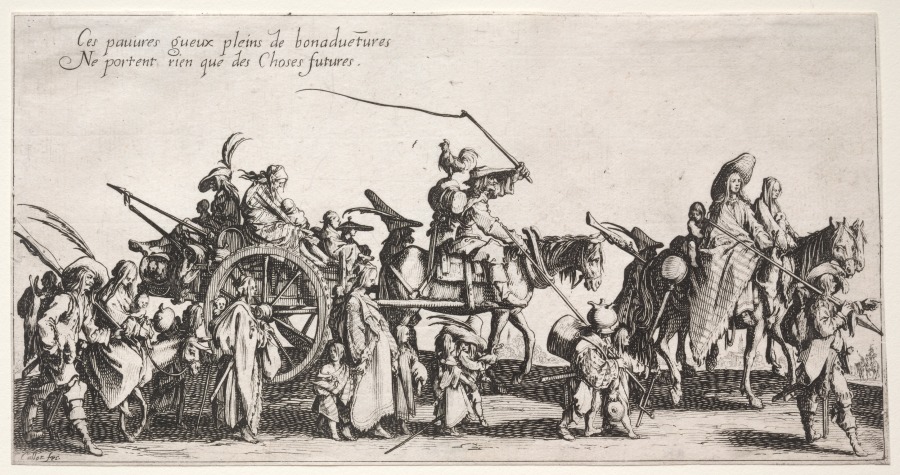
The Bohemians (c. 1621–25; Cleveland 2004.42)

The Bohemians (c. 1621–25): Art, History and Details

The Bohemians at the Cleveland Museum of Art: c. 1621–25, etching and engraving. Explore the work's context, creator attribution and collection history.

The Bohemians: The Bohemians Marching: The Rear Guard (c. 1621–25; Cleveland 2004.42.a)

The Bohemians: The Bohemians Marching: The Rear Guard (c. 1621–25): Art, History and Details

The Bohemians: The Bohemians Marching: The Rear Guard at the Cleveland Museum of Art: c. 1621–25, etching and engraving. Explore the work's context, creator attribution and collection history.

The Bohemians: The Bohemians Marching: The Vanguard (c. 1621–25; Cleveland 2004.42.b)

The Bohemians: The Bohemians Marching: The Vanguard (c. 1621–25): Art, History and Details

The Bohemians: The Bohemians Marching: The Vanguard at the Cleveland Museum of Art: c. 1621–25, etching and engraving. Explore the work's context, creator attribution and collection history.

The Stopping Place: The Fortune Teller (c. 1621–25; Cleveland 2004.42.c)

The Stopping Place: The Fortune Teller (c. 1621–25): Art, History and Details

The Stopping Place: The Fortune Teller at the Cleveland Museum of Art: c. 1621–25, etching and engraving. Explore the work's context, creator attribution and collection history.

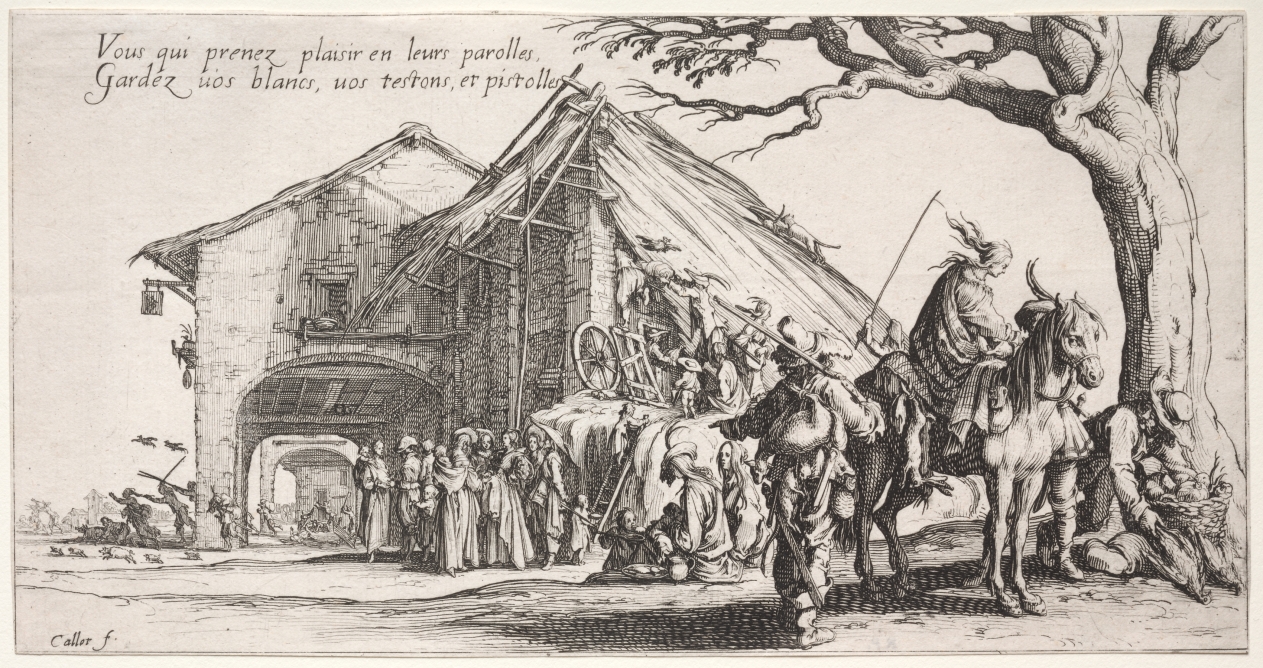
The Stopping Place: The Feast of the Bohemians (c. 1621–25; Cleveland 2004.42.d)

The Stopping Place: The Feast of the Bohemians (c. 1621–25): Art, History and Details

The Stopping Place: The Feast of the Bohemians at the Cleveland Museum of Art: c. 1621–25, etching and engraving. Explore the work's context, creator attribution and collection history.

Jar with Spiral Designs (3300–2650 BCE; Cleveland 2004.64)

Jar with Spiral Designs (3300–2650 BCE): Art, History and Details

Jar with Spiral Designs at the Cleveland Museum of Art: 3300–2650 BCE, earthenware with slip-painted decoration. Explore the work's context, creator attribution and collection history.

Four Poems: Calligraphy in Cursive Script (xingshu) (1500s-1600s; Cleveland 2004.65)

Four Poems: Calligraphy in Cursive Script (xingshu) (1500s-1600s): Art, History and Details

Four Poems: Calligraphy in Cursive Script (xingshu) at the Cleveland Museum of Art: 1500s-1600s, handscroll; ink on gold speckled paper. Explore the work's context, creator attribution and collection history.

Standing Female with Basket (600–1000; Cleveland 2004.67)

Standing Female with Basket (600–1000): Art, History and Details

Standing Female with Basket at the Cleveland Museum of Art: 600–1000, ceramic, slip. Explore the work's context, creator attribution and collection history.

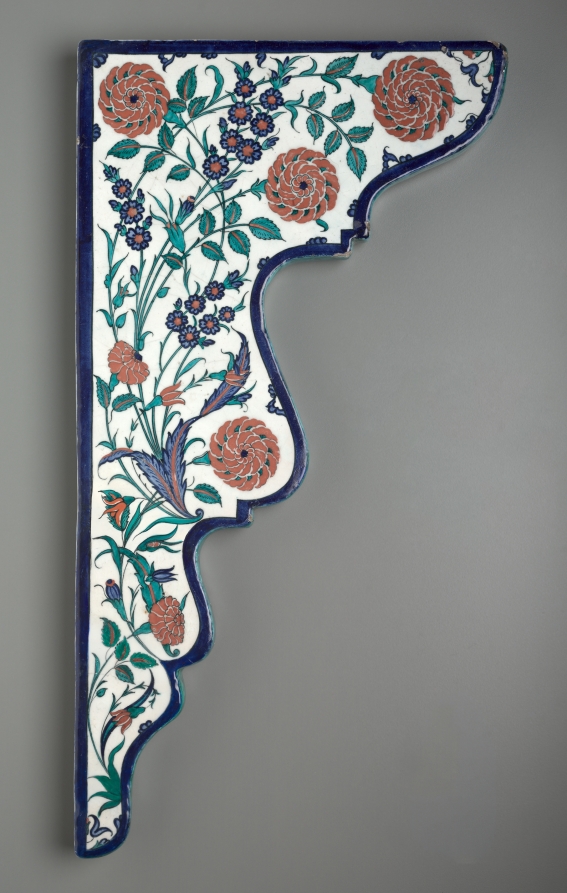
Tile Spandrel with Floral Sprays (c. 1570–75; Cleveland 2004.70)

Tile Spandrel with Floral Sprays (c. 1570–75): Art, History and Details

Tile Spandrel with Floral Sprays at the Cleveland Museum of Art: c. 1570–75, Fritware with red slip and underglaze design. Explore the work's context, creator attribution and collection history.

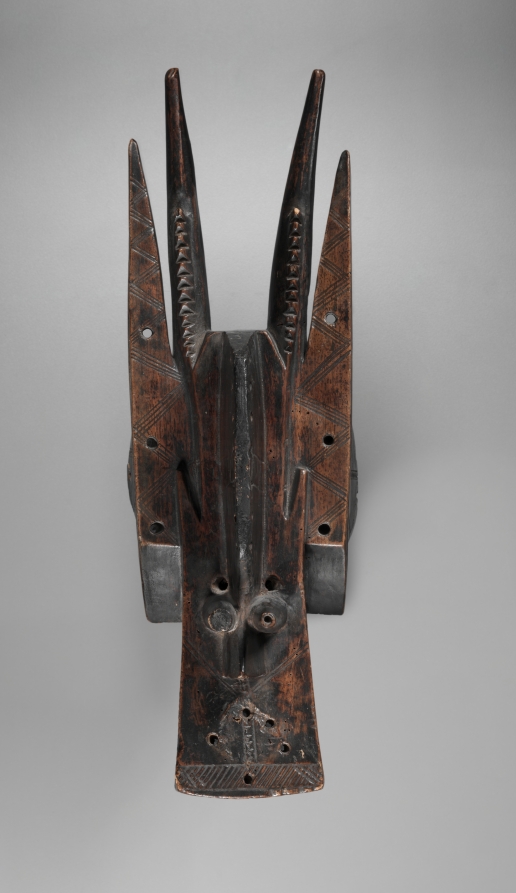
Helmet Mask (mid- to late 1800s; Cleveland 2004.84)

Helmet Mask (mid- to late 1800s): Art, History and Details

Helmet Mask at the Cleveland Museum of Art: mid- to late 1800s, Wood and probably resin. Explore the work's context, creator attribution and collection history.

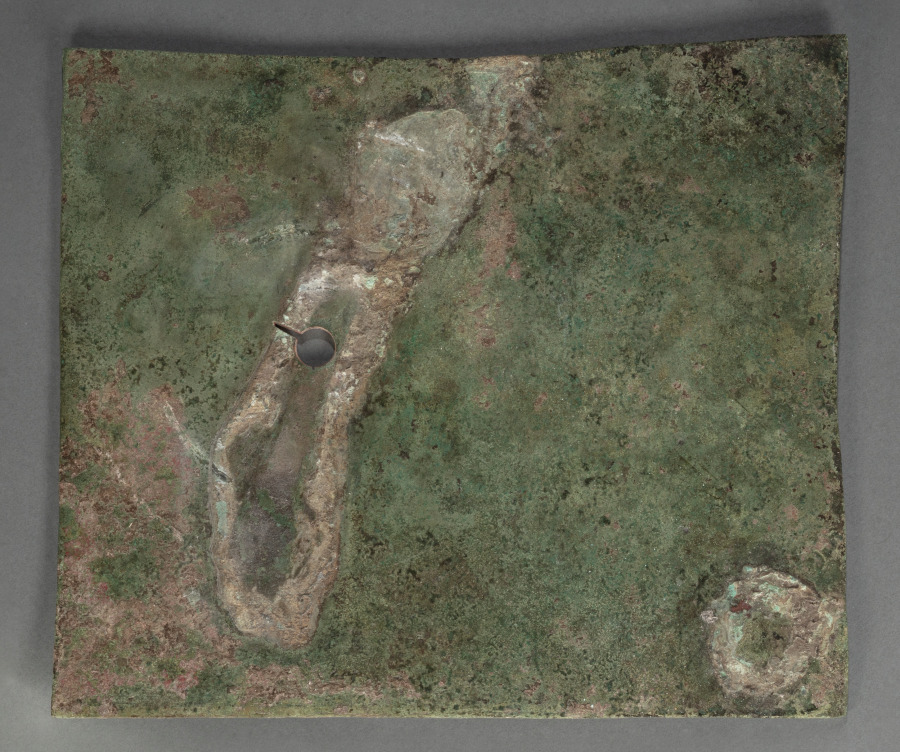
Baseplate for the Cleveland Apollo: Apollo Sauroktonos (Lizard-Slayer) or Apollo the Python-Slayer (c. 350–200 BCE, or possibly later; Cleveland 2004.30.d)

Baseplate for the Cleveland Apollo: Apollo Sauroktonos (Lizard-Slayer) or Apollo the Python-Slayer (c. 350–200 BCE, or possibly later): Art, History and Details

Baseplate for the Cleveland Apollo: Apollo Sauroktonos (Lizard-Slayer) or Apollo the Python-Slayer at the Cleveland Museum of Art: c. 350–200 BCE, or possibly later, bronze. Explore the work's context, creator attribution and collection his

Wooded Landscape at L'Hermitage, Pontoise (1879; Cleveland 2004.105)

Wooded Landscape at L'Hermitage, Pontoise (1879): Art, History and Details

Wooded Landscape at L'Hermitage, Pontoise at the Cleveland Museum of Art: 1879, softground, aquatint, and drypoint. Explore the work's context, creator attribution and collection history.

Sindhu Raga (c. 1720; Cleveland 2004.110)

Sindhu Raga (c. 1720): Art, History and Details

Sindhu Raga at the Cleveland Museum of Art: c. 1720, Gum tempera and ink on paper. Explore the work's context, creator attribution and collection history.

Staff of Office (early to mid-1800s; Cleveland 2004.85)

Staff of Office (early to mid-1800s): Art, History and Details

Staff of Office at the Cleveland Museum of Art: early to mid-1800s, Wood and iron. Explore the work's context, creator attribution and collection history.

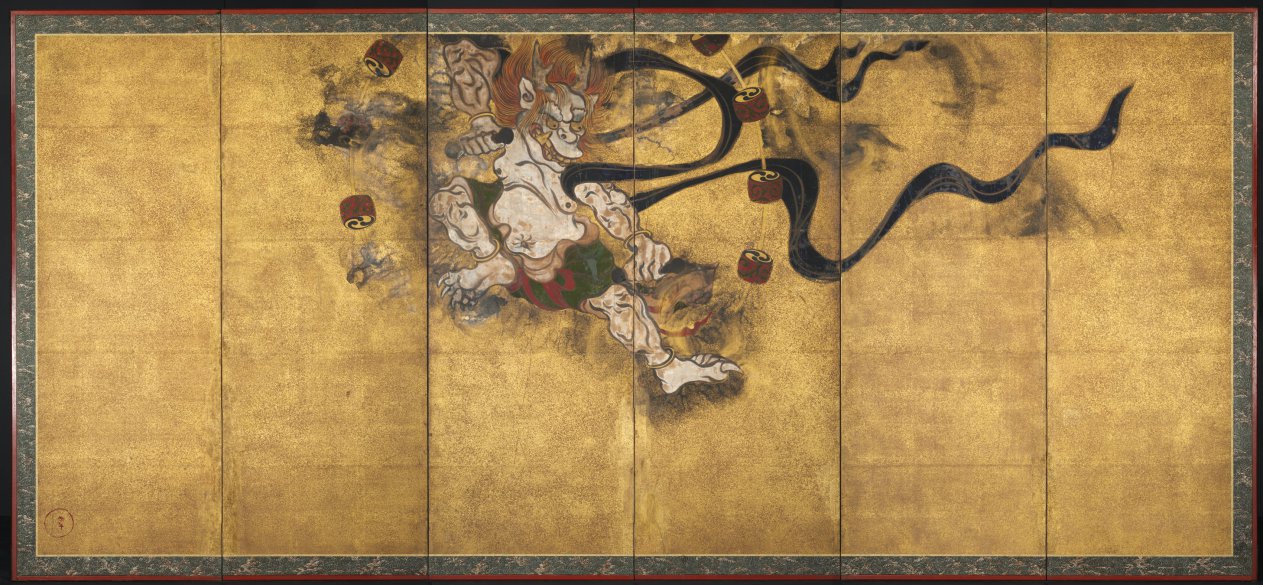
God of Thunder (Raijin) (mid-1600s; Cleveland 2004.86)

God of Thunder (Raijin) (mid-1600s): Art, History and Details

God of Thunder (Raijin) at the Cleveland Museum of Art: mid-1600s, six-panel folding screen; ink, color, and gold on paper. Explore the work's context, creator attribution and collection history.

Self-Portrait (1857; Cleveland 2004.87)

Self-Portrait (1857): Art, History and Details

Self-Portrait at the Cleveland Museum of Art: 1857, etching and drypoint. Explore the work's context, creator attribution and collection history.

Rhine Maidens (1930; Cleveland 2004.91)

Rhine Maidens (1930): Art, History and Details

Rhine Maidens at the Cleveland Museum of Art: 1930, glazed earthenware. Explore the work's context, creator attribution and collection history.

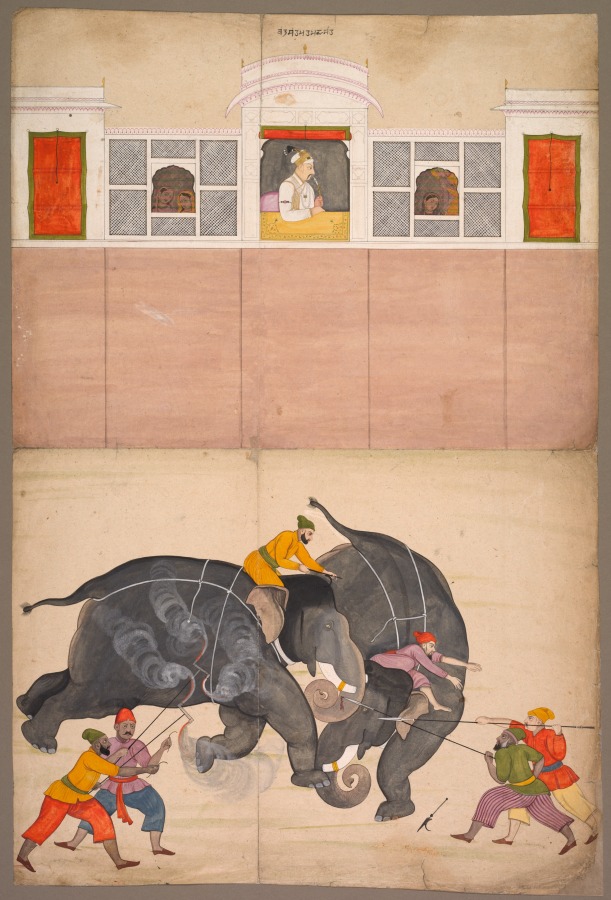
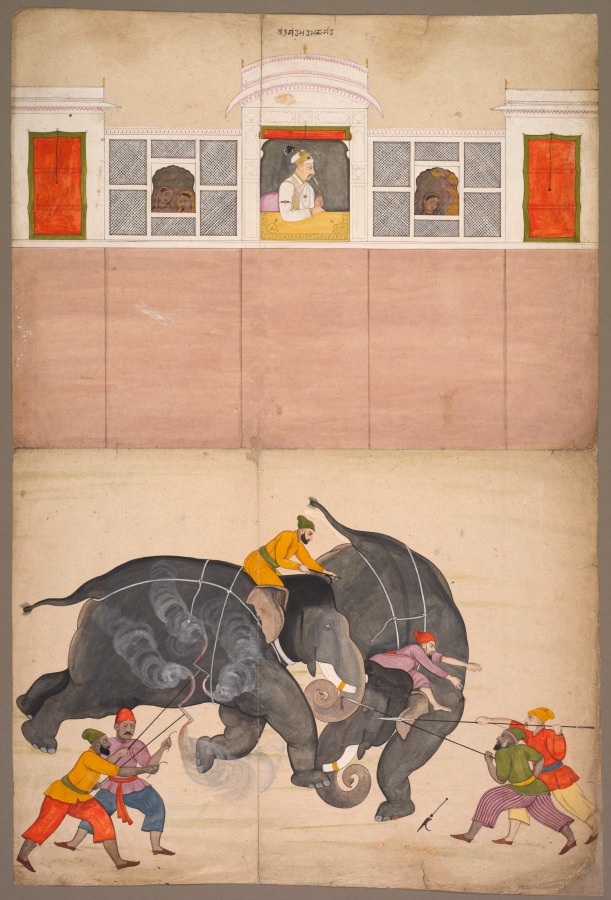
Two Elephants Fighting in a Courtyard Before Muhammad Shah (c. 1730–40; Cleveland 2005.1)

Two Elephants Fighting in a Courtyard Before Muhammad Shah (c. 1730–40): Art, History and Details

Two Elephants Fighting in a Courtyard Before Muhammad Shah at the Cleveland Museum of Art: c. 1730–40, Gum tempera, ink, and gold on paper. Explore the work's context, creator attribution and collection history.

Two Elephants Fighting in a Courtyard Before Muhammad Shah (c. 1730–40; Cleveland 2005.1.a)

Two Elephants Fighting in a Courtyard Before Muhammad Shah (c. 1730–40): Art, History and Details

Two Elephants Fighting in a Courtyard Before Muhammad Shah at the Cleveland Museum of Art: c. 1730–40, Gum tempera, ink, and gold on paper. Explore the work's context, creator attribution and collection history.

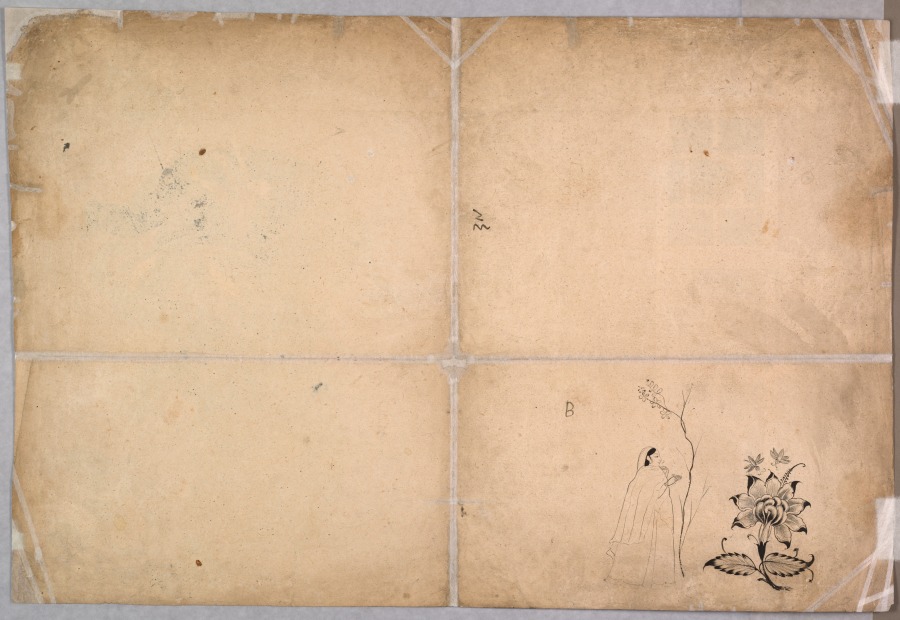
Two Elephants Fighting in a Courtyard Before Muhammad Shah (c. 1730–40; Cleveland 2005.1.b)

Two Elephants Fighting in a Courtyard Before Muhammad Shah (c. 1730–40): Art, History and Details

Two Elephants Fighting in a Courtyard Before Muhammad Shah at the Cleveland Museum of Art: c. 1730–40, Gum tempera and ink on paper. Explore the work's context, creator attribution and collection history.

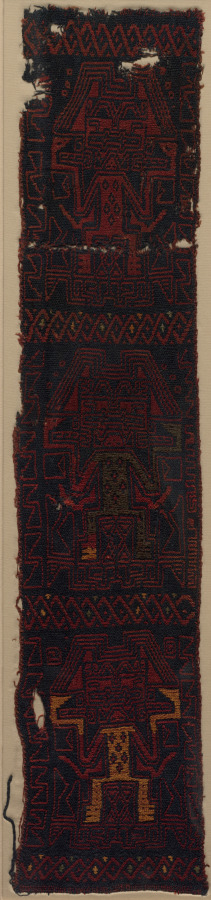
Textile Fragment with Three Frontal Deities and Interlace Pattern (700–400 BCE; Cleveland 2005.13)

Textile Fragment with Three Frontal Deities and Interlace Pattern (700–400 BCE): Art, History and Details

Textile Fragment with Three Frontal Deities and Interlace Pattern at the Cleveland Museum of Art: 700–400 BCE, camelid fiber; double-cloth with structural embroidery. Explore the work's context, creator attribution and collection history.

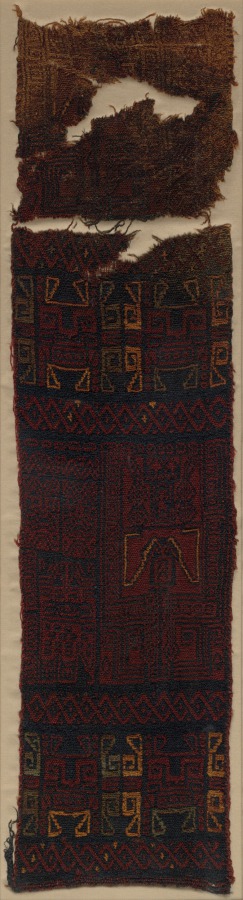
Textile Fragment with Frontal Deity Heads, Felines, and Interlace Pattern (700–400 BCE; Cleveland 2005.14)

Textile Fragment with Frontal Deity Heads, Felines, and Interlace Pattern (700–400 BCE): Art, History and Details

Textile Fragment with Frontal Deity Heads, Felines, and Interlace Pattern at the Cleveland Museum of Art: 700–400 BCE, camelid fiber; double-cloth with structural embroidery. Explore the work's context, creator attribution and collection hi
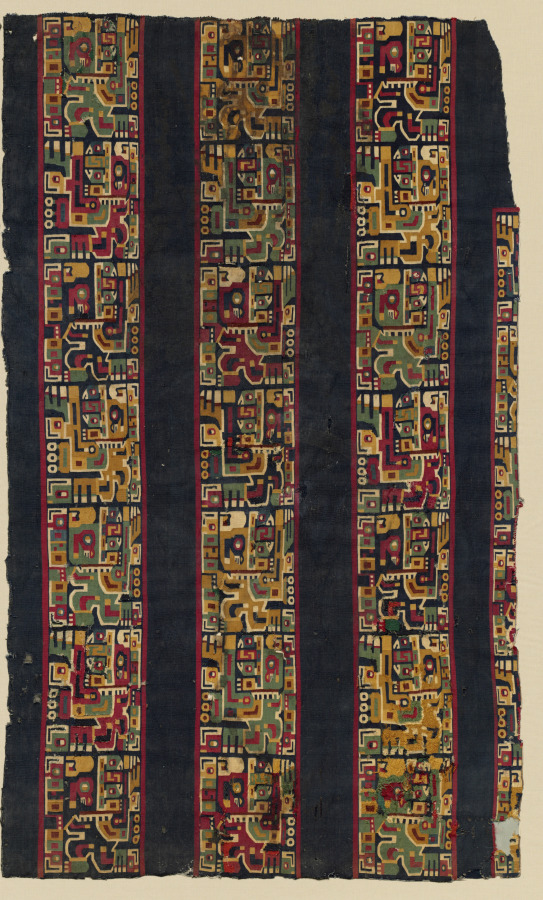
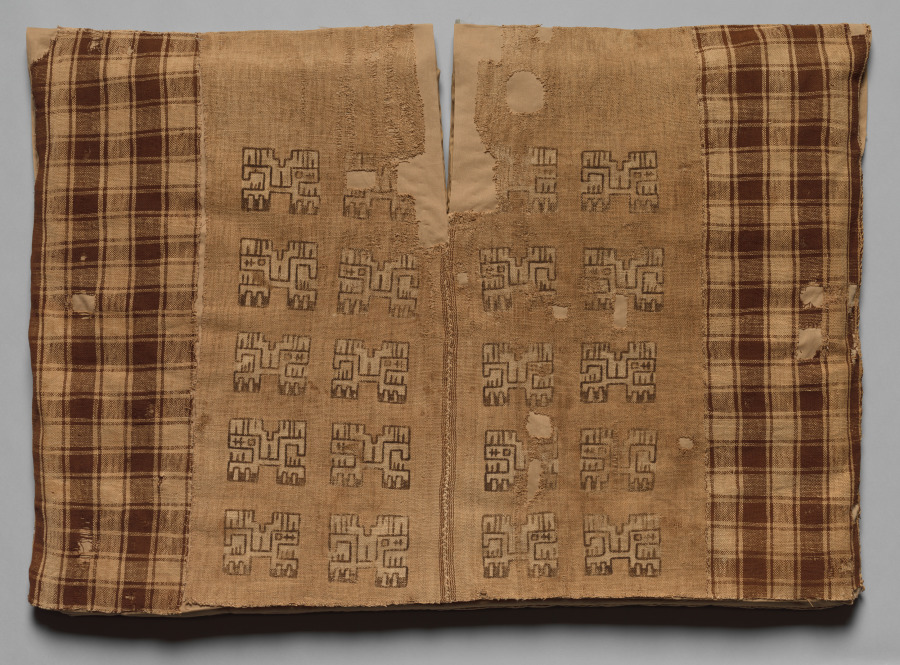
Tunic with Profile Animals and Checkerboards (410–540 CE (radiocarbon date, 93% probability); Cleveland 2005.16)

Tunic with Profile Animals and Checkerboards (410–540 CE (radiocarbon date, 93% probability)): Art, History and Details

Tunic with Profile Animals and Checkerboards at the Cleveland Museum of Art: 410–540 CE (radiocarbon date, 93% probability), cotton; dye-patterned plain weave. Explore the work's context, creator attribution and collection history.

Tunic with Double-headed Serpents (400–200 BCE; Cleveland 2005.17)

Tunic with Double-headed Serpents (400–200 BCE): Art, History and Details

Tunic with Double-headed Serpents at the Cleveland Museum of Art: 400–200 BCE, cotton; gauze. Explore the work's context, creator attribution and collection history.

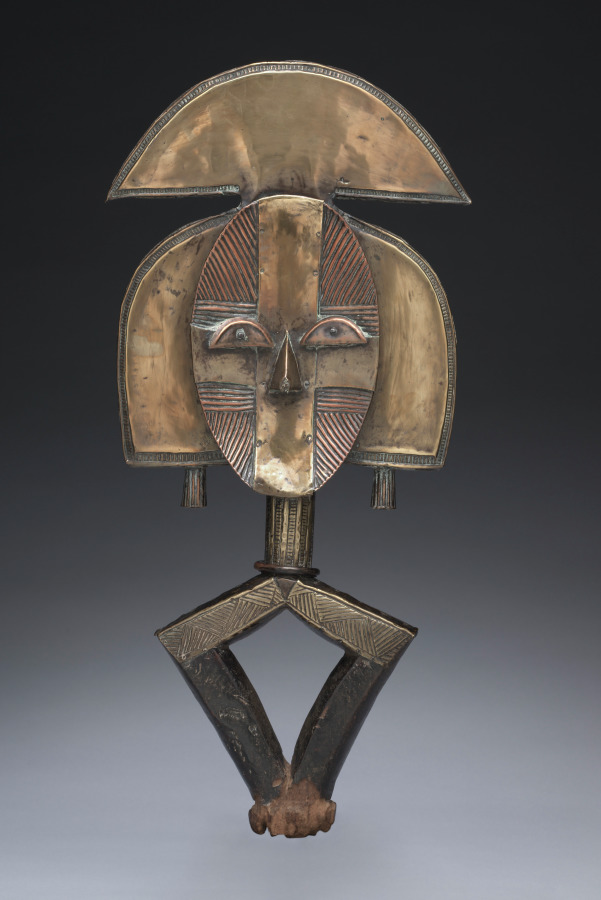
Sculptural Element from a Reliquary Ensemble (mbulu ngulu) (probably 1800s; Cleveland 2005.2)

Sculptural Element from a Reliquary Ensemble (mbulu ngulu) (probably 1800s): Art, History and Details

Sculptural Element from a Reliquary Ensemble (mbulu ngulu) at the Cleveland Museum of Art: probably 1800s, Wood, copper alloy, and iron. Explore the work's context, creator attribution and collection history.

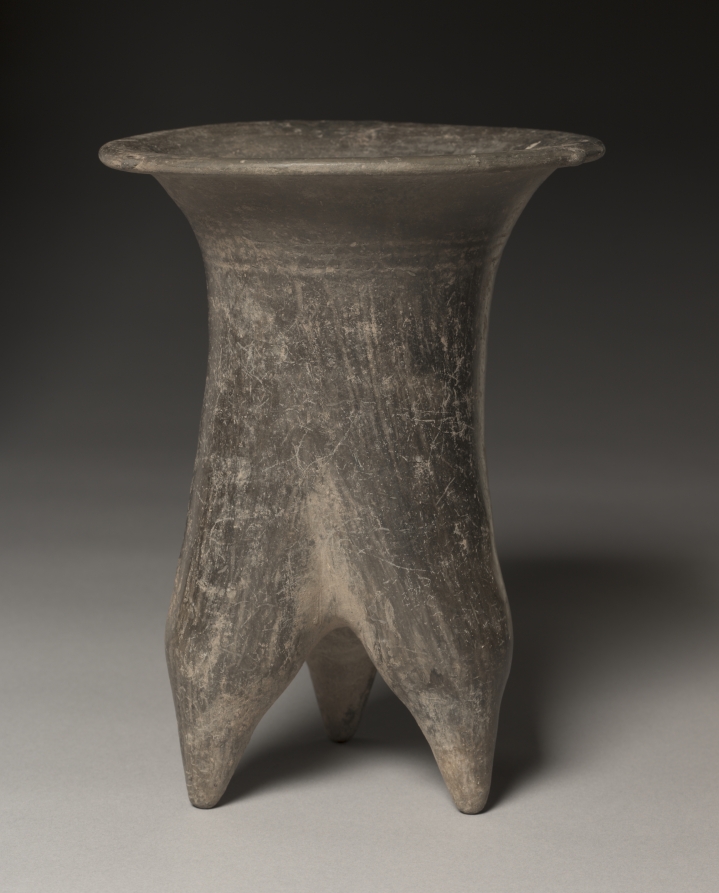
Li, Hollow-Legged Tripod (1200–800 BCE; Cleveland 2005.20)

Li, Hollow-Legged Tripod (1200–800 BCE): Art, History and Details

Li, Hollow-Legged Tripod at the Cleveland Museum of Art: 1200–800 BCE, dark gray earthenware. Explore the work's context, creator attribution and collection history.

Figure (iginga) (probably 1800s; Cleveland 2005.3)

Figure (iginga) (probably 1800s): Art, History and Details

Figure (iginga) at the Cleveland Museum of Art: probably 1800s, Elephant ivory, tukula, and oil. Explore the work's context, creator attribution and collection history.

Evening Mood-Lidingö (1900; Cleveland 2005.4)

Evening Mood-Lidingö (1900): Art, History and Details

Evening Mood-Lidingö at the Cleveland Museum of Art: 1900, oil on canvas. Explore the work's context, creator attribution and collection history.

Mantle or Hanging (1480–1635 (radiocarbon date, 95.4% probability); Cleveland 2005.5.1)

Mantle or Hanging (1480–1635 (radiocarbon date, 95.4% probability)): Art, History and Details

Mantle or Hanging at the Cleveland Museum of Art: 1480–1635 (radiocarbon date, 95.4% probability), cotton; plain weave, brocaded and complex alternating gauze with 3 or 5 shots of plain weave between gauze shots. Explore the work's context,

Grave Stele (Relief) (c. 50 BCE; Cleveland 2005.52)

Grave Stele (Relief) (c. 50 BCE): Art, History and Details

Grave Stele (Relief) at the Cleveland Museum of Art: c. 50 BCE, marble. Explore the work's context, creator attribution and collection history.

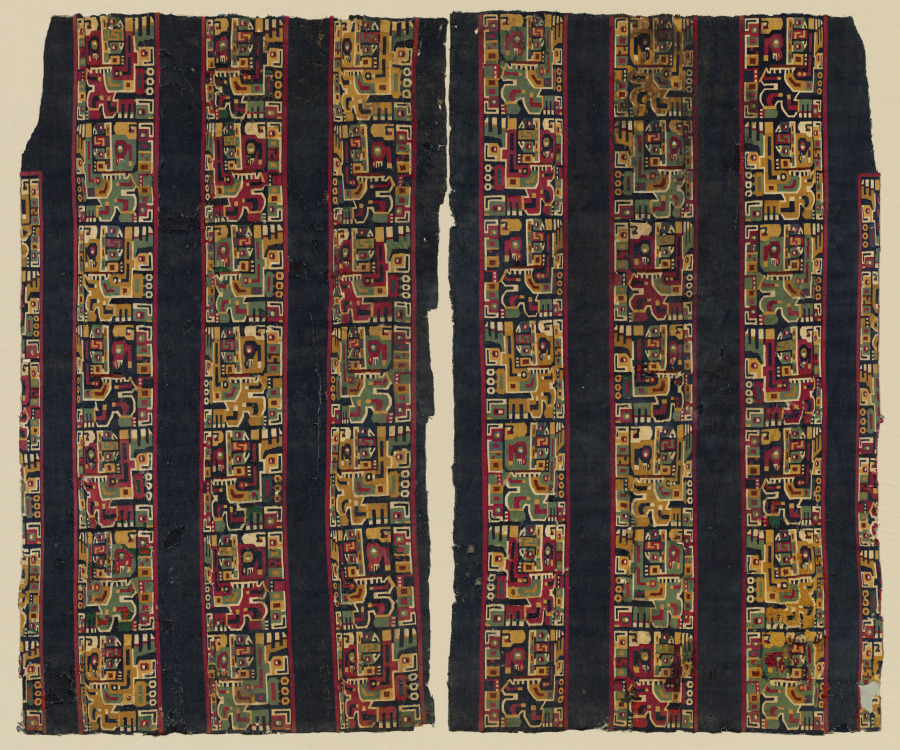
Tunic Fragments with Bird-Headed Creature (600–1000; Cleveland 2005.53)

Tunic Fragments with Bird-Headed Creature (600–1000): Art, History and Details

Tunic Fragments with Bird-Headed Creature at the Cleveland Museum of Art: 600–1000, Camelid fiber, cotton: tapestry weave. Explore the work's context, creator attribution and collection history.

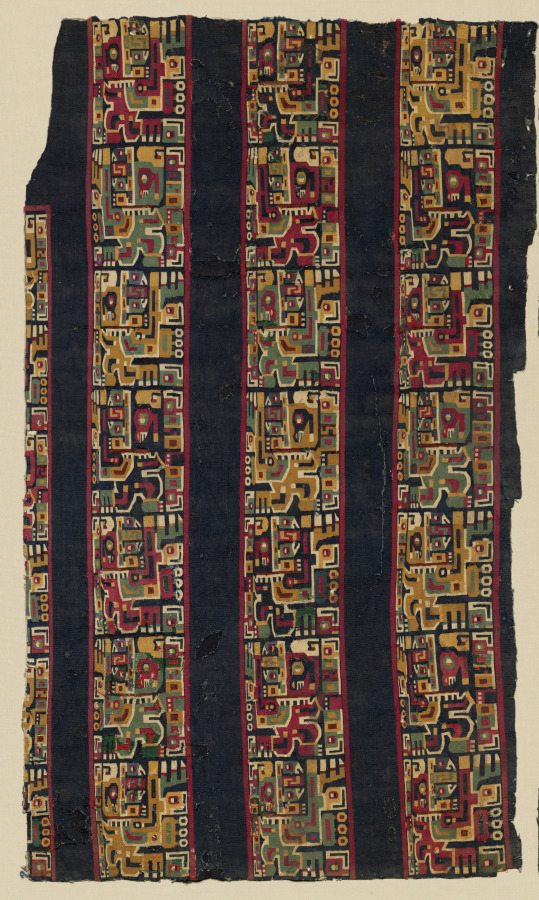
Half of a Sleeved Tunic (c. 500–1000; Cleveland 2005.53.a)

Half of a Sleeved Tunic (c. 500–1000): Art, History and Details

Half of a Sleeved Tunic at the Cleveland Museum of Art: c. 500–1000, camelid fiber, cotton: tapestry weave. Explore the work's context, creator attribution and collection history.

Half of a Sleeved Tunic (c. 500–1000; Cleveland 2005.53.b)

Half of a Sleeved Tunic (c. 500–1000): Art, History and Details

Half of a Sleeved Tunic at the Cleveland Museum of Art: c. 500–1000, single-interlocked tapestry; cotton warp; camelid fiber weft. Explore the work's context, creator attribution and collection history.