Tathagata Buddha (late 1800s): Art, History and Details
Tathagata Buddha at the Cleveland Museum of Art: late 1800s, hanging scroll; ink and color on paper. Explore the work's context, creator attribution and collection history.
Oldest entries first, in a fixed order. Newly added articles appear at the end. Explore a shuffled selection →
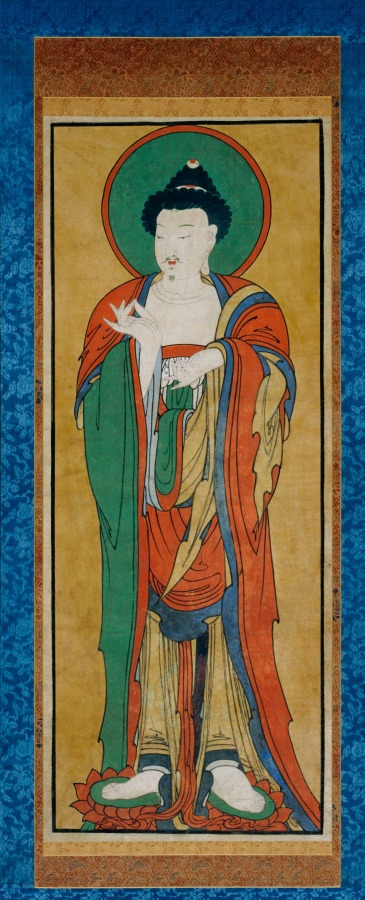
Tathagata Buddha at the Cleveland Museum of Art: late 1800s, hanging scroll; ink and color on paper. Explore the work's context, creator attribution and collection history.

Heavenly King Virudhaka at the Cleveland Museum of Art: 1368–1644, hanging scroll; color on silk. Explore the work's context, creator attribution and collection history.
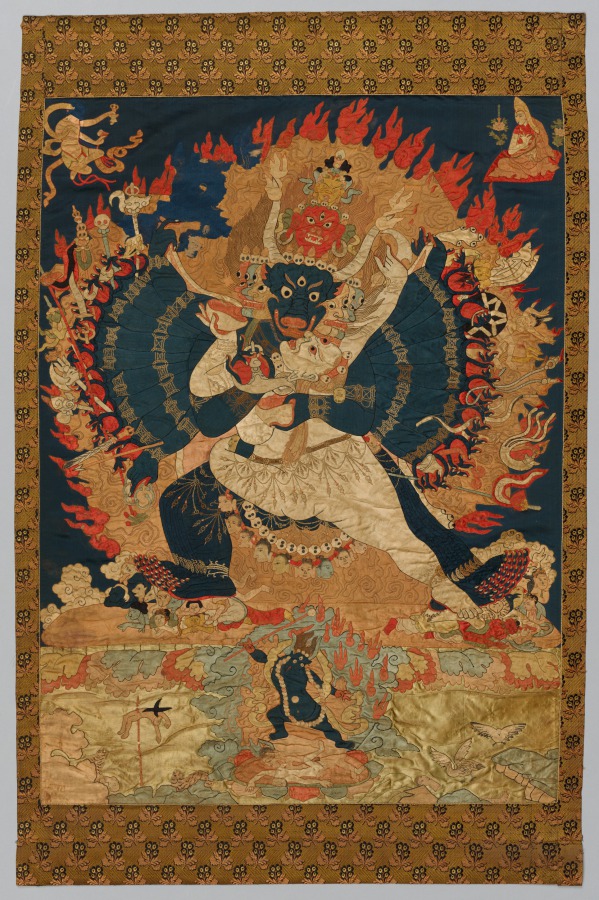
Yamantaka Vajrabhairava and consort Vajravetali at the Cleveland Museum of Art: 1700s, Silk appliqué embroidery with paper, metallic thread, hair, and ink. Explore the work's context, creator attribution and collection history.

Wedding Fan at the Cleveland Museum of Art: mid-1800s, Copper alloy; satin weave silk; silk and metal thread embroidery; and paper. Explore the work's context, creator attribution and collection history.
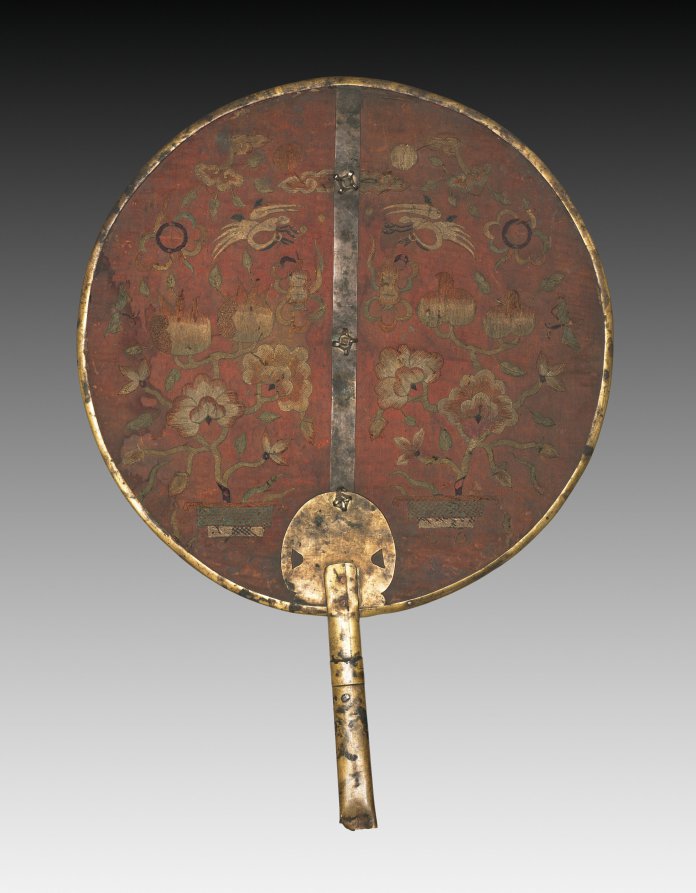
Embroidered Fan for Wedding Ceremony at the Cleveland Museum of Art: 1850–1918, Circular fan; copper alloy, silk, metal thread, and paper. Explore the work's context, creator attribution and collection history.
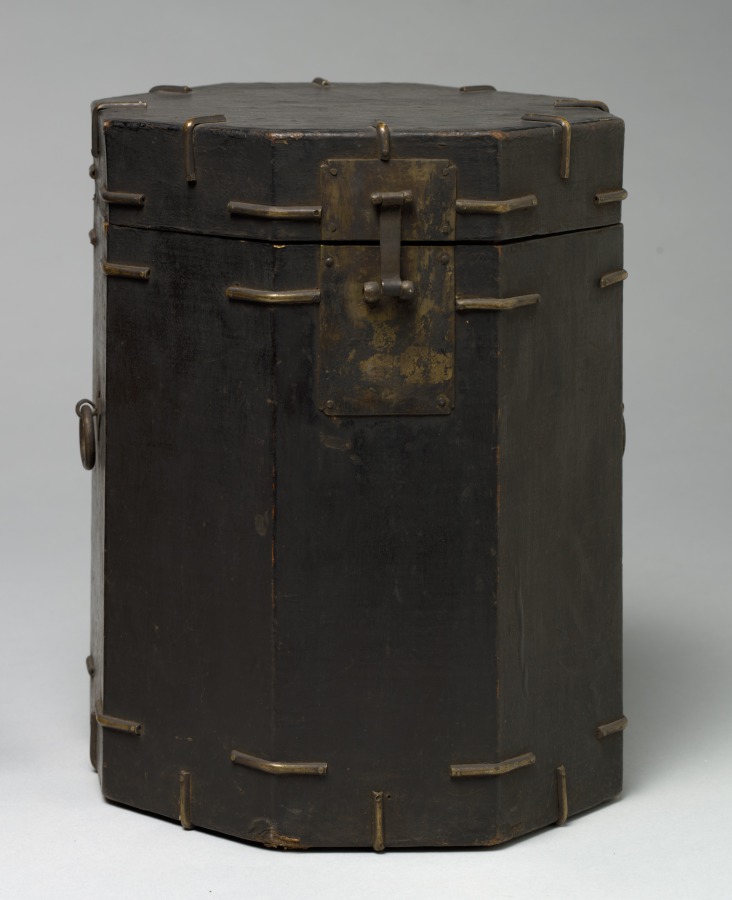
Crown Box for the Royal Ceremonial Costume at the Cleveland Museum of Art: late 1800s–early 1900s, wood with metal hardware. Explore the work's context, creator attribution and collection history.
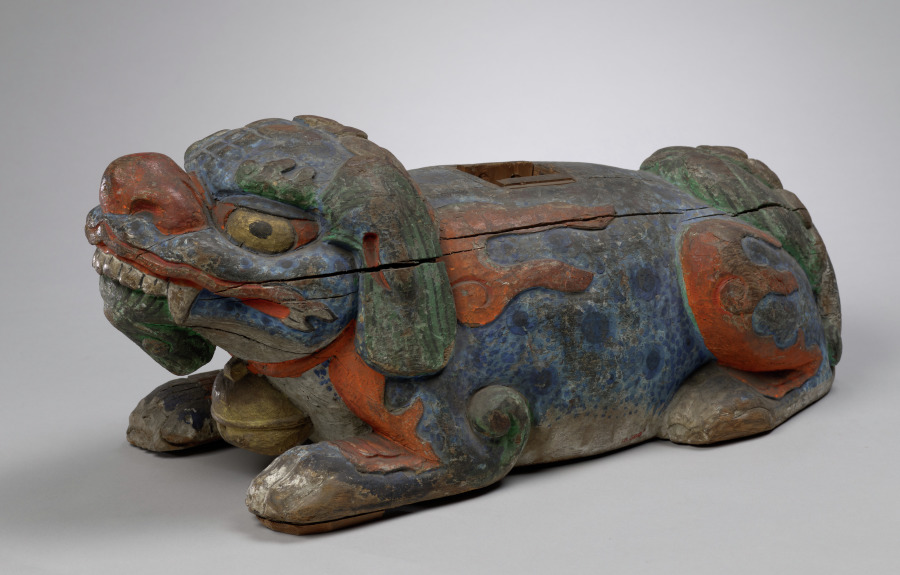
Base at the Cleveland Museum of Art: 1392–1897, wood. Explore the work's context, creator attribution and collection history.

A Pair of Chopsticks at the Cleveland Museum of Art: 918–1392, bronze. Explore the work's context, creator attribution and collection history.

Chopstick at the Cleveland Museum of Art: 918–1392, bronze. Explore the work's context, creator attribution and collection history.

Chopstick at the Cleveland Museum of Art: 918–1392, bronze. Explore the work's context, creator attribution and collection history.
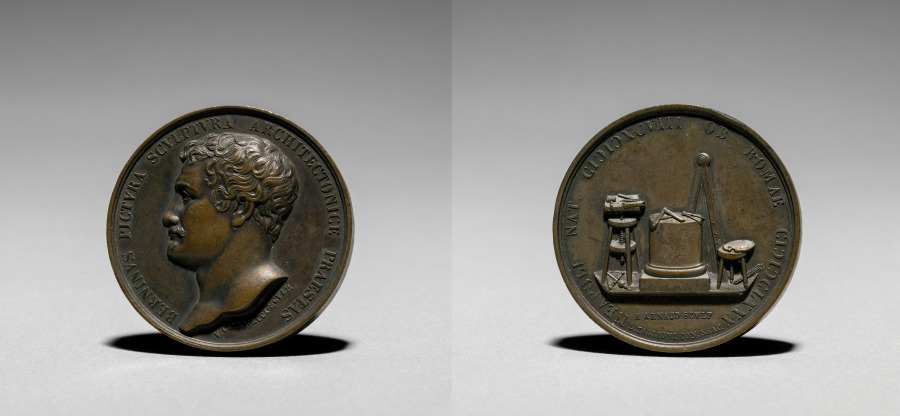
Medal Depicting Gian Lorenzo Bernini (1598-1680) from the Illustrious Men of the Kingdom of the Two Sicilies at the Cleveland Museum of Art: 1830–34, bronze. Explore the work's context, creator attribution and collection history.
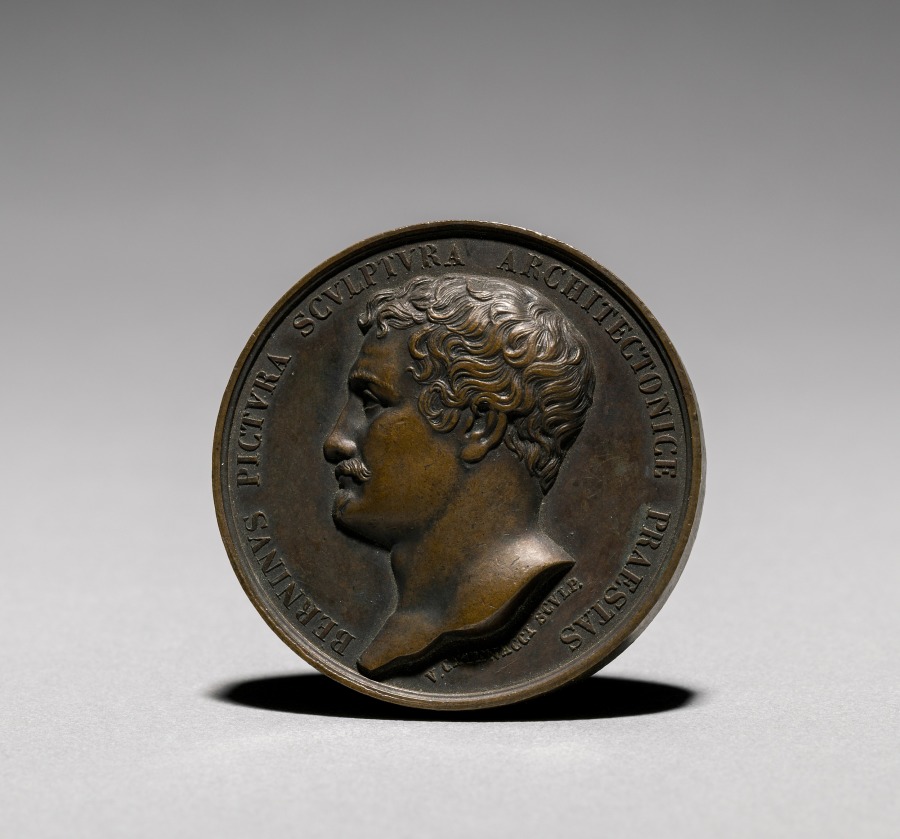
Medal Depicting Gian Lorenzo Bernini (1598-1680) from the Illustrious Men of the Kingdom of the Two Sicilies (obverse) at the Cleveland Museum of Art: 1830–34, bronze. Explore the work's context, creator attribution and collection history.
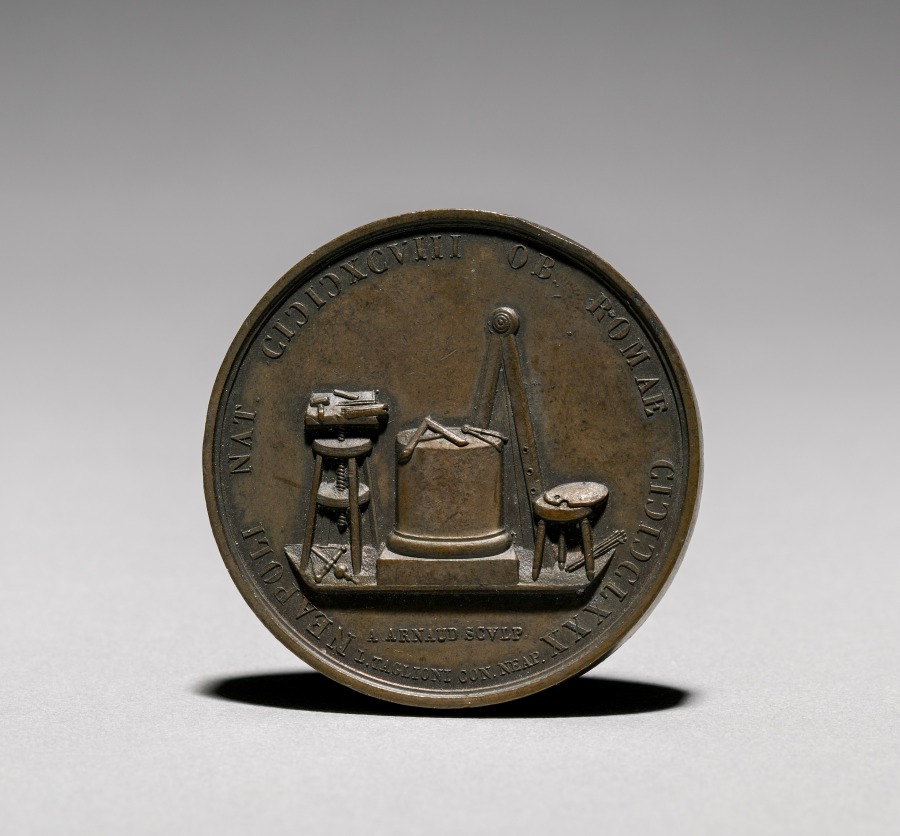
Medal Depicting Gian Lorenzo Bernini (1598-1680) from the Illustrious Men of the Kingdom of the Two Sicilies (reverse) at the Cleveland Museum of Art: 1830–34, bronze. Explore the work's context, creator attribution and collection history.

Sword (Barong) at the Cleveland Museum of Art: before 1918, Blade: metal; grip: silver; handle: wood with ivory inlay. Explore the work's context, creator attribution and collection history.
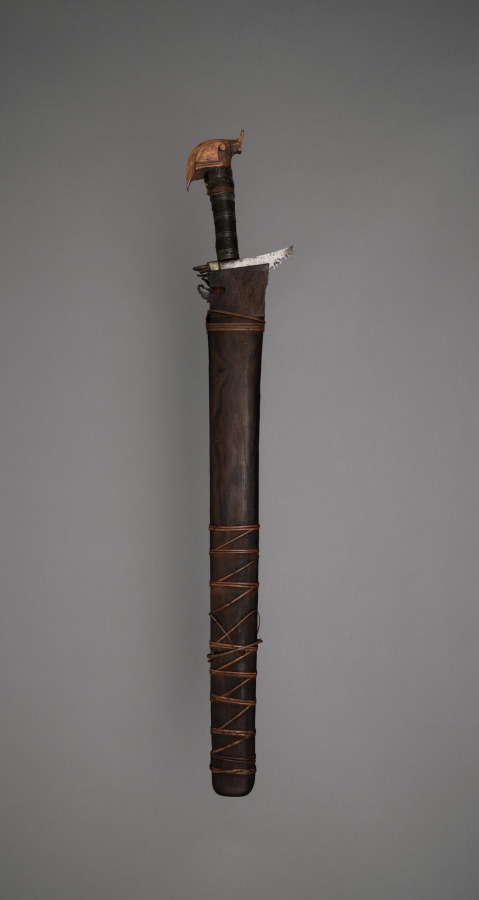
Sword (Kalis or Sundang) at the Cleveland Museum of Art: before 1918, Blade: metal; handle: metal with silver and braided twine; pommel: ivory. Explore the work's context, creator attribution and collection history.

Sword (Kalis or Sundang) at the Cleveland Museum of Art: 1800s, . Explore the work's context, creator attribution and collection history.

Octagonal Mirror Case with Lid at the Cleveland Museum of Art: 1800s, Varnished lacquer and opaque watercolor over papier-mâché. Explore the work's context, creator attribution and collection history.
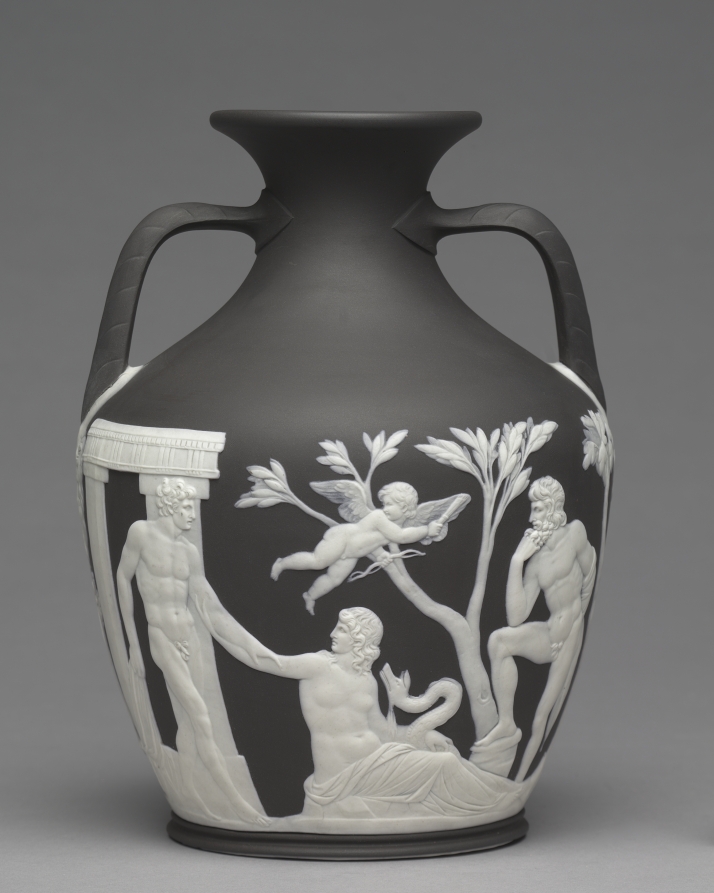
Portland Vase at the Cleveland Museum of Art: c.1790, jasperware with applied decoration. Explore the work's context, creator attribution and collection history.
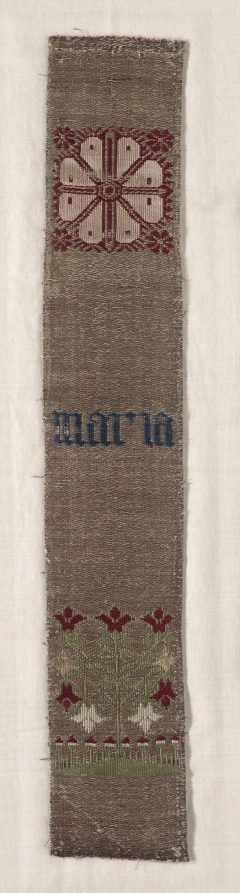
Fragment from an Orphrey Band at the Cleveland Museum of Art: 1300s–1400s, Linen, silk, metal-wrapped thread: compound twill weave. Explore the work's context, creator attribution and collection history.
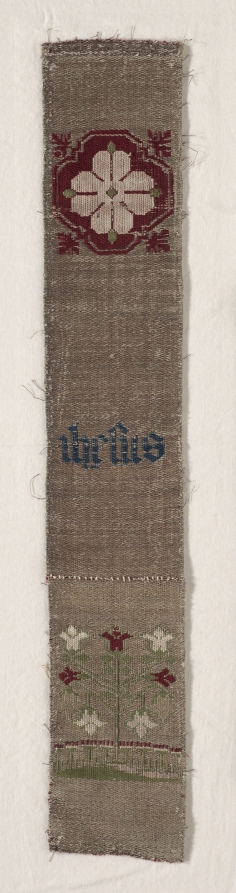
Fragment from an Orphrey Band at the Cleveland Museum of Art: 1300s–1400s, Linen, silk, metal-wrapped thread: compound twill weave. Explore the work's context, creator attribution and collection history.

Fragment from an Orphrey Band at the Cleveland Museum of Art: 1300s–1400s, Linen, silk, metal-wrapped thread: compound twill weave. Explore the work's context, creator attribution and collection history.
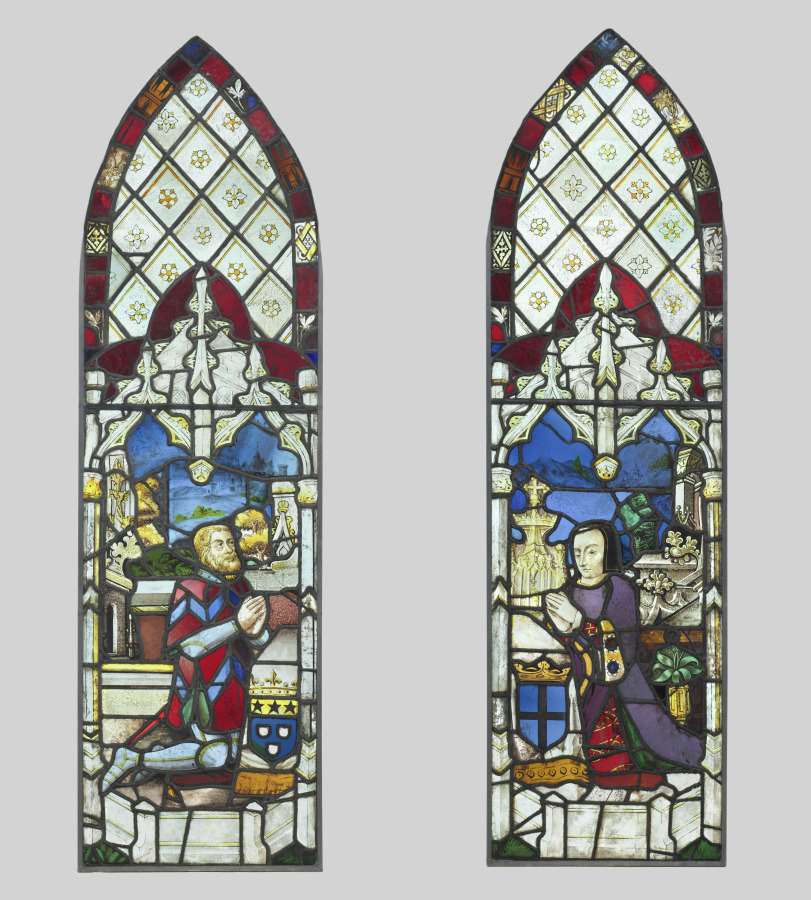
Pair of Stained Glass Panels with Male and Female Donor at the Cleveland Museum of Art: c. 1480, pot metal, white glass with silver stain. Explore the work's context, creator attribution and collection history.

Stained Glass Panel with Male Donor at the Cleveland Museum of Art: c. 1480, pot metal, white glass with silver stain. Explore the work's context, creator attribution and collection history.
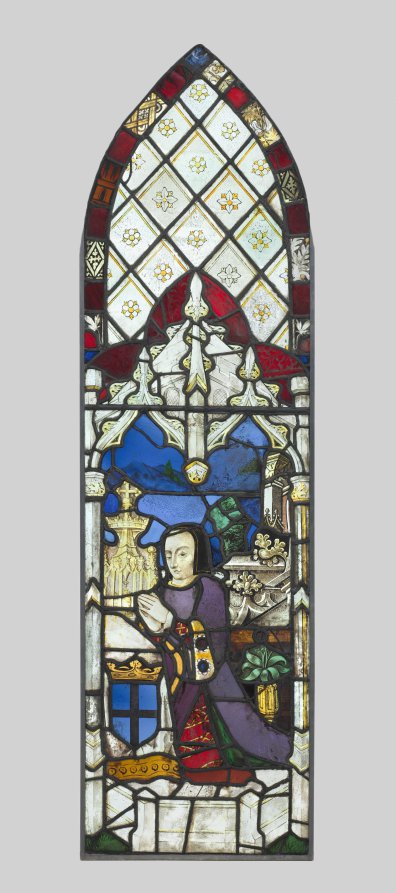
Stained Glass Panel with Female Donor at the Cleveland Museum of Art: c. 1480, pot metal, white glass with silver stain. Explore the work's context, creator attribution and collection history.
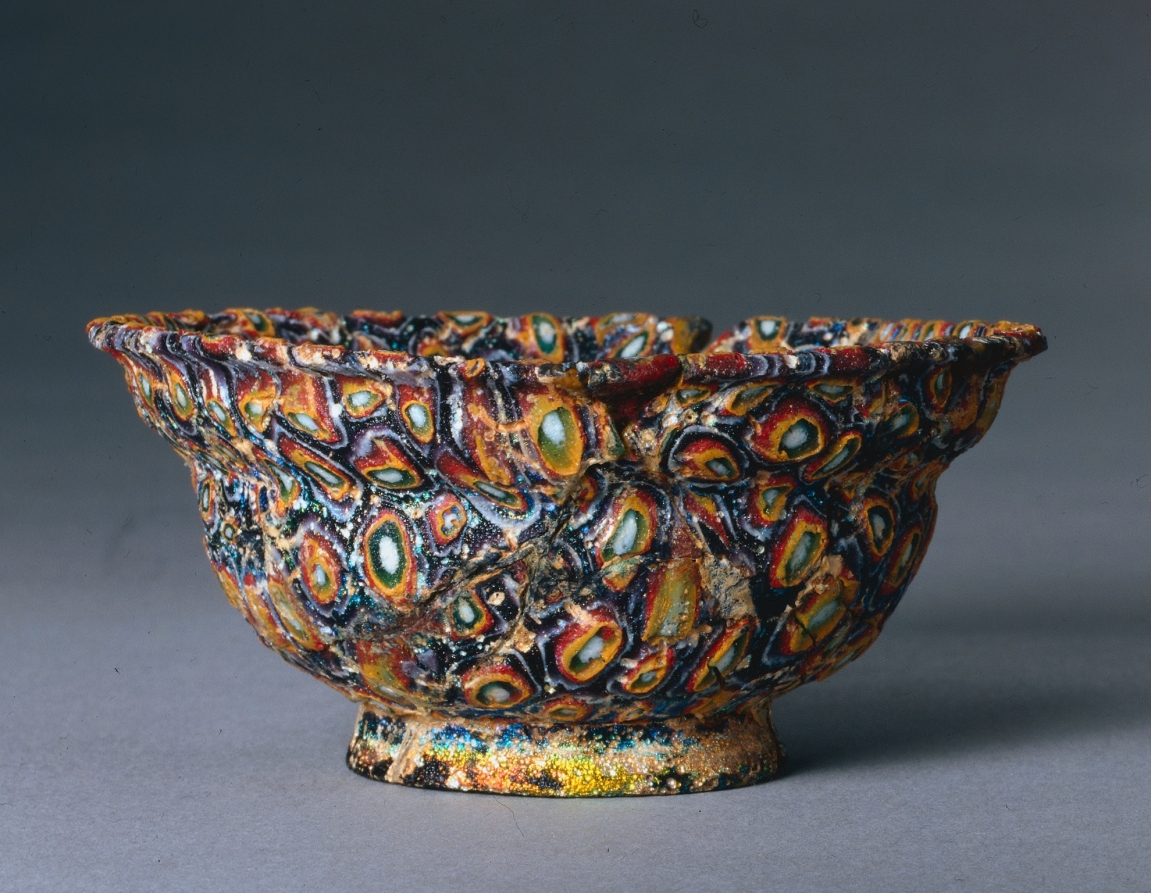
Millefiori Bowl at the Cleveland Museum of Art: 1–100 CE, glass. Explore the work's context, creator attribution and collection history.
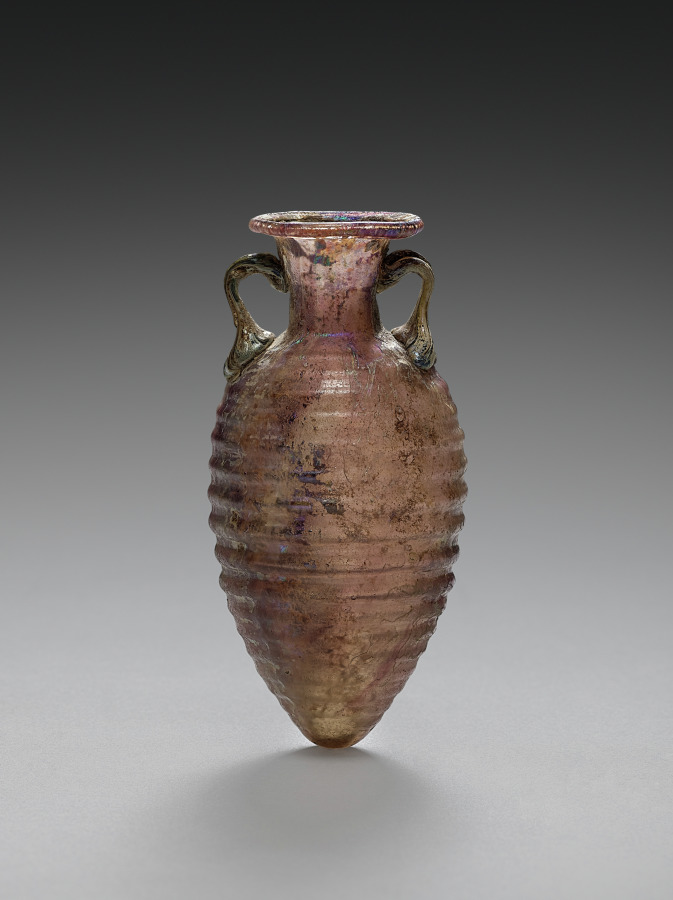
Amphoriskos (Small Amphora) at the Cleveland Museum of Art: 50–100 CE, glass, mold-blown. Explore the work's context, creator attribution and collection history.
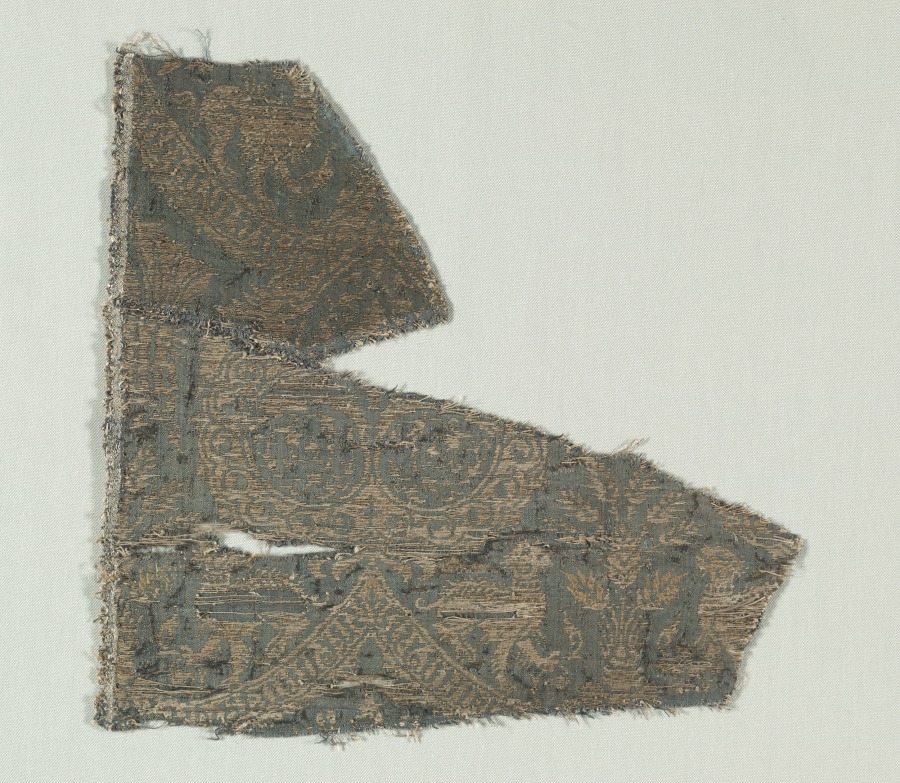
Silk with Dogs and Arabic Script in Swaying Bands at the Cleveland Museum of Art: 1370–1400, silk and silver thread; a combination of two weaves, 2/1 twill and 1/5 twill (lampas). Explore the work's context, creator attribution and collecti
Silk with Dogs and Arabic Script in Swaying Bands at the Cleveland Museum of Art: 1370–1400, silk and silver thread; a combination of two weaves, 2/1 twill and 1/5 twill (lampas). Explore the work's context, creator attribution and collecti
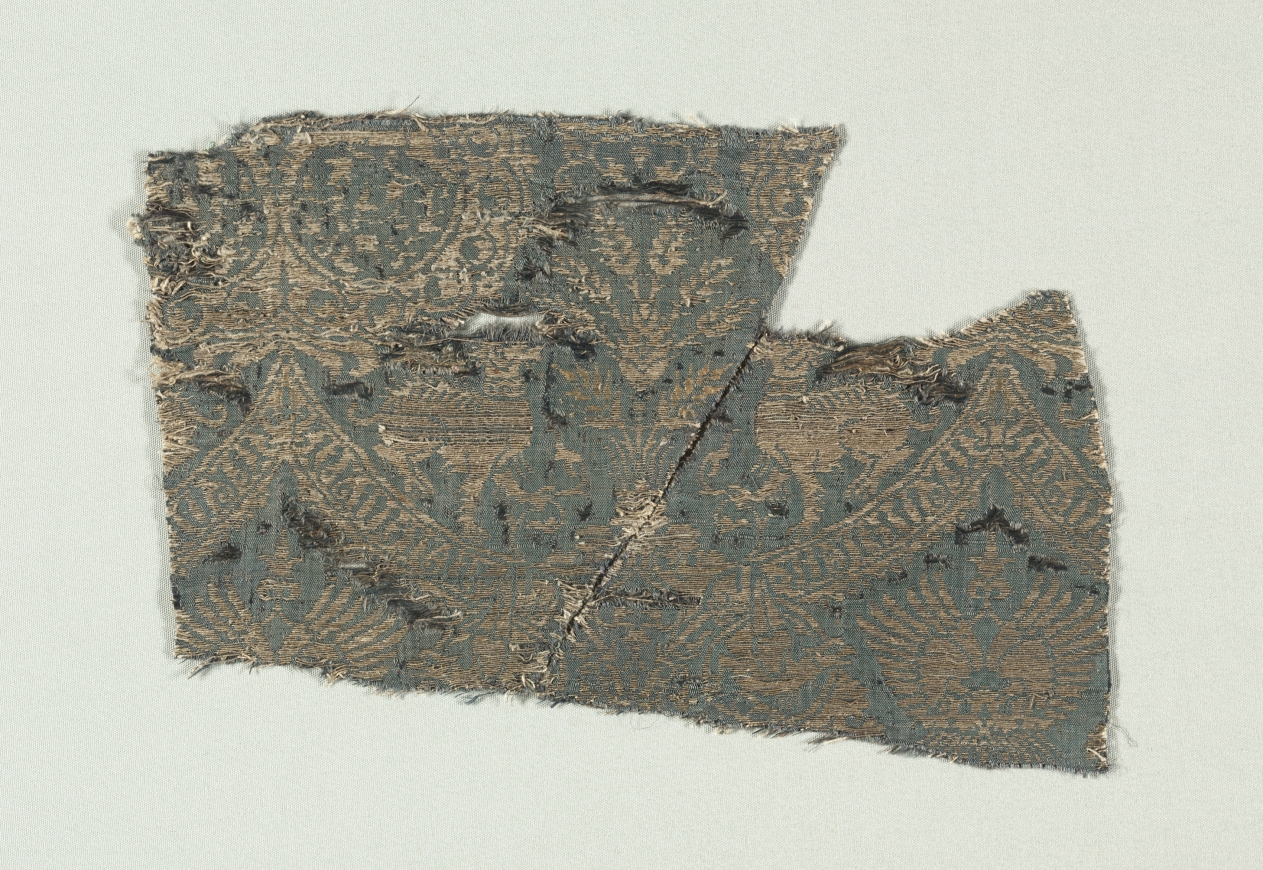
Silk with Dogs and Arabic Script in Swaying Bands at the Cleveland Museum of Art: 1370–1400, silk and silver thread; a combination of two weaves, 2/1 twill and 1/5 twill (lampas). Explore the work's context, creator attribution and collecti
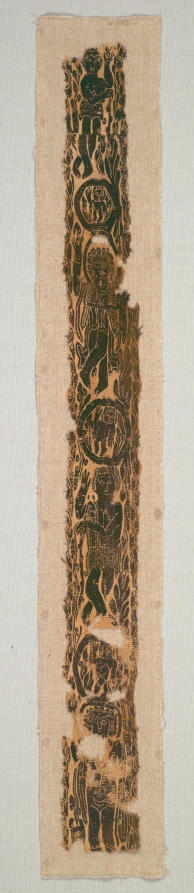
Ornamental Shoulder Band from a Tunic at the Cleveland Museum of Art: 600–650, tapestry weave with supplementary weft wrapping; undyed linen and dyed wool. Explore the work's context, creator attribution and collection history.
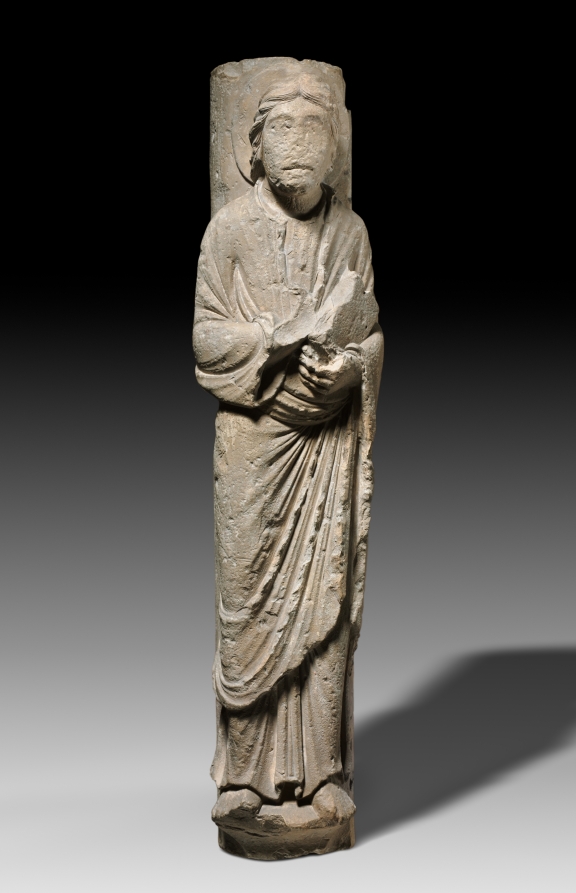
Columnar Figure of an Apostle at the Cleveland Museum of Art: c. 1180, limestone. Explore the work's context, creator attribution and collection history.

Pair of Stirrups at the Cleveland Museum of Art: 1600s, brass. Explore the work's context, creator attribution and collection history.
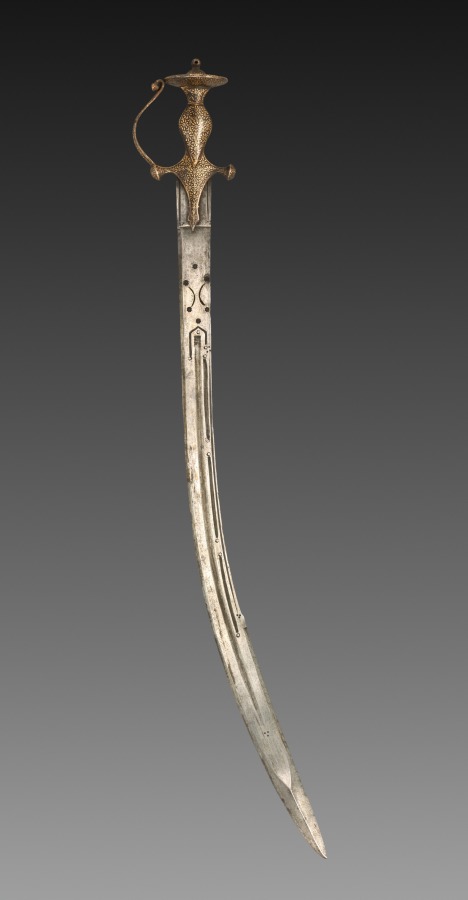
Tulwar sword at the Cleveland Museum of Art: before 1919, iron with gold inlay; steel blade. Explore the work's context, creator attribution and collection history.
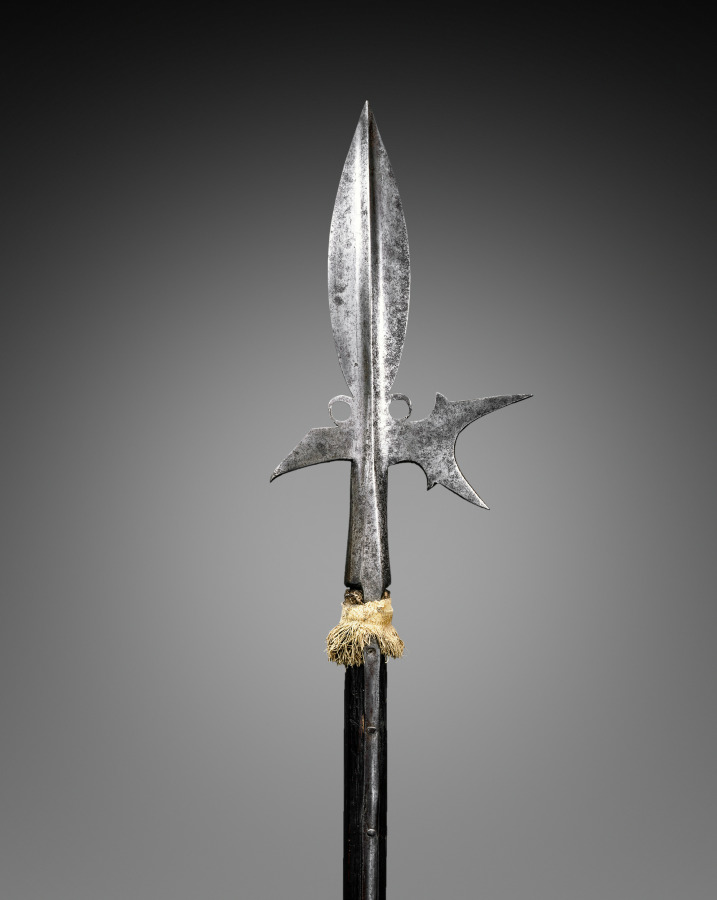
Halberd at the Cleveland Museum of Art: c. 1580, steel; leaf-shaped head; octagonal woof haft, woolen pompom. Explore the work's context, creator attribution and collection history.
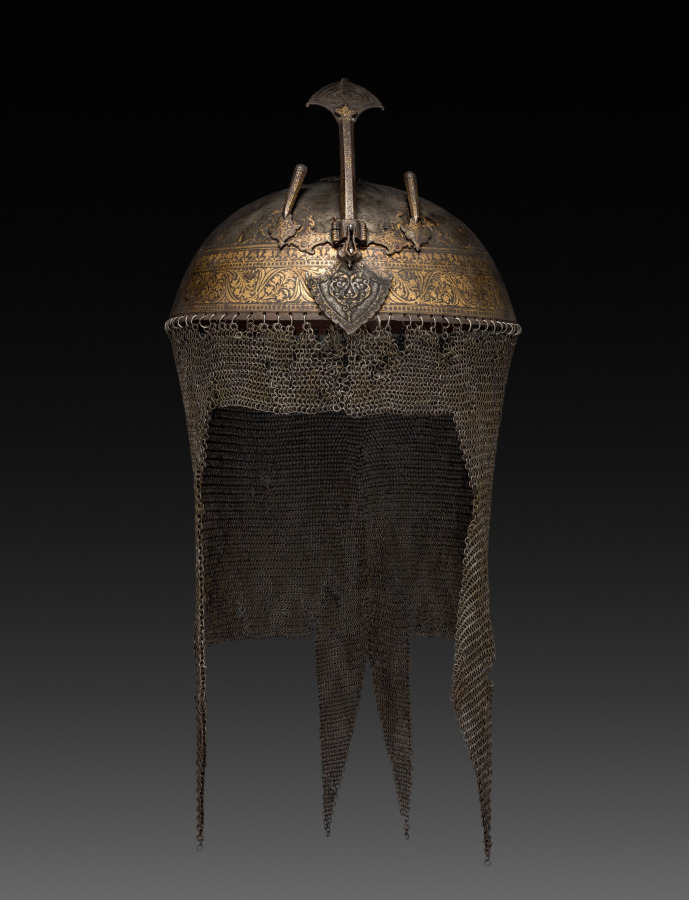
Helmet at the Cleveland Museum of Art: 1600s, steel with gold and brass. Explore the work's context, creator attribution and collection history.
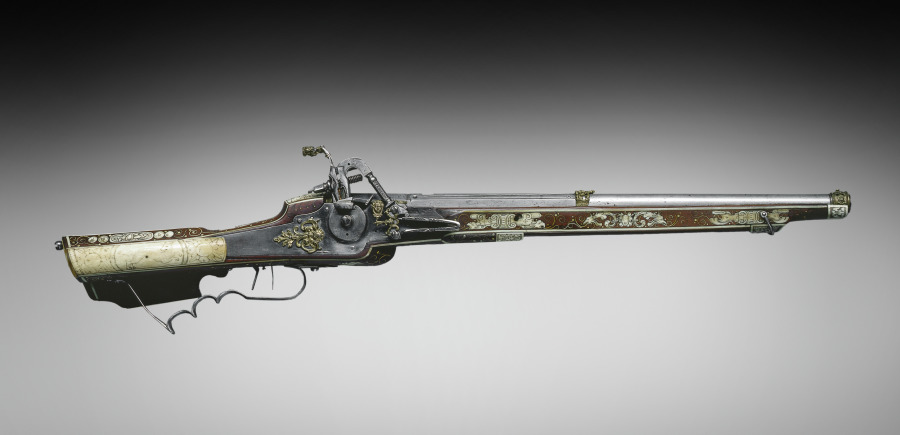
Wheel-Lock Rifle at the Cleveland Museum of Art: 1618, steel, brass, walnut stock inlaid with bone, horn and ivory. Explore the work's context, creator attribution and collection history.

Two-Handed Sword at the Cleveland Museum of Art: 1550–1600, steel; leather and wood grip, cloth-covered middle. Explore the work's context, creator attribution and collection history.
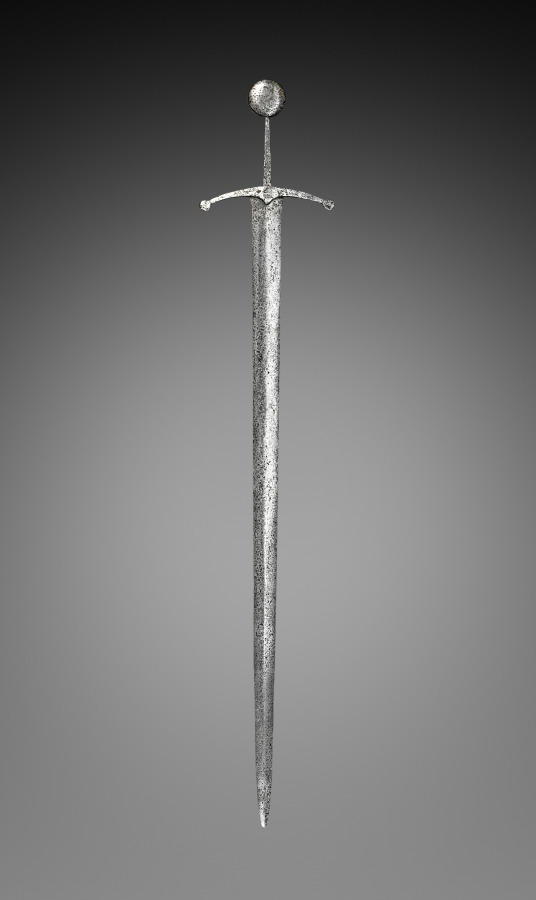
Sword at the Cleveland Museum of Art: 1400s, steel. Explore the work's context, creator attribution and collection history.

Two-Handed Sword at the Cleveland Museum of Art: 1550–1600, steel, leather and wood grip, bronze pommel. Explore the work's context, creator attribution and collection history.

Two-Handed Sword with Flamboyant Blade at the Cleveland Museum of Art: 1550–1600, steel, leather and wood grip with brass rivets; bronze pommel. Explore the work's context, creator attribution and collection history.