Canopic Jar with Man's Head (lid) (664–525 BCE): Art, History and Details
Canopic Jar with Man's Head (lid) at the Cleveland Museum of Art: 664–525 BCE, travertine. Explore the work's context, creator attribution and collection history.
Oldest entries first, in a fixed order. Newly added articles appear at the end. Explore a shuffled selection →
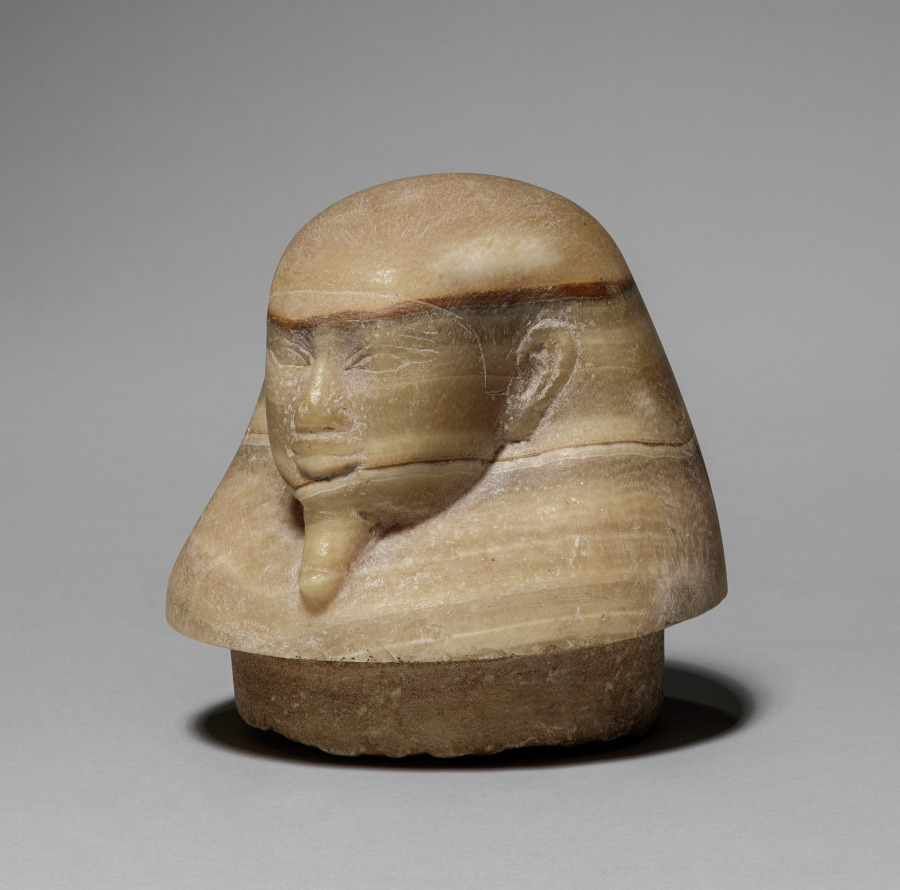
Canopic Jar with Man's Head (lid) at the Cleveland Museum of Art: 664–525 BCE, travertine. Explore the work's context, creator attribution and collection history.
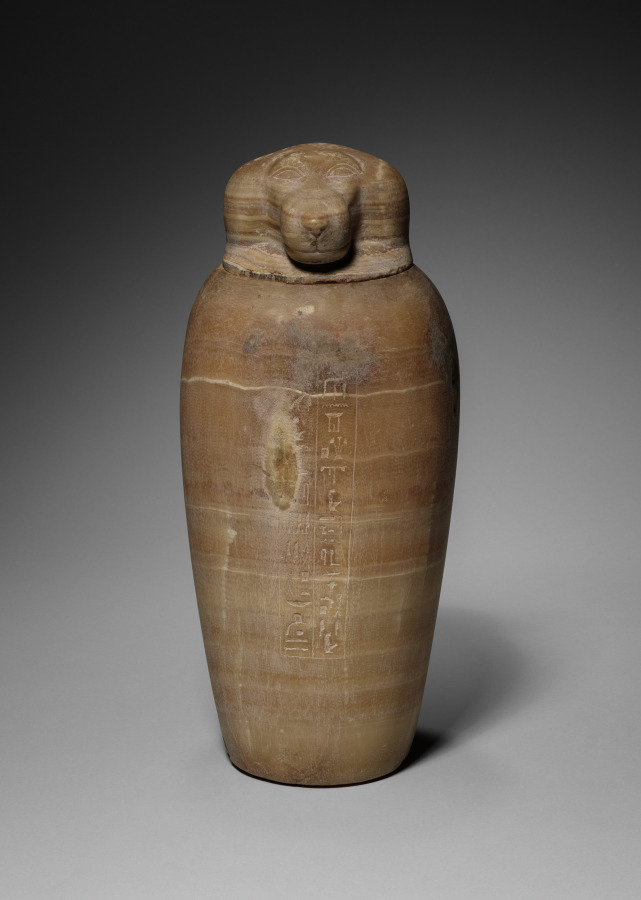
Canopic Jar with Baboon's Head at the Cleveland Museum of Art: 664–525 BCE, travertine. Explore the work's context, creator attribution and collection history.
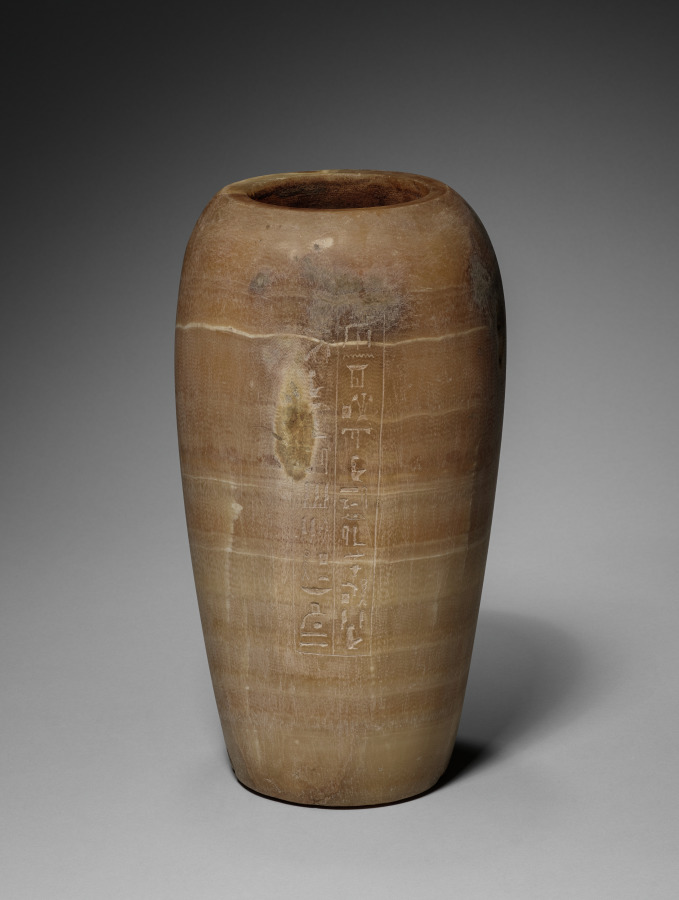
Canopic Jar with Baboon's Head at the Cleveland Museum of Art: 664–525 BCE, travertine. Explore the work's context, creator attribution and collection history.
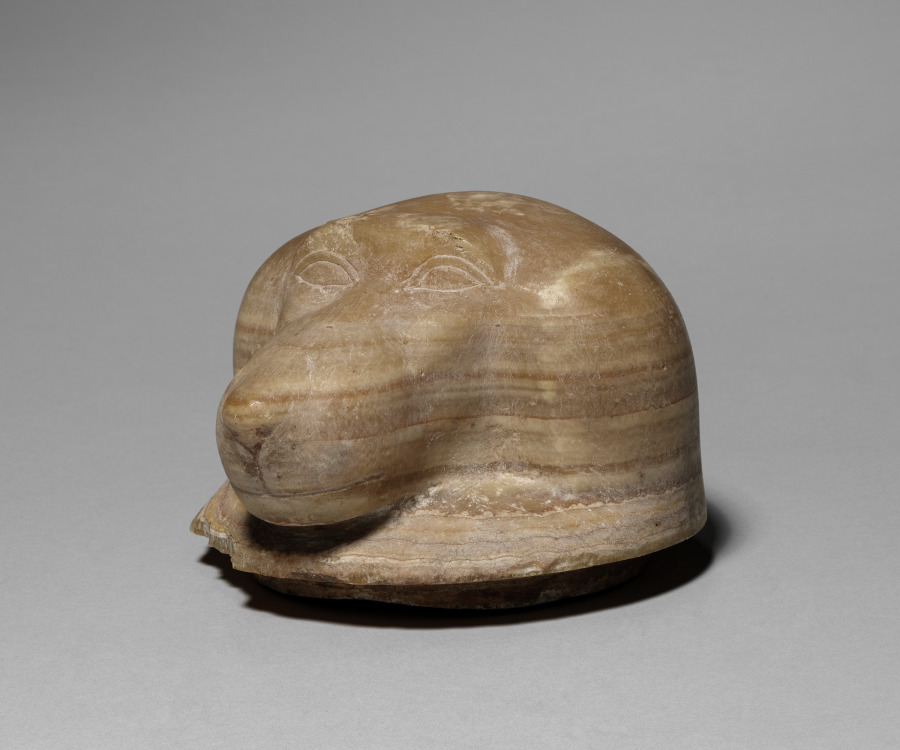
Canopic Jar with Baboon's Head (lid) at the Cleveland Museum of Art: 664–525 BCE, travertine. Explore the work's context, creator attribution and collection history.
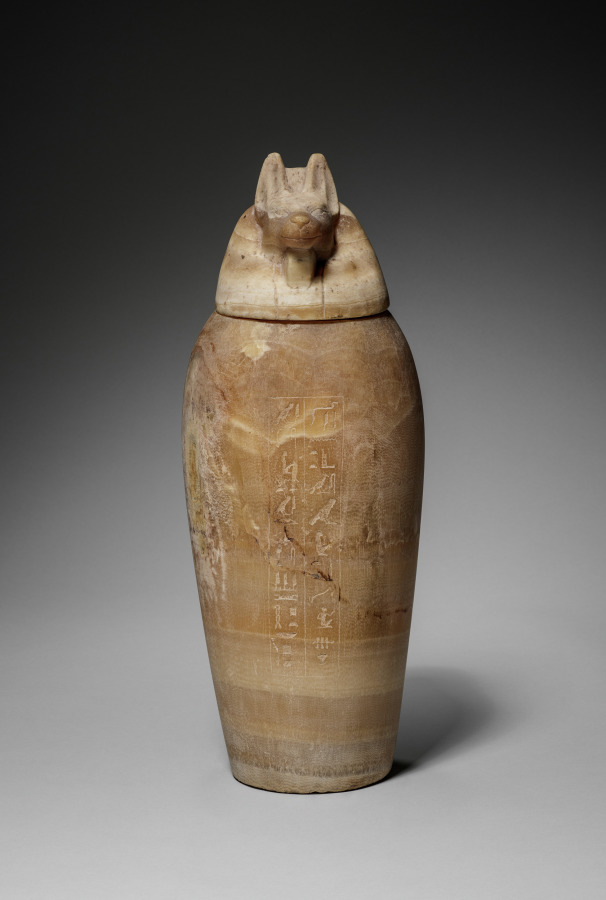
Canopic Jar with Jackal's Head at the Cleveland Museum of Art: 664–525 BCE, travertine. Explore the work's context, creator attribution and collection history.
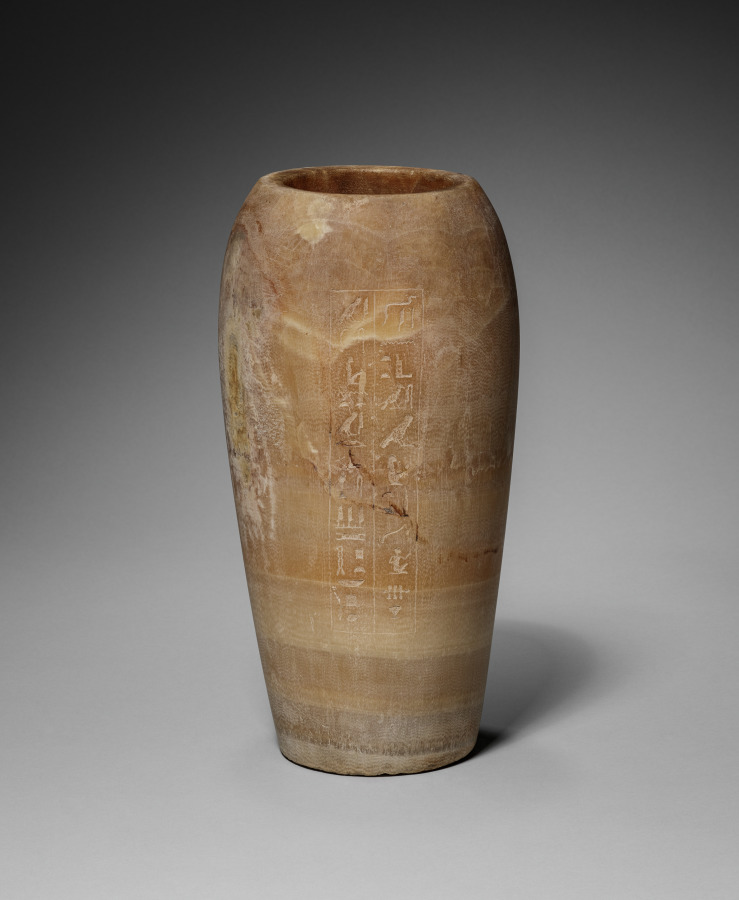
Canopic Jar with Jackal's Head at the Cleveland Museum of Art: 664–525 BCE, travertine. Explore the work's context, creator attribution and collection history.
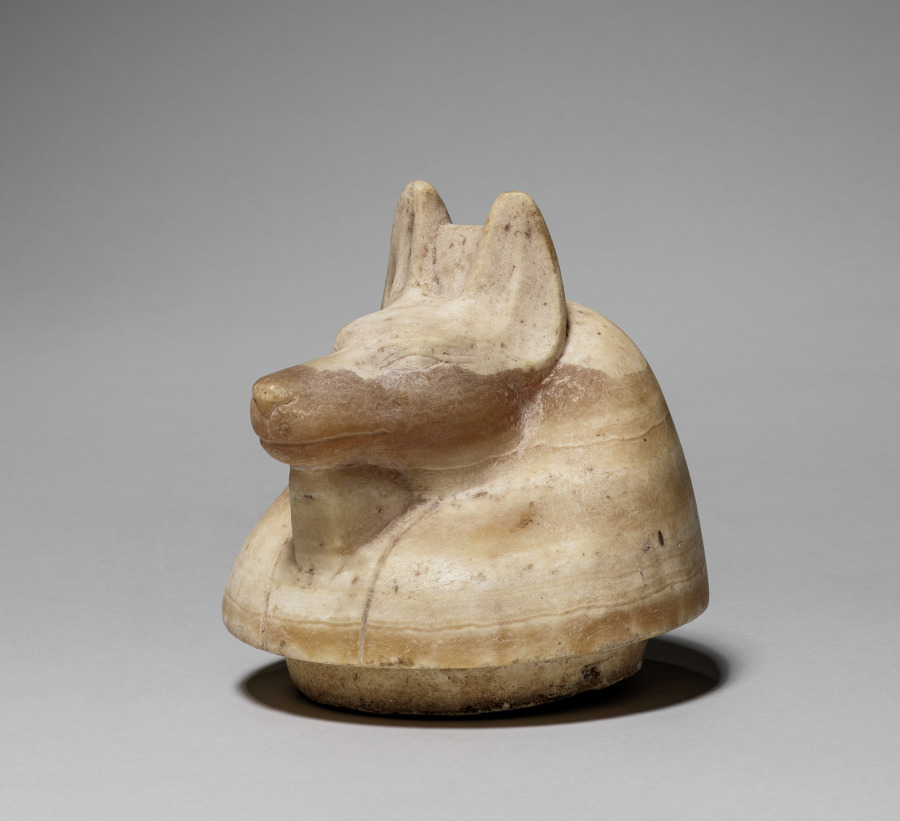
Canopic Jar with Jackal's Head (lid) at the Cleveland Museum of Art: 664–525 BCE, travertine. Explore the work's context, creator attribution and collection history.
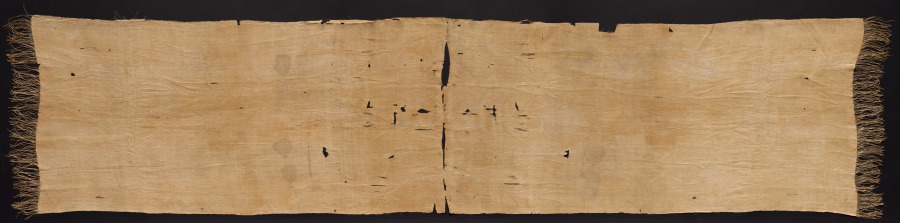
Mummy Linen at the Cleveland Museum of Art: 1540–1296 BCE, linen: plain weave. Explore the work's context, creator attribution and collection history.
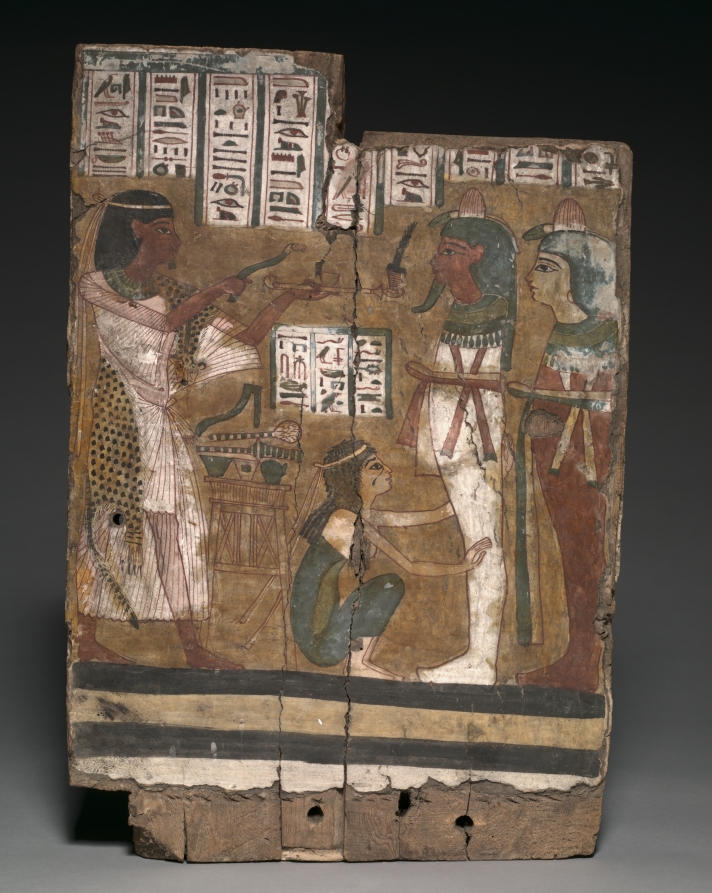
Side Panel from the Coffin of Amenemope at the Cleveland Museum of Art: c. 976–889 BCE, gessoed and painted sycamore fig. Explore the work's context, creator attribution and collection history.
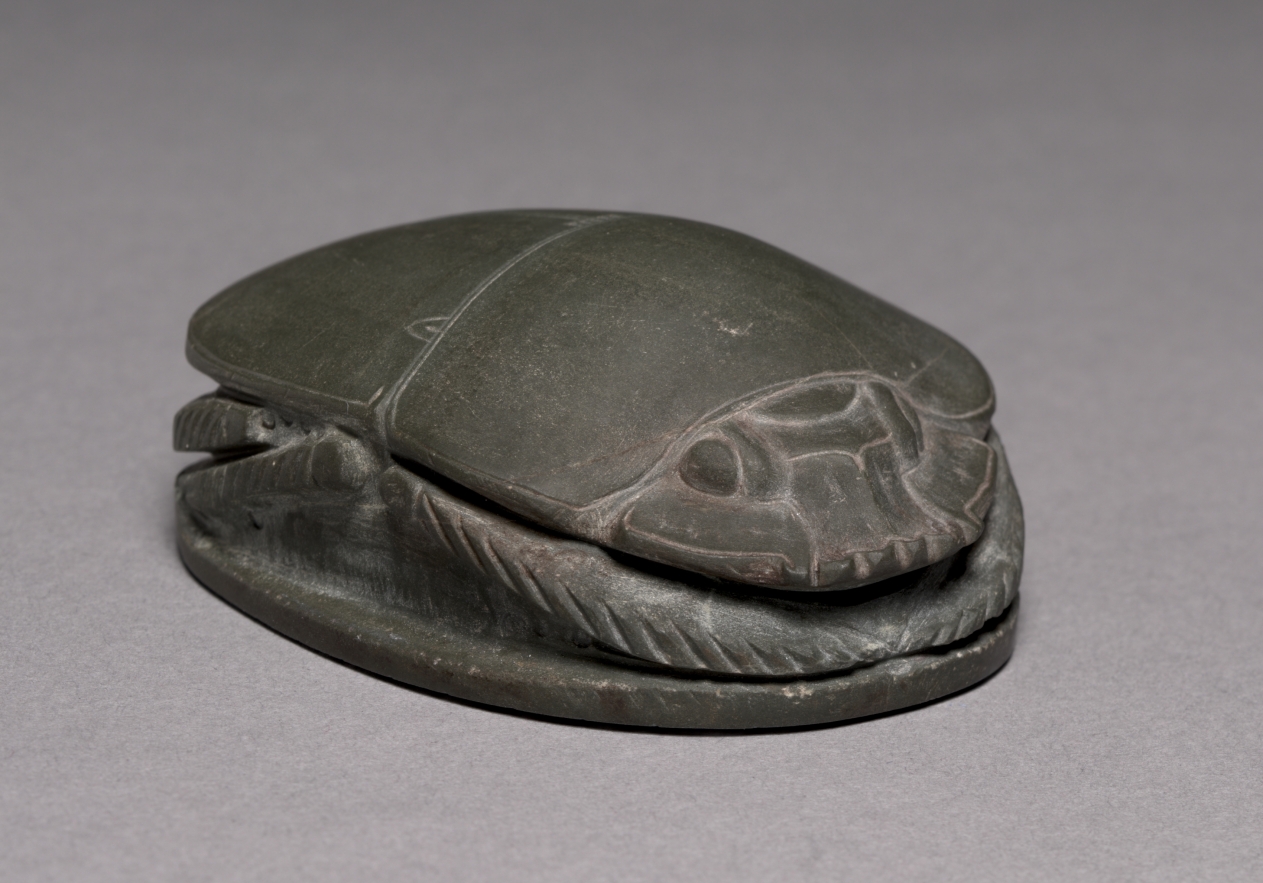
Heart Scarab of Nefer at the Cleveland Museum of Art: 1540–1296 BCE, graywacke. Explore the work's context, creator attribution and collection history.

Book of the Dead of Hori at the Cleveland Museum of Art: c. 1069–945 BCE, papyrus. Explore the work's context, creator attribution and collection history.
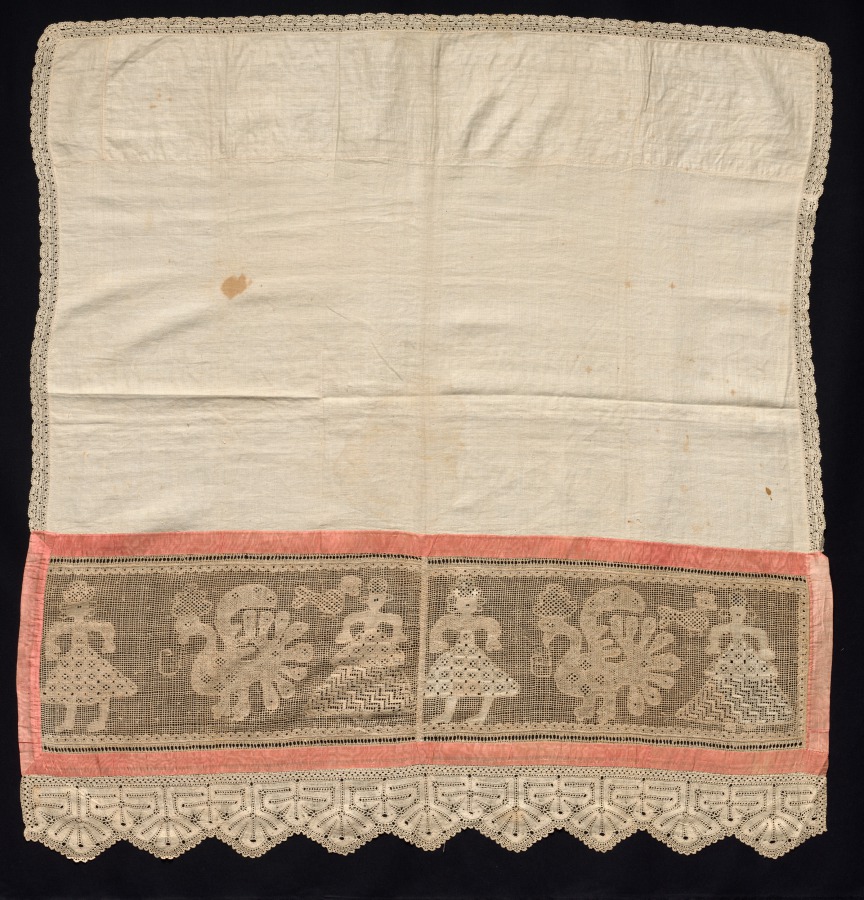
Cloth with Border of Female Figures and Peacocks at the Cleveland Museum of Art: 1700s–1800s, Linen: needle lace (cutwork and drawnwork), straight (continuous) bobbin lace, (tape lace) edging; applied silk (est.) ribbon. Explore the work's
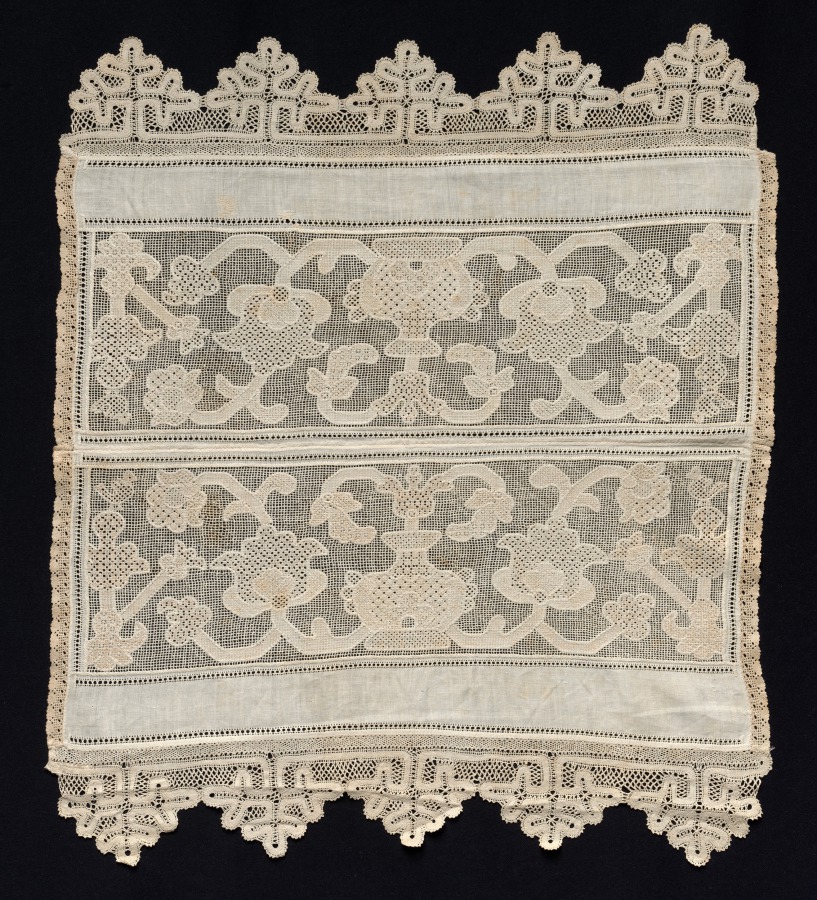
Joined Towel Ends with Floral Motifs at the Cleveland Museum of Art: 1800s, Linen: needle lace (cutwork and drawnwork), straight (continuous) bobbin lace, (tape lace) edging. Explore the work's context, creator attribution and collection hi

Band with Scroll Pattern at the Cleveland Museum of Art: 1500s, Bleached linen (est.): needle lace, burato (twined ground and darned in one direction). Explore the work's context, creator attribution and collection history.
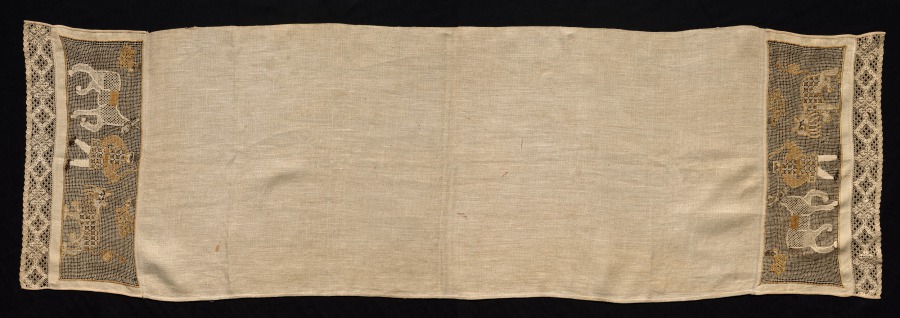
Towel with Border of Figures of Men and Animals at the Cleveland Museum of Art: 1700s–1800s, Linen: needle lace (cutwork and drawnwork), straight (continuous) bobbin lace, tape lace edging. Explore the work's context, creator attribution an

Border with Peacock Motif at the Cleveland Museum of Art: 1700s–1800s, Linen: needle lace (cutwork and drawnwork), straight (continuous) bobbin lace, tape lace edging; applied silk (est.) ribbon and embroidery. Explore the work's context, c
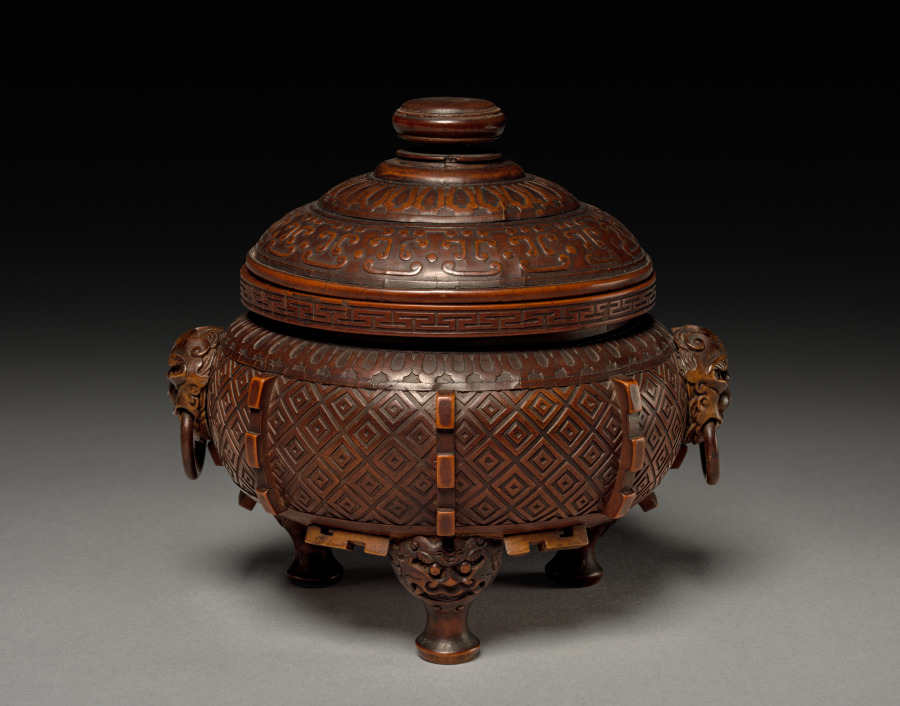
Tripod with Cover at the Cleveland Museum of Art: late 1700s, carved wood. Explore the work's context, creator attribution and collection history.
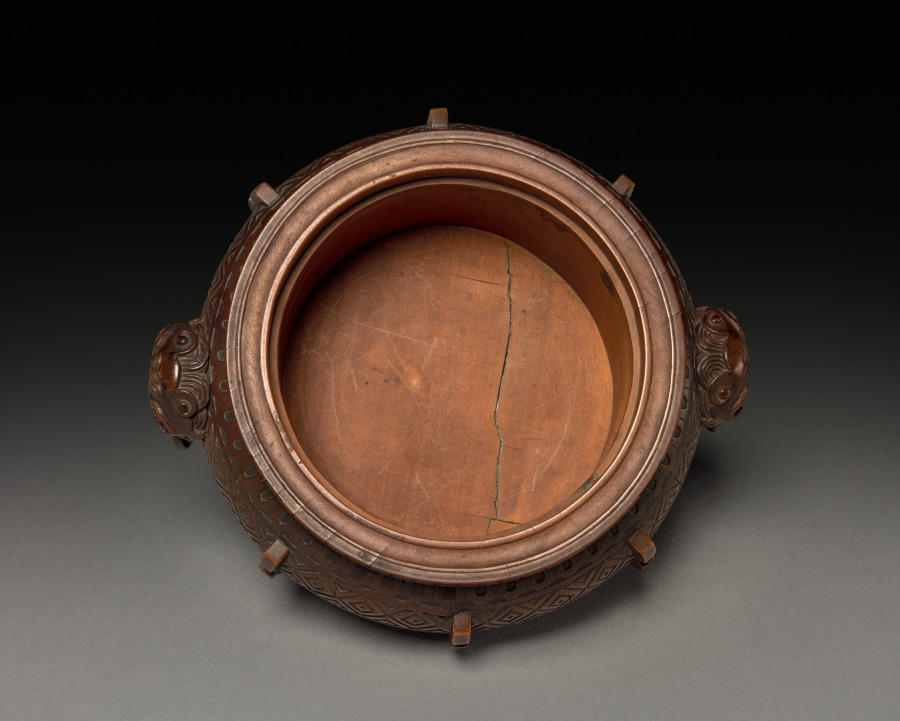
Tripod with Cover at the Cleveland Museum of Art: late 1700s, carved wood. Explore the work's context, creator attribution and collection history.
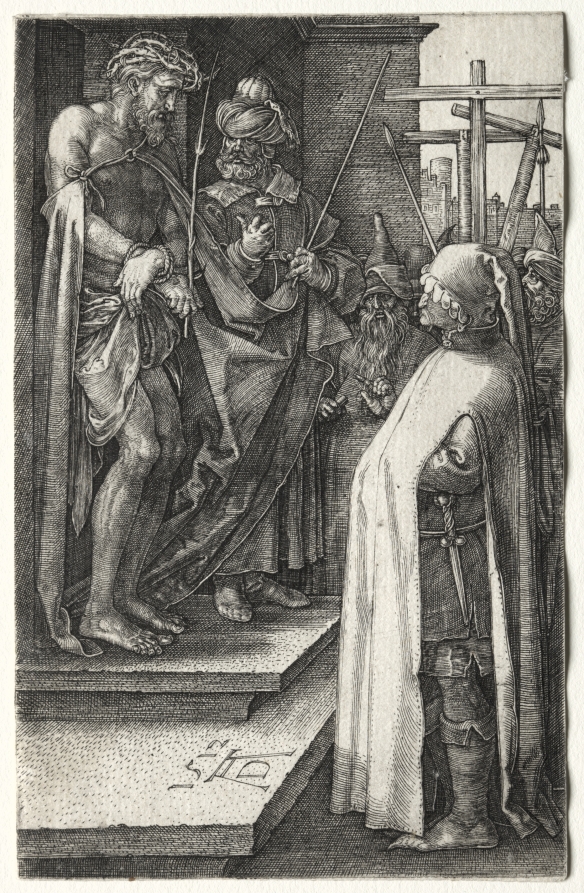
Ecce Homo at the Cleveland Museum of Art: 1515, engraving. Explore the work's context, creator attribution and collection history.
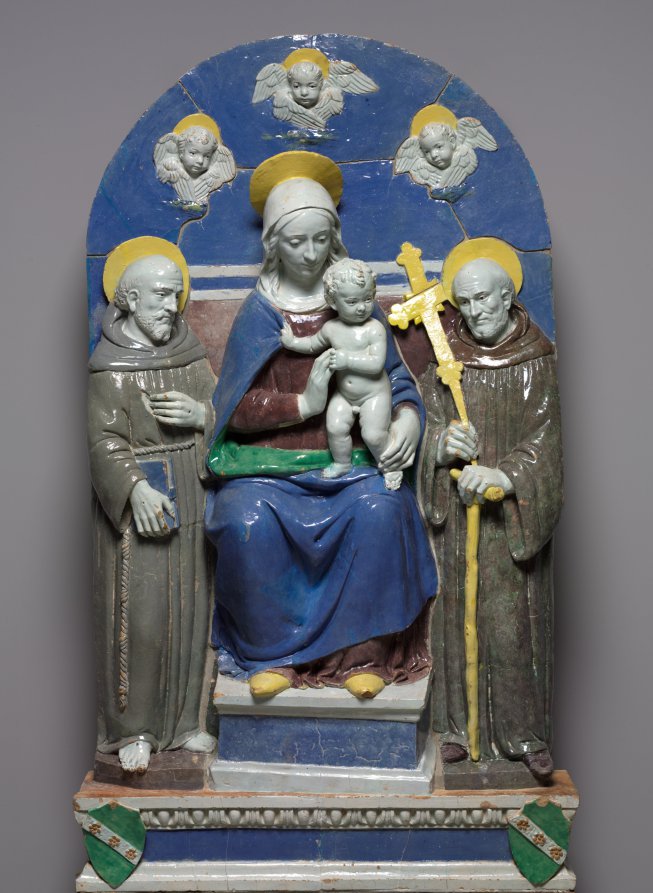
Virgin and Child Enthroned with Saints Francis and Giovanni Gualberto at the Cleveland Museum of Art: c. 1510–20, glazed terracotta. Explore the work's context, creator attribution and collection history.
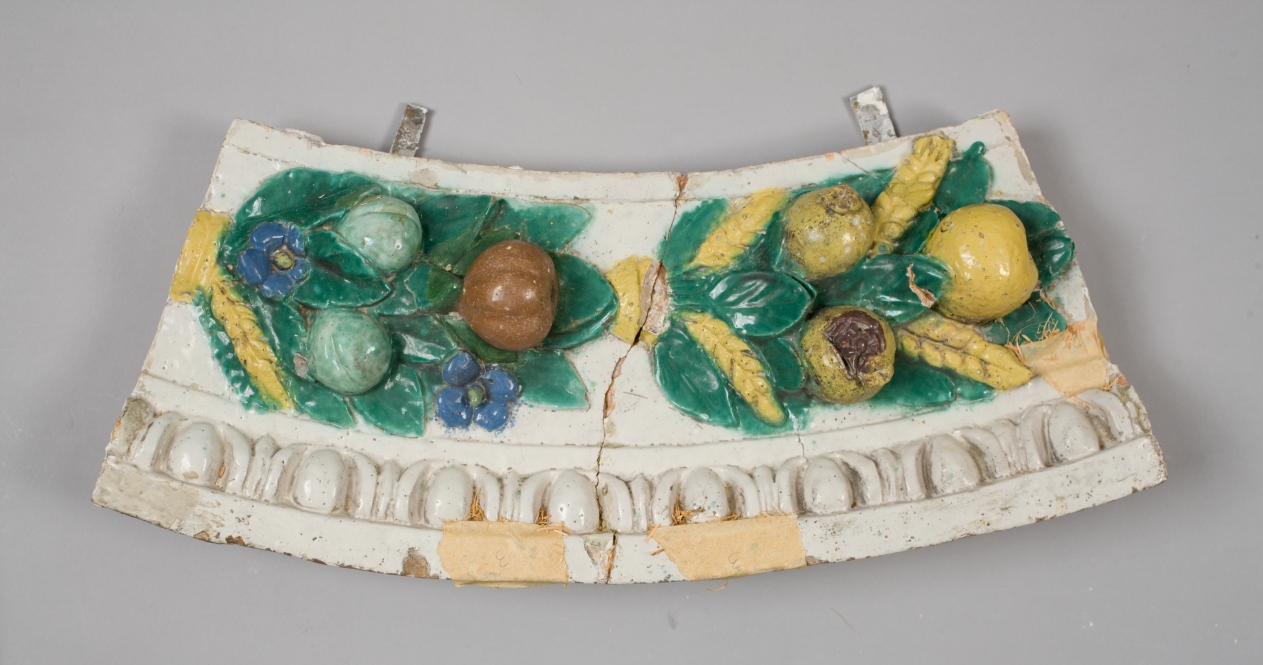
Fragment at the Cleveland Museum of Art: c. 1900–1910, glazed terracotta. Explore the work's context, creator attribution and collection history.

Fragment at the Cleveland Museum of Art: c. 1900–1910, glazed terracotta. Explore the work's context, creator attribution and collection history.
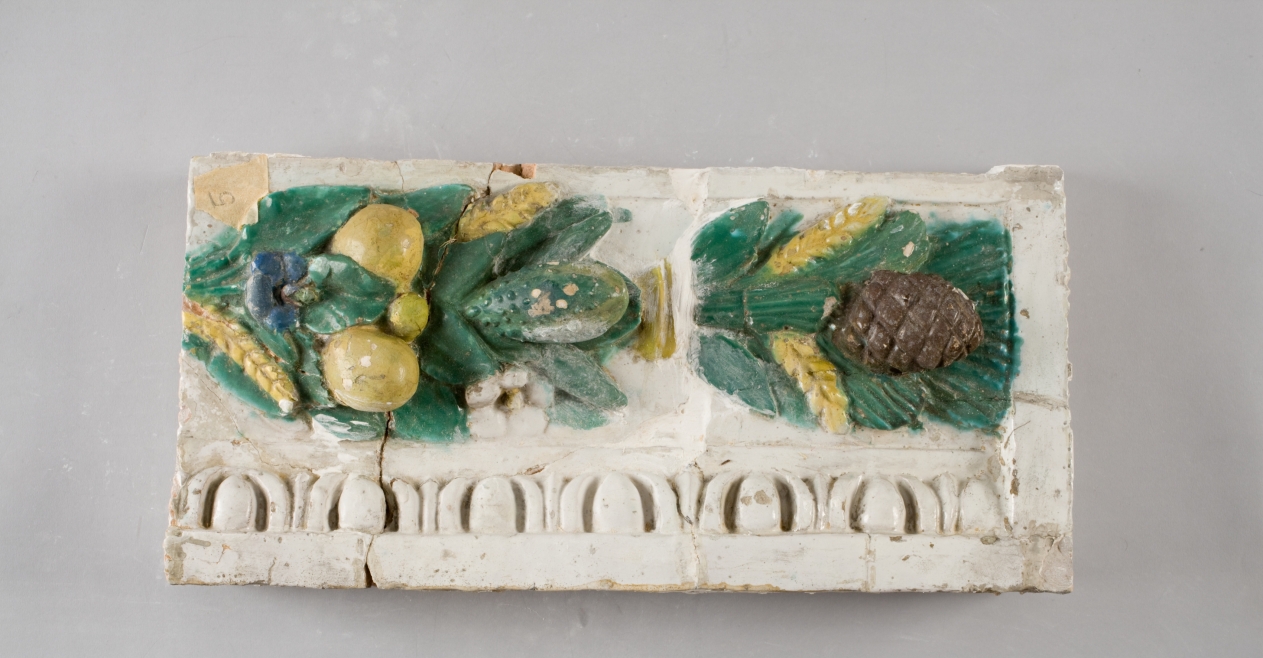
Fragment at the Cleveland Museum of Art: c. 1900–1910, glazed terracotta. Explore the work's context, creator attribution and collection history.
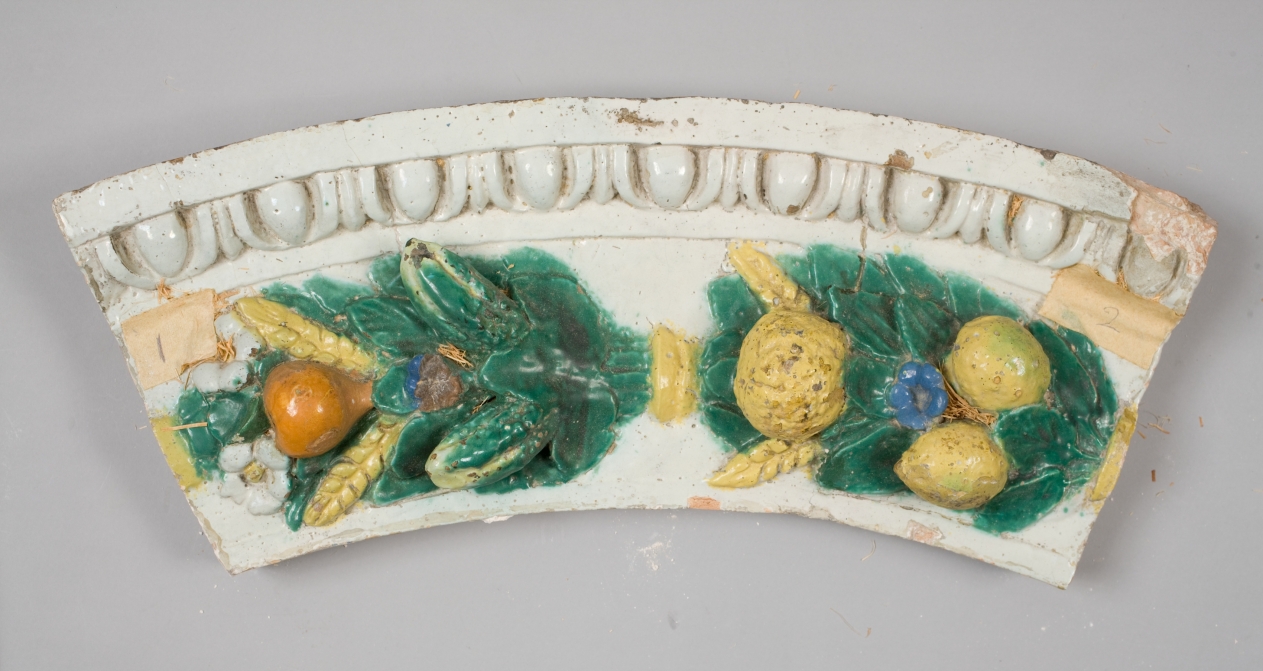
Fragment at the Cleveland Museum of Art: c. 1900–1910, glazed terracotta. Explore the work's context, creator attribution and collection history.
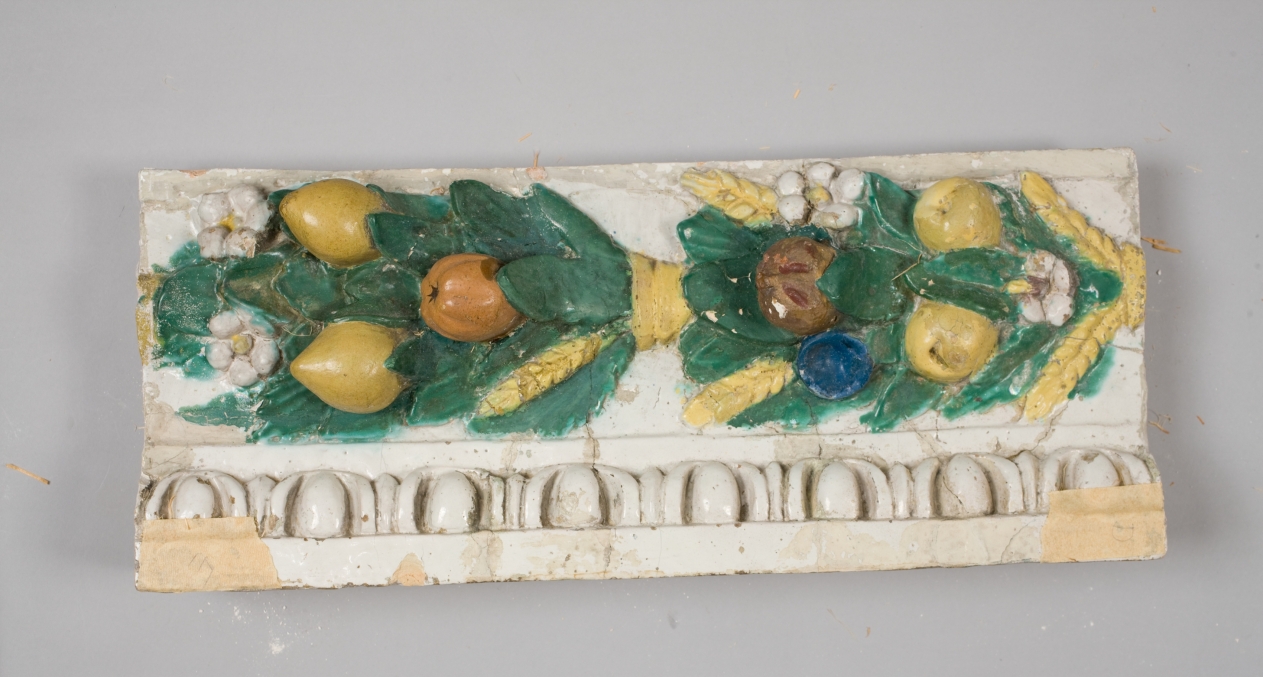
Fragment at the Cleveland Museum of Art: c. 1900–1910, glazed terracotta. Explore the work's context, creator attribution and collection history.
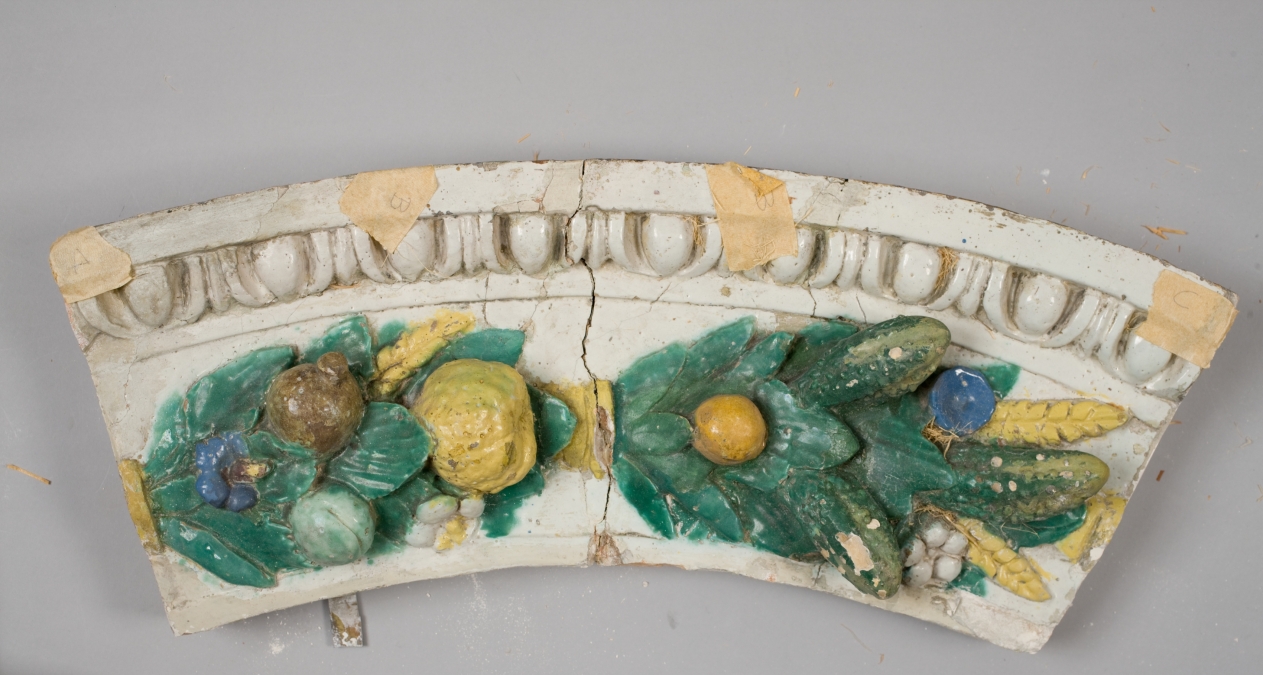
Fragment at the Cleveland Museum of Art: c. 1900–1910, glazed terracotta. Explore the work's context, creator attribution and collection history.
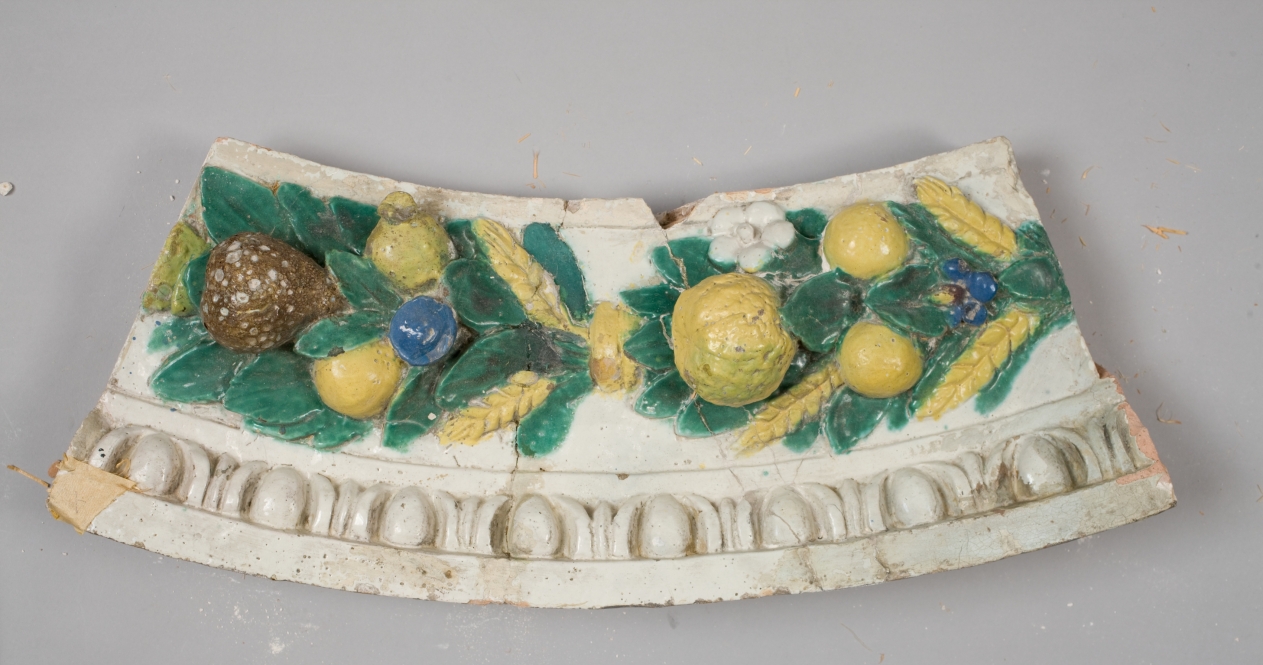
Fragment at the Cleveland Museum of Art: c. 1900–1910, glazed terracotta. Explore the work's context, creator attribution and collection history.
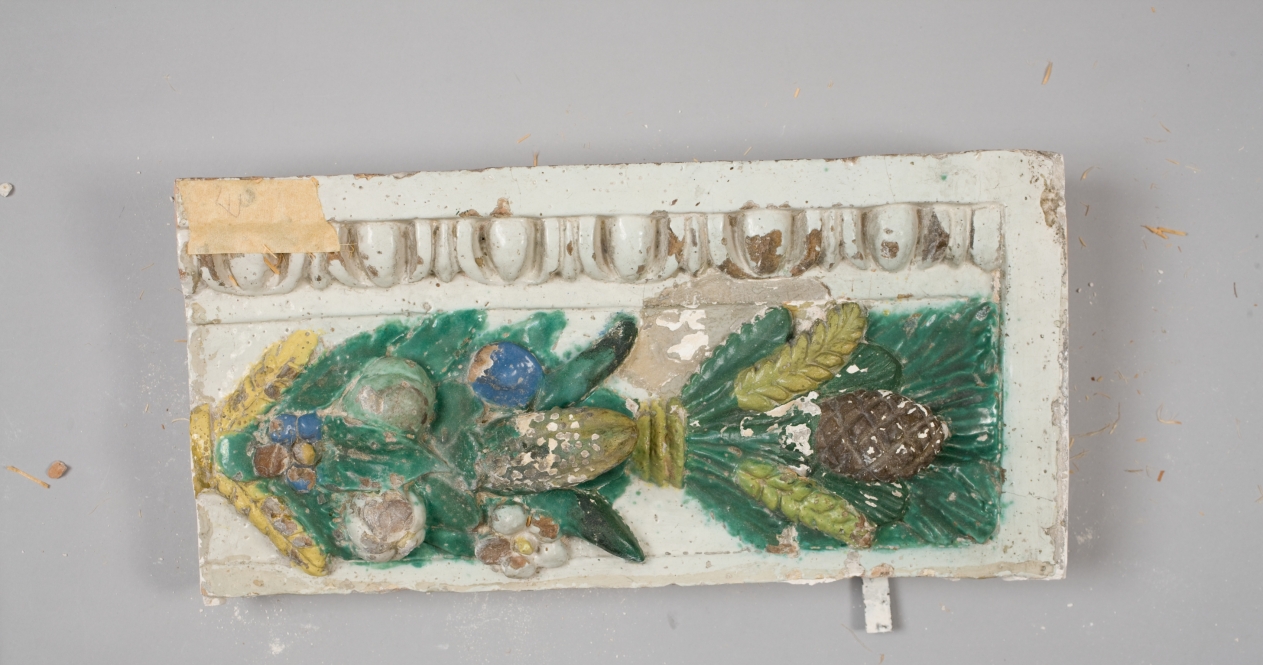
Fragment at the Cleveland Museum of Art: c. 1900–1910, glazed terracotta. Explore the work's context, creator attribution and collection history.

Fragment at the Cleveland Museum of Art: c. 1900–1910, glazed terracotta. Explore the work's context, creator attribution and collection history.
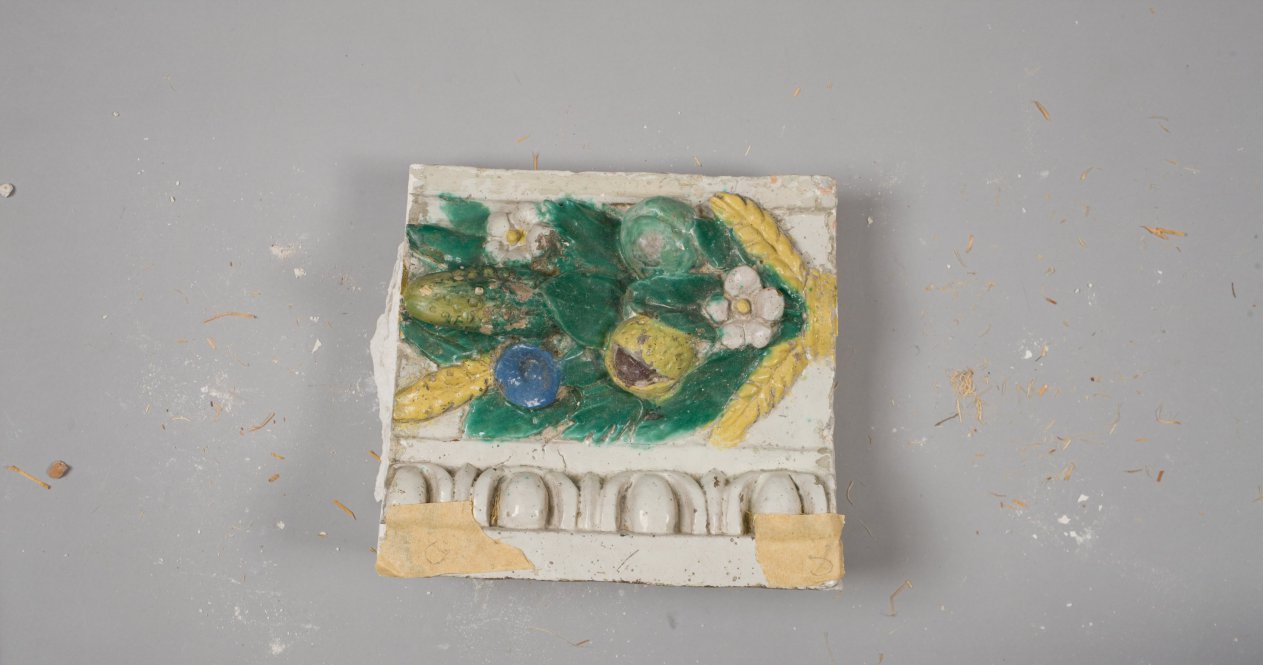
Fragment at the Cleveland Museum of Art: c. 1900–1910, glazed terracotta. Explore the work's context, creator attribution and collection history.
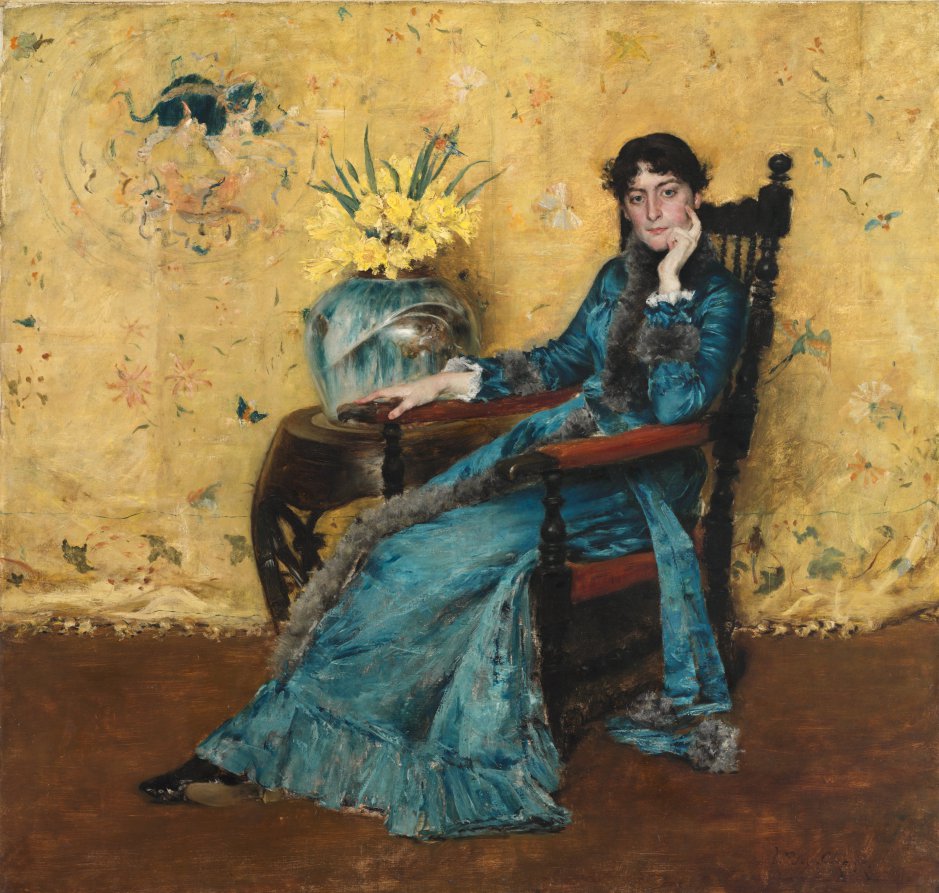
Portrait of Dora Wheeler at the Cleveland Museum of Art: 1882–83, oil on canvas. Explore the work's context, creator attribution and collection history.
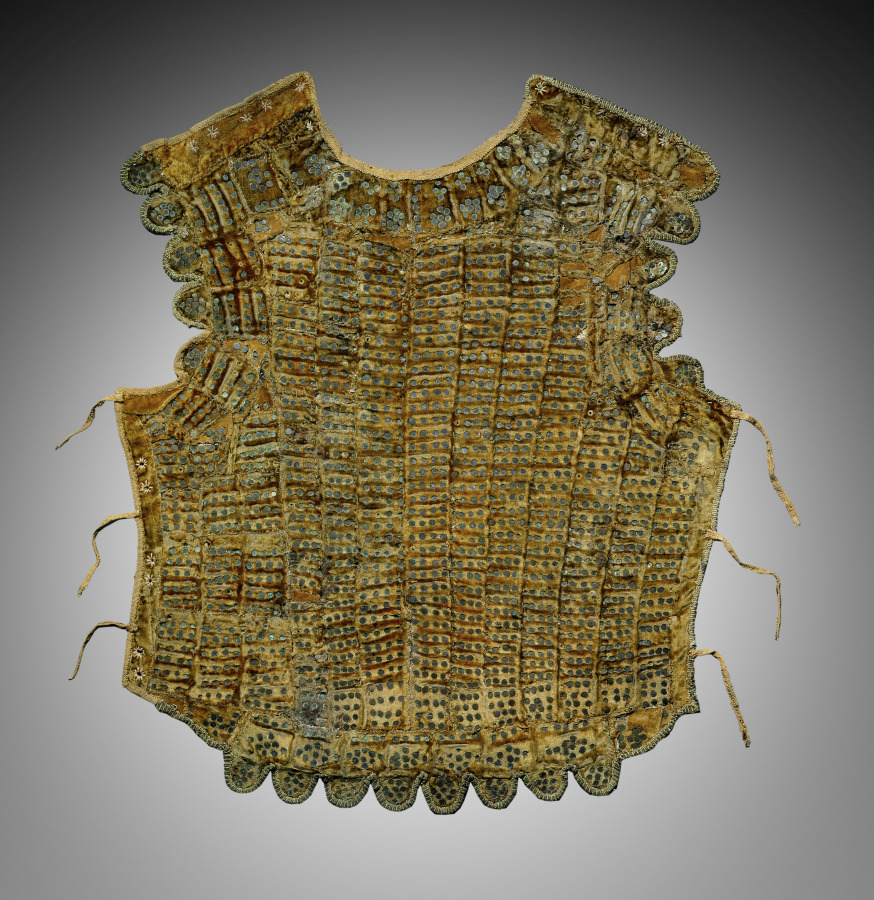
Body Guard (Brigandine) at the Cleveland Museum of Art: c. 1500–1525, linen; gold velvet; steel; brass. Explore the work's context, creator attribution and collection history.
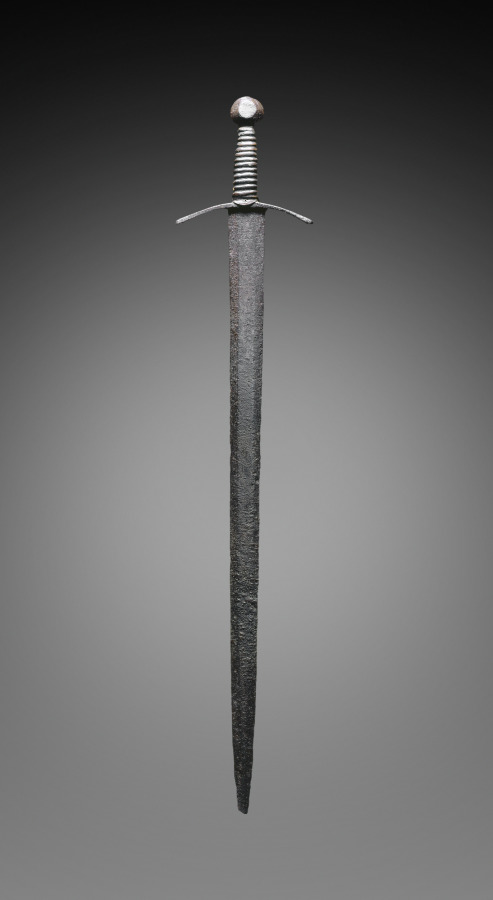
Sword at the Cleveland Museum of Art: c. 1400, steel, leather, wire. Explore the work's context, creator attribution and collection history.
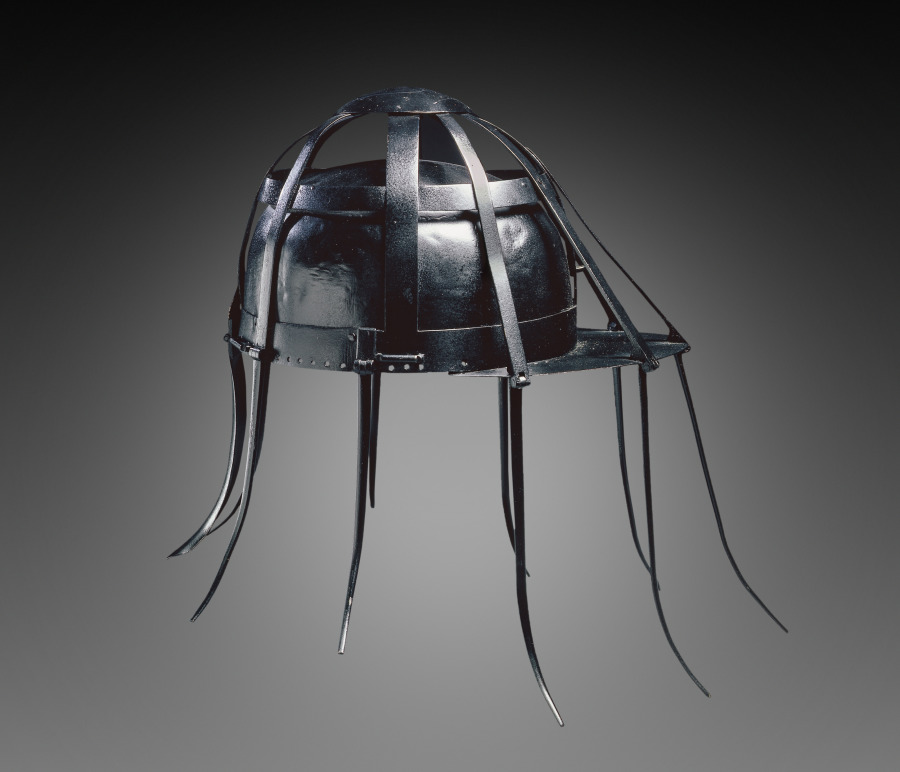
Cavalry Spider Helmet at the Cleveland Museum of Art: 1600s, iron with black paint. Explore the work's context, creator attribution and collection history.
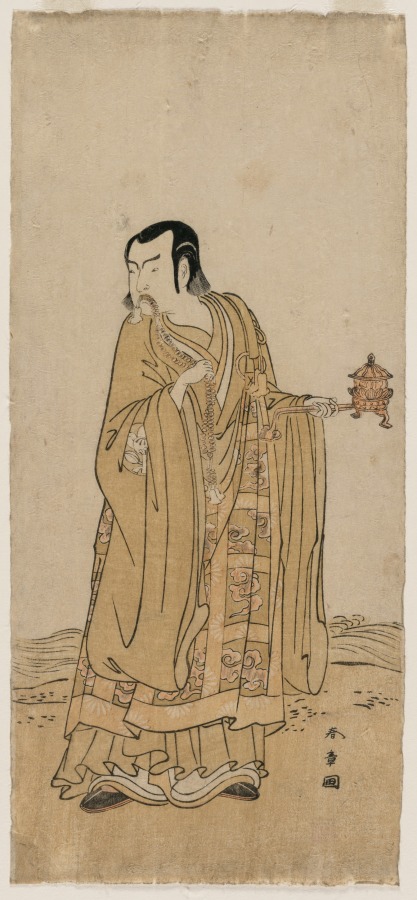
Ichimura Uzaemon IX as Shingen in “A String of Prayer Beads Shaken at a Ribbon of Waterfall” at the Cleveland Museum of Art: 1775, color woodblock print. Explore the work's context, creator attribution and collection history.
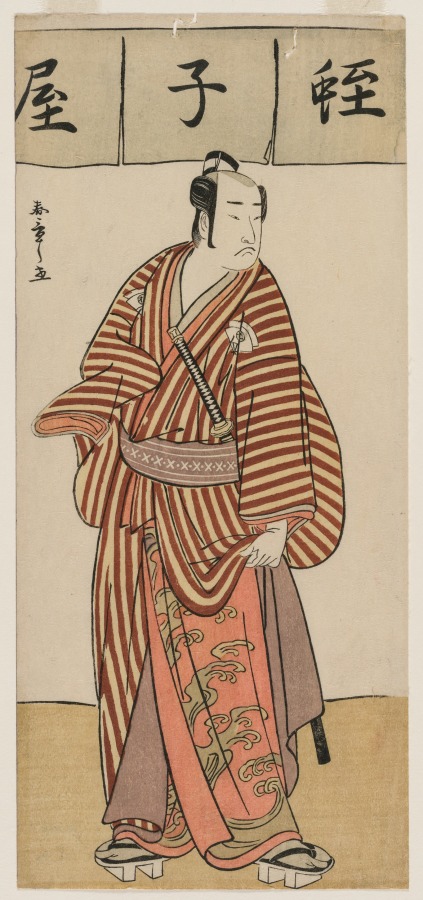
Onoe Matsusuke I as Ebisu, from The Stand-In Seven Gods of Good Fortune at the Cleveland Museum of Art: c. 1780, color woodblock print. Explore the work's context, creator attribution and collection history.
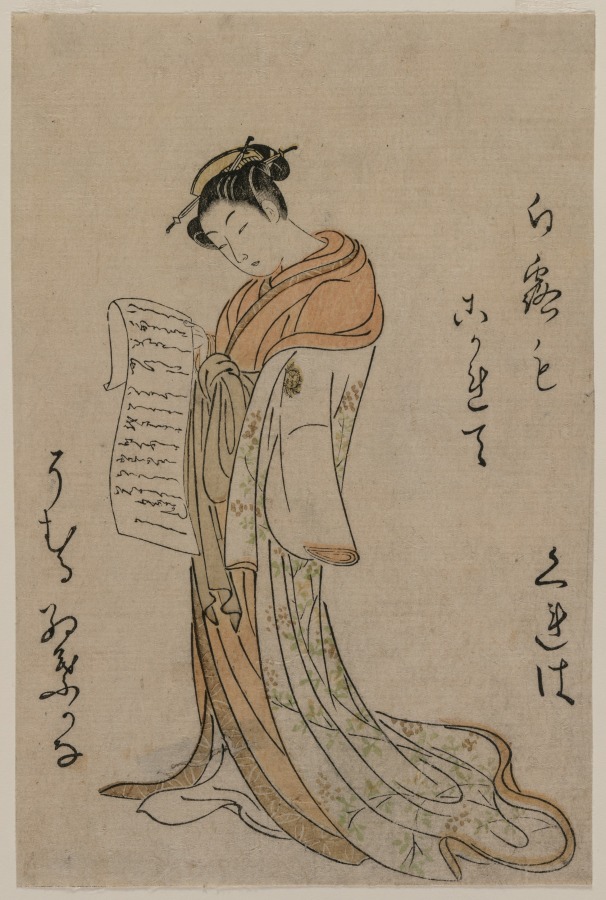
Kureha of Gakuiseya, from Selection of Beauties from the Pleasure Quarters at the Cleveland Museum of Art: 1770, color woodblock print. Explore the work's context, creator attribution and collection history.
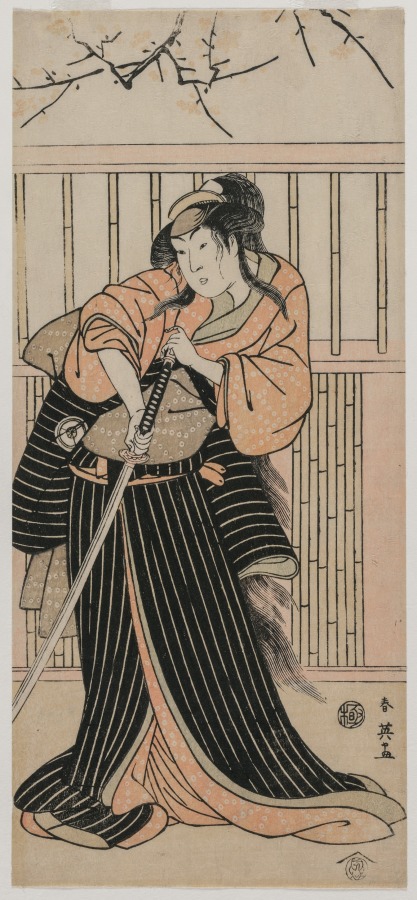
Iwai Hanshirō IV as a Woman with a Sword at the Cleveland Museum of Art: 1791, color woodblock print. Explore the work's context, creator attribution and collection history.

La Cathedrale de Rouen at the Cleveland Museum of Art: 1888, wood engraving. Explore the work's context, creator attribution and collection history.
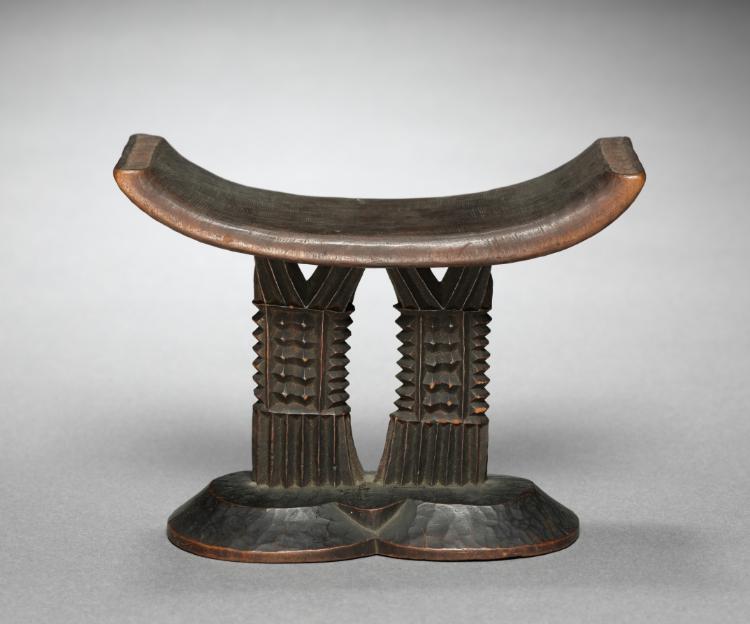
Headrest at the Cleveland Museum of Art: c. 1910, wood. Explore the work's context, creator attribution and collection history.