Leaf from a Qur'an (verso) (1300s): Art, History and Details
Leaf from a Qur'an (verso) at the Cleveland Museum of Art: 1300s, ink, gold, color on pink paper. Explore the work's context, creator attribution and collection history.
Oldest entries first, in a fixed order. Newly added articles appear at the end. Explore a shuffled selection →
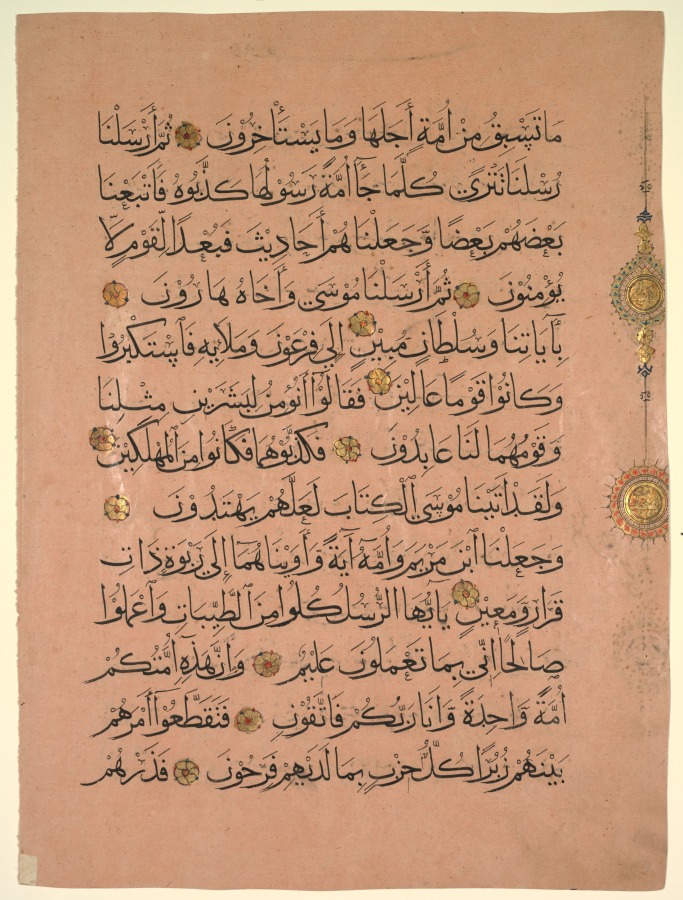
Leaf from a Qur'an (verso) at the Cleveland Museum of Art: 1300s, ink, gold, color on pink paper. Explore the work's context, creator attribution and collection history.

Barnaby Rudge Helping Lead the Gordon Riots at the Cleveland Museum of Art: 1884, watercolor with traces of graphite. Explore the work's context, creator attribution and collection history.
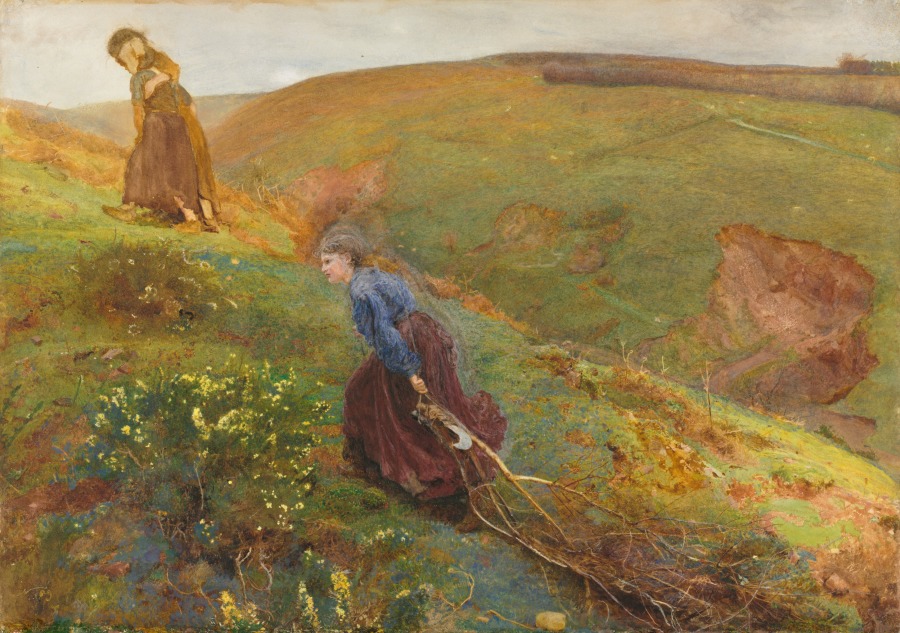
The Wood Gatherers at the Cleveland Museum of Art: 1869, watercolor and gouache with scratch-away and touches of shell gold. Explore the work's context, creator attribution and collection history.

Steps in a Garden at the Cleveland Museum of Art: 1860, watercolor and gouache with scratch-away technique to create highlights on sturdy-weight wove paper mounted to same by artist with color tests in margins of mount. Explore the work's c
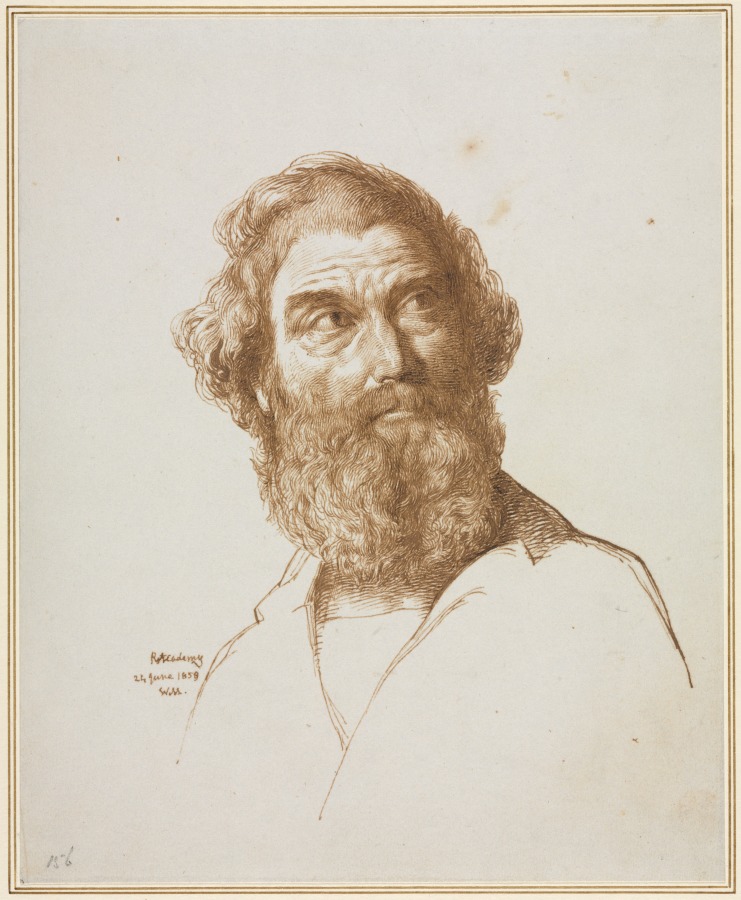
Head of a Bearded Man Gazing to His Left at the Cleveland Museum of Art: 1859, pen and brown ink. Explore the work's context, creator attribution and collection history.
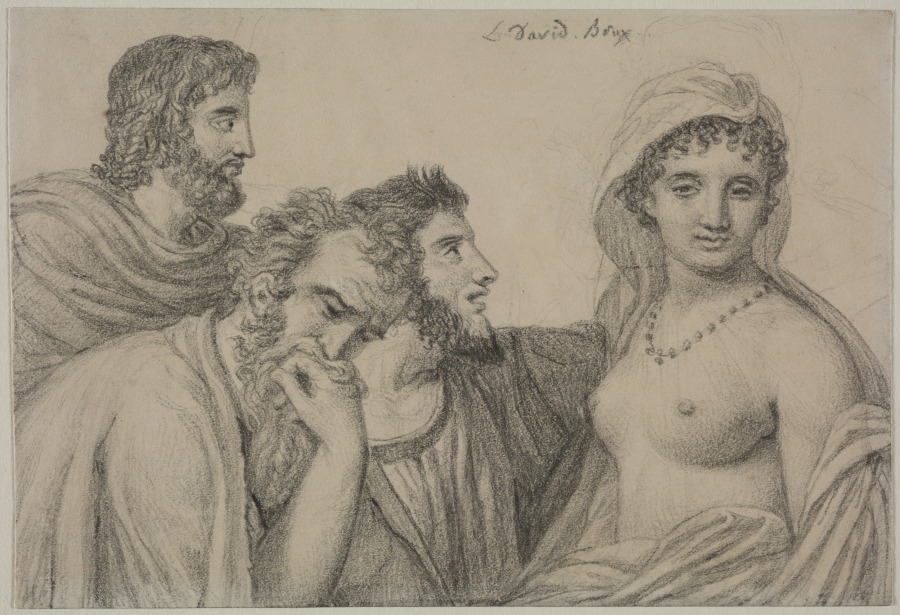
Phryne before Her Judges at the Cleveland Museum of Art: c. 1816–20, black chalk on wove paper discolored to beige. Explore the work's context, creator attribution and collection history.
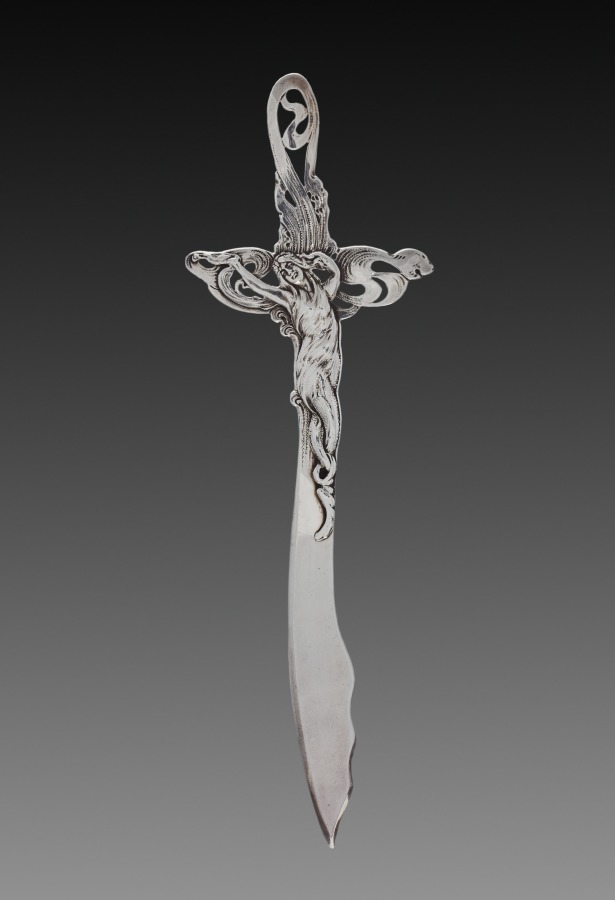
Paper Knife at the Cleveland Museum of Art: c. 1900, silver. Explore the work's context, creator attribution and collection history.

Destitute Mother and Child in Winter at the Cleveland Museum of Art: c. 1850, oil on canvas. Explore the work's context, creator attribution and collection history.

Cordelia Parting from her Sisters at the Cleveland Museum of Art: 1854, pen and oil on paper on panel. Explore the work's context, creator attribution and collection history.
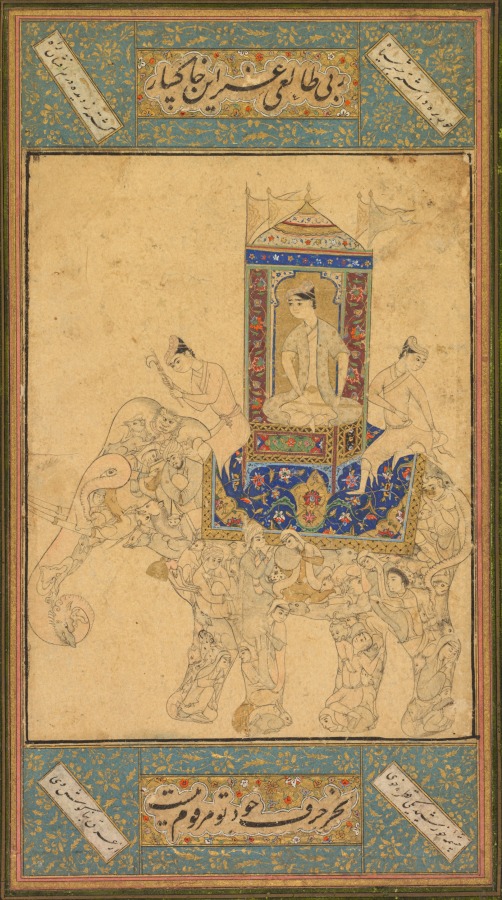
A prince riding a composite elephant at the Cleveland Museum of Art: c. 1590, Gum tempera, ink, and gold on paper. Explore the work's context, creator attribution and collection history.
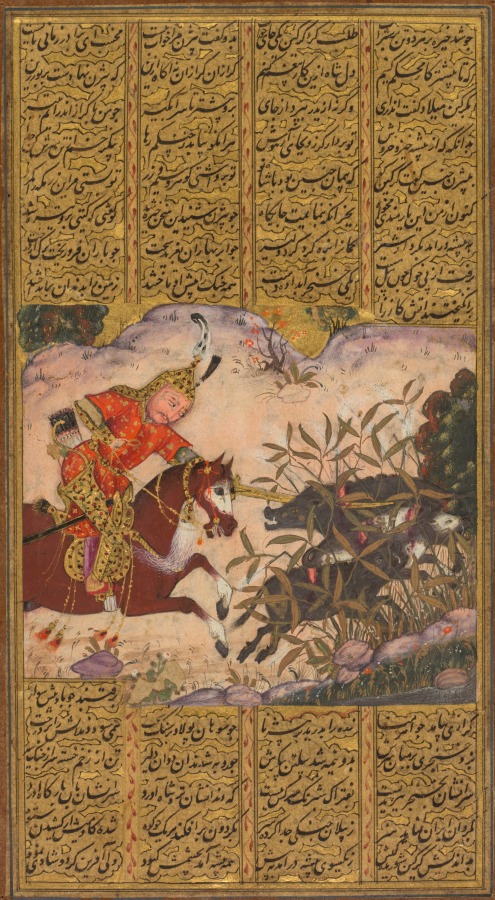
Bijan killing the wild boars of Irman, from a Shah-nama (Book of Kings) of Firdausi (Persian, about 934–1020) at the Cleveland Museum of Art: c. 1610, Gum tempera, ink, and gold on paper. Explore the work's context, creator attribution and
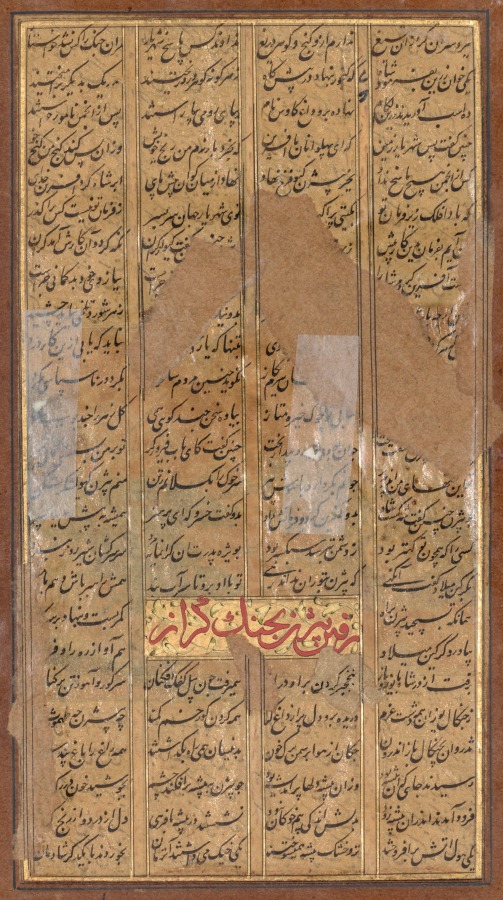
Bijan killing the wild boars of Irman, from a Shah-nama (Book of Kings) of Firdausi (Persian, about 934–1020), (recto) at the Cleveland Museum of Art: c. 1610, Gum tempera, ink, and gold on paper. Explore the work's context, creator attribu
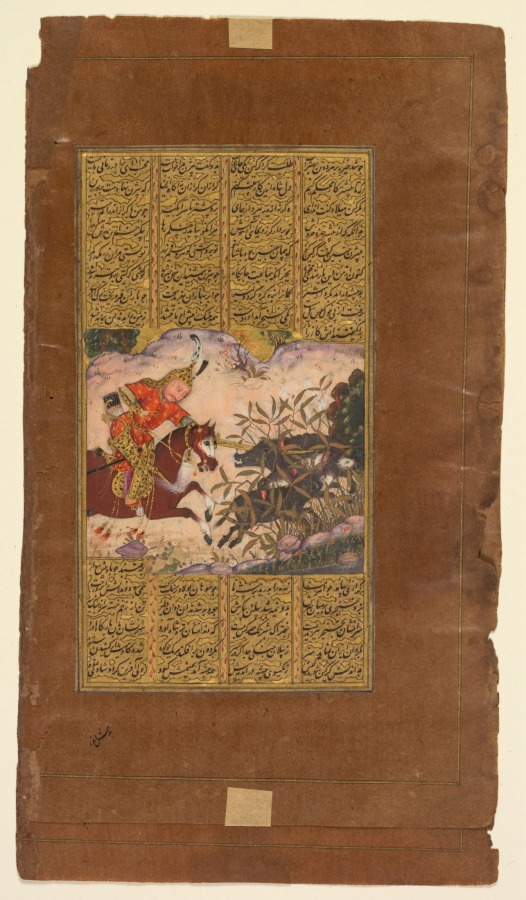
Bijan killing the wild boars of Irman, from a Shah-nama (Book of Kings) of Firdausi (Persian, about 934–1020) (verso) at the Cleveland Museum of Art: c. 1610, Gum tempera, ink, and gold on paper. Explore the work's context, creator attribut
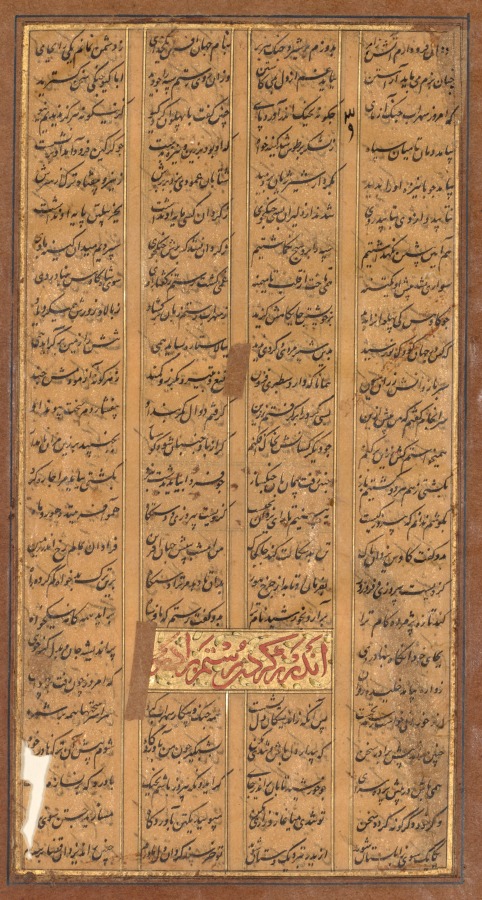
Text of Rustam and Suhrab, from the Shah-nama of Firdausi (Persian, c. 934–1020) (recto) at the Cleveland Museum of Art: c. 1610, Gum tempera, ink, and gold on paper. Explore the work's context, creator attribution and collection history.
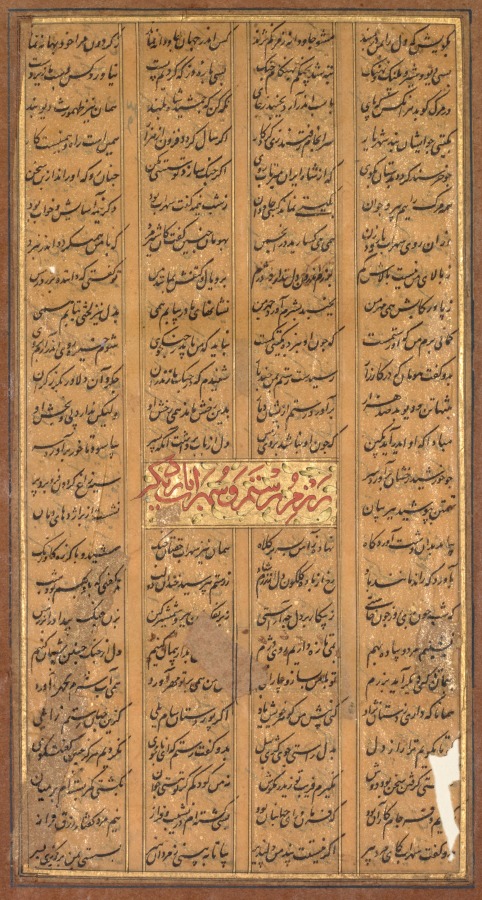
Text of Rustam and Suhrab, from the Shah-nama of Firdausi (Persian, c. 934–1020) (verso) at the Cleveland Museum of Art: c. 1610, Gum tempera, ink, and gold on paper. Explore the work's context, creator attribution and collection history.
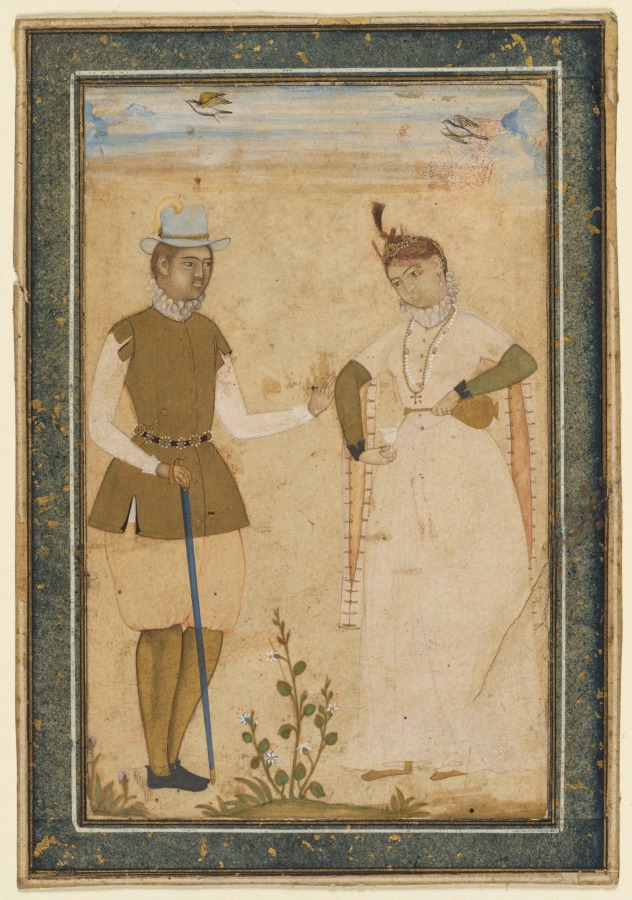
A European Couple at the Cleveland Museum of Art: c. 1610–27, Gum tempera and gold on paper. Explore the work's context, creator attribution and collection history.
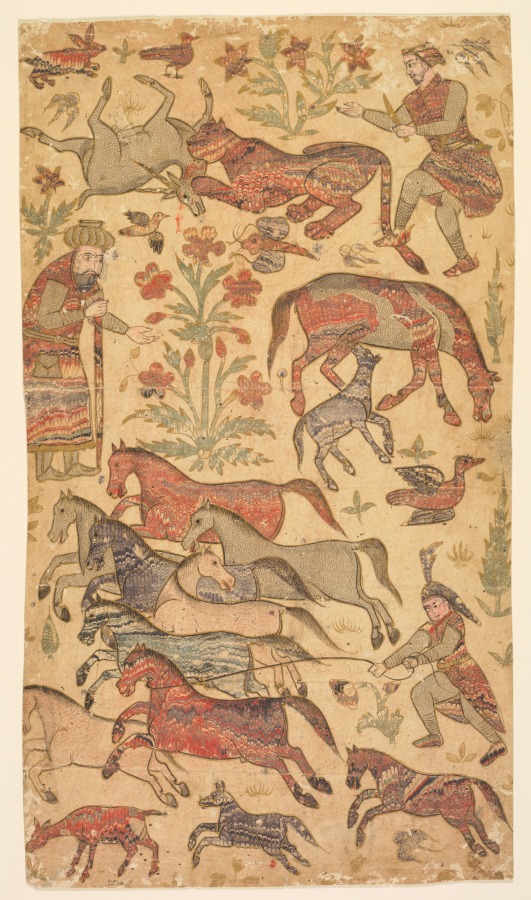
A marbled picture of Rustam catching Rakhsh at the Cleveland Museum of Art: c. 1650, Gum tempera and gold on paper. Explore the work's context, creator attribution and collection history.
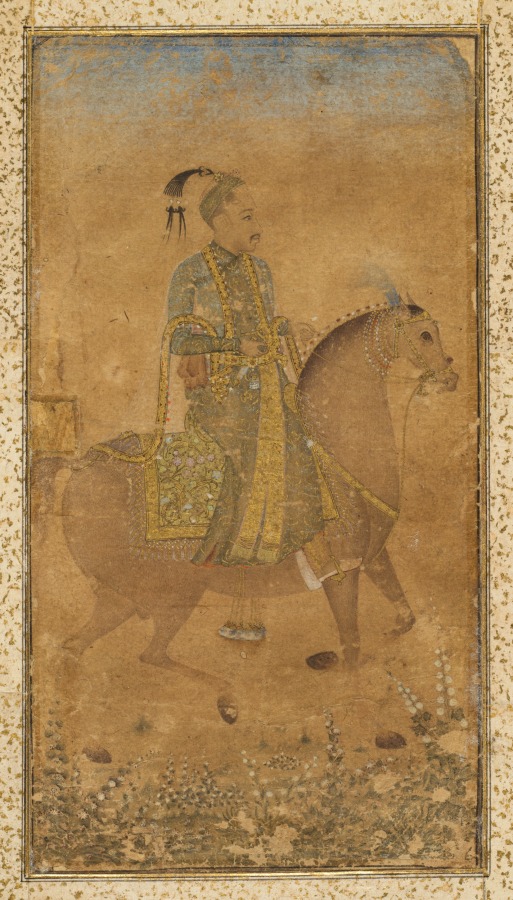
Sultan Abdullah Qutb Shah (1614-74) on Horseback at the Cleveland Museum of Art: c. 1635, Ink, watercolor, and gold on paper, mounted with gold-sprinkled borders. Explore the work's context, creator attribution and collection history.

An African Lyre Player (recto) at the Cleveland Museum of Art: c. 1640–60, Gum tempera, ink, and gold on paper. Explore the work's context, creator attribution and collection history.
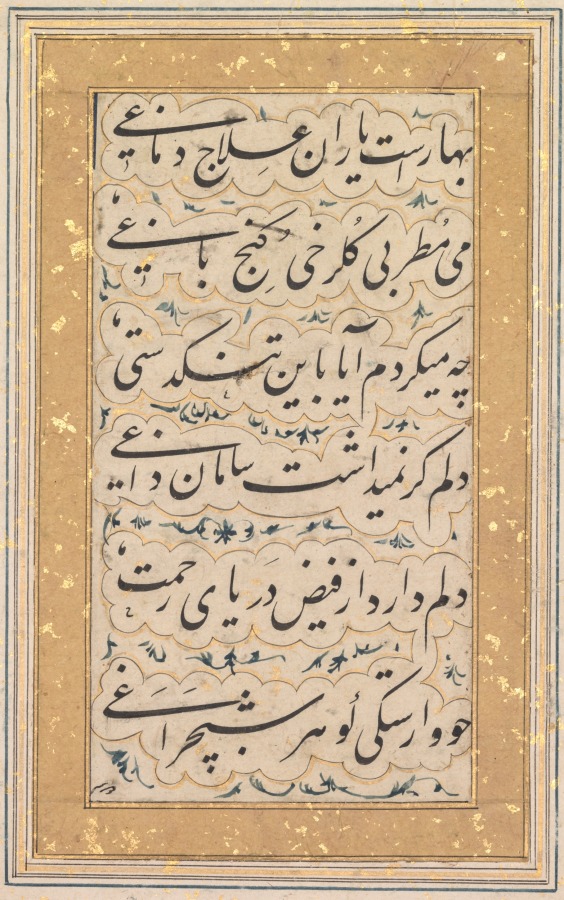
Calligraphy (verso) at the Cleveland Museum of Art: c. 1640–60, Gum tempera, ink, and gold on paper. Explore the work's context, creator attribution and collection history.

Women playing at cross-dressing at the Cleveland Museum of Art: c. 1680–1700; border added 1800s, ink heightened with colors on paper. Explore the work's context, creator attribution and collection history.
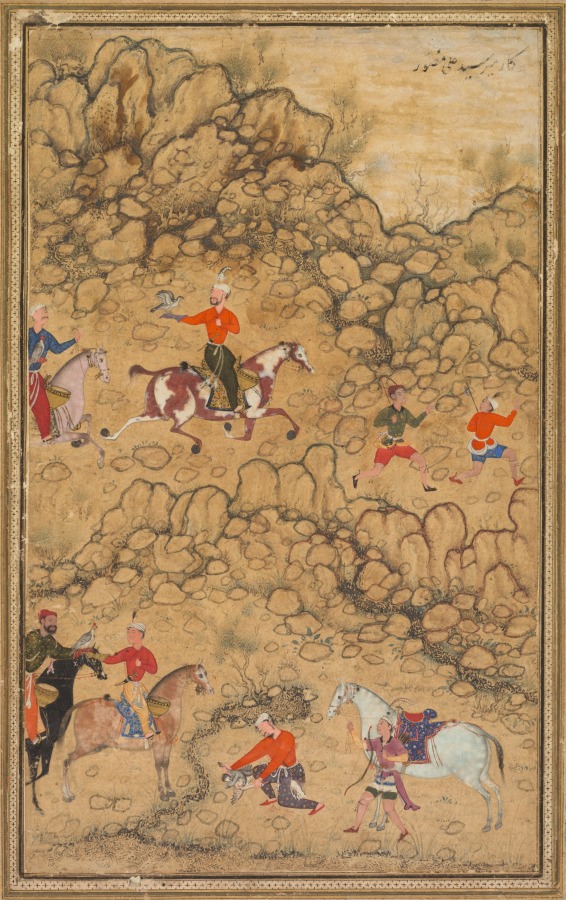
Hunting with falcons in a landscape; verso: Calligraphy of Chaghatai Turkish poems in praise of wine, Sultan Muhammad Nur (Persian, c. 1472–1536) and Mirza Muhammad (probably Persian, active c. 1520s) at the Cleveland Museum of Art: c. 1558
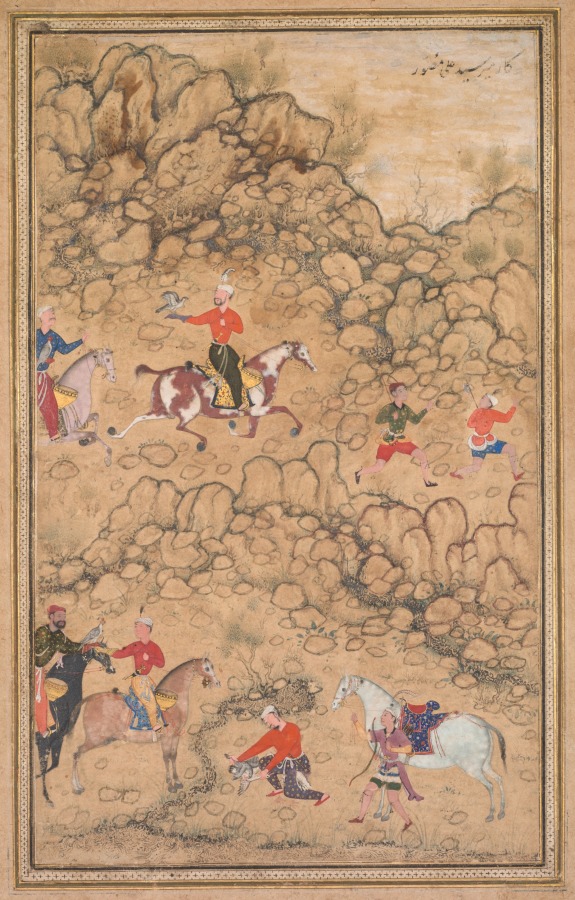
Hunting with falcons in a landscape (recto) at the Cleveland Museum of Art: c. 1558–60; borders added probably 1700s, Gum tempera, ink, and gold on paper. Explore the work's context, creator attribution and collection history.
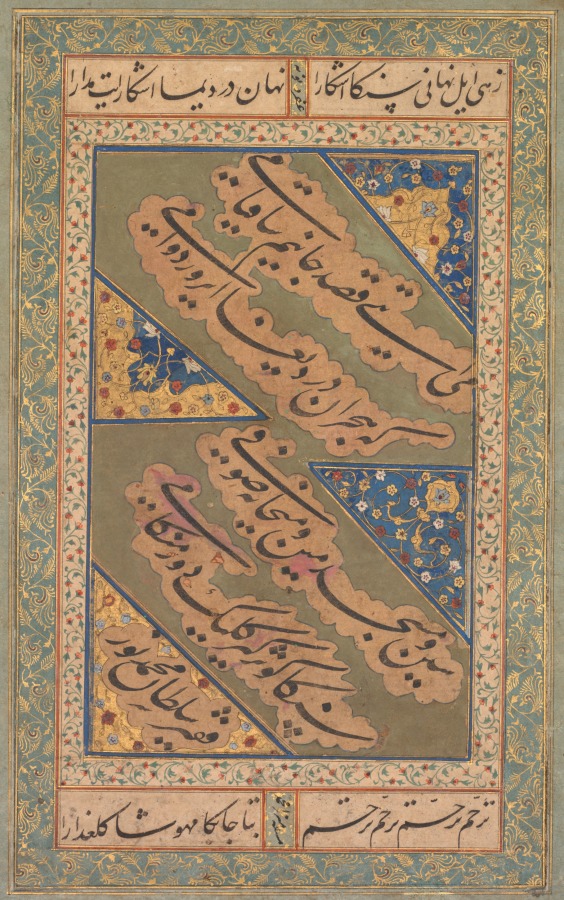
Calligraphy of Chaghatai Turkish Poems in Praise of Wine (verso) at the Cleveland Museum of Art: c. 1500–1520, Gum tempera, ink, and gold on paper. Explore the work's context, creator attribution and collection history.

A Mughal Prince, Perhaps Danyal, Holding a Sprig of Flowers at the Cleveland Museum of Art: c. 1580–90, Gum tempera and gold on paper. Explore the work's context, creator attribution and collection history.
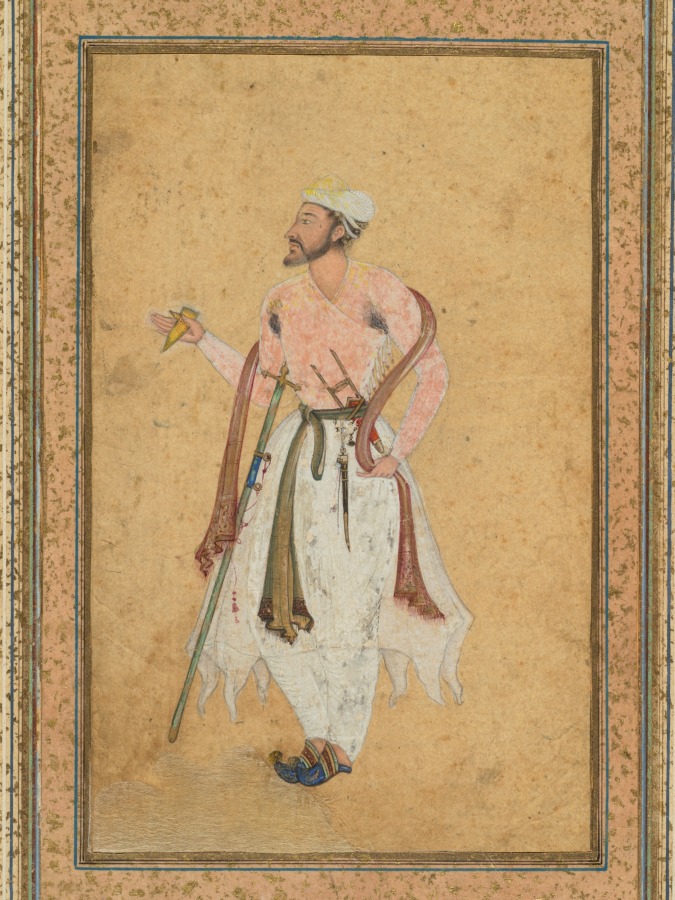
A Mughal courtier at the Cleveland Museum of Art: c. 1575; border added probably 1700s, Gum tempera and gold on paper, mounted with gold-sprinkled borders. Explore the work's context, creator attribution and collection history.
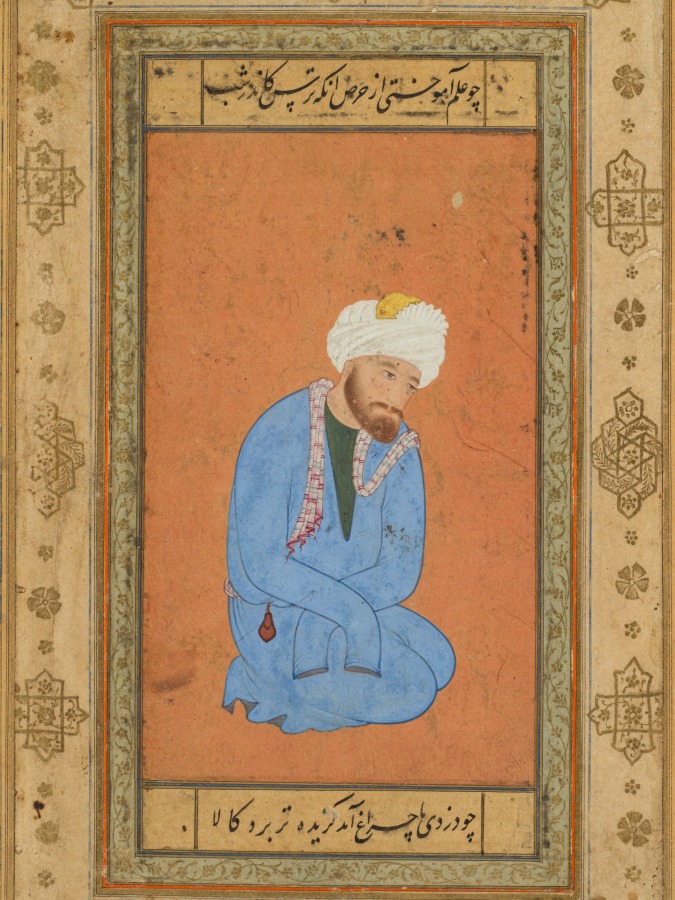
Portrait of a kneeling holy man, from the Prince Salim Album at the Cleveland Museum of Art: c. 1556–60; border c. 1602, Gum tempera, ink, and gold on paper, laid down on an album page with cream borders decorated with gold flowers and geom
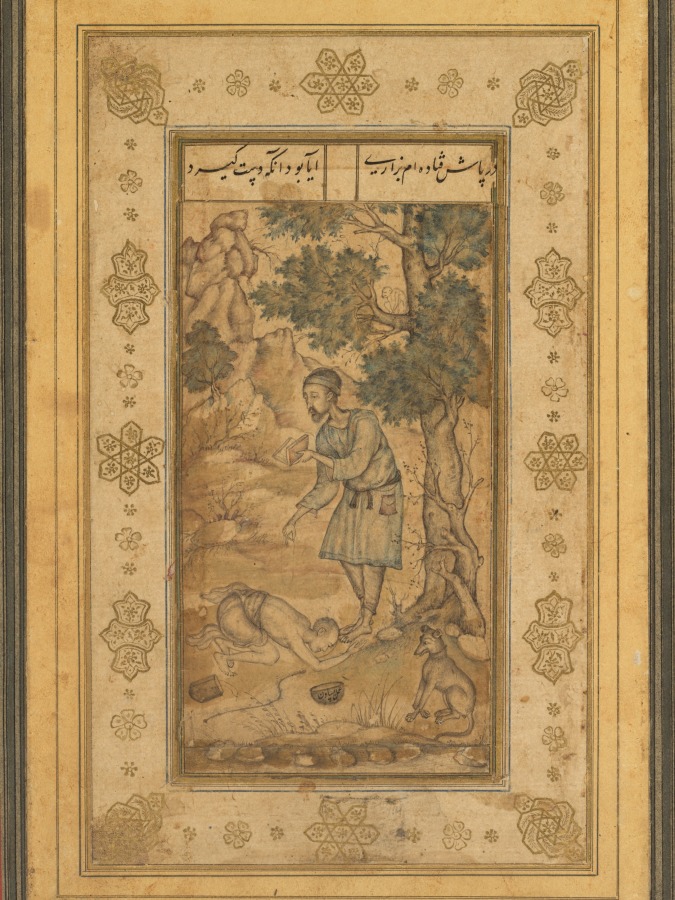
A mendicant bowing before a holy man, from the Prince Salim Album at the Cleveland Museum of Art: c. 1585; inner border added in Allahabad c. 1602; outer border added probably 1900s, Gum tempera, ink, and gold on paper. Explore the work's c
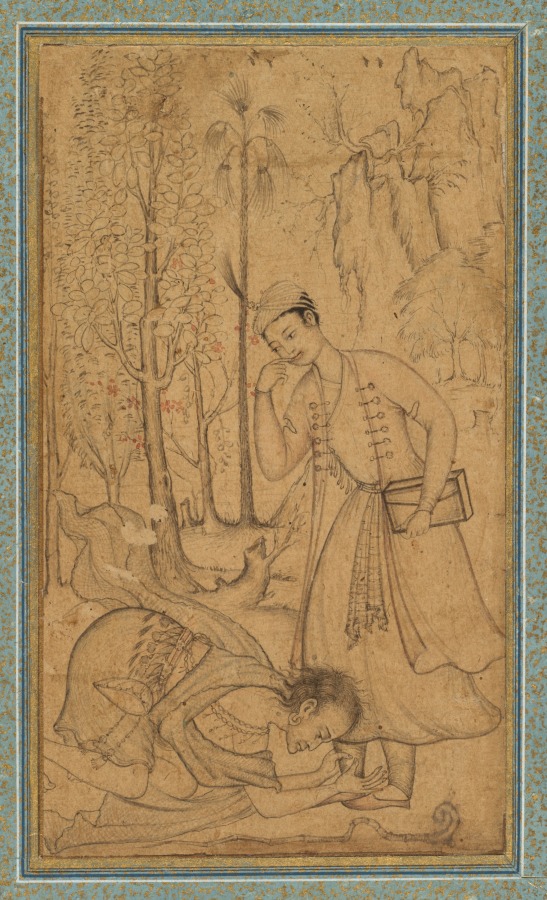
A holy man prostrating himself before a learned prince at the Cleveland Museum of Art: c. 1585; border added probably 1700s, ink on paper, laid down with borders of gold-decorated blue paper. Explore the work's context, creator attribution

A royal ram with a gold chain at the Cleveland Museum of Art: c. 1585; border added probably 1700s, Gum tempera and gold on paper. Explore the work's context, creator attribution and collection history.
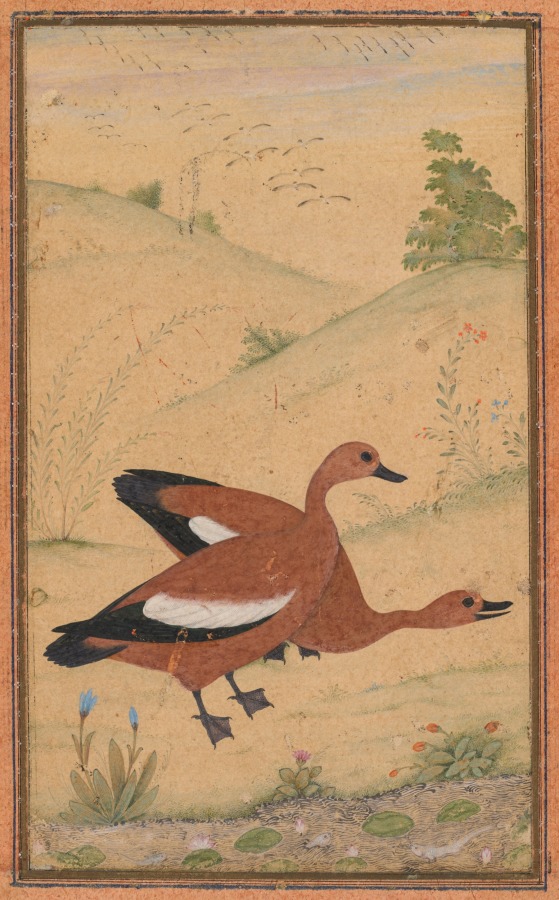
A pair of Brahminy ducks at the Cleveland Museum of Art: c. 1595; borders added probably 1800s, Gum tempera on paper, mounted with later pink and blue borders. Explore the work's context, creator attribution and collection history.
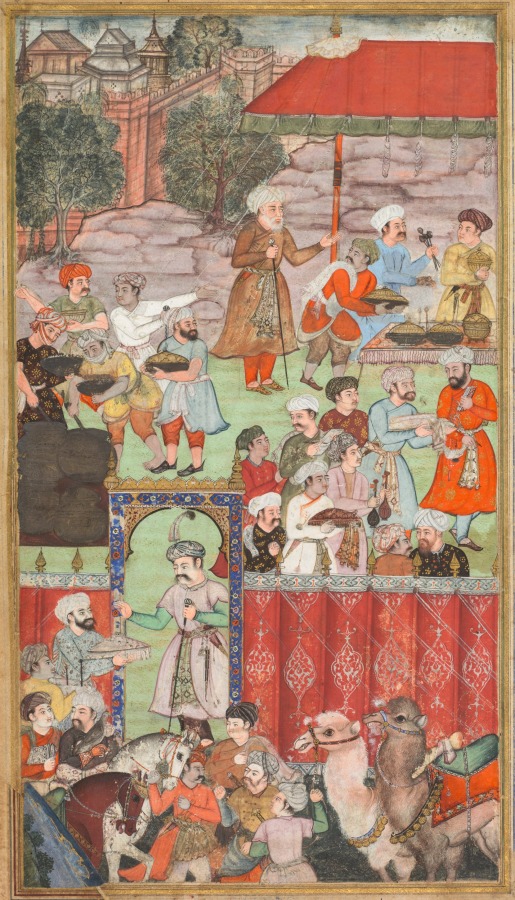
A feast for Babur hosted by his half-brother Jahangir Mirza in Ghazni in May 1505, from a Babur-nama (Memoirs of Babur) at the Cleveland Museum of Art: c. 1589; outer margins added c. mid-1900s, Gum tempera and gold on paper. Explore the wo
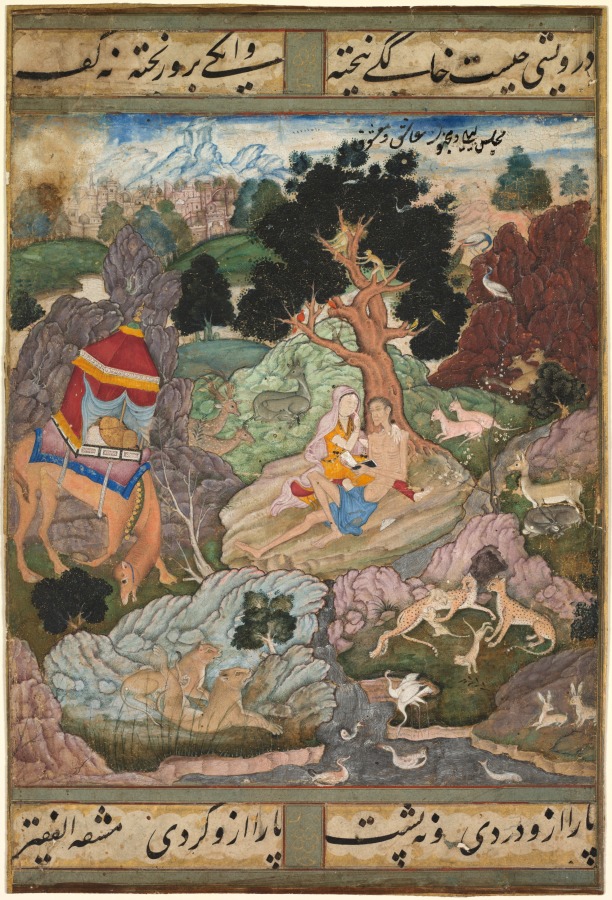
Layla and Majnun in the wilderness with animals, from a Khamsa (Quintet) of Amir Khusrau Dihlavi at the Cleveland Museum of Art: c. 1590–1600, Gum tempera, ink, and gold on paper. Explore the work's context, creator attribution and collecti
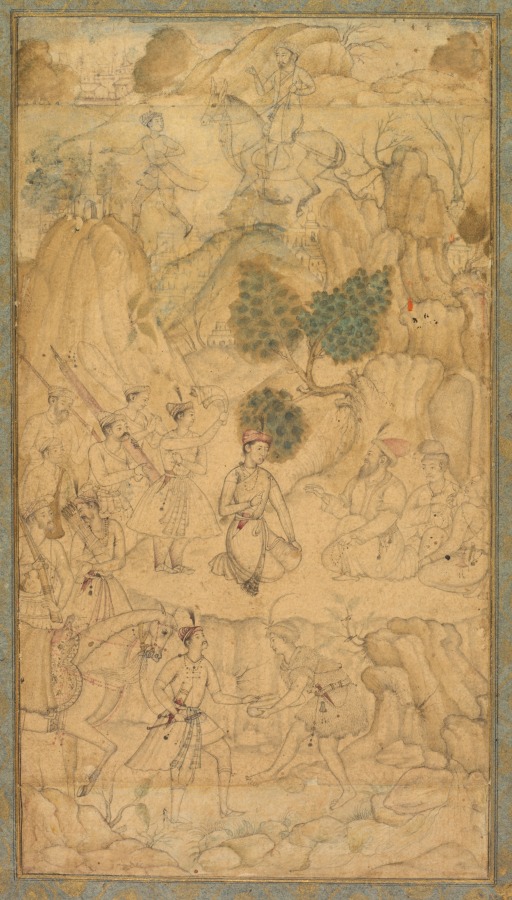
A prince visiting a holy man in a rocky landscape at the Cleveland Museum of Art: c. 1590, Gum tempera and gold on paper. Explore the work's context, creator attribution and collection history.
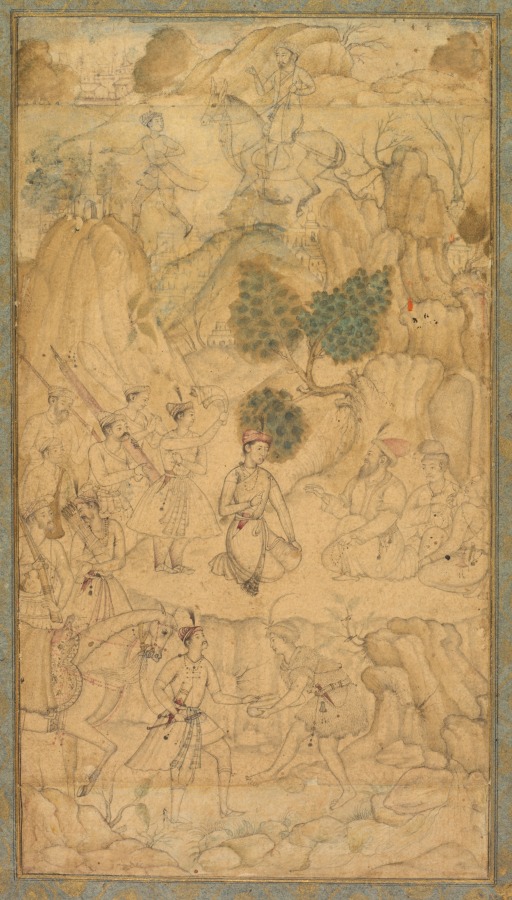
A Prince Visiting a Holy Man in a Rocky Landscape (recto) at the Cleveland Museum of Art: c. 1590, Gum tempera, ink, and gold on paper. Explore the work's context, creator attribution and collection history.

Lovers parting, page from a book of fables at the Cleveland Museum of Art: c. 1590–95, Gum tempera, ink, and gold on paper. Explore the work's context, creator attribution and collection history.

Lovers Parting, Page from a Book of Fables at the Cleveland Museum of Art: c. 1590–95, Gum tempera and gold on paper. Explore the work's context, creator attribution and collection history.

Calligraphy: Preface to the Anvar-i Suhaili at the Cleveland Museum of Art: c. 1590, Gum tempera, ink, and gold on paper. Explore the work's context, creator attribution and collection history.
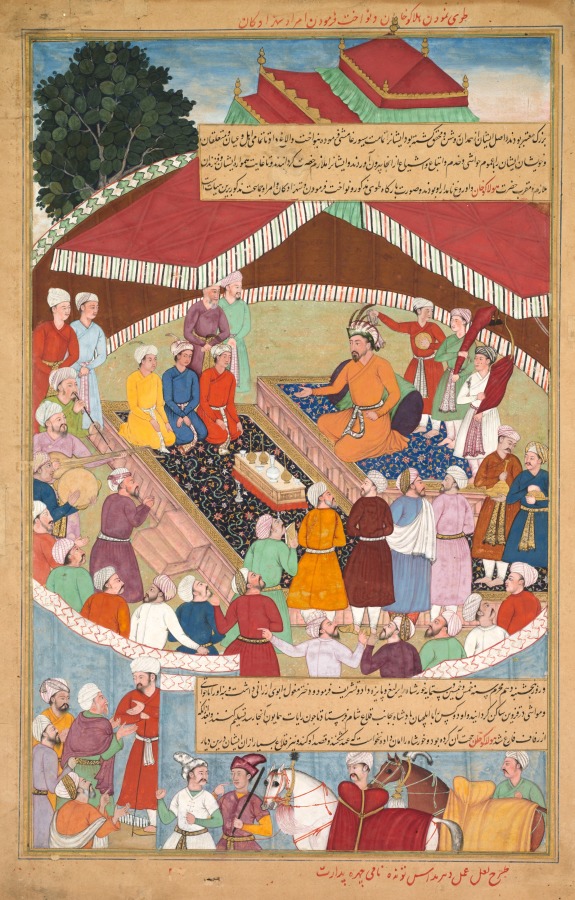
Hulagu Khan giving a feast and dispensing favor upon the amirs and princes, from a Chingiz-nama (Book of Chingiz Khan) of the Jami al-tavarikh (Compendium of Chronicles) at the Cleveland Museum of Art: c. 1596–1600, Gum tempera, ink, and go
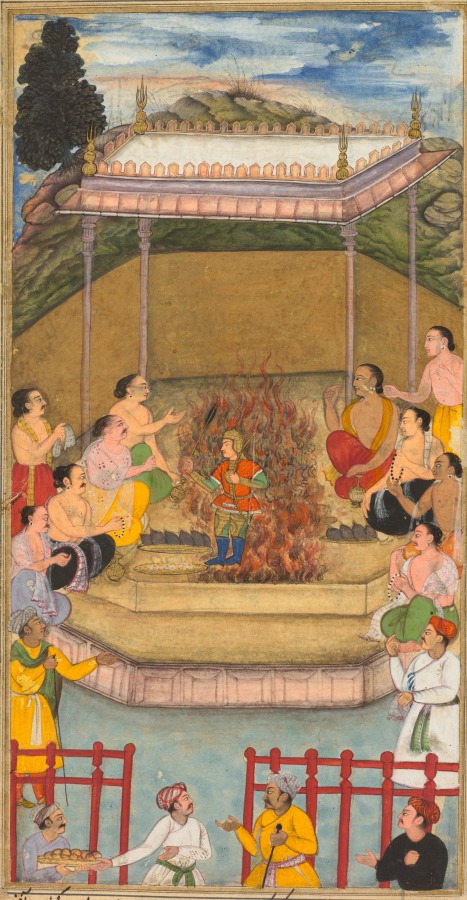
Yaja and Upayaja perform a sacrifice for the emergence of Dhrishtadyumna from the fire, from Adi-parva (volume one) of the Razm-nama (Book of Wars) adapted and translated into Persian by Mir Ghiyath al-Din Ali Qazvini, known as Naqib Khan (